Keywords
bibliometrics, research, temporomandibular joint, temporomandibular joint disorders, evidence-based dentistry

This article is included in the AI in Medicine and Healthcare collection.
bibliometrics, research, temporomandibular joint, temporomandibular joint disorders, evidence-based dentistry
Temporomandibular disorders (TMD) are a worldwide public health problem, affecting approximately 5% to 12% of the population.1 It does not distinguish between age and sex, affecting up to 11% in children and 31% in adults,2 and appears to be three times more frequent in women.3 TMD is the second most common musculoskeletal condition after chronic low back pain, with an overall prevalence of 90%, which can affect daily activities, psychosocial functioning and quality of life of the individual.1
TMDs refer to various neuromuscular and musculoskeletal conditions of the temporomandibular joint complex, including surrounding muscular and skeletal structures.4 Its etiology is complex, probably multifactorial and biopsychosocial, and a number of predisposing or precipitating factors have been described in relation to anatomy, occlusion, parafunction, trauma and psycho-emotional conditions.5
It is associated with a variety of painful symptoms, such as ear and facial pain, headache in the temporal region and tooth sensitivity, as well as non-painful symptoms such as clicking, popping or crackling of the temporomandibular joint (TMJ), limited jaw movements and muscle fatigue or stiffness.6
The diagnosis of TMD is based on a detailed medical examination, aided by imaging tests.4 Diagnostic criteria with simple, clear, reliable and valid operational definitions are needed for clinical history, examination and imaging procedures to make physical diagnoses in both clinical and research settings.7
In 2014, new diagnostic criteria such as the dual-axis criteria for temporomandibular disorder (CD/TMD) were established. Which today is the gold standard for examining TMD patients. Based on the patient's signs and symptoms, the DC/TMD defines two axes. Axis I, categorizing as Group I muscular (including myofascial pain with or without limitation of mouth opening) and arthrogenic TMD; as Group II, disc displacement with or without reduction and limitation of mouth opening and Group III, arthralgia, arthritis and osteoarthritis; Axis II, evaluating disability due to TMD pain through assessment of behavioral and psychological status. This diagnosis is complemented through cone beam computed tomography (CBCT) and magnetic resonance imaging (MRI) examinations. MRI is accepted as the gold standard for evaluating inflammatory conditions and soft tissue areas, including muscles, ligaments, and the cartilaginous disc of the TMJ; on the other hand, CBCT is recommended for evaluating hard skeletal and dental tissues.8
Regarding the treatment of patients with TMD, the main goals to focus on are to reduce TMJ and masticatory muscle pain, improve TMJ function and prevent further TMJ deterioration.1
In this scenario, there are several common treatments including conservative treatment (pharmacotherapy and non-pharmacotherapy), minimally invasive surgical procedures and invasive surgical procedures. Non-pharmacotherapy should be the first-line treatment in patients with TMD due to its low risk of side effects and reversibility.9
Within which we have; education therapy, consists of a variety of educational techniques where “how pain works” is explained. This includes the notion of variable sensitivity and therefore the potential overprotection offered by pain, the multifactorial nature of contributions to pain, and the biological justification for strategies to reduce sensitivity over time. Studies show that it can decrease pain, disability, fear of movement, and pain-related self-efficacy in patients with chronic musculoskeletal disorders.10
Cognitive behavioral therapy (CBT) refers to a psychological treatment to correct poor cognition by modifying patients' thinking, beliefs and behavior, and to eliminate bad emotions and negative behaviors. Characterized by integrity, initiative, enthusiasm and brief treatment, it is suitable for patients without mental disorders. Studies show that CBT not only identifies and corrects errors in patients with automatic thinking and cognitive misbehavior, but also reduces anxiety and depression, improves physical activity and quality of life of patients with TMD.11
Manual therapy is any movement applied by the clinician on joints and other structures such as joint mobilization or manipulation (thrust), massage, myofascial release/soft tissue mobilization techniques, muscle energy techniques, passive stretching and others, using the hands and/or any assistive device. In a recent systematic review, positive effects of manual therapy modalities have been found for pain intensity, maximum mouth opening and disability in TMDs.12
The occlusal splint is a device that covers all the maxillary teeth and the mandibular teeth have uniform and simultaneous contact. The therapeutic justification is that it produces a change in functional muscle patterns due to an increase in the vertical distance between the upper and lower jaw, which leads to an altered load distribution on the TMJ and jaw muscles. This relieves the overloaded areas of these structures and alleviates pain.13,14
Photobiomodulation therapy consists of the application of low power light, which does not produce thermal effects and can promote the increase of cellular mitochondrial activity, leading to the synthesis and release of various metabolic substances involved in the process of pain, inflammation and tissue repair. Leading to an increase of the maximum mouth opening and a reduction of pain caused during the performance of the stomatognathic system functions.15
Dry needling, also known as acupuncture, is based on the insertion of a low caliber needle, without any additional substance, in painful muscle points. The process behind this technique is the generation of controlled microspasms in the affected muscle area, alternating with periods of muscle relaxation, and there are several studies that support its therapeutic effectiveness in the reduction of facial pain and the notable reduction of muscle activity after the puncture of trigger points.16
Pharmacological treatment can play a crucial role in pain management and improvement of overall quality of life in patients with painful TMD. Fifty percent of patients with painful TMD have reported the use of medications. Nonsteroidal anti-inflammatory drugs (NSAIDs), opioids, corticosteroids, anxiolytics, antidepressants, muscle relaxants and anticonvulsants are the most frequently prescribed pharmacological agents by physicians.6
Minimally invasive surgical procedures include injections into the temporomandibular joint (TMJ). The use of botulinum toxin type A (BoNT/A) inhibits presynaptic acetylcholine release at the neuromuscular junction, resulting in a reduction of postsynaptic muscle contraction. It also has an antinociceptive effect, and its main mechanism of action is mediated by the blockade of neuropeptides and the release of inflammatory mediators, in addition to its analgesic effects.5,17 The injection of hyaluronic acid (HA) is a polymer recognized as a critical component of synovial fluid that lubricates the joints and surrounding tissues. It reduces joint pain by lowering the levels of inflammatory mediators and has long-lasting positive effects.18 Platelet-rich plasma (PRP) injection is a concentrate of platelets suspended in plasma that contains growth factors. These platelets actively secrete protein growth factors that initiate wound healing. It helps restore intra-articular hyaluronic acid and stimulates cartilage cells to produce glycosaminoglycans. It also regulates the balance of angiogenesis within the joint. Moreover, it has anti-inflammatory, antibiotic, and analgesic properties, demonstrating efficacy in the treatment of joint clicking in patients with internal temporomandibular joint disorders.19 Sodium hyaluronate (SH) injection is the main component of synovial fluid and can reduce friction caused by joint movement, lubricate the joints, improve the physiological function of the joints, and protect them through anti-inflammatory mechanisms. SH is the most commonly used drug for intra-articular injections in TMJ treatment.20
Invasive surgical procedures include minimally invasive arthroscopic procedures or invasive open joint surgeries such as disc plication, discectomy and arthroplasty.21
Bibliometrics is a method for assessing and monitoring the progress of specific disciplines through statistical analysis of published data. It can also be used to determine the results and citations of authors, institutions and countries, and the keyword frequency of hotspots and research frontiers in particular fields. It plays a fundamental role in helping relevant people to categorize research trajectories, discover disciplinary boundaries, and identify research hotspots.22
This research presents a comprehensive bibliometric analysis of current scientific research related to the treatment of TMDs. We explore the evolution of this research area, identifying the main trends, highlighting the best researchers, journals and institutions, and evaluate the influence of this research on the scientific community.
Our goal is to provide a comprehensive overview of how science is addressing this global health problem. By understanding the trajectory and scope of this research, we hope to contribute to the advancement of knowledge in this critical area and facilitate future research, attempting to seek a solution to this highly prevalent disease.
For this analysis, an electronic search was performed since January 2014, using Elsevier's Scopus database (https://www.scopus.com), due to its broad coverage of scientific journals and its focus on health sciences, including dentistry. The search string used was: (TITLE-ABS-KEY ((“Temporomandibular Joint Dysfunction Syndrome” OR “Temporomandibular Joint Disorders” OR “Temporomandibular Disorder” OR “TMD” OR “Temporomandibular Joint” OR “TMJ”)) AND TITLE-ABS-KEY ((“Clinical Trial” OR “Randomized Clinical Trial”))) AND PUBYEAR > 2013 AND PUBYEAR < 2025 AND (LIMIT-TO (DOCTYPE, “ar”)) AND (LIMIT-TO (EXACTKEYWORD, “humans”)). The authors carefully reviewed the titles and abstracts of prospective publications related to the treatment of TMDs. The full list of selected articles and the selection process are available as extended data (Table S1).23
Inclusion criteria for this bibliometric analysis included a focus on articles without language restriction, but conducted within the last 10 years. In terms of publication type, clinical trials were specified in the search. Exclusion criteria included animal studies, literature review, systematic reviews and meta-analyses. Throughout the initial screening process by the investigators, articles were further disqualified if the publications were not related to the treatment domain of TMD. As the research was conducted in October 2024, all articles from 2014 to 2024 (the last 10 years) were counted.
Since this research did not involve any human or animal interaction, no ethical approval was required for this analysis. After article selection, data were exported from the Scopus database in BibTeX format. The search results were analyzed using “bibliometrix” (https://www.bibliometrix.org/home/) which provides the tools to perform a complete bibliometric analysis, following the Scientific Mapping workflow.
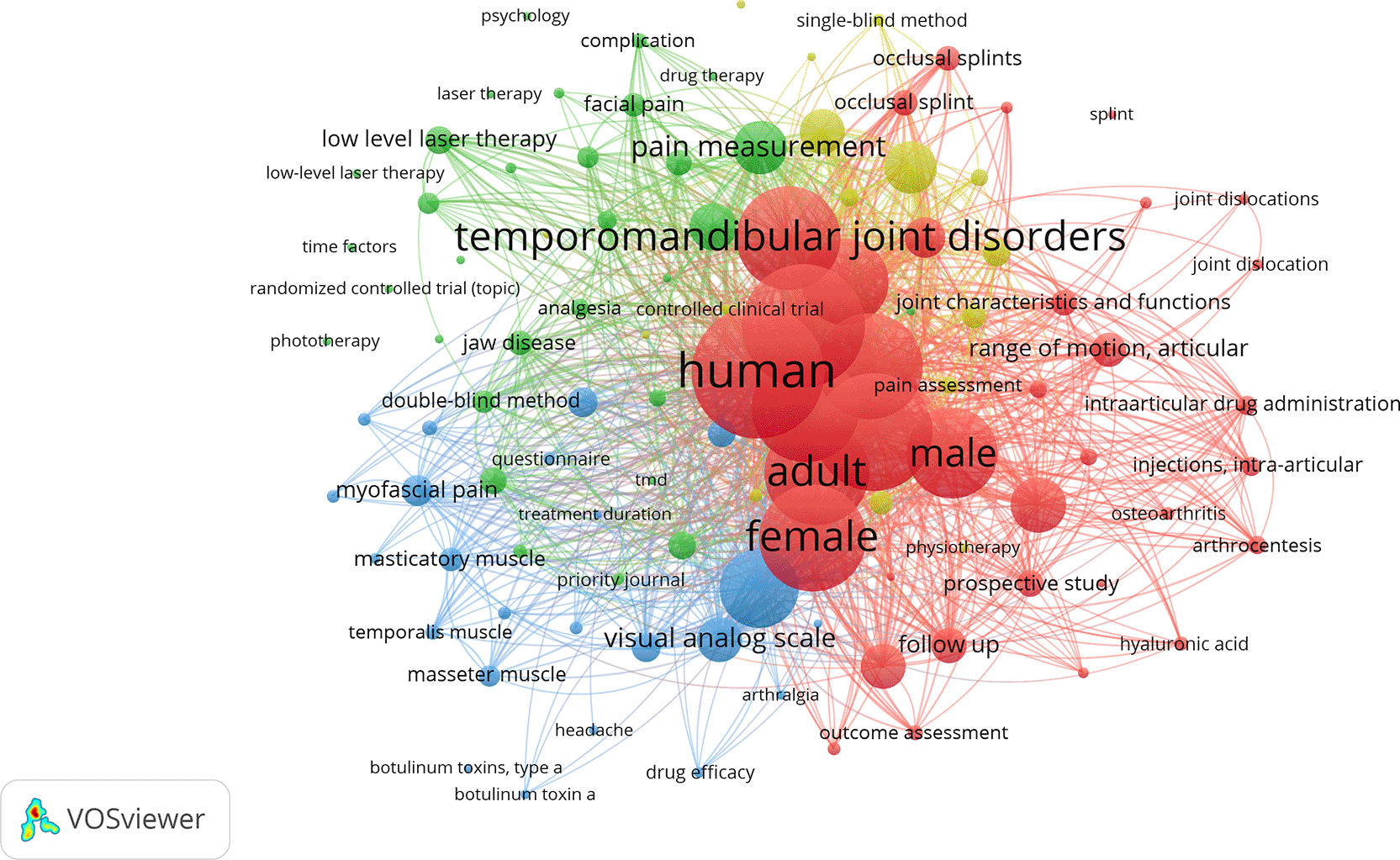
VOSviewer software (version 1.6.19) was also used to construct and visualize bibliometric networks. In the visual maps, nodes represent authors and keywords; lines represent co-occurrence or co-citation; and node sizes were determined by frequency of occurrence while line thickness was determined by the strength of the co-occurrence relationship. The maps present elements that received different colors based on the average year of occurrence, with blue and green elements appearing earlier, and yellow and red elements appearing later.
For the analysis and visualization of the data, we analyzed the evolution of the total publications, the analysis of the treatments performed in each article, the most studied TTMs, the main journals where they were published, as well as the collaboration network between authors, the main academic institutions and the most frequent keywords in the research (2014-2024).
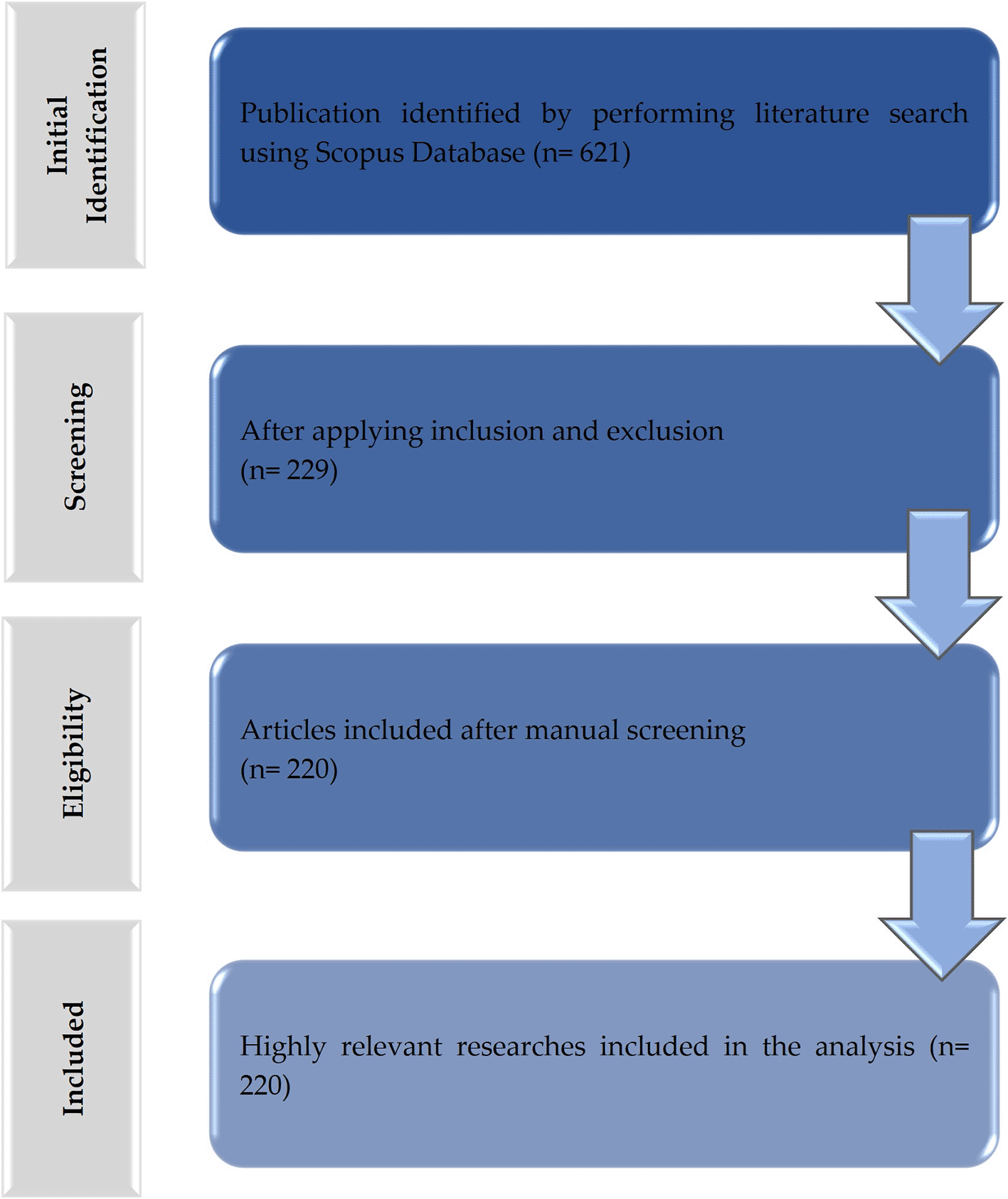
This study allowed us to know the scientific activity regarding the management of TMD treatments. Numerical data were calculated from the bibliographic characteristics observed in the documents published in the Scopus database. A total of 621 articles were retrieved and 220 were selected based on the selection criteria ( Figure 1). The synthesis of the results and the detailed characteristics of the included studies are provided as extensive data (Table S2).23
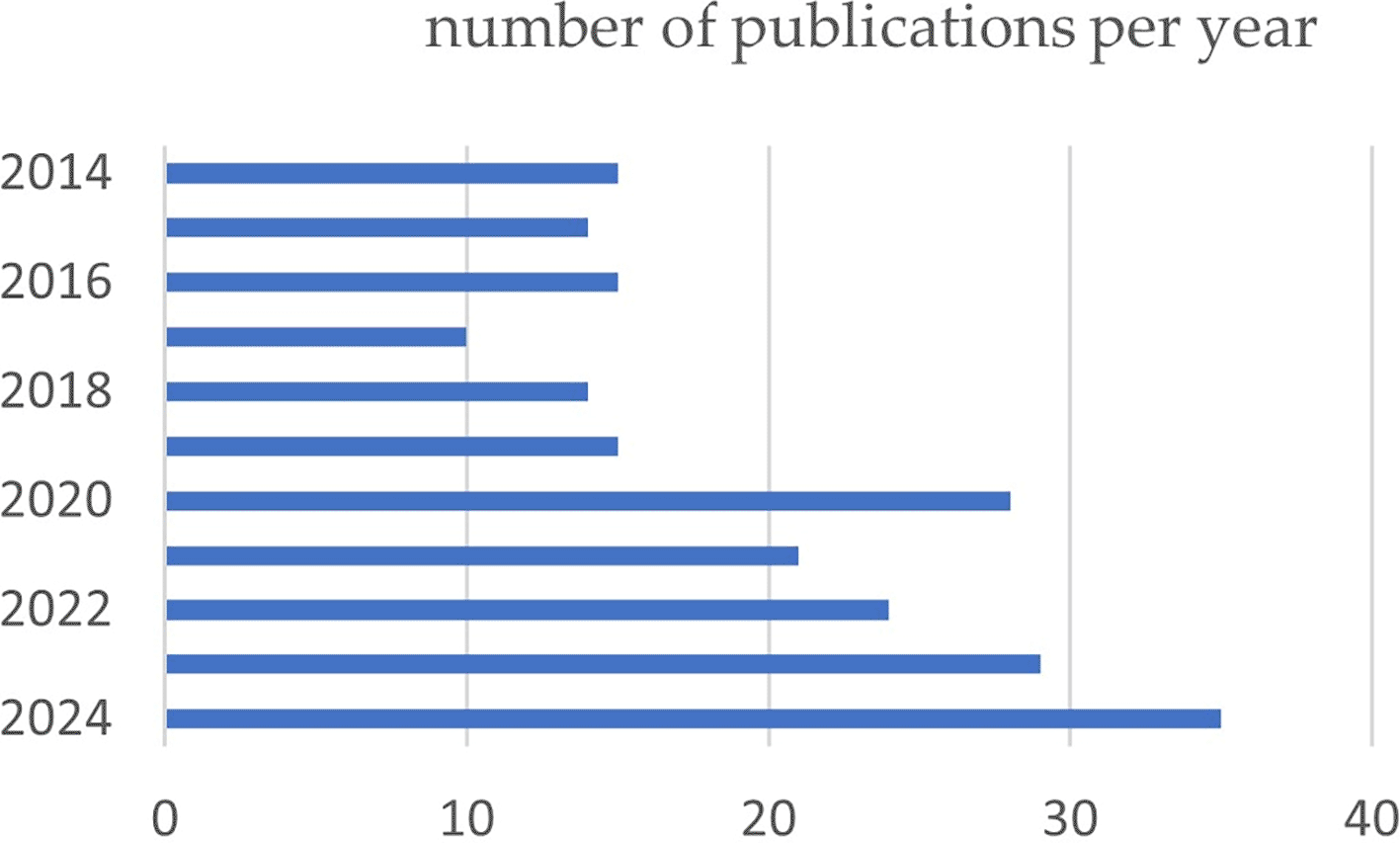
During the period analyzed, a variation in the number of articles published can be observed. From 2014 to 2019, the number of publications was moderate, with a maximum of 16 articles in 2016; however, the rate of the number of articles increased progressively from 2020, reaching the maximum number of publications of 35 articles in 2024. This increase in the number of studies is probably due to the high prevalence rates of TMD and the search of researchers around the world to provide a solution to this disease ( Figure 2).
The treatments performed in the different journals analyzed in the last 10 years (2014-2024) were conservative, non-pharmacological treatments with a number of 135 papers, of which 127 had a parallel study design and 123 were randomized; They involved the use of education, self-care, jaw and physical exercises, manual therapies, physiotherapy, acupuncture, transcutaneous electrical nerve stimulation (TENS), occlusal splints (conventional, milled and printed), low-intensity laser (red, infrared and LED), ultrasound and ozone therapy. This was followed by minimally invasive treatments with 66 papers, of which 64 were in parallel and 56 randomized; they consisted of the infiltration of intra-articular substances (hyaluronic acid, platelet-rich plasma, growth factors, stem cells, non-steroidal anti-inflammatory drugs-NSAIDs, corticosteroids, dextrose) and intramuscular (botulinum toxin). The most commonly used conservative pharmacological treatments were NSAIDs and muscle relaxants. Finally, invasive treatments, where all were parallel and randomized, were condylectomy and arthroscopy. For more details on the types of treatment and study characteristics, see Table 1.
The number of articles published in different scientific journals between the years 2014 to 2024 regarding TMD treatment research was Journal of oral and maxillofacial surgery with 14 papers, followed by two journals with the same number of papers Lasers in medical science and the Journal of oral rehabilitation with 11. More than 85% of the journals only contributed with 1 paper. For more details on the journals and the number of publications, see Table 2.
The institutions that have contributed research on the treatment of temporomandibular disorders are headed by Brazilian universities, University of São Paulo, University of São Paulo, University of Nueve de Julio (UNINOVE) and Federal University of Rio Grande do Sul with 13, 11 and 7 articles respectively, suggesting a strong commitment to research in this area. Followed by institutions from Turkey, University of Gaziantep and Iran, Tehran University of Medical Sciences with 5 articles both. However, there are several other institutions that also have an interest in the subject. For more details on the institutions and the number of publications, see Table 3.
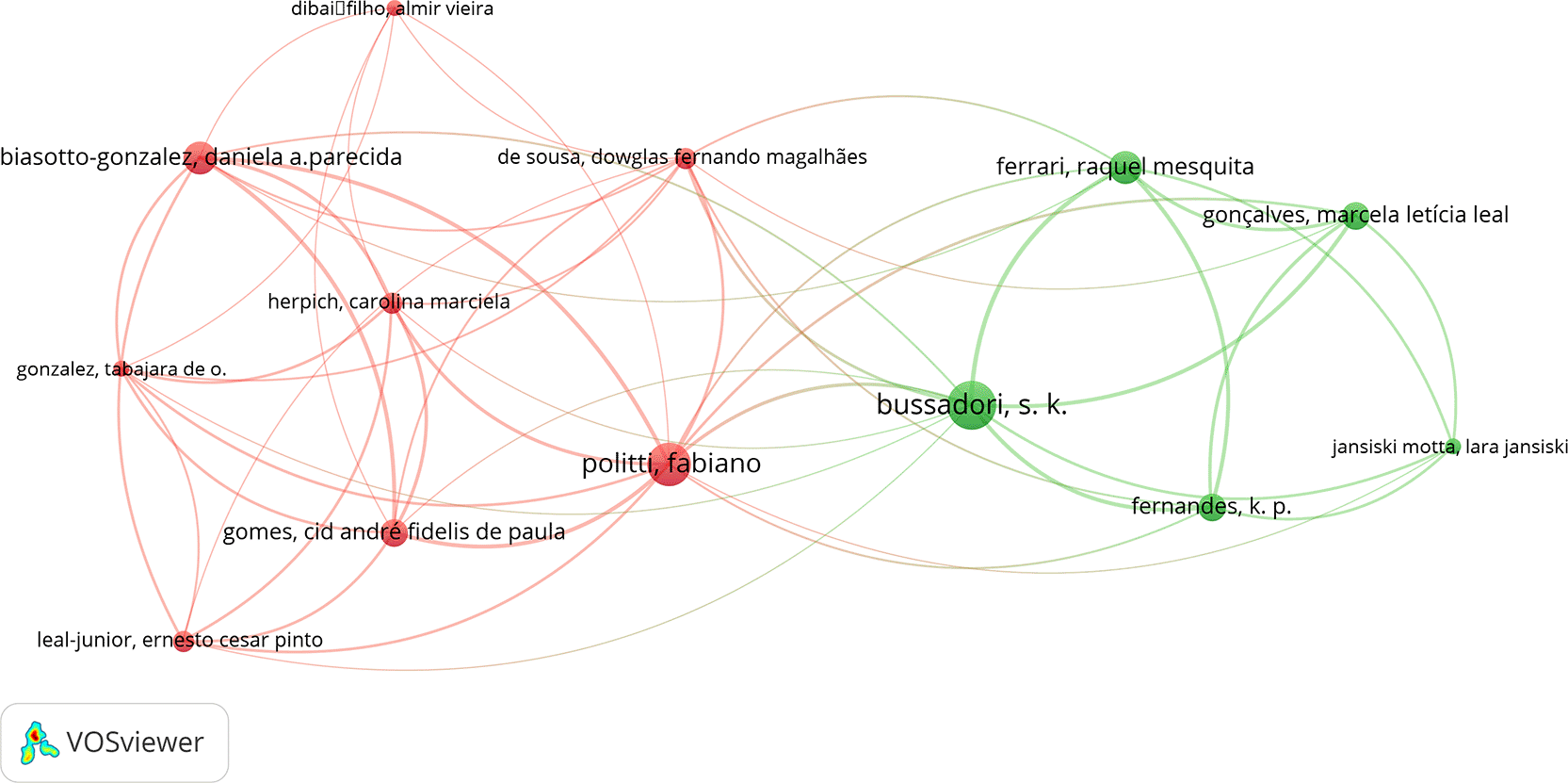
The various relationships identified and the nodes in the co-authorship analysis were examined using the VOSviewer software. The analysis showed that the most prominent co-authors were Bussadori, Sandra Kalil; Politti, Fabiano; and Biasotto-Gonzalez, Daniela, with 9, 8, and 6 co-authorships, respectively ( Figure 3).
The different relationships and nodes identified in the keyword or term analysis were also examined using VOSviewer. The most frequently used terms were: humans (study population); temporomandibular joint disorder (signs and symptoms related to the TMJ); treatment (outcomes of interventions to reduce TMD); and pain (most common symptom in TMD). The timeline view also reveals the evolution of keywords related to TMD treatment, where blue indicates older terms and red represents more recent or updated ones ( Figure 4).
The present research aimed to evaluate the bibliometric profile of the scientific production, of the documents published between 2014 and 2024 (the last 10 years) on the treatment of TMDs, obtaining as a result 220 documents. The bibliometric indicators were only obtained from the Scopus database, because it provides a broader and more inclusive content coverage; it presents the availability of individual profiles for all authors, institutions and sources of periodicals, as well as the interrelated interface of the database; the implemented impact indicators perform as well or even better than metrics in other databases, are less susceptible to manipulation, and are available for all journal sources in all disciplines; and finally, it is more open to society, as it provides free access to author and source information, including metrics.24
The number of scientific publications in the last 10 years on the treatment of TMDs has increased markedly, with an average of 15 papers in 2014 to 35 papers so far in 2024, but the gradient was not constant throughout all these years. However, this indicates a significant and rapid development in this area. Similarly, the growth of papers in recent years was found in several bibliometric studies relating orthognathic surgery to temporomandibular disorders,25 on the temporomandibular joint and occlusion,26 and on joint disc displacement as the most common TMD condition.22 An increase in the publication of scientific literature indicates the speed of progress in science and technology. In addition, it helps researchers in making treatment decisions based on up-to-date scientific output.27 These publications have changed over the years from conservative or non-invasive therapies such as manual therapy,28,29 laser therapies,30,31 occlusal splints,32,33 acupuncture,34,35 and use of drugs36,37; to minimally invasive, such as intra-articular38,39 or intramuscular40,41 injection of solutions; and invasive, such as surgical treatments.42,43
The most frequent treatments found on TMJ in the analyzed papers were conservative non-pharmacological treatments, probably due to their characteristics of being non-invasive, having no known side effects and absence of interactions as in most conservative pharmacological treatments15; furthermore, more than 90% of these clinical trials were in parallel and randomized, suggesting that patients received a single treatment in different groups at random, with the purpose of comparing results. Similar to a bibliometric study conducted in 2024 on the trends and development of articles on the temporomandibular joint.44
Occlusal splint therapy and laser photobiomodulation splint therapy (PBMT) are the most commonly used. The splints, in their different varieties; functional (muscle relaxation, anterior repositioning, non-occlusal), therapeutic purpose (with and without condylar position programming), method of manufacture (conventional, milled and printed) and hardness (rigid, semi-rigid and resistant), are the first line therapy performed by dentists, due to their fast manufacture and low cost, besides collaborating with muscle relaxation, helping the positioning of the condyle and giving functional stability to the mandible.45 Laser PBMT has been shown to be effective because it consists of the application of low power light, which promotes the increase of cellular mitochondrial activity, leading to the synthesis and release of various metabolic substances involved in the process of pain, inflammation and tissue repair.15 This may be due to the development of established protocols without complications.
The majority of TMD treatments are aimed at relieving the patient's pain, with more than 50% being muscle type, myalgia (myofascial); followed by the combination of muscle disorders (myalgia) and TMJ disorder (joint pain and/or disc disorder). Pain is the most significant feature of TMD and the main cause for which patients seek treatment,46 the most common type is related to pain in the masticatory, temporal and masseter muscles, with irritable trigger points that become painful with compression; it is aggravated with function, decreasing mouth opening and limiting mandibular movements.47 Thus, these problems directly and negatively influence the physical and mental health of patients, affecting their school, professional and social activities, even causing affective and cognitive imbalance. Therefore, there are detrimental consequences for the quality of life of these people (QOL) and, in particular, for their oral health quality of life (OHQOL), with greater impairments depending on the magnitude of TMD pain.48
The most influential journals in scientific production on the treatment of TMDs are the Journal of Oral and Maxillofacial Surgery, with 14 papers,41,49–61 is a US journal with an impact factor of 2.1 in 2023, H-index of 140 and is in the first quartile. It is also the official scientific journal of the American Association of Oral and Maxillofacial Surgeons (AAOMS), the American Academy of Craniomaxillofacial Surgery (AACMFS) and the Canadian Association of Oral and Maxillofacial Surgeons (CAOMS); is focused on devel-oping the methods and techniques used in the management of dentoalveolar surgery, facial trauma, deformities, oral cancer, mandibular and facial reconstruction, anesthesia, analgesia and temporomandibular joint (TMJ) disorders.
Most of the analyzed papers used minimally invasive treatments; however, three articles used conservative non-pharmacological treatments; mandibular exercises,60 rigid splint54 and low intensity laser51; and one with invasive treatment, condylectomy.59 The Journal of oral rehabilitation with 11 papers, is a British journal with an impact factor of 3.5 in 2023, an H index of 109 and is also in the first quartile; this journal covers all aspects of oral rehabilitation and applied oral physiology, diagnostic and clinical management aspects necessary to restore harmonious oral function, both subjectively and objectively. In which 8 papers used non-pharmacological conservative treatment; manual therapy,62–64 splints,65–67 ozone68 and acupuncture69; one pharmacological conservative treatment70 and two minimally invasive treatment71,72; probably the large number of papers is due to the mixed scope presented by these journals. However, the journal Lasers in Medical Science with 11 papers,73–83 is an Iranian journal with an impact factor of 2.1 in 2023, an H-index of 32 and is in the second quartile; of which in all papers they used low level laser therapy, because it is a leading journal in the rapidly expanding field of medical and dental applications, in exclusivity of laser and light. This indicates that research in this field is highly valued in this journal.
Out of a total of 133 institutions published relevant literature, it was found that universities produce more scientific publications than institutes, hospitals or private clinics. This is attributed to the physical resources, financial support and variety of cases available at universities compared to hospitals and private clinics. The leading institutions with the most published papers on TMD treatments are the University of São Paulo, Universidade Nueve de Julho (UNINOVE) and Federal University of Rio Grande do Sul with 13, 11 and 7 papers respectively; all entities in Brazil. In two bibliometric studies of the Web of Science database, one on articular disc displacement22 and the other on trends and development of ATM articles,44 where they placed the University of São Paulo in third place after the great Asian and American powers, Jiao Tong University of Shanghai, China and University of Rochester, USA. This could be related to the progressive and slow progress of research in Latin America; however, at present it shows us that Brazilian universities have a solid research capacity in this field; in addition to financial resources, university support, international collaborations and the number of academic staff.
The co-occurrence of authorship and its association with other authors were evaluated with the VOS-viewer software, where the author Bussadori, Sandra presents 9 co-authorships, followed by Politti, Fabiano, with 8 and Biasotto-Gonzalez, Daniela, with 6. Where, Bussadori, Sandra shares 3 co-authorships with Politti, Fabiano, one with Bi-asotto-Gonzalez, Daniela and another with both. Politti, Fabiano, shares 4 co-authorships with Biasotto-Gonzalez, Daniela. This suggests the commitment of certain research groups on a certain topic. In addition, we can observe the evolution in time of the re-searches where Politti, Fabiano and Biasotto-Gonzalez, Daniela are in red color which indicates the early start in this field, while Bussadori, Sandra is in green color, which suggests that her participation has been very active in this field in the last years.
The keywords or descriptors were also evaluated by the same software, where the words with the highest scores were temporomandibular joint disorder and human, followed by a medium score temporomandibular joint and treatment or results, and with lower scores pain, adults, masticatory muscles, therapies, etc. This suggests that it is an essential two-way tool for those who write and those who search for information, i.e., it helps to deepen the search for a particular subject area.
Among the main limitations; the data were only collected from Scopus, with the risk of omitting studies included in other databases; due to the limitations of the VOSviewer software, self-citations could not be excluded, which could lead to bias. Finally, given that some excellent recently published articles may have been omitted due to the delay, there is a possibility that the study findings may not be up to date. Periodic updates of bibliometric analyses are recommended to incorporate recently published articles, ensuring that findings accurately reflect current trends and emerging research in the treatment of temporomandibular disorder (TMD).
| Views | Downloads | |
|---|---|---|
| F1000Research | - | - |
|
PubMed Central
Data from PMC are received and updated monthly.
|
- | - |
Provide sufficient details of any financial or non-financial competing interests to enable users to assess whether your comments might lead a reasonable person to question your impartiality. Consider the following examples, but note that this is not an exhaustive list:
Sign up for content alerts and receive a weekly or monthly email with all newly published articles
Already registered? Sign in
The email address should be the one you originally registered with F1000.
You registered with F1000 via Google, so we cannot reset your password.
To sign in, please click here.
If you still need help with your Google account password, please click here.
You registered with F1000 via Facebook, so we cannot reset your password.
To sign in, please click here.
If you still need help with your Facebook account password, please click here.
If your email address is registered with us, we will email you instructions to reset your password.
If you think you should have received this email but it has not arrived, please check your spam filters and/or contact for further assistance.

Comments on this article Comments (0)