Keywords
Fish sperm preservation, Osteochilus vittatus, Nigella sativa, Cold storage, Antioxidant protectant, CRYO-SEM, Aquaculture sustainability

Fish sperm preservation, Osteochilus vittatus, Nigella sativa, Cold storage, Antioxidant protectant, CRYO-SEM, Aquaculture sustainability
Nilem (Osteochilus vittatus) is a freshwater fish species native to Southeast Asia and plays an important role in local aquaculture due to its high nutritional value and economic potential. In recent years, the demand for Nilem has increased, reaching approximately 13 tons in 2023. However, production remains relatively low, at around 2 tons per year, mainly due to constraints in broodstock management and seed production.1
Successful reproduction in Nilem aquaculture largely depends on the availability of high-quality sperm. One commonly applied approach to maintain sperma quality is low-temperature storage at 4°C or cryogenic preservation at -196°C. Despite its effectiveness, low-temperature preservation can induce cellular damage through protein denaturation, alterations in cell volume such as shrinkage or swelling, and ice crystal formation. These process may trigger oxidative stress mediated by reactive oxygen species (ROS), ultimately reducing sperm viability and fertilization protential.2
To minimize cryo-induced damage, sperm extenders are widely used during preservation. Synthetic cryprotectants such as dinethyl sulfoxide (DMSO), methanol, and glycerol have been shown to improve sperm survival; however, their application may be limited by cytotoxic effect.3,4 Cincecuently, the use of natural ingredients as alternative extender components has gained increasing attention. Natural extenders containing antioxidants compounds-including egg yolk, honey, coconut water, green tea, melon, and habbatussauda (Nigella sativa)-have demonstrated promising results in maintaining sperm quality during storage.5,6 Commercial Nigella sativa products, available in the form of oils or powders, are widely accessible; however, their effectiveness as components of sperm extenders but not been fully explored. Examples include Habbatussauda Kurma ajwa, Habbatussauda Oil Extra Propolis Trigona, Habbasyi garlic formulations.
Sperm quality is commonly evaluated based on functional parameters such as motility, viability, and morphological abnormality. While these indicators are informative, they do not fully represent the underlying ultrastructural integrity of spermatozoa. Ultrastructural analysis through electron microscopy, including scanning and transmission electron microscopy, has been used to describe the detailed morphology of fish spermatozoa and to assess structural changes post-preservation in various teleost species, revealing damage to membranes, mitochondria, and flagella following cryo-treatment.7,8 Cryo-Scanning Electron Microscopy (CRYO-SEM) further enables visualization of cells in their frozen state with minimal preparation artifacts, providing insight into structural integrity at low temperatures that cannot be detected by light microscopy alone.
Therefore, this study aimed to develop and evaluate sperm extender based on commercial Nigella sativa formulations for preserving Nilem sperm at 4°C for 48 hours. The effects on sperm viability, motility, abnormality, and ultrastructural integrity were assessed using conventional sperma quality analysis and CRYO-SEM. The findings of this study are expected to contribute to the development of sustainable aquaculture practices through improved reproductive preservation technologies.
The research location was the Mina Eduwisata for Domesticated Freshwater Fish, under the Agency for Marine and Fisheries Human Resources Counseling and Development, Bogor, West Java; Bioimaging laboratory at FMIPA UI; and Genomics laboratory at BRIN, Cibinong. It was conducted from January to September 2025.
This investigation forms part of a longitudinal research initiative. The ethical approval number 1024/UN2.F1/ETIK/PPM.00.02/2025 refers to authorization for animal experimentation granted by the Ethics Committee of the Faculty of Medicine, Universitas Indonesia–Cipto Mangunkusumo Hospital.9
The present study did not use raw Nigella sativa seeds directly. Instead, a commercially processed Nigella sativa seed product marketed as Habbatussauda cap Kurma Ajwa in powdered form was used. Habbatussauda Cap Kurma Ajwa [Vicomas Internasional Indonesia; registration number POM TR 073367991] was administrated at a total amount of four tablets (3 gr). As the material was a standardized commercial product, botanical identification by a qualified botanist and voucher specimen deposition were not applicable.
Four tablets (3 gr) were accurately weighed, and ground into ai fine powder, which was then transferred into a beaker. Distilled water was added as the extraction solvent at a ratio of 2:1 (v/w) relative to the powder weight. Aqueous extraction was performed using the infusion method by heating the mixture in a water bath at 90 °C for 15 minutes with intermittent stirring to facilitate the release of water-soluble bioactive compounds. The extract was subsequently filtered through Whatman No. 1 filter paper to remove insoluble residues.10
The chemical composition and antioxidant activity of the commercial Nigella sativa extract used in this study had been previously characterized and reported in a conference prosiding.11 Using Gas Chromatography-Mass Spectrometry (GC-MS), the extract was shown to contain several bioactive compounds commonly associated with Nigella sativa, including antioxidant-related constituents. In addition, antioxidant capacity assessed by the 2,2-diphenyl-1-picrilhydrazyl (DPPH) radical scavenging assay demonstrated notable free-radical inhibition activity.12 These findings indicate that the extract possesses antioxidant properties that may contribute to its protective effects during low-temperature sperm preservation.
All animal procedures were conducted in accordance with the study was approved under ethical approval number 1024/UN2.F1/ETIK/PPM.00.02/2025. The nilem fish (Osteochilus vittatus) were not euthanized for sperm collection. The fish were subjected to light anesthesia using MS-222 (Arwana Stabilizer), buffered with sodium bicarbonate at a 1:1 ratio, in accordance with the guidelines of the Ethics Committee of the Faculty of Medicine, Universitas Indonesia–Cipto Mangunkusumo Hospital for animal experimentation and the American Veterinary Medical Association (AVMA) Guidelines for the Euthanasia of Animals.13 Twelve hours post-Ovaprim administration, sperm was collected from the male Nilem (Osteochilus vittatus) by applying gentle pressure along the abdomen toward the urogenital opening.14 The milt was aspirated using a 3 mL syringe and immediately transferred into a microtube. Samples were then stored in an ice-cooled container to preserve their viability and prevent degradation.
Semen samples were diluted at a ratio of 1:10 using treatment solutions containing Nigella sativa (habbatussauda) extract at concentrations of 0%, 1%, 2%, 3%, and 4%. The diluent was prepared using Fish Ringer’s solution, composed of 1.625 g NaCl [Merck, catalogue no. 1.06404.1000], 0.0625 g KCl [Merck, catalogue no.104938], 0.0875 g CaCl2·2H2O [Merck, catalogue no. 102382], and 0.05 g NaHCO3 [Merck, catalogue no. 1.06329.0500] dissolved in 250 mL of distilled water.15 A positive control was prepared by dissolving pure thymoquinone (PTQ) [98%, Merck, catalogue no. 274666] at a concentration of 0.005% in distilled water.16 Following dilution, all semen samples were transferred into sterile microtubes and stored at refrigeration temperature (4 °C) for a duration of 48 hours. Sperm viability was assessed post-storage to evaluate the efficacy of each treatment in preserving semen quality.
Viability
A 10 μL aliquot of sperm, previously diluted at a 1:100 ratio, was deposited onto a glass slide for viability evaluation. Subsequently, 10 μL of Eosin-Y solution [Merck, catalogue no. E4382] was added, and the preparation was carefully covered with a coverslip. The sample was examined microscopically at multiple fields. Viable spermatozoa remained unstained, whereas non-viable cells absorbed the dye, enabling their distinction during microscopic analysis. Microscopic evaluation of sperm viability was conducted under a light microscope [Leica DM500, Germany] at 400× magnification at room temperature (25–27 °C), with images captured at multiple observation fields.
Motility
Sperm motility assessment required a 400-fold dilution to facilitate counting by enumerating both total and motile spermatozoa. The initial 10-fold dilution was prepared by mixing 10 μL of sperm with 90 μL of fish Ringer’s solution. Subsequently, 10 μL of this mixture was added to 390 μL of activator solution to achieve the final 400-fold dilution. After thorough homogenization, 10 μL of the diluted sample was pipetted onto a glass slide and covered with a 20 × 20 mm coverslip. Motility observations were conducted using a light microscope [Leica DM500, Germany] at 400× magnification under room temperature conditions (25–27 °C), with videos recorded at five distinct fields. Total sperm count was calculated as the sum of motile and immotile spermatozoa.
Abnormality
Spermatozoa abnormalities were assessed using Giemsa staining, which consists of a mixture of eosin and methylene blue. Eosin selectively stains the cytoplasm, while methylene blue targets the nuclei of the spermatozoa. A 100-fold dilution of the sperm sample was prepared by mixing 10 μL of sperm with 90 μL of Fish Ringer’s solution. From this dilution, 10 μL of the sperm suspension was placed at the upper edge of a clean glass slide. The sample was then smeared using the edge of another glass slide held at a 45° angle, by drawing it across the sample to the lower edge of the slide. The smear was air-dried and fixed in 99.9% pro-analysis methanol for 3 minutes. Fixed smears were subsequently immersed in Giemsa stain [Thermo Scientific Chemicals, catalogue no. B21172.18] for 30 minutes,17 followed by gentle rinsing under running water and air-drying.15 Microscopic evaluation of sperm abnormalities was conducted under a light microscope [Leica DM500, Germany] at 400× magnification at room temperature (25–27 °C), with images captured at multiple observation fields. Abnormal spermatozoa were identified by characteristic morphological defects, such as headless tails, tailless heads, coiled tails, or double heads.
CRYO-SEM imaging of sperm ultrastructure following preservation treatments
Ultrastructural analysis of Nilem (Osteochilus vittatus) spermatozoa was performed using Cryogenic Scanning Electron Microscopy (CRYO-SEM). Sperm samples were collected after preservation at 4 °C for 48 hours according to the experimental treatments, while fresh sperma samples were used as unpreserved control. The experimental groups included: P0 (sperm post-preservation without any protectant/negative control); P1-P4 (sperm preserved with commercial Habbatussauda extract at concentrations of 1% (P1), 2% (P2), 3% (P3), and 4% (P4)); PTQ (positive control, sperma preserved with 0,005% pure Thymoquinone).
For CRYO-SEM preparation, 50 μL of sperm from each treatment was mixed with 500 μL glutaral dehyde solution [2,5% v/v; Electron Microscopy Sciences, USA; catalog no. 50-190-1193] as a fixation agent and gently homogenized. The mixture wa incubated at 4 °C for 2 hours to ensure adequate fixation prior to cryogenic precessing. An aliquot of the fixed sperm sample was placed onto a pre-cooled alumunium cryo-sample holder and rapidly frozen by plunge-freezing in liquid nitrogen slush to preserve the native ultrastructure and minimize ice crystal formation. The frozen samples were transferred under vacuum to the cryogenic preparation system. Cryogenic preparation and imaging were conducted using a cryo-electron microscopy system operated in SEM mode [Aquilos 2, Thermo Fisher Scientific, Netherlands]. The focused ion beam (FIB) function was not used in this study. Surface ice contamination was reduced by controlled sublimation (etching) at approximately -90 °C for several minute. Samples were subsequently coated with a thin conductive layer of platina using the integrated sputter-coating system to prevent charging during imaging.
Ultrastructure observations were performed under high-vacuum conditions qt an accelerating voltage of 10 Kv. Representative micrographs were acquired for each treatment group. Observations focused on qualitative assessment of sperm morphology, including head shape dan integrity, midpiece structure, plasma membrane condition, and flagellum morphology.
Prior to statistical analyses, data were examined for normal distribution using the Shapiro–Wilk test, and the assumption of homogeneity of variances was evaluated using Levene’s test. When both assumptions were satisfied, group means were compared using one-way analysis of variance (ANOVA). In instances where the homogeneity of variances assumption was not met, Welch’s ANOVA was employed as an alternative. For post hoc analysis, Tukey’s Honestly Significant Difference (HSD) test was applied to determine specific group differences. A p-value of ≤ 0.05 was considered statistically significant. All statistical procedures were carried out using SPSS software [version 23; IBM Corp., Armonk, NY, USA]. CRYO-SEM micrographs sere analyzed visually and descriptively. Morphological features were compares across treatment groups to identify structural alterations induced by preservation or protection with habbatussauda commercial extract or Thymoquinone. Descriptions of observed abnormalities (e.g., membrane disruption, head deformation, midpiece swelling, or flagellum bending) were documented. Statistical analysis was not applied, as the focus was on qualitative evaluation.
Figure 1 illustrates the differentiation between viable and non-viable spermatozoa as identified through Eosin-Y staining.
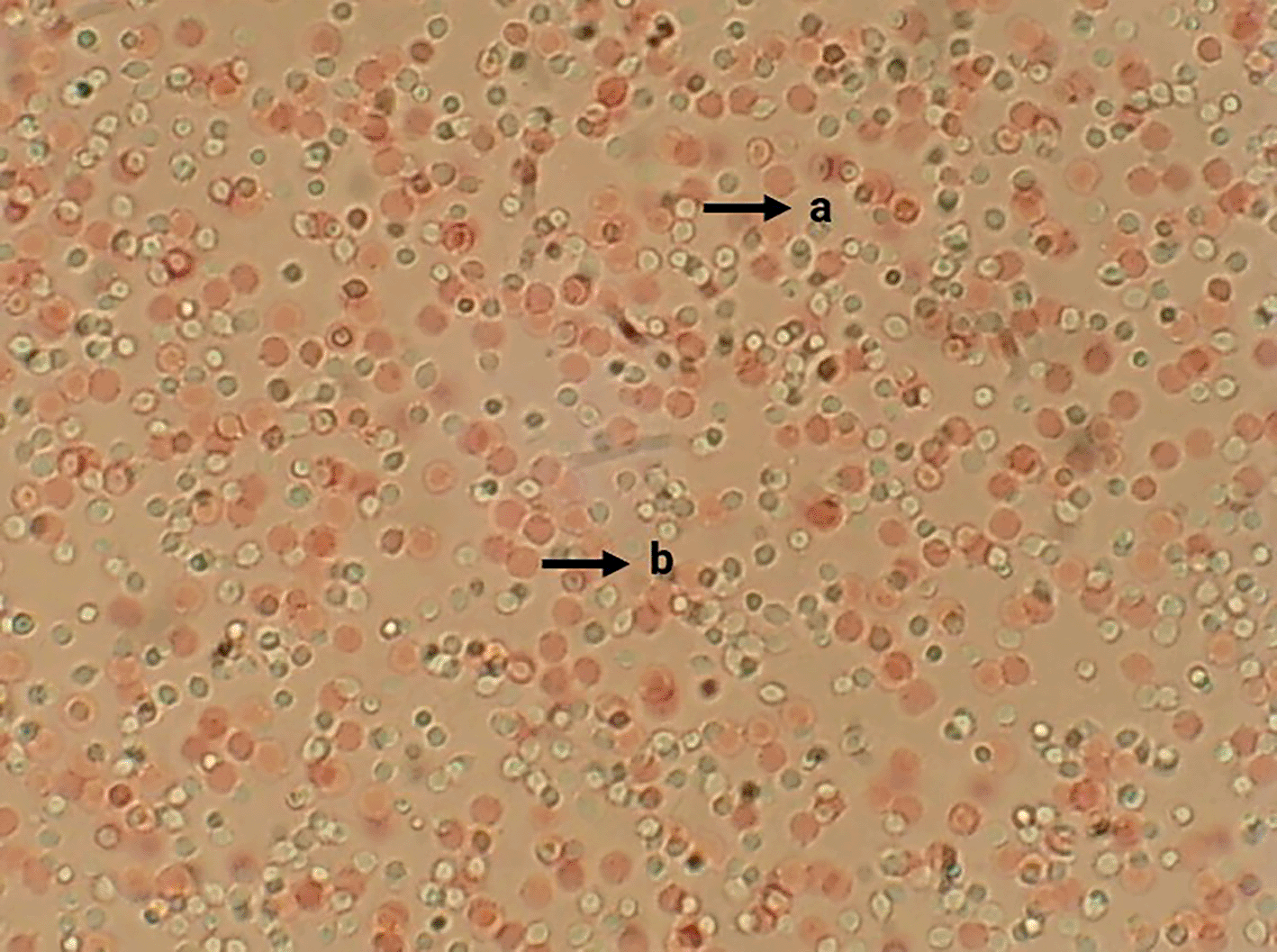
Label (a) indicates viable spermatozoa, while label (b) denotes non-viable spermatozoa.
Figure 1 shows that sperm cells remained unstained, appearing clear due to their ability to exclude the dye, while non-viable cells took up the stain, displaying a red coloration in the head region. The original micrographs corresponding to this analysis are also available in the Figshare repository at https://doi.org/10.6084/m9.figshare.30230881. Sperm motility was assessed by observing the patterns of movement and categorized into three groups: progressive motility, indicated by forward linear movement; non-progressive motility, defined by movement without forward progression; and immotility, characterized by a complete absence of movement. The highest average motility level was observed in treatment group P2, with a mean value of 73.25 ± 10.82.
Figure 2 shows Nilem spermatozoa stained with Giemsa. Label 'a' indicates normal spermatozoa, while label b, c, d, and e illustrate various morphological abnormalities, including tail defect (b), microcephali (c), macrocephali (d), and coiled tail (e). The data are available in Figshare at https://doi.org/10.6084/m9.figshare.30230941.
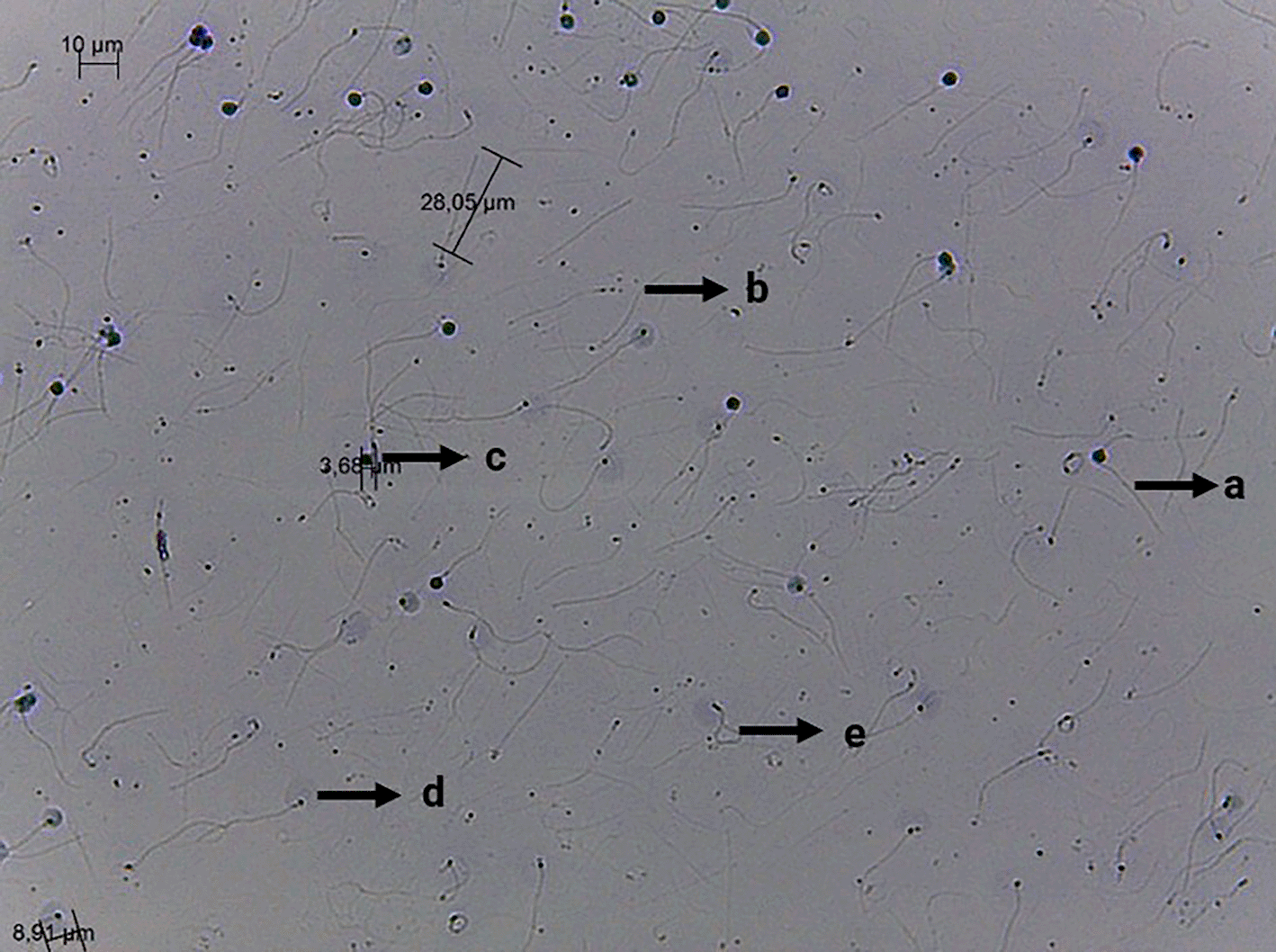
Label (a) indicates normal spermatozoa, while label (b,c,d,e) denotes abnormal spermatozoa (tail defect, small head, large head, and coiled tail).
Table 1 presents the statistical analysis results for viability, motility, and abnormality of Nilem spermatozoa, The data underlying this study are available in Figshare at https://doi.org/10.6084/m9.figshare.30231094. The addition of 2% commercial habbatussauda extract as an extender significantly improved sperm viability (84.80 ± 5.54) and motility (73.25 ± 10.82) compared to the control group (67.60 ± 5.32 and 12.70 ± 8.25, respectively), while significantly reducing sperm abnormality (46.46 ± 12.10) relative to the control (88.99 ± 5.17) after 48 hours of preservation at 4 °C (p < 0.05). The Welch test showed a significance value of 0.000 (< 0.05), indicating a statistically significant difference in spermatozoa viability between the commercial habbatussauda extract treatments and the control group. According to Games Howell post hoc test, the 1% commercial habbatussauda extract treatment (P1) yielded the highest sperm viability (89.00 ± 3.00). Additionally, the PTQ treatment containing 0.005% pure Thymoquinone preserved sperm viability at 90 ± 3.08, comparable to that of fresh Nilem spermatozoa. The one-way ANOVA revealed a significant difference in Nilem spermatozoa motility among treatment groups, with a p-value of 0.000 (< 0.05). Subsequent Tukey's post hoc test indicated that the addition of 2% (P2) commercial habbatussauda extract (73.25±10.82b) provided the most effective protection of sperm motility during cold preservation. One-way ANOVA analysis indicated a statistically significant difference in spermatozoa abnormality among the treatment groups (p = 0.000, < 0.05). Further Tukey’s post hoc test revealed that treatment with 2% commercial habbatussauda extract (P2) significantly decreased spermatozoa abnormality (46.46 ± 12.10a) relative to other treatments during cold storage. The use of pure thymoquinone as a positive control showed no significant differences in sperm viability, motility, and abnormality compared to the 2% commercial habbatussauda extract (P2), suggesting that thymoquinone in the commercial extract has a similar effect to the pure compound.
CRYO-SEM analysis provided qualitative confirmation of the effect of preservation and protectant treatment on sperm ultrastructure ( Figure 3), the data are available in Figshare at https://doi.org/10.6084/m9.figshare.31083916.
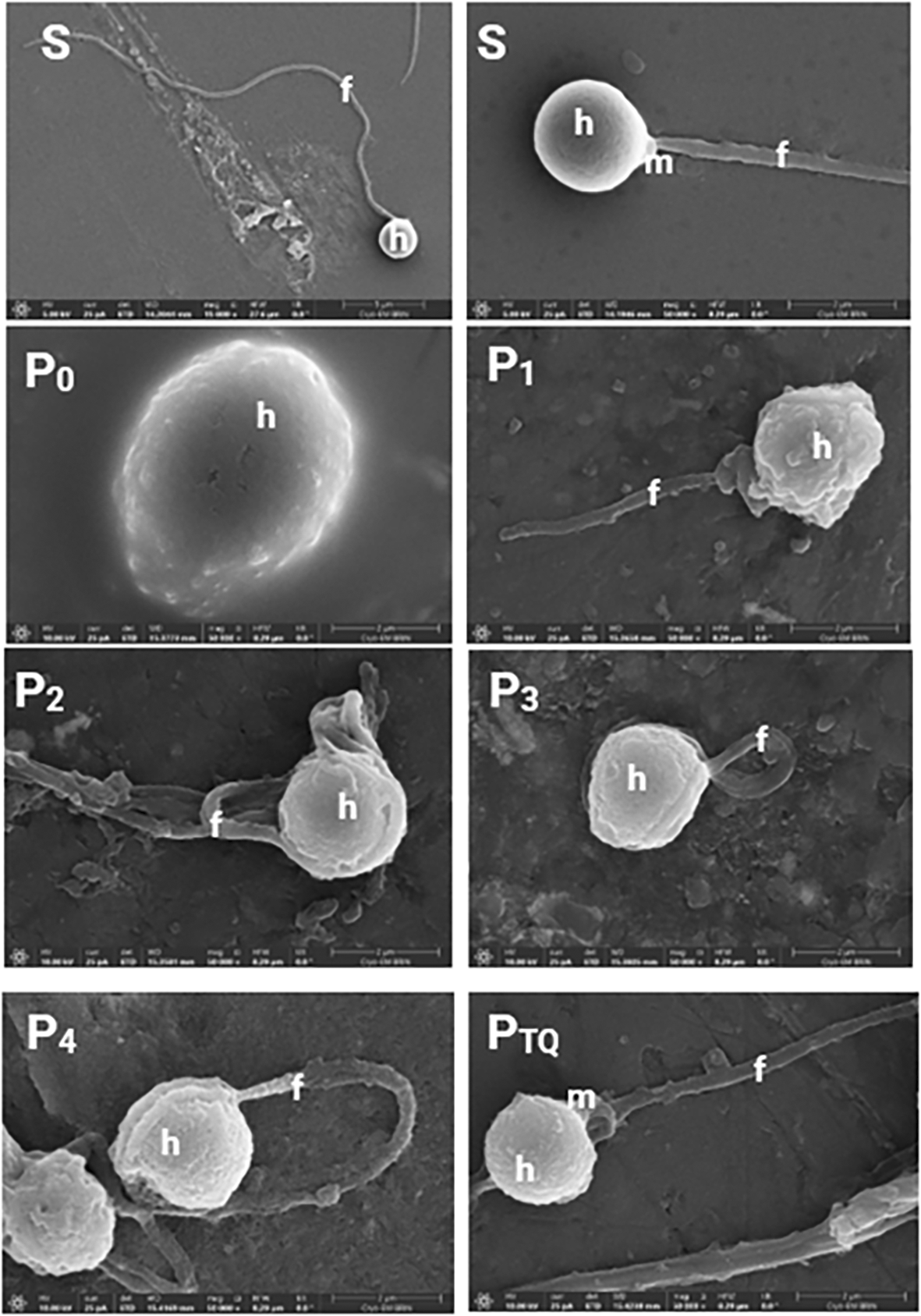
S= fresh sperm (untreated), P0= negative control 0% habbatussauda extract, P1= 1% habbatussauda extract, P2= 2% habbatussauda extract, P3= 3% habbatussauda extract, P4= 4% habbatussauda extract, PTQ= 0.005% pure Thymoquinone, h= head, m= midpiece, f= flagellum.
Fresh spermatozoa exhibited rounded heads with smooth plasma membranes, small midpieces, and long, straight flagella, indicating intact and well-preserved morphology. In contrast, sperm preserved without protectant (P0) showed marked structural deterioration, characterized by enlarged or damaged heads, broken flagella, and perforted plasma membranes, reflecting severe preservation-induced damage. Treatment with 1% commercial habbatussauda extract (P1) maintained largely intact heads, midpieces, and flagella, although some spermatozoa displayed coiled or shortened flagella and slightly wavy membranes. Spermatozoa preserved with 2% habbatussauda extract (P2) predominantly exhibited normal, rounded head morphology with gently wavy or locally thickened plasma membranes, while flagella were generally long, with occasional coiling. At higher extract concentration, structural abnormalities became more evident; the 3% treatment (P3) revealed spermatozoa lacking flagella or possessing shortened and coiled tails, whereas the 4% treatment (P4) showed small heads with localized swellings and flagella frequently wrapped around the head. The positif control group treated with 0.005% pure Thymoquinone (PTQ) preserved sperm ultrastructure comparable tpfresh sperm, with normal head size, slightly wavy yet smooth plasma membranes, and long, straight flagella. Overall, the CRYO-SEM observations qualitatively supported the quantitative findings, indicating that a 2% concentration of commercial habbatussauda extract effectively preserved sperm ultrastructure during cold storage.
The results ( Table 1) showed that spermatozoa viability (84.00 ± 5.54), motility (73.25 ± 10.82), and abnormality (46.46 ± 12.10) in the 2% habbatussauda extract (P2) group indicated a high level of preservation quality. These values suggest that the addition of commercial habbatussauda extract effectively maintained membrane integrity and motility while reducing morphological damage during cold storage. Similarly, the positive control group using pure thymoquinone (PTQ) also showed high viability (90.00 ± 3.08) and low abnormality (45.01 ± 4.96), although its motility was notably lower (35.34 ± 9.81) compared to P2. In contrast, the control group without commercial habbatussauda extract exhibited significantly lower viability (67.60 ± 5.32), reduced motility (12.70 ± 8.25), and higher abnormality (88.99 ± 5.17), indicating the absence of protective effects during cold storage. These findings highlight the potential of commercial habbatussauda extract, particularly at 2%, to serve as an effective natural cryoprotectant, likely due to its thymoquinone content.
The present findings demonstrate that supplementing nilem (Osteochilus vittatus) sperm extender with 2% commercial habbatussauda extract (P2) significantly improved post-preservation sperm quality, as evidenced by higher viability, enhanced motility, and reduced abnormality compares to untreated controls. These improvements likely reflect the extract’s ability to counteract cold stress-induced damage, which is known to involve oxidative stress and Reactive Oxygen Species (ROS) accumulation during preservation and cold storage.6,18 Excessive ROS production can disrupt plasma membranes, damage mitochondria, and impair ATP synthesis, leading to reduce motility and viability and increased morphological defect in nilem spermatozoa.19–24 Such oxidative mechanisms have been implicated broadly in fish sperm cryodamage, where imbalance between ROS and endogenous antioxidant defenses results in lipid peroxidation, protein oxidation, and ultrastructural alterations.25,26
GC-MS profiling of the commercial habbatussauda extract revealed the presence of multiple antioxidant compounds, including Thymoquinone,27 p-cymene-2,5-diol,22 Cyclodecasiloxane, Eicosamethyl,28 Phenol 2,4-bis(1,1-dimethylethyl)-, phosphite, and Tris(2,4-di-tert-butylphenyl) phosphate—as well as propylene glycol, consistent with previous reports of bioactive constituents in Nigella sativa.11 The molecular weights of these antioxidant compounds exceed 146 g/mol, preventing them from crossing the spermatozoa membrane; thus, they function as extracellular protectants.27 In contrast, propylene glycol, with a molecular weight of 76 g/mol, is capable of penetrating the sperm membrane and acts as an intracellular protectant.29 The extract also exhibited high free-radical scavenging capacity in the DPPH assay (IC50 = 6.61 mg/mL), confirming robust antioxidant potential. These biochemical properties provide a plausible explanation for the improved membrane integrity and motility observed in the P2 group, as antioxidants can neutralize ROS before they initiatite lipid peroxidation and membrane destabilization. This mechanistic role is supported by studies showing that Nigella sativa extract reduce ROS and improve functional sperm parameters, including membrane integrity and mitochondrial potential, in other species.18,26
Ultrastructural evidence from CRYO-SEM qualitively corroborated these functional benefits. Spermatozoa in the P2 group retained head shape, plasma membrane continuity, and flagellar integrity closely resembling that of the fresh sperm, whereas untreated nilem sperm exhibited severe membrane disruptions and structural breakdown. These observations align with the notion that antioxidant supplementation preserves fine ultrastructure by preventing oxidative disruption of lipid bilayers and cytoskeleton elements.30,31
Interestingly, although pure Thymoquinone (PTQ) also conferred protective effect, motility in PTQ group was lower than in the P2 group, suggesting that the combined action of multiple antioxidant compounds in the commercial extract may offer a synergistic advantage over a single isolated molecule. Such synergy could enhance membrane and mitochondrial protection beyond the capacity of Thymoquinone alone.
At higher extract concentrations (P3 and P4), sperm quality deteriorated, implying a concentration-dependent threshold beyond which antioxidant components may no longer confer benefit and may even disturb osmotic or redox balance. Similar dose-dependent antioxidant effect have been in other reproductive studies, where low to moderated antioxidant supplementation was beneficial, but excessive doses did not yield additional improvements and occasionally exerted pro-oxidant effect.
Commercial habbatussauda (Nigella sativa) extract effectively improved the quality of nilem (Osteochilus vittatus) spermatozoa during cold storage at 4° C. The 2% extract concentration provided the optimal protective effect, resulting in higher sperm viability and motility, lower abnormality rates, and better-preserved ultrastructure after 48 hours of preservation. CRYO-SEM analysis confirmed that spermatozoa treated with 2% habbatussauda extract retained intact plasma membranes and flagellar structural damage. These protective effects are attributed to the strong antioxidant compounds identified by GC-MS and its high free-radical scavenging activity in the DPPH assay. Overall, commercial habbatussauda extract at 2% represents a promising natural protectant for short-term nilem sperm preservation and has potential applications in sustainable aquaculture.
As part of a longitudinal research initiative, this study was conducted with ethical clearance number 1024/UN2.F1/ETIK/PPM.00.02/2025, granted by the Ethics Committee of the Faculty of Medicine, Universitas Indonesia–Cipto Mangunkusumo Hospital, which approved all animal experimental procedures. The data available in Figshare at DOI: https://doi.org/10.6084/m9.figshare.30231112.9
| Views | Downloads | |
|---|---|---|
| F1000Research | - | - |
|
PubMed Central
Data from PMC are received and updated monthly.
|
- | - |
Provide sufficient details of any financial or non-financial competing interests to enable users to assess whether your comments might lead a reasonable person to question your impartiality. Consider the following examples, but note that this is not an exhaustive list:
Sign up for content alerts and receive a weekly or monthly email with all newly published articles
Already registered? Sign in
The email address should be the one you originally registered with F1000.
You registered with F1000 via Google, so we cannot reset your password.
To sign in, please click here.
If you still need help with your Google account password, please click here.
You registered with F1000 via Facebook, so we cannot reset your password.
To sign in, please click here.
If you still need help with your Facebook account password, please click here.
If your email address is registered with us, we will email you instructions to reset your password.
If you think you should have received this email but it has not arrived, please check your spam filters and/or contact for further assistance.

Comments on this article Comments (0)