Keywords
Customer satisfaction, emotional needs, Kansei Engineering, service design

Customer satisfaction, emotional needs, Kansei Engineering, service design
Basically, in most countries, the service industry is an important contributor to their gross domestic product (GDP). A service industry is deemed to be a supporting activity that adds value to the existing products and processes. For instance, financial services can help banking customers manage their funds more efficiently and effectively. Over the past 20 years, the average contribution of services to GDP and value added has increased, leading to a stronger correlation between service expansion and overall economic growth. Value added from services made up 74% of GDP in high-income nations in 2015, up from 69% in 1997.1 The United States' value-added contribution to GDP from services was higher than that of other high-income peer nations. From an average of 48% in 1997 to 57% in 2015, the GDP share of services in low- and middle-income nations increased even further. In 2021, the service sector accounted for about 78% of the US GDP.2 Retail, banking, aviation, education, hospitality, healthcare, and entertainment are a few examples of the services that may fall under this category.
Other nations, such as those in Asia, are also witnessing an increase in the service sector's GDP contributions. In other words, it is stressed that this trend is not only limited to the United States. People typically expect more services and a higher quality of life as GDP and living standards rise. In Asia, the service sector provides both promising and challenging opportunities. Services are now a major driver of the region's output, growth, and employment. However, transitioning from old and low-value operations to modern and high-value activities is considered Asia's largest service industry problem.3 Inherently, there are two major sectors that need to shift into the service economy in developed countries, which are agriculture and manufacturing. As economies mature, more people run businesses in the service sector. However, in emerging economies, the service sector tends to grow as income levels rise, and customer demands change. There might still be an important contribution from the manufacturing and agriculture sectors. Nevertheless, service research still plays a critical role in understanding and shaping the evolving landscape of how services are delivered and experienced.4 Technological advances, especially in information technology, have transformed service interactions, leading to new ways for customers to engage with services before, during, and after purchase. The more satisfied customers, the better the quality of service is.
In capturing and modelling service quality, Parasuraman et al.5 have developed the SERVQUAL model to assess service quality in various organizations over the last 30 years. Numerous authors have examined, critiqued, and modified the SERVQUAL questionnaire to meet the requirements and peculiarities of various service businesses. Still, it hasn't changed all that much as a standalone tool. Researchers have demonstrated the relevance and utilization of the SERVQUAL model for service quality improvement and innovation, considering relevant methods and service settings.
Apart from cognitive interaction, customers and service interactions should have an emotional bond. Most services are experiential and intangible. It is not possible to store or exchange services. Kansei Engineering (KE) has shown a profound understanding of the relationship between customer satisfaction and service delivery, particularly in terms of positive emotional responses and impressions. KE assists managers and service providers in providing experiences that spark favorable feelings and build emotional bonds with clients. We anticipate an increase in customer loyalty, positive word-of-mouth recommendations, and repeat business. Cognitive satisfaction with customers will increase. Affective satisfaction follows suit. Customers will therefore proportionately and simultaneously gain both cognitive and affective satisfaction.6
Once their emotional needs are satisfied, customers are more likely to consider and perceive the service offers as advantageous and fulfilling. By providing distinctive and incredibly moving experiences that others might not be able to offer, KE sets itself apart from other comparable approaches in terms of creative approaches to service design and delivery. With KE, design is more focused on the affective needs of the user (also known as Kansei), making sure that products and services are made with the ideas and emotions of potential customers in mind. Since the 1970s, KE has been used and implemented in a variety of manufactured goods and other tangible goods. Since then, the use of KE has grown to encompass artificial intelligence (AI)-based services as well as service industries.
Since 2010, the use of KE in service sectors has been extensively documented in book chapters and international publications. Restaurants, banking, healthcare, logistics, and higher education were among their service sectors. to evaluate each conceptual and application framework's effectiveness, find gaps in the quality of various service settings, and offer conceptual and application frameworks. There has been extensive research on KE in services.6 Although value creation is becoming more closely linked to customer experience and affective engagement, service industries still account for most of the global economic development. While SERVQUAL and other traditional service quality models have placed a strong emphasis on cognitive evaluation, modern service ecosystems demand a deeper comprehension of psychological, emotional, and sensory reactions. Although KE offers an organized method for simulating customer emotions, its use in service settings is still uneven, disjointed, and conceptually undeveloped. This review addresses three significant gaps in Knowledge Engagement (KE) literature within service contexts: (1) The lack of integrative theoretical synthesis connecting KE with related theories such as affective design and service-dominant logic; (2) Fragmented methodological development spanning traditional models to AI-driven analysis without critical comparison; and (3) Insufficient cross-sectoral insights contrasting KE performance in diverse fields like hospitality, logistics, healthcare, and e-commerce. The review aims to analyze KE applications from 2010 to 2023, offering both descriptive and interpretive insights grounded in theory and methodology.
However, there isn't a comprehensive study or paper that enumerates, organizes, and assesses all relevant work related to recommended KE frameworks, methodologies, and service implementation. To identify trends and develop themes in KE services, we conducted a mixed qualitative and quantitative literature evaluation. All relevant articles published this decade also cover the status of KE's services.
This paper points out the importance of research into KE in services as a specific field and provides the reader with a comprehensive context for understanding ongoing research. A body of KE knowledge in services will be reviewed for key findings and potential research gaps to help the researcher formulate potential research questions. Researchers and practitioners find this blended literature evaluation to be beneficial when trying to connect and evaluate many studies on various topics, either for interconnectivity or reinterpretation.7 It is therefore a useful tool for producing theories and hypotheses. It will also add value by presenting a comprehensive and well-structured summary of the literature on KE in services and drawing perceptive conclusions.
The literature review on KE in services aims to systematically gather, analyze, and critically interpret various studies of Kansei Engineering (KE) proposed and applied to service sectors. Nowadays, one of the most prominent economic sectors is that of services. This study uses evidence-based literature to mitigate potential biases and methodically integrates and organizes prior KE in-service research to provide clearer insights. Inherently, KE has various definitions. KE is an engineering approach to product and service design that considers the emotional needs of customers. It is a design methodology that attempts to understand, capture, and translate user feelings and emotions into the parameters of goods and services. The strategy is built based on the idea that people's emotional experiences have a significant impact on their long-term use of products and services. It is also deemed a multidisciplinary approach to product and service design and development that seeks to gather the emotional and psychological responses of users to product features, design, and aesthetics.8 The method combines engineering, design, and psychology approaches to produce services and goods that are not only useful but also elicit desired feelings.
KE has been applied extensively in the fields of information technology, fashion, product design, and automotive design. For example, in the automotive design industry, KE has been applied to design cars that evoke emotions and impressions, like sportiness, tightness, or luxury. In the electronics and appliances, this method has been used to satisfy users’ functional needs while simultaneously indulging positive emotions like relaxation, excitement, or joy.9 In general, KE usually comprises several steps, such as determining the target emotions (known as Kansei words), choosing the product domains that affect those emotions, building prototypes, and conducting user testing to confirm that the design is fit to the intended emotions.
Research has shown that the application of KE can result in enhanced customer satisfaction and product design. It may help create more appealing and enjoyable products and services. Further, this will lead to customer satisfaction and loyalty. In other words, this approach carefully considers how users will emotionally and psychologically respond to the appearance, features, and attributes of a product or service.10 KE has evolved from its original focus on quantifying emotional impressions into a multifaceted design methodology that integrates various theoretical frameworks within service contexts. By aligning with affective design theory, the psychology of emotion, service-dominant logic, and the experience economy, KE enhances the understanding and design of emotional value in service experiences. This shift from a simple emotion-to-attribute mapping to a more complex emotion-to-experience-to-behavior pathway reflects the growing importance of experiential design and behavioral research in creating impactful customer journeys. Again, it not only fulfils functional requirements but also sparks positive emotions and feelings, which is beyond rational satisfaction.
Research and development on the use of KE in services has been ongoing recently. It has been intensively and extensively applied in both product and service sectors to boost customer satisfaction, experiences, and loyalty. Key uses of KE in services include the following6,8,10:
● KE supports innovative service design. By applying this method, services that better address customers’ emotional and psychological needs can be proposed and implemented. The strategy is capturing and finalizing the emotions that customers connect with various attributes of a service, then utilizing that knowledge to create a service that more effectively satisfies their emotional needs.
● KE plays a crucial role in customer experience management. By adding sensory and emotional design elements to the service, KE can be used to enhance customer experiences. For instance, using music, ambient lighting, and other sensory cues can make a customer's experience more enjoyable and memorable.
● The focus of KE is on customer emotional satisfaction. Implementing the emotional and sensory components of services importantly demonstrates and quantifies customer emotional satisfaction.
● KE leads to customer loyalty. By addressing a more emotionally fulfilling customer interaction, KE can be used as a catalyst of customer loyalty. According to a previous prominent study (see11), for instance, customers who received services created with significant Kansei were more likely to be loyalists.
Based on the backbone of research, KE may have an important impact on design and service delivery. This strategy can be very helpful to service designers and managers because it has been shown to improve customer satisfaction, experience, and loyalty. Further research is required to fully understand the potential of this method in the services sector and to identify best practices for its application. Numerous service sectors, such as hospitality, tourism, retail, and healthcare, have used KE. For instance, KE has been applied to the hospitality industry to better design restaurant and hotel rooms that cater to the emotional and sensory needs of patrons. KE has also been used in the retail industry to design store environments that give customers a more enjoyable and emotionally engaging shopping experience. One of KE’s main advantages for service providers is that it makes their offerings more distinctive and memorable for customers.
To enhance service quality, as previously discussed, KE can also be used in the design and development of services. The method is used in service design to understand how clients react emotionally and psychologically to different elements of the service, including the setting, interactions with staff, and the overall service experience. In service design, KE targets not only satisfying functional needs but also simultaneously evoking favorable customer delights. Increased client happiness, loyalty, and general service quality are the target.
When utilizing KE for service design, there are usually more than one phase. These steps are necessary to make sure that the design makes people feel the way you want them to, as follows. Figuring out what feelings you want to elicit, choosing service qualities that will affect them, making prototypes, and testing with consumers. Research shows that integrating KE into service designs may make the service better, make customers happier, and make them more loyal. KE helps make services more fun and interesting to use, which makes customers happier and more loyal. KE does this by considering how customers feel and what they want while designing.
The service business quickly adopts new technology to improve customer happiness. It might result in higher output and efficiency, as well as the development of new services. Everybody helps the economy grow. It impacts the Kansei, bringing up matters of loyalty and trust. The differences in culture are another factor. KE can assist services in adjusting to cultural quirks and guaranteeing that emotional bonds are both appropriate and productive in the target culture. Furthermore, maintaining faithfulness over an extended period is beneficial. KE cultivates strong emotional ties with its customers, which over time may result in continued engagement and loyalty. Figuring out how service design features connect to customers' feelings is a key issue for KE when providing services. It guides service firms in developing marketing strategies and inspiring innovative service design concepts. According to,12 customers are continuously looking for new services after experiencing the ones they have now. Thus, the concept of fresh service design is never-ending. Designers must always understand the true feelings of their clients to build a new service that meets their expectations.
With a primary focus on Kansei (customer emotional needs), this study analyses KE research and its application in services over the past ten years and provides a framework for thinking about future research directions in service innovation and development.
This study critically evaluates the application of KE in service sectors. It aims to identify KE's theoretical and methodological trajectories, compare its applications across industries for effectiveness, develop a conceptual framework for KE-enabled service innovation, and propose future research pathways based on empirical and theoretical gaps.
Some of the most important approaches based on Kansei Engineering (KE) and their main findings in the fields of service design and innovation, as well as services in general, are discussed in this paper. A semi-systematic review is used and deemed appropriate in this study. It is applied when a field is multidisciplinary and conceptually diverse. KE research spans engineering, design, psychology, and service science; therefore, a rigid systematic protocol would exclude theoretically relevant studies. A semi-systematic literature review is a method for synthesizing research findings or research articles on a particular topic. It entails a systematic review of relevant literature, but with some flexibility in the search and selection procedures.13 The goal is to identify the key themes and findings from previous studies. Both quantitative and qualitative analysis and evaluation are involved. The expected contribution is to assess the current state of knowledge regarding KE in services after a decade.
In this article, a semi-systematic literature review that was carried out in two stages was presented as an efficient way to evaluate several research articles or publications. Methodological rigor was ensured through a two-phase “Define–Refine” filtering protocol, accompanied by an explicit consideration of potential biases such as single-database dependence, methodological heterogeneity, and the cultural concentration of studies in Asian contexts. The analytical approach integrated thematic synthesis, methodological clustering, cross-industry comparison, and concept mapping to develop consolidated theoretical insights. Phases of the review process are as follows: (1) Phase 1 (Define) and (2) Phase 2 (Refine) (see Figure 1). The review employed a structured search strategy using the Scopus database, selected for its comprehensive coverage, citation reliability, and disciplinary breadth, focusing on the keywords “Kansei Engineering” AND “service,” with an initial timeframe of 2010–2023. We used PRISMA flow diagram to present the process and the PRISMA 2020 checklist was also used to assess the completeness of the review (see XI. Data Availability).
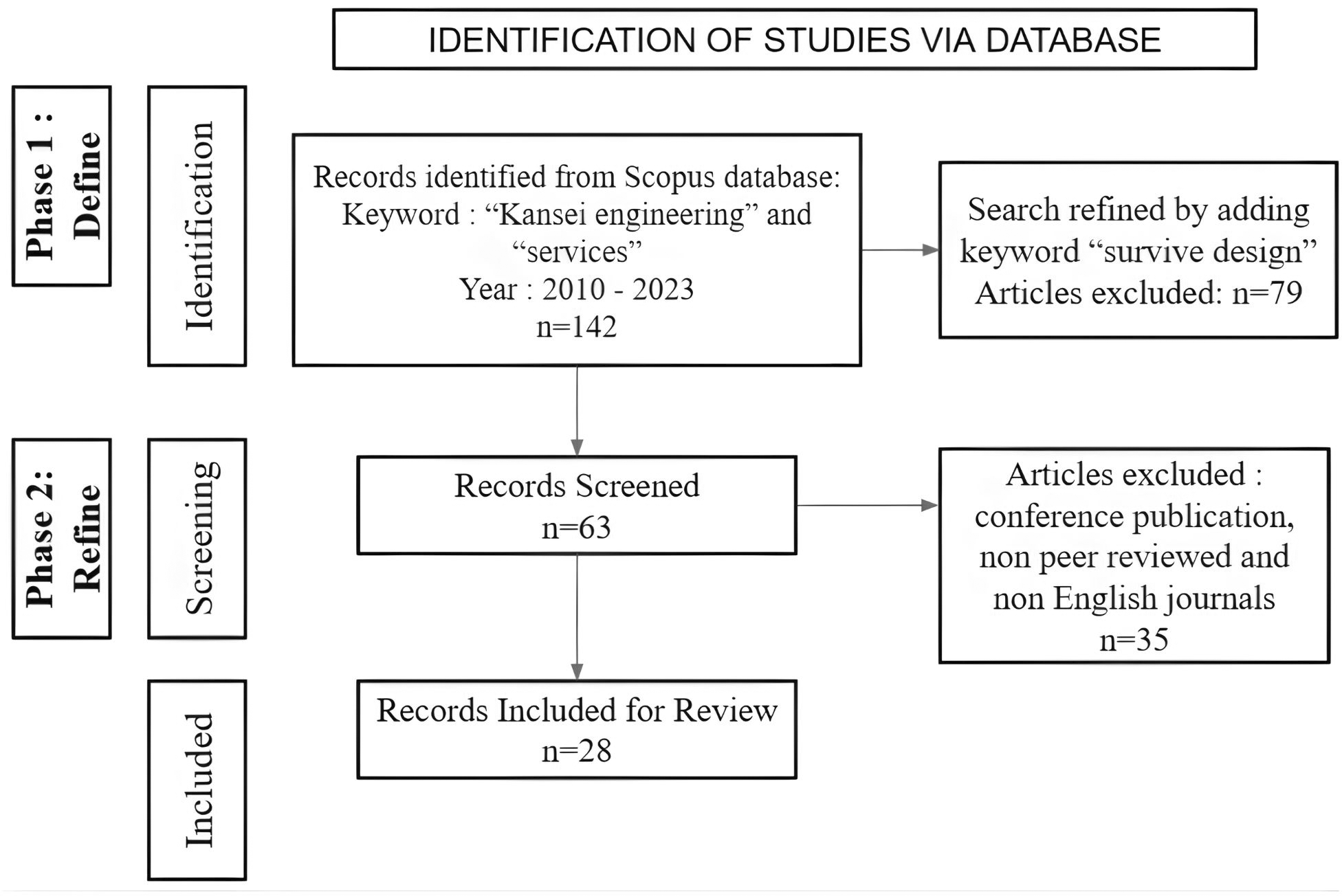
The diagram shows the identification of records through the Scopus database (2010–2023), screening and refinement procedures, exclusion criteria, and the final inclusion of 28 peer-reviewed journal articles.
It started with Phase 1, a structured search was conducted in the Scopus database, which is to define the scope of study (i.e., Kansei Engineering in services) and identify the scientific articles published in a reputable international database (the Scopus database). Scopus has been regarded as a trusted journal database since it has strict indexing rules and advanced research tools. Moreover, it includes a wide range of topics and provides reliable citation data. The database was selected for its comprehensive coverage, citation reliability, and multidisciplinary scope. The initial search used the keywords “Kansei Engineering” AND “services”, with a publication timeframe limited to 2010–2023. This initial search yielded 142 records indexed in Scopus.
In Phase 2 (Refine), the search was narrowed to improve topical relevance to service design applications. The keyword “service design” was added to the initial search string, resulting in a refined dataset of 63 records. As part of this refinement process, 79 records were excluded due to limited relevance to service design contexts.
The 63 records identified through the refined search proceeded to the screening stage. Titles and abstracts were reviewed to assess relevance to Kansei Engineering applications in service contexts. Studies were excluded if they met any of the following criteria: (1) conference publications, (2) non-peer-reviewed journal articles, or (3) non-English publications.
Following this screening process, 35 records were excluded, and 28 peer-reviewed journal articles remained eligible for inclusion. We completed 28 unique articles, with no duplicates. It resulted in 28 scientific articles ( Figure 1).
It provides information such as references, context, methods, and main findings.
Table 1 summarises the 28 selected studies on Kansei Engineering applications in services, including their research contexts, methodological approaches, and key findings. Based on the summary of KE research across various service and product contexts as discussed previously, there are differences, similarities, and potential areas for future research directions. Analysis of 28 studies revealed four thematic clusters illustrating the diverse applications of KE in service contexts. The first and largest cluster is called service quality enhancement (41%). It integrates KE with established service-quality and customer-satisfaction frameworks, such as SERVQUAL, Kano, QFD, and TRIZ, to systematize service improvement by translating Kansei into structured design elements, although these approaches often treat Kansei responses as static and fail to capture their dynamic shifts. The second cluster is called data-driven KE (29%) that comprises data-driven approaches, including text mining, sentiment analysis, big data analytics, and decision-tree mining, which provide scalable and near real-time insights into customer emotions but remain limited in their ability to represent subtle, context-dependent affective nuances. The third cluster is related to digital and smart services (18%) that encompasses emerging applications of KE in digital and smart service environments, such as social robots, AI-driven recommendation systems, and colour–emotion neural networks; while offering high-impact potential, this cluster is characterised by underdeveloped theoretical foundations. The fourth cluster is called behavioral and psychophysiological KE (12%) that involves behavioral and psychophysiological approaches, such as pupil-dilation analysis and behavioral-intention modelling, that offer strong theoretical promise by linking physiological indicators to Kansei responses, yet their generalisability is constrained by small sample sizes and limited empirical breadth. Collectively, these clusters indicate that KE in services is expanding across methodological domains but also highlight the need for deeper theoretical integration and improved empirical robustness.
| No | Reference | Context | Methods or models used and discussed | Main findings |
|---|---|---|---|---|
| 1 | 11 | Luxury 4- & 5-star hotel services | General KE methodology, SERVQUAL, Kano model | This article discusses how the Kano model and Kansei engineering (KE) can be used iteratively to improve service quality, focusing on how the performance level of service affects how the customers feel and experience. The Kano model categorizes service performance into three categories, i.e., must-be (M), one-dimensional (O), and attractive (A). The result of an empirical study of 100 respondents who stayed in premium 4- and 5-star hotels sheds light on which service items should be prioritized due to their strong impact on customer Kansei as a priority. |
| 2 | 14 | Luxury hotel services | General KE methodology, Kano model, Markov chain | Customers today mostly prioritize fulfilling their emotional needs over functionality and usability, leading to the need for products and services to be more attractive and pleasing to customers' emotions. Kansei Engineering (KE) has been widely applied to explore customer emotions in design parameters, optimize properties not directly visible, and accommodate 21st-century trends, which are hedonism and more individualistic designs. This study focuses on service quality attributes as determinants of customer delight and loyalty, using Kano's model to show the relationship between service attribute performance and emotional response. The study surveyed luxury hotel services that focus on Singaporean and Indonesian tourists and found three key service attributes (i.e., visually clean outdoor environments, efficient employees, and consistent courteousness). The study offers several practical implications, including prioritizing efforts to improve service quality, providing guidelines for practitioners, and utilizing Markov chains to understand customer needs over time and prepare appropriate response strategies. |
| 3 | 15 | Practical applications | General KE, service engineering, Bayesian network examination | Kansei Engineering (KE) and service engineering share similarities and differences. KE emphasizes individual value, using the covariance structure analytical method and ontology to construct a system structure. While Bayesian network examination is used for precise treatment, with practical applications provided. |
| 4 | 16 | Online shopping services | General KE, International Affective Picture System (IAPS) | This study investigates the relationship between pupil size and user subjective opinion using International Affective Picture System (IAPS) images and product images. Participants have viewed scrambled and unscrambled types of images, and their affective response to the target image (Kansei) was recorded and analysed. The findings showed that IAPS images influenced different variations in pupil sizes, while product images showed larger variations. The results of the study support the claim that pupil size can be utilized to assess product images, potentially allowing online shopping service providers to measure customers' pupils' sizes to determine whether the products are liked or not. |
| 5 | 17 | Home delivery service (HDS) industry | General KE | The home delivery service (HDS) industry has seen rapid growth due to increased internet and television shopping. To maintain a competitive edge, service providers must continuously improve and offer differentiation. Designers must capture customers' feelings to design new services that meet their expectations. Kansei Engineering (KE), using Partial Least Square (PLS), can be used to quantify the relationship between customer emotions and HDS characteristics. This study provides an exemplification of applying KE to service design in service industries. |
| 6 | 12 | International express services (IESs) | General KE | This paper analyses the relationship between service attributes and customer Kansei perceptions and usage intention in international express services (IESs) to gain a competitive advantage in the logistics market. Using KE methodology, the study identifies five important service attributes related to usage intention. The findings suggest that international express managers should prioritize service elements that elicit Kansei perceptions and lead to pre-purchase usage intention. The study also suggests incorporating missing Kansei perceptions from customers' post-purchase experiences into future design considerations. |
| 7 | 18 | Hotel services | Path analysis | The study examines the mediating role of emotional and cognitive satisfaction in the relationship between quality of service and customer loyalty. This research involved 102 respondents from 24 hotels in Surabaya, Indonesia. Results indicated that overall customer satisfaction (known as cognition) and emotion (known as Kansei) partially mediated the relationship, with Kansei accounting for 24% (compared to 28% due to cognition) of the effect. The study's generalization is limited due to the small sample size. |
| 8 | 19 | A medium-sized restaurant services | General KE, Kano model, Theory of Inventive Problem Solving (TRIZ) | This study proposes an integrative model of Kansei Engineering (KE), the Kano model, and the Theory of Inventive Problem Solving (TRIZ) to capture customer emotions. The Kano model presents the relationship between service attribute performance and customer satisfaction, while TRIZ generates innovative designs for improvement. The study considers diverse cultural backgrounds to better understand the emotional needs of customers from different backgrounds. It utilizes an empirical study in a medium-sized restaurant to demonstrate the applicability of the integrated model. |
| 9 | 20 | Cross-border logistics services (CBLS) | General KE, online content mining | This study highlights cross-border e-commerce that has increased the demand for cross-border logistics services (CBLS). To maintain a competitive value, providers must continually improve and differentiate their offerings. This study develops a customer-based loyalty system (CBLS) by applying the Kansei Engineering (KE) model to meet the emotional expectations of customers. To analyse customer feelings and service elements, this study utilizes the Partial Least Squares. Online content mining helps identify service elements and Kansei words. This study exemplifies the integration of KE and online content analysis in the service business sector. |
| 10 | 21 | Logistic services | General KE, quality function deployment (QFD) | With a range of 2004 to 2014, Indonesia's logistics sector experienced significant growth, necessitating a focus on overall customer satisfaction. While current studies primarily concentrate on service gaps, a deeper comprehension of customer affective needs (Kansei) is highly essential for gaining a competitive advantage. This study proposes a combined model of Kansei Engineering (KE), Kano, and Quality Function Deployment (QFD) to generate innovative ideas for increasing customer emotional satisfaction and delight. To prove the applicability of the conceptual framework, this study conducted a case study in logistic services. Afterward, innovative strategies are proposed. |
| 11 | 22 | Airline services | General KE, quality function deployment (QFD) | The aviation industry in Indonesia has been extensively expanded as a response to ASEAN Open Sky promoting liberalization. This study utilizes an integrated model of KE incorporating Quality Function Deployment (QFD) in identifying design service attributes that are influencing customer emotional satisfaction. It is expected to enhance the airline service quality by addressing attractive service attributes and Kansei words. Action plans were formulated, including airline alliances, brand identity, seat classes, modern information systems, and airline expert consultation. |
| 12 | 23 | Door-to-door delivery (D2DD) services | General KE, data mining | An integrated model of KE incorporating data mining techniques, in this study, has been applied for door-to-door delivery (D2DD) service design and improvement. It collects and finalizes customers' Kansei words and identifies service properties. Afterwards, it quantifies the relationship between these properties, Kansei responses, and usage intention using a decision tree. The result highlights that a combination of key Kansei responses leads to positive customer usage intention, allowing providers to improve their service of excellence. |
| 13 | 24 | Product (a recliner) | General KE, text mining, self-organizing map (SOM) | This study aims to develop an affective variable extraction methodology for Kansei Engineering-based (KE-based) products. It extracted users' Kansei variables from online reviews and classified them using a self-organizing map (SOM). A product experiment on recliners was performed on Amazon.com . The results showed that comfort was the Kansei most frequently associated with the use of recliners. The study urges that text mining techniques and SOM can be used to analyse customers' Kansei effectively, and it will be enhancing understanding of their emotions regarding recliners. |
| 14 | 25 | Hotel services | General KE, text mining | This study has been conducted to formulate practical guidelines for hotel service development using an approach combining KE and text mining. The data of online customers’ reviews and feedback were utilized, as their opinions are deemed crucial for selecting particular hotels. This study uses text mining to extract Kansei words and hotel service characteristics from online content and generates relationships using link analysis. The findings provide a comprehensive understanding of customer feedback. Moreover, it provides strategies on how to increase customer satisfaction, differentiate products and services, and improve hotel performance. The study offers implications for both practice and theory. |
| 15 | 26 | Logistics service | General KE, logistics service quality | This study has been conducted to investigate the relationship between logistics service quality and customer satisfaction and loyalty among humanitarian logistics providers in Indonesia. It focuses on personnel, operations, and technological support. The findings support that service quality has a major impact on customer satisfaction. The study employs Kansei Engineering (KE) to gather customers’ emotional perceptions of the quality of relief logistics services, providing a unique perspective on the industry. |
| 16 | 27 | Client feedback of product and service development | General KE, sentiment analysis | This study discusses how online reviews are critical for KE, that incorporates customer feedback into product and service improvement. KE is conducted in India and Pakistan using unstructured reviews. However, the language barrier prevents sentiment analysis. This study intends to conduct aspect-based sentiment analysis on these reviews and translate them into English. Common service features and attitudes were extracted, then clustered with unsupervised machine learning. Ridesharing businesses, as a result, will be continuously improved in response to customer expectations, thereby growing their business. |
| 17 | 6 | International airport lounge and lobby services | General KE, TRIZ (Theory of Inventive Problem Solving) | This study proposes a refined integrated method for measuring the impact of service performance equipped with Kano categories on emotional well-being (Kansei). Afterward, it comes up with new ideas for long-lasting service solutions using TRIZ. This study promotes KE by emphasizing the emotional satisfaction that customers experience because of their perception of the service. The study employs an empirical study of international airport lounge and lobby services, with a focus on Kansei's role in sustainable service development. The study recommends that service designers and managers promote attractive-based service features (which are related to the safety and security of the passengers) while keeping Kansei satisfaction in mind. |
| 18 | 28 | Campus express delivery service | General KE, multinomial logistic regression, the Kano model, and Prospect Theory | This study proposes an uncertain KE methodology for customer behavioral-based service design. The delivery service attributes, emotional needs, and overall customer satisfaction were modelled to redesign services that meet customers' Kansei. This study utilizes logistic regression, the Kano model, and prospect theory to effectively model customer satisfaction functions. The methodology is successfully applied to a case study of a campus express delivery service in China, yielding consistent results and useful insights. |
| 19 | 29 | Logistic services | General KE, SERVQUAL | The impact of logistics service quality on customer satisfaction and loyalty during the COVID-19 pandemic in the Indonesian context has been investigated. It has been found, in this study, that the prioritized effort will be on operational service, employee service, and technical service excellence. According to the study, staff and technical service quality have a significant impact on customer happiness, whereas customer trust has an important effect on customer loyalty. The use of Kansei brings along a unique viewpoint on customer service throughout the pandemic. |
| 20 | 30 | Multi-application practice | CiteSpace’s visualisation analysis | KE has been used, in this study, to conduct research through Cite Space’s visualization techniques. There were 2830 Web of Science articles investigated, focusing on keywords such as knowledge sources, key contributions, interdisciplinary qualities, and major study topics. Research hotspots and cutting-edge technologies were identified, while also proposing upcoming trends, such as multidisciplinary collaboration, big data in the Internet era, and mathematical algorithm integration for multi-application practice. |
| 21 | 31 | Social and service robots | Systematic literature review | This study reviews the Kansei approach around creating social and service robots. It discusses the techniques, the concepts, the main types, and the objectives of eleven peer-reviewed publications. The study highlights that Kansei Engineering (KE) is an appropriate paradigm for robot design, allowing developers to comprehend design features for user acceptance. However, the application of KE approaches in robots remains underexplored, suggesting potential future paths and unanswered issues. Indeed, it is a big opportunity for deeper exploration of Kansei robot research. |
| 22 | 32 | Service for colours of product | General KE, Search Neural Network, Convolutional Neural Network | This study has been done to highlight emotional-based design for product colour using KE methodology. It addresses a comprehensive relationship model between the colour of the product and the users’ emotional imagery through a search neural network and a convolutional neural network. When the system is applied to solve real-world design problems and issues, like designing a home service robot, it then provides relevant answers that satisfy the emotional image requirements for the customers or users. It is expected that the product colour emotional design theory will be applied widely. |
| 23 | 33 | A soccer shoe design business model | General KE, Kawakida Jirou | The objective of this study is to create and demonstrate a recommendation system for Kansei soccer shoes that combines several technologies considering user’s Kansei (semantic needs), appearance design, and shoe-form categories. The system will analyse, evaluate, and categorize design features and attributes using KE incorporating factor analysis and 203 soccer shoe images. This recommendation system suggests soccer shoe samples that fit users, with an overall satisfaction rate of 87.08%. The findings highlight that developing a new business model by incorporating users’ Kansei requirements into shoe-form categories may potentially increase customer satisfaction and delight. |
| 24 | 34 | The bionic design of a unmanned aerial vehicle (UAV) product | General KE, Biologically Inspired Design (BID) | It is to showcase KE to create a data-driven intelligent service model for biologically inspired design (BID), as highlighted in the study. It bridges the gap between customers and designers by wrapping up the perceptual characteristics of creatures, taken from product semantics. Based on user preferences, the model predicts biodata and executes a BID library. The study creates a computer-aided design service system for a bionic unmanned aerial vehicle (UAV) system, thereby enhancing design efficiency. This study solves the cognitive constraints and potential discrepancies between designers and users encourages the use of bioinspiration in product design, which can increase marketability. |
| 25 | 35 | General logistics services in Indonesia | General KE, conjoint analysis | This study proposes an integrative model of KE and conjoint analysis to investigate customer preferences for logistics services in Indonesia. One hundred respondents from East Java, Indonesia, completed questionnaires, and thirty of them identified specific qualities. Key characteristics include delivery services, courier attitude, order information, product quality, and warehouse location. The most desirable attributes formulated are intact products and a courteous attitude among the staff. |
| 26 | 36 | In-flight service of a Chinese airline | General KE, Kano, partial least squares algorithm, decision tree mining | This study proposes a combined framework of KE and the Kano model applied to service design that prioritizes customer-perceived preferences. The model utilizes the partial least squares method and decision tree mining to create a link between customer perception and service attributes, which influences customer emotional satisfaction. The study formalizes the intended proposed strategies for service design improvement and development. |
| 27 | 37 | General product-service system (PSS) | Knowledge Graph (KG), Mass Personalization (MP) | This study used the product-service system incorporating the smart system (known as Smart PSS) configuration approach. To meet individualized and dynamic customer needs, it is then to obtain mass personalization (MP). The study utilizes a knowledge graph (KG) to achieve comprehensive system knowledge by combining field, design, and user data. This hybrid integrative approach addresses question answering with similarity calculation to provide relevant findings. The proposed configuration process will then be integrated into Smart PSS's reconfiguration lifecycle, which allows for dynamic adjustments. |
| 28 | 38 | International airport services | General KE, robust design, SERVQUAL, Kano, TRIZ | KE is an important tool in service design, as it focuses on translating consumers' emotional demands into service qualities. However, its validity and robustness have been questioned due to the changing nature of passengers' requirements and service constraints. A more structured KE methodology, which includes Kansei text mining, is proposed for robust service design. The Taguchi method is used to refine the formulated strategy. |
In short, KE has been integrated with other models (such as quality and statistical tools) as a generic similarity. Common quality-based methodologies such as SERVQUAL, the Kano model, TRIZ, and QFD have been intensively integrated with KE to enhance service and product improvement. This integration helps connect customer emotional responses with tangible design attributes and provides a structured framework for improving customer satisfaction. It focuses on customer emotions and satisfaction. One common finding among the studies is the use of KE to understand and measure emotional reactions and convert them into useful information for increasing customer happiness and loyalty. The main research domain in the literature review is KE, applied to service design for customer experience enhancement (see Figure 2). This domain focuses on understanding and integrating customers' emotional and psychological impressions into product and service design elements to improve satisfaction, loyalty, and differentiation in competitive markets. KE is often integrated with other methods and tools like the Kano Model, SERVQUAL, TRIZ, and data mining techniques to measure how customers feel about products and services in both numbers and descriptions. Inherently, this area of study is quite relevant in diverse industries, including logistics, hospitality, online services, retail, and healthcare. It is to emphasize how KE can adjust services to meet customer Kansei. In addition to it, this domain increasingly incorporates technology, such as sentiment analysis, text mining, and big data. For sure, it would be used to analyze user-generated content and gain real-time insights. This technological integration emphasizes an evolving trend within the KE domain toward more data-driven and automated approaches in digging for customer feedback and sentiment.
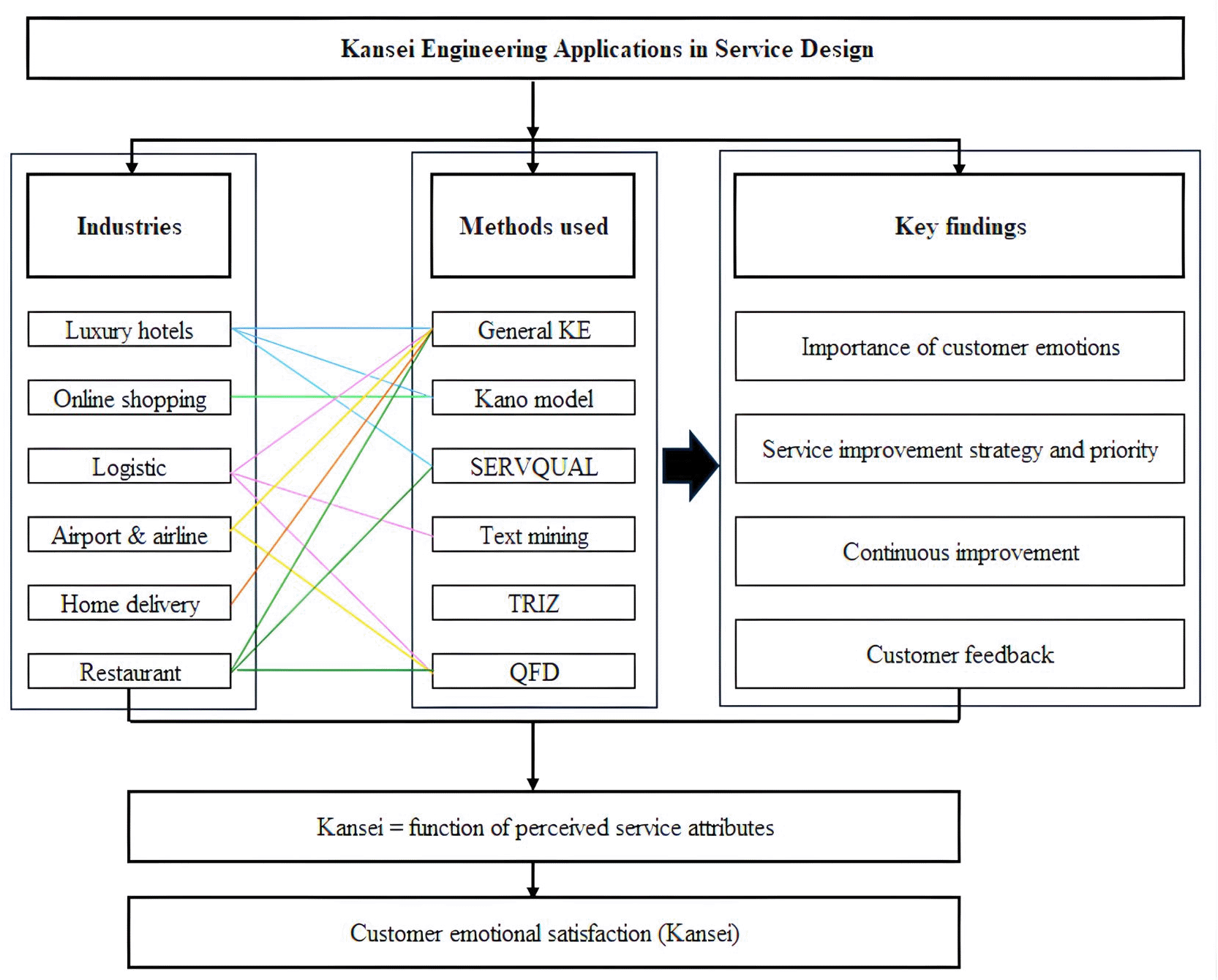
The framework illustrates the relationships between service industries, applied KE-related methods (General KE, Kano model, SERVQUAL, text mining, TRIZ, and QFD), and key findings. Colored connectors indicate the distribution of methodological applications across different service sectors. The framework highlights how Kansei Engineering functions as a mediator between perceived service attributes and customer emotional satisfaction (Kansei), informing service improvement strategies, prioritization, and continuous improvement.
In terms of methodological divergence and reliability, a clear methodological gap emerges across the literature. At the high end, studies employing PLS-SEM, logistic regression, and machine-learning–based KE demonstrate strong analytical rigor and robust validation. Mid-level rigor appears in integrated KE–Kano–TRIZ frameworks, which offer structured analysis but rely on more qualitative or hybrid judgment. At the low end, descriptive KE studies often lack validation, triangulation, or cross-checking, limiting their reliability. This methodological heterogeneity weakens overall consistency and complicates meaningful comparison of findings across different industries and research contexts.
Inherently, there are two major groups of reviewed publications of KE above, as follows. The first group is about KE application in the service industries. KE has been extensively applied in service industries, including logistics, hospitality, and retail, emphasizing its relevance in capturing customer experiences that are related to the fulfilment of their affective needs. The second one is the use of advanced analytical techniques and methods. Several research employ advanced data analysis methods and approaches such as partial least squares (PLS), text mining, and decision tree mining to analyze large datasets, especially from user-generated content like online reviews.
In terms of cross-industry insights, cross-industry evidence shows that KE delivers varying levels of effectiveness depending on sectoral characteristics. In hospitality and retail/e-commerce, KE performs strongly, revealing emotional touchpoints and capturing nuanced customer sentiments, though findings often depend heavily on Asian cultural contexts or online review data. Logistics and aviation display moderate to high effectiveness, as KE enhances perceptions of efficiency, trust, and service blueprinting, but these applications tend to underemphasize hedonic factors or lack longitudinal validation. Digital and robotic service contexts exhibit promising potential, yet empirical studies remain sparse. Recent healthcare research also highlights KE’s capacity to strengthen patient empathy and comfort, although the field was largely underexplored before 2023.
KE's research above differs in three key aspects. Based on diverse contexts and industries, some studies focus on traditional service industries (such as hotels, logistics, and higher education); others apply KE to more specific or emerging contexts, such as airport lounges, social robots, and in-flight services. This potential dynamic shows how flexible KE is. In addition, the KE research highlights that the findings might not always be applied to various industries directly. Some adjustments are needed. Theoretically, researchers who investigated KE have drawn on a variety of statistical techniques, including but not limited to knowledge graph techniques, sentiment analysis, structural equation modelling, fuzzy logic modelling, neural networks, and Bayesian network models. The technique selection may be influenced by the context of the study as well as the characteristics of the service settings under investigation. These methodological variations demonstrate how KE has progressively evolved, changed, and been modified over time to address various research issues and real-world applications. Regional and cultural focus factors have already been taken into consideration in service design by researchers studying logistics in East Asia or hospitality in Indonesia. These regional differences imply that cultural contexts and backgrounds may influence how people feel about certain aspects of services.
In terms of KE conceptual framework development, the proposed conceptual framework operates through a three-layer logic supported by a dynamic feedback loop. The input layer combines customers’ emotional needs expressed through Kansei words with contextual service attributes. These inputs flow into the processing layer, where insights are generated through traditional KE modeling, AI-enhanced KE techniques, or hybrid KE–quality approaches. The resulting outputs form the outcome layer, encompassing emotional satisfaction, behavioral intentions, loyalty, and differentiated service innovations. A feedback loop, powered by real-time analytics such as text mining, IoT data, and AI-based sensing, continuously updates the system to refine emotional alignment and enhance service performance over time.
There are potential future research directions for KE in service design. KE has promising potential to evolve alongside today’s prospective trends and technologies. New technologies like blockchain, artificial intelligence (AI), and the Internet of Things (IoT) might be considered for KE future research. It would create systems that are more reliable, responsive, adaptable, and transparent, including sustainable environments and autonomous service robots. Ways to measure sustainability in KE, making sure that service design is in line with eco-friendly practices, focusing on people, and cost-effectiveness will be highly promoted. Applying KE in more personalized services, utilizing AI-driven insights and big data to adjust services to individual Kansei in real time, can be regarded as an urgent call. Some human-based care industries, such as retail, healthcare, and hospitality, may gain advantages from such insights. Given the global services context, future research could investigate how KE frameworks will be applied to considering different cultural contexts. These results would bring benefits in the development of cross-culturally applicable universal KE guidance. Automated KE analysis systems that continuously process and interpret vast amounts of online reviews as user-generated content increases would be potentially offered to industries. Through this strategy, industries and practices could dynamically stay abreast of changing customer preferences, especially their Kansei. Future KE research with the long-term orientation, considering changes in customer loyalty and brand perception, could offer clues about how Kansei could be translated into sustained business success over time.
KE will face greater challenges in dynamic, data-driven, and culturally diverse contexts, contributing to the development of emotionally satisfying and sustainable services. One of the prominent future KE explorations is about healthcare services.39 It is especially important to engage digital platforms in healthcare services. This category includes telemedicine platforms, mental health apps, wearable health monitors, and patient-centric online portals. Schütte et al.10 have addressed similar topics. Their study addresses a comprehensive understanding of Kansei, a methodology using KE for healthcare services. Past relevant literature and industrial experience have been reviewed, providing the breadth of Kansei and its applications. The paper also includes a thematic mapping of the state-of-the-art and outlook, derived from interviews with 35 distinguished researchers. We find Kansei unique in its consideration of emotion in product design. The context of increasing information technology, digitalization, and possible integration with modern technologies like virtual reality (VR), artificial intelligence (AI), blockchains, and big data analytics has been discussed.
Nowadays, understanding and fulfilling the Kansei of patients, including the caregivers, is increasingly critical as hospital and healthcare services have become more patient-centered and more humanized. KE can contribute to the design of digital healthcare experiences that are not only functional but also emotionally appealing, making healthcare interactions more humane and impressive, especially in virtual settings where the lack of in-person interaction can feel impersonal. A comprehensive framework for designing digital health experiences, emphasizing the importance of addressing both functional and emotional aspects to enhance patient engagement, has been investigated.40 Patients utilizing digital healthcare services often experience a wide range of emotions, including anxiety, trust, and hope. It leads to user adoption and continuation of use.41 It is highly important how human-centered design principles are applied in e-mental health interventions, highlighting the role of empathy and user involvement in creating emotionally supportive digital health tools.42 Here, KE can play its role to capture and translate patients’ Kansei into design parameters. Then, it leads to enhanced aspects like user interface comfort, reassuring communication, and intuitive interaction, which can importantly improve patient satisfaction and adherence to health interventions.
Wearable equipment, innovations in AI, and data-driven health platforms have been rapidly expanded in the digital healthcare sector. KE may play an important part in humanizing these technologies. Through IoT-based equipment such as wearable technology devices and real-time data collection, gathering prompt feedback on users’ Kansei can be distinctive. Practically, KE can utilize this data to continuously adapt services in real-time, creating a responsive healthcare environment adapted to individual emotional needs and preferences. The COVID-19 pandemic, for instance, has accelerated the adoption of digital healthcare, making telehealth a permanent fixture in healthcare delivery. Since telemedicine is becoming mainstream; as a matter of fact, KE can help address the unique Kansei associated with remote care, including creating feelings of trust and connection in a virtual setting.
The critical need to address patients’ Kansei, coupled with the growing potential for real-time data integration, makes digital hospital and healthcare service a promising field for KE studies. This context offers opportunities to strengthen KE methodologies by integrating the technological capabilities of modern healthcare platforms with empathy-driven cues. Considering Schutte et al.’s work,10 such advancements are particularly valuable in healthcare services, where patient comfort and Kansei are essential dimensions of service quality. For example, KE equipped with VR and AI could enable medical professionals to create more personalized and comforting environments for digital health services, such as telemedicine and virtual consultation platforms. These technologies can further maximize the Kansei experience during remote medical interactions by dynamically adapting to patients’ physiological and psychological data in real time.
In addition, the utilization of sentiment analysis and text mining on patient feedback, such as online reviews in customer-focused KE applications and healthcare services, can continuously refine digital platforms to address the patients’ emotional needs. More patient-centered, potentially leading to better health outcomes by encouraging positive impressions of treatment modes, will be a focus of such an approach in digital healthcare services. Future KE studies could promote VR and AI to monitor real-time users’ Kansei in digital healthcare, enabling proactive adjustments that instantly satisfy their emotional needs. In the digital age, this kind of application leads to more responsive and personalized service designs, indicating that KE has significant implications on shaping caring, high-quality digital healthcare services.
This review is subject to several limitations. First, reliance on a single database may have excluded relevant KE studies indexed in sources such as WoS or IEEE Xplore. The review focuses on a decade period of publications that are missing previous foundational studies on KE. Second, the strong cultural concentration of research, primarily from East and Southeast Asia, may introduce interpretive bias in Kansei constructs. Third, the heterogeneity of methodological approaches limits the feasibility of conducting meta-analyses. Fourth, the lack of empirical triangulation across studies constrains the validation of theoretical claims. Finally, temporal shifts in post-pandemic customer behavior are not fully reflected in pre-2020 KE studies, reducing their current applicability. Additionally, the study does not consider the longitudinal impact of KE implementations on service quality, making it difficult to assess their sustainability over time.
A semi-systematic review of the development and application of KE in the service sector over the past decade (2010–2023) has been conducted through this study. This review concludes that KE in services has advanced from a descriptive emotional design tool to a data-enabled approach that strengthens service quality, customer experience, and digital transformation, positioning KE as a bridge to next-generation service innovation.
In the future study of service innovation, KE could potentially gain benefits. First, the integration of KE with intelligent technologies can be explored, such as AI and the Internet of Things (IoT), to enable real-time Kansei detection and adaptive service user interfaces. Second, as sustainability arises, KE can be integrated for the creation of services that are both environmentally responsible and emotionally engaging. Third, KE is crucial for mental health service quality improvement and digital healthcare, particularly as the request for more empathetic, trusted, and more human-centered virtual care rises. Fourth, by developing cross-cultural frameworks that differentiate universal from culture-specific emotional vocabularies and conducting longitudinal studies to capture evolving Kansei–loyalty relationships and post-pandemic emotional shifts.
| Views | Downloads | |
|---|---|---|
| F1000Research | - | - |
|
PubMed Central
Data from PMC are received and updated monthly.
|
- | - |
Provide sufficient details of any financial or non-financial competing interests to enable users to assess whether your comments might lead a reasonable person to question your impartiality. Consider the following examples, but note that this is not an exhaustive list:
Sign up for content alerts and receive a weekly or monthly email with all newly published articles
Already registered? Sign in
The email address should be the one you originally registered with F1000.
You registered with F1000 via Google, so we cannot reset your password.
To sign in, please click here.
If you still need help with your Google account password, please click here.
You registered with F1000 via Facebook, so we cannot reset your password.
To sign in, please click here.
If you still need help with your Facebook account password, please click here.
If your email address is registered with us, we will email you instructions to reset your password.
If you think you should have received this email but it has not arrived, please check your spam filters and/or contact for further assistance.

Comments on this article Comments (0)