Keywords
Sulfapyridine, Schiff bases, β-lactam derivatives, diclofenac acid, antibacterial, antifungals, cycloaddition, and molecular docking.

This article is included in the Fallujah Multidisciplinary Science and Innovation gateway.
Sulfapyridine, Schiff bases, β-lactam derivatives, diclofenac acid, antibacterial, antifungals, cycloaddition, and molecular docking.
β-lactam derivatives, a subclass of heterocyclic molecules pertinent to medicinal chemistry, are well known for their antibacterial as well as therapeutic activity. The β-lactam ring, or azetidin-2-one ring, is a four-membered cyclic amide that forms the basis of the chemical structure of a variety of well-known antibiotics that are now used clinically—from penicillin and cephalosporins to carbapenems and monobactams. This shape is such that the reactivity with electrophilic biological nucleophiles is enhanced, and, as a result, the inhibition of bacterial cell wall synthesis is very efficient. β-lactam derivatives of all kinds are, therefore, the target of study in the discovery of new antimicrobial medicines, and various groups are intensely involved in this area of research.1–3
The duration of pharmaceutical antibiotic therapy to cure infections is continually shrinking in the face of the proliferation of multi-drug resistant disease, especially in the hospital environment. The commonest exception is Gram-negative bacteria, which challenge β-lactam antibiotics with a repertoire of fighting techniques, from enzymes that cleave the drug and deactivate it to an armory of multiple mechanisms that impede drug reachability of the target: β-lactamases, decreased membrane permeability, or the generation of new penicillin-binding proteins that bind less well (if at all) to β-lactams themselves. Greater structure-activity relationship comprehensions are needed to pick off better structures offering greater stability, binding affinity, and antibacterial potency.4–6
Sulphonamide drugs have probably the greatest mix-and-match applicational pharmacophoric class in synthetic medicinal chemistry.
They are exerting an antibacterial impact by virtue of blocking the active site of an enzyme, dihydropteroate synthase (DHPS), which is necessary for the formation of folate. When the sulphonamide group is joined to an aromatic heterocyclic ring, a versatile, useful core is formed that can be opened and chucked around. Amino acid systems can be improved if the basic reaction can be made to yield a Schiff base, then condensed with an aromatic aldehyde, thus providing greater synthetic flexibility (in that cycloadditions and acylations can be undertaken to give rise to heterocyclic systems such as β-lactams).7–9
Herein, we describe the rational creation of two new β-lactam derivatives on a sulfapyridine-like basis, compounded and then characterized on the physical level, computerized under the ethicalized class, and on the physiological level geophiliacized for more bacterial and fungicidal challenges. Integrating practical and theoretical insights for newer β-lactam scaffolds for antibacterials.10–12
All chemicals used were purchased from Fluka and Merck. M.P. is a recorder that uses an electrothermal melting point apparatus, Gallenkamp. The FT-IR (KBr disk) spectra of prepared compounds were recorded on a Shimadzu FT-IR 8400s spectrophotometer in the department of chemistry, college of science, and 1H NMR and 13C NMR spectra were recorded on a Bruker Ultra Shield 400 MHz spectrometer, using DMSO-d6 as the solvent and TMS as an internal standard.
General procedure for the synthesis of Schiff-bases [A1-A4]
A mixture of sulfapyridine (0.01 mol, 2.49 g) and the appropriate aromatic aldehyde (0.01 mol) was dissolved in 30 mL of absolute ethanol. A catalytic amount of glacial acetic acid (3–4 drops) was added, and the mixture was refluxed for 3 hours with continuous stirring. The reaction progress was monitored by TLC. Upon completion, the mixture was cooled to room temperature, and the resulting solid product was filtered, washed with cold ethanol, and dried under vacuum to afford Schiff bases A1–A4 in good yields.13
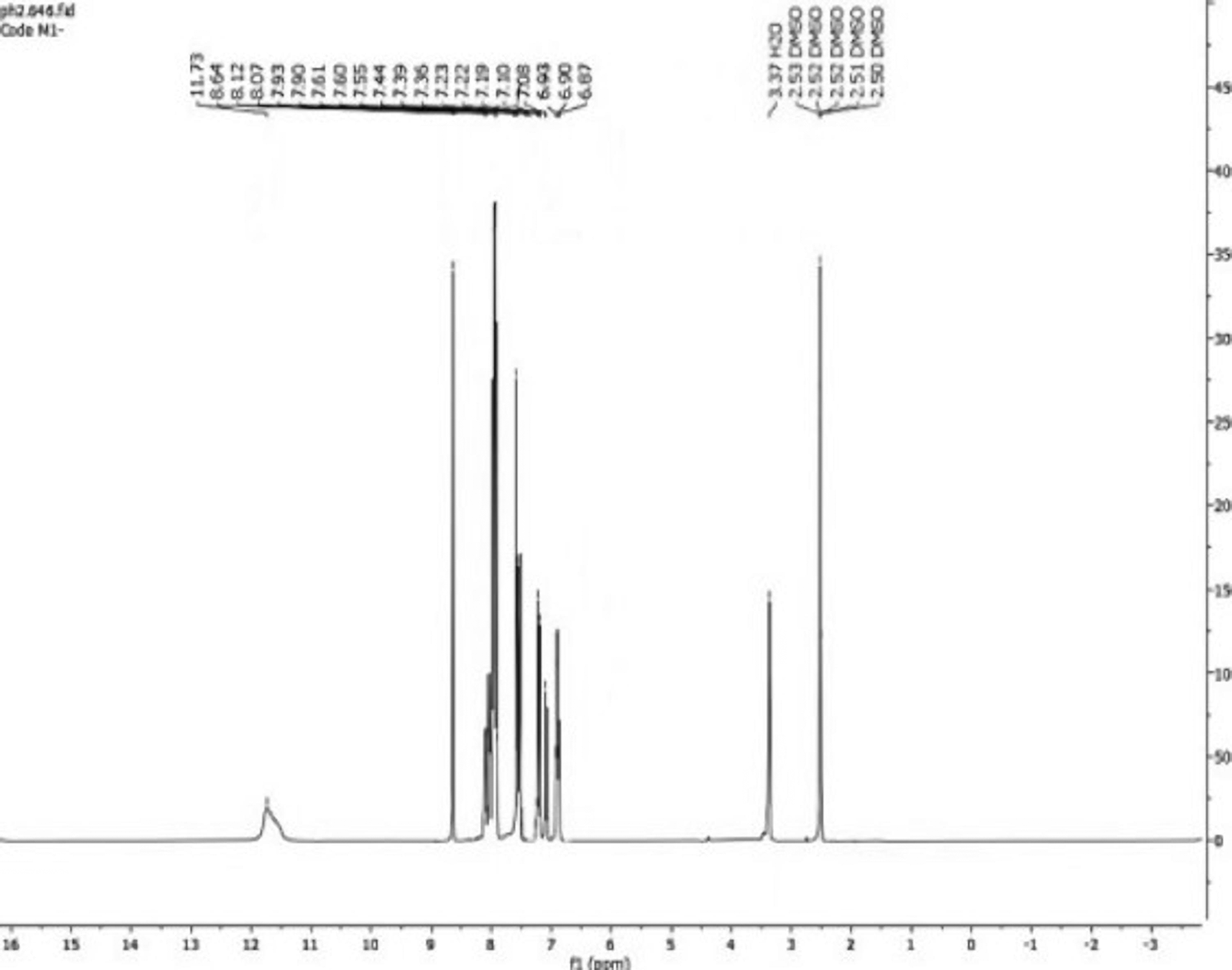
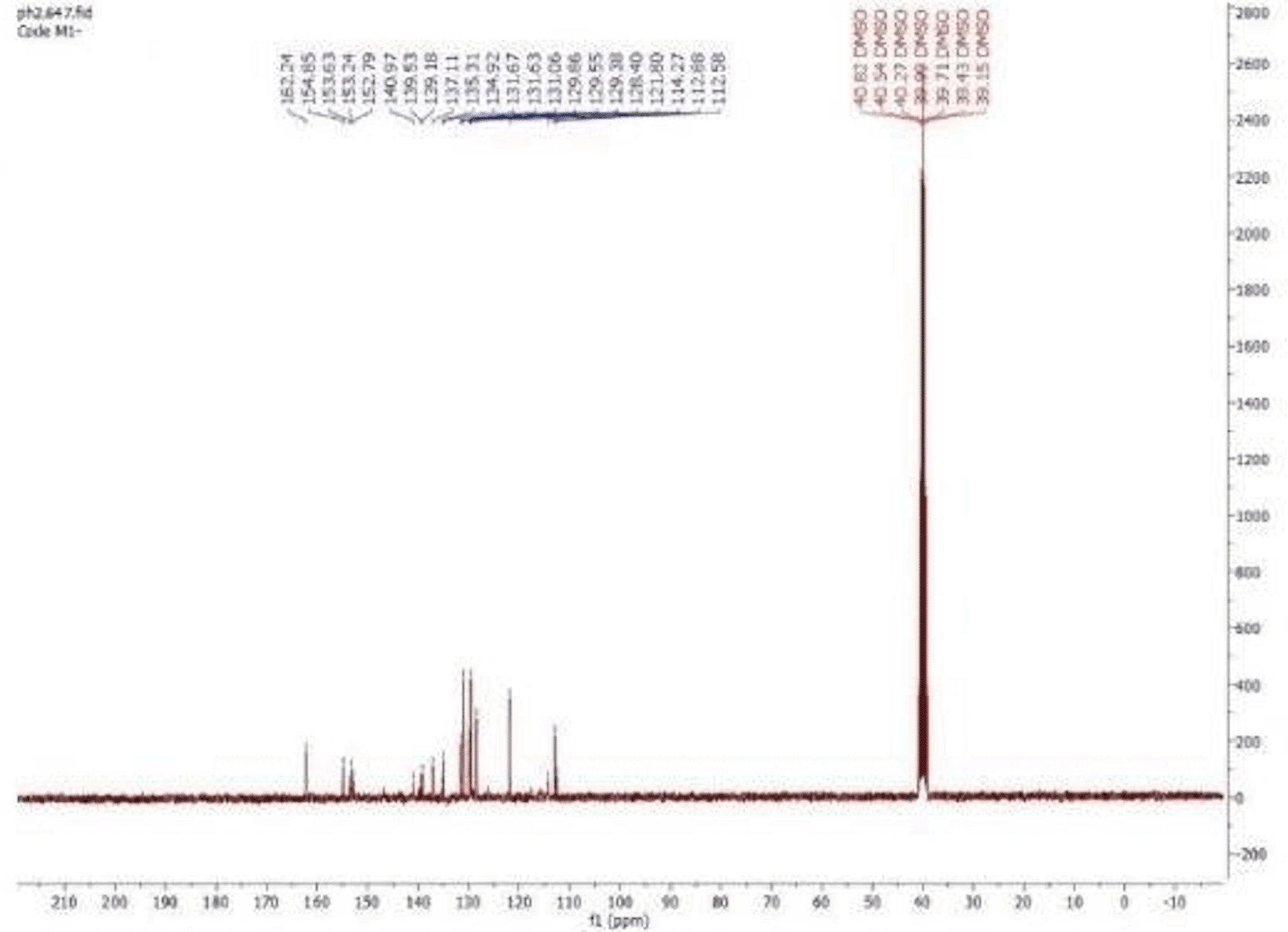
4-((4-chlorobenzylidene) amino) -N-(pyridin-2-yl) benzene sulfonamide [A1]: Pale yellow solid, yield: 90%, m.p. 200–202°C. FT-IR: 3390 (NH), 3024 (CH aromatic), 1681 (C=N pyridine), 1631 (C=N), 1384 (SO2 asy.), 1085 (SO2 sy.), 1005 (C-Cl); 1H NMR δ 11.73 (s, 1H, NH), 1H, N=CH), 6.87-8.07 (m, 12H, Ar-H). 13CNMR δ: 112.58–154.85 (C-Ar), 162.24 (C=N).
4-((4-nitrobenzylidene) amino) -N-(pyridin-2-yl) benzene sulfonamide [A2]: Yellow solid, yield: 85%, m.p. 190–192°C. FT-IR: 3244 (NH), 3055 (CH aromatic), 1679 (C=N), 1629 (C=N), 1575 (NO2 asy), 1319 (NO2 sy), 1388 (SO2 asy), 1083 (SO2 sy).
4-((4-(dimethylamino)benzylidene)amino) -N-(pyridin-2-yl) benzene sulfonamide [A3]: Yellow solid, yield: 85%, m.p. 188–190°C. FT-IR: 3305 (NH), 3047 (CH aromatic), 1708 (C=N pyridine), 1679 (C=N), 1008 (C-N), 1359 (SO2) asy, 1087(SO2)sy.
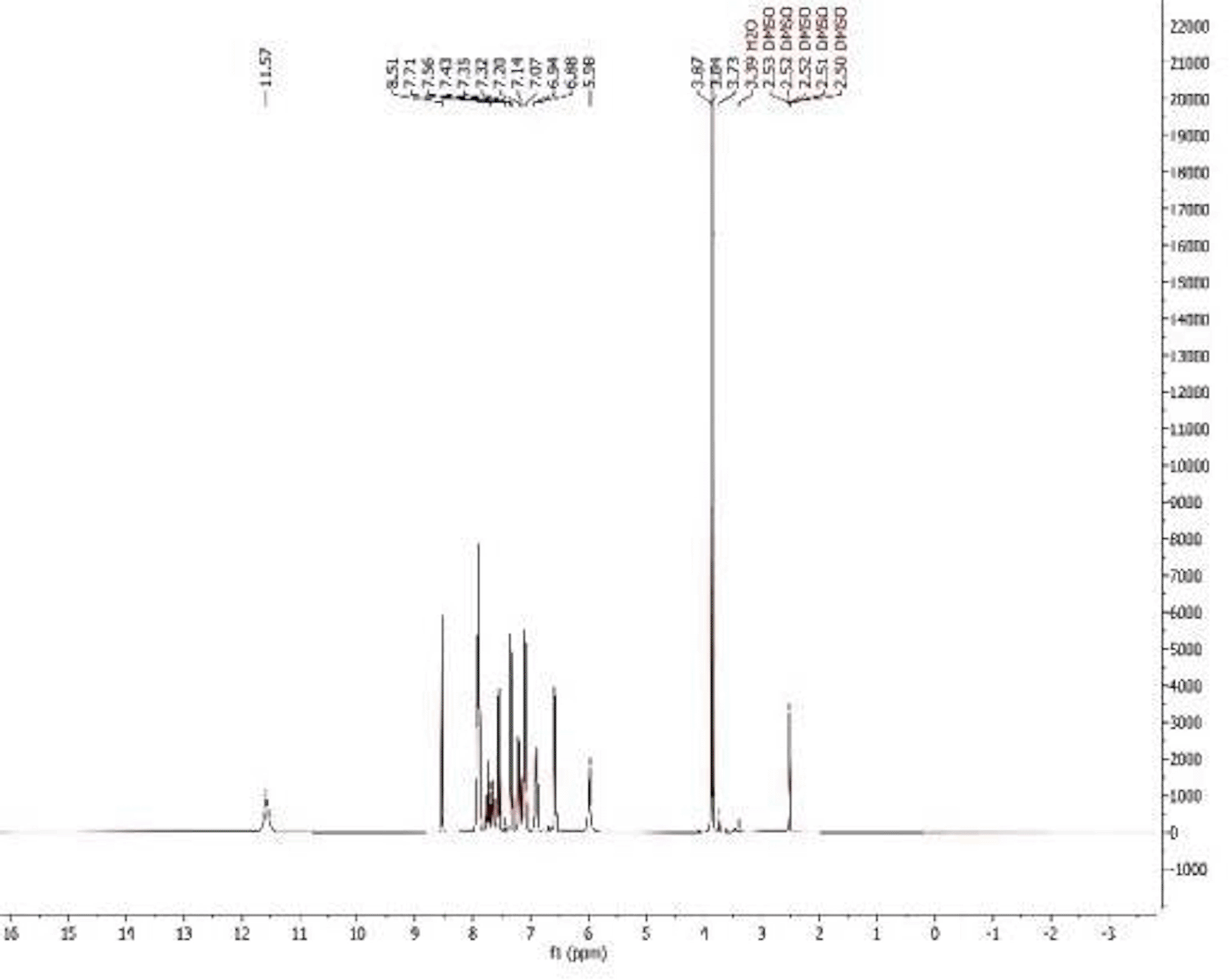
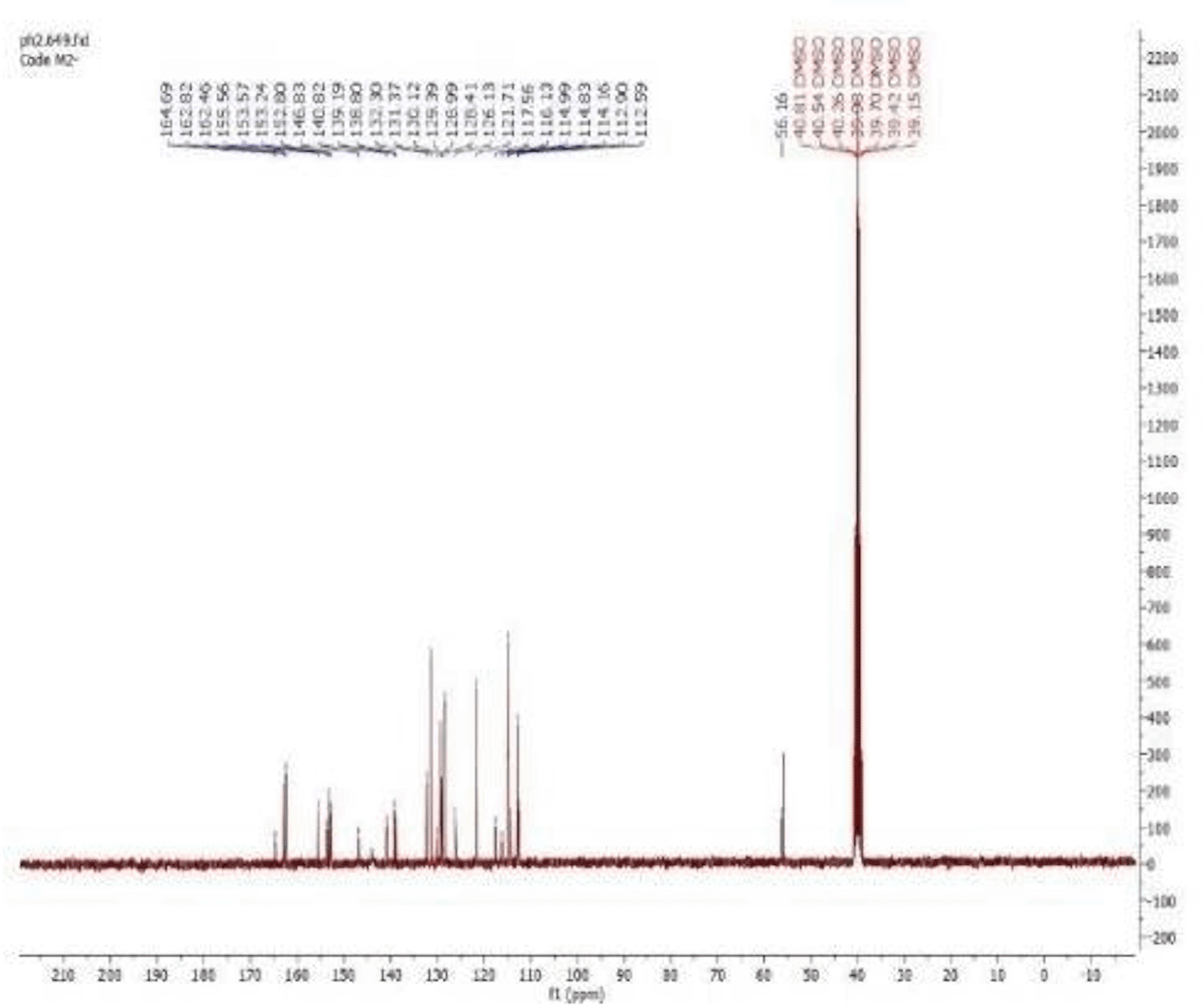
4-((4-methoxybenzylidene) amino) -N-(pyridin-2-yl) benzene sulfonamide [A4]: Pale brawn solid, yield: 88%, m.p. 185–187°C. FT-IR: 3225 (NH), 3047 (CH aromatic), 1708(C=N pyridine), 1683 (C=N), 1283 (Ar-O), 1380 (SO2) asy., 1085 (SO2)sy. 1H NMR δ 11.57 (s, 1H, NH), 8.51 (s, 1H, N=CH), 6.88-7.71 (m, 12H, Ar-H), 3.73 (s, 3H, OCH3). 13CNMR δ: 56.16 (CH3), 112.58–154.85 (C- Ar), 162.24 (C=N).
General procedure for the synthesis of β-lactam derivatives [A5-A8]:
To a stirred solution of the Schiff base (0.01 mol) in 20 mL of dry dichloromethane, triethylamine (0.02 mol) was added dropwise under an inert atmosphere. The mixture was cooled in an ice bath, and chloroacetyl chloride (0.012 mol) was added slowly while maintaining the temperature below 10°C. The reaction mixture was then stirred at room temperature for 6 hours. After completion, the mixture was washed successively with distilled water, 5% sodium bicarbonate solution, and brine. The organic phase was dried over anhydrous sodium sulfate, filtered, and evaporated under reduced pressure. The crude product was recrystallized from ethanol to yield β-lactam derivatives A5–A8.14
4-(3-chloro-2-(4-chlorophenyl)-4-oxoazetidin-1-yl) -N-(pyridin-2-yl) benzene sulfonamide [A5]: Yellow solid, yield: 85%, m.p. 150–148°C. FT-IR: 3307 (NH), 3058 (CH aromatic), 1706 (C=O amide), 1679 (C=N pyridine), 1359 (SO2 asy.), 1085 (SO2 sy.), 1002 (C-Cl).
4-(3-chloro-2-(4-nitrophenyl)-4-oxoazetidin-1-yl) -N-(pyridin-2-yl) benzene sulfonamide [A6]: Brawn solid, yield: 86%, m.p. 160–158°C.FT-IR:3299(NH), 3056(CH aromatic), 1703(C=O amide), 1670(C=N pyridine), 1533, 1394(NO2), 1361 asy., 1087(SO2)sy. 1H NMR δ: 12.39 (s,1H, NH), 6.40-7.97 (m,12H, Ar-H), 5.77(d,1H, CH-Cl), 4.29 (d,1H, CH-N). 13CNMR δ: 166.01 (C=O), 114.41–154.28 (C- Ar), 70.68 (C-N), 64.19 (C-Cl).
4-(3-chloro-2-(4-(dimethylamino)phenyl) -4-oxoazetidin-1-yl)-N-(pyridin-2-yl) benzene sulfonamide [A7]: Brown solid, yield: 89%, m.p. 145–147°C. FT-IR: 3309 (NH), 3029 (CH aromatic), 1728 (C=O amide), 1672 (C=N pyridine), 1359 asy., 1039 (SO2) sy. 1H-NMR δ: 10.90 (s, 1H, NH), 6.77-8.03 (m, 12H, Ar-H), 5.77 (d, 1H, CH-Cl), 4.34 (d, 1H, CH-N), 3.03 (s, 6H, CH3-N). 13CNMR δ: 165.73 (C=O), 111.55–154.67 (C-Ar), 65.34 (C-N), 64.18 (C-Cl), 41.99 (2CH3).
4-(3-chloro-2-(4-methoxyphenyl)-4-oxoazetidin-1-yl) -N-(pyridine-2-yl) benzene sulfonamide [A8]: Brown solid, yield: 90%, m.p. 159–161°C. FT-IR: 3269 (NH), 3068 (CH aromatic), 1712 (C=O amide), 1677 (C=N pyridine), 1259 (Ar-O), 1332 (SO2) asy, 1049(SO2)sy.
General procedure for the synthesis of β-lactam derivatives [A9-A12]:
A mixture of diclofenac acid (1.5 mmol, 0.6 g), Schiff base (1 mmol), p-toluenesulfonyl chloride (1.5 mmol, 0.4 g), and triethylamine (5 mmol) in dry dichloromethane (10 mL) was stirred at room temperature for 35–60 h. The reaction progress was monitored by TLC. After completion, the mixture was washed sequentially with 1 N HCl (10 mL), NaHCO3 solution (10 mL), and brine (10 mL). The organic layer was dried over anhydrous MgSO4, filtered, and the solvent removed to yield crude β-lactams (A9–A12), which were recrystallized from ethanol.15
4-(2-(4-chlorophenyl) -3-(2-((2,6-dichlorophenyl)amino)phenyl) -4-oxoazetidin-1-yl) -N (pyridin-2-yl) benzene sulfonamide [A9] : Dark yellow solid, yield: 88%, m.p. 190–192°C. FT-IR 3379 (NH), 3031 (CH aromatic), 1680 (C=O amide), 1361 (SO2 asy.), 1054 (SO2 sy.), 1008 (C-Cl).
4-(3-(2-((2,6-dichlorophenyl) amino) phenyl) -2-(4-nitrophenyl) -4-oxoazetidin-1-yl) -N-(pyridin2-yl) benzene sulfonamide [A10]: Pale yellow solid, yield: 80%, m.p. 210–212°C. FTIR: 3261 (NH), 3072 (CH aromatic), 1714 (C=O amide), 1506 (NO2 asy. 1307 (SO2) asy., 1045(SO2) sy, 1000(C-Cl). 1H-NMR δ: 10.03(s, 1H, NH), 6.42-7.96 (m,19H, Ar-H), 5.62 (d, 1H, CH), 4.12 (d,1H, CH-N). 13CNMR δ: 169.90 (C=O), 112.39–140.80 (C- Ar), 58.74 (C-N), 44.53 (CH).
4-(3-(2-((2,6-dichlorophenyl) amino) phenyl) -2-(4-(dimethylamino)phenyl) -4-oxoazetidin-1yl) -N-(pyridin-2-yl) benzene sulfonamide [A11]: Yellow solid, yield: 83%, m.p. 239–241°C. FTIR: 3323 (NH), 3074 (CH aromatic), 1724(C=O amide), 1371(SO2) asy, 1014(SO2) sy, 1015(C-Cl).
4-(3-(2-((2,6-dichlorophenyl)amino)phenyl) -2-(4-methoxyphenyl) -4-oxoazetidin-1-yl) -N (pyridin-2-yl) benzene sulfonamide [A12]: Brawn solid, yield: 89%, m.p. 204-206 °C. FT-IR:3234 (NH), 3080 (CH aromatic), 1681(C=O amide), 1083(C-O), 1348 (SO2)asy., 1043(SO2) sy, 1001 (CCl). 1H NMR δ: 9.82 (s, 1H, NH), 6.79-8.10 (m, 19H, Ar-H), 6.31(d,1H, CH), 5.83 (d,1H, CH-N) 3.12 (s, 3H, OCH3). 13C`NMR δ: 166.99 (C=O), 112.39–140.80 (C-Ar), 60.90 (C-N), 55.40(CH3),44.15 (CH).
Antibacterial and Antifungal Assays16–20
Antimicrobial activity was evaluated using the agar disk diffusion method. Tested microorganisms included:
• Staphylococcus aureus (Gram-positive)
• Escherichia coli (Gram-negative)
• Candida albicans (fungus)
Sterile filter paper disks were impregnated with 30 μg of each synthesized compound dissolved in DMSO. Inoculated plates were incubated at 37°C for bacterial strains and 28°C for fungal strains. Zones of inhibition were measured after 24 hours.
Ceftriaxone and fluconazole were used as standard reference drugs. All measurements were performed in triplicate, and results were reported as mean ± SD.
ChemOffice 2016, Discovery Studio 2021, and the AutoDock Vina module incorporated into PyRx 0.8 were used for molecular docking investigations. The Candida-related target protein EA1 was generated in Discovery Studio by removing heteroatoms and water molecules and verifying structural completeness after it was acquired from the Protein Data Bank. The .pdb format was used to store the optimized structure. ChemDraw was used to sketch the synthesized compounds (A5–A12) and convert them to .pdb files. AutoDock Tools was used to convert protein and ligand structures into the pdbqt format, and Open Babel was used to lower ligand energies. The active site of the ceftriaxone co-crystallized ligand was represented by the center of the grid box during the Vina Wizard docking procedure. Binding affinities were evaluated using the lowest Vina score values, and ligand-protein interactions were investigated using Discovery Studio Visualizer 2021.
Researchers focused on synthesizing β-lactam compounds due to their broad applications, particularly in biological, industrial, and agricultural fields.
The sulfapyridine drug was used to prepare two types of β-lactam derivatives. The first step involved the preparation of Schiff bases (A1-A4) from the condensation of some aromatic aldehydes with the sulfapyridine drug in the presence of glacial acetic acid. The FTIR spectrum showed the disappearance of the stretching bond at (3400, 3367) cm−1 for NH2 and the appearance of a new stretching bond at (1629-1708) cm−1 for the imine group, while 1H-NMR and 13C-NMR showed signals at (5.83 ppm) and (8.51 ppm), which are due to (CH=N). Cycloaddition of prepared Schiff bases with chloroacetyl chloride in the presence of triethylamine at (0-5)°C gave the corresponding first type of β-lactam compounds (A5-A8).13,14
The synthesized compounds were characterized using FT-IR, 1H-NMR, and 13C-NMR spectroscopy, and the corresponding spectra are shown in Figures 1–13. The proposed reaction pathway is illustrated in Scheme 1.
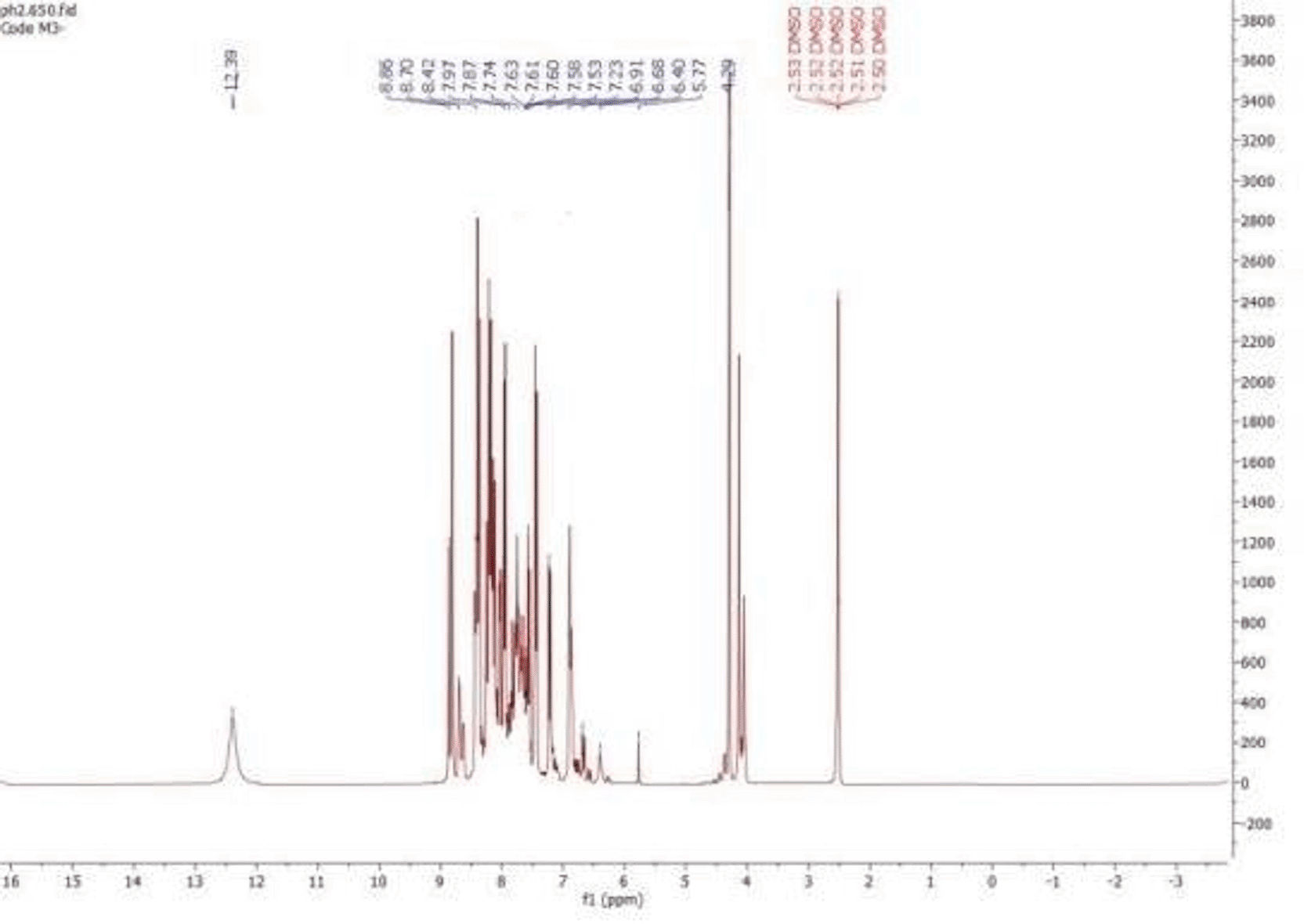
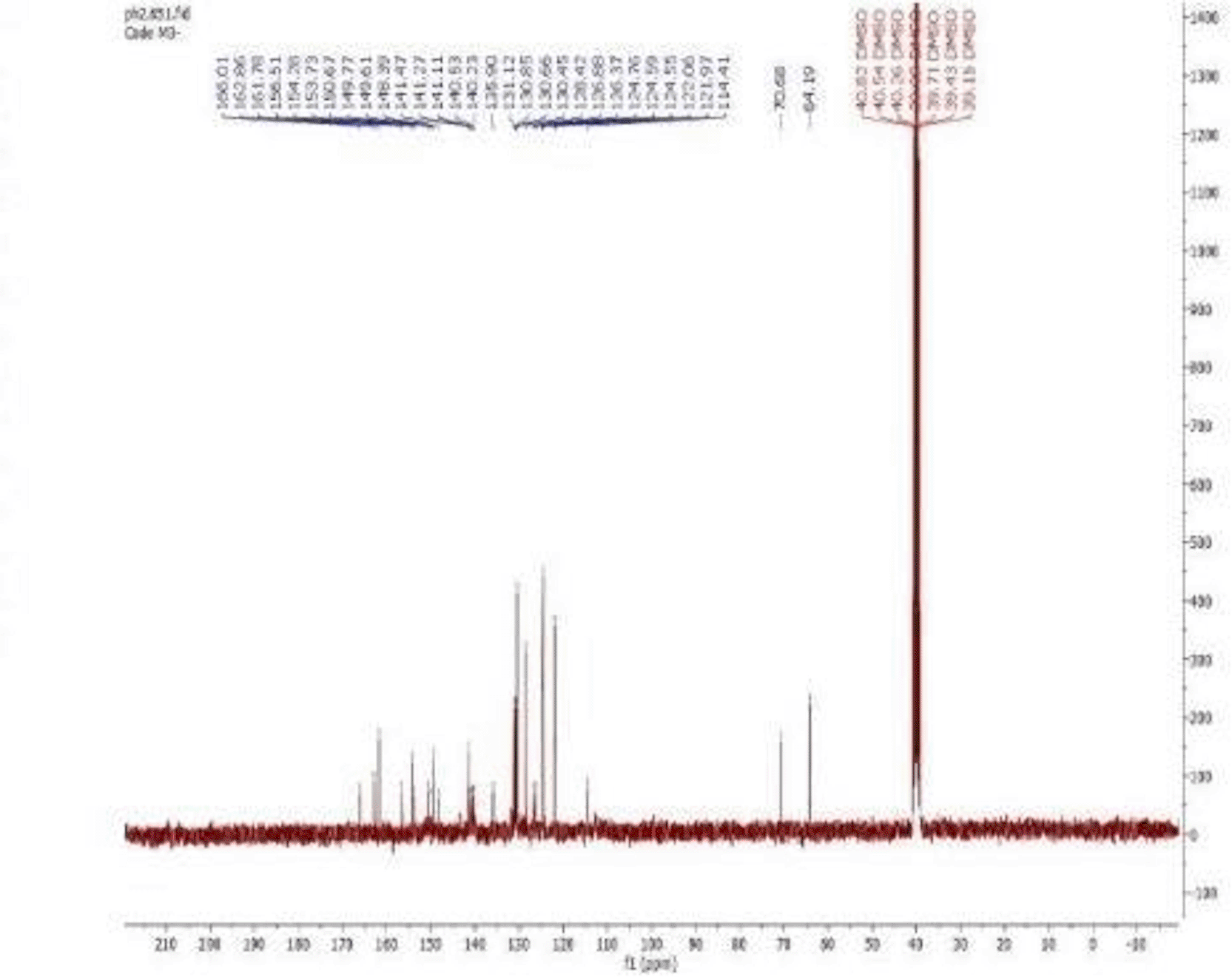
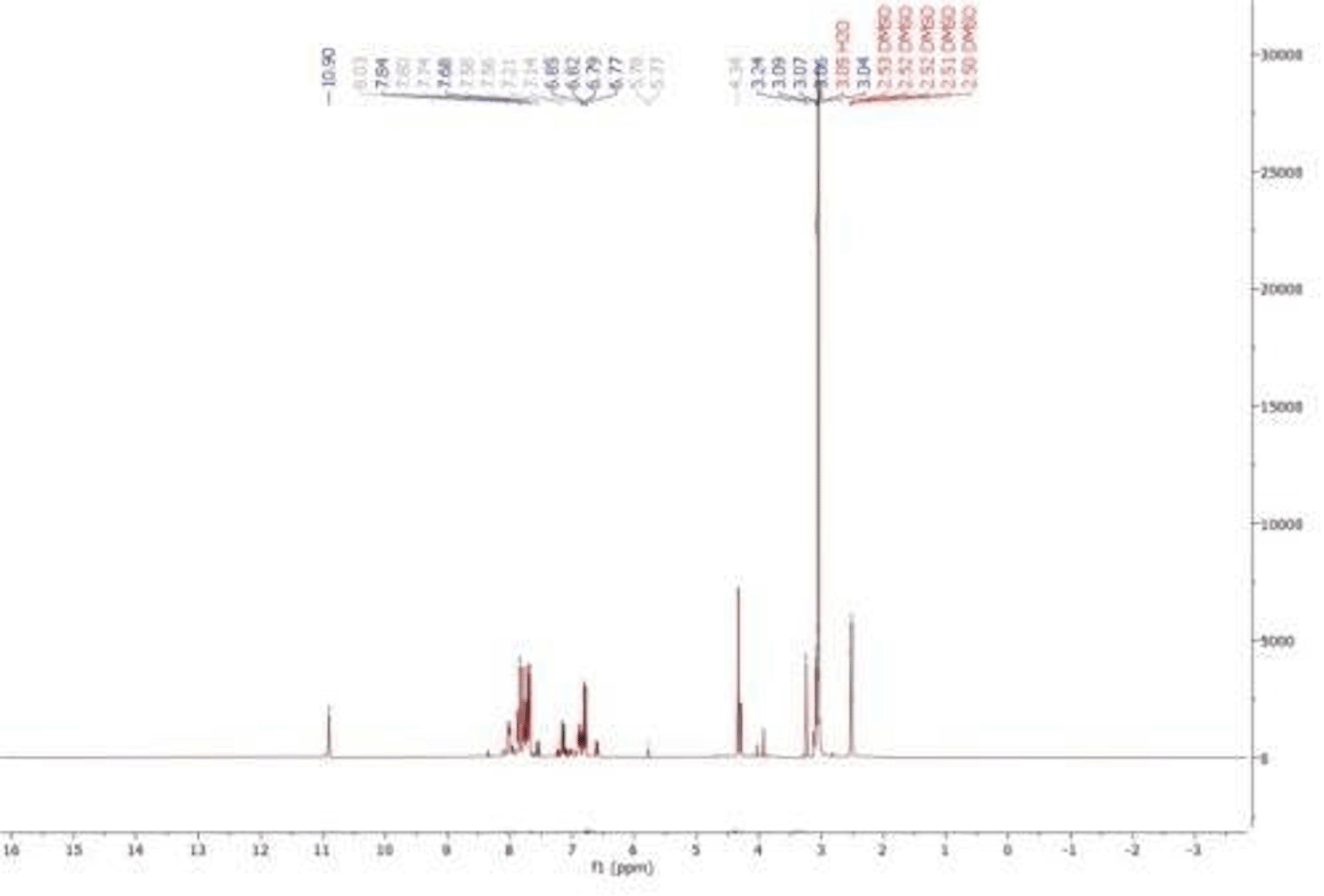
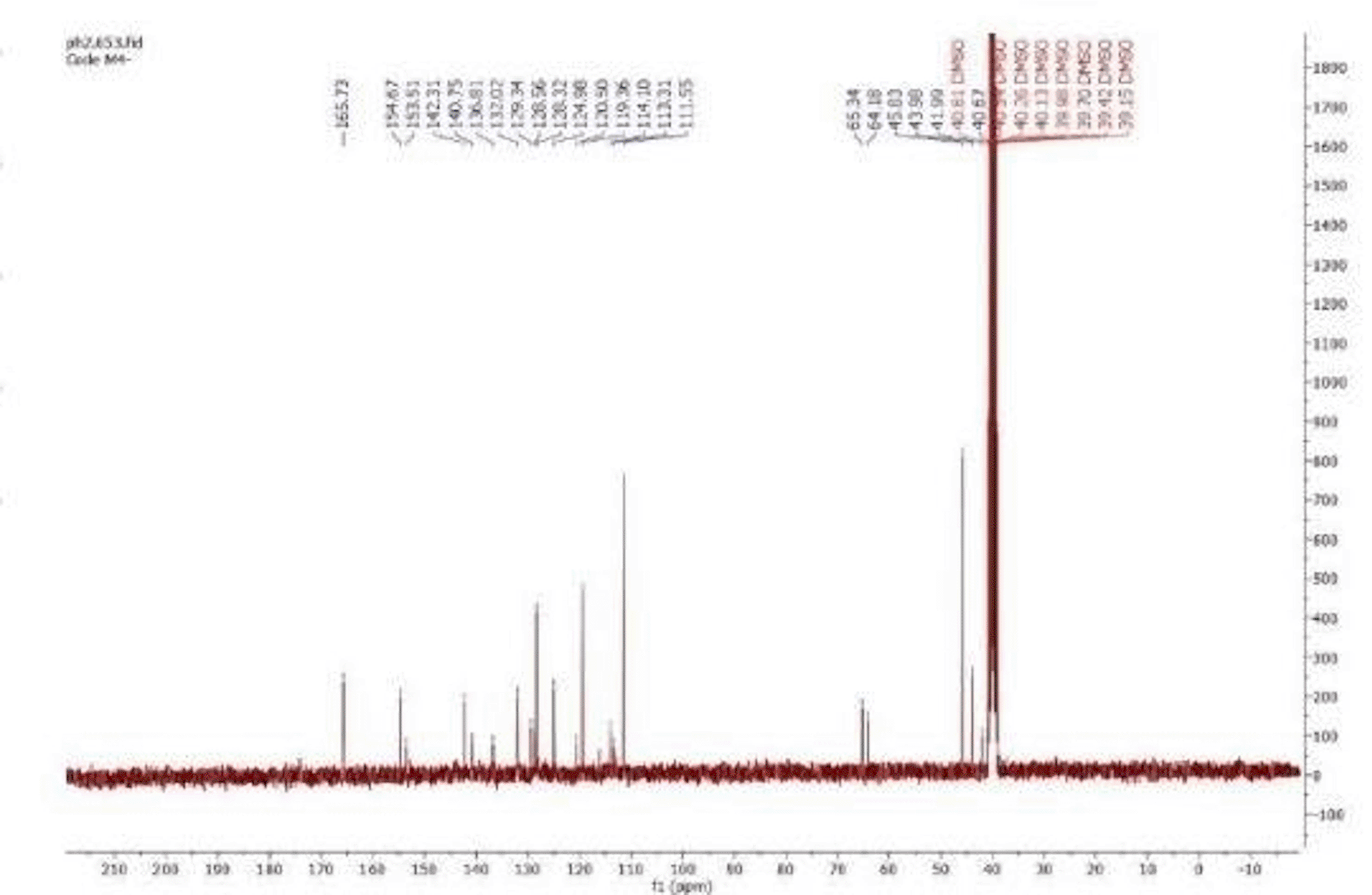
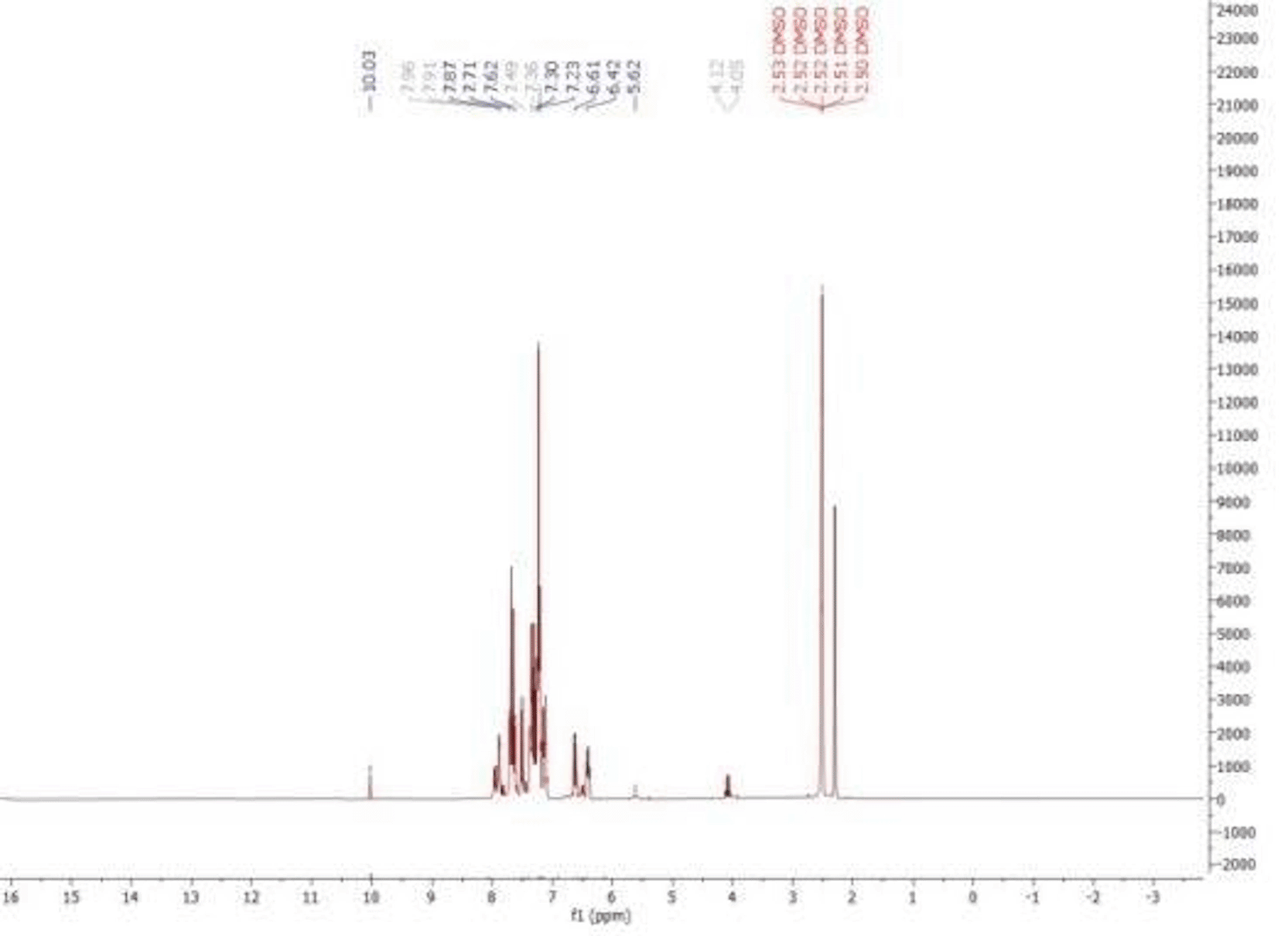
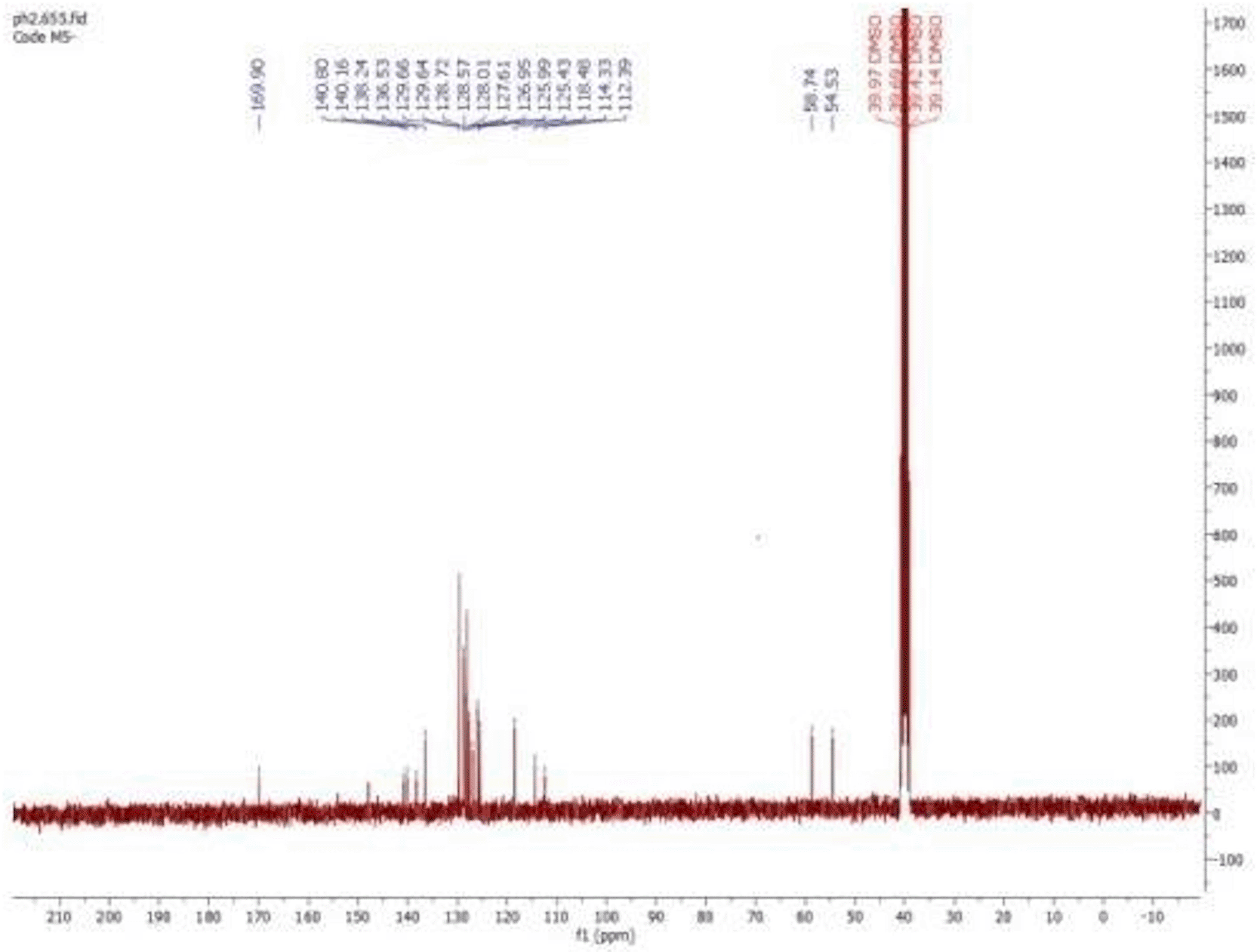
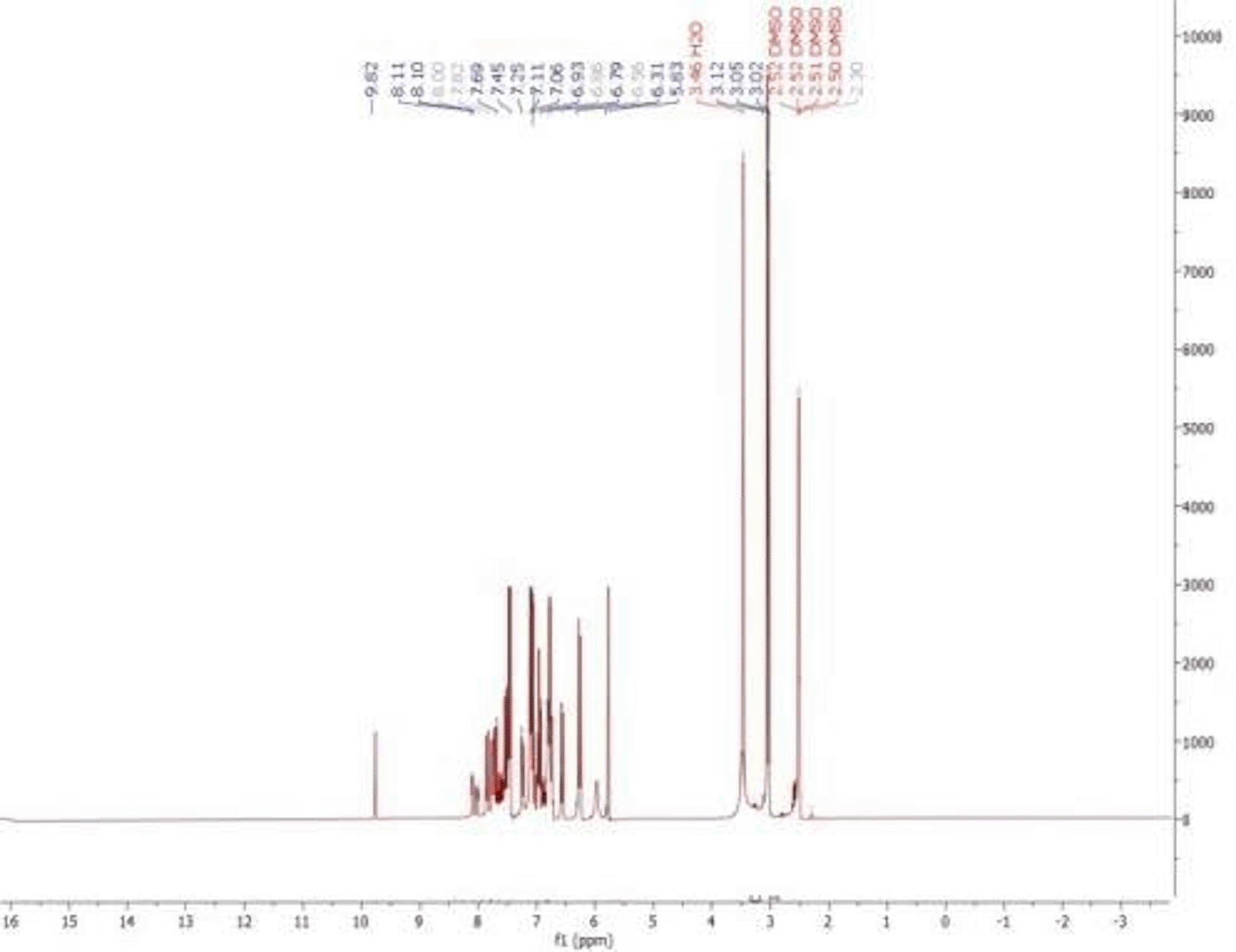
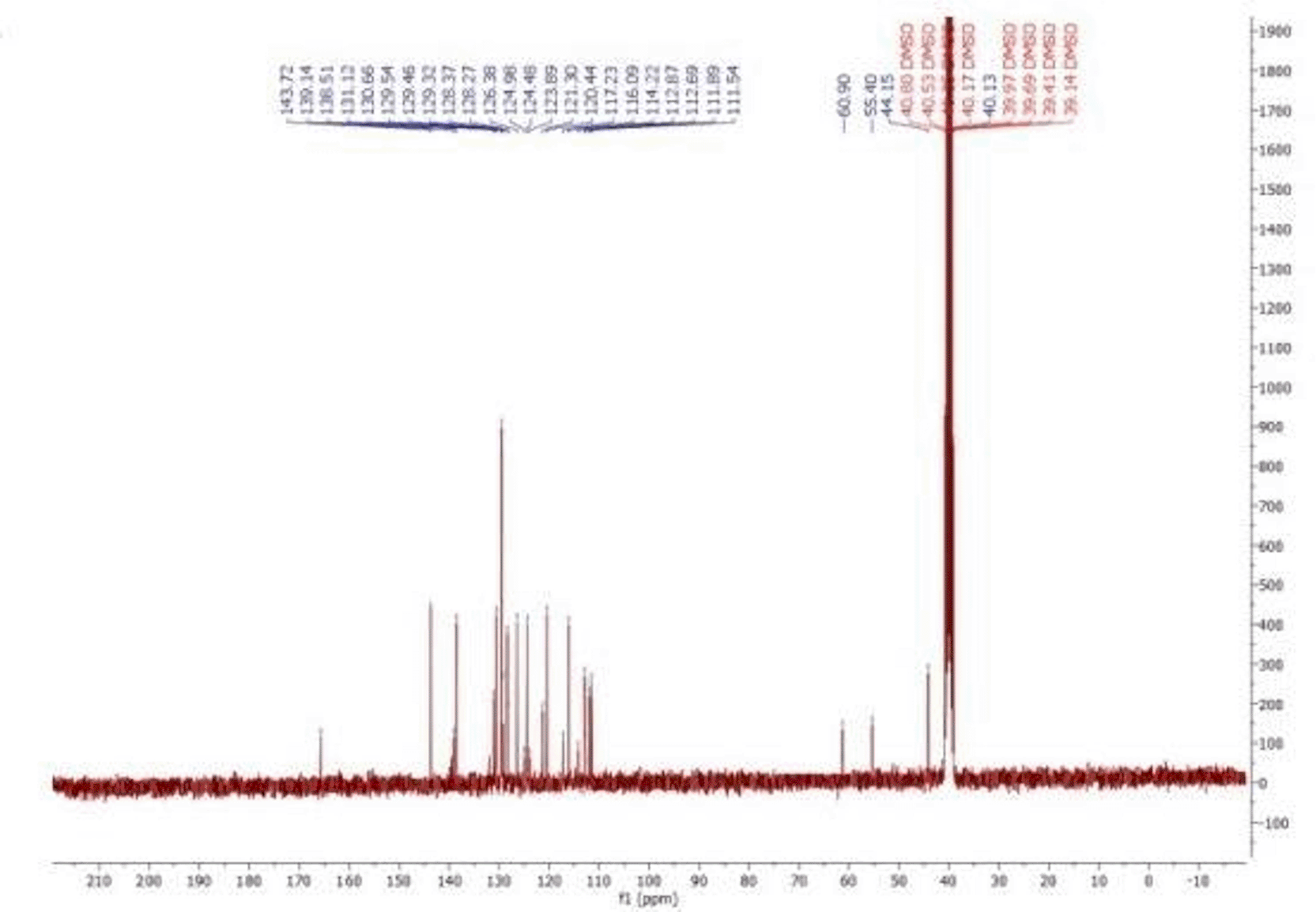
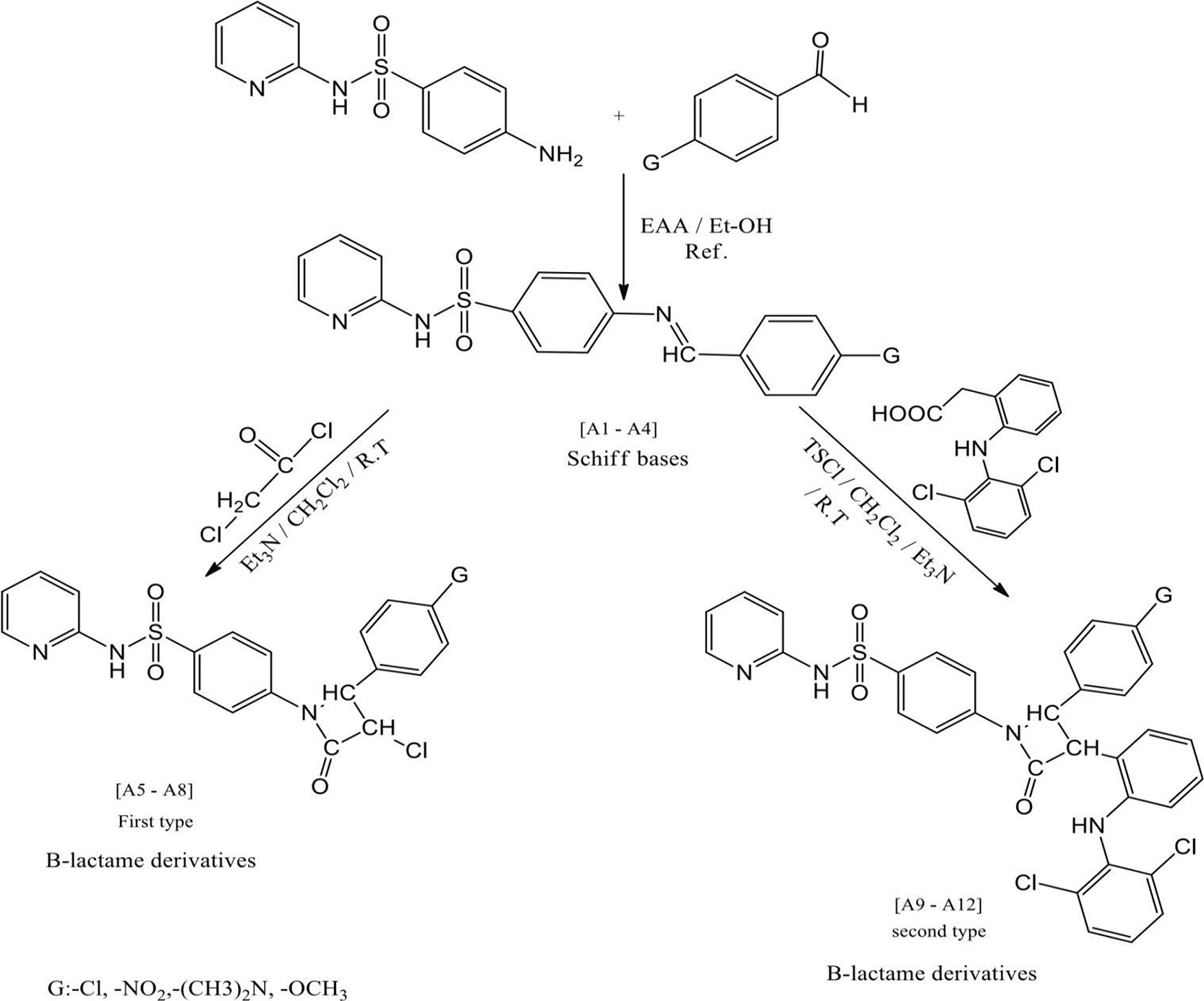
The absence of a stretching band, which is due to (CH=N), and the appearance of a new stretching band at (1680-1724) for (C=O lactam ring), while 1HNMR and 13CNMR showed the characteristic doublet signals at 5.83 ppm for (CH-Cl) and the doublet at 5.83 ppm for (CH-N) (166 ppm), which are attributed to the formation of β-Lactam derivatives. (2-2) Cycloaddition of prepared Schiff bases with diclofenac acid in the presence of triethylamine and p-toluene sulfonyl chloride through ketene-imine formation gave the corresponding second type of β-Lactam derivatives (A9-A12)15 as illustrated in the following mechanism:
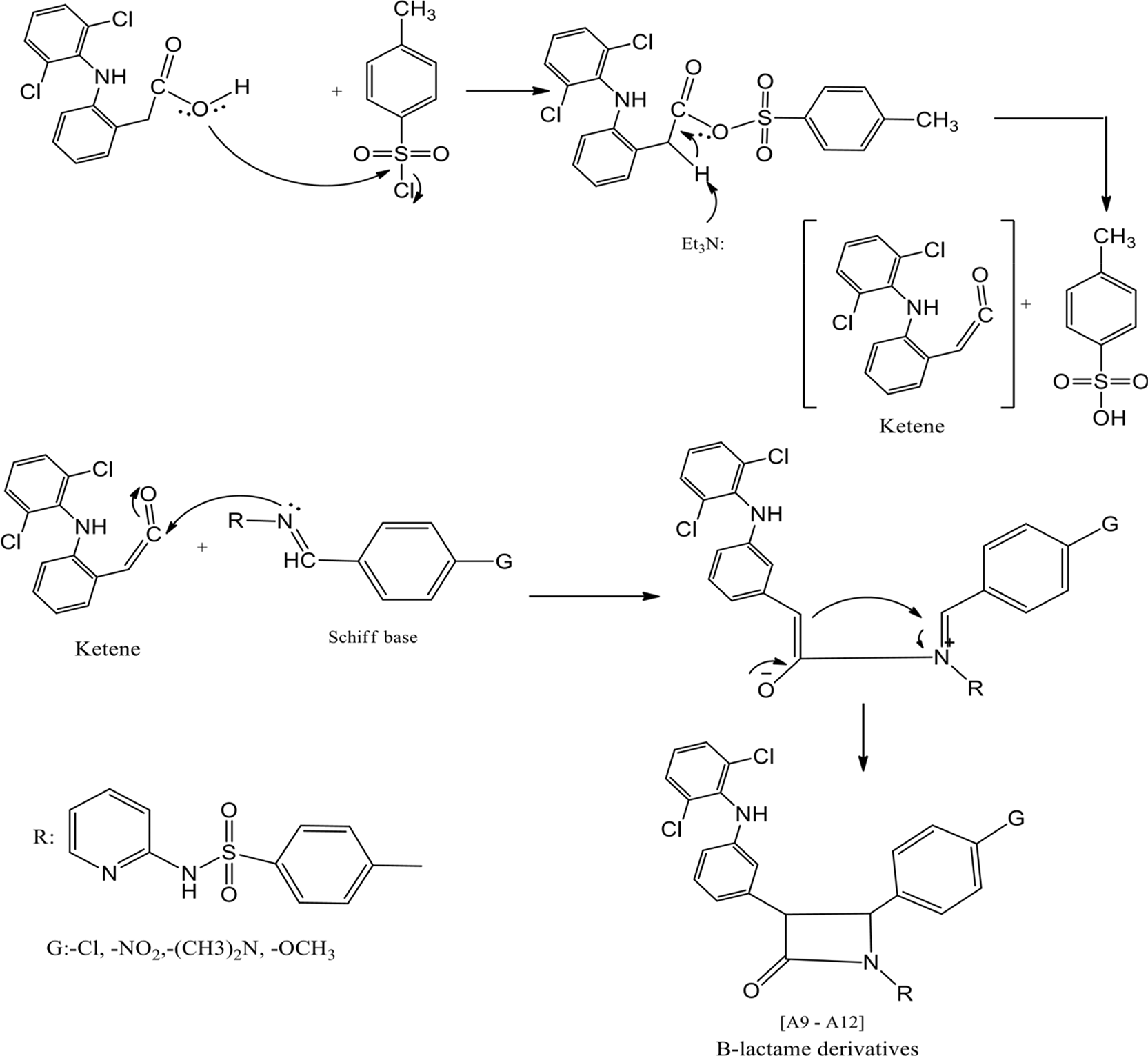
Mechanism synthesized of β-Lactam derivatives [A9-A12]
The structures of azetidin-2-one were determined via their FT-IR, 1H-NMR, and 13C-NMR spectral data. The stretching vibration at 1627 cm−1 for the imine group disappeared, and a new stretching vibration band at (1680-1724) cm−1 for the carbonyl group of the β-lactam ring appeared. In the 1H-NMR spectra, discrete doublets of protons of the β-lactam ring were observed at (4.12) ppm and (5.83) ppm for H3 and H4, respectively, while the 13C NMR spectra showed a signal of (C=O lactam ring) observed at (166-169) ppm.
BIOLOGICAL ACTIVITY
Antibacterial and anti-fungal activity
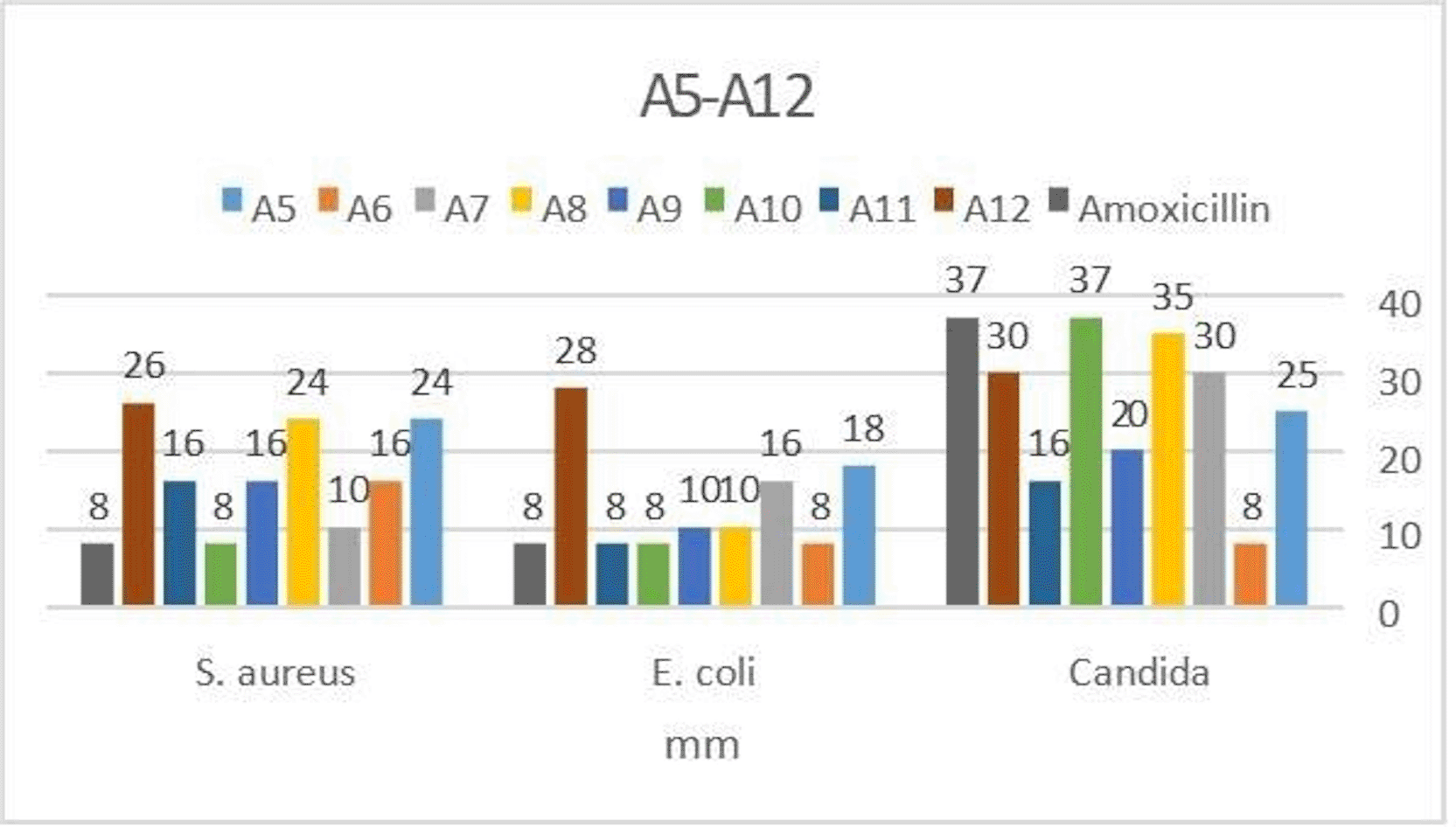
The disk diffusion method was used to assess the antibacterial activity of all produced compounds against Staphylococcus aureus, Escherichia coli, and Candida albicans.25
- Compounds A7, A8, A9, and A12 demonstrated the strongest antibacterial activity.
- Compound A12 showed significant antifungal activity against C. albicans. - Electron-donating groups on the aromatic ring enhance biological activity.
The addition of diclofenac moieties (A9-A12) greatly increased potency.
Under identical testing settings, numerous drugs’ inhibition zones (mm) matched or exceeded those of ceftriaxone and fluconazole.26–28
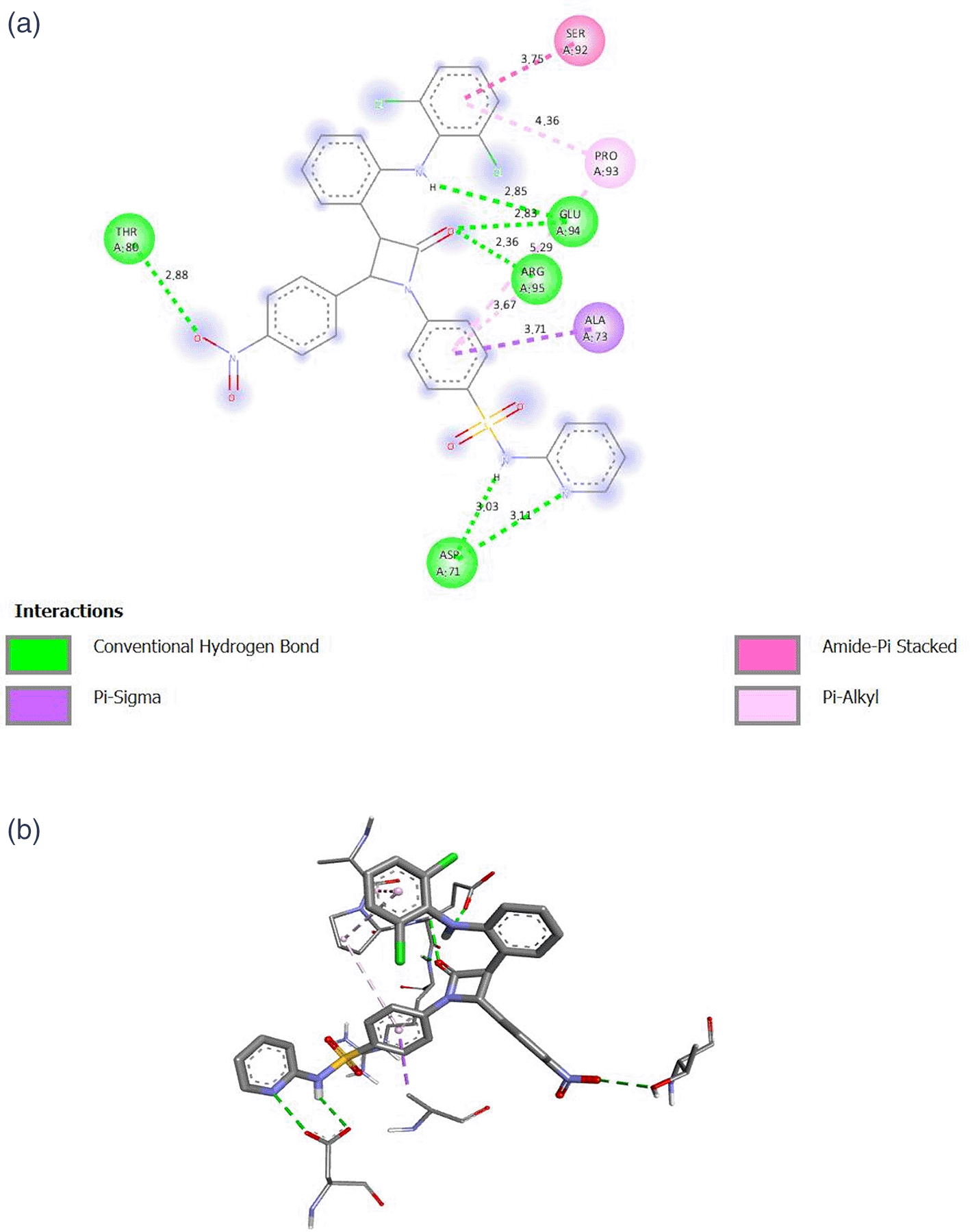
A molecular docking investigation was carried out to evaluate the binding energy and interaction modes between ligands and target protein (PDB ID: 1EA1). The binding energy of the docking scores found in Table 2 is displayed, along with the names of the amino acids that are present in the protein structures that each derivative of β-lactam interacts with. The results showed that all our derivatives (A10 and A11) have a higher binding energy (-9.0 and -8.4 kcal/mol, respectively) than acid ( Table 1). Compound A10 had a docking score of -9.0 kcal/mol, which was higher than the others. Compound A10 is directly connected to amino acids THR A:80, ASP A:71, ARG A:95, and GLU A:94 in hydrogen bond interactions. Also, compound A10 has a docking score of -8.4 kcal/mol because it is directly connected to amino acids ASP A:364, HIS A:363, PHE A:365, and HIS A:275 in hydrogen bond interactions. Table 2 in comparison to the internal ligand is depicted in two-dimensional and three-dimensional forms in Figure 14.
| Sample | S. aureus | E. coli | Candida |
|---|---|---|---|
| A5 | 24 | 18 | 25 |
| A6 | 16 | 8 | 8 |
| A7 | 10 | 16 | 30 |
| A8 | 24 | 10 | 35 |
| A9 | 16 | 10 | 20 |
| A10 | 8 | 8 | 37 |
| A11 | 16 | 8 | 16 |
| A12 | 26 | 28 | 30 |
| Amoxicillin | 8 | 8 | 37 |
The conclusions reached through the analysis of heterocyclic crop compounds indicate they will have significant impacts on antibacterial and antifungal research. The results from biological testing clearly indicated outstanding antibacterial activity. Compounds A5, A6, A7, A8, A9, A11, and A12 showed better inhibition against Staphylococcus aureus than amoxicillin. Compounds A5, A7, A8, A9, and A12 were also found to exhibit greater inhibition against ECM growth than ceftriaxone. Compound A10 produced moderate antifungal activity. The significant antibacterial activity shown by these newly created synthetic compounds indicates further studies on these compounds will benefit the advancement of the knowledge base of pharmacological properties and ultimately the development of new sources of alternative antimicrobial therapies for drug-resistant pathogens. This study provides the necessary foundational basis upon which to create powerful antibacterial and antifungal agents. In conclusion, compounds A10 and A11 had a higher binding affinity than amoxicillin against the target protein (PDB ID: 1EA1), and their possible biological significance is highlighted by the consistency between in silico and in vivo results.
| Views | Downloads | |
|---|---|---|
| F1000Research | - | - |
|
PubMed Central
Data from PMC are received and updated monthly.
|
- | - |
Provide sufficient details of any financial or non-financial competing interests to enable users to assess whether your comments might lead a reasonable person to question your impartiality. Consider the following examples, but note that this is not an exhaustive list:
Sign up for content alerts and receive a weekly or monthly email with all newly published articles
Already registered? Sign in
The email address should be the one you originally registered with F1000.
You registered with F1000 via Google, so we cannot reset your password.
To sign in, please click here.
If you still need help with your Google account password, please click here.
You registered with F1000 via Facebook, so we cannot reset your password.
To sign in, please click here.
If you still need help with your Facebook account password, please click here.
If your email address is registered with us, we will email you instructions to reset your password.
If you think you should have received this email but it has not arrived, please check your spam filters and/or contact for further assistance.

Comments on this article Comments (0)