Keywords
Keywords: Hypertension, cardiovascular diseases, heart failure, alcohol, smoking and salt

Keywords: Hypertension, cardiovascular diseases, heart failure, alcohol, smoking and salt
Cardiovascular disease (CVDs) is the primary cause of morbidity and mortality worldwide, and hypertension is the major predisposing factor for most cardiovascular diseases such as coronary artery disease, stroke, peripheral vascular disease, and arterial fibrillation.1
Hypertension (HTN) is the most prevalent preventable risk factor that causes a significant socioeconomic burden associated with CVDs and is the single most common cause of heart failure and myocardial infarction.2 HTN was defined as a diastolic blood pressure ≥ 90 mmHg and/or systolic blood pressure ≥ 140 mmHg. The incidence rates of hypertensive cases are increasing worldwide, across all people of different socioeconomic backgrounds, and among all regions owing to the rapid rise in urbanization and economic progress.3 HTN is the third major contributor to global disease after underweight and unsafe sex.3
Sub-Saharan countries, including Uganda, are still among the worst hit in terms of CVD mortality rates due to hypertension.4 More than 15 million global disability-adjusted life-years in sub-Saharan Africa are attributable to HTN; thus, identifying factors associated with the progressive surge in the burden of HTN in the region is vital for providing information regarding targeted public health interventions.5 Globally, the four major risk factors for hypertension and CVDs are tobacco use, unhealthy diet, sedentary lifestyle, and harmful alcohol consumption.6 In addition, demographic factors, such as population aging and population growth, and epidemiologic factors, such as a shift to Western diets and lifestyles, have also been suggested to contribute to the surge of HTN in sub-Saharan Africa.7
An international perspective has indicated that the working population is a high-risk group for HTN due to predisposition to numerous risk factors, such as smoking, high body mass index (BMI), and pre-hypertension (systolic blood pressure of 120-139 mmHg and/or a diastolic blood pressure of 80-89 mmHg).8 Other risk factors that predispose the general population to hypertension include diabetes, obesity, overweight sleep apnea, high salt intake, alcohol consumption, elderly populations (advanced age), smoking, and lack of physical activity.9 However, unlike Western countries, African countries have experienced progressive increases in morbidity and mortality due to HTN and associated CVDs, with an associated increase in premature deaths due to CVDs in the last two decades.10
In Uganda, the prevalence of HTN ranges from 11-32% among Ugandan populations, but no study has examined the magnitude of HTN among university employees, especially in the wake of the COVID19 pandemic that has resulted in most private university employees being owed salaries for several months due to lockdown restrictions.11 A previous cross-sectional population-based study among adult and adolescent Ugandans determined the geographical variability of HTN among the different regions of Uganda and found that the prevalence of HTN was the highest among young adults aged 21–40 years in all four regions of Uganda (Central, East, West, and North).11 This age bracket (21–40 years) forms the majority of staff strength in most private universities. Additionally, the University workplace is an ideal place for impacting knowledge and promoting health awareness.12 However, little focus has been given to university occupational workers, especially those working in private universities during the COVID19 lockdown restrictions that have affected the salaries of this set of workers. Relevant information on the prevalence, determinants, and demographics of HTN in the University occupational population in a private setting is crucial for establishing targeted and effective workplace-based intervention policies and programs; this formed the basis for our study.
This study aimed to determine the prevalence of HTN and examine the risk factors associated with HTN in a sample of university employees at a private university in Uganda (Kampala International University, western campus).
This study was conducted at the Kampala International University Western Campus Ishak-Bushenyi Uganda. The university is located in western Uganda.
This cross-sectional study was conducted at the Kampala International University Staff. The staff were selected randomly, especially those who consented, including medical doctors, biomedical staff, and administrative staff.
This study was based on the study areas estimated by the Kampala International University Western Campus, with a sample size of 250. Consequently, a final sample size of 232 participants was determined based on the people who gave their consent. The sample size was calculated as described references.13
Participants who were Kampala International University Staff were included in the study, while those who were not staff were not included.
The questionnaire was piloted in a small number of selected study areas. It was structured into three parts: sociodemographic characteristics, habits and lifestyle, awareness, family history, comorbidities, and clinical assessment.
Blood pressure
Blood pressure (BP) measurements were performed on the left arm of the participants in a sitting position using an Omron digital BP monitor (Omron Healthcare Co. Kyoto, Japan), with a suitable adult cuff. Two BP measurements were taken for each respondent at 5 min intervals and the mean of the two measurements was assigned as the final BP of the respondents.
Data were entered into Microsoft Excel and exported to SPSS for analysis. A summary of the data was examined using descriptive statistics including frequencies and percentages. Binary logistic regression was performed to identify the risk factors for hypertension, with P-values < 0.5 were entered.
A total of 126 respondents, representing 53.3% of the study population (n=232), had no knowledge of the quantity of salt they consumed daily, of which 52 respondents age 25-34yrs constituted the majority (41.3%), and the majority of the respondents were males (52.4%). 69 respondents representing 29.7% of the study population (n=232), reported that they consumed less than 6 g of salt daily, of which the majority fell within the age 25-34yrs, majority of the respondents were males (58%). 37 respondents representing (15.9%) reported that they consumed more than 6 g of salt daily; of this population, the majority fell within the age 25-34yrs. The majority of respondents were females (58%) ( Tables 1, 2, 3 and 4).
86 respondents representing 37% of the study population, reported that they consumed less than ½ plates of fruit or vegetables, with the majority being age 25-34yrs (51.2%). The majority of respondents were females (61.5%). 82 respondents representing 35% of the study population were unsure of the quantity of fruits or vegetables they consumed, representing 51.2% of are female, while 64 (28%) reported that they consumed more than ½ plate of fruit or vegetables with the majority (42.2%) within the age 35-44yrs. The majority of respondents were male (70.3%) ( Tables 1, 2, 3 and 4).
A total of 151 (65%) respondents reported that they did not consume alcohol, while 82 (34%) reported that they consumed alcohol, with the majority within age 25-34yrs (43.7%). 52 (22%) participants consumed alcohol occasionally, and the majority of them were age 25-34yrs (42.9%). Of the 52 (22%) who consumed alcohol occasionally, 49 had been consuming alcohol for more than three years, and the majority were age 25-34yrs (34.7%) ( Tables 1, 2, 3 and 4).
Of the respondents, 146 (63%) reported that they did d not smoke, while 86 (37%) reported that they smoked. Of the 86 who smoked, 36 (41.8%) had been smoking for 1-3years and majority were within age 25-34yrs (50%), and the majority were males (20%) ( Tables 1, 2, 3 and 4).
167 (71%) of the study population engaged in walking as a type of physical activity. The majority of patients in this group were age 25-34yrs and the majority were female (60.2). 46 (19.8%) of the study population engaged in running as a form of physical activity, the majority in this group were age 35-44yrs and were mostly male (84.8%), while 8 (3.4%) respondents engaged in swimming, gym as a type of physical exercise, and 7(3%) and 5 (2.2%) respondents engaged in biking. Whether swimming, gym, or biking, the majority constituents of the groups were age 25-34yrs, of the respondents, 113(48.7%) engaged in exercise for more than 30 min per day were in the age 25-34yrs and the majority were female (51.3%), while 91(39.2%) were engaged in exercise and 51(56%) were male ( Tables 1, 2, 3 and 4).
132 (56.8%) 132 (56.8%) respondents reported that they were not hypertensive, 87 (37.5%) respondents reported that they did d not know if they were hypertensive, while 13 (5.6%) respondents reported they were hypertensive, and out of these 13 (5.6%) respondents, the majority were aged 45 years and above and were male (76.9%). 89(38.4%) of the respondents last checked their blood pressure more than a year ago; the majority were within age 25-34yrs and mostly were males (56.2%), while 75(32.3%) last checked their blood pressure within 6 to 12 months, the majority were within age 25-34yrs and mostly were males(50.7), and those who checked their blood pressure less than 6 months ago; 68(29.3) were within age 25-34yrs and mostly were females (55.9%). Of the respondents, 119 (51.3%) reported that they did not have a family member that was hypertensive, while 113 (48.7%) reported that they had a family member that was hypertensive. The majority were aged 45 years and above who are males (57.5%) ( Tables 5, 6 and 7).
The majority had a normal systolic blood pressure (BP) of 155(100) when compared with age, especially age group 25-34 which is 82(52.9), followed by hypertension stage one 67(100), especially in the age group 35-44 which is 22(32.8). The majority had normal diastolic BP 121(100), especially age group 25-34 which is 55(45.5), followed by hypertension stage one 95(100), especially age group 25-35 which is 44(46.3). The females had more normal systolic BP than males 80(51.6) and 75(48.4), respectively, males had more normal diastolic BP than female 61(51.7) and 60(49.6), respectively ( Tables 8, 9, 10 and 11).
| Average SBP | 125.57 ± 0.513 mmHg |
| Average DBP | 81.47 ± 0.326 mmHg |
| Mean SBP male | 126.03 ± 0.762 mmHg |
| Mean DBP male | 80.79 ± 0.784 mmHg |
| Mean SBP female | 125.1 ± 0.684 mmHg |
| Mean DBP female | 81.54 ± 0.447 mmHg |
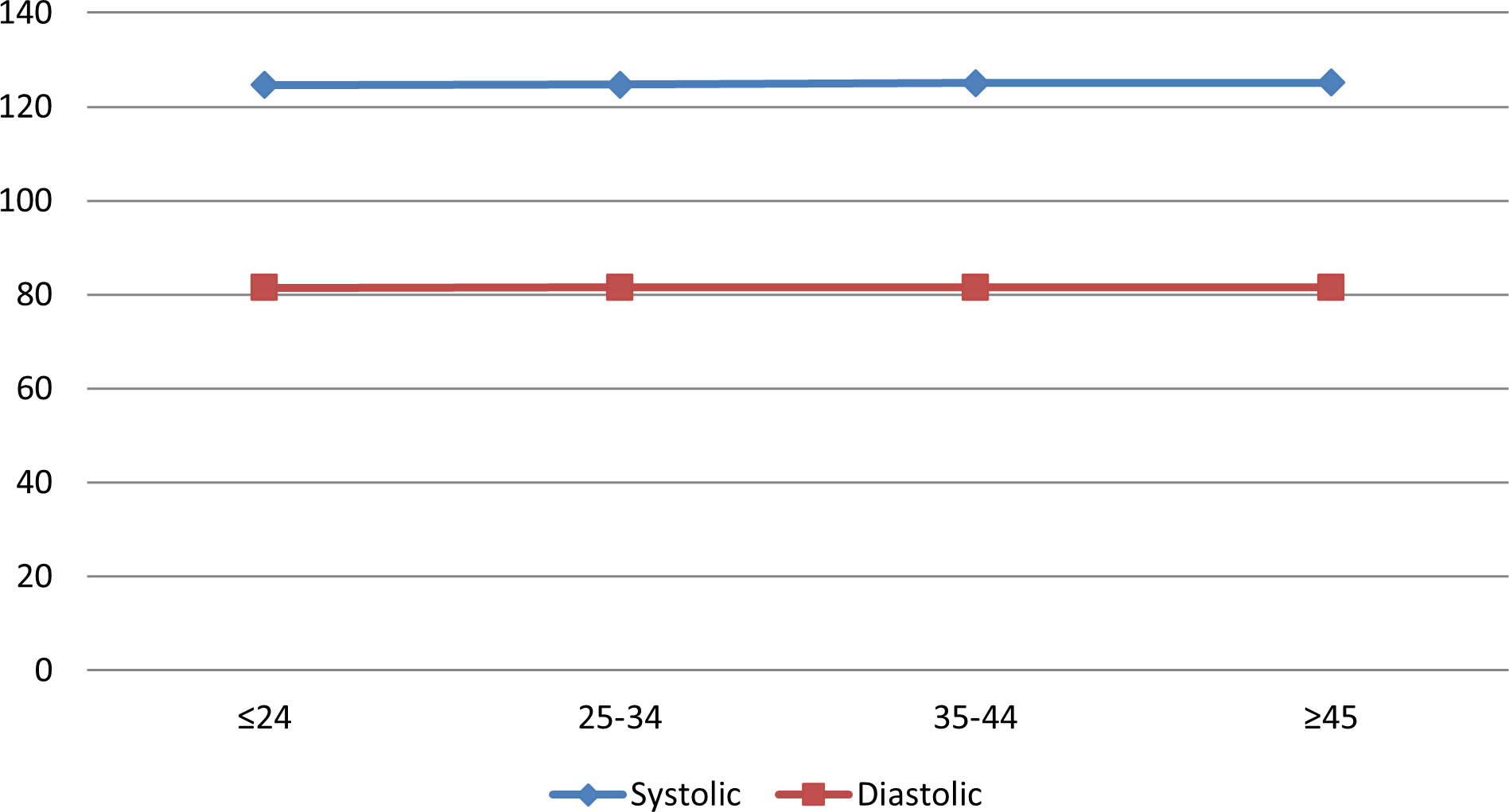
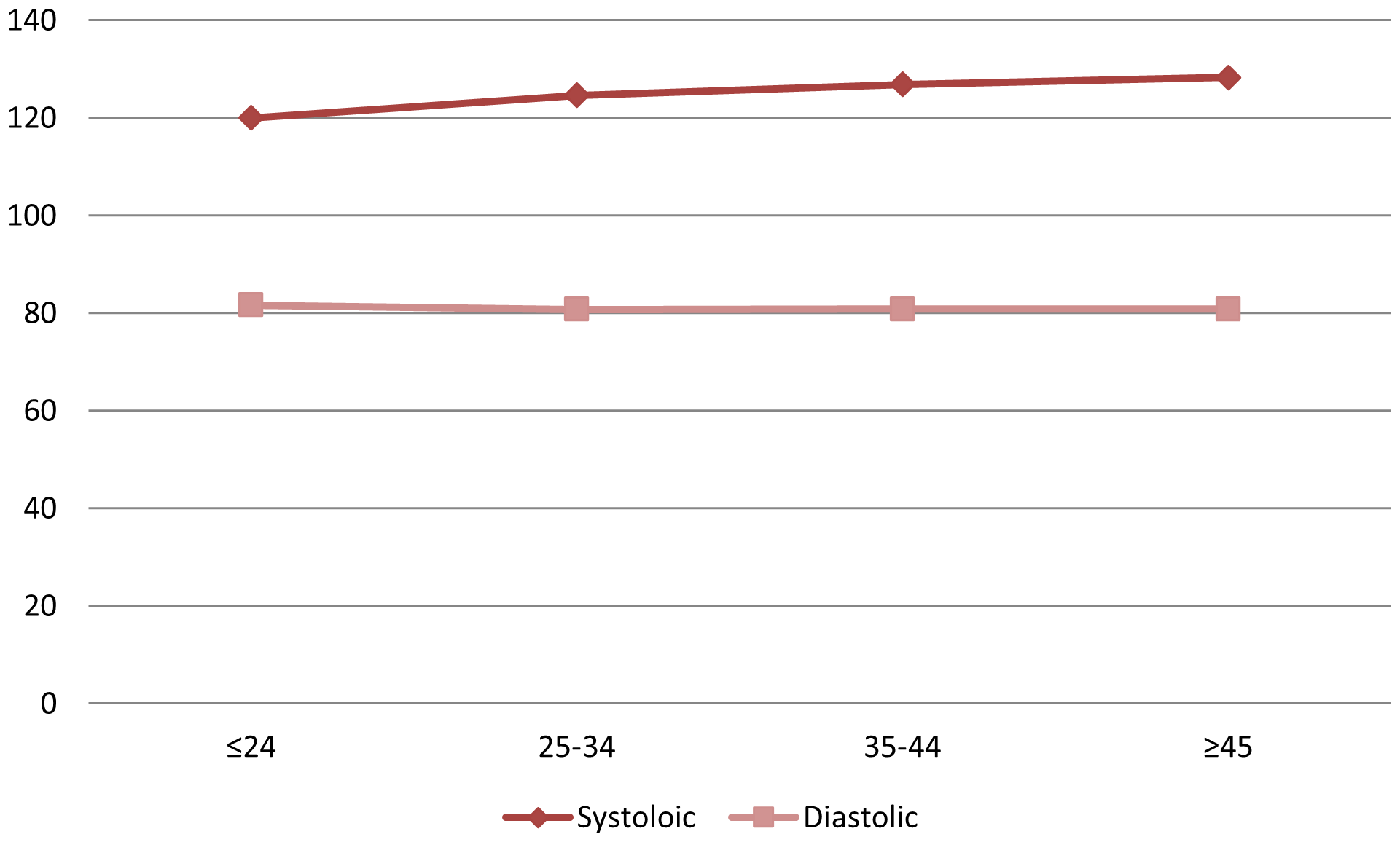
The mean blood pressure of female indicated that there was an increase in systolic and diastolic mean BP with increasing age. The mean blood pressure of males indicated an increase in mean systolic BP and an almost constant level of mean diastolic BP ( Table 11 and Figures 1 and 2).
This study investigated the awareness of hypertension among university staff at Kampala International University (KIU). The findings of the study showed that 56.8% were not hypertensive, 37.5% did not know their status, and 5.6% were hypertensive within the age of 45 years and male. This indicates that awareness of hypertension was high among the respondents sampled for the study. This result supports previous findings documented at another University in Nigeria.14 According to our report, the majority last check their blood pressure about a year ago and within the age 25-34yrs. According to a study on the global epidemiology of hypertension, the majority of people do not regularly check their blood pressure even if they are aware that they are at risk of high blood pressure.15
Based on salt intake, 53.3% of the study population (n=232) had no knowledge of the quantity of salt they consumed daily, and the majority were males, while 15.9% reported that they consumed more than 6 g of salt daily. Participants who were in the 25-34 years’ age bracket were the most affected, and the majority of the respondents were female (58%). This is consistent with a previous study that reported poor knowledge of dietary salt intake in Uganda.16 Another study reported poor knowledge of the effect of diet on stroke risk among Ugandans.17 This lack of knowledge of salt intake and risk suggests that some Ugandans may consume more salt than the daily WHO requirement. A typical Ugandan food consists of plantains, roots, or tubers with low sodium; thus, salt added during cooking and table salt serve as the major sources of excessive sodium intake among Ugandans.18
Despite the reported higher mean levels of salt intake (3.95g/d) in Uganda compared to WHO standards, the mean salt intake reported in Uganda was fairly consistent with reports from other African countries such as Ghana which was documented to have 5.8g/d19; and Mauritius which was estimated to have 5.45g/d.20 Excess salt intake has been implicated in high blood pressure and the onset of hypertension and cardiovascular complications,21,22 and some authors have reported that excessive salt intake may induce several adverse effects such as microvascular endothelial inflammation, anatomic remodeling, and functional abnormalities even in normotensive subjects.23 Therefore, the study suggests that there should be a change in dietary salt consumption habits in an effort to improve BP control and reduce the incidence of hypertension among staff.
Based on fruit or vegetable intake, 37.1% of the participants in the age bracket of 25-34 years consumed less than half a plate of fruits or vegetables, 35.3% were unsure of the quantity they consumed daily, and 27.6% of participants in the age bracket of 35-44 years consume more than half a plate of fruit and vegetables daily. Studies have proposed that vegetable-based diets can lower BP and the incidence of hypertension in persons compared to individuals who consume regular Western diets.24,25 A study by26 reported that fruit intake was more strongly and significantly associated with a lower risk of hypertension than vegetable intake. Similar weak associations between vegetable intake and a lower risk of hypertension have been documented elsewhere.27,28 The reasons behind the participants in the age bracket of 25-34 years consuming less fruits and vegetables compared to those in the age bracket of 35-44 years may be due to the fact that younger individuals crave more for Western diets than the elderly.
Based on alcohol habits, 65.1% of the respondents reported that they did d not consume alcohol, 34.9% reported taking alcohol, and 19.8% reported taking alcohol for more than three years. The reported age bracket implicated in alcohol intake in this study was those within 25-34 years. Some researchers have suggested that low-to-moderate alcohol intake could be beneficial to the cardiovascular system and help lower blood pressure.29 Alcohol has been used as an analgesic and is widely available to people with pain.30 Chronic consumption of a high dose of alcohol has been associated with hepatic, gastrointestinal, nervous, and cardiovascular injuries and physiological dysfunction.31 Some clinical and epidemiological studies have documented that chronic alcohol intake is associated with an increased incidence of hypertension and increased risk of cardiovascular diseases.32,33
Based on smoking habits, 62.9% of the respondents did d not smoke, 37.1% smoked, and 15.5% had been smoking for more than 3 years and were in the age bracket of 25-34 years. Several studies have reported evidence that cigarette smoking causes various adverse cardiovascular events34,35 and synergistically acts with hypertension and dyslipidemia to increase the risk of coronary heart disease.36 It has been established that smoking causes an acute increase in blood pressure and heart rate and this has been implicated in malignant hypertension.37 Smoking is strongly associated with alcohol intake and similarly affects blood pressure in like manner.38
Based on sports/physical activities, 71% of the respondents reported engaging in walking as a form of physical activity, 19.8% engaged in running, 2.6% engaged in swimming, 2.1% engaged in biking, and the majority were in the age bracket of 25-34 years. Exercise is documented to prevent or reduce the effects of metabolic and cardiovascular diseases such as hypertension.39 Exercise alone or combined with lifestyle modification has been associated with a decrease in blood pressure and a reduced need for pharmacological therapy in patients with hypertension.40 Exercise reportedly regulates autonomic nervous system activity, increases shear stress, improves nitric oxide production in endothelial cells and its bioavailability for vascular smooth muscle, and upregulates antioxidant enzymes.41
Based on clinical assessment it shows that majority have a normal systolic/diastolic blood pressure (BP) when compare to age especially age group 25-34, followed by hypertension stage one especially at age group 35-44, According to our data, elderly adults typically have greater blood pressure. As suggested in42: High blood pressure, also known as hypertension, is particularly common in elderly people and becomes much more common as they age.
The mean blood pressure of female indicated that there was an increase in systolic and diastolic mean BP with increasing age. The mean blood pressure of males indicated an increase in mean systolic BP and an almost constant level of mean diastolic BP. According to statistics, younger men tend to have higher blood pressure than women, but as women age, their blood pressure tends to rise above that of men.43,44
In conclusion, the study reported that awareness of hypertension was high, respondents in the age bracket 25-34 years reportedly had more salt intake because they patronize Western foods or processed foods, consume more alcohol, smoke more, and engage in more physical activities, while the older age groups consumed more fruits and vegetables. It is important that awareness of salt intake, alcohol intake, and smoking be propagated, especially among younger staff, in an effort to reduce the incidence of hypertension later in life. Regular health screening of KIU staff is recommended.
The study was approved by Research and Ethics Committee of Kampala International University-Western Campus, Uganda, and was registered as KIU-2021-14.
A verbal Inform consent was ask from all participant before data was collected and all participant were adult not minors and those who did not approved the were not included in the research, verbal consent was used because only adult were used and the study was explain and those who gave consent were used.
| Views | Downloads | |
|---|---|---|
| F1000Research | - | - |
|
PubMed Central
Data from PMC are received and updated monthly.
|
- | - |
Provide sufficient details of any financial or non-financial competing interests to enable users to assess whether your comments might lead a reasonable person to question your impartiality. Consider the following examples, but note that this is not an exhaustive list:
Sign up for content alerts and receive a weekly or monthly email with all newly published articles
Already registered? Sign in
The email address should be the one you originally registered with F1000.
You registered with F1000 via Google, so we cannot reset your password.
To sign in, please click here.
If you still need help with your Google account password, please click here.
You registered with F1000 via Facebook, so we cannot reset your password.
To sign in, please click here.
If you still need help with your Facebook account password, please click here.
If your email address is registered with us, we will email you instructions to reset your password.
If you think you should have received this email but it has not arrived, please check your spam filters and/or contact for further assistance.

Comments on this article Comments (0)