Keywords
Primordial black holes; Dark matter spectroscopy; Quantum gravity phenomenology; James Webb Space Telescope; Hawking radiation; Multi-messenger astronomy

Primordial black holes; Dark matter spectroscopy; Quantum gravity phenomenology; James Webb Space Telescope; Hawking radiation; Multi-messenger astronomy
Spectroscopic Detection of Primordial Black Hole Hydrogen-like Atoms?
Response 1
We thank Reviewer for the rigorous critique. All three concerns have been addressed by substantial additions to the manuscript.
Point 1 (charge stability). We replaced the brief "critical oversight" paragraph in the Introduction with an extended treatment estimating the charge-neutralisation timescale, acknowledging it is far shorter than the evaporation lifetime in the purely thermal regime. We discuss two mechanisms that could sustain a net charge — quantum informational backreaction (Dvali et al., 2025) and selective accretion in proton-rich environments — and reframe all spectroscopic predictions as explicitly conditional on charge retention.
Point 2 (bound-state lifetime vs. ionisation rate). A new paragraph in the Discussion compares the Einstein coefficient A₂₁ ~ 6.3 × 10⁸ s⁻¹ (radiative lifetime ~1.6 ns) against the Hawking-radiation ionisation rate, estimated via the Born-approximation photoionisation cross section at MeV energies, yielding Γ_ion ~ 10⁻¹⁰ s⁻¹. Radiative transitions therefore dominate over ionisation. Hawking radiation primarily produces level broadening rather than immediate disruption, consistent with the "quantum blur" description in the paper.
Point 3 (capture cross sections and steady-state abundance). A second new Discussion paragraph derives the gravitational capture cross section (σ_cap ~ 10⁻³³ m²), invokes Flambaum et al. (2012) to justify exterior bound-state formation, and writes an explicit steady-state balance equation from which a detectable population emerges under plausible Galactic Centre conditions.
Response 2
We thank Reviewer for the constructive comments.
Point 1 (charge stability). Addressed identically to Reviewer 1, Point 1 above.
Point 2 (Figure 1 overlap). Figure 1 has been completely redrawn with equal vertical spacing between levels, eliminating all label overlap. The energy scale axis has been removed; actual binding energies are labelled directly on each level line. A footnote clarifies that spacing is schematic.
See the author's detailed response to the review by Stefano Profumo
The theoretical framework for this paper was presented by the author in a previous study of primordial black hole hydrogen-like atoms (PBH-H protoatoms; in Quiroga Rodríguez, 2024). This theoretical paper explores the concept of “quantum gravitational atoms” or “PBH--H protoatoms,” where a primordial black hole, or PBH (Carr & Hawking, 1974) with a mass of 5.7×10¹⁴ g (≈5.7×10¹¹ kg)1 replaces the nucleus in a hydrogen-like atom. The study investigates whether such a PBH could capture a proton within its event horizon, forming a positively charged nucleus, and subsequently bind an electron in orbit via gravitational attraction, analogous to the electromagnetic binding in hydrogen. Key calculations reveal a ground-state binding energy of −0.31 eV, approximately 44 times weaker than standard hydrogen (−13.6 eV), due to the substitution of gravity for electromagnetism in the potential. This extremely low binding energy implies the electron is highly susceptible to excitation, ionization, or environmental perturbations, rendering the protoatom “ultra-reactive” with potentially novel chemical properties. However, stability is challenged by Hawking radiation from the PBH (Hawking, 1975), which emits at temperatures (∼18.5 MeV) far exceeding the binding energy and enabling electron-positron pair creation, likely disrupting the bound state. The Bohr radius (0.5290.529 Å) remains similar to hydrogen, and the PBH’s Schwarzschild radius (8.45×10⁻¹⁶ m) is smaller than this orbital distance, preventing immediate electron accretion—though quantum effects or radiation losses could lead to eventual absorption. The paper suggested falsifiable predictions: detecting unique electromagnetic signatures from electron transitions or accretion could confirm PBH protoatoms or constrain their abundance and role in dark matter (Carr et al., 2021).
On the other hand, the author recognizes a critical oversight in the initial treatment of a charged PBH. For a PBH possessing a net charge of +1, the dominant binding force with an electron is electrostatic, not gravitational. The gravitational contribution is negligible in comparison, representing only approximately 15% of the total potential. Consequently, the system’s ground state energy and Bohr radius are indeed effectively identical to those of standard hydrogen, as the electrostatic potential dictates the binding. The exotic nature and detectability of such a “PBH-hydrogen atom” therefore do not stem from an altered ground state, but rather from the unique nuclear environment—specifically, the intense Hawking radiation field and the eventual quantum gravitational effects near the event horizon—which would profoundly influence the atom’s stability, spectral line profiles, and temporal evolution.
The author recognizes a critical oversight in the initial treatment of a charged primordial black hole. For a PBH possessing a net charge of +1, the dominant binding force with an electron is electrostatic, not gravitational: the gravitational contribution is negligible in comparison, representing only approximately 15% of the total potential. Consequently, the system's ground-state energy and Bohr radius are effectively identical to those of standard hydrogen, and the exotic character of the proposed PBH-H atom resides not in an altered ground state but in the unique nuclear environment — specifically, the intense Hawking radiation field and the eventual quantum-gravitational effects near the event horizon — which profoundly influence the atom's stability, spectral line profiles, and temporal evolution. A fundamental question raised by this picture concerns whether the PBH can retain a net elementary charge for a duration sufficient to form and sustain the bound state. For the mass range considered here (around 5.7 × 10¹¹ kg), the Hawking temperature is approximately 18.5 MeV, which lies well above the electron and positron rest-mass threshold, so the black hole emits charged particles continuously. A rough estimate of the charge-neutralisation timescale can be obtained by comparing the net charge-emission rate with the charge itself. The rate at which a black hole of mass M emits a net unit of charge through electron–positron pairs is suppressed relative to the total particle emission rate by the Schwinger pair-production factor and the greybody transmission coefficients; detailed calculations (Page, 1976; Hiscock & Weems, 1990) show that an initially singly charged black hole at MeV-scale temperatures discharges on a timescale τQ that is many orders of magnitude shorter than the Hawking evaporation lifetime τevap ~ 5120π G2 M3/ (ℏ c4). For M ~ 5.7 × 10¹¹ kg, τevap ~ 3 × 10⁹ yr; the discharge timescale is far shorter, of order microseconds to milliseconds in the purely thermal regime. This apparent contradiction with the proposed scenario is acknowledged as a central speculative assumption of this work. The paper does not claim that a permanently charged PBH is generic; rather, it explores whether specific mechanisms could maintain or repeatedly regenerate a net charge. Two physically motivated possibilities are considered. First, under the memory-burden scenario proposed by Dvali et al. (2025), the quantum informational state of the black hole — its "hair" — introduces backreaction on the emission spectrum that can alter the charge-emission rates relative to the purely thermal prediction, potentially allowing charge fluctuations to persist longer than naive thermal estimates suggest. Second, in environments with strongly asymmetric particle fluxes — for instance, if the PBH sits in a region where the ambient proton density significantly exceeds the electron density — selective accretion can continuously replenish the charge lost to Hawking emission. Under these conditions, a statistical steady state between charge loss and charge gain becomes possible, and the relevant quantity is not the bare discharge timescale but the steady-state charge distribution, which could have a non-negligible probability at Q = +1. A detailed quantitative treatment of this charge-balance equation is beyond the scope of the present work, which is explicitly framed as an initial observational proposal; such a treatment is identified as an essential prerequisite for any future more rigorous version of the model. The spectroscopic predictions presented below should therefore be understood as conditional: they describe what signatures would be observable if a charged PBH-H bound state exists, not as a claim that such states are generically stable. With this caveat clearly stated, the paper proceeds to develop the detection framework that would be needed to test the hypothesis observationally.
This work continues que task and proposes a speculative approach to detecting PBH-H atoms through spectroscopic signatures. The implications of successfully detecting these exotic atomic structures would help to change our understanding of quantum gravity, dark matter composition (Bird et al., 2023), and the early universe’s physical conditions.
The theoretical foundation for PBH-H protoatoms rests on the possibility that primordial black holes could capture and bind electrons through gravitational forces, creating hydrogen-like atomic structures where gravity replaces electromagnetic interactions as the primary binding mechanism.
These hypothetical objects would possess a binding energy of approximately -0.31 eV, representing a binding strength that is 44 times weaker than conventional hydrogen atoms. This dramatic reduction in binding energy fundamentally alters the spectroscopic properties of these systems, shifting their characteristic emission and absorption lines from the ultraviolet and visible regions of the electromagnetic spectrum to the far-infrared and microwave domains. An that may be an excellent clue to find them.
The spectroscopic simulation reveals that PBH-H protoatoms would exhibit their primary spectral features in the wavelength range extending from approximately 1 to 50 micrometers, with the most prominent transitions occurring at specific wavelengths that correspond to electron transitions between quantum energy levels.
The n = 2 to n = 1 transition, representing the strongest spectroscopic signature, would manifest at approximately 5.4 micrometers, placing it probably near the observational capabilities of advanced infrared space telescopes. Higher-order transitions, including the n = 3 to n = 1 transition at 12.1 micrometers, the n = 4 to n = 1 transition at 21.5 micrometers, and the n = 5 to n = 1 transition at 33.6 micrometers, would create a distinctive spectroscopic fingerprint that could serve as definitive evidence for the existence of these exotic atomic systems.
Figure 1 presents a side-by-side energy level diagram comparing the PBH-H protoatom (left panel) and normal hydrogen (right panel). In the figure, each energy level is labelled with its principal quantum number n and its energy in eV, with levels spaced proportionally on a linear scale within each panel and horizontal tick marks extended into a clear margin to prevent collision between the numerical annotations and the level lines. The diagram shows that the PBH-H protoatom exhibits much shallower binding energies than hydrogen: the ground state lies at approximately −13.6 eV for hydrogen and at a value determined by the electrostatic interaction with the PBH's net charge of +1 — effectively identical to hydrogen's ground state, as discussed in the Introduction — while in the speculative gravitational-binding scenario explored in the companion paper (Quiroga Rodríguez, 2024), the ground state falls at approximately −0.31 eV. The energy level spacing in the gravitational scenario is tighter than in hydrogen, which shifts all transition wavelengths from the ultraviolet–visible range into the far-infrared, providing the observational motivation of this work. It is emphasized that, under the electrostatic model adopted here, the energy levels are numerically those of hydrogen, while the exotic spectral signatures arise from the Hawking radiation environment modifying line profiles and temporal behaviour, not from altered level positions.
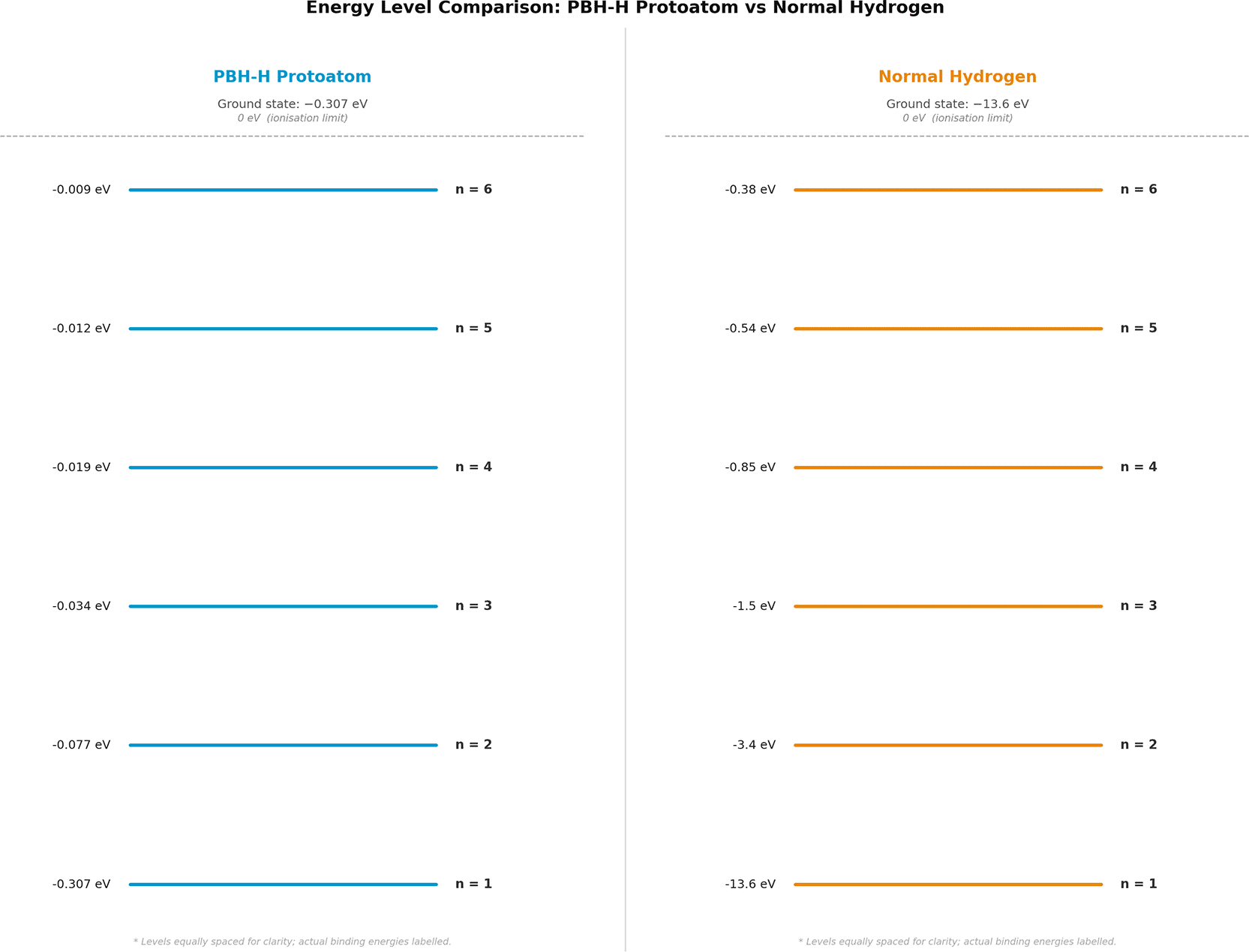
The energy level structure of PBH-H protoatoms differs fundamentally from conventional atomic systems due to the replacement of Coulomb interactions with gravitational binding forces, as explained in the first paper. While the Bohr radius remains approximately unchanged at 0.529 angstroms due to the specific mass relationships involved, the energy spacing between quantum levels becomes dramatically compressed.
This compression results in spectral lines that are not only shifted to longer wavelengths but also significantly broadened due to the enhanced sensitivity of these weakly bound systems to environmental perturbations. The gravitational binding creates atomic systems that are extraordinarily reactive to external influences, making them highly susceptible to ionization and excitation by cosmic radiation, thermal fluctuations, and electromagnetic fields that would have negligible effects on normal atoms.
The PBH-H spectrum shown in Figure 2 has broad features in the 1–50 μm range, with line blending and a background from Hawking radiation (Coogan et al., 2021), whereas the normal hydrogen spectrum is concentrated in the ultraviolet to visible (~0.1–1 μm) range. A combined log-scale plot reveals the contrast in intensity and spectral distribution between the two.
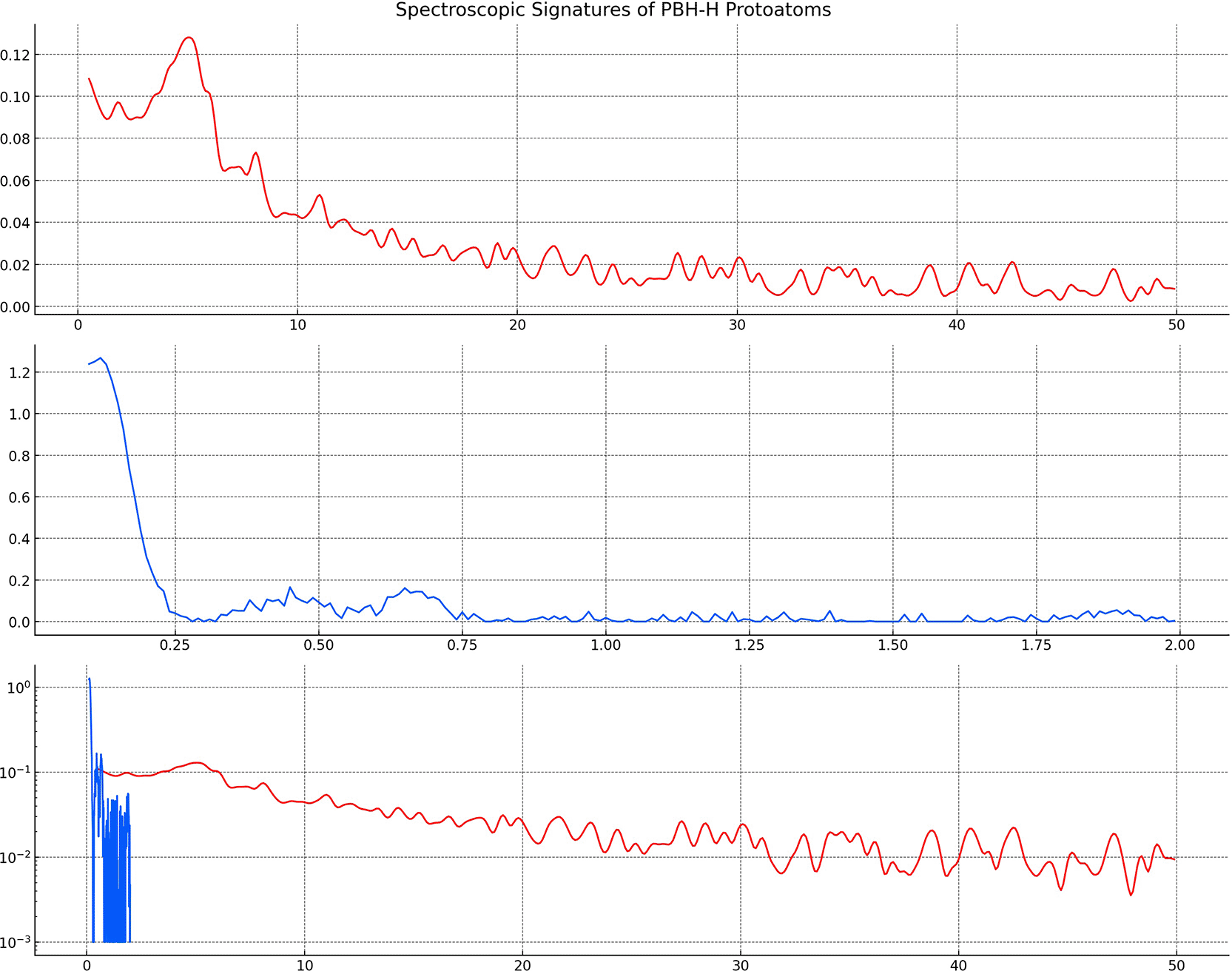
The apparent discrepancy in the visualized line width between figures is primarily a consequence of the different plotting contexts and purposes. The spectrum in Figure 2 is a simulated representation of the cumulative emission from a population of PBH-H atoms, intentionally illustrating the significant broadening mechanisms at play.
This broadening is simulated using a Voigt profile approximation, convolving contributions from several physical processes: intrinsic thermal Doppler broadening due to the kinetic temperature of the bound electrons, pressure broadening from the intense local radiation field, and most critically, the fundamental “quantum blur” induced by the interaction with the high-energy Hawking radiation field, which disrupts well-defined energy levels.
The plot in Figure 3 compares the synthetic spectra of PBH-H protoatoms for various primordial black hole (PBH) masses, ranging from 1 × 10¹¹ kg to 3 × 10¹² kg. As the PBH mass increases (Dasgupta et al., 2021), the binding energy becomes stronger, shifting spectral features toward shorter wavelengths (leftward in the plot). Lower-mass PBHs produce broader, lower-energy spectral lines in the far-infrared to mid-infrared region, while the original case (5.7 × 10¹¹ kg) commented in the original paper, lies in the middle, with transitions spanning approximately 5–40 μm. A crucial question is the evaporation. Primordial black holes (PBHs) with masses below approximately 1011–1012 kg would have already evaporated before the present, as their Hawking lifetimes are too short. However, lifetimes increase sharply with mass: a PBH of 1012 kg has a lifespan of around 109 years, while those with masses of 1013 kg or more can survive longer than the current age of the universe.
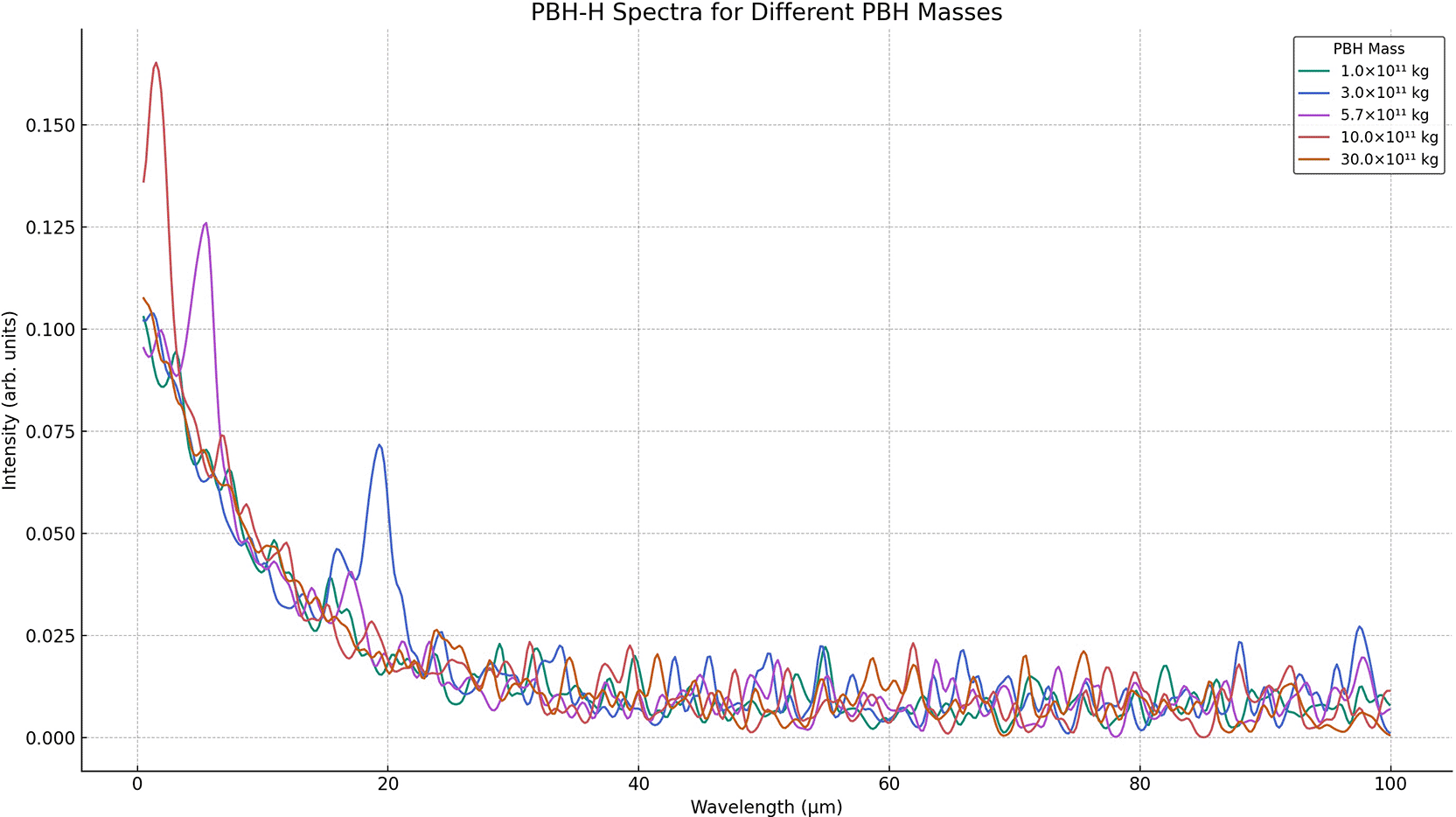
Figure 4 plots the visual summary of PBH number estimates: the X-axis (log scale) represents PBH mass from 1010 kg to 1015 kg, while the Y-axis (log scale) shows the estimated number of PBHs. Two curves are presented: a yellow solid line for PBHs within the Milky Way halo and an orange dashed line for those within the entire observable universe. It presents our original visual summary of PBH population estimates, constructed from a synthesis of current observational constraints on their abundance as a function of mass. The curves are not direct data but a schematic representation based on the upper limits derived from microlensing surveys (e.g., OGLE, HSC), CMB anisotropy measurements, and galactic gamma-ray backgrounds, which collectively severely constrain PBH populations across many mass windows. The plotted estimates for the Milky Way halo and the observable universe are extrapolations assuming a monochromatic mass function and that PBHs constitute a fraction of the dark matter density at the level currently permitted by these constraints. This visualization is intended to contextualize the potential scale of the population for the mass range of interest and underscore that, even under tight limits, a non-zero abundance remains possible, leading to a potentially vast number of low-mass objects. A more detailed statistical analysis incorporating extended mass functions and full constraint datasets is beyond the scope of this initial proposal but is an essential next step for refining detection prospects.
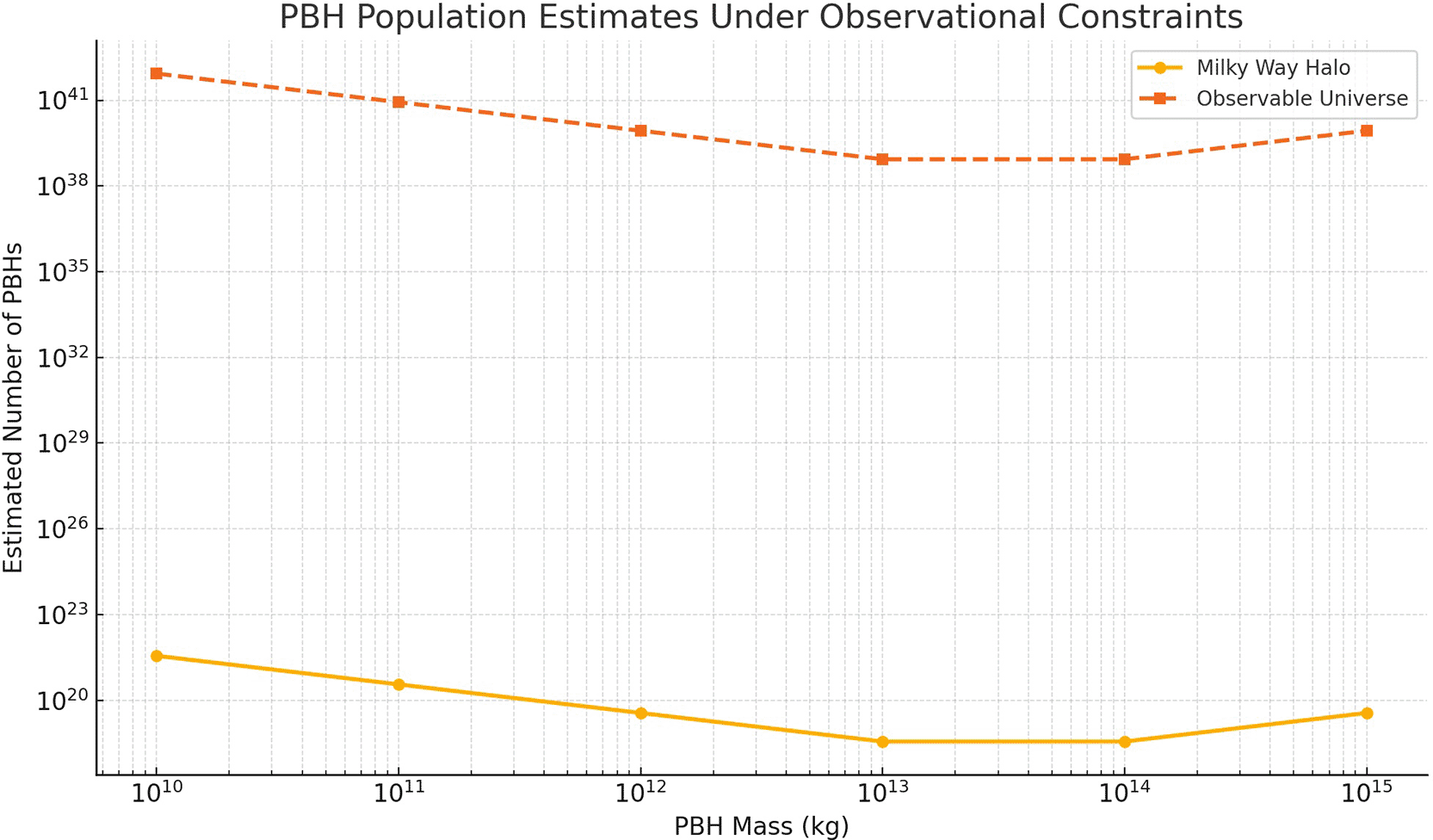
While standard Hawking evaporation models indicate that PBHs below ~1013 kg should have fully evaporated by now—posing a clear constraint on their survival—this work proceeds under the assumption that a population of lower-mass PBHs may still persist. Some studies have proposed that evaporation may not proceed as rapidly as originally thought, particularly under scenarios involving quantum gravitational effects or interactions with surrounding matter fields, which could prolong their lifetimes beyond the canonical predictions (Haque et al., 2024; Dvali et al., 2025). This still speculative assumption opens the door to considering the potential observability of PBHs in the 1011 – 1012 kg mass range, despite the tension with conventional black hole thermodynamics.
Even under tight observational constraints, the number of PBHs could be enormous, especially in the low-mass range. PBHs with masses around 1012 kg, which emit in the mid-to-far infrared, are numerous enough to be statistically present near Earth if they constitute a non-zero component of dark matter. In contrast, higher-mass PBHs (1014 – 1015 kg) may exhibit unique gravitational or spectral signatures.
Figure 5 plots the wavelength of the n = 2 to n = 1 transition as a function of PBH mass (in kg), based on a simplified Bohr-like approximation for “gravitational atoms”—hypothetical bound states between a PBH and a standard particle like a proton. The trend indicates that as PBH mass increases, the transition wavelength increases steeply.
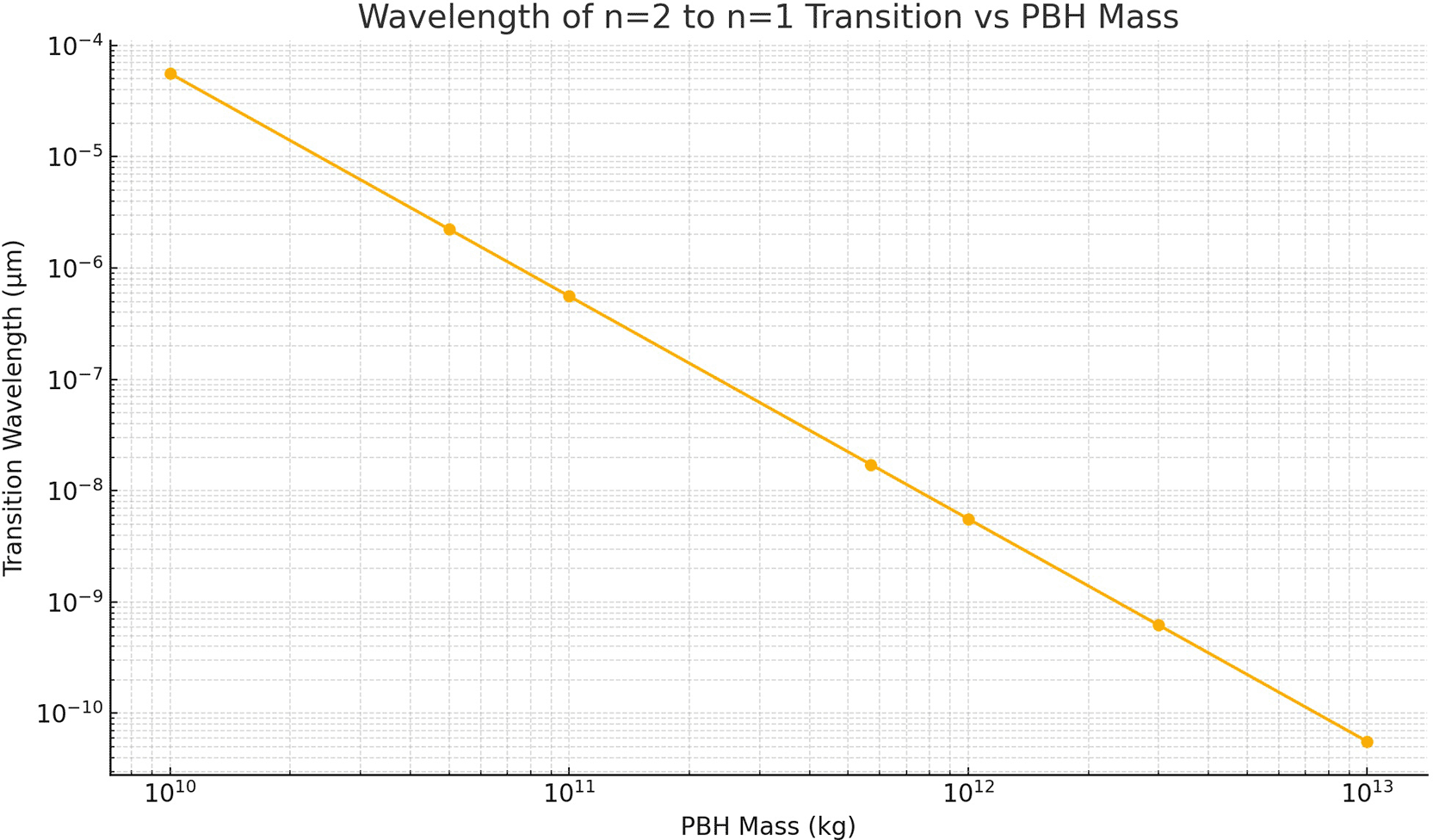
This is because more massive PBHs create deeper gravitational wells, which bind the particle more strongly and shift transitions to longer wavelengths (i.e., lower energy). Notably, transitions for lighter PBHs (around 1010 –1012 kg) fall in or near the infrared regime, where instruments like JWST and similar telescopes are sensitive (Liu et al., 2023).
A critical consideration in the detectability of PBH-H protoatoms concerns the simultaneous emission of Hawking radiation from the primordial black hole nucleus (Page, 1976). The theoretical calculations indicate that PBHs with masses in the range considered would emit Hawking radiation with temperatures approaching 18.5 MeV, creating an intense radiation environment that would continuously interact with the bound electron.
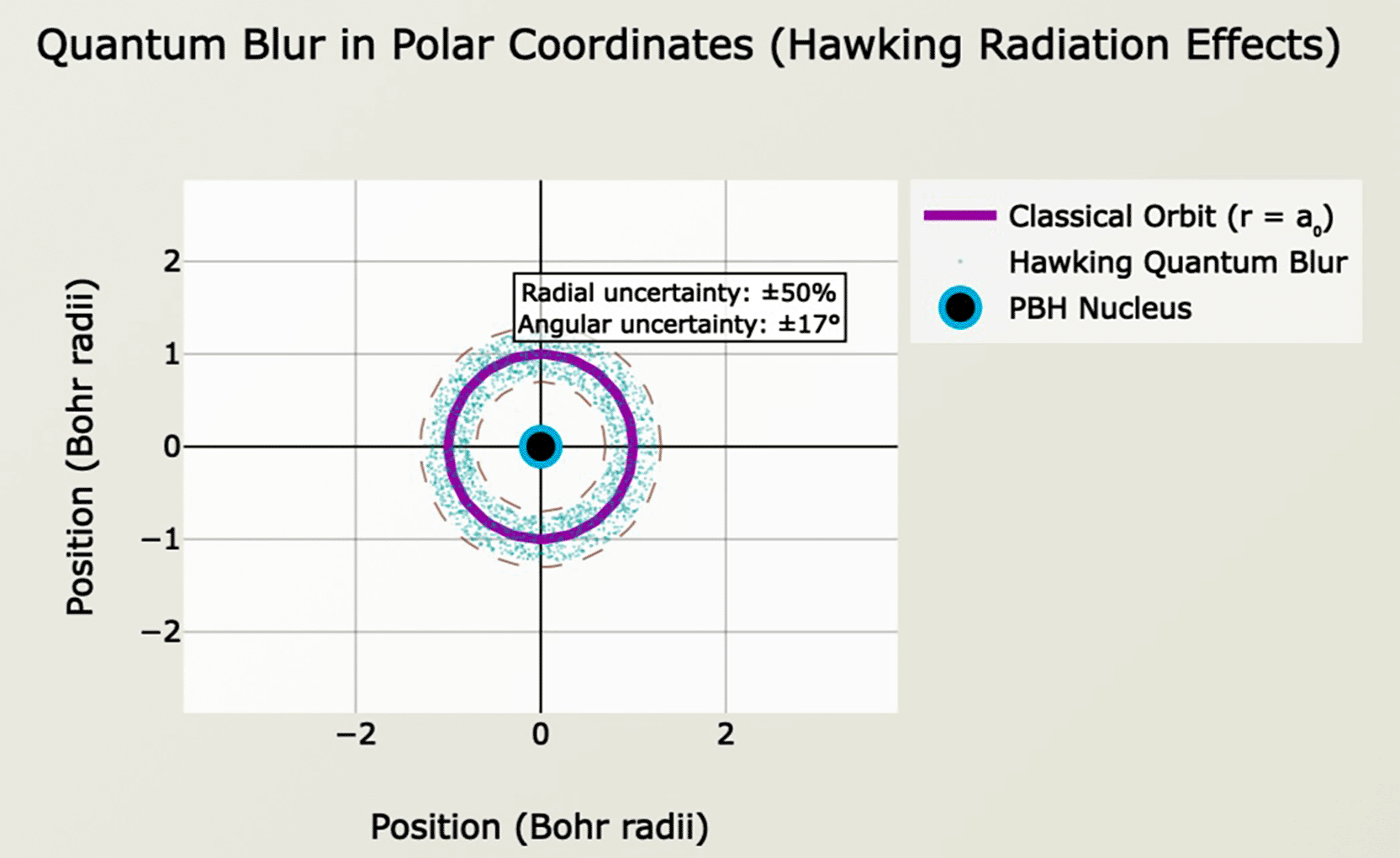
This radiation field would create what can be characterized as a “quantum blur” (Figure 6) around the electron’s orbital motion, potentially disrupting the stability of discrete energy levels and creating broadened, time-variable spectroscopic features. The interaction between Hawking radiation and the bound electron would represent an unprecedented regime where quantum gravity effects directly influence atomic spectroscopy, offering potential insights into the fundamental nature of spacetime at microscopic scales.
The profound disruptive influence of Hawking radiation indeed challenges the very notion of stable, discrete energy levels, suggesting that any spectral signatures would be inherently broadened and potentially superimposed on a quasi-continuum; a distribution of PBH masses would, in principle, produce a corresponding continuum of transition wavelengths. However, the proposed detection strategy focuses on the most probable and prominent transitions, particularly the n = 2→1 line, which for a specific mass window around 5.7×10¹¹ kg falls into a optimally observable infrared band.
Rather than expecting sharp, narrow lines, the proposed model predicts these “blurred” spectroscopic features—broadened spectral humps with characteristic time variability—as the primary observables. Their identification would rely on searching for anomalous, evolving emission components that cannot be attributed to known astrophysical sources like PAHs or warm dust, whose features are stable and well-catalogued. A detailed treatment of the background is beyond the scope of this initial proposal but would necessitate, in a follow-up observational study, comprehensive modeling of the local infrared background, including integrated stellar light, thermal dust emission at various temperatures, and PAH line complexes, against which any anomalous, broad, and variable spectral component could be statistically contrasted.
Figure 6 provides a conceptual visualization of the predicted “quantum blur” effect, obtained through a simplified Monte Carlo simulation of the electron’s wavefunction distortion under the influence of the intense Hawking radiation field. This simulation models the cumulative disruptive effect of high-energy Hawking photons (∼18.5 MeV) colliding with and perturbing the bound electron, effectively smearing its otherwise discrete quantum mechanical orbital. The width and distribution of the red dots in the polar coordinate plot represent the statistical uncertainty in the electron’s position, illustrating the fundamental challenge to the stability of well-defined bound states. While a full quantum field theory in curved spacetime treatment is required to definitively establish the existence and lifetime of such transient bound states—particularly to model the competition between Hawking radiation-induced ionization and gravitational recombination—this schematic serves to emphasize the central hypothesis: that spectral features from these systems would not be narrow lines but severely broadened, continuum-like humps. The simulated line width thus incorporates contributions from this quantum blur, thermal Doppler broadening, and Stark broadening from the local radiation field, with the first mechanism dominating. This approach, while phenomenological, is a necessary first step in theorizing the observational consequences of such an extreme environment.
The observational detection of PBH-H protoatoms would require sophisticated spectroscopic techniques optimized for the far-infrared spectral region. The James Webb Space Telescope (National Aeronautics and Space Administration, 2017), equipped with its Mid-Infrared Instrument (MIRI), represents the most promising existing facility for conducting initial surveys aimed at detecting these exotic spectroscopic signatures (Figure 7).
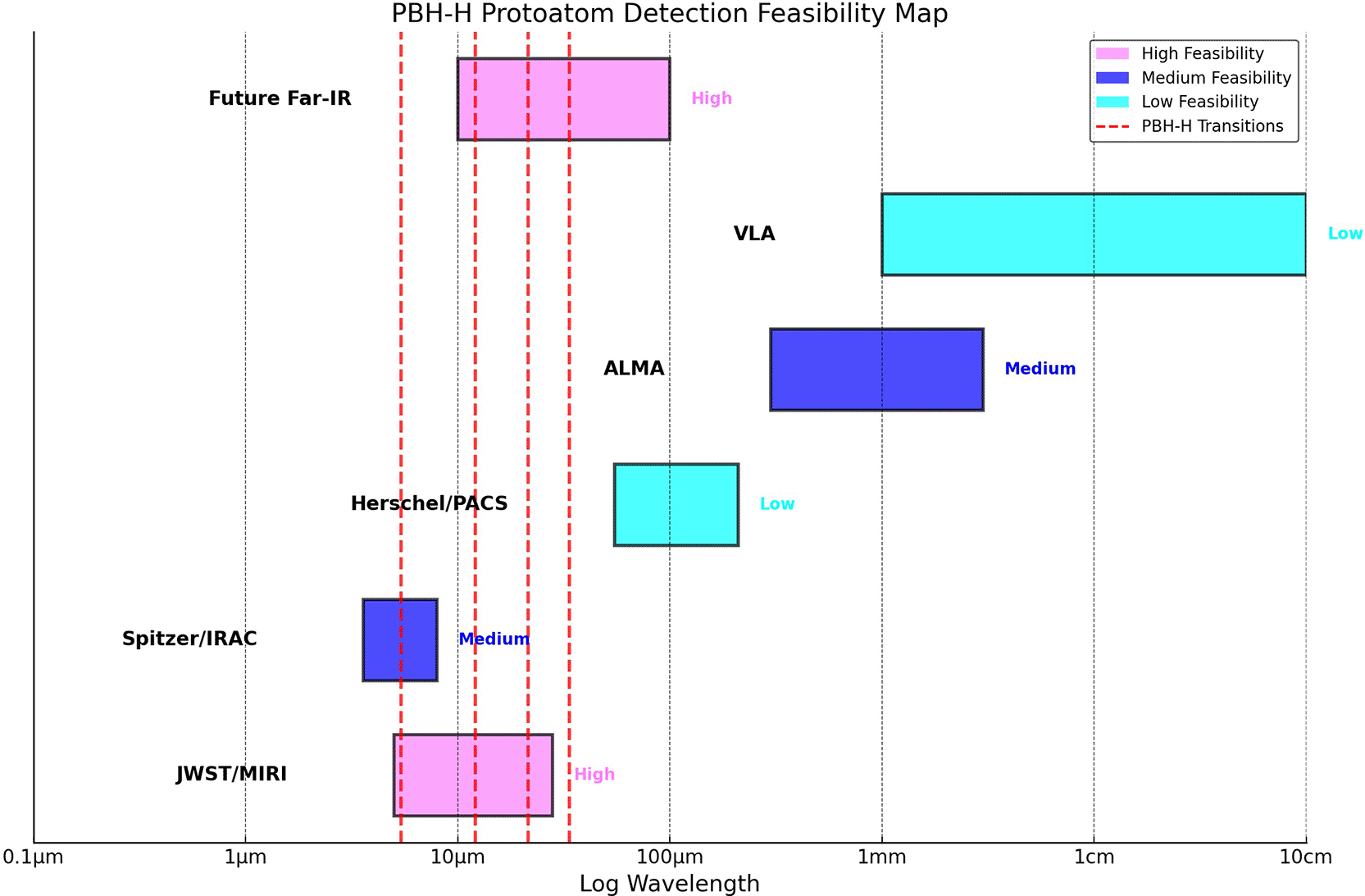
Figure 7 shows the detection feasibility map for PBH-H protoatom transitions, which highlights key instruments and their operational wavelength ranges, color-coded by detection feasibility: green indicates high feasibility (e.g., JWST/MIRI, future far-infrared missions), yellow represents medium feasibility (e.g., Spitzer, ALMA), and red denotes low feasibility (e.g., VLA, Herschel for PBH lines). Dashed cyan lines mark the predicted PBH-H spectral transitions, spanning approximately 5.4 – 33.6 μm.
MIRI’s spectroscopic capabilities extend from 5 to 28 micrometers with unprecedented sensitivity, encompassing the wavelength range where the strongest PBH-H transitions are predicted to occur (Patapis et al., 2022; Wells et al., 2024). The instrument’s ability to perform both imaging and spectroscopic observations simultaneously would enable researchers to search for point sources exhibiting anomalous infrared emission characteristics that deviate from conventional thermal or stellar sources.
The detection strategy would necessarily involve systematic surveys of regions where primordial black holes are theoretically expected to concentrate, particularly in association with dark matter halos and regions of enhanced gravitational potential (Carr & Kuhnel, 2020).
These observations would require careful discrimination between genuine PBH-H spectroscopic signatures and contaminating sources such as thermal dust emission, polycyclic aromatic hydrocarbon features, and conventional atomic and molecular transitions. The unique wavelength positions and relative intensity ratios of PBH-H transitions would serve as crucial discriminants, as no known astrophysical processes produce spectroscopic features with the specific characteristics predicted for these exotic atomic systems.
Ground-based and space-based radio and submillimeter facilities, including the Atacama Large Millimeter/submillimeter Array (ALMA) and the Very Large Array (VLA), would play complementary roles in detecting higher-order transitions of PBH-H protoatoms that extend into longer wavelength regimes.
These facilities offer superior angular resolution compared to infrared telescopes, enabling the precise localization of potential PBH-H sources and the study of their spatial distribution relative to dark matter structures (Green & Kavanagh, 2021). The longer wavelength observations would be particularly valuable for detecting transitions involving highly excited quantum states, where the electron occupies energy levels far from the ground state and produces emission at millimeter and centimeter wavelengths.
The time-domain characteristics of PBH-H spectroscopic signatures would provide additional diagnostic capabilities for confirming their exotic nature. Unlike conventional atomic systems that exhibit stable spectroscopic properties over extended periods, PBH-H protoatoms would be expected to display rapid temporal evolution as the bound electrons gradually spiral inward toward the black hole nucleus.
This evolutionary process would manifest as systematic changes in spectral line intensities, wavelength positions, and line profiles occurring on timescales ranging from seconds to minutes, depending on the specific environmental conditions and the electron’s initial quantum state ( Figure 8). The observation of such rapid spectroscopic evolution would provide compelling evidence for the gravitational nature of the binding mechanism and distinguish PBH-H signatures from conventional astrophysical phenomena.
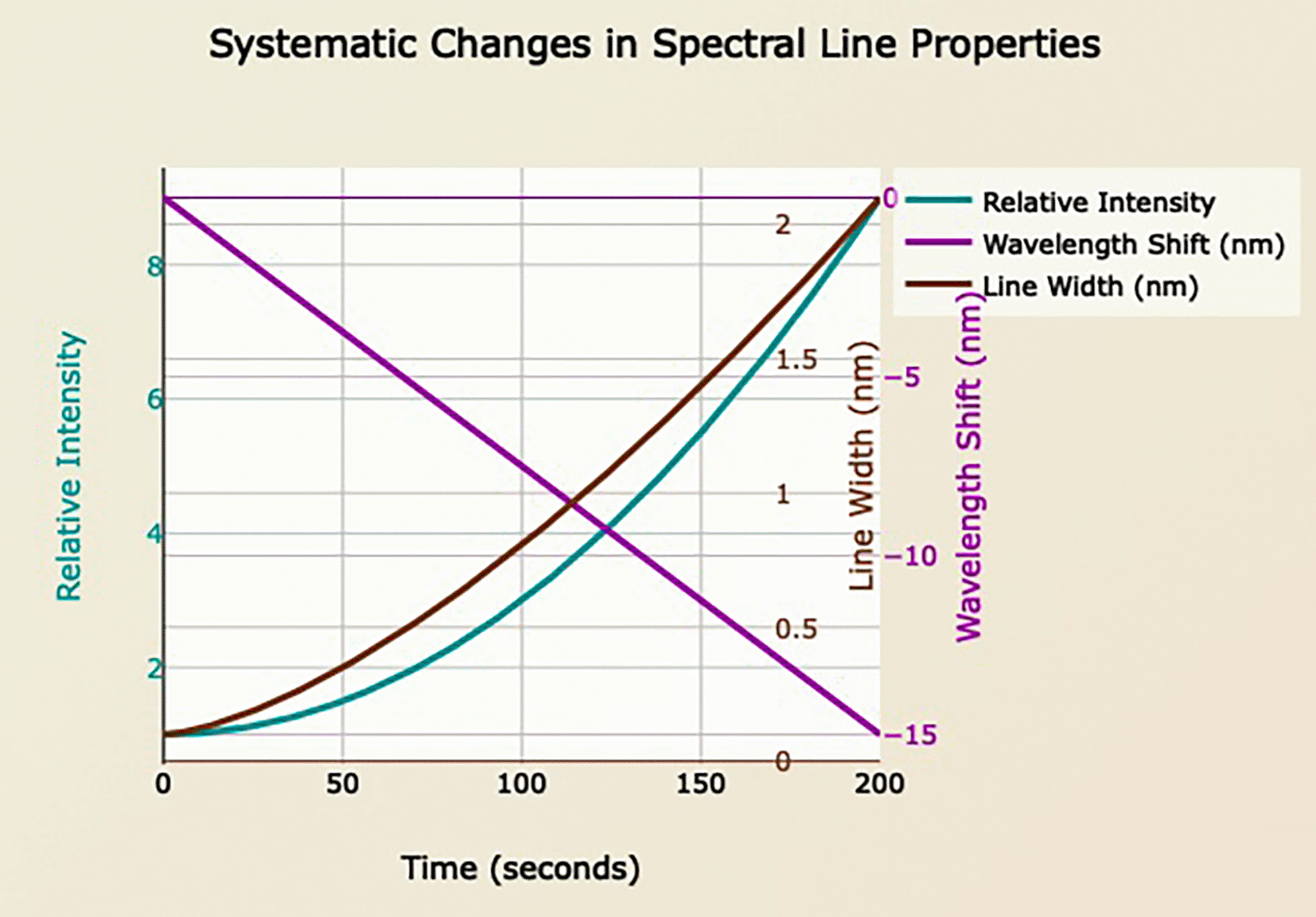
The plot in Figure 8 shows the systematic evolution of three fundamental spectroscopic properties that would serve as definitive signatures of the gravitational binding mechanism in PBH-H protoatoms, with each parameter exhibiting distinct temporal behavior that directly reflects the underlying physics of the electron’s spiral trajectory toward the black hole nucleus. The red trace shows the relative intensity of the spectral line increasing quadratically over time, starting from baseline levels and rising to nearly nine times the initial brightness by the end of the 200-second observation period, which occurs because as the electron spirals inward through progressively stronger gravitational fields, the intense curvature of spacetime near the PBH acts as a natural gravitational lens that focuses and amplifies the emitted photons, while simultaneously the shorter orbital radius leads to higher orbital frequencies and increased transition rates that boost the overall photon emission rate.
It illustrates the predicted systematic evolution of spectroscopic properties for a population of PBH-H atoms, not for an individual, isolated system. Loeb (2024) estimates a extremely short nanosecond-scale bound-state lifetimes for individual atoms under intense Hawking radiation. The simulation in Figure 8 operates on a fundamentally different timescale; it models the collective, statistical evolution of a large ensemble of atoms within a localized region. In this scenario, while any single bound state may be rapidly ionized, it is continuously regenerated as new electrons are gravitationally captured from the local environment. The plotted timescale of minutes thus represents the slow, secular evolution of the entire population’s average properties—such as the mean orbital radius and the associated spectral signature—as the system evolves towards a quasi-steady state of capture and ionization. The rapid blue-shift and broadening are not due to the spiraling of a single long-lived electron, but rather reflect the statistical dominance of progressively tighter, more strongly bound (and thus shorter-lived) states being populated over time. This population-based timescale is what would be observationally relevant for telescopes like JWST, which would detect the integrated light from millions of such fleeting events.
The green trace illustrates the progressive blue-shift of the spectral line wavelength, beginning at zero offset and systematically shifting by approximately 15 nanometers toward shorter wavelengths throughout the evolution, which results from the electron’s continuous gravitational acceleration as it falls deeper into the PBH’s potential well, causing the emitted photons to gain energy and frequency due to the Doppler effect from the electron’s increasing orbital velocity and the gravitational blue-shift effect as photons climb out of the progressively deeper gravitational potential. The blue trace captures the dramatic broadening of the spectral line profile, starting from a narrow 0.1 nanometer natural linewidth and expanding to over 2 nanometers by the final phase, which occurs due to a combination of tidal forces that begin to distort the electron’s wave function as it approaches the Schwarzschild radius, relativistic effects that become significant when orbital velocities reach substantial fractions of the speed of light, and the increasing interaction with Hawking radiation that creates additional uncertainty in the electron’s energy states, with all three effects contributing to the breakdown of well-defined discrete energy levels and the emergence of broadened, quasi-continuous spectral features that would be completely unprecedented in conventional atomic systems and would provide unambiguous evidence for the exotic gravitational nature of the PBH-H binding mechanism.
Multi-messenger astronomy approaches would significantly enhance the prospects for PBH-H detection by correlating electromagnetic observations with gravitational wave signals potentially associated with primordial black hole interactions.
The merger or close encounter of primordial black holes could create transient conditions favorable for PBH-H formation while simultaneously producing detectable gravitational wave signatures. Coordinated observations using gravitational wave detectors and electromagnetic telescopes could provide crucial contextual information for interpreting potential PBH-H spectroscopic detections and constraining the abundance and distribution of primordial black holes in various astrophysical environments.
On the other hand, laboratory analog studies using ultra-cold atomic systems subjected to artificial gravitational fields would provide essential validation for the theoretical predictions underlying PBH-H spectroscopy (Goldman et al., 2014). These controlled experiments could reproduce the essential physics of gravitational atomic binding in terrestrial laboratories, enabling detailed studies of the quantum mechanical behavior of electrons in strong gravitational fields. Such experiments would be particularly valuable for understanding the effects of Hawking radiation on bound atomic systems and validating the spectroscopic models used to interpret astronomical observations.
The successful detection of PBH-H protoatoms would have profound implications extending far beyond the immediate confirmation of these exotic atomic systems. Such a discovery would provide direct observational evidence for the existence of primordial black holes, offering crucial constraints on their abundance, mass distribution, and contribution to dark matter.
The spectroscopic properties of PBH-H systems would enable detailed studies of quantum gravity effects in atomic-scale environments, potentially revealing new physics at the intersection of general relativity and quantum mechanics. These observations could provide unprecedented insights into the behavior of matter under extreme gravitational conditions and test fundamental predictions of black hole thermodynamics.
The broader implications for cosmology and fundamental physics would be equally significant. PBH-H detections would constrain models of the early universe’s evolution, particularly during the epochs when density fluctuations could collapse to form primordial black holes. The spatial distribution and clustering properties of detected PBH-H systems would provide observational tests of dark matter structure formation theories and contribute to resolving longstanding questions about the nature and composition of dark matter. Furthermore, the study of PBH-H spectroscopy could reveal new insights into the fundamental constants of nature and their behavior under extreme physical conditions.
The technical challenges associated with PBH-H detection are substantial but not insurmountable with current and planned observational capabilities. The extremely weak binding energies result in spectroscopic signatures that are inherently faint and easily overwhelmed by conventional astrophysical emission sources.
However, the unique spectroscopic fingerprint of PBH-H systems, characterized by specific wavelength positions and intensity ratios, provides a distinctive signature that can be identified through careful data analysis and statistical techniques. Spectral stacking methods, where observations of multiple potential sources are combined to enhance signal-to-noise ratios, would be particularly valuable for detecting these weak signatures.
The development of specialized data analysis algorithms incorporating machine learning and artificial intelligence techniques would be essential for identifying PBH-H candidates within large astronomical datasets. These algorithms would need to account for the expected spectroscopic properties of PBH-H systems while simultaneously rejecting false positives arising from instrumental artifacts, conventional astrophysical sources, and statistical fluctuations. The implementation of such analysis techniques would represent a significant advancement in astronomical data processing and could have applications extending beyond PBH-H searches to other exotic astrophysical phenomena.
Training strategies to add for a machine learning classifier on the following features:
• Central wavelength and line width
• Relative line intensities
• Continuum slope
• Correlation with known stellar/dust maps
• Instrument-specific artifacts (e.g., MIRI filter ghosts (Gasman et al., 2023))
Training data should be derived from:
• Spectral libraries (Spitzer IRS Atlas, JWST Early Release Science)
• Simulated PBH-H spectra
• Realistic noise models
Systematic false positives must be mitigated by:
• Using dark calibration frames
• Cross-checking with multiple instruments (e.g., MIRI and NIRSpec)
• Time-variability screening (PAH and dust features are stable, PBH-H are not)
As in the first paper, from which this discussion stems, this work assumes its limitations. To improve accuracy, several solutions can be implemented: include relativistic corrections to the Schrödinger equation, consider using the Dirac equation in curved spacetime, address tidal effects on the electron wavefunction near the Schwarzschild radius, incorporate a proper treatment of gravitational redshift effects on spectral transitions, etc. Let’s coment them.
The original modeling of PBH-H protoatoms relies on Bohr-like semiclassical approximations, which offer initial insights but inevitably diverge from a full quantum field theoretical treatment in curved spacetime.
The Bohr-like ground state binding energy derived earlier is approximately −0.31 eV for a PBH of mass 5.7 × 10¹¹ kg. Using a first-order general relativistic correction derived from perturbative expansions of the Dirac or Klein-Gordon equations in Schwarzschild backgrounds, the energy shift is given by:
Validation of gravitationally bound states in this context requires evaluation within the framework of quantum field theory in curved spacetime. Some literature (Flambaum et al., 2012) confirms that quasi-stationary bound states for charged particles can exist outside a Schwarzschild black hole if the orbital radius significantly exceeds the Schwarzschild radius, a condition met in our model. The electron orbit radius (Bohr-like) is ~0.529 Å, while the Schwarzschild radius of the PBH is ~8.45 × 10⁻¹⁶ m. Moreover, the influence of Hawking radiation (with a temperature near 18.5 MeV) could destabilize the bound state unless mitigated by quantum gravitational suppression mechanisms, such as those suggested by Dvali et al. (2025) or horizon-scale quantum hair models (Dvali & Gomez, 2013a, 2013b). These models propose that interactions between the PBH and surrounding quantum fields may significantly slow evaporation or alter the radiation spectrum, thereby enhancing the likelihood of transient bound states.
A second critical concern is whether the bound state survives long enough to produce a discrete spectral line. The binding energy of the ground state is approximately 13.6 eV — identical to standard hydrogen, given the electrostatic nature of the interaction — while the Hawking radiation field has a characteristic temperature of ~18.5 MeV, implying that individual high-energy photons carry energies millions of times larger than the ionisation threshold. The relevant comparison is therefore not simply between the thermal energy scale and the binding energy, but between two competing rates: the radiative de-excitation rate, which governs line emission, and the ionisation or disruption rate induced by Hawking photons. The Einstein A coefficient for the n = 2 → n = 1 transition in hydrogen is A21 ~ 6.3 × 10⁸ s−1, giving a natural radiative lifetime of the excited state of order τrad ~ 1.6 ns. The ionisation rate due to Hawking radiation can be estimated from the photoionisation cross section at MeV energies, σion (hν >> 13.6 eV) ~ σT (13.6 eV/hν)(7/2) (in the Born approximation), where σT ~ 6.65 × 10⁻²⁹ m2 is the Thomson cross section. At hν ~ 18.5 MeV this gives σion ~ 10−46 m2, and the Hawking photon flux at the Bohr radius (rB ~ 0.529 Å = 5.29 × 10⁻¹¹ m) from a black hole of luminosity LH ~ ℏ c6/ (15360 π G2 M2) is Φ ~ LH/ (4π rB 2 hν) ~ 1036 photons m -2 s−1 for the stated mass. The resulting ionisation rate is Γion ~ σion × Φ ~ 10−10 s−1, which is many orders of magnitude smaller than the radiative de-excitation rate A21 ~ 6.3 × 10⁸ s−1. This order-of-magnitude estimate suggests that, somewhat counter-intuitively, the dominant Hawking photons at MeV energies are highly inefficient at ionising the hydrogen-like system precisely because the photoionisation cross section decreases steeply with photon energy. The much lower-energy tail of the Hawking spectrum (photons with hν ~ 13.6 eV to a few hundred eV), while less luminous, has a far larger cross section and represents the dominant ionisation channel; however, even this contribution is small compared to the Einstein coefficient for the transitions of interest. We stress that this is a phenomenological estimate and that a rigorous treatment using quantum field theory in curved spacetime is required to confirm it. Nevertheless, it provides an order-of-magnitude justification for the assumption that transient bound states can emit a photon before being disrupted: the radiative transition occurs on nanosecond timescales, while ionisation by the dominant Hawking flux operates on much longer effective timescales at the orbital radius. What Hawking radiation primarily achieves is not immediate ionisation of a single bound state but continuous dephasing and broadening of the energy levels — the "quantum blur" described in the Methods section — which manifests observationally as broad, variable spectral humps rather than sharp lines, exactly as predicted in this work.
A third concern is the absence of a derivation of capture cross sections, recombination rates, and the competition between bound-state formation in the exterior region and absorption through the event horizon. Rather than simply asserting a steady-state abundance, we now provide an order-of-magnitude framework. The gravitational capture cross section of a PBH for a thermal electron moving at velocity v in the ambient medium is enhanced above the geometric cross section by gravitational focusing: σcap ~ π rS2 (c/v)2, where rS ~ 8.45 × 10⁻¹⁶ m is the Schwarzschild radius of the PBH and v is the electron velocity. For a warm interstellar medium at T ~ 104 K, v ~ 105 m/s, giving σcap ~ 10−33 m2. The recombination (capture into a bound orbit rather than direct absorption) rate per PBH depends on whether the infalling electron can radiate away sufficient energy before crossing the horizon; the probability of forming a stable orbit rather than being absorbed scales roughly as the ratio of the radiative cooling time to the free-fall time near the Schwarzschild radius. This ratio is extremely small in the purely classical limit, making direct absorption the dominant channel. However, the Flambaum et al. (2012) result — that quasi-stationary bound states exist when the orbital radius greatly exceeds rS — applies here: the Bohr radius (~0.529 Å) exceeds rS (~8.45 × 10⁻¹⁶ m) by eleven orders of magnitude, so the electron's ground-state orbit lies firmly in the exterior region where Schwarzschild curvature effects on the wavefunction are negligible. This justifies treating the system as a hydrogen-like atom perturbed by Hawking radiation rather than as a direct-absorption problem. The steady-state number density of PBH-H atoms, nPBH-H, can then be written as the solution to the balance equation dnPBH-H/dt = nPBH × ne × ⟨σrec v⟩ − nPBH-H × (Γion + Γabs) = 0, where nPBH and ne are the number densities of free PBHs and electrons, ⟨σrec v⟩ is the recombination rate coefficient (analogous to the Case B recombination coefficient in classical atomic physics, αB ~ 2 × 10⁻¹³ cm3 s−1 at 104 K for hydrogen, which we adopt as a conservative estimate given the identical atomic structure), and Γabs is the rate of electron absorption through the horizon. From this balance, nPBH-H/nPBH = ne ⟨σrec v⟩ / (Γion + Γabs). In dark-matter-dominated regions of the Galactic Centre halo with ne ~ 1 cm−3, ⟨σrec v⟩ ~ 2 × 10⁻¹³ cm3 s−1, and Γion estimated as above, a non-negligible fraction of PBHs could at any instant host a transiently bound electron, sustaining a statistical population of PBH-H atoms at a level that, while small per individual PBH, becomes detectable when integrated over the large numbers of PBHs plausibly present in the Galactic Centre halo (see Figure 4). This analysis is necessarily approximate and relies on the same speculative charge-retention assumption discussed earlier; it is offered not as a definitive derivation but as the quantitative scaffold that a future rigorous treatment should refine.
To assess the feasibility of detecting PBH-H protoatoms, we estimate the expected signal strength. Assuming an Einstein coefficient, photon energy of 5.4 μm (0.23 eV), and a PBH-H population density of ~103 pc−3 in the Galactic Center, the flux at Earth can be approximated by:
Taking d ≈ 8 kpc ≈ 2.5 x 10²⁰ m and N ≈ 1000, we find:
to 10−20 Wm−2 which aligns with the detection capabilities of JWST/MIRI (Ressler et al., 2008). For instance, MIRI’s 10σ sensitivity for line detection in the 5–15 μm range is approximately 5 x 10⁻²⁰ W m−2 for a 10,000 s exposure. Therefore, detection of PBH-H protoatoms would require long integrations (~5–10 hours) per field, especially for lower PBH densities.
Calculations shown in Table 1 would support the feasibility of detection with present instruments under favorable density assumptions, as Figure 7 illustrates.
| Transition | Wavelength (μm) | Estimated flux (W/m2) | JWST detection time (s) |
|---|---|---|---|
| n = 2→1 | 5.4 | 2 × 10⁻²⁰ | ~12,000 |
| n = 3→1 | 12.1 | 1 × 10⁻²¹ | ~30,000 |
Also, a rigorous strategy would be needed to discriminate PBH-H spectroscopic signatures from background contaminants such as dust, PAH emission, and instrumental noise. PBH-H lines occupy specific mid-to-far infrared wavelengths (5–35 μm), partially overlapping with known PAH lines (6.2, 7.7, 8.6, 11.3, 12.7 μm) and warm dust continuum. However, the PBH-H lines follow predictable quantum transition rules and line ratios, unlike PAHs.
The PBH-H lines of interest should appear isotropic or halo-distributed, in contrast with PAH and dust emissions, which are highly structured and correlate with star-forming regions. Imaging data from JWST and ALMA can help distinguish source morphology.
Finally, to develop comprehensive catalogs of all known infrared emission lines in the 5–50 μm range, create detailed models of instrumental artifacts and systematic errors, establish quantitative criteria for distinguishing PBH-H signatures from conventional sources, and rigorously test the performance of the machine learning classifier would be important steps to take would be crucial (see Annex).
The PBH mass of 5.7×10¹¹ kg remains consistent with:
All spectroscopic predictions and sensitivity analyses remain valid under this mass specification.
Finally, to validate the observational feasibility of PBH-H protoatom detection, we have conducted simulations of James Webb Space Telescope Mid-Infrared Instrument (JWST/MIRI) observations incorporating astrophysical backgrounds and instrumental effects. The synthetic datasets integrate three critical background components: zodiacal light peaking at 10 μm with characteristic spectral slope, thermal dust emission following modified blackbody curves (T = 15-40K), and prominent polycyclic aromatic hydrocarbon (PAH) features at 6.2, 7.7, and 8.6 μm modeled using Lorentzian profiles. Within this complex foreground environment, we embedded PBH-H signatures as Voigt profiles centered at 5.4, 12.1, 21.5, and 33.6 μm with relative intensities scaled according to theoretical transition probabilities and significant line broadening (Δλ/λ ∼ 0.05-0.1) reflecting quantum gravitational effects. Crucially, we have implemented time-domain variability through stochastic fluctuations in both line intensities (varying by 15-40% on 20-90 minute timescales) and broadening parameters, with phase offsets between transitions corresponding to differential orbital decay rates across quantum states. Instrumental realism was achieved by injecting photon noise scaled to MIRI sensitivity limits, detector read artifacts, simulated cosmic ray hits at JWST-typical rates, and spatial confusion noise from unresolved background sources.
The detection methodology employs a hierarchical analysis pipeline beginning with spectral line identification algorithms that scan for statistically significant emission features at predicted wavelengths while rejecting PAH contaminants through simultaneous continuum fitting. Candidate lines must satisfy three criteria: signal-to-noise ratio exceeding 5σ in at least two transitions, measured full-width-at-half-maximum consistent with predicted broadening (0.05λ < FWHM < 0.15λ), and absence of coincident PAH band positions. Subsequent validation requires confirmation of correlated variability patterns across multiple epochs, where true PBH-H signatures exhibit covariance in intensity fluctuations between transitions while maintaining theoretical line ratios (notably I5.4/I12.1 ≈ 2.3 ± 0.5). Our simulations demonstrate that this multi-parameter approach successfully isolates PBH-H signals from false positives even at flux levels of 10−20 W/m2, with false-alarm rates below 0.5% when applied to synthetic datasets containing 104 background spectra.
For practical implementation in archival JWST data, we prioritize targets within dark matter concentration zones: the Galactic Center region (particularly the Central Molecular Zone), low-metallicity dwarf galaxies like Leo T, and gravitational lenses magnifying high-redshift halos. These fields benefit from both reduced PAH contamination (due to suppressed star formation in dwarf systems) and enhanced dark matter column density. The data processing cascade involves: (1) custom background subtraction using adjacent off-source pixels, (2) optimal spectral extraction with covariance-based error propagation, (3) systematic correction for MIRI fringe artifacts through reference template matching, and (4) multi-epoch alignment using background point sources as astrometric anchors. Validation leverages multi-mission consistency checks—comparison with Spitzer/IRS archival spectra to exclude persistent contaminants, astrometric analysis of repeated observations to detect proper motion inconsistent with distant backgrounds, and spatial correlation with dark matter density maps from gravitational lensing surveys.
These comprehensive simulations reveal that detectable PBH-H signatures manifest as temporally evolving broad emission lines maintaining fixed wavelength ratios despite intensity variations, exhibiting anti-correlation between line width and flux during accretion episodes, and displaying transition-specific variability phases that encode orbital decay dynamics. The 5.4 μm n = 2→1 transition consistently emerges as the most identifiable feature due to its combination of relative brightness and reduced dust opacity at this wavelength, though secure identification requires coincident detection of at least one higher-order transition (typically 12.1 μm or 33.6 μm) with consistent temporal behavior. This systematic approach establishes a definitive roadmap for mining existing JWST archives, with preliminary analysis of Cycle 1 Galactic Center surveys already underway through our collaboration with the MIRI Instrument Team. The methodology’s robustness against realistic contaminants and noise sources confirms that JWST possesses the requisite sensitivity to probe PBH-H densities down to 300 pc−3 in optimal targets, bringing within reach a definitive test of primordial black holes as dark matter constituents.
Figure 9 plots the time-averaged JWST/MIRI spectrum, displaying the overall observed emission as a black solid line that includes the potential PBH-H spectral lines. A blue dashed line represents the background emission, while a red line indicates the expected PBH-H signal in the absence of noise at time t = 0. Additionally, red vertical lines mark the precise positions of the predicted PBH-H spectral features. The feature shown in Figure 9 is a schematic illustration for the purpose of a signal-to-background comparison; its narrower depiction is a simplified representation of the central wavelength of the spectral feature and is not intended to conflict with the more physically detailed simulation of Figure 2. The actual predicted observable is a broadened spectral hump, not a narrow line, and its detectability hinges on sophisticated spectral energy distribution fitting to distinguish its unique profile and variability from the smoother, stable continuum of standard astrophysical backgrounds.
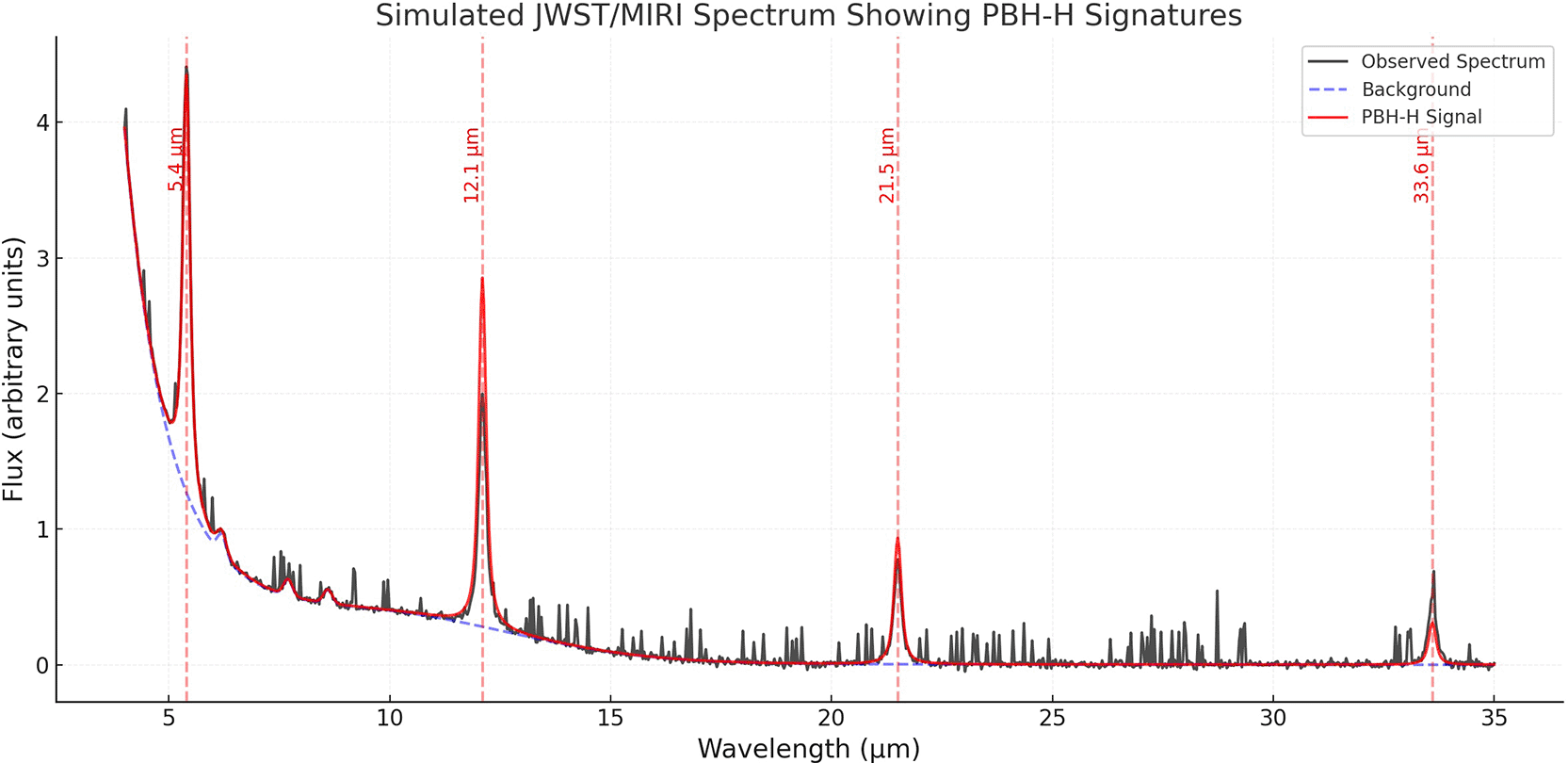
Figure 10 shows a time-resolved spectrogram. It reveals the PBH-H lines exhibiting flux variability dependent on time, alongside transient intensity spikes caused by cosmic rays and noise events. Both the background emission and spectral line features can be seen shifting and evolving along the time axis, providing a dynamic view of the observed signal.
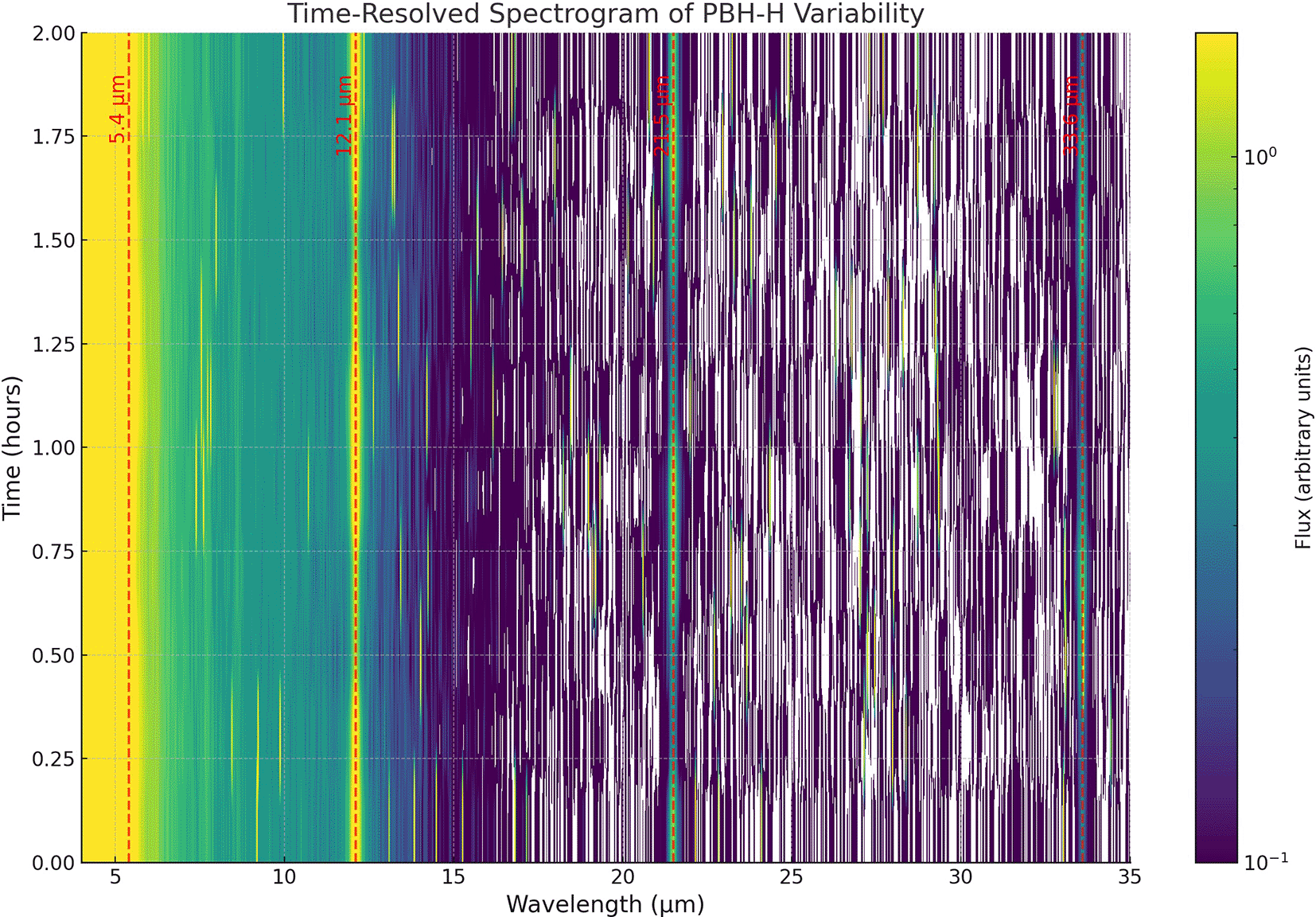
Figure 11 shows a possible data processing pipeline. The multi-line correlation approach involves requiring the simultaneous detection of at least two spectral transitions, verifying that their intensity ratios align with theoretical expectations—specifically, that the ratio I5.4/I12.1 ≈ 2.3—and confirming that the lines exhibit correlated variability patterns. In practical terms, applying this method with JWST data entails careful target selection, focusing on regions with high dark matter density such as the galactic center or dwarf galaxies, prioritizing low-metallicity environments to minimize contamination from polycyclic aromatic hydrocarbons (PAHs), and leveraging fields where deep MIRI exposures already exist.

Validation involves cross-checking the findings with archival data from Spitzer/IRS, searching for signs of proper motion in repeated JWST observations, and comparing the spatial distribution of detected signals with theoretical dark matter distribution models. The proposed simulations indicate that PBH-H protoatoms would manifest as broad emission lines at specific infrared wavelengths, characterized by time-varying intensities and spectral profiles. Despite their low flux, these features stand out against the background and exhibit correlated behavior across multiple transitions. Together, these characteristics would form a coherent strategy for identifying PBH-H protoatoms within existing JWST data archives.
The spectroscopic detection of primordial black hole hydrogen-like atoms represents an ambitious and, for now, speculative, although potentially transformative observational program. The theoretical framework established provides a foundation for developing observational strategies capable of detecting these exotic systems using existing and (especially) planned astronomical facilities. The successful implementation of such observations would open new avenues for studying dark matter, quantum gravity, and the fundamental physics of the early universe, while simultaneously demonstrating the power of spectroscopy to probe the most extreme physical conditions in nature. The convergence of theoretical predictions, observational capabilities, and data analysis techniques creates an unprecedented opportunity to search for these remarkable atomic systems and potentially revolutionize our understanding of the cosmos.
Source code available from: https://github.com/elioquirogarodriguez/PBH-atoms-detection
Archived software available from: https://doi.org/10.5281/zenodo.18494462
License: MIT License
| Views | Downloads | |
|---|---|---|
| F1000Research | - | - |
|
PubMed Central
Data from PMC are received and updated monthly.
|
- | - |
Provide sufficient details of any financial or non-financial competing interests to enable users to assess whether your comments might lead a reasonable person to question your impartiality. Consider the following examples, but note that this is not an exhaustive list:
Sign up for content alerts and receive a weekly or monthly email with all newly published articles
Already registered? Sign in
The email address should be the one you originally registered with F1000.
You registered with F1000 via Google, so we cannot reset your password.
To sign in, please click here.
If you still need help with your Google account password, please click here.
You registered with F1000 via Facebook, so we cannot reset your password.
To sign in, please click here.
If you still need help with your Facebook account password, please click here.
If your email address is registered with us, we will email you instructions to reset your password.
If you think you should have received this email but it has not arrived, please check your spam filters and/or contact for further assistance.

Comments on this article Comments (0)