Keywords
Sleeve gastrectomy, GNB, Escherichia coli, virulent factor, and laprascopy

This article is included in the Fallujah Multidisciplinary Science and Innovation gateway.
Sleeve gastrectomy, GNB, Escherichia coli, virulent factor, and laprascopy
The term “obesity” refers to an excess or abnormal build-up of human body fat which can harm one's health. Because of the interaction of genes, lifestyle, environment and emotional factors, so its cause is multifactorial and complex.1 When obesity is severe, sleeve gastrectomy is one of the methods used treatment choices of bariatric surgeon to perform with the most consistent results in excess weight loss, remission of comorbidities and improving life quality.2,3 A common bariatric procedure is sleeve gastrectomy, which uses five or six upper abdomen ports to reshape the stomach into a narrow, tubular structure.4 In which two third of the stomach is resected.2 Because laparoscopic sleeve gastrectomy reduces stomach capacity and modifies gastric motility and hormonal levels (namely ghrelin and peptide YY), it causes weight loss.5,6 In which, 76 % of the excess weight lost during first 6 months, then 80% of excess weight lost after one year more weight lost around 84% of excess weight after 2 years with improved comorbidities, this was reported in studies of Durmush et al.7 With the minimally invasive endoscopic sleeve gastrectomy, the stomach is reduced in size and formed into a tube using an endoscope. This mechanism can lower calorie consumption and lead to weight loss. Benefits include fewer problems, reduce hospital stays, and quicker recovery than traditional bariatric surgery.8–10 The Early complications of the surgery include bleeding, infections, pulmonary embolism (PE), anastomotic leaks, and gastrointestinal problems such as perforations or obstruction and to treat these, prompt medical attention and possibly surgery are essential.11 Over time, improvements in infection control and medical knowledge have been extremely beneficial to the surgical field. but, wound site infections are still a persistent and worrisome problem in hospitals. The susceptibility of wound site infection is concerning because it is linked to the increased rates of nosocomial morbidity and mortality.12 These infections can range in severity from appropriately minor surface incisional infections to more serious complications such as the development of deep organ space intra-abdominal abscesses and incisional hernias.13–15 According to the study of Rawan Sh eldein et al., The gram-negative Escherichia coli bacteria is the highest prevalent microorganism that causes wound site infection in gastrointestinal tract procedure.16,17 In this context, Escherichia coli, the highest prevalent gram-negative bacterium in the human intestinal tract, is not dangerous. On the other hand, when E.coli is found outside of the intestinal tract, it can cause pneumonia, bacteremia, peritonitis, UTIs, and other illnesses. UTIs, or urinary tract infections, are a frequent postoperative complication following sleeve gastrectomy.18–20 As well, the bacteria affect over 40% of patients and accounts for a considerable amount of nosocomial infections.4,21 All parts of the urinary tract, from the kidney to the urethra, can develop a urinary tract infection. Urinary catheters are commonly used to monitor output and aid in the drainage of urine following bariatric surgery. and consequence the urinary tract can become infected with nosocomial bacteria through catheters.22 More than ninety percent of cases are caused by the principal pathogenic agent, Escherichia coli (E. coli). Similarly, E.coli infections are responsible with around half of nosocomial catheter-associated UTIs (CAUTIs).23–25 The goal of this research paper was to figure out the E.coli infection occurrence in sleeve gastrectomy and characterize the bacteriology, and risk factors linked to E.coli infection in patients having sleeve gastrectomy and the proper use of surgical antimicrobial prophylaxis in sleeve gastrectomy.
The goal of this research paper was to estimate the susceptibility of E. coli infection occurrence and characterize the bacteriology linked to E.coli infection in patients having sleeve gastrectomy and the proper use of surgical antimicrobial prophylaxis in sleeve gastrectomy.
A study conducted at academic hospital. we included 80 patients had sleeve gastrectomy for the study from age above 25 year, visiting the gastrointestinal tract hospital surgical unit between 1st Jan to the end of December 2024. We gathered information on the sociodemographic characteristics, and isolated microorganisms from patient’s specimen.
Eighty sleeve gastrectomy patients made up the study population. Throughout thirty-day follow-up period, all patients were watched for indications of SSIs or UTIs. Samples of urine and swabs from the incisions of patients who might have had surgical site infections were collected after their procedures, Samples were sent right away for examination to the microbiological lab.26
Demographic information was gathered from the operating room’s electronic registration and used to identify the patients. Patients having abdominal surgeries other than sleeve gastrectomy, patients in the absence of 30-day follow-up data, patients whose findings (such as pneumonia, UTIs, etc.) were known at the time of surgery and patients whose data points for certain variables were missing also eliminated. The result obtained from participant patients had sleeve gastrectomy and followed up for presenting with wound infection or genitourinary symptoms and detection of gram-negative GNB using molecular and microbiological techniques. specimens are quickly transported to central laboratories. Urine, blood, and wound swab specimens from patients suspected and were collected using an aseptic technique and stored in sterile containers to prevent contamination by highly skilled nursing staff in order to determine the E.coli burden in the sleeve gastrectomy patient’s population. The samples were moved to the central laboratory's microbiology department in less than thirty minutes. In the meantime, an Excel document with the patient's age, gender, specimen type, and collection date were assembled from the hospital record room. In addition to collecting blood samples for tests (CBC, CRP, ESR, and FBS), other samples (urine and wound swap) were isolated, and the results of the cultures were ascertained. The isolates underwent disc-diffusion technique testing for antibiotic resistance and were sequenced to determine their type.
Every blood sample was obtained using continuous flow testing (CBC) and tubes containing EDTA anticoagulant. examined with the Sysmex, XT-2000i automated hematological analysis system. The CBC test yielded values for leukocyte count (WBCs), hemoglobin level (Hb), red blood cells (RBCs), platelet count, MPV, and PDW PDW, MPV, and PLTs had normal ranges of 10–17%, 8.5–12.5 fl, and 150,000–400,000/ml, respectively. Additionally, blood samples were taken and tested for each participant for the CRP and glucose tests. concentrations were evaluated by standard kit (sigma Aldrich, 236603, G3660) respectively and performed according to manufacturer’s instruction. Further ESR test was done by the method described by.27
Samples obtained from the subjects and cultured on MacConkey agar, 5% human blood agar, and lauryl sulfate-aniline blue agar medium. After 24 hours, the sample should be deemed sterile if there is no growth. The plates underwent incubation aerobically at 37 °C for one day before phenotypic characterization was performed. Following a purification of the isolates, a colony count of =104 CFU/mL was considered significant. The bacterial colonies were then identified by their morphological characteristics, microscopic appearance, and a battery of biochemical tests. analyses performed using the Vitek2 system (Biome ́rieux) and GN test cards, and the results were validated through API-20E tests. The manufacturer's instructions were followed for analysis and interpretation of the results.
The kit manufacturer's instructions (Geneaid Biotech Ltd., New Taipei City, Taiwan) were followed for sequencing and DNA extraction. employed to further amplify the sample, and it was based on the findings of the biochemical test. Two primer sets were designed specifically for Gram-negative bacteria, and they were tested against reference strains and/or clinical isolates in a single PCR reaction before being tested in a multiplex configuration. Enterobacter sp. 27F/1492R 16S ribosomal RNA (16SrRNA) primer and P. aeruginosa comprised the second set, while E.coli, K. pneumoniae, and K. oxytoca comprised the first set.28 The amplification reactions were conducted in a total reaction volume of 30 μl using the following protocol: primer annealing at 55 °C for 1 minute, the last step (extension) at 72 °C for 30 seconds, first denaturation at 94 °C for 5 minutes, and second denaturation at 94 °C for 30 seconds.
Universal primers were used in order to amplify the GN isolate genes. 27F/1492R. which, in addition to the reference strains, Table 1, amplify roughly 1500 bp. The isolates recognized as E.coli are then seen under a UV light on a 1.5% agarose gel.
| Bacteria & Gene | Primer name | Sequences (5′-3′) | Primer conc. (pmol/mL) | Reference |
|---|---|---|---|---|
| E. coli (uid A) gene | EC486-F EC486-R | ATCACCGTGGTGACGCTGTCGC CACCACGATGCCATGTTCATCT | 0.4 | This research |
| Enterobacter sp. (HSP60) gene | EP162 EP162 | F-GCTCGTAGCCGCTAAACTGG
R-CCTTCACCCGCTTTCACGTT | 0.3 | This research |
| P. aeruginosa (alg-D) gene | PsA98-R PsA98-R | -GGGGGATCTTGCGGACCTCA -TCCTTAGAGTGCCCACCCC | 0.2 | This research |
| K. pneumoniae (rpo-B) gene | KP548 KP548 | F-CCAACGGTGTGGTTACTGACG
R-AATAGGTTCGCCCAGGGACA | 0.3 | This research |
| A. baumannii (gyr-B) gene | AB605 AB605 | F-TGGCTTACACGGCGTAGGT
R-GCGCATCATCACCAGTCACAT | 0.5 | 28 |
| 16SrRNA | 27 1492 | F-AGAGTTTGATCMTGGCTCAG
R-GGTTACCTTGTTACGACTT | 0.5 | This research |
The following antimicrobials, including ampicillin/clavulanic acid, ampicillin/sulbactam, trimethoprim/sulfamethoxazole, amoxicillin, ampicillin, amikacin, gentamicin, ofloxacin, nitrofurantoin, cefotetan, cefotaxime, cefoxitin, and cefiximewere examined using AST-N291 test cards to quantify the presence of (Extended-Spectrum Beta Lactamase). The strain of E. coli ATCC 25966 was utilized as a control. Finding each strain of E. coli's lowest inhibitory concentration required applying the agar dilution techniques advised by the Clinical and Laboratory Standards Institute (CLSI).
PCR was employed to determine the main components of ExPEC's virulence. The genes selected as the most commonly occurring in extraintestinal E.coli infection Included in this were the following: fimbrial adhesin -1 (fimH), cytotoxic necrotizing factors (cnf 1 and cnf 2), aerobactin (iutA), P-fimbriae (papC and papG), S-fimbrial adhesin (sfaA and sfaS), and afimbrial adhesin (afa).29
The Statistical Package for Social Science (SPSS) program, version 23, was used for data entry and analysis. Using the Excel program, graphics were produced. To display quantitative data, the mean (X) and standard deviation (SD) were utilized. The qualitative data was presented using numbers, percentages, and frequency distribution tables. When utilizing the chi square test of significance, a significant P value of less than 0.05 was selected for every meaningful test. The rate of patients who developed UTIs and surgical wound infection among all those admitted to the surgical centers was used to express the incidence rate. The ratio of isolates confirmed to be resistant to antibiotics to all isolates exposed to the antibiotic was used to express antibiotic resistance.
Table 2 reveals that (60 %) of the participant patients are female of mean age 48. While the male participants percentage were 40% and mean age 42 with the mean body mass index (B.M.I.) of 46 and 52 for males and females respectively. Most of them has no chronic illness.
| Number of sleeve gastrostomies | Mean age (years) | Mean BMIa | |
|---|---|---|---|
| Total | 80 | ||
| Males | 32 (40%) | 42 | 46 |
| Females | 48 (60%) | 48 | 52 |
| Chronic illness | 15 (18.7%) |
Among those who were part of the study, the rate of infection occurence was 17 cases (21.2%), with 2 cases (6.25%) occurring in men and 15 cases (31.25%) in women. There was a significant (p = 0.001) difference in the incidence between the sexes, and 13 cases (86.6%) had chronic illnesses that were statistically significant (p = 0.011).
All sleeve gastrectomy patient that had UTI or SSI infection 17 case showed high level of ESR while 8 cases of sleeve gastrectomy with no infection shoed high level (68%) (32%). With significant value of p=<0.001. the count of wbcs and PLT showed high count in 16 cases of infected participant with significant value p=0.0062, 0.001 respectively. While hgb level showed no significant difference between participants (p= 0.245) as Table 3.
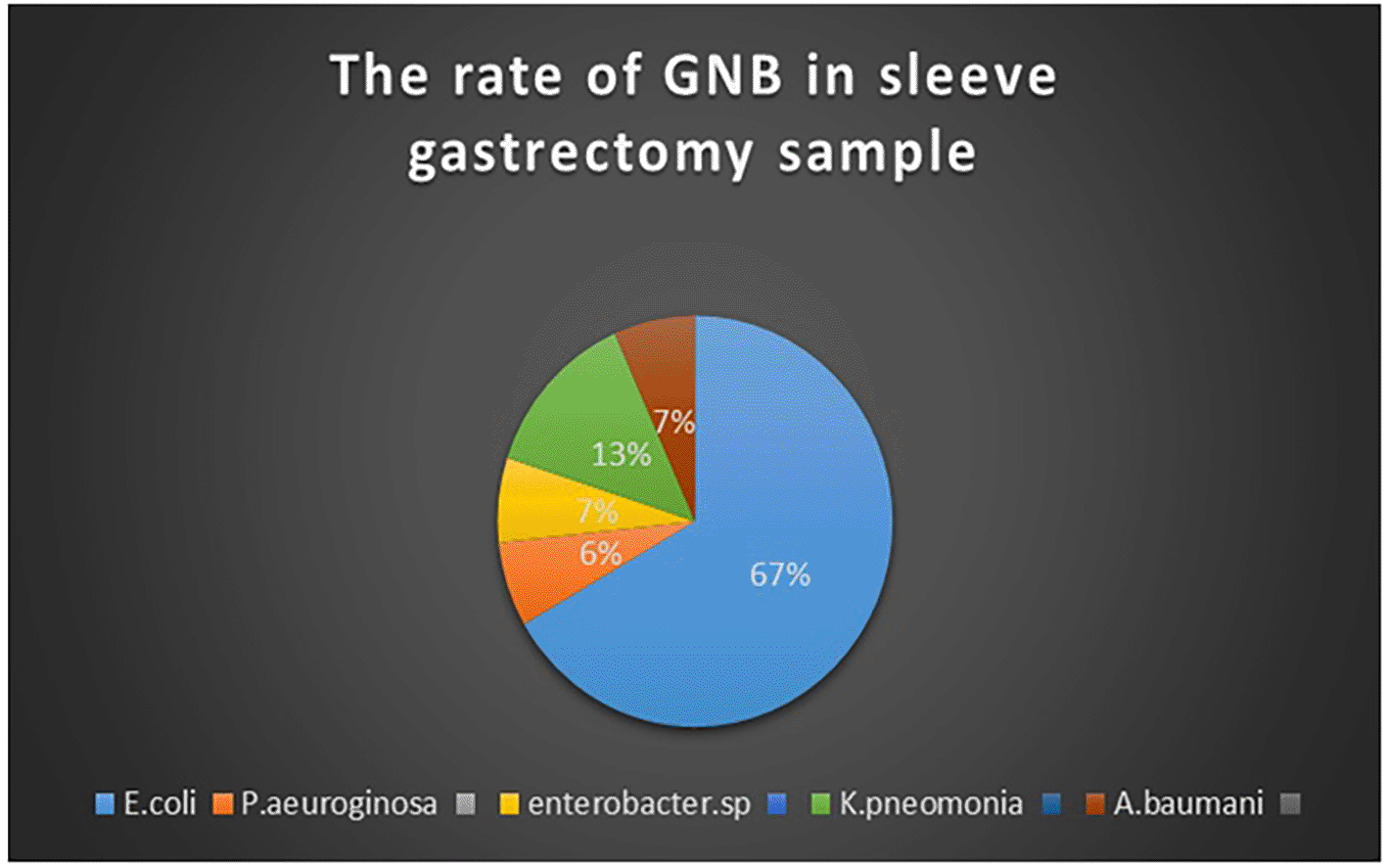
This study finds that: - Five genera of bacteria that are Gram-negative were isolated and identified. using molecular techniques from study participants who had SSI and UTI. Gram-negative bacteria accounted for 15 cases (18.7%); of these, 10 cases (66.6%) had E.coli as the primary cause of the infection, followed by K. pneumonia in 2 cases (13.37%), P. aeruginosa, Enterobacter sp., and A. baumannii in 1 case (6.66%) each Figure 1.
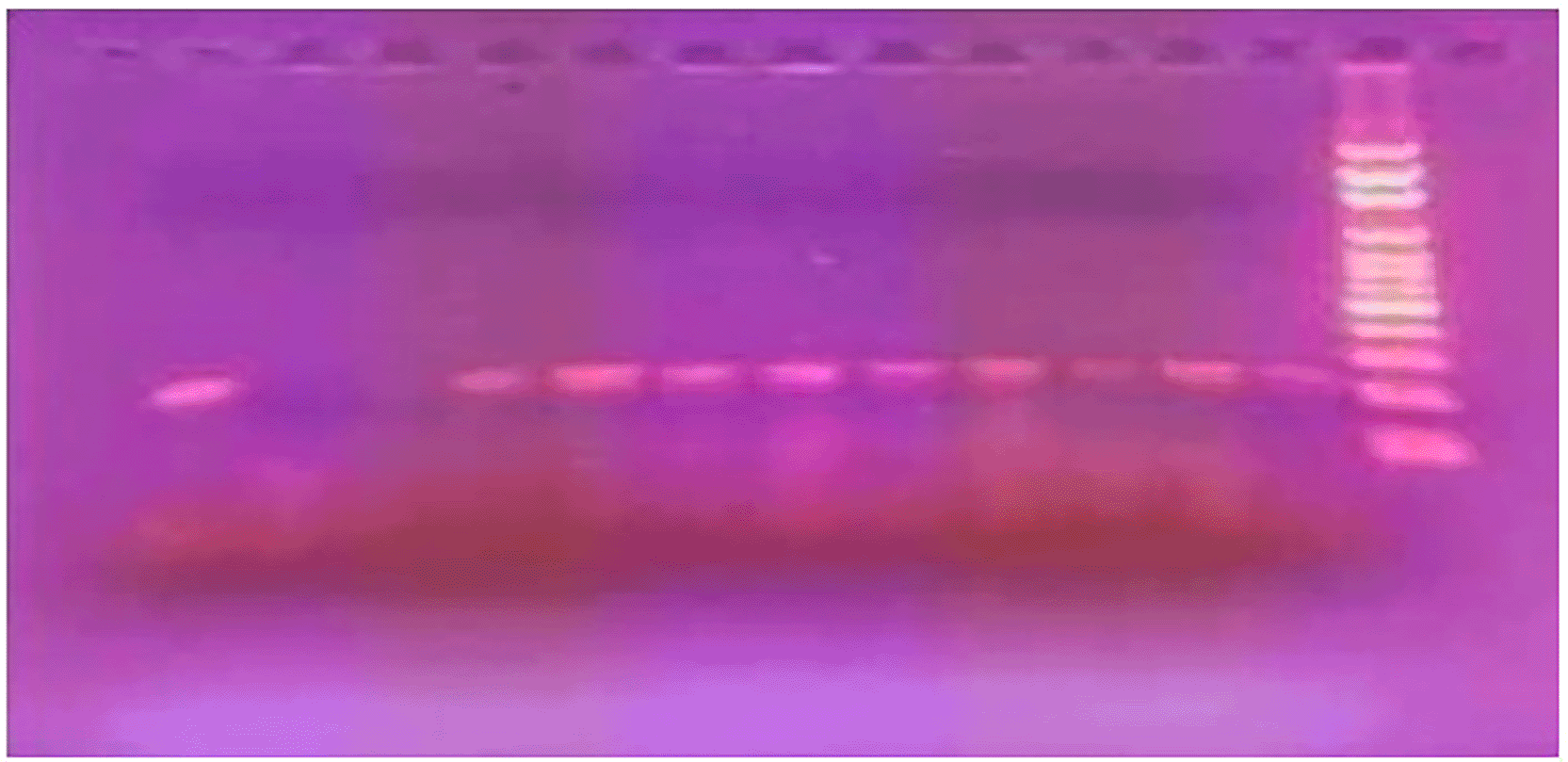
When examined under a UV lamp, E. coli strains identified by the Vitek2 system displayed a 220/258 bp PCR product size on a 1.5% agarose gel ( Figure 2). PCR results of isolates recognized as E. coli observed under a UV lamp on a 1.5% agarose gel. E. coli (ATCC 25996) is the positive control, and Lane 1 represents it. Samples of bacteria are shown in Lanes 2 through 15, while the DNA ladder (sollis) is shown in Lane 14. In lanes 2 and 3, the bands at 220 and 258 bp were not visibleas ( Figure 2)
The sleeve gastrectomy samples contained multiple antibiotic-resistant E. Coli strains, of which 14 (93.3%) were resistant to amoxicillin, 11 (73.3%) to ampicillin and cefotetan, 10 (66.6%) and 8 (53.3%) to ofloxacin; 5 (33.3%) to cefotaxime, cefoxitin, and ciprofloxacin; 2 (13.3%) to nitrofurantoin, and 4 (26.6) to trimethoprim/sulfamethoxazole. In the Table 4 reveals that E. coli isolate is highly resistant to amoxicillin (93.33%), cefoxitin and gentamicin (80%) followed by cefotetan and Amoxicillin/clavulanate (73.3%) (66.6) respectively. but were susceptible to Ampicillin/sulbactam and Norfloxacin. As Table 4.
This study reveals that the most prominent genes >60% in 15 Escherichia coli isolates from infected wound and urine in sleeve gastrectomy patient are fimH, pap, aer and Afa (93%) (86.6) (80%) (60%) respectively ( Table 5).
The most effective course of treatment for treating comorbidities related to obesity and achieving weight loss for long period is sleeve gastrectomy surgery.30 For obese patients with a BMI around 40 kg/m2 and an obesity-related comorbidity, a sleeve gastrectomy is advised.31 One of the most prevalent complication is post operation infection with gram negative bacteria. most common UTI in hospitalized and ambulatory settings.32 Surgical wound infection accounts for 19.73% of all HAIs and is regarded as a global health care system issue.33
This study focused in infection via extraintestinal E. coli bacteria and it accounts for 18.7% of 80 participant sleeve gastrectomy causing UTI and surgical wound infection (HAI). In which the latter is predominant cause of infection among infected participant (76.5%). the susceptibility to E. coli infection in this study was (16.25%) causing UTI and (1.25%) causing SSI, the risk of UTI increased after sleeve gastrectomy. There is no significant change in the risk of E. coli infection among men and female parallel to previous study of sattar et al.34 The participant mean age 45 was and their mean BMI were 49. while the risk of infection significantly increases in the presence of chronic illness. Our research is the initial to show the susceptibility of E. coli infection in sleeve gastrectomy.
Leukocyte counts rising and ESRs increasing are typically associated with infections, such as SSIs and UTIs. Since variations in these parameters are used to diagnose inflammatory and infectious diseases.35 Furthermore, platelets were mentioned as an indicator of an infection of the urinary tract.36 Similar to the findings reported by,37 This study demonstrated that SSIs and UTIs had noticeably higher levels of platelets and leucocytes. There was also a notable difference in MPV between the infected and non-infected groups. Timely therapeutic and preventive interventions aimed at surgical wound infections and UTIs are contingent upon early detection.38 In this study, GNB were isolated and identified using Vitek2, and they were subsequently further detected using a molecular technique called PCR amplification reaction, with the positive control being E. coli (ATCC 25966). According to the results, 76% of the isolates had E.coli. while 13% contained K. pneumonia. This study bears similarities to that of Helemen et al.21 and differs from the study by Kaman and Bahrouz,39 which revealed that; K. pneumonia was the most prevalent gram-negative infection. There are many possible explanations for the reported differences in the distribution of SSI and UTI bacteria; these include differences in the population under study (e.g., sex, age, comorbidities, nosocomial pathogens found in surgery centers, aseptic techniques), policies for infection control and prevention, geographical distribution, and patterns of resistance in the bacterial isolates under study.40,41
The best antimicrobial agents were found to be ampicillin/clavulnic acid and norfloxacin, while levels of amoxicillin/clavunic acid resistance were found to be consistent with findings from a prior study of Aabed, Kawthar et al.42 who found that amoxicillin possessed the highest resistance. high rates of incorrect prescription of cefoxitin or amoxicillin for surgical antimicrobial prophylaxis and extended spectrum beta-lactamase generation in these strains43 could be a reasonable explanation for the high levels of resistance.
They are the result of various genes, which the PCR technology may identify.44 Fimbria-1 (fimH), P fimbria (papC and papG), binding adhesin (afa), and S fimbria (sfaA and sfaS) were among the adhesin-related genes investigated in this work study. fimH was the most common (93%) followed by pap (86%). Through its role in inducing adherence to uroepithelial protein, FimH is an essential component of uropathogenic E. coli strains' pathogenicity.45 And this is parallel to the study of Daga et al.29 Then followed by aer gene with percentage of (80%) and hyla gene (46.6%), The results showed a percentage of (18.7%) of extraintestinal E.coli infection among patients with sleeve gastrectomy and most of cases were females (31.25%). Only a few percentages of E.coli virulence genes cause urinary tract infections; the bacteria E. coli strains frequently contain the cvaC and hlyA genes [49].
Ethical approval was obtained from the University of Fallujah, Institutional Review Committe (IRC), (Code No.: UOF.MED.2025.001 16/11/2025). Prior to sample collection, written informed consent was obtained from each participant after they were informed of the study objectives. Prior to sample collection, written informed consent was obtained from each participant after they were informed of the study objectives.
| Views | Downloads | |
|---|---|---|
| F1000Research | - | - |
|
PubMed Central
Data from PMC are received and updated monthly.
|
- | - |
Provide sufficient details of any financial or non-financial competing interests to enable users to assess whether your comments might lead a reasonable person to question your impartiality. Consider the following examples, but note that this is not an exhaustive list:
Sign up for content alerts and receive a weekly or monthly email with all newly published articles
Already registered? Sign in
The email address should be the one you originally registered with F1000.
You registered with F1000 via Google, so we cannot reset your password.
To sign in, please click here.
If you still need help with your Google account password, please click here.
You registered with F1000 via Facebook, so we cannot reset your password.
To sign in, please click here.
If you still need help with your Facebook account password, please click here.
If your email address is registered with us, we will email you instructions to reset your password.
If you think you should have received this email but it has not arrived, please check your spam filters and/or contact for further assistance.

Comments on this article Comments (0)