Keywords
DAS-28 score, non-surgical peridontal surgery, P. gingivalis, periodontitis, rheumatoid arthritis

DAS-28 score, non-surgical peridontal surgery, P. gingivalis, periodontitis, rheumatoid arthritis
Amongst 3.5 billion people suffering from oral diseases, periodontal disease stands out as one of the most prevalent afflictions affecting the human population.1,2 Periodontal diseases are common in both developed and developing nations, impacting approximately 20-50% of the worldwide population.1 The prevalence of periodontitis among individuals aged 15 years and above in Indonesia, as indicated by the 2018 Riset Kesehatan Dasar (RISKESDAS), is 74.1%.3 Periodontitis is characterized by inflammation in the supportive tissues surrounding the teeth, caused by specific groups of microorganisms. This inflammatory condition leads to the gradual deterioration of the periodontal ligament and alveolar bone, accompanied by the formation of deeper probing depths and the occurrence of recession, or both.4 Gingivitis is the initial phase of periodontal disease, characterized by red, swollen gingiva that bleed during brushing. Chronic inflammation and tissue destruction can lead to the advanced stage known as periodontitis in susceptible individuals.5
With inflammation being very closely related with periodontitis pathophysiology, numerous studies have established a compelling association between periodontitis and systemic diseases, with particular emphasis on the relationship with rheumatoid arthritis (RA).6–8 RA is a long-term autoimmune condition characterized by inflammation and excessive cell growth in the synovial membranes, resulting in permanent cartilage and bone damage within the joints. This leads to impaired joint function, chronic pain, and a progressive loss of mobility, accompanied by stiffness, swelling, and deformity in the affected joints.7 The presence of RA increases the susceptibility to periodontal disease development, which both exhibit pathological characteristics and immunological discoveries marked by inflammatory disease marker.8,9 Specific types of bacteria found in the gingiva, including Porphyromonas gingivalis (P. gingivalis) and Aggregatibacter actinomycetemcomitans (A. actinomycetemcomitans), have the potential to play a role in the production of autoantibodies associated with RA.8
P. gingivalis infection activates proteases and peptidylarginine deiminase (PPADs), leading to the production of citrullinated proteins.7 This process stimulates the synthesis of antibodies against citrullinated proteins (ACPAs), resulting in increased expression and the formation of immune complexes.10 Notably, P. gingivalis is the only known periodontal bacterium capable of citrullinating proteins and inducing anticyclic-citrullinated peptide autoantibodies (anti-CCP antibodies), this particular bacterium is the sole causative agent of periodontal disease that has been associated with an increased susceptibility to RA.11,12 Patients with RA exhibit an high levels of plaque, deep periodontal pockets, loss of attachment, tooth loss, and a high gingivitis score.13 Highlighting the significance of periodontal treatment in controlling inflammation can help to ensure favorable outcomes for patients with RA.14
Non-surgical periodontal therapy (NSPT) has demonstrated benefits beyond oral health, as it may also have implications for systemic health in individuals with RA.10 Studies suggest that improving periodontal health through NSPT, such as scaling and root planing (SRP), combined with comprehensive oral hygiene instructions (OHI) could potentially help in reducing systemic inflammation and enhancing the overall management of RA.15 This type of treatment can aid in preventing the progression of periodontal disease, which is essential for maintaining good oral health in RA patients.10
Moreover, studies have suggested a potential correlation between the improvement of periodontal health and disease activity in RA, as measured by the Disease Activity Score-28 (DAS-28).16 The DAS-28 is a composite index that includes swollen and tender joint counts, acute-phase reactant levels (such as c-reactive protein), and the patient's global assessment of disease activity.7 In a study involving 19 patients, significant improvement was observed in indicators of periodontal disease severity, such as mean gingival index, plaque index, bleeding on probing, probing depth, and attachment level, following periodontal therapy. Additionally, the treatment group showed a notable improvement in the DAS-28, with 76.4% of patients experiencing positive changes.17 However, another study reported that the administration of periodontal treatment did not yield any statistically significant effects on the DAS28-ESR (Disease Activity Score 28 based on erythrocyte sedimentation rate).18
Some investigations have shown that successful NSPT can lead to a reduction in DAS-28 scores, indicating a decrease in disease activity and potentially improved clinical outcomes for patients with RA.14,19,20 Further research is needed to strengthen the causal relationship between periodontal treatment, P. gingivalis reduction, and improvements in the DAS-28 score in RA management. The current research is limited, with a scarcity of systematic reviews on the impact of NSPT on P. gingivalis count and DAS-28 score in periodontitis patients with RA. Therefore, there is a need for a systematic review and meta-analysis on this topic to provide further information in the selection of appropriate treatment strategies for periodontitis patients with RA. By improving our understanding of the effectiveness of NSPT in this specific patient population, it can assist in optimizing treatment outcomes and enhancing the overall management of both periodontitis and RA.
This article aims to highlight the impact of NSPT on periodontitis patients with rheumatoid arthritis.
This systematic review has been registered in PROSPERO with the ID code CRD42024586734.
The study identification was conducted in accordance with the PRISMA (Preferred Reporting Items for Systematic Reviews and Meta-Analyses) guidelines.21 The search strategy focus on the population of periodontitis patients with rheumatoid arthritis which was given an intervention of non-surgical periodontal therapy, and its effects was measured its effect with the outcome of P. gigivalis count and DAS-28 score. The identification process began by searching four electronic databases: PubMed, Embase, Scopus, and Web of Science. Duplicates from these databases are then removed, followed by title and abstract screening. Full-text screening was then done according to eligibility criteria set previously. This was all done with the help of the Covidence website.
Prior to screening, inclusion and exclusion criteria were established to include all relevant studies. Inclusion criteria include1: Studies comprising Randomised Controlled Trials (RCTs), Controlled Trials (CTs), or Clinical Trials, case-control studies, and cohort studies2 Adult patients aged over 18 years,3 diagnosed with both chronic periodontitis (at any stage and grade) and Rheumatoid Arthritis,4 the studies should include diagnostic tools that help its diagnosis as well as other treatment excluding NSPT, such as DMARDs for RA, and5 Studies that assess periodontal parameters such as P. gingivalis levels CAL, BOP, PPD, and/or RA parameters such as DAS-28. Exclusion criteria includes1: Studies that consist of systematic reviews, meta-analyses, animal studies, case series, case reports, reviews, and in vitro/in vivo studies,2 Surgical therapies for periodontal treatment, and3 Patients with debilitating diseases or other chronic conditions that may significantly influence treatment outcomes.
Parameters of periodontitis patients with RA include: P. gingivalis count, DAS-28 score, bleeding on probing, pocket depth, and clinical attachment loss.
Data extraction
All literature was independently screened, assessed, and extracted for eligibility by A.T. and H.R. Any differences were resolved by discussion between authors and consulted to B.S. Data from each study recorded includes: authors’ name, publication year, study design, patient population, intervention applied, P. gingivalis count, DAS-28 score, bleeding on probing, pocket depth, and clinical attachment loss. Effect sizes for bleeding on probing, pocket depth, and clinical attachment loss are also recorded for forest plot analysis using RevMan 5.4 (The Cochrane Collaboration).
Risk of bias was identified using multiple appraising tools depending on the study type: Cochrane Risk of Bias Tool for Randomized Trials version 2 (RoB 2) for Randomized Control Trials (RCT) and Risk of Bias in Non-Randomized Studies – of Interventions (ROBINS-I) tool for case-control and cohort studies. RoB 2 examines bias across five key domains: the randomization process, deviations from intended interventions, missing outcome data, outcome measurement, and selection of reported results.22 ROBINS-I tool evaluates bias across seven domains: confounding, participant selection, intervention classification, deviations from intended interventions, missing data, outcome measurement, and selection of reported results.50 The results were categorised as low risk, moderate risk, serious risk, critical risk, or no information available.
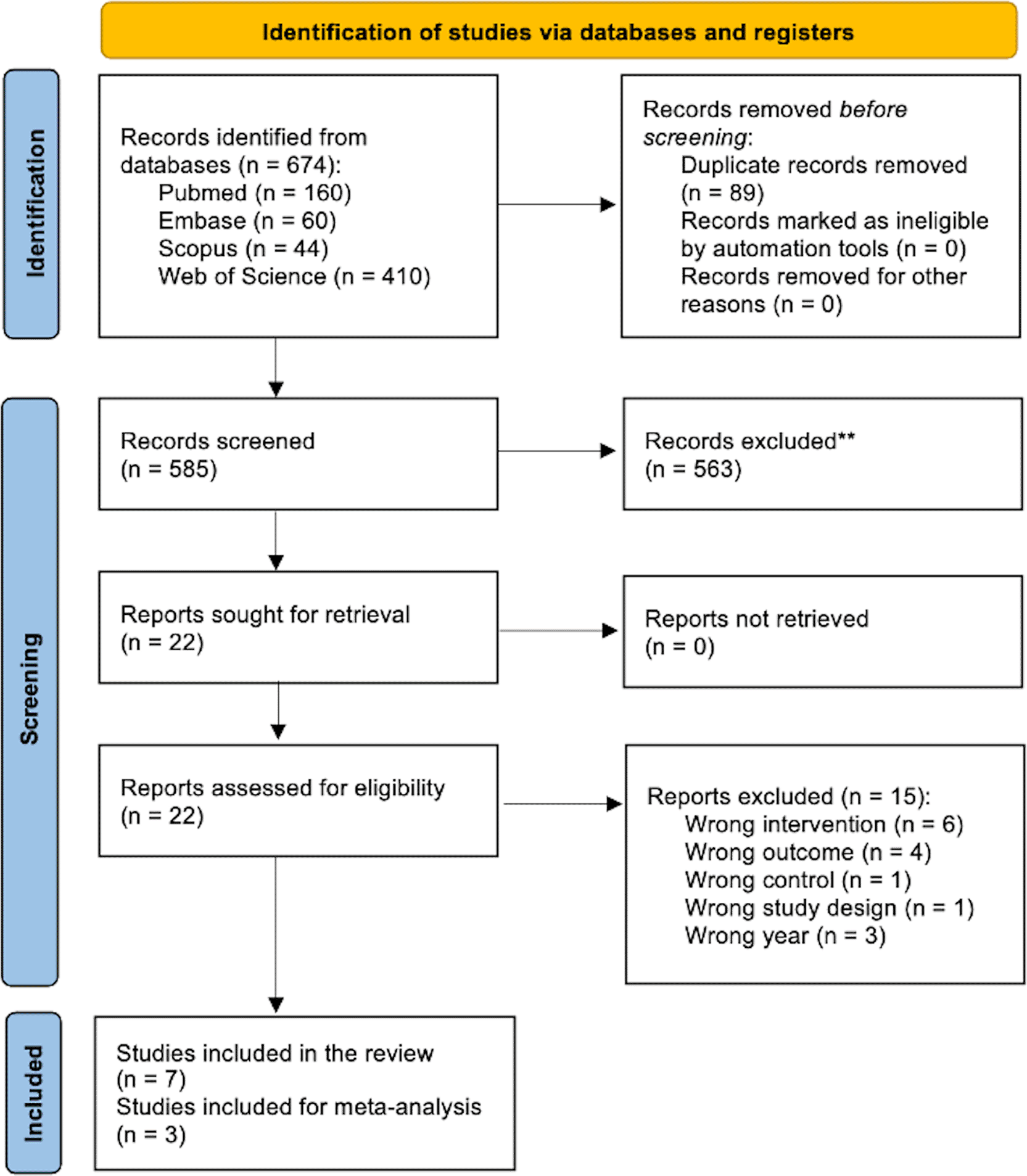
The search results from the four electronic databases yielded a total of 674 studies shown in Figure 1, in which 89 duplicate studies were removed using Covidence website. A subsequent screening of titles and abstracts was carried out on the remaining 585 studies, resulting in the exclusion of 563 studies that did not meet the inclusion and exclusion criteria set by the authors. Thus, the remaining 22 studies were assesed for full-text review, but only 7 were included in this review.23–29 However, only the three RCT studies have enough data that can be further meta-analyzed for NSPT’s effect on bleeding on probing, pocket depth, and clinical attachment loss.
Baseline characteristics and outcomes measured from included studies are summarised in Table 1. 23–29 This review has successfully pooled 787 periodontitis patients with RA with 3 RCTs, 3 case-control, and 1 longitudinal study. NSPT applied varied between studies, from basic oral hygiene practices to ultrasonic scalers. Not only that, follow-up time beteween studies also varied ranging from 4 weeks to 20 years. These differences eventually affect high variability of outcomes reported across studies.
| No | Author (year) | Research design | Population characteristics | Follow-up | Intervention applied | Outcomes | ||||
|---|---|---|---|---|---|---|---|---|---|---|
| P. gingivalis count | DAS-28 | BOP | PPD | CAL | ||||||
| 1 | Mariette X, et al. (2020)23 | RCT | 472 PE and RA patients (238 intervention: 234 control) with DMARDs and steroids | 6 months to 20 years | Tooth brushing 2x/day, mouth rinse 1x/day, scaling and polishing 2x/year | Baseline: 54.1 ± 117.0 12 months: 14.7 ± 51.6 | DAS-28 (ESR) Control vs Intervention
2.7 (1.3) vs. 2.47 (1.37) | BOP (%)
Base: 30.5±29.5 6mo: 20.4±25.0 12mo: 14.5±14.9 | PPD
Base: 2.4±0.8 6mo: 2.2±0.7 12mo: 2.1±0.7 | CAL ≥4mm (%)
Base: 27.3±26.2 6mo: 23.6±26.6 12mo: 24.4±27.3 |
| 2 | Moura M, et al. (2021)24 | RCT | 107 patients (24 with PE and RA) Sex (38:88) Age: 51.69±10.06 | 45 days | NSPT (full-mout disinfection with with chlorhexidine gel (CX) irrigation) | T1: 17.89±4.76 T2: 11.07±10.98 | DAS 28
[PE+, RA+] T1: 4.34±0.89 T2: 3.12±0.71 (p=0.011) | BOP
T1: (RA+): 0.47±0.50; p<0.038 T2: (RA+) 0.15±0.7; p<0.001 | PPD
T1: (RA+): 3.4±1.5; p=0.101 T2: (RA+) 2.5±0.8; p<0.001 | CAL
T1: (RA+): 3.5±1.8; p<0.001 T2: (RA+) 2.4±1.3; p=0.005 |
| 3 | Thilagar S, et al. (2022)25 | RCT | 28 chronic PE and RA patients (under treatment for RA) (13 intervention: 15 control) Sex (5:23) Age: 42.71±12.31 | 8-12 weeks | Proper toothbrushes and other auxiliary aids; full-mouth supragingival and subgingival ultrasonic SRP | n/a | DAS 28
[Treatment] Base: 2.06 (1.20-8.10) Follow-up: 1.23(0.36-7.00) p<0.001 [Control] Base: 4.10 (1.81-7.40) Follow-up: 4.10 (2.00-7.40) p = 0.180 | BOP
[Treatment] Base: 4.00 (0.00-4.00) Follow-up: 2.00 (0.00-2.00) p=0.005 [Control] Base: 3.00 (0.00, 3.00) Follow-up: 3.00 (0.00, 3.00) p = 0.564 | PPD
[Treatment] Base: 7.38±1.44 Follow-up: 5.15±1.21 p<0.001 [Control] Base: 6.67±0.97 Follow-up: 6.87±1.06 p = 0.082 | CAL
[Treatment] Base: 10.08±1.60 Follow-up: 8.00±1.52 p<0.001 [Control] Base: 9.13±1.35 Follow-up: 9.13±1.35 p = 1.000 |
| 4 | Shimada A, et al. (2016)26 | Case-control study | 52 PE and RA patients under corticosteroids, DMARDs, and NSAIDs Sex (13:65) Age: 61.3±1.99 | 2 months | OH instruction and full-mouth supragingival scaling with ultrasonic instruments without local anesthesia | n/a | DAS28-CRP
[RA Before Treatment] 2.4±0.1 [RA After Treatment] 2.1±0.1; p<0.05 | BOP (%)
Before: 36.8 ±5.0 After: 10.9 ±3.6 p<0.05 | PPD
Before: 3.2 ±0.1 After: 2.7 ±0.1 p<0.05 | CAL ≥4mm (%)
Before: 3.2 ±0.2 After: 2.8 ±0.1 p<0.05 |
| 5 | Cosgarea R, et al. (2019)27 | Case-control study | 18 chronic PE with RA (with treatment) Sex (12:24) Age: 47.21±11.37 | 3 and 6 months | SRP | (log scale) [RA] Base: 6.63 [3.31; 7.31] 3 mo: 5.36 [3.21; 6.60] 6 mo: 6.17 [4.61; 7.49] | DAS 28
Base: 4.80 [3.90; 5.68] 3mo: 4.70 [3.61; 5.54]; p=0.199 6mo: 4.28 [3.97; 4.65]; p=0.088 | BOP (%)
RA+ Base: 47.7 [19.0; 95.8] 3mo: 14.4 [10.0; 18.5]; p=0.002 6mo: 13.5 [6.25; 18.1]; p=0.009 | PPD
RA+ Base: 2.75 [2.50; 3.33] 3mo: 2.18 [1.94; 2.41]; p=0.001 6mo: 2.21 [2.13; 2.39]; p=0.001 | CAL
RA+ Base: 4.11 [3.41; 5.50] 3mo: 3.75 [2.82; 4.79]; p=0.010 6mo: 3.33 [2.85; 4.20]; p=0.001 |
| 6 | Białowąs K, et al. (2020)28 | Case-control study | 73 PE patients (with treatment) (44 RA: 29 control) | 4 to 6 weeks | Ultrasonic scalers, OH (chlorhexidine toothpaste or mouthwash). Root planning for PPD >4mm | 41% in RA | DAS 28 (ESR) Control vs Intervention
4.32 (1.89–7.3) vs. 3.84 (2.03–5.65); p=0.04 DAS 28 (CRP) Control vs Intervention 3.26 (1.31–5.66) vs. 2.76 (1.1–4.28); p=0.002 | BOP
RA: 35 (5–100) p=0.10 | n/a | n/a |
| 7 | Oliveira S, et al. (2024)29 | Longitudinal study | 37 Periodontitis with RA (with DMARDs) Sex (4:33) Age: 51 (22–70) | 6-8 months | Full-mouth SRP + OH | n/a | DAS 28
Base: 4.99 (0.63–8.06) 6 mo: 4.49 (0.14–7.76) p = 0.082 | BOP (%)
Base: 9.00 (0–53) 6 mo: 24.00 (6–85) 8 mo: 10.00 (0–35) p<0.001 | PPD
Base: 1.92 (0.86–3.16) 6 mo: 1.70 (0.64–3.70) 8 mo: 1.55 (0.52–2.98) p<0.001 | CAL
Base: 2.05 (1.06–5.15) 6 mo: 1.89 (0.83–7.14) 8 mo: 1.83 (0.78–6.92) p<0.026 |
Nevertheless, NSPT, widely regarded as the cornerstone of periodontal treatment, has significantly reduced systemic inflammation and autoimmune activity, particularly in RA patients. It is important to note the fact that all the RA patients included in all these studies are still under the treatment of either DMARDs, corticosteroids, or NSAIDS. All four studies discussed and reported a reduction of P. gingivalis following NSPT. Similarly, the DAS-28 score can also be seen to decrease following NSPT, as reported by all the included studies.
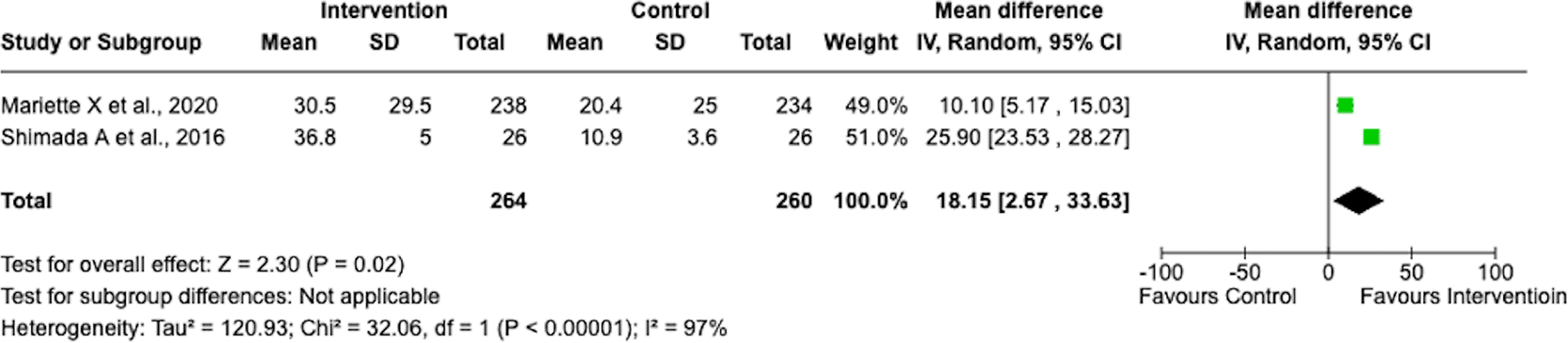
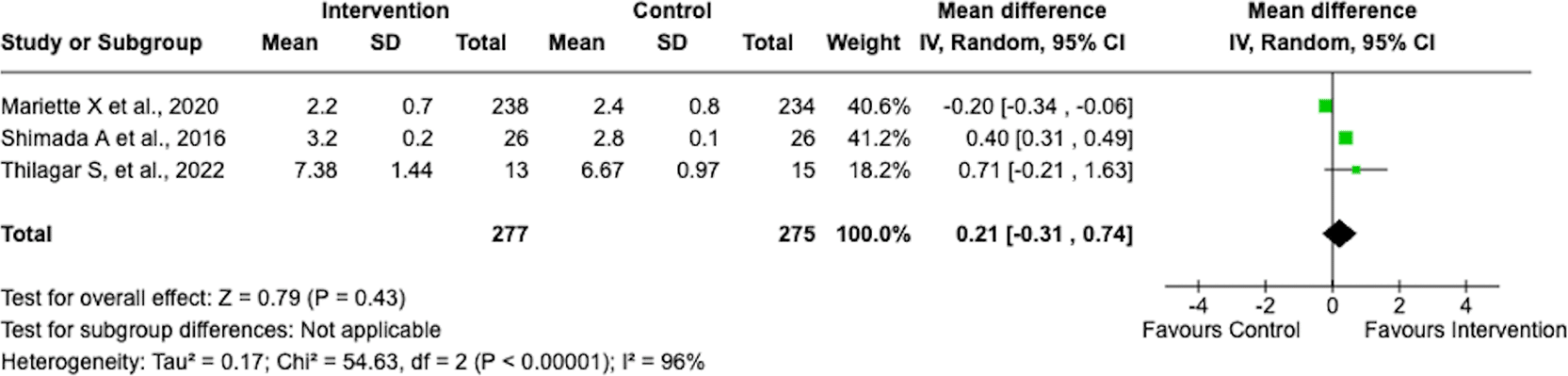
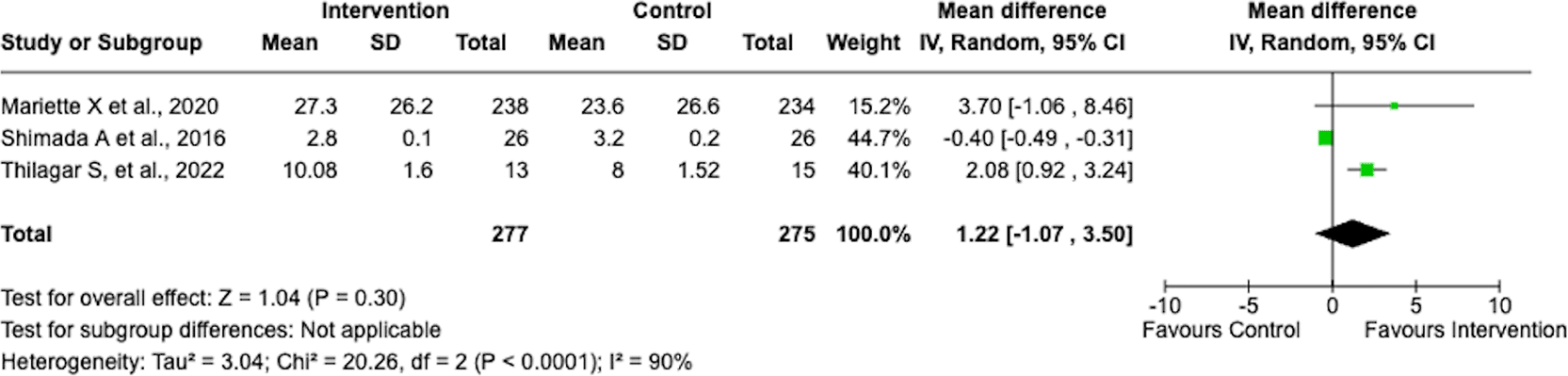
A forest plot analysis with random effect was done for bleeding on probing (BOP), pocket depth (PPD), and clinical attachment loss. The results showed a significant reduction in bleeding on probing ( Figure 2), with a mean difference of 18.15 (95% CI: [2.67, 33.63], p = 0.02). This indicates that nonsurgical periodontal therapy (NSPT) is more effective in patients compared to the control group. However, there was no statistically significant difference in pocket depth ( Figure 3), which had a mean difference of 0.21 (95% CI: [-0.31, 0.74], p = 0.43) as well as for the clinical attachment loss ( Figure 4) with a mean difference of 1.22 (95% CI: [1.07, 3.50], p = 0.30).
However, not even one included study showed a low risk of bias from the two tools used. From RoB 2 ( Figure 5), 1 of 3 RCT studies had a high risk of bias, while 2 of 3 studies shows a moderate risk of bias. For non-randomized clinical trials (non-RCTs), the ROBINS-I assessment ( Figure 6) revealed that 1 studies had a high risk of bias and three studies demonstrated a moderate risk of bias.
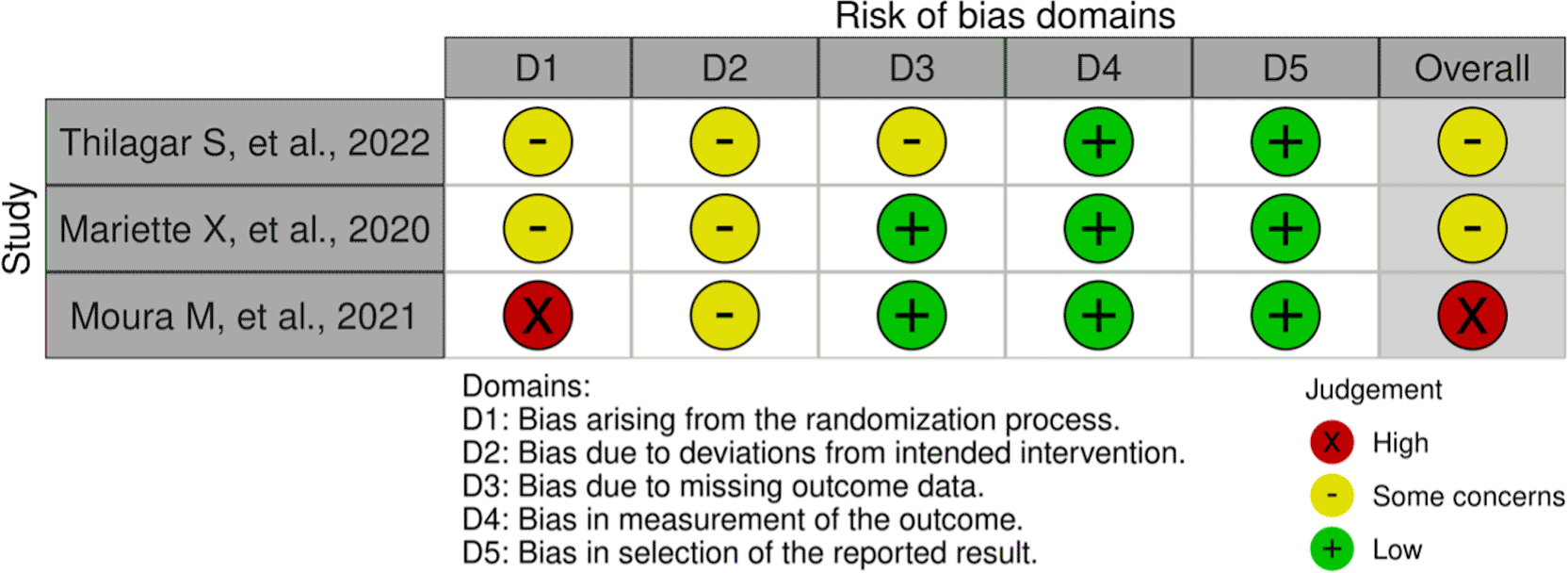
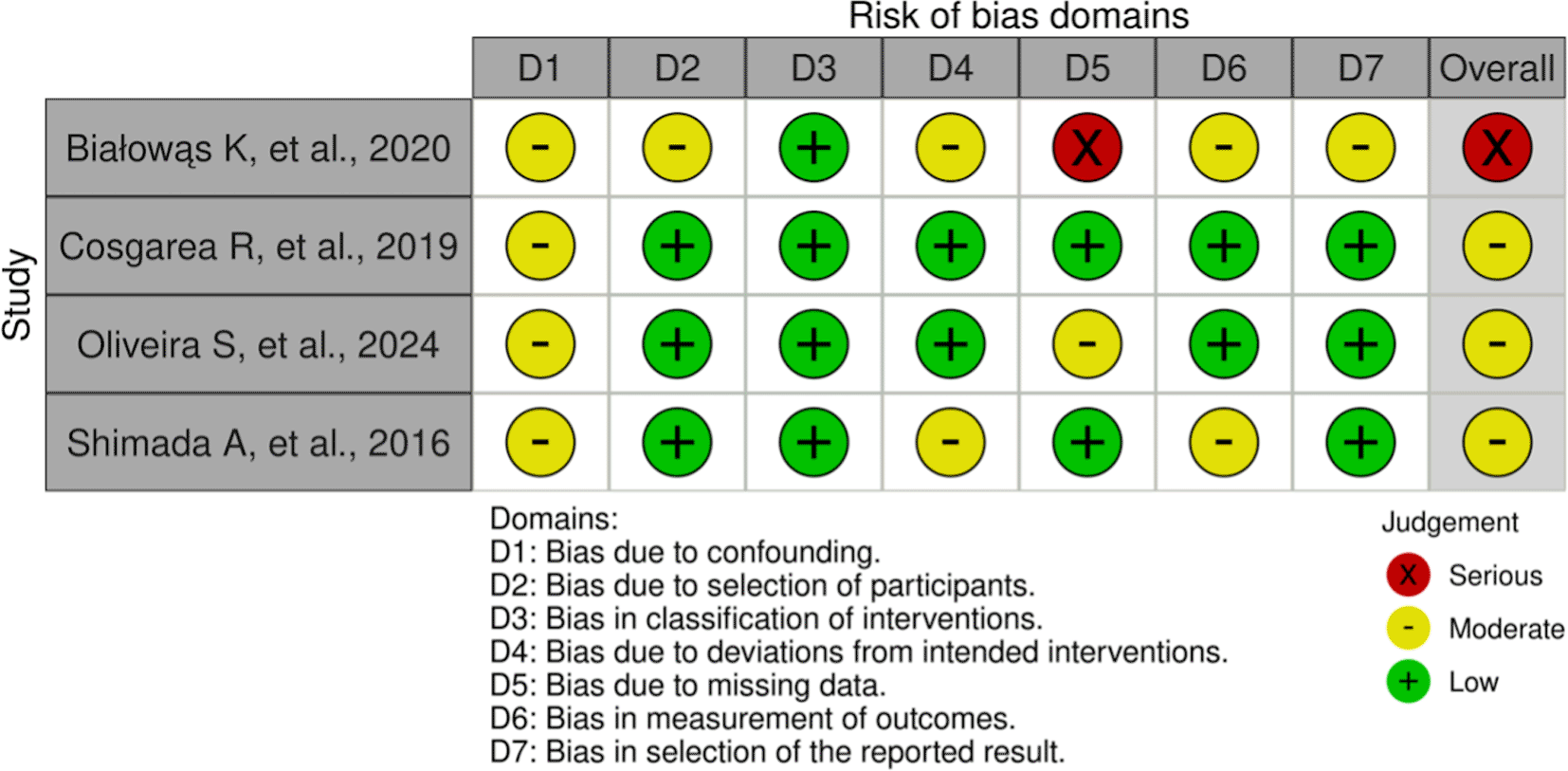
Periodontal disease, a chronic inflammatory condition, and RA, an autoimmune systemic disease, share a complex interplay of pathophysiological mechanisms, including immune dysregulation and bacterial-driven inflammation.7 The coexistence of these conditions not only exacerbates the severity of each disease but also complicates their management.8 Therefore, NSPT, which initially aims to improve periodontal diseases, have been showing significant improvement for RA patients from our analysis of 7 included studies.
Mariette et al. (2020), Moura et al. (2021), Cosgarea et al. (2019), and Białowąs et al. (2020) have observed a significant decrease in P. gingivalis levels from baseline following NSPT. Mariette et al. (2020) attribute the reduction to the removal of subgingival plaque through SRP and the decrease in inflammatory mediators such as interleukins and TNF-α, which create an environment less conducive to bacterial growth.23 Moura et al. (2021) further elaborates NSPT role in disrupting bacterial biofilms which are P. gingivalis primary habitats.24 Białowąs et al. (2020) supported the efficacy of NSPT by demonstrating a strong link between P. gingivalis and periodontitis, and noting that NSPT's ability to eliminate biofilms and reduce inflammation may help manage bacterial levels.28 However, the reduction of P. gingivalis count varied between studies due to differences in study design, follow-up periods, and patient populations. Cosgarea et al. (2019) even observed a rebound at 6 months, which indicates the challenge of sustained bacterial control. The most significant and sustained improvements were observed in studies with longer follow-up periods and rigorous intervention protocols, while other studies highlighted challenges in maintaining bacterial reduction over time.27
Three studies (Thilagar et al. (2022), Moura et al. (2021), and Oliveira et al. (2024)) using DAS28 have demonstrated reductions in RA disease activity, showcasing the systemic benefits of NSPT in managing RA. Oliveira, however, combined NSPT with methotrexate (MTX) therapy, which may overvalue the role of NSPT in reducing DAS-28 score.29 Conversely, Cosgarea et al. (2019) observed non-significant reductions in DAS28 scores over six months, suggesting that factors such as persistent pathogens may influence outcomes.27 DAS-28 scores can be combined with CRP or ESR to offer insights into the effects of NSPT on RA. Mariette et al. (2020) found a slight, non-significant reduction in DAS28-ESR scores, with long-term follow-up providing valuable data.23 In contrast, Białowąs et al. (2020) reported significant DAS28-ESR reductions (4.32 to 3.84, p = 0.04).28 Both Shimada et al. (2015) and Białowąs et al. (2020) showed significant DAS28-CRP improvements post-NSPT, linking reduced local periodontal inflammation to lower systemic CRP levels and better RA control.26,28 However, most studies had short follow-ups (6 weeks to 6 months), limiting understanding of long-term effects.
Moura et al. (2021) reported a significant reduction in BOP (0.47 ± 0.50 to 0.15 ± 0.70, p < 0.001) in RA patients with chronic periodontitis over a 45-day follow-up.24 Similarly, Oliveira et al. (2024)29 and Thilagar et al. (2022)25 documented marked BOP decreases 45 days and 8–12 weeks post-NSPT, respectively. Cosgarea et al. (2019) found comparable BOP reductions in RA patients and healthy individuals, suggesting NSPT’s universal applicability.27 In contrast, Białowąs et al. (2020) observed baseline BOP differences in RA patients that were not statistically significant (p = 0.10).28 A meta-analysis confirmed NSPT significantly reduces BOP (mean difference: 18.15, 95% CI: 2.67–33.63, p = 0.02), but high heterogeneity (I2 = 97%) highlights variability due to differing populations, protocols, and follow-ups.
Cosgarea et al. (2019) highlighted that NSPT significantly reduces periodontal PPD in RA patients, improving periodontal health.27 Moura et al. (2021) reported a decrease in moderate (4–6 mm) and severe (>6 mm) pockets from 31.3% to 13% and 3.3% to 0.6%, respectively, following NSPT, with benefits for both periodontal and systemic inflammation.24 Oliveira et al. (2024) showed a significant reduction in probing depth (median: 1.92 mm to 1.55 mm, p < 0.001), attributed to biofilm and calculus removal.29 A meta-analysis revealed a pooled mean difference of 0.21 mm (95% CI: -0.31 to 0.74), showing improvement but lacking statistical significance due to wide confidence intervals.
Cosgarea et al. (2019) reported a median CAL reduction from 4.11 mm to 3.33 mm over six months, indicating significant healing.27 Moura et al. (2021) observed improvements within 45 days, with severe CAL (>6 mm) dropping from 6.9% to 3.9%, moderate CAL (4–6 mm) from 29% to 7.4%, and sites with CAL <3 mm increasing from 64.1% to 88.7%.24 Oliveira et al. (2024) confirmed similar trends, with CAL decreasing from 2.05 mm to 1.83 mm.29 A meta-analysis showed a pooled mean improvement of 1.22 mm (95% CI: -1.07 to 3.50, p = 0.30), though high heterogeneity (I2 = 90%) affected significance. Individual results varied, with Mariette et al. (2020)23 reporting a 3.7 mm improvement, Thilagar et al. (2022)25 showing a significant 2.08 mm gain, and Shimada et al. (2016)26 noting a modest -0.40 mm change, reflecting differences in protocols and designs.
In short, most of the studies showed reductions in P. gingivalis count, DAS-28 score, BOP, PPD, and CAL. However, variety in the methods and intervention used made it hard to compile all the results together. This systematic review and meta-analysis strongly align with the previous research as well as previous systematic review and meta-analysis. This review even further highlights the relationship between PD and RA, with overlapping pathophysiology involved. Previous systematic review, done by Silvestre et al. (2016)20 and Mustufvi et al. (2022),16 highlighted those improvements in CAL and BOP correlated with reductions in systemic markers of inflammation, such as C-reactive protein and IL-6, which are pivotal in RA pathogenesis. These findings parallel the results of this study, which observed consistent reductions in BOP and CAL across included trials, emphasizing the systemic benefits of periodontal treatment on inflammatory diseases.16,20 Therefore, NSPT’s effects extend beyond the oral cavity, potentially affecting systemic immune responses.
Nevertheless, we do acknowledge some limitations in our systematic review and meta-analysis. The meta-analysis was limited to clinical periodontal parameters due to insufficient data for other parameters. Furthermore, the inability to perform a meta-analysis on follow-up data resulted from the scarcity of studies with longitudinal data, preventing an assessment of the longer-term effects of the interventions. Another limitation is the lack of rigorously designed, high-quality studies, such as RCTs. Many included studies were non-randomized, which introduces potential bias and makes it more challenging to establish transparent cause-and-effect relationships. Additionally, some studies included in the analysis showed moderate to high risks of bias, potentially affecting the results and diminishing their reliability. The substantial variability among the studies, including differences in design, participant characteristics, and outcome measures, further complicated the synthesis and interpretation of findings.
This research highlights the link between periodontal therapy and rheumatoid arthritis (RA), suggesting systemic benefits from managing periodontal inflammation. Non-surgical periodontal therapy (NSPT) effectively reduces periodontal inflammation, particularly bleeding on probing (BOP), and improves systemic RA markers, including DAS-28 scores and P. gingivalis counts. These findings support the role of periodontal inflammation in systemic immune dysregulation and underscore NSPT’s potential in promoting both oral and systemic health. However, study heterogeneity, variable follow-ups, and biases warrant cautious interpretation. Long-term, high-quality trials are needed to confirm these findings, refine protocols, and develop integrated treatments to enhance outcomes for patients with coexisting periodontitis and RA.
This research provides insights into the association between periodontal therapy and rheumatoid arthritis (RA), emphasizing the potential systemic benefits of managing periodontal inflammation. Non-surgical periodontal therapy (NSPT) demonstrates consistent effectiveness in reducing periodontal inflammation, as evidenced by improvements in clinical parameters such as bleeding on probing (BOP), probing pocket depth (PPD), and clinical attachment loss (CAL), but only BOP has shown statistical significance from the meta-analysis. Moreover, the therapy positively influences systemic markers of RA activity, including DAS-28 scores and P. gingivalis counts, suggesting that NSPT can serve as an adjunctive strategy in managing RA.
The findings reinforce the hypothesis that periodontal inflammation contributes to systemic immune dysregulation, particularly in RA. NSPT’s ability to reduce bacterial load and systemic inflammation highlights its dual role in promoting oral and systemic health. However, the heterogeneity among studies, varying follow-up durations, and the moderate to high risk of bias in several studies call for caution in interpreting these results. Long-term and high-quality randomized controlled trials are needed to validate and expand upon these findings, particularly to assess the sustainability of systemic benefits over time.
While this study highlights the promising role of NSPT in improving periodontal and RA outcomes, further research is necessary to refine treatment protocols, address existing limitations, and strengthen the evidence base. This will ultimately aid in developing integrated treatment approaches for patients with coexisting periodontitis and RA, improving their overall quality of life and health outcomes.
| Views | Downloads | |
|---|---|---|
| F1000Research | - | - |
|
PubMed Central
Data from PMC are received and updated monthly.
|
- | - |
Provide sufficient details of any financial or non-financial competing interests to enable users to assess whether your comments might lead a reasonable person to question your impartiality. Consider the following examples, but note that this is not an exhaustive list:
Sign up for content alerts and receive a weekly or monthly email with all newly published articles
Already registered? Sign in
The email address should be the one you originally registered with F1000.
You registered with F1000 via Google, so we cannot reset your password.
To sign in, please click here.
If you still need help with your Google account password, please click here.
You registered with F1000 via Facebook, so we cannot reset your password.
To sign in, please click here.
If you still need help with your Facebook account password, please click here.
If your email address is registered with us, we will email you instructions to reset your password.
If you think you should have received this email but it has not arrived, please check your spam filters and/or contact for further assistance.

Comments on this article Comments (0)