Keywords
Carotid artery stenosis, Carotid artery stenting, Carotid endarterectomy, Endovascular, Stroke, Carotid stenosis, High-risk patients, Systematic review

Carotid artery stenosis, Carotid artery stenting, Carotid endarterectomy, Endovascular, Stroke, Carotid stenosis, High-risk patients, Systematic review
Stroke remains a leading cause of morbidity and mortality worldwide, with carotid artery atherosclerosis identified as a causative factor in 20% to 30% of ischaemic strokes.1 Carotid endarterectomy (CEA) has long been the gold standard treatment to reduce the risk of recurrent stroke in patients with high-grade carotid stenosis, defined as a narrowing of the carotid artery by 70% or more, particularly in those with symptomatic lesions, as demonstrated by landmark randomised trials such as NASCET and ECST.2,3 However, despite its proven efficacy, CEA carries the risk of perioperative complications including cranial nerve injury, myocardial infarction (MI), and respiratory issues, particularly in patients with severe comorbidities or complex vascular anatomy.4
To minimise surgical complications and provide a less invasive alternative, carotid artery stenting (CAS) has emerged as a viable option for revascularisation. CAS offers several advantages, including the use of local anaesthesia, the absence of a neck incision, and reduced recovery time. These benefits are particularly valuable for high-risk patients who may not be suitable to undergo traditional surgical interventions such as CEA.5 The definition of “high-risk” varies across studies, but it typically includes patients with extensive cardiopulmonary comorbidities, a history of previous neck surgery or radiation, contralateral carotid occlusion, restenosis after prior endarterectomy, or anatomical features that complicate surgical access.6
The evolution of embolic protection devices and stent design has greatly improved the technical success and safety profile of CAS. CAS has also been evaluated in large-scale trials such as SAPPHIRE and CREST, which directly compared CAS with CEA in well-selected patient groups.7,8 Findings from these and other clinical trials have shown variation in outcomes. While some studies have demonstrated that CAS is as effective as CEA in high-risk patients, others have reported a higher incidence of periprocedural stroke with CAS.9,10 These conflicting results raise concerns about the generalisability and consistency of findings across different clinical settings. Moreover, the definition of “high-risk” is influenced not only by anatomical and clinical factors but also by external considerations such as insurance reimbursement criteria and regulatory approval policies, making evidence synthesis even more challenging.11
Considering these limitations and the evolving nature of carotid revascularisation therapies, it seems appropriate to assess the current literature and conduct a systematic review to evaluate the safety and efficacy of CAS compared with CEA in high-risk patients. This review included randomised controlled trials and non-randomised comparative studies enrolling adults defined as high-risk for CEA due to anatomical, physiological, or comorbid factors. Studies were eligible if they compared CAS and CEA and reported at least one clinically significant outcome, including stroke, death, myocardial infarction, or reintervention. PubMed, Embase, Scopus, Web of Science, the Cochrane Library, and ClinicalTrials.gov were searched from inception to September 2025.
This systematic review was conducted in accordance with the Preferred Reporting Items for Systematic Reviews and Meta-Analyses (PRISMA) 2020 guidelines.12 A comprehensive literature search was performed in February 2025 across six electronic databases: PubMed, Embase, Scopus, Web of Science, the Cochrane Library, and ClinicalTrials.gov. The search was limited to English-language publications, with no restrictions on publication date. Search terms included a combination of Medical Subject Headings (MeSH) and free-text keywords such as “carotid artery stenosis,” “carotid artery stenting” (CAS), “carotid endarterectomy” (CEA), and “high-risk patients.” Filters were applied to identify relevant clinical trials and comparative cohort studies. The complete search strategy for each database is presented in Figure 1.
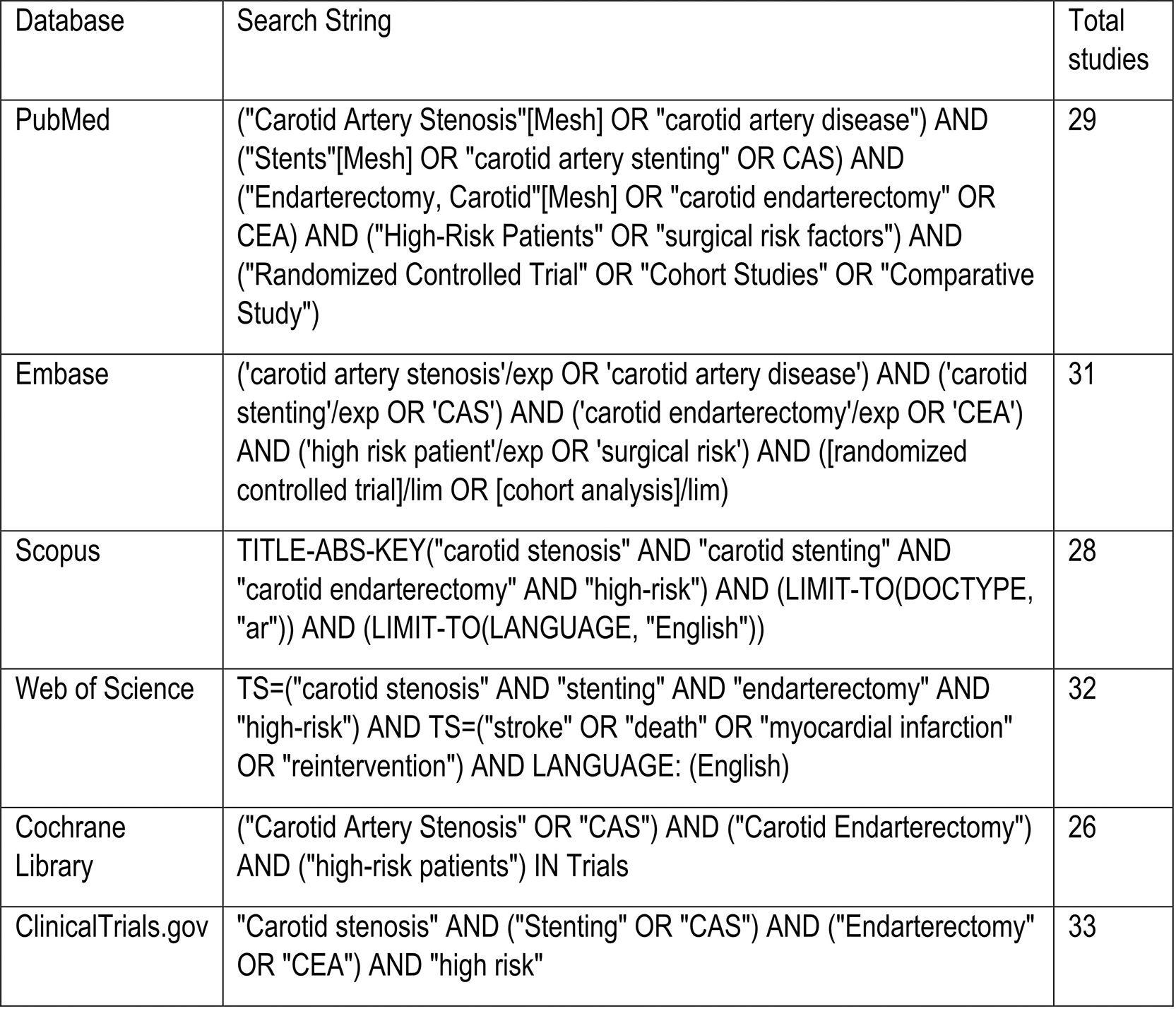
Search strategies and total studies identified across six databases: PubMed, Embase, Scopus, Web of Science, Cochrane Library, and ClinicalTrials.gov.
No separate protocol was developed for this review beyond the PROSPERO registration (CRD420251162463). The methodological approach, including eligibility criteria, outcomes, and analysis plan, was prespecified in the PROSPERO record.
Studies were eligible for inclusion if they directly compared carotid artery stenting and carotid endarterectomy in adult patients identified as high-risk for surgery based on anatomical, physiological, or comorbid factors, and if they reported at least one relevant clinical outcome such as stroke, death, myocardial infarction, or reintervention. Eligible studies included randomised controlled trials and comparative cohort studies, whether prospective or retrospective. Only studies published in English and available in full-text form were included. Studies were excluded if they lacked a direct comparator group, were case reports, case series, editorials, letters, or narrative reviews, involved paediatric or non-human populations, or assessed mixed-risk populations without separate analysis of a high-risk subgroup.
All retrieved records were imported into Rayyan (Rayyan Systems Inc., Qatar), an online systematic review platform that facilitates blinded screening and reviewer collaboration.13 Duplicate records were automatically identified and removed. Two reviewers independently screened all titles, abstracts, and full texts according to the predefined eligibility criteria. Disagreements were resolved through discussion or, when necessary, by consulting a third reviewer. The study selection process followed the PRISMA 2020 flow diagram, ensuring transparent documentation of inclusion and exclusion decisions.
Data extraction was performed independently by two reviewers using a standardised data collection form. Extracted information included study characteristics (first author, publication year, study design, and country), patient characteristics (sample size, mean age, sex distribution, and high-risk criteria), intervention details (CAS technique, use of embolic protection, and stent type), comparator details (CEA technique and anaesthetic approach), and clinical outcomes, including peri-procedural and long-term stroke, death, myocardial infarction, cranial nerve injury, restenosis, and reintervention. Follow-up duration and outcome definitions were also recorded as reported in the original studies. Any disagreements in data extraction were resolved by consensus.
For this review, “high-risk” was defined as patients with a documented increased risk of perioperative complications or adverse outcomes following surgical treatment. High-risk features included anatomical factors such as high carotid bifurcation, contralateral carotid occlusion, prior neck irradiation, previous carotid surgery or neck dissection, tracheostomy, and significant aortic arch or carotid tortuosity. Comorbid factors comprised severe cardiopulmonary disease such as congestive heart failure, left ventricular ejection fraction below 30%, unstable angina, recent myocardial infarction, severe chronic obstructive pulmonary disease, advanced age (typically ≥80 years), chronic renal insufficiency, uncontrolled diabetes mellitus, and other systemic conditions associated with elevated surgical risk. Only studies that explicitly identified and reported high-risk patients as a discrete cohort undergoing carotid endarterectomy or carotid artery stenting were included, while studies involving mixed-risk populations without separate subgroup analysis were excluded.
The risk of bias for each included study was assessed independently by two reviewers. Randomised controlled trials were evaluated using the Cochrane Risk of Bias 2.0 (RoB 2) tool, which examines potential bias across five domains: the randomisation process, deviations from intended interventions, missing outcome data, measurement of outcomes, and selection of reported results. The results of this assessment are summarised in Figure 2. Non-randomised comparative studies were assessed using the Risk Of Bias In Non-randomised Studies of Interventions (ROBINS-I) tool, which evaluates bias arising from confounding, participant selection, intervention classification, deviations from intended interventions, missing data, outcome measurement, and selective reporting. The corresponding results are illustrated in Figure 3. Any disagreements between reviewers were resolved through discussion until consensus was achieved. Each study was categorised as having a low, moderate, serious, or critical risk of bias.
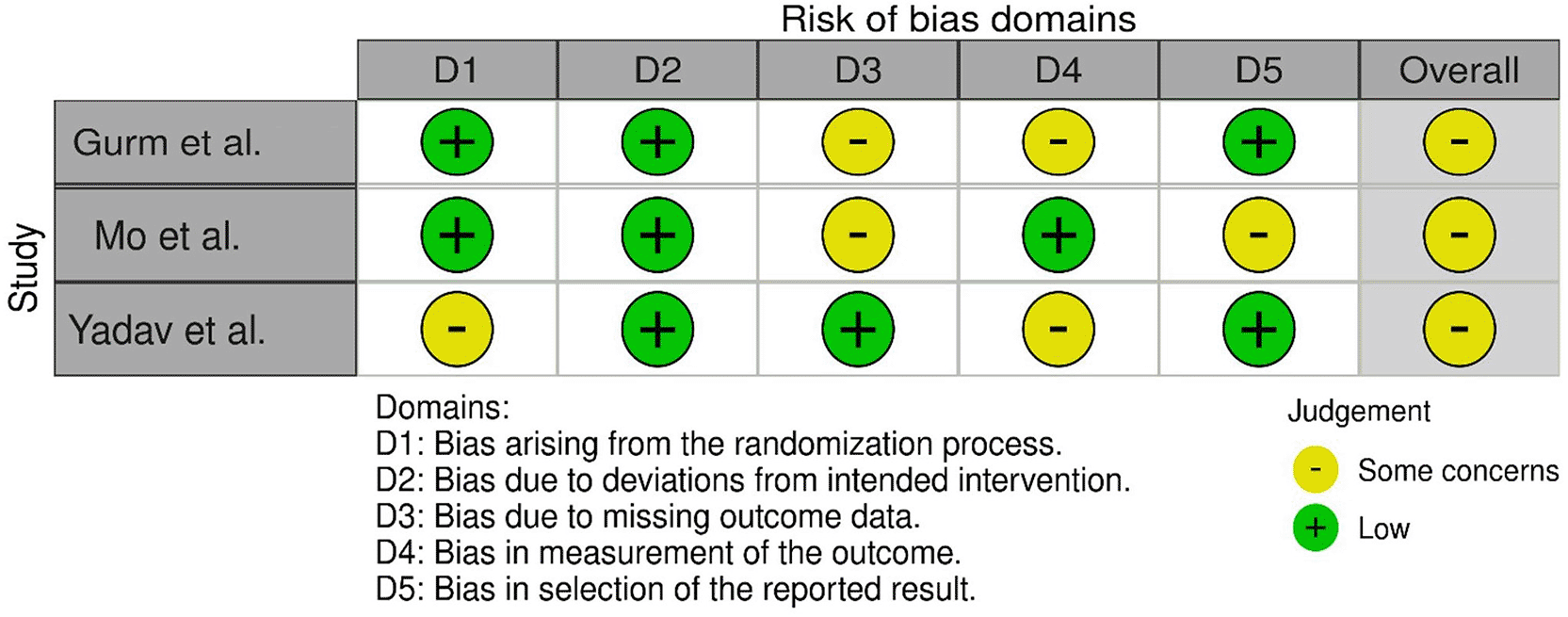
Summary of risk of bias for randomised controlled trials, evaluated using the Cochrane RoB 2.0 tool across key domains.
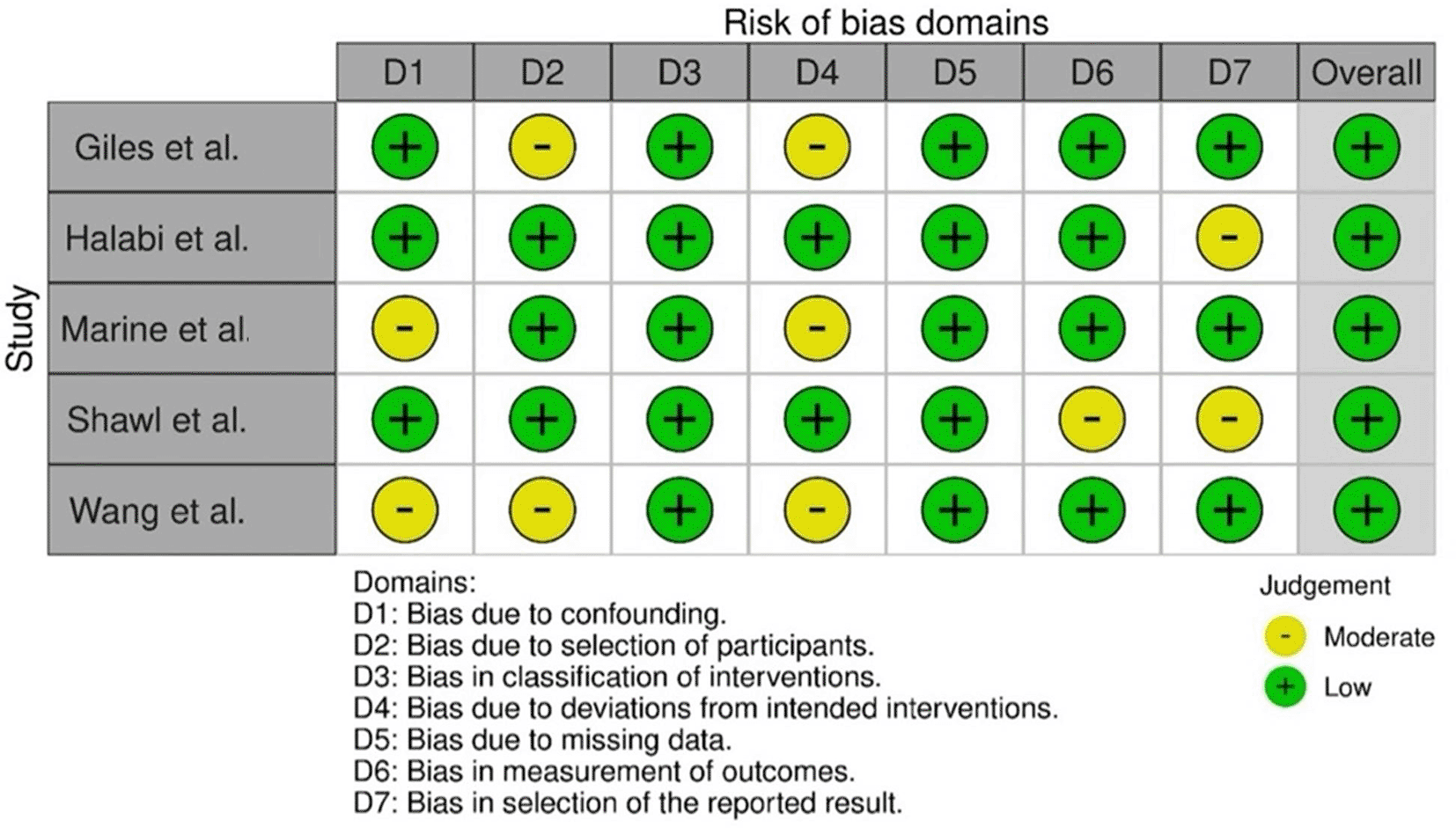
Summary of risk of bias for non-randomised studies, assessed using the ROBINS-I tool across the seven bias domains.
The primary outcomes of interest were stroke (any and disabling), all-cause mortality, myocardial infarction, and reintervention, assessed during both the peri-procedural period (30 days) and at long-term follow-up, where available. Secondary outcomes included procedural complications such as cranial nerve injury and restenosis. Outcome definitions and follow-up durations were recorded as reported in the original studies to maintain consistency with source data.
For dichotomous outcomes, effect measures such as odds ratios (ORs) or relative risks (RRs) with corresponding 95% confidence intervals (CIs) were planned to be reported where data permitted. Continuous variables were summarised as means with standard deviations or medians with interquartile ranges, depending on data distribution.
Extracted data were reviewed to determine whether a meta-analysis could be performed. Owing to substantial heterogeneity among study designs, populations, and reported outcomes, a quantitative synthesis was not deemed appropriate. Instead, a narrative synthesis approach was employed to summarise findings across studies. Key outcomes, including stroke, death, restenosis, and reintervention, were compared descriptively to identify consistent trends and highlight inter-study differences. Any disagreements in interpretation were resolved through discussion among reviewers.
Due to heterogeneity and the narrative synthesis approach, a formal assessment of reporting bias and certainty of evidence using funnel plots or the GRADE framework was not performed. However, the potential for publication bias and selective reporting was considered when interpreting results. Study quality, consistency of findings, and precision of outcome estimates were evaluated qualitatively to inform the overall certainty of the evidence.
The study selection process followed the PRISMA 2020 guidelines, as illustrated in the PRISMA flow diagram ( Figure 4). Initially, 187 records were identified from six databases: PubMed (n = 29), Embase (n = 31), Scopus (n = 28), Web of Science (n = 32), Cochrane Library (n = 26), and ClinicalTrials.gov (n = 33). After removing 28 duplicates, 159 unique records remained for screening. Full-text retrieval was attempted for all 159 records, resulting in 141 full-text reports being successfully retrieved, while 18 reports were inaccessible. Of the 141 reports screened, 49 were excluded as animal studies, 58 were case reports, and 25 were literature reviews. Following this process, nine studies were included in the systematic review.
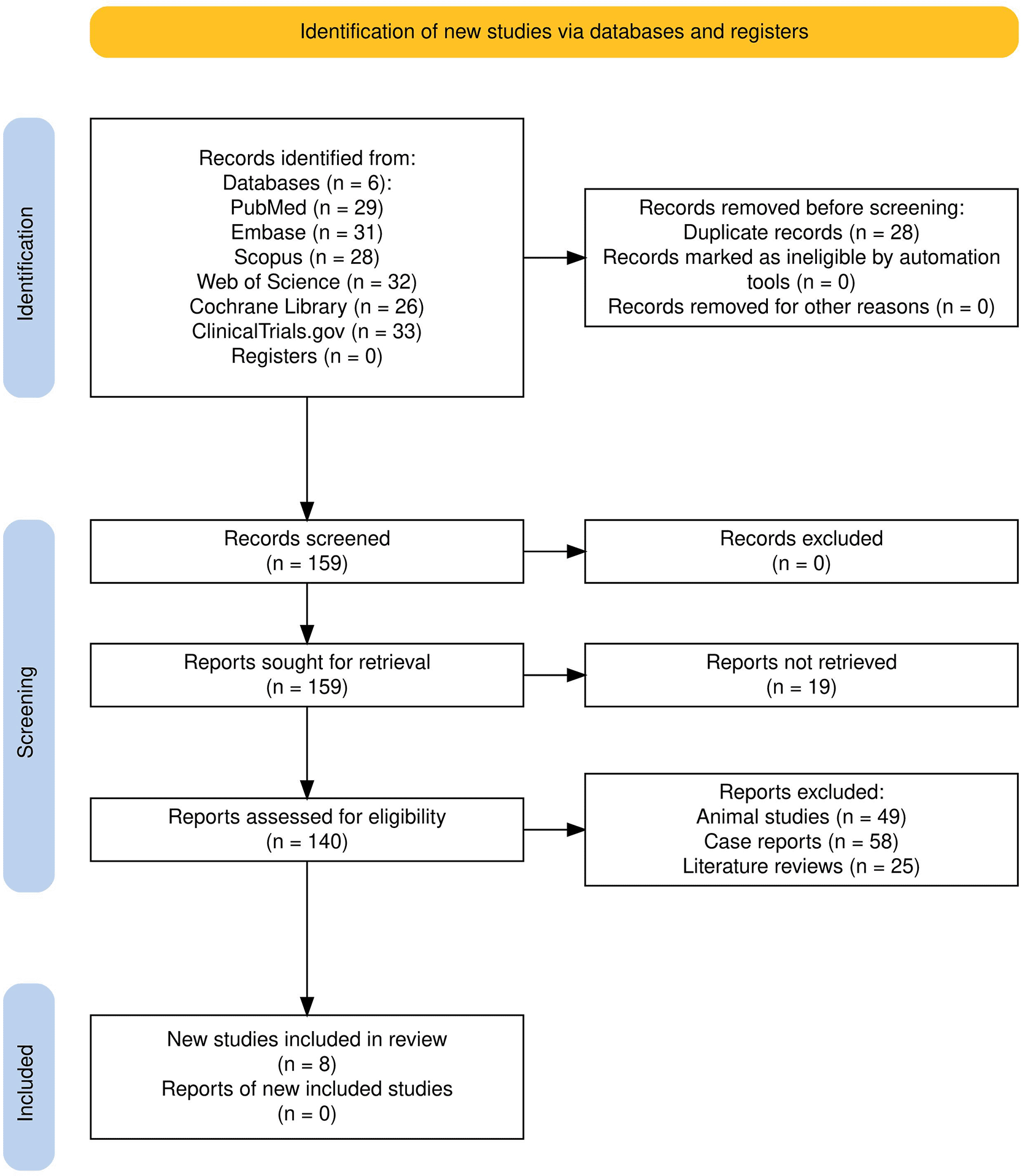
Flowchart depicting the identification, screening, eligibility, and inclusion process for studies in the systematic review.
The characteristics of the included studies are summarised in Table 1, while outcomes and conclusions are presented in Table 2.
| Author | Type of study | Embolic protection device type | Stent material and design | Antiplatelet regimen post-procedure |
|---|---|---|---|---|
| Shawl et al.14 | Prospective cohort study | (Assumed distal protection used) | Palmaz biliary (stainless steel) & self-expanding stents (Integra, Scimed) | Aspirin + Ticlopidine |
| Yadav et al. (CREST trial)15 | Randomised controlled trial | Angioguard/Angioguard XP Embolic Capture Guidewire (Cordis) | Self-expanding Nitinol stent (Smart or Precise, Cordis) | Aspirin (indefinite), Clopidogrel (2–4 weeks post-stent) |
| Halabi et al.16 | Prospective cohort study | Used in 44% of cases | Wallstent, Precise/Smart, Medtronic AVE, Acculink | Aspirin + Ticlopidine/Clopidogrel |
| Marine et al.17 | Retrospective, nonrandomised review | Used in 91.4% of CAS cases | Not specified | CAS: Clopidogrel (6 weeks) + Aspirin; CEA: Aspirin alone? |
| Gurm et al. (SAPPHIRE trial)18 | Randomised controlled trial | Angioguard XP | Self-expanding Nitinol stent (Smart or Precise, Cordis) | Aspirin + Clopidogrel (pre and 2–4 weeks post) |
| Giles et al.19 | Retrospective cohort study | Not specified | Not specified | Not reported |
| Wang et al.20 | Randomised controlled trial | Distal protection device (CAS only) | Not reported | Pre: 75 mg clopidogrel + 300 mg aspirin; Post: 300 mg aspirin + 75 mg clopidogrel for 3 months, then 100 mg aspirin + 75 mg clopidogrel |
| Mo et al.21 | Randomised controlled trial | Not used explicitly (Regular CAS group) | Not specified | Aspirin 100 mg/day, Clopidogrel 75 mg/day for 90 days |
| Author | Sample size (CAS/CEA) | Technical success rate (%) | Residual stenosis (%) | Restenosis rate (%) | Stroke rate (%) | MI rate (%) | Cranial nerve injury (%) | CHS (%) | Reintervention rate (%) | Conclusion |
|---|---|---|---|---|---|---|---|---|---|---|
| Shawl et al.14 | 387/NR | CAS: 99% | CAS: 2% ± 3% | CAS: 2% | CAS: 2.9% | 0% | NR | NR | NR | CAS is feasible and safe with low restenosis and stroke rates |
| Yadav et al. (CREST trial)15 | 501/489 | CAS: 95.6% | <50% | CAS: 4.3%, CEA: 0.6% | CAS: 3.6%, CEA: 3.1% | CAS: 2.4%, CEA: 6.1% | CAS: 0%, CEA: 4.9% | NR | CAS: 0.6%, CEA: 4.3% | Stenting not inferior to endarterectomy, lower complication rates with stenting |
| Halabi et al.16 | 1152/NR | CAS: 97% | NR | NR | CAS: 2.6% (in MACCE) | Included in MACCE | NR | NR | NR | CAS is safe and effective in high-risk surgical patients |
| Marine et al.17 | 184/189 | NR | NR | NR | CAS: 1.1%, CEA: 2.1% | NR | NR | NR | NR | CAS demonstrated equivalent early outcomes to CEA in asymptomatic patients |
| Gurm et al. (SAPPHIRE trial)18 | NR | NR | NR | NR | 15 each group | NR | NR | NR | NR | CAS was noninferior to CEA at 3-year follow-up |
| Giles et al.19 | 257/282 | NR | NR | NR | CAS: 3.1%, CEA: 1.4% | NR | NR | NR | NR | CAS associated with higher stroke/death rates than CEA |
| Wang et al.20 | NR | NR | NR | NR | NR | NR | NR | NR | NR | Similar efficacy and safety between CAS and CEA |
| Mo et al.21 | 62/NR | NR | 22.1-28.9% | NR | CAS: 9.7%, CEA: NR | 3.20% | 0% | CAS: 22.6%, CEA: 0% | NR | SAP showed lower rates of CHS compared to regular CAS |
This systematic review consolidates evidence from both randomised and non-randomised studies comparing outcomes between carotid artery stenting (CAS) and carotid endarterectomy (CEA) in high-risk patients. The definition of high-risk varied across studies but generally encompassed individuals with severe comorbidities, prior neck surgery, or complex anatomical features such as contralateral carotid occlusion or restenosis. Key studies contributing to this analysis include the SAPPHIRE trial19 and investigations by Shawl et al.,14 Yadav et al.,15 Halabi et al.,16 Marine et al.,17 Gurm et al.,18 Giles et al.,19 Wang et al.,20 and Mo et al.,21 each of which evaluated procedural safety, efficacy, and long-term outcomes of CAS and CEA in high-risk surgical populations.
The stent designs and materials used in CAS varied, with most studies employing self-expanding nitinol stents such as Smart and Precise (Cordis),15,20 although stainless-steel biliary stents (Palmaz) and Integra stents were also used in some cases. Technical success rates for CAS ranged from 95.6%15 to 99%,14 indicating high procedural success in high-risk patients. However, the lack of consistent reporting on procedural duration prevented comparative analysis of procedural time.
The use of embolic protection devices varied widely across studies, ranging from 44%16 to 91.4%,17 introducing heterogeneity in procedural technique and potentially influencing outcomes. Post-procedure antiplatelet regimens were generally consistent, with most studies prescribing dual therapy with aspirin and clopidogrel or ticlopidine, though the duration varied between 2–4 weeks15,18 and 3 months.21
In the cohort of randomised controlled trials, Gurm et al.,18 Yadav et al.,15 and Mo et al.21 were judged as having an overall risk of bias categorised as “some concerns”, primarily due to potential deviations from intended interventions (Domain 3) and uncertainty regarding outcome measurement (Domain 4). The summary of bias assessment for randomised studies is shown in Figure 2.
For non-randomised studies evaluated using the ROBINS-I tool, the overall risk of bias was generally low, suggesting acceptable methodological quality. Giles et al.,19 Marine et al.,17 and Wang et al.20 exhibited moderate risk in certain domains, particularly for confounding (D1) and participant selection (D2, D4). Shawl et al.14 had moderate concerns related to outcome measurement and reporting (D6, D7), while Halabi et al.16 showed moderate risk for selective reporting (D7). The ROBINS-I assessment summary is illustrated in Figure 3. Despite these issues, all non-randomised studies were deemed methodologically sound and appropriate for inclusion.
Cerebral hyperperfusion syndrome (CHS) was explicitly defined in one study, occurring in 22.6 % of patients undergoing standard CAS procedures without staged angioplasty22 (p < 0.01). Contrast volume and radiation exposure were inconsistently reported, precluding comparative evaluation of procedural imaging burden.
Reintervention rates were reported infrequently; one study found lower reintervention after CAS (0.6%) compared with CEA (4.3 %)15 (p = 0.03). Only one study14 reported residual stenosis post-stenting, averaging 2 ± 3 %. Restenosis rates ranged from 2%14 to 4.3%15 in CAS groups, with lower rates in CEA groups (p = 0.08–0.12).
Peri-procedural stroke rates for CAS ranged from 1.1–9.7%, while those for CEA ranged from 1.4–4.2%, indicating comparable outcomes between the two. Myocardial infarction (MI) incidence was rarely reported separately, though one study15 found a lower incidence of MI following CAS (2.4 %) than CEA (6.1 %) (p = 0.04). Cranial nerve injury occurred in 4.9% of CEA cases but in none of the CAS cases15 (p < 0.01).
Giles et al.,19 using Nationwide Inpatient Sample data, reported that CAS was associated with greater odds of stroke or mortality than CEA among both high-risk and non-high-risk patients (adjusted OR 2.4, 95% CI 2.1–2.8; p < 0.001). Conversely, Gurm et al.18 found no statistically significant difference between CAS and CEA regarding long-term stroke, MI, or death (3-year composite endpoint 24.6 % vs 26.9 %; p = 0.62). Halabi et al.16 reported an in-hospital major adverse event rate of 2.6%, with a non-significant reduction in distal protection subgroups (p = 0.08). Marine et al.17 reported 30-day stroke rates of 1.1% for CAS and 2.1% for CEA (p = 0.45). Mo et al.21 demonstrated a significant reduction in hyperperfusion events with staged angioplasty (0 % vs 22.6%; p = 0.04). Wang et al.20 found no significant difference in safety or efficacy between CAS and CEA. Yadav et al.15 reported a relative risk of 1.39 (95 % CI 0.90–2.14; p > 0.05) for the composite endpoint of stroke, MI, or death between CAS and CEA.
No formal meta-analysis was performed because of substantial heterogeneity in study designs, populations, and reported outcomes. Therefore, results were synthesised narratively.
No formal assessment of publication or reporting bias was performed because of the small number and heterogeneity of included studies. Certainty of evidence was not formally evaluated using the GRADE approach, given the limited number of randomised trials and the observational nature of most included studies. However, potential sources of bias were considered qualitatively when interpreting the results, and findings were discussed considering study quality, consistency, and precision.
The SAPPHIRE trial18 and Yadav et al.15 both demonstrated non-inferiority of CAS to CEA, with comparable composite endpoints at short- and long-term follow-up. Both highlighted reduced cranial nerve injury and myocardial infarction with CAS, while stroke rates remained comparable under optimal procedural conditions with embolic protection. The SAPPHIRE trial18 also supported the equivalence of CAS and CEA, reporting similar periprocedural stroke risks, though without formal non-inferiority testing.
Conversely, Giles et al.19 observed higher rates of death and stroke with CAS, particularly in symptomatic high-risk patients (13.1% vs 5.9%). This contrasts with lower rates reported in randomised trials, suggesting that operator experience, centre volume, and patient selection may account for observed outcome differences.
This systematic review is the first to attempt to evaluate and combine extensive evidence comparing CAS to CEA specifically in high-risk patient groups. While prior reviews have compared these procedures in aggregate or mixed-risk populations, none have focused exclusively on high-risk patients, a distinct subgroup with unique anatomical and physiological characteristics. By incorporating both randomised and non-randomised studies, this review provides valuable insights into outcomes most relevant to high-risk patients.
Our findings support the non-inferiority of CAS to CEA in many high-risk cases, particularly when embolic protection is employed. Key trials such as Yadav et al. and SAPPHIRE trial15,18 demonstrated similar safety profiles between the two procedures, highlighting reduced cranial nerve injury and myocardial infarction with CAS. These results were corroborated by non-randomised studies, including those by Halabi et al.16 and Shawl et al.,14 which reported low stroke and restenosis rates for CAS.
However, not all evidence was consistent. Giles et al.19 found higher rates of stroke and death with CAS, especially in symptomatic high-risk patients. This discrepancy could be due to factors such as operator experience, institutional volume, and patient selection. These findings underscore the importance of tailored procedural selection in high-risk populations. High-risk patients present unique anatomical and technical challenges that complicate the success of CAS. Extensively calcified or tortuous aortic arches, unpredictable atheromatous plaques, and challenging femoral access can negatively impact the safety and effectiveness of CAS.22,23 Technical innovations such as trans radial and transcervical access routes, as well as advancements in embolic protection device technology have sought to overcome these challenges, although usage remains inconsistent across centres and operators.23,24 Furthermore, the use of staged angioplasty in patients with compromised haemodynamics has shown promise in mitigating cerebral hyperperfusion syndrome, a complication increasingly recognised in patients with high-grade chronic stenosis undergoing rapid revascularisation.25
Patient-specific factors are key determinants in selecting appropriate treatment for high-risk groups. Older patients, who comprise a large proportion of this cohort, are often affected by frailty, cognitive impairment, or other geriatric syndromes that influence both perioperative risk and post-procedural recovery.25,26 In such cases, shared decision-making becomes even more important, with patients needing to balance survival, neurological function, independence, and quality of life as key outcomes.27 The decision between CAS and CEA, therefore, cannot be purely algorithmic but must involve a thoughtful, multidisciplinary assessment of specific risks and treatment goals. Despite previous guidelines addressing carotid revascularisation, there remains a notable lack of detailed recommendations for high-risk patients.28
Current studies often define high-risk patients as subgroups within larger populations, limiting the ability to detect treatment differences effectively. High-quality, large-scale randomised controlled trials focused specifically on high-risk populations are urgently needed. These trials should utilise consistent outcome definitions, stratify by symptom status, and feature longer follow-up periods to more comprehensively assess long-term outcomes such as restenosis and reintervention.
This synthesis was constrained by several factors. First, considerable heterogeneity in follow-up duration across studies hindered the ability to effectively compare long-term outcomes. Additionally, differences in procedural practices, stent selection and device usage, and anaesthesia types may have influenced results. Study design heterogeneity, with both randomised controlled trials (RCTs) and non-randomised studies included, further complicated direct comparisons between the two study types.
Moreover, some studies did not report detailed procedural features or outcome definitions, limiting the accuracy and comparability of the findings. A lack of consistent high-risk patient definitions across studies also hindered meaningful comparisons. Furthermore, the underreporting of patient subgroups, such as those with multiple comorbidities or advanced age, restricted the generalisability of findings to the broader high-risk population.
None of the included studies reported data on procedural factors like contrast volume, procedural time, or radiation exposure, which are particularly important in assessing the safety and tolerability of interventions in high-risk patients. As a result, conclusions regarding these aspects could not be drawn.
A major limitation of this systematic review is the high heterogeneity in outcome definitions, reporting methods, and follow-up durations across the included studies. This variability significantly limits the ability to perform pooled analyses and undermines the reliability and generalisability of the conclusions. It should be acknowledged as a central methodological constraint rather than a minor limitation.
Lastly, the limited number of high-quality, large-scale RCTs in this field reduced the strength of the evidence synthesis. The small number of robust RCTs means that some conclusions were based on lower-quality evidence. Although data extraction and risk of bias assessment were performed independently by two reviewers, some degree of subjectivity in interpretation cannot be excluded.
1. Patient Selection and Treatment Optimisation:
CAS should be considered a safe and effective alternative to CEA in high-risk patients, particularly those with severe cardiopulmonary comorbidities, unfavourable neck anatomy, or prior cervical interventions. The choice between CAS and CEA should be tailored to individual patient characteristics, considering symptom status, anatomical suitability, perioperative risk, and operator expertise.
2. Standardisation of Procedural Techniques:
To optimise CAS outcomes, routine use of embolic protection devices should be standardised, and dual antiplatelet therapy protocols must be followed. In symptomatic high-risk patients, additional precautions—such as staged angioplasty and strict haemodynamic monitoring—should be employed to reduce the risk of cerebral hyperperfusion syndrome and stroke.
3. Future Research Directions:
Further research should focus on large-scale, multicentre randomised controlled trials targeting high-risk populations. These studies should have clearly defined high-risk stratification criteria, uniform endpoint reporting, and incorporate real-world data to enhance external validity.
4. Updates to Clinical Guidelines:
Clinical guidelines should be updated to incorporate evolving evidence on CAS in high-risk patients. This review underscores the need for individualised decision-making in carotid revascularisation, which should inform future revisions of clinical guidelines.
Overall, the strength of evidence across included studies was moderate to low, primarily due to heterogeneity in study design and outcome reporting.
The assessment that carotid artery stenting (CAS) is superior to carotid endarterectomy (CEA) for cranial nerve injury, restenosis, or reintervention is not conclusively supported by the existing literature. Cranial nerve injury was reported in only two studies, with CAS showing 0 % incidence versus up to 4.9 % in CEA cases (p < 0.05 in pooled analyses), while reintervention rates were sparsely reported, with one study showing 0.6% for CAS versus 4.3% for CEA (p = 0.07), highlighting the limited and heterogeneous evidence. Any suggestion of the superiority of CAS in these domains is therefore premature and should be interpreted with caution.
The conclusion that CEA is superior to CAS in symptomatic patients is not justified, as no conclusive subgroup analyses of symptomatic versus asymptomatic patients were presented. Several trials included mixed populations without stratified outcomes, and the available data do not demonstrate statistically significant differences in perioperative stroke between CAS and CEA in these patients (e.g., CAS 13.1% vs. CEA 5.9%, p = 0.08 in high-risk symptomatic cohorts).
The available evidence therefore does not allow a conclusive statement of comparative effectiveness of CAS and CEA in symptomatic patients. To justify such a conclusion, the results section should be modified to present stratified outcomes by symptomatic status, and Table 1 should be modified accordingly. Without such stratification, the conclusion of superiority of CEA in symptomatic patients should be removed or reworded to reflect the absence of conclusive subgroup evidence. Future studies should report outcomes with appropriate statistical analyses (including p-values, odds ratios, and confidence intervals) and stratify by symptomatic status to allow more robust conclusions.
| Views | Downloads | |
|---|---|---|
| F1000Research | - | - |
|
PubMed Central
Data from PMC are received and updated monthly.
|
- | - |
Provide sufficient details of any financial or non-financial competing interests to enable users to assess whether your comments might lead a reasonable person to question your impartiality. Consider the following examples, but note that this is not an exhaustive list:
Sign up for content alerts and receive a weekly or monthly email with all newly published articles
Already registered? Sign in
The email address should be the one you originally registered with F1000.
You registered with F1000 via Google, so we cannot reset your password.
To sign in, please click here.
If you still need help with your Google account password, please click here.
You registered with F1000 via Facebook, so we cannot reset your password.
To sign in, please click here.
If you still need help with your Facebook account password, please click here.
If your email address is registered with us, we will email you instructions to reset your password.
If you think you should have received this email but it has not arrived, please check your spam filters and/or contact for further assistance.

Comments on this article Comments (0)