Keywords
Analytic Hierarchy Process (AHP), Material Selection, PP-R Pipe, stainless steel pipe, Water Supply Pipe.

This article is included in the Fallujah Multidisciplinary Science and Innovation gateway.
Analytic Hierarchy Process (AHP), Material Selection, PP-R Pipe, stainless steel pipe, Water Supply Pipe.
The construction of infrastructure is not complete without the installation of water supply networks, which are the main components of WSSs and have a significant impact on people’s lives and employment.1 According to,2–4 the development WSP network can, to some extent, reflects the economic development of a nation. Since installing pipes is a necessary part of building water supply networks, knowing how to choose pipes is critical when developing a WSP network, since it represents a significant portion of the overall cost of building a pipe network.5 The pipe is the primary limiting factor in the WSP network, according to studies in references.5–7
The key limiting element on the WSP network is pipe. There are several current unresolved issues related to the WSP network. Of them is: Corrosion, which is a serious issue, and secondary water quality pollution that occurs due to pipeline aging. Another issue is accumulated dirt which is even more problematic8,9 must pay enough attention to Water Supply Pipe because the operation’s energy consumption is higher as a result of leakage in network. WSP materials must be carefully selected in order to meet the following goals: reliability of the water pipe network, affordable and reasonable cost, easy maintenance, and absence of secondary pollutants.
The Primary Issues with Water Supply Pipe that because of the rapid increase of residential WSS building in latest years,10 state, the latest trend of WSPs has diversified, and expectations for WSP performance have risen. At the time, water delivery networks in many countries are challenged by pipe breaks, corrosion, aging, and secondary contamination, which can degrade water quality and increase energy consumption.2,4 The issue, according to,11,12 leads to decreased water quality and increased water energy consumption, which has a significant impact on the financial advantages of customers and user water security. Given that a WSP network was not built perfectly and still has some issues, in order to save money, cut operating expenses, and maintain a stable and efficient water supply, the WSP chosen for the process of upgrading the pipe network should be guided by trustworthy quality and reasonable economic parameters.13
The study’s objectives focus on two problems: the AHP process and material selection. Initially, one of the difficulties in the material selection process is deciding on a particular type of metal for Water Supply Pipes (WSPs) that should integrate three scientific domains: economical, healthful, and engineering. Second, building a pairwise comparison matrix and satisfying the consistency criterion is challenging (AHP). Researchers used a new questionnaire to conduct14 proposed matched comparison.
This study contributes to the AHP-based material selection framework for potable water pipes by (i) employing a simplified questionnaire design with a structured procedure to reduce inconsistent pairwise judgments,13 and (ii) consolidating health, reliability, and cost criteria into a single transparent decision model. The proposed method includes health considerations for drinking water, as well as reliability and lifecycle economic suitability, making it a reproducible decision support tool for practical network planning. This is different from many previous studies on material selection that focus on economic or mechanical factors.
Several most popular and analytical MS procedures are introduced below5,8:
1. Performance versus cost.
2. Property Indices That Are Weighted.
3. Value Evaluation.
4. Failure Investigation.
5. Cost-Benefit Analysis.
Materials selection in mechanical design, as per Ashby’s methodology, focuses on the economic evaluation of the alternatives and entails four basic steps, which are4,5:
1. The quick design aspirations as objectives and limitations.
2. Ranking: the identification of elements that do the job more effectively.
3. Screening: the removal of things that are ineffective for the task.
4. Additional data: list of pedigrees of top nominees.
Modern decision-making in academia and industry necessitates the equilibrium of several, frequently conflicting aims, such as quality improvement, regulatory adherence, and cost minimization.15 The difficulty is in formulating and implementing action plans to address these concerns in a climate of rapid and complicated change, limited human and financial commitment, and tight timelines. Future products will have better performance, comfort, and functionality while producing fewer emissions, harming fewer people, and costing less to produce and buy. Taking a systemic approach to the product and production is the only way to reconcile these competing objectives. Systems discipline is still not a standard operating procedure, though.16,17
In18 looked at the related inefficiencies or variables required to enhance a method for systematic and efficient MS. The preliminary study findings and the frequency data analysis indicate several potential implications on designers’ selection of local, environmentally and friendly construction materials during the design process. They talked about using the AHP method to calculate quantitatively and choose the best alternative for construction materials. A multi- factorial methodical decision support was developed to aid designers in assessing their symbolic meanings for whether or not the MS is likely appropriate for sustainability goals. The evaluation of the social, economic, technical, sensory, and environmental implications of potential MS is a key component of the MS process.
The three Cs (Customers, Change, and Competition) are the three forces influencing businesses today.19 Three factors time, cost, and quality are directly impacted by marketing and competition. The company that could win over customers by offering a superior product or service at the most competitive price would win the sale. According to Ref. [20], the two most crucial aspects of a company’s economics are cost and quality.
Pipe is a crucial component of the water distribution system, and there is a number of things to take into account when choosing pipes. Worries regarding the quality of the water comes in second, network installation and ease of maintenance comes third, and the feed water flow and pressure of the WSPs comes first, according to.21,22
2.2.1 Metal pipe:
Corrosion phenomena, primarily chloride and sulfide deposit, can also be seen when metal pipes, including copper and thin-walled stainless steel pipes, are used. By using a protective film that can be maintained and restored for a very long period, corrosion is stopped in the surface oxidation. The PH of water has a major effect on copper pipes, as reported by,23 if the acidity is high, corrosion will start to occur. High concentrations of dissolved oxygen and demineralized water can also cause copper to corrode, so it is best to avoid using brass in these situations. If the water’s chloride ion level is higher, which also causes austenitic stainless-steel pipes to corrode, thin-walled stainless steel pipes are a poor choice. Based on,24 numerous methods exist for connecting metal pipes, each with benefits and drawbacks. Pipes must be chosen carefully, taking into account the material, wall thickness, and use scenarios. If various metal tubes or pipes are connected, due consideration should be given to the electrochemical corrosion of the pipeline.
2.2.2 Plastic pipe:
Plastic pipes generally had a higher linear expansion coefficient than metal pipes, which is another significant distinction between the two types of pipes. According to reference [18], plastic pipe deformation typically takes place in the shaft upward. Bending, typically in the horizontal direction, is the most common type of deformation, and the severity of deformity is directly connected to temperature difference. The problem must therefore be taken into account while designing and building the installation. It is possible to employ the slip joint or angle natural compensation approach. Avoiding adhesives containing benzene class organic solvent when choosing plastic pipe fittings will help prevent secondary pollution of the water supply. The authorities responsible for quality control and inspection must be followed when selecting the detection qualified tubing.
2.2.3 Composite pipe:
In23,24 welded aluminum alloy and polyethylene together to develop a luminous model multiple tube that integrated the benefits of both metal and plastic pipe, especially resilience to high pressure and corrosion. Aluminous model multiple tubes can be divided into cross-linked and high-density polyethylene based on the various uses of hot and cold water. The plastics-steel multiple tube, which also combines the benefits of steel pipe and plastic steel pipe, is created by coating the interior of the galvanised tube with UPVC. A cold- water pipe was formerly attached to the more expensive plastic-steel multiple tube. A new type of pipeline that delivers the benefits of the double anti-corrosion pressure is steel skeleton PE pipe. PE pipe has been used extensively in municipal water supply engineering despite being more expensive. Non-toxic polypropylene and other organic materials were applied to the inner wall of the steel tube to create the plastic-coated pipe, which has good hardness, water resistance, resistance to corrosion, is not easily clogged, and has a long service life.
In order to provide the user with clean water, WSP is essential. The feed water pipe significantly affects the water’s quality.24 The three main product lines for WSP at the moment are plastic pipes, metal pipes, and composite pipes. Each has benefits and drawbacks. In25,26 both agree that the best choice must be made after carefully balancing the pros and cons. The following guidelines should be used while selecting WSPs material.
The applicability of the following parameters varies by project conditions (pressure, temperature, water chemistry, etc.). This adaptability enhances practical applicability while keeping the same evaluation framework aligned with local standards.
2.3.1 Safe and Reliable SR:
A certain water pressure must be withstood by the WSP in the water distribution and supply process. It must have excellent sealing to prevent leakage phenomena and meet that same mechanical property grade to prevent rupture. According to,26 as pipes can tolerate vibration, heat bilges, water hammer, and cold shrinkage, all of these issues must be considered while constructing the pipe network.
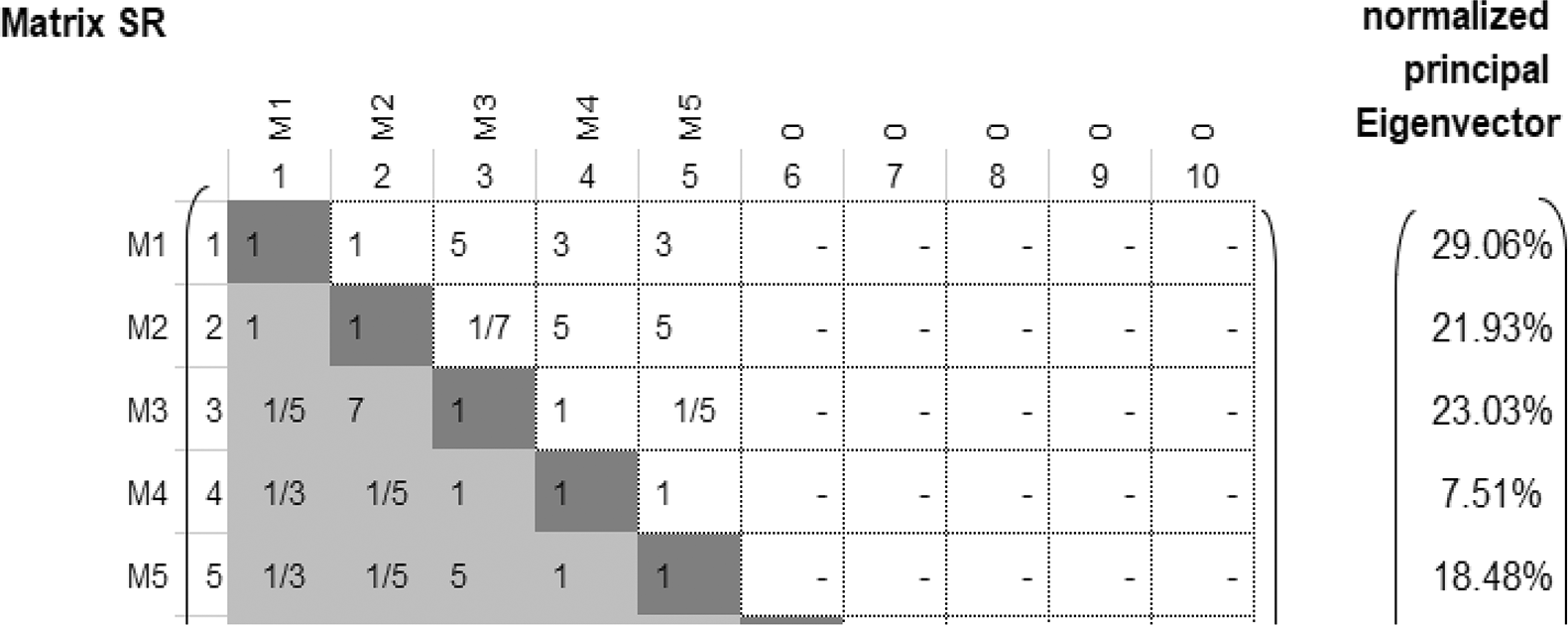
SR: Reliability reflects the expected service performance of the pipe material, emphasizing durability, resistance to failure and corrosion, and stability under operating conditions.
2.3.2 Clean Sanitation CS:
Freshwater from the plant of water often goes through a long pipeline before it reaches the customer. A new chemical and physical reaction between the chlorine in pipes water and the pipe wall may occur during this period, decreasing the quality of the water that customers receive and corroding the pipe’s inner wall.27 Therefore, the state’s authority monitoring divisions require the use of certified pipes for health testing process.28
SE: Health/Safety represents the material’s suitability for potable water, focusing on hygienic performance, low leaching risk, and compliance with drinking-water regulations.
2.3.3 Cost as Saving Energy SE:
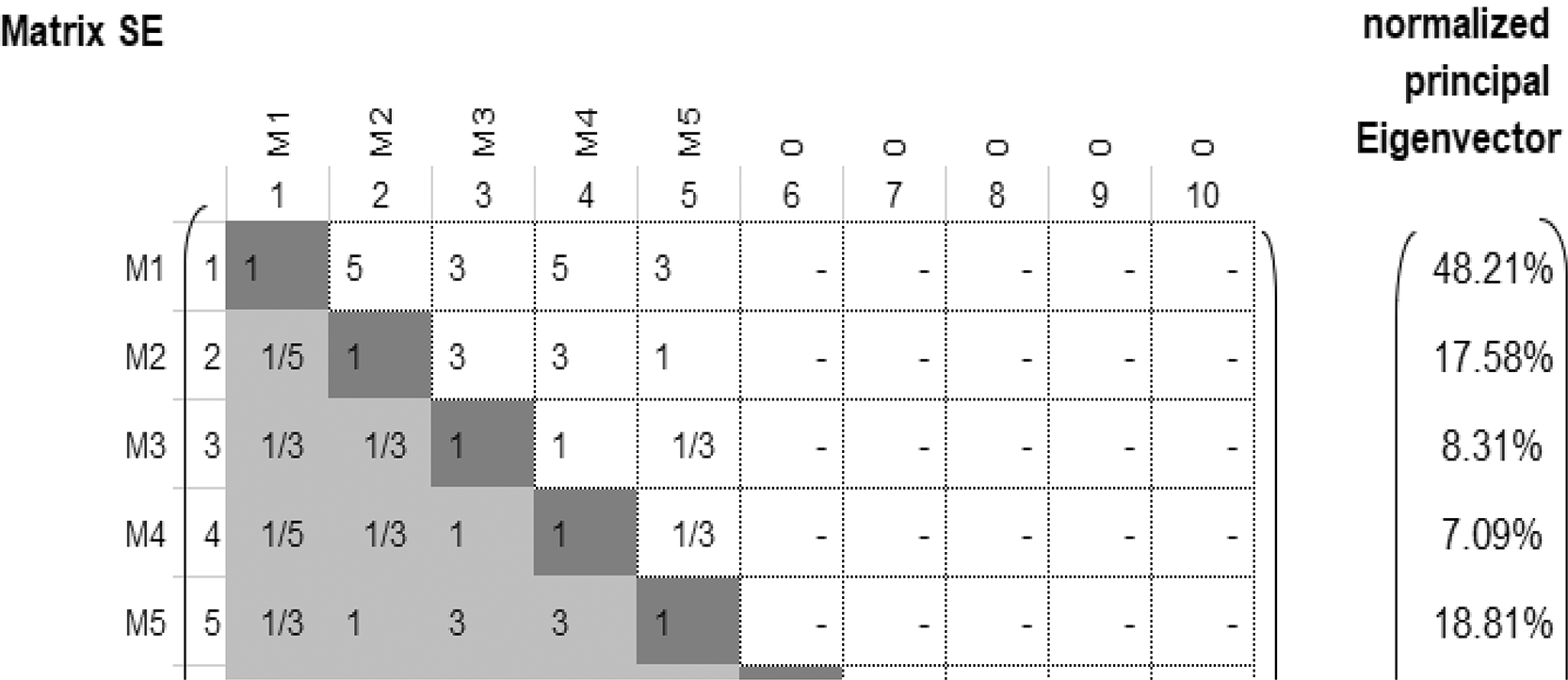
Any pipe material must use energy throughout the manufacturing and installation processes. Production of thin-wall pipes is often more effective than that of thick- wall pipes. Plastic, steel-plastic composite, and metal pipes all use less energy to produce than their counterparts. From a construction perspective, utilizing a besmear brush with twisting teeth is much energy-efficient than hot melt connections, electric welding, and gas welding. In the event that a second pressure was required for the water distribution process, the pipeline’s local head loss would increase the amount of energy used.29 CS: Cost is expressed as cost-effectiveness (affordability), where higher values indicate lower life-cycle costs (purchase, installation, operation/maintenance, and replacement) and thus better economic suitability.
2.3.4 Conducive to environmental protection:
Technical staff must take into account the fact that feed water pipe can be recycled and used again without harming the environment, especially in light of the nation’s recent environmental protection legislation. Rust is a common problem with galvanized tubing that has virtually been resolved. A significant component of high-end decoration is copper pipe because of its good pressure and anticorrosion properties. In30 state that the majority of plastic pipes can be recycled.
2.3.5 Saving investment:
The price of pipe material, the cost of construction installation, and the selection of appropriate pipes must all be considered in a technical and economic study in order to maintain health and safety.31,32
The AHP is used to better integrate qualitative and quantitative analysis for Decision making DM problems that are inclined by a variety of factors. Saaty (1977) was the one who first mentioned AHP,8 which was appropriate for the problem and could be sorted in terms of benefits and drawbacks. Building WSP has more influencing factors, so using AHP to optimize choice is appropriate.
The problem is structured, decision-making factors are identified, and the significance of sub-factors is evaluated as part of a sequence of sequential processes that make up the AHP and combining the weights of all the decision-making factors.33 The AHP’s overall process is depicted in Figure 1 and the main stages of the conventional AHP are summarized in the next subsection 3.1.2.
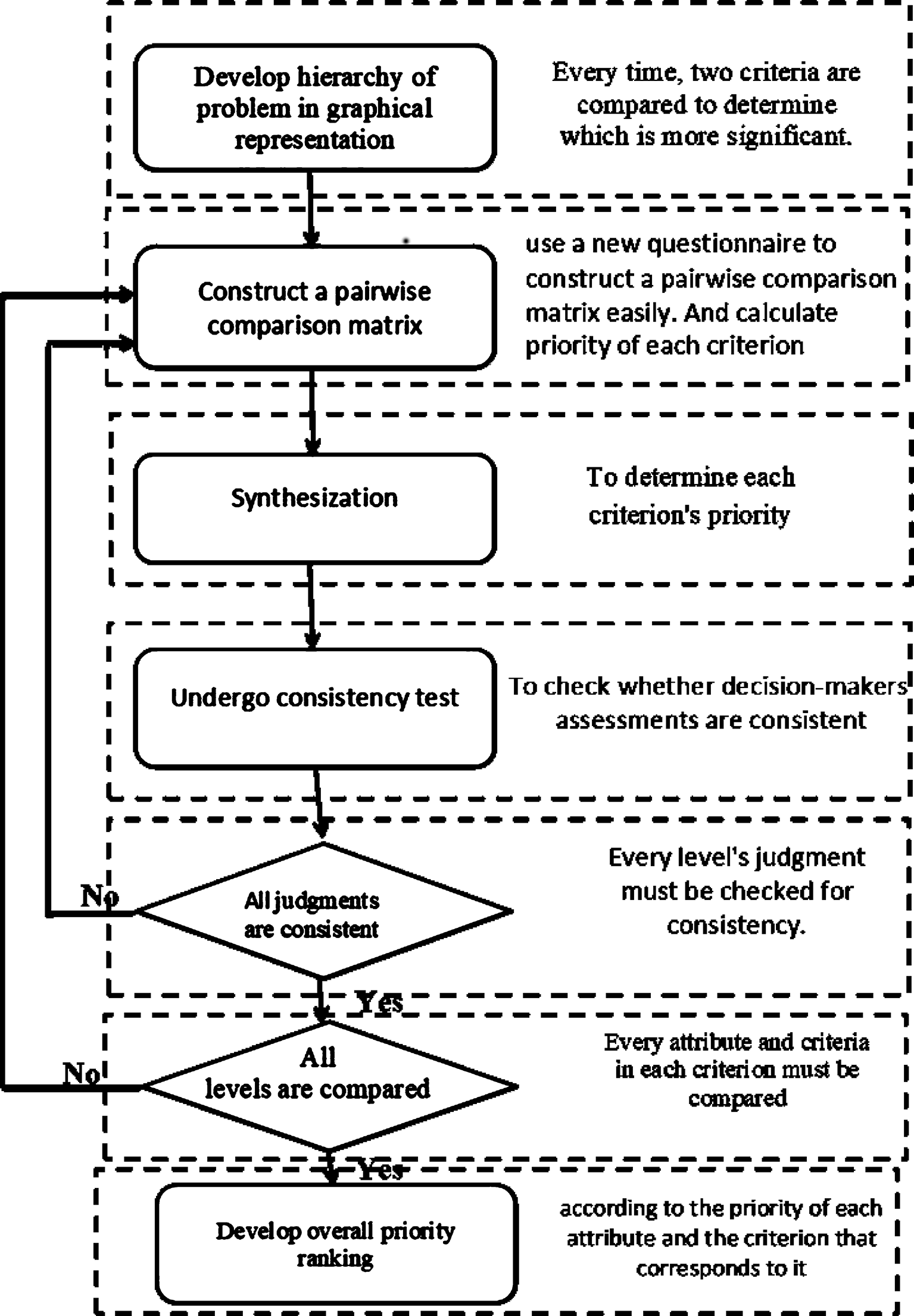
In this study, AHP was selected because it can integrate qualitative and quantitative criteria in a transparent hierarchical structure, supports consistency checking of expert judgments, and is widely used for multi-criteria material selection problems where trade-offs between health, reliability, and cost must be explicitly balanced.
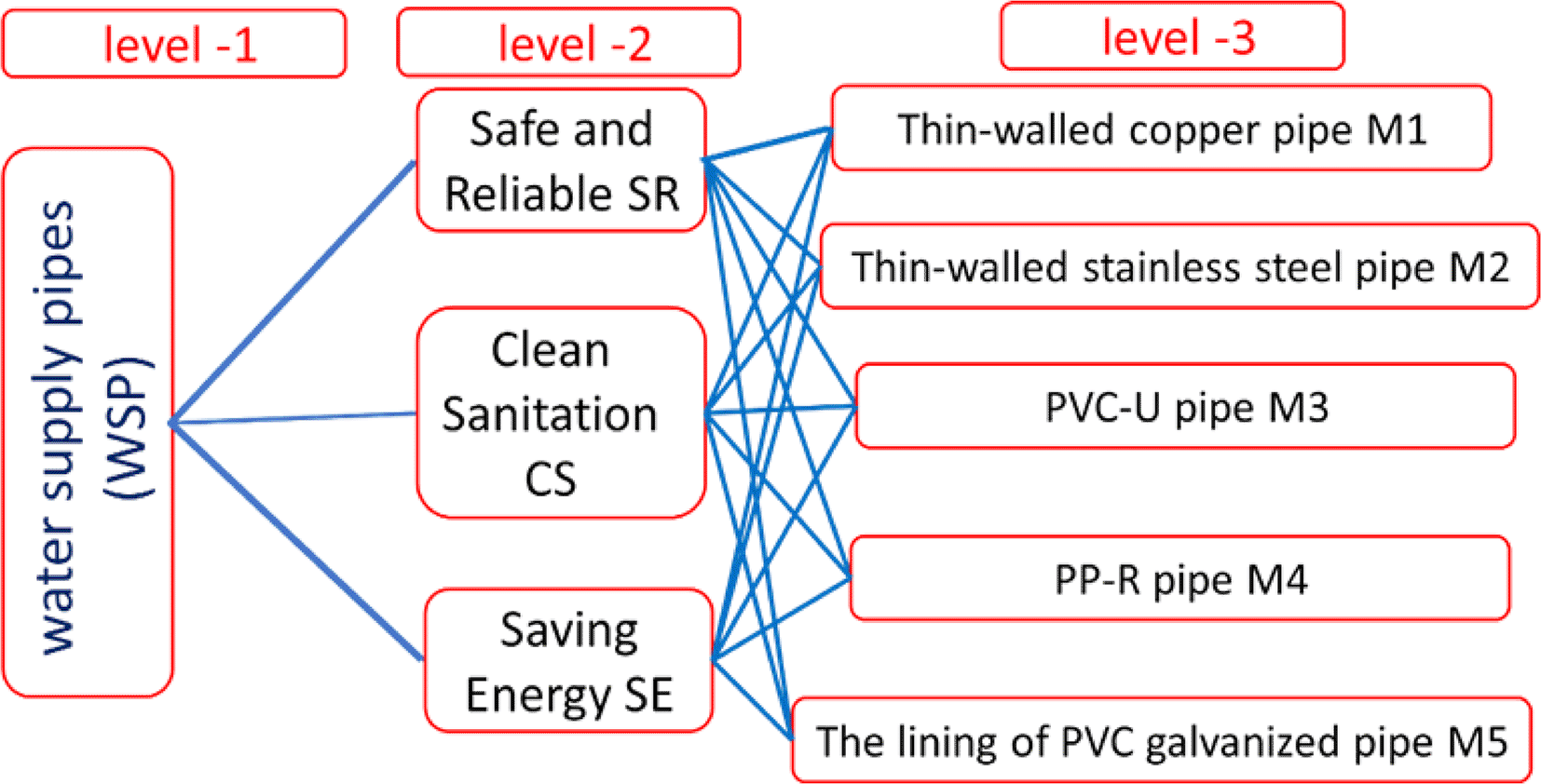
A structure model’s levels are set as follows: the rule layer, target layer, and solutions layer make up the majority of a WSP model. The layer that needs to be built is called Building WSP. According to the survey administered on experts and clients, the three most important elements of the rule layer are health and cleanliness, safety and reliability, and cost of energy conservation. The study will look at five different types of pipes: PP-R, PVC-U, thin- walled copper, lining of PVC galvanised pipe, and thin-walled stainless steel pipe. A WSP hierarchical model is created, as shown in Figure 2.
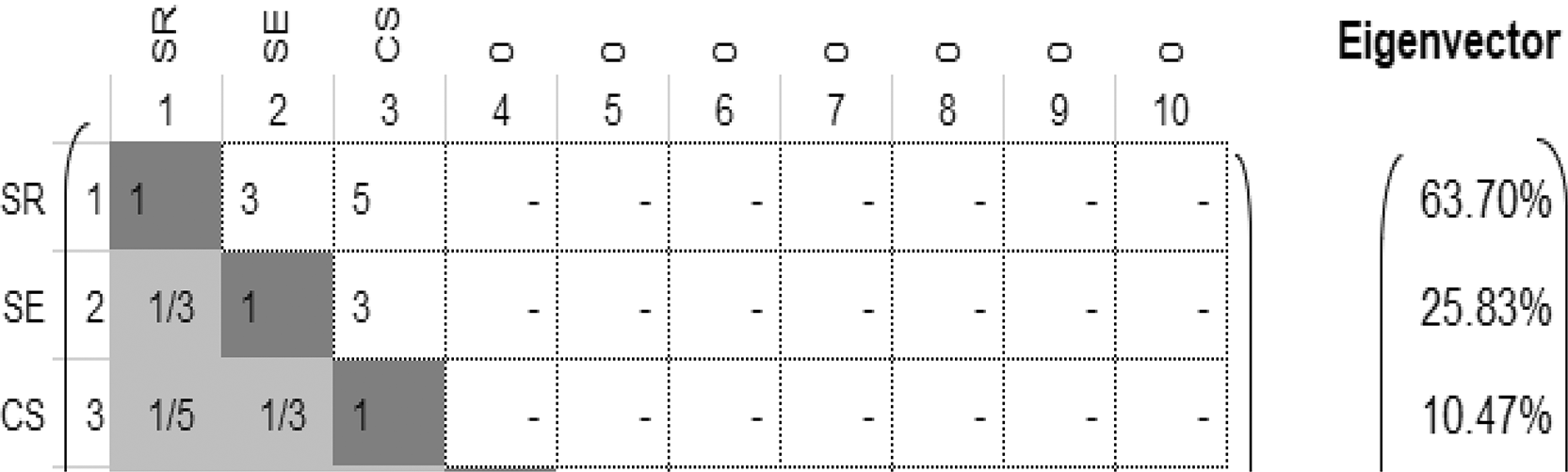
It is difficult to construct a pairwise comparison matrix and meet the consistency requirement. Researchers carried out12 suggested paired comparison using a new questionnaire to. The element size values of the judgment matrix are determined using the nine-scaling(1 to 9) method, as stated in Tables (1 to 4), based on the engineers’ experience and professional guidance.6,12
To determine whether a matrix is consistent, use the eigen value method12–14:
The consistency index (CI) formula displays the maximum eigenvalue, λmax, while n shows the overall number of items, also known as the order number, the consistency ratio (CR) and mean random consistency index (RI) are both listed in Table 5.12
| Matrix order | I | II | III | IV | V | VI | VII | VIII | IX | X | XI | XII |
|---|---|---|---|---|---|---|---|---|---|---|---|---|
| R.I | 0 | 0 | 0.521 | 0.892 | 1.121 | 1.262 | 1.362 | 1.412 | 1.461 | 1.491 | 1.52 | 1.54 |
When CR < 0.1, Consistency of the outcome of the hierarchy sort can be accepted.
Total sorts consistency check6,12:
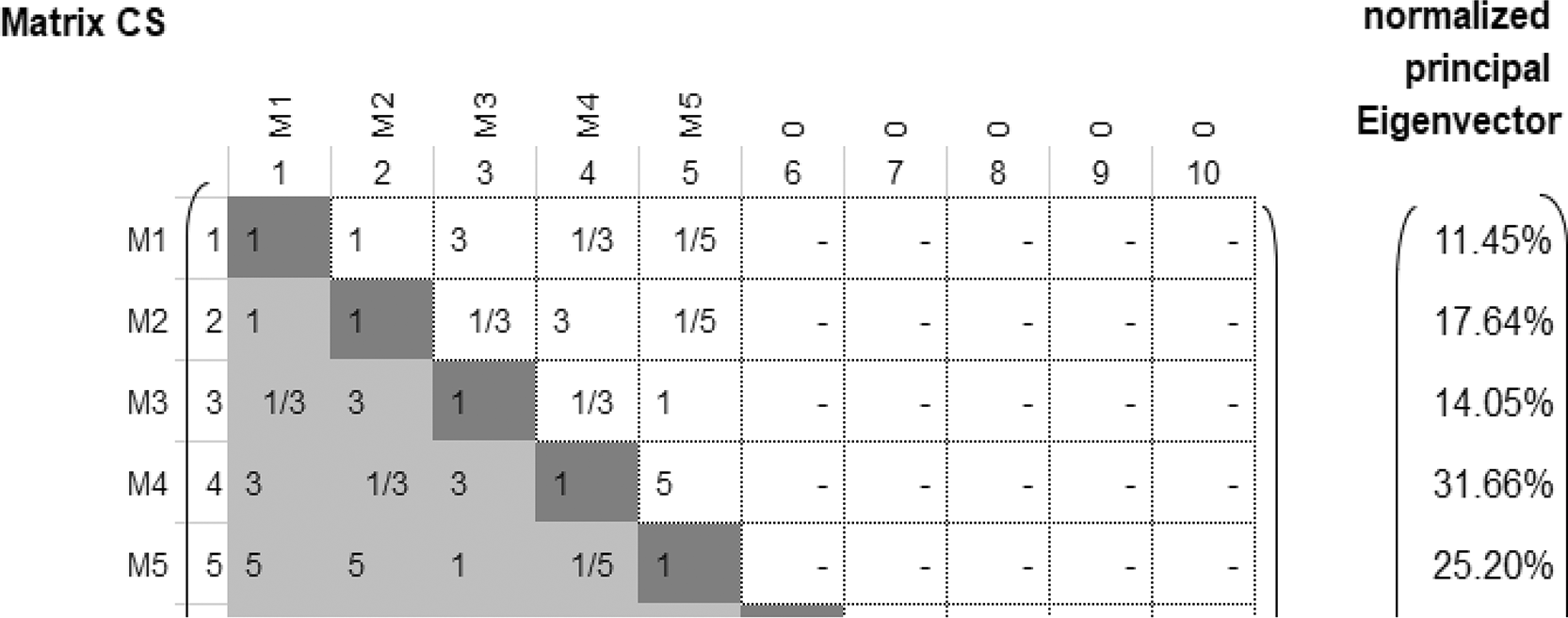
The discussion results and analysis: were completed using the AHP software version 14.2, with the key findings displayed in Table 6. The AHP software was able to obtain the largest characteristic value, λmax. The consistency ratio (CR) was determined using the Equation (2), Using the Equation (1), CI was calculated, and the total sorts were tested for consistency using the Table 5, CRTot = 0.04% < 0.1 (see Figure 3).

Table 6 illustrates the overall sequencing result’s acceptable consistency as Figure 2.
Table 6 demonstrates that PP-R pipe is the best when it comes to cleanliness and health (0.317), thin- walled stainless steel pipe is the best when it comes to safety and reliability (0.751), and PVC-U pipe is the best when it comes to price (0.831). In other words, results of AHP method showed that the total weight (0.695) is the largest for PP-R pipe; specifically, the PP-R pipe’s overall performance is the best and it can be used for high-standard WSP line installations. The second is the PVC- U pipe, which is appropriate for typical WSP due to its superior overall performance, affordable price, and advantages of easy installation.
The paired comparison questionnaire the researchers used to develop the AHP method yielded acceptable results, but in a more easy to use than the traditional AHP method.
Following the normalization of the local priorities . A sensitivity analysis was conducted employing three weight perturbation scenarios with an increase in weight (10–20%): (i) SE, (ii) SR, and (iii) CS priorities. For each scenario, the baseline criteria weights were adjusted to emphasize the target dimension and then re-normalized to satisfy by using . The overall score of each material was recomputed by the weighted sum model , and the resulting rankings were compared against the baseline ranking to evaluate the robustness of the proposed AHP-based material selection method. Where score of material m.17,18
Table 7 shows the calculated sensitivity analysis scores for all of the suggested pipe materials in the baseline case. The resultes in Table 7 is used to check how stable the final material ranking is when the weights of the criteria are changed within reasonable limits. This tests how strong the suggested AHP-based selection method is.
In addition, Table 7 indicates that the material ranking remains unchanged across all three weight perturbation scenarios, confirming the robustness of the proposed AHP based selection framework to reasonable variations in criteria weights. PP-R (M4) consistently achieves the highest overall score, followed by PVC-U (M3), stainless steel (M2), copper (M1), and PVC galvanized (M5). The obtained ranking is broadly consistent with recent AHP/MCDM studies on pipe material selection, which report competitive performance of polymer based pipes for potable water applications due to their hygienic characteristics and corrosion resistance. In particular, the preference toward PP-R (M4) is in line with AHP based pipe material selection findings reported by Thavamony and Rajagopal,13 while improved decision support formulations for water distribution material selection have been highlighted in recent work such as Wei et al.17 Moreover, the use of a simplified questionnaire and inconsistency-modification procedure is aligned with the improved AHP methodology proposed by Yang et al.,18 supporting the methodological novelty of the present study.
It is very wonderful to find a tool that helps the decision maker make a multi-criteria decision within various engineering sciences, including material selection, optimal performance, environmental impacts, health, cost, operation, and maintenance. To choose the best pipe material for exerting its maximum efficiency, health and cleanliness, safety and reliability, and low economic cost of energy conservation, it should be familiar with the most often used pipe and its key characteristics, adhere to the pipe selection principle, take various aspects into account, and conduct in-depth analysis. All these issues were considered in this paper.
In addition, the proposed method was validated through an expanded discussion that benchmarks our ranking against prior AHP/MCDM pipe-material studies.17,18 Based on Tables 6–7, the proposed improved-AHP framework yields a consistent top selection (PP-R, M4) and an unchanged overall ranking under SR, SE&CS weight perturbations (10–20%), demonstrating robustness and agreement with recent improved-AHP/MCDM developments for pipe material selection.
The study concluded that, the PP-R pipe with the largest overall weight (0.695) should be prioritized for use in building WSP basedon the AHP process. By overcoming the constraints of conventional approaches and taking into account a wider range of influencing elements, the application of new questionnaire of AHP can produce more reliable evaluation results.
| Views | Downloads | |
|---|---|---|
| F1000Research | - | - |
|
PubMed Central
Data from PMC are received and updated monthly.
|
- | - |
Provide sufficient details of any financial or non-financial competing interests to enable users to assess whether your comments might lead a reasonable person to question your impartiality. Consider the following examples, but note that this is not an exhaustive list:
Sign up for content alerts and receive a weekly or monthly email with all newly published articles
Already registered? Sign in
The email address should be the one you originally registered with F1000.
You registered with F1000 via Google, so we cannot reset your password.
To sign in, please click here.
If you still need help with your Google account password, please click here.
You registered with F1000 via Facebook, so we cannot reset your password.
To sign in, please click here.
If you still need help with your Facebook account password, please click here.
If your email address is registered with us, we will email you instructions to reset your password.
If you think you should have received this email but it has not arrived, please check your spam filters and/or contact for further assistance.

Comments on this article Comments (0)