Keywords
Baltic Sea, commercial fisheries, fisheries governance, local ecological knowledge, mixed-methods, socio-economic surveys, stock assessment indicators, sustainability transitions

This article is included in the Ecology and Global Change gateway.
This article is included in the Agriculture, Food and Nutrition gateway.
Baltic Sea, commercial fisheries, fisheries governance, local ecological knowledge, mixed-methods, socio-economic surveys, stock assessment indicators, sustainability transitions
Baltic Sea commercial fisheries have undergone substantial ecological, regulatory, and socio-economic change over recent decades, driven by declining fish stocks, cumulative environmental pressures, and increasingly restrictive management measures (Voss et al., 2012; Rosciszewski-Dodgson & Cirella, 2024a). In particular, the collapse of eastern Baltic cod stocks and subsequent fishing bans and quota reductions have reshaped fishing opportunities, livelihoods, and governance relationships across the region (ICES, 2024a–h; ICES, 2025; Rosciszewski-Dodgson & Cirella, 2025). These developments have affected both small-scale and industrial fishing sectors, altering fleet structures, target species, income stability, and expectations regarding the long-term viability of commercial fisheries.
While biological monitoring and stock assessment data in the Baltic Sea are well established, the social dimensions of these changes—especially fishers’ lived experiences, perceptions of management, and adaptive responses—remain less systematically captured in standardized and reusable datasets. Existing social and qualitative studies are often context-specific, fragmented across disciplines, or unavailable in formats that support secondary analysis and cross-regional comparison. As a result, integrated datasets linking ecological conditions, fisheries management indicators, and human dimensions remain limited, despite their importance for understanding fisheries as coupled social–ecological systems.
Understanding how fishers perceive regulatory measures, observe ecological change, and respond through adaptation or diversification is central to ecosystem-based fisheries management (Karnad, 2022). Socio-economic and perception data provide essential context for interpreting management processes, including compliance, legitimacy, adaptive capacity, and potential unintended socio-economic impacts of conservation interventions (Lewin et al., 2023). Local ecological knowledge (LEK) offers fine-scale insights into spatial and temporal variability in stock conditions that may not be fully captured by large-scale scientific assessments. However, such information is rarely integrated with formal stock indicators and governance data within coherent, openly accessible datasets.
The datasets presented in this Data Note were compiled to address this gap by integrating ecological, management, and human-dimension data from commercial fisheries operating in the Polish and German Baltic Sea. Six interoperable datasets were developed using a mixed-methods framework combining curated bibliographic records, standardized fisheries management indicators, socio-economic and perception surveys, LEK surveys, semi-structured interviews, and photographic documentation. These datasets are organized across three data phases: Phase 1 (baseline ecological and governance context), Phase 2 (present-day human dimensions), and Phase 3 (qualitative contextualization of fisher experiences).
By bringing together heterogeneous data types within a single documented framework, this collection supports interdisciplinary reuse for analyses of stock dynamics, management measures, fisher perceptions, and adaptive strategies. All datasets are provided in open formats with accompanying metadata and documentation to facilitate reuse, replication, and integration with other regional or thematic datasets.
These datasets support reuse in fisheries social science, marine policy evaluation, and social–ecological systems research. They are particularly relevant for studies examining governance effectiveness, stakeholder engagement, and adaptive responses to regulatory change. Beyond the Baltic Sea, the integrated structure and documentation approach provides a transferable template for mixed-methods fisheries research in other regional seas and coastal systems experiencing comparable ecological pressures and institutional transformations.
This Data Note adopts a multi-scale, mixed-methods design to document ecological conditions, fisheries management indicators, and socio-economic dimensions of Baltic Sea commercial fisheries. The spatial scope encompasses the Baltic Sea basin, with particular focus on the South Baltic Sea and coastal regions of Poland and Germany, where ecological pressures, management interventions, and socio-economic impacts intersect most directly at the operational scale of fishing activities (Rakowski et al., 2020).
The datasets were designed to capture complementary ecological, management, and human-dimension information across multiple spatial and temporal scales. Six interoperable datasets (Datasets I–VI) were developed to provide baseline environmental and governance context, present-day socio-economic and local ecological observations, and qualitative documentation of fisher experiences. These datasets are organized into three data phases to support structured reuse: Phase 1 (baseline ecological and governance context, including curated bibliographic records and fisheries management indicators), Phase 2 (present-day human dimensions, comprising socio-economic and local ecological knowledge surveys), and Phase 3 (qualitative contextualization through semi-structured interviews and photographic documentation) ( Figure 1).
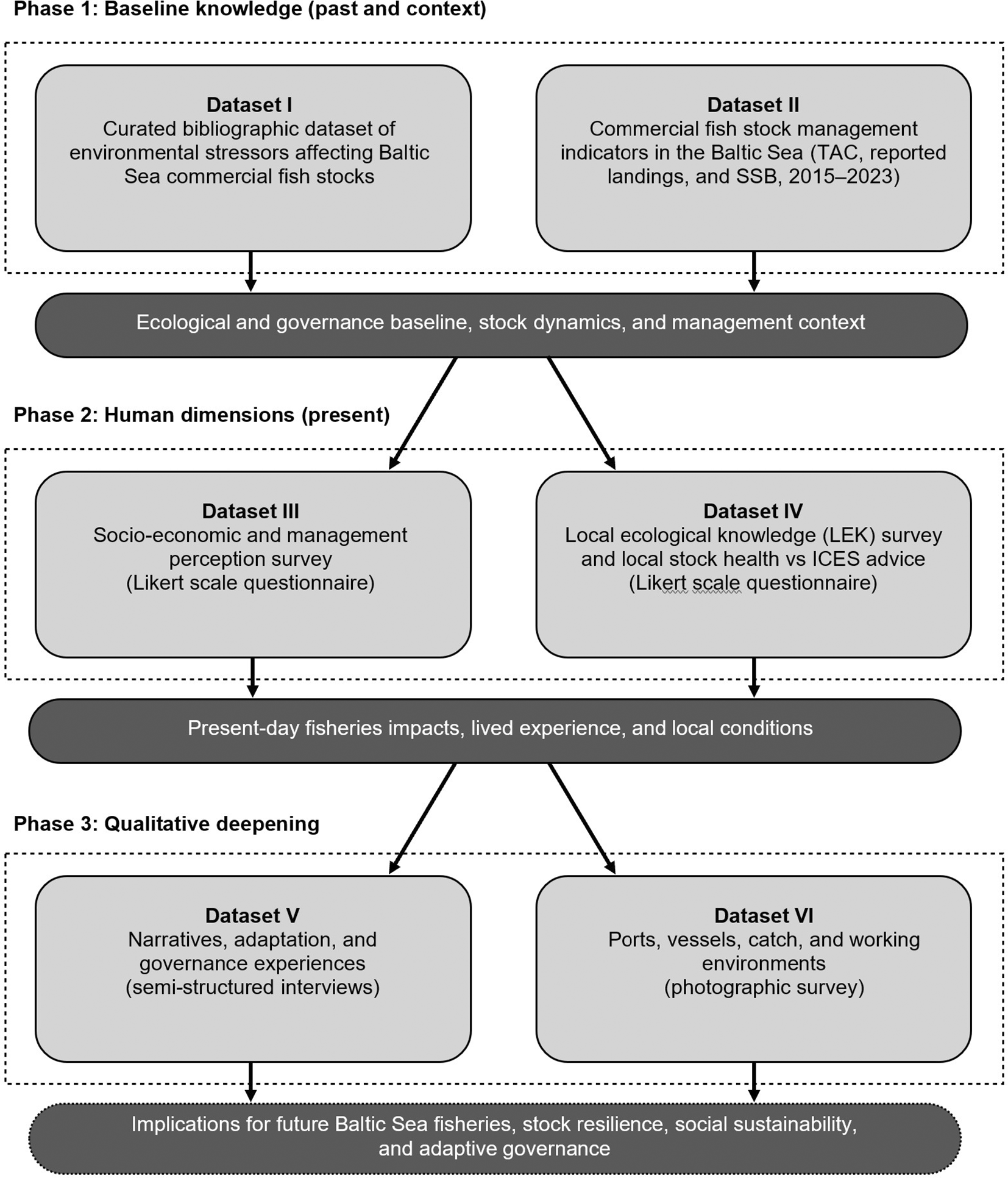
This phased structure was adopted to enable integration of heterogeneous data types while preserving traceability between datasets and maintaining compatibility across quantitative and qualitative formats. Together, the datasets support cross-disciplinary reuse for analyses of stock dynamics, governance measures, fisher perceptions, and adaptive strategies within the Baltic Sea. The documented structure and processing workflow also provide a transferable framework for mixed-methods fisheries data collection and integration in other regional seas and coastal systems.
The six interoperable datasets (Datasets I–VI) combine primary socio-economic, experiential, and qualitative data with secondary scientific and fisheries management sources and are organized into three data phases to support structured reuse across ecological, governance, and human-dimension domains. This phased design enables integration of heterogeneous data types while maintaining traceability between quantitative indicators and qualitative materials, facilitating cross-disciplinary analyses of stock dynamics, management measures, fisher perceptions, and adaptive strategies within the Baltic Sea and supporting comparative applications in other regional fisheries systems.
Phase 1: Baseline knowledge (ecological and governance context) integrates curated bibliographic records with official fisheries management and stock assessment indicators. Peer-reviewed literature was compiled using a transparent and reproducible review protocol to capture current knowledge on environmental stressors and ecological drivers affecting Baltic Sea commercial fish stocks (Randles & Finnegan, 2023). Fisheries management data, including total allowable catch (TAC), reported landings, and spawning stock biomass (SSB), were obtained from ICES assessments and European Commission records. These datasets were harmonized across stocks and years and processed into standardized time-series formats to enable cross-stock and temporal comparison (ICES 2024a–h; Rosciszewski-Dodgson & Cirella, 2024b).
Phase 2: Human dimensions (present conditions) comprises two structured surveys capturing socio-economic characteristics, regulatory impacts, governance perceptions, and fishers’ LEK. Primary social data were collected through structured questionnaires administered to commercial fishers, using Likert-scale response formats to facilitate quantitative comparison across regions, fleet segments, and fishing strategies. A dedicated LEK survey elicited fishers’ assessments of local stock health and perceptions of scientific advice, with responses explicitly anchored to respondents’ primary operating areas.
Phase 3: Qualitative contextualization includes semi-structured interview transcripts and photographic field documentation. Interviews were audio-recorded, transcribed, translated where necessary, and anonymized, following a consistent thematic guide while allowing respondents to elaborate on individual experiences, adaptive strategies, and governance interactions (McIntosh & Morse, 2015; Alamri, 2019). Photographic data were collected during field visits to document ports, vessels, and working environments and are provided to supply visual context for the social and qualitative datasets rather than for quantitative analysis (Leonello et al., 2025).
Across all phases, datasets were cleaned, anonymized, and stored in standardized digital formats. Datasets I–IV are provided as Microsoft Excel files containing bibliographic records, fisheries management indicators, and survey responses. Datasets V and VI are provided as PDF files containing anonymized interview transcripts and a photographic survey, respectively. Variable names, response codes, and dataset structure are documented within the spreadsheet files and accompanying repository descriptions. No personal identifiers are included in the published datasets, and informed consent and confidentiality procedures were applied throughout data collection and processing.
Informed consent was obtained from all participants prior to survey administration and interviews. Consent was provided verbally, as data collection was conducted in port environments and fishing communities where written consent was impractical and could discourage participation. Verbal consent procedures were approved by the University of Gdańsk’s Commission for Ethics of Scientific Research and followed institutional guidelines for social science field research. Participants were informed about the purpose of the study, the voluntary nature of participation, the types of data being collected, and their right to withdraw at any time without consequence.
Data quality and consistency were addressed through standardized processing, documentation, and anonymization procedures applied across all datasets. Quantitative datasets (Datasets I–IV), provided as Microsoft Excel files, were checked for completeness, internal consistency, and coding accuracy. Variable names, response categories, and data structures are documented within the spreadsheet files and accompanying repository descriptions.
Fisheries management indicators in Dataset II, including TAC, reported landings, and SSB, were obtained from official ICES assessments and European Commission records and harmonized into comparable time-series formats. These indicators represent best-available scientific and regulatory information but are subject to uncertainty associated with stock assessment models, reporting accuracy, and implementation of management measures. They should therefore be interpreted as management-relevant proxies rather than precise representations of ecosystem state (Pennino et al., 2023; Rosciszewski-Dodgson & Cirella, 2024b).
Dataset I reflects existing research and monitoring patterns in the Baltic Sea, including uneven spatial coverage and differential attention to specific species, regions, and environmental drivers. These structural characteristics may influence interpretations of ecological stressors and knowledge gaps and should be considered when reusing the bibliographic dataset for secondary analyses (Rosciszewski-Dodgson & Cirella, 2024a).
Survey datasets (Datasets III and IV) capture fishers’ perceptions and local ecological knowledge rather than objective measurements. Responses may be influenced by recent regulatory changes, environmental events, or individual circumstances, and sample sizes vary across regions and fleet segments. While not statistically representative of all Baltic Sea fishers, these datasets provide structured insight into heterogeneous experiences within a shared management system and are suitable for comparative and exploratory analyses (Magdolen et al., 2024).
LEK data (Dataset IV) reflect fine-scale spatial and temporal observations that do not always align with ICES stock subdivision boundaries or formal assessment frameworks. Differences between LEK-based assessments and scientific stock indicators should be interpreted as evidence of spatial heterogeneity and potential scale mismatches in monitoring and management, rather than as inaccuracies (Karnad, 2022; Berkström et al., 2019).
Qualitative materials, including anonymized interview transcripts (Dataset V) and photographic documentation (Dataset VI), are provided as PDF files and were reviewed for completeness and anonymization. These datasets are intended to provide contextual support for interpretation of the quantitative and survey data and should not be used for quantitative inference or standardized comparison.
This dataset comprises a curated collection of 250 peer-reviewed academic publications documenting environmental stressors and ecological drivers affecting major commercial fish stocks in the Baltic Sea. The dataset was created to provide a structured, reusable synthesis of scientific evidence on the factors influencing stock dynamics in this semi-enclosed marine system. It focuses on key drivers commonly identified in Baltic Sea research, including temperature change, hypoxia, nutrient enrichment, ocean acidification, low salinity, and food-web interactions, and covers commercially important species such as cod, sprat, herring, whiting, flounder, and plaice.
Publications were identified and compiled using a systematic review protocol designed to ensure transparent, reproducible, and comprehensive coverage of the scientific literature. The review process followed established methodological guidance for literature synthesis, including defined search strings, inclusion criteria, and screening procedures (Randles & Finnegan, 2023). This approach was used to minimize selection bias and to ensure consistent representation of relevant ecological drivers and stock-specific studies across the Baltic Sea.
Each record in the dataset includes standardized bibliographic metadata (authors, publication year, article title, journal), focal species or stock, study region, and the primary environmental drivers addressed. Additional fields document thematic categories, taxonomic group, and spatial attribution to ICES subdivisions where applicable. All records are provided in tabular CSV/XLSX format, enabling filtering by species, driver type, or geographic area and facilitating integration with the fisheries management indicators and social datasets described in subsequent sections.
The structure and categorization of the dataset follow the framework developed in Rosciszewski-Dodgson & Cirella (2024a), which provides detailed definitions of environmental driver categories and stock groupings used throughout the review. This harmonized classification supports consistent comparison across studies and allows users to identify patterns in research coverage, thematic emphasis, and spatial distribution.
The dataset spans nine topic areas and includes publications from 33 countries, encompassing all Baltic Sea nations. Spatial metadata indicate the ICES subdivisions addressed in each study, allowing regional filtering and comparison. Summary visualizations of dataset composition—including coverage by environmental driver, focal stock, and geographic region—are provided in Figures 2 and 3 to illustrate the structure and scope of the compiled literature.
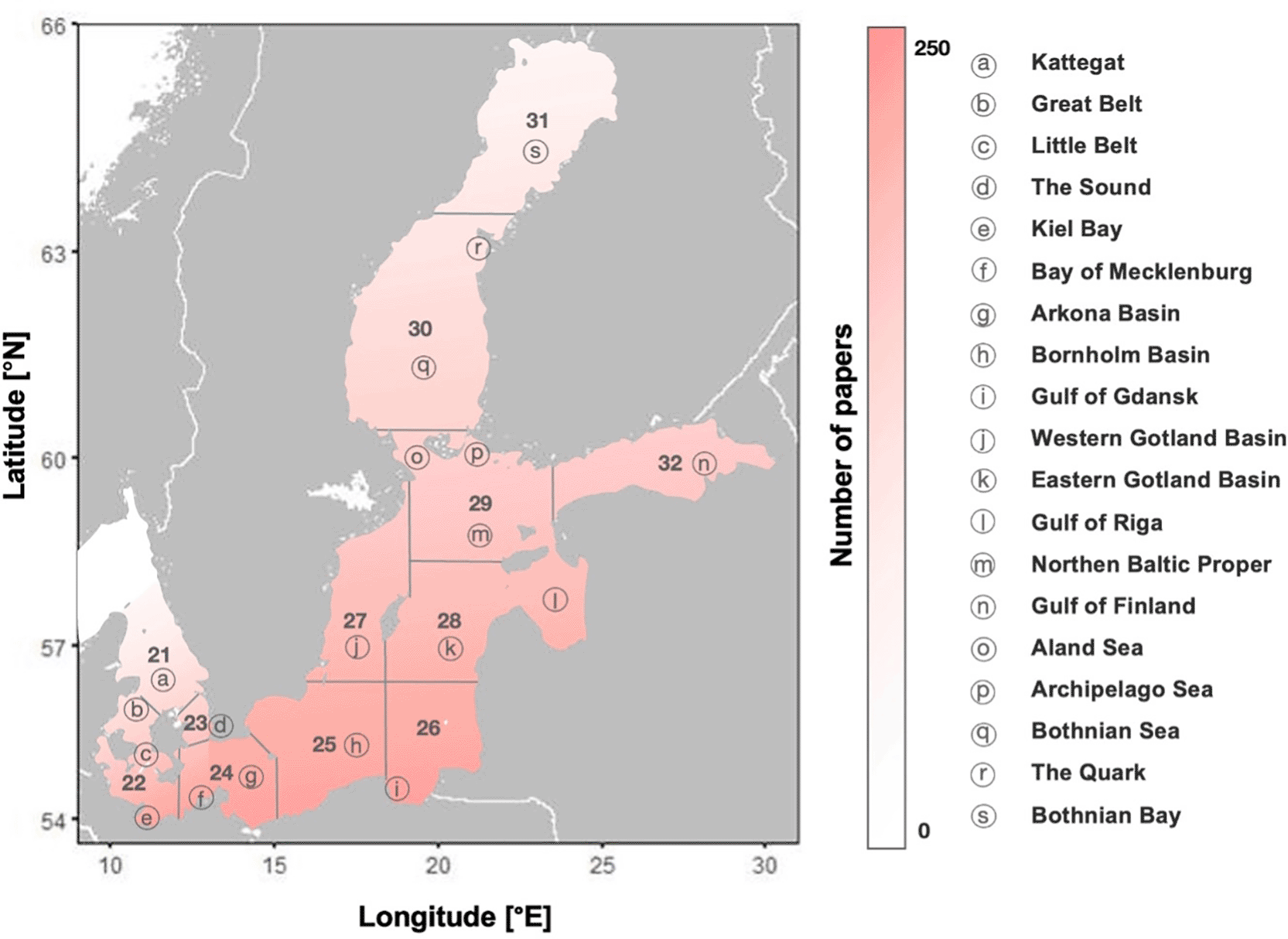
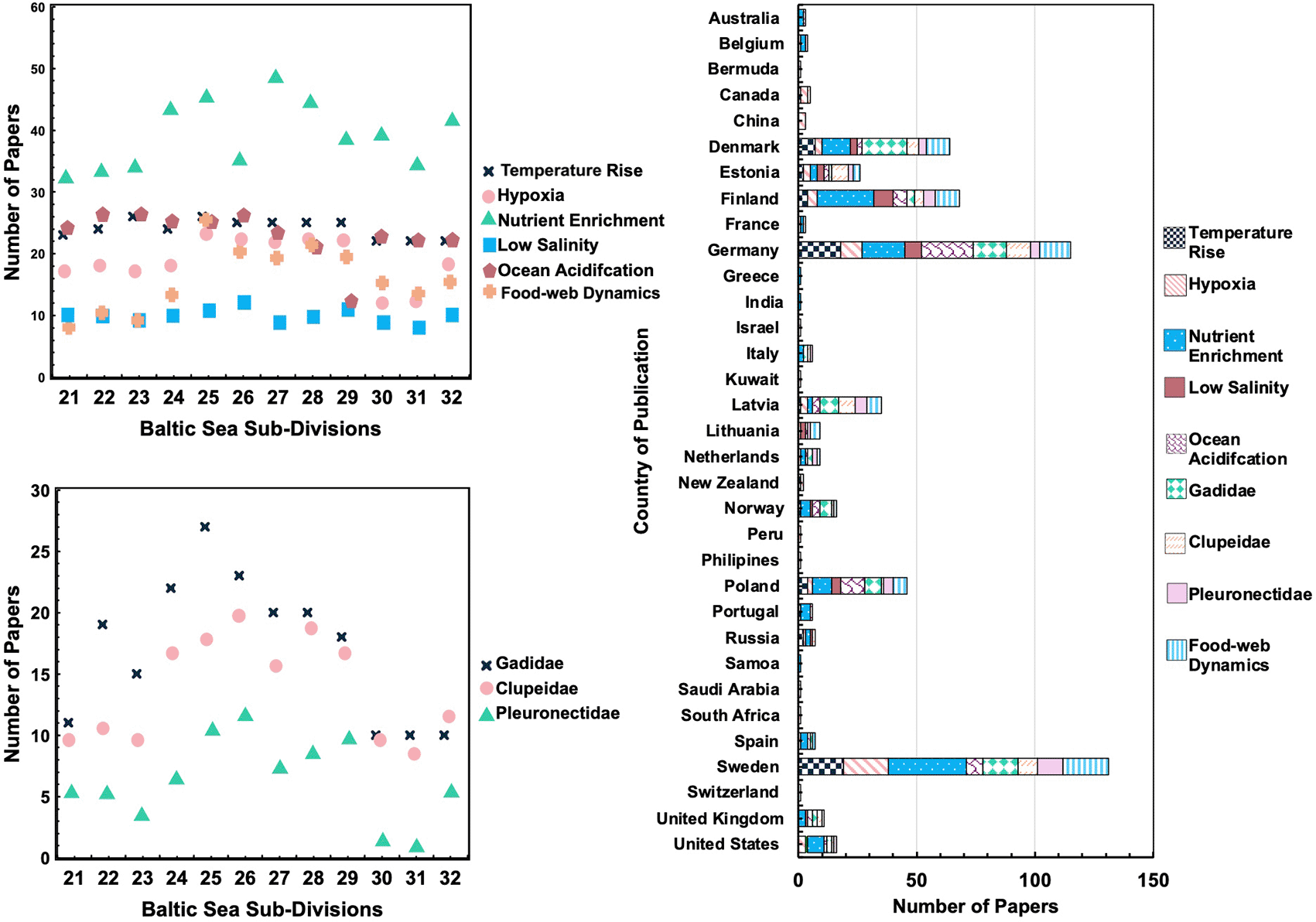
Figures summarize bibliographic records included in Dataset I (Rosciszewski-Dodgson & Cirella, 2024a).
Rather than serving as an analytical synthesis, this dataset is intended as a reusable reference archive of peer-reviewed research on environmental stressors affecting Baltic Sea commercial fisheries. It supports secondary analyses of research coverage and knowledge gaps, comparative reviews of ecological drivers across species and regions, and integration with fisheries management indicators and socio-economic datasets included in this collection. The dataset may also be used as a foundation for meta-analyses, interdisciplinary social–ecological studies, and policy-oriented assessments of cumulative environmental pressures in regional fisheries systems.
Dataset II provides annual fisheries management and stock assessment indicators for eight commercially important Baltic Sea fish stocks from 2015 to 2023. The dataset includes TAC, reported commercial landings, and SSB, compiled from ICES scientific assessments and European Commission fisheries agreements.
The dataset is provided as a Microsoft Excel file and contains standardized time-series records for each stock and ICES subdivision. Variables include stock identity, year, TAC value, reported landings, and SSB estimate. All values were harmonized across stocks and years to enable direct temporal and cross-stock comparison. Summary visualizations are provided in Figure 4 to demonstrate dataset structure and coverage.
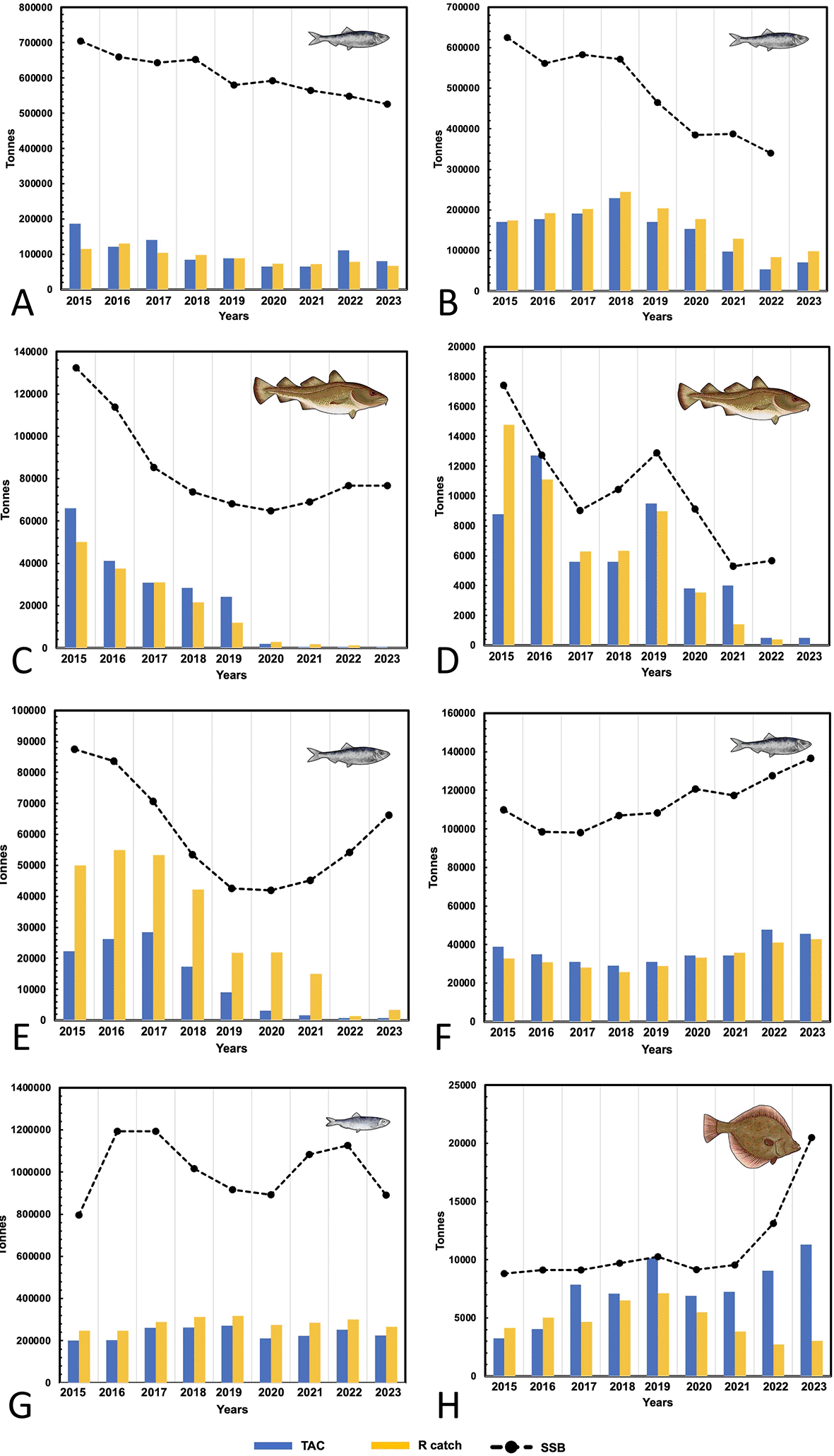
Dataset II supports reuse in fisheries management evaluation, stock trend analysis, and interdisciplinary studies linking ecological indicators with the socio-economic and qualitative datasets included in this collection.
Dataset III contains responses from 129 commercial fishers operating across multiple coastal regions of the Polish South Baltic Sea. The dataset is provided as a Microsoft Excel file and includes responses to 10 Likert-scale survey questions (coded 1–5) alongside key respondent characteristics. Recorded variables include region, employment status (full-time or part-time), ownership status (shipowner), fishing unit size (cutter, fishing boat, or supercutter), and primary fishing activity (demersal, mixed, or small pelagic).
Respondents are distributed across eight coastal regions, with the largest samples from the Hel Peninsula, Kołobrzeg, and Wolin Island ( Table 1). Fleet structure and fishing activity vary by region, reflecting differences in operational range and target species. These variables are included to support stratified analysis by fleet segment and fishing strategy and to enable comparison of socio-economic conditions and governance perceptions across spatial and operational categories.
| Town/Region | Full time | Part time | Shipowner | Total |
|---|---|---|---|---|
| Darłowo | 5 | 2 | 7 | |
| Gulf of Gdansk | 4 | 6 | 10 | |
| Hel Peninsula | 19 | 11 | 30 | |
| Kołbrzeg | 12 | 4 | 13 | 29 |
| Łeba | 4 | 5 | 4 | 13 |
| Ustka | 2 | 5 | 5 | 12 |
| Vistula Lagoon | 1 | 2 | 6 | 9 |
| Wolin Island | 1 | 7 | 11 | 19 |
| Total | 43 | 28 | 58 | 129 |
| Fishing unit size | Cutter | Fishing boat | Supercutter | Total |
|---|---|---|---|---|
| Darłowo | 7 | 7 | ||
| Gulf of Gdansk | 9 | 1 | 10 | |
| Hel Peninsula | 5 | 2 | 23 | 30 |
| Kołbrzeg | 8 | 14 | 7 | 29 |
| Łeba | 5 | 8 | 13 | |
| Ustka | 12 | 12 | ||
| Vistula Lagoon | 8 | 1 | 9 | |
| Wolin Island | 10 | 9 | 19 | |
| Total | 36 | 62 | 31 | 129 |
| Fishing activity | Demersal | Mixed | Small pelagic | Total |
|---|---|---|---|---|
| Darłowo | 7 | 7 | ||
| Gulf of Gdansk | 8 | 2 | 10 | |
| Hel Peninsula | 9 | 21 | 30 | |
| Kołbrzeg | 9 | 14 | 6 | 29 |
| Łeba | 8 | 5 | 13 | |
| Ustka | 11 | 1 | 12 | |
| Vistula Lagoon | 9 | 9 | ||
| Wolin Island | 11 | 8 | 19 | |
| Total | 63 | 39 | 27 | 129 |
Fishing unit size and fishing activity are recorded as core respondent characteristics because they capture systematic differences in gear use, mobility, diversification capacity, and exposure to management measures (Rakowski et al., 2020). Summary distributions of vessel type and fishing activity are provided in Table 1 and Figure 5 to illustrate dataset composition.
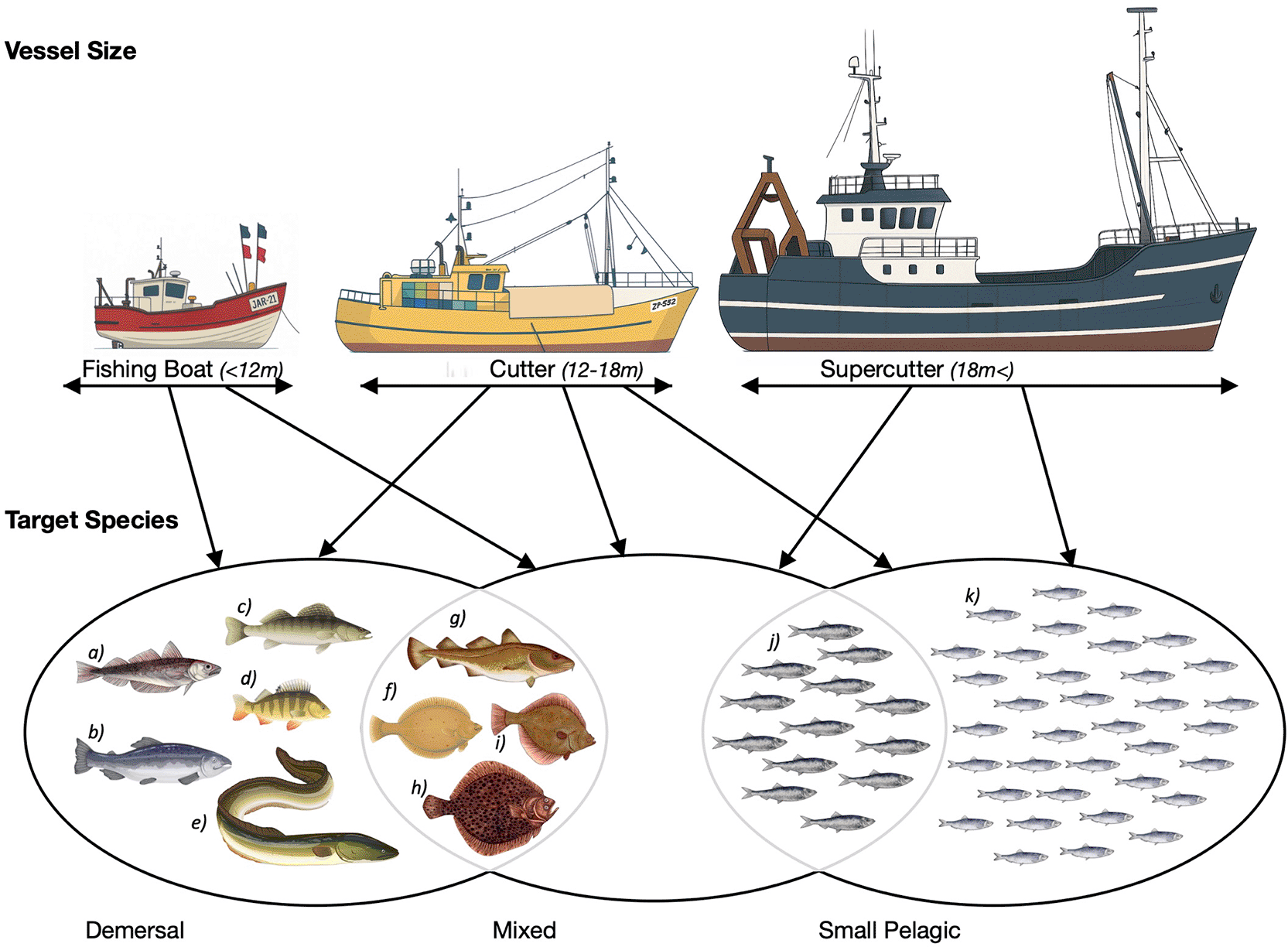
Dominant target species associated with fishing activities are: (a) whiting (Merlangius merlangus), (b) Atlantic salmon (Salmo salar), (c) zander (Sander lucioperca), (d) perch (Perca fluviatilis), (e) European eel (Anguilla anguilla), (f ) plaice (Pleuronectes platessa), (g) Atlantic cod (Gadus morhua), (h) turbot (Scophthalmus maximus), (i) European flounder (Platichthys flesus), (j) Atlantic herring (Clupea harengus), and (k) European sprat (Sprattus sprattus).
The survey instrument is structured around three thematic areas ( Table 2): perceived impacts of regulatory change (Questions 1–2), perceptions of environmental pressures including climate change, pollution, overfishing, and predators (Questions 3–6), and assessments of livelihood sufficiency, governance responsiveness, institutional support, and expectations for future fishing opportunities (Questions 7–10). Together, these variables enable reuse for comparative analyses of management impacts, environmental perceptions, and livelihood conditions across regions and fleet segments.
Dataset III supports secondary analysis of socio-economic conditions, governance perceptions, and adaptive capacity within Baltic Sea commercial fisheries and may be integrated with ecological indicators (Dataset II) and qualitative materials (Datasets V–VI) for interdisciplinary fisheries research.
Dataset IV contains 153 survey responses collected to document commercial fishers’ local ecological knowledge (LEK) and perceptions of scientific stock assessments in the South Baltic Sea. Respondents include fishers operating in Polish and German waters. The dataset is provided as a Microsoft Excel file and was administered as a standalone questionnaire focused specifically on ecological observations and science–practice interactions.
Recorded variables include fishing region, fishing activity, fishing unit size, employment status, and a series of Likert-scale questions capturing fishers’ assessments of local stock condition and perceptions of ICES scientific advice, including credibility, relevance, and applicability. Responses are explicitly anchored to respondents’ primary operating areas (“my area”) to support spatially differentiated analysis.
Summary characteristics of LEK survey respondents by region, employment status, fishing unit size, and fishing activity are provided in Table 3. These variables enable stratified comparison of ecological perceptions across fleet segments and geographic areas.
The survey instrument includes questions assessing perceived local stock condition for sprat, herring, cod, and flounder ( Table 4). These variables support comparative analysis between fine-scale fisher observations and broader scientific assessment frameworks.
| Research topic | Question |
|---|---|
| Regional variation in fishermen’s perceptions of fish stock health across the Baltic Sea |
|
Dataset IV supports reuse in studies examining spatial variation in ecological perceptions, science–practice interactions, and integration of experiential knowledge into fisheries assessment and management processes. The dataset may also be combined with fisheries management indicators (Dataset II) and socio-economic survey data (Dataset III) for interdisciplinary analyses.
Dataset V consists of anonymized semi-structured interview transcripts from 28 commercial fishers operating in the Polish Baltic Sea. Interviews were conducted in Polish, translated into English, and compiled as a single PDF file. Each transcript is identified by interview number and general location only to protect participant confidentiality.
A common interview guide was used to ensure consistency across respondents while allowing flexibility for participants to elaborate on individual experiences and perspectives (McIntosh & Morse, 2015; Alamri, 2019). Interview topics include fishing histories, perceptions of fish stock status, impacts of fisheries management measures (including quota changes and regulatory restrictions), views on industrial and small-scale fishing, adaptation and diversification strategies, governance and decision-making processes, environmental change, and expectations for the future of the fishing sector.
Summary characteristics of interview participants by region, fishing activity, and fishing unit size are provided in Table 5. These variables support contextual interpretation of qualitative responses and enable linkage with the socio-economic and LEK survey datasets (Datasets III and IV).
Dataset V is intended to provide qualitative context for the quantitative indicators and survey data included in this collection and supports reuse in fisheries social science, governance studies, and interdisciplinary analyses of environmental change and livelihood adaptation.
Dataset VI consists of a photographic survey documenting fishing ports, harbor environments, and representative fishing units across the South Baltic Sea. The dataset is provided as a PDF file and was compiled during field visits conducted contemporaneously with survey and interview data collection.
Images capture port infrastructure, vessel types, and working environments to provide visual context for the socio-economic, local ecological knowledge, and interview datasets (Datasets III–V). The photographic materials are intended to support qualitative interpretation of fishing practices and operating conditions and are not designed for quantitative analysis or standardized observation protocols (Leonello et al., 2025).
All images were collected in public port environments and anonymized where necessary, with no identifiable individuals visible. Each image is accompanied by basic metadata, including port name, country, and date of collection.
Dataset VI supports reuse for contextual, educational, and interdisciplinary research purposes and may be integrated with the quantitative and qualitative datasets in this collection.
The integrated datasets have broad reuse potential across fisheries science, marine policy, and social–ecological systems research. Dataset I provides a curated bibliographic resource that supports secondary analyses of environmental stressors, cumulative impacts, and research coverage in the Baltic Sea and comparable semi-enclosed marine systems. It may be used to identify thematic and spatial knowledge gaps, inform meta-analyses, and support interdisciplinary reviews of ecological drivers affecting commercial fisheries.
Dataset II offers standardized fisheries management indicators that enable comparative assessments of governance effectiveness, stock trajectories, and relationships between regulatory limits, realized landings, and spawning stock biomass. These time-series data are suitable for integration with external ecological or economic datasets and may support evaluations of policy interventions, stock recovery efforts, and interactions between fishing pressure and environmental change across regions and species.
Datasets III and IV provide structured socio-economic and local ecological knowledge data that can be reused to examine regional vulnerability, adaptive capacity, governance legitimacy, and science–policy–practice interactions. These datasets support comparative analyses across fleet segments and fishing strategies and may inform participatory management processes, stakeholder engagement initiatives, and the development of more spatially responsive assessment frameworks.
Dataset V contributes qualitative interview material that enables in-depth exploration of fishers’ lived experiences, adaptive strategies, and perceptions of regulatory and environmental change. Dataset VI complements these materials by providing visual documentation of ports, vessels, and working environments, supporting contextual interpretation and interdisciplinary teaching, outreach, and policy engagement activities.
Collectively, the six datasets and associated three-phase framework offer a transferable methodological template for mixed-methods fisheries research. The integrated structure facilitates linkage between ecological indicators, management measures, and human dimensions and can be adapted for use in other regional seas, coastal systems, and small-scale fisheries contexts experiencing similar ecological pressures and institutional transformations. Together, these datasets support reproducible, cross-disciplinary research and contribute openly accessible resources for advancing sustainable fisheries governance.
All primary data collection involving human participants (Datasets III–V) was conducted in accordance with established ethical standards for social science research and the principles outlined in the Declaration of Helsinki.
Ethical approval for this study was granted by the Commission for Ethics of Scientific Research of the University of Gdańsk (Approval Number: UG/EA2024-17ECON027), in accordance with institutional guidelines and Polish legislation governing research involving human participants.
Participation in surveys and interviews was voluntary, and informed consent was obtained from all participants prior to data collection. Respondents were provided with detailed information regarding the purpose of the study, the procedures involved, the intended use of the data for research and publication, and their right to decline participation or withdraw at any time without consequence.
To protect participant confidentiality, survey responses and interview transcripts were anonymized during data processing. No personal identifiers, including names, precise locations, or contact details, are included in the published datasets. Interview participants are identified only by interview number and a broad geographic descriptor to preserve contextual relevance while minimizing disclosure risk. Data were reviewed to ensure that potentially identifying information was removed or generalized prior to publication.
Photographic materials (Dataset VI) were collected exclusively in public port environments during field visits. Images were screened and anonymized where necessary, and no identifiable individuals are visible in the published photographs. The photographic dataset is intended solely to provide contextual information on fishing ports, vessels, and working environments and does not document individual persons or private activities.
All collected data were handled confidentially and stored securely prior to publication. Access to raw data during the research process was restricted to the research team, and all published datasets were prepared in compliance with applicable institutional and national research ethics guidelines.
| Views | Downloads | |
|---|---|---|
| F1000Research | - | - |
|
PubMed Central
Data from PMC are received and updated monthly.
|
- | - |
Provide sufficient details of any financial or non-financial competing interests to enable users to assess whether your comments might lead a reasonable person to question your impartiality. Consider the following examples, but note that this is not an exhaustive list:
Sign up for content alerts and receive a weekly or monthly email with all newly published articles
Already registered? Sign in
The email address should be the one you originally registered with F1000.
You registered with F1000 via Google, so we cannot reset your password.
To sign in, please click here.
If you still need help with your Google account password, please click here.
You registered with F1000 via Facebook, so we cannot reset your password.
To sign in, please click here.
If you still need help with your Facebook account password, please click here.
If your email address is registered with us, we will email you instructions to reset your password.
If you think you should have received this email but it has not arrived, please check your spam filters and/or contact for further assistance.

Comments on this article Comments (0)