Keywords
Self Care, Diabetes Mellitus Type 2, Blood Glucose, metabolism, Telemedicine, Patient Compliance.

Self Care, Diabetes Mellitus Type 2, Blood Glucose, metabolism, Telemedicine, Patient Compliance.
Diabetes Mellitus (DM) is a significant global health issue with an increasing prevalence, including in Indonesia. This is strongly linked to higher rates of complications and mortality, underscoring its importance as a critical public health concern worldwide.1,2 One of the key challenges in DM management is achieving and maintaining optimal glycemic control. According to a previous study, many patients face difficulties applying DM management guidelines in daily life10. Many patients struggle to implement the management guidelines in their daily lives. Poor adherence to medical recommendations originates from the gap between clinical standards and patients' daily needs.3 According to recent statistics, approximately 50.7% of DM patients have uncontrolled HbA1c levels11, while only about 35.82% achieve glycemic levels in the target range.5,6 The factors associated with good self-care practices are age, complications, co-morbidities, and DM education.7 Factors such as non-adherence to prescribed treatment regimens, including regular blood glucose monitoring, medication adherence, dietary management, and physical activity, contribute to poor glycemic control.4,5 This increases the risk of chronic complications such as cardiovascular disease, nephropathy, and retinopathy, adversely affecting the quality of life for DM patients.8–10 These ongoing challenges highlight the urgent need for effective interventions to improve glycemic control.
Self-care is an important approach in Type 2 Diabetes Mellitus (T2DM) management, with patients actively engaged in lifestyle adjustments, glucose monitoring, and medication adherence.11,12 Various self-care interventions have been developed and implemented to improve glycemic control, ranging from DM education,13–16 digital technology,17,18 social support,19 to community- and culture-based interventions.20,21 However, the effective implementation of self-care interventions is hindered by several challenges, including inadequate patient education, socio-cultural differences, and fragmentation in healthcare systems. Previous studies have shown that more personalized and technology-based approaches, such as telemedicine, smartphone applications, and community-based education programs, can enhance patient self-efficacy and adherence to DM management.17,18,22 Therefore, various innovative self-care interventions have been developed and extensively evaluated to address these challenges in optimizing the management of T2DM.
Self-care strategies explored include Digital technology, with studies showing that telemedicine and mobile apps help reduce HbA1c and improve adherence.17,18,23 Additionally, digital DM management technology can enhance self-monitoring of blood glucose and support more effective communication between patients and healthcare providers, resulting in better glycemic control.24 Education and Culturally Adapted Approaches: Educational programs tailored to patients' cultural backgrounds and habits, such as those implemented in Lebanese and Kenyan populations, have been shown to improve disease understanding and enhance patient self-efficacy.13,14 Social support and community-based interventions have been shown to enhance self-care practices, such as adherence to dietary recommendations and regular blood glucose monitoring, and are associated with improved glycemic control.19 Multidisciplinary Care Model, such as the involvement of multidisciplinary healthcare professionals, including pharmacists, diabetes nurses, and nutritionists, in providing continuous counseling and patient monitoring, has been proven effective in accelerating the achievement of HbA1c targets.25
Although various self-care interventions have shown promising results in blood sugar control among T2DM patients, their effectiveness varies depending on population characteristics, available resources, and socioeconomic factors. Therefore, this study aims to summarize and explore the various self-care interventions used in T2DM management to provide more comprehensive information on the development of more effective and evidence-based intervention strategies.
This scoping review was conducted to summarize evidence-based alternatives to identify self-care interventions used to control blood glucose levels in patients with T2DM. The review adopted five key stages: (1) identifying the research question, (2) searching for relevant studies, (3) selecting relevant studies, (4) mapping the research data, and (5) compiling, summarizing, and reporting the findings. The study protocol is based on the 2020 Preferred Reporting Items for Systematic Reviews and Meta-Analyses Extension for Scoping Reviews (PRISMA-ScR) guidelines.26
This review addresses the following question: What self-care interventions are used to control blood glucose levels in patients with T2DM?
The article search was restricted to Full-text articles, Articles published in English, and Articles from the last 5 years (2019–2024). The formulation of searching using the Population Concept and Context (PCC) framework (Table 1). All selected literature was retrieved from the following databases: PubMed using the following keywords: ((Self-Care [Title/Abstract]) AND (Type 2 Diabetes Mellitus [Title/Abstract])) AND ((((HbA1) OR (A1C)) OR (random blood glucose)) OR (fasting blood glucose)). ProQuest using the search string: title (Self-Care) AND title (diabetes mellitus type 2) AND title (HbA1) OR title(A1C) OR title (random blood glucose) OR title (fasting blood glucose). Scopus using the search string: self AND care AND type 2 diabetes AND mellitus AND hba1 OR a1c OR random AND blood AND glucose OR fasting AND blood AND glucose ( Table 2).
| Criteria | |
|---|---|
| Problem | Self-care interventions |
| Concept | Blood sugar control |
| Context | Patients with Type 2 Diabetes Mellitus (T2DM) |
| No | Author, Year | Country | Setting | Research design | Sample size (n) | Intervention / Exposure | Outcome measures | Results | Key findings |
|---|---|---|---|---|---|---|---|---|---|
| 1 | Aminuddin et al., 202118 | Singapore | Hospital & Clinic | Systematic review and meta-analysis of RCTs | 200 | Smartphone-based self-care interventions including self-monitoring and digital education | HbA1c | HbA1C 7.5% (Intervention Group) vs. 10.8% (Control Group) (p: 0.027). | Technology-based self-care significantly improved glycemic control |
| 2 | Sayin Kasar et al., 202227 | Turkey | Hospital | Randomized controlled trial (RCT) | 150 | IMB model–based telephone self-care counseling | HbA1c | HbA1C 8.76% (Intervention Group) vs. 9.28% (Control Group) (p: <0.001). | Telephone counseling significantly reduced HbA1c |
| 3 | Wondm et al., 202428 | Ethiopia | General Hospital | Cross-sectional study | 300 | Self-care activities including diet and glucose monitoring | HbA1c, FPG | HbA1C 8.2% (Intervention Group) vs. 9.1% (Control Group) (p: 0.0001). | Higher self-care adherence was associated with improved glycemic control |
| 4 | Sukkarieh-Haraty et al., 202213 | Lebanon | Clinic | Quasi-experimental study | 120 | Culturally tailored diabetes self-care education | HbA1c, FPG | HbA1c decreased by 4% after the intervention (p = 0.02). | Tailored education resulted in significant HbA1c reduction |
| 5 | Fabrizi et al., 202029 | Italy | Hospital | Observational study | 180 | Self-care maintenance and glucose monitoring | HbA1c | HbA1c: 7.9% (Intervention Group) vs. 9.3% (Control Group) (p = 0.0008). | Blood glucose monitoring improved glycemic control |
| 6 | Ly et al., 202430 | United States | Diabetes Clinic | Cross-sectional study | 250 | Self-care behaviors influenced by cultural beliefs | HbA1c | HbA1c: 8.1% (Intervention Group) vs. 9.0% (Control Group) (p < 0.001). | Cultural factors affected self-care adherence and HbA1c |
| 7 | Alhazmy et al., 202422 | Saudi Arabia | Diabetes Clinic | Quasi-experimental study | 200 | WhatsApp-based diabetes self-care education | HbA1c | HbA1c: 7.6% (Intervention Group) vs. 8.5% (Control Group) (p < 0.001). | Digital messaging intervention reduced HbA1c |
| 8 | Johari et al., 202431 | Malaysia | Diabetes Clinic | Quasi-experimental study | 220 | Subscription-based SMBG intervention | HbA1c, FPG | HbA1c: 7.2% (Intervention Group) vs. 8.3% (Control Group) (p = 0.008). | Application-supported SMBG improved glycemic control |
| 9 | Asmat et al., 202432 | South Asia | Hospital | Randomized controlled trial (RCT) | 250 | Patient-centered self-management intervention | HbA1c | HbA1c: 7.4% (Intervention Group) vs. 8.6% (Control Group) (p = 0.03). | Patient-centered care significantly improved HbA1c |
| 10 | Ubaidi et al., 202433 | Bahrain | Hospital | Cross-sectional study | 280 | Self-care management behaviors | HbA1c | HbA1c: 7.8% (Intervention Group) vs. 9.0% (Control Group) (p = 0.026). | Adherence to self-care was associated with better glycemic control |
| 11 | Quynh Anh et al., 202434 | Vietnam | Diabetes clinic | Cross-sectional study | 210 | To identify the relationship between self-efficacy, self-care behavior, and glycemic control | HbA1c | HbA1c: 7.1% (Intervention Group) vs. 8.2% (Control Group) (p = 0.03). | Higher self-care and self-efficacy were associated with better glycemic control |
| 12 | Ewen et al., 202435 | United States | Diabetes Clinic | Experimental study (pilot randomized controlled trial) | 190 | To evaluate the effectiveness of a peer-support–based diabetes self-management intervention | HbA1c | HbA1c: 7.3% (Intervention Group) vs. 8.1% (Control Group) (p < 0.05). | Peer-support-based intervention significantly improved glycemic control |
| 13 | Jonusas et al., 202336 | Lithuania | Diabetes Clinic | Experimental study (pre–post design) | 160 | To assess the effectiveness of a mobile app–based self-care intervention (Klinio) | HbA1c | HbA1c: 7.5% (Intervention Group) vs. 8.4% (Control Group) (p < 0.05). | Mobile app–based self-care intervention led to improved HbA1c |
| 14 | Ong-Artborirak et al., 202337 | Thailand | Rural Community | Cross-sectional study | 180 | To examine the association between health literacy, self-care behaviors, and glycemic control | HbA1c | HbA1c: 7.0% (Intervention Group) vs. 8.1% (Control Group) (p = 0.04). | Higher health literacy was associated with better self-care and improved glycemic control |
| 15 | Guo et al., 2023a38 | China | Diabetes Clinic | Pre–post experimental study | 220 | To evaluate the effects of eHealth-based self-care education on glycemic control | HbA1c | HbA1c: 7.4% (Intervention Group) vs. 8.2% (Control Group) (p = 0.001). | eHealth-based self-care education significantly reduced HbA1c |
| 16 | Almutairi et al., 202339 | Saudi Arabia | Primary Clinic: | Experimental study | 230 | Patient activation–tailored self-care intervention | HbA1c | HbA1c: 7.2% (Intervention Group) vs. 8.6% (Control Group) (p < 0.001). | Patient activation intervention optimized glycemic control |
| 17 | El-Radad et al., 202340 | Egypt | Primary Clinic | Cross-sectional study | 250 | Social support and self-care activities | HbA1c | HbA1c: 7.3% (Intervention Group) vs. 8.7% (Control Group) (p = 0.001). | Social support improved self-care and reduced HbA1c |
| 18 | AlHaqwi et al., 202341 | Saudi Arabia | Family Clinic | Quasi-experimental study | 250 | Patient-centered self-care education | HbA1c | HbA1C 7.3% (Kelompok Intervensi), dan 8.7% (kelompok kontrol) (p: 0.001). | Self-care education improved glycemic control |
| 19 | Pardhan et al., 202342 | Nepal | Diabetes Clinic | Randomized controlled trial (RCT) | 270 | Individualized patient-targeted self-care intervention | HbA1c | HbA1c: 7.2% (Intervention Group) vs. 8.4% (Control Group) (p < 0.05). | Patient-targeted self-care significantly reduced HbA1c |
| 20 | Al-Ozairi et al., 202343 | Kuwait | Diabetes Clinic | Cross-sectional study | 290 | Self-care activities and mental health | HbA1c | HbA1c: 7.5% (Intervention Group) vs. 8.9% (Control Group) (p = 0.04). | Effective self-care was associated with improved glycemic control |
| 21 | Sawaengsri et al., 202344 | Thailand | Rural Community | Randomized controlled trial (RCT) | 300 | Telephone-based brief motivational interviewing for self-care | HbA1c | HbA1c: 7.1% (Intervention Group) vs. 8.3% (Control Group) (p < 0.05). | Motivational interviewing significantly improved glycemic control |
| 22 | Jiang et al., 202345 | China | Joint Care Clinic | Prospective cohort study | 280 | Shared-care clinic–based self-management intervention | HbA1c | HbA1c: 6.9% (Intervention Group) vs. 8.2% (Control Group) (p = 0.0001). | Joint care clinics improved HbA1c adherence and glycemic control |
| 23 | Mirzaei et al., 2022 46 | Iran | Diabetes Clinic | Methodological cross-sectional study | 260 | Diabetes self-management questionnaire (DSMQ) assessment | HbA1c | HbA1c: 7.2% (Intervention Group) vs. 8.5% (Control Group) (p < 0.05). | Better self-care scores were associated with lower HbA1c |
| 24 | Almomani & Al-Tawalbeh, 2022 47 | Jordan | Diabetes Clinic | Cross-sectional study | 240 | Diabetes self-care behaviors | HbA1c | HbA1c: 7.3% (Intervention Group) vs. 8.6% (Control Group) (p < 0.001). | Higher self-care adherence correlated with improved glycemic control |
| 25 | ALSharit & Alhalal, 2022 48 | Saudi Arabia | Diabetes Clinic | Cross-sectional study | 220 | Health literacy–based self-care management | HbA1c | HbA1c: 7.4% (Intervention Group) vs. 8.7% (Control Group) (p < 0.05). | Higher health literacy improved self-care and glycemic control |
| 26 | Chen et al., 2022) 49 | China | Diabetes Clinic | Cross-sectional study | 200 | Self-care behavior influenced by social support and motivation | HbA1c | HbA1c: 7.3% (Intervention Group) vs. 8.6% (Control Group) (p = 0.001). | Social and healthcare support enhanced self-care and glycemic outcomes |
| 27 | Hurst et al., 2020 50 | Thailand | Diabetes Clinic | Multicenter cross-sectional study | 700 | Diabetes self-management, self-efficacy, and education | HbA1c | HbA1c: 7.2% (Intervention Group) vs. 8.5% (Control Group) (p < 0.001). | Self-care and self-efficacy significantly improved glycemic control |
| 28 | Zhai & Yu, 2020 51 | China | Community Hospital: | Quasi-experimental study | 180 | Mobile application–based diabetes self-care | HbA1c | HbA1c: 6.7% (Intervention Group) vs. 7.2% (Control Group) (p < 0.05). | Mobile-based self-care improved patient adherence and HbA1c |
| 29 | Walker et al., 2019 52 | United States | Diabetes Clinic | Cross-sectional study | 170 | Food insecurity, distress, and self-care behaviors | HbA1c | HbA1c: 7.6% (Intervention Group) vs. 8.4% (Control Group) (p < 0.05). | Psychosocial stress negatively affected self-care and glycemic control |
| 30 | Hooshmandja et al., 2019 53 | Iran | Diabetes Clinic | Quasi-experimental study | 51 | Mobile learning–based self-care education | HbA1c | HbA1C 7.1% (Kelompok Intervensi), dan 8.3% (kelompok kontrol) (p: <0.001). | Mobile learning intervention significantly reduced HbA1c |
| 31 | Zheng et al., 2019 54 | China | Outpatient Clinic | Randomized controlled trial (RCT) | 150 | Outpatient diabetes self-management education | HbA1c | HbA1c: 7.0% (Intervention Group) vs. 8.5% (Control Group) (p < 0.01). | Outpatient self-care education improved glycemic control |
| 32 | Kebede et al., 2019) 55 | Multi-Country | Online Survey | Cross-sectional survey study | 1,854 | Continuous glucose monitoring and smartphone app use | HbA1c | HbA1c: 6.9% (Intervention Group) vs. 8.1% (Control Group) (p < 0.05). | Digital monitoring tools improved self-care and glycemic control |
| 33 | Pokhrel et al., 2019) 56 | Nepal | Hospital | Cross-sectional study | 480 | Self-care adherence and barriers to glycemic control | HbA1c | HbA1c: 7.2% (Intervention Group) vs. 8.9% (Control Group) (p = 0.003). | Better self-care adherence was associated with improved glycemic control |
All relevant articles were reviewed and analyzed. The inclusion criteria included all studies published in the last 5 years (between 2019 and 2024), written in English, and available in full text. The literature search was conducted in January 2025. The study selection process involved reviewing the title, abstract, and full text. All selected articles were organized using the Rayyan AI application on https://new.rayyan.ai for further screening. The screening stage in Rayyan AI was conducted by three reviewers. If an article received conflicting decisions from two reviewers or was marked as a conflict, the reviewers with differing opinions engaged in an open discussion to justify their inclusion or exclusion decisions. This discussion was guided by the pre-established inclusion and exclusion criteria and based on the article's title, abstract, or full text. This stage was meticulously documented using a flow diagram based on PRISMA-ScR guidelines ( Figure 1). This scoping review has been registered at https://osf.io/a3jq7/overview.
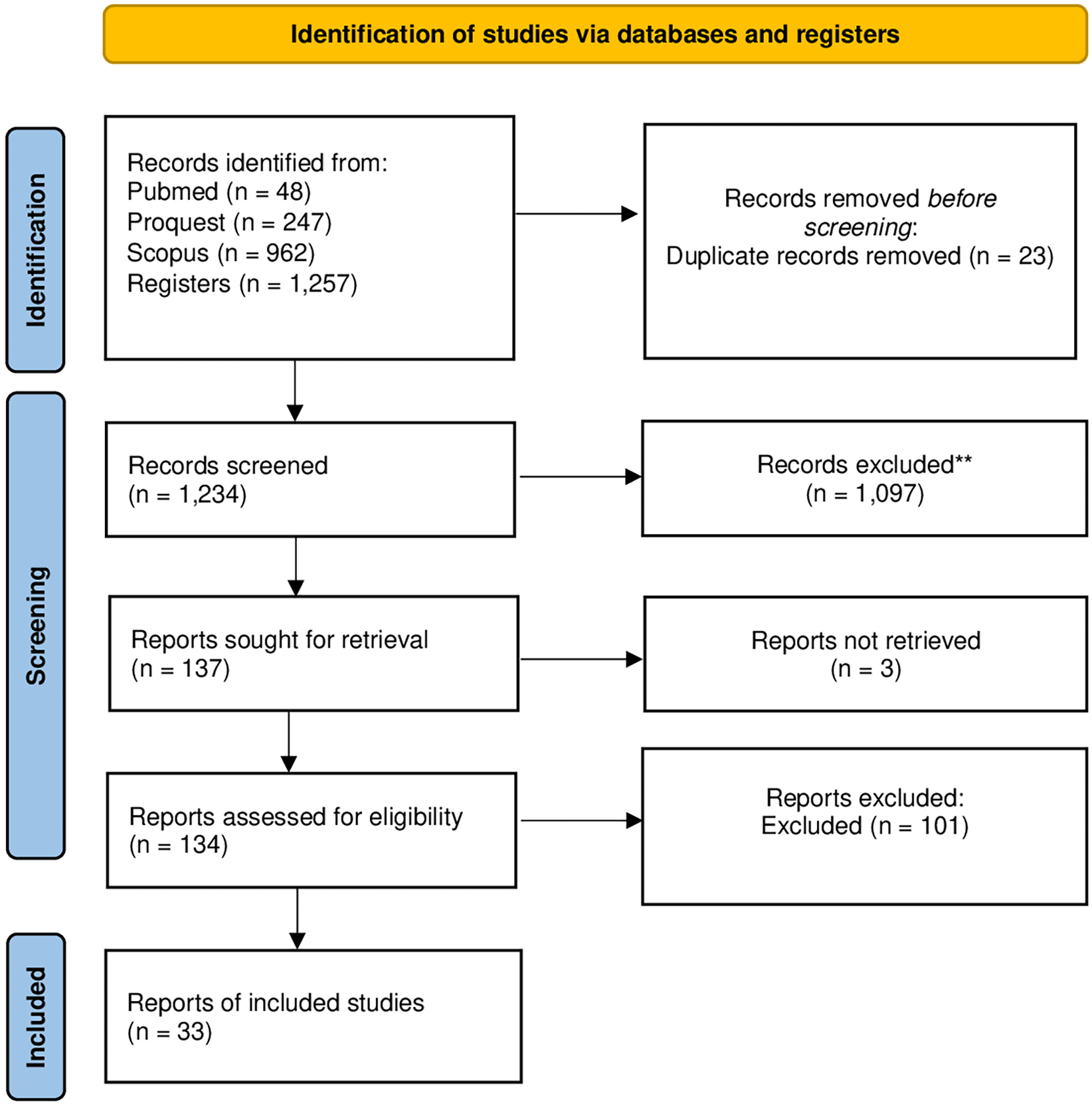
Data collected from previous studies were then mapped into a synthesis table. This synthesis table provides details of the articles, including the author's name, year of publication, publication title, research objectives, methods, population and sample, results, and conclusions. The full synthesis analysis of the included studies is available as Extended Data (Extended Data Table 3).
Thirty-three articles were included across five regions: Asia, North America, South America, Europe, and the Middle East. The majority of studies were selected from Asia (21 studies). The country contributing the most studies was China, with a total of 5,38,45,49,51,54 followed by Saudi Arabia with 4 studies,22,39,41,48 Thailand with 3 studies,37,44,50 and Iran with 2 studies.46,53 Other contributing countries included Singapore,18 Malaysia,31 Vietnam,34 Turkey,27 Lebanon,13 and Nepal.42,56 Studies from Europe were represented by Italy29 and Lithuania,36 while North America was represented by the United States.30,35,52 Additionally, some studies originated from Middle Eastern countries such as Kuwait43 and Bahrain,33 as well as from African countries, including Ethiopia28 and Egypt.40
Based on the study settings, the majority of studies were conducted in hospitals, with a total number of 15.13,18,27,28,29,33,45,54,57 Community settings were used in 10 studies.37,42,44,50,51,52,56 Meanwhile, primary healthcare centers served as study settings in five studies.31,40,41,46,49 Additionally, 3 studies utilized digital platforms or technology as a medium for health education interventions.36,38,51
Among the 33 analyzed articles, various study designs were used to evaluate the impact of health education on improving self-care among patients with T2DM. These studies can be classified as Randomized Controlled Trials (RCTs) (12 studies). This design was the most commonly used experimental method. These studies include.18,27,32,42,44,45,54 Quasi-Experimental Design (9 studies): include.13,22,27,31,41,51,53 Cross-Sectional Studies (13 studies): These studies examined the relationship between self-care behavior and blood sugar control without providing direct intervention.28,30,33,34,37,40,43,46,47,48,49,52,56 Experimental and Prospective Cohort Studies (4 studies): These studies aimed to examine the long-term effects of self-care interventions on HbA1c control.35,36,38,39 Various methods were used in the studies, including questionnaire surveys to gather self-reported data on self-care behaviors, linear regression analysis to explore relationships between self-care activities and glycemic control, randomized controlled trials (RCTs), and quasi-experimental designs to evaluate the effectiveness of interventions, and HbA1c monitoring to assess the clinical outcomes of DM management.
The scoping review in this study consisted of diverse populations and sample sizes (51 to 2,645 individuals). The meta-analysis conducted through the synthesis of 22 studies included the largest sample size, comprising 2,645 patients with T2DM.18 Meanwhile, the quasi-experimental study conducted in Iran involved the smallest sample size, with only 51 patients.53 Several other studies also involved relatively large sample sizes, including a multinational web-based survey that collected data from 1,854 respondents, and a multicenter study in Thailand that examined 700 patients with T2DM.50 Randomized Controlled Trials (RCTs) demonstrated considerable variation in sample sizes, ranging from 150 participants28 to 612 participants.32 Quasi-experimental studies typically involve sample sizes between 75 and 250 participants,41 with some studies including up to 180 participants.51 Cross-sectional studies also showed a wide range of sample sizes, varying from 120 to 300 participants, such as a study involving 240 patients40 and another with 300 participants.28 Community-based and digital technology-based studies showed notable variation in sample sizes as well, such as an eHealth-based study involving 220 participants38 and an evaluation of the Klinio mobile application with 160 patients with T2DM.36 Several studies focused on specific populations, such as a study with 200 female patients with T2DM in Saudi Arabia22 and another with 180 elderly participants with T2DM in Thailand.46 Additionally, a study conducted in the United States specifically examined T2DM among men, involving 190 participants.35 Overall, the populations in these studies mainly consisted of adult T2DM patients aged between 40 and 70 years. However, some studies focused on specific groups, including studies that examined elderly patients41 and studies involving female patients.31 This variation in sample sizes highlights the broad scope of the study in evaluating self-care interventions and factors influencing glycemic control among patients with T2DM across different countries and research settings.
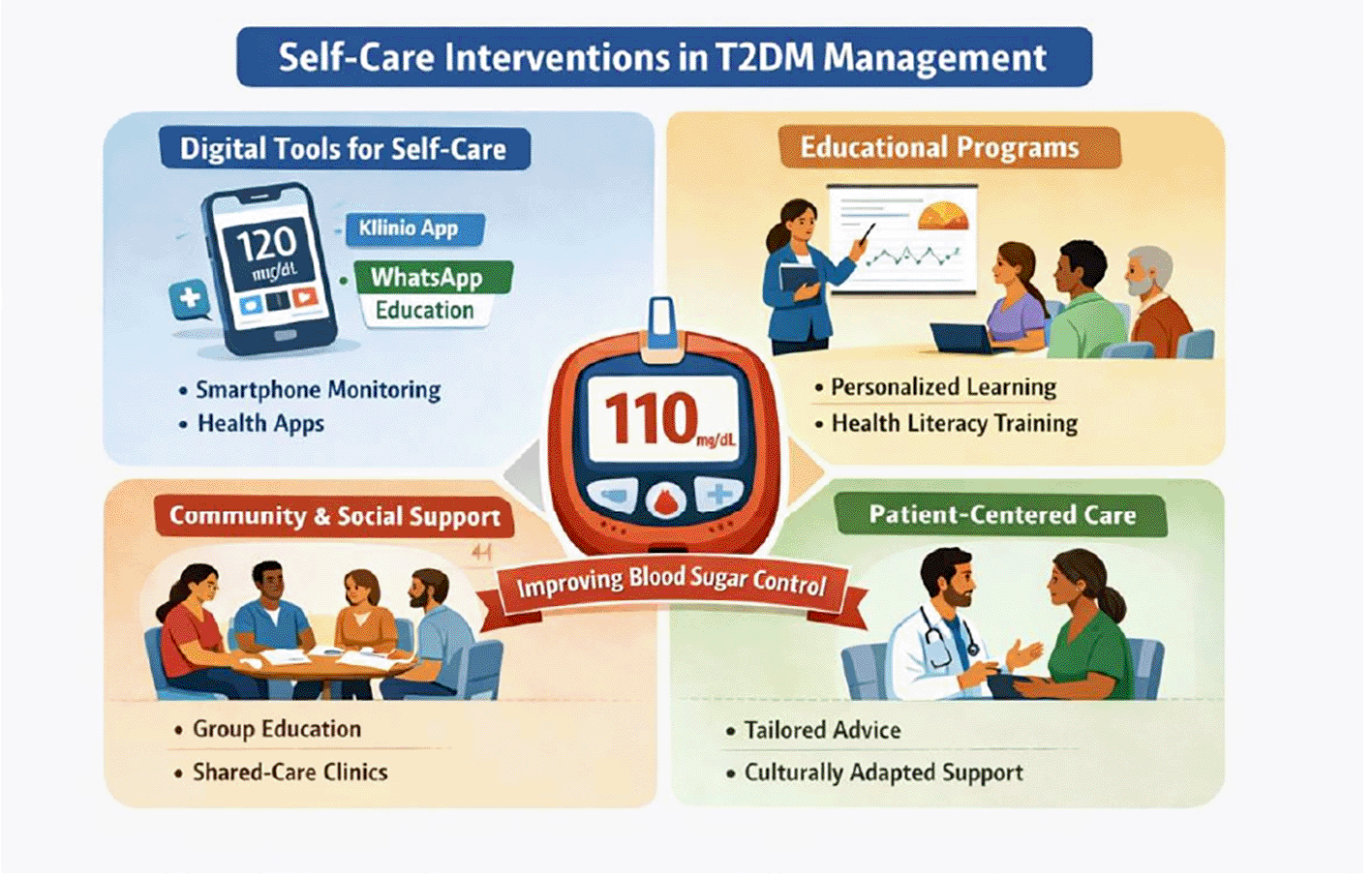
The 33 studies on managing T2DM involved a variety of self-care interventions, incorporating digital technology, educational interventions, and community support. Several studies utilized app-based solutions to enhance patient adherence to self-care routines. For example, one study introduced smartphone-based self-monitoring of blood glucose,18 while others applied the Klinio app and digital monitoring systems to aid in controlling blood sugar levels.36,51 Additionally, platforms such as WhatsApp were used for educational purposes, and eHealth programs were developed to improve patients' understanding of self-care practices.22,38
Beyond digital technology, several studies focused on educational interventions to improve DM management through structured learning and skill-building. A study introduced a subscription-based program for self-monitoring blood glucose, using a mobile platform to provide continuous support and feedback for patients,31 while another study initiative applied a patient-centered self-care approach, integrating personalized education sessions through a digital platform that allowed patients to track their blood glucose levels and receive tailored advice.32 The significance of culturally tailored, patient-centered self-care education was highlighted in multiple studies that used eHealth platforms to deliver personalized content and interactive learning.13,41 An additional study explored how health literacy, through dedicated training modules, contributed to better self-care management by enhancing patients’ ability to navigate DM care.48,50 Moreover, one study examined shared-care clinics where group education sessions, coupled with routine glucose monitoring, were provided to enhance collaborative care and improve patient engagement in DM management.45
Across the 33 studies included in this scoping review, self-care interventions for the management of type 2 diabetes mellitus (T2DM) were categorized into four main approaches: digital self-care interventions,28,31,37,42,57 educational and health literacy interventions,26,34,35,52,53 community and social support,44 and patient-centered approaches26,59 ( Figure 2).
In terms of outcomes, among the 33 studies analyzed, self-care interventions were found to significantly reduce HbA1c levels in patients with T2DM compared to control groups. Several key patterns emerged from the various studies, highlighting the effectiveness of digital technology-based solutions, educational and training-based interventions, patient-centered approaches, and community-based systems in improving glycemic control. Studies implementing digital technology, such as mobile applications, WhatsApp, and eHealth, demonstrated a significant impact on reducing HbA1c levels in patients with T2DM compared to control groups, with statistically significant p-values ranging from <0.05 to <0.001. Studies utilizing digital technology consistently demonstrated reductions in HbA1c. For instance, the use of the Klinio mobile application resulted in an HbA1c level of 7.5% in the intervention group compared to 8.4% in the control group (p< 0.05).36 Another study reported that an eHealth-based DM management application reduced HbA1c to 7.55% compared to 7.52% in the control group, with a significant difference (p = 0.001).38 Using an educational WhatsApp group led to a decrease in HbA1c from 8.61% to 7.92% in the intervention group (p < 0.001). At the same time, no significant change was observed in the control group.22
In addition to digital technology, educational approaches and social support were also effective. A study showed a reduction in HbA1c of more than 0.5% at 3 months post-intervention, which was sustained at 6 months (p = 0.02).13 A telephone counseling intervention based on the IMB model lowered HbA1c from 9.28 to 8.76 in the intervention group, while the control group remained stable at around 9.16 (p < 0.001).27 The PACE-SMI study conducted among South Asian populations also demonstrated a reduction in HbA1c from 8.81% to 8.49% at 3 months post-intervention, compared to 8.74% in the control group, with a statistically significant difference (p = 0.03).32
Meaningful reductions in HbA1c were also observed in studies evaluating self-monitoring of blood glucose and patient-centered education. One study reported a combined mean difference of -0.55 between the intervention and control groups (p < 0.001).18 Another found that HbA1c significantly decreased in the intervention group receiving a self-monitoring package to 7.3% compared to 8.0% in the control group (p = 0.008).38 In Saudi Arabia, a patient education intervention reduced HbA1c from 8.38% to 7.55% after 6 months (p < 0.001).39 The use of glucose monitoring applications resulted in HbA1c of 6.9% in the intervention group compared to 8.1% in the control group (p < 0.05).55 Similarly, the use of the Klinio application led to a lower HbA1c of 7.5% in the intervention group compared to 8.4% in the control group (p < 0.05).36
Beyond digital technology, education, and social support also played a crucial role in enhancing adherence to self-care. Peer support-based interventions reduced HbA1c levels to 7.3% compared to 8.1% in the control group (p < 0.05).35 Similarly, health literacy-based education reduced HbA1c to 7.0% compared to 8.1% (p = 0.04), indicating that improved health literacy contributes to better DM management.37
Patient-centered and target-based approaches were also proven effective in improving glycemic control. A patient-targeted intervention successfully reduced HbA1c to 7.2% compared to 8.4% in the control group (p < 0.05).42 Another study that emphasized patient activation in self-care showed lower HbA1c levels in the intervention group (7.2%) compared to the control group (8.6%, p < 0.001).39
Telephone-based interventions also demonstrated a positive impact on blood sugar control. Telephone counseling based on the IMB model reduced HbA1c to 8.76% compared to 9.28% (p < 0.001),27 while brief motivational interviewing through telephone lowered HbA1c to 7.1% compared to 8.3% (p < 0.05).44
In general, the results of this study reaffirm that self-care approaches, including self-monitoring, education, digital technology, and social support, can enhance patient adherence in managing T2DM and significantly reduce HbA1c levels. This study proves that patient-centered interventions utilizing modern technology can be an effective long-term DM management strategy.
The analysis of 33 studies showed that self-care interventions in managing T2DM are implemented in various forms, such as self-monitoring blood glucose, patient-centered education, and community-based approaches. Several studies examining self-monitoring of blood glucose have shown positive outcomes in blood sugar management. For instance, a study has demonstrated that self-monitoring of blood glucose significantly reduces HbA1c levels. Furthermore, patient-centered education, as implemented, indicated that increased self-care activity could lower HbA1c, with patients who were more active in managing their condition showing better glycemic control.29,31 Despite these positive results, some studies suggest limitations over the long term, with self-care interventions providing short-term benefits but not always sustaining behavior change. This highlights the need to consider sociodemographic factors, such as health literacy and social support, when designing sustainable interventions. Self-care interventions focusing on blood glucose monitoring or patient education can yield significant results in managing blood glucose levels. In general, self-care interventions focused on blood glucose monitoring or patient education can provide significant results in managing blood glucose levels. However, for long-term effectiveness, these interventions should be combined with a more holistic approach that accounts for external factors such as social and psychosocial support.46
In this study, digital technology, particularly mobile applications, has proven effective in enhancing patient adherence to DM management. Studies have shown that smartphone applications used for self-monitoring blood glucose increase routine monitoring and reduce fluctuations in blood sugar levels.18,58 Applications such as Klinio also demonstrated significant reductions in HbA1c, with the intervention group showing better results than the control group investigated.36 Although numerous studies highlight the success of technology in diabetes management, several challenges remain. For instance, some studies indicate that digital technology may not be effective for all populations, particularly in areas with limited access to technology or among individuals less skilled in using digital devices.37 This can limit the positive impact of technology-based interventions for many diabetes patients. Although digital technology offers substantial benefits in facilitating self-monitoring and increasing patient engagement, accessibility, and user competence must be addressed to maximize its impact fully.
A culturally tailored approach has been shown to enhance the effectiveness of self-care interventions in DM management. A study found that culturally tailored self-care education can improve patient adherence to DM management.13 This is particularly relevant in countries with significant cultural diversity, where cultural factors influence how patients perceive and manage their illness. However, some results suggest that cultural factors can hinder the effectiveness of self-care interventions. For instance, cultural beliefs can impede the success of DM education programs, specifically when patients feel that the program does not align with their cultural values.30 This indicates the need for interventions that are more culturally sensitive to ensure they are better accepted by patients.
In general, a culturally tailored approach has shown better results in enhancing the effectiveness of self-care interventions, but they require greater attention to cultural differences and patient beliefs to ensure success. Interventions aligned with cultural values can improve patient engagement in DM management.
In addition to digital technology and culturally tailored education, social and peer support have proven to play an important role in the effectiveness of self-care interventions. Several studies emphasize the significance of support from family, friends, and peer groups in improving adherence to diabetes management. For example, peer support interventions involving diabetes patients in support groups can enhance motivation to engage more actively in DM management.35 The study also indicated that positive social relationships can reduce feelings of loneliness and improve patients’ psychosocial well-being. This support also reduces feelings of loneliness and improves psychosocial well-being. Nonetheless, the type of support received—whether from family, friends, or peers—can vary in quality and influence self-care adherence. Inconsistent or poorly understood support may diminish the benefits of such interventions.40 Social and peer support improve adherence to DM management, but ensuring high-quality, consistent support is crucial for maximizing its impact.
Although the results are promising, several limitations are consistently observed across studies, including Heterogeneity in Study Designs and Measurement Instruments: Variations in research designs and outcome measurement instruments pose a significant challenge in broadly generalizing the results.36,59 Short Intervention Duration: Some studies have short intervention and follow-up durations, making it difficult to assess the long-term sustainability of intervention effects.33,42 Limited Sample Sizes: The small sample sizes in some studies reduce the statistical power and external validity of the results.60
In conclusion, this scoping review indicates that self-care interventions have significant potential to improve glycemic control in patients with T2DM. Education-based interventions, social support, digital technology, and multidisciplinary models have been proven effective in enhancing patient adherence to DM management and reducing HbA1c levels. However, the effectiveness of these interventions varies depending on social, economic, cultural, and healthcare infrastructure factors in different regions. Therefore, a more personalized and evidence-based approach is needed to ensure the sustainability of self-care intervention outcomes.
1. Implementation of Technology in Diabetes Management. Enhancing mobile applications and digital platforms to support patient adherence in blood glucose monitoring and self-care.18,38
2. Development of Culturally Tailored Educational Programs. Ensuring that health education materials are adapted to patients' social and cultural backgrounds to improve intervention effectiveness.13,42
3. Optimization of Social Support. Developing community-based programs to enhance family and social environment involvement supports patient adherence to self-care.34,40
4. Improving Access to Counseling and Motivational Services. Integrating phone-based counseling and motivational approaches into healthcare systems to enhance patients’ self-efficacy in DM management.27,44
| Views | Downloads | |
|---|---|---|
| F1000Research | - | - |
|
PubMed Central
Data from PMC are received and updated monthly.
|
- | - |
Provide sufficient details of any financial or non-financial competing interests to enable users to assess whether your comments might lead a reasonable person to question your impartiality. Consider the following examples, but note that this is not an exhaustive list:
Sign up for content alerts and receive a weekly or monthly email with all newly published articles
Already registered? Sign in
The email address should be the one you originally registered with F1000.
You registered with F1000 via Google, so we cannot reset your password.
To sign in, please click here.
If you still need help with your Google account password, please click here.
You registered with F1000 via Facebook, so we cannot reset your password.
To sign in, please click here.
If you still need help with your Facebook account password, please click here.
If your email address is registered with us, we will email you instructions to reset your password.
If you think you should have received this email but it has not arrived, please check your spam filters and/or contact for further assistance.

Comments on this article Comments (0)