Keywords
Culturally Integrated Learning; SUAVE Model; Multicultural Values; Arts-Based Education; Elementary School Students; Indonesian Culture; Science and Social Studies (IPAS)

Culturally Integrated Learning; SUAVE Model; Multicultural Values; Arts-Based Education; Elementary School Students; Indonesian Culture; Science and Social Studies (IPAS)
The integration of IPAS (social and science education) into cultural education has the potential to greatly enhance students’ comprehension of their cultural heritage and promote intercultural dialogue. Research indicates that the educational programs in Indonesia, which focus on heritage, are varied and strive to raise awareness and foster appreciation among the younger generation. A significant initiative in this regard involves incorporating culture-based learning into primary schools, highlighting the importance of collaboration between teachers and traditional artists to establish an environment that facilitates cultural preservation (Sularso, Sularso., Muhammad, Jazuli., Djuli, Djatiprambudi., Hanshi 2023). Culture-based learning through art plays a pivotal role in cultivating national identity and cultural consciousness among students. This approach to learning is instrumental in developing qualities such as tolerance for diversity, mutual trust, understanding, and respect, as well as fostering openness in thinking, appreciation, interdependence, conflict resolution, and the reconciliation of violence in students. The aforementioned aspects, which include the values of multiculturalism, aesthetics, appreciation, and humanization, are underscored in a paper on multicultural education in the arts and culture (Rizal, Wahyu, Bagas 2018). Furthermore, research by Kristina (2015) demonstrates that culturally integrated learning offers students opportunities to engage with diverse cultures, enhance their intercultural competence, and foster a sense of global citizenship. Thus, the integration of culture into IPAS learning can provide a comprehensive framework for the development of culturally sensitive and socially responsible individuals.
Culturally integrated learning plays a significant role in shaping children’s multicultural values and social competencies, particularly in the context of globalization and technological advancements. Research indicates that culturally integrated learning can enhance multiculturalism values, particularly through the collaboration between teachers and local artists, which facilitates interaction between students and their environment ((Riyanto, Riyanto., Hefry, Johan, Ferdhianzah., Hendrik 2024). Culturally integrated learning is an innovative approach that incorporates local cultural values into the learning process, thereby significantly improving students’ multiculturalism values and academic performance. Additional research demonstrates that culturally integrated learning not only fosters patriotism and cultural understanding but also enhances students’ engagement and comprehension of multicultural values. For example, a study on culturally integrated learning showcased its effectiveness in bolstering multiculturalism values through IPAS learning among elementary school students, underscoring the significance of cultural context in education (Burhanuddin 2024). Nonetheless, challenges persist, such as the preservation of traditional knowledge and the necessity for effective governance in cultural education initiatives (Riyanto, Riyanto., Hefry, Johan, Ferdhianzah., Hendrik 2024). Overall, culture-based learning is emerging as a crucial strategy to enrich the educational landscape while promoting cultural heritage.
In the process of culture-based learning, culture serves as a means for students to convert their observations into innovative forms and principles regarding nature. This approach ensures that students’ role extends beyond mere imitation or passive reception of information, but rather, involves the creation of meaning and understanding from the information they acquire (Prihartini, Y., Buska, W., Hasnah, N., & Ds 2019). Furthermore, substance (learning material) and competence in the field of study or field of science are emphasized in culture-based learning, with a focus on attaining integrated understanding rather than inert knowledge (Plomp, Tj. & Nieveen 2007). As a result, it becomes essential to develop a learning design that effectively incorporates cultural values into social and science education within school settings.
Socios Unidos para Artes Via Education (SUAVE) is an educational program centered on culture-based learning, implemented in California, USA. Its primary objective is to assist teachers in incorporating art objects into the instruction of various subjects, including mathematics, science, social studies, and others. The fundamental principle underlying culturally integrated SUAVE learning is that utilizing art as a pedagogical tool can greatly enhance students’ comprehension of academic content, particularly in relation to recognizing the value of multiculturalism (Goldberg 2021). By applying culturally integrated SUAVE learning to IPAS subjects, students are afforded a more accessible means of improving their understanding of multiculturalism’s significance (Jacobs 2000). Art possesses a distinct capacity to aid students in discerning the importance of multiculturalism. SUAVE represents a learning model in which classroom teachers collaborate with professional artists to acquire the requisite skills for integrating the arts into their curriculum, with the ultimate aim of cultivating an appreciation for multiculturalism. SUAVE thus represents an endeavor to incorporate the arts into the educational process (Saraniero, Patricia, Goldberg, Merryl R, Hall 2014).
The values of multiculturalism, which originate from the noble principles in the philosophy of “Bhineka Tungga Ika,” should be upheld and incorporated into education at all levels. It is imperative for Indonesia to have an educational system that embraces diversity in order to foster societal harmony. This objective aligns with the essence of Article 4, Paragraph 1 of the Law on the National Education System No. 20 of 2003. Solidarity, trust, and tolerance are key characteristics of a civic society, as demonstrated by behaviors such as mutual assistance, a sense of belonging, complete trust in one another, and the ability to remain tolerant despite differing viewpoints (Putnam 1993). Rice and Sumberg (1997) outline four categories that encompass the elements of a civic culture: civic engagement, political equality, solidarity, trust, and tolerance, and social structures of cooperation. In community culture, the community’s attitude towards active involvement in public affairs and the promotion of public interests is vital. Based on the aforementioned analysis, it becomes evident that multicultural values manifest in the promotion of learning to coexist with differences, fostering mutual trust, preserving mutual understanding, upholding mutual respect, encouraging open-mindedness, promoting appreciation and interdependence, resolving conflicts, and facilitating the reconciliation of violence (Zakiyyudin Baidhawy 2005).
The culturally integrated SUAVE model can be utilized to enhance the significance of multiculturalism which reflects societal values and is influenced by the social, cultural, and historical context in society (Saraniero, Patricia, Goldberg, Merryl R, Hall 2014). The fundamental philosophy behind culturally integrated SUAVE learning is that the utilization of arts in teaching can serve as a potent tool for educators to facilitate students’ comprehension of academic subjects, particularly in comprehending the value of multiculturalism (Goldberg 2021; Naz, Afzal, and Khan 2023). By incorporating art-based strategies that are culturally integrated into the IPAS subject, the SUAVE learning approach simplifies the process of students identifying the importance of multiculturalism (Jacobs 2000). Art assumes a distinct role in enabling students to recognize the significance of multiculturalism. SUAVE is a learning model in which classroom teachers collaborate with professional artists to acquire the skills to integrate arts into their curriculum, thereby fostering an understanding of multiculturalism. SUAVE represents an endeavor to incorporate the arts into the educational process (Saraniero, Patricia, Goldberg, Merryl R, Hall 2014).
This study seeks to enhance the multicultural values of elementary school students through investigation of the following research questions:
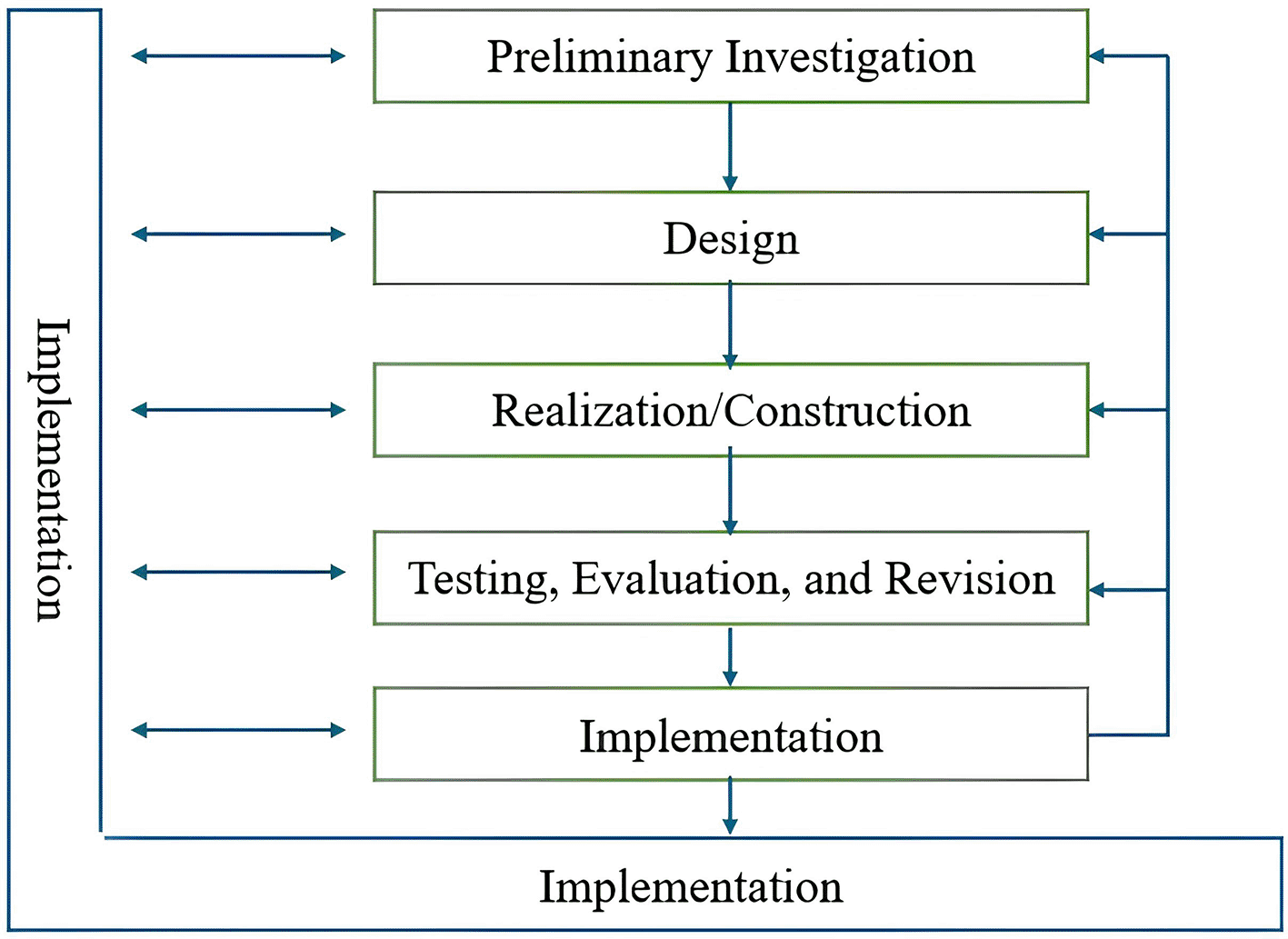
This research focuses on pre-experimental design. However, culturally integrated SUAVE was developed using the Research and Development (R&D) method which aims to produce a specific product and test its effectiveness. The R&D method from Gall, Gall, and Borg (2007) was used to develop the SUAVE learning model integrated with Indonesian culture. This model aims to improve elementary school students’ understanding of multiculturalism values. This development design is adapted from the model proposed by (Plomp, Tj. & Nieveen 2007) for effectiveness using an experimental design, namely pre-experimental. The trial was conducted with three experimental groups in 3 different regions of Indonesia, namely the western, central and eastern parts with purposive sampling techniques with consideration of equal representation of various social and cultural backgrounds. Before being given treatment, students were given a pretest question (initial test) and at the end of learning students were given a posttest question (final test) related to understanding the values of multiculturalism. The experimental research design is presented in Table 2, and the development flow of SUAVE integrated with Indonesian culture can be seen in Figure 1.
| Group | Pre-test | Treatment (SUAVE integrated with Indonesian culture) | Post-test |
|---|---|---|---|
| E1 | Y1 | X | Y2 |
| E2 | Y3 | X | Y4 |
| E3 | Y5 | X | Y6 |
This study involved elementary school students in Indonesia, specifically 5th grader students hailing from diverse regions that mirror the cultural diversity of Indonesia, namely Western Indonesia, Central Indonesia, and Eastern Indonesia. The overall number of participants involved in this study amounted to 360 students from nine elementary schools, chosen with the intention of achieving a balanced representation across a range of social and cultural backgrounds. The participants were distributed equally, with 120 students from Western Indonesia, 120 students from Central Indonesia, and 120 students from Eastern Indonesia. Table 1 provides a comprehensive overview of the participants’ characteristics.
Table 1 provides an overview of participant characteristics across three regions of Indonesia: Western, Central, and Eastern. It compares the pre-test and post-test mean scores for both female and male participants. In the pre-test, Western Indonesia shows female participants with a mean score of 48.19 and male participants at 51.52. Central Indonesia has a mean of 51.52 for females and 48.52 for males, while Eastern Indonesia shows means of 49.50 for females and 48.83 for males. Post-test results indicate a significant increase in scores across all groups, with Western Indonesia females and males achieving means of 69.50 and 70.16, respectively. Central Indonesia reports mean of 79.49 for females and 70.81 for males, while Eastern Indonesia records mean of 75.33 for females and 60.75 for males. This data suggests a general improvement in scores after the intervention, with some regional variation.
The effectiveness learning desain using SUAVE integrated with Indonesian culture was utilized in the pre-experiment of this study. The independent curriculum in Indonesia includes integrated cultural learning material on SUAVE, which is taught at the 5th grade level in elementary school during the second semester. This material explores cultural diversity through traditional dances, traditional clothing, traditional musical instruments, and traditional weapons. The material served as the central topic in the three groups of this study. Experimental groups E1, E2, and E3 utilized SUAVE integrated with Indonesian culture, which was developed by researchers through a comprehensive research process (Plomp, Tj. & Nieveen, 2007). This process included needs analysis, the development of a prototype of the SUAVE model integrated with Indonesian culture, self-evaluation, small group testing, and field testing, followed by the implementation stage. Prototype I of the model development results underwent review by three expert lecturers and was evaluated through a one-to-one approach, where three expert lecturers observed teachers using the SUAVE model in small groups at a single primary school. The revised results of this process led to the creation of Prototype II, which was used in the small group test involving three primary schools. This led to the refinement of the model, resulting in Prototype III, which was then used in the field testing (large-scale trial) involving a larger group of participants from nine primary schools in Grade 5 classes. The results of this large-scale testing were revised further and became the final SUAVE integrated with Indonesian culture. The last stage in this research process is the implementation stage, which comes after the completion of the experimental stage. The validation process involved three expert lecturers who assessed the material’s aspects, as well as nine IPAS subject teachers who provided expert judgments to ensure that the content of SUAVE integrated with Indonesian culture is suitable for teaching IPAS subjects.
Table 2 shown that the E1, E2, and E3 represent the experimental group, while X denotes the treatment involving the utilization of the SUAVE model integrated with Indonesian culture. Y1, Y2, and Y3 correspond to the pretest for grasping multiculturalism values, and Y2, Y4, and Y6 pertain to the posttest for understanding multiculturalism values. The experimental group implemented the SUAVE model, which integrates Indonesian culture. During this phase, the teacher provided an introduction and stated the objectives. Following this, students were instructed to observe cultural diversity through artwork and artistic objects. Subsequently, the teacher delivered content on ethnic and cultural diversity in Indonesia, collaborating with artists. Students and teachers engaged in questions and answers regarding cultural diversity. Students were then divided into groups of four individuals, and they listened to artist demonstrations that introduced various art forms, techniques, musical instruments, and dances through in-class activities. Moreover, students discussed issues related to cultural diversity.
Figure 2 presents a visual narrative of the transformation in students’ learning experiences before and after the implementation of the culturally integrated SUAVE model. The figure sequentially illustrates how classroom practices shifted from conventional instruction to an arts- and culture-based learning approach designed to strengthen multicultural values. In the first panel (a), the classroom reflects a traditional learning environment in which students, dressed in regular school uniforms, work individually at their desks on written assignments. The atmosphere suggests a teacher-centered, text-based instructional model with limited interaction with cultural artifacts or artistic experiences. Learning at this stage appears predominantly cognitive, emphasizing academic content rather than cultural engagement or social interaction. The second panel (b) portrays a noticeable change in the learning setting following the integration of SUAVE. Although students are still engaged in written tasks, they are now dressed in traditional cultural attire representing different regions of Indonesia. This visual shift symbolizes the incorporation of local culture into classroom activities, indicating that students are beginning to experience learning in a more contextual, culturally responsive, and meaningful way. The classroom environment appears more vibrant and connected to students’ cultural identities. The third panel (c) captures the core essence of the SUAVE model through a scene of artistic performance in the classroom. A student performs a traditional dance while interacting with a younger peer, representing collaboration between learners and the experiential nature of culture-based education. This image emphasizes learning through participation, observation, and artistic expression rather than solely through textbooks. It illustrates how SUAVE integrates arts into education to nurture respect for diversity, appreciation of cultural differences, and deeper understanding of multicultural values.
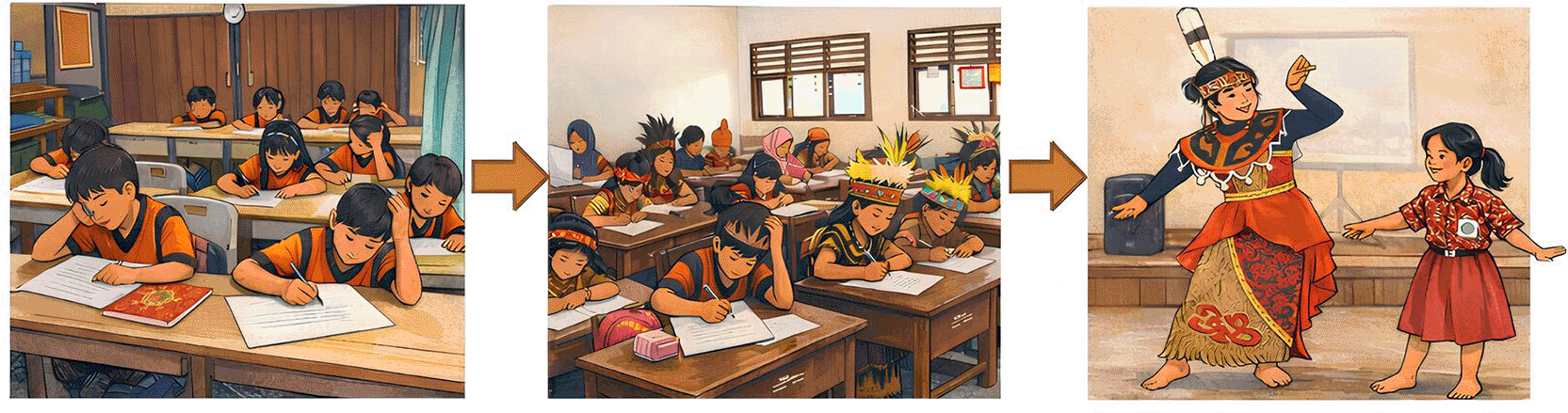
(a) Before SUAVE, (b) After SUAVE, (c) Integrating SUAVE.
Overall, Figure 2 narratively depicts the progression from conventional instruction to a culturally enriched learning model, demonstrating how the integration of SUAVE transforms not only classroom practices but also students’ engagement with culture and multicultural understanding.
This study aims to measure the comprehension of multiculturalism values within the implementation of culturally integrated SUAVIE learning design through the use of a multiple-choice test. The test was administered to students at two different time points: before treatment (Pre-test) and after treatment (Post-test). The test consisted of 10 items, each serving as an indicator of understanding multiculturalism values. These items were adapted from Zakiyyudin Baidhawy (2005) and were further validated by language and content experts in the Indonesian context. The purpose of this multiple-choice test is to evaluate the effectiveness of the culturally integrated suave learning design in the context of IPAS learning in schools.
In this study, data were analyzed using descriptive and inferential statistics with the assistance of the Statistical Package for the Social Sciences (SPSS) version 27 (IBM Corp 2020). The profile of students’ understanding of multicultural values was examined through descriptive analysis. A comparison of pretest and posttest mean scores was conducted to assess differences in multicultural values based on each regional group. A t-test analysis was employed to determine the significance of pretest-posttest differences in the understanding of multicultural values across the selected regions in Western, Central, and Eastern Indonesia. Preliminary tests were conducted prior to the t-test to assess the normality and homogeneity of data distribution (p > .05).
Table 3 indicates that the data are normally distributed.
| Group | p-Pre test | p-Post test |
|---|---|---|
| Western Indonesia | 0.093 | 0.057 |
| Central Indonesia | 0.065 | 0.051 |
| Eastern Indonesia | 0.053 | 0.052 |
Table 4 confirms that the data are homogeneous. Additionally, Cohen’s D (Cohen 2013) was used to evaluate the effectiveness of the SUAVE learning design, which integrates Indonesian culture, in this study.
Informed consent was obtained verbally from all participants’ parents or legal guardians prior to data collection. The researchers provided clear and comprehensive explanations regarding the research objectives, procedures, potential benefits, and the use of de-identified data for academic publication. Verbal consent was considered appropriate in this study due to the involvement of elementary school students in multiple schools across different regions of Indonesia, where written consent procedures could create administrative barriers and reduce participation rates without adding substantive ethical protection. Moreover, many parents were more comfortable providing consent through direct communication with teachers and researchers rather than through formal written documentation. To ensure ethical compliance, classroom teachers and school principals documented that consent had been granted, and participation was entirely voluntary, with students free to withdraw at any time without academic consequences. All data were anonymized to protect participants’ privacy and confidentiality. The study was conducted in accordance with the ethical principles of the 1964 Declaration of Helsinki and its subsequent amendments.
Based on the analysis results, the average differences between the experimental class at two different time frames, pre-test and post-test, are presented in Table 5.
| Pre-test | Post-test | |||||
|---|---|---|---|---|---|---|
| Group | N | Mean | SD | Mean | SD | Mean differences |
| Western Indonesia | 120.00 | 49.85 | 18.65 | 69.83 | 15.39 | 20.00 |
| Central Indonesia | 120.00 | 59.00 | 16.50 | 75.08 | 16.14 | 25.25 |
| Eastern Indonesia | 120.00 | 49.16 | 16.22 | 75.00 | 15.93 | 25.83 |
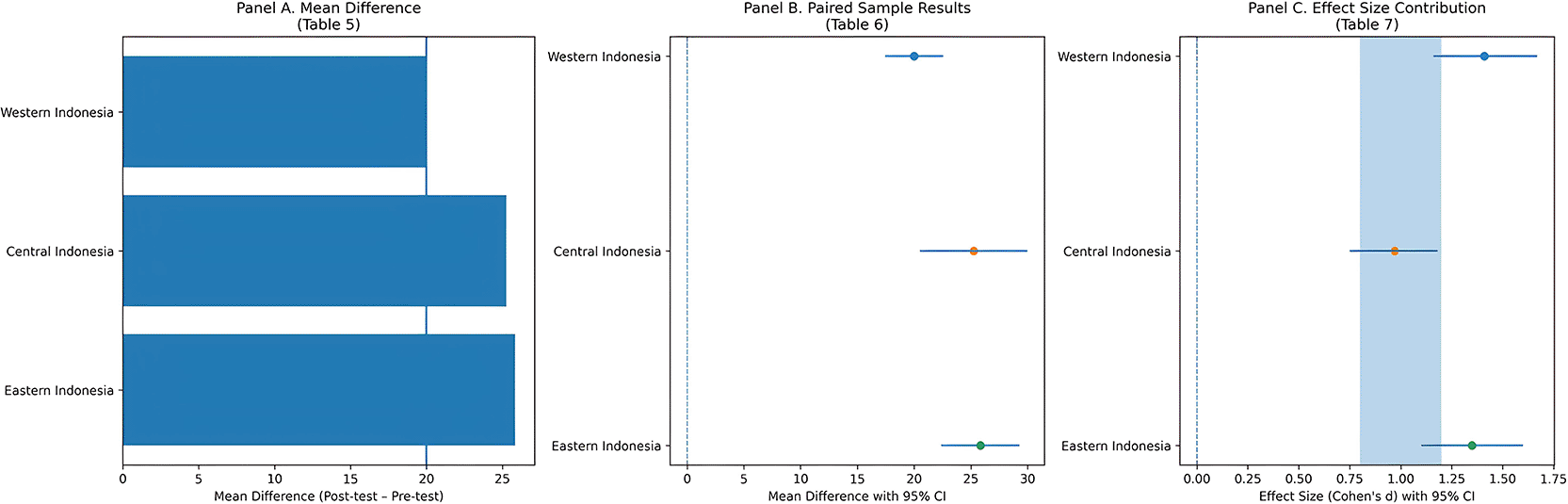
Table 5 presents the mean differences in multiculturalism scores between pre-test and post-test assessments across three regional groups: Western Indonesia, Central Indonesia, and Eastern Indonesia. For the Western Indonesia group, the mean pre-test score was 49.85 with a standard deviation of 18.65, while the post-test mean score increased to 69.83 with a standard deviation of 15.39, resulting in a mean difference of 19.98. In Central Indonesia, the pre-test mean score was 59.00 with a standard deviation of 16.50, and the post-test mean score was 75.08 with a standard deviation of 16.14, showing a mean difference of 16.08. Lastly, the Eastern Indonesia group had a pre-test mean score of 49.16 with a standard deviation of 16.22, which increased to 75.00 in the post-test with a standard deviation of 15.93, yielding the highest mean difference of 25.84. These results suggest that all regions showed an improvement in multiculturalism scores from pre-test to post-test, with Eastern Indonesia exhibiting the most significant increase.
The increase in pre-test and post-test multicultural values was analyzed across the different research areas, including Western Indonesia, Central Indonesia, and Eastern Indonesia. To examine the significance of the improvement brought by the SUAVE learning design integrated with Indonesian culture in science and social studies education, a paired sample t-test was conducted in this study, as presented in Table 6.
Table 6 presents the results of the paired sample t-test, which was conducted to assess the significance of the difference in multiculturalism scores between the pre-test and post-test across three regional groups: Western Indonesia, Central Indonesia, and Eastern Indonesia. For the Western Indonesia group, the mean difference between pre-test and post-test scores was 20.00, with a standard deviation (SD) of 14.14 and a standard error (S.E) of 1.29. The 95% confidence interval for this difference ranged from 17.44 to 22.56, with a t-value of 15.49, degrees of freedom (df ) of 119, and a p-value of 0.00, indicating a statistically significant improvement. In the Central Indonesia group, the mean difference was 25.25, with a higher standard deviation of 26.15 and a standard error of 2.39. The 95% confidence interval ranged from 20.52 to 29.98, with a t-value of 10.58, df of 119, and a p-value of 0.00, also showing significant improvement. The Eastern Indonesia group demonstrated a mean difference of 25.83, with a standard deviation of 19.08 and a standard error of 1.74. The 95% confidence interval for this group ranged from 22.38 to 29.28, with a t-value of 14.83, df of 119, and a p-value of 0.00, further confirming a significant increase in multicultural values. Overall, these results indicate that the SUAVE learning design integrated with Indonesian culture significantly improved multiculturalism scores across all three regions, with all p-values being 0.00, reflecting high statistical significance.
The effective contribution of the SUAVE learning design integrated with cultural elements to the understanding of multicultural values can be observed in Table 7, based on the analysis of effect size contribution (Cohen’s D). The effect size categories are defined as follows: negligible (0–0.19), small (0.2–0.49), medium (0.5–0.79), and large (0.8 and above) (Cohen 2013).
For the Western Indonesia group, the effect size (Cohen’s d) is calculated at 1.41, with a point estimate of 1.41 and a 95% confidence interval ranging from 1.16 to 1.67. This indicates a large effect size, suggesting that the SUAVE learning design had a significant impact on multiculturalism understanding in this region. In the Central Indonesia group, the effect size is lower at 0.97, with a 95% confidence interval between 0.75 and 1.18. Although slightly lower than in Western Indonesia, this still represents a large effect size, indicating substantial improvement in multiculturalism understanding due to the learning design. Finally, the Eastern Indonesia group shows an effect size of 1.35, with a 95% confidence interval from 1.10 to 1.60. This also falls into the large effect size category, demonstrating a strong contribution of the SUAVE learning design to enhancing multicultural values in this region. Overall, the large effect sizes across all three regions suggest that the SUAVE learning design integrated with cultural elements is highly effective in improving students’ understanding of multicultural values.
Figure 3 presents a comprehensive visualization of the improvement in students’ multicultural values following the implementation of the culturally integrated SUAVE learning model across three Indonesian regions: Western Indonesia, Central Indonesia, and Eastern Indonesia. Panel A illustrates the mean differences between pre-test and post-test scores for each regional group, showing consistent increases in multicultural values after the intervention. Panel B displays the paired sample results using mean differences with 95% confidence intervals, indicating statistically significant improvements in multicultural values across all regions. Panel C depicts the effect size estimates (Cohen’s d) with corresponding 95% confidence intervals, demonstrating large effect sizes in all regional groups. Overall, the figure indicates that the integration of Indonesian cultural elements into the SUAVE learning model had a substantial and statistically significant impact on enhancing students’ multicultural values across diverse geographical contexts.
The effectiveness of the SUAVE model integrated with Indonesian culture, developed for science and social studies education, was assessed by comparing the improvement in students’ understanding of multicultural values across three regional groups: Western Indonesia, Central Indonesia, and Eastern Indonesia. Descriptively, it can be concluded that the Western Indonesia group had a pre-test mean of 49.85, which increased to a post-test mean of 69.83. The Central Indonesia group had a pre-test mean of 59, with a post-test mean of 75.98. The Eastern Indonesia group started with a pre-test mean of 49.16 and showed an increase to 75 in the post-test. These differences indicate significant changes from pre-test to post-test across all groups, demonstrating the effectiveness of the SUAVE model integrated with cultural elements. This finding is supported by research from Komalasari, Abdulkarim, and Saripudin (2018), which indicates that integrated cultural learning can enhance multicultural values in science and social studies education.
The study’s results further show that the differences between pre-test and post-test scores for multicultural understanding were statistically significant, with a p-value of <.001, compared to the significance threshold of <.005. This indicates a clear improvement in students’ understanding of multicultural values in all three regions: Western Indonesia, Central Indonesia, and Eastern Indonesia. Cultural education in schools can enhance multicultural values, tolerance, and social justice, fostering harmony among diverse students and promoting an integrated society (Tuti, Budirahayu., Muhammad, Sukri 2021; Setiyonugroho, Umasih, and Kurniawati 2022). This is further supported by research from Subiyakto, Susanto, and Mutiani (2018), which found that integrated cultural learning, particularly in science and social studies subjects, can increase multicultural values by making students more sensitive to social issues rooted in diversity and fostering unity through the appreciation of differences within Indonesian society. Rahmawati (2017) also emphasizes that multicultural values can be integrated into elementary science and social studies education to promote harmony and peace among students from diverse backgrounds.
The integration of culture in education can also enhance multicultural values, foster respect, understanding, and bridge cultural gaps in the learning process (Deocampo 2015; Tamang 2022). Incorporating diverse cultural perspectives in education is crucial for creating a harmonious and value-rich learning environment in multi-racial and multi-cultural societies (Chamisah and M. Daud 2017; Zhu 2018). Therefore, developing educational models that integrate culture is essential, one of which is the development of the SUAVE model that incorporates the diverse cultures of Indonesia. The cultures integrated into this SUAVE model come from West Kalimantan (Western Indonesia), West Nusa Tenggara (Central Indonesia), and West Papua (Eastern Indonesia). The cultural elements include traditional clothing, musical instruments, dances, and weapons. The SUAVE learning desain also involves collaboration between teachers and artists in the learning process. This model fosters a creative learning environment by bringing together artists and teachers, thereby enhancing students’ competence across various subjects (Collard et al. 2016). This is supported by research from Beth Berghoff and Cindy Bixler (2016), which found that collaboration between teachers and artists in education can increase student engagement in learning, thereby enhancing multicultural values.
Multicultural values emphasize the importance of tolerance, mutual respect, maintaining harmony, respecting differences, and other principles that are more aligned with individual humanistic philosophy than collective social issues. However, a model is about concepts and strategies to turn these abstract concepts into tangible actions in everyday life. When students understand the concept of multiculturalism, it is expected that they will also be able to apply it in diverse environments (Hakam 2018). Therefore, it is essential for students to have an understanding of multicultural values. In Indonesian schools, multicultural values include democracy, pluralism, and humanism, which foster respect for diverse perspectives and enhance cross-cultural understanding (Arini, Noor, Izzati., Liliana, Muliastuti., Zainal 2023; Pranata, Aman, and Setiawan 2020; Ratmaningsih et al. 2018; Nugroho 2019). Understanding multicultural values requires awareness from each local culture to recognize and respect cultural diversity, wrapped in a spirit of harmony and peace, so that multicultural issues can be minimized and do not escalate into disintegration, such as discrimination, violence, and injustice, which are often rooted in cultural differences. The results of the study found that students had acquired multicultural values after participating in learning using the SUAVE model integrated with Indonesian culture. SUAVE learning involves artists in introducing the culture of each region by showcasing musical instruments, regional dances, traditional clothing, and traditional weapons, allowing students to understand the diversity around them. This understanding of diversity enables students to appreciate differences, foster attitudes of tolerance, mutual trust, and openness towards diversity. This is supported by the opinion of Sjamsi, Pasandaran, Dasim Budimansyah, and Theodorus (2024), who state that multicultural values in Indonesia are based on Pancasila, emphasizing cultural identity, rights, equality, knowledge, and the empowerment of schools to strengthen cultural diversity without losing identity in the global society. Multicultural values in Indonesia are promoted through culturally integrated learning aimed at fostering empathy, respect, and understanding of various religions and cultures, cultivating a pluralistic and democratic society (Panuntun and Aziz 2023; Stan 2020; Slamet et al. 2022).
The research results indicate a difference in pre-test and post-test scores regarding the understanding of multicultural values. There was a significant increase in the pre-test and post-test scores in understanding multicultural values across the regions of Western Indonesia, Central Indonesia, and Eastern Indonesia. The SUAVE model integrated with Indonesian culture proved effective in enhancing the understanding of multicultural values. The culturally integrated SUAVE learning approach can be utilized to improve students’ understanding of multicultural values because this learning design directly involves students in using cultural artifacts, such as traditional musical instruments.
This study requires further research due to its limitations, primarily in the selection of a sample that was restricted to 5th-grade students in only three provinces in Indonesia. Additionally, the study did not include a control group, making it challenging to analyze the differences between the culturally integrated SUAVE learning and the overall science and social studies curriculum at various elementary school levels. For future research, it is recommended to use a quasi-experimental design to test effectiveness by comparing the learning outcomes of students in the experimental group with those in a control group. This approach would allow for a clearer assessment of the direct impact of the learning model compared to not applying the model at all.
The findings of this study have several important theoretical, practical, and policy implications for multicultural education and culturally responsive pedagogy in Indonesia.
This study contributes to the literature on arts-integrated and culture-based education by demonstrating that the SUAVE model, when contextualized with Indonesian cultural elements, can effectively enhance students’ understanding of multicultural values. The results support theoretical perspectives that emphasize the role of experiential and arts-based learning in fostering social, cultural, and emotional competencies alongside academic learning. The study also strengthens the argument that multicultural values are not merely cognitive constructs but can be meaningfully developed through lived cultural experiences in the classroom.
For teachers, the study suggests that integrating local culture, arts, and community artists into classroom instruction can make learning more engaging, meaningful, and socially relevant for students. The SUAVE approach encourages a shift from textbook-centered teaching to experiential, participatory, and collaborative learning. Teachers are therefore encouraged to incorporate traditional arts, cultural artifacts, and community-based learning activities into IPAS (science and social studies) and other subjects to promote deeper multicultural understanding.
The results indicate that culturally integrated learning designs such as SUAVE can be effectively embedded within Indonesia’s independent curriculum (Kurikulum Merdeka), particularly in IPAS and character education. Curriculum developers should consider formally integrating arts-based and culture-based pedagogies into national learning frameworks to strengthen students’ appreciation of diversity, national identity, and social cohesion.
The study highlights the importance of collaboration between schools and local artists, cultural practitioners, and communities. Such partnerships not only enrich classroom learning but also support cultural preservation and intergenerational knowledge transmission. Schools are encouraged to build sustainable collaborations with local cultural institutions and artists to create authentic learning experiences for students.
At the policy level, educational authorities should support teacher professional development programs that train educators in arts integration and culturally responsive teaching. Additionally, policies that promote the inclusion of local cultural content in formal education can contribute to national unity while respecting regional diversity. Funding and institutional support for culture-based learning initiatives are essential to scale up models such as SUAVE across different regions of Indonesia.
This study implies that culturally integrated learning through SUAVE is not only an effective pedagogical strategy but also a meaningful approach to nurturing tolerant, empathetic, and culturally aware citizens in a diverse society.
Despite its contributions, this study has several limitations that should be acknowledged and addressed in future research. First, the sample was limited to fifth-grade elementary school students from only three provinces representing Western, Central, and Eastern Indonesia. Although these regions reflect Indonesia’s cultural diversity, the findings cannot be fully generalized to all elementary students across the country or to other grade levels. Future studies should include a broader and more diverse sample involving multiple provinces, school types (urban–rural), and different grade levels to enhance external validity.
Second, this study employed a pre-experimental design without a control group. As a result, it is not possible to conclusively compare the effectiveness of the culturally integrated SUAVE model with conventional IPAS instruction. Future research is recommended to adopt a quasi-experimental or true experimental design with both experimental and control groups to provide stronger causal evidence regarding the impact of SUAVE on students’ multicultural values.
Third, the measurement of multicultural values relied solely on a multiple-choice test. While this instrument was validated by experts, it primarily captures cognitive understanding rather than students’ attitudes, behaviors, and lived experiences of multiculturalism. Future research should incorporate mixed-method approaches, including observations, interviews, reflective journals, and performance-based assessments, to obtain a more holistic understanding of how SUAVE influences students’ multicultural competence.
Fourth, this study focused mainly on short-term learning outcomes by comparing pre-test and post-test results immediately after the intervention. The long-term impact of SUAVE on students’ multicultural values remains unknown. Future studies should include longitudinal designs to examine whether the positive effects of SUAVE are sustained over time.
Finally, this research integrated selected cultural elements such as traditional dance, clothing, musical instruments, and weapons from specific regions. Future studies could explore the integration of a wider range of cultural expressions, including local stories, crafts, community traditions, and digital cultural resources, to further enrich SUAVE-based learning and its impact on multicultural education.
Addressing these limitations will strengthen empirical evidence on culturally integrated SUAVE learning and contribute to the development of more inclusive, effective, and culturally responsive educational practices in Indonesia.
Informed consent was sought for all participants for participation in the project, and for their de-identified data to be used for publication. The research was performed in accordance with the ethical standards as laid out in the 1964 Declaration of Helsinki and its later amendments or comparable ethical standards.
Ethical research permission was obtained by researchers from the International Institute of Science and Business (ISBI) Singkawang, and the Directorate of Research and Community Service (DPPM) of the Ministry of Higher Education, Science and Technology (Kemdiktisaintek) [0459/E5/PG.02.00/2024] 20th June 2024.
| Views | Downloads | |
|---|---|---|
| F1000Research | - | - |
|
PubMed Central
Data from PMC are received and updated monthly.
|
- | - |
Provide sufficient details of any financial or non-financial competing interests to enable users to assess whether your comments might lead a reasonable person to question your impartiality. Consider the following examples, but note that this is not an exhaustive list:
Sign up for content alerts and receive a weekly or monthly email with all newly published articles
Already registered? Sign in
The email address should be the one you originally registered with F1000.
You registered with F1000 via Google, so we cannot reset your password.
To sign in, please click here.
If you still need help with your Google account password, please click here.
You registered with F1000 via Facebook, so we cannot reset your password.
To sign in, please click here.
If you still need help with your Facebook account password, please click here.
If your email address is registered with us, we will email you instructions to reset your password.
If you think you should have received this email but it has not arrived, please check your spam filters and/or contact for further assistance.

Comments on this article Comments (0)