Keywords
Anti-angiogenesis, chemotherapy, immunotherapy, lung cancer, colorectal cancer, hepatocellular carcinoma.

Anti-angiogenesis, chemotherapy, immunotherapy, lung cancer, colorectal cancer, hepatocellular carcinoma.
Holding the responsibility for 25% of human mortality, cancer embraces a position in the list of the 10 life-threatening diseases worldwide.1 Common cancer therapies, which are traditional, include surgery, radiotherapy, and chemotherapy. Usually, these interventions only treat symptoms, and their procedures are passive. Although treatment methods have been enhanced, most cancer cells are irresponsive to traditional therapies due to the specificity of tumors, hindering the efficacy of these approaches.2 Therefore, other strategies, which are more efficient, have been sought to target malignancies specifically.
The evolution of systemic therapies in oncology beyond conventional cytotoxic chemotherapy has been marked by significant advancements across various cancer types, such as hepatocellular carcinoma (HCC) and breast cancer.3–5 This has revolutionized treatment paradigms, improving patient outcomes and survival rates, thus reflecting a broader trend in oncology towards precision oncology, which is the approach of tailoring cancer therapy according to the genetic, molecular, and clinical characteristics of a patient’s tumor to enhance outcomes.6 Systemic therapy has become even more nuanced, incorporating biological mechanisms, systematic inflammatory markers such as neutrophil-to-eosinophil ratio (NER),7 and patient-specific biomarkers like cachexia index (CXI)8 to further improve efficacy and safety. This further highlights the association between inflammation and immune function in patients receiving systemic therapy, as well as the interplay between cancer-associated metabolic deterioration and prognosis.7,8
Given the fact that it is essential for cancer cells to receive oxygen and nutrients for their growth and division, induction of new vessels must take place, and this process is termed angiogenesis.9 This process has a strong association with hypoxia, and its regulation is held by many growth factors and receptors like vascular endothelial growth factor (VEGF), hypoxia-inducible growth factor (HIF), VEGF receptor (VEGFR), fibroblast growth factor-2 (FGF2), and platelet-derived growth factor (PDGF).10 Consequently, it was suggested that by inhibiting these signaling pathways alongside angiogenesis, cancer can be treated effectively.11
Other advanced cancer therapies include cancer immunotherapy, especially immune checkpoint therapy targeting programmed cell death-1 (PD-1), PD-1-ligand-1 (PD-L1), and cytotoxic T-lymphocyte antigen 4 (CTLA-4).12 This approach has evolved from the “immune surveillance” hypothesis, by which tumor cells get recognized and killed by the immune system of the host. Nevertheless, during cancer cells development, they pass through this surveillance system, emerging as cancer.13
Although these therapies have resulted in dramatic effects and led to long-term survival benefits in some cancers, some patients might face resistance or intolerance to any type of therapy despite its initial positive outcomes. Therefore, advancing oncological practice and considering other approaches, whether alone or in combination, based on ground study findings, is critical to ensuring safe and efficacious anti-tumor effects of agents. This becomes more paramount when dealing with the deadliest cancer types worldwide, namely lung cancer (Incidence rate: 11.4%, Mortality rate: 18.0%), colorectal cancer (CRC) (Incidence rate: 11.8%, Mortality rate: 9.2%), and hepatocellular carcinoma (HCC) (Incidence rate: 4.7%, Mortality rate: 8.3%) according to GLOBONCAN 2020 statistics, which place a heavily growing burden globally.14 Emphasizing these cancer types ensures a more fruitful assessment of treatment lines since enhancing patient safety and therapy effectiveness in these contexts could result in significant benefits in patient outcomes and survival rates.
This highlights the importance of analyzing a broad spectrum of treatment challenges uniquely through a systematic review of the safety and efficacy of traditional chemotherapy in comparison to targeted therapy across the most fatal cancer types. Therefore, this paper aims to shape clinical guidelines comprehensively, optimize treatment algorithms, and make contributions to ongoing efforts in precision oncology by reinforcing the role of targeted therapy in enhancing patient outcomes, especially when chemotherapy has limited efficacy or significant toxicity in certain settings.
This is a systematic review paper that was conducted according to PRISMA (preferred reporting items for systematic reviews and meta-analyses) guidelines (supplementary table S1, figshare repository).15
Type of studies
This review included published or unpublished randomized controlled trials comparing chemotherapy with targeted therapy or vice versa in terms of safety and efficacy in adults regardless of whether personnel and patients were blinded or not since this comparison implies the administration of drugs with different routes and schedules. If chemotherapy is not the standard of care in a certain cancer type, studies comparing one therapy with a placebo or another in the same class were exempted.
Non-randomized trials or trials comparing one therapy with a placebo or another in the same class despite the existence of trials conducting a comparison between chemotherapy and targeted therapy in literature were excluded. This allows for preserving the methodological rigor of this systematic review since RCTs offer the most reliable evidence by lessening selection and confounding biases, aligning with recommendations by major evidence-based medicine frameworks, such as Cochrane and GRADE. Likewise, excluding trials conducting comparison between one therapy with placebo or with agents within the same class ensures shedding the focus of this review on the direct comparison of chemotherapy with targeted therapy to improve the relevance and practicality of findings to real-world modality decisions. Moreover, non-randomized trials were excluded to ensure the highest level of evidence and lessen any risk of confounding and selection bias through non-random allocation, which could distort estimates of treatment effect. Also, given the clinical and biological heterogeneity of the selected cancer types for the review and the intricacy of targeted therapy mechanism of action, high internal validity is crucial to draw reliable conclusions about the outcomes of comparison.
Patients’ characteristics
Eligible studies for the inclusion involved adult patients aged 18 years or older (an exception was given to a study recruiting those aged 17 years old and greater), regardless of their gender or ethnicity, and who were diagnosed with any of the top three deadliest cancer types, including lung cancer, CRC, or HCC. Including those aged 18 and above provides a reflection of the transition into adult oncology care, which coincides with the standard clinical trial age cutoffs and ensures the external validity of the results to the adult population, that typically receives systemic therapy. This restriction in age minimizes the confounding bias arising from paediatric cancer biology, treatment guidelines, and pharmacokinetic profiles, which vary notably from those in adult populations. Additionally, regulatory frameworks and clinical protocols for systemic therapies are generally derived from adult data, justifying why policy relevance and clinical applicability must focus on the adult group. Besides, it ensures comparability across studies since most RCTs exclude paediatric patients, thus enhancing the consistency and interpretability of data.
No restrictions on the duration of follow-up were set to enable capturing a wide spectrum of patients, ensuring the study results generalizability.
Types of interventions
Any type of anti-cancer regimen of chemotherapy with any number of agents, in any dose, dosage form, frequency of administration, or duration of therapy used for treating the top three deadliest cancer types, that was compared with any other control group (targeted therapy of anti-angiogenic agents or immunotherapy) or vice versa were included.
Types of outcome measures
Studies to be included must at least report one of the efficacy outcomes of interest to this paper review, such as:
• Overall survival (OS)
• Objective response rate (ORR)
• Response Rate (RR)
• Complete response (CR)
• Partial response (PR)
• Stable disease (SD)
• Duration of Response (DoR)
• Disease-free survival (DFS)
• Progression-free survival (PFS)
They must also have data on the safety of agents by reporting at least grade 3 or greater adverse events.
The safety and efficacy between chemotherapy and anti-angiogenic agents or immunotherapy in treating lung cancer, CRC, and HCC were searched in literature over 14 days (12 January- 25 January 2024) via the use of scientific health databases. They include PubMed, Cochrane, Google Scholar, EMBASE, and Web of Science. A recent search was also conducted over 7 days (1 June-7 June 2025) to capture recent articles on the same topic. Relevant keywords were searched for in every database engine and included “lung cancer”, “CRC”, “liver cancer”, “targeted therapy”, “anti-angiogenesis”, “chemotherapy”, “immunotherapy”, “safety”, “toxicity”, and “efficacy”. Besides, a filter was used to limit the type of studies searched for to randomized trials. Consequently, 412 articles popped up.
Before the screening process, articles were removed if they were duplicates and judged independently by authors for ineligibility. The authors then assessed the titles and abstracts of citations. Full versions of potentially relevant trials were retrieved for further eligibility evaluation based on the inclusion criteria. Any disagreements between authors were resolved by discussion.
A data extraction table (supplementary table S2, figshare repository)15 was designed and tested before recording the results. For eligible studies, two authors extracted data that fulfilled the study objective, including data on authors and date of publication, study design, duration of follow-up, cancer type and stage (if available), age range of participants, number of subjects in every arm, interventions, as well as safety and efficacy outcome results. Two other authors independently revised the recorded data.
Although data screening, extraction, and interpretation were performed manually by the authors of this systematic review, semi-automated software tools were employed to facilitate data management. EndNote (Clarivate, Philadelphia, PA, USA) was utilized for the purpose of importing search results, managing citations, and removing duplicates, whereas DistillerSR (Evidence Partners, Ottawa, Canada) was used to consistently structure data extraction forms and arrange reviewer inputs. Tabulation of the results was conducted manually on MS Word software. Nevertheless, using the semi-automated tools helped lessen human error and enhanced reproducibility. No fully automated tools were employed without author supervision, and any discrepancies between authors were resolved through discussion.
Initially, outcome domains that are relevant to the review question, such as the efficacy and safety of interventions were identified, and within every domain, primary outcome measures, mainly OS, as well as secondary measures, which were specified in each study protocol, were prioritized. Afterward, all relevant results were comprehensively collected based on their compatibility with each domain across the selected studies. Besides, all available measures and analyses were sought, and outcome measurement consistency across studies was considered to assist comparability. Furthermore, publication bias was minimized by avoiding the restriction of search to only include published articles.
Aside from data on outcome measures, participant and intervention characteristics were gathered across the selected studies. Participant characteristics included their age, cancer type, and number in every arm. On the other hand, data on intervention characteristics were related to the class of the intervention, as well as the medications falling under it and any co-interventions or concomitant care provided. Data on study design and duration of follow-up were also gathered. Missing or unclear data in the original publications were dealt with by going back to the published study protocol for clarification.
By undertaking these rigorous measures, a comprehensive synthesis of the available evidence was aimed at while decreasing any risk of bias.
All the review authors independently assessed every included study using the second version of the Cochrane Collaboration tool for assessing risk of bias (supplementary tables S3 provide supporting statements for judgment).15 This tool is structured into a set of bias domains. The overall risk of bias was considered high when at least two domains were ranked as high.
A summary of the assessment of risk of bias was presented in two figures; one summarizes bias items across all studies, and the other demonstrates a cross-tabulation of every trial by all of the risk of bias domains and was created using robvis, a visualization tool. More details were presented in the results section.
In terms of efficacy outcomes, the most commonly reported effect measures among studies were median outcomes or hazard ratios (HR), whilst for safety outcomes, they were mainly presented as percentages and analyzed in some studies as HRs.
A meta-analysis was not feasible owing to the heterogeneity of the interventions and cancer types, as well as considerable clinical and methodological heterogeneity across studies (differences in treatment regimens), hindering the statistical pooling of data. Instead, data for this systematic review were synthesized in various stages. Initially, they were extracted in the designed table by two independent authors and were revised by other authors. Findings from different studies were cross-checked, organized, and integrated into three main themes, namely Lung Cancer, Colorectal Cancer, and Liver Cancer. Then, results were tabulated by both; theme and outcome measures in supplementary Table S215 to facilitate comparison and enable drawing conclusions. Finally, those results were interpreted in the context of other evidence, and their implications and limitations were discussed.
The certainty of evidence underwent assessment by a multi-step methodology. A narrative synthesis approach was conducted to summarize and synthesize findings from the included studies systematically, taking into consideration factors such as study design, sample size, interventions, significance of results, and relevance to the review question as summarized in supplementary Table S2.15 Also, assessment of the methodological quality and risk of bias in trials were considered to evaluate trials’ overall strength and reliability. The quality assessment tool utilized by every author independently was the modified Jadad Scale (supplementary Table S4, figshare repository),15 where scores from 0 to 3 were interpreted as low quality, whilst studies with methodologies rated from 4 to 8 were considered of high quality. Besides, the risk of bias assessment was conducted for every study as mentioned earlier, underscoring the strengths and limitations in every study design and implementation.
To evaluate the risk of bias arising from missing results, particularly due to reporting biases, a comprehensive two-phase approach was employed. First, multiple electronic databases were searched to locate relevant studies for eligibility in the review. Trial registries (e.g. ClinicalTrials.gov) were looked up to identify unpublished or ongoing trials. Also, the eligibility criteria set did not restrict the publication of studies.
Second, the second version of the Cochrane Collaboration tool for assessing risk of bias was employed, and within it, a great focus was specified on the domain related to selective reporting. Aspects evaluated within it included data analysis according to a pre-specified analysis protocol, which underwent finalization before the availability of unblinded outcome data for analysis, as well as the likelihood of the assessment of the numerical result based on multiple eligible outcome measurements within the outcome domain or multiple eligible analyses of data.
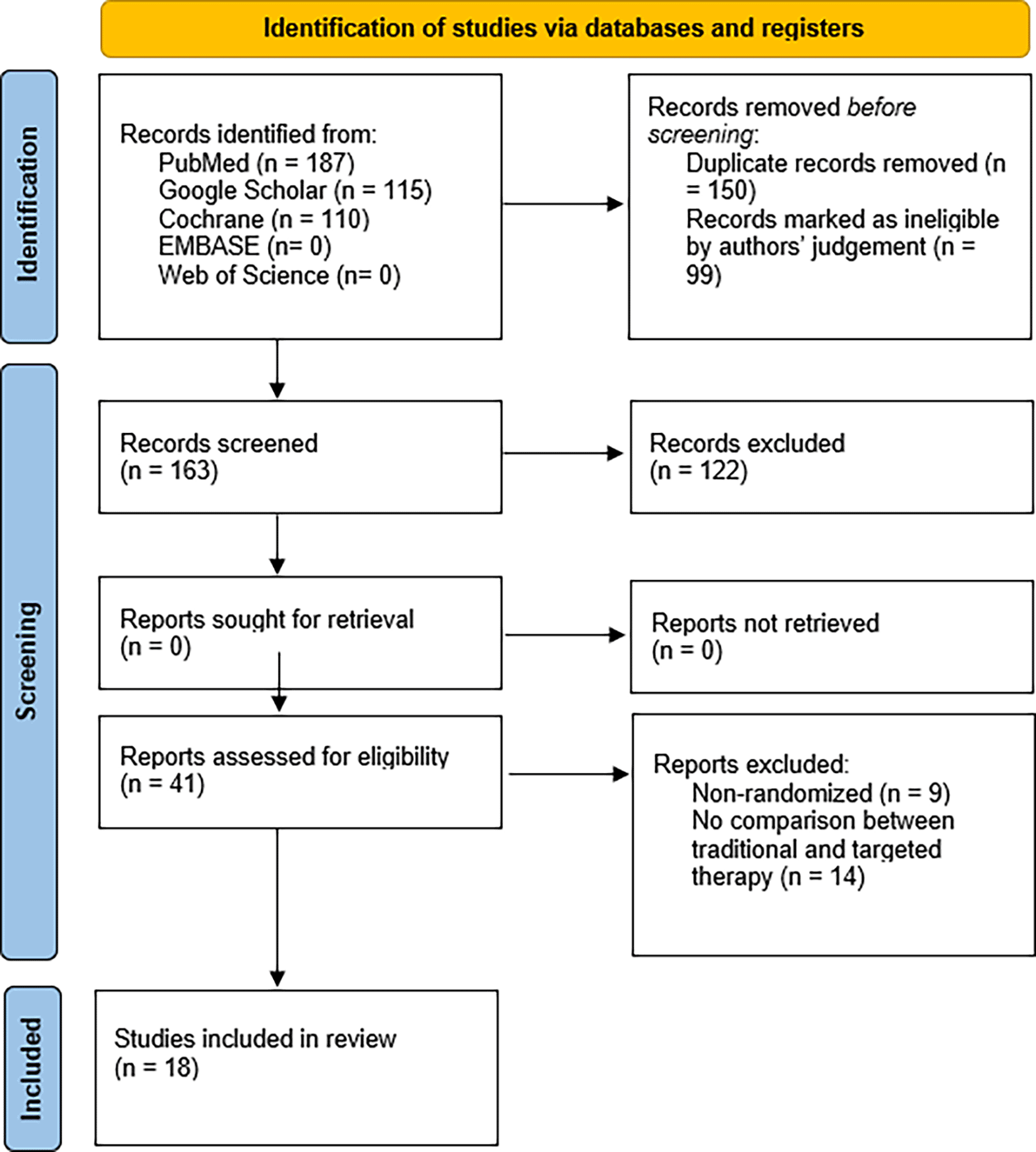
A number of 150 articles were removed for being duplicates, and 99 other articles were assessed to be ineligible before the screening process. Consequently, 163 articles had their titles and abstracts assessed. Full versions of potentially 41 relevant trials were retrieved for further eligibility evaluation. Eventually, 18 trials were selected for this review paper.
A summary of the whole search and identification process is displayed in the PRISMA 2020 flow chart (Figure 1).
Studies that appeared to meet the inclusion criteria but were excluded are presented in supplementary Table S5 (Characteristics of Excluded Studies) with details on reasons for exclusion.15
Full details on the included studies characteristics in terms of design, participants, and interventions are presented in supplementary Table S2.15
In supplementary Table S3, supporting statements for the judgment of authors on every article’s risk of bias across different domains is provided.15
All articles were judged to have low overall risk of bias, particularly that they were randomized trials following vigorous and strict protocols. As shown in Figure 2 and Figure 3 below, high risk of bias was reported in only two domains, blinding of participants and personnel (eight studies18,19,25,28,29,32,33,36,38), as well as blinding of outcome assessment (1 study:25). As illustrated earlier, many trials were expected to unmask participants and investigators owing to the different dosing schedules and routes of administration for anti-cancer therapy under comparison. Therefore, the high number of articles displaying a high risk of bias in this domain was excused.
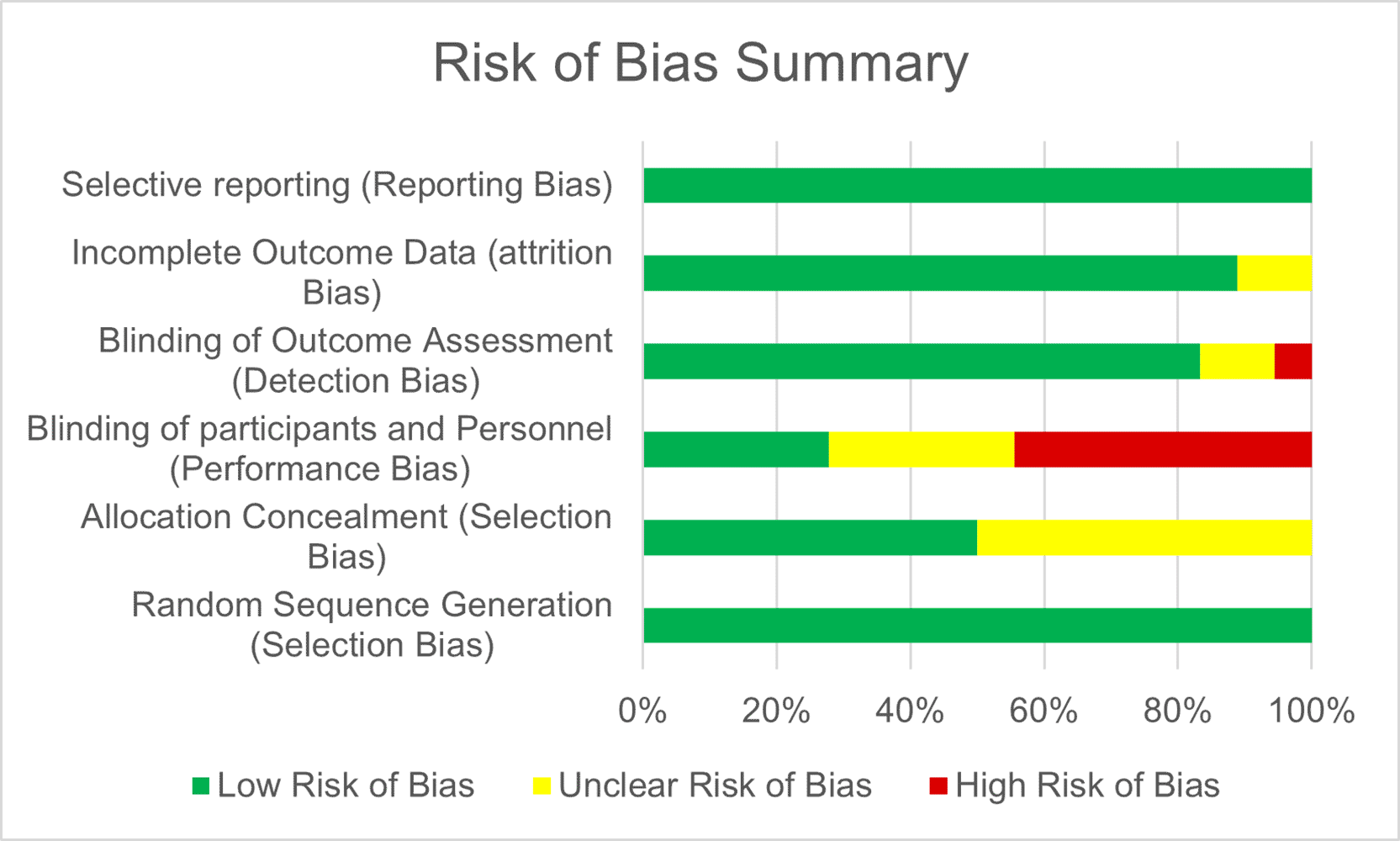
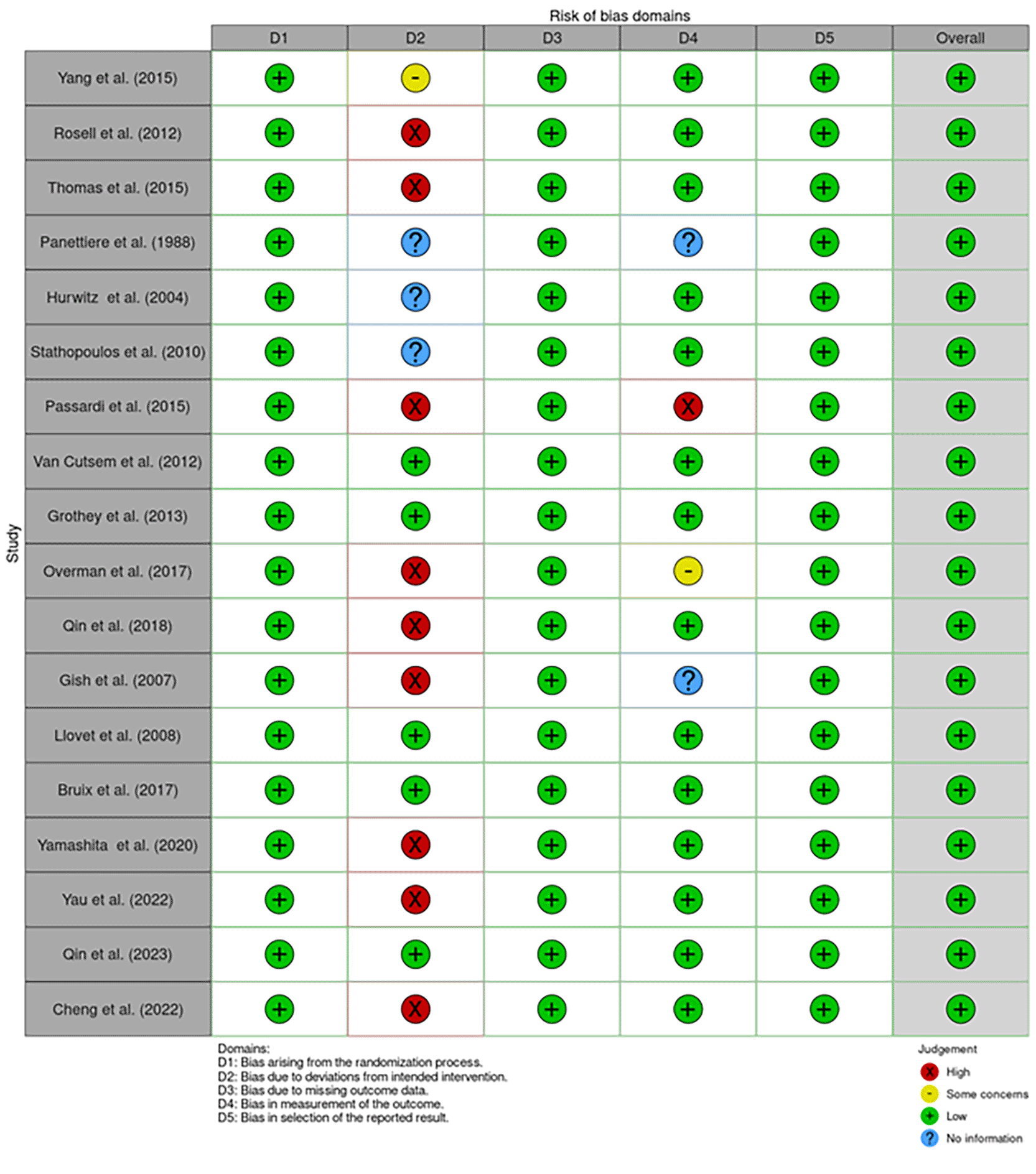
With regards to reporting bias and selection bias, all articles possessed a low risk of bias (100%).
Lung cancer
One of, if not, the most dangerous types of cancer with increasing severity in each stage it progresses to (I-IV),16 lung cancer, particularly non-small cell lung cancer (NSCLC), has been posing formidable challenges to clinicians.
Several trials compared anti-angiogenetic drugs and chemotherapy in terms of their safety and efficacy in treating NSCLC. For instance, in two open-label phase III RCT,17 the efficacy of afatinib on the OS of patients of lung adenocarcinoma with positive EGFR mutations was compared to that of chemotherapy (pemetrexed-cisplatin or gemcitabine-cisplatin). Patients were randomly enrolled in a 2:1 ratio to have either afatinib or pemetrexed-cisplatin [LUX-Lung 3]/gemcitabine-cisplatin [LUX-Lung 6]) based on EGFR mutation. The study reported that in both studies, OS did not differ significantly between treatment groups (LUX-Lung 3: HR = 0·78, p = 0·11; LUX-Lung 6: HR = 0·83, p = 0·18). In terms of safety, the most reported treatment adverse events were rash or acne (37 of 229 patients), diarrhea (33), and paronychia (26) with afatinib in LUX-Lung 3 compared to neutropenia (20 of 111 patients), fatigue (14), and leucopenia (9) with pemetrexed-cisplatin.
Another trial, which was a phase III RCT (EURTAC trial)18 compared another anti-angiogenic agent, namely erlotinib, with Cisplatin/Carboplatin and Docetaxel/Gemcitabine in terms of safety and efficacy in treating NSCLC in adults. A median PFS was 9.7 months in the erlotinib group in comparison to 5.2 months in the chemotherapy one (HR = 0·37, p < 0.0001). The most reported grade 3 or 4 toxicities were rash (11 out of 84 patients receiving erlotinib vs. none in the 82 patients in the standard group), neutropenia (none vs. 18), anemia (1 vs. 3), and elevated aminotransferase concentrations (2 vs. 0).
Immunotherapy, mainly bevacizumab, which is also an anti-angiogenesis agent, was a target point for many of the researchers seeking different approaches to treat this type of cancer. In one trial (INNOVATIONS study),19 a combination of Erlotinib and bevacizumab (EB) was compared with another consisting of cisplatin, gemcitabine, and bevacizumab (PGB) in stage IIIB/IV NSCLC patients. The study reported that the response rate was 12% in the former versus 36% in the latter (p < 0.0001). Moreover, PFS and OS were 3.5 months and 12.6 months, respectively, in the EB group versus 6.9 months and 17.8 months, respectively, in the PGB group (p < 0.0001 for PFS, p = 0.04 for OS), concluding that platinum combination chemotherapy preserves its position as the first-line treatment of NSCLC, and molecular targeted therapies require further testing.
Colorectal cancer
CRC ranks as the second most common cause of cancer-related deaths worldwide with approximately 50% of the patients ending up developing distant metastases (mCRC),20 reinforcing the critical need to optimize treatment guidelines in this population.
A lot of early randomized trials on 5-FU, the backbone of therapy for CRC and mCRC, failed to show significant improvement in patient survival in the adjuvant settings. For example, in the Southwest Oncology Group (SWOG) colorectal adjuvant study, neither chemotherapy alone nor chemoimmunotherapy was able to enhance OS or relapse-free survival (RFS) with statistically significant pieces of evidence that chemotherapy does not increase OS by a minimum of 50% (p = 0.016) and chemoimmunotherapy does not raise it by at least 25% (p = 0.011). However, at least acute toxicity was moderate, lacking fatality in 75% of patients. Delayed toxicity included fatal renal failure and acute leukemia.21
Currently, the most effective anti-CRC therapy remains 5-FU, cisplatin, oxaliplatin, irinotecan, and capecitabine. Nevertheless, leucovorin (LV) in combined regimens or given sequentially is now the standard chemotherapeutic treatment line.22 However, clinicians’ attention has been raised by anti-angiogenic agents over the last decade because of their survival benefits for patients. Therefore, the FDA approved bevacizumab, Ziv-aflibercept, and regorafenib for treating CRC. In many phase III randomized trials, these agents showed positive outcomes only when being added to the standard first-line chemotherapy.
For example, in the pivotal AVF2107 study, it was indicated that adding bevacizumab to the IFL regimen (concurrent treatment with irinotecan, leucovorin-folinic acid, and 5-fluorouracil, 5-FU) resulted in a notable elevation in PFS (10.6 vs. 6.2 months, p < 0.001) and OS (20.3 vs. 15.6 months, p < 0.001). However, the combination therapy group had an estimated 10% more incidence of grade 3(manageable hypertension) or 4 (diarrhea and leukopenia) adverse events compared to IFL plus placebo.23 However, a later phase III randomized study demonstrated that adding bevacizumab to the aforementioned regimen led to no difference in OS (p = 0.1391) nor the rate of response. Besides, both groups did not differ significantly in terms of survival time nor hematologic toxicity. Nonhematologic toxicity in the treatment arm included hypertension in 20.2% of the patients and proteinuria in 6.1%; with three of them experiencing hemorrhage and 1 suffering from intestinal perforation.24
In another study, which was done on bevacizumab when it was added to FOLFIRI (folinic acid, 5-FU, and irinotecan) or FOLFOX4 (Folinic acid, 5-FU, and oxaliplatin), no statistically significant enhancement in PFS nor OS was revealed in the overall population.25
Regarding Ziv-aflibercept, the VELOUR trial, which was a randomized prospective, placebo-controlled, phase III trial, investigated the safety and efficacy of this agent when combined with FOLFIRI. It displayed an improvement in median OS and PFS in patients in the experimental group in comparison to those in the placebo group. Grade 3 and 4 events were reported in 83.5% of those in the aflibercept arm compared to 62.5% of patients in the control group.26
Regorafenib safety and efficacy also underwent evaluation in the randomized, multicenter, placebo-controlled CORRECT trial, revealing that CRC patients responded with better OS and PFS rates when they were treated with regorafenib compared to patients in the placebo arm. Grade 3 or 4 adverse events occurred in 54% of those assigned regorafenib compared to 35% in the placebo group. The most common regorafenib grade 3 or 4 adverse events included hand-foot skin reaction, fatigue, diarrhea, hypertension, and rash or desquamation.27
Concerning immunotherapy, several trials have assessed the clinical efficacy of immune-checkpoint-pathway inhibitors (ICIs) in dMMR (mismatch-repair deficiency) mCRC. In the phase II clinical trial, namely CheckMate 142, the first cohort of 74 patients with chemo-refractory dMMR mCRC received nivolumab as a monotherapy, leading to an overall RR of 31.1%, disease control for more than a year in 69% of the patients, median time to response of 2.8 months, and twelve months-PFS of 50.4%. On the other hand, twelve month-OS was 73.4%. The highest frequently reported grades 3 or 4 drug-related adverse events were elevated lipase (8%) and amylase (3%) concentrations.28
Furthermore, in the TAILOR trial, which was a phase III trial that aimed to assess the safety and efficacy of cetuximab in combination with FOLFOX compared to FOLFOX alone in patients with RAS wt mCRC, subjects were randomized in a 1:1 ratio. The study reported that the combination therapy enhanced PFS significantly in comparison to the chemotherapy alone (9.2 months vs. 7.4 months, p = 0.004). Also, it achieved significantly higher OS time (20.7 months vs. 17.8 months, p = 0.02), confirming that immunotherapy and chemotherapy combination is an effective standard-of-care first liner treatment regimen in this context. Grade 3 or 4 adverse events were as expected, and they included neutropenia in 1% of the patients in both arms and grade 3 or higher skin reaction in 25.8% of those treated with the combination therapy.29
Liver cancer
Liver cancer ranks among the top cancer-related deaths worldwide, and a percentage of more than 90% of liver cancer cases account for HCC, of which its survival is very miserable compared to any other cancer type.30
With regards to cytotoxic chemotherapy as a treatment approach in this kind of cancer, there are no current standard second-line drugs for patients facing treatment failure with anti-angiogenic drugs. This is because according to Burroughs et al. (2014), HCC is a tumor that is refractory to chemotherapy. Moreover, in patients having severe liver dysfunction, administering a systematic therapy like chemotherapy is not well tolerated.31
The single-agent doxorubicin is the most studied agent for advanced HCC. In a phase III RCT, patients with unresectable or metastatic HCC were randomized to receive either nolatrexed or doxorubicin. Several 377 out of 455 patients had died at the last analysis time. Median OS values were reported to be 22.3 weeks for nolatrexed and 32.3 weeks for doxorubicin (p = 0.0068) with a median time to treatment failure of 8.4 weeks for the former and 9.1 weeks for the latter (p = 0.0969), indicating the poor efficacy of chemotherapy in HCC. With regards to safety, alopecia was more common with doxorubicin, whereas gastrointestinal adverse effects, grade 3 and 4 adverse events of stomatitis, diarrhea, and thrombocytopenia, and withdrawals had more incidence with nolatrexed.32
Consequently, trials did not consider chemotherapy as a standard therapy when investigating the efficacy and safety of targeted therapy, such as anti-angiogenesis and immunotherapy.
Anti-angiogenic agents serve as front liners for liver cancer treatment, particularly sorafenib. It was regarded as the first targeted therapy that gained approval for treating advanced HCC. The SHARP phase III randomized study enrolled 602 patients with unresectable HCC or with HCC who had treatment failure with locoregional therapy. It showed that a remarkable enhancement in OS was witnessed in these patients when they received sorafenib in comparison to a placebo. Also, a significant percentage of 90% of patients had their liver function preserved, being under the Child-Pugh Class A category. This drug also displayed a good safety profile, with only 8% of the patients experiencing diarrhea, and the same percentage was held by those who had hand–foot skin reactions.33
Further trials evaluated the safety and efficacy of other targeted drugs in patients with HCC who progressed on sorafenib. In the RESORCE trial, which was a randomized, double-blind, placebo-controlled phase III trial, regorafenib displayed a benefit in OS in those with Child–Pugh Class A compared to placebo (10.6 months vs. 7.8 months, p < 0.0001). The most common grade 3 or 4 adverse events to the drug were hypertension (15%), hand–foot skin reaction (13%), fatigue (9%), and diarrhea (3%). Consequently, it was placed as a second-line systemic treatment after progression on sorafenib.34
Lenvatinib was also assessed, and in the phase III REFLECT trial, it demonstrated no inferiority to sorafenib in OS with a median survival time meeting non-inferiority criteria. However, the arterial hypertension rate was greater in the group receiving lenvatinib (23%) compared to the sorafenib arm (14%) with fewer hand-foot skin reactions (3% vs. 11%), stimulating the approval of lenvatinib as an alternative first-line agent in unresectable HCC.35
After HCC was found to be immunogenic, many immunotherapeutic strategies have been conducted to treat it. In one randomized trial, namely CheckMate 459, nivolumab monotherapy was compared with sorafenib monotherapy in patients with advanced HCC, displaying a non-significant improvement in OS with a favorable safety profile.36 Also, a double-blind, phase III trial, recruited 453 patients with advanced HCC and who progressed during or after receiving sorafenib or oxaliplatin-based chemotherapy, or had intolerance to the aforementioned treatment and randomly assigned them in a 2:1 ratio to have pembrolizumab (200 mg) or placebo. It was found that the median OS was longer in the treatment group than in the placebo one (14.6 vs. 13.0 months, p = 0.0180). Additionally, median PFS was longer in the former group than in the latter group (2.6 vs. 2.3 months, p = 0.0032). Adverse events attributed to the treatment had an incidence in 66.9% of patients in the pembrolizumab group and 49.7% of those in the placebo group.37
ICIs combined with anti-VEGF agents have demonstrated synergistic antitumor effects and better quality of life (QOL) outcomes in comparison to sorafenib in patients with advanced HCC and Child-Pugh Class A. Atezolizumab added to bevacizumab was found to be superior to sorafenib (p < 0.001) in the phase III IMbrave150 trial by displaying a clinically significant survival benefit over sorafenib and a safety profile as expected from the primary analysis,38 positioning this regimen as the first-line treatment for advanced HCC in those with preserved liver function.39
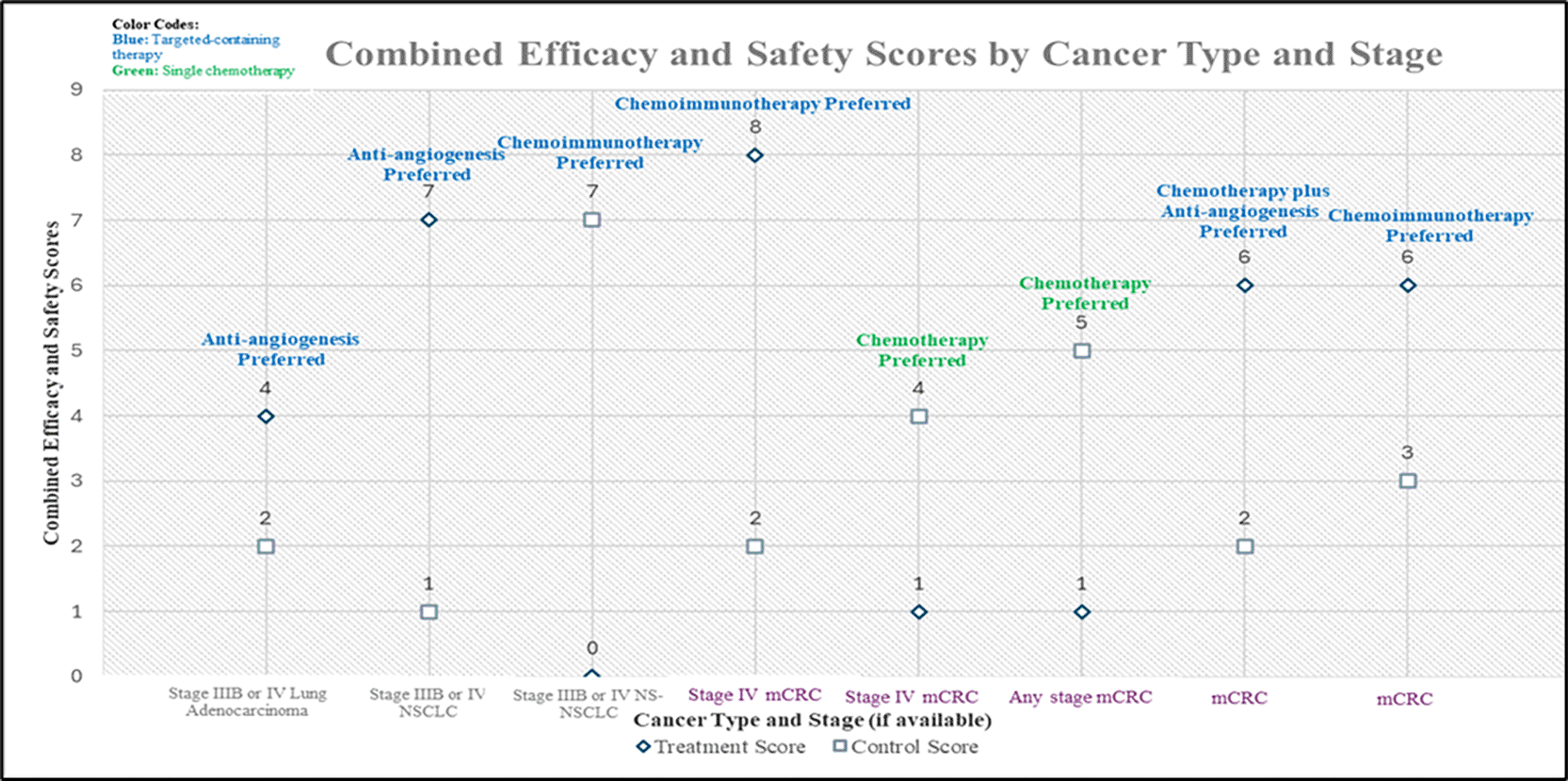
Table 1 below summarizes results of all the studies that compared between traditional therapy and targeted therapy (whether alone or combined to chemotherapy) in terms of efficacy and safety. For efficacy indicators, 1 point was granted for either the treatment or control upon displaying non-significant improvement, whereas significant results held 2 points. A score of 2 was accounted for the treatment receiving less drug-related deaths, while 1 point was given in cases of less grades 3–5 adverse events (AEs), drug-related serious/severe AEs, drug-related AEs leading to treatment discontinuation, hematologic toxicity, or non-hematologic toxicity. Afterward, the combined efficacy and safety score was calculated for both, the treatment and control modalities, to determine the preferred one for the tumor and its specified stage.
As illustrated in Figure 4 (scatter plot) and Table 1 below, anti-angiogenesis is the preferred therapy for stage IIIB or IV lung adenocarcinoma or NSCLC with activating EGFR mutations.16,17 In contrast, in stage IIIB or IV non-squamous non-small cell lung cancer, (NS-NSCLC), chemoimmunotherapy was superior to the combination therapy of anti-angiogenesis and immunotherapy.19 On the other hand, chemotherapy demonstrated superiority to chemoimmunotherapy in 2 studies in either stage IV mCRC17 or mCRC at any stage.25 However, contradicting results were found in 2 studies, where chemoimmunotherapy was preferred over chemotherapy, with one conducted in stage IV mCRC23 and another in a non-specified stage of mCRC.29 Likely, the addition of targeted therapy, namely anti-angiogenesis, to chemotherapy was favored over chemotherapy alone in mCRC of a non-specified stage in one study.26
The certainty of the evidence was assessed qualitatively by narrative synthesis, methodological quality evaluation, and risk of bias consideration. Supplementary table S1 summarizes all the study results and highlights significant outcomes reported with a corresponding conclusion.15 Based on the conducted methodological quality assessment by Jadad Scale as displayed in Table 2 below, all the trials had a methodology of a high quality, where around 28% of the trials (5) had a complete score of 8. The lowest recorded score was 4 and reported in only one trial. For the risk of bias assessment, all the included studies had an overall low risk of bias.
The present paper provides an up-to-date, evidence-based comparison of the safety and efficacy of chemotherapy with targeted therapy in the context of the most fatal cancer types by systematically reviewing 18 RCTs meeting the inclusion criteria set for this study.
In NSCLC, anti-angiogenesis therapy with afatinib was able to significantly improve OS in comparison to standard chemotherapy in EGFR del19 positive disease, whereas despite not being as potent as afatinib, erlotinib demonstrated its advantage in prolonging PFS in a significant manner when compared to first-line chemotherapy regimen with less incidence of grade 3 or greater adverse events. These findings were consistent with other results reported in a meta-analysis that reported vaccines and ICIs (but not other immunomodulators) improved OS significantly and were well-tolerated compared to chemotherapy. Nevertheless, neutropenia and thrombocytopenia had more occurrence in patients exposed to vaccines.40
Surprisingly, our review revealed that the combination of targeted therapy of anti-angiogenesis and immunotherapy failed to display enhancements in OS or RR, indicating that although EGFR-targeted therapies are associated with encouraging outcomes, platinum combination chemotherapy holds its place as a first liner for NSCLC treatment despite exposing patients to more adverse events, particularly neutropenia. Nevertheless, targeted therapy must be further tested to validate these results.
Also, findings from this review underscore several important considerations in CRC management. First, the potential advantage of chemoimmunotherapy in those with node-positive nontransmural disease signifies the vitality of personalized treatment approaches, especially since this population is more vulnerable to metastasis and poor prognosis. Therefore, it is crucial to identify those who may still gain advantages from this approach. Second, despite the higher incidence of adverse events reported with this combined therapy of chemotherapy plus anti-angiogenesis in patients with mCRC and the lack of statistical significance enhancement in OS in some of the included trials,24,25 its efficacy indicates its promising roles as a viable therapeutic option given that other studies reported significant improvements.23,26,29 Nevertheless, refining patient characteristics for inclusion, monitoring adverse events occurrence, and weighing the benefits and risks of treatment adjustments are imperative to ensure the optimization of therapy whilst minimizing its related toxicity. Third, the addition of aflibercept to FOLFIRI in those previously exposed to oxaliplatin26 highlights the importance of navigating alternative treatment options in refractory populations, such as regorafenib27 and the paramount need for continued investigations on novel targeted therapies in mCRC.
In a recent meta-analysis, the safety and efficacy of the addition of bevacizumab to chemotherapy in mCRC patients was explored. It reported that right-sided mCRC patients were found to obtain benefit from the combined therapy more likely than from chemotherapy alone in the overall population, as those with the RAS-wild right-sided mCRC had longer PFS (HR = 0.67; 95% CI, 0.52 to 0.88) and higher OS (HR = 0.74; 95% CI, 0.56 to 0.98) when they were treated with the combined approach.41
Furthermore, the results obtained from this review paper have important implications of different treatment strategies for the management of advanced HCC. For those requiring chemotherapy at advanced stages of HCC, doxorubicin is preferable owing to its efficacy and safety advantages in comparison to nolatrexed.
Besides, sorafenib alone was able to display significant benefits in advanced HCC, Child-Pugh class A, by the prolongation of OS and delay of radiologic progression, underscoring the pivotal roles of patient stratification based on liver function and targeted therapy position as a cornerstone for systematically treating advanced HCC. Nevertheless, for those who progressed on sorafenib, regorafenib emergence has offered hope for this population owing to its promising results, being the only systemic option to showcase survival benefits in this context.
Broadening the first-line treatment approaches for unresectable HCC, BCLC stage B or C, Child-Pugh class A liver function, and ECOG PS 0 or 1, lenvatinib serves as an effective and safe alternative to sorafenib in this context, particularly that class B is heterogeneous and encompasses those with small tumor burden and patients with large tumor burden and worse prognosis, implying that only a subset of individuals might benefit from treatment interventions. This highlights the need for selecting those with preserved liver function when conducting trials for the aim of preventing competing risks of death, refining them based on the BCLC criteria, and identifying the primary endpoint as OS. A recent meta-analysis comparing sorafenib with lenvatinib further validated this by reporting no significant differences between either agent in terms of OS or PFS (HR = 0.67; 95% CI, 0.48–0.94, p = 0.02). Nevertheless, in terms of secondary outcomes, lenvatinib displayed a significant enhancement in and disease-control rate (DCR).42
Aside from monotherapy of targeted treatments, combined therapy of anti-angiogenesis plus immunotherapy (atezolizumab plus bevacizumab) was able to evolve the landscape of therapeutic options of HCC by providing statistically significant enhancements in OS, PFS, and ORR when compared to sorafenib monotherapy. All those findings underscore the vitality of personalized treatment in advanced HCC, particularly after this regimen has been currently considered by the American Society of Clinical Oncology guidelines to be a first liner in this context. In these guidelines, the equivalence of lenvatinib to sorafenib was established.43
This systematic review is associated with some limitations. Some of the included studies did not directly compare traditional therapy with targeted therapy owing to the scarcity of literature in that and the poor outcomes associated with chemotherapy, hindering the applicability of such a comparison, as with the case with HCC, which could decrease the generalizability of this study. Besides, pooling data quantitatively, assessing statistical heterogeneity meaningfully, and conducting a meta-analysis of the findings were not possible owing to the heterogeneity associated with different cancer types and stages recruited, as well as considerable clinical and methodological heterogeneity across studies (differences in treatment regimens), which made assessing the certainty of findings objectively by GRADE challenging. This could raise the risk of bias associated with data interpretation. Nevertheless, by adhering to PRISMA guidelines and by peer validation of data interpretation to facilitate in identification of errors and inconsistencies and minimize biases in interpretation, the authors ensured objectivity in the review process.
In conclusion, cancer represents a fatal burden worldwide, prompting the need to assess the safety and efficacy of anti-angiogenic drugs, immunotherapy, and chemotherapy and in the context of treating its deadliest types. This systematic review revealed that in NSCLC, targeted therapy of either afatinib or erlotinib significantly enhanced OS and PFS, respectively, in comparison to chemotherapy with less incidence of grade 3 or greater adverse events. The efficacy of bevacizumab with chemotherapy showed a contradiction in enhancing OS in two studies conducted in the context of mCRC with 10% more hypertension and diarrhea occurrence. Targeted therapy of aflibercept and regorafenib showed promising OS and PFS results for refractory mCRC. Concerning HCC, sorafenib alone demonstrated OS benefits, while regorafenib and nivolumab were safe alternatives upon progression. Lenvatinib and pembrolizumab had promising results in unresectable HCC.
However, certain gaps were identified in the literature, driving future research to be done to bridge them. For instance, given the fact that the COVID-19 pandemic has impacted on a lot of drugs administration, including T cell therapy, by the induction and potentiation of cytokine release syndrome (CRS), future researchers must assess the safety of administrating immunotherapy in cancer types other than the hematological ones. Molecular-targeted therapies in NSCLC require further validation in comparison to standard chemotherapy, which cannot be overstated. Although targeted agents, such as afatinib and erlotinib have provided promising results in specific settings, challenges of gained resistance and optimal sequencing approaches demand ongoing research actions. Future studies must focus on refining patient eligibility criteria for chemoimmunotherapy and enhancing treatment modalities in mCRC patients with node-positive nontransmural disease to enhance their outcomes given their vulnerability to metastasis and poor prognosis.
To add up, to lessen the challenges faced in applying the GRADE assessment tool and to facilitate robustness and feasibility in conducting meta-analyses in future systematic reviews in this context, further studies must aim for a higher level of standardization in reporting clinical outcomes. Inclusion criteria and control arms should be similar across trials to minimize heterogeneity in interventions, thus aid in pooling of findings. Lastly, multicenter RCTs with a diversity and well-documentation of demographic and clinical baseline characteristics must be held to enhance generalizability of findings and enable conducting subgroup analysis. Undertaking these approaches holistically ensures the improvement of consistency, comparability, and methodological robustness of future evidence, optimizing certainty assessment using GRADE, thus informing clinical practice.
This systematic review was not prospectively registered (e.g., in PROSPERO), and no formal protocol was publicly registered prior to study initiation. However, the eligibility criteria, outcomes, and methodological approach were predefined by the authors prior to study screening and data extraction.
| Views | Downloads | |
|---|---|---|
| F1000Research | - | - |
|
PubMed Central
Data from PMC are received and updated monthly.
|
- | - |
Provide sufficient details of any financial or non-financial competing interests to enable users to assess whether your comments might lead a reasonable person to question your impartiality. Consider the following examples, but note that this is not an exhaustive list:
Sign up for content alerts and receive a weekly or monthly email with all newly published articles
Already registered? Sign in
The email address should be the one you originally registered with F1000.
You registered with F1000 via Google, so we cannot reset your password.
To sign in, please click here.
If you still need help with your Google account password, please click here.
You registered with F1000 via Facebook, so we cannot reset your password.
To sign in, please click here.
If you still need help with your Facebook account password, please click here.
If your email address is registered with us, we will email you instructions to reset your password.
If you think you should have received this email but it has not arrived, please check your spam filters and/or contact for further assistance.

Comments on this article Comments (0)