Keywords
STEM Education, Problem-Solving Skills, 21st Century Skills, Higher Education

STEM Education, Problem-Solving Skills, 21st Century Skills, Higher Education
STEM education (Science, Technology, Engineering, and Mathematics) plays a crucial role in preparing future generations to tackle the increasingly complex challenges of a rapidly evolving world. It goes beyond just mastering technical knowledge. STEM education also fosters essential skills such as problem-solving, critical thinking, and creativity, which are vital in today’s modern workforce.
By combining various disciplines, STEM education enables students to grasp the interconnections between different fields, fostering a comprehensive approach to solving problems (Daleure, 2017; Dan & Gary, 2018). These skills are crucial for identifying problems, analyzing their causes, and formulating effective solutions. Additionally, STEM education fosters the development of collaboration and communication skills, which are also essential in solving problems as part of a team. Collaborative projects and reflective practices in STEM education promote teamwork, communication, and critical thinking, all of which are crucial for successful problem-solving (Chan & Nagatomo, 2023; Garcia-Suarez et al., 2024; Metpattarahiran, 2021).
With STEM education, students not only learn foundational theories but also develop the skills to solve real-world problems encountered in everyday life or in professional environments. This cross-disciplinary approach is highly effective in fostering creative and flexible thinking. These skills are essential for addressing the complex challenges of the modern world (English & Lehmann, 2024).
This makes STEM education highly relevant in supporting technological innovation and economic growth. The problem-solving skills taught through STEM education help individuals think creatively and adapt quickly to changes. It also equips students for careers in STEM sectors, as well as other industries that demand STEM-related skills, boosting their employability and competitiveness in the global market (Nasereddin et al., 2014; Ragusa, 2012).
In the 21st century, STEM education provides students with the skills required for the 21st-century workforce, including critical thinking, creativity, communication, and collaboration (English & Lehmann, 2024; Hanson & Lucas, 2024; Metpattarahiran, 2021). Therefore, STEM education plays an irreplaceable role in shaping individuals who are capable of addressing and solving problems efficiently and creatively, ultimately driving progress in both economic and social domains. This highlights the relevance of these skills in the 21st century for fostering innovation and economic growth (Abdi et al., 2024; Aboudahr et al., 2024; Ilma et al., 2023).
This bibliometric analysis aims to uncover trends, patterns, and key themes in research on STEM education and problem-solving skills, highlighting how these areas have evolved and their impact on educational practices. The analysis seeks to identify emerging trends in STEM education, such as the growing interest in STEM since 2014, as well as the widespread use of various research methodologies, including quantitative, qualitative, and mixed methods (Bozkurt et al., 2019).
A key emphasis is on exploring how STEM education aids in the development of problem-solving skills. This involves evaluating the effectiveness of various teaching strategies and approaches, such as project-based learning and problem-based learning, in improving students' problem-solving capabilities (Dilla & Turpin, 2021; Zeeshan et al., 2021). By examining various teaching methodologies and their effectiveness in fostering critical thinking and problem-solving abilities, the study seeks to provide insights into how STEM education prepares students for the modern workforce, supporting innovation, economic growth, and adaptability in real-world challenges.
The bibliometric analysis offers valuable insights into the evolving trends in STEM education and problem-solving skills. It highlights the growing interest in STEM education, the shift in research methodologies, and the increasing need for innovative teaching approaches to enhance problem-solving abilities. The findings will contribute to advancing educational practices, supporting technological innovation, and fostering economic growth and adaptability in real-world challenges (Metpattarahiran, 2021). To ensure transparency and early dissemination of findings, a preprint version of this bibliometric study has been made publicly available (Manasikana et al., 2025).
STEM (Science, Technology, Engineering, and Mathematics) education aims to equip students with essential skills for the 21st century, including problem-solving abilities. This review synthesizes findings from recent studies to understand how STEM education fosters problem-solving skills.
STEM education, particularly through Project-Oriented Problem-Based Learning (PoPBL), significantly enhances students' 21st-century skills. These skills include problem-solving, creative thinking, collaboration, and communication (AlAli, 2024). By immersing students in real-life problem-solving experiences, this pedagogical approach helps improve their proficiency in these critical skills.
The incorporation of 21st-century skills into STEM education has become a key element in contemporary educational curricula. This approach not only aims to improve students' academic proficiency in science, technology, engineering, and mathematics, but also focuses on developing essential skills that equip them to face real-world challenges. Effective integration of these skills can significantly enhance students' abilities in collaboration, creativity, critical thinking, and communication the “4Cs” which are crucial for success in the modern world (Hamdu et al., 2020; Hasanah et al., 2021; Hussin et al., 2019; Lian et al., 2021).
Research highlights that when STEM education is delivered through project-based learning, it creates an environment where students engage in creative and critical thinking, enabling them to effectively address complex problems. For example, robotics education demonstrates how STEM can be practically applied, fostering skills like problem-solving and teamwork (Arafat et al., 2024; Hussin et al., 2019). In addition, collaborative projects promote peer communication, enhancing social skills that are increasingly important in both academic and professional environments (Perdana et al., 2021).
Furthermore, effective teaching methods that support the inclusion of 21st-century skills within STEM disciplines have shown promising outcomes. Research suggests that teachers who implement innovative teaching strategies can significantly influence students' attitudes toward STEM, preparing them for future challenges (Altunişik & Uzun, 2023; Temel, 2023; Xu & Zhou, 2022). This is especially important as the global workforce now requires individuals who are not only technically proficient but also skilled in interpersonal communication and critical thinking.
Globally, educational frameworks like the Partnership for 21st Century Skills (P21) emphasize the importance of integrating these competencies into curricula (Rosdiana et al., 2020; Wulandari & Putri, 2024). Aligning curricular goals with the demands of today’s economy and the complexity of societal issues reflects growing recognition among educators and policymakers of the significance of this integration. Consequently, teacher professional development programs are vital in providing educators with the strategies necessary to cultivate these skills effectively (Akmar et al., 2021; Mayes & Rittschof, 2021; Nazifah & Asrizal, 2022).
Integrating 21st-century skills into STEM education enhances academic learning while preparing students for the future needs of society and the workforce. The evidence strongly supports the notion that this integration can lead to better student outcomes across multiple areas, including academic achievement and the development of social skills. Ongoing research and practical applications in this area will continue to reveal effective ways to combine these critical educational components.
Previous studies have examined various aspects of STEM education and problem-solving, including instructional design, technology integration, assessment approaches, and interdisciplinary learning contexts. These studies collectively illustrate the breadth of research themes associated with problem-solving in STEM education. This study are strictly based on the 37 Scopus-indexed publications included in the final dataset.
To systematically map the research landscape of problem-solving within STEM education, this bibliometric study addresses the following research questions:
RQ1. How has the volume of publications on problem-solving in STEM education evolved over the period 2010–2025?
RQ2. Who are the most influential authors, journals, and publications in research on problem-solving within STEM education, based on bibliometric indicators?
RQ3. What are the dominant thematic clusters and research foci emerging from keyword co-occurrence analysis in the literature on problem-solving in STEM education?
RQ4. How are collaboration patterns structured among authors, institutions, and countries in research on problem-solving within STEM education?
A preprint version of this article has been deposited in an open-access repository (Manasikana et al., 2025).
For this bibliometric analysis, the data was collected exclusively from Scopus, a leading database for peer-reviewed literature. Scopus was chosen due to its extensive and rigorous indexing of high-quality academic journals, conference papers, and book chapters across various disciplines, particularly in the fields of science, technology, engineering, and mathematics (STEM). This makes Scopus an ideal source for gathering relevant publications on STEM education and problem-solving skills (Abdi et al., 2024; Aboudahr et al., 2024).
The time frame for the publications analyzed spans the past 15 years (2010-2025), chosen to capture the most relevant and up-to-date research trends in STEM education and problem-solving abilities. This extended period provides a thorough examination of the evolution of research in these fields, taking into account shifts in pedagogical practices, the increasing integration of technology in STEM education, and the growing emphasis on problem-solving skills in educational curricula (Husaeni & Nandiyanto, 2023).
By focusing on Scopus and this 15-year time frame, the study ensures a comprehensive and relevant dataset that reflects the latest trends and patterns in STEM education research, providing a solid foundation for understanding the evolution of STEM education over time.
The bibliographic data for this study were retrieved from the Scopus database. The search was conducted in March 2025 using the TITLE-ABS-KEY fields to ensure comprehensive coverage of relevant publications. The search strategy combined keywords related to STEM education and problem-solving, as detailed in the following query strings:
• “STEM education” AND “problem-solving” AND “higher education”
• “STEM education” AND “problem-solving skills”
The initial search retrieved a total of 159 records. The dataset was subsequently refined by applying the following inclusion criteria:
(1) publications indexed in Scopus,
(2) published between 2010 and 2025,
(3) written in English, and
(4) classified as journal articles or conference proceedings.
Records such as editorials, book chapters, notes, and non-peer-reviewed documents were excluded. After the screening and refinement process, the final dataset consisted of 37 publications, which formed the basis for the bibliometric analysis.
A structured search strategy was applied to identify publications addressing problem-solving within STEM education. Searches were conducted in the Scopus database using predefined query strings applied to the TITLE-ABS-KEY fields. The search focused on terms representing STEM education and problem-solving in higher education contexts.
The initial search yielded 159 records. These records were screened in several stages. First, document types were filtered to retain only journal articles and conference proceedings, excluding editorials, book chapters, notes, and other non-peer-reviewed materials. Second, publications were limited to those written in English and published between 2010 and 2025. Third, duplicate records were identified and removed.
Following this screening process, the remaining publications were assessed for relevance based on their titles and abstracts. Studies that did not explicitly address STEM education and problem-solving were excluded. After applying all inclusion and exclusion criteria, a final dataset of 37 publications was retained for bibliometric analysis.
This stepwise refinement ensured that the dataset was both methodologically consistent and directly aligned with the objectives of the bibliometric mapping.
For this bibliometric analysis, several tools were utilized to process and visualize the data collected from Scopus. VOSviewer was used to map co-authorship networks, co-citations, and keyword co-occurrence, providing insights into research trends and key relationships in the STEM education field. It helped visualize clusters of related topics and identify influential studies. Utilize bibliometric software tools such as VOSviewer and bibliometrix for analyzing and visualizing data. These tools assist in mapping research trends, identifying collaboration networks, and analyzing citation patterns (Alfonzo et al., 2014; Lim et al., 2024).
Microsoft Excel was employed for organizing and cleaning the data, using pivot tables and basic statistical functions to summarize trends such as publication frequency and the geographical distribution of research. Additionally, Publish or Perish was used to gather citation metrics, such as h-index and citation counts, which helped assess the academic impact of key papers and authors. The combination of these tools allowed for a comprehensive analysis of the trends, patterns, and themes in STEM education and problem-solving research over the last 15 years, enabling the identification of key contributors, influential research, and emerging trends in the field.
Define the inclusion and exclusion criteria for selecting articles, such as publication years, types of documents, and language (Giang et al., 2024; Ilma et al., 2023). The inclusion and exclusion criteria for selecting articles were established to ensure that only the most relevant and high-quality studies were included in this bibliometric analysis. These criteria were applied to filter the articles retrieved from the Scopus database, focusing on the most impactful and pertinent research on STEM education and problem-solving skills. Utilize bibliometric indicators to assess productivity (quantity indicators), quality (quality indicators), and the structural relationships (structural indicators) between publications, authors, and research domains (Carlos et al., 2024; Valérie & Pierre, 2010).
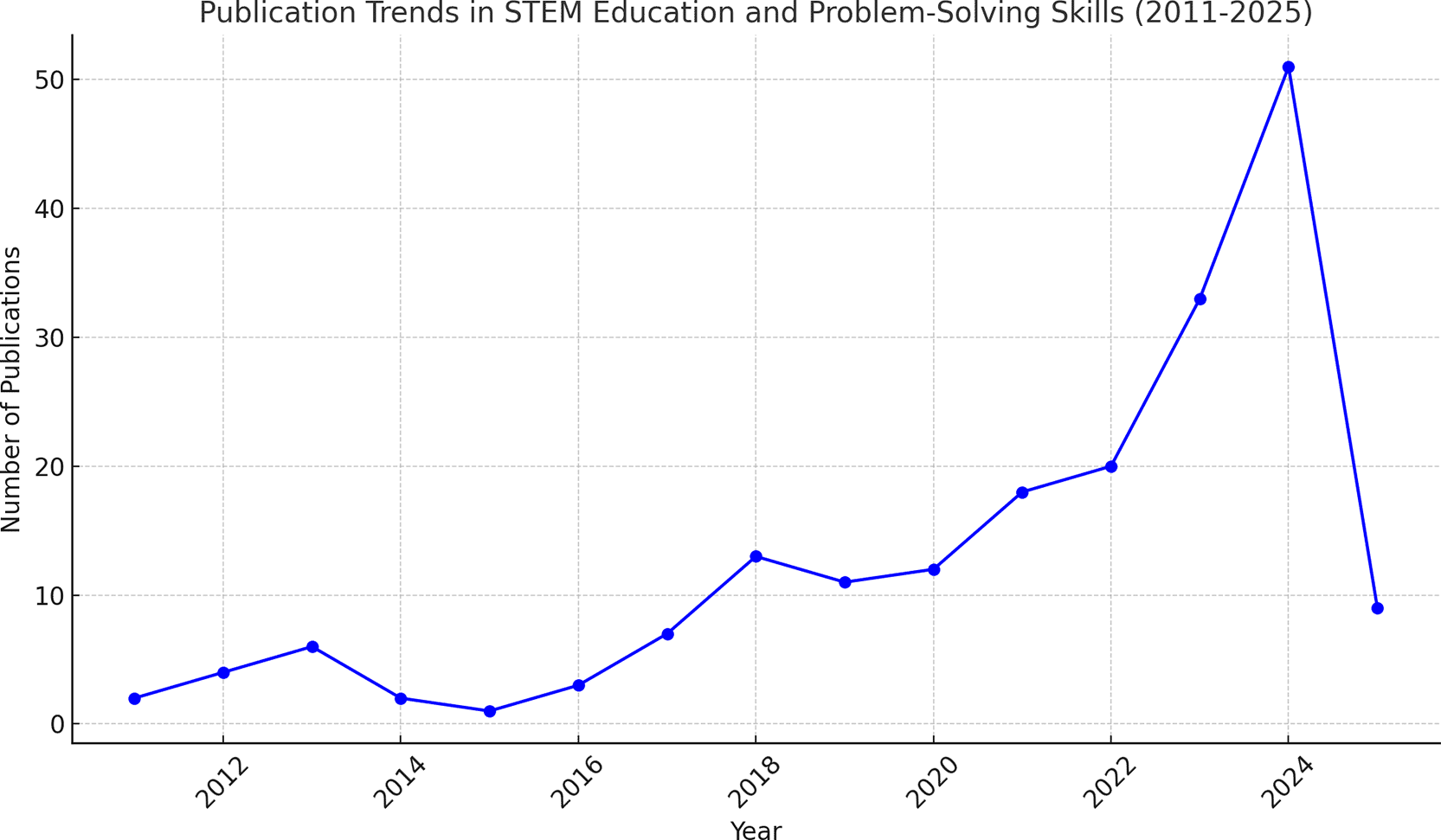
The bibliometric analysis shows an overall increase in the number of publications addressing problem-solving within STEM education between 2011 and 2025. As presented in Table 1, publication output remained relatively low during the period from 2011 to 2017, followed by a noticeable increase beginning in 2018. The highest number of publications was recorded in 2024. Data for 2025 represent partial records at the time of data retrieval.
| Year | Number of publications |
|---|---|
| 2011 | 2 |
| 2012 | 4 |
| 2013 | 6 |
| 2014 | 2 |
| 2015 | 1 |
| 2016 | 3 |
| 2017 | 7 |
| 2018 | 13 |
| 2019 | 11 |
| 2020 | 12 |
| 2021 | 18 |
| 2022 | 20 |
| 2023 | 33 |
| 2024 | 51 |
| 2025 | 9 (partial) |
Table 1 presents the annual distribution of publications, while Figure 1 provides a graphical representation of these trends. Together, the table and figure illustrate a rising volume of scholarly output on problem-solving in STEM education over the analyzed period.
Citation analysis identifies several publications with relatively high citation counts within the dataset. Among the most cited publications are The Online Challenge to Higher Education by W.B. Bonvillian (24 citations), Maker Culture and Its Potential for STEM Education by R. Tabarés (17 citations), and Integration of Mobile Learning into Complex Problem Solving by E. Shchedrina (16 citations). These publications represent frequently referenced works within the literature on problem-solving in STEM education.
The geographical distribution of publications indicates contributions from multiple regions worldwide. Research output originates predominantly from the United States, several European countries, and parts of Asia, reflecting the international scope of studies on problem-solving within STEM education.
Table 2: summarizes the regional distribution of key journals and conference outlets associated with the analyzed publications, while Figure 2 visualizes the geographical spread of research activity across regions.
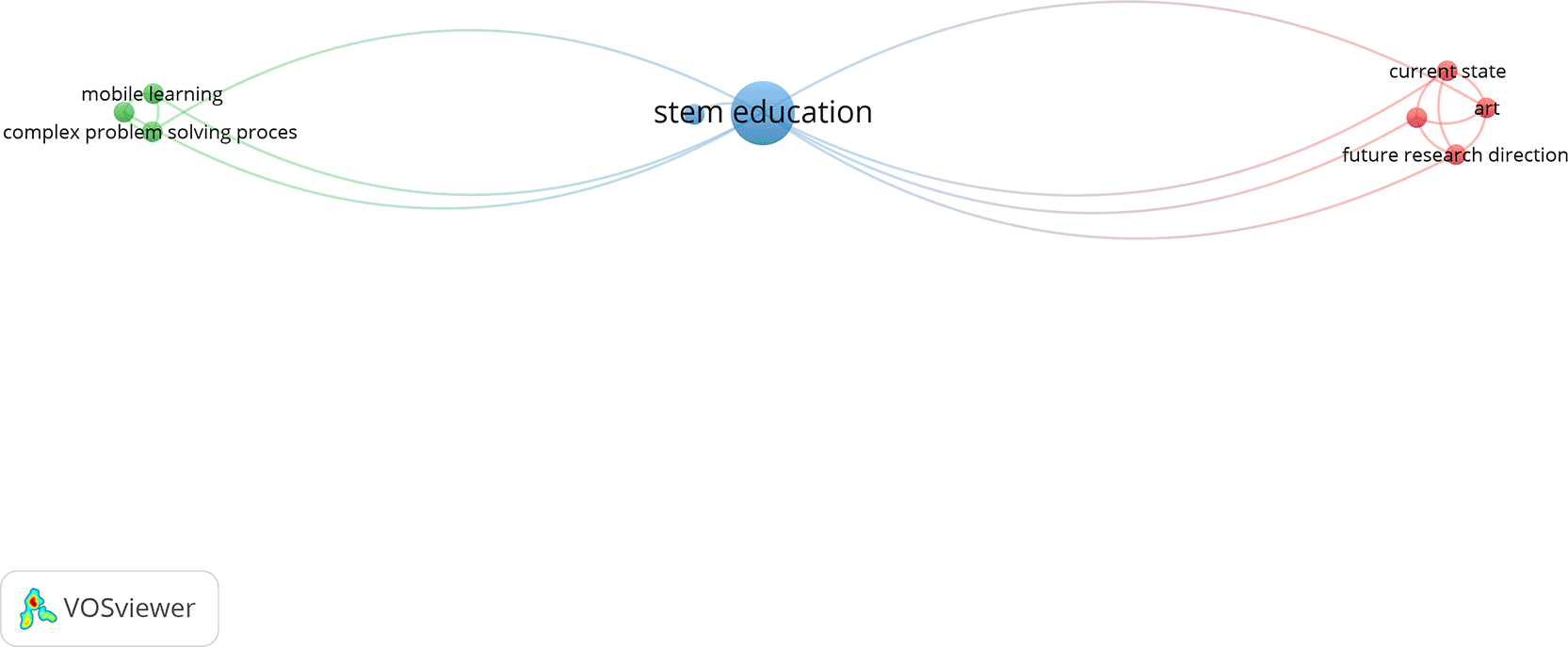
Node size represents keyword frequency, and links indicate co-occurrence relationships.
The bibliometric analysis identifies several journals and institutions that appear frequently within the dataset. Journals such as Journal of Engineering Education, IEEE Transactions on Education, Thinking Skills and Creativity, Journal of Physics: Conference Series, and Education Sciences serve as recurring publication outlets for research related to problem-solving in STEM education.
Similarly, institutions including the Massachusetts Institute of Technology, Stanford University, the University of California, Berkeley, the University of Cambridge, and the National University of Singapore are associated with multiple publications in the dataset. Their repeated occurrence indicates their presence within the scholarly network of research on problem-solving in STEM education.
Table 3 summarizes the leading journals and institutions that frequently appear in publications on problem-solving within STEM education.
The leading journals and institutions highlighted above play a pivotal role in shaping research and advancements in STEM education, especially in relation to problem-solving skills. Journals such as the Journal of Engineering Education and IEEE Transactions on Education are critical platforms for disseminating innovative teaching methods that enhance students' analytical and problem-solving abilities. Similarly, institutions like MIT, Stanford University, and University of Cambridge are at the forefront of developing educational frameworks and curricula that prioritize problem-solving skills. Their research and innovations continue to influence global STEM education practices, providing valuable insights into how to cultivate problem-solving abilities in students across disciplines.
This global perspective, as seen through the leading journals and institutions, underscores the importance of collaboration and innovation in addressing the challenges of STEM education and enhancing problem-solving capabilities among future generations of scientists, engineers, and educators.
Keyword co-occurrence analysis was conducted to identify thematic relationships within the literature on problem-solving in STEM education, as shown in Figures 2 and 3. The analysis maps the relationships among frequently occurring keywords and illustrates how research topics are interconnected within the field
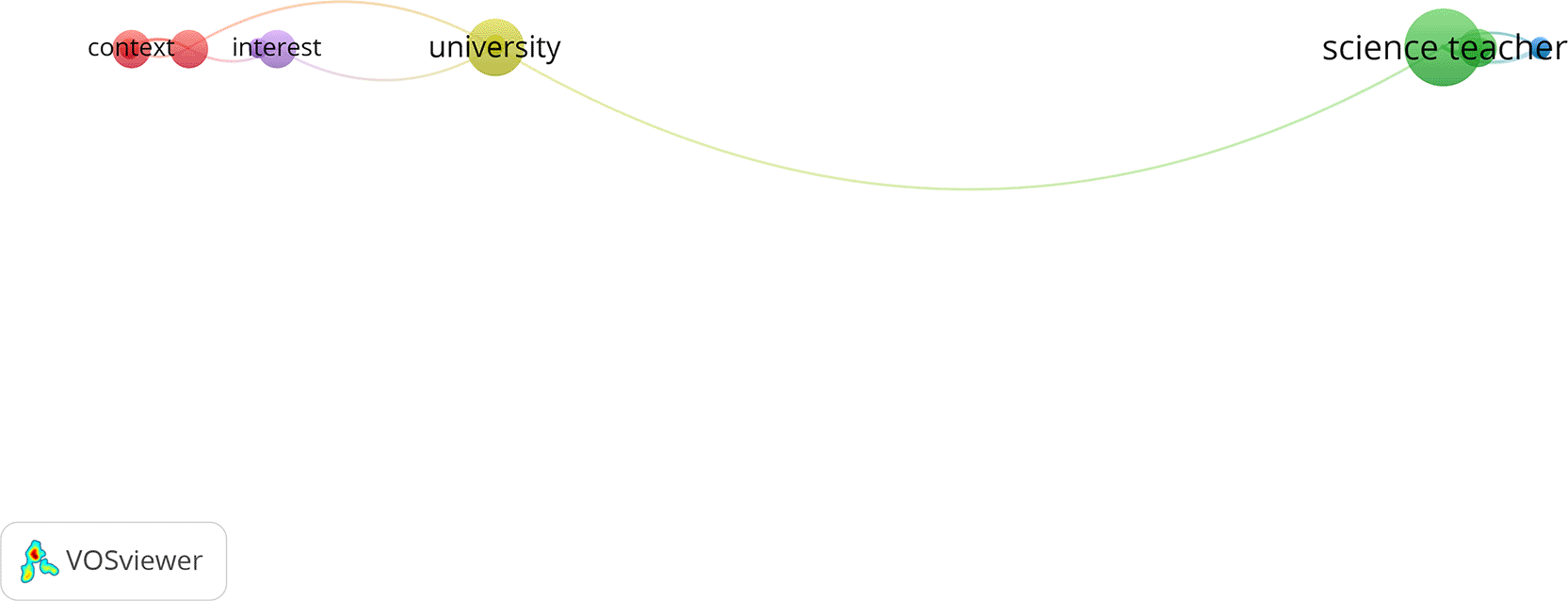
Clusters represent dominant thematic areas in the literature.
The keyword networks show clusters of frequently co-occurring terms, indicating recurring thematic associations within the literature. These patterns reflect the structure of research topics discussed in studies on problem-solving within STEM education.
Co-authorship network analysis was performed to examine collaboration patterns among authors contributing to research on problem-solving in STEM education, as illustrated in Figures 4 and 5. Each node in the network represents an author, while the links indicate co-authored publications within the dataset.
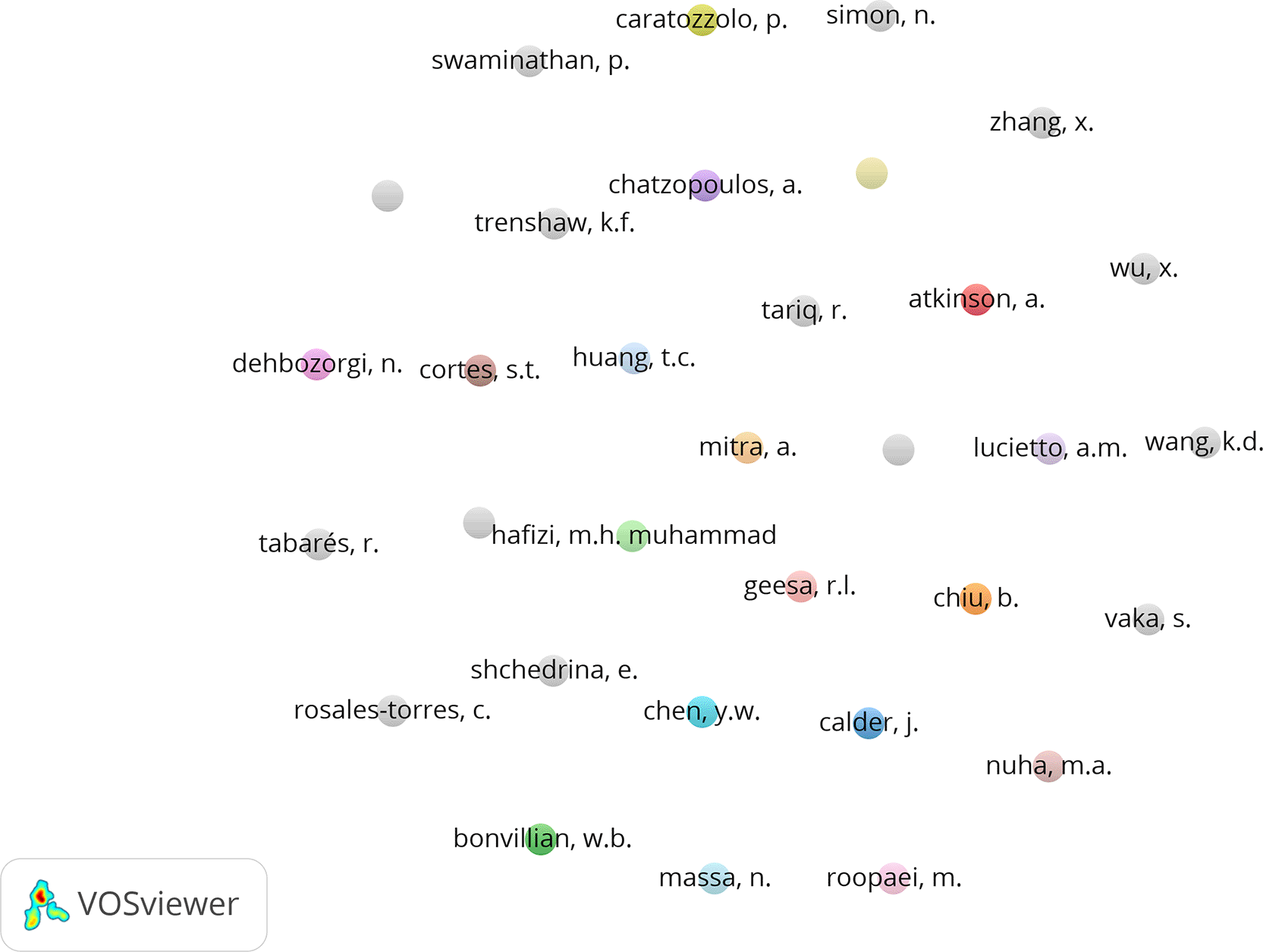
Nodes represent authors, and links indicate collaborative relationships.
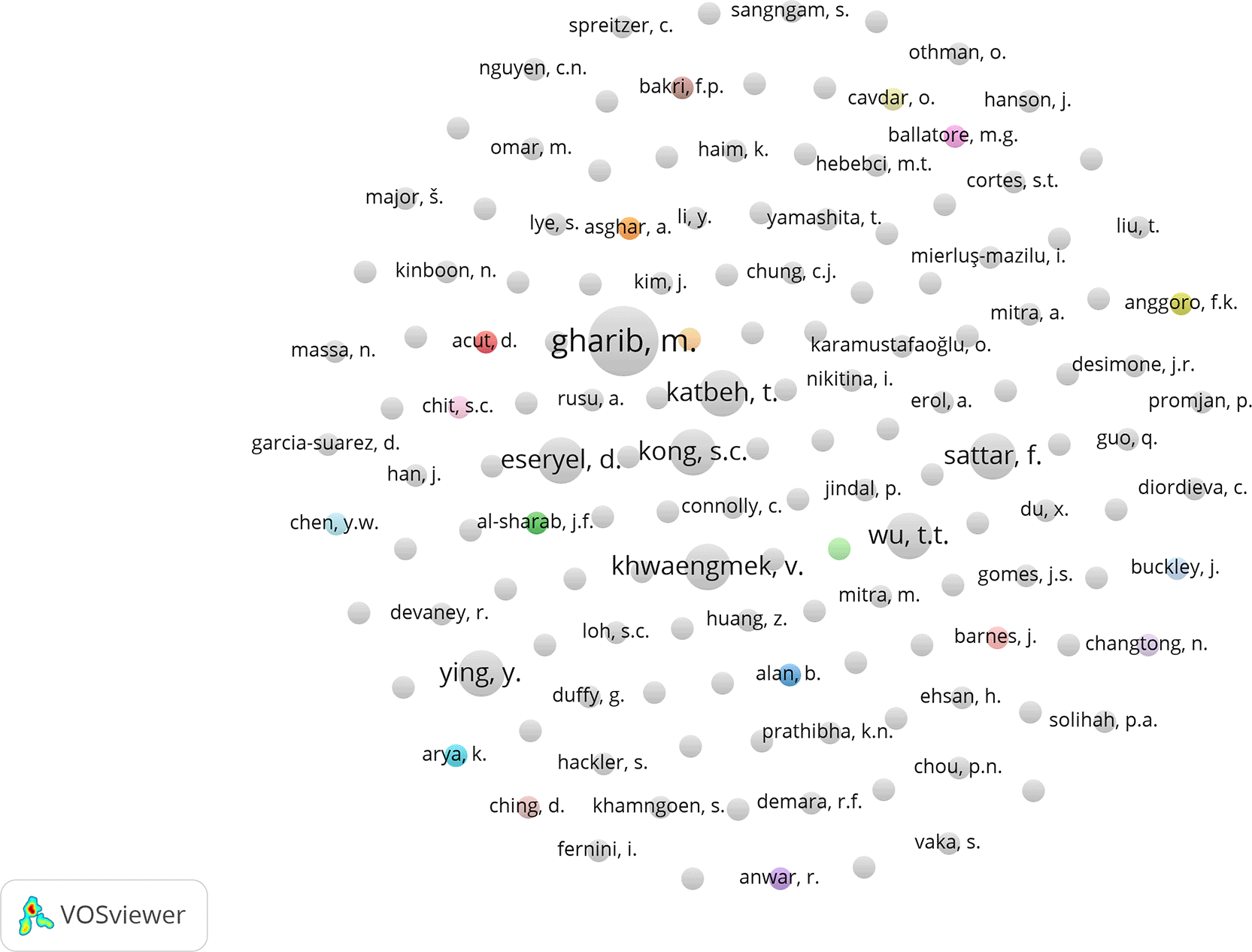
The co-authorship collaboration network among authors is illustrated in Figure 5.
Beyond individual researchers, institutional and country-level collaborations also play a crucial role in advancing STEM education. The co-authorship networks in Figure 3 and Figure 4 not only reveal connections between authors but also suggest patterns of institutional and national involvement in these collaborations. By examining the partnerships between institutions and countries, we can identify the most collaborative entities and their contributions to global STEM education efforts.
For example, institutions from countries with strong STEM research programs often form strategic alliances, which are reflected in the co-authorship networks. Countries such as the United States, Germany, and Japan are frequently at the forefront of STEM education initiatives, contributing to an expanding network of international collaboration in STEM. Similarly, institutions in emerging economies, such as those in Indonesia or India, are forming partnerships with established institutions in the West, enhancing the exchange of knowledge and resources.
These institutional and country-level collaborations not only foster innovation but also help distribute the benefits of STEM education globally. As Aboudahr et al. (Aboudahr et al., 2024) and Khalil et al. (Khalil et al., 2024) emphasize, these global partnerships play a critical role in addressing worldwide challenges, from climate change to technological advancements in healthcare.
Educational strategies, particularly project-based learning (PBL) and inquiry-based learning, are essential in developing problem-solving abilities among STEM students. However, no specific articles from the dataset were found that directly address these strategies within the context of STEM education. Nevertheless, the importance of these educational strategies is well-documented, where PBL and inquiry-based methods have been shown to enhance student engagement, foster teamwork, and improve critical thinking and problem-solving skills. These strategies offer real-world contexts in which students can apply their knowledge, encouraging them to find solutions to complex problems. Effective teaching methods like project-based learning (PBL) and inquiry-based learning that foster problem-solving abilities (Adikayanti & Retnawati, 2022; Giang et al., 2024; Ilma et al., 2023).
Technological integration has become an indispensable aspect of STEM education, significantly enhancing students' problem-solving skills. The redesign of online proctored exams in STEM learning provides a platform to integrate technology, enabling educators to assess problem-solving skills more effectively in virtual environments (Mitra, 2023). Furthermore, the role of digital tools in developing engineering skills has been highlighted as critical in supporting problem-solving through technology (Caratozzolo, 2022). Immersive technology not only aids in teaching but also improves the assessment of students' problem-solving capabilities by offering real-time feedback and interactive learning experiences (Chiu, 2022). Studies have further emphasized the role of technology in enhancing STEM education and problem-solving skills, demonstrating the positive impact of digital tools and immersive technologies on student learning outcomes (Awaji et al., 2025; Sahito & Wassan, 2024; Vinu Varghese & Renumol, 2021).
Finally, the theme of assessment and evaluation is crucial in measuring the development of problem-solving skills in STEM education. Technology integration within STEM education influences problem-solving assessments, allowing for more accurate tracking of student progress and providing valuable insights into their problem-solving approaches (Caratozzolo, 2022). Moreover, immersive technology enhances the evaluation process by offering interactive methods to assess students' understanding and their ability to solve complex problems (Chiu, 2022). Further research has emphasized the importance of developing effective methods for assessing problem-solving skills in STEM education, which are essential for evaluating students' competencies and ensuring their readiness to tackle real-world challenges (Priemer et al., 2020; Vinu Varghese & Renumol, 2021).
The most influential authors in the field, based on citation counts, include W.B. Bonvillian, who has amassed 24 citations, making him a key figure in analyzing the challenges and opportunities of higher education in the digital era. R. Tabarés, with 17 citations, has also played a significant role in advancing the conversation about maker culture as a critical component of STEM education. Other notable contributors include E. Shchedrina, with 16 citations, and M.H. Muhammad Hafizi, who has 7 citations. These authors have been instrumental in shaping research methodologies in STEM education, particularly in the integration of technology into teaching and learning processes. Their collective work continues to influence the development of problem-solving skills in STEM education by emphasizing innovative, technology-driven solutions. This group of researchers is at the forefront of pushing the boundaries of STEM education, driving new approaches to teaching and fostering creative, problem-solving strategies.
Gaps in literature
Although STEM education research has made considerable progress, there are several gaps in the literature that warrant further exploration. A key gap is the lack of empirical studies assessing the effectiveness of specific teaching methods in improving problem-solving skills within STEM education. Most current research focuses on theoretical frameworks, with limited longitudinal studies examining the long-term impact of emerging technologies in STEM education. Additionally, the efficacy of mobile learning and immersive technologies, such as Augmented Reality (AR) and Virtual Reality (VR), in enhancing students' problem-solving abilities across diverse educational contexts remains underexplored. Future research should focus on providing more empirical evidence to assess the outcomes of these approaches in real-world settings, particularly to understand how they can be integrated into different educational systems and cultures.
Recommendations
To address these gaps, future research should prioritize integrating emerging technologies, such as Artificial Intelligence (AI) and AR, into STEM education to further support the development of problem-solving and critical thinking skills. Additionally, exploring interdisciplinary approaches that combine STEM with other fields, such as the arts, social sciences, and humanities, can offer a more holistic view of problem-solving. By incorporating diverse perspectives, research in this area can foster not only technical and scientific skills but also creative, adaptive, and ethical thinking. Such interdisciplinary research could help prepare students for complex, real-world challenges by promoting a broader and more integrated skill set, essential for navigating the complexities of the 21st century.
This bibliometric review has provided valuable insights into the evolving trends and patterns in STEM education and its role in developing problem-solving skills. The analysis highlights a significant increase in research activity from 2018 onwards, reflecting a growing global interest in enhancing STEM education to equip students with essential problem-solving abilities. Key findings include the rising importance of integrating 21st-century skills, such as creativity, critical thinking, collaboration, and communication, into STEM curricula. Furthermore, the shift towards innovative teaching methodologies, such as project-based and inquiry-based learning, has proven effective in fostering problem-solving capabilities. Notably, mobile learning and immersive technologies have become key themes in recent research, showing promise in enhancing students' cognitive flexibility and problem-solving skills in STEM contexts.
The findings of this review have several important implications for educators, policymakers, and researchers. For educators, the integration of emerging technologies, such as AI and AR, offers new avenues for enhancing problem-solving skills in STEM education. Educators should consider adopting interdisciplinary approaches that blend STEM with other fields, such as the arts or social sciences, to provide students with a more holistic education. For policymakers, there is a clear need for continued support for STEM programs that prioritize the development of critical thinking and problem-solving skills. This may involve investing in teacher professional development and encouraging the adoption of innovative teaching strategies. Researchers are encouraged to explore the gaps identified in the literature, such as the need for more empirical studies on the effectiveness of specific teaching methods and technologies in enhancing problem-solving abilities. Further research should also investigate the long-term impact of these methods on students' preparedness for real-world challenges.
In conclusion, STEM education plays an irreplaceable role in preparing students to solve complex, real-world problems. As research continues to expand in this area, it will be essential to focus on the integration of advanced technologies, interdisciplinary teaching methods, and a comprehensive approach to problem-solving that prepares students for the dynamic challenges of the 21st century.
This study is a bibliometric analysis based on secondary data obtained from publicly available bibliographic records. It does not involve human participants, personal data, or experimental procedures. Therefore, ethics approval, consent to participate, and consent to publish are not applicable.
| Views | Downloads | |
|---|---|---|
| F1000Research | - | - |
|
PubMed Central
Data from PMC are received and updated monthly.
|
- | - |
Provide sufficient details of any financial or non-financial competing interests to enable users to assess whether your comments might lead a reasonable person to question your impartiality. Consider the following examples, but note that this is not an exhaustive list:
Sign up for content alerts and receive a weekly or monthly email with all newly published articles
Already registered? Sign in
The email address should be the one you originally registered with F1000.
You registered with F1000 via Google, so we cannot reset your password.
To sign in, please click here.
If you still need help with your Google account password, please click here.
You registered with F1000 via Facebook, so we cannot reset your password.
To sign in, please click here.
If you still need help with your Facebook account password, please click here.
If your email address is registered with us, we will email you instructions to reset your password.
If you think you should have received this email but it has not arrived, please check your spam filters and/or contact for further assistance.

Comments on this article Comments (0)