Keywords
Aeolian soil, rubber waste, confined compression, stiffness, compressibility, energy dissipation

This article is included in the Fallujah Multidisciplinary Science and Innovation gateway.
Aeolian soil, rubber waste, confined compression, stiffness, compressibility, energy dissipation
Aeolian soils, AS, are widespread in many regions of the world. Climate change has significantly contributed to increased global desertification, thereby increasing the areas covered by AS. This situation has caused numerous environmental problems and damage to many infrastructures. Finding systematic engineering methods to exploit these abundant and freely available granular deposits and paving the way for more engineering applications to use them may help mitigate their harmful effects (Altameemi et al. 2023; Altameemi and Al-Taie, 2024). The AS has been proven to be applied as a construction and backfilling geomaterial for retaining structure facilities or filling materials beneath their footing (Al-Taie and Ahmed, 2024, 2025).
On the other hand, every day, rubber waste, (RW), from scrap tires accumulates from discarded or old tires and adds important hazards and problems to the surrounding environment. Numerous studies have been conducted to find practical solutions to the problems of these materials. They used scrap tires in various forms, comprising chips, shreds, and granulated materials. Mixing of these materials with soils produces mixtures of geomaterials with distinct properties. These materials have important applications in several civil engineering projects. Lightweight geomaterials as backfill for earth-retaining walls and fill for highway embankments, thermal inclusion in roads, drainage applications, vibration damping for foundations, and limiting building heat losses are among these applications (Ahmed and Lovell, 1993; Bosscher et al. 1997; Lee et al. 1999; Heimdahl and Druscher, 1999; Feng and Sutter, 2000; Garga and O’Shaughnessy, 2000; Edincliler et al. 2004; Edincliler et al. 2010; Abdelaleem et al. 2024; Akhtar and Tsang, 2024; ElEmbaby et al. 2024; Khan et al. 2024; Olofinnade and Adeyinka, 2024; Ghaleh et al. 2025).
If the granular material mixtures are engineered, they may exhibit special characteristics. Different scholars have explored the mixtures of sand and rubber materials. Such explorations are necessitated as a result of the increase in discarded tire numbers (Lin et al. 2025; Oh and Choo, 2025; Wang et al. 2025). It is important to mention that the determination of appropriateness and the applicable characteristics of the soil-waste rubber mixtures are the responsibility of scholars. Such determination can assist in providing specifications to simplify environmental and construction protection and to find further particular applications (ASTM D6270–20, 2020).
Fonseca et al. (2019) studied the mechanisms of energy dissipation and the interaction between particles of sand and rubber. They used the oedometer device and X-ray tomography to state the energy dissipation and provide support to the thought that there is an increase in the contribution of the rubber at high applied stresses. Furthermore, they showed the influence of the saturation on the frictional sliding. According to these authors, the energy dissipation can be measured at large strain from the oedometer loading—unloading curves. Conversely, the dynamic behavior of the sand and rubber mixtures at small strain was investigated by Wu et al. (2021) using the resonant column tests. Their investigation supported the idea of the augmentation of mixture damping with increasing rubber.
The effect of cyclic axial load on the mixtures of sand and rubber is studied by Ozkan et al. (2023a). Their experiments adopted the loading tests of the one-dimensional to report the stiffness degradation, damping behavior, and hysteresis loops under cyclic axial load. The change in the energy dissipation with loading cycles, rubber content, and the applied stress is supported by this study. Whereas, the damping of the mixtures of sand with rubber is examined by Tao et al. (2023) by subjecting these mixtures to cyclic loading. Their examination showed that the energy dissipation can be reflected by damping during the dynamic vibrations. Also, the trend of energy dissipation of sand mixed with rubber material has been focused on by Li et al. (2024). These authors studied the damping behavior and energy dissipation of mixtures under cyclic triaxial loading. They found a significant impact of the quantity of rubber on the dissipated energy; furthermore, they concluded that an augmentation in dissipated energy occurs with more rubber inclusion. The pattern of energy dissipated when the clean sand with silt is subjected to cyclic loading is studied by Polito and Martin (2024) and Polito et al. (2024). Different tests are adopted in this study, including cyclic simple and cyclic triaxial (both stress and strain controlled). These authors found that the ratio of the dissipated energy depends on the magnitude of this energy and is independent of the time of dissipation.
According to the above review, it is clear that there are limited direct experimental studies available in the literature regarding the stiffness and energy dissipation of sand—rubber specimens using the oedometer device. To fill the scarcity, the present experimental investigation was designed to explore in more detail the compressibility, stiffness, collapsibility, and energy dissipation of “Aeolian soil, AS” and its mixtures with rubber, from tire waste, under lateral restraint conditions. Three series of oedometer tests were conducted for pure AS specimens, AS mixed with (15, 30, and 45%) rubber waste (RW) and specimens of pure RW. The tests include, in addition to standard physical tests, the standard oedometer tests, the double oedometer tests, and the cyclic oedometer tests of both dry and saturated conditions.
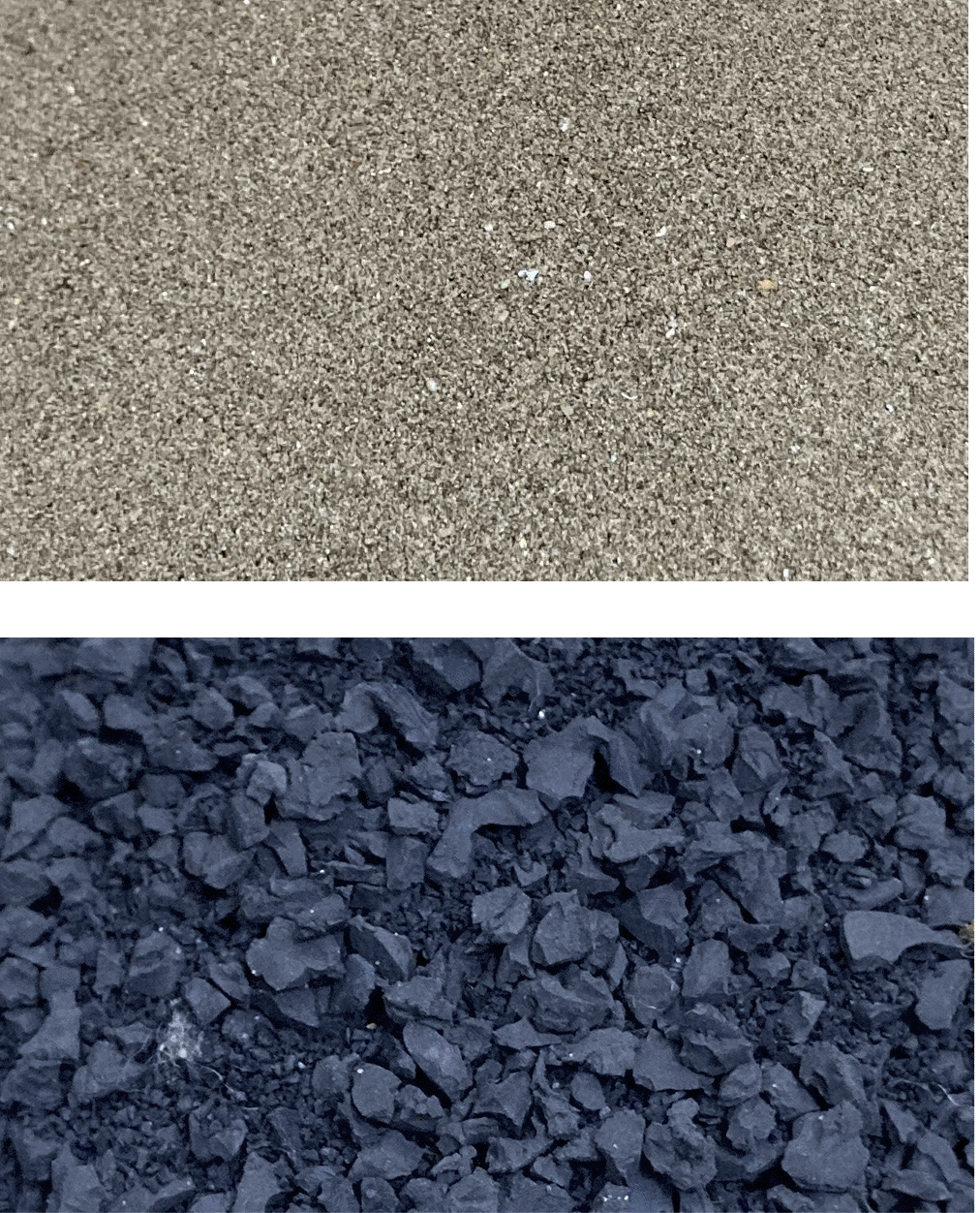
Aeolian soil (AS) from the southern Mesopotamian Plain is adopted in this investigation. The selected soil is a grey colored, fine, well-sorted sand. The properties of the soil are presented in Table 1, which indicates that it is poorly graded sand according to ASTM D2487, “Unified Soil Classification System.” Also, the rubber waste, RW, is used, which is a granulated rubber from the recycling of tire waste from scrap tires. The scrap tires were shredded into large-sized shreds called tire chips. These chips, in turn, were minced to form a mulch product. After that, the mulch product was granulated to produce the crumb rubber. It is a black-colored material of low solid density, as shown in Table 1 and Figure 1.
The Aeolian soil and the rubber waste mixtures were prepared with five different weight fractions (Wr) of rubber. Wr was calculated as in Equation 1 with values ranging from 0% to 100%. Where Wrubber and Wsand represent the dry weight of the rubber waste and Aeolian soil, respectively. The first weight fraction is Wr = 0% which denotes the pure Aeolian soil (without rubber waste) and is designated as (ASRW0), while the latest Wr is 100% where the material is pure rubber waste (100% rubber, ASRW100). The rest of the Wr values are 15%, 30%, and 45% (ASRW15, ASRW30, and ASRW45).
The limiting unit weights of Aeolian soil, rubber waste, and their mixtures are determined as per ASTM standards (D4253 and D4254). These values were used to determine the limiting void ratios. The relative density for testing specimens in oedometer tests was defined as 70%. Accordingly, the target void ratios of the mixture specimens were specified.
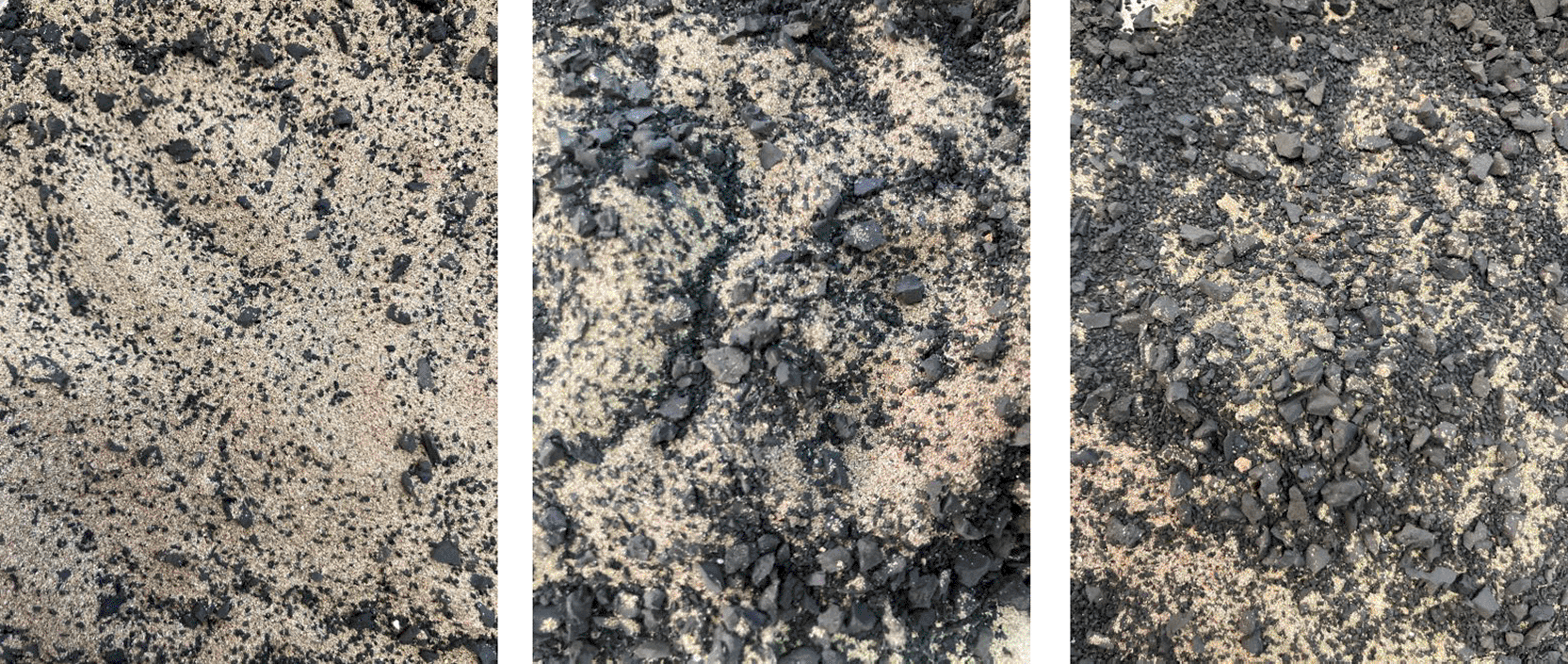
In this work, three series of oedometer tests were carried out utilizing the standard front-loading oedometer apparatus. A 50 mm diameter and 20 mm height were the dimensions of the specimens in the oedometer cell. The specimens were prepared by dividing the mixtures into two volumes and placing them inside the fixed, clean, lubricated stainless steel ring of the oedometer cell to mitigate the effect of segregation and boundary friction. Additional accessories include a 5 mm diameter tamper rod of steel, a bowl and spoon made from steel, and a 0.01 g digital scale were used to achieve the target relative density. The required relative density for each mixture was first specified, and the volume of the oedometer cell ring was calculated. Then the mass required to fill this volume was known. This mass was prepared as a dry mix inside the bowl properly and carefully until it reached as homogeneous a form as possible ( Figure 2). After that, the produced mixture was divided into two parts, each of which was translated into the oedometer ring with a zero falling distance to avert any possible segregation. The compaction was started using the tamper rod, and it was stopped when the total mass of the mixture fit the whole oedometer ring volume. The oedometer was set up, and the dial gauge of sensitivity 0.002 mm was adjusted to an initial reading, and the seating stress of 5.0 kPa was applied.
Three different oedometer series for each mixture were conducted. In the first one, the prepared specimens were tested in two conditions: the as-prepared condition (dry condition) and after soaking in tap water for 24 hrs, and then they were loaded as per ASTM D2435. The purpose of this series is to determine the compression parameters of the investigated mixtures. More purposes of this test are to determine what was termed the “one-dimensional incremented stiffness, Sm,” as illustrated later.
On the other hand, the collapse potential capacity was the goal of the tests in the second series. To achieve this goal, two identical specimens were prepared and loaded according to Jennings and Knight’s (1957) procedure to study the response to inundation at various applied stresses. While, the third series test is a non-classic oedometer test. It intends to give an idea about the stiffness and energy dissipation of the dry and saturated Aeolian soil—rubber waste mixtures under different loading—unloading—reloading cycles and then presents an idea regarding the dynamic responses of these materials. It should be stated that the procedure followed in this test series is as per Fonseca et al. 2019 and Ozkan et al. 2023a, 2023b. The initial specimen condition is as in a standard oedometer, but the sequence of the test differs. The specimens were subjected first to a loading stage to a specified stress, then they were un-loaded (in an un-loading stage) to the initial seating stress. After that, the specimens were subjected to loading again, in a reloading stage, with a load sequence similar to the previous stage, but to a maximum stress equal to twice the stress. The mentioned stages (loading, un-loading, and reloading) represent one loop of stress. These stages were repeated by increasing stress increments to produce more loops. Each specimen was subjected to five loops and tested in the dry state, then repeated for the inundated state to explore the cyclic response under saturation.
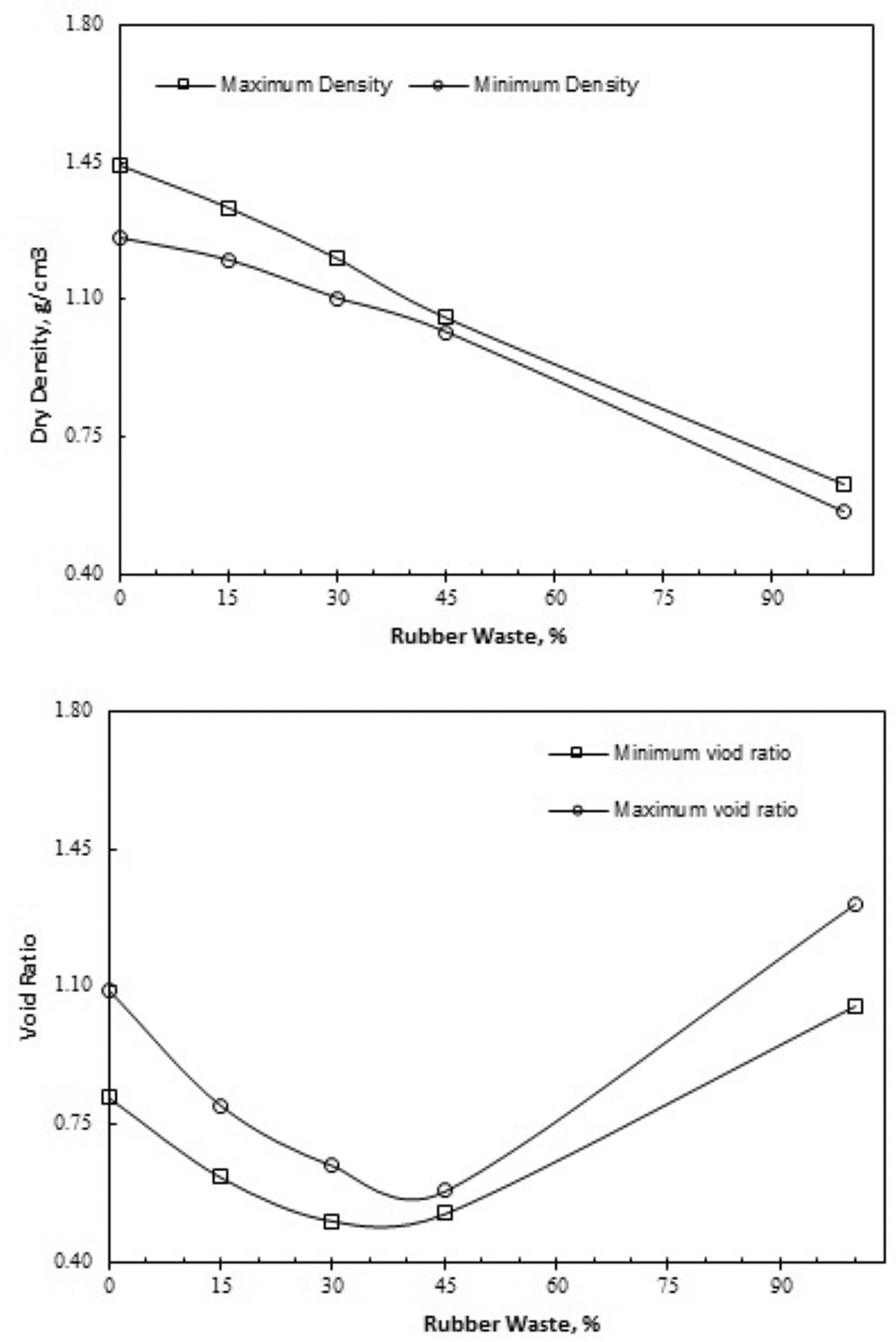
The void ratios corresponding to the maximum and minimum densities of the mixtures with various rubber waste content were calculated, and the values are plotted in Figure 3. Higher values of the void ratios corresponding to limiting densities (maximum and minimum) were determined for pure rubber waste, 1.053 and 1.310; this indicates the damping characteristics of this material. Including the rubber waste in the mixtures caused a reduction in limiting densities and affected the void ratio values. This, therefore, may have influenced the compressibility response and damping characteristics of the Aeolian soil—rubber waste mixtures as discussed later.
In the context of these damping characteristics, the results of oedometer tests on Aeolian soil-rubber waste mixtures under conditions of one-dimensional confinement are analysed and plotted, considering the effect of rubber contents on the compressibility, stiffness, collapse potential, and energy dissipation of mixtures of different densities.
Under conditions of one-dimensional confinement, the compressibility of dry and saturated Aeolian sand—rubber waste mixtures were investigated. The results of oedometer tests are plotted in Figure 4 in the form of void ratio (normal scale) versus the effective normal stress (logarithmic scale). This figure shows the ASRW mixtures’ compressibility curves for the diversity of RW fractions utilized in this work. The compressibility curves become increasingly nonlinear for mixtures with more than 30% RW content and when the applied stresses exceed 400 kPa. On the other hand, at RW content of more than 15%, it can be noted that the response of mixtures reveals distinct rebound curves at higher applied stresses. This is also noted for sandy soil samples tested by other scholars (e.g., Lee et al. 2007; Kim and Santamarina, 2008; Sheikh et al. 2013; Rouhanifar, 2017). The recorded RW content in the literature in which the same behavior was noted is more than 20% (Edil and Bosscher, 1994; Muir-Wood and Stiffness, 2009; Lee et al. 2014; Liu et al. 2018; Ozkan et al. 2023b).
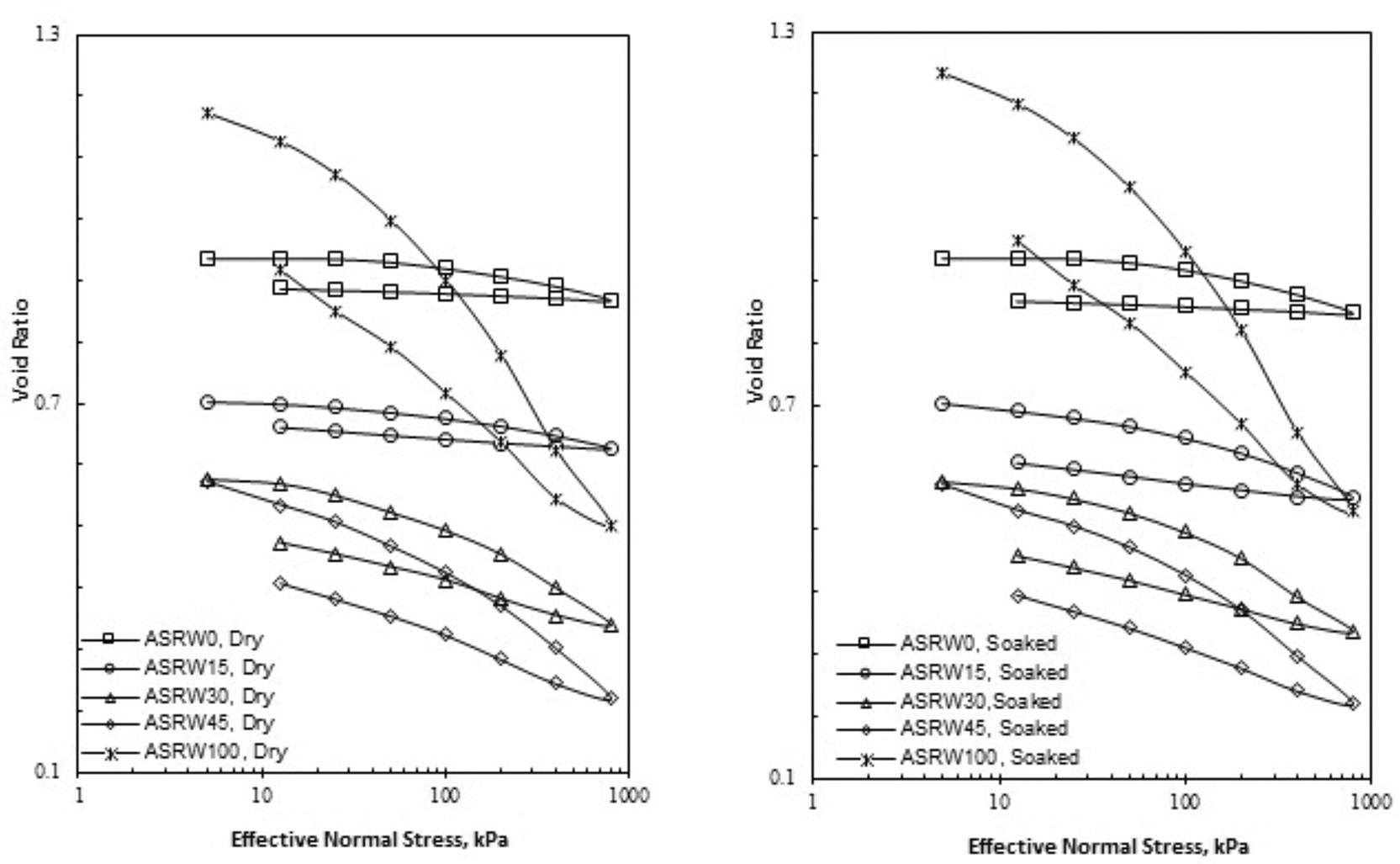
The Aeolian soil mixed with rubber waste exhibits low sensitivity to soaking. However, high compressibility and further deformation can be seen at higher RW content, at which the void ratio reaches its minimum value (close to 0.2). Moreover, at the end of un-loading stages, higher remnant deformation values can be observed. This is also noted to increase with the addition of the rubber inclusion, which is a compressible elastic material. The linear portion of loading and un-loading curves shown in Figure 4 is used to calculate the compression parameters (compression index, Cc, and rebound index, Cr) with variation of RW content in both dry and saturated conditions as presented in Figure 5. Almost, with the increase in RW content, above 15%, the Cc and Cr are increased with a linear trend; however, the trend is nonlinear with lower RW content. Finally, it can be concluded that the strain of ASRW produced under axially confined loading increases as the samples translate from rigid, pure sand grains, to elastic, deformable pure rubber grains.

Studying the stiffness of ASRW mixtures due to changing the rubber content is one of the main goals of the current paper. To achieve it, the results of the oedometer test have been analyzed and replotted in the form of effective normal stresses (kPa) versus the vertical strain, (%), (both in normal scale), as in Figure 6. It is worth noting that as the RW increased, the non-linearity of the normal stress-axial strain curves increased due to the lower stiffness and elastic deformability of RW grains. The slope of the curves in this figure was adopted in the calculation of the “one-dimensional incremental confined stiffness (SM)” of mixtures using the following equation (Ozkan et al. 2023b):
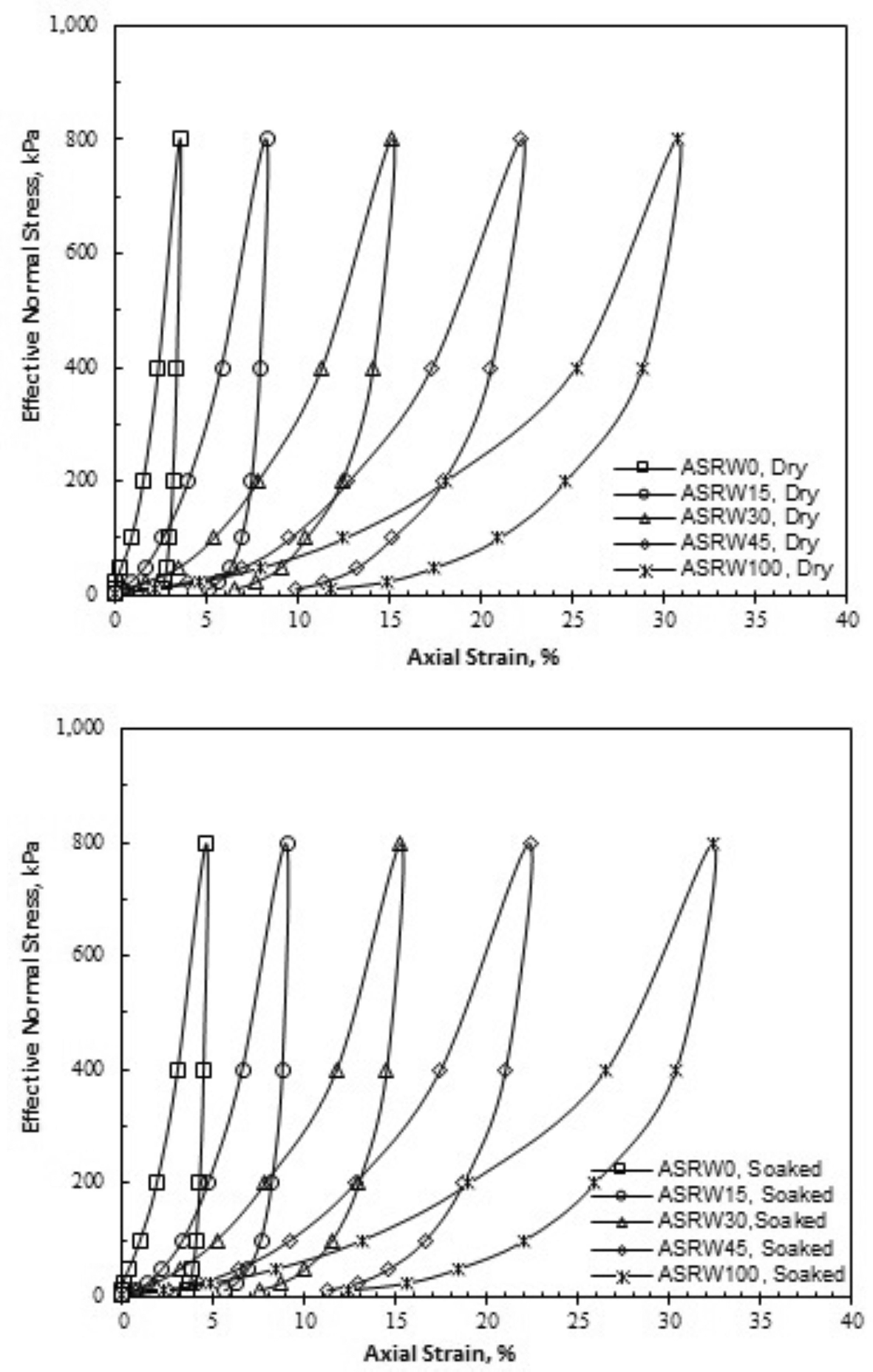
Where Δσv and Δεv are the increments in stress and strain for each tested specimen. According to Muir-Wood and Stiffness (2009), the SM, stiffness stress dependency, and effective normal stresses are related in the form shown in Equation 3:
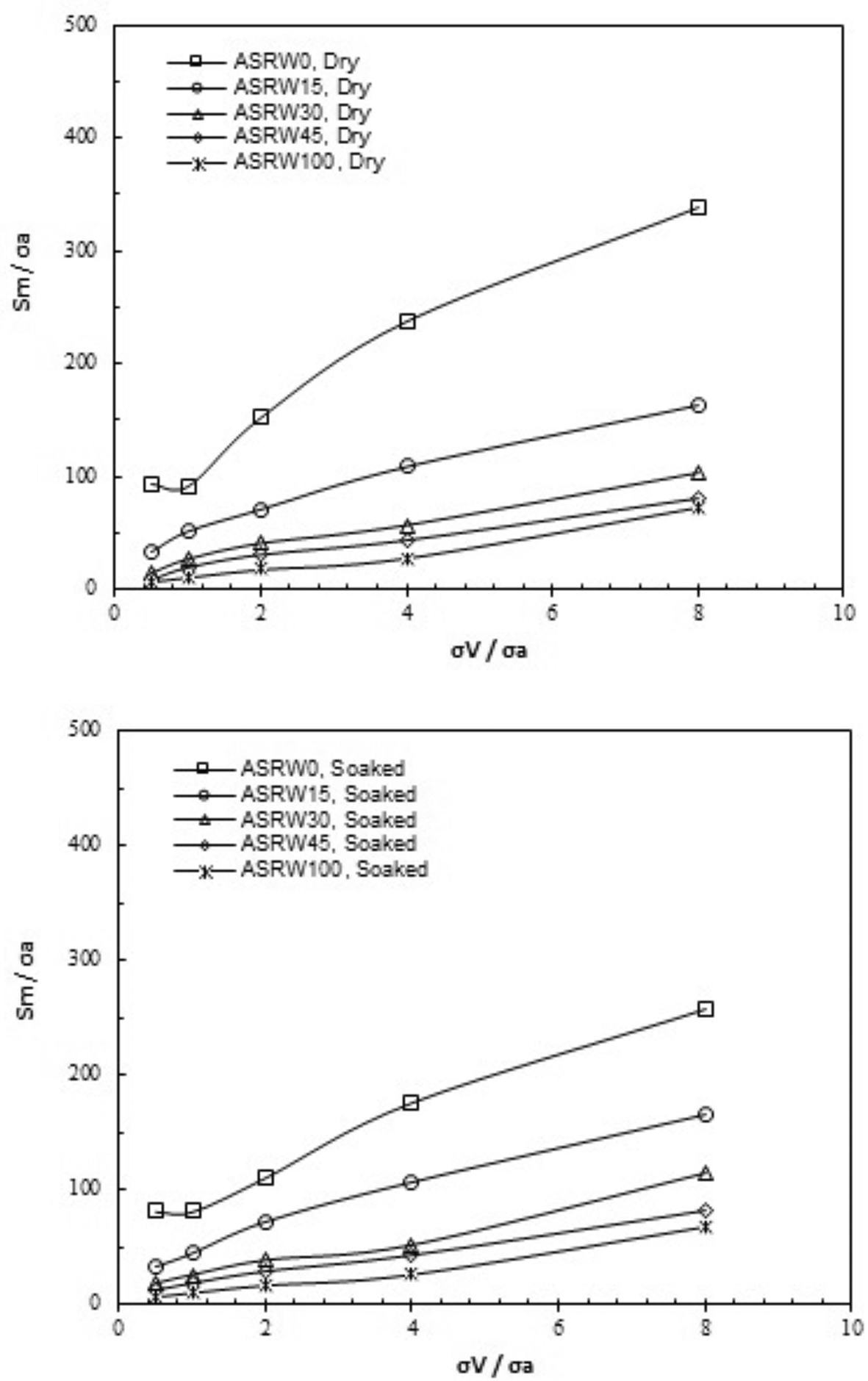
Where σa, b, and c are the reference stress, modulus number, and parameter of stiffness stress dependency, respectively. The value of 100 kPa is conceded for σa (Ozkan et al. 2023a, 2023b). This value was used to normalize the SM and σv, then the relation between the normalized values was generated and plotted as shown in Figure 7. For both dry and saturated conditions, RW content above 15% has a pronounced effect, with curves in Figure 7 converging near the origin. This behavior indicates that the magnitude and rate of increase in mixture stiffness are at their lowest state. At higher RW content, the mixtures behave more like pure rubber than granular soil. The same trend was observed by scholars such as Madhusudhan et al. (2019) and Ozkan et al. (2023b) on sand mixed with a higher content of shredded tire or rubber material.
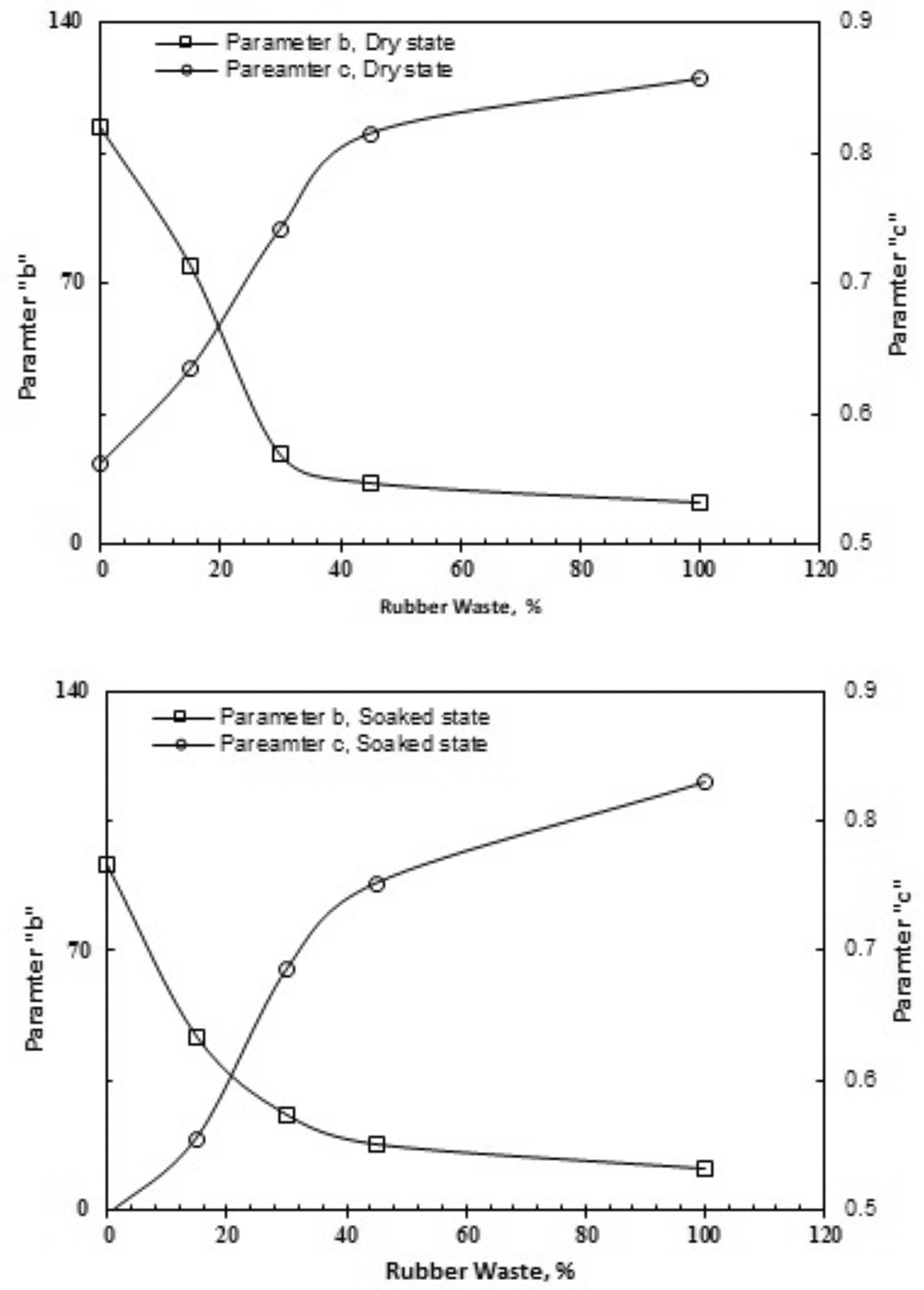
According to Muir-Wood and Stiffness (2009), the materials that have a lower value of modulus number are less stiff. Based on the findings of the parameters b and c, an examination of the stiffness properties of the ASRW mixtures was carried out. The variation of the parameters b and c with fractions of RW is plotted in Figure 8. Two behaviors are recognized in this figure: the first is the sand-like, and the second is the rubber-like (Kim and Santamarina, 2008; Lee et al. 2010; Fonseca et al. 2019). Mixtures with 15% RW exhibit sand-like behavior, while those with 30% or more RW behave similarly to pure rubber. At a lower RW content, the contacts of rubber particles are less dominant; thus, sand-like behavior is dominant, and the value of the parameter b is less, and vice versa. On the other hand, the parameter of stiffness stress dependency reveals a direct proportionality with rubber content. Its value is close to unity with mixtures ASRW45 and ASRW100. This trend would signify the proportionality between the constrained modulus and the level of stress. However, the mixture stiffness increases with decreasing RW, and the soaking has a little impact on the ASRW mixtures’ stiffness.
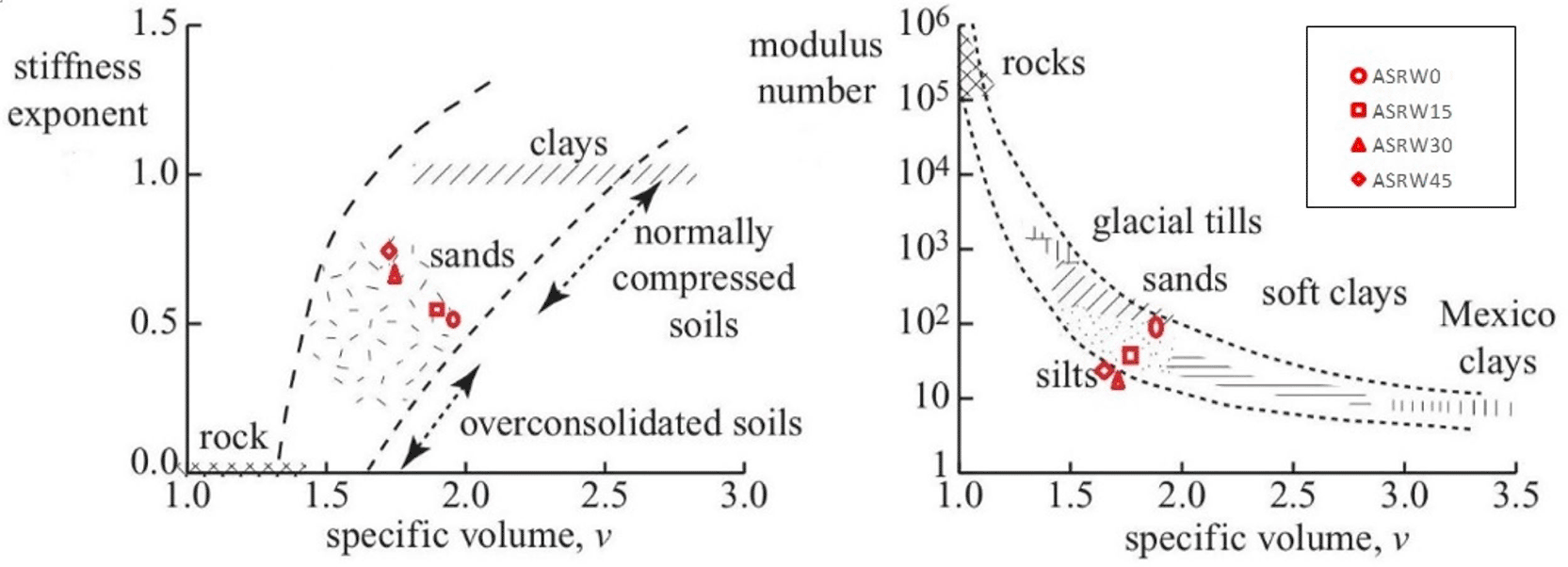
A final comparison with scholars: the parameters b and c obtained in the current experiments are duplicated on the chart provided by Muir-Wood and Stiffness (2009) for various geomaterials, as in Figure 9. It is clear that the parameters (modulus number and the stiffness exponent) move downwards and upwards, respectively, as the content of the rubber fraction increases. In other words, the mentioned movement indicates a change in mixture behavior from more stiff and sand-like to softer and rubber-like. Nevertheless, all mixtures are within the limits of defined geomaterials.
To understand the collapse behavior of Aeolian soil mixed with rubber waste, the designated mixtures herein were subjected to double oedometer tests. The change in axial strain with effective normal stress was recorded, the calculations were conducted, and the results were plotted in Figure 10a. The effect of replacing the solid AS grains with the compressible soft RW and soaking on their mixtures is obvious in this figure. The dense pure AS exhibits high stress resistance in dry and wet states due to the rigid grains nature. This behavior changes slightly as a low fraction (<30%) of the RW is included. The non-linearity of curves is increased slightly due to the impact of such a soft material inclusion. With further inclusion, this state becomes more pronounced. Meanwhile, in the case of pure RW, even at the low applied stress, large axial strain is produced; this is, however, an indication to the elastic deformability of this material.
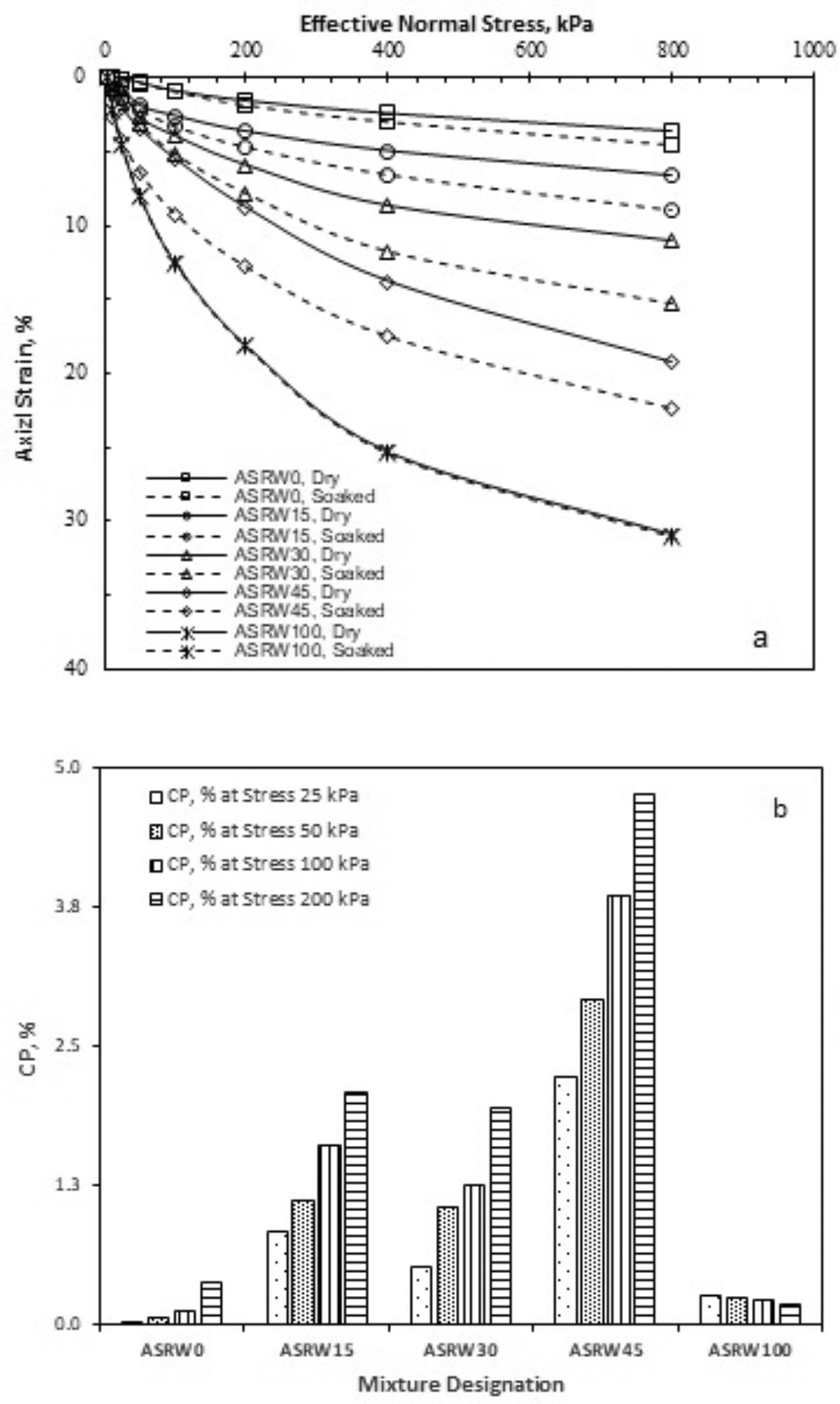
On the other hand, the collapse potential (CP) was calculated at different effective stresses, as shown in Figure 10b. Limited collapse potential occurs in pure AS, mixtures with lower RW fractions, and pure RW. While moderate to moderately severe collapse (ASTM D5333) occurs for higher RW mixtures. Limited collapse is noted for wetted AS due to the rigid skeleton, high stiffness, and fewer voids. The CP is increased as the RW inclusion increases, allowing the re-arrangement of grains and causing a slight collapse. Higher rubber content replaces more of the solid skeleton, forming hybrid mixtures with increased collapsibility. The skeleton of these mixtures is weaker, allowing more rearrangements of grains, and as a result, a greater collapse (this is pronounced for mixture ASRW45). On the other hand, the pure RW samples do not seem to experience structural collapse due to the nature of the rubber material, i.e., the hydrophobicity and resistance to water ingress.
In light of the rubber energy dissipation property (Liu et al. 2020; Han et al. 2020), the mixtures of ASRW were tested under cycles of loading—unloading-reloading confined compression conditions in both dry and wetted states, as shown in Figure 11. From a geotechnical perspective, the loops in this figure can provide insights into stiffness and energy dissipation of the dry and saturated Aeolian soil—rubber waste mixtures under the above condition. Regarding the dissipated energy, Fonseca et al. (2019) stated that the energy dissipation can be obtained by measuring the area between the loading curve and the reloading curve for each of the loops of the loading—unloading-reloading test like those in Figure 11. These authors emphasized that energy dissipation measured from the cyclic oedometer test is applicable to provide comments regarding the nature of energy.
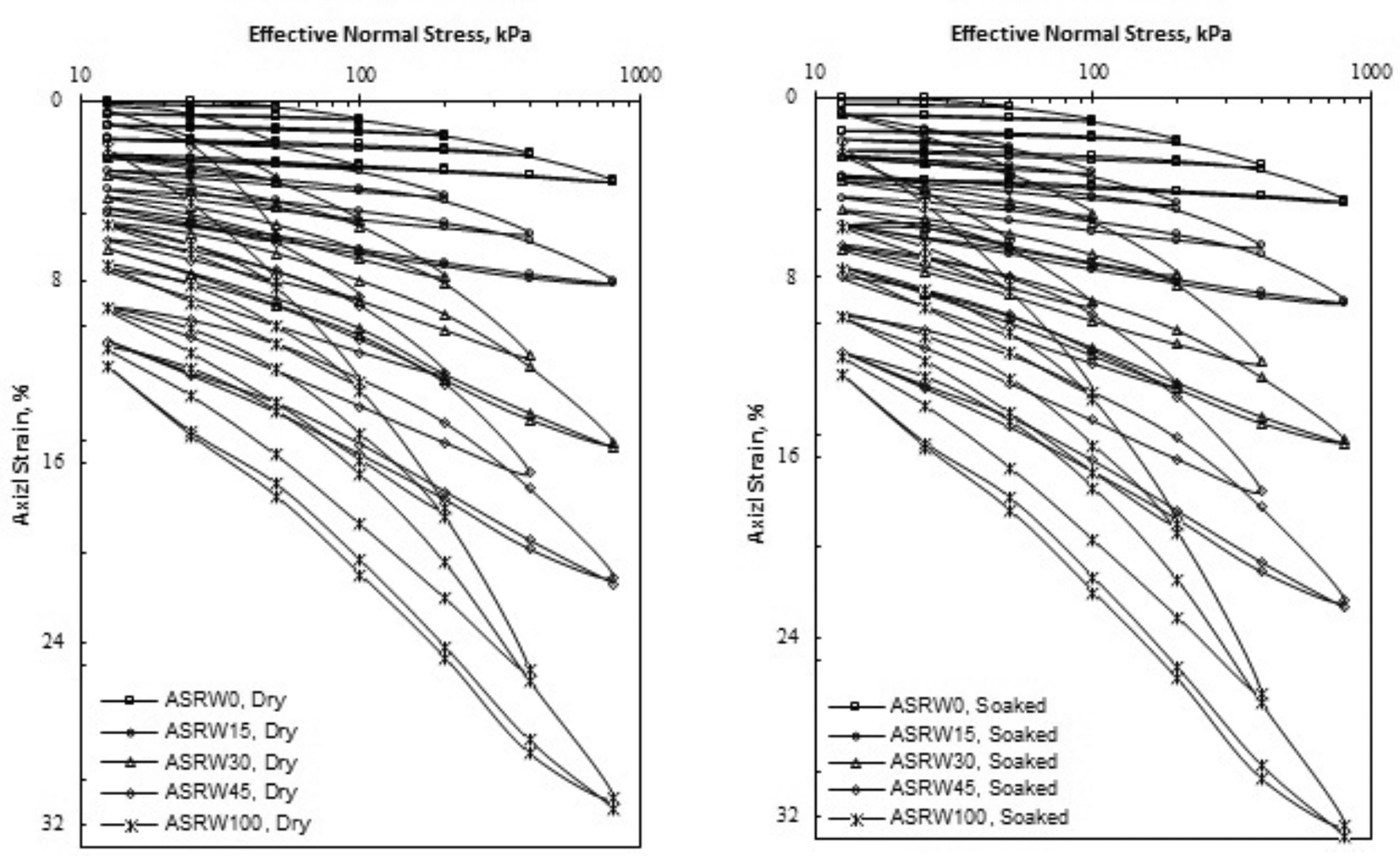
However, to provide a precise measurement of the energy dissipation, each test sample, the curves in a specific loop of loading and unloading in Figure 11 are subjected to nonlinear regression. The fitting using a saturating hyperbolic function (Equation 4) was applied to capture a smooth transition and the curvature of the progressive loading and unloading stages. The values of the constants (a1 and a2) and the statistical coefficients for Equation 4 were determined.
The obtained differentiable hyperbolic function enables the calculation of the closed area of each loop. According to the literature (Jiang et al. 2019; Al-Taie, 2025a), the analytical integration of the saturated function of fitted stress-strain curves is the energy dissipated (ED). Therefore, the area for each loop in Figure 11 is calculated using the following expressions:
The loading curve represents the absorbed energy, while the unloading curve is the released energy; both can be calculated exactly from Equation 5. Therefore, the loop area was computed using this equation to represent the dissipated energy. The values calculated herein is applicable to provide comments regarding the nature of energy.
Table 2 presents the variation of the ED with different rubber fractions for all loops. It is proven in the previous section that the stiffness of RW is much lower than that of AS; also, its deformation tendency is higher. The RW has a tendency to recover the compressed volume, while the AS may undergo crushing, thus, it has a lower volume recovery. Therefore, it is expected that the behavior of the mixtures of these materials differs from that of the pure materials.
The internal friction and irreversible deformation of the geomaterials under loading cycles are reflected in the form of dissipated energy. In each cycle of loading, the material loses work, and this work is represented by the dissipated energy. The energy is related to the ability of the geomaterials to mitigate the vibrations from dynamic loading (i.e., the damping). These quantities are directly proportional in the mixtures of granular geomaterials and rubber materials. The mechanisms controlling the damping and energy dissipation of such mixtures are related to the interfacial friction, viscoelastic hysteresis, and particle rearrangement of the grains of rubber. A direct assessment of the ED is possible from the loading—unloading curves of the cyclic odometer’s loops. More energy dissipation ability is expected in mixtures with a higher loop area. From Figure 11 and Table 2, it is clear that the inclusion of RW grains in the mixture of AS augments the energy dissipated. Such inclusion introduces additional viscoelastic resistance and deformability to the produced mixtures. This is, however, dependent on the level of the applied stresses. Both the AS skeleton and the RW particles undergo compression and rearrangement simultaneously when this level is low to moderate (less than 400 kPa). At higher stresses, a strong compression occurs in RW grains, causing enlargement in the area of the loading—unloading loop, thereby increasing the energy dissipation. Also, at very high stresses, the densification of the mixtures is increased, where both AS and RW grains compact considerably; as a result, more energy is dissipated.
The effect of saturation on the dispersion of energy of ASRW mixtures is investigated in this work. As shown in Figure 11, the loading—unloading loops were generated for both dry and soaked mixtures. In general, the soaking impact on the energy dissipation is found to be slight. At a stress level of 50 to 100 kPa, a slight shrinkage in the area of the loading—unloading loops is noted due to soaking. However, the reduction is less pronounced at 100 kPa. Furthermore, a narrow difference in ED, compared to the unsoaked state, was recorded for mixtures loaded to 200 and 400 kPa. Meanwhile, a negligible impact on energy dissipation has been noted in saturated mixtures tested at 800 kPa where the viscoelastic behavior of the RW mostly controls the dissipated energy (Fonseca et al. 2019; Dai et al. 2023, 2024, Li et al. 2024).
The compressibility, stiffness, and energy dissipation of Aeolian Soil-Rubber Waste Mixtures Under confined compression. Condition have been analysed and deduced. Accordingly, conclusions from the results are drawn as shown.
The mixtures exhibit high compressibility and further deformation at higher RW content, at which the void ratio reaches a minimum value (close to 0.2). The shape of the compressibility curves seems more non-linear for mixtures with more than 30% RW content and when the applied stresses exceed 400 kPa. Moreover, at the end of the unloading stages, higher remnant deformation values are observed. Almost, with the increase in RW content, the Cc and Cr increase with a linear trend; however, the trend is nonlinear with lower RW content.
As the RW increases, the non-linearity of the normal stress-axial strain curves increases due to the lower stiffness and elastic deformability of RW grains. At a lower RW content, the contacts of rubber particles are less dominant; thus, sand-like behavior is dominant, and the value of the stiffness parameter is less. On the other hand, the soaking has little impact on the ASRW mixtures’ stiffness.
Limited collapse notes for wetted AS due to the rigid skeleton, high stiffness, and fewer voids. The CP increases as the RW inclusion increases, allowing the re-arrangement of grains and causing a slight collapse. With higher inclusion of soft materials, more replacement of the solid skeleton results in the formation of hybrid packing mixtures. The skeleton of these mixtures is weaker, allowing more rearrangements of grains, and as a result, more collapse. While pure RW samples do not seem to experience structural collapse due to the hydrophobic nature and resistance to water ingress.
The RW inclusion causes the mixtures to absorb and dissipate more energy. The RW worked as a mini damper inside the mixtures. This is clear in the loops of loading and unloading in the cyclic oedometer tests. Moreover, with more RW fractions, the loading curves become flatter, indicating a soft response, while the unloading branch becomes more curved. Meanwhile, in pure AS, the loading branch closes to the unloading, producing a narrow enclosed area, i.e., less dissipated energy. This is attributed to the nature of RW particles, which are viscoelastic, and to the increase in the slip of the interface between AS and RW.
Finally, these results indicate potential applications of ASRW mixtures, as they exhibit more damping capacity. They can be applied in different infrastructures as a vibration-damping for the foundation and to reduce the seismic thrust on retaining structures.
| Views | Downloads | |
|---|---|---|
| F1000Research | - | - |
|
PubMed Central
Data from PMC are received and updated monthly.
|
- | - |
Provide sufficient details of any financial or non-financial competing interests to enable users to assess whether your comments might lead a reasonable person to question your impartiality. Consider the following examples, but note that this is not an exhaustive list:
Sign up for content alerts and receive a weekly or monthly email with all newly published articles
Already registered? Sign in
The email address should be the one you originally registered with F1000.
You registered with F1000 via Google, so we cannot reset your password.
To sign in, please click here.
If you still need help with your Google account password, please click here.
You registered with F1000 via Facebook, so we cannot reset your password.
To sign in, please click here.
If you still need help with your Facebook account password, please click here.
If your email address is registered with us, we will email you instructions to reset your password.
If you think you should have received this email but it has not arrived, please check your spam filters and/or contact for further assistance.

Comments on this article Comments (0)