Keywords
ISCB Student Council, bioinformatics, computational biology, symposium, hybrid, Asia, Pacific, APBJC, Japan

This article is included in the Bioinformatics gateway.
ISCB Student Council, bioinformatics, computational biology, symposium, hybrid, Asia, Pacific, APBJC, Japan
The International Society for Computational Biology (ISCB) Student Council (SC) was officially established in 2004 to represent the next generation of bioinformatics and computational biology enthusiasts, including students at all levels, and early career researchers (ECRs) worldwide, to connect, collaborate, and grow together (Gehlenborg et al., 2007; Hassan et al., 2018; Parisi et al., 2019). Since its inception, ISCB-SC has worked to foster connections among young researchers from various related fields, including biology, computer science, chemistry, medicine, mathematics, and informatics, through in-person and online international events and regional student groups (RSGs) (Eranti et al., 2023; Shome et al., 2016). Student Council Symposia (SCSs) (Hassan et al., 2018; Osorio-Mogollon et al., 2023; Parisi et al., 2019), a flagship initiative of ISCB-SC, serve as a central platform for fostering these interactions globally, with continental editions across Europe (Olguín-Orellana et al., 2021), Africa (Akurugu et al., 2020), Latin America (Castillo-Vilcahuaman et al., 2020), and, more recently, Asia (Grover et al., 2023).
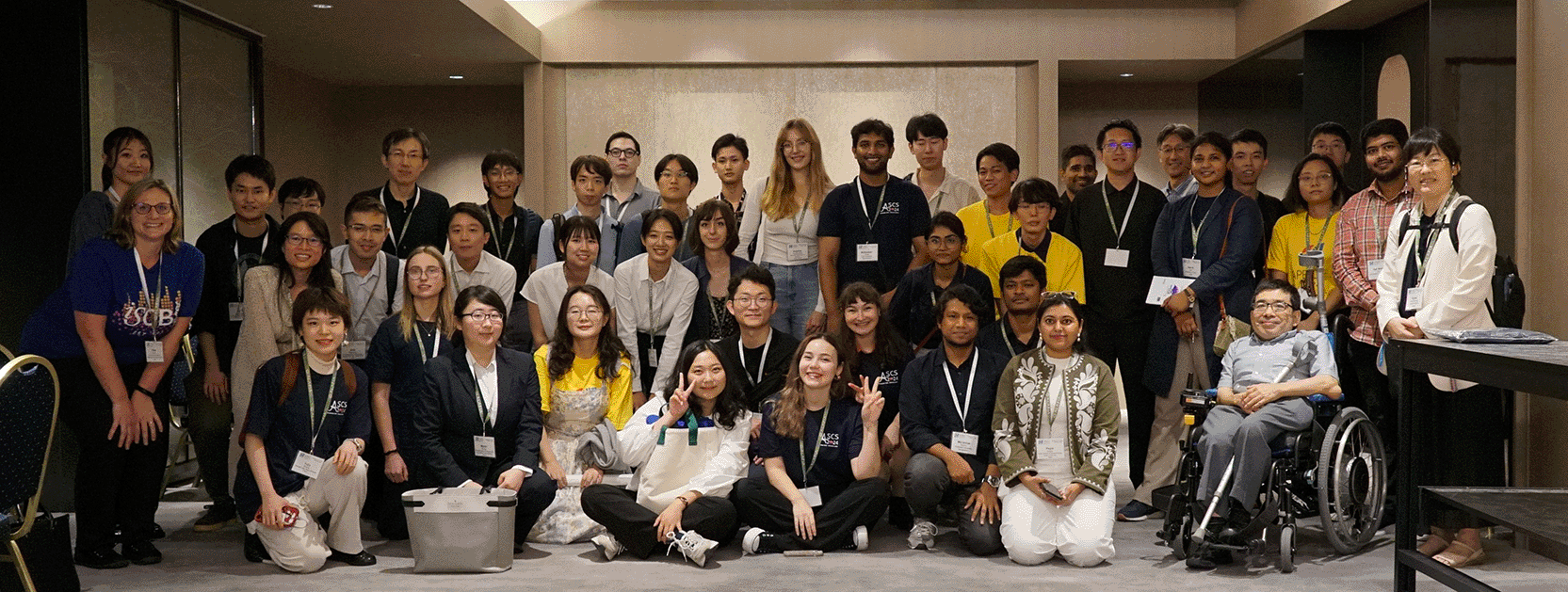
Following the onset of the COVID-19 pandemic, the computational biology community adapted by transitioning to online platforms, capitalizing on the advantages of virtual meetings (Osorio-Mogollon et al., 2023; Eranti et al., 2025). Transforming this public health crisis into an opportunity, the Asian Student Council Symposium (ASCS) was established, with its inaugural edition held online in 2022 (Grover et al., 2023; Riaz et al., 2022), followed by a second online edition in 2023 (Jain et al., 2023). Building on the growing momentum in the regional bioinformatics community (Khan et al., 2025), the third edition (ASCS2024) was organized as a hybrid event, featuring an in-person component for the first time and contributing to the celebration of ISCB-SC’s 20th anniversary. The event was held on October 22, 2024, at the Hotel Collective in Okinawa, Japan ( Figure 1), as a pre-conference event of the first Asia & Pacific Bioinformatics Joint Conference (APBJC) (Aoki-Kinoshita and Goto, 2025). This event represented the first in-person symposium for students, ECRs, and RSGs in Asia coordinated at the continental level by the ISCB-SC.
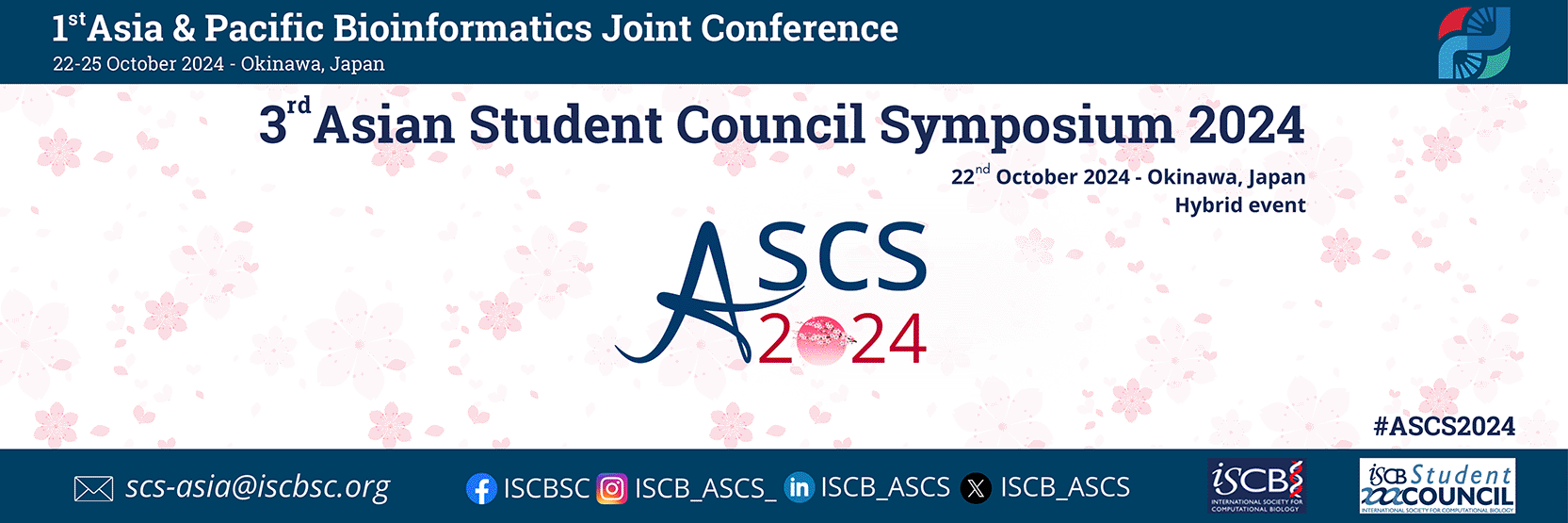
ASCS2024 was organized by a team of volunteers from ISCB-SC and its RSGs across the Asia & Pacific region. The organizing team consisted of five subcommittees (program, design, web, finance, outreach) led by two chairs and overseen by a steering committee.
ASCS2024 consisted of a workshop day, held virtually, and a symposium day, with the option to attend either virtually or in person. The workshop day included two hands-on virtual workshops, held six days before the in-person symposium to allow participants to travel to Japan and attend the symposium in person. The symposium featured keynote talks, oral and poster presentations from students and ECRs, and a panel discussion. The virtual workshops allowed participants to interact beforehand and strengthened connections during the in-person symposium. During the main conference (APBJC), ISCB-SC had a booth to introduce participants to Student Council (SC) activities and its local chapters (RSGs), and also served as a meeting point for young researchers and students.
A dedicated ASCS2024 website (https://ascs2024.iscbsc.org/) and coordinated social media presence on major platforms: LinkedIn, Instagram, Facebook, and X, enhanced the event’s visibility and participant engagement. The ASCS2024 Outreach Committee led a structured promotional campaign, sharing regular updates on registration, speakers, and program highlights. This strategy broadened the symposium’s reach beyond the Asia & Pacific region, reflected by substantial participation from countries outside the region (16.81% of total attendees).
To support participants, all information related to the event, including the schedule, abstracts, keynote speakers, and instructor profiles, was compiled and shared as a program booklet (Dabburu et al., 2024). The symposium welcomed 119 participants, of whom 70.6% attended in person ( Figure 2A). Participants represented 20 countries, primarily from the Asia & Pacific region (including Japan, India, Australia, Taiwan, South Korea, Türkiye, Pakistan, China, and Thailand), with additional participation from Europe and North America, including the UK, France, and the USA ( Figure 2C). In total, 57 abstracts were submitted: 4 for oral presentations, 24 for poster presentations, and 29 for both oral and poster presentation categories ( Figure 2B).
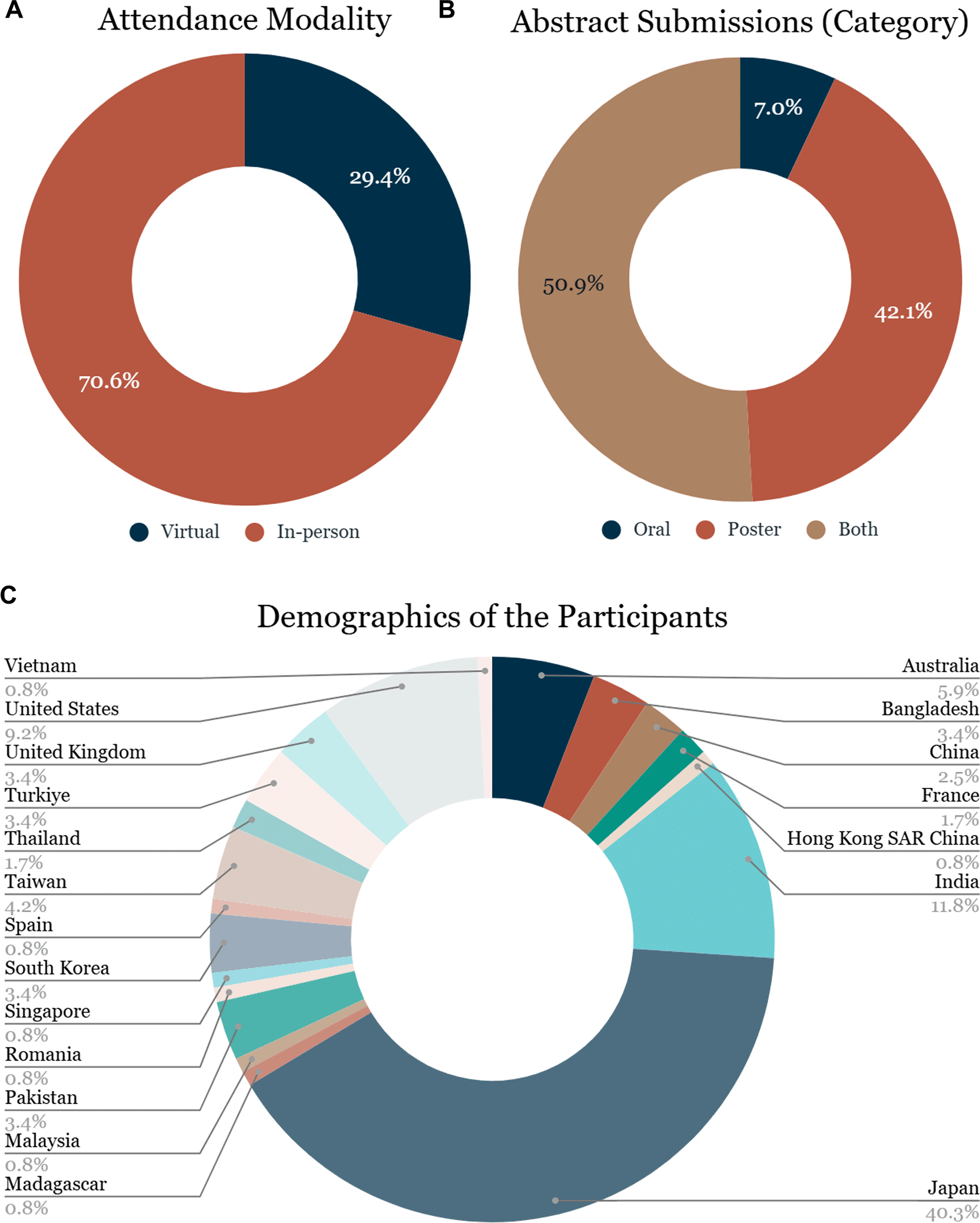
B. Abstract submissions. C. Demographics of the participants.
ASCS2024 commenced with hands-on virtual workshops on 16 October 2024, delivered via the Juno platform.
The first workshop, led by Dr. Preeti Choudhary (EMBL-EBI, UK), explored small-molecule structural data through the Protein Data Bank in Europe (PDBe) and the PDBe Knowledge Base (PDBe-KB). Participants were introduced to navigating PDBe-KB ligand web pages and to PDBe CCDUtils (Kunnakkattu et al., 2023), a comprehensive small-molecule toolkit. The session provided practical knowledge for leveraging these resources in structural bioinformatics.
Ms. Susanna Grigson (representing Prof. Robert Edwards’ lab at Flinders University, Australia) conducted a workshop introducing the fundamentals of metagenomics for analyzing complex microbial communities. Participants were introduced to key tools and resources for analyzing metagenomic data, along with practical insights into their use.
Mr. Somil Sharma (University of Delhi, India) conducted a workshop session on an integrative Nextflow pipeline for the assembly of bacterial genomes, providing insight into the two most popular approaches, de novo and reference-based genome assembly, their merits and limitations, and how the merits of both methods can be incorporated together.
Together, these workshops provided participants with practical skills in structural bioinformatics, metagenomics, and workflow management for bacterial genomics.
Dr. Heejung Shim (University of Melbourne, Australia) delivered the opening keynote, which highlighted the advantages of Oxford Nanopore sequencing for characterizing full-length mRNA isoforms and addressed technical challenges of long-read sequencing technologies. The speaker explained how Nanopore sequencing enables direct observation of transcript structures, making it particularly well suited for isoform-level analysis, alternative splicing detection, and transcriptome complexity studies that are difficult to resolve using short-read platforms.
A central theme of the talk was the impact of base-calling errors on downstream analyses, particularly for tasks such as splice-site identification and cell barcode identification in single-cell and bulk transcriptomic data ( Figure 3). Dr. Shim discussed computational strategies to mitigate these limitations and introduced tools such as NanoSplicer (You et al., 2022) and BLAZE (You et al., 2023), which are designed to improve splice site detection and barcode identification using Nanopore-only data. Through these examples, she emphasized the importance of developing data-aware computational methods that are tailored to the error profiles of long-read sequencing technologies. Overall, the keynote underscored the essential role of close integration between experimental advances and computational innovation in fully unlocking the potential of Nanopore sequencing for transcriptomics research.
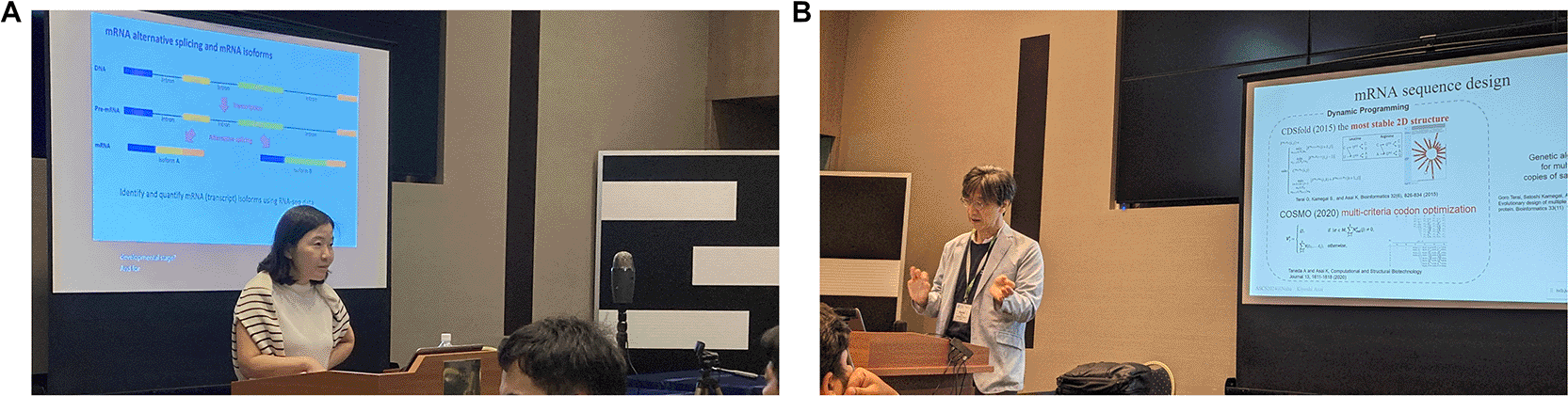
B. Prof. Kiyoshi Asai.
The closing keynote talk by Prof. Kiyoshi Asai (University of Tokyo, Japan) explored the role of probability and statistical modeling in biological sequence analysis. The presentation focused on stochastic frameworks, including hidden Markov models and stochastic context-free grammars, and their long-standing contributions to RNA sequence analysis and secondary structure modeling ( Figure 3). Through these examples, Prof. Asai illustrated how probabilistic approaches provide a rigorous mathematical foundation for understanding sequence variability, structural constraints, and biological uncertainty.
Prof. Asai also discussed how such probabilistic models continue to inform modern computational approaches to RNA sequence design and optimization, particularly in addressing challenges related to sequence functionality, stability, and expression efficiency. The talk highlighted the broader conceptual importance of combining statistical reasoning with computational methods to advance RNA informatics. The keynote further reflected on emerging directions in the field, including the growing interest in leveraging large-scale models for sequence analysis, underscoring the need to carefully integrate new techniques with established frameworks.
The panel discussion on the topic “Bioinformatics Beyond Borders: Enhancing Global Collaborations and Data Accessibility” featured distinguished speakers who brought diverse international perspectives to critical issues facing the field. The session, included Prof. Xiu-Jie Wang (Institute of Genetics and Developmental Biology, Chinese Academy of Sciences, China), Prof. Kiyoko Aoki-Kinoshita (Soka University, Japan), and Prof. Mohammad Asif Khan (University of Doha for Science and Technology, Qatar) participating on-site, with Prof. Manish Kumar (University of Delhi, India) joining virtually and moderated by Susanna Grigson (Flinders University, Australia) ( Figure 4). The panelists explored the significance and current landscape of global research collaborations, highlighting both successful partnership models and persistent challenges in data accessibility. A central theme that emerged was the critical need for equitable access to bioinformatics resources, with panelists emphasizing that open-source tools and collaborative infrastructure must be treated as fundamental requirements to democratize computational biology across all regions.
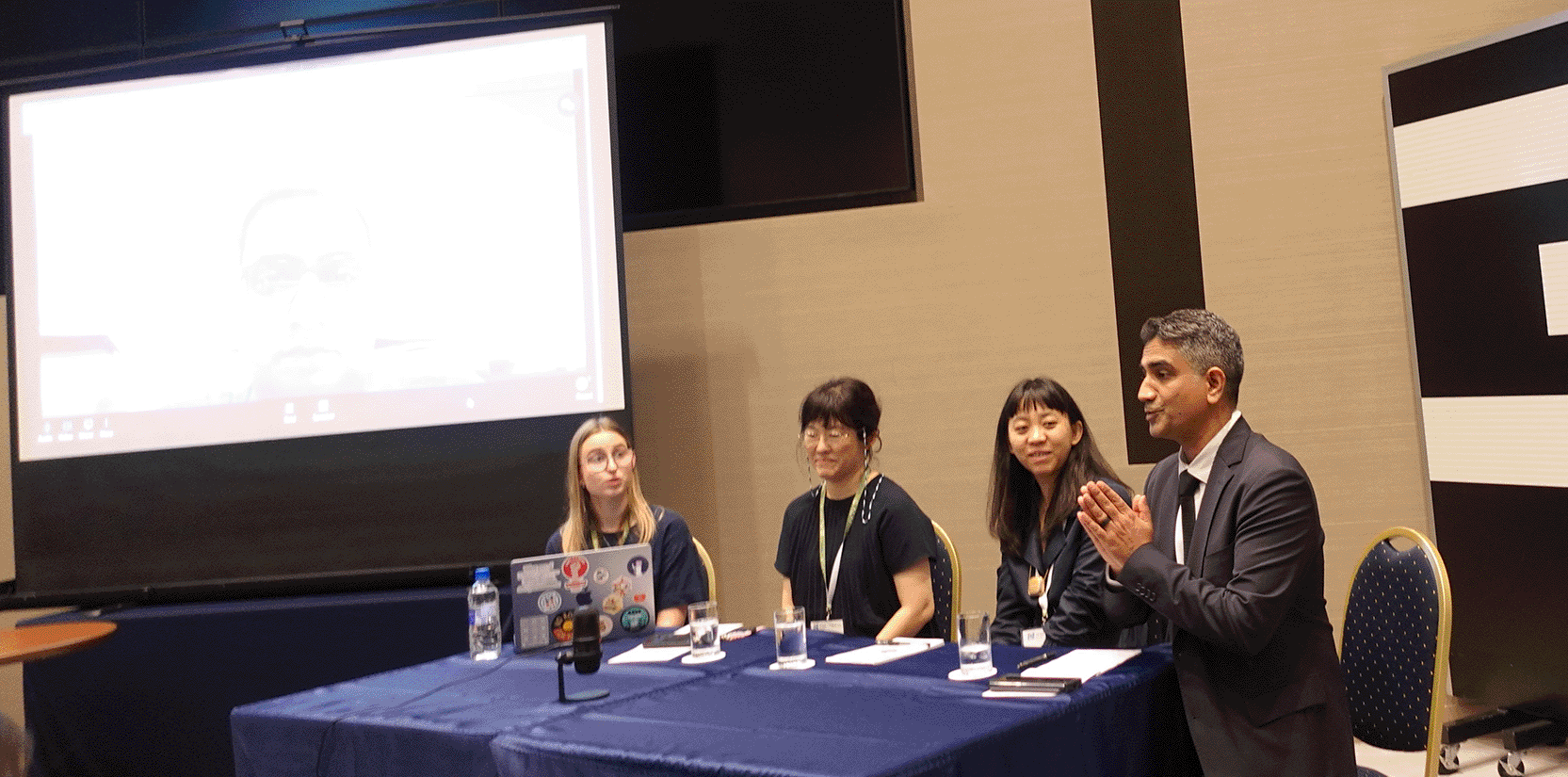
prof. Manish Kumar joined virtually, our panel moderator Susanna Grigson, Prof. Kiyoko Aoki-Kinoshita, Prof. Xiu-Jie Wang, and Prof. Mohammad Asif Khan, respectively, from left to right.
Key discussion topics included reflections on memorable international collaborations and the factors that contributed to their success, strategies to ensure equitable access to bioinformatics resources despite exponentially growing volumes of data globally, and global data resources that smaller or underfunded research groups can meaningfully engage with. The panel strongly emphasized that institutions have a responsibility to actively create pathways for emerging researchers through regional data hubs, capacity-building initiatives, and mentorship networks that bridge the gap between junior scientists and established international consortia. The panelists also addressed broader systemic issues, including balancing regional and institutional interests with the imperative for global collaboration, maintaining data quality standards in open repositories, ensuring appropriate attribution and authorship in large multi-institutional projects, and mitigating potential power imbalances in which well-resourced institutions might dominate decision-making processes. The interactive format encouraged questions from both in-person and online attendees via the Juno platform. This discussion addressed the unique challenges faced by computational biologists in the Asia & Pacific region and emphasized how global collaboration and open data sharing can expand scientific opportunities across the region.
Valuable insights can be gained from the obstacles that emerged throughout the planning and execution phases of ASCS2024. The following sections summarize the key challenges and lessons learned, providing guidance for future ASCS organizing teams.
The Asia & Pacific region’s cultural richness is accompanied by stark economic disparities. Students participating in ASCS2024 represented a wide range of economic contexts, with approximately 35% of attendees from lower-middle-income countries, reflecting the symposium’s broad regional reach. ASCS2024 was held in Okinawa, Japan, alongside the first APBJC (Aoki-Kinoshita and Goto, 2025; Khan et al., 2025), providing a strong scientific setting but also entailing high travel and accommodation costs. These factors, along with visa requirements, may have limited the ability of some participants to attend in person, underscoring the importance of continued attention to affordability and financial support mechanisms for maintaining inclusive on-site participation in future ASCS editions.
Financial barriers also extended to the organizing team, whose volunteers balanced demanding academic schedules without financial compensation. Practical challenges such as visa fees, international travel expenses, and currency exchange fluctuations added additional pressure, limiting the ability of some organizers to attend the symposium in person and support on-site logistical activities. While ISCB-SC provided important financial support where possible (including support for several organizers to participate either in person or virtually), these systemic challenges highlight the additional barriers faced by volunteers operating across diverse economic and geographic contexts.
Coordinating a fully virtual organizing team spread across more than five time zones, from Türkiye (UTC +3) to Australia (UTC +11), presented significant logistical challenges. Scheduling meetings required careful negotiation, resulting in late-night or early-morning calls that were not sustainable for all members. These difficulties were compounded by cultural differences in communication styles, levels of directness, and expectations around response times, which occasionally led to misunderstandings or uneven task distribution. Few organizing team members were native English speakers, so clarity and kindness in wording became essential to avoid misinterpretation and to maintain a supportive atmosphere across cultures. These experiences emphasize the importance of team-building and structured communication practices to support collaboration across diverse geographic and cultural backgrounds. By extension, effective communication was required across organizational levels, including the ISCB-SC leadership and the APBJC organizing committee, to navigate logistics and ensure a smooth hybrid event.
ASCS2024 offered valuable organizational insights that will guide future editions of ASCS. Several unanticipated issues emerged during the planning and execution phases, highlighting areas where clearer structures, earlier preparation, and stronger support mechanisms would have been beneficial.
A central lesson involved managing internal communication across a geographically dispersed, fully virtual organizing team. Establishing clear communication norms at the outset and relying on asynchronous tools such as Slack, shared documents, and detailed meeting minutes proved essential for coordination and reducing misunderstandings. Focused communication channels also enabled transparent discussions regarding availability, workload, and academic commitments, helping prevent volunteer burnout and attrition.
Team structure and resource allocation presented learning opportunities. Having a contingency pool of volunteers, particularly local volunteers in the host country, can alleviate logistical hurdles. For future editions, if possible, engaging local students or nearby RSGs early in the planning process may help manage venue-specific tasks, support hybrid streaming, and strengthen regional networks. In addition, recognizing volunteers through measures such as registration waivers or discounted participation for at least one representative per subcommittee (e.g., program, outreach, design committees), whether virtual or in person, can meaningfully support morale and acknowledge the substantial time and effort contributed by an entirely volunteer team. Such measures help reduce barriers to participation, promote equity, and acknowledge the significant time and effort volunteers contribute to a nonprofit organization such as the ISCB Student Council. In future editions, complementary sponsorship from external partners could further strengthen these support mechanisms, helping expand participation opportunities while preserving the volunteer-driven nature of ASCS.
Program management revealed several areas for improvement. Securing on-site speakers required persistent outreach; maintaining a rolling list of recommended speakers or collecting expressions of interest during each symposium could streamline this process. Time management also emerged as a critical issue. Clear mechanisms to signal remaining presentation time to presenters, carefully planned transitions between sessions, and backup activities for unexpected gaps in the program would ensure smoother session flow. Similarly, virtual streaming requires dedicated technical oversight to prevent issues with connectivity, screen sharing, and audience access.
Effective infrastructure practices include maintaining a clear, milestone-based timeline in shared documents, using standardized hashtags (e.g., #ASCS2024), and maintaining a well-structured folder system to support efficient internal coordination. A multi-page website, as used in ASCS2023 (https://ascs2023.iscbsc.org/), enhances clarity and improves participant engagement, though final decisions should reflect the ISCB-SC’s available resources.
In addition to digital infrastructure, physical venue considerations also warrant attention. The seating capacity of 100 participants aligned well with expectations for the first in-person ASCS and supported efficient logistical planning. This experience nonetheless highlights the importance of considering venue scalability in future editions, as community interest continues to grow.
ASCS2024 was hosted in Japan, a country where no ISCB-SC RSG is currently active. Despite this, the symposium benefited from strong collaboration with APBJC volunteers on the day of the event, ensuring smooth on-site operations and effective coordination. Members of the ASCS2024 organizing team worked remotely from different countries, demonstrating that a fully distributed organizing model can successfully provide a hybrid symposium when supported by effective collaboration and clear coordination structures.
At the same time, ASCS2024 revealed opportunities to further strengthen logistics in future editions. Earlier engagement with local student communities or volunteers from nearby universities could support advanced planning for region-specific needs, such as identifying local sponsors or sourcing materials locally. For example, some event materials were transported from abroad to manage costs, a process that could potentially be streamlined through local partnerships. Beyond logistical benefits, early local involvement may also foster deeper regional engagement and create pathways toward establishing new RSGs in future host countries.
More broadly, continuity across ASCS editions remains essential for sustainable growth. Future organizing teams are encouraged to review previous symposium reports and related publications to understand existing frameworks, build on effective strategies, and learn from past challenges. Maintaining records of past speakers, implementing a formal code of conduct, and supporting the formation of new RSGs will contribute to sustainable growth. Ensuring that ASCS continues annually, even in a virtual format when necessary, will further broaden participation across Asia and the Pacific.
Together, these lessons provide a foundation for strengthening future ASCS editions and ensuring that the symposium continues to serve as a meaningful, inclusive, and empowering platform for young computational biologists across the region.
The third ASCS (#ASCS2024) represents a pivotal moment in the evolution of the Asian student community within the ISCB network and beyond. Emerging from two fully virtual editions during and after the COVID-19 pandemic, ASCS2024 was the first hybrid edition with an in-person component, bringing together young computational biologists from across the Asia & Pacific region. This transition from virtual to in-person networking reflects the community’s growth, adaptability, and aspiration to establish a sustainable regional presence.
Despite the geographic, financial, and cultural complexities, ASCS2024 successfully brought together students from twenty countries. The symposium fostered meaningful academic exchange through workshops, research presentations, keynote talks, and an interdisciplinary panel discussion. The event’s success stemmed from committee coordination, APBJC collaboration, and the persistent dedication of an entirely virtual organizing team spread across multiple time zones. However, the challenges faced during ASCS2024, such as visa and travel barriers, time zone differences, cultural differences, and the absence of local volunteers, among others, highlight systemic issues that continue to limit Asian students’ participation in international scientific communities. These barriers reflect the broader membership and financial concerns for Asian students. Addressing these challenges will require long-term, structural solutions, including financial support mechanisms, regional capacity building, and stronger local networks.
Nevertheless, ASCS2024 yielded invaluable insights, including the importance of early planning, structured communication protocols, strategic time management, thorough technical preparation for hybrid events, meaningful recognition of volunteer contributions, and stronger engagement with local communities. These lessons provide a foundation for the ongoing construction of a sustainable Asian student network that the future ASCS organizing teams can build upon.
ASCS2024 demonstrated that a geographically and economically diverse region can unite to forge meaningful scientific connections, marking a clear transition from virtual beginnings to a growing in-person community ( Figure 5). With continued commitment, improved logistical frameworks, and strong regional support, ASCS is poised for future growth, empowering more students and expanding its reach across Asia and the Pacific.
| Views | Downloads | |
|---|---|---|
| F1000Research | - | - |
|
PubMed Central
Data from PMC are received and updated monthly.
|
- | - |
Provide sufficient details of any financial or non-financial competing interests to enable users to assess whether your comments might lead a reasonable person to question your impartiality. Consider the following examples, but note that this is not an exhaustive list:
Sign up for content alerts and receive a weekly or monthly email with all newly published articles
Already registered? Sign in
The email address should be the one you originally registered with F1000.
You registered with F1000 via Google, so we cannot reset your password.
To sign in, please click here.
If you still need help with your Google account password, please click here.
You registered with F1000 via Facebook, so we cannot reset your password.
To sign in, please click here.
If you still need help with your Facebook account password, please click here.
If your email address is registered with us, we will email you instructions to reset your password.
If you think you should have received this email but it has not arrived, please check your spam filters and/or contact for further assistance.

Comments on this article Comments (0)