Keywords
Child health, family functioning, maternal health, MTCT risk, psychosocial wellbeing

This article is included in the Public Health and Environmental Health collection.
Child health, family functioning, maternal health, MTCT risk, psychosocial wellbeing
Maternal non-adherence to antiretroviral therapy (ART) remains one of the most pressing challenges in HIV care, as it directly undermines efforts to prevent mother-to-child transmission (MTCT) (Chi et al., 2020). Amin et al. (2021) add that it compromises both maternal and infant health. Beyond the failure to achieve viral suppression, non-adherence exposes mothers to complications, including increased viral load, immune suppression, and heightened vulnerability to opportunistic infections (Daniels et al., 2022).
The consequences of maternal non-adherence to ART are profound and far-reaching, affecting both mothers and infants. For mothers, non-adherence increases the risk of virological failure, opportunistic infections, disease progression, and mortality (Elkhatiali & Jeena, 2022). For infants, it significantly elevates the risk of HIV acquisition during pregnancy, childbirth, and breastfeeding, often resulting in delayed diagnosis, delayed treatment initiation, and increased morbidity and mortality (Amone et al., 2024; Anderson et al., 2024). In Limpopo Province, non-adherent mothers with high viral loads during pregnancy account for nearly 60% of new paediatric HIV infections, placing children at heightened risk of developmental delays, opportunistic infections, and long-term cognitive and motor impairments (Mabuka et al., 2025).
Beyond the household, maternal non-adherence undermines broader public health initiatives aimed at eliminating vertical HIV transmission (Haeri-Mazanderani et al., 2023). Evidence from PMTCT and virological studies indicates that repeated treatment interruptions and inconsistent ART use contribute to the development of drug-resistant HIV strains, complicating future treatment options for both mothers and children (Amin et al., 2021; Facha et al., 2024). These challenges not only erode the gains achieved through PMTCT programmes and slow progress toward national and global HIV elimination targets (Chi et al., 2020; SANAC, 2022; Haeri-Mazanderani et al., 2023), but also place significant strain on primary healthcare systems, which are required to manage high-risk mother-infant pairs within already resource-constrained service environments.
Communities and family dynamics are similarly affected, with non-adherence contributing to role disruption, non-disclosure challenges, and psychosocial stress, highlighting the multidimensional nature of its impacts (Lorenzetti et al., 2021; Slemming et al., 2024). They further stated that it influences the social, psychological, and economic dimensions of the families. Studies examining children infected through PMTCT failures, such as those by Zijenah et al. (2021) and Alemu et al. (2022), demonstrate that children who acquire HIV due to maternal non-adherence often require prolonged medical care and monitoring, placing substantial financial and emotional burdens on families. Concurrently, research on HIV-related stigma highlights how infection can exacerbate social exclusion, restrict educational opportunities, and negatively affect children’s psychosocial development, particularly in resource-limited settings (Nkatingi & Tshivhase, 2023; Hunt et al., 2024). As these pressures accumulate, families may experience heightened stress, interpersonal strain, and a diminished capacity to cope with additional health or social challenges, thereby reinforcing cycles that further complicate adherence (Psaros et al., 2020; Minja et al., 2022).
Research indicates that the impacts of maternal non-adherence operate across multiple, reinforcing levels of influence. At the individual level, Seroto and Janse Van Rensburg (2021), Alhassan et al. (2022), and Psaros et al. (2023) identify fear of stigma, challenges related to HIV status disclosure, and treatment fatigue as key drivers of poor adherence. Within families and communities, limited social support, unequal gender dynamics, and entrenched cultural beliefs further discourage consistent ART use (Helova et al., 2021; Nabakwe et al., 2022). At the health system level, barriers such as fragmented service delivery, inadequate follow-up mechanisms, and limited access to integrated maternal and child health services exacerbate these challenges (Bisnauth et al., 2020; Elkhatiali & Jeena, 2022; Phelanyane et al., 2023). Collectively, these interconnected factors create a complex environment in which maternal non-adherence persists, despite the availability of effective treatment and preventive interventions (Fassinou et al., 2024; UNAIDS, 2024; WHO, 2024).
Although previous research has documented maternal ART non-adherence and its role in MTCT of HIV, important gaps remain. Most existing studies focus on clinical or epidemiological outcomes, with little qualitative insight into how maternal non-adherence affects mothers, children, and the healthcare system in practice. This study seeks to fill these gaps by examining both the experiences of HIV-positive mothers and the perceptions of healthcare professionals regarding the impact of non-adherence. Understanding these impacts is critical not only for enhancing individual and child health but also for informing targeted interventions, strengthening PMTCT programmes, reducing the burden on healthcare systems, and informing policies that support sustained ART adherence.
This study is informed by the Health Belief Model (HBM), which explains health behaviour through perceptions of susceptibility, severity, barriers, benefits, cues to action, and self-efficacy (Anuar et al., 2020). Applied to this study, the HBM provides a framework for understanding how mothers’ perceptions of the risks and consequences of non-adherence, particularly MTCT of HIV, influence adherence behaviour, while also recognising the role of nursing professionals in shaping these perceptions through counselling, monitoring, and support. By integrating the perspectives of both mothers and nurses, the model helps to explain how individual beliefs and health system interactions contribute to the clinical, social, and public health impacts of maternal non-adherence.
To describe the impact of maternal non-adherence to antiretroviral therapy on mother-to-child transmission of HIV in the Capricorn District within Limpopo Province, with particular attention to how suboptimal adherence during pregnancy and breastfeeding contributes to increased risk of HIV transmission to infants and undermines PMTCT outcomes.
This study employed a qualitative research approach grounded in an interpretative phenomenological design to explore maternal non-adherence to ART and its impact on MTCT of HIV. The design allowed for an in-depth exploration of the lived experiences of HIV-positive pregnant and breastfeeding mothers who were not adhering to ART, alongside the perspectives of nursing professionals responsible for PMTCT service delivery. Interpretative phenomenological analysis was considered appropriate as it facilitates an understanding of how individuals interpret their experiences within specific social, cultural, and healthcare contexts (Creswell & Creswell, 2018).
The study was conducted in selected primary healthcare clinics within the Capricorn District of Limpopo Province, South Africa. These clinics offer ART and PMTCT services and serve predominantly rural and semi-rural populations. The selection of this setting was informed by Department of Health records indicating a high prevalence of maternal ART non-adherence, making it a relevant context for examining both individual- and health system-level influences on adherence.
The study population consisted of HIV-positive pregnant and breastfeeding mothers who were non-adherent to ART, and nursing professionals involved in ART and PMTCT service provision at selected primary healthcare clinics in the Capricorn District. The target population included non-adherent mothers who were pregnant or breastfeeding children under one year of age, and nursing professionals working in clinics with high rates of maternal non-adherence, while the accessible population comprised those receiving or providing ART services within the Capricorn District (Hossan et al., 2023; Willie, 2024).
Purposive sampling, a non-probability method, was used to select clinics and participants based on their relevance to the study objectives (Casteel & Bridier, 2021). Clinics were identified using Department of Health records, and participants were recruited based on direct experience with maternal ART non-adherence and MTCT-related care.
Inclusion and exclusion criteria were established to guide participants selection and to ensure that only individuals with relevant experience of maternal ART non-adherence and PMTCT service provision were included in the study.
Mothers included in the study were HIV-positive, pregnant or within one year post-partum, inconsistently non-adherent to ART, aged 18 years or older, on ART for at least six months, and accessing ART services in the Capricorn District. Nursing professionals included were those employed by the Department of Health in the Capricorn District, actively involved in ART and PMTCT services at clinics with high rates of maternal non-adherence, and with at least 2 years’ work experience. All participants were required to provide informed consent.
Mothers who were fully adherent to ART, not pregnant or breastfeeding, recently initiated on ART, or unable to provide informed consent were excluded. Nursing professionals who were on leave or temporarily placed in clinics and not officially assigned to the Capricorn District were also excluded.
Data were collected through unstructured, in-depth individual interviews to allow HIV-positive mothers and nursing professionals to freely narrate their experiences of maternal ART non-adherence and its perceived impact on MTCT. This method was appropriate for exploring sensitive topics such as HIV, adherence, and maternal health, while remaining consistent with the interpretative phenomenological approach that prioritises participants’ meaning-making (Creswell & Poth, 2018; Pope & Mays, 2020). Separate interview guides were developed for mothers and nursing professionals, with the mothers’ guide translated into Sepedi to accommodate participants’ language preferences. Demographic information, including years on ART for mothers and years of professional experience for nurses, was collected to contextualise the findings. Interviews were conducted face-to-face in private clinic settings during routine visits, audio-recorded with consent, lasted approximately 45–60 minutes, and were transcribed verbatim for analysis.
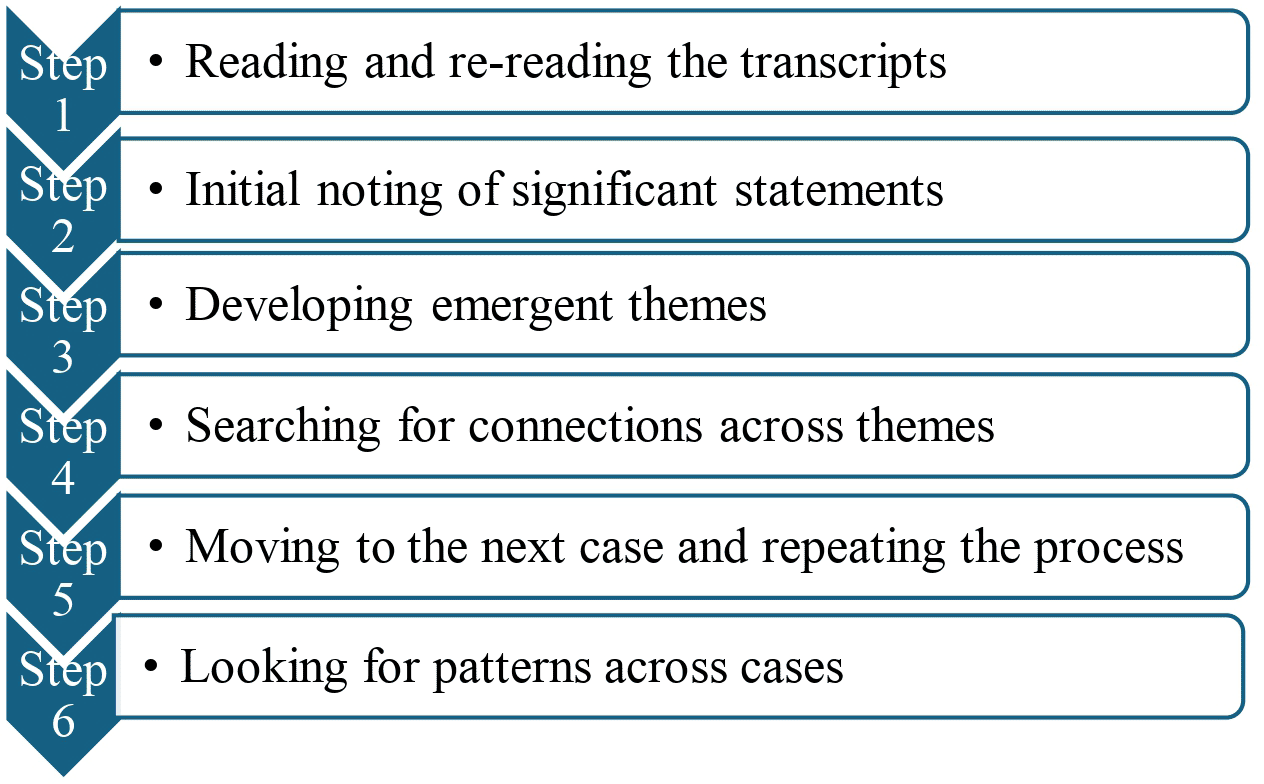
Data analysis was guided by interpretative phenomenological analysis (IPA). Audio-recorded interviews were transcribed verbatim and analysed through a systematic, iterative process involving repeated reading of transcripts, initial noting, coding, and the development of emergent themes (Pope & Mays, 2020). Patterns across cases were examined to identify convergences and divergences between maternal and nursing perspectives. This approach enabled a comprehensive understanding of how maternal non-adherence to ART contributes to MTCT and shapes clinical and public health outcomes within the Capricorn District. Figure 1 illustrates the step-by-step IPA process applied in this study.
Ethical approval was obtained from the University of Venda Ethics Committee (ethics number: FHS/25/PH/13/3107), and permission to conduct the study was granted by both the Limpopo Provincial and District Departments of Health. Participation was voluntary, and written informed consent was obtained after participants were provided with detailed information about the study’s purpose, procedures, risks, benefits, confidentiality measures, and their right to withdraw at any time (Badampudi et al., 2022). Interviews were conducted in private settings, and participants’ identities were protected using pseudonyms and secure data storage, with voice-altering effects applied to recordings. Precautionary measures were in place to minimise physical, economic, and psychological harm, including interview breaks, conducting interviews during routine clinic visits, and a with a registered counsellor on standby to provide counselling when needed.
Trustworthiness was ensured using the criteria of credibility, dependability, confirmability, and transferability (Creswell & Poth, 2018). Credibility was enhanced through in-depth interviews with both HIV-positive mothers and nursing professionals, allowing for triangulation across participant groups, as well as member checking to confirm the accuracy of participants’ accounts. Dependability and confirmability were supported through a systematic and transparent research process, including the use of an audit trail and reflexive practices to ensure findings were grounded in participants’ narratives (Polit & Beck, 2021). Transferability was addressed through rich contextual description, enabling readers to assess the applicability of the findings to similar settings.
A total of 22 participants were included in the study, comprising 16 HIV-positive mothers and six healthcare providers (four professional nurses and two mentor mothers), providing both service-user and provider perspectives on maternal ART adherence. The mothers’ ages ranged from 23 to 48 years, while the nursing professionals’ ages ranged from 33 to 51 years. Most mothers were unmarried (n = 12), and the number of children per mother ranged from one to seven. Educational attainment among mothers varied from Grade 5 to Grade 12, with three participants holding post-secondary qualifications, including certificates and diplomas. All mothers were receiving ART, with initiation dates ranging from 2010 to 2025. At the time of data collection, participants were either pregnant with gestational age from 3 to 7 months or breastfeeding infants aged 6 weeks to 11 months. Most mothers resided in rural or deep-rural areas, with fewer living in peri-urban or urban informal areas.
Among healthcare providers, professional nurses held either a bachelor’s degree (n = 2) or a Diploma (n = 2), while mentor mothers held Grade 11 and completed relevant short courses. Experience in healthcare ranged from 8 to 15 years for nurses and 11 years for mentor mothers. Providers worked across rural (n = 3), peri-urban (n = 2), and urban (n = 1) settings, offering insights from both clinical and community-based perspectives. The participants represented a diverse mix of age, educational background, experience, and work or residential settings, providing comprehensive insights into the challenges and realities of maternal ART adherence. Table 1 summarises the characteristics of study participants, including HIV-positive mothers and healthcare providers involved in ART and PMTCT services.
The analysis of participants’ accounts in this study revealed three superordinate themes, each with multiple subthemes. These themes reflect the reported impacts of maternal non-adherence on mothers, children, families, healthcare providers, and the health system within the Capricorn District context. Table 2 presents the superordinate themes and corresponding subthemes that emerged directly from the participants’ responses, as captured through Interpretative Phenomenological Analysis.
The participants perceived that non-adherence to ART had detrimental, far-reaching effects on their physical health, specifically through elevated viral loads, as well as on the safety of their children and the overall stability of their homes. They expressed a deep understanding that the consequences of inconsistent treatment extend beyond the individual, creating a cycle of illness and emotional distress within the family unit. This theme reflects the reported consequences of maternal non-adherence on maternal health, child well-being, and family functioning, as described by both HIV-positive mothers and healthcare providers.
Maternal non-adherence was reported to negatively affect mothers’ health. Participants indicated that inconsistent ART use led to declining viral suppression, weakened immune function, and increased susceptibility to illness. Mothers described treatment fatigue, fear of stigma, and reduced motivation, which contributed to inconsistent medication use. Healthcare providers, including nurses and mentor mothers, similarly observed that these patterns resulted in frequent clinic visits, repeated ART re-initiation, and increased maternal morbidity, illustrating the direct health consequences of non-adherence. Participants described how allowing the “virus to stay high” led to severe illness. One mother recounted a significant physical decline that resulted in hospitalisation:
“I was admitted to the hospital because my health got worse. The doctors told me that my viral load was high and that my pregnancy was at risk. Being admitted scared me. It made me realise how serious this is …” (Participant O, 29 years, mother).
Another mother explained the functional impact of poor adherence: “When I don’t adhere properly, my viral load can increase, which puts my health at risk. I can become sick, weak, and unable to work or care for my children.” (Participant K, 32 years, mother).
The perceived severity of non-adherence was further emphasised by Participant B (30 years, mother), who stated: “For the mother, the virus can stay high, and you can get sick, or even die.”
Healthcare providers reinforced these observations from a clinical perspective. Participant S (33 years, Nurse) noted: “Non-adherence can cause resistance, virological failure, compromised immunity, and opportunistic infections in mothers.”
Similarly, Participant U (35 years, Mentor mother) added: “Mothers who do not adhere often become sick, and some end up being admitted to the hospital.”
Maternal non-adherence was linked to adverse child outcomes. Participants described how inconsistent ART use increased children’s vulnerability to poor health and developmental challenges. Mothers reported concerns about delayed growth, feeding difficulties, and the possibility of transmitting HIV to their infants. Healthcare providers similarly observed higher rates of MTCT, delayed infant testing, missed immunisations, and early developmental delays, illustrating the direct consequences of non-adherence on child health and development. Mothers expressed awareness of these risks. Participant O (29 years, mother) stated: “I realised that missing treatment does not only affect me, but also my baby.”
The potential severity of outcomes was further emphasised by Participant C (34 years, mother), who noted: “For the child, it can lead to infection, or even death. It is very painful because children did not choose this, yet they can suffer the consequences.”
Healthcare providers reinforced these concerns from a clinical perspective. Participant Q (51 years, nurse) explained: “For children, the consequences are even more painful. It can lead to PCR-positive results, failure to thrive, premature birth, or even death. These are outcomes that could have been prevented with good adherence.”
Similarly, Participant V (41 years, mentor mother) observed: “Babies can test HIV-positive, fail to thrive, or become sick very early in life. Some children do not survive.”
Beyond physical health consequences, participants described how maternal non-adherence disrupted family functioning and relationships. Mothers explained that the stress of managing a high viral load, combined with the physical effects of illness, reduced their ability to fulfil household and caregiving roles. Hospitalisation or severe illness was perceived as particularly destabilising for the home environment. Participant H (35 years, mother) reflected on the personal impact of these challenges: “I feel like my struggles with treatment and stress affected my child.”
Healthcare providers corroborated these observations, noting that non-adherence and non-disclosure often strained families. Participant R (48 years, nurse) explained how concealment added emotional and relational pressure: “When a mother does not disclose, she carries everything alone. She has to hide her medication, hide clinic visits, and sometimes even lie about where she is going.”
Similarly, Participant Q (51 years, nurse) emphasised the link between household dynamics and clinical outcomes: “Many of the problems we see in the clinic are rooted in what happens outside the clinic.”
This theme captures the reported impacts of maternal non-adherence on healthcare providers, including emotional, ethical, and professional challenges encountered while managing non-adherent mothers and preventing MTCT.
Participants consistently reported experiencing ethical dilemmas when maternal non-adherence to ART placed children at risk. They described a tension between their professional duty to protect the child and the obligation to respect the mother’s autonomy and confidentiality. For instance, Participant R (48 years, nurse) explained: “Ethically, it is difficult because you want to protect the child, but you must also respect the mother’s right to confidentiality and choice.”
This sentiment was echoed by Participant Q (51 years, nurse), who reflected on the emotional strain of being unable to compel disclosure: “I felt stuck because I could not force her to disclose, but I knew the baby’s health was at risk.”
Participant T (35 years, nurse) further elaborated on the moral distress that arises in these situations: “Ethically, it is very difficult … you feel stuck. You want to protect the child, but you cannot force disclosure or disclose on the mother’s behalf unless there is a legal directive. That creates moral distress for us as nurses.”
Even mentor mothers, who provide peer support to mothers living with HIV, expressed similar challenges. Participant V (41 years, mentor mother) described the emotional burden of being unable to act directly: “It is stressful and frustrating. You feel responsible, yet you cannot force the mother to act.”
Participants further described how repeated cases of maternal defaulting generated frustration, emotional strain, and a sense of professional powerlessness. Participants indicated that their emotional responses extended beyond routine clinical concern, as they felt accountable for both maternal and child outcomes. Participant R (48 years, nurse) explained: “When a mother is not adhering, it affects you emotionally because you are not just thinking about her as a patient, but also about her child and family.”
This emotional burden was intensified by patterns of recurring non-adherence, which participants perceived as undermining their efforts. Participant T (35 years, nurse) expressed this frustration: “It is frustrating and emotionally draining. We invest a lot of effort, but the behavior repeats. Some mothers only come for child immunization and claim they are taking ART, but viral load results show otherwise.”
Participants highlighted that sustained exposure to maternal non-adherence, coupled with high workloads and limited systemic support, contributed to emotional exhaustion and burnout. They reported that these challenges negatively affected their engagement and availability when supporting mothers and children in care. Participant Q (51 years, nurse) reflected:
“There are days when you feel emotionally drained, especially when you see the same mothers defaulting again and again, and children suffering as a result.”
Similarly, Participant T (35 years, nurse) described the personal impact of repeated non-adherence: “We form relationships with these mothers, and when they keep defaulting or disappearing, it affects you personally. You carry that emotional burden, especially when children are involved.”
Participant U (35 years, mentor mother) echoed this sense of helplessness, emphasizing the emotional toll of witnessing children suffer: “Sometimes I feel helpless when mothers continue to default despite all the counselling and support. Seeing children suffer because of non-adherence is very painful.”
This theme focuses on systemic consequences rather than individual experiences.
Participants perceived maternal non-adherence as increasing clinic congestion, leading to repeated treatment re-initiation, preventable hospitalisations, and an inefficient use of limited resources, ultimately undermining PMTCT programme outcomes.
Participant R (48 years, nurse) reflected on the difficulties of tracing and following up patients, stating: “We are expected to trace patients, conduct home visits, and provide counselling, but sometimes we do not have transport, airtime, or enough staff. You may know exactly where a patient lives, but you cannot reach her in time, and that is very frustrating.”
In a similar vein, Participant S (33 years, nurse) emphasised how general nursing duties constrained the time available for adherence support: “I am doing general nursing … it is difficult to give these mothers the time they need.”
Participant T (35 years, nurse) further described the demands of managing multiple services concurrently, noting: “We manage ART, antenatal care, postnatal care, immunisation, and chronic conditions, often with limited staff. That makes it difficult to give enough time to mothers who need in-depth counselling.”
Participant Q (51 years, nurse) underscored the need for additional resources to address these challenges: “These strategies require manpower and resources. We need more staff and equipment so that we can follow up properly.”
This study found that maternal non-adherence to ART produces consequences that extend beyond individual treatment behaviour, affecting maternal health, child survival, family functioning, healthcare provider wellbeing, and health system performance. The findings suggest that non-adherence is experienced and interpreted not as an isolated clinical issue, but as a chain of interconnected events that destabilise households and care systems. Participants understood non-adherence as initiating a cascade of medical, emotional, and social consequences within families.
The findings showed that compromised maternal health was one of the most immediate impacts of non-adherence. Mothers described physical decline, hospitalisation, and fear associated with elevated viral loads, while healthcare providers observed treatment failure and opportunistic infections. These findings are consistent with evidence from South Africa showing that maternal non-adherence leads to virological failure, immune suppression, disease progression, and increased mortality risk (Elkhatiali & Jeena, 2022; Daniels et al., 2022). They further support research from global PMTCT analyses indicating that failure to maintain viral suppression during pregnancy and breastfeeding directly undermines PMTCT effectiveness (Chi et al., 2020; Amin et al., 2021). In this study, maternal illness was not only described in biomedical terms but also framed as a threat to women’s ability to mother, maintain employment, and sustain family stability, demonstrating how clinical deterioration translates into social vulnerability.
Children were perceived as the most vulnerable to the effects of maternal non-adherence. Participants linked inconsistent ART use to increased MTCT risk, infant illness, and mortality. These perceptions align with findings from Uganda showing improved child outcomes when maternal adherence is supported (Amone et al., 2024), and with broader sub-Saharan African evidence linking maternal viral non-suppression to vertical transmission and infant morbidity (Anderson et al., 2024). The findings are particularly significant in Limpopo Province, South Africa, where non-adherent mothers with high viral loads account for a substantial proportion of paediatric HIV infections (Mabuka et al., 2025). Participants’ strong emotional framing of child infection as preventable reflects a moral dimension of adherence, where mothers viewed ART not only as treatment but as a responsibility tied to motherhood.
Beyond physical health, the study revealed that maternal non-adherence disrupts family functioning and relationships. Illness, hospitalisation, and non-disclosure strained household dynamics and reduced support for both mothers and children. This reflects research from Limpopo Province showing that stigma and fear of disclosure weaken family support systems (Nkatingi & Tshivhase, 2023), as well as evidence from multi-country reviews in sub-Saharan Africa highlighting stigma as a persistent barrier to maternal ART adherence (Hunt et al., 2024). The findings indicate that non-adherence is embedded within social environments where secrecy, fear, and relational tension erode the very support systems required for sustained treatment engagement.
A key contribution of this study is the visibility of healthcare providers’ experiences. Nurses and mentor mothers described moral distress when children were at risk, but confidentiality limited intervention. These findings echo national PMTCT evaluations from South Africa, highlighting ethical tensions between maternal autonomy and child protection (Haeri-Mazanderani et al., 2023). Repeated exposure to defaulting, combined with emotional investment in mothers and infants, contributed to frustration, compassion fatigue, and burnout. This aligns with evidence from South African PMTCT settings where high emotional labour and system pressures contribute to burnout among HIV care providers (Elkhatiali & Jeena, 2022; Phelanyane et al., 2023). This suggests that maternal non-adherence not only produces patient-level consequences but also affects the emotional sustainability of the PMTCT workforce.
At the system level, maternal non-adherence was perceived as increasing clinic congestion, hospitalisations, and inefficient resource use. These findings support evidence from global and African virological research showing that repeated treatment interruptions contribute to drug resistance, complicating future treatment for mothers and children (Amin et al., 2021; Facha et al., 2024). They further align with South African national policy reports and global surveillance data, indicating that non-adherence undermines progress toward MTCT elimination targets (SANAC, 2022; WHO, 2024; UNAIDS, 2024). Participants’ accounts of staff shortages and limited follow-up capacity illustrate how systemic constraints and patient-level non-adherence reinforce each other, creating a cycle of service pressure and suboptimal outcomes.
These findings illustrate that maternal ART non-adherence operates across interconnected levels of maternal, child, family, healthcare providers, and the health system. Non-adherence was associated with declining maternal health, increased risk of MTCT, infant illness and mortality, strained family dynamics, and emotional distress among healthcare providers. Nurses and mentor mothers described moral strain, frustration, and professional powerlessness when children were placed at risk while ethical and confidentiality boundaries limited their actions. At the same time, repeated treatment interruptions contributed to increased clinic burden and system inefficiencies. These interlinked consequences show that maternal non-adherence is not solely an individual behaviour but a multi-layered challenge affecting caregivers, children, professionals, and service delivery structures simultaneously. Addressing non-adherence, therefore, requires responses that support mothers clinically and psychosocially, strengthen family support environments, protect child health, and acknowledge the emotional and ethical pressures experienced by healthcare providers within PMTCT services.
• Based on the study findings, incorporating brief screening for stigma, emotional distress, disclosure challenges, and treatment fatigue into routine antenatal and postnatal care may support early identification of barriers to ART adherence.
• The findings suggest that strengthening and sustaining mentor mother programmes may enhance adherence support by providing peer encouragement, guidance on disclosure, and practical coping strategies.
• It is recommended that continued emphasis be placed on empathetic, non-judgmental engagement within PMTCT services, as supportive provider-mother relationships may improve trust and sustained care engagement.
• The study further indicates the potential value of structured opportunities for reflection and supportive supervision for PMTCT staff, which may help mitigate moral distress and emotional exhaustion.
• Community-based research is recommended to gain deeper insight into the barriers faced by women not engaged in ART and PMTCT services.
• Future studies should explore the influence of partner support, non-disclosure, and household power dynamics on maternal ART adherence and PMTCT outcomes.
• Research should evaluate the effectiveness of structured psychosocial and peer-support interventions in improving maternal adherence and reducing mother-to-child transmission of HIV.
• The study was conducted in selected clinics within the Capricorn District, Limpopo Province, including rural, peri-urban, and urban settings. While this allowed for contextual variation within the district, the findings reflect experiences specific to this geographic and health system context and may not be directly transferable to other provinces or settings with different socio-economic and health service conditions.
• As an Interpretative Phenomenological Analysis study, the sample size was intentionally small and focused on depth rather than breadth. While this allowed rich exploration of lived experiences, it limits generalisability.
• Maternal accounts of ART adherence relied largely on self-report, which may be influenced by recall bias or social desirability, particularly given the sensitivity of HIV-related issues.
• Participants were recruited from healthcare facilities; mothers who were completely lost to follow-up may have had different or more severe barriers that were not captured.
This study demonstrates that maternal non-adherence to ART produces far-reaching and interrelated consequences that extend beyond individual treatment behaviour. Non-adherence compromises maternal health, heightens child vulnerability to HIV infection and developmental challenges, disrupts family functioning, and generates emotional and ethical strain among healthcare providers. At a broader level, it places significant pressure on already constrained health systems through repeated treatment cycles and preventable complications. The findings show that maternal non-adherence operates within a web of psychosocial, relational, and structural influences, reinforcing a cycle in which maternal illness, child risk, family strain, and system burden interact. Effective PMTCT implementation, therefore, depends not only on medication access but also on addressing the emotional, social, and systemic contexts shaping adherence.
| Views | Downloads | |
|---|---|---|
| F1000Research | - | - |
|
PubMed Central
Data from PMC are received and updated monthly.
|
- | - |
Provide sufficient details of any financial or non-financial competing interests to enable users to assess whether your comments might lead a reasonable person to question your impartiality. Consider the following examples, but note that this is not an exhaustive list:
Sign up for content alerts and receive a weekly or monthly email with all newly published articles
Already registered? Sign in
The email address should be the one you originally registered with F1000.
You registered with F1000 via Google, so we cannot reset your password.
To sign in, please click here.
If you still need help with your Google account password, please click here.
You registered with F1000 via Facebook, so we cannot reset your password.
To sign in, please click here.
If you still need help with your Facebook account password, please click here.
If your email address is registered with us, we will email you instructions to reset your password.
If you think you should have received this email but it has not arrived, please check your spam filters and/or contact for further assistance.

Comments on this article Comments (0)