Keywords
ADHD; Greek version of ASKAT; teachers; specific knowledge; attitudes; psychometric validation; inclusive education.

This article is included in the HEAL1000 gateway.
ADHD; Greek version of ASKAT; teachers; specific knowledge; attitudes; psychometric validation; inclusive education.
In this revised version, we addressed the comments raised by the reviewer and made several changes to improve the clarity, organization, and methodological transparency of the manuscript. The Abstract was revised to specify the study period, the approximate duration of data collection, and the online administration of the questionnaire through Google Forms. The Introduction was expanded to provide a clearer overview of the ASKAT questionnaire, including its main quantitative components, factor structure, and previous psychometric evidence.
The “Research Instrument” and “Statistical Analysis” subsections were reorganized to clarify the scored components of ASKAT, the scoring procedure, and the interpretation of higher scores. Additional methodological clarifications were also introduced to avoid possible misunderstandings: the manuscript now states that, although all 30 SASA items were administered, the CFA and the five SASA subscale scores were based on the 19 items retained in the five-factor structure derived from Mulholland’s exploratory analysis. The item codes corresponding to each SASA factor were also added, while full item wording remains available in the Zenodo questionnaire documentation.
Redundant information regarding the translation process was removed from the “Research Instrument” subsection and incorporated into the “Procedure” subsection, where the ethical approval, informed consent, anonymity, confidentiality, online administration, translation/adaptation, and pilot testing are now described more coherently. The pilot-testing description was expanded to clarify the feedback received and the minor linguistic and formatting adjustments made before final administration.
Additional item-level reliability diagnostics, including Cronbach’s alpha if item deleted, were calculated and added to the Extended data. Item-level descriptive statistics were also added for each scored ASKAT item. Furthermore, the interpretation of the internal consistency findings was revised to provide a more cautious and balanced discussion. Finally, in-text citations were checked and reordered according to APA Style 7 where necessary, and the reference list was reviewed and reduced where possible.
See the authors' detailed response to the review by Kalliopi Trouli
See the authors' detailed response to the review by Constantinos Togas
Attention-Deficit/Hyperactivity Disorder (ADHD) is among the most common neurodevelopmental disorders of childhood and is characterized by persistent inattention, impulsivity, and hyperactivity that can interfere with functioning across settings (American Psychiatric Association, 2013; Barkley, 2015). In school contexts, ADHD-related difficulties are often reflected in reduced learning engagement, challenges in behavioral self-regulation, and peer relationship problems, with important implications for inclusive classroom practices and educational adjustment (Barkley, 2015; Wolraich et al., 2020). Although typically identified during childhood, ADHD frequently persists into adolescence and adulthood and commonly co-occurs with learning, language, and emotional–behavioral difficulties, contributing to broader functional impact (Rajaprakash & Leppert, 2022; Salari et al., 2023).
Epidemiological estimates suggest that ADHD affects approximately 5–8% of school-aged children worldwide (Ayano et al., 2023). At the same time, recognition and support practices vary across educational systems, reflecting differences in awareness, referral pathways, and access to assessment and intervention services (Kooij et al., 2019). In Greece, a national study reported a prevalence of approximately 6% among primary school children, with notable gender differences (Giannopoulou et al., 2017). This variability highlights the importance of strengthening school-based capacity to recognize ADHD-related needs and respond with appropriate educational supports (Wolraich et al., 2020).
Teachers are often among the first adults to observe persistent ADHD-related behaviors in everyday classroom routines and may raise initial concerns before parents or healthcare professionals (Cueli et al., 2023). However, teachers’ responses to ADHD-related behaviors are shaped not only by knowledge of symptoms, aetiology, and evidence-based interventions, but also by attitudes and beliefs that influence interpretations of behavior, expectations, and classroom management decisions (Kos et al., 2004; Mohr-Jensen et al., 2019). Limited training and misconceptions may contribute to stigmatizing attributions and less effective management strategies, ultimately affecting students’ academic participation and psychosocial experience at school (Mohr-Jensen et al., 2019; Perold et al., 2009). Enhancing teachers’ ADHD-related knowledge while fostering supportive attitudes is therefore closely linked to inclusive education and improved outcomes for students with ADHD (DuPaul & Stoner, 2014; Wolraich et al., 2020). Nevertheless, research using the ASKAT instrument has found that teacher knowledge levels explain only a small proportion of variance in attitudes, indicating that knowledge alone does not necessarily predict supportive or positive attitudes toward students with ADHD. This highlights the importance of measuring and addressing both constructs separately when planning teacher education and professional development (Mulholland, 2016; Mulholland et al., 2023).
Teachers’ knowledge and attitudes are not consistent across professional groups. Prior research suggests that demographic and professional characteristics—such as gender, educational level, years of experience, and exposure to special or inclusive education training—are associated with variability in ADHD-related knowledge, confidence, and perceptions (Greenway & Edwards, 2020; Kos et al., 2004). Understanding these differences is relevant for designing targeted professional development and for identifying groups of teachers who may benefit most from ADHD-focused training (Darling-Hammond et al., 2017; Desimone & Garet, 2015).
To support both research and educational planning, valid and reliable measurement tools are needed to map teachers’ ADHD-related knowledge and attitudes, identify misconceptions and training needs, and evaluate change following professional development initiatives (Desimone & Garet, 2015; DeVellis, 2016).
The ADHD-Specific Knowledge and Attitudes of Teachers (ASKAT) questionnaire was developed to assess teachers’ ADHD-specific knowledge and attitudes within a single instrument (Mulholland, 2016). The instrument includes two main quantitative scales: the Scale for ADHD-Specific Knowledge (SASK), which assesses factual knowledge about ADHD, and the Scale of ADHD-Specific Attitudes (SASA), which measures attitudes toward ADHD and ADHD-type behaviours. In the original validation study, the SASK demonstrated strong internal consistency, while the SASA supported a five-factor structure, including Negative Consequences of ADHD-type Behaviours, Desire for Professional Learning, Feeling of Knowledgeability, Negative Beliefs about ADHD, and Positive Consequences of ADHD-type Behaviours (Mulholland, 2016). Subsequent research has further used the SASA to examine teachers’ attitudes toward ADHD-type behaviours and their associations with demographic and professional characteristics (Mulholland et al., 2023).
ASKAT has been used to identify teachers’ ADHD-related knowledge gaps, attitudes, and professional learning needs, making it relevant for both research and teacher professional development planning (Mulholland, 2016; Mulholland et al., 2023). However, as the instrument was originally developed and validated in an English-speaking educational context, translation, cultural adaptation, and psychometric evaluation are necessary before its use in other linguistic and educational settings. To date, no Greek validation of ASKAT has been available for preschool and primary school teachers, highlighting the need to examine its psychometric properties within the Greek educational context, with particular emphasis on the SASA factor structure.
Against this backdrop, the study pursued three objectives: (a) to translate, culturally adapt, and validate ASKAT in Greek, (b) to assess Greek preschool and primary school teachers’ knowledge and attitudes toward ADHD-related behaviors, and (c) to examine demographic and professional correlates of ASKAT scores. These aims provide psychometric evidence for the Greek ASKAT and applied insights relevant to teacher professional development and inclusive practice in Greece, supporting targeted training initiatives and evaluation of training outcomes.
The sample comprised 1,032 teachers employed in public and private preschool and primary education settings across Greece. Participants were recruited through educational directorates and professional networks. Inclusion criteria included current employment in a teaching position and voluntary consent to participate. The demographic and professional characteristics of the sample are presented in Table 1 (Refer to extended data) (Boukouvala et al., 2026).
The ADHD-Specific Knowledge and Attitudes of Teachers (ASKAT) questionnaire was used as the primary research instrument. ASKAT was originally developed by Mulholland (2016) to assess teachers’ ADHD-specific knowledge and attitudes. In the present study, the two scored quantitative components of the instrument included 50 items: 20 items from the Scale for ADHD-Specific Knowledge (SASK) and 30 items from the Scale of ADHD-Specific Attitudes (SASA). The questionnaire also included a demographic section and open-ended questions; however, the open-ended responses were not included in the present quantitative analyses.
Part A collected demographic and professional information, including age, gender, teaching level, years of teaching experience, educational background, and training in special or inclusive education.
Part B consisted of the SASK, a 20-item knowledge scale using a true/false response format with an additional “I don’t know” option. The items assessed teachers’ ADHD-specific knowledge across four domains: symptoms, aetiology/causes, treatment, and prevalence. For scoring purposes, correct answers were coded as 1, whereas incorrect and “I don’t know” responses were coded as 0. Scores were expressed as total and domain-specific percentages of correct responses, with higher scores indicating greater ADHD-specific knowledge.
Part C consisted of the Scale for ADHD-Specific Attitudes (SASA), a 30-item Likert-type scale assessing teachers’ attitudes toward ADHD and ADHD-type behaviours. All 30 SASA items were administered as part of the Greek ASKAT questionnaire. However, the confirmatory factor analysis (CFA) focused on the 19-item five-factor structure derived from the exploratory factor analysis reported in the original validation study by Mulholland (2016). These 19 items were distributed across five factors: Negative Consequences of ADHD-Type Behaviours (6 items: NC1–NC6), Desire for Professional Learning (2 items: DPL1–DPL2), Feeling of Knowledgeability (3 items: FK1–FK3), Negative Beliefs about ADHD (4 items: NB1–NB4), and Positive Consequences of ADHD-Type Behaviours (4 items: PC1–PC4). The remaining 11 SASA items were retained in the administered questionnaire but were not included in the CFA model or in the calculation of the five SASA subscale scores. Subscale scores and internal consistency estimates were therefore calculated using the corresponding items included in each of the five CFA-supported factors. The full wording of all SASA items is provided in the questionnaire documentation available in the Zenodo repository (Boukouvala et al., 2026).
The SASK items included statements on ADHD symptoms, causes, treatment, and prevalence, while the SASA items addressed teachers’ perceptions of classroom consequences, professional learning needs, perceived knowledgeability, negative beliefs, and possible positive aspects associated with ADHD-type behaviours.
Although the SASK and the SASA are both components of the ASKAT, they assess distinct constructs and can be scored, interpreted, and used separately depending on the aims of each study. In the present study, both components were administered as part of the Greek adaptation and psychometric evaluation of the instrument.
The study followed the guidelines of the institution’s Research and Ethics Committee and received approval from the University of Ioannina Research Ethics Committee (Approval number: 43508/20.11.2020). Data collection adhered to ethical research standards. Before completing the questionnaire, participants received written information about the purpose of the study, the voluntary nature of participation, anonymity, and confidentiality, and were asked to provide informed consent.
Teachers across Greece were informed about the study through email, social media, and online educational platforms, with the support of regional education directorates to promote participation. The questionnaire was administered online through Google Forms and remained open from May 2022 to May 2023, over an approximate 12-month period. The target population included preschool and primary school teachers, both permanent and substitute, whereas subject-specific teachers, such as physical education or music teachers, were not included. To avoid duplicate entries, the Google Form was configured to accept only one submission per user account.
The ASKAT questionnaire was translated and culturally adapted into Greek using a forward–backward translation procedure. Two bilingual experts independently translated the original English version into Greek. This version was then back-translated into English by another bilingual translator. The research team reviewed the translated and back-translated versions, resolved discrepancies, and produced a pre-final version. he pre-final Greek version of the questionnaire was then pilot tested with ten teachers from preschool and primary education to examine the clarity, comprehensibility, cultural appropriateness, and suitability of the online format. Feedback from the pilot administration indicated that the questionnaire was generally understandable and appropriate for the target population. Only minor linguistic and formatting adjustments were required, mainly to improve the clarity of certain expressions and ensure that the wording corresponded more closely to the terminology commonly used in the Greek school context. For example, the wording of one SASA item referring to students being “rewarding to work with” was adapted into a more natural Greek formulation, while preserving the conceptual meaning of the original statement. No substantive changes were made to the content or conceptual meaning of the original items.
The internal consistency and reliability of the Scale for ADHD-Specific Knowledge (SASK) were assessed using split-half reliability (odd and even items), basic statistical functions, and Cronbach’s alpha, following the procedure outlined by Mulholland (2016). Moreover participants were divided into two groups based on odd or even IDs, and statistical measures (median, mean, etc.) were compared across groups and the overall sample.
Four variables were created to measure the percentage (%) of correct answers in the four following dimensions/subscales: aetiology, treatment, symptoms, and prevalence in accordance with the content of SASK questions. T-tests or ANOVA (based on Levene’s test) were used to compare mean percentages between groups, with Bonferroni, LSD, or Tamhane’s T2 applied for multiple comparisons where necessary.
For the Scale for ADHD-Specific Attitudes (SASA), Confirmatory Factor Analysis (CFA) was conducted in R to examine whether the five-factor structure identified in Mulholland’s (2016) exploratory factor analysis could be supported in the Greek sample. The CFA model included the 19 SASA items retained in the original five-factor structure and specified five correlated latent factors: Negative Consequences of ADHD-type Behaviours, Desire for Professional Learning, Feeling of Knowledgeability, Negative Beliefs about ADHD, and Positive Consequences of ADHD-type Behaviours. Cronbach’s alpha was then calculated separately for each of these five subscales using only the items assigned to the corresponding CFA factor. Group comparisons were conducted using independent-samples t-tests or one-way ANOVA, as appropriate.
Quantitative variables are reported as mean ± standard deviation (SD), and categorical variables as frequencies. A two-tailed p-value <0.05 was considered statistically significant. All analyses, excluding CFA, were conducted using IBM SPSS Statistics version 29. No missing values were present, as all questionnaire items were set as mandatory in the Google Form.
Validation was assessed for the Scale for ADHD-Specific Knowledge (SASK), and descriptive statistics were computed across SASK scores and demographic groups.
Validation of Part B- Scale for ADHD-Specific Knowledge (SASK)
Following Mulholland’s (2016) procedure, the internal consistency of the Scale for ADHD-Specific Knowledge (SASK) was evaluated. Table 2 (Refer to extended data) (Boukouvala et al., 2026) presents the split-half results (odd–even items) along with descriptive statistics (mean, mode, standard deviation, skewness, kurtosis, range, minimum, and maximum). Similar values were observed across the three groups. Cronbach’s alpha was 0.656, exceeding the 0.60 threshold suggested by Hair et al. (2010).
Additional item-level reliability diagnostics were also examined. Cronbach’s alpha if item deleted was calculated for each SASK item and is presented in Table 8 (Refer to extended data) (Boukouvala et al., 2026), providing further evidence regarding the contribution of individual items to the internal consistency of the scale.
Finally, Table 3 (Refer to extended data) (Boukouvala et al., 2026) presents descriptive statistics (mean, mode, standard deviation, skewness, kurtosis, and minimum–maximum values) for the pooled sample and the two split subsamples (even- and odd-numbered participant IDs). Only slight differences were found among the three groups. These results indicated the consistency and reliability of the Scale for ADHD-Specific Knowledge (SASK).
Descriptive Statistics of the Part B-Scale for ADHD-Specific Knowledge (SASK)
Item-level descriptive statistics were calculated for all SASK items and are presented in Table 10 (Refer to extended data) (Boukouvala et al., 2026). For each item, the table includes the mean, standard deviation, median, minimum and maximum values, range, and percentage of correct responses. For the SASK items, the mean corresponds to the proportion of correct responses after coding correct answers as 1 and incorrect or “I don’t know” responses as 0.
Four quantitative variables were computed, quantifying the percentage of correct answers in total and in each of the four dimensions: aetiology, treatment, symptoms, and prevalence.
The total mean percentage of correct answers was 78.26 ± 13.09. The mean percentage and standard deviation for each subscale were as follows: Aetiology: 65.23 ± 24.1, Treatment: 63.00 ± 23.01, Symptoms: 93.4 ± 11.87, and Prevalence: 73.16 ± 31.17 (Table 4) (Refer to extended data) (Boukouvala et al., 2026).
Demographics across ADHD-Specific Knowledge (SASK)
To assess the mean differences between the (%) score of SASK subscales across demographic characteristics, t-tests or ANOVA (based on Levene’s test) were applied. The study identified several significant findings regarding the impact of demographics on teachers’ mean percentage of correct answers. A statistically significant difference was observed in the mean percentage of correct answers between females and males, with females scoring higher (p = 0.011, two-sided). Special education teachers demonstrated significantly higher mean percentages of correct answers compared to general education teachers (p < 0.001). Similarly, teachers who had received formal special education or Special Education Programs (SEP) achieved significantly higher mean percentages of correct answers compared to those without such training (p < 0.001 for both comparisons).
Additionally, teachers who were not parents outperformed those who were, with the difference approaching statistical significance (p = 0.051, two-sided test). The level of educational attainment also played a crucial role; those with a master’s or doctoral degree achieved significantly higher mean percentages of correct answers compared to teachers holding only a bachelor’s degree (p < 0.001).
Age and years of service were also significant factors. The mean percentage of correct answers varied significantly across different age categories (p = 0.008), with teachers up to 30 years old outperforming those aged 41–50 (p = 0.036). Moreover, the years of service category showed significant differences (p = 0.024), where teachers with 1–5 years of service outperformed those with 21 years of service and above (p = 0.022). These results highlight the influence of various demographic factors on educator performance (Table 5) Refer to extended data (Boukouvala et al., 2026).
Following on, validation of ADHD-Specific Attitudes was assessed, while descriptive statistics and demographics across SASK subscales were computed.
Validation of the Part C-Scale for ADHD-Specific Attitudes (SASA)
Internal Consistency and Reliability/Confirmatory Analysis – Construct Validity
Confirmatory factor analysis was conducted to validate the internal structure of factors derived from the application of the same questionnaire in previous studies. The factors included Negative Consequences of ADHD-type Behaviors, Desire for Professional Learning, Feeling of Knowledgeability, Negative Beliefs about ADHD, and Positive Consequences of ADHD-type Behaviors. In Appendix 1, the notation used was provided, along with the R code for obtaining the results and the output. Based on the results in Appendix 1, the Comparative Fit Index (CFI) was 0.961, indicating an excellent fit as it exceeded the recommended threshold of 0.9. The Tucker-Lewis Index (TLI) was 0.953, also indicating a strong fit, surpassing the threshold of 0.9. Furthermore, the Root Mean Square Error of Approximation (RMSEA) was 0.096, which is above the preferred threshold of 0.08. Therefore, although the CFI and TLI values indicated good model fit, the RMSEA value suggests that the overall model fit should be interpreted with some caution, particularly considering the sample size and model complexity.
As in the study by Mulholland et al. (2023), the CFA included 19 items with the highest factor loadings and strongest conceptual coherence. The remaining 11 items, while not included in the CFA, still hold research value and may be analyzed in future studies with larger samples.
These results indicated that the five-factor structure fit well with the data. Figure 1 illustrates the structure of the five factors, along with the loadings of each question on the corresponding factor and the correlations between the factors. Summarizing, the confirmatory factor analysis of the Scale for ADHD-Specific Attitudes (SASA) aligned with the five-factor structure originally proposed by Mulholland (2016), confirming that this framework remained robust.
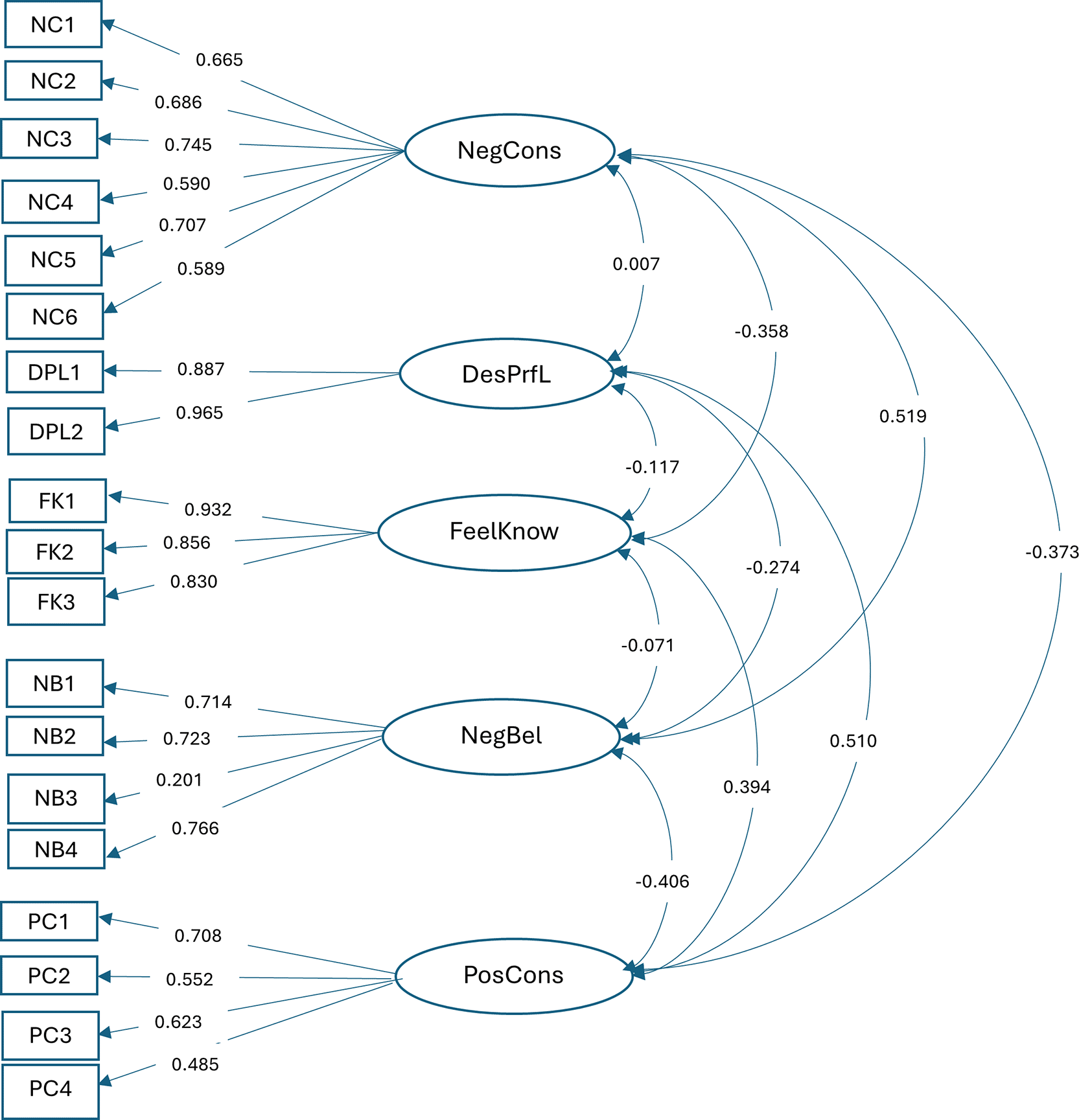
NegCons: Negative Consequences; DesPrFL: Desire for Professional learning; FeelKnow Negative consequences of ADHD-type behaviors, Desire for professional learning, FeelKnow: Feeling of knowledgeability; NegBel: Negative beliefs about ADHD; PosCons: Positive consequences of ADHD-type behaviors.
Subsequently, Cronbach’s alpha coefficient was used to assess the internal consistency of the items in SASA for each of the five factors mentioned above. Following the approach of Daud et al. (2018), alpha values below 0.6 indicate low reliability, values between 0.6 and 0.8 are considered moderate but acceptable, and values above 0.8 indicate particularly good reliability. The standardized Cronbach’s alpha coefficient for each of the subscales was as follows: Negative Consequences of ADHD-type Behaviours (α = 0.777), Desire for Professional Learning (α = 0.861), Feeling of Knowledgeability (α = 0.876), Negative Beliefs about ADHD (α = 0.612), and Positive Consequences of ADHD-type Behaviours (α = 0.570). It should be noted that the Cronbach’s alpha for Positive Consequences of ADHD-type Behaviours was marginally unsatisfactory.
Cronbach’s alpha if item deleted was also calculated for the items included in each SASA factor and is presented in Table 9 (Refer to extended data) (Boukouvala et al., 2026), allowing a more detailed evaluation of the contribution of each item to the internal consistency of the corresponding subscale. For the Desire for Professional Learning factor, Cronbach’s alpha if item deleted was not applicable because the factor included only two items.
Descriptive Statistics of the Part C-Scale for ADHD-Specific Attitudes (SASA)
The statistical analysis revealed relatively positive Specific Attitudes toward ADHD. Item-level descriptive statistics were also calculated for the items included in the scored SASA factors and are presented in Table 11 (Refer to extended data) (Boukouvala et al., 2026). For each item, the table includes the mean, standard deviation, median, minimum and maximum values, and range. SASA items were scored from 0 to 5, with higher scores indicating stronger agreement with the respective statement. The mean scores of beliefs about Negative consequences of ADHD behaviour were 13.12 ± 5.08, indicating a moderate attitude. High levels were observed in the desire for professional learning (8.68 ± 1.5) and attitudes toward the positive consequences of ADHD-type behaviours (15.31 ± 2.50). Meanwhile, a moderate level was found for feelings of Knowledgeability (7.50 ± 3.21), and a low level of negative beliefs about ADHD (5.38 ± 3.06) (Table 6) Refer to extended data (Boukouvala et al., 2026).
Demographics across ADHD-Specific Attitudes (SASA)
Το assess the mean differences between the (%) score of SASA subscales across demographical characteristics, t-tests or ANOVA (based on Levene’s test) were applied. Higher scores on Negative Consequences of ADHD-Type Behaviours were observed among general education teachers, university graduates, and teachers with special education retraining, compared with postgraduate degree holders and other education categories. Higher scores were also observed among teachers who were parents. In contrast, lower scores on this dimension were observed among younger teachers and those with special education and ADHD-specific training.
In addition, higher Desire for Professional Learning was reported by general education teachers and those without ADHD-specific training. Years of service had a significant impact, with differences observed across experience levels. Teachers with 6–10 years of service had lower scores compared to those with 1–5 years, 11–20 years, and 21+ years. Finally, the impact of administrative positions was noted, with those in sub-managerial roles scoring lower than those in managerial positions.
Regarding the Feeling of Knowledgeability, general education teachers feel decreased confidence in managing ADHD. However, Special education teachers, those with ADHD-specific training and younger teachers feel more knowledgeable. Marital status and years of service also influenced scores (F(2,166.049) = 22.88, p < 0.001; F(3,1028) = 10.768, p < 0.001 respectively) whereas teachers who were parents reported lower scores (t = −6.727, df = 786.011, p < 0.001) compared to those who were not parents.
Concerning Negative Beliefs about ADHD, it was shown that males, older, those with fewer years of service or lower education levels and those in administrative positions (if they had held a sub-management role) had higher scores indicating more intense negative perceptions. On the contrary, Special education training led to lower scores (t = −2.090, df = 1030, p = 0.037).
About the Positive Consequences of ADHD-Type Behaviours, weak beliefs were shown by the general education teachers, those aged 41–50, those who were parents, and university graduates (compared to postgraduates). Marital status and years of service also affected scores (F(2,1025) = 7.884, p < 0.001; F(3,1028) = 6.180, p < 0.001). Table 7 (Refer to extended data) (Boukouvala et al., 2026) presents in detail the results of descriptive statistics and correlations with demographic and professional characteristics.
The study aimed to translate, adapt, and validate the ASKAT scale in Greek. It also explored Greek primary teachers’ knowledge and attitudes towards ADHD, examining how demographics and teaching experience affected ASKAT scores.
Regarding the internal consistency of Part B – Scale for ADHD-Specific Knowledge (SASK), Cronbach’s alpha was calculated at 0.656 exceeding the minimum threshold of 0.60 recommended by Hair et al. (2010). Although this value is below the commonly cited threshold of 0.70, it exceeds the minimum threshold of 0.60 recommended by Hair et al. (2010), suggesting modest but acceptable internal consistency for the knowledge scale in the present sample. Although this value is below the commonly cited threshold of 0.70, it exceeds the minimum threshold of 0.60 recommended by Hair et al. (2010), suggesting modest but acceptable internal consistency for the knowledge scale in the present sample.
In Part C (SASA), the confirmatory factor analysis provided support for the original five-factor structure proposed by Mulholland (2016), indicating that the Greek version broadly reflects the same underlying attitudinal dimensions (Negative Consequences, Desire for Professional Learning, Feeling of Knowledgeability, Negative Beliefs, and Positive Consequences). Internal consistency was acceptable for most subscales; however, the “Positive Consequences” factor showed comparatively weak internal consistency (α = 0.57), falling below the conventional threshold for acceptable reliability. Therefore, findings related to this subscale should be interpreted with caution.
This lower reliability may be attributed to multiple factors, including the small number of items in the subscale (Cortina, 1993), insufficient inter-item correlation (DeVellis, 2016), and a limited range of participant responses (Schmitt, 1996). Cultural and educational contextual factors may also have contributed, as teachers in the Greek primary education context may be less familiar with or less likely to endorse, positive interpretations of ADHD-related behaviours (Slobodin, 2023). Notably, Mulholland’s (2016) original study reported higher internal consistency for this subscale (α = 0.774), suggesting possible contextual or educational differences between the two populations.
Despite this limitation, the internal consistency of the remaining SASA subscales was broadly comparable to that reported by Mulholland (2016), supporting the overall reliability of the instrument in the present study. However, findings related to the Positive Consequences subscale should be interpreted with caution due to its comparatively weak internal consistency. Figure 1 presents a visual representation of the five-factor structure confirmed by the CFA.
The confirmatory factor analysis supported the original five-factor structure of the SASA, indicating robust construct validity. Most subscales demonstrated satisfactory internal consistency, except for “Positive Consequences,” where lower reliability may reflect cultural factors, limited item number, and reduced inter-item correlation. Nevertheless, the overall scale remains a useful and valid tool for assessing ADHD-related attitudes.
Concerning the ADHD-specific knowledge, the findings highlight significant misconceptions among teachers about ADHD causes, especially related to diet and parenting. While 58.2% answered correctly, many still held incorrect beliefs, suggesting widespread misinformation (Thapar et al., 2013) and a need for better education on ADHD’s causes and characteristics (Faraone et al., 2005). In terms of treatment, many teachers mistakenly believe special diets are effective for ADHD, despite scientific evidence against this view (Sonuga-Barke et al., 2013). The low recognition of this misconception highlights a significant knowledge gap. While over half acknowledge the effectiveness of combined medication and behavioral management, awareness is still limited, suggesting the need for further education (MTA Cooperative Group, 1999). Most understand that stricter upbringing doesn’t benefit children with ADHD, emphasizing positive support (Chronis-Tuscano et al., 2011). Additionally, many recognize that children may show ADHD-like behaviours without meeting full diagnostic criteria, reflecting widespread perceptions but also knowledge gaps (Hinshaw & Scheffler, 2014).
In terms of symptoms subscale, the findings of the study highlight widespread recognition among respondents of the primary symptoms exhibited by children with ADHD. For instance, 97.1% acknowledge that children with ADHD often display poor concentration. However, a small percentage of respondents either lack familiarity with the term ADHD or misidentify its associated symptoms. While teachers in this study generally understand the basic symptoms of ADHD, such as inattention and hyperactivity, gaps in their knowledge remain—particularly concerning the disorder’s hereditary nature and the role of diet in managing symptoms. Many teachers are unaware of the genetic factors that contribute to ADHD, which can influence its presentation and severity. Additionally, misconceptions persist regarding the impact of sugar intake and diet on ADHD symptoms, underscoring the need for further education in these areas. Most respondents also noted that improving behaviour in children with ADHD is not simply a matter of personal choice, reflecting a broader understanding that these behaviours are shaped by the disorder.
These findings align with previous studies, which similarly indicate that teachers generally have a solid grasp of ADHD’s core symptoms (Alkahtani, 2013; Blotnicky-Gallant et al., 2014). According to Akatayeva (2022), many of the recent studies on teachers’ knowledge about ADHD (Cueli et al., 2020; Greenway & Edwards, 2020; Kos et al., 2004; Mulholland et al., 2015) have yielded heterogeneous results. Teachers appear to be largely knowledgeable about the basic characteristics of ADHD, such as symptoms or diagnosis. However, there is a significant lack of knowledge in more specific areas related to ADHD, particularly its aetiology (Aguiar et al., 2014; Bekle, 2004; Kos et al., 2004; McDougal et al., 2023; Mohr-Jensen et al., 2019; Ohan et al., 2008). Moreover, consistent with other research, this study also highlights ongoing gaps in knowledge, particularly around the long-term consequences of ADHD and its impact on behaviour, peer relationships, and adherence to classroom rules (Flanigan and Climie, 2018; Guerra et al., 2017). Finally, the recognition among teachers that ADHD-related behaviour is influenced by the disorder rather than personal choice is also in line with earlier studies (Mulholland, 2016; Sciutto, Terjesen, & Bender Frank, 2000), reinforcing the importance of continued education to help teachers effectively manage ADHD in the classroom.
Regarding the ADHD-specific attitudes, the findings largely align with existing research, though some differences suggest areas needed further exploration. Teachers with special education training demonstrate increased confidence in managing ADHD, consistent with the results of previous studies conducted by DuPaul and Stoner (2014) and Barkley (2015). Similarly, Landolfi (2014) found that such training better equips teachers for the challenges of ADHD, reinforcing the need to integrate special education principles into general education programs.
The results of the present study also support the importance of ongoing support for newly appointed teachers, particularly in inclusive classrooms, as indicated by previous evidence (Wolraich et al., 2020). The desire for continuous professional development among teachers is supported by Mulholland et al. (2023), who found that sustained learning opportunities contribute to improved management of ADHD behaviours. Darling-Hammond et al. (2017) similarly highlighted that teachers engaged in ongoing training tend to be more confident and effective, while they show deeper understanding and empathy toward students with ADHD, promoting inclusivity in the classroom (Latouche and Gascoigne, 2019).
Regarding the impact of experience and education level on perceptions of ADHD, the findings are consistent with Wehmeier, Schacht, and Barkley (2010) and Kos et al. (2004), highlighting the importance of fostering a positive attitude among teachers and the need for ongoing retraining. Martinussen, Tannock, and Chaban (2011) also highlight the impact of specialized training in reducing misconceptions. Recent research by Ward et al. (2022) emphasizes the crucial role of specialized ADHD training in enhancing teachers’ understanding and perceptions of ADHD.
Correlations between demographic characteristics and teachers’ responses are consistent with evidence from other disciplines, suggesting that demographic factors may shape knowledge, beliefs, and attitudes in educational contexts (Burroughs et al., 2019). With respect to gender, female teachers showed a significantly higher mean percentage of correct answers than male teachers. This pattern accords with studies reporting higher ADHD-related knowledge among female teachers (Jimoh, 2014). However, the literature is mixed. Suleiman (2015) and Safaan et al. (2017) reported no significant gender differences in overall ADHD knowledge (including general information and treatment), although they did identify gender differences in knowledge of symptoms and diagnosis, favouring female teachers. Such inconsistencies across studies may reflect differences in sample characteristics and measurement approaches. As noted by Safaan et al. (2017), one possible interpretation is that gendered roles and experiences—potentially including greater exposure to children’s behavioural and developmental difficulties in everyday contexts—may contribute to greater familiarity with ADHD symptomatology and diagnostic features. Nonetheless, these explanations remain tentative, and the observed gender differences are likely multifactorial.
In line with related work, additional factors that may be associated with gender-linked differences include variability in pedagogical practices, communication styles, and family-related responsibilities (Luschei, 2012). Overall, these findings highlight the value of considering demographic variation when designing and implementing teacher education and professional development initiatives.
Higher knowledge levels among teachers without children may be partly related to age and more recent exposure to updated ADHD-related training (Abouammoh et al., 2023). From a cognitive load perspective, parenthood-related demands may also reduce the time and cognitive resources available for continued professional learning (Braude & Dwarika, 2020). At the same time, evidence from the Greek context suggests that parenthood may be associated not only with increased fatigue/burnout, but also with enhanced empathy, communication with parents, and patience (Koutroumpa et al., 2017).
Moreover, the level of education emerged as a critical factor, with teachers holding master’s or doctoral degrees performing significantly better in ADHD-specific knowledge assessments than those with bachelor’s degrees (Mohr-Jensen et al., 2019), highlighting the importance of advanced education in enhancing teachers’ knowledge and pedagogical skills, which improve student outcomes (de Jager et al., 2005).
In addition, teachers with special education training demonstrated a significantly higher mean percentage of correct answers compared to those without such training. This underscores the importance of specialized training in acquiring the knowledge and skills required to address specific challenges in education. Similar findings have been reported in studies by Kos et al. (2004), Mulholland (2016), Sciutto et al. (2000), Stampoltzis and Antonopoulou (2013), and West et al. (2005), which highlighted the influence of varying cultural, educational, and diagnostic factors on ADHD perceptions across different countries.
Research indicates that age and years of service significantly affect teachers’ performance on ADHD knowledge and attitudes assessments. Younger teachers (up to 30 years old) and those with less experience (1–5 years) tend to score higher, possibly due to more recent training and familiarity with modern teaching methods. Conversely, older teachers (41–50 years) and those with over 21 years of experience show a decline in performance, suggesting a need for ongoing professional development. Studies by Amha & Azale (2022), Anderson et al. (2012), and Desimone & Garet (2015) support these findings, emphasizing the importance of continuous education for maintaining effective teaching practices.
This study found no significant link between teachers’ performance and their administrative roles or family status (Ismail, Arshad, & Abas, 2018). Other research suggests that support and encouragement from school leaders play a crucial role in the implementation of the knowledge and strategies acquired through professional development (Desimone & Garet, 2015; Loe & Feldman, 2007).
This study underscores the need to strengthen the educational framework supporting students with ADHD by equipping teachers with better tools and targeted training. A central contribution is the validation of the Greek ASKAT questionnaire, which provides a useful and empirically supported tool for assessing teachers’ knowledge and attitudes toward ADHD (DuPaul & Stoner, 2014; Mulholland et al., 2015). Beyond its research utility, ASKAT could be used in practice by schools or regional education authorities to identify knowledge gaps and design tailored professional development accordingly.
The questionnaire’s data can inform policy and guide the adaptation of instructional strategies to improve learning and behavioral outcomes for students with ADHD (Avalos, 2011; Wolraich et al., 2020). In addition, it supports the development of evidence-informed teaching practices (Bryman, 2016). Importantly, the findings also suggest that teacher training should not focus only on deficits, challenges, and classroom management, but should also address more balanced understandings of ADHD-related behaviours, including the potential strengths and positive dimensions that may be overlooked in everyday educational practice.
One key recommendation is to offer structured training programs early in general teachers’ careers, especially for those without prior experience in ADHD-related topics (Poznanski et al., 2018; Zentall & Javorsky, 2007). Collaboration between general and special education teachers is also essential for promoting inclusive classroom environments (Velazquez, 2022).
Finally, policymakers should prioritize ADHD awareness in teacher education and consider broader campaigns to support understanding across school communities, emphasizing common challenges like attention and time management, and promoting strategies for effective support (Saad et al., 2022).
Despite its contributions, the present study has certain limitations that should be acknowledged. The focus on preschool and primary education teachers may constrain the extent to which the findings can be generalized to teachers working in other educational contexts, such as secondary or higher education. Future studies incorporating a broader range of educational levels and teaching specialties could provide a more inclusive picture of ADHD-related knowledge and attitudes.
Moreover, the cross-sectional design of the study does not permit inferences regarding causality or developmental changes over time. Longitudinal or mixed-methods approaches would be particularly valuable in capturing shifts in teachers’ knowledge, beliefs, and attitudes toward ADHD across different stages of their professional experience.
While the gender composition of the sample is broadly representative of the teaching workforce in Greece, the predominance of female participants may have limited the visibility of male teachers’ perspectives. A further limitation concerns the comparatively weak internal consistency of the Positive Consequences subscale. Future studies should further examine and refine this subscale in larger and more diverse samples, in order to strengthen its reliability and assess its suitability across different educational and cultural contexts. Finally, although the ASKAT instrument includes an open-ended section, the qualitative responses were not examined in the present analysis, restricting deeper insight into the reasoning processes and perceptions underlying participants’ answers.
The present study is characterized by several strengths, most notably the inclusion of a large national sample (N = 1,032) of preschool and primary school teachers from all educational regions of Greece, which strengthens the robustness of the findings and their potential generalizability. One of the study’s key contributions is the successful translation, cultural adaptation, and validation of the ASKAT questionnaire in Greek. The tool demonstrated solid psychometric properties, particularly in terms of internal consistency and construct validity across most subscales. Additionally, the multifaceted analysis linking demographic and professional variables to both knowledge and attitudes offers valuable insights for designing more targeted training initiatives and informing evidence-based educational policy.
The ASKAT scale has proven to be a psychometrically valid and reliable tool for evaluating teachers’ knowledge and attitudes toward ADHD in the Greek educational context. This study offers valuable insights into how Greek primary school teachers understand ADHD and respond to ADHD-related behaviours, highlighting both strengths and significant knowledge gaps.
The findings emphasize the urgent need for targeted interventions and structured training programs to address persistent misconceptions—particularly regarding the causes and treatment of ADHD—and to foster more supportive and inclusive attitudes among teachers (DuPaul & Stoner, 2014; McDougal et al., 2023). The consistent association between higher levels of knowledge and more favorable attitudes further reinforces the importance of integrating ADHD-specific content into both pre-service and in-service teacher education (Barkley, 2015; Poznanski et al., 2018).
Specialized training and continuous professional development emerged as key factors in equipping teachers with the necessary skills to manage ADHD-related behaviours effectively and empathetically (Desimone & Garet, 2015; Mulholland et al., 2023). Supporting teachers in understanding the neurodevelopmental nature of ADHD, rather than viewing it through a behavioral or disciplinary lens, is critical to ensuring inclusive and equitable learning environments (Velazquez, 2022).
Finally, by addressing the study’s limitations—such as expanding to secondary education populations and incorporating qualitative analyses—future research can build on these findings to inform evidence-based educational policy and enhance outcomes for students with ADHD in Greece.
| Views | Downloads | |
|---|---|---|
| F1000Research | - | - |
|
PubMed Central
Data from PMC are received and updated monthly.
|
- | - |
Provide sufficient details of any financial or non-financial competing interests to enable users to assess whether your comments might lead a reasonable person to question your impartiality. Consider the following examples, but note that this is not an exhaustive list:
Sign up for content alerts and receive a weekly or monthly email with all newly published articles
Already registered? Sign in
The email address should be the one you originally registered with F1000.
You registered with F1000 via Google, so we cannot reset your password.
To sign in, please click here.
If you still need help with your Google account password, please click here.
You registered with F1000 via Facebook, so we cannot reset your password.
To sign in, please click here.
If you still need help with your Facebook account password, please click here.
If your email address is registered with us, we will email you instructions to reset your password.
If you think you should have received this email but it has not arrived, please check your spam filters and/or contact for further assistance.

Comments on this article Comments (0)