Keywords
Endovascular Aortic Repair, Abdominal Aortic Aneurysm, Stent Graft, B-EVAR, Contralateral Gate Cannulation

Endovascular Aortic Repair, Abdominal Aortic Aneurysm, Stent Graft, B-EVAR, Contralateral Gate Cannulation
Abdominal Aortic Aneurysm (AAA) is characterized by a dilation of the aorta to 3 cm or more or an enlargement of at least 1.5 times the normal diameter at the level of the renal arteries.1,2 The prevalence of AAA escalates with age and is increasing globally, with an annual incidence ranging from 4.2% to 11%. AAA is primarily a degenerative condition that predominantly occurs in the infrarenal region and can present in various forms: asymptomatic (in the majority of cases), symptomatic but non-ruptured, and ruptured (rAAA). Ruptured AAA is frequently fatal, with an overall mortality rate approaching 90%.3 Occasionally, the rupture can be temporarily contained by the surrounding peritoneum, yet the risk of subsequent rupture remains significantly high, particularly in cases with large aneurysm diameters or progressive disease.4
According to the 2022 ACC/AHA Guideline for the Diagnosis and Management of Aortic Disease,5 endovascular aortic repair (EVAR) remains the cornerstone of AAA management and is generally preferred over open surgical repair due to its lower morbidity and mortality.6 Research has demonstrated that EVAR yields superior outcomes compared to open repair in terms of perioperative mortality rate, 30-day mortality rate, procedure time, blood loss, and length of hospital stay (LOS).7 The 2022 ACC/AHA guidelines continue to endorse EVAR as the primary approach for AAA management, bolstered by extensive evidence of its efficacy over open surgical repair.5
EVAR procedures necessitate highly skilled operators working in well-equipped centers, requiring extensive training, including a minimum of 80 therapeutic, 100 diagnostic endovascular procedures, and 20 EVARs to ensure proficiency.8 Additionally, EVAR procedures often involve substantial use of contrast media, primarily due to the challenging contralateral gate cannulation (CGC) step, which prolongs both the procedure and fluoroscopy times.9,10 To address this issue, we propose a novel design for the EVAR device’s main body, incorporating bidirectional endovascular aortic repair (B-EVAR) to facilitate easier CGC, thereby reducing the overall procedure and fluoroscopy durations. This paper presents the application of the B-EVAR device in an emergency case of ruptured AAA.
A 57-year-old male patient presented with an acute onset of severe abdominal pain, described as tearing, that began 30 minutes prior to admission. The patient has a medical history significant for hypertension, dyslipidemia, and prediabetes. Additionally, he has a history of active smoking and alcohol consumption. The patient denied experiencing other symptoms, such as chest pain, shortness of breath, cough, fever, or hematochezia. Family history of aneurysmal disease was assessed and found to be negative. No relevant genetic predispositions or psychosocial risk factors were identified. To date, the patient had not undergone vascular procedures prior to the current event.
On examination, his vital signs were stable, with a blood pressure of 128/90 mmHg, heart rate of 78 bpm, respiratory rate of 20 breaths per minute, and an average body temperature of 36 °C. Physical examination revealed a palpable pulsatile abdominal mass consistent with AAA, without evidence of distal limb ischemia. Laboratory tests revealed leukocytosis (14,840 cells/μL), thrombocytosis (704,000 cells/μL), elevated fibrinogen levels (732 mg/dL), increased D-Dimer levels (2,240 ng/mL), and hyperglycemia (136 mg/dL). Renal function tests were normal, with no evidence of anemia.
A CT scan indicated an impending rupture of an abdominal aortic aneurysm at the L2-L5 vertebral levels ( Figure 1A). There was evidence of an irregular aortic wall and draped aorta of the aneurysm, which measured a maximum diameter of 77.9 mm ( Figures 1B and 1C). The aneurysm did not involve the visceral abdominal arteries or the iliac arteries.
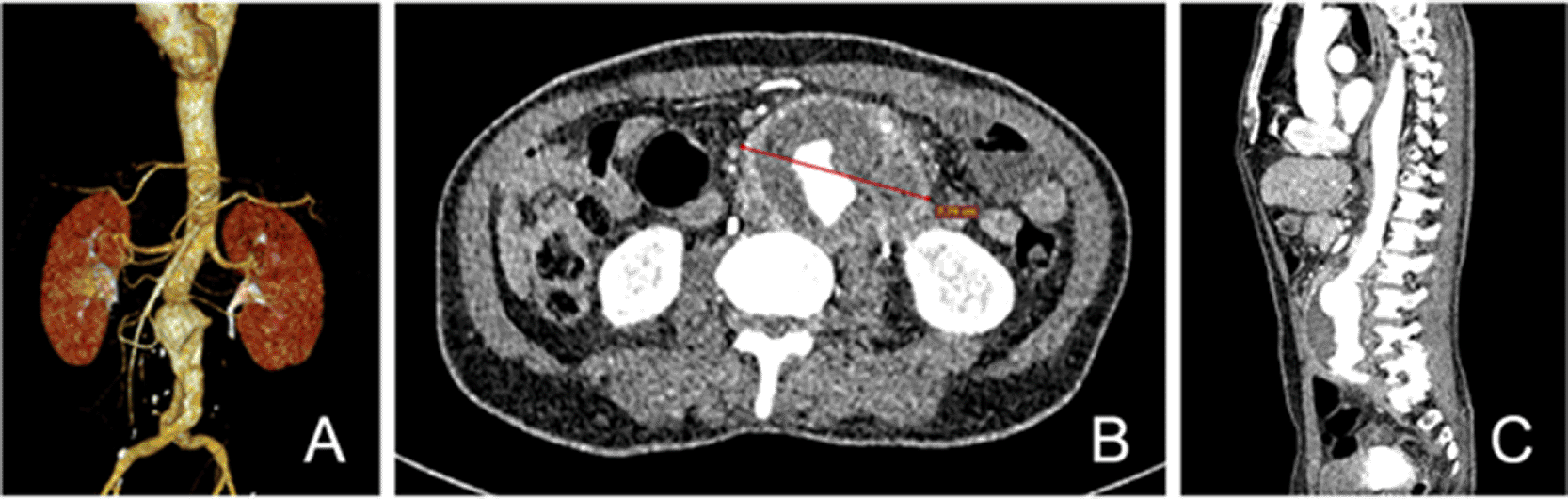
(A) Volume rendering technique showing the abdominal aortic aneurysm below the renal artery. (B) Axial CT Scan angiography shows an impending rupture aneurysm with a maximum diameter of 77,9 mm. (C) Sagittal CT Scan angiography shows the extent of the impending rupture AAA.
Acute presentation warranted consideration of visceral artery rupture and retroperitoneal hemorrhage, both excluded by imaging. No diagnostic challenges were encountered during clinical assessment. The patient was subsequently diagnosed with an impending rupture abdominal aortic aneurysm, accompanied by comorbid conditions of hypertension, prediabetes, and dyslipidemia. The planned intervention is an endovascular aortic repair (EVAR) utilizing the Taofan and Kang bidirectional endovascular aortic repair (T&K B-EVAR) modification ( Table 1).
The Taofan & Kang (T&K) B-EVAR is an innovative universal device designed to transform the conventional bifurcated EVAR technique into a tubular/trunk-type EVAR, utilizing limb extensions deployed in accordance with the Taofan-Kang Modified Mitsudo’s Kissing Balloon Formula. This device comprises a main body stent graft featuring a bare stent and encapsulates two limb extensions ( Figure 2A-B).
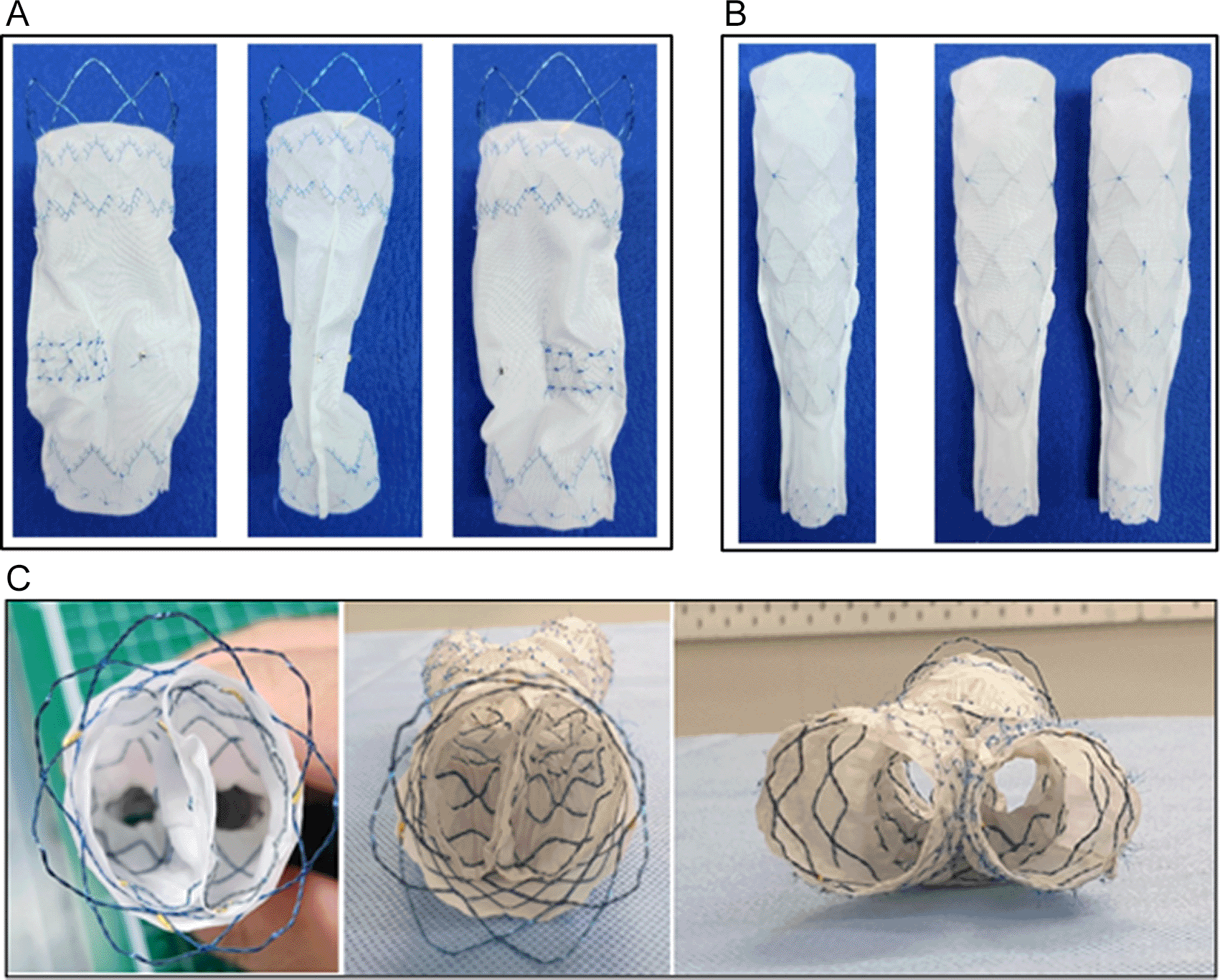
(A) Primary body stent graft from the front, side, and back. (B) Limb extensions from the front and side. (C) Axial view of the device.
The purpose of this innovative design is to simplify contralateral gate cannulation. The unique B-EVAR design features a trunk-like main body, creating a larger perceived entry point for contralateral gate cannulation compared to the contralateral limb in bifurcated EVAR. Additionally, the trunk-type shape stabilizes the contralateral limb entry, preventing it from shifting due to blood flow or the cannulation wire.
The B-EVAR procedure began with a surgical cutdown to access the right and left femoral arteries. General anesthesia was administered; perioperative antibiotics and antiplatelet agents were utilized according to institutional protocols. Initial aortography identified an infrarenal abdominal aorta aneurysm ( Figure 3A). A stiff wire was introduced via the right femoral artery to straighten the aorta, facilitating the subsequent steps. Through the left femoral artery, a SEAL NOVUS B-EVAR Body Stent Graft™ 24x90mm (S&G Biotech, Yongin, Korea) was deployed using a delayed deployment technique ( Figure 3B). Following the deployment of the main body, contralateral gate cannulation was performed. Thanks to the innovative design of the B-EVAR main body, the contralateral gate cannulation was completed in under one minute ( Figure 3C). This step was critical in ensuring the accurate placement of limb extensions.
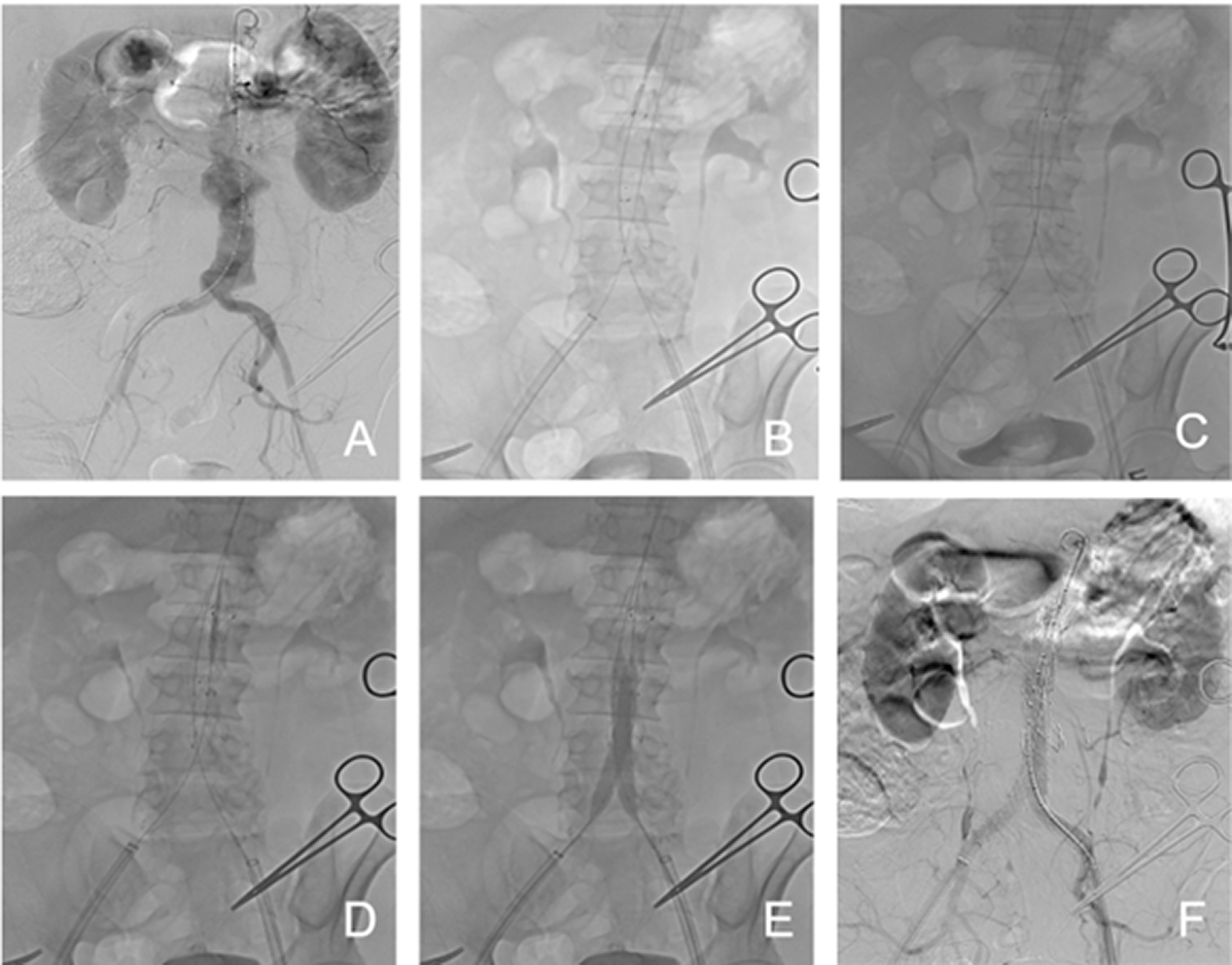
(A) Initial aortography shows the impending rupture of abdominal aortic aneurysm. (B) Successful deployment of B-EVAR main body right below the renal arteries. (C) Contralateral gate cannulation is successfully done in under a minute. (D) Limb extension deployment. (E) Balloon dilation is done simultaneously in both limbs. (F) Final aortography to evaluate the stent placement, aortic branches, and endoleak.
Next, ipsilateral limb extension was carried out, followed by contralateral limb extension deployment, both utilizing SEAL NOVUS Flared Limb Stent Grafts™ 12x100 mm ( Figure 3D). Bilateral intrastent balloon dilation was then performed simultaneously using a peripheral balloon 12 x 80 x 135 mm at 10 atm to secure the stents in place and prevent endoleaks ( Figure 3E).
Final angiography confirmed the optimal position of the stent with no residual endoleaks or intrastent stenosis, indicating the success of the procedure ( Figure 3F). The total contrast used was 370 ml of Iopamiro. The procedure was completed in 59 minutes, with a fluoroscopy time of 21 minutes and 55 seconds.
Following the procedure, the patient was monitored in the intensive cardiovascular care unit. A follow-up CTA demonstrated proper stent placement, with no evidence of stent migration or endoleak ( Figure 4A and 4C). After five days of observation, the patient was discharged in a clinically stable condition and no complaint, having received comprehensive medical management and education. The prescribed pharmacotherapy regimen included bisoprolol, atorvastatin, amlodipine, metformin, paracetamol, cetirizine, and cefixime. Patient tolerated endovascular repair and associated medications without adverse effects. No complications or unanticipated events were reported post-procedure.
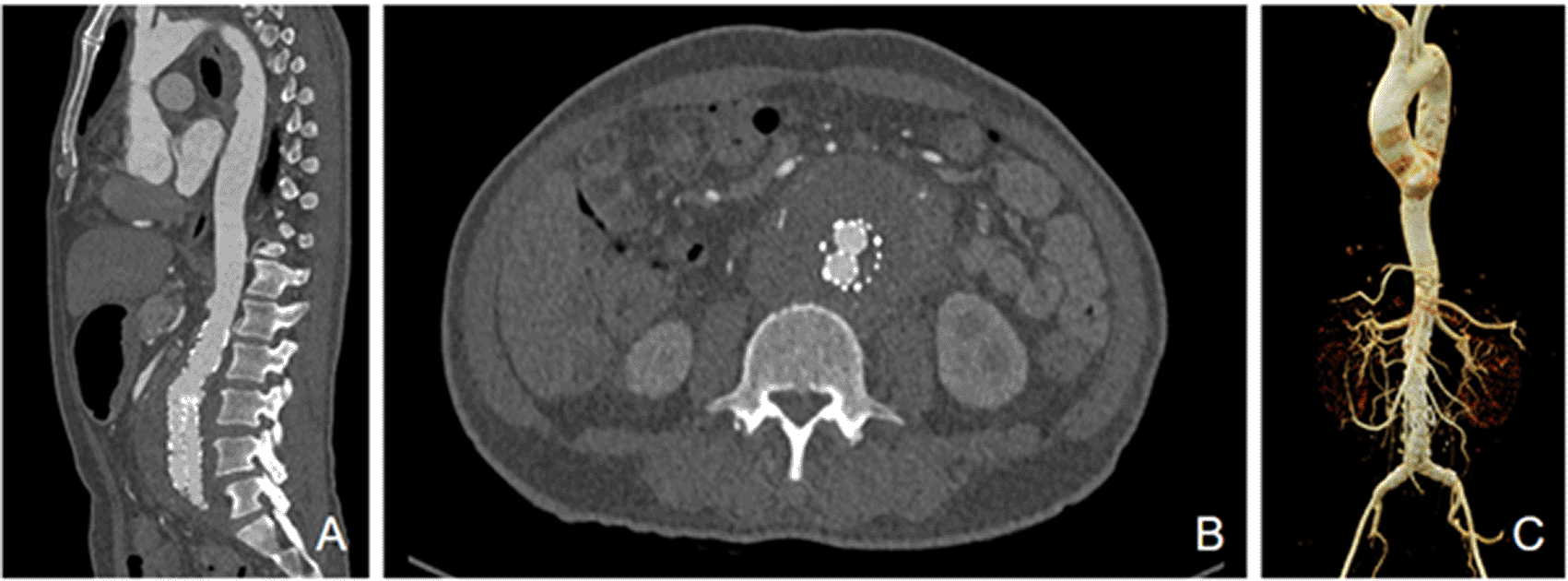
(A) Sagittal plane CT scan showing the main body placed below the renal arteries with no sign of endoleak and stent migration. (B) Axial plane CT scan showing the concept of trunk-type EVAR with limb extensions. (C) Volume Rendering of the post-B-EVAR CT scan.
In the last decade, EVAR has experienced substantial advancements in configurations and designs. Despite these enhancements, contralateral gate cannulation (CGC) remains one of the most challenging and time-intensive steps, which increases procedural time, radiation exposure, and material costs.11,12 This process demands exceptional wiring and catheter skills, especially as the number of patients with complex aortoiliac anatomies increases. Anatomical factors such as maximum aneurysm diameter, thrombus-free lumen, iliac tortuosity, and aortic bifurcation angulation have been shown to prolong CGC time. Although device improvements continue, successful cannulation still heavily relies on the operator’s expertise and technical proficiency.13
Typically, the contralateral gate is cannulated retrogradely using a conventional catheter and hydrophilic guidewire. If this maneuver fails, a brachial approach or contralateral femoral snare catheter as a crossover technique may be employed.9 Free-hanging bifurcation is vulnerable to severe aneurysm neck angulation or highly splayed iliac arteries, which may cause narrowing or bending of the gates, necessitating additional adjunctive approaches. One complication that may arise from difficult CGC is stent mal-deployment. Wire misplacement outside the contralateral limb gate (CLG) of the main body stent graft can lead to improper endograft deployment (mal-deployment). Consequently, the aneurysmal sac is not adequately excluded, significantly raising the risk of rupture if not identified and managed intraoperatively.14 Brachial access remains a bail-out technique but is associated with frequent local access complications.15
In this reported case, we aim to demonstrate the application of the new B-EVAR device in an emergency setting, specifically for an abdominal aortic aneurysm (AAA) with impending rupture. Given the patient’s stable hemodynamics, we performed CT angiography first to assess anatomical suitability for EVAR according to the 2022 ACC/AHA Guidelines for the Diagnosis and Management of Aortic Disease.5 After evaluating the anatomical feasibility of B-EVAR and obtaining informed consent, we proceeded with emergency B-EVAR. We successfully performed the B-EVAR procedure in under one hour with a fluoroscopy time of less than 30 minutes, made possible by the contralateral gate cannulation time of less than one minute. The patient expressed satisfaction with the prompt diagnosis and successful intervention, noting a rapid recovery and willingness to participate in future research initiatives.
The T&K B-EVAR offers a sophisticated and simplified approach with its main body graft fabric extending to encapsulate the bifurcation. Theoretically, this design facilitates easier cannulation into the main body, which has a larger diameter. Additionally, the trunk-type shape stabilizes the contralateral limb entry, preventing it from shifting due to blood flow or the cannulation wire. Prior to this, we conducted a pilot study with the new B-EVAR device on six patients. This pilot study highlighted the universal applicability of the device rather than customization. Because this device is universally available, it is suitable for emergency use, particularly in cases of impending rupture or ruptured AAA. Only one case in our pilot study required an additional adjunctive procedure using a snaring technique from the right brachial access to untwist the contralateral femoral wire. No patients experienced serious complications and were discharged with an acceptable length of stay.16 This report’s limitations include its single-case nature and lack of long-term outcome data, which restrict generalizability.
In conclusion, despite significant advancements in EVAR technology, challenges such as contralateral gate cannulation persist, complicating procedures and increasing risks. The T&K B-EVAR device presents a promising solution to these challenges, particularly in emergency situations like impending AAA rupture. Its design enables quicker and more reliable cannulation, potentially improving patient outcomes and procedural efficiency. Our pilot study supports the effectiveness and safety of this device, making it a viable option for broader clinical application.
| Views | Downloads | |
|---|---|---|
| F1000Research | - | - |
|
PubMed Central
Data from PMC are received and updated monthly.
|
- | - |
Provide sufficient details of any financial or non-financial competing interests to enable users to assess whether your comments might lead a reasonable person to question your impartiality. Consider the following examples, but note that this is not an exhaustive list:
Sign up for content alerts and receive a weekly or monthly email with all newly published articles
Already registered? Sign in
The email address should be the one you originally registered with F1000.
You registered with F1000 via Google, so we cannot reset your password.
To sign in, please click here.
If you still need help with your Google account password, please click here.
You registered with F1000 via Facebook, so we cannot reset your password.
To sign in, please click here.
If you still need help with your Facebook account password, please click here.
If your email address is registered with us, we will email you instructions to reset your password.
If you think you should have received this email but it has not arrived, please check your spam filters and/or contact for further assistance.

Comments on this article Comments (0)