Keywords
FinTech, Women, ICT, Adoption factors, Digital transformation. ion

FinTech, Women, ICT, Adoption factors, Digital transformation. ion
This revised version incorporates substantial improvements to strengthen the theoretical, methodological, and practical rigor of the study. The introduction was expanded to better explain the financial and sociocultural barriers affecting women’s participation in traditional financial systems, supported by recent empirical evidence. In addition, the research gaps and the novelty of the study were explicitly clarified, emphasizing the contribution of the integrated model based on TAM and UTAUT.
The theoretical framework was significantly strengthened through the inclusion and integration of relevant theories, including TAM, TPB, UTAUT, DOI, and IIT, which now provide clearer support for the proposed hypotheses and conceptual relationships. The research model and figures were redesigned to improve conceptual coherence and visual clarity, while the hypotheses section was reinforced with updated literature from 2025–2026 on FinTech adoption determinants.
Furthermore, the manuscript now includes clearer theoretical, methodological, and practical implications, with concrete recommendations for financial institutions, policymakers, and digital finance providers to foster women’s FinTech adoption. Finally, the conclusion section was expanded to incorporate explicit research limitations and future research directions, providing a more balanced and academically robust discussion of the study’s contributions.
See the authors' detailed response to the review by Nurul Hidayana Mohd Noor
Innovations in the financial sector have centered on the products and services offered through digital platforms, resulting in enhanced service quality, reduced costs, and elevated customer satisfaction (Lavrinenko et al., 2023; Apostu et al., 2023). This financial and technological evolution, known as FinTech, has emerged in response to the growing demand for faster, more efficient money transfer solutions.
Historically, women have faced challenges in accessing and participating in the traditional financial system due to unequal opportunities, the gender pay gap, and cultural stereotypes (Sudha & Reshi, 2023). In light of these issues, studies such as Cardona Ruiz et al. (2018) provide empirical evidence that gender is a significant factor in examining bank account ownership and the use of credit and debit cards in Colombia, where women are less likely to have access to these formal financial services.
Similarly, studies show that in Latin America and the Caribbean, women face limitations in their ability to save, invest, and make economic decisions, as their income levels are 16% to 25% lower than men’s (Gonzabay Mazza et al., 2025). Regarding stereotypes, sociocultural factors emerge that underpin women’s financial exclusion (Ramos-Zaga, 2024). This is based on misconceptions about women’s ability to handle financial matters (Moscatelli et al., 2020), gender roles within the family that influence women’s employability and their ability to perform certain functions, pushing them toward informal economic activities and unstable incomes (Sharif et al., 2022) and the lack of opportunities to access credit and build a credit history, which skews the perception of financial institutions by categorizing women as higher-risk borrowers (Malmström et al., 2024).
In this context, the emergence of FinTech has created a more favorable environment for women to overcome these barriers and take control of their finances (Ediagbonya & Tioluwani, 2023). Esmaeilpour Moghadam & Karami (2023) posit that financial technologies offer more inclusive, economical, and personalized digital solutions by leveraging technological developments such as artificial intelligence, Big Data, and mobile applications. Likewise, FinTech services—including digital bank accounts, loans, investment, and financial planning—are enabling women to actively participate in financial decision-making and wealth creation (Adbi & Natarajan, 2023).
Furthermore, the advent of FinTech has led to the emergence of novel entrepreneurship opportunities for women, such as crowdfunding platforms, peer-to-peer (P2P) loans, and online financial advisory services (Saputra et al., 2019). These instruments empower female entrepreneurs by providing them with direct access to funding and resources, thereby circumventing the need for intermediaries and facilitating the initiation and growth of their enterprises. Consequently, these advancements have led to a heightened participation of women in the business ecosystem, thereby driving innovation and economic growth (Haq & Dawood, 2023).
Despite the progress made through financial innovations, gender disparities persist in financial services, capital investment, and women’s representation in leadership positions (Roy & Patro, 2022). To maximize the potential of FinTech, it is essential to promote diversity, inclusion, financial literacy, and access to opportunities. Additionally, gender studies are necessary to examine inequalities, promote equality, and improve women’s conditions in society and as consumers (V. P. Singh, 2023).
Beyond the concept of inclusion, digital technologies have been shown to positively impact entrepreneurs by aiding them in understanding consumer needs and expectations (Jiang & Stylos, 2021). Companies have demonstrated a focus on evaluating product competitiveness and strengthening customer relationships to build loyalty (Bilan et al., 2019). In this context, research has explored the determinants of women’s acceptance of FinTech, considering its benefits for businesses and consumers in a competitive and dynamic global economy.
The utilization of FinTech solutions has been demonstrated to economically empower women by enhancing financial decision-making processes, mitigating credit restrictions, and reducing debt-related expenditures (Were et al., 2021; Jagtiani & Lemieux, 2019). These technologies assist in overcoming historical impediments to financial access, thereby facilitating unrestricted utilization of financial services (Kofman & Payne, 2021).
In Colombia, the government has promoted FinTech adoption through MinTIC (2021), while the FinTech industry has experienced a 16% annual growth, reaching 299 companies in 2021, mainly in digital credit and payments (Colombia FinTech, 2022). This study examines factors influencing FinTech adoption among university women, providing insights into financial behavior and gender gaps in financial technology adoption.
From this perspective, it is necessary to approach the adoption of FinTech services broadly, given that the barriers to financial access faced by women are multidimensional and involve not only technological factors but also behavioral and socioeconomic factors. Therefore, this research adopts an integrative approach to analyze the acceptance of these services, considering nine key variables: intention to adopt FinTech, financial literacy, perceived ease of use, perceived usefulness, perceived trust, perceived security, brand image, user innovation, and attitude toward use. These variables are selected from widely validated models in the literature on technology adoption, such as the Technology Acceptance Model (TAM) (Davis, 1989) and the Unified Theory of Acceptance and Use of Technology (UTAUT) (Alkhwaldi et al., 2022).
Given the progress in the study of FinTech adoption, significant gaps remain in the literature. First, most existing research does not specifically focus on female university students as the unit of analysis but rather addresses mixed or general populations. Second, few studies simultaneously integrate behavioral, psychological, and socioeconomic variables into a single explanatory model adapted to the Latin American context. Third, the proposed hypothetical relationships regarding FinTech adoption intention among women have been little explored in emerging economies such as Colombia. In light of these gaps, the present study makes a novel contribution by proposing an integrated model based on TAM and UTAUT, which simultaneously examines nine determinants of FinTech service acceptance among female university students in Colombia, a context that has received little empirical attention to date.
In addition, the findings of this study offer valuable implications for FinTech developers, financial institutions, and policymakers to enhance product diversification and competitiveness in Colombia’s emerging economy. Moreover, policies that improve access to digital financial services and promote financial education among women can lead to greater financial inclusion, supporting savings and better financial practices (Were et al., 2021).
The document has the following structure: first, it presents a contextualization of FinTech and women, along with the description of the model and the factors proposed for this research; then, the methodology used in this study is detailed in terms of the collection instrument, the characteristics of the sample, and data analysis techniques; the next section presents the results, the reliability of the instruments and constructs used, and the testing of the hypotheses; results are then discussed and the main conclusions of the study are drawn.
FinTech, an acronym for “financial technology,” is defined as the integration of technological innovations into financial services, with the objective of enhancing productivity and addressing consumer needs (Chuang et al., 2016). The adoption of FinTech platforms is contingent upon technological accessibility, and the adoption behavior of FinTech can be understood as the acceptance of financial technology (Xie et al., 2021).
The integration of financial technology services has given rise to innovative solutions that are underpinned by information technologies, thereby fostering the emergence of new tech-based companies and fortifying established financial institutions such as banks and insurers through digital transformation. This technological transformation has permeated various facets of the financial sector, encompassing financial products, services, organizational structures, operational processes, and business models (Puschmann, 2017). FinTech, a confluence of finance and technology, has emerged as a pivotal platform offering a diverse array of digital financial services, including mobile payments, money transfers, peer-to-peer lending, and crowdfunding. More recently, FinTech has expanded to blockchain, cryptocurrencies, and RoboInvest, further transforming the financial landscape (Goldstein et al., 2019).
FinTech applications have centered on computing resource exchanges within web-based environments. These exchanges face challenges such as optimizing algorithms, developing hardware to enhance big data processing efficiency, and ensuring financial data protection and privacy (Gai et al., 2018). Moreover, FinTech initiatives have been observed to span various financial sectors, thereby acting as a disruptive force by offering innovative products, enhancing customer experiences, lowering costs, targeting underserved markets, and enabling users to access multiple financial entities simultaneously (Nicoletti, 2017).
According to Xie et al. (2021), FinTech literature on women can be categorized into two main types. The first of these categories examines the impact of the FinTech revolution on the traditional financial industry (Guo et al., 2021; Jagtiani & Lemieux, 2019; Mohamed et al., 2021), exploring its role in addressing gender gaps and highlighting the influence of women leaders in the industry (Khera et al., 2022). The second category investigates the factors influencing women’s adoption of FinTech platforms. Researchers have examined the factors influencing the adoption of FinTech platforms and correlated them with various dimensions. They have found, for example, that mobile money usage is significantly linked to higher self-employment and entrepreneurship rates among women (Kedir & Kouame, 2022).
Previous studies on the factors that influence the behavioral intention to adopt FinTech from the perspective of women have applied models such as the Technological Acceptance Model (TAM) (Setiawan et al., 2023). It was proposed by Davis (1989) and has become a more applied analytical and representative model for understanding the systematic adoption of emerging technologies (J. S. Wang, 2021). The model was created to explain the effects of perceived ease of use, perceived usefulness, and attitude factors on consumer behavioral intentions (Tat Huei et al., 2018).
As Amnas et al. (2025) point out, TAM has undergone numerous extensions and adjustments over time to incorporate new factors, enabling a more precise understanding of the determinants of technology acceptance. Thanks to this evolution, TAM has established itself as one of the most widely used theoretical frameworks for predicting the adoption of various innovations. In particular, its explanatory power has made it a key reference for analyzing user acceptance of FinTech services, as it allows us to anticipate how individual perceptions influence the intention to use (Hurani & Abdel-Haq, 2025). Therefore, this model serves as a fundamental conceptual pillar of the study’s theoretical framework, providing a solid basis for interpreting the factors that influence technology adoption in this field.
Some studies such as the one by Hu et al. (2019) have extended the TAM to include user innovation factors, government support, brand image, and perceived risk as determinants of trust to investigate how users adopt FinTech services. Other determinants integrated into the TAM to predict FinTech adoption have been financial health and government support (Setiawan et al., 2021). The inclusion of the aforementioned factors helps to increase the available knowledge about the behavior of the consumer of financial technological services such as FinTech for the empowerment of women (Mohamed et al., 2021).
Another widely used theoretical framework for analyzing how people interact with financial technologies is the Theory of Planned Behavior (TPB) (Aggarwal et al., 2023). Formulated by Ajzen (1991) as an extension of the Theory of Reasoned Action, TPB incorporates perceived behavioral control as a third key determinant of intention, thereby strengthening its ability to explain and predict human behavior across various contexts, including those related to information technologies (Irimia-Diéguez et al., 2023).
In the specific field of FinTech, the TPB has proven useful for predicting technology adoption based on three core components: attitude, subjective norm, and perceived behavioral control (Mazambani & Mutambara, 2020). Furthermore, some studies have chosen to integrate the TPB with other classical behavioral models. For example, Irimia-Diéguez et al. (2023) combined the TPB with the Theory of Reasoned Action (TRA) to develop a more robust causal-predictive analysis of FinTech service adoption, demonstrating that integrating both theories can offer a more comprehensive understanding of the factors driving intention to use.
Another widely recognized model in the study of technology adoption is the Unified Theory of Acceptance and Use of Technology (UTAUT), which has been used to analyze the various factors influencing the adoption of FinTech services, as evidenced by recent studies, including that of Sharma et al. (2024). This theory stands out for the robustness of its conceptual structure and its broad explanatory power. Furthermore, as Sultana et al. (2023) point out, it recognizes that people’s willingness to accept new technologies depends not only on their individual perceptions but also on the social, organizational, and environmental contexts in which they find themselves.
Consequently, the UTAUT has been used to examine the barriers that hinder the use of FinTech services in the banking sector (Bouteraa, 2024), to identify the cognitive factors that influence the actual use of digital banking among customers (Tariq et al., 2024), and to analyze the impact of FinTech adoption on organizations (Kurniasari et al., 2023). Furthermore, the expanded UTAUT2 model offers a more comprehensive perspective on the factors influencing the adoption of financial technologies (Sharma et al., 2024).
Some studies, such as Xie et al. (2021), have adopted the Unified Theory of Acceptance and Use of Technology (UTAUT), incorporating perceived value and risk alongside traditional factors like performance expectation, effort expectation, social influence, and facilitating conditions. Additional elements, including personal innovation, financial literacy, and uncertainty avoidance, have also been considered (Alkhwaldi et al., 2022). Moreover, digitalization factors such as trust, transparency, and financial experience—crucial for adopting digital financial services from non-banking high-tech firms—have been highlighted (Jünger & Mietzner, 2020).
The Individual Innovation Theory (IIT) has been used to analyze the factors influencing women’s adoption of FinTech technologies, particularly in contexts where personal attitudes toward innovation play a decisive role (Setiawan et al., 2023). This theory focuses on individual differences in openness to change and the tendency to experiment with new technologies, which helps explain why certain groups—such as women in digital financial environments—may exhibit varying levels of adoption depending on their innovation profile.
Similarly, other theories have been used to study technology adoption in financial contexts. For example, the Diffusion of Innovations (DOI) theory has been employed to examine how to promote financial inclusion in rural and remote areas of emerging economies by incorporating financial technologies (Koloseni & Mandari, 2024). This theory explains how, why, and at what pace new ideas and technologies spread within a society, highlighting the role of communication channels and different types of adopters (Yu, 2022). Therefore, these theories also serve as an important theoretical foundation for this study.
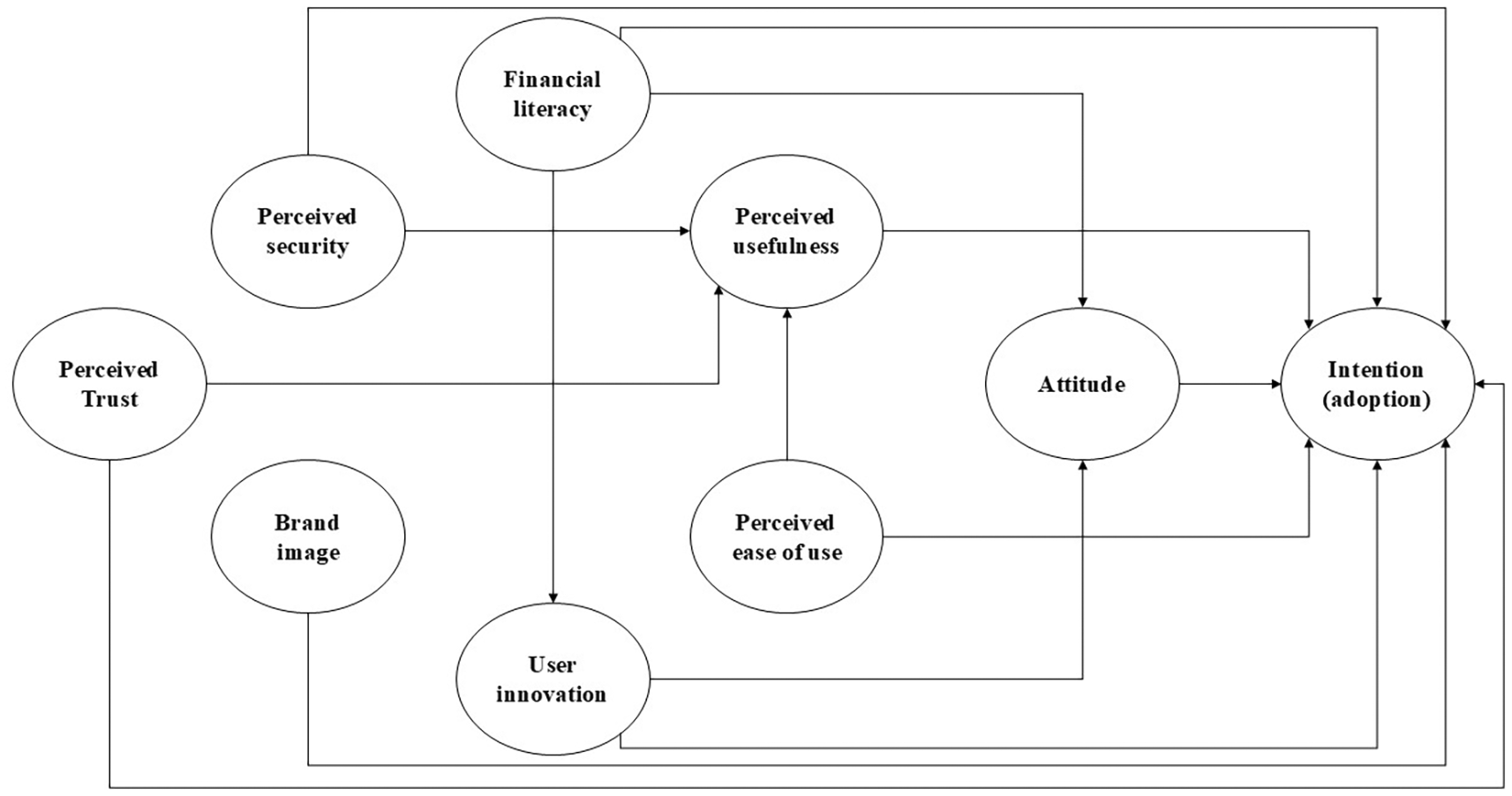
The proposed model includes factors corresponding to classic theories and models of adoption of technologies and behavior of human intentions such as TAM and UTAUT to generate an integrated approach to the adoption of FinTech by women. TAM’s traditional variables perceived usefulness, perceived ease of use, attitude towards the use, and intention to use are included as well as the external variables perceived trust, user innovation, and perceived security. Additionally, extended UTAUT factors such as brand image and financial literacy are added (see Figure 1). The following is a perspective of the factors selected from the FinTech approach.
Based on these theoretical foundations, the research model was developed as an integrative framework to explain women’s intention to adopt FinTech services across three complementary levels of analysis. First, the cognitive-technological level is based on the TAM and includes perceived ease of use and perceived usefulness, as users are more likely to adopt digital financial services when they perceive them as easy to understand, easy to operate, and useful for improving their financial activities (Davis, 1989; Amnas et al., 2025; Hurani & Abdel-Haq, 2025).
Second, the behavioral-evaluative level is grounded in the Theory of Planned Behavior (TPB) and the User Technology Acceptance Theory (UTAUT), which explain that intention is shaped not only by instrumental beliefs but also by users’ attitudes, perceived trust, perceived safety, and contextual conditions that reduce uncertainty in digital environments (Ajzen, 1991; Aggarwal et al., 2023; Irimia-Diéguez et al., 2023; Sultana et al., 2023; Sharma et al., 2024). Third, the level of innovation and capability is based on the IIT and the DOI, which incorporate user innovation, financial literacy, and brand image as factors explaining individual openness to new financial technologies, the ability to understand and evaluate digital financial services, and the trust generated by reputable providers (Setiawan et al., 2023; Koloseni & Mandari, 2024; Ait Hbibi & Makhrout, 2025; Ahmad & Hassan, 2025).
According to Nangin, the perceived ease of use of technology refers to the extent to which an individual believes that technological devices can be easily understood and utilized. When a FinTech system is perceived as difficult to use, the intention to adopt it decreases due to the additional effort required for comprehension (Suprapto & Farida, 2022). Davis (1989) proposed that perceived ease of use is crucial in explaining user intention and behavior toward new technologies. In this context, it pertains to the ease of learning and conducting financial transactions on FinTech platforms (Tun-Pin et al., 2019). Additionally, perceived ease of use influences perceived usefulness, meaning that when individuals find FinTech easy to use, they are more likely to see it as beneficial for improving their financial performance (Perwitasari, 2022). Consequently, perceived ease of use directly affects both perceived usefulness and the intention to use FinTech services. However, research conducted during the period of the pandemic in Indonesia, as exemplified by the study of Setiawan et al. (2023), has determined that the intention of women to adopt FinTech services was found to be significantly and negatively impacted by the perceived ease of use.
Recent empirical evidence further supports the importance of perceived ease of use as a determinant of FinTech adoption, particularly in contexts where users may face barriers related to digital literacy, trust, or accessibility. Amnas et al. (2025) argue that FinTech platforms requiring minimal effort to understand and operate are more likely to be explored, used for financial transactions, and integrated into users’ daily financial routines, as perceived ease of use reduces cognitive effort and perceived barriers to entry. Similarly, Agustin et al. (2025) emphasize that ease of use strengthens users’ interest in FinTech services, especially when accompanied by higher levels of trust and favorable perceptions of security. In the case of women and informal workers, Ait Hbibi and Makhrout (2025) highlight that simple, intuitive, and mobile-accessible interfaces—available in local languages and supported by training initiatives—are essential for reducing apprehension toward the complexity of FinTech and promoting inclusive adoption. Therefore, perceived ease of use not only improves perceived utility but also increases women’s intention to adopt FinTech services by making these platforms more accessible, understandable, and compatible with their daily lives.
In the case of women and informal workers, Ait Hbibi and Makhrout (2025) emphasize that simple, intuitive interfaces accessible via mobile devices—available in local languages and supported by training initiatives—are essential for reducing apprehension about FinTech’s complexity and promoting inclusive adoption. Therefore, perceived ease of use not only improves perceived usefulness but also increases women’s intention to adopt FinTech services by making these platforms more accessible, understandable, and compatible with their financial practices. Conversely, the aforementioned study has also confirmed that the perceived ease of use has a significant positive effect on perceived usefulness.
Women’s perceived ease of use of FinTech services has a significant effect on their perceived usefulness.
Women’s perceived ease of use in FinTech services has a significant effect on the intention to adopt them.
Previous studies have found that trust is a determining factor in the adoption of FinTech because the decision to make financial transactions is strongly determined by the level of customer trust (Nangin et al., 2020). In the study Meyliana et al. (2019), trust is described as “an idea related to self-trust, hope, reliability, dependence, integrity and the capacity of an entity” (p. 32). The adoption of FinTech involves many aspects of trust such as data confidentiality, the usability of mobile applications, the security of transactions and, in essence, the security of the platform; therefore, perceived trust has been positively associated with the intention to use FinTech (Stewart & Jürjens, 2018). In addition, it has been identified that perceived trust influences the perceived usefulness of electronic services such as FinTech which, in turn, affects user acceptance (Nikou & Economides, 2017). Previous studies on the adoption of FinTech services by women, such as that of Setiawan et al. (2023), showed a positive impact on the perceived trust regarding the intention to adopt FinTech services.
Furthermore, recent evidence reinforces the role of perceived trust as a key determinant of FinTech adoption, particularly given that users must provide sensitive personal and financial information when accessing digital financial services. Appiah and Agblewornu (2025) argue that consumers are more likely to adopt FinTech platforms when they believe the provider is trustworthy, protects private information, and avoids actions that could compromise their interests. Similarly, Balaskas (2026) identifies trust as a direct predictor of adoption-related outcomes, explaining that perceived trust often functions as a belief that facilitates decision-making, transforming positive evaluations of a FinTech service into behavioral readiness. Therefore, when women perceive FinTech platforms as safe, trustworthy, and aligned with their interests, their perceived utility and their intention to adopt these services are reinforced.
Women’s perceived trust in FinTech services has a significant effect on their perceived usefulness.
Women’s perceived trust in FinTech services has a significant effect on the intention to adopt them.
Security is a pivotal factor in the adoption of FinTech services and products, as it encompasses the protection of the service, platform, network, and devices. This aspect is positively associated with perceived usefulness (Lim et al., 2019). In the extant literature, security is defined as the extent to which individuals perceive a FinTech service or product as safe to use, considering the control they have over it. This perception is influenced by the technological security features of the platform, which in turn affect trust-based behaviors in financial transactions (Roh et al., 2024). Additionally, the ability of FinTech companies to prevent blackmail or hacker attacks on financial transaction systems is associated with a significant impact on users’ intention to adopt these services (Tang et al., 2020). Moreover, studies have shown that women tend to be more concerned than men about data exchange in FinTech services, which partially explains the gender gap in FinTech adoption (Chen et al., 2023). Additionally, research by Lim et al. (2019) has confirmed that perceived security has a significant influence on perceived usefulness.
Recent studies further support the view that security is a key determinant of FinTech adoption, particularly because these platforms handle sensitive financial data such as bank account information, credit card details, and transaction records. Appiah and Agblewornu (2025) explain that concerns about hacking, phishing, fraud, data breaches, and unauthorized access can deter users from adopting FinTech services, especially in contexts where digital infrastructure and regulatory oversight are still developing. Furthermore, AlHassan et al. (2025) highlight that visible security statements, such as security seals, indicators of technical protection, privacy and security policies, and awareness messages, strengthen users’ perception of security and their trust in FinTech services. Therefore, when women perceive that FinTech platforms provide robust protection mechanisms and communicate them clearly, they are more likely to view these services as useful and to have a stronger intention to adopt them.
Women’s perceived security of FinTech services has a significant effect on their perceived usefulness.
Women’s perceived security FinTech services has a significant effect on the intention to adopt them.
According to Shahzad et al. (2022) user innovation is the willingness of an individual to test new goods, technologies or services early in the development process. In this way, these people can better manage levels of uncertainty and have a greater motivation to use new and innovative products. Hence, in the literature, it has been established that the willingness to accept new technologies such as FinTech is the main driver to adopt this technology, so a pioneer in the use who is willing to experience FinTech products and services will have a greater disposition of intention to use them in the future (Setiawan et al., 2021). Even early adoption of FinTech has a greater likelihood of significantly affecting users’ attitude towards the adoption of this financial technology (Hu et al., 2019). In the study by Setiawan et al. (2021), in which the majority of the sample is made up of women, they concluded that user innovation has both a direct and indirect impact on the adoption of FinTech services.
Furthermore, recent evidence continues to support user innovation as a key predictor of FinTech adoption, as people who are more willing to experiment with new technologies tend to be more open to digital financial services. Amaniyah and Aguilika (2025) explain that user innovation reflects the tendency to try out new technological developments, welcome financial innovations, and explore FinTech services before or during their widespread diffusion. Therefore, women with higher levels of user innovation are more likely to develop favorable attitudes toward FinTech services and a greater intention to adopt them.
User innovation in FinTech services has a significant effect on women’s attitude.
User innovation has a significant effect on women’s intention to adopt FinTech services.
Financial literacy has been identified in the extant literature as a pivotal predictor of financial well-being and a catalyst for financial capacity through the utilization of FinTech. By enhancing financial literacy, individuals can more effectively engage with financial technologies, thereby supporting financial inclusion (Panos & Wilson, 2020). Financial literacy is defined as the awareness and comprehension of fundamental financial concepts, including money management, financial planning, compound interest, inflation, and risk diversification. Research has demonstrated a positive correlation between financial literacy and attitudes toward FinTech adoption and user innovation (Nugraha et al., 2022). Furthermore, personal financial knowledge has been found to significantly influence the intention to adopt FinTech services (Setiawan et al., 2021).
In the context of women, financial knowledge plays a mediating role in their intention to use FinTech services. Studies indicate that as women acquire more financial knowledge, their likelihood of adopting FinTech services increases (Igamo et al., 2024).
Recent literature underscores the role of financial literacy as a key capability for adopting FinTech, as users with financial knowledge are better equipped to evaluate digital financial products, manage risks, and translate access to FinTech into effective financial behaviors. Başar et al. (2025) argue that financial literacy strengthens users’ ability to evaluate online financial services, adopt them more effectively, and maintain positive financial habits through tools such as reminders, simplified interfaces, and digital savings mechanisms. Similarly, Aftab et al. (2025) emphasize that financial literacy must increasingly be understood in conjunction with digital literacy, giving rise to digital financial literacy as a relevant construct for explaining FinTech adoption. Therefore, women with higher financial literacy may develop more favorable attitudes toward FinTech services, demonstrate greater user openness to innovation, and exhibit stronger intentions to adopt these technologies.
Financial literacy has a significant effect on women’s attitude towards FinTech services.
Financial literacy has a significant effect on women’s user innovation in FinTech services.
Financial literacy has a significant effect on women’s intention to adopt FinTech services.
Brand image is a crucial asset for organizations, contributing to the creation of intangible economic value. It shapes users’ perceptions and influences their trust in financial services, thereby playing a key role in fostering engagement among individuals with planned financial objectives (Hu et al., 2019). Comprising elements such as names, symbols, signs, and designs, brand image differentiates financial services from competitors. Research indicates that brand image exerts a substantial influence on the adoption of FinTech, with individuals who prioritize brand reputation demonstrating higher adoption intentions (Suprapto & Farida, 2022). Moreover, studies have identified a direct relationship between brand image and the intention to adopt FinTech services among female demographics. A robust and reputable brand fosters heightened trust, thereby amplifying the probability of adoption (Setiawan et al., 2023).
Furthermore, recent studies further support the role of brand image as a key determinant of FinTech adoption, as users tend to rely on reputation, credibility, visibility, and perceived differentiation when evaluating digital financial services. Ahmad and Hassan (2025) explain that a strong brand image reinforces customer perceptions, builds trust, and positively influences FinTech adoption, particularly when users associate the brand with reliability and innovation. Similarly, Anand and Agarwal (2025) argue that brand image increases user trust by reducing perceived risk in services that require the exchange of personal and financial information. Therefore, when women perceive a FinTech provider as reputable, credible, and trustworthy, they are more likely to develop a greater intention to adopt its services.
Brand image has a significant effect on women’s intention to adopt FinTech services.
Perceived usefulness has been identified as a pivotal factor influencing customers’ attitudes toward novel technologies (Davis, 1989). Research has demonstrated its impact on the adoption of mobile banking, with individuals demonstrating a propensity to adopt financial technologies when they perceive these tools to enhance their performance (Hasan et al., 2021). When users perceive a FinTech system as beneficial, their intention to adopt it is found to increase (Chuang et al., 2016). The extant literature suggests a positive relationship between perceived usefulness and FinTech adoption, indicating that the higher the perceived usefulness, the greater the actual use of these services (Singh et al., 2020).
Furthermore, previous studies confirm that perceived utility is a key determinant of FinTech adoption, especially when digital financial services are perceived as tools that improve access, efficiency, financial inclusion, and business performance. Ait Hbibi and Makhrout (2025) note that perceived utility is particularly relevant for women and informal workers, as FinTech can reduce financial barriers, facilitate access to financial resources, and foster entrepreneurial participation even in contexts marked by social and economic constraints. Similarly, Agrawal et al. (2025) highlight that perceived utility, along with satisfaction and ease of use, influences customers’ acceptance and continued use of FinTech services. Regarding women, research has found that perceived usefulness significantly influences their intention to adopt FinTech services, reinforcing its role as a determinant in financial technology adoption (Setiawan et al., 2023). In this regard, when women perceive FinTech platforms as useful for improving their financial management, accessing services, and supporting economic activities, their intention to adopt these technologies is reinforced.
Women’s perceived usefulness in FinTech services has a significant effect on the intention to adopt them.
Attitude has also been identified in the literature as a key factor in human behavioral intentions as postulated by (Davis, 1989). Thus, it is explained that when a person has a good experience with the use of FinTech products and services, their disposition to use them will increase considerably (Tat Huei et al., 2018). It has also been said that customers can have positive feelings about technological financial products and services if they believe that they are easy to use. In that sense, the attitude towards the use of FinTech could have a positive impact on a person’s behavioral intention (Shahzad et al., 2022). With respect to women, (Igamo et al., 2024) stated that given the increase in favorability on women’s attitude towards FinTech services, their intention to adopt them also increased.
In fact, previously published studies further support the view that attitude is a key psychological mechanism linking users’ evaluations of FinTech services to their intention to adopt them. Geidam et al. (2026) argue that attitude acts as a mediating factor that transforms FinTech knowledge and exposure to digital financial applications into a motivational disposition for action, thereby explaining how cognitive and emotional evaluations influence FinTech-related intentions. Similarly, Jena (2025), drawing on the TPB, asserts that attitude reflects the favorable or unfavorable evaluation individuals make of the use of FinTech services and confirms that positive attitudes significantly influence behavioral intention in financial inclusion contexts. Therefore, when women develop favorable attitudes toward FinTech services, based on perceived benefits, positive experiences, and confidence in their use, their intention to adopt these technologies is strengthened.
Attitude towards FinTech services has a significant effect on the intention to adopt them.
The present study defines quantitative research with a correlational scope to analyze the hypothetical relationships proposed in the literature regarding the factors that influence the acceptance of FinTech by university women. For this, the Partial Least Squares Method for Structural Equations Modeling (PLS-SEM) was used; this technique is used to develop predictive models and examine the causality between latent variables (Henseler, 2017). This approach enables the evaluation of numerical data and establishing statistical relationships between previously defined variables or constructs, thus providing a detailed understanding of these factors and their interrelation with the effect of women’s behavior towards the use of financial technologies (Hancock et al., 2018). It also allows a more complete view of the phenomenon studied through the predictive analysis of women’s behavior regarding FinTech.
A 36-question questionnaire was applied in person and online via Google Forms to 547 women selected through a non-probabilistic sampling at the convenience of the study. The participants were students from three university institutions in Medellín, Colombia, and one in Chiclayo, Peru. Socio-demographic characteristics indicated that the predominant age group was 18 to 22 years old (51%), followed by the group of 23 to 27 years old (25%), 28 to 32 years old (14%), and over 32 years old (10%). As for educational level, most of the participants attainment was secondary education (32%), followed by vocational training (25%), technical (21%), technological (18%), and graduate (5%). In addition, university students were asked if they were aware of FinTech services; the result was 54% affirmative answers and 46% were not aware of them.
They were then explained that FinTech are companies that use technology to improve or automate financial services, products and processes, and were asked about their perception of the importance of these services; 42% considered them important, 41% perceived them as very important, and 13% had a neutral position. As for the services they would access through FinTech, digital payments ranked first with 29.27%, digital loans ranked second with 18.03%, followed by neobanks or digital banks with 16.74%, and personal finance apps scored 14.51%. The crowdfunding or collaborative financing aroused the interest of 3.86%, while the trading or stock trading platforms reached 4.64%. Insurtech (digital insurance) and RegTech (artificial intelligence solutions) services achieved 5.06% each. Finally, 2.83% of the respondents opted for blockchain and cryptocurrencies.
Regarding the designed questionnaire, the first section focused on multiple-choice and dichotomous questions about the socio-demographic characteristics of university students such as age and educational attainment. The next section inquired about their knowledge and how important financial innovations are for university women. In addition, they were asked about which FinTech services they use most frequently. The third section of the survey included nine dimensions made up of thirty statements to evaluate the use of FinTech services by female students. To do this, the Likert scale was used, which measured the degree of agreement of the surveys with the statements about the use of these financial technologies. The scale consisted of the options (1) “Strongly disagree”, (2) “Disagree”, (3) “Neither agree nor disagree”, (4) “Agree” and (5) “Strongly agree”. The constructs Intention to adopt FinTech, financial literacy, perceived ease of use, perceived usefulness, perceived trust, perceived security, brand image, user innovation and attitude, and affirmations have been previously validated in other studies on the adoption of financial technology and all questionnaire was developed by the authors based on the literature reviewed as presented in Table 1.
| Construct | Items | Evidence in the literature |
|---|---|---|
| Intention to adopt FinTech | You have not used, but would like to use FinTech services soon | (Setiawan et al., 2021) |
| You will continue to use the FinTech service | ||
| You recommend FinTech services with your acquaintances | ||
| Financial literacy | Your knowledge of products and the financial system influences the decision to use FinTech | (Malemnganbi & Singh, 2021) |
| Using FinTech services contributes to your learning about products and the financial system | ||
| Receiving training in the use of FinTech services allows you to make sound financial decisions | ||
| Receiving instruction regarding FinTech services influences the proper use of financial services | ||
| Perceived ease of use | By using FinTech services, you can easily fulfill your banking transactions’ needs | (Nangin et al., 2020) |
| FinTech services are easy to use | ||
| The use of FinTech services improves the efficiency of financial institutions, since access to information on different platforms is faster | ||
| FinTech services reduce transaction time | ||
| Perceived usefulness | If the bank offers benefits to customers, you will use its FinTech services | (Giachino et al., 2023) |
| The approval of the requested financial products is faster by using FinTech services | ||
| FinTech services save travel costs for the use of financial products | ||
| Perceived trust | Although you prefer services, there is minimal risk when making inquiries and/or when conducting banking transactions through FinTech | (Malemnganbi & Singh, 2021) |
| You perceive that your data are safe when entering the information into the FinTech | ||
| If you trust that your money is safe in mobile applications, you will think about developing new relationships with your bank | ||
| Overall, you believe and trust FinTech services | ||
| Perceived security | You feel the need to protect your data when using a FinTech service | (Malemnganbi & Singh, 2021) |
| The use of FinTech does not generate risks of losing my financial resources | ||
| If FinTech offers you complete and detailed information, you feel no risk in sharing your personal data | ||
| Brand image | You believe that the quality of the FinTech application for your transactions depends on the reputation of your bank | (W. T. Wang & Li, 2012) |
| You prefer to accept the services provided by well-known brands of FinTech platform services | ||
| FinTech services in general have a good reputation | ||
| User innovation | Among your peers, you are usually the first to try a new product | (Setiawan et al., 2021) |
| You like to experiment with new FinTech services | ||
| When you hear about a new technology product, you look for ways to test it | ||
| Attitude | Using FinTech services gives you an enjoyable experience | (Hoang et al., 2021) |
| You are interested in using FinTech services | ||
| You believe that using FinTech banking products is a good idea |
The information was collected during the first quarter of 2024. Before completing the survey, participants were informed about the purpose of the study, clarifying that their participation was voluntary and anonymous, and that the data would be used for academic purposes only. Likewise, following the recommendations of (Saunders et al., 2019), the questionnaire was subjected to translation to guarantee the fidelity of its content.
In this study, PLS-SEM was chosen because of its broad-spectrum predictive approach, which has significant practical implications for explaining managerial phenomena, especially those related to human behavior (AlNuaimi et al., 2021).
The PLS-SEM estimates the parameters of a set of equations in a structural model by combining path analysis and regression-based significance tests, thus representing several advantages in investigations that use cause-and-effect models to explain or predict a construct (Amora, 2021). The PLS-SEM analysis was developed in two steps: (1) Measurement model (evaluating the validity and reliability of the model); and (2) Structural model and hypothesis test (testing the hypotheses of the proposed model) using the information collected. These analyses were carried out with the SmartPLS 4 statistical software; the most used in partial least squares analysis (PLS-SEM) (J. Hair & Alamer, 2022).
This study was conducted in accordance with the ethical principles outlined in the Declaration of Helsinki for research involving human participants.
Ethical approval was granted by the Research Ethics Committee of Tecnológico de Antioquia – Institución Universitaria (CEI-TdeA), Medellín, Colombia. The project entitled “Acceptance of FinTech services by university women” was approved during the extraordinary meeting recorded in Minutes No. 09 of the 2024–02 semester, held on September 26, 2024. The study was classified as risk-free research in accordance with Article 11 of Resolution 8430 of the Colombian Ministry of Health (1993).
Participation in the study was voluntary and anonymous. All participants were informed about the objectives of the research, the confidentiality of their responses, and their right to withdraw at any time without consequences.
Verbal informed consent was obtained from all participants prior to completing the questionnaire. The use of verbal consent was approved by the ethics committee because the study involved minimal risk and anonymous survey data collection.
Initially, the analysis of the measurement model is carried out based on factorial loads, convergent validity, reliability and multicollinearity. As explained by (Hair Jr. et al., 2017), convergent validity is evaluated by examining the external loads that reflect an adequate correlation of the indicators with their respective factors. Experts recommend that its value be greater than 0.708 (J. F. Hair et al., 2011). In that sense, the cross-factorial loads are presented in Table 2; they show that the criteria established in the literature are met—the loads of an indicator must be higher than all its cross-loads— and involved removing the following items: FL3, IAF1, PS1, PT1, and PT3.
In the same line, convergent validity is evaluated by examining the external loads of the indicators to determine the average variance extracted (AVE) of each construct. The AVE measures the amount of variance that a construct captures from its indicators in relation to the variance due to the measurement error. In this context, the square of the factorial loads of the indicators reveals what proportion of the variance of a construct is explained by its indicators. For the AVE metric to be acceptable, its value must be greater than 0.5, indicating that, on average, the construct explains at least 50% of the variance of its indicators (J. F. Hair et al., 2019; Hair Jr. et al., 2017). This threshold ensures that the constructs are adequately represented by their indicators, which strengthens the convergent validity of the model. The results can be seen in Table 3.
In addition, this analysis was strengthened by evaluating the level of collinearity between the formative indicators based on the calculation of the Variance Inflation Factor (VIF) of each indicator (Sarstedt et al., 2014). VIF provides a measure of how much the variance of a regression coefficient increases due to collinearity with other predictors in the model. A low VIF value indicates a low collinearity between the predictors, which strengthens the reliability of the analysis results. For this, a value less than 3 is recommended to reveal that the measurement model does not contain multicollinearity problems (Legate et al., 2023). These results can also be observed in Table 3 and the criterion is met.
The reliability and internal consistency of the model were assessed using Cronbach’s Alpha and Composite Reliability, with a minimum threshold of 0.6 suggested for both measures (Rakhmawati et al., 2013; Ahmad et al., 2016). However, a value above 0.7 is traditionally preferred. Composite Reliability is regarded as a more precise measure because it considers the varying reliability of indicators (Hair et al., 2020). The findings indicate that the FinTech adoption model aligns with these reliability standards. Discriminant validity is presented in Table 4 and was assessed using the Fornell-Larcker criterion, ensuring that each construct is distinct and does not measure overlapping concepts (Henseler et al., 2015). According to Hamid et al. (76), a construct should explain more variance in its indicators than in other constructs. This implies that the square root of AVE should exceed inter-construct correlations, and the results confirm that this criterion is met, validating the model’s structural integrity (Henseler et al., 2015).
After validating the measurement model, we proceed with the structural model to contrast the hypotheses proposed in the model of FinTech adoption by women. For this, the Bootstrapping technique is applied in the SmartPLS 4 statistical software. The following statistics are considered: p value <0.005 or 95% trust interval (based on the percentile method or, in the case of a biased bootstrap distribution, the BCa method) (J. F. Hair et al., 2019), and a T statistic >1.96, which is an indicator of the importance of the weights with a level of significance of 5% (J. F. Hair et al., 2011). The results presented in Table 5 and Figure 2 show that 10 out of the 14 established hypotheses are met.
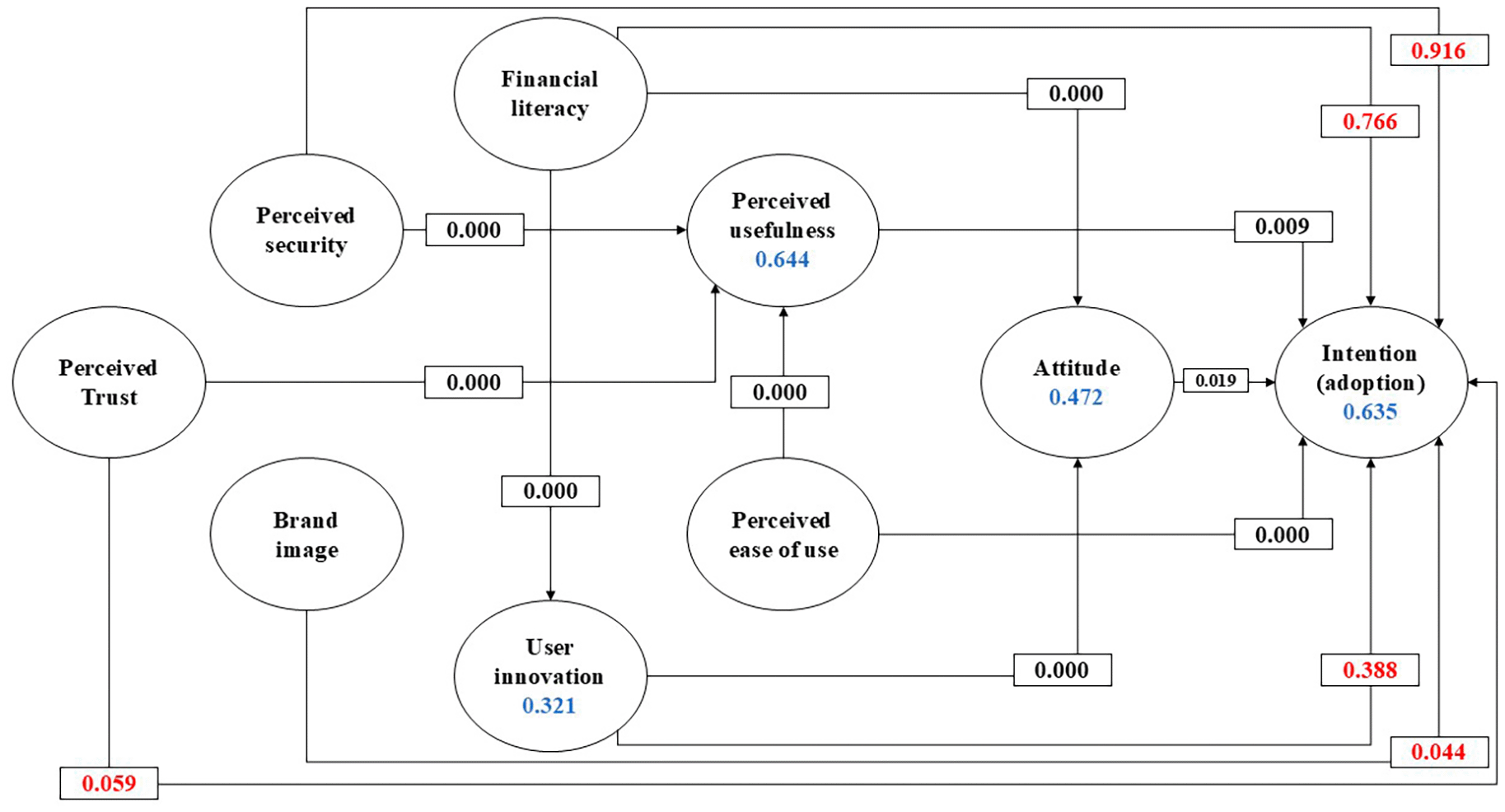
The results of the structural model are strengthened based on its predictive capacity, evaluated by the coefficient of determination R2 and the Stone-Geisser criterion Q2. The scholars recommend that the values of R2 be greater than 0.25 to be considered of weak predictive relevance; 0.5, moderate relevance; and 0.75, substantial relevance in each of the endogenous variables (J. F. Hair et al., 2011). While for Q2 the values are expected to be greater than 0, with reference values indicating that 0.02 is weak; 0.15, moderate; and 0.35, strong (J. F. Hair et al., 2013). These indicators allow us to evaluate not only the validity of the structural model, but also its ability to predict future FinTech adoption behaviors by women.
The results reflect that perceived usefulness is the endogenous construct with the best predictive behavior (R2 = 0.644; Q2 = 0.637), followed by the intention to adopt FinTech (R2 = 0.635; Q2 = 0.600), both with a moderate to strong predictive force. Likewise, attitude showed a moderate to strong predictive relevance (R2 = 0.472; Q2 = 0.440), while user innovation showed a weaker to moderate predictive relevance (R2 = 0.321; Q2 = 0.317).
In addition, the results indicate that perceived usefulness and intention to adopt FinTech have the greatest predictive power, thus suggesting a moderate to strong predictive force. It means that these constructs significantly explain the variance of their indicators and can predict future FinTech adoption behaviors. Attitude also shows a moderate to strong predictive relevance, while user innovation presents a weaker to moderate relevance, which implies that, although it is an important factor, its ability to predict the adoption of FinTech is lower compared to the other constructs.
The present study sheds light on the pivotal factors that influence women’s adoption of financial technology (FinTech) services. A robust correlation was identified between the perceived ease of use and the perceived usefulness of FinTech technologies. This finding suggests that when technologies are designed to be user-friendly, women tend to regard them as more valuable and effective. Furthermore, the study revealed a positive relationship between perceived security and trust, indicating that enhancing security measures and fostering trust can substantially enhance women’s perception of FinTech services.
Furthermore, factors such as perceived ease of use, brand image, perceived usefulness, and attitude have a positive impact on women’s intention to adopt FinTech. When women perceive FinTech as easy to use, reputable, and beneficial, and hold a positive attitude toward it, they are more likely to adopt these technologies. However, the study also reveals that perceived security, trust, user innovation, and financial literacy negatively correlate with FinTech adoption. Despite a recognition of FinTech as secure, reliable, and innovative, and despite financial knowledge, women may still encounter adoption barriers due to privacy concerns, costs, and a perceived lack of need, which could outweigh the benefits of security, trust, and innovation, thus limiting the widespread adoption of FinTech services among women.
In comparison with similar studies identified in the literature (Igamo et al., 2024), present the results of their research on the adoption of FinTech by women in post-COVID-19 Indonesia, where they identify attitude, government support, digital financial literacy, and the value of the status quo as key determinants. In relation to the current study, both approaches use advanced statistical analysis to validate their models, highlighting the importance of psychological and trust factors, such as the perception of usefulness and security in the adoption decision. Similarly, the study by Setiawan et al. (2023) focuses specifically on Indonesian women and highlights the need for equal participation of women in the creation of FinTech technologies, in addition to the influence of public and government policies in the adoption of these services. However, these two studies differ from the current study in the consideration of specific cultural and economic factors, highlighting the importance of financial support and education in their specific context.
Kedir and Kouame (2022) propose a study on FinTech and female entrepreneurship from other geographical and methodological contexts but coincide with the current study in highlighting the role of financial technology, especially the use of mobile money, to promote inclusion and stimulate entrepreneurship among women. They also recognize that improved access to digital financial services can significantly increase opportunities for self-employment and underline the importance of addressing gender disparities in access to formal financial institutions and in the adoption of FinTech. However, they differ in the methods used, as they use qualitative and quantitative data to delve into the challenges and opportunities in the specific context of Burkina Faso and Cameroon. This methodological difference is also reflected in the specific recommendations for policies and practices in their orientation towards practical and local solutions to improve financial and business inclusion among women in those countries.
Likewise, the work of Irimia-Diéguez et al. (2023) is known by its specific focus on the adoption of FinTech among women. However, while the present results provide a detailed perspective on how factors such as perceived ease of use, perceived usefulness, security, trust, and financial literacy influence their intention to adopt these technologies, the study conducted by those authors focuses on other factors such as social norms and general attitudes, using the Theory of Planned Behavior and the Theory of Reasoned Action.
The findings of this study offer several theoretical implications for the literature on women’s adoption of FinTech services. First, the study extends the explanatory scope of traditional technology adoption frameworks by integrating constructs from TAM, TPB, UTAUT, IIT, and DOI into a single model focused on digital financial services. In this regard, the results reinforce the relevance of perceived ease of use and perceived usefulness as central cognitive mechanisms in FinTech acceptance, while also showing that adoption cannot be fully explained only through instrumental evaluations of technology. Trust, security, financial literacy, user innovation, brand image, and attitude also play important roles in explaining how women evaluate, accept, and intend to use FinTech services.
Second, the study contributes to the literature by framing women’s adoption of FinTech as a multidimensional phenomenon shaped by cognitive, affective, reputational, capability-based, and innovation-related factors. This is particularly relevant because much of the literature on technology adoption has traditionally emphasized general user behavior, without sufficiently considering how specific groups may experience adoption barriers differently.
Furthermore, by incorporating financial literacy and user innovation alongside trust and security, the model suggests that women’s adoption of FinTech depends not only on whether the technology is perceived as useful or easy to use, but also on whether users feel capable of understanding digital financial tools, perceive the provider as trustworthy, and are willing to experiment with new financial technologies. In this way, this study provides a more comprehensive theoretical explanation of FinTech adoption by linking individual perceptions, trust-building mechanisms, and personal capabilities within the same analytical framework.
From a methodological perspective, this study provides a useful framework for examining FinTech adoption through an integrated model that links multiple determinants of behavioral intention. Thus, rather than analyzing isolated predictors, the proposed model allows researchers to examine how different theoretical dimensions interact in explaining women’s intention to adopt digital financial services based on a proposed theoretical model. This contributes to research practice by offering a structured analytical pathway for future empirical studies interested in evaluating FinTech adoption from a gender perspective.
Furthermore, the study adds methodological value by operationalizing FinTech adoption through constructs that capture both traditional technology acceptance variables and context-specific factors associated with digital financial environments. The inclusion of perceived security, perceived trust, financial literacy, user innovation, and brand image allows future studies to go beyond simplified adoption models and consider variables particularly relevant in financial technology contexts, where risk, credibility, knowledge, and uncertainty are fundamental to user decision-making. Therefore, the proposed model can serve as a reference for future quantitative studies, comparative analyses, or cross-cultural research focused on FinTech adoption, financial inclusion, and gender differences in digital finance.
The results of the study offer perspectives to improve both product design and market strategies in this emerging sector, highlighting the importance of perceived ease of use and security as determining factors in the perception of usefulness of FinTech services. This underlines the need for companies to invest in intuitive interfaces and robust security measures, which can not only increase user satisfaction, but also facilitate the adoption of financial technologies. For example, the inclusion of simplified interfaces, visual navigation tools, personalized workflows, and step-by-step transaction guides is essential in mobile app design to help alleviate tech anxiety among first-time users of these services, particularly young women with limited experience with digital financial services.
In addition, the construction and maintenance of a solid and reliable brand image is essential to attract women to these platforms, as well as the development of educational programs that improve financial literacy and address the specific barriers that women may face in terms of trust and knowledge of the product. In this case, financial institutions and digital finance providers could establish strategic partnerships with universities. For example, collaboration between FinTech companies and higher education institutions would enable the promotion of financial apps among the university community—particularly among women—through institutional campaigns, encouraging the use of such services, while also offering workshops and training courses on financial literacy that cover traditional topics such as saving and budgeting, but also addressing concepts specific to digital finance such as cybersecurity, fraud prevention, digital payment management, and informed decision-making. All of this aims to reduce uncertainty and improve users’ perception of the legitimacy of these types of services.
Furthermore, it is crucial that marketing strategies focus on building user trust and promoting user innovation as a means to increase the acceptance and continuous use of services. This includes not only offering transparency in policies and operations, but also encouraging the participation of users in the development and improvement of products. It is necessary to implement more proactive communication strategies regarding data privacy, transaction security, and consumer protection measures. In addition, adapting products and services to meet the specific needs of women and providing personalized financial advice can be effective strategies to overcome barriers related to trust and the perception of usefulness. Together, these recommendations can help FinTech companies capture and retain a key demographic, thus facilitating greater financial inclusion.
The advent of FinTech innovations has precipitated a paradigm shift in the realm of financial services, marked by a decline in costs and an escalation in customer satisfaction. This transformation has been particularly salient for women, who have derived considerable benefits from the adoption of inclusive and customized digital solutions. These technologies have endowed women with the agency to oversee their financial affairs, partake in financial decision-making processes, and embark on entrepreneurial endeavors with autonomy. Nevertheless, entrenched gender disparities persist, underscoring the imperative for sustained endeavors in fostering diversity, inclusivity, and financial literacy to optimize the impact of FinTech.
This study contributes to the extant literature on financial innovation adoption by proposing a conceptual model that deepens the understanding of women’s inclusion in the financial system and their decisions regarding technology adoption. The findings indicate that improving FinTech usability enhances users’ perception of value and effectiveness, while security and trust significantly influence perceived usefulness. Women are more likely to adopt FinTech when they find it easy to use, reputable, and beneficial. However, barriers such as privacy concerns, costs, and a perceived lack of need can hinder adoption, outweighing the advantages of security, trust, innovation, and financial knowledge. From a practical perspective, companies should invest in intuitive interfaces and robust security to improve FinTech’s perceived usefulness. Additionally, building a strong brand image, developing financial literacy programs, and tailoring products to women’s needs are crucial. Marketing strategies that foster trust and innovation can further drive adoption, promoting greater financial inclusion.
However, this study has limitations that should be considered when interpreting the results. First, the sample consists exclusively of female university students in Colombia, which limits the generalizability of the findings to other geographic or cultural contexts. Second, the study’s cross-sectional design does not allow for capturing changes in adoption behavior over time or establishing definitive causal relationships. Third, because self-administered questionnaires were used, responses may have been influenced by a desire to present a socially acceptable image.
Based on the limitations identified, we propose several avenues for future research. First, replicate the model in other Latin American countries or in contexts with different levels of financial inclusion and digital inclusion, in order to validate its explanatory power. Second, implement longitudinal designs that allow us to observe the evolution of FinTech adoption among women over time. Third, incorporate moderating variables such as income level, age, or type of educational institution to enrich the model. Fourth, delve deeper into the reasons behind the negative effect of trust, security, and financial literacy on adoption intent, as these results contradict previous findings and open up a line of research relevant to the design of financial inclusion policies.
Ethical approval for this study was obtained from the Research Ethics Committee of Tecnológico de Antioquia – Institución Universitaria (CEI-TdeA), Medellín, Colombia, according to Minutes No. 09 of the 2024–02 semester from the extraordinary meeting held on September 26, 2024. The study entitled “Acceptance of FinTech services by university women” was classified as risk-free research in accordance with Article 11 of Resolution 8430 of the Colombian Ministry of Health (1993).
Verbal informed consent was obtained from all participants prior to their participation in the study. Participants were adult university students (over 18 years of age) and were informed about the objectives of the research, the voluntary nature of participation, confidentiality of their responses, and their right to withdraw at any time without consequences.
The use of verbal consent instead of written consent was approved by the Research Ethics Committee because the study involved minimal risk and data were collected through an anonymous questionnaire that did not record identifying information. Participants indicated their consent by voluntarily completing the questionnaire after receiving the study information.
| Views | Downloads | |
|---|---|---|
| F1000Research | - | - |
|
PubMed Central
Data from PMC are received and updated monthly.
|
- | - |
Provide sufficient details of any financial or non-financial competing interests to enable users to assess whether your comments might lead a reasonable person to question your impartiality. Consider the following examples, but note that this is not an exhaustive list:
Sign up for content alerts and receive a weekly or monthly email with all newly published articles
Already registered? Sign in
The email address should be the one you originally registered with F1000.
You registered with F1000 via Google, so we cannot reset your password.
To sign in, please click here.
If you still need help with your Google account password, please click here.
You registered with F1000 via Facebook, so we cannot reset your password.
To sign in, please click here.
If you still need help with your Facebook account password, please click here.
If your email address is registered with us, we will email you instructions to reset your password.
If you think you should have received this email but it has not arrived, please check your spam filters and/or contact for further assistance.

Comments on this article Comments (0)