Keywords
Community Health Centers, Diabetes Mellitus Type 2, Digital Health, System Usability Scale, Usability Testing

This article is included in the Health Services gateway.
Community Health Centers, Diabetes Mellitus Type 2, Digital Health, System Usability Scale, Usability Testing
Type 2 diabetes mellitus (T2DM) is one of the fastest-growing global health problems and a leading cause of cardiovascular disease, stroke, renal failure, blindness, and lower-limb amputation (OECD & The World Bank, 2023). In 2021, the International Diabetes Federation (IDF) estimated that 537 million adults aged 20–79 years were living with diabetes worldwide, with a projection to increase by 46% in 2045 (Kumar et al., 2024). More than 1.2 million children and adolescents are affected by diabetes, with a continuous increase in the prevalence rate annually (Goyal & Vanita, 2025). Currently, Indonesia ranks fifth globally for the highest number of diabetes patients, with 19.5 million cases in 2021, projected to reach 28.6 million by 2045 (Kusuma et al., 2025). These figures highlight the need for urgent public health action, as the disease imposes a substantial clinical and economic burden on the healthcare system and the population (Kusuma et al., 2025).
Effective diabetes management extends beyond pharmacological treatment with insulin or oral hypoglycemics (Nishida & Watada, 2024). This disease requires proper management, such as continuous self-management behaviors, including regular blood glucose monitoring, adherence to treatment, dietary control, physical activity, smoking cessation, and consistent follow-up with healthcare professionals (Nico Octario Sotya Negara et al., 2025). However, in many low- and middle-income countries such as Indonesia, limited health literacy, fragmented patient follow-up, and inadequate healthcare infrastructure often impede optimal diabetes management (Faizi et al., 2024). These challenges show the need for innovative, accessible, and sustainable interventions to support patient self-care and continuity of care within the community (Cornet et al., 2020).
Recent advances in information and communication technology have increased the growth of digital health and mobile health (mHealth) solutions, particularly during the COVID-19 pandemic due to restricted access to healthcare facilities (Williams et al., 2020). According to IQVIA Digital Health Trends 2021, more than 350,000 digital health applications were available globally, with over 90,000 new applications launched in 2020 (Morrison et al., 2022). These applications offer flexibility and accessibility beyond conventional clinic-based diabetes education, allowing patients to monitor health, receive reminders, and access educational content easily (V. Sharma et al., 2024). Digital health services are not intended to replace traditional clinical practice but rather to complement it by enabling early detection, continuous monitoring, and teleconsultation, particularly for chronic conditions such as T2DM (Mbanugo, 2020). In Indonesia, digital applications have also started supporting the Program Pengelolaan Penyakit Kronis (Prolanis), the national chronic disease management program, by facilitating communication between patients and healthcare providers, including pharmacists (Nappoe et al., 2023). Pharmacists play an essential role in providing medication counseling, monitoring drug-related problems, and supporting patient adherence. However, relatively few digital interventions explicitly integrate pharmacists’ roles into patient care workflows. Despite the continuous rise in the development of mHealth applications, published studies evaluating the usability of diabetes-related applications in the context of Indonesian primary care remain limited, particularly using standardized and validated usability instruments.
The success of digital health interventions depends significantly on usability. According to the International Organization for Standardization (ISO 9241-210), usability refers to the extent to which a product can be applied by specific users to achieve goals effectively, efficiently, and satisfactorily in a defined context of use (Jokela et al., 2003). High usability enhances user acceptance, adherence, and engagement, while poor usability leads to frustration and inaccurate data input, which can compromise clinical outcomes (Jansson et al., 2022). To ensure that digital health applications are user-centered and context-appropriate, usability testing is recognized as an essential phase during the development process (Rodriguez et al., 2023). In this context, System Usability Scale (SUS) has gained significant attention for measuring overall user perception of a system, while Single Ease Question (SEQ) assesses task-specific ease of use immediately after task completion (Lewis & Sauro, 2018). The combination of these tools provides both macro- and micro-level insights into system performance and user experience (Sedig et al., 2013).
The Indonesian healthcare system depends significantly on community health centers (Puskesmas) and pharmacists as frontline providers of medication counseling, diabetes education, and patient follow-up (Rusli et al., 2025). However, there is still a knowledge gap in patient–provider communication, adverse drug reaction (ADR) reporting, and continuity of care (Li et al., 2022). This shows the need for locally developed, culturally adapted, and user-friendly digital health tools (Whitehead et al., 2023) such as Sahabat DM application, which integrates several features like medication tracking, laboratory result documentation, ADR reporting, and quality-of-life monitoring, to strengthen collaboration between patients and pharmacists within Indonesia primary healthcare system.
Several usability studies have been conducted internationally, such as the MyPal for Adults application for cancer care (Bonotis et al., 2025), the eHealthResp online course for antibiotic stewardship among pharmacists (Moura et al., 2021), and the Primagravida application for pregnancy monitoring in rural Indonesia (Lismidiati et al., 2023). However, there is still limited information on the usability of digital health applications specifically within Indonesian community health centers. Recent studies like AirPredict for asthma management (Atzeni et al., 2025), Electronic Health Report Forms (eHRF) in Swedish youth clinics (Lostelius et al., 2023), and digital tools in general practice (Albrink et al., 2022) have validated the SUS and SEQ as robust usability measures across diverse clinical settings. To the best of our knowledge, few published studies have comprehensively assessed the usability of pharmacist-integrated digital service for diabetes management in Indonesia, particularly at the primary care level. This shows a significant gap in the current literature, as the contextual, linguistic, and infrastructural characteristics of Indonesian healthcare can influence user experience differently than in high-income countries.
Based on the description above, this study aims to evaluate the task-specific ease of use and overall usability of the Sahabat DM digital health application for T2DM management in Indonesian community health centers using the Single Ease Question (SEQ) and System Usability Scale (SUS). The results are expected to provide empirical data on the application usability, guide further design optimization, and support integration into pharmacist-led chronic disease management programs in Indonesia.
This study used a cross-sectional descriptive usability evaluation to assess the ease of use and perceived usability of a digital health service designed for T2DM management in Indonesian community health centers. A total of 20 adult participants diagnosed with diabetes were recruited using convenience sampling. In line with the established usability testing standards, a sample size of 15–20 participants was considered sufficient to identify the majority of usability issues in interactive systems, supporting the adequacy of the sample size used in this study. Each participant installed the Android-based application on personal smartphones and performed a series of predefined tasks simulating typical user interactions (González-Pérez et al., 2022). Eligible participants were required to (1) be ≥18 years old, (2) have a confirmed diagnosis of T2DM, (3) be able to read and understand Indonesian, and (4) own an Android smartphone. However, participants with severe visual, cognitive, or physical impairments that could interfere with app use were excluded. Each participant installed Sahabat DM application on personal Android smartphones and completed a series of predefined task scenarios simulating typical user interactions within the application. After completing each task, participants rated the experience using validated usability questionnaires. The overall study workflow, including participant recruitment, application installation, usability task completion, and usability evaluation using SEQ and SUS instruments, is illustrated in Figure 4.
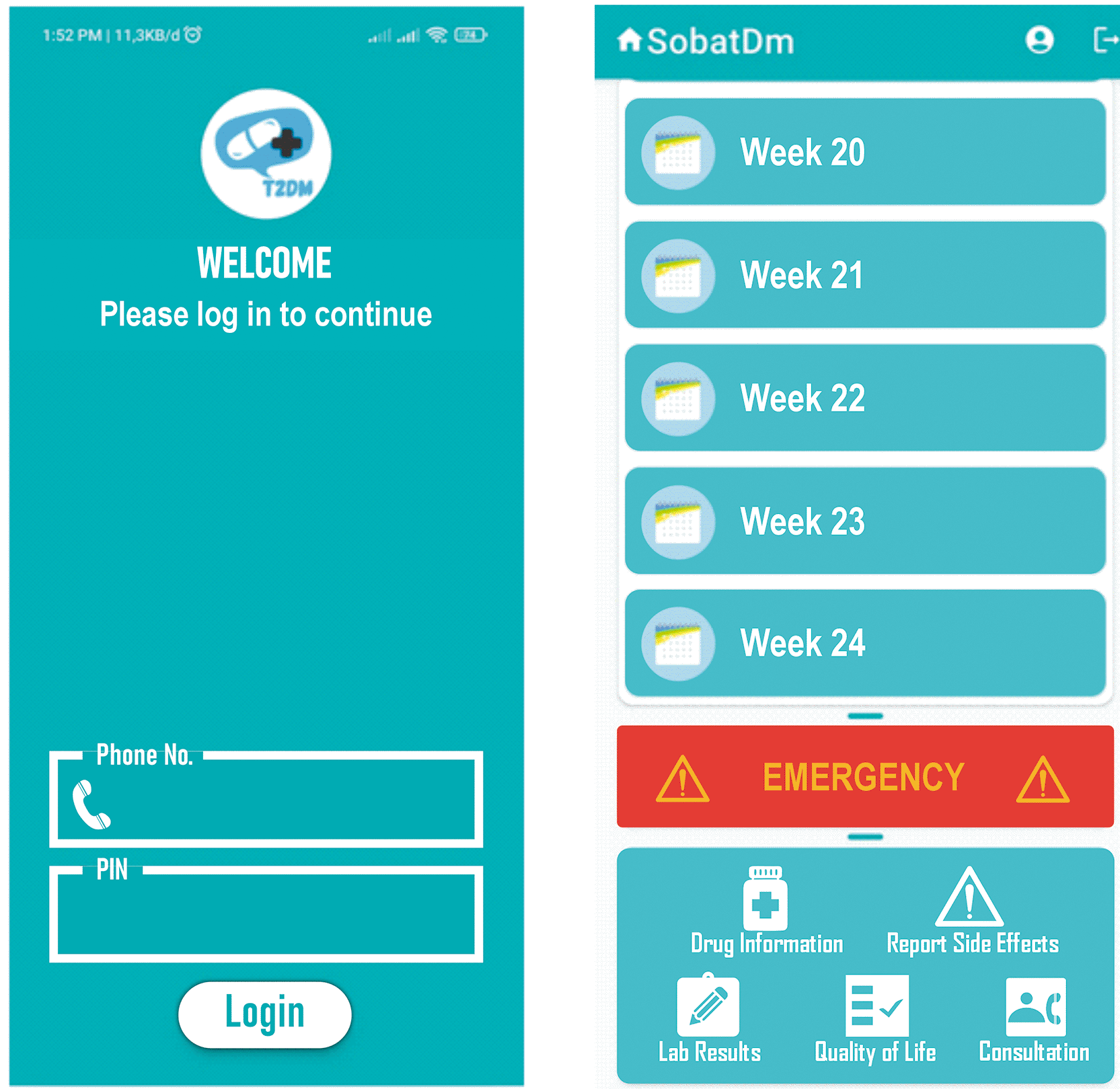
Legend: Left: login screen with phone number and PIN fields. Right: main menu with weekly monitoring, emergency access, and icons for Drug Information, Report Side Effects, Laboratory Results, Quality of Life, and Consultation.
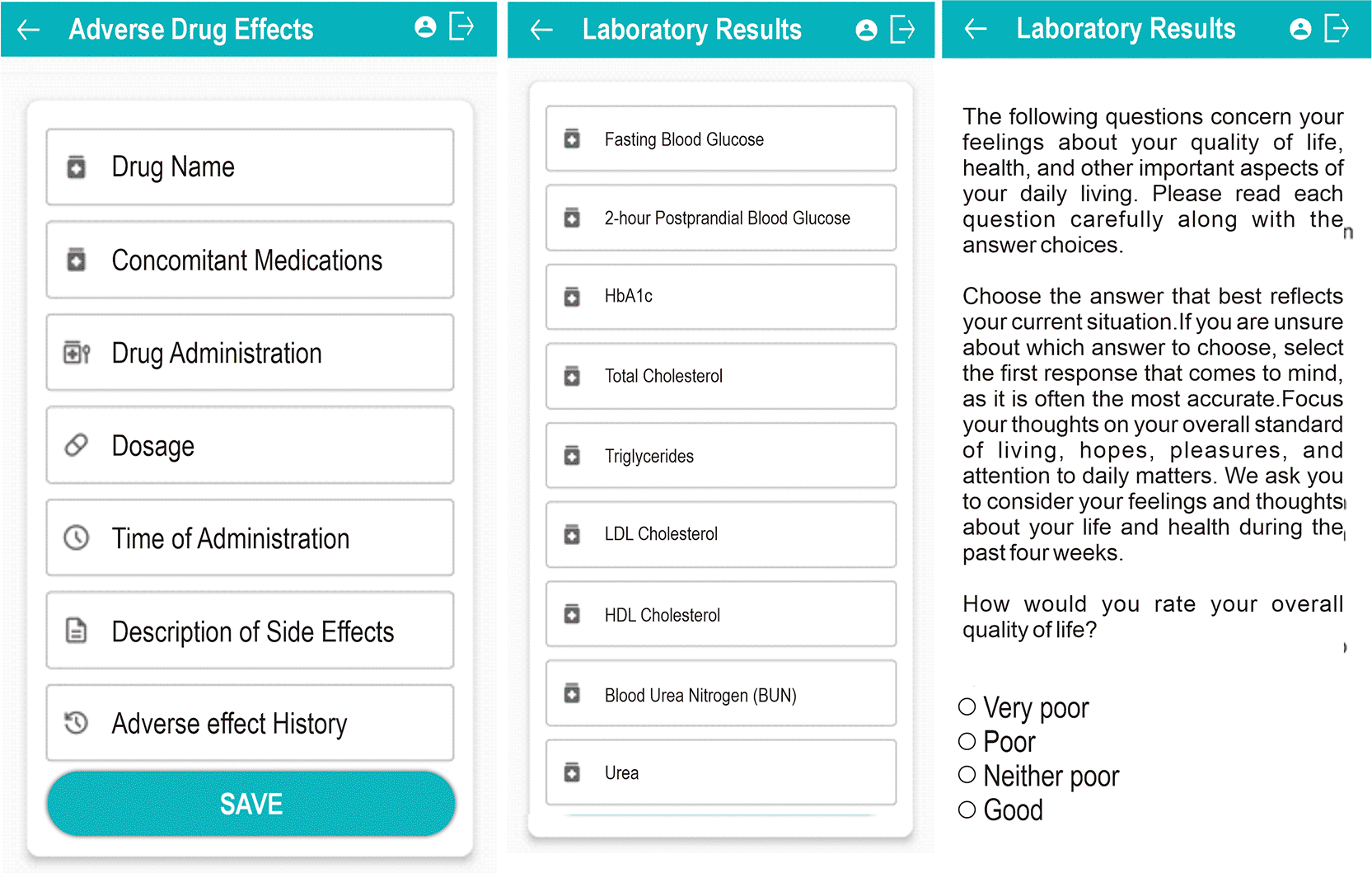
Legend: Left: Adverse Drug Effects entry form (drug name, concomitant medications, administration, dosage, time, side-effect description, history). Middle: Laboratory Results input (glucose measures, lipid profile, renal parameters). Right: Quality of Life questionnaire prompt for overall life and health over the past four weeks.
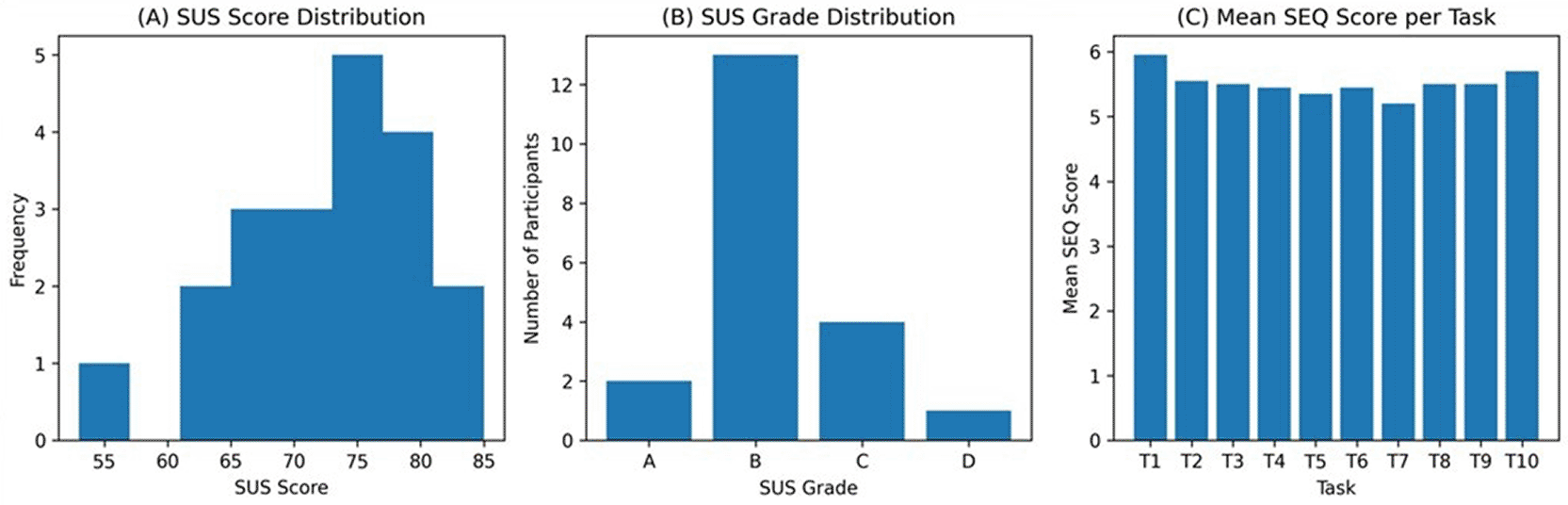
Legend: application. (A) Distribution of SUS scores from 53 to 85, with most scores in the 70–75 range; (B) Distribution of SUS grades showing the highest number of participants rated the app as “Good”; (C) Mean SEQ scores per task, with Task 1 (Login) having the highest score (5.95) and Task 7 (Adverse Effect Reporting) the lowest (5.20).
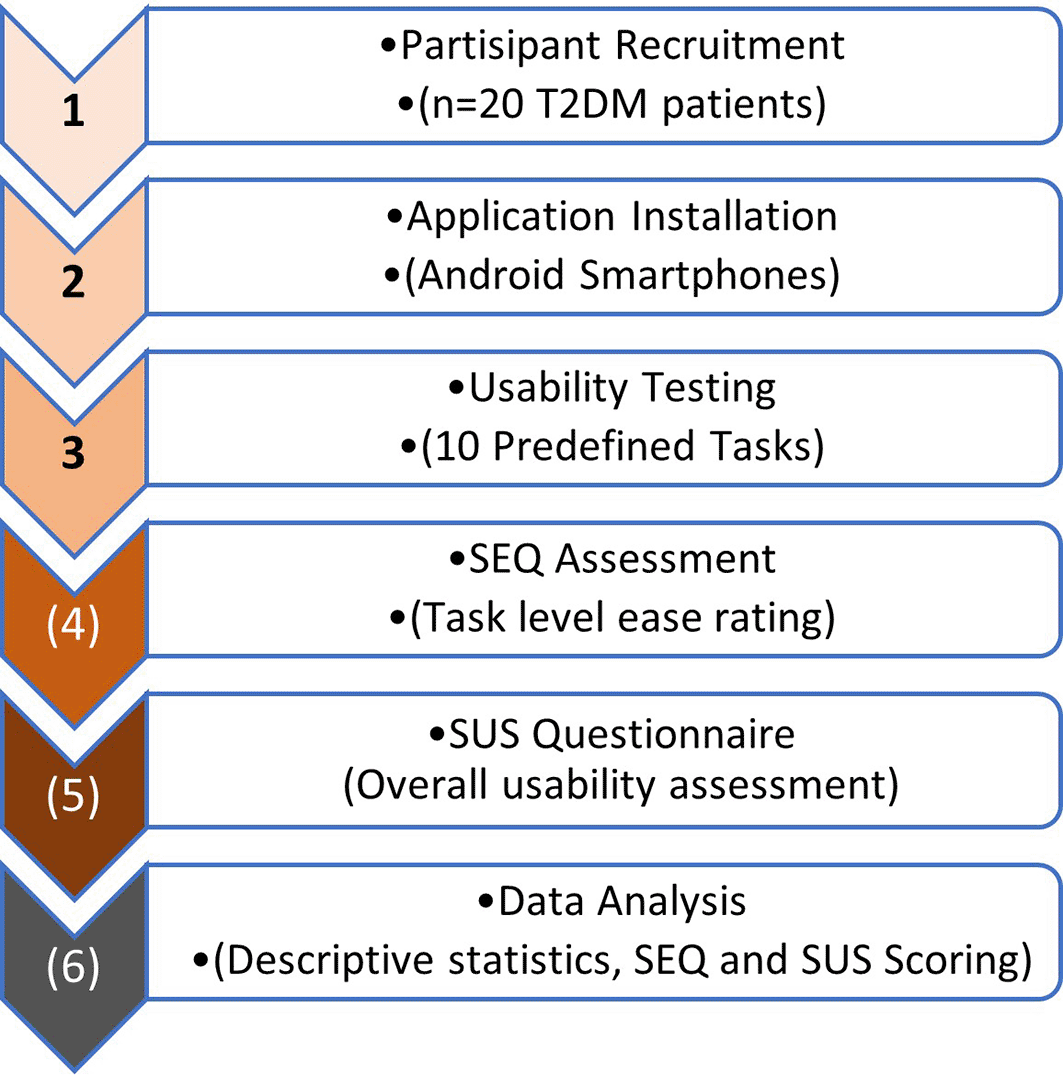
Legend: Adult patients with type 2 diabetes mellitus (T2DM) were recruited from community health centers. Participants installed the Sahabat DM application on their Android smartphones and completed ten predefined usability tasks. Task-level usability was evaluated using the Single Ease Question (SEQ) after each task, followed by overall usability assessment using the System Usability Scale (SUS). Descriptive statistical analysis was then conducted.
A total of two standardized instruments were used to evaluate usability, namely SEQ and SUS. Specifically, SEQ was used to measure the perceived ease of completing each task immediately after completion. This single-item method was selected for efficiency and reliability in capturing user perceptions without causing fatigue. SUS was applied to assess the overall usability and acceptance of the application interface, serving as a well-established, validated, and widely adopted scale for evaluating interactive systems and digital health applications.
The usability evaluation was conducted in a controlled indoor environment to minimize external distractions. Participants used personal Android smartphones with a minimum screen size of 5 inches, running Android version 8.0 or higher, and connected to a stable internet. During the evaluation, the observer recorded usability issues and user feedback, identifying difficulties and inefficiencies in task completion. This observation was supplemented with verbal reports from participants, who were encouraged to “think aloud” while completing tasks.
Participants completed 10 predefined task scenarios (coded as F1–F10), designed to represent major functional components of the application. These tasks were developed based on a clinical workflow and verified by healthcare professionals, including pharmacists and physicians, to ensure clinical relevance. After completing each task, participants rated the task difficulty using a 7-point Likert scale ranging from 1 (Very Difficult) to 7 (Very Easy). Subsequently, mean and median SEQ scores were calculated using the following equations:
Higher SEQ values indicate that participants perceived the tasks as easier to perform. The interpretation of SEQ ratings was provided in Appendix A (Ridho et al., 2023).
After completing all tasks, participants filled out the 10-item SUS questionnaire. Items were rated on a 5-point Likert scale (1 = strongly disagree; 5 = strongly agree). Odd-numbered items were positively worded, while those with even numbers were negatively worded. Scoring followed the standard SUS algorithm:
Total SUS scores range from 0 to 100, with higher values showing better perceived usability. Interpretation followed Bangor et al.’s adjective rating scale (Appendix B) (Lewis & Sauro, 2018). This scale was used to facilitate interpretability of usability categories.
Descriptive statistics (mean, median, and standard deviation) were computed for both SEQ and SUS scores using IBM SPSS. Usability classifications were derived from established SEQ and SUS benchmarks to identify areas of strength and features requiring improvement. Given the small sample size, non-parametric tests were applied for exploratory analysis only.
A total of 20 T2DM patients participated in the usability assessment, recruited from community health centers in Indonesia, with demographic characteristics summarized in Table 1. Ages ranged from 30 to 80 years, with most participants (35%) being 51–60 years. A total of 12 participants (60%) were male, and eight (40%) were female. Most had completed senior high school (60%), 10% held postgraduate degrees. The most common occupations were housewife (40%) and retired (40%), followed by merchant (20%).
Participants completed 10 task scenarios covering the application’s core functions, such as login, weekly tracking, medication information, side-effect reporting, laboratory input, quality-of-life form, and consultation. After each task, perceived ease was rated on a 7-point scale (1 = very difficult; 7 = very easy). Mean SEQ scores per task ranged from 5.20 to 5.95 ( Table 2), showing tasks were perceived as between fairly easy and easy. The overall mean across tasks was 5.50, showing low perceived difficulty. Tasks including authentication (T1) and consultation (T10) were easiest, while the adverse-effect submission (T7) had the lowest mean.
Post-task SUS scores ranged from 53 to 85, with a mean (SD) of 72.0 (7.1) ( Table 3). Based on Bangor’s adjective ratings, scores clustered mainly in Good (B) and OK (C) categories, with two Excellent (A) ratings. One participant scored 53 (D; Poor), while there was no score at ≤50.
SUS results showed that all participants rated the application within the acceptable range (≥ 51), with a mean overall usability score of 72 ± 7.1. As shown in Table 4, 65% of participants classified the application as Good (mean = 75.2), 10% as Excellent (mean = 85.0), 20% as OK (mean = 66.2), and one (5%) as Poor (score = 53). However, no participant reported a usability score below 50, confirming that Sahabat DM application met satisfactory usability standards across all groups.
To evaluate the relationship between SEQ and SUS scores, Spearman’s rank correlation and Kruskal-Wallis tests were applied to explore the associations between variables such as education, occupation, and usability outcomes. The results are summarized in Table 5.
The Spearman correlation between mean SEQ and SUS scores was not statistically significant (ρ = −0.368, p = 0.110), indicating that no statistically significant association was observed between task difficulty ratings and overall system usability perceptions. Additionally, the Kruskal-Wallis test found no significant difference in SUS scores based on education level (χ2 = 1.63, p = 0.803), while occupation showed a a statistically significant difference across occupational groups (χ2 = 8.69, p = 0.013). These analyses were conducted to explore potential patterns across user characteristics and usability outcomes, which should be interpreted as descriptive rather than inferential based on the exploratory nature of the study.
Sahabat DM application showed a structured and intuitive interface design that supported efficient navigation through the tested modules ( Figures 1 and 2). The login and main menu provided direct access to weekly monitoring, an emergency shortcut, and primary modules. Furthermore, data-entry interfaces supported reporting of adverse drug effects, recording of laboratory values, and completion of a quality-of-life questionnaire.
Figure 3 shows the Distribution of SUS Grades for Sahabat DM application. The majority of participants (65%) rated the application as “Good” (B), with 10% as “Excellent” (A), and 20% as “OK” (C). However, only 5% rated the application as “Poor” (D), indicating that most users showed high acceptable usability. As presented in Figure 3A, the distribution of SUS Scores ranged from 53 to 85, with the highest concentration of scores between 70 and 75. This suggested that most users found the application usable, although some reported areas for improvement. In Figure 3B, mean SEQ score per Task ranged from 5.2 to 5.95, with Task 1 (Login and Authentication) having the highest value of 5.95, showing it was perceived as very easy to complete. Task 7 (Submit Adverse Effect Form) received the lowest mean score of 5.20, suggesting that the application was slightly more difficult for participants to complete.
To the best of our knowledge, this is among the first studies to evaluate the usability of Sahabat DM digital health application for T2DM management using SEQ and SUS in Indonesian community health centers. This dual method enabled a comprehensive evaluation of task-specific ease and overall usability, providing insights into how users interacted with the application. The results showed that Sahabat DM achieved a mean SEQ score of 5.5. This showed that the application was perceived as “fairly easy” to use, with a mean SUS score of 72.0 (SD 7.1), categorizing it as “good” usability according to Bangor’s adjective scale. Furthermore, the application provided an intuitive and acceptable user experience, supporting diabetes self-management tasks without imposing excessive cognitive or operational burden on users. The high ratings across the modules showed that the application was accessible to users with various educational and technological backgrounds (Saidelles et al., 2023).
In line with the results from other diabetes-related mHealth tools, SUS score of 72 is consistent with the value ranging from 68 to 80, commonly interpreted as “good usability” (Singhal et al., 2023). This suggests that Sahabat DM performs similarly to other validated diabetes applications, such as mySugr and GlucoMe, with values between 70 and 78 (Debong et al., 2019). Similarly, SEQ results showed that participants found the application navigation to be intuitive, with mean scores above five, indicating low cognitive effort (Akpinar et al., 2025). However, the slightly lower SEQ score for Task 7 (Adverse Effect Reporting) suggests that tasks requiring free-text input or multi-step procedures tend to receive lower usability ratings (Myka et al., 2019). This finding is consistent with prior usability research showing that text-based data entry increases cognitive load and reduces perceived ease of use. Comparable patterns were also observed in studies of electronic medication adherence systems and ADR reporting platforms, where manual entry and scrolling sequences were identified as key usability challenges (Al-Worafi, 2023). These suggest that the small variability in Sahabat DM’ SEQ scores reflects expected differences in cognitive demand between simple navigation tasks and data-entry-intensive features rather than fundamental interface problems (Arana-De Las Casas et al., 2023).
The consistently high SEQ and SUS scores across modules show the user-centered design of Sahabat DM, which includes a clear information architecture, efficient task flow, and consistent iconography (Johansson, 2024). The interface presents logical groupings of modules, Drug Information, Laboratory Results, Quality of Life, Consultation, and an easily accessible emergency contact button, minimizing navigational confusion (Chigudu, 2018). These design features are consistent with the ISO 9241-210 guidelines for usability, which emphasize effectiveness, efficiency, and satisfaction (Farinango et al., 2018). The simplicity and predictability of the interface also minimize user error and improve task completion speed (Niu et al., 2025). However, the lower performance in tasks like Adverse Effect Reporting presents the challenge of designing input-heavy interfaces for populations with varying digital literacy levels (Klouche, 2019). Incorporating features such as auto-complete menus, voice input, or drop-down selections can enhance usability and accessibility in future versions (Cao et al., 2025).
From a pharmacy practice perspective, Sahabat DM has several clinical implications. A user-friendly interface promotes patient engagement in medication management, ADR reporting, and other activities that typically depend on pharmacists’ follow-up (Liyanage et al., 2025). This finding supports the integration of usability principles into pharmacist-led digital interventions. Furthermore, the integration of structured ADR reporting allows pharmacovigilance at the community level, which facilitates the early detection of drug-related problems (Anestina et al., 2025). The application also simplifies self-reporting of laboratory results and quality-of-life assessments, empowering patients to play a more active role in care. This supports the role of pharmacists as mediators of safe and effective medication use, particularly in low-resource settings, where there is limited access to healthcare professionals (Yousif et al., 2024).
The usability and accessibility shown by Sahabat DM are highly relevant for clinical pharmacy practice. In primary care, pharmacists are central to medication counseling, adherence monitoring, and patient education (Merks et al., 2021). Therefore, digital applications such as Sahabat DM facilitate real-time, asynchronous communication between patients and pharmacists, allowing continuous monitoring and early intervention (Awala & Olutimehin, 2024). The ability to document medication use, laboratory parameters, and perceived well-being within a single digital platform creates opportunities for continuous therapeutic monitoring and early intervention (Aapro et al., 2020). In rural or resource-limited settings with restricted follow-up, the application serves as a digital extension of pharmacy services, which improves continuity of care and reduces preventable complications (Andrade et al., 2025). Integration with electronic medical records (EMRs) and pharmacy information systems can further improve data interoperability, thereby enhancing collaboration between pharmacists and physicians in chronic disease management (Al Kulayb et al., 2024). This cross-functional integration improves treatment adherence, reduces duplication of care, and enhances the overall efficiency of Indonesia’s primary healthcare network (Oktaviana et al., 2025).
The results obtained using Sahabat DM application show the need for iterative design improvements, particularly in the side-effect reporting module. Features like dropdown menus, voice recognition, and automated drug database integration can reduce user burden and improve data accuracy (Getov et al., 2025). Moreover, future studies should expand the sample size to include a more diverse population, representing different age groups and digital literacy levels (Ma et al., 2023). Longitudinal studies are also essential to determine whether consistent usage leads to clinical improvements, such as glycemic control, adherence rates, or the frequency of ADR reporting (Ye et al., 2022). The impact of pharmacist-led digital literacy programs should also be explored, focusing on app adoption and sustained user engagement (Bober et al., 2024). By coupling usability optimization with behavioral reinforcement strategies, Sahabat DM could evolve into a scalable tool supporting both patient self-management and pharmacist-driven monitoring (Gatwood et al., 2019).
Despite the significant contributions, this study has several limitations, which include a relatively small sample size (n = 20) and the convenience sampling method that can introduce bias toward participants with higher motivation or better digital literacy (Sarkar, 2024). In line with established usability testing guidelines, a sample size of 15–20 participants is generally considered sufficient to identify the majority of usability issues in interactive systems and inform iterative design improvements. The short-term interactions also limit insights into long-term engagement or behavior change. Although SEQ and SUS are validated instruments, the reliance on self-reported responses introduces subjectivity and does not capture objective usability metrics such as task completion time or error rates (S. Sharma & Kumar, 2025). Another limitation is the inclusion of participants from Indonesian community health centers, which may limit generalizability to populations in other cultural or healthcare contexts. However, the convergence of SEQ and SUS findings suggests that Sahabat DM application demonstrates acceptable usabilit. This study provides a foundation for future multicenter trials, iterative system refinement, and investigations linking digital usability to clinical outcomes in diabetes care.
In conclusion, this study suggests that Sahabat DM digital health application demonstrates good usability and user acceptance among patients with T2DM in Indonesian community health centers, as reflected by a mean SEQ score of 5.5 and a SUS of 72. The results indicate that the user-centered design of the application effectively supports ease of navigation, clarity of information, and efficiency in performing self-management tasks such as medication monitoring, ADR reporting, and laboratory data entry. By integrating usability principles with pharmacy-led care functions, Sahabat DM shows strong potential to enhance patient engagement, improve pharmacovigilance, and strengthen pharmacist–patient communication in community settings. Moreover, future large-scale and longitudinal studies are recommended to validate the clinical impact and optimize the design for broader implementation across diverse healthcare environments.
All participants provided written informed consent prior to participation. The study obtained ethical approval from the Research Ethics Committee of Universitas Padjadjaran (Approval No. 635/UN6.KEP/EC/2023, issued May 2023). Additional operational permits included Kesbangpol Bandung (Permit No. PK.03.04.05/1664-BKBP/VIII/2023, August 2023) and Bandung City Health Office (Permit No. B/PP.06.02/15934-Dinkes/VIII/2023, August 2023). Participant anonymity and confidentiality were maintained throughout data collection and analysis.
| Views | Downloads | |
|---|---|---|
| F1000Research | - | - |
|
PubMed Central
Data from PMC are received and updated monthly.
|
- | - |
Provide sufficient details of any financial or non-financial competing interests to enable users to assess whether your comments might lead a reasonable person to question your impartiality. Consider the following examples, but note that this is not an exhaustive list:
Sign up for content alerts and receive a weekly or monthly email with all newly published articles
Already registered? Sign in
The email address should be the one you originally registered with F1000.
You registered with F1000 via Google, so we cannot reset your password.
To sign in, please click here.
If you still need help with your Google account password, please click here.
You registered with F1000 via Facebook, so we cannot reset your password.
To sign in, please click here.
If you still need help with your Facebook account password, please click here.
If your email address is registered with us, we will email you instructions to reset your password.
If you think you should have received this email but it has not arrived, please check your spam filters and/or contact for further assistance.

Comments on this article Comments (0)