Keywords
Quality Assurance; Regional Integration; Competence-Based Education; Educational Reform; East Africa; Skills Development; Learner-Centred

Quality Assurance; Regional Integration; Competence-Based Education; Educational Reform; East Africa; Skills Development; Learner-Centred
Competency-Based Education (CBE) represents a transformative learning model that prioritizes both the acquisition of knowledge and the development of practical skills, moving beyond traditional approaches that emphasize content memorization alone (Alainati, 2021; Açikgöz & Babadogan, 2021). Within this framework, learners advance by demonstrating mastery of explicitly defined competencies rather than adhering to predetermined classroom hours (Açikgöz & Babadogan, 2021). Alainati (2021) underscores that CBE places the learner at the center of the educational process, offering personalized pathways that enhance engagement and effectiveness. By allowing students to progress at an individualized pace, the model ensures complete mastery of each competency before progression, thereby fostering deeper comprehension and long-term retention (Açikgöz & Babadogan, 2021). A central aim of CBE is to align educational experiences with industry expectations and labour market demands, equipping graduates with the skills and adaptability required for professional success (Ober, Liu, Nitkin, & Liu, 2025; Long, Bernoteit, & Davidson, 2020). Beyond employability, CBE advances equity by accommodating diverse learning styles and backgrounds, ensuring inclusivity in higher education (Cates, 2021). Furthermore, the model integrates continuous formative assessments, providing learners with timely feedback that supports steady improvement and sustained growth (Cates, 2021).
Competence-Based Education (CBE) has gained momentum in both East Africa and the United States, reflecting a worldwide transformation in how education prepares learners for contemporary demands (Christopher & Jones, 2025). This approach emphasizes the cultivation of practical abilities, analytical reasoning, and resilience in addressing real-life situations (Muchira, Morris, Wawire, & Oh, 2023). In East Africa, governments and institutions have advanced CBE through comprehensive curriculum redesign, intensive teacher preparation programs, and cross-border partnerships. These initiatives are reinforced by robust quality assurance mechanisms that safeguard consistency and effectiveness in implementation (Oguta, 2025; Wawire, Kiambati, Muhia, Gathoni, & Abuya, 2025; Bwembya, Mubanga, Beatrice, Daka, & Mukonde, 2025; Kasuga and Kalolo, 2025). The realization of CBE in the United States of America (USA) is premised on pliable plans, recasting zones, and an individualized learning framework, with support from national organizations and higher education institutions (Nodine, 2016; Vasquez, Marcotte, & Gruppen, 2021). According to Vasquez, Marcotte, and Gruppen (2021), these efforts amplify a shared commitment to transforming education systems to meet learners’ needs better, enabling them to thrive in modern economies and societies. CBE is guided by structured quality frameworks that align with national and institutional standards (Chen, Kleppinger, Churchwell, & Rhoney, 2024). The Competency-Based Education Network (C-BEN) is among the Organizations that have developed comprehensive tools to evaluate CBE programs, focusing on transparency of learning outcomes, validity of assessments, and consistency in measuring mastery (Chen et al., 2024; Dodge, 2024). Frameworks such as those mentioned above serve as blueprints for effective monitoring and evaluation (M&E) of CBE programs, ensuring that they deliver on the promises of personalized learning and workforce readiness.
Quality assurance within Competency-Based Education (CBE) operates as a dynamic process that relies on continuous data collection and iterative feedback loops to strengthen curriculum design, refine instructional strategies, and enhance student support services (Mast & Hapka, 2018). Institutions actively monitor the extent to which defined competencies correspond with evolving industry requirements, while also evaluating whether learners advance equitably across diverse backgrounds and contexts (Marion, Worthen, & Evans, 2020; Okemwa, 2024). By embedding assessment practices into every stage of the learning cycle, CBE systems build confidence among stakeholders and reinforce accountability. These mechanisms not only safeguard educational standards but also enable the model to expand sustainably across higher education institutions, ensuring that scalability does not compromise quality or inclusivity (Chowdhury & Alzarrad, 2025; Basheer, Ahmed, Bahroun, & Anane, 2025).
In most European countries, CBE has been part of broader reforms aimed at improving the quality and relevance of education (Tahirsylaj & Sundberg, 2025; Halász, 2015). The European Education Area emphasizes systematic quality assurance through mechanisms such as school self-assessment, inspections without, academic staff assessments, and learners’ performance reviews (Cassano, Costa, & Fornasari, 2019). According to Cassano et al. (2019), these processes are essential because they help maintain high standards in CBE, whereby learning is measured by mastery of competencies rather than time spent in class. Shaping CBE across Europe is premised on the Council’s 2018 recommendations on key competences for lifelong learning (Holmes, Tuin, & Turner, 2021). According to Holmes, Tuin, and Turner (2021), these recommendations encourage member states to develop inclusive, transparent, and transferable learning systems.
Quality Assurance monitoring of the implementation of key competencies by institutions of higher learning, as per CEU, is based on quality assurance (QA) frameworks (Al Jaber, 2022). Through such frameworks, QA can assess how well institutions implement those competencies (Al Jaber, 2022). According to Al Jaber (2022), this monitoring ensures that learners acquire skills relevant to personal development, employment, and civic duty. Barabasch (2016) posits that tools, such as the European Toolkit for Internal Quality Management in Competence-Based Higher Education, provide institutions with structured methods for evaluating and improving their CBE programs. The toolkit includes guidelines for curriculum design, assessment validity, and stakeholder feedback, all of which are critical for continuous improvement. Quality assurance in Europe ensures that CBE programs are not only practical and equitable but also trusted across borders, facilitating student mobility and recognition of qualifications (Sánchez-Chaparro, Remaud, Gómez-Frías, Duykaerts, & Jolly, 2022; Ogunbanjo, & Olajide, 2025). Monitoring and evaluation serve as the backbone of this trust, enabling data-driven decisions and policy refinement.
In Nigeria, CBE stresses the acquisition of practical skills, learner-centred approaches, and measurable learning outcomes (Adeoye, Obi, Oderinde, Alabi, & Sholihah, 2025). According to Okolie, Elom, Igwe, Binuomote, Nwajiuba, and Igu (2021), the emphasis on the aforementioned skills, approaches, and learning outcomes is particularly prominent in Technical and Vocational Education and Training (TVET), where the goal is to equip learners with job-ready competencies that align with industry demands. In the view of Chiamogu and Chiamogu (2025), Nigerian education aims to bridge the gap between theory and practical application to enhance employability and national productivity. Chiamogu and Chiamogu (2025) posit that quality assurance, monitoring, and evaluation mechanisms are central to the successful implementation of CBE. The NBTE plays a critical role in curriculum qualification and alignment, ensuring that CBE curricula align with national standards and meet the ever-changing demands of the labour market (Adewolu, 2024). Besides, Nigeria’s National Education Quality Assurance Handbook (NEQAH) guides schools on applying continuous assessment to monitor student progress and competency acquisition throughout the learning process (Mbanefo, 2020).
Also, the key is institutional oversight working hand in hand with quality assurance units in schools and ministries, which evaluate teaching effectiveness, learning environments, and the adequacy of instructional resources that support CBE delivery (Anunobi, & Nwuke, 2025; Ezewuzie, Udeogu, & Okoli, 2025). According to Ezewuzie, Udeogu, and Okoli (2025), the country’s surveillance Mechanisms are slowly but surely shifting to performance-based assessments, which reflect learners’ real-world skills and problem-solving abilities, away from traditional examination-oriented models. The Sustainable Development Goals (SDGs), particularly those related to poverty reduction, decent work, and economic growth, have paved the way for QA in the TVET sector. Nigeria aims to ensure that CBE contributes meaningfully to human capital development and national transformation by leveraging coordinated QA efforts (Nwachukwu, 2024).
Across South Africa, the development of practical skills, job-readiness, and learner-centred pedagogy supported by performance-based assessment is the focal point of CBE (Mafaralala, 2020; Dlodlo, N., Turner, & Buthelezi, 2025). While this educational model is evident within the TVET sector, it also extends to reforms in both basic and higher education curricula (Mlotshwa, 2023; Vuthela & Ngumbela, 2024). The effectiveness and sustainability of CBE implementation in South Africa are deeply rooted in quality assurance monitoring and evaluation frameworks (Nyoni & Botma, 2019). Thus, Institutions are encouraged to establish strong Internal Quality Assurance (IQA) mechanisms that enhance self-moderation, accountability, and continuous improvement (Mkuzangwe & Mgutshini, 2019; Mosabala, 2025). According to Mkuzangwe and Mgutshini (2019), the Council on Higher Education (CHE) buttresses this operation through the Quality Assurance Framework (QAF), which guides institutional scrutiny, program authorization, and performance enhancement.
South Africa’s National Development Plan (NDP) 2030 positions education and skills development as pivotal engines for advancing national prosperity and promoting social equity (Sewdass, 2024). Sewdass (2024) highlights that the NDP calls for shared accountability between schools and communities, coupled with the delivery of high-quality and affordable education. Within this framework, Competency-Based Education (CBE) emerges as a strategic model for achieving these objectives. By embedding clearly defined competencies into teaching and learning, CBE provides a structured pathway for equipping learners with the skills required to thrive in a competitive economy. Quality assurance mechanisms play a central role in this process, ensuring that CBE implementation remains both practical and measurable. These mechanisms safeguard the integrity of curriculum reforms, monitor instructional effectiveness, and verify that learning outcomes align with industry expectations. Venter (2022) emphasizes that such processes are essential for advancing South Africa’s broader vision of becoming a knowledge-driven and inclusive society. Through this alignment, CBE not only strengthens employability but also contributes to building a more equitable and sustainable national development trajectory.
The Competency-Based Curriculum (CBC) adoption in Kenya marked an important educational transformation aimed at replacing the long-standing 8-4-4 system. CBC intends to enhance critical thinking, creativity, collaboration, and communication among learners while also equipping them with practical skills. This change aligns with Kenya’s commitment to positioning its education system in line with the country’s Vision 2030 and the robust needs of the job market. The new approach, according to Kereri (2021) and Muchira, Morris, and Wawire (2023), aims to develop holistic learners who can adapt to societal changes and make meaningful contributions to national development. The successful implementation of the CBC in Kenya is mainly attributable to the critical role played by QA monitoring and evaluation (Wanyama, 2025). At the center of this process are the Quality Assurance and Standards Officers (QASOs), whose duty has shifted from traditional inspection to instructional leadership (Chizya, 2018). For now, QASOs mentor teachers, collect real-time data on curriculum implementation, and provide schools with professional support to enhance learning outcomes (Nyonje & Kidombo, 2024). In the opinion of Nyonje and Kidombo (2024), QASOs’ focus on collaboration rather than supervision has strengthened teacher capacity and accountability in delivering competency-based instruction.
The Kenya Institute of Curriculum Development (KICD) ensures that the curriculum is relevant and coherent by overseeing curriculum design, validation, and delivery (Lolelea & Jaluo, 2025). The implementation process, gathering feedback to refine curriculum materials, and ensuring alignment with national development goals, is continuously monitored by KICD (Gichuhi, Obiero, & Kangethe, 2022). Additionally, teacher competency evaluation is a crucial component of the QA mechanism (Mulongo & Amod, 2017). Muchira et al. (2023) posit that teachers ‘assessment is based on their ability to implement CBC effectively, particularly in the use of formative assessment strategies, learner-centred methodologies, and the integration of digital tools into classroom practice. Continuous improvement efforts are informed directly by monitoring and evaluation data from feedback loops among schools, policymakers, and teacher training institutions (Mauti, Moindi, & Masagara, 2025). Teacher development programs, guidance on resource allocation, and adjustments to educational policies are informed by data-driven decision-making to meet evolving learner needs (Nyonje & Kidombo, 2024). Through these interconnected quality assurance processes, reforms in CBC aim to ensure that competence-based education remains effective, equitable, and responsive to both local and global challenges (Muchira et al., 2023).
Uganda’s competence-based curriculum advances successfully through strong quality assurance, systematic monitoring, and rigorous evaluation processes that safeguard coherence between curriculum design, instructional resources, and national education priorities (Barasa, Ssentamu, Chang’ach, & Kurgat, 2025). The Lower Secondary Curriculum has been intentionally crafted to embody competence-based principles, enabling learners to develop practical skills while deepening their theoretical understanding (Mukasa, 2024). According to Mukasa (2024). The National Curriculum Development Centre (NCDC) serves as the central authority in this transformation (Mwebaza, Nakawuki, & Francis, 2025). According to Mukasa (2024) and Mwebaza et al. (2025), NDC directs curriculum development, manages implementation across schools, and ensures continuous improvement by gathering and analyzing feedback from teachers, learners, and community stakeholders. This structured feedback mechanism reinforces curriculum delivery, promotes adaptability, and ensures that instructional practices remain responsive to the evolving demands of Uganda’s education system (Barasa et al., 2025).
A central pillar of Uganda’s education reform agenda is ensuring quality in teacher preparation (Onena, 2024). The Quality Assurance Framework (QAF) for Initial Teacher Education, introduced by the Ministry of Education and Sports, sets out comprehensive standards and benchmarks designed to strengthen teacher training (Barasa et al., 2025). These benchmarks highlight the importance of professional ethics, instructional competence, and learner-centered pedagogy, ensuring that graduates are equipped to design and deliver competency-based assessments while fostering active learning environments (Mwebaza et al., 2025). By embedding these requirements into teacher education institutions, the QAF transforms teacher preparation into a structured process that produces educators capable of guiding learners through competence-based curricula (Onena, 2024; Mwebaza et al., 2025; Barasa et al., 2025). This framework not only enhances teachers’ professionalism but also ensures they possess the pedagogical skills necessary to implement CBE effectively across diverse educational settings. In doing so, Uganda positions its teaching workforce as the driving force behind sustainable curriculum reform and equitable learning outcomes (Mukasa, 2024).
Monitoring mechanisms serve as a powerful reinforcement to Uganda’s competence-based education system (Namubiru, Kisembo, Kasiita, Kagambe, & Kasiita, 2024). According to Namubiru et al. (2024), recent scholarship underscores that structured monitoring practices, such as classroom observations, lesson evaluations, and school performance reviews, generate vital evidence on how faithfully CBE principles are being applied in schools. Elugbaju, Okeke, and Alabi (2024) emphasize that data-driven evaluations and continuous feedback loops uncover weaknesses in both instructional delivery and administrative processes, enabling targeted interventions that enhance teaching quality and institutional effectiveness. Equally important, Barasa et al. (2025) highlight that these monitoring activities expose inequities affecting marginalized learners. Barasa et al. (2025) posit that evaluations reveal such disparities, providing policymakers with actionable insights to design strategies that advance inclusivity and equity across the education system. In this way, monitoring not only strengthens accountability but also ensures that CBE reforms contribute to a fairer, more responsive learning environment (Namubiru et al., 2024). By integrating these mechanisms, Namubiru et al. (2024) state that Uganda positions its education system to advance national development goals and to adapt effectively to the demands of a knowledge-driven economy. This synergy ensures that competence-based education reforms produce graduates who are not only academically prepared but also equipped with the skills, adaptability, and equity-focused learning experiences necessary for sustainable growth (Onena, 2024; Mwebaza et al., 2025).
The advancement of Competency-Based Education (CBE) is firmly rooted in constructivist learning theory, which asserts that learners actively build knowledge through engagement with their environment rather than passively receiving information from instructors (Al Abri, Al Aamri, & Elhaj, 2024). According to Al Abri, Al Aamri, and Elhaj (2024), individuals continuously integrate new experiences into their existing cognitive structures, reshaping those frameworks when confronted with novel situations. This dynamic process ensures that learning remains adaptive and personalized. Expanding on this foundation, Vygotsky’s constructivist perspective introduced a social dimension to knowledge construction, highlighting the significance of interaction, language, and cultural context in shaping how learners understand and apply concepts. Recent scholarship reinforces that collaborative dialogue, peer engagement, and culturally embedded practices are central to deep learning and skill acquisition (Yildiz, 2025; Rigopouli, Kotsifakos, & Psaromiligkos, 2025). By embedding these principles, CBE not only cultivates individual mastery but also situates learning within broader social and cultural realities, making education more relevant and transformative.
Constructivist theory has profoundly influenced contemporary pedagogy, driving a decisive transition from behaviorist traditions to approaches that place learners at the center of the educational process. This perspective provides the intellectual foundation for strategies such as experiential learning, inquiry-based activities, and problem-oriented tasks, all of which encourage students to explore, test ideas, and engage in critical reflection as they actively shape their own learning journeys (Arega, 2025). Within the framework of Competency-Based Education (CBE), constructivism serves as a guiding principle in designing learning experiences that are practical, participatory, and reflective (Açikgöz & Babadogan, 2021). Learners deepen their understanding through projects, simulations, and authentic problem-solving exercises that not only sharpen critical thinking but also strengthen their capacity to apply knowledge in real-world contexts (Williamson, 2024). Marion et al. (2020) emphasize that these practices transform classrooms into dynamic environments where students move beyond rote memorization to develop competencies that are directly relevant to professional and societal demands.
The theory also supports personalized learning paths, in which instruction is tailored to students’ backgrounds, prior learning, and individual pace (Marion et al., 2020). By emphasizing active knowledge construction, CBE promotes more profound understanding, sharper critical-thinking skills, and long-term adaptability, equipping learners with the competencies needed to succeed in rapidly changing, knowledge-based environments.
Assessment in Competence-Based Education (CBE) is primarily shaped by Constructivist Theory, which favours authentic, performance-oriented, and ongoing assessment methods over traditional final exams. Marion et al. (2020) note that, from a constructivist standpoint, assessment is an integral part of the learning experience itself, providing learners with opportunities to demonstrate their knowledge by applying ideas, producing work, and engaging in reflective practice. In CBE, the emphasis is on evaluating how well learners can apply their knowledge and skills in real-life or simulated situations, such as projects, portfolios, demonstrations, and other practical activities, rather than testing their ability to memorize information (Henri, Johnson, & Nepal, 2017). Formative assessment plays a central role by providing continuous feedback that helps students identify what they are doing well, understand areas that need improvement, and gradually strengthen their competencies (Irons & Elkington, 2021). Irons and Elkington (2021) note that formative assessment aligns closely with constructivist thinking, as it treats evaluation as an ongoing, interactive, and learner-centred process that fosters self-regulation, critical thinking, and the development of genuinely meaningful skills.
Competence-Based Education (CBE) was adopted in Uganda’s higher education sector to encourage practical, learner-focused, and outcome-driven teaching approaches that better prepare graduates with hands-on skills, critical thinking, and the flexibility needed in a rapidly evolving labour market. Kampala International University (KIU), like other universities, has acknowledged the importance of this transition and begun taking steps toward CBE readiness. These preparations have included two staff capacity-building sessions held in July and September 2025, as well as the university’s participation in the National Council for Higher Education (NCHE) dissemination workshop on standards and the Work Readiness Course curriculum on October 15, 2025, at the Uganda Institute of Information and Communication Technology (UICT).
However, despite these early efforts, KIU continues to grapple with several challenges, particularly a limited grasp of what CBE entails, how to adapt existing curricula to reflect CBE principles, and how to determine the core competencies required for different academic programs. Many lecturers and students remain unclear about their roles and responsibilities within a CBE approach. If these gaps in understanding and implementation are not addressed, the university risks being flagged as non-compliant with the NCHE requirement that all institutions revise their curricula to align with CBE by 2027. Failure to meet this expectation could prevent KIU from enrolling its first CBE-aligned student intake in August 2027, ultimately harming its competitiveness, institutional standing, and overall contribution to national higher education reforms.
The study aimed to investigate how the presence of an institutional quality assurance monitoring and evaluation framework influences the promotion of competence-based education at Kampala International University in Uganda.
The objective of the study was to determine how the existence of an institutional monitoring and evaluation framework is linked to the promotion of competence-based education at Kampala International University in Uganda.
To what degree is the presence of an institutional monitoring and evaluation framework associated with the promotion of competence-based education at Kampala International University in Uganda?
There is no statistically significant association between the presence of an institutional monitoring and evaluation framework and the promotion of competence-based education at Kampala International University, Uganda.
The findings of this study would benefit universities, the Ministry of Education and Sports in Uganda, and scholars. Moreover, they will contribute to the body of knowledge on institutional quality assurance monitoring and evaluation frameworks, while advancing the promotion of competence-based education at Kampala International University in Uganda and across East Africa.
This section encompassed the theoretical review, the conceptual framework, the empirical review, related empirical studies, and the identified research gaps.
Quality assurance (QA) in higher education can be meaningfully understood through the lens of institutional theory, which holds that organizations often adopt structures, routines, and policies not solely to improve efficiency but also to secure legitimacy and acceptance within their broader environment (Spanuth & Urbano, 2024; Scott, 2014). In universities, QA has evolved into a widely institutionalized practice that signals credibility, accountability, and conformity to public and governmental expectations (Gavu, 2025; Grek, & Russell, 2024). Institutions establish QA mechanisms to demonstrate alignment with recognized standards, fulfill accreditation requirements, and secure recognition or resources from regulatory and professional bodies. These mechanisms extend beyond internal performance enhancement; they strategically position universities to respond to external pressures and expectations. By embedding QA into their operations, institutions project themselves as legitimate, transparent, and reliable actors within the higher education landscape (Spanuth & Urbano, 2024; Elken & Stensaker, 2018). In this way, QA functions as both a performance-enhancing tool and a legitimacy-seeking strategy, enabling universities to balance internal improvement with external validation. According to Nadeem (2023), the dual role of QA underscores its importance in sustaining institutional credibility while ensuring that higher education systems remain responsive to societal demands and policy frameworks.
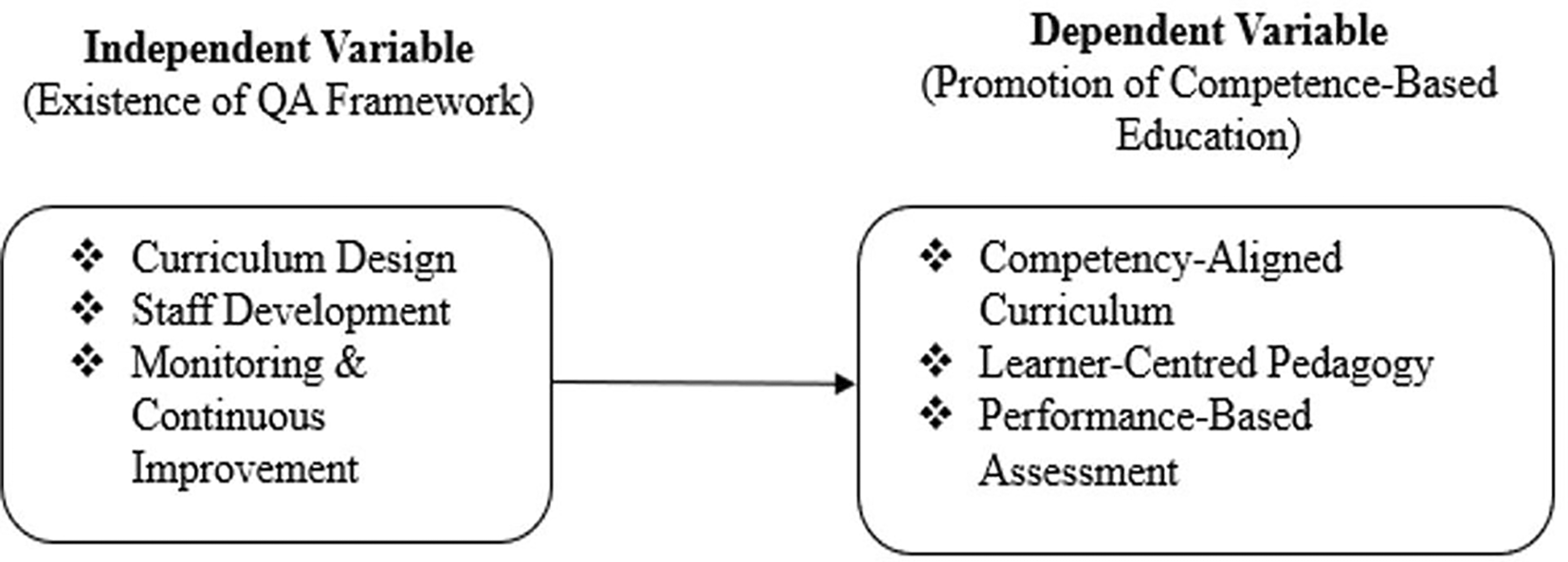
Figure 1 (see List of Figures at the end of the manuscript) presents a conceptual framework that illustrates the relationship between Quality Assurance (QA) systems and the advancement of Competence-Based Education (CBE). In this framework, the various components of QA function as independent variables that directly influence the promotion and sustainability of CBE, which serves as the dependent outcome. QA plays a central role in strengthening CBE by ensuring that curricula are deliberately structured around competencies, measurable outcomes, and industry expectations (Syomwene, 2023). As observed by Materu and Righetti (2010), QA processes enhance the relevance of academic programs by aligning them with labour market demands and societal needs. This alignment ensures that graduates are not only academically prepared but also equipped with practical skills that meet professional standards. Beyond curriculum design, QA frameworks prioritize the professional development of academic staff, fostering continuous growth and equipping educators with innovative pedagogical strategies, technological tools, and assessment techniques necessary for effective CBE delivery (Elken & Stensaker, 2018; Grek & Russell, 2024). Equally important, QA systems embed mechanisms for systematic monitoring and continuous improvement. Through structured feedback loops and data-driven decision-making, institutions refine programs, address emerging challenges, and remain responsive to evolving educational and professional standards. Recent studies confirm that these mechanisms strengthen institutional accountability and adaptability, ensuring that CBE reforms remain sustainable and inclusive (Sharvashidze, Grdzelidze, Sikharulidze, & Gabrichidze, 2023; Yusup, 2025; Khamis & Scully, 2020; Biloshchytskyi et al., 2025).
2.3.1 Existence of quality assurance frameworks
The global surge in private universities has heightened the need for comprehensive quality assurance (QA) monitoring and evaluation systems. These mechanisms are indispensable for safeguarding academic standards, strengthening institutional accountability, and driving continuous improvement across higher education. Effective QA frameworks depend on systematic monitoring of established benchmarks and consistent evaluation of teaching, learning, and institutional outcomes. Worldwide, universities are increasingly embedding internal QA mechanisms into their governance structures, a trend shaped by evolving public policy and the growing demand for transparency and accountability in higher education. Yet, as Graham, Angolo, and Combrinck (2023) observe, the scope and rigor of QA practices differ significantly across regions. In some contexts, QA activities remain limited to basic licensing and compliance procedures, while in others they extend to comprehensive accreditation systems, program evaluations, and global ranking exercises. This variation underscores the diverse ways in which institutions respond to external pressures, balancing the pursuit of legitimacy with the imperative to enhance educational quality (Graham et al., 2023).
In the United States, quality assurance (QA) in higher education is anchored in institutional authorization, serving the dual purpose of safeguarding academic standards and driving continuous improvement (Elken & Stensaker, 2018; Grek & Russell, 2024). Monitoring and evaluation (M&E) processes are carried out through collaboration between private accrediting bodies and federal agencies, most notably the U.S. Department of Education. While the Council for Higher Education Accreditation (CHEA) encourages institutions to uphold and enhance academic quality, the Department of Education ensures compliance with minimum standards required for federal funding eligibility (Elken & Stensaker, 2018; Grek & Russell, 2024). Recent analyses highlight that U.S. QA systems place strong emphasis on ongoing assessment, stakeholder engagement, and continuous reform as mechanisms to strengthen accountability and align educational outcomes with labour-market demands (Biloshchytskyi et al., 2025; Brown & Danaher, 2019). Peer reviews conducted by independent accrediting agencies, together with routine evaluations and internal self-regulation, remain central to maintaining accredited status. These practices reinforce institutional credibility, promote transparency, and ensure that universities remain responsive to both public expectations and professional standards (Brown & Danaher, 2019).
Quality assurance (QA) in higher education in Europe is governed by the Standards and Guidelines for QA in the European Higher Education Area (ESG) (Alzafari & Ursin, 2019). According to Alzafari and Ursin (2019), these standards provide a common framework for QA procedures, requiring institutions to engage in both continuous monitoring and periodic program reviews to safeguard academic quality. The monitoring and evaluation (M&E) process typically begins with an institutional self-assessment, enabling universities to critically examine the effectiveness of their QA systems. This is followed by external peer reviews, which generate recommendations to strengthen institutional practices and enhance accountability. The cycle of assessment, recommendation, implementation, and reassessment fosters a culture of continuous improvement, ensuring that QA remains dynamic and responsive to evolving educational needs. At the regional level, the European Association for Quality Assurance in Higher Education (ENQA) plays a coordinating role, shaping a complex and evolving QA landscape across Europe by promoting collaboration and harmonization among national agencies (Alzafari & Ursin, 2019; Grek & Russell, 2024). Despite these advances, impact analysis within European QA remains underdeveloped, relying more on shared guidelines than on a unified framework. This limitation highlights the ongoing challenge of measuring the tangible effects of QA on student learning outcomes and institutional performance, underscoring the need to refine evaluation methodologies (Alzafari & Ursin, 2019).
Across sub-Saharan Africa, the establishment of formal national-level quality assurance (QA) systems in higher education is a relatively recent development, with most countries introducing frameworks within the past decade (Graham et al., 2023). The rapid expansion of higher education, combined with the pressing need to ensure relevance, accountability, and credibility, has compelled governments to institutionalize QA structures as part of broader education reforms. These frameworks are designed to safeguard academic standards, enhance institutional performance, and align university programs with national development priorities. Despite these advances, significant challenges continue to hinder the effectiveness of QA activities. Many countries struggle with limited institutional capacity, insufficient financial resources, and a shortage of skilled personnel capable of conducting rigorous monitoring and evaluation. These constraints weaken the implementation of QA systems, reducing their ability to generate meaningful impact. As a result, while QA frameworks have become more widespread, their potential to transform higher education remains uneven, underscoring the need for sustained investment, capacity building, and regional collaboration to strengthen accountability and improve learning outcomes.
Private universities in Nigeria implement a diverse range of quality assurance (QA) monitoring and evaluation (M&E) practices to uphold academic standards and institutional credibility. These practices include accreditation visits conducted by the National Universities Commission (NUC), impromptu inspections initiated by proprietors, faculty development and support programs, and compliance with global ranking models such as the Webometrics Ranking of World Universities and the Times Higher Education World University Rankings. Over time, QA in Nigeria has transitioned from traditional school inspection methods to more sophisticated monitoring and evaluation systems designed to ensure compliance with established benchmarks and to enhance learner outcomes (Atanda & Olaifa, 2022). While certain institutions demonstrate strong quality management practices, research indicates substantial opportunities to strengthen QA frameworks further. These opportunities include expanding institutional capacity, embedding continuous improvement mechanisms, and ensuring that QA processes are consistently applied across the private higher education sector.
In South Africa, private higher education institutions face distinctive challenges in establishing and sustaining quality assurance (QA) systems. Efforts to align QA practices with the National Qualifications Framework (NQF) remain ongoing, as institutions strive to maintain consistent standards across diverse programs and delivery modes (Stander & Herman, 2017). Scholars continue to investigate whether reporting requirements genuinely capture institutional realities or merely reflect compliance-driven processes, raising important questions about the authenticity of QA implementation (Edwards, 2023). To address these concerns, institutions have developed internal QA frameworks designed to identify essential structures and embed best practices that uphold academic integrity and educational quality. Stander and Herman state further that these frameworks emphasize systematic monitoring, continuous improvement, and accountability, ensuring that private universities can deliver programs that meet both national benchmarks and international expectations. By integrating QA into their governance and teaching processes, South African private institutions aim to strengthen credibility, enhance student outcomes, and position themselves competitively within the broader higher education landscape.
Tanzania has taken deliberate steps to strengthen quality assurance (QA) in higher education, with notable progress achieved through collaborative initiatives. One such example is the joint project between the Inter-University Council for East Africa (IUCEA) and the German Academic Exchange Service (DAAD), which sought to improve internal QA processes and assess how private universities conceptualize and apply “quality” through systematic self-evaluation of their undergraduate programs (Mtitu, 2025). This initiative underscored the importance of institutional introspection, encouraging universities to critically examine their teaching, learning, and administrative practices against established standards. External QA mechanisms have further reinforced accountability and compliance. The Tanzania Commission for Universities (TCU) has exercised its regulatory authority by deregistering institutions that failed to meet the required benchmarks, thereby ensuring that only universities that adhere to national standards remain operational (Mrema, Ndayambaje, Ntawiha, & Ndabaga, 2023). Such measures highlight Tanzania’s commitment to safeguarding academic integrity, protecting students from substandard education, and promoting continuous improvement across the higher education sector.
The establishment of internal quality assurance (QA) systems in Uganda has become a cornerstone strategy for advancing teaching and learning effectiveness. The Ministry of Education and Sports (MOES) has placed QA at the centre of its education agenda, embedding it across all levels of the system. Central to this approach is the promotion of participatory monitoring and evaluation (M&E) practices that engage schools, educators, and communities in achieving institutional objectives, particularly in academic programming and service delivery (Katende, 2024; Mayanja, 2020). Although Uganda has introduced a National Monitoring and Evaluation Policy to guide the public sector, challenges persist in its dissemination and consistent application. These limitations highlight the need for stronger institutional capacity and more precise mechanisms to translate policy into practice. Comparative studies of QA frameworks across East Africa, including Uganda, demonstrate that these systems significantly influence both teaching quality and student learning outcomes. They provide evidence that structured QA processes enhance accountability, foster continuous improvement, and ensure that educational institutions remain responsive to national priorities and regional development goals (Khamis & Scully, 2020).
2.3.2 Promotion of competence-based education
The promotion of Competence-Based Education (CBE) in higher education is increasingly recognized as a global trend, driven primarily by the need to align academic programs with evolving labour-market demands (Kikasu, Doba, Pillay, & Kankisingi, 2025). Unlike traditional time-based models, CBE emphasizes mastery of practical skills and the application of knowledge in real-world contexts (Syomwene, 2023). Its primary objective is to produce graduates equipped with competencies that enhance employability and support lifelong learning, an especially critical consideration for private universities seeking to differentiate themselves and improve student outcomes. Assessment under CBE focuses on demonstrated performance and mastery, rather than attendance or seat time (Vander Els & Stack, 2022), allowing students to progress at their own pace and leverage prior experiences to achieve both academic and professional objectives (Dragoo & Barrows, 2016). Globally, this pedagogical approach is increasingly adopted to ensure graduates acquire a balanced mix of technical and 21st-century skills, including problem-solving, teamwork, self-management, adaptability, and technological literacy (Vander Els & Stack, 2022).
Competence-based education (CBE) in the United States has gained significant traction and continues to expand across higher education, including within private institutions (Shatten, 2024). Many private universities adopt CBE models to meet the needs of working adults, offering flexible, self-paced learning pathways that emphasize the acquisition of workplace-relevant competencies (Shatten, 2024). Support from major philanthropic foundations, alongside initiatives by the U.S. Department of Education, has accelerated the integration of CBE into institutional structures and vocational education programs, reinforcing its role in bridging academic learning with professional practice (Nodine, 2016; Lurie, Mason, & Parsons, 2019; Huang, 2025).
Despite this momentum, institutions face persistent challenges in curriculum design, assessment strategies, and faculty adaptation, which complicate the effective implementation of CBE (Dragoo & Barrows, 2016). To address these barriers, some universities have successfully incorporated self-paced modules into traditional degree programs, striking a balance between flexibility and student engagement while maintaining academic rigor (Shatten, 2024). These blended approaches demonstrate how CBE can be adapted to diverse institutional contexts, ensuring that learners benefit from both structured academic progression and competency-driven outcomes.
The advancement of competence-based education (CBE) in Europe is strongly influenced by the Bologna Process, which has played a pivotal role in shaping competence-oriented curricula and harmonizing higher education across the region (Brauer, 2021). Although definitions of “competence” continue to evolve, the European model emphasizes integrating theoretical knowledge with practical skills while fostering critical and creative thinking to prepare learners for complex, real-world challenges (González-Salamanca, Agudelo, & Salinas, 2020). A distinctive feature of European CBE is its reliance on transferable credit systems and its commitment to lifelong learning, enabling educational experiences that extend beyond traditional classroom boundaries. These mechanisms ensure that learning remains flexible, portable, and responsive to diverse learner needs. Ultimately, the European approach seeks to produce graduates capable of applying knowledge, skills, and attitudes responsibly and effectively across varied professional and societal contexts, thereby reinforcing the relevance of higher education to both individual development and collective progress (Sistermans, 2020).
Across Africa, curricular reforms are increasingly oriented toward competence-based education (CBE), reflecting a continental effort to align higher education programs with socioeconomic priorities. These reforms aim to equip graduates with employable and entrepreneurial skills that respond directly to labour market demands and national development goals (Wawire, Kiambati, Muhia, Gathoni, & Abuya, 2025). Employers have consistently raised concerns that many graduates lack practical competencies, reinforcing the urgency of designing education systems that produce work-ready professionals capable of thriving in diverse economic sectors (Odigwe & Okoi, 2020; Nwajiuba, Igwe, Akinsola-Obatolu, Ituma, & Binuomote, 2020). In Nigeria, the rapid expansion of private universities has been closely linked to their role in enhancing workforce development and broadening access to higher education. Despite persistent challenges such as limited funding and inadequate infrastructure, these institutions are increasingly embedding real-world experiences and employable skills into curricula, thereby strengthening the relevance of academic programs (Ogunode, Ukozor, & Abiodun, 2024). Collaborative initiatives between universities and industry have become more prominent, fostering partnerships that ensure graduates acquire competencies aligned with professional expectations and entrepreneurial opportunities (Ojekudo & Emeni, 2020; Nwajiuba et al., 2020).
Curriculum reforms in South Africa are designed to standardize graduate competencies and align them with the demands of the Fourth Industrial Revolution (4IR), particularly within the business sector (Kana & Letaba, 2024). Private higher education institutions play a pivotal role in this transformation, delivering quality education while navigating complex regulatory frameworks and financial constraints (Ellis & Steyn, 2014). Competence-based approaches, such as skills-based learning and work-integrated learning (WIL), have become central to producing graduates equipped with advanced cognitive skills and strong industry linkages (Ngulube, 2020). These approaches emphasize practical engagement, critical thinking, and adaptability, ensuring that learners are prepared to thrive in rapidly changing economic and technological environments. Importantly, reforms prioritize the development of broad occupational competencies rather than narrowly specialized skills, enabling graduates to apply knowledge flexibly across diverse professional contexts. This orientation reflects a deliberate effort to prepare students not only for immediate employment but also for long-term career sustainability in a dynamic global economy (Bilderback & Thompson, 2025).
Since 2005, Tanzania has actively embraced competency-based curricula to foster inquiry-driven learning and cultivate innovative, employable skills among graduates (Anthony & Ali, 2025; Syomwene, 2023). These approaches are particularly prominent in technical and vocational education and training (TVET), where they ensure alignment with social and economic priorities while preparing learners for both formal employment and entrepreneurial opportunities (Tambwe, 2019). Despite notable progress, challenges remain, most notably the limited stakeholder involvement in curriculum design, which has constrained the inclusivity and responsiveness of reforms (Ndunguru, 2015). Nevertheless, ongoing initiatives continue to strengthen the quality and relevance of higher education, with reforms aimed at bridging gaps between academic preparation and labor market expectations (Mgaiwa, 2021). Importantly, private universities in Tanzania mirror the national emphasis on employability and competence, adopting strategies similar to those of public institutions to ensure graduates are equipped with transferable skills and practical knowledge (Mtitu, 2025).
The expansion of the private university sector in Uganda has become a key driver in efforts to build a skilled workforce (Kobugabe, 2024). Within these institutions, competence-based education (CBE) is increasingly prioritized, particularly in professional programs such as clinical psychology, where the focus lies on cultivating essential knowledge, practical skills, and professional attitudes (Kabanga, Mugimu, & Oonyu, 2018). Graduates of private universities often demonstrate strong adaptability, a commitment to lifelong learning, and the capacity to integrate quickly into organizational processes, reflecting the sector’s emphasis on producing work-ready professionals (Nyagope, 2025; Okumu & Bbaale, 2019). At the same time, the rapid growth of private institutions raises pressing concerns about financial sustainability and quality assurance, both of which remain central to ensuring long-term credibility and competitiveness (Javed & Alenezi, 2023). Some programs, particularly in medical education, have introduced community-based initiatives that expose students to diverse populations and professional contexts, thereby strengthening experiential learning and reinforcing the social relevance of higher education (Buregyeya et al., 2021). These initiatives highlight the sector’s dual role: expanding access to higher education while maintaining quality and relevance in a dynamic national and regional landscape.
Despite the growing importance of quality assurance (QA) and monitoring and evaluation (M&E) frameworks in higher education, comprehensive comparative studies examining the strengths, weaknesses, and outcomes of different M&E systems in private institutions worldwide remain scarce. Existing research often focuses on national-level QA systems but provides limited insight into how effectively M&E policies and regulations are implemented within private institutions. This gap limits our understanding of the contextual factors that facilitate or hinder the successful application of these systems.
Furthermore, many private institutions, particularly those operating under resource constraints, lack structured mechanisms to identify and implement context-specific, cost-effective, and sustainable strategies for enhancing monitoring and evaluation (M&E) practices. The absence of a unified theoretical framework for assessing the impact of M&E systems further compounds this challenge. Similarly, there is limited knowledge about how varying interpretations of “competence” influence the design, delivery, and assessment of Competence-Based Education (CBE) programs. In particular, little is known about how private institutions address faculty adaptation, curriculum development, and evaluation procedures. Taken together, these gaps underscore the urgent need for systematic, comparative, and theory-informed research to strengthen QA and improve the implementation of CBE in private higher education globally.
This study adopts a pragmatic research paradigm, which enables the simultaneous collection and analysis of both qualitative and quantitative data. Unlike approaches that adhere rigidly to a single philosophical or methodological orientation, pragmatism emphasizes practical solutions and prioritizes strategies that effectively address research questions. It is grounded in the epistemological assumption that no single, absolute truth exists; instead, reality is multifaceted and best understood through multiple perspectives. Kelly and Cordeiro (2020), cited by Wanjala, Muriithi, and Mbabazi (2025), observes that pragmatism grants researchers the flexibility to integrate diverse methods, thereby producing comprehensive and actionable insights. This methodological openness supports the development of evidence-based best practices, ensuring that research outcomes are both theoretically robust and practically relevant. By combining different approaches, the pragmatic paradigm enhances studies’ capacity to respond to complex educational and policy challenges, making it particularly valuable in contexts that demand innovation and adaptability.
To collect both qualitative and quantitative data on the same research variables, namely, the existence of a QA monitoring and evaluation framework and the promotion of CBE, this study employed a cross-sectional research design using a concurrent mixed methods approach. This design was selected because it mitigates the limitations of relying solely on either qualitative or quantitative methods (Taherdoost, 2022). Taherdoost (2022) posits that, while qualitative research provides deep, contextual insights from smaller samples, quantitative research typically involves larger samples, enhancing generalizability. By integrating both approaches, the concurrent mixed-methods design enhances the credibility of the findings and enables triangulation, thereby strengthening their validity (Fetters, Curry, & Creswell, 2013). This approach also facilitates a comprehensive comparison and integration of results by collecting data from respondents who share similar characteristics relevant to the study variables (Taherdoost, 2022).
The target population for this study comprised 5,400 individuals: 5,000 students and 400 academic staff members. The student participants were those enrolled for at least 1 year, while the academic staff included only those who had served for at least 1 semester.
A sample of 357 respondents was selected using the Krejcie and Morgan (1970) table. The sample included one Director of Quality Assurance, 28 academic staff members, and 328 students. Students and academic staff were purposively selected based on their length of stay at KIU.
The study employed two data collection instruments: a questionnaire and an interview schedule. The questionnaire was used to gather information on students’ and academic staff’s perceptions of institutional QA monitoring and evaluation mechanisms and of the promotion of CBE. To complement this, the interview schedule allowed respondents to share more profound, more nuanced insights. Interviews also allowed the researcher to observe non-verbal cues, such as facial expressions and gestures, which enriched the interpretation of responses (Brown & Danaher, 2019). Additionally, interviews were particularly valuable when direct observation was impractical, as they enabled participants to offer historical perspectives while allowing the researcher greater control over the data-collection process (Powney, & Watts, 2018).
Validity refers to the extent to which an instrument measures what it is intended to measure (Bolarinwa, 2015). It indicates how accurately the findings of data analysis reflect the phenomenon under study. To ensure the validity of the study instruments, a panel of academics and professionals from the Department of Education at Kampala International University reviewed the tools using expert judgment. Tests for face, content, and construct validity were conducted. For face validity, experts used a Likert scale to assess the relevance and clarity of each questionnaire item. Content validity ensured that all critical aspects of the study objectives were adequately represented, while construct validity verified that the questionnaire accurately captured the theoretical constructs under investigation (Adeoye, 2024).
Reliability refers to the consistency or stability of a measurement instrument to produce repeatable results (Cobern & Adams, 2020). To assess reliability, a pilot study was conducted with three academic staff members and thirty-six students from another private university with similar characteristics. The pilot data were analysed using SPSS, and the results are presented in Table 1 (See list of Tables at the end of the manuscript). The analysis yielded Cronbach’s alpha coefficients of 0.796 for the student questionnaire and 0.934 for the academic staff questionnaire. Both values exceed the commonly accepted threshold of 0.700, indicating satisfactory internal consistency (Saw et al., 2025). According to these authors, a correlation value (r) of approximately 0.7 or higher reflects adequate reliability.
Data analysis is the systematic process through which researchers interpret collected information with accuracy and consistency (Khoa, Hung, & Hejsalem-Brahmi, 2023). In this study, extensive raw data from surveys and interviews were carefully organized, condensed, and transformed into meaningful insights. Effective analysis required that all data be scored, classified, and arranged systematically, ensuring that interpretation was both reliable and transparent (Khoa et al., 2023). By applying these procedures, the study moved beyond raw responses and generated findings that directly addressed the research objectives. This structured approach not only enhanced clarity but also strengthened the validity of the conclusions, enabling the data to be presented in a comprehensive, accessible way to stakeholders.
Quantitative data generated from the Likert-scale survey items were initially coded and scored in Microsoft Excel before being transferred into the Statistical Package for the Social Sciences (SPSS) for advanced analysis. To examine the relationship between the promotion of competence-based education (CBE) at Kampala International University (KIU) and the existence of quality assurance (QA) monitoring and evaluation frameworks, the study employed inferential statistics, specifically the Pearson Product-Moment Correlation Coefficient (r). This statistical technique enabled the researcher to determine both the direction and the strength of the linear association between the two variables. By applying Pearson’s correlation, the analysis provided evidence of how QA monitoring and evaluation frameworks influence the advancement of CBE, offering insights into whether stronger QA mechanisms are positively associated with the effective promotion of competence-based approaches.
For the qualitative strand, interview data were analysed using thematic analysis, guided by the study objectives. Through this process, emerging themes were systematically identified, categorized, and interpreted, providing deeper insights into participants’ perspectives and experiences. This approach ensured that the analysis captured both the diversity and the commonalities within the data, thereby strengthening the credibility of the findings. To enhance clarity and interpretability, the study integrated descriptive statistics, including means, frequencies, and percentages, with Pearson correlations to summarize and present results in a clear and meaningful manner (Mishra et al., 2019). This combination of thematic interpretation and statistical representation allowed the findings to be communicated in a way that was both analytically rigorous and accessible to stakeholders, bridging qualitative depth with quantitative precision.
A total of 328 student questionnaires and 28 lecturer questionnaires were distributed during the study. This distribution ensured broad coverage across both groups, enabling meaningful comparisons between student and lecturer perspectives. The response rates for each category are presented in Table 2 (see end of manuscript), which provides a clear summary of participation levels and highlights the representativeness of the sample. By capturing responses from both students and lecturers, the study generated a balanced dataset that reflects the institution’s diversity of views. This dual perspective strengthens the validity of the findings by integrating insights from learners and educators, thereby offering a more comprehensive understanding of the research questions.
The demographic profile of the research participants offers a comprehensive view of the institution’s diversity and composition. The study engaged 306 students and 25 lecturers, providing a balanced perspective that contextualizes the findings and illustrates how variables such as age, gender, educational background, and professional experience shape participants’ perceptions and engagement within the university. Table 3 (see end of manuscript) presents the detailed demographic distribution. Among the lecturers, 16 (64.0%) were male and 9 (36.0%) were female, reflecting a gender imbalance that aligns with broader staffing trends in higher education. The age distribution revealed a relatively young academic workforce: 48.0% were aged 30–39, 20.0% were aged 40–49, 24.0% were aged 50–59, and 8.0% were aged 27–29. This composition highlights the contributions of both experienced and early-career faculty members to the university’s academic activities.
In terms of educational qualifications, the majority of lecturers held advanced degrees: 72.0% held master’s degrees, 24.0% held doctorates, and 4.0% held bachelor’s degrees. This distribution underscores the institution’s strong emphasis on postgraduate training and research development, reflecting a commitment to academic excellence and scholarly growth. Professional experience varied across the sample: 48.0% reported five to ten years of service, 16.0% fewer than five years, 16.0% ten to fourteen years, and 20.0% fifteen years or more. This spread illustrates a balanced mix of mid-career and senior educators, ensuring that both seasoned expertise and emerging perspectives contribute to the university’s teaching and research environment. Lecturers also represented a wide range of academic disciplines. The College of Humanities and Social Sciences (CHSS) accounted for 32.0% of the sample, followed by the College of Education and Management (CEM) at 20.0%. SONAS and the School of Law each contributed two lecturers, while CEODL and SOMAC each contributed four. This multidisciplinary representation enriched the study by incorporating diverse scholarly perspectives, thereby deepening and enhancing the relevance of the findings.
Among the student respondents, 172 (56.2%) were male and 134 (43.8%) were female, indicating a slight male predominance within the sample. The age distribution revealed that most students were young: 52.0% were aged 18–22, 41.2% were aged 23–26, 6.2% were aged 27–29, and 0.7% were under 18. This demographic pattern corresponds to a typical undergraduate population, where the majority of participants are in the early stages of their academic journey. The profile therefore reflects a blend of early- and mid-stage students, offering valuable context for interpreting the study’s findings. Situating responses within this age and gender composition enhances the analysis by accounting for how demographic characteristics may influence perceptions, engagement, and experiences within the university environment.
In terms of academic level, the majority of students were in the middle of their programs; 41.2% were in their second or third year, 15.7% were in their fourth year, and only 2.0% had been in their programs for more than 4 years. This distribution indicates that students who are deeply engaged in their studies and capable of offering knowledgeable opinions on institutional procedures are actively involved. According to the demographic data, male lecturers with advanced degrees and substantial professional experience comprise the majority of the teaching workforce. In contrast, young, predominantly male students are concentrated in intermediate academic levels. These features offer a crucial contextual framework for understanding the study’s conclusions regarding institutional practices, competence-based education, and quality assurance.
4.3.1 Existence of Quality Assurance Framework (EQAMEF)
4.3.1.1 Lecturer’s questionnaire
Responses from 25 lecturers (N = 25) were analysed to assess their perceptions of the Evaluation, Quality Assurance, Monitoring, and Evaluation Framework (EQAMEF). Mean scores and standard deviations were used to assess the central tendency and variability of responses, providing a clear picture of how lecturers evaluated the framework. Overall, the findings revealed moderate to high levels of agreement across most indicators, suggesting that the institution demonstrates a generally positive orientation toward monitoring and evaluation (M&E) processes. This outcome reflects a commitment to accountability and continuous improvement. However, the analysis also identified staff capacity development as a critical area requiring further attention, indicating that professional training and support remain essential for strengthening the effectiveness of M&E practices. The detailed results are presented in Table 4 (see end of manuscript), which summarizes the statistical outcomes and highlights both strengths and areas for improvement within the EQAMEF.
The highest mean score of 3.6400 (SD = 1.497) indicates that lecturers generally perceive their institution as having a well-defined framework for monitoring and evaluating academic programs. This aligns with the Uganda National Council for Higher Education, which mandates universities to implement transparent and systematic mechanisms for assessing academic quality, suggesting that the EQAMEF is a well-established component of institutional quality assurance. Despite this, academic staff’s practical engagement remains moderate, as reflected in the perceived level of lecturer involvement in M&E processes (Mean = 3.080, SD = 1.382). Barasa et al., (2025) observe that successful QA implementation in Ugandan universities relies on the participatory involvement of teaching staff at all stages of evaluation.
Lecturers reported moderate agreement that monitoring and evaluation (M&E) results are utilized to strengthen teaching and learning practices (Mean = 3.240, SD = 1.589). This outcome reflects a partial realization of the National Council for Higher Education’s (NCHE) emphasis on evidence-based decision-making. In contrast, training in M&E tools and procedures received the lowest rating (Mean = 2.720, SD = 1.308), exposing persistent gaps in capacity building. As Barasa et al. (2025) argue, continuous professional development is indispensable for sustaining competence-based and quality-driven educational systems. Without adequate training, lecturers may struggle to participate effectively in M&E processes or to interpret data accurately, thereby limiting the impact of evaluation activities on institutional improvement. These findings highlight the need for structured training programs that build staff competence in M&E methodologies, ensuring that evidence generated through monitoring is translated into actionable strategies for enhancing educational quality.
Institutional leadership expressed strong support for monitoring and evaluation (M&E) initiatives (Mean = 3.5600, SD = 1.35647), signalling a clear commitment to accountability and continuous improvement at the administrative level. This endorsement recognizes that effective leadership is central to embedding M&E practices within institutional culture and ensuring their sustainability. The alignment of the EQAMEF with National Council for Higher Education (NCHE) requirements and broader national education policies (Mean = 3.1600, SD = 1.344) further demonstrates deliberate efforts to integrate internal monitoring with external standards. By harmonizing institutional frameworks with national benchmarks, leadership ensures that M&E activities contribute meaningfully to the pursuit of academic excellence and compliance with recognized quality assurance norms. Together, these findings highlight the strategic role of leadership in advancing M&E practices, reinforcing accountability, and positioning the institution to meet both national and international expectations for higher education quality.
Lecturers expressed moderate endorsement of transparency in the dissemination of monitoring and evaluation (M&E) results (Mean = 3.160, SD = 1.405). This finding underscores the need to strengthen open communication channels that promote collective reflection and institutional learning. Greater transparency would enable staff to engage more meaningfully with evaluation outcomes, fostering a culture of shared responsibility for quality enhancement. There was also broad consensus that mechanisms exist to assess student learning outcomes and teaching effectiveness (Mean = 3.400, SD = 1.080). This result aligns with UNESCO’s recommendation that clear performance measures are essential for strengthening accountability and ensuring consistency with global trends in higher education quality. By embedding such mechanisms, institutions reinforce their commitment to evidence-based practices and position themselves to meet international standards of academic excellence.
Furthermore, lecturers agreed that M&E reports inform curriculum design and review (Mean = 3.440, SD = 1.044), indicating a functional feedback loop between evaluation outcomes and curriculum decision-making. This process is critical for ensuring that academic programs remain competency-based, relevant, and responsive to evolving educational demands. While respondents noted that additional resources could further enhance sustainability, current funding for M&E activities was considered adequate (Mean = 3.240, SD = 1.165). Overall, the findings suggest that lecturers hold a generally positive view of the EQAMEF, acknowledging its institutional presence, leadership support, and contribution to curriculum development. Nonetheless, inadequate training in M&E tools and moderate staff involvement present significant challenges. These results underscore the need for a more inclusive, capacity-focused approach to monitoring and evaluation that aligns with both national priorities and international best practices in higher education quality assurance.
4.3.1.2 Student’s questionnaire
Table 5 (see the end of the manuscript) presents descriptive statistics on students’ perceptions of the Quality Assurance Monitoring and Evaluation Framework (EQAMEF) based on responses from 306 students (N = 306). Mean scores and standard deviations were employed to assess both the central tendency and variability of student responses, providing a clear measure of how the institution’s implementation of key EQAMEF components is perceived. This statistical summary offers valuable insights into the extent to which students recognize and engage with quality assurance processes. By quantifying perceptions through mean values and dispersion, the analysis highlights areas of strength while also identifying components that may require further institutional attention. The results, therefore, serve as an important reference point for evaluating the effectiveness of EQAMEF in shaping student experiences and ensuring accountability in higher education.
The findings reveal that students generally perceive the institution’s commitment to monitoring and enhancing the quality of teaching and learning. The item indicating that the institution regularly undertakes activities to assess and improve instructional quality received a mean score of 3.729 (SD = 1.218), reflecting broad agreement that systematic quality assurance processes are both established and observable. This perception suggests that the presence of such processes contributes to greater student confidence in the institution’s academic standards. By consistently engaging in structured evaluation and improvement activities, the institution demonstrates accountability and responsiveness, reinforcing its reputation for maintaining high-quality teaching and learning practices.
Students reported generally positive perceptions of the institution’s quality assurance practices, as reflected in responses from 306 participants. They indicated that the institution provides opportunities to give feedback on academic programs, with a mean score of 3.3464 (SD = 1.33463). However, a slightly lower mean score of 3.2353 (SD = 1.200) on whether courses are improved based on feedback suggests a perceived gap between collecting feedback and its practical application. While students acknowledge that their views are solicited, many are less convinced that their input leads to meaningful changes in curriculum or instructional practices. This indicates that, although feedback mechanisms exist, their effectiveness in shaping academic decisions may be limited from the student perspective.
Regarding transparency, students rated the sharing of evaluation results at a moderate level (Mean = 3.0850, SD = 1.31796), indicating that while information is shared, opportunities remain to strengthen openness and communication. Despite these gaps, students expressed strong agreement that monitoring and evaluation (M&E) activities contribute positively to the learning environment, as reflected in the highest mean score of 3.941 (SD = 1.183). This finding suggests that students perceive M&E practices as having a substantial impact on both their learning experience and the institution’s overall effectiveness. Even with moderate transparency, the consistent implementation of evaluation activities appears to foster confidence in the institution’s commitment to quality assurance and continuous improvement.
Lecturers were generally seen as responsive to student feedback (Mean = 3.6569, SD = 1.21597), indicating that faculty play a key role in creating a feedback-oriented learning environment. However, students reported limited awareness of how the institution uses evaluation data to improve academic services, with the lowest mean score of 2.9542 (SD = 1.24579). This gap implies that while faculty respond to classroom-level feedback, institutional-level actions based on evaluation data are not clearly communicated to students.
Students also noted that evaluation forms and surveys are relatively easy to access and complete (Mean = 3.1340, SD = 1.35442). The perception that student opinions are valued in institutional decision-making received a mean of 3.1373 with a high standard deviation of 2.13037, indicating considerable variation in experiences. Some students feel highly valued, while others perceive limited recognition of their input. Additionally, the clarity with which evaluation processes are explained was rated moderately (Mean = 3.0654, SD = 1.27869), highlighting the need for improved communication to promote understanding and engagement.
Overall, the descriptive statistics suggest a generally positive student outlook on institutional monitoring and evaluation, particularly regarding the enhancement of the learning environment and lecturers’ responsiveness to feedback. However, areas for improvement include increasing transparency about the use of evaluation data, ensuring that student feedback informs visible course improvements, and providing more precise explanations of evaluation processes. Addressing these gaps would not only boost student satisfaction but also strengthen a culture of quality assurance and continuous improvement in teaching and learning.
4.3.2 Promotion of Competence-Based Education (PCBE)
4.3.2.1 Lecturer’s questionnaire
Table 6 (see end of the manuscript) presents a descriptive statistical summary of lecturers’ perspectives on the promotion of Competence-Based Education (PCBE), based on feedback from 25 lecturers (N = 25). Mean scores and standard deviations were used to illustrate central tendencies and variation in lecturers’ perceptions of various aspects of PCBE implementation within their institutions. These findings provide valuable insights into educators’ views on the adoption, support, and overall impact of competence-based education on teaching and learning.
Lecturers reported moderate agreement that a competence-based curriculum had been integrated into their courses, with a mean score of 2.9600 (SD = 1.27410). This indicates some variation in perception, suggesting that while some faculty recognize the incorporation of competence-based approaches, others still view the curriculum as primarily traditional or outcome-based. The moderate agreement indicates ongoing efforts toward curriculum reform, but full adoption across all programs has not yet been achieved.
Regarding institutional support, lecturers indicated receiving limited assistance in effectively implementing competence-based teaching strategies, reflected in the lowest mean score of 2.8400 (SD = 1.21381). This highlights a notable gap in institutional facilitation, particularly in areas such as training, pedagogical resources, and workload management. The relatively high variability suggests that while some lecturers feel adequately supported, others face significant challenges, potentially affecting the consistency of PCBE implementation across departments.
Assessment practices were perceived as moderately aligned with competence-based learning outcomes, with a mean score of 3.0000 (SD = 1.11803), indicating general agreement that assessments are designed to evaluate mastery of competencies rather than rote memorization. Lecturers also strongly agreed that students are encouraged to develop practical skills and problem-solving abilities, as reflected by one of the highest mean scores, 3.6000 (SD = 1.19024). This finding suggests that faculty recognize a shift toward experiential and applied learning, a core feature of competence-based education.
Lecturers reported a moderate perception of ongoing professional development for competence-based education, reflected by a mean score of 3.2000 (SD = 1.41421). While this indicates that professional growth opportunities exist, the variability suggests they may not be consistently accessible or practical for all faculty members. Similarly, teaching materials and learning resources were perceived as moderately supportive of competence-based learning, with a mean of 3.0000 (SD = 1.19024), highlighting a need for improved access to instructional aids, model lesson plans, and technological tools to strengthen competence-based instruction.
Competence-based education was also perceived to be moderately integrated into institutional strategic plans, with a mean score of 3.1200 (SD = 1.20139). Lecturers strongly agreed that students are assessed based on their ability to apply knowledge in real-world contexts, which received one of the highest mean scores (3.6000) and the lowest standard deviation (0.95743). The low variability indicates a strong consensus among lecturers that assessment practices prioritize practical application, aligning closely with the core principles of CBE.
In terms of collaboration with industry and student engagement, lecturers rated institutional partnerships for aligning competencies with labour market needs relatively low, with a mean of 2.6800 (SD = 1.14455). This suggests that links between academia and industry remain weak and require strengthening to improve the relevance of graduate competencies. Conversely, the statement that competence-based education enhances student engagement and performance received a mean of 3.1200 (SD = 1.45258), with a high standard deviation indicating diverse lecturer experiences regarding the impact of PCBE on student outcomes. This variation may reflect differences in program structures, teaching contexts, or levels of institutional support.
Overall, lecturers expressed cautious optimism toward the promotion of competence-based education. They particularly highlighted the emphasis on practical skill development and real-world application as positive aspects. However, they also identified areas needing improvement, especially in institutional support and industry collaboration. The observed variability across several indicators underscores the need for more consistent professional development, enhanced teaching resources, and clearer institutional frameworks to achieve the goals of competence-based education fully.
4.3.2.2 Student’s questionnaire
Table 7 (See end of the manuscript) provides a descriptive statistical analysis of students’ perceptions across multiple dimensions of Competence-Based Education (CBE), based on responses from 306 participants (N = 306). Mean scores and standard deviations were used to illustrate central tendencies and variation in students’ views regarding the institution’s promotion of CBE. The results provide valuable insights into key areas, including curriculum adoption, lecturer support, assessment practices, skill development, professional growth, and collaboration with industry, all of which collectively influence the effective implementation of competence-based education.
Students generally perceived that their institution had adopted a competence-based curriculum, reflected by a mean score of 3.29 (SD = 1.20), indicating moderate agreement. Lecturers were also seen as receiving adequate support to implement competence-based teaching methods (M = 3.31, SD = 1.06), suggesting that students recognized institutional efforts to empower faculty, with relatively consistent views compared to perceptions of curriculum adoption.
Assessment practices were viewed as aligned with competence-based learning outcomes (M = 3.63, SD = 1.88); however, the high variability suggests that experiences differed across departments. Students reported being encouraged to develop practical skills and problem-solving abilities (M = 3.67, SD = 1.19), reflecting positive perceptions of experiential learning and real-world application, which are central to CBE.
Professional development initiatives for lecturers were moderately positively perceived (M = 3.55), but the very high standard deviation (SD = 2.97) indicates substantial disagreement, suggesting uneven exposure or awareness among students. Teaching materials and learning resources were generally perceived as supportive of CBE (M = 3.47, SD = 1.16), indicating a fair consensus that instructional resources align with competence-based objectives.
Students also perceived CBE as integrated into institutional strategic plans (M = 3.47, SD = 1.97), though the wide variability suggests varying levels of awareness of policy integration. Similarly, the perception that students were assessed on the real-life application of knowledge (M = 3.44, SD = 2.10) revealed inconsistencies across programs.
Collaboration with industry received moderate recognition (M = 3.23, SD = 1.11), while the highest mean score was for the statement that CBE improved student engagement and performance (M = 4.96). However, the exceptionally high standard deviation (SD = 25.84) appears unrealistic for a Likert-scale response, indicating a probable data entry or coding error that should be verified.
Overall, the findings suggest that students generally hold positive perceptions of CBE implementation, particularly regarding practical skill development, assessment alignment, and the availability of instructional resources. Nevertheless, significant variability exists in perceptions of lecturer professional development, institutional policy integration, and real-life assessment practices. The presence of an outlier in the engagement data highlights the importance of meticulous data cleaning to ensure accuracy. Collectively, these results highlight both progress and ongoing challenges in advancing competence-based education from the students’ perspective.
The analysis of the Director of Quality Assurance’s interview was structured around five thematic areas: governance and policy alignment; capacity building; data management and evidence-based decision-making; stakeholder engagement and feedback mechanisms; and challenges and future directions for QA implementation.
4.4.1 Governance & Policy alignment
Kampala International University (KIU) embeds its Monitoring and Evaluation (M&E) processes within a comprehensive Quality Assurance (QA) framework that aligns with the standards set by the Uganda National Council for Higher Education (NCHE). The framework was collaboratively developed by the Directorate of Quality Assurance (DQA) and the university’s academic leadership, ensuring compliance with regulations and alignment with KIU’s strategic objectives. QA activities are measured against national higher education guidelines and internal policies, with periodic reviews conducted to adapt to evolving sector developments.
The university evaluates its performance using key indicators, including graduate employability, curriculum relevance, research output, and teaching quality. Its QA system fosters data-driven decision-making and continuous improvement through internal audits, stakeholder engagement, and benchmarking against peer institutions. Findings from these activities inform policy revisions, enabling KIU to maintain a flexible and responsive approach to quality management. In this way, the university demonstrates strong coherence between its internal QA practices and national policy expectations, thereby enhancing institutional credibility, ensuring accreditation compliance, and promoting a culture of quality across both academic and administrative operations.
4.4.2 Capacity building
The interview revealed that KIU places a strong focus on capacity building as a central part of its Quality Assurance (QA) system. The Director highlighted ongoing challenges among both academic and administrative staff in understanding and applying M&E data, but noted that these are being addressed through continuous professional development (CPD). The university provides structured workshops, peer-mentorship programs, and specialized training on data-driven decision-making to improve staff skills. The adoption of Competence-Based Education (CBE) has further increased the need for training in learner-centred teaching, curriculum delivery, and assessment design.
The Directorate of Quality Assurance (DQA) plays a key coordinating and supportive role in building institutional capacity. It organizes QA training sessions, reviews course outlines to ensure alignment with learning outcomes, and monitors classroom practices to maintain teaching standards. The DQA also encourages a collaborative approach to quality by working closely with departmental heads, faculty, and administrative teams, reinforcing the shared responsibility of all stakeholders in QA processes.
Overall, KIU’s capacity-building strategy emphasizes development over compliance. By consistently investing in staff training and participatory monitoring, the university enhances performance while fostering a culture of accountability and continuous improvement across all departments.
4.4.3 Data management & Evidence-based
Decision-making
The Directorate has established organized systems for collecting, analysing, and reporting data to inform institutional planning and decision-making. Information is regularly gathered from course evaluations, tracer studies, student satisfaction surveys, and staff performance appraisals. These insights inform key institutional activities, including curriculum revisions, resource allocation, and policy development.
The M&E framework emphasizes accuracy, timeliness, and accessibility of information. By collaborating closely with the ICT department and academic units, the QA Directorate ensures that data are processed using standardized formats and digital platforms, enhancing reliability. The integration of ICT tools has further strengthened evidence-based decision-making by allowing real-time monitoring of both academic and administrative performance.
At the governance level, reports and findings from M&E activities are routinely shared with management and academic boards to guide strategic and operational improvements. Analyses of student retention, assessment results, and teaching quality help identify gaps and inform interventions such as staff training or curriculum adjustments. This data-driven approach fosters accountability, transparency, and continuous improvement throughout the institution.
4.4.4 Stakeholder Engagement & Feedback
Loops
KIU’s Quality Assurance (QA) system emphasizes inclusiveness and active participation, incorporating input from both internal and external stakeholders. Within the university, faculty, students, and administrative staff evaluate academic programs and support services through departmental QA committees. This collaborative approach encourages open communication and shared responsibility for quality improvement.
Externally, KIU works closely with employers, alumni, professional bodies, and regulatory authorities to ensure its programs remain aligned with industry requirements and national standards. Mechanisms such as tracer studies, stakeholder consultations, and curriculum validation workshops facilitate continuous dialogue with these partners.
Feedback is collected through multiple channels, including student course evaluations, alumni surveys, and reports from external examiners. The QA Directorate analyses this data to produce actionable recommendations for program enhancement, policy updates, and improved teaching practices. Maintaining these feedback loops highlights KIU’s commitment to ongoing reflection and institutional improvement.
This participatory framework has fostered a culture of trust, accountability, and shared responsibility. By involving a wide range of stakeholders, QA at KIU extends beyond mere compliance, creating a dynamic process that supports innovation and ensures the institution’s relevance in higher education.
4.4.5 Challenges and future directions in QA implementation
Despite notable progress in strengthening its Quality Assurance (QA) system, KIU continues to face challenges that affect its full effectiveness. Limited financial resources and insufficient staffing reduce the frequency and scope of quality audits and follow-up activities. The Directorate also manages a heavy documentation and reporting workload, which can constrain operational efficiency. Additionally, weaknesses in ICT infrastructure and limited staff proficiency with digital tools hinder the transition toward fully automated QA processes, resulting in delays in timely data collection and analysis. Cultural barriers persist as well, with some departments still perceiving QA as a mere compliance requirement rather than a tool for continuous improvement. To address these issues, the Directorate is intensifying sensitization and training programs to cultivate a stronger, university-wide culture of quality.
Looking forward, KIU aims to strengthen its QA operations through investments in advanced digital systems for Monitoring and Evaluation (M&E), expanded capacity-building initiatives, and deeper engagement with employers and professional bodies. The university also plans to introduce performance-based incentives for departments that excel in QA implementation. These strategic measures reflect KIU’s commitment to evolving from a compliance-oriented system into a transformative QA model that focuses on institutional learning, innovation, and long-term sustainability.
At a significance level of α = 0.05, the study tested the null hypothesis: “There is no significant relationship between the existence of institutional monitoring and evaluation and the promotion of competence-based education at Kampala International University, Uganda.” This hypothesis was developed to answer the research question: “To what extent does the existence of institutional monitoring and evaluation relate to the promotion of competence-based education at Kampala International University, Uganda?” The p-value obtained from the statistical analysis was compared with the predetermined significance level of 0.05 to determine whether to reject or retain the null hypothesis. The results, drawn from both student and lecturer responses, are summarized in Table 8 (See end of the manuscript).
| Variables | Correlations | Student’s questionnaire | Lecturer’s questionnaire | ||
|---|---|---|---|---|---|
| PCBE | EQAMEF | PCBE | EQAMEF | ||
| PCBE | Pearson Correlation | 1 | .171** | 1 | .62** |
| Sig. (2-tailed) | .003 | .001 | |||
| N | 306 | 306 | 25 | 25 | |
| EQAMEF | Pearson Correlation | .17** | 1 | .623** | 1 |
| Sig. (2-tailed) | .003 | .001 | |||
| N | 306 | 306 | 25 | 25 | |
The findings in Table 8 indicate a weak but positive correlation between the Existence of the Quality Assurance Monitoring and Evaluation Framework (EQAMEF) and the promotion of Competence-Based Education (PCBE) at KIU, Uganda, as indicated by student responses (r (304) = 0.17, p = 0.003). In contrast, lecturer responses showed a moderate positive correlation between EQAMEF and PCBE (r (23) = 0.62, p = 0.001). Because the p-values in both cases are below the 0.05 significance threshold, the null hypothesis was rejected, suggesting that institutional monitoring and evaluation are significantly associated with the promotion of competence-based education at KIU.
The study recorded very high response rates: 94.4% of students and 96.2% of lecturers completed their questionnaires. This strong participation indicates substantial engagement from both groups, producing a reliable and representative dataset. High response rates also reduce non-response bias, supporting the validity and generalizability of the findings. Such active involvement aligns with the recognized importance of stakeholder participation in quality assurance (QA). It demonstrates that staff and student engagement is critical for ensuring academic programs meet institutional and learner needs.
Information from the Director of Quality Assurance (DQA) confirmed that Kampala International University’s (KIU) Monitoring and Evaluation (M&E) system is embedded within the university’s QA policy framework, which is aligned with the standards of the Uganda National Council for Higher Education (NCHE). The framework was developed collaboratively with academic leadership to ensure both compliance and relevance to the university’s context. Key performance indicators, including graduate employability and teaching quality, provide measurable benchmarks. Internal audits, stakeholder consultations, and benchmarking activities support evidence-based decision-making and ongoing quality improvement, thereby reinforcing institutional credibility and integrating QA into core academic operations.
Capacity building was identified as a key component of KIU’s QA strategy. The DQA emphasized professional development initiatives, targeted training workshops, and peer-mentorship programs designed to strengthen staff competence in interpreting M&E data and implementing QA processes. These activities encourage a collaborative QA culture, where staff actively participate in enhancing quality. By focusing on capacity building, the university promotes accountability, improves performance, and fosters a culture of continuous improvement.
KIU’s QA system is supported by organized data management practices, including course evaluations, tracer studies, student satisfaction surveys, and staff performance appraisals. The M&E framework prioritizes accuracy, timeliness, and accessibility of information. ICT tools are used to monitor performance in real time and facilitate evidence-based decision-making. Regular QA reports are submitted to management to guide strategic and operational decisions, strengthening a culture of data-driven planning. These processes align with best practices in higher education, underscoring the importance of reliable data for informed curriculum planning and policy development.
Stakeholder engagement is central to QA at KIU. Internally, faculty, students, and administrators participate through departmental QA committees, while external stakeholders, including employers, alumni, and regulatory bodies, contribute through tracer studies, curriculum validation workshops, and consultations. Feedback collected from these activities is used to improve programs, adjust policies, and enhance teaching practices, supporting continuous learning and institutional accountability. Although challenges such as limited funding, staffing shortages, and perceptions of QA as a compliance exercise exist, the university is addressing these issues through improved digital systems, stronger partnerships, and performance-based incentives to reinforce the quality culture.
Correlation analysis showed a statistically significant positive relationship between institutional monitoring and evaluation (EQAMEF) and the promotion of competence-based education (PCBE). For students, the correlation was weak but positive, suggesting that QA has some influence on their perceptions of CBE, although the effect may be indirect or unevenly experienced. Among lecturers, the correlation was moderate and positive, reflecting their direct involvement in curriculum design, assessment, and professional development. These findings indicate that KIU’s QA mechanisms support CBE, with more substantial perceived effects among staff, highlighting the need to further engage students in QA processes.
The study achieved very high participation rates: 94.4% of students (306 of 324) and 96.2% of lecturers (25 of 26) completed their questionnaires. These response rates provided a robust dataset, minimized non-response bias, and strengthened confidence in the reliability and validity of the findings. According to the Director of Quality Assurance at Kampala International University, the institution’s Monitoring and Evaluation (M&E) system is fully integrated into its Quality Assurance (QA) framework and aligned with national higher education standards. The system utilizes key performance indicators, including graduate employability and teaching effectiveness, supported by mechanisms such as internal audits, tracer studies, course evaluations, stakeholder consultations, benchmarking exercises, and ICT-based data management.
Two notable strengths of the QA system were identified: ongoing staff capacity-building initiatives and inclusive stakeholder engagement. Nevertheless, challenges remain, including limited financial and human resources, heavy documentation requirements, insufficient ICT infrastructure, and the persistence of perceptions that QA is primarily a compliance requirement rather than a developmental tool.
Correlation analysis indicated a statistically significant positive relationship between institutional M&E (EQAMEF) and the promotion of competence-based education (PCBE). For students, the correlation was weak but significant (r (304) = 0.17, p = 0.003), indicating that QA may indirectly or inconsistently influence their experience of CBE. Among lecturers, the correlation was moderate and more vigorous (r (23) = 0.62, p = 0.001), reflecting their closer engagement with curriculum development, assessment, and QA processes. In both instances, the null hypothesis of no relationship was rejected.
Kampala International University has implemented adequate and contextually relevant Quality Assurance (QA) mechanisms that support Competence-Based Education (CBE), as demonstrated by robust governance structures, systematic data collection and utilization, staff capacity-building initiatives, and active stakeholder engagement. The QA framework appears to influence lecturers’ professional practices and perceptions more directly than students’ learning experiences, suggesting that, while institutional systems are well-established, their impact on students’ engagement with CBE is less consistent. Operational limitations and cultural tendencies to treat QA as merely a compliance requirement constrain the full potential of QA in enhancing CBE outcomes.
To enhance student engagement, the institution should increase transparency in quality assurance processes and ensure that student feedback is visibly incorporated into course and program improvements. Staff capacity should be strengthened through professional development that equips faculty with the skills and practical strategies needed to monitor and evaluate competence-based education in teaching and assessment. Clear communication channels should be established to demonstrate how evaluation data are utilized to enhance learning outcomes and student competencies. Operational challenges should be addressed by allocating dedicated resources, streamlining documentation, expanding QA staffing, and investing in ICT infrastructure to support efficient quality assurance processes. Collaboration between employers and professional bodies should be strengthened through formal advisory arrangements, co-designed assessments, and structured internship programs to align curricula with labour market needs. Ultimately, a strong quality culture should be fostered through incentive structures and ongoing awareness initiatives, positioning quality assurance as a collaborative and developmental process rather than merely a regulatory requirement.
Conduct comparative studies across private universities to identify monitoring and evaluation (M&E) system designs that are effective under conditions of limited resources. Examine the practical implementation of M&E regulations and quality assurance policies in private institutions, paying attention to contextual factors that facilitate or hinder compliance. Develop and validate a theoretical framework to evaluate how M&E systems influence Competence-Based Education (CBE) outcomes across different institutional contexts. Investigate student perspectives to understand how varying interpretations of “competence” affect CBE design, assessment strategies, and perceived learning outcomes. Study faculty adaptation to CBE, focusing on curriculum design, assessment practices, workload management, and the institutional support necessary to sustain effective implementation.
All respondents were well informed about the purpose and procedures of the survey, and each participant provided written consent to take part in the study and to the publication of anonymised data, after being informed that the study’s results would be published in scholarly journals. For participants under 18 years of age, consent was obtained from a parent or legal guardian.
This study involved only human participants, and no animals were used at any point in the research. All procedures performed in this study involving human participants complied with the ethical standards of the institutional research ethics committee (Kampala International University Research and Ethical Committee- KIU REC) and with the principles outlined in the Belmont Report (1979, USA), which established core ethical principles for research with human subjects, at the core of which are respect for persons, Beneficence, and Justice.
This study was carried out in accordance with the guidelines for research involving human participants or live animals. The protocol was approved on 10/08/2025 by Kampala International University (KIU) Research and Ethics Committee (REC No. UG-REC-KIU-2025-53) in accordance with the Uganda National Council for Science and Technology (UNCST) guidelines.
All respondents were well informed about the purpose and procedures of the survey, and written authorizations to participate in the study were obtained from each participant. For participants under 18 years of age, consent was obtained from a parent or legal guardian.
| Views | Downloads | |
|---|---|---|
| F1000Research | - | - |
|
PubMed Central
Data from PMC are received and updated monthly.
|
- | - |
Provide sufficient details of any financial or non-financial competing interests to enable users to assess whether your comments might lead a reasonable person to question your impartiality. Consider the following examples, but note that this is not an exhaustive list:
Sign up for content alerts and receive a weekly or monthly email with all newly published articles
Already registered? Sign in
The email address should be the one you originally registered with F1000.
You registered with F1000 via Google, so we cannot reset your password.
To sign in, please click here.
If you still need help with your Google account password, please click here.
You registered with F1000 via Facebook, so we cannot reset your password.
To sign in, please click here.
If you still need help with your Facebook account password, please click here.
If your email address is registered with us, we will email you instructions to reset your password.
If you think you should have received this email but it has not arrived, please check your spam filters and/or contact for further assistance.

Comments on this article Comments (0)