Keywords
Children; Dysgraphia; Specific Learning Disability (SLD); Teacher’s Perspective

This article is included in the Developmental Psychology and Cognition gateway.
Children; Dysgraphia; Specific Learning Disability (SLD); Teacher’s Perspective
In Indonesian educational services within mainstream schools, educators frequently encounter obstacles in the learning process or difficulties among pupils (Farah et al., 2022). Students with specific learning disabilities (SLD) are classified as individuals exhibiting disorders in fundamental psychological processes, dysfunctions, central nervous system impairments, or neurological disorders, which result in significant delays in areas such as comprehension, auditory processing, speech, reading, spelling, cognitive functioning, writing, mathematics, or social skills (Sharfi et al., 2022). A category of learning difficulty for students with academic impairments, including reading, writing, and arithmetic, is referred to as dysgraphia (Syamsi & Haryanto, 2019). Dysgraphia is a developmental disease that impairs writing skills, encompassing challenges in letter formation, grammar, sentence structure, and writing speed (Berninger & Wolf, 2009a, 2009b; Biotteau et al., 2019; Richards, 1998; Richards & Richards, 2008).
Students with dysgraphia frequently face challenges in formal educational environments, particularly in written language domains (Barisic et al., 2017; Danna et al., 2023). Research (Ahire et al., 2022) reveals that dyslexia, dysgraphia, and dyscalculia are significant specific learning disorders affecting approximately 10% of children worldwide. Previous research conducted by Baggett et al. (2024), titled “Dysgraphia and Dyslexia Indicators: Analyzing Children’s Writing,” states that SLD, or specific learning disabilities, is the most common disability category addressed in US schools. However, misunderstandings and a lack of understanding of behavioral indicators in students related to dysgraphia place students at risk of lower academic success due to delayed diagnosis. This conclusion is supported by previous research by Chung et al. (2020) titled “Disorder of written expression and dysgraphia: definition, diagnosis, and management,” which states that although specific learning disabilities, or SLDs, are the most dominant category, many students are not diagnosed until later in their academic journey. Furthermore, the third study by Jolly et al. (2024), titled “Dysgraphia Differs Between Children With Developmental Coordination Disorder and Reading Disorder,” revealed that if dysgraphia is not identified and addressed early on, it will certainly have serious consequences for a child’s academic achievement.
In the context of the Merdeka Curriculum in Indonesia, this issue becomes more pressing because this curriculum demands a flexible, personalized, and individual needs-based learning approach. Students with dysgraphia encounter not only technical difficulties in writing but also significant emotional and academic repercussions, including diminished self-esteem, frustration, and reduced motivation to learn (Baggett et al., 2024; Chung et al., 2020). Writing proficiency is a crucial skill in formal education, utilized for various purposes such as note-taking, answering questions, completing assignments, and expressing ideas. Research by Jaja, (2024) demonstrated that students’ writing skills positively influence their overall academic performance. However, students with dysgraphia will often feel stressed because their limitations make them unable to meet academic expectations (Deschamps et al., 2021; Nasrullah, 2025). The problem becomes more complex because the main challenge in addressing dysgraphia is the delayed detection in children (Kalenjuk, Wilson, et al., 2024b). When a child experiences genuine writing difficulties that are identified, they may become frustrated with schoolwork, which can ultimately negatively impact their attitude toward school and hinder their social development (Zaibi & Bezine, 2024).
This study followed ethical guidelines for research that infludes people. Before the data collection process began, the appropriate institutional authority gave their ethical approval. The participating school also gave permission for the study to take place. All of the people who took part in the study gave their informed consent. For student participants, consent was secured from both the students and their parents or legal guardians. Participants were informed of the study’s objective, their right to withdraw at any moment, and the voluntary nature of their involvement. All privact and confidentiality. The research report used fake names for the students and teacher. All data obtained from classroom observations, interviews, and documentation were securely stored and utilized exclusively for research purposes.
Writing challenges in students with dysgraphia constitute a special learning disability (SLD) that profoundly affects academic evaluation outcomes, self-esteem, and the whole process of literacy acquisition (Baggett et al., 2024; Chung et al., 2020). Numerous prior studies indicate that dysgraphia is more prevalent in elementary schools than initially believed, with many instances remaining undiagnosed from the outset (Abed et al., 2023). This scenario exemplifies a discrepancy between the necessity for the swift identification of dysgraphic students and the implementation of suitable therapeutic interventions in educational environments (Manimekala et al., 2025). This distinction will undoubtedly reduce the likelihood that pupils with dysgraphia will continue to experience difficulties with writing in subsequent grades (Jolly et al., 2024).
On the other hand, understanding of the cognitive and neurolinguistic processes underlying dysgraphia continues to evolve. Recent studies indicate that brain memory, fine motor coordination, and visual-motor integration can be the initial basis for the emergence of writing difficulties in students, as well as how this specific learning disorder (SLD), dysgraphia, can be visualized in students’ writing performance (Aiswarya & Ponniah, 2025; Yuniari, 2023). Although the theoretical approach is becoming stronger, its application in the context of education, especially secondary education, to implement inclusive education still faces obstacles due to the limited diagnostic instruments used by teachers. The present study highlights the need to bridge the gap between theoretical findings and the implementation of learning strategies that meet students’ needs.
Moreover, swift technological progress can effectively aid in the management of dysgraphia through the utilization of digital devices, machine learning, and artificial intelligence applications for diagnostic support (Ahire et al., 2022; Aiswarya & Ponniah, 2025; Dimauro et al., 2020). Experimental research by Caute & Woolf (2016) indicates that VRS assistive technology, when integrated with text-to-speech software, serves as an alternative assistive tool. However, the use of similar technologies in junior high schools, especially in Southeast Asia, is limited by factors such as accessibility, technological proficiency, and a lack of teacher training. Consequently, this requires particular focus to guarantee that technological innovations are genuinely crafted to be pertinent and user-friendly for educators.
Case study research on dysgraphia has been conducted in various countries. For example, research (García et al., 2020) investigated surface dysgraphia and dyslexia in the primary progressive aphasia variant in Spanish. This study also highlighted the multiple case study research by Mohamadzadeh et al. (2019) on dyslexia (SLD) in students who use Persian and are learning English in Iran. Furthermore, a single case study conducted by Barisic et al. (2017) on a patient with graphemic buffer dysgraphia (GBD) in English provided insights into the neuropsychological framework and the rate of spelling error types. Additionally, Fletcher-flinn, (2016) study investigated a teenage individual with dysgraphia to evaluate cognitive performance, visual memory, and reading and spelling skills in a youth prone to spelling mistakes in English.
Given these various developments, research on the experiences of students with dysgraphia in the context of Indonesian language writing instruction becomes important to identify real barriers in the classroom and the strategies used by teachers in writing lessons (Yuniari, 2023). Indonesian is important to address in this research because, according to data from Etnologue, (2025), it is among the top 10 most spoken languages in the world 2025. In fact, Indonesian has been designated as one of the official languages at the General Conference of the United Nations Educational, Scientific and Cultural Organization (UNESCO).
There is a lack of qualitative case studies focusing on the direct experiences of students with dysgraphia (Kalenjuk, Wilson, et al., 2024b), teachers, and the school setting, as well as the scarcity of research involving children with disabilities (Templeton & Laura, 2023), especially related to Indonesian language writing instruction, revealing a research gap. The problem becomes complex due to the lack of diagnostic tools tailored to linguistic and cultural backgrounds, especially for the Indonesian language. Therefore, case studies are needed to generate a deep understanding of the manifestations of writing difficulties, pedagogical support, and recommendations for new technology-based approaches as well as traditional interventions.
This study aims to comprehensively examine the attributes of dysgraphia-related challenges in children and the viability of technology-based interventions in classroom writing instruction. This study aims to 1) identify the challenges and obstacles associated with specific learning disabilities (dysgraphia) faced by BP; 2) classify the types of dysgraphia experienced by BP; and 3) propose solutions to alleviate these writing difficulties. This study reveals the experiences of children with dysgraphia regarding writing instruction in the classroom, along with the tactics employed by teachers in their everyday practice.
“Dysgraphia” is a term derived from Greek, meaning a condition characterized by difficulty in producing letters. Dysgraphia is a specific learning disorder (SLD), or in Indonesia, it is known as a student with specific learning difficulties. Dysgraphia is a specific learning disorder that does not involve coordination difficulties outside the normal range (Berninger & Wolf, 2009a; Chung et al., 2020; Kalenjuk et al., 2022). Individuals who experience dysgraphia may have difficulty forming letters at a level below that of words, which can range from producing legible letters to experiencing significant challenges; in other words, dysgraphia is a written language disorder that disrupts the strokes of handwritten letters (Aiswarya & Ponniah, 2025). This disorder encompasses language skills at the sub-word level, as well as motor skills. This includes the ability to locate, take, and produce letters. This disorder results from brain damage caused by nerve injury, neurological disorders, or epigenetic factors (Aiswarya & Joseph Ponniah, 2024). The study on dysgraphia showed that this disorder is related to motor skills and involves interacting linguistic, memory, and cognitive processing factors (Ramlan et al., 2024).
The symptoms and severity of dysgraphia can vary from person to person. Dysgraphia can certainly have a negative impact on students’ academic performance and learning experience (Yuniari, 2023). According to Biotteau et al. (2019) and Snowling et al. (2020), the diagnosis of dysgraphia is essential for two reasons: 1) Handwriting difficulties cannot be resolved without intervention, and 2) intervention appears to be effective for dysgraphia rehabilitation. This indicates that a diagnostic process for dysgraphia in students with learning difficulties is essential for implementing suitable interventions (Weraduwa, 2025). These efforts are expected to help students improve their writing skills, as well as their potential for academic improvement (Anand, 2023). According to Chung et al. (2020), dysgraphia is a disorder of writing ability, even though the individual has adequate intelligence and learning opportunities.
Some types of dysgraphia, according to Cavey (1987), are motor dysgraphia (motor coordination disorder), spatial dysgraphia (spatial perception disorder), and linguistic dysgraphia (language processing disorder). Meanwhile, according to McCloskey & Rapp, (2017), one type of dysgraphia that a person can experience is dyslexia dysgraphia, which is associated with challenges in spelling, grammar, word spacing, and messy handwriting. Second, there is motor dysgraphia, where a person has difficulty with the fine motor skills needed for writing, such as letter formation, word spacing, and overall legibility. They might have trouble holding a pen or pencil and experience difficulties regulating the pressure they apply to writing tools. The third type is spatial dysgraphia, characterized by difficulty with spatial organization and awareness when writing, such as inaccurate word placement on the page, inconsistent margins, and irregular letter size and slant. Phonological dysgraphia is the fourth type, related to phonological processing problems that affect spelling and letter-sound relationships. Finally, there is lexical dysgraphia, which involves difficulty retrieving and spelling irregular or new words, as well as difficulty pronouncing unfamiliar words. This type of dysgraphia has different characteristics but can also overlap or occur simultaneously in some individuals.
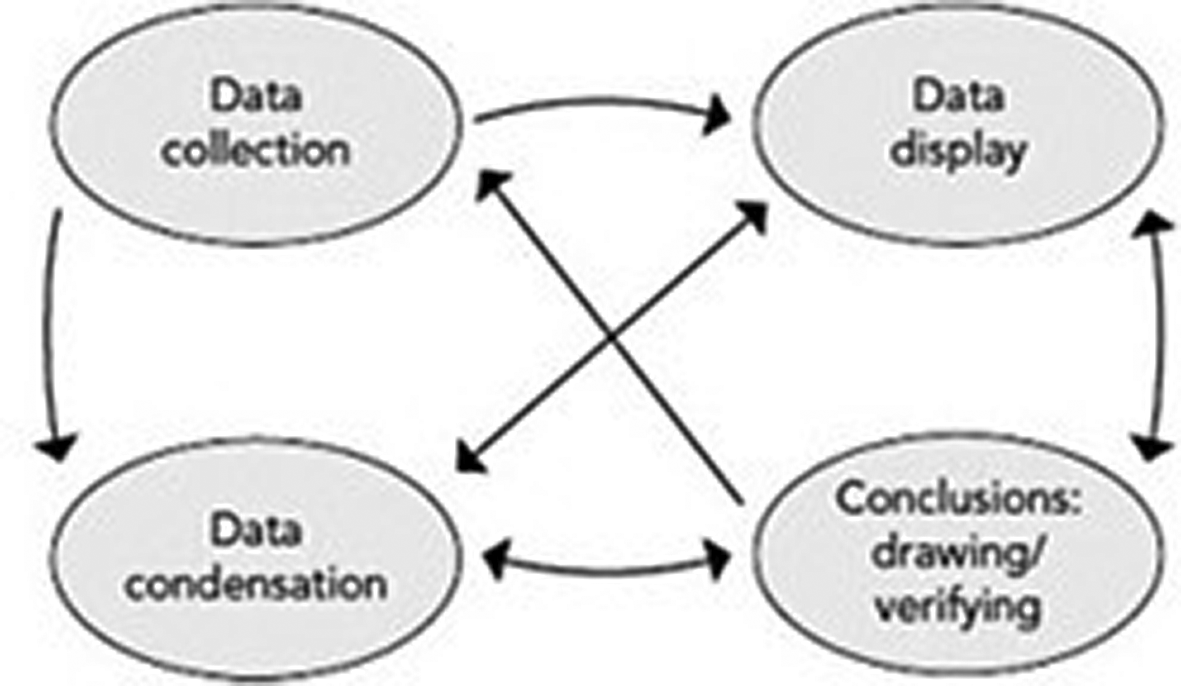
This study employs qualitative research via a case study methodology. We employ qualitative research via a case study methodology to achieve a comprehensive and profound understanding of a particular subject (Gerring, 2007; Yin, 2018). Furthermore, case studies are defined by their concentration on a particular research subject or case (Merriam & Tisdell, 2016). This technique aligns with the objective of this research, which is to acquire comprehensive knowledge and understanding of the implementation of inclusive education in the writing learning process for children with dysgraphia in ordinary schools. The data source for the research consists of junior high school students who are designated as BP. The primary instrument in this study is the researcher. This research uses data collection methods with triangulation techniques (Sugiyono, 2024) consisting of direct observation, documentation, and in-depth interviews to collect data. Interviews were performed to obtain insights on the experiences, challenges, and viewpoints of BP as a student with dysgraphia. In this context, documentation methods are employed to gather pertinent information. The data analysis technique used in this study employs the theory of Miles and Huberman (Miles et al., 2014), which is carried out thru the processes of data collection, data condensation, data presentation, and data verification. Data analysis based on the theory of Miles and Huberman is a systematic process aimed at deeply understanding qualitative data thru repeated simplification, presentation, and interpretation. The systematic process carried out using the Miles and Huberman theory is referred to as the interactive model.
In this study, written informed consent was obtained from the parents/guardians of the minor participants (ages 11–15). The parents/guardians were fully informed of the study’s purpose, procedures, potential risks, and their rights. In addition, the minor participants (students) provided verbal assent after being explained the study details in an age-appropriate manner. The participants were informed that their participation was voluntary and they could withdraw from the study at any time without any negative consequences. The data collected from the participants was kept confidential, anonymized, and solely used for academic purposes.
This study has been tailored to its research objectives: 1) to delineate the writing difficulties (dysgraphia) encountered by BP, 2) to elucidate the challenges faced by educators in addressing dysgraphia in educational settings, and 3) to propose strategies for mitigating dysgraphia. Data analysis yielded the following findings.
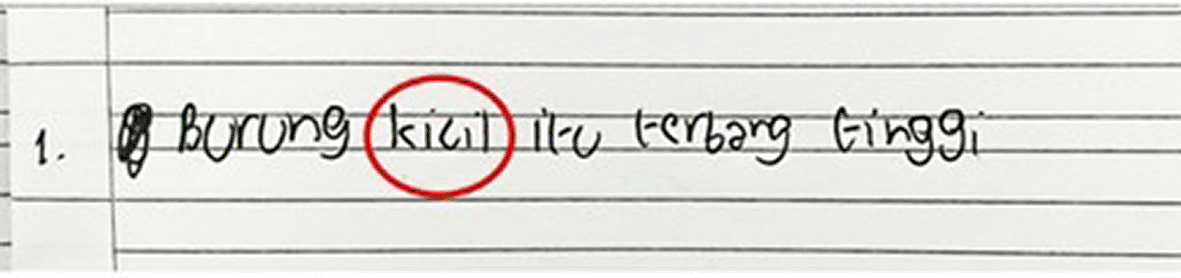
BP is a 14-year-old male student currently attending junior high school. BP was identified as a student with dysgraphia based on teacher data indicating frequent difficulty reading BP’s handwriting. Students with dysgraphia may struggle with spelling, as this is a common issue associated with this condition. BP might also have difficulty spelling words correctly and consistently. As shown in Figure 1, BP makes letter omissions or substitutions. The following figure illustrates an example of spelling difficulties.
A misspelled word was identified in Figure 2. In this instance, BP committed orthographic errors by altering a single letter in a word and employing an incorrect letter. For instance, on the word “kecil” (little), BP substituted the letter “e” with the letter “i” in that word. The phrase “Burung kecil itu terbang tinggi” has letters whose forms are frequently misinterpreted or necessitate greater precision in fine motor skills. Spatial dysgraphia is evident in BP, marked by challenges in spatial organization and awareness when writing, as illustrated in Figure 2. This syndrome is characterized by erroneous letter and word construction regarding size, irregular letter slant, and challenges in sustaining constant space between letters, words, and lines.
Source: Author, 2026.
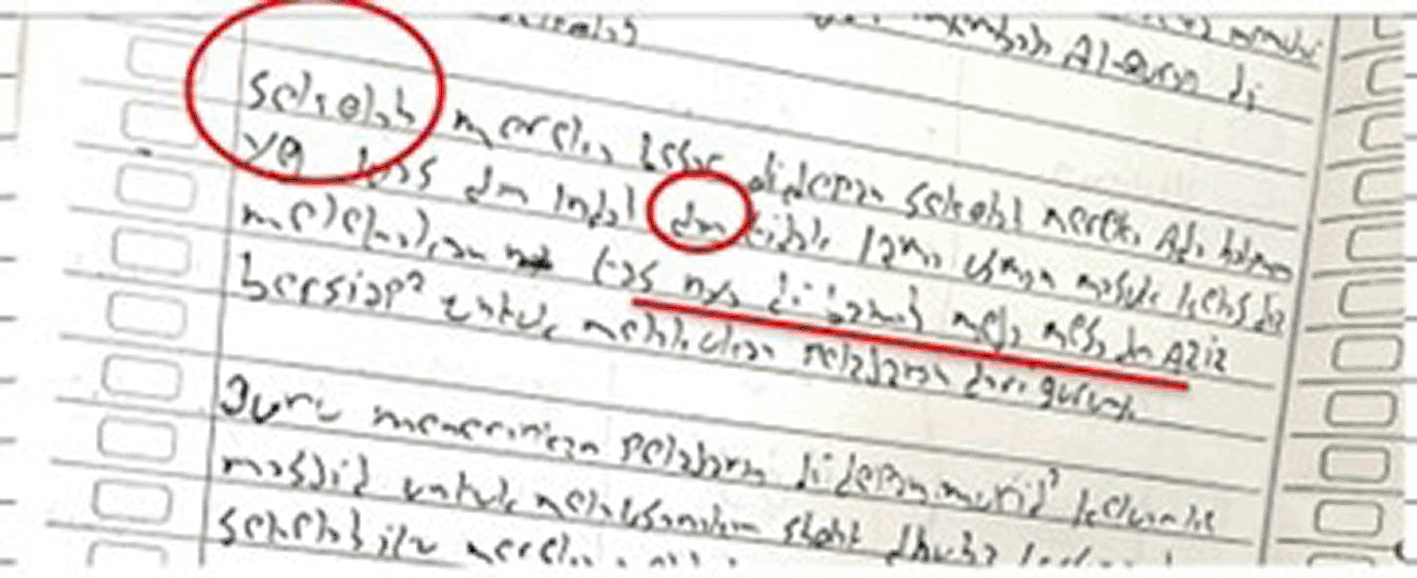
In Figure 3, it can be seen in one sentence written by BP. There are letters that have been changed in the word “Sekolah” (School). It appears that BP replaced the “o” with an “e” and then wrote “lah” (which looks like “hh”). BP’s handwriting may be difficult to understand because the letters are irregular in size, twisted, or poorly formed. BP also showed uneven spacing between words and letters and inconsistent margin placement.
Source: Author, 2026.
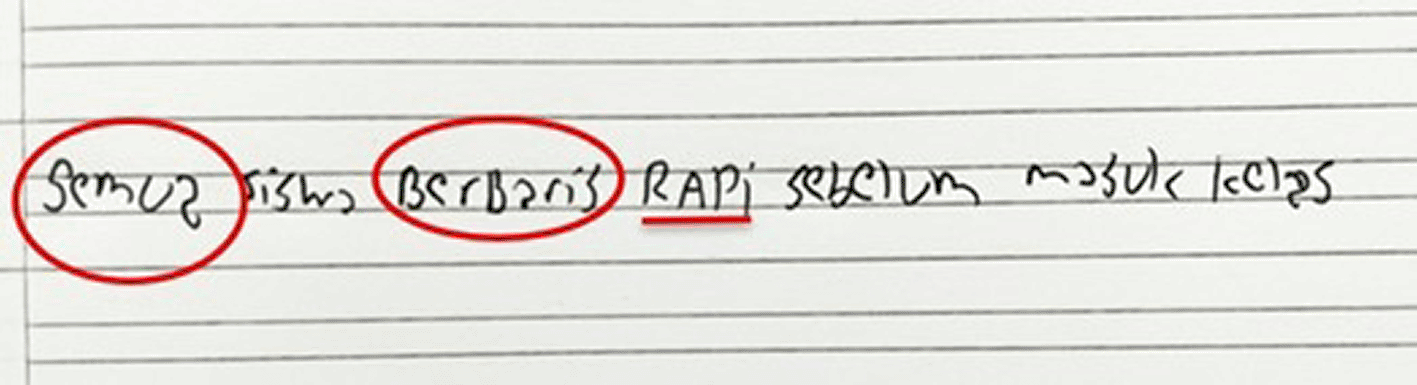
Some of the font sizes in Figure 4 are incorrect. For example, the first letter of each sentence needs to be capitalized. However, some capital letters appear in the middle of sentences, such as in the word “berbaris” becoming “BerBaris,” with difficulty forming the letter “b” into “B.” Similarly, in the word “rapi” becoming “RAPi,” there are difficulties with the letters “r,” “a,” and “p.” The letter “a” written as BP shows a form that is not similar to the word in the sentence. For example, the letter “a” in the word “Semua” is different from the form of the letter “a” in the word “siswa.” BP also often writes the letter “n” as “m,” as shown in the image, in the word “dan.”
Source: Author, 2026.
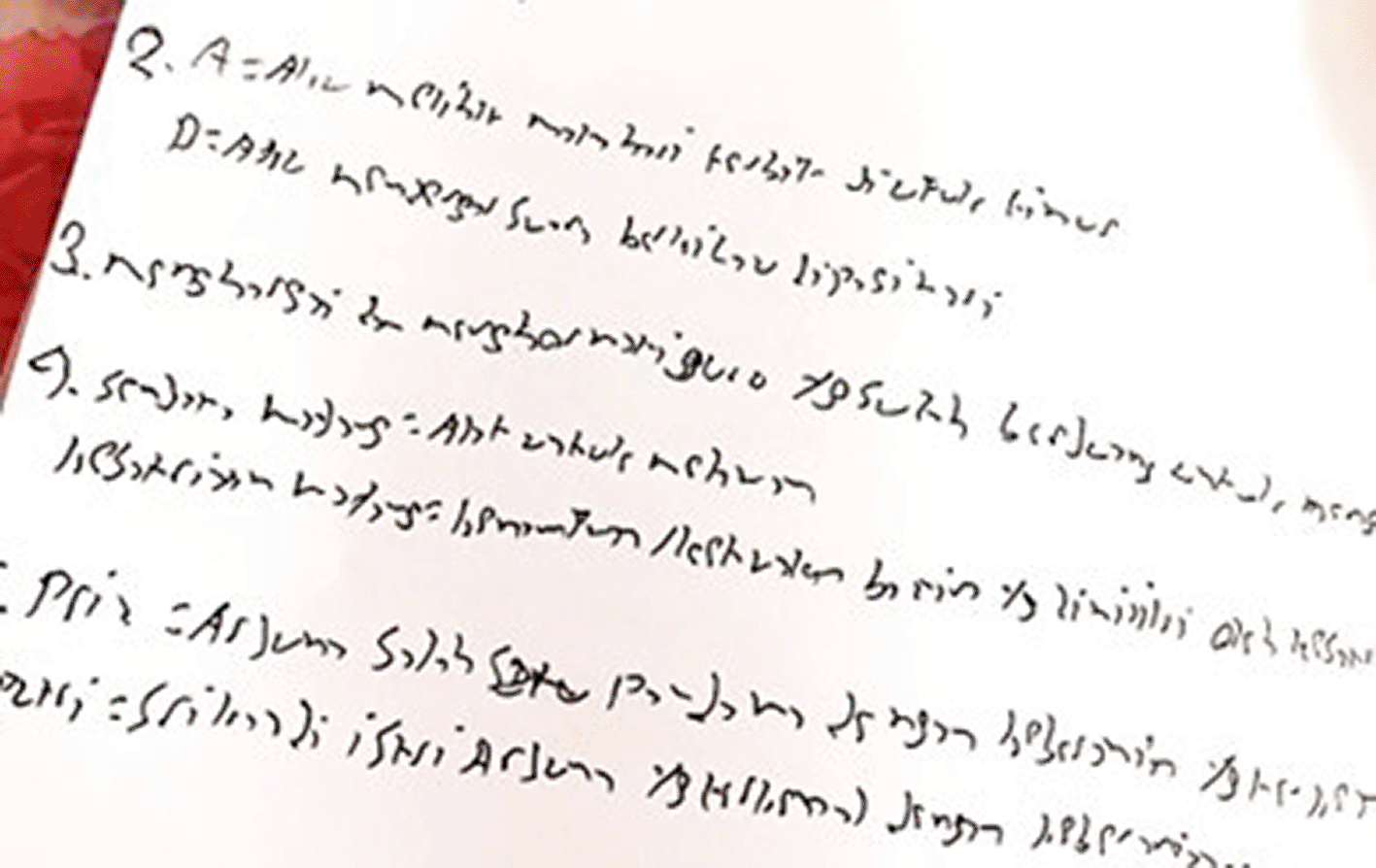
At the time of writing, BP is easily distracted and cannot focus on details, which can lead to excessive use of margins and lines. Additionally, BP experiences difficulty with writing speed, which can lead to irregularities in his handwriting. BP’s tendency to use his left hand for writing also contributed to his difficulty in controlling his hand movements, and BP may have felt that writing took longer. These circumstances could have led to BP being late in submitting assignments on time. Figure 5 illustrates the challenges BP encountered.
Source: Author, 2026.
In Figure 5, during classroom learning evaluation, BP experienced difficulty writing, which caused him to frequently fall behind in submitting assignments. The obstacles BP experienced were confirmed by the researchers, who cited that he often felt his hands were sore and would take a break to be able to continue writing. This phenomenon naturally makes BP’s writing difficult to read. Therefore, it is important to adjust classroom interventions to suit each child’s preferences, limitations, and comfort levels (Chelkowski et al., 2019). The researchers summarized the findings of the study in the following table.
In Table 1, the researcher’s interpretation of the interview analysis results for BP indicates that the informant BP experienced difficulty writing (an indication of dysgraphia) influenced by Physical fatigue and visual problems that made writing feel heavy, low interest and motivation toward text-based lessons, and a classroom environment that easily caused distractions.
| Aspect | Manifestation in student BP | Empirical evidence | Pedagogical implication |
|---|---|---|---|
| Linguistic Dysgraphia | Subtitution or omission of letters (e.g., “kecil” → “kicil”); inconsistent spelling patterns. | Writing samples observation ( Figure 2); Teacher’s not on spelling. | Reinforce phoneme-grapheme awareness through multisensory literacy tasks. |
| Spatial Dysgraphia | Uneven spasing between words and letters; inconsistent masrgins. | Classroom writing observation ( Figure 3). | Provide lined or grid paper; guided wiritng templates. |
| Motor Dysgraphia | Inconsistent letter size; random capitalization (e.g., “BerBaris”, “RAPi”) | Observation and photo evidence ( Figure 4). | Implement fine-motor exercises; adaptive pencil grip. |
| Writing Speed and Focus/ | Slow handwriting; frequent breaks; easily distracted. | Teacher interview and classroom observation ( Figure 5). | Allow extended time; encourage digital tools. |
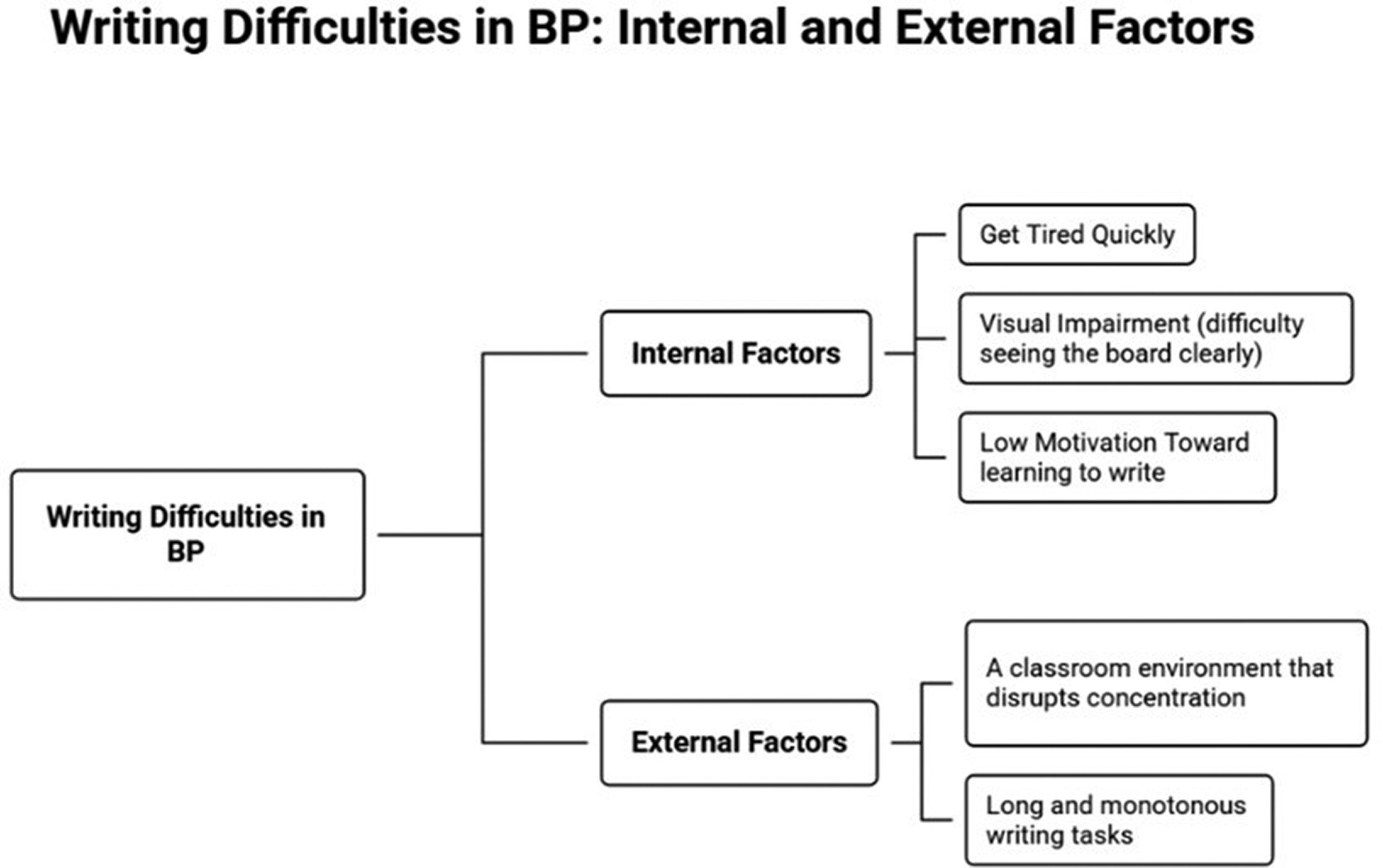
The above scenario is visualized by the researcher in the following mind map diagram. In Figure 6, based on the results of interviews with Indonesian language subject teachers while writing lessons were in progress, according to the teacher, BP “is moody, perhaps because he is left-handed; that factor also, ma’am. His moodiness affects his writing style, so he writes as he pleases.” This data suggests a potential disturbance in BP’s psychological condition. This conclusion is supported by data from the BP homeroom teacher, who stated, “…According to the reports from the teachers, for subjects that involve a lot of writing, like Indonesian, and for me, Arabic, he tends to need help with his Arabic writing.” This indicates that dysgraphia impacts students’ academic outcomes, consistent with research findings (Baggett et al., 2024; Chung et al., 2020). As is known, writing is an important skill for conveying thoughts, learning, and expressing feelings. Therefore, a child’s academic performance and future job opportunities will suffer if they cannot actively participate in writing instruction (Chung et al., 2020). Consistent with research conducted by Stepanovic & Ilic (2025), the difficulties faced by individuals with dysgraphia manifest in various abilities, such as concentration, organization, fine motor skills, and difficulty following lessons in school.
Source: Author, 2026.
The above scenario is visualized by the researcher in the following mind map diagram. In Figure 6, based on the results of interviews with Indonesian language subject teachers while writing lessons were in progress, according to the teacher, BP “is moody, perhaps because he is left-handed; that factor also, ma’am. His moodiness affects his writing style, so he writes as he pleases.” This data suggests a potential disturbance in BP’s psychological condition.
The researcher identified evidence of ADHD or hyperactivity in BP through interviews with homeroom teachers and classroom observations during the educational process. Data 1 and Data 2 provide the transcript of the homeroom teacher’s report. “He is quite wicked, is he not? His hands are perpetually restless. Typically, individuals remain silent while witnessing this.” Data 1, followed by data 2: “So, it’s complex because he has both dysgraphia and ADHD. There’s some paper here, it’s torn up.” Recent research by Mahmoudi-dehaki, (2025) demonstrates the transformative potential of AI-driven hybrid tutoring in addressing the challenges faced by children with dysgraphia and ADHD. Nonetheless, this discovery may provide an alternative solution to the issues encountered by teachers and students with dysgraphia. The findings are progressively intricate, aligning with the research by Kalenjuk, Subban, et al. (2024a), which recognized complexity as one of the phenomenological elements in their study. Writing education for individuals with dysgraphia is inherently multifaceted and presents additional problems.
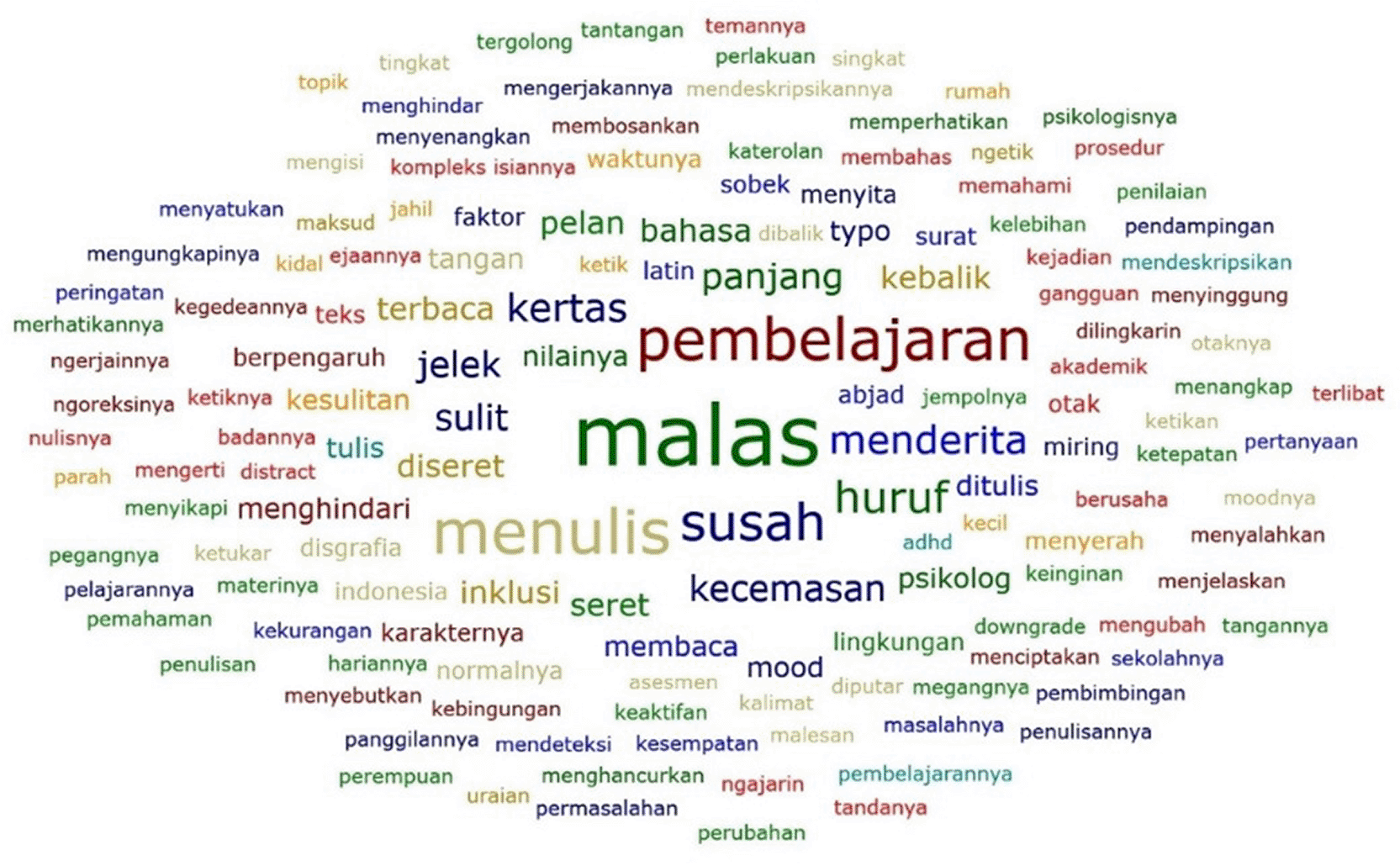
In this data analysis, the researcher also used the ATLAS.ti 9 application to help visualize the distribution of frequently occurring keywords from interviews with Indonesian language subject teachers who teach BP, as well as BP class advisors, which served to clarify the findings. The distribution of the word cloud that served as the topic and theme of the interview is as follows:
Figure 7 shows that “malas” or in English “lazy” is a keyword frequently discussed in the topic of teacher interview instruments, both from homeroom teachers and Indonesian language teachers who have taught BP. The frequency of the word “lazy” indicates that teachers perceive students with dysgraphia in BP as lacking motivation during writing lessons. This study shows that children with dysgraphia are also often considered lazy because of their writing difficulties, which are perceived as such (Broderick & Lalvani, 2017; Chung et al., 2020). Additionally, the term “dysgraphia” is present, which is naturally a central topic in the process of collecting interview data from teachers.
Source: Author, 2026.
The challenges faced by students with dysgraphia are limited to writing skills and extend to teachers as facilitators in the learning process. The findings of the researchers at the junior high school indicate that the teachers’ lack of knowledge about identifying students with dysgraphia impacts the strategies they use in the classroom. Students with dysgraphia should be able to participate in inclusive learning with an adapted curriculum in the classroom. This measure is in accordance with the Regulation of the Minister of Education, Culture, Research, and Technology (Permendikdasmen) Number 13 of 2025 in Indonesia, which is an amendment to Permendikbudristek Number 12 of 2024 regarding policies that regulate how the principles of inclusion and curriculum adaptation are implemented in regular schools in accordance with the latest national regulations in effect. However, its implementation needs further study and evaluation. Studies (Woodcock et al., 2022) show that all teachers tend to understand the concepts and values of inclusive education. However, the way teachers apply inclusive education in classroom practice creates differences; those who lack confidence in their teaching abilities may use strategies that inadvertently create new challenges for inclusion within the classroom.
Research has noted that software aids such as automatic spell checkers, speech-to-text recognition, tablets, and computer keyboards can assist in the writing process for students with dysgraphia. This can avoid writing pressure and increase confidence when writing (Chung et al., 2020; Uebergang & Catroppa, 2020). However, researchers realized that the technology that could support children with dysgraphia in this study also had significant limitations.
Based on an investigation into specific learning disabilities (SLD) in writing skills (dysgraphia) experienced by BP, a middle school student, it was observed that there were difficulties in organizing written work on paper, such as inconsistent letter formation, spelling, and spacing. Teachers who struggle to read BP’s handwriting also have a limited understanding of how to identify students with dysgraphia early on. This negatively affected BP’s academic assessment results. The lack of adaptation of inclusive strategies in the classroom for Indonesian language learning was also highlighted by the researcher, who provided recommendations and understood the findings. The researcher recommends using writing aids like gadgets or laptops to overcome this problem and make assignment writing easier for BP. Researchers recommend further research on the latest learning technologies that can be developed for the early identification and management of dysgraphia, a learning disorder in children in Indonesia. However, there are still some limitations and ethical considerations in the research process.
| Views | Downloads | |
|---|---|---|
| F1000Research | - | - |
|
PubMed Central
Data from PMC are received and updated monthly.
|
- | - |
Provide sufficient details of any financial or non-financial competing interests to enable users to assess whether your comments might lead a reasonable person to question your impartiality. Consider the following examples, but note that this is not an exhaustive list:
Sign up for content alerts and receive a weekly or monthly email with all newly published articles
Already registered? Sign in
The email address should be the one you originally registered with F1000.
You registered with F1000 via Google, so we cannot reset your password.
To sign in, please click here.
If you still need help with your Google account password, please click here.
You registered with F1000 via Facebook, so we cannot reset your password.
To sign in, please click here.
If you still need help with your Facebook account password, please click here.
If your email address is registered with us, we will email you instructions to reset your password.
If you think you should have received this email but it has not arrived, please check your spam filters and/or contact for further assistance.

Comments on this article Comments (0)