Keywords
Zirconia, Roughness, Morphology, Resin, Cement, Bonding, selective Infiltration Etching (SIE), shear bond strength (SBS)

Zirconia, Roughness, Morphology, Resin, Cement, Bonding, selective Infiltration Etching (SIE), shear bond strength (SBS)
The revised version of the manuscript has been prepared by addressing the comments and suggestions provided by the reviewers and editors. Compared with the previous published version, the main revisions include expanding the Materials and Methods section to provide a more detailed description of the sample preparation procedure for scanning electron microscopy (SEM), including the preparation and mounting of fractured specimens prior to imaging. In addition, the clinical significance of the study has been further clarified, the null hypothesis has been revised for greater consistency with the study objectives, and the conclusion has been updated to better reflect the findings. Furthermore, one additional reference has been incorporated to strengthen the scientific background and support the revised discussion. These revisions improve the clarity and completeness of the manuscript while preserving the original scientific findings.
See the authors' detailed response to the review by Awiruth Klaisiri
See the authors' detailed response to the review by Rafat Sasany
Ceramic systems have been developed to eliminate metal substructures and enhance light reflection, resulting in restorations that meet the aesthetic demands of dental patients with exceptional quality.1,2 Zirconia ceramics, particularly yttria-stabilized zirconia, are widely used in clinical applications due to their high toughness and fracture resistance, making them especially suitable for implant abutments and frameworks in dental restorations.3,4 However, despite their excellent mechanical properties, zirconia-based dental ceramics exhibit limited bond strength to resin cements.5
This limitation arises from zirconia’s high crystalline content and the absence of a glassy phase, which renders its surface resistant to conventional acid etching. As a result, effective micromechanical interlocking is hindered, thereby reducing the bonding efficacy of methacrylate-based resin cements.3,6 To address this challenge, various mechanical and chemical surface modification techniques have been proposed to improve the adhesion between resin cement and zirconia.7
Mechanical methods such as aluminum oxide air abrasion and the tribochemical silica coating technique have been explored to increase surface roughness and improve micromechanical retention.8 While aluminum oxide air abrasion remains the most commonly used approach, it can introduce surface defects that compromise the structural integrity of ceramics.9 In contrast, the tribochemical silica coating offers an alternative, enabling salinisation or the use of resin cements that contain functional monomers, such as 10-methacryloyloxydecyl dihydrogen phosphate (MDP).10
Recently, there has been a growing interest in modern approaches such as the selective infiltration etching (SIE) technique. This relatively new innovation has demonstrated promising results in enhancing the adhesive potential of zirconia surfaces. The SIE method incorporates a heat-induced maturation (HIM) process, wherein controlled short thermal cycles induce stress at zirconia grain boundaries. A low-fusing glass infiltrates these regions, forming a three-dimensional porous network that is subsequently etched with hydrofluoric acid to create a roughened surface conducive to resin bonding.8
Despite advancements in the field, a universally accepted “gold standard” for bonding zirconia has not yet been established. Moreover, the combined effects of sandblasting and selective infiltration etching (SIE) on highly translucent zirconia, as well as their long-term influence on adhesive bond durability, remain insufficiently explored.11 To address this knowledge gap, the present study evaluated three surface treatment methods—Selective Infiltration Etching (SIE), CoJet, and conventional sandblasting—to enhance zirconia-resin adhesion.
The null hypothesis of this study is that Selective Infiltration Etching (SIE) does not significantly affect surface roughness, morphology, and composition, nor does it significantly influence the shear bond strength (SBS) when compared to traditional methods.
This comparative in vitro experimental study was conducted at the Department of Fixed Prosthodontics, Faculty of Dental Medicine, Damascus University, between October 2024 and March 2025. Ethical approval was obtained from the Ethics Committee at Damascus University (Approval No. 2023/3664).
The sample size was determined using G*Power 3.1.9, based on the study by Kwon et al.12 (Effect size f = 1.575, α error probability = 0.05, power (1 − β error probability) = 0.95, number of groups = 3). Although thirty zirconium cubes were initially required, the study was conducted on thirty-six zirconium cubes to enhance accuracy.
The zirconia used in this study was Cube X2 (Dental Direkt, Germany), a high-translucency zirconia with a yttria content of [5 mol% Y2O3] and classified as [5Y-TZP]. Thirty-six highly translucent cubic zirconia blocks (10 × 10 × 10 mm3) were used in this study. The specimens were ultrasonically cleaned in distilled water for 3 minutes, then sequentially polished with silicon carbide papers to achieve a smooth, glossy surface. All specimens were randomly allocated into three equal groups (n = 12), each subjected to a distinct surface treatment protocol.
Group 1 (Air-abrasion), specimens were surface-treated by blasting with 50 μm aluminum oxide particles articles at a pressure of 2.5 bar for 20 seconds, from a distance of 10 mm.
Group 2 (CoJet System) specimens were treated with 30 μm silica-coated alumina particles (CoJet, 3 M ESPE) under a pressure of 2.8 bar.
Group 3 (selective infiltration etching, SIE) specimens were coated with a laboratory-prepared paste consisting of 65% silica, 15% alumina, 10% sodium oxide, 5% potassium oxide, and 5% titanium oxide, mixed with distilled water. The coated specimens underwent thermal infiltration at 750 °C for 3 minutes, followed by cooling and etching with 9.5% hydrofluoric acid for 20 minutes.
The Ra value, measured in micrometres (μm), was used as the surface roughness indicator in this study, before and after surface treatment with a profilometer (TR200, Time Group, USA). Measurements were conducted at the Faculty of Mechanical and Electrical Engineering, University of Damascus. The stylus scanned a cutoff length of 0.8 mm three consecutive times, and the average Ra value was recorded for each specimen.
Circular adhesive sheets were fabricated and precisely punched using a specialized tool to create a defined 4 mm diameter hole. The sheets were then applied to the zirconia surfaces to standardize the working area. All zirconia blocks were bonded to standardized composite resin cylinders using a dual-cure MDP-containing resin cement (Theracem BISCO, USA) according to the manufacturer’s instructions. A constant pressure of 5 kg was applied to the samples using a pressure-standardizing device in order to ensure uniform cement thickness and standardize the testing conditions. The device was located in the Department of Fixed Prosthodontics, Faculty of Dentistry, University of Damascus. Subsequently, all specimens were subjected to 5000 thermocycles between 5 °C and 55 °C with a dwell time of 30 seconds.
To further evaluate of surface morphology, atomic force microscopy (AFM) measurements were performed in tapping mode under ambient conditions (26–28 °C). Silicon cantilevers (Tap190 Al-G, NanoSensors™, Neuchâtel, Switzerland) with 30-nm-thick aluminum reflex coating were used. According to the manufacturer’s datasheet, the cantilever spring constant ranged from 1.5–15 N/m, and the tip radius was less than 10 nm. The scan rate was set at 1 Hz, and the scanning size was 5 × 5 μm2. Three-dimensional images were reconstructed using Nanosurf Digital Surf software (NanoSurf®, Liestal, Switzerland), and the area roughness parameter (Sa) was recorded to assess the average surface roughness.
Two specimens from each group were examined using scanning electron microscopy (SEM) (VEGA II, XMMU, TESCAN, Czech Republic). The aluminum holder of the electron microscope was mounted on the plastic base, and double-sided carbon adhesive tape was applied to the holder. The sample was then placed with the zirconia surface facing upward. The aluminum holder with the sample was transferred to the examination stage using tweezers, and the microscope chamber was closed. SEM analysis was performed on the treated zirconia surfaces at accelerating voltage of 30 kV and a scan speed of 6–7 ms/pixel. Images were acquired using both backscattered electron (BSE) and secondary electron (SE) detectors at various magnifications to evaluate surface morphology. The elemental composition was evaluated using energy-dispersive X-ray spectroscopy (EDX). Given the high operational costs of this technique, the analysis was focused on two representative samples, which provided sufficient data to characterize the elemental profile of the study group.
Shear Bond Strength (SBS) testing for all samples was performed using a universal testing machine at a crosshead speed of 1 mm/min until failure occurred. The blade used in the shear test was a chisel-edge blade, as the chisel method is considered more practical, faster, and easier to handle during testing. This method is recommended by ISO/TS 11405:2003 and has been adopted in numerous previous studies.1,10,13 The maximum load to failure was recorded, and the SBS was calculated as follows: SBS (MPa) = load (N)/area (mm2), where the bonding area was 12.56 mm2 in the present study.
The surfaces of all samples from each group were examined after separation by a trained assessor who was unaware of the sample groups, using an SKT 41322 MEIJI TECHNO dissecting microscope. The failure modes were classified according to ISO 10365:2022 E.
Failure modes were examined under SEM. The failure percentage was determined as follows:
A failure was classified as adhesive when approximately 25% of the cement remained on the fractured surface, cohesive when approximately 75% remained, and mixed when the remaining cement percentage fell between these two values.
Statistical analysis was conducted using SPSS software (version 21.0; IBM Corp., Armonk, NY, USA). Data were first assessed for normality using the Kolmogorov–Smirnov test. As the results indicated a normal distribution (p > 0.05), parametric tests were applied. Mean and standard deviation values were calculated for all variables. One-way analysis of variance (ANOVA) was used to compare mean shear bond strength (SBS) across groups. Tukey’s post hoc test was employed to evaluate pairwise differences in surface roughness and SBS values. A significance level of p < 0.05 was considered statistically significant.
AFM was used to evaluate surface morphology, revealing distinct topographical variations among the treated zirconia surfaces. The sandblasted group exhibited irregular granular elevations interspersed with large, compact clusters. In contrast, the CoJet group showed nodular agglomerates with uneven spatial distribution. The SIE group demonstrated well-defined, sub-parallel ripple-like grooves and the greatest height variation, indicative of increased surface roughness. Following etching, the SIE specimens presented a uniformly textured surface characterized by dense, fine spherical granules and numerous micro- to nano-scale pores. Quantitative analysis confirmed that the SIE group exhibited the highest roughness parameters (Ra and Sa), aligning with profilometer measurements and underscoring the method’s effectiveness in producing a highly retentive surface suitable for durable resin bonding ( Figure 1).
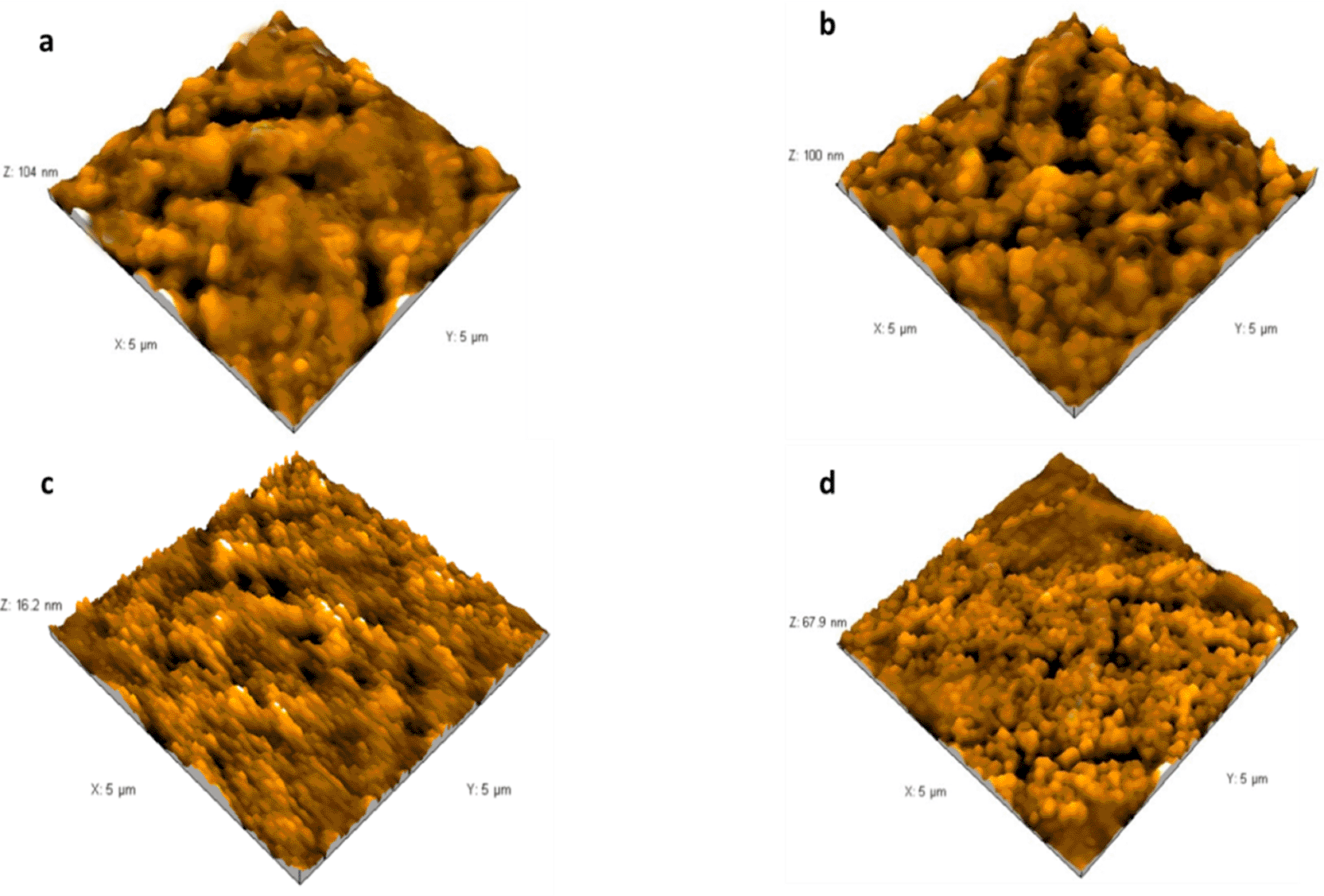
(a) sandblasted group, (b) Cojet, (c) SIE and (d) SIE after etching.
Following the surface treatments, the SEM examination showed that sandblasted specimen exhibited an irregular topography characterized by deep grooves and a pitted morphology with sharp edges and angular peaks resulting from the impact of alumina particles. This roughened surface increased the available area for micromechanical interlocking; however, it also revealed localized microcracks and stress concentration zones that may compromise structural integrity. In contrast, CoJet-treated surfaces displayed isolated clusters of silica-rich nodules and “islands” adhered to the zirconia substrate.
These alumina deposits, coated with silica, imparted moderate surface reactivity and roughness, potentially enhancing silane coupling. Although their distribution across the surface was non-uniform. The specimens treated with SIE before etching exhibited a dense, glazed-like surface composed of molten, spherical glassy beads formed through thermal infiltration of the silica-alumina-alkali glass layer into grain boundaries. This process yielded a chemically modified, compact surface free from mechanical defects. Following hydrofluoric acid etching, the SIE-treated specimens developed a distinct honeycomb-like micro/nanoporous structure resulting from the selective dissolution of the infiltrated glassy phase. This topography featured an interconnected network of pores and channels, enhancing micromechanical retention and resin infiltration, thereby promoting stronger adhesion between the resin cement and zirconia ( Figure 2).
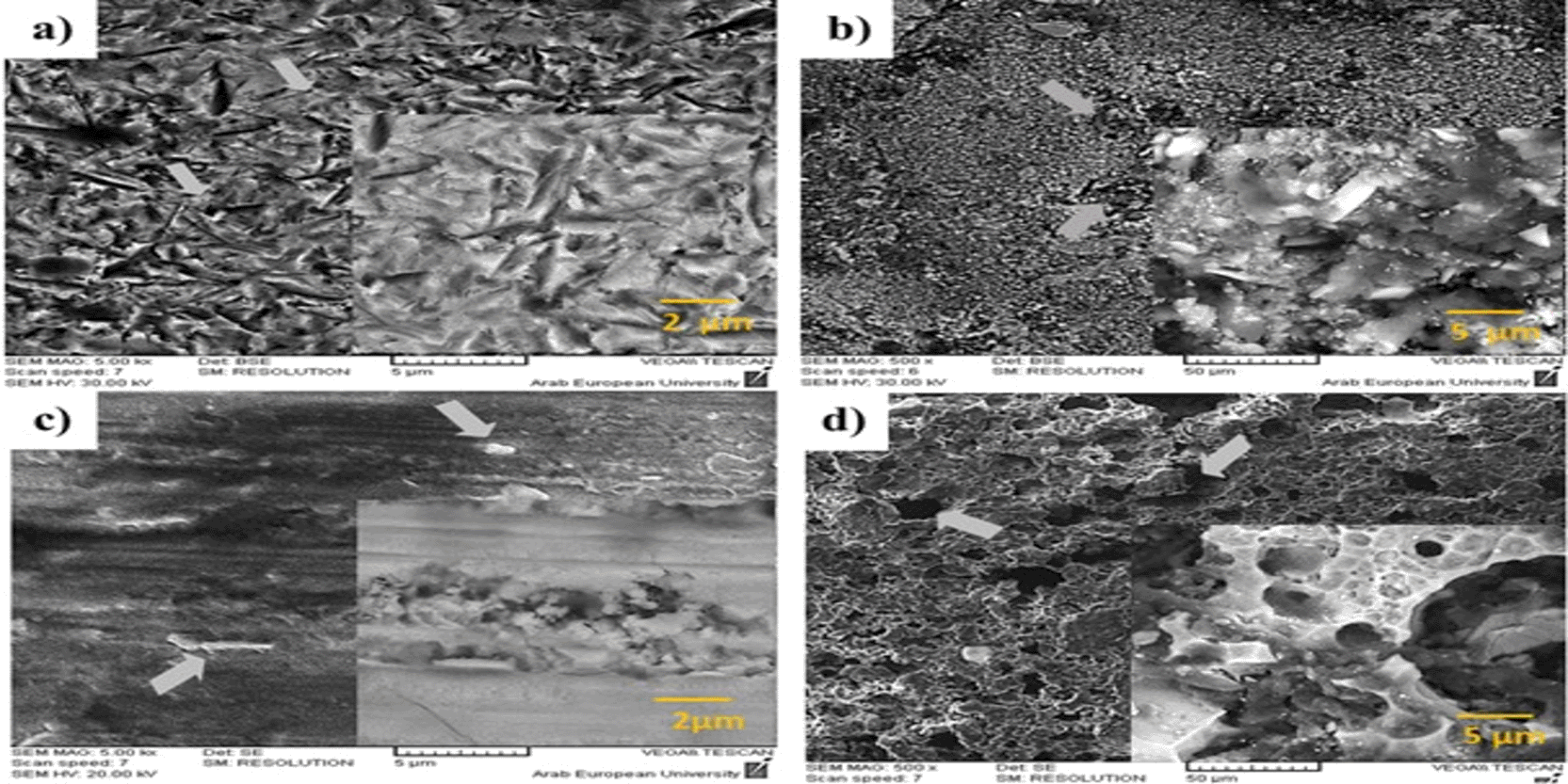
The grey arrow indicates sharp edges in group a, while it points to clusters of silica islands in group b. fused round beads were observed in group c, and group d appeared honeycomb –like due to the etching.
EDX analysis revealed pronounced compositional variations across the treated zirconia surfaces. In the sandblasted group, oxygen (50.14 wt%) and zirconium (40.78 wt%) were the predominant elements, accompanied by detectable traces of aluminum (7.59 wt%) originating from alumina abrasion particles. In the CoJet group, silica (Si: 2.5 wt%) was identified, and the aluminum signal decreased, indicating the deposition of SiO2-coated alumina particles onto the zirconia surface. The SIE-treated samples exhibited a markedly different elemental profile characterized by elevated levels of silicon (39.69 wt%), sodium (8.77 wt%), and potassium (6.86 wt%), while zirconium content was significantly reduced (0.09 wt%). This suggests that the zirconia surface was entirely covered by a glassy infiltration layer. Following HF etching (group d), the glassy phase partially dissolved, resulting in a surface enriched with oxygen (52.6 wt%), fluorine (19.7 wt%), and sodium (14.39 wt%), while trace amounts of zirconium (0.17 wt%) remained Compared to the previous group, zirconium content decreased significantly, while silicon, sodium, and potassium increased after SIE treatment but declined following HF etching. The presence of fluorine in this group confirms a chemical interaction between HF and the glass phase. Collectively, these findings indicate that SIE treatment effectively modifies zirconia surface chemistry through glass infiltration and subsequent etching, producing a compositionally active surface that enhances the durability of resin bonding ( Figure 3).
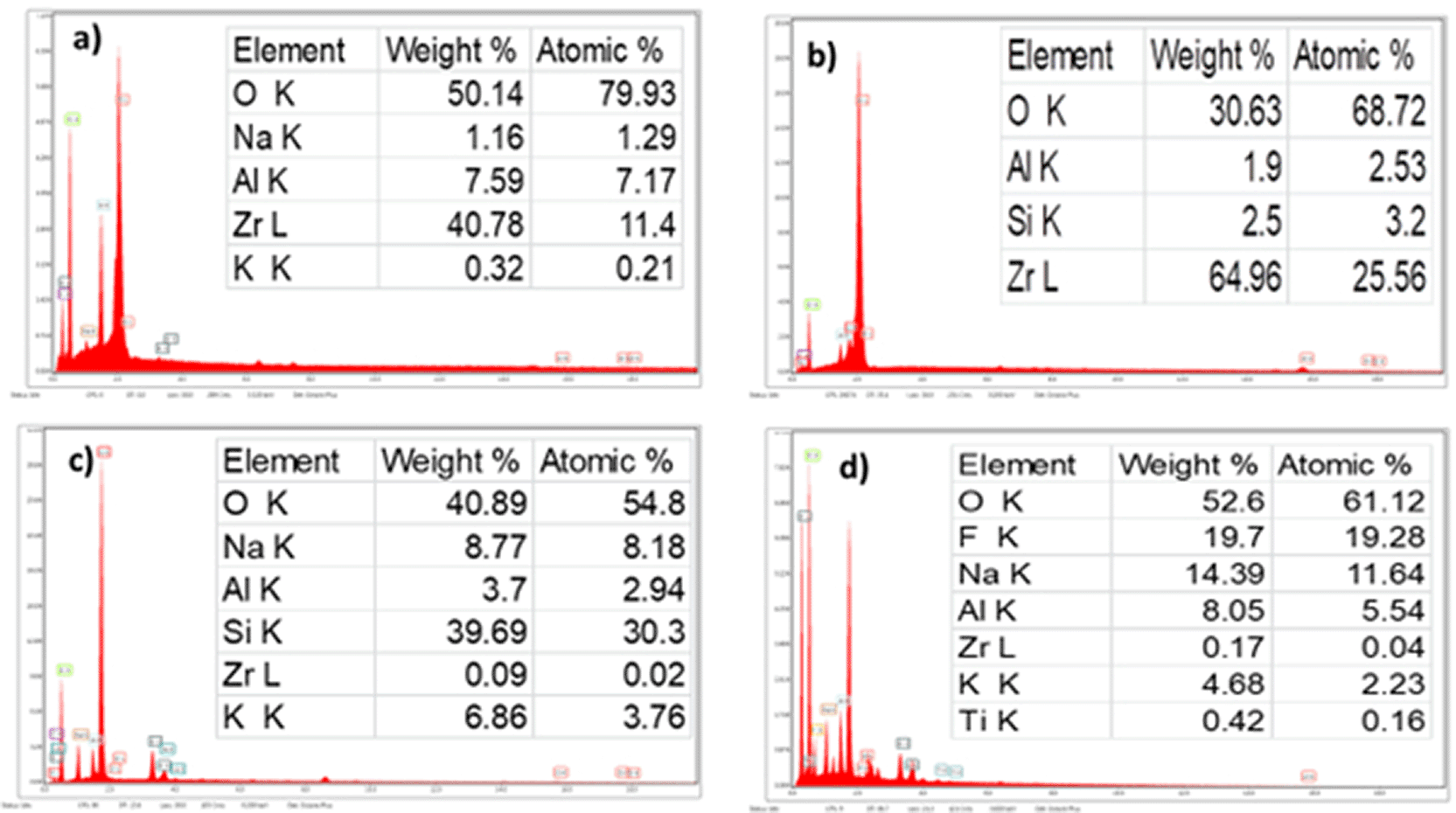
SEM analysis revealed distinct failure modes among the experimental groups. In the CoJet and sandblasted groups, predominantly adhesive failures were observed, characterized by clean zirconia surfaces with minimal traces of resin. This result suggests weak interfacial bonding. In contrast, the specimens treated with SIE primarily exhibited cohesive failures, with fractures occurring within the resin cement and the zirconia surfaces fully covered by resin residues. This observation indicates a strong micromechanical and chemical bond. Additionally, some mixed failures were observed, marked by partial resin residues exhibiting intermediate adhesion strength between the two extremes. These findings align with the quantitative data, confirming that the SIE surface treatment achieved the most reliable and strongest bond between resin and when zirconia compared to conventional methods ( Figure 4).
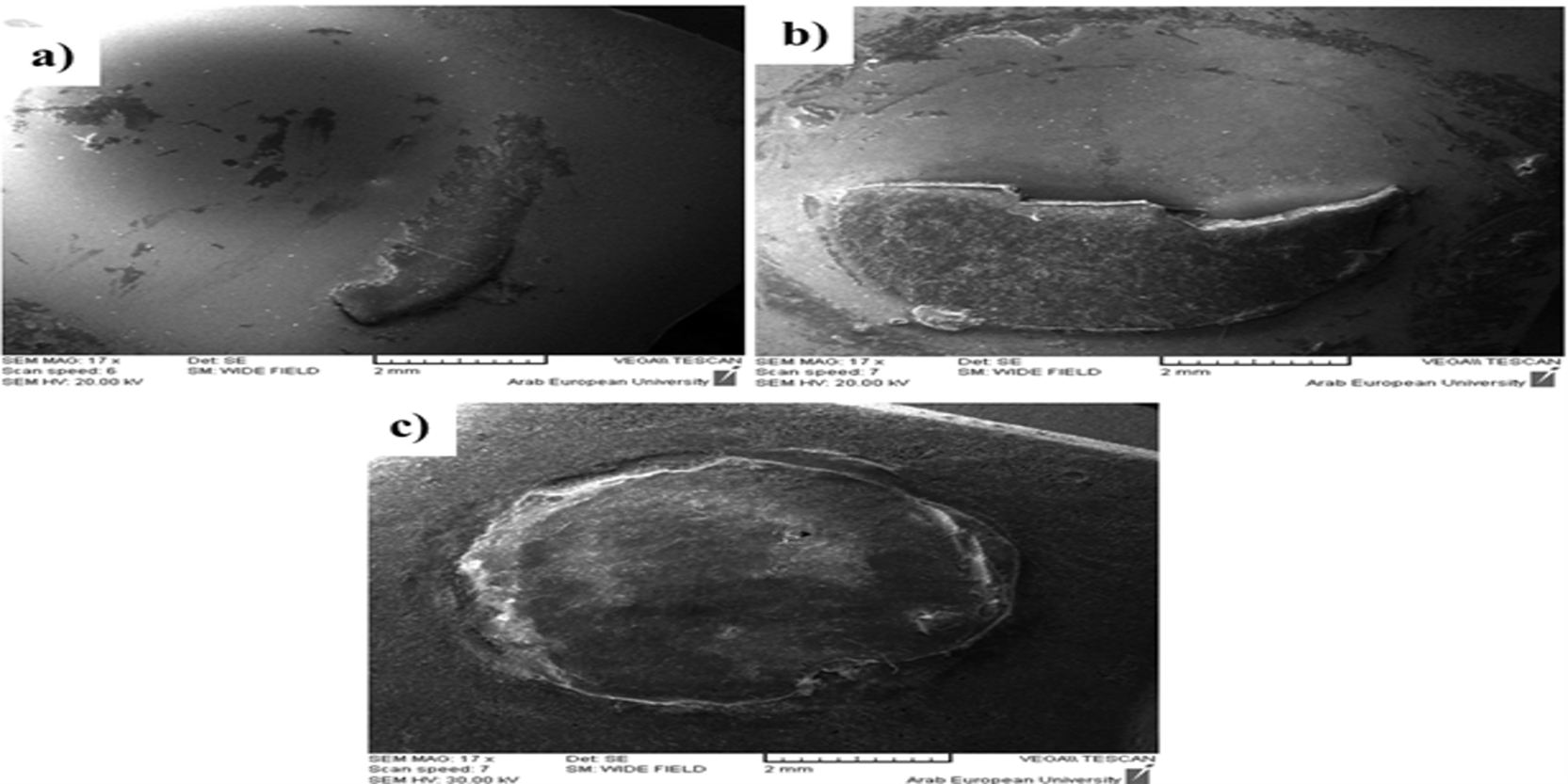
(a) Adhesive failure, (b) mixed failure, and (c) cohesive failure.
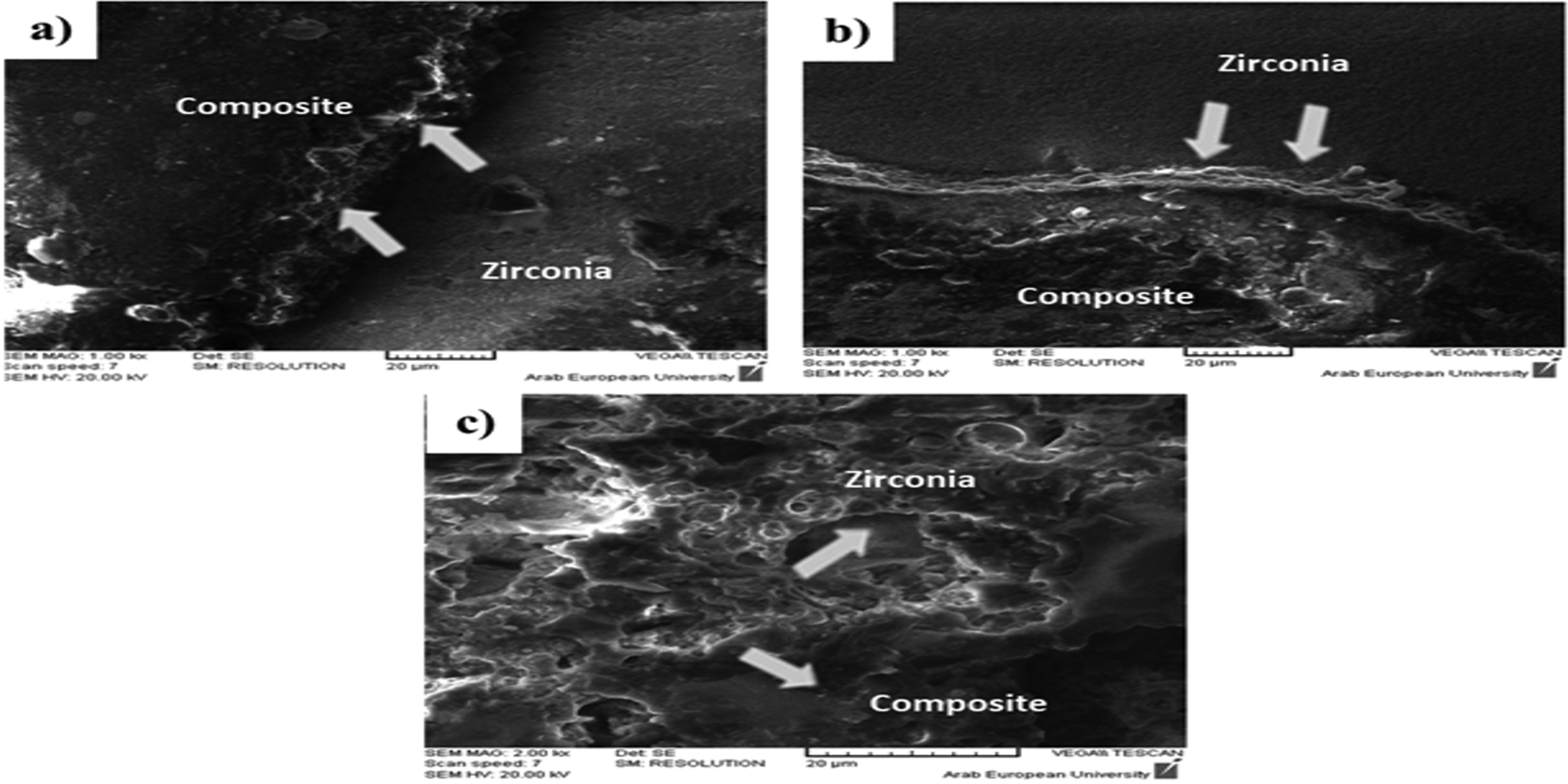
SEM micrographs revealed distinct morphological differences at the zirconia–resin interfaces across the surface treatment group. In the sandblasted specimens (a), which used 50 μm Al2O3 particles, the interface appeared relatively smooth, exhibiting few micro-retentive features and limited mechanical interlocking. A similar pattern was observed in the CoJet group (b), where only surface irregularities were present, offering minimal enhancement in surface roughness and resin penetration. In contrast, the samples treated with the SIE technique (c) exhibited longer micro- and nanoscale porosity on the zirconia surface, with clear resin infiltration within the three-dimensional interconnected nanopores. This indicated robust micromechanical interlocking and close interfacial contact. These observations underscore the superior adhesive performance of the SIE technique, as increased surface roughness facilitates both mechanical retention and chemical interaction with MDP-containing resin cements ( Figure 5).
Surface roughness: Among the study groups, Group 3 exhibited the highest surface roughness with a mean value of 1.53 μm, followed by Group 1 at 0.24 μm, and Group 2, which recorded the lowest value at 0.16 μm. Consistency was observed between the surface roughness values obtained using the TR200 and AFM methods ( Table 1). An ANOVA test was conducted to compare surface roughness among the groups (F = 496.096, p < 0.001). No statistically significant difference between Group 1 and Group 2 (p > 0.05). However, Group 3 differed significantly from both Group 1 and Group 2 (p < 0.001), as detailed in Table 2. Tukey’s post-hoc comparisons further confirmed significant differences in the average surface roughness across the groups ( Table 2).
| Group I | Group J | Average difference I-J | Standard error | Probability value |
|---|---|---|---|---|
| Sandblasted | CoJet | 0.0778 | 0.0487 | 0.261 |
| SIE | −1.289 | 0.0487 | 0.001> * | |
| CoJet | SIE | −1.367 | 0.0487 | 0.001> * |
Shear bond strength: In this study, SBS was highest for Group 3, at 19.36 MPa, followed by Group 1 at 7.32 MPa and Group 2 at 6.89 MPa ( Table 1). The ANOVA test revealed statistically significant differences among the groups (F = 2344, p < 0.001). Specifically, significant differences were observed between Group 3 and Group 2 (p < 0.001) and between Group 3 and Group 1 (p < 0.001). However, no statistically significant difference was observed between Group 2 and Group 1 (p > 0.05). Tukey’s post-hoc comparisons were conducted to identify significant differences in the average shear bond strength between the study groups ( Table 3).
| Group I | Group J | Average difference I-J | Standard error | Probability value |
|---|---|---|---|---|
| Sandblasted | CoJet | 0.950 | 0.127 | 0.236 |
| SIE | −7.308 | 0.127 | 0.001> * | |
| CoJet | SIE | −7.981 | 0.127 | 0.001> * |
Failure modes: The results indicated statistically significant differences in the distribution of failure modes after surface treatments, as assessed by the chi-square test. In the sandblasted group, adhesive failures were predominant, occurring in 83.3% of specimens, indicating the weakest interfacial bonding. Similarly, The CoJet group exhibited an adhesive failure rate of 66.7%. In contrast, the SIE group demonstrated a substantial improvement in bonding, with no instances of adhesive failure. Instead, this group exhibited failure modes of 75% cohesive and 25% mixed, reflecting a significantly stronger, more durable bond. Overall, these findings highlight the superior bonding performance achieved with the SIE surface treatment method ( Table 4).
| Surface treatment | Sandblasted | CoJet | SIE | Chi-value | p-value | |||
|---|---|---|---|---|---|---|---|---|
| Failure mode | N | % | N | % | N | % | 28.000 | 0.001> * |
| Adhesive | 10 | 83.3 | 8 | 66.7 | 0 | 0 | ||
| Mixed | 2 | 16.7 | 4 | 33.3 | 3 | 25 | ||
| Cohesive | 0 | 0 | 0 | 0 | 9 | 75 | ||
The study hypothesis was partially rejected. While significant differences were observed between Group 3 and the other two groups (Groups 1 and 2) regarding both surface roughness and shear bond strength (p < 0.001), no statistically significant differences were found between Group 1 and Group 2 (p > 0.05). Consequently, the hypothesis that all groups would differ significantly from one another was only partially supported.
Ceramic restorations are extensively used due to their superior aesthetic results and biocompatibility.5,14 Among these materials yttria-stabilized tetragonal zirconia polycrystal (Y-TZP) has garnered significant attention for its outstanding mechanical properties.15,16 However, a major clinical challenge is achieving a durable bond to zirconia. This bond is critical to prevent fractures and debonding during cementation, ensuring the durability and longevity of the restoration.17 Numerous surface treatments have been developed to enhance the bonding between resin and zirconia.4,18
A common protocol for bonding zirconia involves airborne-particle abrasion (sandblasting), followed by the application of a monomer known as MDP to achieve chemical bonding.4,8,19 However, this approach can induce a tetragonal-to-monoclinic phase transformations, which may compromise the material’s integrity.12,20 An alternative method is the tribochemical silica coating technique,8,21 which involves depositing a silica layer onto the zirconia surface. This coating facilitates silane coupling and enhances chemical bonding with resin cements.21 Nonetheless, air abrasion may still introduce surface flaws that may compromise strength.8 More recently, SIE has been proposed as a way to improve the adhesive potential of zirconia,8 and initial results have been promising. Despite these advancements, the wide variety of materials and techniques available means that no definitive gold standard for zirconia bonding has yet been established.3
This study evaluated the effectiveness of three surface treatment techniques CoJet, SIE, and conventional methods. It also investigated the influence of MDP-containing resin adhesives on the long-term bond strength of zirconia ceramics after undergoing artificial aging. The shear bond strength test was employed to assess the effectiveness of the bond strength of zirconia. Additionally, the effects of different surface treatments on the microstructure of zirconia specimens were analyzed using SEM, Energy Dispersive X-ray Spectroscopy (EDX), and AFM topographic analyses. The failure modes were further examined using SEM.
Conventional sandblasting enhances bond strength primarily by generating micro-rough surfaces for mechanical interlocking. However, this process can induce microcracks and phase transformations, which may compromise the long-term structural integrity and fracture toughness of ceramics. Moreover, sandblasting does not inherently improve surface wettability or chemical reactivity.8,22 In contrast, TSC employs a dual mechanism, combining micromechanical retention with the potential for chemical bonding via a deposited silica layer. Despite these advantages, the efficacy of TSC can be limited by the inconsistent adherence and non-uniformity of the silica layer, which can affect the durability of the bond.23 The SIE technique stands out for its superior performance, as it marks a significant departure from traditional abrasive methods like sandblasting and TSC.11 SIE is a chemical process that selectively generates a sophisticated three-dimensional nano-porous network at the grain boundaries of zirconia without causing phase transformation or surface defects. The primary bonding mechanism here is nano-mechanical interlocking; the resin cement penetrates deeply and polymerizes within this intricate subsurface porosity, resulting in a highly integrated and robust bond.24 Crucially, SIE achieves this exceptional adhesion without applying damaging mechanical stresses, which helps preserve the inherent mechanical properties of zirconia.25
The results of this study align with findings from previous research,24–26 which demonstrated that SIE demonstrated superior bond strength durability compared to other groups. However, in Salem’s study,24 SIE did not achieve a higher surface roughness than the sandblasting group.
This discrepancy may be due to a difference in the mixture composition, which could have hindered its effectiveness in penetrating the surface.24 Furthermore, Saade et al.27 examined the impact of various surface treatment combinations on the adhesion of resin composites to zirconia. They reported that different treatment protocols did not produce statistically significant differences in bond strength values. Supporting this, another study found no statistically significant difference in bond strength between the sandblasting and silica coating groups. Moreover, the study highlighted that the manufacturer’s recommended blasting pressure of 2.8 bar was insufficient to complete the tribochemical process.23 Conversely, using a higher blasting pressure poses a risk of damaging the zirconia surface by inducing phase transformation. Following a different protocol for CoJet and sandblasting applications can lead to varying outcomes.16
In adhesive dentistry, the mode of failure serves as a critical indicator of bond strength. Adhesive failures, occurring at the interface, are the least desirable outcome. In contrast, Cohesive failures, which happen within the material itself, are more favorable as they imply that the bond is stronger than the material. Combined failures are considered an acceptable mix. A direct correlation exists between higher shear bond strength and an increased percentage of cohesive and mixed failures. Therefore, a high proportion of cohesive and mixed failures indicates a strong and clinically successful bond.
In this study, the failure rate of sandblasting group was 83.3% adhesive and 16.7% mixed, this may be attributed to weak bonding strength. The CoJet group recorded 66.7% adhesive, 33.3% mixed failures. Although the failure cohesive in the group SIE was 75%, the mixed failure rate was 25%, indicating a good bonding strength.
There was no significant difference in bond strength between the sandblasting and CoJet groups. However, a mixed failure pattern was noted in the CoJet group, which could be explained by the fact that many silica particles did not fuse effectively and remained as loosely attached particles.23 As a result, this hindered adequate cement bonding. The mixed failure pattern observed in the sandblasting group can be attributed to the presence of larger pits.
The SEM evaluation of the samples, as illustrated in Figure 2, revealed that the control group had a rough surface with larger pits and sharp edges. However, this mild roughness was insufficient to produce a retentive surface compared to the other surface treatments, while In the CoJet group, clusters of loosely covered silica particles were observed on the surface, forming chemically reactive “islets.” These islets may have chemically modified the zirconia surface, enabling better reaction with the primers. Additionally, Microcracks, some roughness, and porosities were noted, with the microcracks acting as points of stress concentration.
In contrast, the SIE-treated specimens exhibited a compact glassy layer with rounded fused beads prior to etching. After etching, a distinct honeycomb-like nanoporous structure was observed, indicating the successful infiltration and selective dissolution of the glassy phase. These morphological changes directly explain the superior micromechanical and chemical bonding performance of the SIE group. The SEM findings provide visual confirmation that the physical characteristics of the treated surfaces align with their measured bond-strength values. The limited microretentive surface of sandblasting and the irregular silica deposition in the CoJet group explain their lower adhesion. Conversely, the well-defined nanoporous architecture of the SIE group ensures deep resin penetration and superior interfacial integration.
This study was conducted in a laboratory setting that simulated the oral environment through thermocycling. However, one of the main limitations is the absence of dynamic loading and saliva simulation. This limitation may restrict the direct applicability of the in vitro findings to real clinical conditions.
Heat-induced maturation and selective infiltration etching produced a reliable and profound zirconia-resin bond strength resistant to artificial aging, thereby enhancing the long-term clinical longevity of the restorations. Furthermore, these findings support the clinical feasibility of using translucent zirconia veneers as a durable and aesthetic restorative option.
In this in-vitro study, SIE proved to be more effective than conventional air-abrasion and CoJet systems for modifying translucent zirconia surfaces. SIE-treated specimens showed the highest shear bond strength and mainly cohesive failures, indicating a strong and durable zirconia-resin interface. SEM analysis revealed a honeycomb-like nanoporous structure that enhanced resin infiltration, whereas sandblasted and CoJet surfaces exhibited irregular grooves and loosely attached silica clusters, resulting in lower retention. The superior adhesion with SIE is attributed to its three-dimensional nanoporous network, which improves micromechanical interlocking without causing surface damage. Further studies simulating intraoral conditions are recommended to validate these findings and optimize the clinical SIE protocol.
| Views | Downloads | |
|---|---|---|
| F1000Research | - | - |
|
PubMed Central
Data from PMC are received and updated monthly.
|
- | - |
Provide sufficient details of any financial or non-financial competing interests to enable users to assess whether your comments might lead a reasonable person to question your impartiality. Consider the following examples, but note that this is not an exhaustive list:
Sign up for content alerts and receive a weekly or monthly email with all newly published articles
Already registered? Sign in
The email address should be the one you originally registered with F1000.
You registered with F1000 via Google, so we cannot reset your password.
To sign in, please click here.
If you still need help with your Google account password, please click here.
You registered with F1000 via Facebook, so we cannot reset your password.
To sign in, please click here.
If you still need help with your Facebook account password, please click here.
If your email address is registered with us, we will email you instructions to reset your password.
If you think you should have received this email but it has not arrived, please check your spam filters and/or contact for further assistance.

Comments on this article Comments (0)