Keywords
Laser; Gas; Dental Enamel; caries; Fluoride.

Laser; Gas; Dental Enamel; caries; Fluoride.
Dental caries deserves attention because it has become a chronic disease affecting children worldwide.1,2
Dental caries is a multifactorial disease caused by the simultaneous interaction of various factors— sugar and dental biofilms —in the oral cavity.
The introduction of fluoride into dental practice over seventy years ago is widely regarded as the principal reason for the global decline in dental caries. Despite this public health success, the sole confirmed adverse effect of fluoride use in dentistry is dental fluorosis, a condition resulting from excessive fluoride ingestion during tooth development. Recent epidemiological trends indicate a concurrent rise in the prevalence of dental fluorosis and a decline in caries rates.3
The most common varnish used in dentistry to prevent tooth caries is sodium fluoride (NaF).4
Topical application of NaF on teeth mitigates enamel demineralization while enhancing the remineralization process. The primary antimicrobial mechanism of fluoride is not direct bacterial destruction, but rather an indirect action through the inhibition of bacterial acid production, which results in a higher pH at the tooth surface.5,6
The combined use of laser irradiation and topical fluoride represents a novel approach to caries prevention by increasing the enamel’s affinity for and incorporation of fluoride. Zancope et al. were the first to report that CO2 lasers cause morphological changes on the surface of tooth enamel, such as fusion and dissolution.7
On the other hand, studies were conducted to evaluate the effect of carbon dioxide laser on the structure of tooth enamel and dentin, and showed that its absorption by dental tissue was high.8
The 10600 nm CO2 laser has an absorption coefficient in hydroxyapatite ten times lower than that of 9600 nm and this allows deeper penetration and higher flow by the 10600 nm CO2 laser to produce the desired thermal effects on caries inhibition compared to the CO2 laser at other wavelengths.9
Calcium, phosphorus and fluoride ions play a crucial role in remineralizing tooth enamel.8
A high level of calcium in the remineralization solution may enhance the rate of mineral deposition in the caries lesion and the calcium level greatly affects the defense mechanism of the hard tissues of the teeth and as the number of caries increases the calcium level decreases.10
This study aimed to evaluate and compare the efficacy of CO2 laser irradiation versus a CO2 application in enhancing fluoride uptake by the surfaces of permanent teeth following treatment with NaF varnish.
The six human upper premolars were obtained from the Department of Oral and Maxillofacial Surgery in College of Dentistry, University of Damascus after routine extractions for orthodontic reasons and not specifically for this study. Teeth were stored in distilled water at 4 °C until use.
Teeth were examined to ensure they were free of any caries, abrasions or fractures. They were divided into two sections, a mesial section and a distal section, so that each treatment was applied to a section of the tooth. The root was cut from the Cementoenamel junction and the crown were stored in distilled water to prevent dehydration ( Figure 1).
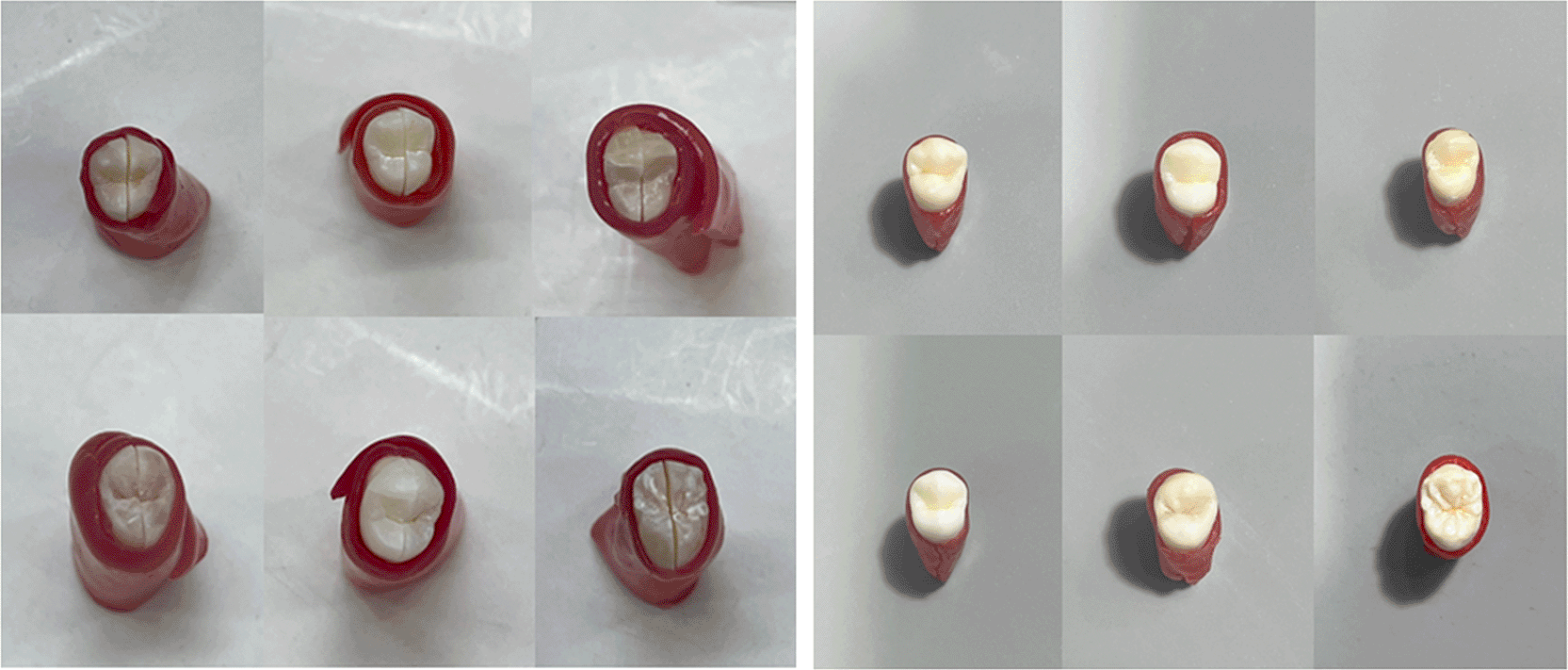
Mesial section was used as the experimental specimen and the distal as the control.
All specimens were first dried and treated with 5% NaF varnish (VOCO®, Germany). A distinction was then made between the groups: the experimental specimens were laser irradiated, while the control specimens were not. Sodium fluoride varnish (5% NaF varnish (VOCO, Germany, Product Code: [190/10]) was applied to the mesial section of the tooth with a carbon dioxide laser with a wavelength of 10600 nm (power 1 W – pulse duration 15 ms) while the control sample was in the distal section and sodium fluoride varnish alone was applied ( Figure 2).
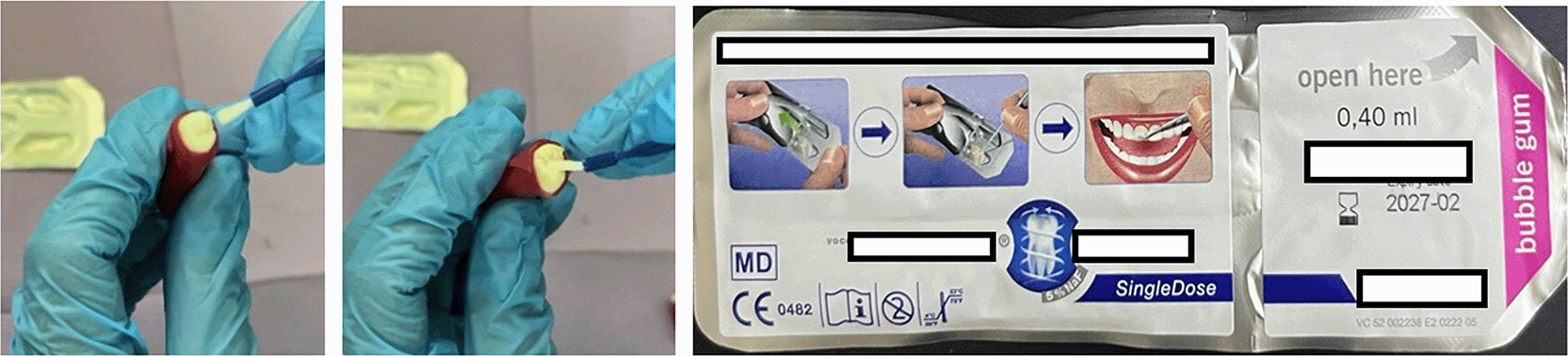
Table 1: lists earlier research that used CO2 laser irradiation with comparable settings. so that the parameters used in this investigation may be compared to those documented in the literature. With many research concentrating on 2 W power output, it is clear that the power parameter (1 W) employed in this study fits within the range documented in earlier investigations (0.4–10 W). The wavelength that is most frequently used in research assessing how CO2 lasers affect dental hard tissues is 10,600 nm.
| Authors | Year | Journal | Wavelength | Power |
|---|---|---|---|---|
| Chin-Ying SH, Xiaoli G, Jisheng P, Wefel JS. | 2004 | Journal of Dentistry | 10600 nm (model LX-20, Luxar Corp., Bothell, WA, USA) | 2 W - 4 W |
| Tepper SA, Zehnder M, Pajarola GF, Schmidlin PR. | 2004 | Journal of Dentistry | 10600 nm (Sharplan 15F, Lumenis Inc., Santa Clara, CA, USA). | 2 W |
| Steiner-Oliveira C, Rodrigues LK, Soares LE, Martin AA, Zezell DM, Nobre-dos-Santos M. | 2006 | Dental Materials Journal | 10600 nm (Model UM L30, Union Medical Engineering Co., Yangju-si, Gyeonggi-Do, Korea) | 2 W, 4 W, 6 W, 8 W, and 10 W |
| Souza-Gabriel AE, Colucci V, Turssi CP, Serra MC, Corona SA. | 2010 | Microscopy Research and Technique | 10600 nm | 2 W |
| Lepri TP, Colucci V, Turssi CP, Corona SA. | 2013 | Lasers in Medical Science | 10600 nm (Opus 20; Opus Dent, Tel Aviv, Israel) | 2 W |
| Bahrololoomi Z, Fotuhi Ardakani F, Sorouri M. | 2015 | Journal of Dentistry | 10600 nm (Daeshin Enterprise Corp., Seoul, South Korea) | 1 W |
| Soltanimehr E, Bahrampour E, Yousefvand Z. | 2019 | BMC Oral Health. | 10600 nm (Lasersat 15tm, Satelec, Merignac, France) | 2 W |
| Dehghan H, Mojarad F, Serajzadeh M, Fekrazad R. | 2020 | Oral Health & Preventive Dentistry | 10600 nm (Smart US 20D, Deka: Florence, Italy) | 2 W |
| Zhao IS, Xue VW, Yin IX, Niu JY, Lo ECM, Chu CH. | 2021 | ScienceDirect | 9300 nm (Model DL-500; Access Laser Co, Everett, WA, USA) | 0.67 W |
| Eissa NM, Elshourbagy EM, Gomaa NE. | 2022 | Heliyon Journal | 10600 nm (DEKALaser Technologies, Florence, Italy) | 0.4 W |
The varnish was applied using a small brush according to the manufacturer’s instructions by applying a thin layer over the entire occlusal surface of the tooth.
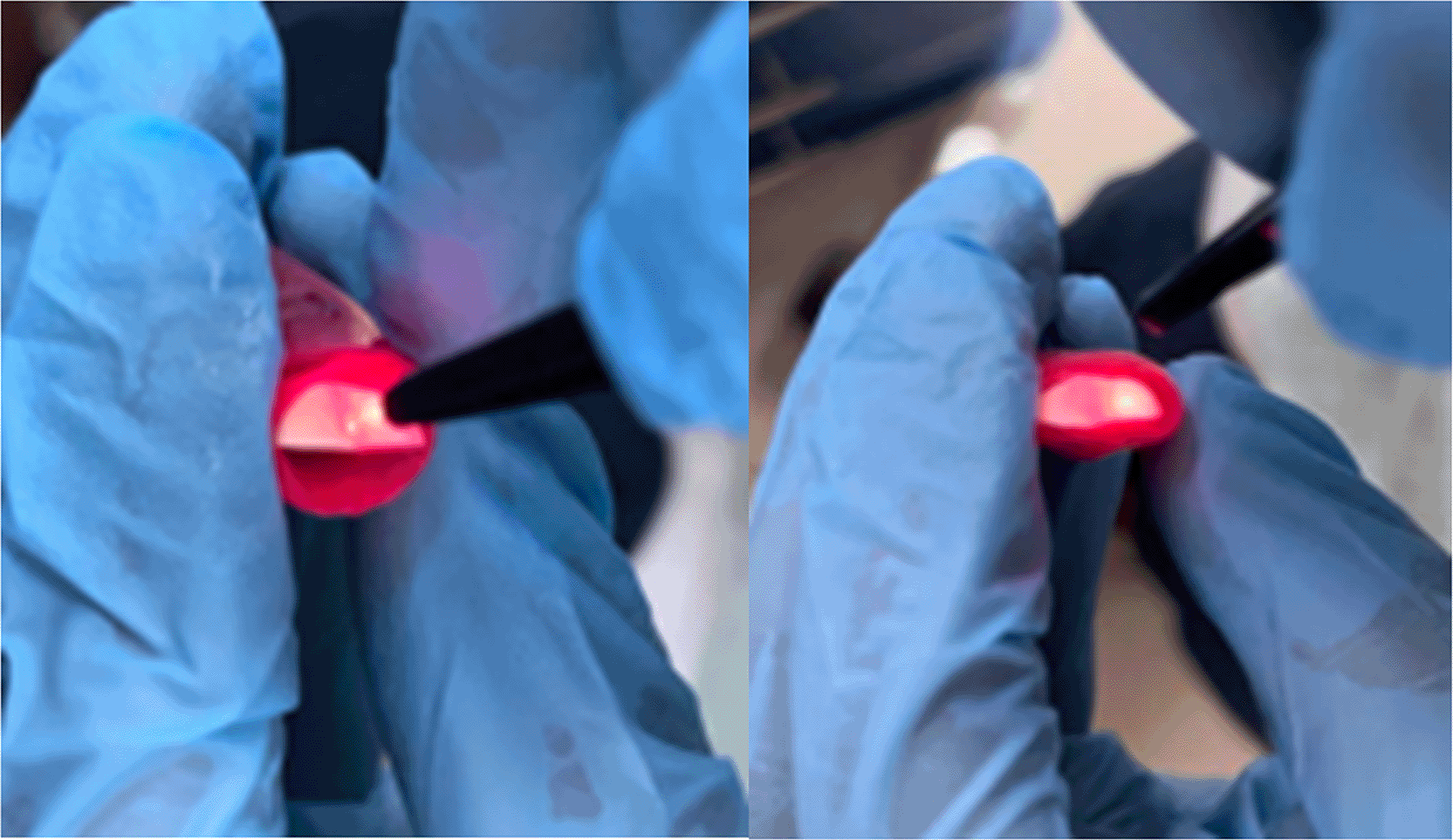
The sample in the mesial section was exposed to CO2 laser radiation (10600 nm wavelength, 1 W power, pulsed mode, 15 ms pulse duration) with a wavelength of 10600 nm and a power of 1 W for 15 seconds with a pulsed mode and a pulse duration of 15 ms11 at a distance of 1 cm. Irradiation was performed in a continuous scanning motion that allowed the entire surface to be irradiated and we re-preserved it with distilled water ( Figure 3).
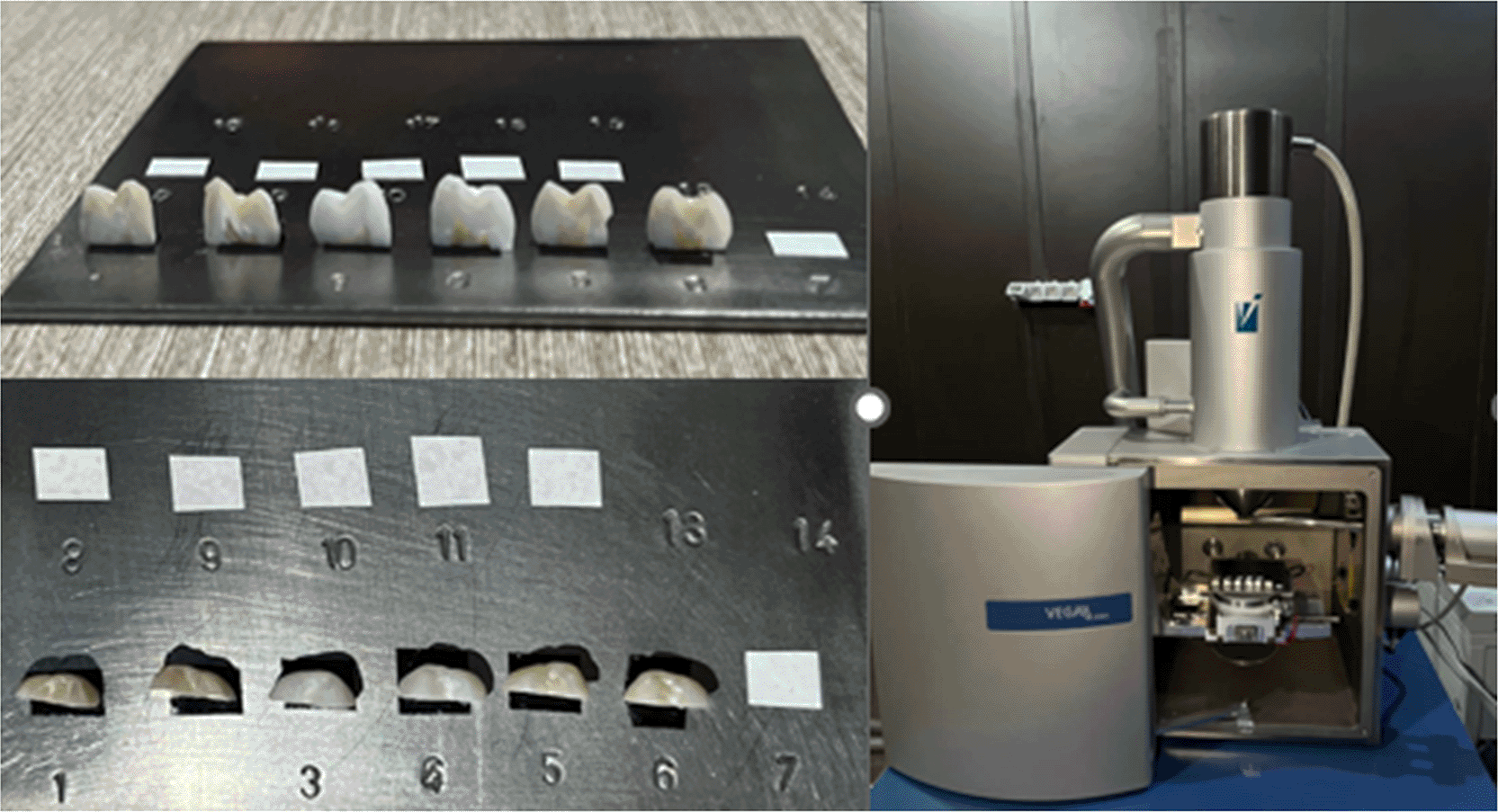
The test of the effect of the laser on the varnish was by means of a SEM (scanning electron microscope) (T-Scan company VEGA II XMU, Czech Republic). The amount of fluoride, calcium, phosphorus and carbon remaining on the two samples was tested using spectral analysis of EDX (Energy-dispersive X-ray spectroscopy, Oxford Instruments, UK) of the scanning electron microscope located in the Atomic Energy Commission ( Figure 4). The sample was analyzed by SEM to observe the topographic properties of the enamel surface after different treatments and SEM images of the central region of the samples were taken using different reagents with two different detectors SE (Secondary Electrons Detector) and BSE (Backscattered Electrons Detector). EDX analysis can provide information on the chemical composition/distribution of elements over a non-destructively large surface area.12 The response variable was mainly a change in fluoride concentration and a change in the concentration of carbonate, calcium and phosphorus that make up hydroxyapatite, which was analyzed by EDX.
This in vitro study utilized extracted human teeth collected from patients who underwent orthodontic treatment. This study was from 24/8/2025 to 27/9/2025 The study protocol was reviewed and approved by the Institutional Review Board (IRB) of College of Dentistry, University of Damascus On August 21, 2025 under reference number (DN-210-125-3-9-1/21/8/2025) “Not applicable as the study used discarded biological material”]. All participants (or their guardians) provided written informed consent for the use of their extracted teeth for research purposes, in accordance with the principles of the Declaration of Helsinki. Patient identifiers were removed to ensure confidentiality.
The results were evaluated according to the surface shape in electron microscope images and according to the concentration of fluoride, calcium, phosphorus and carbon.
In this study, SEM images showed that CO2 laser irradiation fuses the surface, creating a smooth, recrystallized side. Fusion between enamel surface crystals was also observed after carbon dioxide laser treatment ( Figure 5,6).
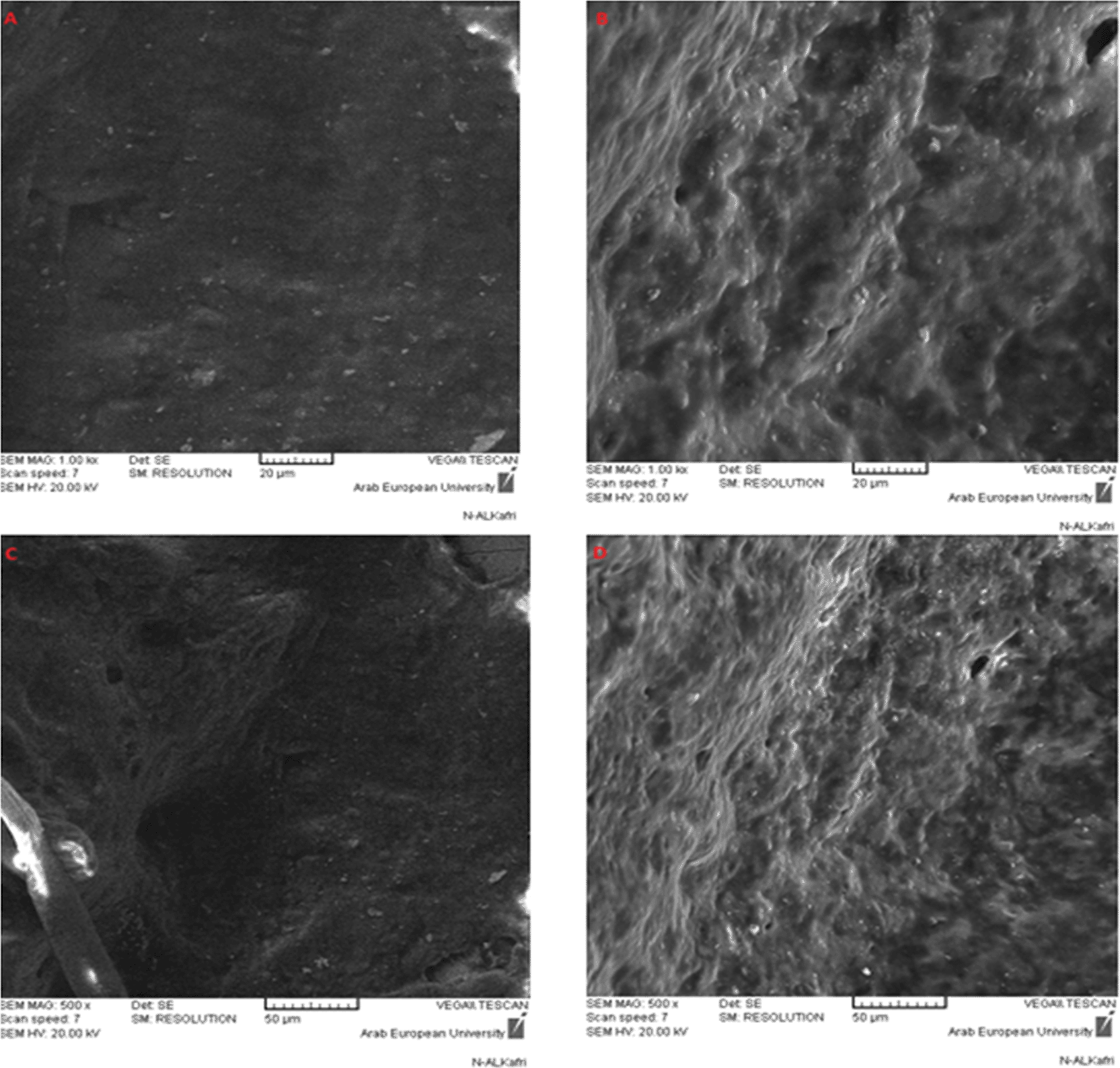
B: Image of the distal section (fluoride only) with SE detector, x1000 magnification and 20 kV acceleration voltage. C: Image of the mesial section (fluoride + laser) with SE detector, x500 magnification and 20 kV acceleration voltage. D: Image of the distal section (fluoride only) with SE detector, x500 magnification and 20 kV acceleration voltage.
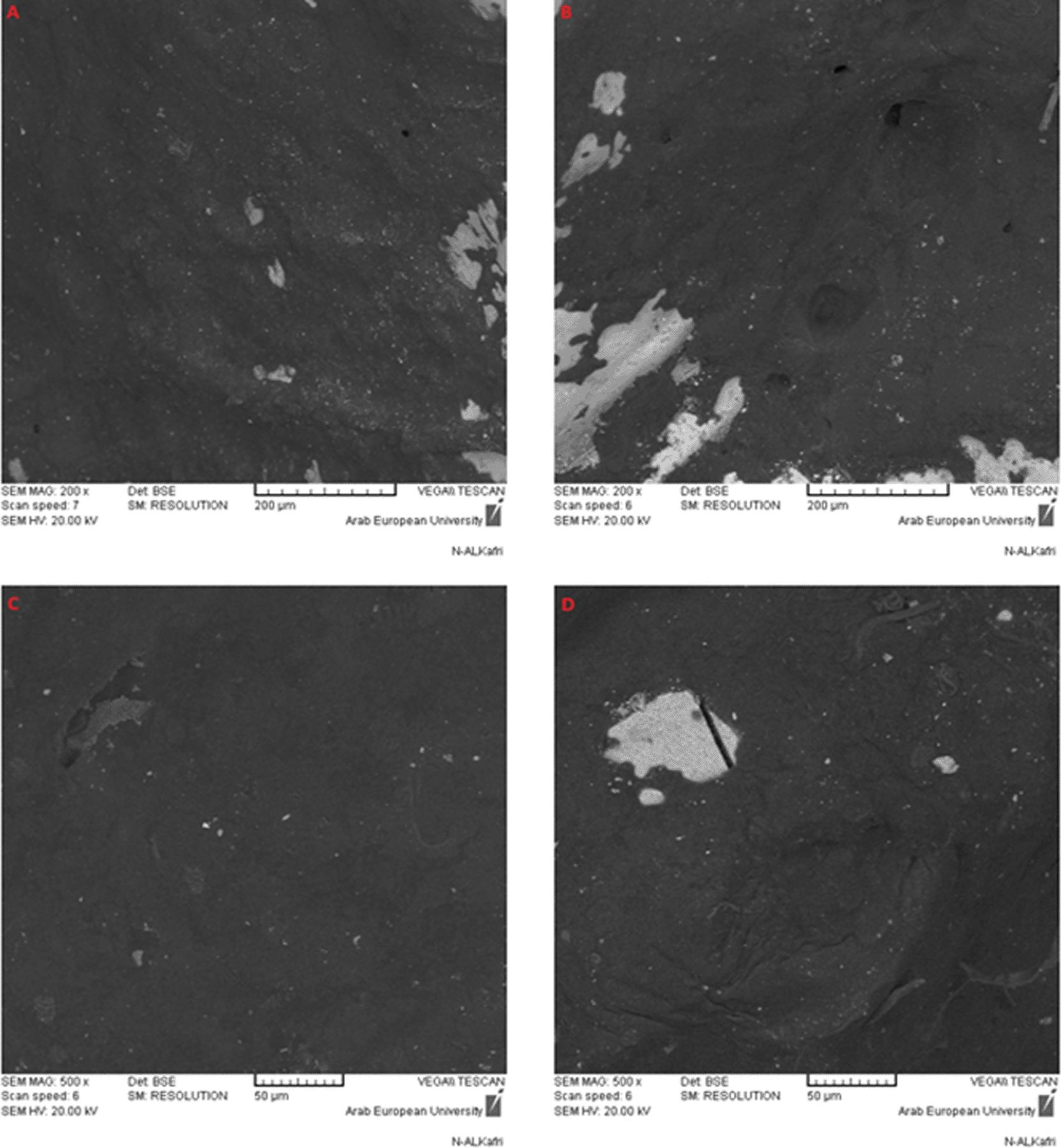
B: Image of the lateral section (fluoride only) with a BSE detector, x200 magnification, and 20 kV acceleration voltage. C: Image of the medial section (fluoride + laser) with BSE detector, x500 magnification and 20 kV acceleration voltage. D: Image of the lateral section (fluoride only) with BSE detector, x500 magnification and 20 kV acceleration voltage.
Comparing the apparent differences in the mean of the measured items between the two groups ( Table 2) and the descriptive statistics for fluoride, calcium, phosphorus, and carbon ratios in both study groups ( Table 3,4,5,6).
| Fluoride | Fluoride group | Fluoride + CO2 laser group |
|---|---|---|
| Mean | 0.4 | 1.7 |
| Std. Deviation | 0.3 | 1.4 |
| Median | 0.2 | 1.4 |
| Minimum | 0.1 | 0.2 |
| Maximum | 1.0 | 4.3 |
| Calcium | Fluoride group | Fluoride + CO2 laser group |
|---|---|---|
| Mean | 1.62 | 3.72 |
| Std. Deviation | 1.56 | 6.28 |
| Median | 1.10 | 1.28 |
| Minimum | 0.50 | 0.60 |
| Maximum | 4.65 | 16.50 |
| Phosphorus | Fluoride group | Fluoride + CO2 laser group |
|---|---|---|
| Mean | 0.99 | 0.65 |
| Std. Deviation | 1.13 | 0.92 |
| Median | 0.39 | 0.35 |
| Minimum | 0.11 | 0.00 |
| Maximum | 2.44 | 2.50 |
| Carbon | Fluoride group | Fluoride + CO2 laser group |
|---|---|---|
| Mean | 72.89 | 67.29 |
| Std. Deviation | 8.97 | 7.42 |
| Median | 74.24 | 68.75 |
| Minimum | 57.13 | 57.80 |
| Maximum | 84.12 | 77.56 |
The results of the Mann-Whitney U test showed a significant statistical difference in fluoride ratios between the two groups (P value = 0.026) smaller than 0.05, indicating the effectiveness of using CO2 lasers in enhancing fluoride absorption within the tooth structure. In contrast, the remaining elements (calcium, phosphorus, carbon) did not show significant differences, although there were apparent changes in the arithmetic mean, in the rest of the descriptive statistics measures, and in the ranks of the averages ( Table 7).
This study evaluated the efficacy of a CO2 laser for enhancing fluoride uptake in dental enamel. The combined application of a CO2 laser with fluoride varnishes or gels, which can quadruple fluoride absorption, may significantly improve caries prevention. This synergistic effect could potentially reduce the required fluoride dosage and frequency of clinical applications. The mechanism is attributed to an increased formation of fluorapatite within the enamel, thereby elevating its resistance to acid demineralization.13
In order to obtain a protective effect, a laser was used to raise the temperature of the tooth enamel to the melting point of its inorganic components or to the decomposition point of its organic components. On the other hand, non-thermal laser radiation was used after tooth fluoridation to achieve a slow fluoride release effect. This type of reaction is called laser-activated fluoride treatment.11
Carbon dioxide laser irradiation of tooth enamel, within certain parameters, results in a specific temperature increase above the irreversible pulpitis threshold of 5.5 °C,14 which changes the chemical composition of the tooth enamel surface and the morphological structure15 and the increase may lead to permanent damage to the tooth pulp.
Excessive temperature elevation during laser application poses a risk of injury to the dental pulp. A study addressing this risk compared the thermal effects of two laser systems: a CO2 laser (at 1 and 2 W) and a diode laser (at 5 and 7 W). The results indicated that the mean temperature rise remained below the 5.5 °C critical threshold for pulp damage. Based on this evidence, the authors determined that both lasers could be used safely without compromising pulp health.16
The absorption depth of port and ivory is 12 μm, compared to the absorption depth of water of 15 μm.17
The absorption effects of tooth enamel and dentin at these depths depend on how the laser energy affects them and the laser energy depends on laser parameters such as power, mode of operation (continuous or pulsed wave mode), flow (energy density) and dose.
The continuous wave mode resulted in carbonization, dissolution and cracking of the enamel and the development of the pulse mode allowed variations by frequency and pulse duration in milliseconds (ms) and microseconds (μs). This improved the thermal control of the laser in tissue. The dose depends on the radiation method: spot radiation or sweeping motion, the number of repeated radiations.9
Several hypotheses have been advanced to explain the mechanisms by which combined laser and fluoride treatment enhances resistance to enamel demineralization. A principal theory posits that laser irradiation creates micro-spaces within the enamel structure, which subsequently serve to retain fluoride ions more effectively. These structural alterations are also believed to contribute directly to reducing enamel solubility. The observed morphological changes on the enamel surface following the sequential application of topical fluoride and CO2 laser irradiation provide a rationale for the superior protective effect compared to fluoride treatment alone. This synergistic effect is further attributed to the laser-induced conversion of hydroxyapatite to the more acid-resistant fluorapatite, a process accompanied by the melting and recrystallization of hydroxyapatite crystals.18
The results of previous studies showed that treating the surface of tooth enamel using a carbon dioxide laser reduces demineralization of tooth enamel compared to the control group. Studies have shown that wavelengths from 9 to 11 micrometers of CO2 lasers are effectively absorbed by dental hydroxyapatite, causing loss of carbonate mineral, which in turn reduces acid reactivity.19,20
The integration of lasers in preventive dentistry reflects a modern paradigm shift within the field, moving away from a traditional focus on restorative treatment and toward a philosophy of disease prevention. This approach is consistent with the recommendations of major professional bodies and is part of a wider scientific consensus advocating for less invasive caries management strategies,21 Which aims to preserve tissues to the maximum extent, and in this new approach, prevention has acquired an important role that it has not played before in the past.11
All experiments combining CO2 and fluoride laser radiation have shown better results in preventing tooth caries when compared to a single treatment. Therefore, this ‘combination therapy’ may be clinically effective, and at the same time, it may only involve moderate daily doses of fluoride and low levels of laser radiation energy, which is consistent with our current study.
• Irradiation of tooth enamel at specific wavelengths and CO2 laser energy densities alters hydroxyapatite crystals, making the surface more resistant.
• Laser therapy can be an alternative or synergistic to topical fluoridation to prevent tooth enamel caries with a longer-lasting effect.
• When a carbon dioxide laser is combined with fluoride, it is possible to reduce the laser energy density and reduce the number of times fluoride is applied.
• If this CO2 laser technology becomes available at an affordable cost and the results can be applied in clinical practice, there will be a promising future for this laser in preventing tooth caries.
| Views | Downloads | |
|---|---|---|
| F1000Research | - | - |
|
PubMed Central
Data from PMC are received and updated monthly.
|
- | - |
Provide sufficient details of any financial or non-financial competing interests to enable users to assess whether your comments might lead a reasonable person to question your impartiality. Consider the following examples, but note that this is not an exhaustive list:
Sign up for content alerts and receive a weekly or monthly email with all newly published articles
Already registered? Sign in
The email address should be the one you originally registered with F1000.
You registered with F1000 via Google, so we cannot reset your password.
To sign in, please click here.
If you still need help with your Google account password, please click here.
You registered with F1000 via Facebook, so we cannot reset your password.
To sign in, please click here.
If you still need help with your Facebook account password, please click here.
If your email address is registered with us, we will email you instructions to reset your password.
If you think you should have received this email but it has not arrived, please check your spam filters and/or contact for further assistance.

Comments on this article Comments (0)