Keywords
Physiotherapy, Laparoscopic surgery, Rehabilitation, Postoperative pulmonary complications.

Physiotherapy, Laparoscopic surgery, Rehabilitation, Postoperative pulmonary complications.
Laparoscopic surgery (LS) is a minimally invasive surgical procedure that has been used since the 1980s to reduce trauma to the abdominal wall.1 There has been a shift in the last three decades towards using LS for certain major procedures (e.g. bowel, liver, stomach, oesophagus, and kidney resections). LS has been associated with a lower incidence of postoperative pulmonary complications (PPCs) and length of stay (LOS) compared to open surgery due to lower pain around the incision site enabling more engagement of the respiratory muscles.2 PPCs can be defined as “a pulmonary abnormality that produces identifiable disease or dysfunction that is clinically significant and adversely affects the clinical course”.3 The risk reduction caused by LS is particularly evident when combined with advances in perioperative care, such as Enhanced recovery after surgery (ERAS) emphasising early mobilisation post-operatively.1,4 There has also been conflicting evidence concerning the benefits of LS compared to open surgery.
A recent meta-analysis found a very weak advantage in favour of laparoscopic surgery over open surgery on the quality of life of patients with colorectal cancer.5 However, this review was limited by heterogeneity and the poor methodological rigour of the studies included indicating a need for further investigation in this area. It has been well established that general anaesthesia administered during surgery and Trendelenburg bed positioning decreases functional residual capacity (FRC), forced vital capacity (FVC), and forced expiratory volume after 1 s (FEV1) promoting atelectasis.6 This is even more pertinent in LS as it is associated with a comparable duration to open surgeries.7 Furthermore, increased intraabdominal pressure, due to the use of carbon dioxide to create a pneumoperitoneum during LS, leads to cephalad movement of the diaphragm and compression of the basal segments of the lungs contributing further to atelectasis in this patient population.8,9 The research examining PPC prevention in this patient population is scarce and further trials are warranted to determine the effectiveness of physiotherapy as a preventative measure against PPCs.
Although PPCs are common following abdominal surgery, variation in diagnostic definitions has led to inconsistency across the literature and makes comparison between studies difficult.10 Previous work has reported incidence rates ranging from 12% to 70%,11 depending on patient characteristics, surgical factors, and the criteria used to define a PPC. The use of more standardised tools, such as the Melbourne Group Score, has helped to improve consistency in some studies, although incidence remains influenced by both patient-related and procedure-related factors, including age, comorbidities, smoking status, incision location, duration of surgery, and whether the procedure is elective or emergency.11–13
PPCs are correlated with increased morbidity due to increased LOS in hospital, readmission, and re-intubation.13,14 This increased LOS poses a significant economic burden on the National Health Service (NHS) in the UK and healthcare systems globally as it has been associated with increased healthcare costs.12 Therefore, physiotherapy aimed at the prevention and/or treatment of PPCs plays a key role in this healthcare dilemma.
Preoperative physiotherapy, often described as prehabilitation, aims to improve postoperative recovery by enhancing functional capacity before surgery. In the wider abdominal surgery literature, prehabilitation commonly includes exercise training and may also incorporate education, nutritional optimisation, and psychological support.15 Previous reviews in major abdominal surgery have reported mixed findings regarding its effect on PPCs, with some suggesting no significant reduction and others reporting lower pulmonary morbidity.16,17 However, these reviews included mixed abdominal surgical populations and did not isolate patients undergoing laparoscopic procedures. It therefore remains unclear whether the same findings apply specifically to laparoscopic abdominal surgery.
Prehabilitation has become a routine practice during the preparatory phase of various surgical procedures. The evidence, although positive, is hampered by studies of low methodological quality and reporting bias due to the heterogeneity of intervention protocols.18 A small survey (N = 19) of current practice among physiotherapists in New Zealand showed that prehabilitation or preoperative assessment was rarely provided to patients.2 Another survey of 57 Australian physiotherapists found that the majority provided early mobilisation in addition to “routine chest physiotherapy” on day one following upper abdominal surgery however these surveys may not reflect practice worldwide.19 This survey also identified pain, blood pressure, patient readiness, and fatigue as considerable barriers to postoperative physiotherapy intervention.
A qualitative study explored the patient’s experience of early mobilisation 2 hours after abdominal surgery.20 Patients described their perceived benefits of being able to breathe more easily and a feeling of mental clarity when being able to perform everyday tasks whilst in the hospital. The study also found that being provided with individualised information before the procedure enabled them to gain some control over their recovery. Furthermore, if some patients are balancing their rehabilitation with a cancer diagnosis this makes it difficult to follow instructions given by caregivers.
The main objective of postoperative physiotherapy is to increase lung volume, optimise ventilation, facilitate airway clearance, and improve the efficiency of cough. Common interventions include deep breathing exercises, incentive spirometry, early mobilisation, airway clearance techniques, and supported coughing. However, the effectiveness of these approaches remains uncertain. Previous reviews in broader abdominal surgery populations have reported limited or inconsistent evidence for postoperative breathing interventions and incentive spirometry, while some studies have suggested possible benefits of early mobilisation on recovery outcomes such as length of stay.21–23 Because most of this evidence is derived from mixed or predominantly open surgical populations, its relevance to laparoscopic abdominal surgery remains uncertain.
Many systematic reviews evaluating physiotherapy for abdominal surgery have combined open and laparoscopic procedures, which limits interpretation because these surgical approaches differ in tissue trauma, postoperative pain, respiratory compromise, and recovery trajectory. In addition, the available literature is characterised by methodological limitations, risk of bias, and marked heterogeneity in intervention protocols and outcome measures. As perioperative surgical care and physiotherapy practice have evolved, an updated review focused specifically on laparoscopic abdominal surgery is warranted.13 Therefore, the primary aim of this systematic review was to evaluate the effectiveness of preoperative, perioperative, and postoperative physiotherapy interventions on postoperative pulmonary complications and pulmonary function in adults undergoing laparoscopic abdominal surgery. A secondary aim was to examine the timing, duration, and type of intervention used across studies and to identify areas requiring further research.
This systematic review was conducted in accordance with the Preferred Reporting Items for Systematic Reviews and Meta-Analyses (PRISMA 2020) statement.24 The review protocol was registered prospectively on PROSPERO (registration ID: 529588). Electronic searches were conducted in AMED, MEDLINE, and CINAHL via EBSCOhost, as well as Web of Science and Scopus. The search period covered January 2009 to December 2025. This broader time frame was selected following preliminary scoping, which indicated that restricting the search to the most recent 10 years yielded too few eligible studies.
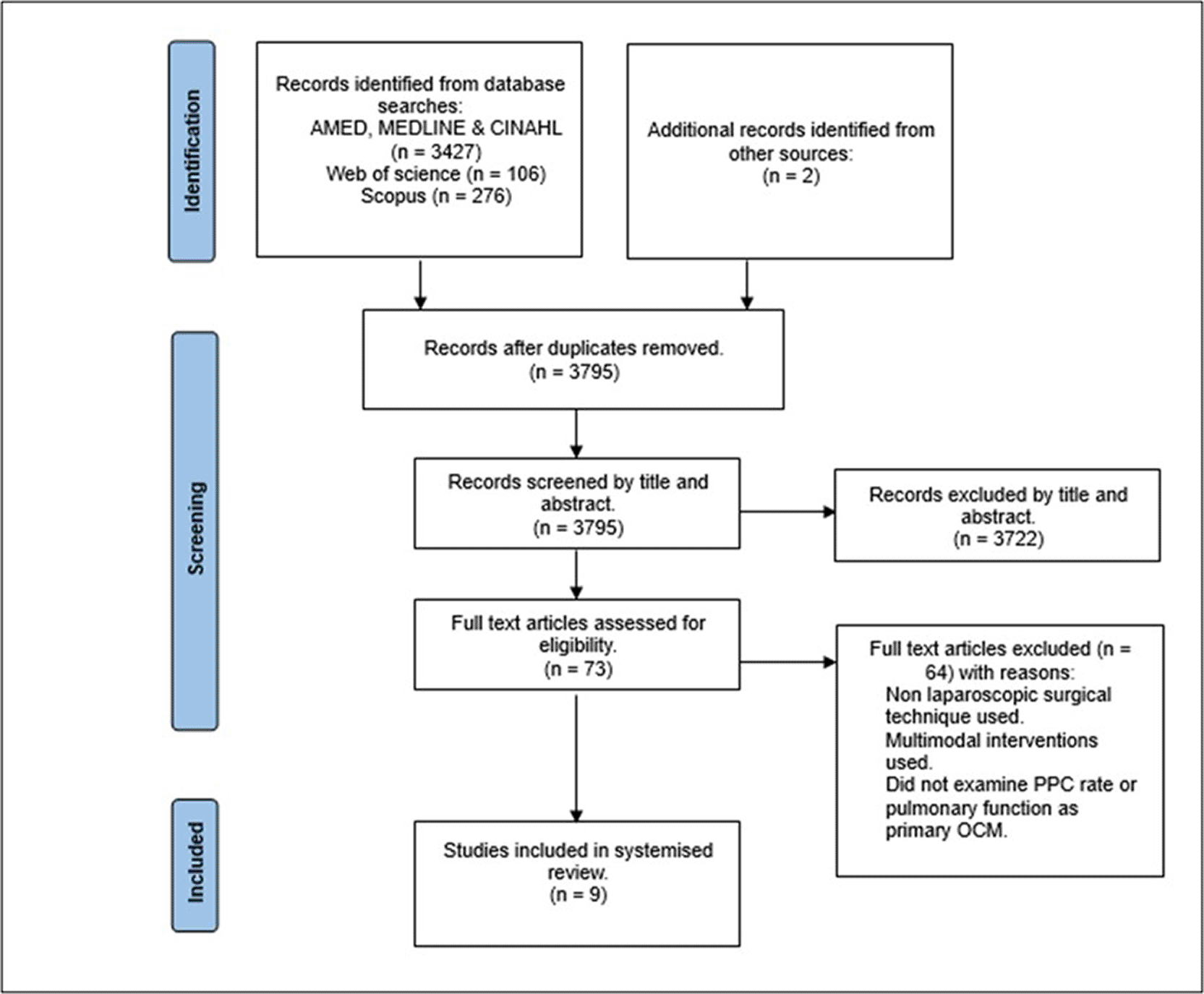
Search results were exported to Microsoft Excel for deduplication and screening. Titles and abstracts were screened first, followed by full-text assessment of potentially eligible studies using a predefined screening form. Reference lists of included studies and relevant systematic reviews were also hand-searched to identify any additional eligible records. Two reviewers conducted the search, deduplication, screening, and data extraction processes. Any uncertainties regarding eligibility were discussed with the other authors. The full search strategy is presented in Appendix A, and the full-text screening template is presented in Appendix B. The study selection process is shown in the PRISMA flow diagram in Figure 1.
RCTs that compared prehabilitation, postoperative physiotherapy and perioperative interventions to standard care or no treatment were included. Only RCTs on adults (18 years or older) undergoing laparoscopic surgery were included in the review. The primary outcomes of the review were the rate of PPCs and parameters assessing pulmonary function, while the secondary outcomes were arterial blood gases (ABGs), LOS, six-minute walk distance (6MWD) and hospitalisation costs.
Studies were eligible for inclusion if they met the following criteria:
1. Participants were adults aged 18 years or older undergoing laparoscopic abdominal surgery.
2. The study design was a randomised controlled trial, including pilot or cluster randomised controlled trials.
3. The intervention consisted primarily of a physiotherapy intervention delivered in the preoperative, perioperative, or postoperative period.
4. The comparator was standard care, usual care, or no treatment.
5. The study reported at least one of the primary outcomes of interest, namely postoperative pulmonary complications or pulmonary function parameters.
6. Secondary outcomes of interest included arterial blood gases, length of stay, functional exercise capacity, and hospitalisation costs.
7. Full-text articles were available in English.
Studies were excluded if participants underwent thoracic or cardiac surgery, if the surgical approach was non-laparoscopic, or if the intervention was not principally physiotherapy based. Multimodal programmes were excluded where the specific contribution of physiotherapy could not be distinguished from other components. Reviews, case reports, and studies without accessible full text were also excluded.
Data extraction was performed using a structured electronic table (See Appendix). The extracted data included author, year of publication, study design, sample size, participant characteristics, surgery type, intervention and comparator details, intervention duration, follow-up time points, and reported outcomes. Primary outcomes were postoperative pulmonary complications and pulmonary function measures. Secondary outcomes were arterial blood gases, length of stay, six-minute walk distance, and hospitalisation costs. Where available, group means, standard deviations, and between-group comparisons were extracted. Data extraction was undertaken by one reviewer, with uncertainties discussed with the other authors.
A narrative synthesis was undertaken because of substantial heterogeneity across studies in surgical populations, intervention type, intervention timing and duration, comparator conditions, and outcome definitions. Summary tables were used to present study characteristics and reported outcomes (see appendix). Findings were synthesised according to intervention timing, namely preoperative, perioperative, and postoperative physiotherapy interventions, and were interpreted with consideration of methodological quality and risk of bias.
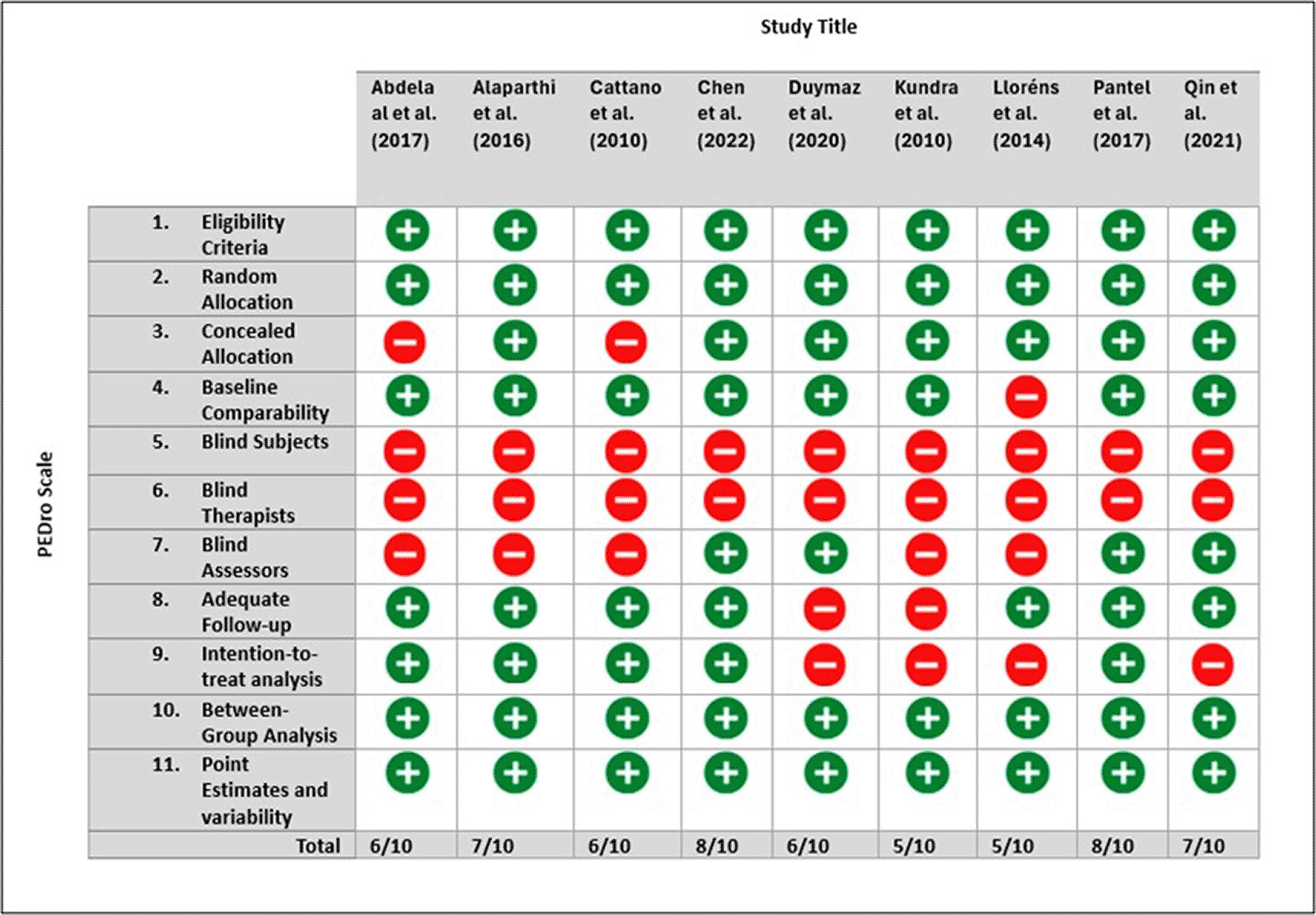
Methodological quality was assessed using the Physiotherapy Evidence Database (PEDro) scale, which is based on the Delphi list.25 Each trial was scored from 0 to 10, with higher scores indicating better methodological quality. In line with previous interpretations, scores below 4 were considered poor, scores of 4 to 5 fair, scores of 6 to 8 good, and scores of 9 to 10 excellent.26 The PEDro assessment was used to support interpretation of study quality rather than as a sole determinant of study value. A summary of the PEDro assessment is presented in Figure 2.
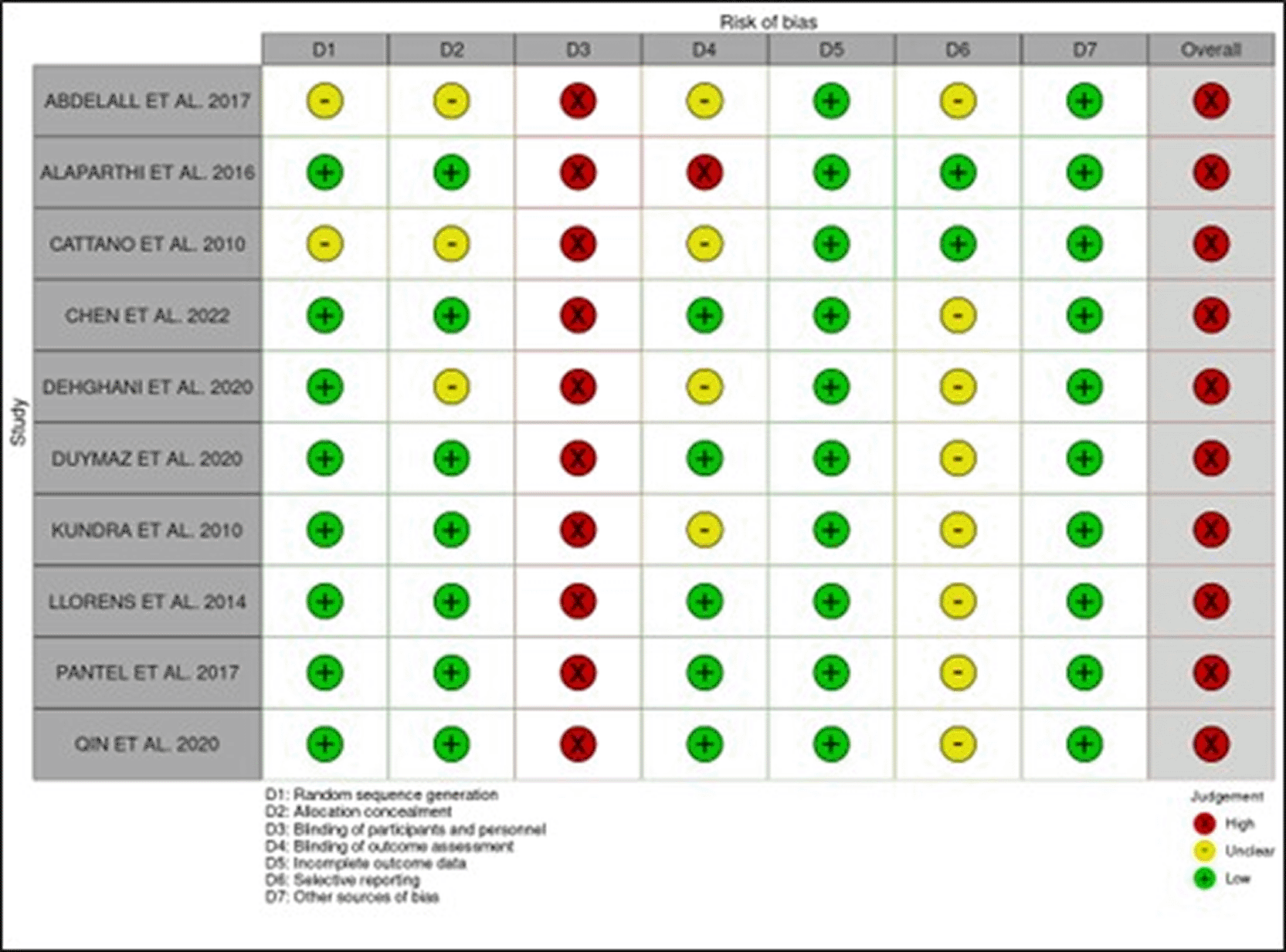
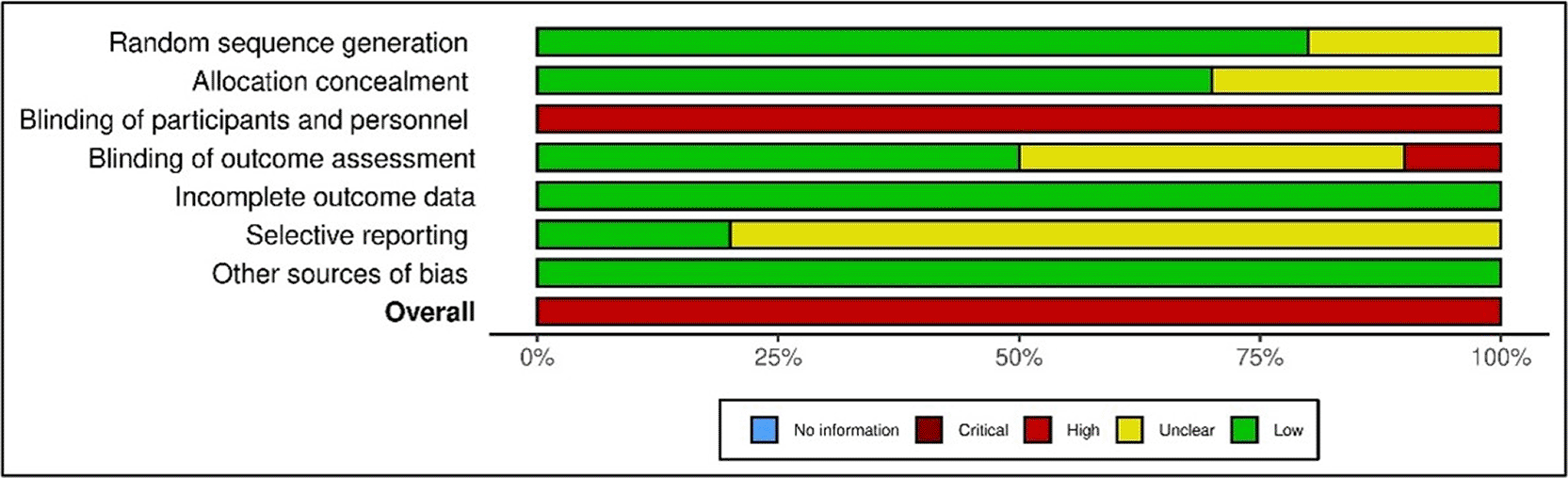
Risk of bias was assessed using the Cochrane Risk of Bias tool for randomised controlled trials.27 The following domains were evaluated: random sequence generation, allocation concealment, blinding of participants and personnel, blinding of outcome assessment, incomplete outcome data, selective outcome reporting, and other potential sources of bias. Each domain was rated as low, high, or unclear risk of bias. Overall judgements were then made for each study based on the ratings across domains. The traffic light plot is presented in Figure 3, and the summary plot is presented in Figure 4.
A total of 3811 records were identified through database searching, with an additional two records identified through citation searching. After removal of 14 duplicates, 3795 titles and abstracts were screened. Seventy-three full-text articles were assessed for eligibility, of which nine randomised controlled trials met the inclusion criteria and were included in the review. Although the search period extended to December 2025, the included studies were published between 2010 and 2022. The study selection process is presented in Figure 1. The characteristics of the included studies are summarised in Table 1.
A total of 1321 patients undergoing LS participated in the 9 studies included in the review. The populations of the studies included 552 males and 719 females. One study did not report the sex of participants.28 The mean age of participants ranged from 38–69.7 years. 82% of participants in one study had a body mass index (BMI) of between 30–40 kg/m2 whilst 18% of participants had a BMI of >40 kg/m2.29 The mean BMI ranged from 21.45–48.6 kg/m2 in 7 studies and one study did not report on BMI.28 The surgical procedures included were as follows Colorectal Surgery (n = 506), Bariatric surgery (n = 467), Cholecystectomy (n = 224), Hernia Surgery (n = 68), Appendectomy: (n = 43), Laparoscopic diagnostic (n = 8) and Splenectomy (n = 5). The baseline characteristics of patients were comparable and there were no statistically significant differences between groups apart from a study in which the BMI of the control group was significantly higher than the intervention group.30 Baseline participant and surgical characteristics are presented in Table 2.
The studies included examined the effects of either preoperative,28–31 postoperative32–34 or perioperative35,36 physiotherapy interventions. Interventions used within these studies consisted of preoperative exercise interventions, incentive spirometry, early mobilisation, postural drainage, inspiratory muscle training, breathing and coughing exercises (see Table 2). The duration of preoperative interventions ranged from 5–30 days before surgery whilst the postoperative interventions ranged from 3–4 days, however, it was unclear how long the intervention was performed in one trial.34 The duration of studies with perioperative interventions ranged from 9–90 days. The controls in only one trial received no treatment.32 In three trials the control groups received standard care.30,35,36 The controls in the remaining trials received IS in addition to standard care,34 mobilisation only,33 postoperative physiotherapy only29 and postoperative incentive spirometry only.28,31
Primary outcome findings are summarised in Table 3.
| Outcome | Intervention group(s) | Control group | P-value |
|---|---|---|---|
| Abdelaal et al. (2017) | |||
| PPC rate | |||
| Number of participants with PPCs at Day 5 (% of the group) | 7 (26.92%) | 15 (62.5%) | p = 0.034 |
| PFTs | |||
| SVC, litres, Mean ± SD | 3.48 ± 0.34 | 3.05 ± 0.43 | p ≤ .001* |
| IC, litres, Mean ± SD | 3.11 ± 0.32 | 2.14 ± 0.49 | p ≤ .001* |
| MIP, mmHg, Mean ± SD | 3.24 ± 0.33 | 2.28 ± 0.50 | p ≤ .001* |
| MEP, mmHg, Mean ± SD | 3.51 ± 0.34 | 3.93 ± 0.37 | p ≤ .001* |
| Alaparthi et al. (2016) | |||
| PFTs | |||
| FVC, litres, mean (% change from preoperative to day 2 postoperatively) | DBE: 0.28 (9.8%) | 0.49 (19.5%) | P = 0.03* |
| FIS: 0.37 (14.7%) | P = 0.66 | ||
| VIS: 0.28 (11.1%) | P = 0.03* | ||
| FEV1, litres, mean (% change from preoperative to day 2 postoperatively) | DBE: 0.32 (13.7%) | 0.43 (21.1%) | P = 0.85 |
| FIS: 0.31 (15.3%) | P = 0.75 | ||
| VIS: 0.25 (12.2%) | P = 0.12 | ||
| PEFR, litres/sec, mean (% change from preoperative to day 2 postoperatively) | DBE: 1.04 (17.9%) | 1.25 (24.4%) | P = 1.00 |
| FIS: 1.17 (22.4%) | P = 1.00 | ||
| VIS: 1.02 (18.5%) | P = 1.00 | ||
| Cattano et al. (2010) | |||
| PPC rate | |||
| Number of participants with PPCs | 0 | 0 | NR |
| Pulmonary function test(s) | |||
| Preoperative Inspiratory Capacity, cc, Mean ± SD | 2155 ± 650.08 | 2171.43 ± 762.98 | p ≤ 0.941 |
| Postoperative Day 1 Inspiratory Capacity, cc, Mean ± SD | 1458.33 ± 613.87 | 1557.90 ± 814.67 | p ≤ 0.935 |
| Chen et al. (2022) | |||
| PPC rate | |||
| Number of participants with PPCs (% of the group) | 17 (12.88%) | 43 (32.58%) | p ≤ 0.001* |
| Duymaz et al. (2020) | |||
| Pulmonary Function Tests | |||
| VC, Day of discharge, mL, Mean ± SD | 3.90 ± 1.22 | 2.74 ± 0.63 | p = 0.015* |
| ERV, Day of discharge, mL, Mean ± SD | 0.79 ± 0.69 | 0.43 ± 0.33 | p = 0.421 |
| IRV, Day of discharge, mL, Mean ± SD | 2.42 ± 0.82 | 1.80 ± 0.72 | p = 0.141 |
| TV, Day of discharge, mL, Mean ± SD | 1.21 ± 0.67 | 0.54 ± 0.22 | p = 0.014* |
| FEV1, Day of discharge, mL, Mean ± SD | 2.70 ± 0.87 | 1.97 ± 0.84 | p = 0.069 |
| FEV1/FVC, Day of discharge, mL, Mean ± SD | 88.50 ± 9.51 | 79.80 ± 13.44 | p = 0.034* |
| PEF Day of discharge, litres/Sec, Mean ± SD | 7.38 ± 2.41 | 5.17 ± 1.35 | p = 0.028* |
| FEF25–75, Day of discharge, litres/Sec, Mean ± SD | 3.62 ± 1.10 | 2.99 ± 1.10 | p = 0.290 |
| Kundra et al. (2010) | |||
| PPC rate | |||
| 0 | 0 | NR | |
| Pulmonary Function Tests | |||
| FEV1, litres (% change from baseline Mean ± SD) | |||
| Preop | 2.5 ± 0.6 | 2.1 ± 0.5 | p ≤ 0.05* |
| 6 hrs post-op | 0.9 ± 0.3 | 0.8 ± 0.3 | p > 0.05 |
| 24 hrs post-op | 1.4 ± 0.4 | 1.0 ± 0.3 | p ≤ 0.05* |
| 48 hrs post-op | 1.6 ± 0.5 | 1.1 ± 0.4 | p ≤ 0.05* |
| Discharge | 1.9 ± 0.5 | 1.4 ± 0.4 | p ≤ 0.05* |
| FVC, Litres (% change from baseline Mean ± SD) | |||
| Preop | 2.8 ± 0.6 | 2.4 ± 0.5 | p ≤ 0.05* |
| 6 hrs post-op | 0.9 ± 0.3 | 0.9 ± 0.3 | p > 0.05 |
| 24 hrs post-op | 1.5 ± 0.4 | 1.0 ± 0.3 | p ≤ 0.05* |
| 48 hrs post-op | 1.7 ± 0.5 | 1.3 ± 0.4 | p ≤ 0.05* |
| Discharge | 2.0 ± 0.6 | 1.5 ± 0.4 | p ≤ 0.05* |
| PEFR, litres/sec (Mean % change from baseline ± SD) | |||
| Preop | 5.7 ± 1.6 | 5.2 ± 1.8 | p ≤ 0.05* |
| 6 hrs post-op | 2.1 ± 1.0 | 2.0 ± 1.0 | p > 0.05 |
| 24 hrs post-op | 2.6 ± 1.0 | 2.5 ± 1.1 | p > 0.05 |
| 48 hrs post-op | 3.3 ± 1.2 | 2.8 ± 1.2 | p ≤ 0.05* |
| Discharge | 3.8 ± 1.1 | 3.8 ± 1.4 | p > 0.05 |
| Lloréns et al. (2014) | |||
| PPC Rate | 0 | 0 | NR |
| Pulmonary Function Tests | |||
| FVC, litres, Day 1 Preoperatively | 3.49 ± 0.65 | 3.39 ± 0.98 | p = 0.69 |
| FEV1, litres, Day 1 Preoperatively | 2.95 ± 0.59 | 2.78 ± 0.75 | p = 0.39 |
| MIP, cm H2O, Day 1 Preoperatively | 89.9 ± 19.0 | 77.0 ± 21.2 | p = 0.04* |
| MEP, cm H2O, Day 1 Preoperatively | 96.39 ± 28.6 | 102.8 ± 37.5 | p = 0.52 |
| Pantel et al. (2017) | |||
| PPC rate (% of group) | |||
| 4 (3.6%) | 8 (7.1%) | p = 0.24 | |
| Qin et al. (2021) | |||
| PPC rate (% of group) | |||
| 5 (4.17%) | 14 (11.67%) | p = 0.031* | |
Postoperative pulmonary complications
Seven out of nine studies28–31,34–36 reported on the incidence of PPCs following the intervention period. A definition of PPCs was provided in most trials however there was a lack of definition in two trials.28,30 The mean PPC rate across all studies was 6.91% for the intervention groups and 15.79% for the control groups. One trial examining a preoperative exercise intervention reported a PPC rate of 26.92% in the intervention group and 62.5% in the control group, and this difference was statistically significant (p = 0.034).29 Three trials examining preoperative IS and IMT reported no PPCs across either group.28,30,31 One trial examining a perioperative breathing intervention reported a rate of 12.88% in the IG and 32.58% in the CG which was statistically significant.35 Another trial which examined a perioperative breathing intervention reported a PPC rate of 4.17% in the IG and 11.67% in the CG which was also statistically significant.36 One trial examining a postoperative ambulation intervention to ambulation in addition to IS reported a PPC rate of 3.6% in the IG and 7.1% in the CG which was not statistically significant.34
Pulmonary function parameters
Six out of nine trials reported on pulmonary function parameters.28–33 One trial which examined a preoperative exercise therapy intervention reported highly significant differences in Slow Vital Capacity (SVC), Inspiratory Capacity (IC), Maximum Inspiratory Pressure (MIP), Maximum Expiratory Pressures (MEP) between groups preoperatively and postoperatively on days two and five.29 One trial examining preoperative IS found no statistically significant differences in IC between groups preoperatively or day one postoperatively.31 Conversely, another trial examining preoperative IS reported significantly different values in Forced Expiratory Volume in one second (FEV1) and FVC for the IG compared to the CG preoperatively and at all time intervals postoperatively. There was a similar reduction in Peak Expiratory Flow Rate (PEFR) in both groups except at 48 hrs postoperatively when the reduction was significantly higher in the CG.28 One trial examining preoperative IMT and IS reported higher values of FEV1, and FVC at 1 day preoperatively and 12 hrs postoperatively but there was no statistically significant difference between groups. There was a statistically significant difference between groups at 1 day preoperatively in MIP and MEP in favour of the IG. MIP and MEP remained higher 12 hours postoperatively in the IG however there was no statistical significance between groups.30 Another trial compared one CG that received no treatment and three IGs which performed postoperative diaphragmatic breathing exercises (DBE) Flow incentive spirometry (FIS) and Volume incentive spirometry (VIS) interventions. A statistically significant difference was observed one day pre-operation and postoperative day two in FVC between the groups receiving DBE, VIS and the CG with the FVC being significantly higher in the IGs. There were no statistically significant differences in FVC between IGs or between the group receiving FIS and the CG on the one-day pre-operation and postoperative 2nd day. There was no significant difference reported in FEV1 or PEFR between any of the IGs or between the IGs and the CG or at preoperative and postoperative 2nd day.31 A trial examining a postoperative mobilisation and chest physiotherapy intervention reported that values for vital capacity (VC), expiratory reserve volume (ERV), inspiratory reserve volume (IRV), tidal volume (TV), FEV1, FEV1/FVC, PEFR, forced expiratory flow at 25–75% (FEF25–75) all increased in the IG however only VC, TV, FEV1/FVC, and PEFR resulted in a significant improvement compared to the CG.33
Secondary outcome findings are summarised in Table 4.
| Outcome | Intervention group(s) | Control group | P-value |
|---|---|---|---|
| Abdelaal et al. (2017) | |||
| 6MWT | |||
| Pre-op, Metres, Mean ± SD | 440 ± 0.47 | 340 ± 0.42 | p ≤ 0.001* |
| Day 5 Post-op, Metres, Mean ± SD | 395 ± 0.33 | 310 ± 0.50 | p ≤ 0.001* |
| 1-month Post-op, Metres, Mean ± SD | 425 ± 0.40 | 390 ± 0.36 | p ≤ 0.001* |
| Chen et al. (2022) | |||
| 6MWT | |||
| Admission day, metres, mean (SD), | 538.2 (112.7) | 535.1 (123.4) | p = 0.543 |
| 1 day before surgery, metres, mean (SD) | 582.4 (102.3) | 538.3 (118.6) | p = 0.032* |
| 3 days after surgery, metres mean (SD) | 476.8 (112.4) | 376.2 (103.5) | p ≤ 0.001* |
| 30 days after surgery, metres, mean (SD) | 536.2 (118.4) | 449.4 (109.2) | p = 0.013* |
| 90 days post-op, metres, mean (SD) | 557.0 (133.5) | 481.9 (102.5) | p = 0.021* |
| Hospitalization costs on the Day of discharge | |||
| CNY, mean (SD) | 68421 (8871) | 72648 (7875) | p = 0.012* |
| Duymaz et al. (2020) | |||
| 6MWT | |||
| Metres, Mean ± SD | 577.50 ± 123.85 | 379.70 ± 101.67 | p = 0.001* |
| ABGs | |||
| PO2, mmHg, Mean ± SD | 93.90 ± 4.35 | 87.10 ± 4.97 | p = 0.007* |
| PCO2, mmHg, Mean ± SD | 42.50 ± 1.64 | 39.80 ± 2.93 | p = 0.004* |
| pH, Mean ± SD | 7.43 ± 0.01 | 7.40 ± 0.01 | p = 0.001* |
| Kundra et al. (2010) | |||
| LOS, Days, Mean ± SD | 4.9 ± 0.6 | 5.1 ± 1.0 | NR |
| Lloréns et al. (2014) | |||
| ABGs | |||
| Pao2/FiO2, 1 hr post-op, Mean ± SD | 305.2 ± 77.6 | 248.8 ± 53.8 | p = 0.008* |
| Pao2/FiO2, 12 hrs post-op, Mean ± SD | 333.5 ± 59.6 | 289.7 ± 79.6 | p = 0.044* |
| Qin et al. (2021) | |||
| ABGs | |||
| PaO2, pre-op, mmHg, Mean ± SD | 82.15 ± 6.63 | 83.71 ± 5.54 | p = 0.084* |
| PaO2, Day 1 post-op, mmHg, Mean ± SD | 72.46 ± 3.68 | 68.73 ± 2.77 | p ≤ 0.001* |
| PaO2, Day 4 post-op, mmHg, Mean ± SD | 79.08 ± 7.12 | 73.23 ± 6.08 | p ≤ 0.001* |
| Length of stay, days, median (IQR) | 6 (5–7) | 8 (7–9) | p = <0.001* |
| Hospital charges, Euro, Mean ± SD | 7761 ± 1679 | 8212 ± 1326 | p = 0.042* |
Arterial blood gases
Three trials reported on various postoperative ABG values. Duymaz et al. (2020) reported a significant increase in pressure of oxygen (PO2), pressure of carbon dioxide (PCO2) and acid-base balance (pH) scores on the day of discharge in the IG receiving postoperative chest physiotherapy and mobilisation compared to the CG receiving mobilisation only.33 A study reported significantly higher mean oxygenation (PaO2/FiO2 ratio) values at 1 and 12 hrs postoperatively in the IG receiving preoperative IS and IMT than in the CG receiving preoperative usual care.30 Similarly,36 reported significantly higher mean arterial partial pressure of oxygen (PaO2) values at postoperative days 1 and 4 in the IG receiving perioperative breathing exercises compared to the CG receiving standard care.
6MWD
Three trials reported on 6MWD.29 reported a significant increase in 6MWD preoperatively, day 5 and 1 month postoperatively in the IG receiving preoperative exercise therapy compared to the CG receiving postoperative therapy only.35 reported a significant improvement in 6MWD 1 day preoperatively, 3 days, 30 days, and 90 days after surgery in the IG receiving perioperative breathing exercises compared to the CG receiving standard care. The CG also saw a significant decrease in their mean 6MWD compared to their baseline value.33 reported a significant increase in 6MWD on the day of discharge in the IG receiving postoperative chest physiotherapy and mobilisation compared to the CG receiving mobilisation only.
Hospitalisation costs
Two trials reported on Hospitalisation Costs. Both35 and36 reported significantly lower mean hospitalisation costs in the IG compared to CG in their respective studies examining perioperative breathing interventions.
Length of stay (LOS)
Two trials examining perioperative breathing interventions reported on LOS.35 reported there was a significantly lower median LOS in the IG compared to the CG. Although36 also reported a lower median LOS duration there was no significant difference.
PEDro Assessment of methodological quality
Figure 2. shows a summary of the PEDro assessment. The total PEDro scores ranged from 5–8/10 achieving a rating of “fair” to “good” according to the scale. All trials fulfilled criteria for 1 (Eligibility Criteria), 2 (Random Allocation), 10 (Between-Group Analysis) and 11 (Point Estimates and variability). All trials were unable to blind participants due to the nature of the interventions used. There was also a lack of reporting regarding blinding of the therapists providing the interventions therefore both criteria 5 (Blind subjects) and 6 (Blind therapists) were not satisfied. Two trials29,31 did not describe any methods to conceal allocation and did not satisfy criteria 3 (Concealed Allocation). In one trial most baseline data was comparable between groups however criteria 4 (Baseline Comparability) was not fulfilled as baseline BMI was higher in the CG compared to the IG.30 Criteria 4 was satisfactory in all other trials. Five trials were unable to satisfy criteria 7 (Blind Assessors) as there was a lack of description of methods used to blind the outcome assessor(s).28–32 Two trials were unable to satisfy criteria 8 (Adequate Follow-up) due to a lack of reporting on the number of participants from whom the key outcome measures were obtained.28,33 Four trials28,30,33,36 were unable to satisfy criteria 9 as it was specifically stated that dropouts were not included in the analysis or information regarding whether all participants were included in the final analysis was not reported.
Figure 3. and 4. Illustrate a summary of the ROB assessment. Random sequence generation was performed in eight studies using a computerised random number generator however the process was unclear in the other two of the studies. Allocation concealment was adequately described in seven studies with these studies opting to use numbered, opaque, sealed envelopes before group assignment. All studies were rated as high risk of bias in the blinding of participants and personnel domain as interventions would have involved either exercise or incentive spirometry making blinding of the participants impossible. Outcome assessors were blinded to allocated interventions leading to an overall low risk of detection bias. Two studies showed a low risk of selection bias however this was unclear in the remaining studies as there was insufficient information to permit other judgements. All studies were at low risk of attrition bias as most trials had no missing outcome data and any missing data balanced in numbers across groups with similar reasons for missing data. Overall studies were assessed to be at high risk of bias one or more key domains were rated as high risk of bias.
Perioperative breathing exercises were the only type of interventions to show a significant reduction in PPCs in this review.35,36 Additionally, participants who performed perioperative breathing exercises significantly improved postoperative ABG and 6MWT scores and experienced reduced hospitalisation costs and shorter LOS. Increased LOS is associated with increased hospitalisation costs therefore if physiotherapy interventions can reduce the LOS in this patient population this may help to mitigate the economic burden on national health services globally.12 Although36 only provided their intervention for nine days,35 provided the intervention five days before surgery and ninety days following discharge which may indicate that time is a significant factor that physiotherapists and researchers should consider when designing future perioperative protocols. These findings also suggest that a combination of both preoperative and postoperative physiotherapy following discharge may be beneficial warranting further investigation in this area.37 demonstrated a reduction in PPCs and LOS in patients who were provided with pre and postoperative physiotherapy as part of an enhanced recovery after surgery protocol however it is difficult to attribute these findings to physiotherapy interventions alone as this was delivered as part of a multidisciplinary protocol. There is limited data available on the impact of perioperative physiotherapy interventions alone also indicating a need for further research.
Prehabilitation may be beneficial in reducing the rate of PPCs in patients undergoing LS for hiatus hernia or colorectal problems however the reduction observed in the study examining this was not significant.29 The results also indicate that prehabilitation can improve postoperative pulmonary function and 6MWT scores. Definitive conclusions are unable to be drawn from this review due to the low number of studies. However, a statistically significant reduction in the rate of PPCs has been observed in a systematic review of trials examining prehabilitation before major abdominal surgery but this level of evidence remains to be seen in the LS patient population.38
Preoperative IS alone or with IMT did not reduce the risk of PPCs in patients undergoing LS.28,30,31 There were conflicting results regarding the effect of preoperative IS on postoperative pulmonary function with one trial31 showing no significant difference in postoperative IC (28 and another showing a significant improvement in FEV1 and FVC. Preoperative IS with IMT also significantly improved postoperative respiratory muscle function and ABGs.30 MIP and MEP were used to assess respiratory muscle function in this trial. Improved MIP and MEP in this trial suggest that IMT is a potentially beneficial intervention for maintaining postoperative respiratory muscle strength. This is consistent with results from a recent RCT which also demonstrated significant improvements in respiratory muscle strength. IMT aims to improve the capacity of the diaphragm and other respiratory muscles to improve postoperative function to ensure adequate ventilation of the alveoli which may explain the significant improvement observed.39 These conflicting results make it difficult to determine the impact of these interventions on postoperative pulmonary function. Heterogeneity among the intervention protocols, surgical subgroups and outcome measures used also makes comparisons difficult and may indicate reasons for differing results. Further investigation is required to make stronger conclusions regarding preoperative IS in patients undergoing LAS.
Postoperative interventions showed conflicting results. Postoperative IS appears to be an ineffective intervention as it increased the likelihood of PPCs when compared to a group performing postoperative ambulation only although the results were not statistically significant and this interpretation is limited to the results of one trial.34 Furthermore, in another trial postoperative DBE, FIS and VIS all improved postoperative FVC compared to no treatment however there was no difference between these IGs, and no significant improvement was observed in postoperative FEV1 and PEFR compared to no treatment.32 These findings suggest that postoperative IS provides no benefit over DBE and in some cases may increase the risk of PPCs. This is concurrent with findings from a systematic review of patients undergoing upper abdominal surgery that found a lack of strong evidence to support the use of postoperative IS to prevent PPCs.40 Similarly,22 reported no significant risk reduction in trials using patient-operated ventilation devices in their systematic review however most patients were undergoing open upper abdominal surgery therefore it is unclear whether this would extend to LS patients. The financial cost of the equipment to implement postoperative IS substantial,41 and considering the lack of efficacy of this intervention there may be potential to reduce the economic burden on healthcare systems should this practice be replaced with DBE although cost-effectiveness studies are warranted to make firm conclusions on this topic. In contrast, postoperative chest physiotherapy and mobilisation significantly improved ABGs, 6MWT scores and parameters associated with pulmonary function. Suggesting that this may be a viable intervention for improving postoperative function in patients undergoing LS.
Various parameters were used to assess pulmonary function across trials. Several trials used the dynamic lung volumes of FVC, FEV1 and FEV1/FVC as part of their pulmonary function test battery which have been recommended as part of the American Thoracic Society/European Respiratory Society (ATS/ERS) guidelines for interpreting lung pathology.42 Although reductions in these parameters can indicate obstructive or restrictive dysfunctions following surgery there have been conflicting results regarding the correlation between pulmonary function tests and PPCs.43–45 Further investigation regarding the correlation between pulmonary function tests and PPCs is required if these outcome measures are to be used in the LS population.
This review has several limitations. First, the included studies were heterogeneous in terms of surgical populations, intervention type, intervention timing and duration, comparator conditions, and outcome measures. This limited direct comparison between studies and precluded meta-analysis. Second, the methodological quality of the included trials ranged from fair to good, and the overall risk of bias was high in several studies, particularly because blinding of participants and treating personnel was not feasible for many physiotherapy interventions. Third, some included trials were relatively old and may not fully reflect current perioperative practice. Finally, the review processes of screening, data extraction, PEDro scoring,46,47 and risk of bias assessment were conducted primarily by two reviewers, which may have increased the risk of reviewer bias despite consultation with the project supervisor when uncertainties arose. These limitations mean that the findings should be interpreted as suggestive rather than definitive.
The findings of this review suggest that physiotherapy may have a meaningful role in supporting recovery after laparoscopic abdominal surgery, particularly when respiratory interventions are delivered across the perioperative period. Patients undergoing laparoscopic surgery often present with important clinical risk factors, including obesity, multiple comorbidities, reduced physical capacity, and varying levels of postoperative symptom burden.11,15 These factors should be considered when selecting and individualising physiotherapy interventions.
From a clinical perspective, perioperative breathing exercise programmes appear promising for reducing PPCs and improving recovery outcomes in selected laparoscopic populations. Prehabilitation may also be beneficial, although the available evidence remains limited. By contrast, the evidence supporting routine postoperative incentive spirometry alone remains inconsistent. Clinicians should therefore consider the overall clinical context, patient risk profile, and available resources when deciding which interventions to prioritise. Future research should aim to identify which subgroups are most likely to benefit and should use standardised intervention reporting and outcome measures to improve translation into practice.
This review suggests that perioperative breathing exercise programmes may reduce postoperative pulmonary complications and improve selected recovery outcomes in adults undergoing laparoscopic abdominal surgery. Preoperative physiotherapy interventions may also offer benefit, particularly for pulmonary and functional recovery, although the evidence is less consistent. Evidence supporting routine postoperative incentive spirometry remains inconclusive. Overall, definitive conclusions cannot be drawn because of the small number of included studies, heterogeneity of interventions and outcomes, and risk of bias within the available trials. Further high-quality randomised controlled trials with larger samples, clearer intervention reporting, and standardised PPC definitions are required to determine the role of physiotherapy more precisely in this patient population.
| Views | Downloads | |
|---|---|---|
| F1000Research | - | - |
|
PubMed Central
Data from PMC are received and updated monthly.
|
- | - |
Provide sufficient details of any financial or non-financial competing interests to enable users to assess whether your comments might lead a reasonable person to question your impartiality. Consider the following examples, but note that this is not an exhaustive list:
Sign up for content alerts and receive a weekly or monthly email with all newly published articles
Already registered? Sign in
The email address should be the one you originally registered with F1000.
You registered with F1000 via Google, so we cannot reset your password.
To sign in, please click here.
If you still need help with your Google account password, please click here.
You registered with F1000 via Facebook, so we cannot reset your password.
To sign in, please click here.
If you still need help with your Facebook account password, please click here.
If your email address is registered with us, we will email you instructions to reset your password.
If you think you should have received this email but it has not arrived, please check your spam filters and/or contact for further assistance.

Comments on this article Comments (0)