Keywords
Mycotoxins, Fermentation, Contamination, Aflatoxins

This article is included in the Pathogens gateway.
This article is included in the Agriculture, Food and Nutrition gateway.
Mycotoxins, Fermentation, Contamination, Aflatoxins
Under suitable conditions, fungi produce mycotoxins, which are toxic secondary metabolites that occur naturally and are produced by certain fungi, mainly molds, that thrive on various crops and foods like nuts, apples, grains, coffee, fruits, and spices, both before and after harvest. The growth of fungi and the synthesis of mycotoxins are affected by numerous factors. Environmental elements such as temperature, water activity, and humidity influence both fungal growth and mycotoxin synthesis. Additionally, other factors like pH, the specific fungal strain, and the type of substrate also contribute. Some commonly known mycotoxins include aflatoxins, fumonisins, ochratoxins, patulin, trichothecenes, sterigmatocystin (STC), citrinin, ergot alkaloids, zearalenones (ZEAs), deoxynivalenol (DON), Alternaria toxins, tremorgenic mycotoxins, fusarins, cyclochlorotine, sporidesmin, and 3-nitropropionic acid, among others (Awuchi et al., 2021; Elkenany & Awad, 2021).
Globally, mycotoxins have been identified as emerging toxins of concern. Most mycotoxins that have a major impact on agriculture, humans, and animals are known to be produced by a few fungus species, including Aspergillus, Fusarium, Penicillium, and others (`Freire & Da Rocha, 2017). Although mycotoxin synthesis has not been shown to have a major biological impact on fungal development, it may be involved in defensive mechanisms against many intruders, including humans, animals, and insects (Awuchi et al., 2020a, 2020b). Mycotoxin production may contribute to the preservation of cell oxidative state at a threshold necessary for fungal safety (Reverberi et al., 2010). Due to their widespread presence in foods around the world, several mycotoxins constitute a serious health risk to the public and have a variety of harmful consequences on both people and animals (Benkerroum, 2016).
The occurrence, activity, and colonization of fungus are significantly influenced by climatic variations such as temperature and humidity (Smith et al., 2016). These variables affect the distribution, growth, prevalence, and subsequent toxin buildup of mycotoxigenic fungi. Fungal development and mycotoxin generation vary geographically due to climate variations (Joubrane et al., 2020). Fusarium species predominate in the field before harvest when the relative humidity (RH) is at least 90%. However, xerophylic and mesophilic fungi, like Penicillium spp. and Aspergillus spp., grow after harvest and produce mycotoxins at 80% or less RH and 80 to 90% RH, respectively (Mannaa & Kim, 2017). Food accumulates moisture, and its water activity increases during storage if the relative humidity of the surrounding environment is higher than the food’s equilibrium relative humidity (Thanushree et al., 2019). Increased water activity during storage increases the food’s vulnerability to fungal invasion, growth, germination, and production of mycotoxin.
Fermentation is an ancient preservation method that involves the conversion of sugars into acids or alcohol, which restricts the growth of harmful bacteria, extend shelf life. It contains probiotics which help to improve gut health, increases bio-availabilty of vitamins and minerals, and help strengthen the immune system. Indigenous fermented foods and drinks in Nigeria include Fufu, Amala or Lafun (fermented cassava flour), Ogi (fermented maize gruel), Abacha (African Salad), Burukutu (beer), Nono/Nunu (Milk), Dawadawa, Iru (Condiment), Wara (Cheese) and Ukwa (Snacks) etc. (Fasogbon et al., 2023). These traditional foods are staples in Nigerian diets, valued for nutrition, preservation, and cultural significance, but prone to mycotoxin contamination during fermentation or storage. The Lactobacillus, Lactococcus, Leuconostoc, Bacillus, Saccharomyces, and Pediococcus genera comprise the majority of microorganisms engaged in the fermentation of foods. Iru is a condiment that is produced by B. substilis, B. licheniformis, and B. pumilis fermenting African locust bean (Parkia biglobosa), while Bacillus, Escherichia, and Pediococcus spp. ferment melon (Citrullus colocynthis) seed. Ugba is the solid-state alkaline fermented proteinous product of the African oil bean seed (Pentaclethra macrophylla) (Olotu et al., 2014), whereas ogi is a byproduct of lactic acid fermentation of sorghum or maize and is mostly used as weaning food.
Mycotoxins have been detected in a variety of fermented foods, primarily in oilseeds such as melon and cereals such as maize, which serve as substrates for fermentation. As a result, the presence of mycotoxins in fermented foods, including iru, ogi, ogi baba, ugba, and ogiri cannot be compromised. There are more reports of mycotoxins in fermented foods, despite the possibility that fermentation may contribute to the breakdown or detoxification of mycotoxins in food (Chilaka et al., 2016).
This systematic review aims to synthesize existing evidence on the occurrence of mycotoxins in traditional fermented foods and to evaluate the influence of fermentation processes and storage conditions on mycotoxin dynamics and food safety.
The systematic review was carried out using the Preferred Reporting Items for Systematic Reviews and Meta-Analysis (PRISMA) guidelines (Page et al., 2021). Preliminary search for broader articles adopted several Boolen string, such as “mycotoxin occurrence climate impact Nigeria,” AND “storage stability fermented foods Nigeria,” and “systematic review mycotoxins climate Nigeria”. The filters used were Year = 2010–2025; Country = Nigeria.
The search items utilised a variety of keywords and phrases, such as: Climate factors AND microbial contamination AND fermented staple foods AND Nigeria, Mycotoxin contamination occurrence AND climate influence AND Nigerian fermented foods, Storage stability OR shelf life OR storage durability of fermented staple foods Nigeria, Fermentation conditions AND climate variability Nigeria, Mycotoxin production AND environmental factors AND Nigerian staple foods, Microbial spoilage AND climate change effects AND fermented foods in Nigeria, Indigenous Nigerian fermented foods AND microbial contamination AND climate factors, amongst others.
The search items combined using Boolean operators (AND, OR) depending on the capabilities of the databases in retrieving relevant studies that meets the inclusion criteria. To ensure a comprehensive and focussed literature search, the search items were used across several databases, such as PubMed, ScienceDirect, Google Scholar, and African research repositories. In broadening the search and to enhance retrieval of pertinent literature, other synonyms for microbial contamination (e.g., microbiological contamination) and mycotoxin occurrence (mycotoxin contamination, fungal toxin occurrence) as well as alternatives to storage stability (shelf life, storage durability) were used.
A custom range between the years 2010–2025 was used to select articles that reported mycotoxin contamination in stored fermented foods in Nigeria. The fifteen year period used for study captured mycotoxin occurrence in Nigerian traditional fermented foods such as fermented maize gruel (Ogi), sorghum gruel (Ogi-Baba ), melon seed condiment (Ogiri), locust bean condiment (Iru), African oil bean seed (Ugba), white garri, yellow kpo-kpo garri, fermented dry meat, fermented dry fish, dried cassava product (Lafun), kunu-zaki , pito, burukutu, iru-dawadawa , fermented dried yam chips (Gbodo), and fermented dried plantain chips (Elubo ogede). The study duration was important so as to reflect the effect of climate change on the mycotoxin contamination in traditional fermented foods in Nigeria. The study cut across different geographical location in the country.
The inclusion criteria for articles for the systematic review were full length original research manuscripts published in peer-reviewed journals/conferences or postgraduate thesis/dissertations between 2010–2025 and conducted in Nigeria. Also, for inclusion, studies must report climatic impacts on fermented food storage, mycotoxin occurrence during fermented food production and storage.
The exclusion criteria were studies outside Nigeria, studies involving non-indigenous fermented foods and studies without effects of climate change on fermented foods. Papers that are either literature review or just abstracts were excluded.
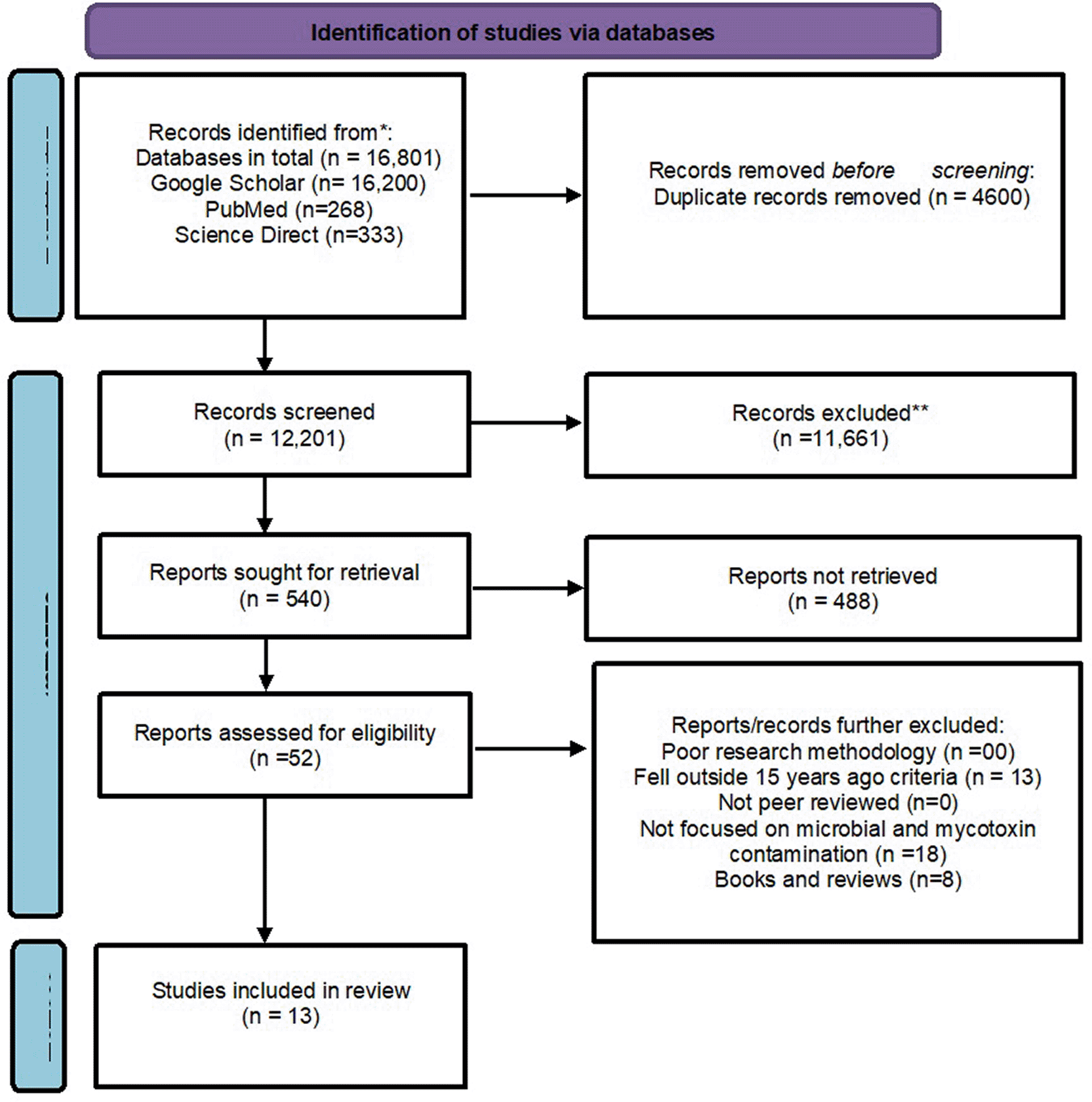
The selection of studies for the systematic review followed the PRISMA guidelines. A comprehensive literature search was conducted across multiple databases, including ScienceDirect, PubMed, Google Scholar, AJOL, Connected Papers and ResearchGate, yielding 16,801 records. No additional records were identified from other sources.
After removal of duplicate publications using reference management software, 12,201 records remained. A total of 11,700 records were further screened based on titles and abstracts for relevance to fermented foods, mycotoxin occurrence, fermentation processes, and storage practices in Nigeria. From the screening, 11,661 records were excluded for failure to meet the eligibility criteria, mainly for lack of focus on fermented foods, absence of mycotoxin data, or studies conducted outside Nigeria.
Subsequently, 52 full-text articles were assessed for inclusion based on the predefined criteria, including study design, analytical methods, and reporting of mycotoxin data. Thirty-nine (39) of the articles were excluded due to the absence of quantitative mycotoxin data, focus on non-fermented food matrices, lack of fermentation or storage context, or non-Nigerian study settings. Finally, the 13 studies that met the inclusion criteria were included in the quantitative synthesis meta-analysis (Figure 1).
A summary of evidence on mycotoxin occurrence and the effects of fermentation and storage practices in traditional fermented foods in Nigeria is presented in Table 1.
| S/N | Study/Location | Food & Comparator | Design/Method | Sample size (maize/ogi) | Mycotoxin outcome (μg/kg) | Fermentation effect | Storage-related moderators |
|---|---|---|---|---|---|---|---|
| 1. | Ademola et al., 2021/Ibadan, Abeokuta, Lagos | Ogi (fermented maize) vs raw stored maize | Cross-sectional; LC–MS/MS | 60 (30/30) | Aflatoxins (total): Ibadan 9.10 → 5.55 (NS); Abeokuta 18.35 → 5.62 (NS); Lagos <LOD → <LOD Fumonisins (total): Ibadan 495 → 187.5; Lagos 185.5 → <LOD; Abeokuta 335 → <LOD | Aflatoxins: reduction not significant; post-fermentation levels still >4 μg/kg (Ibadan, Abeokuta) Fumonisins: significant reduction (58.9–70.2%) | Storage duration (fumonisins): Ibadan 0–6 d: FB1 314.3 ± 313.9; 7–14 d: 316.7 ± 150.7 Abeokuta 0–6 d: 137.5 ± 182.3; 7–14 d: 687.5 ± 123.7 Storage structure (fumonisins): Ibadan – Plastic 481.3 ± 305.8; Jute 175.0 ± 0.0 Abeokuta – Plastic 387.5 ± 548.0; Jute 600.0 ± 0.0; Polythene 175.0 ± 0.0 |
| 2. | Abass et al., 2017/Nigeria: humid forest, derived savannah, southern Guinea savannah | Fermented cassava products (lafun, fufu flour, gari variants) vs non-fermented dried cassava products | Cross-sectional market survey; LC–MS/MS (QTrap 5500), isotope dilution | 373 total cassava samples (fermented subsamples: lafun 30; fufu 36; fine yellow gari 50; fine white gari 113; yellow kpo-kpo 12; white kpo-kpo 52) | Aflatoxin B1: fufu flour mean 1.16 (3/36); AFG1 not detected Fumonisins: FB1 lafun 88.09 (1/30), fufu 102.71 (1/36); FB2 lafun 10.70 (2/30), fufu 21.28 (2/36); FB3 fufu 14.49 (1/36) Zearalenone: lafun 0.9–90.4; fufu 1.89; fine yellow gari 90.40; fine white gari 0.92; white kpo-kpo 11.01 | Fermentation associated with very low regulated mycotoxin levels; all detected AFB1, fumonisins and zearalenone were below EU maximum limits, indicating low dietary risk | Market-stored dried products sampled during rainy season; climatic zone variation implies climate–storage–mycotoxin interaction, but no controlled storage duration or structure comparisons |
| 3. | Chilaka et al., 2016/Markets in 4 Nigerian agro-ecological zones (DS: Nasarawa/Ekiti; SGS: Niger; NGS: Kaduna; SS: Kano/Sokoto) | Ogi (fermented cereal mash, mostly maize-based) vs. raw maize, sorghum, millet | Cross-sectional survey; multi-mycotoxin LC-MS/MS analysis on market samples collected Sept-Oct 2015; selected subsamples for hidden fumonisins via alkaline hydrolysis | 136/30 | Ogi: Total FB mean 1128, max 3557 (93% positive); FB1 max 1903, FB2 max 1283; DON max 74, ZEN max 39, HT-2 max 13, NIV max 160. Maize: Total FB mean 935, max 8508 (65–77% positive); FB1 max 8222. 83% ogi exceeded EU infant food FB limit (200 μg/kg) | Higher contamination in ogi (97% positive) vs. raw cereals; uncontrolled fermentation may add contamination despite prior reports of reduction; depends on raw material quality; 2/30 ogi (sorghum-based) FB-negative | Agro-ecological zones (warmer/drier SS/NGS higher FB); market-sorted/cleaned samples (no visible mold); post-harvest factors implied (climate, rainfall changes favor Fusarium) |
| 4. | Adedeji et al., 2017/Southwestern Nigeria: Lagos, Ogun, Oyo | Locust bean vs. Iru; Melon vs. Ogiri | Cross-sectional market survey; 16S rRNA sequencing + LC-MS/MS | 36 composite samples (9 per food type; 300 g each, homogenized) | Melon seeds: AFB1 mean 5.6 μg/kg (range 1.1–22.4); Total aflatoxins mean 6.6 μg/kg (range 1.1–27.7). Ogiri: AFB1 detected in 1 sample (7 μg/kg). Locust bean & Iru: No detectable aflatoxins. Other toxins: BEAU (locust bean 6 μg/kg, melon 1.1 μg/kg, ogiri 0.5 μg/kg, iru LOD); CIT ≤7 μg/kg (all except melon); OTA ≤7 μg/kg (iru only). | Fermentation reduced BEAU levels (raw > fermented). Aflatoxins persisted in melon and ogiri but absent in locust bean/iru. | Storage not directly measured; contamination attributed to raw seed quality and vendor hygiene. Market-level sampling suggests post-harvest storage and handling as moderators. |
| 5. | Adekoya et al., 2017/SW Nigeria | Fermented foods: maize ogi, sorghum ogi-baba, melon ogiri, locust bean iru, African oil bean ugba | LC-MS/MS survey of 23 mycotoxins | 191 fermented food samples | AFB1, FB1, and sterigmatocystin quantified. AFB1 detected in ogi (mean ~ 4 μg/kg), ogiri (mean ~ 6 μg/kg), iru (low levels). FB1 is mainly in maize ogi (mean ~ 120 μg/kg). | Fermentation did not eliminate aflatoxins; ogi retained fumonisins. | Storage and vendor practices are cited as sources of contamination. |
| 6. | Adekoya et al., 2019/Southwestern Nigeria | Nigerian fermented foods: Ogi (maize), Ogi baba (sorghum), Ugba, Ogiri, Iru. Comparator within study: Nigeria vs South Africa (climatic comparison). Focus here = Nigeria isolates only. | Laboratory experimental toxigenicity assessment. Fungal isolates recovered from fermented foods collected in Southwestern Nigeria → cultured on YES agar → secondary metabolites quantified using validated UPLC-MS/MS (EC compliant). Hierarchical clustering & co-occurrence analysis conducted. | Nigeria isolates = 175 (out of total 385). Aspergillus, Penicillium, Fusarium included. Exact maize/ogi-only isolate number not separately reported. 47% (81/175) Nigerian isolates were toxigenic. | AFB1: 27–7406 μg/kg (highest in ogiri). AFB2: 36–566 μg/kg. AFG1: 36–322 μg/kg. AFG2: 34–664 μg/kg. OTA: 28–1302 μg/kg. STE: 53–500 μg/kg. FB1: 77–218 μg/kg. FB2: 63–234 μg/kg. FB3: 79–205 μg/kg. T-2 toxin: up to 1749 μg/kg. ZEN: 139–309 μg/kg. | Both lactic (ogi, ogi baba) and alkaline (ugba, ogiri, iru) fermentations harbored toxigenic fungi. Fermentation did not eliminate toxigenic potential. in vitro toxin production higher than actual food contamination levels reported in related studies. | No direct storage time, moisture, or humidity measurements. Authors suggest climatic/geographical influence (tropical Nigerian conditions possibly favor higher toxigenicity). Environmental drivers acknowledged: temperature, pH, water activity, nutrient availability. |
| 7. | Ezekiel et al., 2020/Ogun State, Nigeria | Garri (fermented cassava) vs. non-fermented RTE foods (cheese balls, granola, popcorn) | Polyphasic fungal characterization (morphology, gene sequencing, LC-MS/MS metabolite profiling) | 23 garri samples (no maize/ogi in this study) | 1 mycotoxin detected in garri; overall study found DON (37%), fumonisins (31%), moniliformin (31%), aflatoxins (20%), citrinin (14%); citrinin mean 1481 μg/kg across foods | Fermentation + roasting reduced initial fungal load, but post-processing exposure reintroduced contamination | Open-market storage (unpackaged) increased fungal propagules (200–2,500 CFU/g; mean 712 ± 621); packaging protective |
| 8. | Ibrahim et al. (2022)/Bauchi, Jigawa, Plateau States (Northern Nigeria) | Dry fish, dry meat, cassava flour, iru-dadawa, pap-ogi (no comparator group, observational study) | Random sampling of indigenous fermented foods; fungal isolation on Malt Extract Agar; enumeration of CFU/ml; mycotoxin detection using Rida Quick Scan kits | 3 samples each of 5 food types (total 15 samples) | Aflatoxin: 2.0–3.2 μg/kg; Ochratoxin: 2.1–3.0 μg/kg | Fermentation did not eliminate contamination; Aspergillus spp. remained dominant across all foods | Open-air drying and poor storage practices (temperature/humidity) facilitated fungal growth; fungal loads exceeded acceptable limits (>103 CFU/ml) |
| 9. | Ezekiel et al., 2015/Rural Nasarawa State, Nigeria | Maize → Kunu-zaki (raw + malted maize vs fermented drink) and Sorghum → Pito (raw + malted sorghum vs fermented drink) | Cross-sectional analytical study; LC-MS/MS multi-mycotoxin method (295 metabolites screened) | Not explicitly stated; 100 g grain samples quartered to 25 g subsamples; 50 mL beverage collected per category | Maize (Raw/Malted → Kunu): FB1: 21,135,000 → 122,900; Total FBs: 31,243,800 → 170,300; DON: 74,700 → 800; ZEN: 840 → 200; BEAU: 2,094,200 → 1,400; MON: 874,700 → 14,700. Sorghum (Raw/Malted → Pito): DON: 15,200 → 3,500; MON: 85,400 → 4,600; ZEN: 3,850 → 200; BEAU: 1,400 → 500; Total FBs: 5,900 → 2,400 | Significant reduction during fermentation/processing: Maize drink: 76.2–99.9% reduction (highest for fumonisins ≈99.5%). Pito: 59.3–94.8% reduction | Malted maize included visibly damaged/insect-infested grains → markedly elevated fumonisins. Rainy-season sampling (September). No explicit storage duration reported |
| 10. | Chilaka et al., 2018 /Nigerian markets (Anambra, Benue, Kaduna, Plateau states) | Traditional fermented beers (burukutu n = 54 sorghum/millet-based, pito n = 45); fermented spices (dawadawa n = 17, ogiri n = 20, okpehe n = 21); raw beans (African locust n = 30, castor n = 21, mesquite n = 21). No direct comparator (e.g., unfermented/raw paired) | Cross-sectional market survey; multi-mycotoxin LC-MS/MS (18 Fusarium toxins/modified forms); LOD/LOQ matrix-specific; descriptive stats (SPSS) | No maize or ogi; closest: beers (n = 99 total), spices (n = 58), beans (n = 72) | Fusarium toxins prevalent: DON (beers 61–65%, 61–255 μg/L); FBs (beans 52–70%, 155–372 μg/kg; spices 20–77%, 129–224 μg/kg); ZEN (all types 19–70%, 21–194 μg/kg). Co-occurrence up to 13 toxins; most < EU limits except 1 ZEN | Toxins persist/transfer from raw (poor quality grains/beans) via uncontrolled malting/fermentation; higher in burukutu (sediment-inclusive) vs pito; no reduction observed, potential increase | Poor storage/high moisture favors toxigenic fungi (e.g., Fusarium); unhygienic conditions noted, but no quantified data |
| 11. | Banwo et al., 2023/Ibadan, Nigeria | Ogi (fermented cereal gruel from maize/sorghum/millet) contaminated with Aspergillus flavus 3228 (toxigenic) vs probiotic fermentation treatments (Lactiplantibacillus plantarum, Limosilactobacillus fermentum, Candida tropicalis) | Controlled laboratory fermentation experiment evaluating aflatoxin detoxification by LAB and yeasts during 5-day fermentation | NR (controlled fermentation of cereal ogi samples) | Control (toxigenic A. flavus): AFB1 = 7048 μg/kg, AFB2 = 309 μg/kg. After fermentation: L. plantarum → AFB1 = 2704, AFB2 = 113; L. fermentum → AFB1 = 965, AFB2 = 77; C. tropicalis MY115 → AFB1 = 2827, AFB2 = 70; C. tropicalis YY25 → AFB1 = 2835, AFB2 = 212 | Fermentation significantly reduced aflatoxins: AFB1 reduction 60–86% and AFB2 reduction 31–77% depending on microbial strain; LAB showed strongest detoxification, especially L. fermentum (86% AFB1 reduction) | Cereals (maize, sorghum, millet) are highly susceptible to aflatoxin contamination due to environmental conditions such as heat, humidity, and poor storage, typical of tropical climates |
| 12. | Ezekiel et al., 2019/Ogun State, Nigeria | Kunu (fermented cereal beverage) produced from millet and sorghum with additives; comparator = processing stages (raw grains → steep liquor → milled grains → fermentation → final kunu) | Experimental processing study; traditional fermentation at ambient temperature (~33 ± 2 °C); bacterial community analysis using high-throughput sequencing and multi-mycotoxin quantification using LC-MS/MS | Three kunu formulations (A, B, C) prepared using 1 kg grains +100 g additives per formulation; samples collected at multiple processing stages | Raw ingredients contained multiple mycotoxins: AFB1 (52.2 μg/kg), MON (114 μg/kg), 3-NPA (10.8 μg/kg), CIT (4.32–8.7 μg/kg), BEAU (2.91–4.97 μg/kg), AOH, AME, AFB2, AFM1, aflatoxicol. In final kunu, most toxins were non-detectable, with only trace residues (<2 μg/kg) of AOH, AME, and BEAU. | Fermentation significantly reduced mycotoxin concentrations. Examples: AFB1 reduced 99.5% (52.2 → 0.25 μg/kg) before fermentation and became undetectable after fermentation; MON reduced 95.2% (114 → 5.53 μg/kg) then eliminated; BEAU showed 9–16% carry-over; CIT reduced up to complete removal depending on formulation. | Reduction is influenced by processing steps including steeping, milling, fermentation, dilution, and sieving. Grain combinations and additives (millet, sorghum, ginger, cloves, peanut, sweet potato, tiger nut) influenced contamination levels |
| 13. | Jonathan et al., 2011/Itamerin market, Ibadan, Oyo State, Nigeria | Fermented yam chips “gbodo” (Dioscorea rotundata) and fermented plantain chips “elubo ogede” (Musa parasidiaca), each stored 1 vs 6 months before milling to flour; no nonfermented comparator in this paper | Crosssectional analytical laboratory study of market samples; natural fermentation (4–5 days submerged in parboiling water, then sun-dried) and ambient storage; aflatoxins B1, B2, G1, G2 quantified by TLC with fluorescence comparison to standards; triplicate measurements; ANOVA with Duncan’s test | Six distinct chip batches per product (6 “gbodo”, 6 “elubo ogede”), each analyzed in triplicate; no maize or ogi included (so “maize/ogi” sample size = 0) | AFB1 (μg/kg): gbodo 1 month 25.17, 6 months 32.33; elubo ogede 1 month 15.00, 6 months 23.83. AFB2: gbodo 23.00 vs 26.17; elubo 11.00 vs 18.67. AFG1: gbodo 15.67 vs 19.17; elubo 6.50 vs 13.17. AFG2: gbodo 14.00 vs 18.67; elubo 5.17 vs 9.50. Total AFs: gbodo 77.84 vs 96.34; elubo 37.67 vs 65.17 μg/kg. All samples except 1 month elubo AFB1 exceed 20 μg/kg limit cited for many countries | Fermentation is standardized (4–5 days submerged in parboiling water before sun-drying) and is not compared to nonfermented controls, so only postfermentation, storage-related differences can be assessed; both products are fermented, so no direct “fermented vs unfermented” effect size is derivable | Key moderator is storage duration: 1 month vs 6 months at ambient 30 ± 2 °C; 6 month samples show consistently higher AFB1 and total aflatoxins than 1 month samples for both foods. Moisture is higher in 6 month than 1 month flours (gbodo 13.29 → 14.36%, elubo 10.51 → 12.21%), supporting humidity as a comoderator of aflatoxin accumulation. All samples are from one market in southwestern Nigeria and stored without preservatives. |
In the study on the effect of processing practices on mycotoxin reduction in maize based products, evidence from lactic acid fermentation in Southwest Nigeria by Ademola et al. (2021), the study investigated and quantified seven mycotoxins (Aflatoxins (AFB1, AFB2, AFG1, AFG2) and Fumonisins (FB1, FB2, FB3) using LC–MS/MS with detection limits ranging from 1.1–1.6 μg/kg for aflatoxin and 100 μg/kg for fumonisins. The study revealed mycotoxin levels in stored maize before fermentation showed substantial regional variation in contamination: Ibadan (Mean total aflatoxins: 9.10 μg/kg, mean total fumonisins: 495 μg/kg), Abeokuta (Mean total aflatoxins: 18.35 μg/kg, mean total fumonisins: 335 μg/kg) and Lagos: (Total aflatoxins: below detection limit, Mean total fumonisins: 185.5 μg/kg). This study posits that stored maize used for fermentation in Nigeria can exceed regulatory aflatoxin limits before processing, particularly in inland locations. With respect to storage practices influencing mycotoxin burden, the study revealed key storage-related observations: storage duration (73% of processors stored maize for <7 days, and 27% stored maize for 7–14 days). Generally, the study revealed that short storage periods limited additional aflatoxin accumulation, storage structure significantly influenced fumonisin outcomes, with jute sack storage associated with greater fumonisin reduction after fermentation. In the case of the effect of fermentation on mycotoxin levels, mean aflatoxin levels declined after fermentation, although reductions were not statistically significant, while post-fermentation levels in Ibadan and Abeokuta remained above the 4 μg/kg regulatory limit. In contrast, fermentation had a significant detoxifying effect on fumonisins with reductions of 62.12%, 58.90%, 70.15% reported for Ibadan, Lagos and Abeokuta, respectively. Overall, fumonisin levels post-fermentation were mostly below detection limits or substantially reduced, highlighting fermentation as an effective mitigation step for fumonisins. On the influence of storage duration and processing conditions, steeping duration (2–4 days) showed minimal and inconsistent effects on aflatoxin reduction while extended fermentation did not improve aflatoxin safety and may allow secondary fungal activity. However, longer maize storage (>7 days) was associated with greater fumonisin reduction, likely reflecting.
When investigating the occurrence of regulated mycotoxins and other microbial metabolites in dried cassava products from Nigeria, Abass et al. (2017) report that a total of 373 dried cassava products were analysed with focus on four agro-ecol ogical zones: humid forest, derived savannah and southern guinea savannah. Samples used were marketed dried products (post-processing, stored/traded) taken during rainy season and analysed using LC-MS/MS (Abass et al., 2017). The results revealed fermented products (lafun, fufu flour, gari types) showing higher concentrations and greater diversity of fungal metabolites while Lafun had the highest Kojic Acid (8.35–1754.8 μg/kg), this indicates aerobic fermentation effect. Yellow kpo-kpo gari had significantly higher Asperphenamate, N-benzoyl-phenylalanine and Cyclo (L-Pro-L-Tyr). In addition, the study revealed that few regulated mycotoxins (aflatoxins, fumonisins, and zearalenone) were detected, and at low concentrations below international safety thresholds (Aflatoxins (1.16–2.94 μg/kg); fumonisins (14.5–218.1 μg/kg) and zearalelone (90.4 μg/kg)). Fermented products had significantly higher prevalence (25%–99%) of emerging fungal metabolites (kojic acid, asperphenamate, brevianamid F, and alternariol methyl ether) with most prevalent metabolites in >15% of samples), this suggests that fermentation and storage conditions has great influence on metabolite diversity more than regulated toxin accumulation. The findings further reveal that traditional fermentation alters toxin profile; some toxins may be masked through oxidation/reduction (Abass et al., 2017).
Chilaka et al. (2016), report of a cross-sectional survey of Fusarium mycotoxins in 363 cereals and fermented cereal product (ogi) in Nigeria, 64% of total samples were detected with ≥1 mycotoxin. Still, very high contamination rates were observed in maize (77%), sorghum (44%), millet (59%) and Ogi (97%). Ogi had the highest prevalence of contamination and 43% of samples contained multiple toxins. Ninety-three percent of samples were positive for fumonisin B1 (FB1), with a mean level of 590 μg/kg, and maximum levels were recorded as 1903 μg/kg. Mean concentrations were reported for total fumonisins (FB1 + FB2 + FB3), where they reached 1128 μg/kg, with a maximum value of 3557 μg/kg. Importantly, 83% of the ogi samples violated European Union maximum limit of 200 μg/kg for infant foods, indicating an important potential health risk, particularly because ogi is usually used as a weaning food for infants. In addition to free fumonisins, bound fumonisins were also identified. Higher levels of fumonisins were uncovered, after hydrolysis, revealing an average hidden concentration of 141 μg/kg and a peak of 313 μg/kg. This observation indicates that traditional analysis might underestimate true exposure levels. Among the trichothecenes, deoxynivalenol (DON) was found in 13% of samples, although the levels (with a maximum of 74 μg/kg) were within the EU regulatory limits. Other trichothecenes, including 15-acetyl-DON, DON-3-glucoside, nivalenol (NIV), fusarenon-X (FUS-X), and HT-2 toxin, were detected infrequently and at comparatively low concentrations. Diacetoxyscirpenol (DAS) was not found in any ogi samples. Zearalenone (ZEN) was identified in 3% of samples, with one exceeding the EU threshold for infant foods (20 μg/kg). Modified versions of zearalenone (ZEN-14G, α-zearalenol, and β-zearalenol) were also detected at low frequencies. A major concern is the high rate of co-occurrence, as 93% of ogi samples contained two or more mycotoxins, and nearly one-quarter of samples contained five or more toxins simultaneously. The findings indicate that fermented ogi marketed in Nigeria is highly susceptible to multi-mycotoxin contamination, with fumonisins posing the greatest exposure risk, particularly to infants and young children (Chilaka et al., 2016).
Furthermore, Adedeji et al. (2017) in a related study that centred on bacterial diversity and mycotoxin contamination in locust bean seeds, melon seeds, iru (fermented locust bean), and ogiri (fermented melon) from southwestern Nigeria markets provided primary data relevant to mycotoxins in stored fermented foods, highlighting contamination risks during production, handling, and market storage (Adedeji et al., 2017). The study ssamples consisted of 36 composites (9 each of locust bean, iru, melon, ogiri) collected in March 2016 from Lagos, Ogun, and Oyo markets. Mycotoxins were examined via LC-MS/MS, detecting 7 types among 48 metabolites; levels were generally low but indicate public health risks from poor hygiene and storage. Bacterial analysis (200 isolates via 16S rRNA) revealed pathogens like Bacillus anthracis alongside fermenters, linking contamination to spontaneous fermentation and post-processing handling. The results revealed that aflatoxins B1/B2 (AFB1/AFB2) were detected in 67% melon (mean AFB1 5.6 μg/kg, range 1.1–22.4 μg/kg) and 1 ogiri sample (7 μg/kg); no detectable aflatoxin was recorded in locust beans and iru. 3-Nitropropionic acid (3-NPA) was high in locust bean (mean 5500.5 μg/kg) and melon (825.2 μg/kg). Beauvericin (BEAU), citrinin (CIT), ochratoxin A (OTA) were detected at low levels across samples). Out of 36 samples, 11 samples exceeded EU AFB1 limit (2 μg/kg) for export foods. This study indicated that contamination persists from raw seeds to fermented products stored at markets, worsened by unhygienic handling (e.g., pathogens in 3/4 food types) and fermentation did not eliminate mycotoxins (e.g., aflatoxins in ogiri).
In the study by Adekoya et al. (2017), conducted across markets and households in Southwest Nigeria, five traditional fermented foods were investigated: maize gruel (ogi), sorghum gruel (ogi-baba), melon seed condiment (ogiri), locust bean condiment (iru), and African oil bean seed (ugba) were investigated. The study was a cross-sectional survey carried out using 191 fermented food samples. 23 mycotoxins were analyzed using LC-MS/MS quantification for aflatoxin B1, fumonisin B1, and sterigmatocystin. Aflatoxin B1 (AFB1) was detected in ogi (mean ~ 4 μg/kg), ogiri (mean ~ 6 μg/kg), and iru (low levels). Fumonisin B1 (FB1) was predominant in maize-based ogi (mean ~ 120 μg/kg), and Sterigmatocystin (STE) was found across all food types at low levels. High contamination rates were observed in all samples, with multiple mycotoxins co-occurring. From the study findings, fermentation did not eliminate aflatoxins or fumonisins, as some toxins persisted in finished products. Certain toxins (e.g., sterigmatocystin) were reduced compared to raw substrates, but variability depended on substrate type. The study highlights that climate variability considering changes in temperature and humidity exacerbates fungal growth and toxin persistence in stored fermented foods (Adekoya et al., 2017).
In addition, Adekoya et al. (2019) in a laboratory-based experimental toxigenicity assessment, carried out lactic acid fermentation on ogi, ogi baba and alkaline fermentation of ugba, ogiri, iru. From the study, a total of 175 fungal isolates were isolated from the samples, out of which 47% were toxigenic. In the ogi, (58% of isolates) were toxigenic, producing aflatoxin B1 (AFB1) at concentrations ranging from 109 to 231 μg/kg while a higher proportion was toxigenic (67% of isolates), producing 217–1556 μg/kg in the ogi baba. Ugba showed a higher prevalence, where 10 out of 12 isolates (83%) produced AFB1, ranging from 27 to 1889 μg/kg. Ogiri also showed the highest level of contamination, with 9 out of 15 isolates (60%) being toxigenic, with toxin levels between 96 and 7406 μg/kg, which is the highest maximum level reported in the table. In iru, 73% of isolates were toxigenic, producing 82–1723 μg/kg of AFB1. In ugba, all isolates were toxigenic, producing 391–1132 μg/kg, indicating very strong aflatoxin-producing potential in this food. In iru, 73% produced AFB1, with concentrations ranging from 206 to 445 μg/kg. Ochratoxin A by Aspergillus niger & Penicillium verrucosum ranged from 28 to 1302 μg/kg among A. niger (67%) isolates, 15–320 μg/kg among P. verrucosum (67%) and 161 μg/kg in 20% A. sclerotiorum. Fumonisin FB1 ranged from 77 to 218 μg/kg, FB2 from 63 to 234 μg/kg, and FB3 from 79 to 205 μg/kg. For Sterigmatocystin (STE) production, levels ranged from 54–500 μg/kg among A. versicolor, 371 μg/kg among A. amstelodami, and 53–433 μg/kg among A. sydowii. Trichothecenes (T-2 toxin) had a maximum level of 1749 μg/kg. Fusarium sporotrichioides DAS and NEO were not detected. Zearalenone (ZEN) ranged from 197 μg/kg in ugba and 139–309 μg/kg in iru. The study showed higher mycotoxin biosynthesis potential in humid tropical environments. There was Risk of co-occurrence under conducive environmental conditions.
When investigating, fungal diversity and mycotoxins in low moisture content ready-to-eat 23 unpackaged garri samples randomly purchased from open markets (from bags and bowls) in Ogun State, Nigeria, Ezekiel et al. (2020) reported load of fungal propagules in the garri samples ranged from 200 to 2,500 (mean: 712 ± 621) CFU/g, and 148 isolates were recovered from 83% of the samples. The garri samples were contaminated with 27 species across 12 genera of fungal propagules. Penicillium (37.4% incidence), especially P. citrinum (18.7%) was the predominant genus. Mycotoxins detected in the garri sample include deoxynivalenol (DON) (37%) as the most prevalent, fumonisins (31%), moniliformin (31%), aflatoxins (20%), and citrinin (14%). The fungal diversity in garri suggests contamination risk is more linked to post-processing exposure than intrinsic fermentation. Garri is highly climate-sensitive because temperature and humidity shifts affect microbial succession. Open-market exposure increases contamination risk, especially under warmer and humid climates. Garri samples had mean moisture 7.90 ± 1.23% (range 2.80–9.00%). Even small increases in ambient humidity can push garri into a range favorable for fungal growth (Ezekiel et al., 2020).
Also, Ibrahim et al. (2022) in a cross-sectional, laboratory-based study, conducted in northern Nigeria, investigated dry fish and dry meat (sun-dried fermented protein), cassava flour (fermented cereal/tuber), iru-dawadawa (fermented locust bean condiment), and ogi (fermented cereal gruel) reported that fungal load in all samples exceeded International Commission on Microbiological Specifications for Foods (ICMSF) acceptable limits (>103 CFU/mL. The mycotoxin found in the samples examined were aflatoxins and ochratoxins. Dry fish had the highest levels with 3.2 ppb of aflatoxin and 3.0 ppb of ochratoxin, dry meat had 2.9 ppb of aflatoxin and 2.7 ppb of ochratoxin. Pap-ogi and cassava flour both had comparable amounts of contamination, with 2.4 ppb of ochratoxin and 2.3 ppb of aflatoxin. With 2.0 ppb of aflatoxin and 2.1 ppb of ochratoxin, Iru-dawadawa had the lowest levels. The results of all items were quite similar, indicating that these mycotoxins were present in the tested samples at a consistent but low level. Food samples indicated co-occurrence of multiple mycotoxins, which shows that there might be cross-contamination during fermentation or multiple toxigenic fungi survival during storage (Ibrahim et al., 2022).
A study by Ezekiel et al. (2015) examined the fate of mycotoxins in two popular traditional cereal-based beverages (kunu-zaki and pito) from a rural community in Nasarawa State, Nigeria. Study involved experimental analysis of the fermented products (maize-based fermented beverage (kunu-zaki) and sorghum-based fermented beverage (pito)) and raw materials used in production of these fermented drinks (raw maize, malted maize, raw sorghum and malted sorghum). The regulated mycotoxins detected include: deoxynivalenol (DON), fumonisin B1 (FB1), fumonisin B2 (FB2), fumonisin B3 (FB3) and zearalenone (ZEN). Emerging/non-regulated mycotoxins detected also include alternariol (AOH), alternariol methyl ether (AME), beauvericin (BEAU), enniatin A and B, fusaproliferin (FP), moniliformin (MON.). Among the raw material contamination, maize and sorghum grains contained multiple mycotoxins at high concentrations. Fumonisins were the dominant toxins, particularly in maize. It was observed that during fermentation and processing, the amount of mycotoxins present was significantly reduced. For example, in kunu-zaki , mycotoxin level reduced from 76.2–99.9% and in pito, there was huge reduction from 59.3–94.8%. Production and fermentation processes such as washing/steeping, fermentation, heat processing and sieving could contribute to mycotoxin reduction through removal of water-soluble toxins, degradation of toxins, and removal of residues.
The study by Chilaka et al. (2018) analyzed Fusarium mycotoxins in Nigerian traditional fermented beers (burukutu, pito) and fermented spices (dawadawa, ogiri, and okpehe) and indigenous beans was used as fermentation substrate. The study is a cross-sectional survey which examined 229 samples collected from Nigerian markets in 2015. Fusarium mycotoxins and modified forms were analyzed using LC-MS/MS. Traditional beers used sorghum/millet; spices derived from fermented beans (African locust, castor, mesquite). Overall, 77% of samples were positive for at least one toxin, with co-occurrence in up to 95% of beans. The study reported a high occurrence of Fusarium mycotoxins across all the food categories. Traditional beers showed substantial contamination with Fusarium mycotoxins, with 75% of samples containing at least one toxin. Deoxynivalenol (DON) was the most prevalent with 65% detected in burukutu (61–255 μg/L; mean ≈120 μg/L), and 56% in pito samples (65–184 μg/L; mean ≈99 μg/L). DON derivatives such as 15-ADON, 3-ADON, and DON-3G were also detected at lower frequencies. Fumonisins (FB1 and FB2) were also present in 22% of burukutu (max ≈316 μg/L) and 18% of pito (max ≈194 μg/L). Zearalenone (ZEN) and its metabolites (α-ZEL, β-ZEL, ZEN-14G) were detected mainly in burukutu, with concentrations ranging from 22–88 μg/L. Multiple mycotoxins frequently co-occurred in the food samples, for instance, 41% of burukutu and 35% of pito samples contained at least two toxins, with some samples containing up to nine different Fusarium mycotoxins. Generally, the study revealed that 82% of raw beans were contaminated with FBs having 52–70% incidence, mean 155–372 μg/kg) while Fusarium toxins persisted through fermentation while 74% of spices were also contaminated with FB2 (33% incidence). The fermented condiments dawadawa, ogiri, and okpehe also showed contamination with multiple fusarium mycotoxins. Fumonisins (FBs) were the most prevalent toxins, detected in 77% of dawadawa, 33% of okpehe and 20% of ogiri. Zearalenone (ZEN) occurred in all spice types at concentrations ranging from 33–115 μg/kg. Other detected toxins included: DON, 15-ADON, nivalenol (NIV), diacetoxyscirpenol (DAS), T-2 and HT-2 toxins. About 47% of spice samples contained at least two mycotoxins, indicating frequent co-contamination. Zearalenone was detected in 70% of locust beans, 43% of castor beans and 67% of mesquite beans. Additional trichothecenes (DON, Nivalenol (NIV), Fusarenn-X (FUS-X), T-2 and HT-2 toxins and Diacetoxyscirpenol (DAS)) were also detected in the fermentation substrates. 78% of bean samples contained at least two mycotoxins, with some samples containing up to eight toxins simultaneously.
Additionally, the study by Banwo et al. (2023) examined the detoxification of Aflatoxins in fermented cereal gruel (Ogi) by probiotic lactic acid bacteria and yeasts, with differences in amino acid profiles. The experiment was a controlled fermentation of fermented ogi (fermented cereal gruel) produced from maize, millet, and sorghum carried out in Ibadan, Nigeria. These cereals are major staples in Nigeria and are highly susceptible to fungal contamination, especially under warm and humid climates that favour Aspergillus growth, candida tropicalis, candida krusei, and Geotrichum candidum. Mycotoxins analyzed were aflatoxin B1, aflatoxin B2, aflatoxin G1, and aflatoxin G2. Mycotoxin quantification was achieved using Thin-Layer Chromatography (TLC) with densitometer scanning. The study revealed that during controlled fermentation, it was observed that mycotoxin levels were significantly reduced in contaminated grains. AFB1 and AFB2 levels were reduced in Limosilactobacillus fermentum W310 by 86%, 75%; Lactiplantibacillus plantarum by 62% and 63%; Candida tropicalis MY115 by 60% and 77%; and Candida tropicalis YY25 by 60% and 31%. The study revealed that cereals used in fermented foods are high-risk substrates for aflatoxin contamination. Although fermentation reduced the amount of toxin levels, it does not totally prevent contamination.
A study by Ezekiel et al. (2019) on high-throughput sequence analyses of bacterial communities and multi-mycotoxin profiling during processing of different formulations of kunu, a traditional fermented beverage, was conducted at Ilishan Remo, Ogun State, 10 mycotoxins were detected in raw ingredients, but most were significantly reduced during fermentation with only minimal residues in the final beverage. 3-Nitropropionic acid (3-NPA), Aflatoxin B1 (AFB1), Aflatoxin B2 (AFB2), Aflatoxin M1 (AFM1), Aflatoxicol, alternariol (AOH), alternariol methyl ether (AME), beauvericin (BEAU), citrinin (CIT) and moniliformin (MON) were identified in the raw ingredients. They revealed that traditional fermentation significantly reduced mycotoxin contamination, with most toxins present in raw grains becoming undetectable after fermentation, as steeping and fermentation were major reduction steps. Only trace levels (<2 μg/kg) of a few toxins (AOH, AME, BEAU) remained in the final kunu. BEAU: 0.43 μg/kg (9% of initial level) carried into the final kunu. MON and AFB1 were reduced to non-detectable levels after processing while toxins like BEAU and CIT remained at very low residual levels (<2 μg/kg).
A study by Jonathan et al. (2011) investigated the occurrence of fungi and aflatoxins in two traditional fermented Nigerian foods: ‘gbodo’ (fermented dried yam chips, Dioscorea rotundata) and ‘elubo ogede’ (fermented dried plantain chips, Musa paradisiaca), commonly processed into flour and consumed as staple foods in southwestern Nigeria. The results revealed that all samples contained detectable levels of aflatoxin B1 (AFB1), B2 (AFB2), G1 (AFG1), and G2 (AFG2). Aflatoxin B1 concentrations in 6-months stored gbodo were 32.33 μg/kg (highest), 1-month stored gbodo (25.17 μg/kg), 6-month stored elubo ogede had 23.83 μg/kg and 1-month stored elubo ogede contained 15.00 μg/kg. For total aflatoxin, the highest contamination was in 6-month-stored gbodo (96.34 μg/kg total aflatoxin). Storage significantly increased aflatoxin concentration. Most samples exceeded the permissible aflatoxin limit (20 μg/kg) for food safety. Total aflatoxin concentrations ranged from 37.67 to 96.34 μg/kg, with the highest contamination observed in six-month stored gbodo samples. Most samples exceeded the commonly accepted maximum aflatoxin limit of 20 μg/kg, indicating potential health risks.
Findings from the systematic review revealed widespread occurrence of mycotoxins in traditional Nigerian fermented foods. The review also revealed the modulatory effects of fermentation and storage practices on mycotoxin levels. Mycotoxins, which are secondary metabolites. They are mainly produced by Aspergillus, Fusarium, and Penicillium species and pose a significant public health concern due to their ability to contaminate staple foods like maize, cassava, and oilseeds both pre- and post-harvest (Benkerroum, 2016; Mafe & Büsselberg, 2024).
Generally, environmental factors, such pH, temperature, water activity and pH are indicated as critical determinants of colonization fungi and the accompany mycotoxin biosynthesis. Studies have reported climate sensitivity of mycotoxin contamination. Earlier studies have reported thriving of Fusarium species thrive under high relative humidity in field conditions while Aspergillus and Penicillium species could proliferate during storage at lower humidity (Joubrane et al., 2020; Freire & Da Rocha, 2017). Across Nigeria, fermentation is an ancient preservation strategy and plays a dual role in food safety. It is posited that lactic acid and alkaline fermentations create conditions unfavorable for pathogenic bacterial growth and may reduce certain mycotoxins (Banwo et al., 2023). However, fermentation is reported to be ineffective in universal elimination of mycotoxins but could also facilitate co-occurrence of multiple mycotoxins due to fungal survival under nutrient-rich fermentation substrates (Adekoya et al., 2019; Chilaka et al., 2016).
In a study by Ademola et al. (2021) lactic acid fermentation of maize-based ogi was reported to remarkably lead to reduction in fumonisin levels by 59–70%, while no significant reduction in aflatoxin levels was observed with most concentrations remaining above the safety limits. This could suggest that fermentation efficacy is toxin-specific and most likely influenced by metabolic pathways of the fermenting microorganisms and the prevailing physicochemical conditions of the substrate. In addition, Abass et al. (2017) reported that although fermented cassava products contained low levels of aflatoxins, fumonisins, zearalenone, higher prevalence of emerging fungal metabolites such as kojic acid and asperphenamate were recorded. In a related study, Chilaka et al. (2016) indicated that ogi samples recorded high prevalence of Fusarium mycotoxins, thus revealing a significant risk for vulnerable populations.
The effect of storage practices on the dynamics of mycotoxin has been reported. It is indicated that storage duration, container type, and ambient environmental conditions could serve as modulators of mycotoxin accumulation post-harvest. In a study by Ademola et al. (2021), storage duration is longer than 7 days and the use of jute sacks for maize storage favors fumonisin reduction, while higher fumonisin persistence is observed with plastic storage (Ademola et al., 2021). Similarly, Jonathan et al. (2011) in a related study reported significant elevated aflatoxin levels during six-month storage of fermented yam and plantain, with most analysed samples exceeding the safety threshold of 20 μg/kg. These observations could show the need for careful management of post-fermentation storage conditions to help mitigate the risk of mycotoxin exposure.
Evidence from studies reveals the potential of controlled fermentation with probiotic microorganisms in mycotoxin detoxification. The role of fermentation process optimization in mycotoxin mitigation has also been reported. Banwo et al. (2023) in their study reported 86% reduction in aflatoxin B1 and B2 reduction in presence of lactic acid bacteria and yeasts during ogi fermentation. Furthermore, high-throughput sequencing studies by Ezekiel et al. (2019) showed the co-application of steeping and fermentation significantly reduced the concentrations of multiple mycotoxins in kunu, with residual levels remaining minimal (<2 μg/kg).
This review provides convincing evidence that there is a high prevalence of mycotoxin contamination in traditional fermented foods in Nigeria, posing major threat and public health concern for infants and young children who heavily depend on these staple foods for daily nutrition. Despite the evidence provided in this study on mytotoxin contamination in traditional fermented foods, there are significant research gaps that need to be addressed.
Overall, the reviewed studies showed although traditional fermentation can reduce mycotoxin levels, that reduction is not sufficient for total detoxification, especially under suboptimal storage or high contamination scenarios. From the studies, the recorded co-occurrence of multiple mycotoxins across diverse substrates could indicate a persistent public health challenge, mainly for infants and young children who consume such fermented products either as staple or weaning foods. Furthermore, the interplay between substrate type, fermentation microorganism, storage environment, and climatic conditions is vital in shaping mycotoxin profile in fermented foods. To ensure food safety in traditional Nigerian fermented foods, there is therefore the need for integrated interventions, including optimized fermentation practices, improved storage technologies, and routine monitoring.
| Views | Downloads | |
|---|---|---|
| F1000Research | - | - |
|
PubMed Central
Data from PMC are received and updated monthly.
|
- | - |
Provide sufficient details of any financial or non-financial competing interests to enable users to assess whether your comments might lead a reasonable person to question your impartiality. Consider the following examples, but note that this is not an exhaustive list:
Sign up for content alerts and receive a weekly or monthly email with all newly published articles
Already registered? Sign in
The email address should be the one you originally registered with F1000.
You registered with F1000 via Google, so we cannot reset your password.
To sign in, please click here.
If you still need help with your Google account password, please click here.
You registered with F1000 via Facebook, so we cannot reset your password.
To sign in, please click here.
If you still need help with your Facebook account password, please click here.
If your email address is registered with us, we will email you instructions to reset your password.
If you think you should have received this email but it has not arrived, please check your spam filters and/or contact for further assistance.

Comments on this article Comments (0)