Keywords
COVID-19, long COVID, Registry, Prediction, Quality of life

COVID-19, long COVID, Registry, Prediction, Quality of life
Since the onset of the COVID-19 pandemic, patients infected with SARS-CoV-2 have reported a wide range of persistent symptoms involving multiple organ systems, including cardiovascular, respiratory, and neuropsychiatric manifestations, among others.1 Approximately 10–20% of individuals with COVID-19 experience these prolonged or newly emerging symptoms weeks to months after the acute infection; an evolving clinical entity now commonly referred to as long COVID.2
Despite the growing recognition of long COVID, there remains no universally accepted definition of the condition in terms of its symptom profile, duration, or clinical course. The National Institute for Health and Care Excellence (NICE) in the United Kingdom describes it as the presence of signs and symptoms that develop during or after a COVID-19 infection, persist for more than four weeks, and cannot be attributed to an alternative diagnosis.3 The absence of standard diagnostic criteria poses significant challenges for clinicians and researchers in predicting patient outcomes and designing targeted interventions. To date, most COVID-19 research has concentrated on the acute phase of infection, examining symptomatology, therapeutic approaches, and vaccine efficacy.4
However, for many patients, the long-term consequences of COVID-19 extend beyond the resolution of the initial illness, with sustained effects on quality of life (QoL).
Individuals with long COVID often experience a marked decline in QoL, as persistent symptoms, such as fatigue, negatively influence physical functioning, bodily pain, vitality, emotional well-being, and social participation. Compared with healthy individuals, patients with long COVID report significantly lower scores across these domains.5 Existing tools developed to assess the effects of COVID-19 are largely clinician-focused and emphasize clinical manifestations rather than the broader, lived experience of patients.6 Furthermore, general QoL instruments, which are not disease-specific, may lack the sensitivity and neutrality required to capture the unique impacts of long COVID.7–9
To address these limitations, the Post-Acute COVID-19 Quality of Life (PAC-19QoL) instrument was developed as the first validated, disease-specific measure designed to evaluate the multidimensional burden of long COVID on patients’ lives.4 By assessing changes in QoL beyond symptomatology, this instrument provides a more comprehensive understanding of disease progression and recovery, both on and off treatment.
The present study was conducted on data from the international PAC-19QoL Patient Registry (NCT04586413), in which the PAC-19QoL instrument was used to assess quality of life among individuals with long COVID. Specifically, the study examines whether baseline and follow-up PAC-19QoL scores, together with the duration of long COVID symptoms (at least 12 months), can predict future quality-of-life trajectories in this population.
This study was a prospective observational longitudinal cohort study with a repeated-measures design, conducted as part of the PAC-19QoL Patient Registry (ClinicalTrials.gov identifier: NCT04586413). The study aimed to evaluate whether the PAC-19QoL instrument can predict and monitor health-related quality of life (QoL) among individuals with long COVID-19. Participants were enrolled between December 2020 and March 2025.
The registry was coordinated by Medialis Ltd and implemented as an open cohort with rolling enrolment. Data collection was conducted entirely online, allowing participation from all European countries; although coordinated from the United Kingdom, no in-person visits were required. The study was approved by the South West – Central Bristol Research Ethics Committee (IRAS 288729 Bristol SW REC). All participants provided written informed consent electronically prior to enrolment.
The primary objective was to characterize longitudinal changes in QoL among individuals with long COVID-19 and to assess whether baseline and follow-up PAC-19QoL scores, as well as the duration of long COVID-19 symptoms, were associated with subsequent QoL trajectories over time.
Eligible participants were adults aged 18 years or older with a confirmed history of SARS-CoV-2 infection, documented by polymerase chain reaction (PCR) or antigen-based testing, and persistent symptoms lasting at least 12 weeks following the acute phase of infection, consistent with the World Health Organization definition of post-COVID-19 condition. Individuals with severe cognitive impairment or an inability to complete online questionnaires were excluded.
Participants were recruited primarily through social media platforms, where study advertisements were disseminated in long COVID–related groups and online communities. Interested individuals contacted the study team directly and were screened for eligibility prior to enrolment. Follow-up was conducted through repeated electronic questionnaires distributed by email using an automated data capture platform (Castor EDC). For each assessment, two reminder emails were sent at 3 and 7 days after the initial invitation if the questionnaire had not been completed.
To support participant retention during long-term follow-up, a renewed engagement strategy was implemented during the study period. This included re-invitation of participants with lapsed survey completion and the introduction of a modest financial incentive for participants who had reached at least 12 months of follow-up but required an additional PAC-19QoL assessment to complete their participation in the registry.
The primary outcome was longitudinal change in the total PAC-19QoL score over time. The main exposure variable was the duration of long COVID-19 symptoms, measured in months at baseline.
Secondary variables included sex, age, body mass index (BMI), and hospitalization status during the acute phase of COVID-19. These variables were selected a priori as potential confounders based on clinical relevance and prior literature. Time since study entry was included as a continuous variable, and an interaction term between symptom duration and time was specified to evaluate effect modification.
The PAC-19QoL questionnaire was administered electronically at baseline and repeated monthly thereafter for up to 51 months. All data were self-reported by participants. Baseline data included demographic characteristics (age, sex, BMI) and clinical information, including hospitalization status, intensive care unit (ICU) admission, and comorbidities such as asthma, diabetes, hypertension, and hypercholesterolemia. Participants also reported the duration of long COVID-19 symptoms at enrolment.
The PAC-19QoL is a validated, disease-specific instrument designed to assess the multidimensional impact of long COVID-19 on quality of life across physical, psychological, and social domains.4 The total score ranges from 44 to 220, with higher values reflecting worse outcomes. For each assessment, the total PAC-19QoL score was calculated and used in the longitudinal analyses. The same instrument and data collection procedures were applied consistently across all time points, with no differential measurement by exposure group.
Potential sources of bias were considered in the design and analysis. Selection bias may have arisen from recruitment through social media and online long COVID–related communities, which may limit the representativeness of the study population. Attrition bias was possible due to the long follow-up period and repeated assessments; this was mitigated through automated survey reminders and the use of generalized estimating equations, which allow inclusion of participants with incomplete follow-up under a missing-at-random assumption. Information bias may have occurred because all data were self-reported; however, the use of a validated disease-specific instrument and standardized electronic data collection procedures aimed to ensure consistency of measurement across time points. Sensitivity analyses restricted to participants with longer follow-up were conducted to assess the robustness of findings.
The study size was determined pragmatically. All eligible participants who enrolled in the PAC-19QoL Patient Registry during the predefined recruitment period between December 2020 and March 2025 were included in the analyses. No formal sample size calculation was performed, as the study was designed as an observational registry-based cohort intended to capture real-world longitudinal QoL trajectories among individuals with long COVID-19.
Descriptive statistics were used to summarize baseline demographic and clinical characteristics. Continuous variables were reported as mean and standard deviation or median and interquartile range, as appropriate, and categorical variables as counts and percentages.
To evaluate factors associated with PAC-19QoL scores over time, generalized estimating equation (GEE) models were fitted using a Gaussian family with an identity link function, accounting for within-subject correlation arising from repeated measurements. Three working correlation structures (exchangeable, autoregressive, and independence) were evaluated, and model fit was compared using the quasi-likelihood under the independence model criterion (QIC). The model with the lowest QIC was selected for primary inference.
Covariates included time since study entry, duration of long COVID-19 symptoms, sex, age, BMI, hospitalization status during acute COVID-19, and the interaction between symptom duration and timeStatistical significance was defined as a two-sided p value <0.05.
Missing outcome data were not imputed. Instead, GEE models were used to allow inclusion of all available repeated measurements, accommodating participants with intermittent missing surveys under a missing-at-random assumption. Participants were eligible for inclusion in the analytical cohort if they had completed at least two PAC-19QoL assessments and had a minimum follow-up duration of 12 months, defined as the interval between the first and last completed survey. This approach allowed retention of participants with incomplete survey sequences while minimizing bias related to short or insufficient follow-up.
Sensitivity analyses were conducted using the same GEE framework in participants with longer-term follow-up to evaluate the persistence of observed associations. Based on the final model, predicted mean PAC-19QoL scores were extrapolated for up to four years to estimate long-term QoL trajectories. All analyses were performed using R version 2025.09.2 (Build 418), primarily employing the geepack and ggplot2 packages.
The study was conducted in accordance with the principles of the Declaration of Helsinki and applicable local regulations. Ethical approval was obtained from Southwest – Central Bristol Research Ethics Committee (IRAS 288729 Bristol SW REC). Participants were informed that they could withdraw at any time without consequences. Data were stored securely and analysed in anonymized form.
Between December 2020 and March 2025, a total of 122 participants enrolled in the PAC-19QoL Patient Registry. Of these, 102 participants (initial response rate: 83.6%) completed the baseline PAC-19QoL assessment. Forty-three participants (final response rate: 35.3%) met the predefined analytic inclusion criteria of completing at least two PAC-19QoL assessments with a minimum follow-up duration of 12 months and were included in the longitudinal analyses.
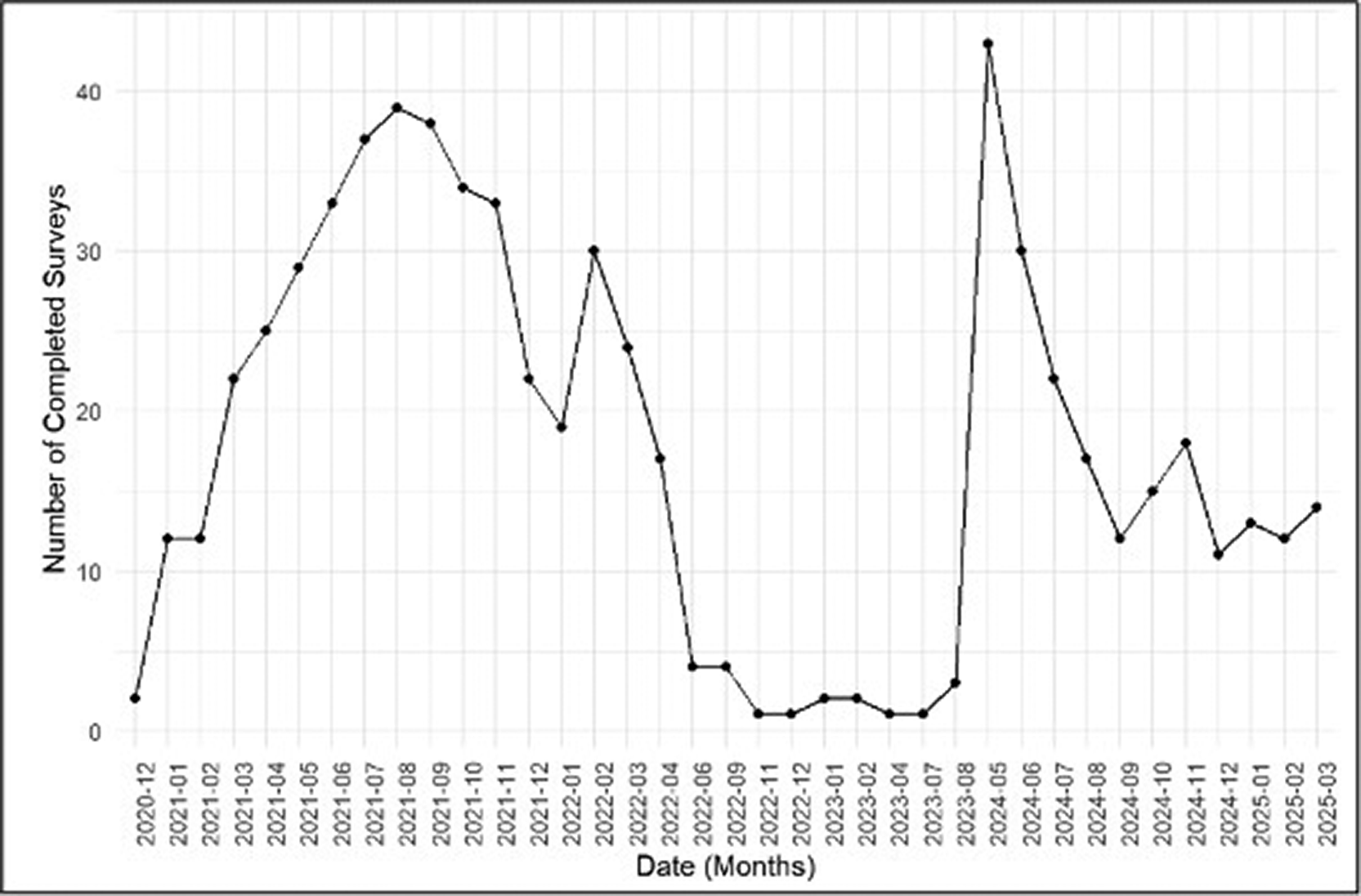
Participant recruitment and retention over time are illustrated in Figure 1. Monthly enrolment and survey completion fluctuated across the study period, with a pronounced peak observed between 2023 and mid-2024. This increase coincided with a renewed engagement strategy, whereby participants with previously lapsed participation were re-invited to continue follow-up, and financial compensation was introduced for participants who had reached 12 months in the registry but required an additional survey to complete participation.
The distribution of survey completions per participant is shown in Table 1. While a small proportion of participants contributed more than 15 repeated assessments, the majority contributed fewer than 10 surveys, resulting in substantial heterogeneity in follow-up intensity. This variability supported the use of correlation-adjusted longitudinal modelling techniques.
Baseline demographic and clinical characteristics of the cohort (n = 102) are presented in Table 2. Participants had a mean age of 46.5 years (range 22–72), with the largest proportion aged 36–50 years (41.6%). The cohort was predominantly female (91.2%), and the BMI was 26.7 kg/m2.
Fifteen participants (14.7%) reported hospitalization during the acute phase of COVID-19, and six (5.9%) required intensive care unit admission. The mean duration of long COVID-19 symptoms at baseline was 9.6 months (SD: 8.5), with symptom duration distributed across categories; 21.3% reported 3–5.9 months of symptoms, and 18.0% reported 12–24 months.
Across the observation period, monthly mean total PAC-19QoL scores ranged approximately between 125 and 145, with episodic increases observed during specific periods (e.g., June 2022 and April–July 2023). Monthly mean PAC-19QoL scores are displayed in Figure 2. Higher PAC-19QoL scores indicate worse quality of life; therefore, the inverted y-axis visually emphasizes greater impairment at higher numeric values.
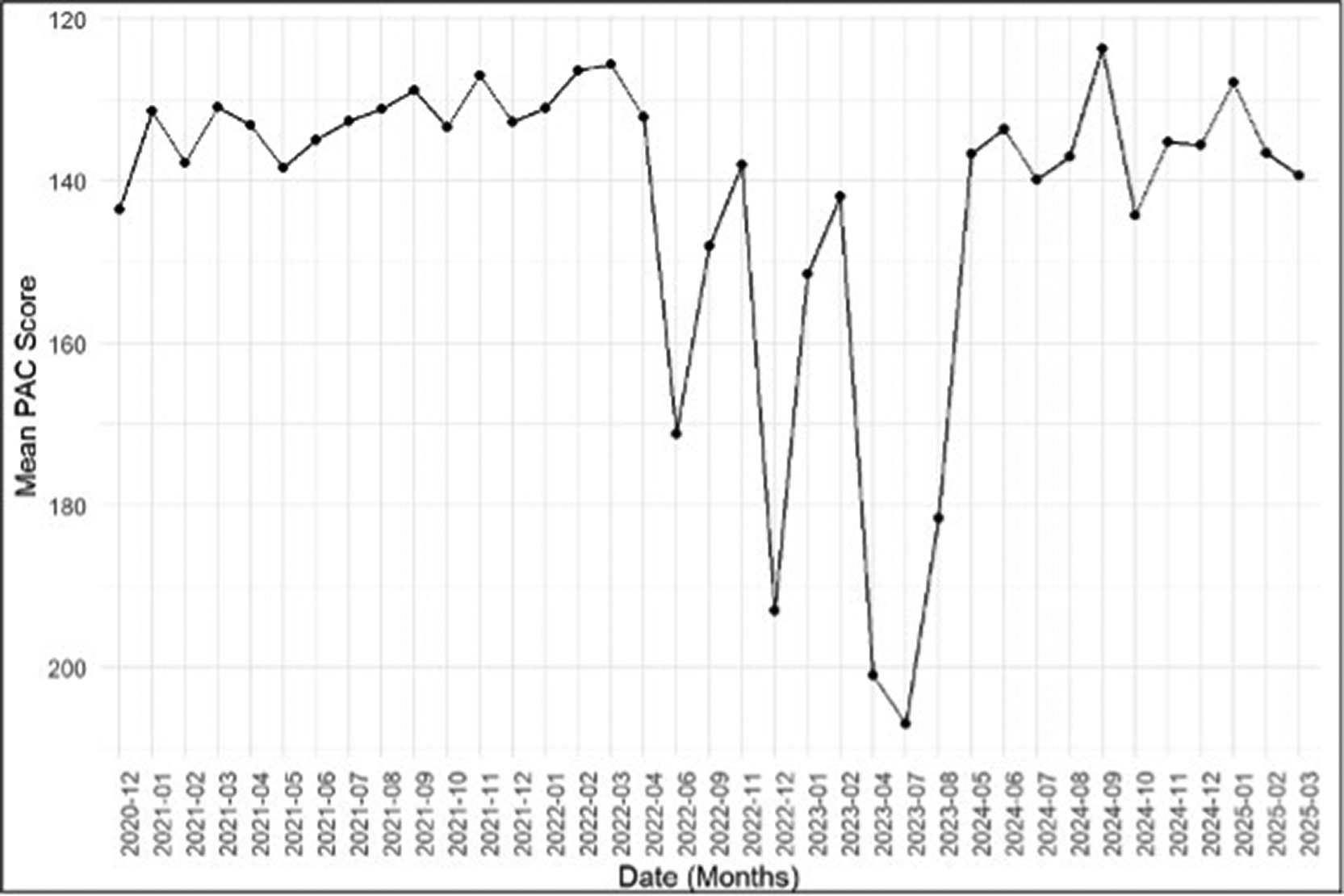
At baseline, the mean total PAC-19QoL score in the analytic cohort was 131.4 (SD: 8.6, n: 12). Variability in the number of observations contributing to each monthly estimate reflected staggered enrolment and differential follow-up.
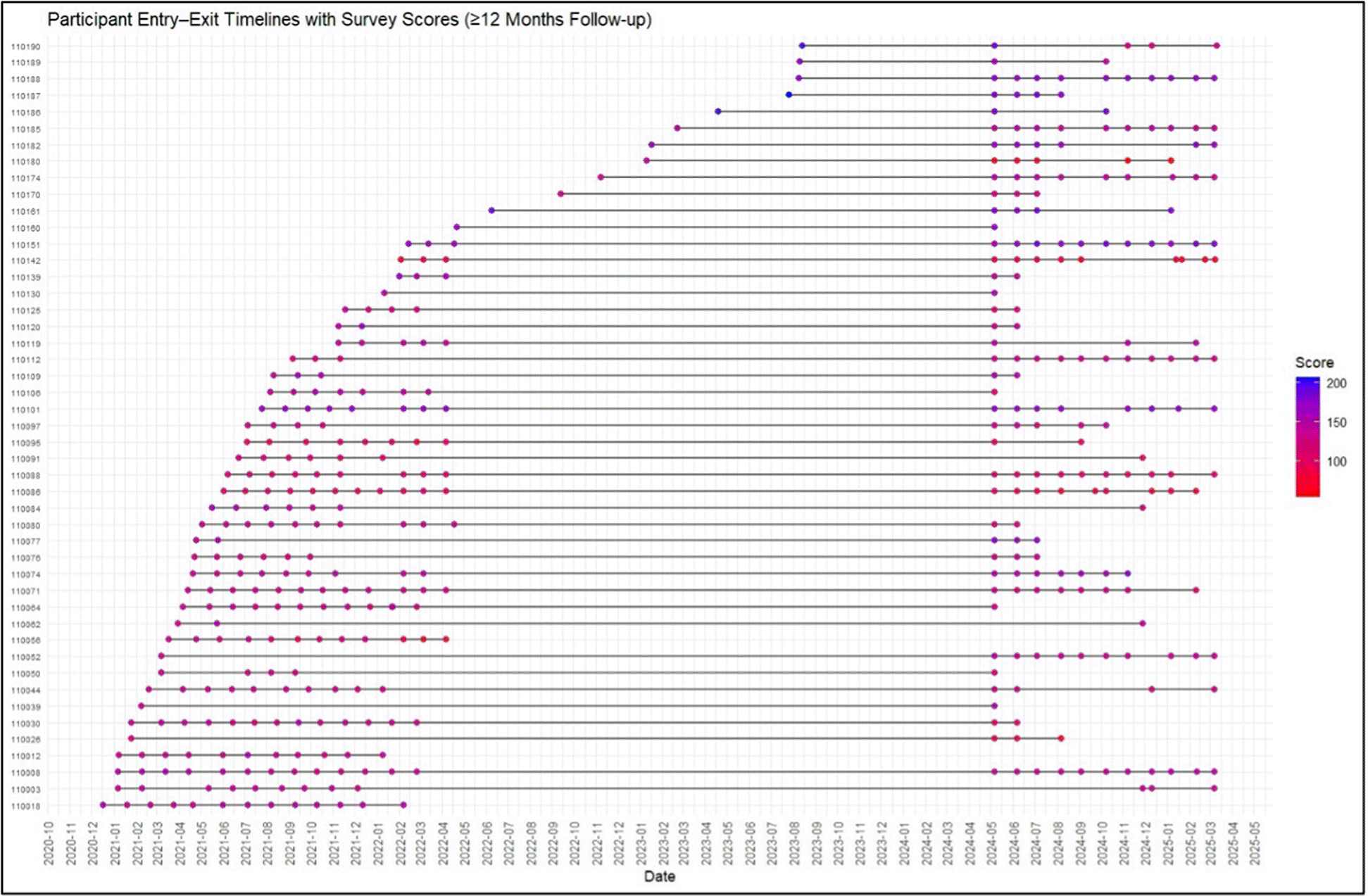
Participant-level trajectories, including timing of study entry and exit and individual PAC-19QoL scores across follow-up, are shown in Figure 3, illustrating substantial heterogeneity in both follow-up duration and QoL trajectories.
Results of GEE analyses are summarized in Table 3. Among the evaluated working correlation structures, the exchangeable correlation model demonstrated the best fit (QIC = 345,222) and was selected for primary inference.
In the adjusted exchangeable GEE model, longer duration of long COVID-19 symptoms at baseline was associated with higher PAC-19QoL scores over follow-up (β = 1.08 per month; 95% CI: 1.01 to 1.21; p < 0.05). Time since study entry was not independently associated with PAC-19QoL scores (β = −0.004; 95%; p = 0.51), and the interaction between symptom duration and time was not statistically significant (p = 0.13), indicating a stable association over time.
Male sex (β = −18.1; 95% CI –18.3 to −7.6; p < 0.001), older age (β = −0.50 per year; 95% CI –0.70 to −0.28; p < 0.001), and hospitalization during acute COVID-19 (β = −23.5; 95% CI –32.7 to −14.3; p < 0.001) were associated with lower PAC-19QoL scores, while higher BMI was associated with modestly higher scores (β = 0.39; 95% CI 0.02 to 0.75; p = 0.038). Within-subject correlation was high (α ≈ 0.94), consistent with repeated measurements within individuals.
Alternative GEE models using autoregressive and independence correlation structures yielded similar associations between symptom duration and PAC-19QoL scores. The autoregressive model identified a weak negative interaction between symptom duration and time (β = −0.00095; p = 0.046), although the magnitude of this effect was small.
Sensitivity analyses restricted to participants with longer-term follow-up (n = 33) produced effect estimates consistent in direction and magnitude (p > 0.05) with the primary analysis, supporting the robustness of the findings.
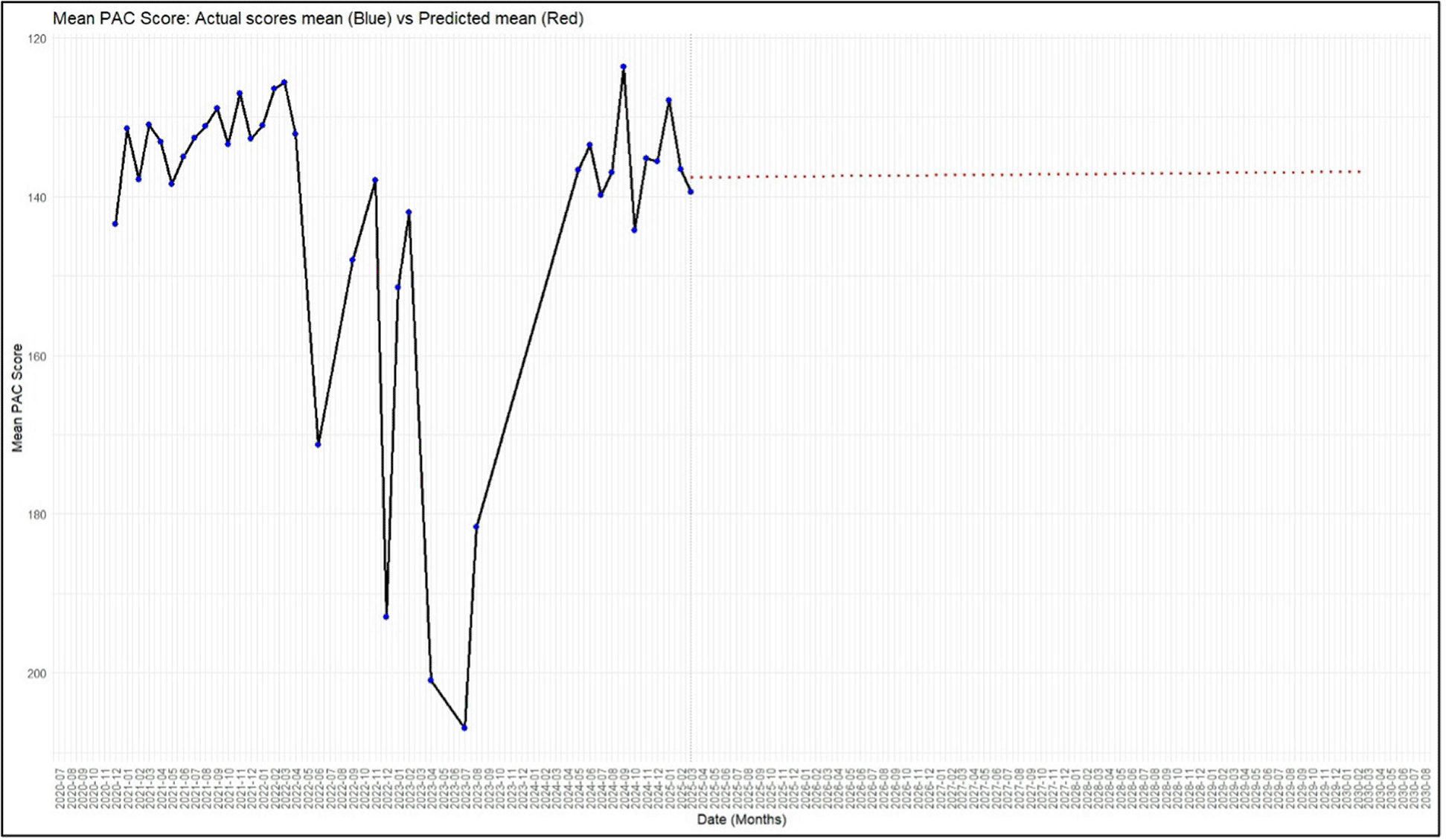
Using the final exchangeable GEE model, predicted mean PAC-19QoL scores were extrapolated for up to five years beyond the observed data ( Figure 4). Projections suggested relative stability of mean PAC-19QoL scores over time, with a modest decline from 137.6 in April 2025 to approximately 136.9 by December 2029.
This longitudinal analysis provides valuable insight into the evolution and predictors of QoL among individuals experiencing long COVID. Using the disease-specific PAC-19QoL instrument, we were able to track patient-reported outcomes over time and identify key demographic and clinical factors associated with poorer QoL trajectories. Recruitment between December 2020 and March 2025 yielded a diverse cohort of adults with long COVID, although retention varied over time. While the overall completion rate was modest, a substantial number of participants contributed multiple surveys over extended periods, allowing robust modelling of within-subject trends.
The demographic profile of the cohort, characterized by a predominance of middle-aged female participants, aligns with existing reports suggesting a higher prevalence of long COVID symptoms among women.10 The mean age of 46.5 years and moderate BMI distribution are consistent with prior epidemiological findings.11–13 The relatively low rate of hospitalization and ICU admission suggests that persistent symptoms and reduced quality of life are not limited to those with severe acute infection, supporting the notion that long COVID can develop even after mild disease.14
Across the study period, PAC-19QoL scores fluctuated but generally remained within a moderate range, with episodic declines possibly corresponding to external factors such as seasonal infections, reinfections, or psychosocial stressors. Importantly, the overall stability of mean scores suggests that the detrimental impact of long COVID on QoL persists over time but does not necessarily worsen in the majority of patients. This plateau pattern has been observed in previous studies assessing various aspects of symptomology and QoL, where symptom burden remains relatively constant beyond the initial recovery phase.15,16
Our modelling revealed several significant predictors of PAC-19QoL scores. Longer exposure duration was associated with slightly higher scores, implying a modest improvement or adaptation over time. This could reflect gradual physiological recovery, psychological adjustment, or improved coping mechanisms among patients with prolonged disease. However, as the effect size was small and the interaction between exposure duration and time was non-significant, these changes may not represent clinically meaningful improvement. In contrast, male sex, older age, and hospitalization during the acute phase were strongly associated with lower quality of life. While the association with male sex contrasts with the higher prevalence of long COVID among females, it may indicate that when men are affected, their QoL impact is more severe.17 The negative influence of older age is consistent with the general vulnerability of this population to reduced physical and emotional resilience. Hospitalization likely reflects greater initial disease severity, which may predispose to lasting functional limitations and psychological burden.
Projections from the exchangeable GEE model suggest that mean PAC-19QoL scores will remain relatively stable over the next five years, with minimal decline. This indicates that for most patients, long COVID may evolve into a chronic but stable condition rather than a progressively worsening one. However, the persistence of reduced quality of life over extended follow-up highlights the need for long-term management strategies and ongoing support rather than short-term interventions.18,19
A key strength of this study lies in its longitudinal design and use of the PAC-19QoL. This enabled the characterization of QoL trajectories over a prolonged period and captured the nuanced impacts generic tools might overlook. However, several limitations should be acknowledged including attrition and variable survey frequency, which may introduce selection and reporting bias, despite statistical adjustment. In addition, all outcomes were self-reported data and may be influenced by recall or response bias. Furthermore, the study cohort was predominantly female and relatively small, meaning generalizability to other populations, particularly males or diverse ethnic and clinical groups, may be limited. Another limitation is the temporal spacing of data collection with variable intervals between surveys, which may have reduced sensitivity to short-term fluctuations in quality of life. Finally, the projection model assumes the continuation of current trends; real-world factors such as emerging treatments, viral variants, or healthcare changes could alter future trajectories.
These findings underscore the importance of continuous monitoring and targeted interventions for individuals with long COVID. The observed demographic and clinical predictors may help clinicians identify patients at higher risk of sustained QoL impairment. Moreover, the use of a disease-specific tool such as the PAC-19QoL provides nuanced insights that generic instruments may overlook, supporting its role in both clinical and research settings.
| Views | Downloads | |
|---|---|---|
| F1000Research | - | - |
|
PubMed Central
Data from PMC are received and updated monthly.
|
- | - |
Provide sufficient details of any financial or non-financial competing interests to enable users to assess whether your comments might lead a reasonable person to question your impartiality. Consider the following examples, but note that this is not an exhaustive list:
Sign up for content alerts and receive a weekly or monthly email with all newly published articles
Already registered? Sign in
The email address should be the one you originally registered with F1000.
You registered with F1000 via Google, so we cannot reset your password.
To sign in, please click here.
If you still need help with your Google account password, please click here.
You registered with F1000 via Facebook, so we cannot reset your password.
To sign in, please click here.
If you still need help with your Facebook account password, please click here.
If your email address is registered with us, we will email you instructions to reset your password.
If you think you should have received this email but it has not arrived, please check your spam filters and/or contact for further assistance.

Comments on this article Comments (0)