Keywords
Osteoporosis, Balloon Kyphoplasty, Vertebral Height

This article is included in the Health Services gateway.
Osteoporosis, Balloon Kyphoplasty, Vertebral Height
For osteoporotic vertebral compression fractures, there are two treatment options. These are the KP and VP processes. This study uses narrative analysis of recent data to compare two therapies.
Osteoporosis is a systemic disease of bones that causes bone density to decrease and a loss of bone microarchitecture, weakening bone and more. It is a headache in about 40 per cent of postmenopausal women, and thus it is a serious health concern of the population.1 However, the men are also affected by osteoporosis, albeit with a lower prevalence rate. More than 700,000 vertebral fractures occur each year in the world due to osteoporosis, and the geriatric population is vulnerable. The medical costs associated with the condition, coupled with associated morbidity and mortality, are pretty high. One of the most frequent sequelae of osteoporosis is the so-called VCFs, which, in a debilitating way, worsen the quality of life of patients with the manifestation of constant pain, physical disability, and loss of mobility. Such diseases also include secondary fractures that occurred due to the primary or even metastatic malignancy of spinal origin, complicating the clinical situation.2–4
It is a pathophysiological disease caused by the imbalance of bone resorption and bone formation, which leads to the net loss of bone density. In most cases, the condition is further aggravated by hormonal variations, particularly the lack of production of estrogen during menopause and age, eating disorders, and poor lifestyle, including lazy behavior and even smoking. People also become predisposed to getting a fracture by pedestrian accident or even in regular behaviour due to the consequences of the bone fragility.5 Fractures of the vertebrae, especially, cause progressive deformity of the spine, height loss, and chronic discomfort, which, in turn, cause functional deterioration of such individuals, leading to the loss of independence.6 OVCF management has changed extensively in the last couple of decades. Conservative measures that have been applied in prior treatment include bed rest, bracing, pain medication, and physical therapy. Nevertheless, since they prove beneficial in others, they cannot always alleviate pain or correct spinal straightening in the cases of severe fractures or patients with a low coping threshold to long-term immobilization. Moreover, conservative treatment fails to address the structural instability caused by the fracture, which will lead to longitudinal spine deformity and paraplegia.3,7,8
Alternatively, alternative interventions exist, e.g., minimally invasive procedures, i.e., vertebroplasty (VP) and kyphoplasty (KP). First, Galibert and Deramond in 1987 carried out a VP, injecting under fluoroscopic guidance in the case of a vertebral hemangioma of C2: the process was the introduction of a cement in polymethylmethacrylate, commonly known as PMMA, into the fractured vertebral body. This procedure is aimed at stabilizing the fracture, eliminating the pain, and preventing further collapse of the vertebral. In 1998, a further modification of KP as a VP was introduced by Mark Reiley, who inserted a balloon into a vertebral body, making a cavity where the cement would be inserted. Other than relieving the pain and stabilizing the vertebrae, this will enable restoration of vertebral height and correction of kyphotic deformity.3,7,8 Cadaveric experiments have identified the biomechanical benefits of KP over VP, such as improved distribution of cement and enhanced restoration of vertebral height due to cavitation of the vertebral body before cement injection.9 Also, KP is connected with a reduced rate of cement leakage, which is one of the complications of VP and can result in the occurrence of such fatal incidents as a pulmonary embolism, spinal cord pressure, or nerve root damage. Nevertheless, the procedures are generally regarded as effective and safe when operated by an experienced operator. The surgeon’s preferences between VP and KP depend on several factors, such as the patient’s clinical condition, the extent of the fracture, and the opportunity that the surgeon provides.2,10,11
Under local anaesthesia, KP is most frequently performed. Nonetheless, sedation or general anaesthesia can be administered in such patients, as they cannot face the pain or find it a burden. The technique entails introducing a cannula and a balloon into the vertebral bodies using a fluoroscope and inflating the balloon in the cavity. The balloon is then deflated and excised, filling the cavity with PMMA cement. It takes only minutes to set, and hardened cement stabilizes the fracture. Overall, KP’s treatment results are positive; most patients showed significant symptomatic and functional improvements within a few days after the surgery. This involves recovering vertebral height and kyphotic restoration/radiological outcomes.2,10 KP also has its demerits despite its numerous benefits. Cement leakage, pulmonary or cement embolism, infection, fever, and neurological deficits are the complications of the operation. The most frequent complication, cement leakage, can present with no symptoms but turn disastrous when the leakage occurs around the spinal canal and/or neural structures. Other potential risks include postoperative level fracture due to how this alter the spinal mechanics post-surgery.12 These risks should be kept to a minimum, and outcomes maximized through a careful patient selection process, a careful implementation of the procedure, and meticulous preoperative planning.2,11
Investigations of alternative fillers to KP have gained momentum over recent years, with calcium phosphate cement and bioactive glasses being the most promising alternatives to PMMA since they present the most advantages: biocompatibility and osteoconductivity. However, PMMA is most frequently utilized due to its effectiveness, convenience, and demonstrated mechanical stability. Additional investigations have started to improve KP’s safety and efficacy and widen its indications in different fractures and patients with co-morbidity.2,10 The KP functional and radiologic outcome reports have been numerous, and most patients have high satisfaction levels, and significant advances have been experienced regarding pain, movement, and quality of life. Nevertheless, these long-term studies on a large scale are yet necessary to learn more in-depth about how lasting these outcomes are and what factors are likely to contribute to the effectiveness of such a procedure. KP is also a subject of research on the possible cost-effectiveness compared to conservative management and other surgery types, regarding the growing number of cases of osteoporosis and the necessity for effective options of its treatment.2,11
This research contributes to what the authors know about KP in the treatment of osteoporotic vertebral compressions. The functional and radiological results of kyphoplasty for osteoporotic vertebral compression fractures (OVCF) were assessed. This aided in the comprehension of public information. The functional and radiological outcome measures include pain relief, the restoration of vertebral height, the correction of Kyphotic deformity, and complication rates. We make this finding available to advance the body of knowledge regarding the potential benefit of KP in caring for patients with OVCFs and to assist with making clinical decisions on behalf of this severely incapacitated patient population. In short, vertebral compression fractures sequelae and osteoporosis are a significant global social health problem, given the considerable percentage of vertebral compression fractures that contribute to the overall economic burden of health care through genomic health care financing in countries around the world.13 To ascertain the clinical efficacy, complication rates, and results of kyphoplasty in osteoporotic vertebral compression fractures (OVCF), the literature was examined. We used criteria to choose the articles.
Nonetheless, KP is one of the revolutions in OVCF management that has baffled conservative management regarding its applicability and effectiveness, and offers lasting pain relief and structural stabilization procedures. This review evaluates the impact of KP on patient outcomes by drawing on a number of earlier research. Results include pain management, spinal height restoration, and therapy of kyphotic deformities. As the world population is ageing, these techniques are likely to remain even more common and indeed up and coming; further research and innovations will occur in this field. To contribute towards that desired end, we are endeavoring to document our experience of KP in as detailed a manner as possible in the hope that we enhance the outcomes of patients with osteoporotic vertebral deformities. The systematic review was conducted, which included bias assessments.14 This guaranteed the reliability and correctness of the review. The objectives include a concise assessment of the methodological rigour and evidence supporting the use of KP to treat osteoporotic spinal compression fractures, as well as transparency and consistency in the analysis of prior studies. It’s easier to be open and consistent.
The study was done retrospectively at the Department of Neurosurgery, Hatay Mustafa Kemal University (HMKU), Turkey. The objective was to study the radiological and functional outcomes of 32 patients suffering from VCFs due to osteoporosis who had undergone percutaneous kyphoplasty between 2022 and 2024. The study has received ethical approval from the Hatay Mustafa Kemal University Rectorate, Faculty of Medicine Ethics Committee (25/12/2023, number: 14), the institutional and national research committee, and the Declaration of Helsinki (1964 and its later amendments).
Kyphoplasty was performed on 32 individuals with osteoporotic spinal compression fractures. We performed 36 operations. Numerous vertebrae were addressed in each surgery. For study participants, the mean results for each treatment vertebral level were calculated. Patient averages were used for several damaged vertebrae. In order to address procedural clustering in certain individuals, this was done.
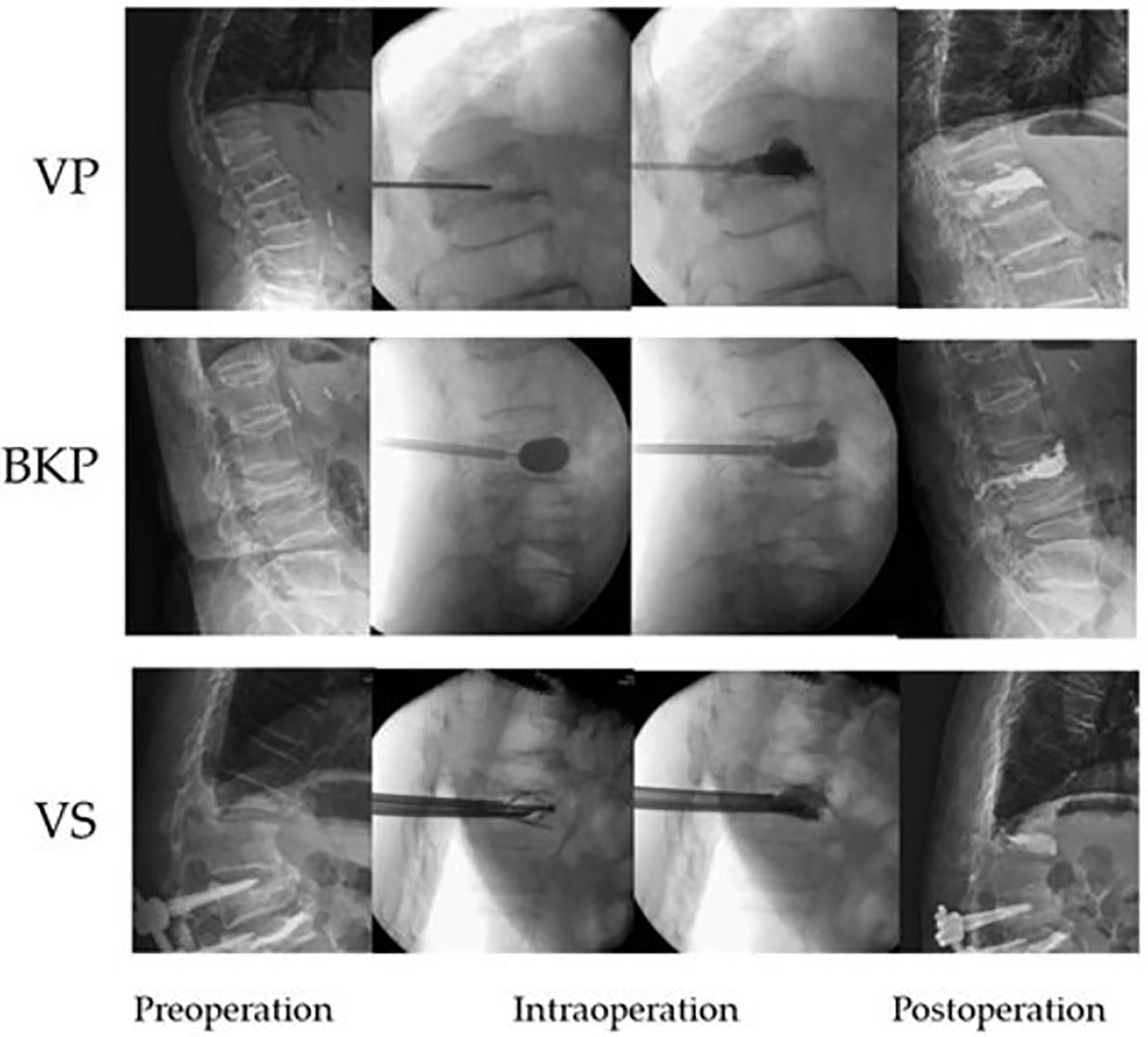
Preoperatively, early postoperatively (within 24 hours), and 1 month postoperatively, radiological assessments were performed. Vertebral height measurements are illustrated in Figure 1. The following parameters were evaluated:
1. The lateral direct radiographs measured the heights of the affected vertebrae’s anterior, middle, and posterior walls.
2. The Cobb technique calculated the kyphosis angle on lateral radiographs in a neutral posture.
3. Diagnosis, fracture morphology, cement behavior, and possible complications, such as cement leakage, were confirmed with Direct radiographs, CT, and MRI.
The Visual Analogue Scale (VAS) for pain measured the functional outcomes. The VAS rated patient pain on a scale from 0 (no pain) to 10 (the most imaginable). VAS scores were recorded preoperatively, early, and one month postoperatively.
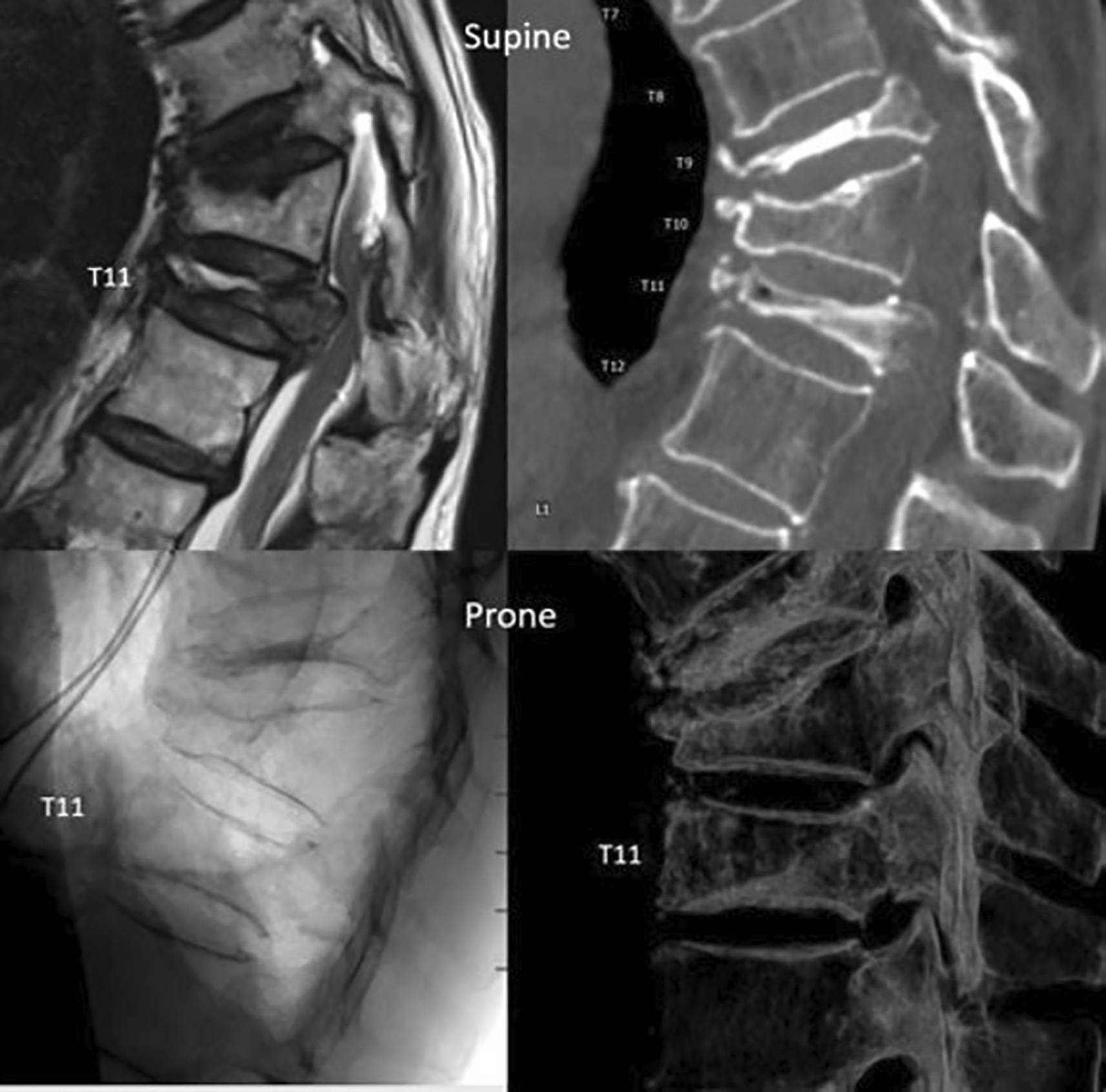
The same trained neurosurgeon performed all KP procedures in the opertating theatre under sterile conditions. The procedures were conducted under local anaesthesia or sedoanalgesia according to individual tolerance and preference. The procedure was performed under fluoroscopic guidance (C arm) to allow accurate placement and injection of cement. An extravehicular approach was used for vertebral levels above thoracic (T) 10, and a transpedicular approach was used for all vertebral levels at or below T10. Regarding Cement Injection, 3–6 cc of polymethylmethacrylate (PMMA) bone cement was injected into each treated vertebral level. During the procedure, care was taken to note if cement leakage was occurring.
The patients were mobilized for 2–6 hours and discharged on the same or the following day, depending on their clinical condition. All patients were discouraged from strenuous activities for a month after surgery. Radiological and functional assessments were repeated one month postoperatively, during which follow-up evaluations were to occur.
Retrospectively, patient medical records were reviewed for demographic information, clinical findings, radiological images, and VAS scores. A second surgeon performed radiological measurements to ensure objectivity and to decrease bias. Appropriate software was used to perform statistical analysis between the preoperative, early postoperative, and 1-month postoperative periods. Continuous variables were expressed as mean ± SD, and categorical variables as frequencies and percentages. The pre-and postoperative measurements were compared with paired t-tests or Wilcoxon signed rank tests depending on the data distribution. Statistical significance was considered at a p-value of <0.05.
The primary outcome measures included:
1. Radiological Outcomes: Restoration of vertebral height (anterior, middle, and posterior walls) and correction of the kyphosis angle.
2. Measuring by VAS, the functional outcomes include improving pain scores.
3. Complication: Cement leakage to the bladder, lung, and vessels (such as pulmonary embolism), infection, procedure-related adverse events (bleeding, iliac artery thrombus, etc.).
The mean results from many treated vertebrae for each patient were calculated for statistical comparisons. For large vertebrae, mixed-effects models and pairwise t-tests were used. This step confirmed that several patient data points were connected. All statistical analyses were conducted using SPSS 25.0. For every statistical analysis, the significance level was set at p < 0.05.
According to the Declaration of Helsinki, the study conformed to ethical principles. All participants were adults (≥18 years of age). No minors were included in this study. Therefore, informed consent was obtained from all the participants in writing, and the confidentiality of the patients was maintained.15 The HMKU Faculty of Medicine Ethics Committee approved a study protocol.
This study has several limitations, such as a retrospective design, a relatively small sample size, and a short follow-up period. Also, the lack of a control group does not allow for a definite inference about the superiority of KP compared with conservative management or other surgical treatment techniques. These findings should be validated in future prospective studies with larger sample sizes and longer follow-ups to better determine the long-term outcome of KP in osteoporotic VCFs. Following this structured methodology, this study attempts to offer a complete functional and radiological assessment of KP and its outcome in patients with osteoporotic vertebral collapse fractures and aid the ongoing research in this minimally invasive procedure.
A focused literature search of PubMed, Scopus, and Cochrane was performed to contextualize the findings of this retrospective study and support the discussion. This guaranteed a thorough search. Only case-control, randomised controlled trial, and cohort studies conducted in English within the previous ten years were eligible. The requirements were only satisfied by these studies.
In this study, 32 patients with secondary osteoporosis vertebral collapse fractures were included. The sample consisted of 8 males (25%) and 24 females (75%), ranging from 29 to 88 years of age. The study population had a mean age of 63.09, 50.5 years for the male patients and 67.29 years for the female patients. Thirty-six percutaneous kyphoplasty procedures were performed (4 two-level and 28 single-level). Twenty five percent (n = 9) were at L1, 16.6% (n = 6) at L2, 13.8% (n = 5) at L3, 13.8% (n = 5) at L4, 16.6% (n = 6) at T12, 8.3% (n = 3) at T11, 2.7% (n = 1) at T10 and 2.7% (n = 1) at T7.
The VAS scores were 8.56 (severe pain) for preoperative and 3.87 (mild pain) for postoperative. The mean VAS score went down by 31.54 on average in the early postoperative period, from 8.55 to 5.83, which indicated a significant reduction of pain in the study group. Then, by the first postoperative month, the VAS score decreased by 92.64% compared to the preoperative score, reaching an average of 0.63, which marks minimal or no pain. The study showed that the KP procedure provides substantial, sustained improvement with pain relief. Changes in VAS scores are shown in Figure 2.
1. Kyphosis Angle:
The Cobb technique measured the mean preoperative kyphosis angle, which was 18.44°. The spinal deformity was corrected significantly by a decrease of the mean kyphosis angle by 41.81% (10.73°) in the early postoperative period. There was no significant difference between the angle of early postoperative kyphosis and the reading taken 1 month after the operation, which indicates stability in the correction made during the operation.
2. Vertebral Height Measurements:
• Anterior Wall Height The mean preoperative anterior vertebral wall height was 15.86 mm and increased to 17.43 mm (9.89% increase) in the early postoperative period.
• They reported the mean preoperative middle wall height to be 12.41 mm, which increased 29.41% to 16.07 mm in the early postoperative period.
• Posterior Wall Height: The posterior wall height showed no significant change between the preoperative and postoperative periods.
These results emphasize a substantial restoration, especially of anterior and middle wall vertebral height, subject to the most significant number of cervical compression fractures. However, the initial change in vertebral height was not observed to change significantly in the early postoperative period and at the one-month follow-up.
This study reported no significant complications, e.g., cement leakage, pulmonary embolism, or neurological deficits. A few cases admitted minor complications, like transient fever or pain in the injection area, but they used no antibiotic and were spontaneous with no additional intervention.
There was a significant reduction in pain, further evidenced by a 92.64% reduction in VAS scores within 1 month after surgery compared to those before surgery.
• Restoration of vertebral height, particularly in the anterior and middle walls, with no significant loss of correction at 1 month postoperatively.
• The spinal alignment was improved compared with the uninjured side, with a 41.81% reduction in the Kyphosis angle in the early postoperative period, which was maintained during the one-month follow-up.
• Despite lacking any major complications, a high safety profile has been used to manage a variety of maladies.
Outcomes were compared preoperatively and postoperatively using statistical analysis of paired t-tests. These results proved that the VAS scores, kyphosis angle, and vertebral height were statistically significant (p < 0.05). Importantly, subgroup analysis based on age, fracture level, and sex did not show significant differences in outcomes, indicating that KP can yield the same results in all groups. The findings of this study suggest that percutaneous kyphoplasty is an effective and safe treatment for osteoporotic vertebral compression fractures in terms of pain reduction, restoration of vertebral height, and correcting spinal alignment. These results agree with prior literature and support using KP as an alternative, minimally invasive treatment for osteoporotic VCFs. Clinical and radiological outcomes are summarized in Table 1.
Bones are weakened and fracture risk is increased by systemic osteoporosis. Vertebral compression fractures (VCFs), which are the usual result of this illness, lead to spinal anomalies, pain, and problems with quality of life.16 VCFs have a number of adverse effects. There is mechanical instability at the fracture site. This instability exacerbates pain by causing micromovements and inflammation. Persistent pain and dysfunction brought on by structural instability cannot be resolved by conventional therapy. Bracing, bed rest, and therapy are examples of conservative therapies.
Minimally invasive osteoporotic vertebral compression fracture treatments include KP and VP. In kyphoplasty, unstable vertebrae are opened using an inflated balloon. After treatment, polymethylmethacrylate bone cement is used to fill this void.6,11 The structural and functional consequences of spinal compression fractures are addressed by this technique. Surgery elevates the spine, fixes kyphotic abnormalities, and stabilises the fracture.
Research into KP’s analgesic qualities has lasted for years. Pain was expected to be reduced by heat and chemical changes that occurred in PMMA during polymerisation. According to a recent study, KP prevents vertebral collapse, reduces inflammation and mechanical strain, and stabilises microfractures. The spine becomes more aligned and less deformed as it is stabilised. Our study showed that KP reduced VAS pain by 92.64%. According to Kim et al., KP significantly raised the spinal height and kyphosis angle. This outcome is supported by previous studies.17,18
Although KP offers a number of advantages, its primary drawback is cement leakage. Cement leakage is the primary problem.19 Thirty percent of cement leaks are symptomless. It cause pulmonary embolism, myelopathy, or injury to nerve roots. When evaluating the danger of leaks, take into account the volume, viscosity, and spinal cortical structure of the cement. To minimise problems and guarantee accurate cement application, some surgeons use high-viscosity cement with advanced imaging. Due to careful patient selection and superior operation, our study revealed no serious problems.
Kyphoplasty is often preferred over vertebroplasty in cases of severe spinal collapse or kyphotic deformity. particularly when their spines are malformed. especially in contrast to vertebroplasty. While both involve cement injection, KP treats kyphosis and spinal height using a balloon-filled chamber. In both cases, cement is injected. KP is safer and smarter at times.8,19,20 Phases stop cement from leaking. These findings are supported by our data, which show significant improvements in spinal height and kyphosis correction.
Adjacent-level fractures are feared in kyphoplasty. PMMA cement stiffens the vertebral body, putting stress on neighbouring vertebrae and raising the risk of fracture, according to several medical research. KP did not forecast local fractures in our investigation.21 This resulted from our short follow-up and unipedicular method. Long-term research is necessary to identify this risk.
Whether using unipedicular or bipedicular approaches, performance is important. According to a recent research, the unipedicular strategy is just as successful as the bipedicular one. Unipedicular therapy reduces problems, radiation, and recovery time. Even still, stability was the usual reason for choosing the bipedicular approach. Unipedicular is often used in our practice since it yields positive results with little hassle.
Following kyphoplasty, rapid mobility lowers PE and DVT associated with bed rest. Last but not least, this is crucial. Three to six hours after surgery, either the same day or the next day, research participants were released from the hospital.22,23 The lives of individuals with osteoporotic visceral compression fractures are enhanced with minimally invasive KP. KP’s quick recovery indicates that it is less invasive.
Lastly, osteoporotic spinal compression fractures are repaired by minimally invasive kyphoplasty. Our research found that KP restores spinal height and reduces kyphosis pain. These findings are consistent with earlier research. Expertise in operation and careful selection help minimise cement leakage. Research on long-term KP effects is necessary. This aids in the analysis of how KP lessens spinal fragility and affects adjacent fractures.
In conclusion, percutaneous kyphoplasty (KP) is a safe, effective, and minimally invasive treatment for osteoporotic vertebral compression fractures (VCFs). The procedure delivers on its core objectives: providing rapid and remarkable pain relief, significantly restoring lost vertebral height, and correcting pathological kyphosis to improve spinal alignment. These radiological improvements directly translate to tangible clinical benefits, including a superior quality of life and enhanced patient functional status. When performed by experienced surgeons adhering to proper technical protocols, KP is associated with a notably low risk of complications, further solidifying its position in the treatment algorithm. However, adopting KP is not without its ongoing debates and challenges. Primary among these concerns is the risk of subsequent fractures at levels adjacent to the treated vertebra, which the stiffness of the bone cement used influence.
Furthermore, questions persist regarding the optimal technical execution of the procedure, including cement volume, viscosity, and injection pressure, to maximize benefits while minimizing risks. Therefore, while the current evidence strongly supports KP as a vital therapeutic option, future research must address several key areas to refine its application and outcomes. First, large-scale, long-term prospective studies are essential to fully understand the decade-long durability of the procedure, its impact on overall spinal biomechanics, and its definitive role in preventing chronic pain and disability. Second, an investigation into alternative filling materials is a critical frontier. Developing novel biomaterials, such as osteoconductive and bioresorbable cements, holds the promise of integrating with natural bone, reducing stiffness mismatch, and potentially eliminating the risk of adjacent-level fractures. Research into the ideal material properties, a balance between strength, elasticity, and biocompatibility is paramount. Finally, efforts must continue to improve KP performance techniques. This includes the advancement of real-time imaging guidance to enhance cement placement accuracy, the refinement of patient selection criteria to identify the ideal candidates, and the potential integration of robotic-assisted surgery for unparalleled precision. By focusing on these future directions—long-term outcomes, innovative materials, and technical refinements the medical community can further optimize the safety and efficacy of kyphoplasty, ensuring it remains a leading, evidence-based solution for improving the lives of patients with osteoporotic VCFs.
| Views | Downloads | |
|---|---|---|
| F1000Research | - | - |
|
PubMed Central
Data from PMC are received and updated monthly.
|
- | - |
Provide sufficient details of any financial or non-financial competing interests to enable users to assess whether your comments might lead a reasonable person to question your impartiality. Consider the following examples, but note that this is not an exhaustive list:
Sign up for content alerts and receive a weekly or monthly email with all newly published articles
Already registered? Sign in
The email address should be the one you originally registered with F1000.
You registered with F1000 via Google, so we cannot reset your password.
To sign in, please click here.
If you still need help with your Google account password, please click here.
You registered with F1000 via Facebook, so we cannot reset your password.
To sign in, please click here.
If you still need help with your Facebook account password, please click here.
If your email address is registered with us, we will email you instructions to reset your password.
If you think you should have received this email but it has not arrived, please check your spam filters and/or contact for further assistance.

Comments on this article Comments (0)