Keywords
Branding, Media Technology, Communication, Bibliometrics, Scopus, Vosviewer

Branding, Media Technology, Communication, Bibliometrics, Scopus, Vosviewer
Contemporary communications developments demonstrate that media technology-based branding is increasingly considered an important approach to shaping a brand’s identity and image. Branding changes that leverage media technology create complex dynamics (Dubbelink et al., 2021), especially in digital communication practices, which are characterized by the presence of various platforms, audience characteristics, and changes in interaction patterns between brands and audiences (AlFraihat et al., 2025). In line with this complexity, communication strategies that utilize technology are also increasingly integrated into modern branding practices (France et al., 2025), especially through the use of various digital media such as content-sharing platforms, online communication networks, and social media, which open up opportunities for more participatory and interactive interactions between brands and audiences (Voorveld, 2019). This development directly impacts brand management and strengthening in the digital era.
In light of this digital transformation, organizations must adapt their brand management approach to encompass brand awareness, brand image, brand loyalty, and other indicators of brand equity. Traditional metrics alone are insufficient; digital elements must be integrated into modern branding strategies (France et al., 2025). Brand awareness is strengthened by digital technologies, including online search, multimedia content, and SEO strategies, which significantly enhance brand visibility (Liu & Jin, 2025). Brand image is built through consistent presentation of brand identity and values across various digital platforms and user experiences (Shams et al., 2024). Simultaneously, brand loyalty emerges through ongoing interactions that deliver individual experiences and responsive services in the digital space (Zhang et al., 2025). Therefore, digital media strengthens recognition, emotional engagement, and long-term relationships between brands and audiences.
Advances in information and communication technology have transformed the way organizations, companies, and institutions build relationships with the public. Previously, branding activities were primarily conducted through conventional media such as newspapers, magazines, radio, and television. Today, these activities have shifted to social media, digital platforms, and multimedia content, enabling more responsive and collaborative communication (Dwivedi et al., 2021). From the perspective of communication science, branding is understood as a strategic process that not only aims to introduce a brand, but also to build brand awareness, image, differentiation, and associations of the brand’s meaning in the public mind (Keller, 1993) In communication practice, the application of branding through media technology is realized through social media as a two-way interaction space, a digital platform for rapid message dissemination, multimedia content that emphasizes the character, differentiation, and position of the brand (Huerta-Álvarez et al., 2020). However, aligning the use of these tools with an ongoing brand identity strategy remains crucial.
The technology-based communication branding ecosystem is undergoing significant changes due to digital advancements. Branding is no longer simply a channel for disseminating messages, but rather a space for interaction to build sustainable relationships with audiences. Modern branding integrates strategic communication with audience engagement, dialogue, and shared experiences. Digital media expands reach and interaction, building audience trust (Satya, 2023). The number of digital media platform users on various platforms, which has reached billions, is utilized by organizations or businesses to strengthen their reputation and relationships with consumers in the long term (Walean et al., 2025). This situation accelerates the likelihood of the audience being influenced to construct the organization or business as portrayed, recommending it to many people, and maintaining brand loyalty. Branding through media technology naturally forms brand equity that emphasizes the organization or business’s superiority in the competitive market (Purnomo & Novita, 2024). Finally, branding through technology builds brand equity by emphasizing an organization’s superiority in a competitive market and increasing trust through open two-way communication (Dwi Cahyani et al., 2022).
In mapping the development and trends of research on media technology-based branding, previous researchers have used various comprehensive methods to combine different kinds of knowledge fragments in the field of communication (Qi et al., 2025). Methodologically, the previous literature review was conducted using conventional literature review methods, systematic literature review (SLR), and meta-analysis (Voorveld, 2019). The SLR approach, often based on the PRISMA framework, is recognized as highly effective in ensuring that the literature selection and synthesis process is structured, transparent, and minimizes subjective bias (Shaheen, 2025). Meanwhile, meta-analytic reviews are used to examine and compare empirical findings quantitatively (Voorveld, 2019). Although these three approaches offer strong analytical depth for dissecting specific phenomena, the ability to evaluate at a macro scale on a constantly evolving topic remains limited. (Qi et al., 2025) Therefore, bibliometric analysis is essential because it enables the analysis of large volumes of data to map relationships between studies, group topics, and predict future research trends more objectively and data-drivingly (Qi et al., 2025; Shaheen, 2025; Yang & Sulaiman, 2023).
Based on the data obtained, there is a positive publication trend, suggesting high academic interest in this subject. However, to date, no bibliometric research has comprehensively examined the intersection of branding and media technology within the communication science discipline. Systematic examination of the scientific literature using bibliometrics enables researchers to identify patterns, knowledge gaps, and potential areas for future research. Therefore, this study adopts bibliometric analysis to map research trends in media technology-based branding. This approach specifically aims to map publication trends over a specific time period, identify influential authors and journals, and analyze keyword networks and emerging research themes within the communication science discipline. This review is expected to provide significant insights into the development track record and future direction of “Branding-Based Media Technology” studies.
This study aims to provide an overview of Trends on Technology-Based Media Branding in The Communication Discipline. This study examines the subsequent research inquiries:
1. Analysing the main information about “Media Technology-Based Branding in Communication,”
2. Analysing publication trends related to “Media Technology-Based Branding in Communication,”
3. Investigating the most cited authors regarding “Media Technology-Based Branding in Communication,”
4. Determine the most cited sources related to “Media technology-based branding in Communication,”
5. Determining the most cited documents globally related to “Media technology-based branding in Communication,”
6. Analysing the most cited countries regarding “Media technology-based branding in Communication,”
7. Investigating commonly used keywords related to “Media technology-based branding in Communication”
8. Proposing future research directions related to “Media Technology-Based Branding in Communication.”
In the marketing and communications literature, branding is defined as a strategic construct that shapes an entity’s identity, image, and public perception. A conceptual analysis of branding shows that it is generally based on the relationships among brand identity, brand image, and brand positioning, serving as the foundation for managing brand value brand (Keller, 2013). In the development of digital marketing studies, branding is also understood as a relationship process formed through communication, consumer experience, and interaction between organizations and audiences in the digital world (Paramita et al., 2021). Various empirical studies show that communication strategies through social media and digital content can improve the relationship between organizations and customers by increasing audience engagement and brand loyalty (Ruangkanjanases et al., 2022). Furthermore, research on brand communities shows that online communities can build brand social capital through trust, cooperation, and knowledge among community members (Dessart et al., 2015). From this perspective, branding is no longer seen solely as a visual identity or symbolic element. Instead, it is seen as a communication process that emerges in the broader digital world through the relationship between organizations, media technologies, and audience communities.
In this communication-oriented branding approach, audience perception is crucial to the effectiveness of branding communications. Audience perception determines how the communicator’s message is understood and evaluated, and it influences audience behaviour. Marketing activities on social media can shape positive perceptions of the message source or organization among the audience. This positive audience perception will increase brand awareness and enhance the organization’s brand, thereby encouraging audience behavioural involvement in the decision-making process (Ruangkanjanases et al., 2022). Several previous studies also show that the use of multimedia elements, such as interactivity, innovation, and emotional nuances, in branding can enhance audience perceptions of the organization’s values and branding, thereby increasing loyalty and brand awareness (Liu & Jin, 2025). Meanwhile, studies on sustainability communication show that the authenticity of the message received strongly influences audience perceptions. When audiences perceive sustainability messages as honest and transparent, trust in the brand increases and can drive behavioural change (Poulis et al., 2026). This previous research illustrates that the quality of the message shapes audience perception, the media used, and the level of trust in the communication, to influence audience attitudes and behaviours toward an organization. In general, these studies indicate that the quality of the message delivered influences audience perception, the type of media used, and the level of trust established during the organizational communication process.
The growing role of audience perception in branding communications aligns with the broader digital transformation, which is changing how organizations interact with their audiences. One form of digital transformation is characterized by the use of artificial intelligence-based technology, generative media, and digital communication systems that make it easier for organizations to implement more dynamic and interactive communication spaces for audiences. Digital transformation in branding emerges through the use of AI technology and systems that enable automated content production, message personalization, and the creation of more interactive, adaptive branding (Balaji et al., 2025). Another opinion states that digital transformation occurs within the context of organizational communication through the integration of AI, which helps decision-making, increases transparency, and enhances stakeholder understanding in the organizational change process (Kashyap et al., 2025). A recent study also highlighted the evolving public discourse on artificial intelligence and the ways digital technologies are perceived in modern communication. Therefore, digital transformation is not only about deploying new technologies, but also about changes in how organizations manage branding messages, build communication narratives, and interact with their audiences within an increasingly complex digital communications ecosystem (Baholli et al., 2024).
As digital transformation continues to evolve, social media has emerged as one of the most important platforms for organizations to implement branding and communication strategies. The concept of social media branding states that social media serves as a strategic channel for organizations to communicate branding elements and build brand equity through digital interactions with audiences (Dubbelink et al., 2021). Research on brand communication in social media shows that branding is not limited to conventional advertising but also encompasses content created by brands, user interactions, and stakeholder participation that spread or interpret brand messages in digital networks (Voorveld, 2019).
These dynamics reinforce the evidence that social media has the potential to be a two-way communication space that allows consumers to access, share, and engage directly and/or indirectly, thereby strengthening the relationship between brands and stakeholders. Empirical evidence also shows that digital content marketing and stakeholder participation in sharing informative content, such as posters or videos, can significantly influence stakeholder behavior and engagement with the brand. Ultimately, this will increase stakeholder loyalty to the brand (AlFraihat et al., 2025). Therefore, digital content marketing and stakeholder participation in sharing informative content, such as posters or videos, can significantly influence stakeholder behavior and engagement with the brand. Ultimately, this will increase stakeholder loyalty to the brand.
As the roles of social media branding and audience participation grow, various studies have used diverse methodologies to investigate the relationships between consumer perceptions and behaviors and branding constructs. Findings from several literature reviews indicate that branding studies in marketing often employ quantitative empirical approaches. For example, a systematic review of articles in the Scopus database indicates that most research on brand identity and brand loyalty uses quantitative methods (Charity Latanza Indahsari et al., 2023). In addition, literature on brand experience shows that most studies focus on empirical measurement and statistical analysis (Khan & Rahman, 2015).
In addition to quantitative approaches, other studies use experimental designs and consumer behavior analysis to examine the influence of digital communication elements on brand evaluations, especially in the context of social media-based digital communication and visual content (Dessart et al., 2015). On the other hand, several studies have also applied qualitative approaches to examine the dynamics of brand communication and the interactions between organizations and audiences in digital ecosystems. For example, qualitative case studies have been used to examine the complex interactions between various stakeholders in the brand communication process, demonstrating that brand meaning is constructed through brand co-creation performances (Brand et al., 2025). This methodological diversity demonstrates that branding studies are developing multidisciplinary and combining perspectives from marketing, communication, and digital technology to understand the dynamics of the relationship between organizations and audiences.
Beyond conceptual and empirical approaches, studies on branding and marketing communications are increasingly adopting bibliometric analysis to identify the structure of knowledge and the development of scientific literature within a research field. This method allows researchers to identify publication patterns, citation networks, and thematic clusters that reflect the dynamics of research development over time (Donthu et al., 2021). Through this method, researchers can identify the contributions of various institutions, countries, and influential authors, while analysing the dominance of research themes in the academic literature. For example, bibliometric analysis has been used to examine the evolution of research on brand identity, brand image, and communication strategies that shape public perception of a brand or place (Lessa et al., 2025). Therefore, bibliometric analysis offers a macro perspective that complements conceptual and empirical research in understanding the evolution of knowledge in branding and digital communication studies. Furthermore, this analysis helps identify dominant research themes and emerging research trends.
Nevertheless, previous research has addressed communication branding, audience perception, and social media branding from various conceptual and empirical perspectives. However, there is a lack of research that systematically maps how these themes develop within the context of branding and digital communication research. Specifically, research capable of mapping the development of scientific discourse on branding is still needed. Therefore, the purpose of this study is to identify key research trends, thematic clusters, and future research objectives by analysing the structure and development of branding research using a bibliometric approach.
Bibliometric analysis is used in this research design to examine the development of scientific literature and identify patterns, trends, and impacts within a particular field (Passas, 2024). Bibliometrics is a research method that uses quantitative methods and statistical techniques to examine and identify patterns in published scientific literature (Kumar, 2025). This study uses a bibliometric analysis to identify, analyse, and visualize research developments and trends in branding in technology media. Vosviewer, Biblioshiny, and Microsoft Excel are used in this study for trend and comprehensive analyses. The methodological framework in this study uses a descriptive qualitative analysis approach. Relevant bibliometric data are collected by identifying and compiling key information from scientific publications, such as article titles, publication years, author names, and institutional affiliations. This process requires careful, accurate identification to ensure the data used aligns with research needs.
This research uses a Scopus database, known as one of the largest and most comprehensive scientific literature databases, which provides publications from various scientific disciplines (Safas & Khan, 2026). Scopus is often used in bibliometric research because it provides comprehensive metadata and allows filtering for relevant journals, making data search easier (Li et al., 2026). In addition, research uses bibliometrics to determine the direction of research development, such as mapping publication trends and analysing citation networks (Boshnjaku et al., 2026). The data search was conducted in March 2026 using keywords related to branding and media technology: “branding,” “advertisement,” “promotion,” “media technology,” “social media,” and “communication.” In addition, the publication period was limited to 2015–2025 to identify the latest research developments in media technology-based branding within the communication discipline, as shown in Figure 1.
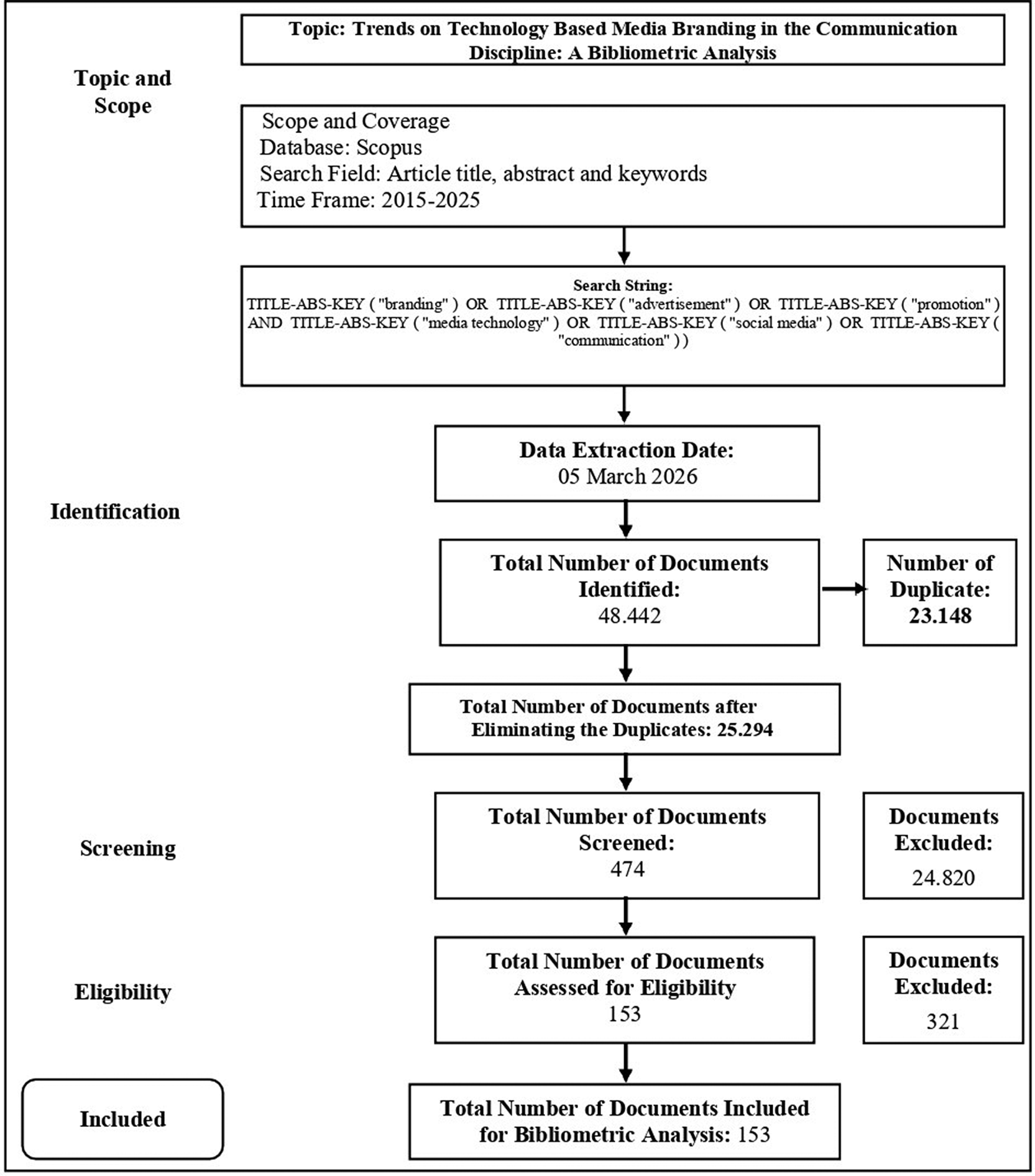
The initial search results from the Scopus database yielded 48,442 documents. After removing 23,148 duplicate documents, the remaining documents were 25,294. A screening stage was then conducted based on the relevance of the title and abstract to the research topic. At this stage, 474 documents were deemed relevant, while 24,820 were excluded for not aligning with the research focus. The next stage was a feasibility assessment, involving further review of the publication content. From this process, 153 documents met the inclusion criteria and were declared suitable for further analysis. All selected documents were then used as datasets in a bibliometric analysis to identify research trends, theme developments, and patterns of scientific collaboration in media technology-based branding studies within the communication discipline.
The authors determined the publishing trends of technology-based media branding in the communication discipline through a Scopus database search and subsequent bibliometric analysis. The average number of complete citations was subsequently determined from all published works using Microsoft Excel. The h-index and g-index of publications were determined in this study by the researcher using the R.4.4.1 program, a bibliometric instrument. The data displayed in Microsoft Excel were significant, as they represented the rankings of journal publications derived from quartiles. Scopus’ database contains 153 documents, which are further classified into (Q1), (Q2), and (Q3). This data also indicated that the publications were generated by researchers who had published in journals and conferences.
By exporting the data to Microsoft Excel, researchers were able to plot and exhibit the geographical distribution of articles by country on a world map. This conclusion was reached. The g-index and h-index of the publications under investigation were obtained using the R.4.4.1 program or similar tools, such as Biblioshiny’s citation trends. To establish network relationships among keywords, the VOSviewer program generated network graphics. To confirm the research’s focus, a survey of critical thinking-related terms in English language instruction is conducted. The Scopus database is the source of the information for analysis, including data that has been preliminarily processed. The VOS Viewer application provided terms that could be used to understand the research objective.
The characteristics of the dataset used for the bibliometric analysis are presented in this section. The research data covers publications from 2015 to 2026, totalling 153 documents from 109 sources, including academic books and journals. In recent years, the annual growth rate has reached 10.5%, indicating increasing academic attention to the analysed topic. Each document averages 8,556 citations, indicating the visibility and scientific influence of the analysed publications. The average age of the analysed documents is 2.73 years, indicating that most of the literature used is relatively recent and reflects recent research advances. Overall, the documents contain 1,477 references, demonstrating the breadth of the reference base in this field of study, as seen in Table 1.
In terms of document content, this study identified 919 Additional Keywords and 619 Author Keywords, indicating various conceptual themes and research methodologies used in the relevant literature. Furthermore, these keyword variations indicate the development of research topics and focuses within the field under study. Regarding author characteristics, 605 authors contributed to all documents analysed. A single author wrote a total of 20 documents, but most publications were created through collaboration between authors. This is reflected in an average of 4.03 authors per document, suggesting that research in this field tends to be collaborative.
Furthermore, the global collaboration rate of 24.84% indicates that researchers from various countries are involved in developing the literature on the subject discussed. Based on document type, the majority of publications are journal articles (144), while the remaining 9 are conference papers. The dominance of journal articles indicates that this publication type has always been the primary avenue for disseminating research results in this field of study. Overall, this information provides an initial overview of the structure of the literature analysed, publication dynamics, scientific collaborations and research developments in the field under study.
In the analysed topic, the growth in the number of scientific publications shows a fluctuating pattern, but in recent years there has been a significant increase, as seen in Figure 2.
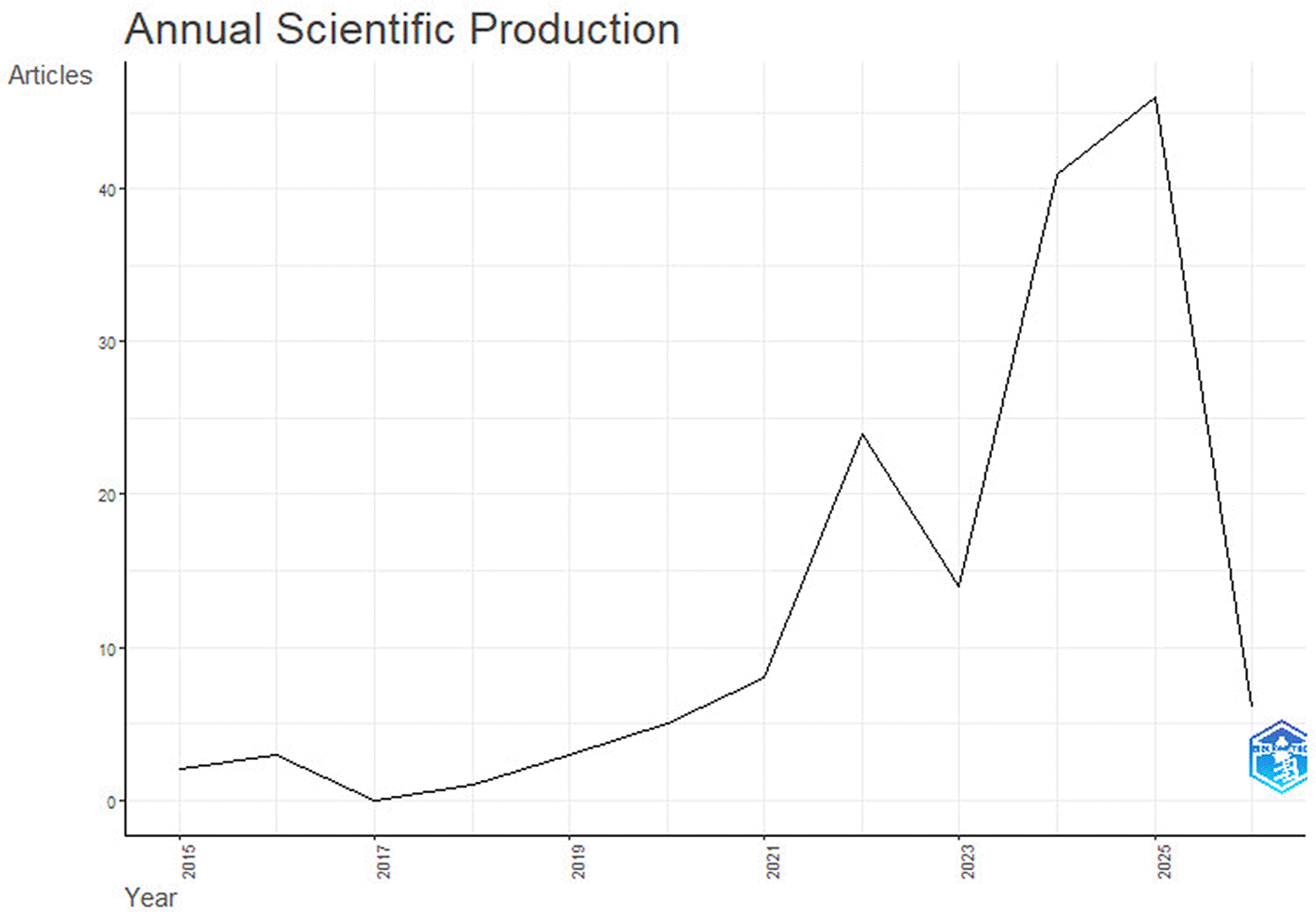
The graph of the data analysis results shows that publication practices were very low during the early phase of the observation period (2015–2018). In 2015, the number of indexed articles was approximately 2 publications; in 2016, it slowly increased to approximately 3 publications. However, in 2017, growth in publications decreased sharply to nearly zero, indicating that academic interest in this topic remained very minimal in the early phase. Scientific production then gradually reappeared in 2018, with approximately 1 publication. Entering the second period (2019–2021), a gradual growth trend is evident. In 2019, the number of publications increased from around 3 to around 5 in 2020, and continued to increase to 8 in 2021. This phase can be interpreted as an early growth phase, in which academic focus on research topics broadens and scientific contributions increase steadily (Wang et al., 2021).
A sharper increase then occurred in 2022, when the number of publications rose to around 24. This surge indicated that the research topic was beginning to receive widespread attention from the academic world. Although the trend declined in 2023, with only around 14 publications, it increased again in 2024, to around 41 publications, and continued to increase to 46 articles in 2025. Due to this significant growth, the 2022–2025 period is considered a rapid growth phase, as research on this topic experienced rapid development in the scientific literature (Goktas & Dikec, 2026).
However, a drastic decline of approximately 6 publications was observed in 2026. This likely does not represent a substantial decline in research focus, but rather an exception due to data limitations in the current year, when publication and database indexing processes are still ongoing (Adeosun, 2024). The general pattern of annual scientific production indicates that the research topic analysed undergoes several stages of growth, from an initial phase of low productivity to a more stable phase, especially after 2021. The increasing number of publications between 2022 and 2025 indicates that the subject is of increasing interest to academics and is relevant to contemporary scientific discussions.
The position of a publication source is evaluated by measuring the extent to which the publication source contributes to the development of the research topic being studied (Kyosova, 2024). Publication sources are considered crucial if published articles are frequently referenced by other research within the same body of literature. This dynamic can be understood by analysing bibliometric indicators, including the h-index, g-index, m-index, Total Citation (TC), Number of Papers (NP), and the initial year of publication (PY_start) to map the level of publication source productivity and its impact on the academic community (García-Villar & García-Santos, 2021).
Based on the results of bibliometric data processing as seen in Table 2, Sustainability (Switzerland) is the publication source with the most dominant impact on the research topic of Branding Based Media Technology. The h-index of 7 indicates that at least 7 of the author’s scientific articles have been cited at least 7 times. Sustainability (Switzerland) has a combination of scientific article productivity and strong citation impact since the initial year of contribution, namely 2018 (PY_start), with a total of 155 citations (TC) from 11 published articles (NP) in the research dataset. In addition, the g-index of 11 indicates high visibility of scientific article citations. Comprehensively, this is because Sustainability (Switzerland) is a multidisciplinary journal that covers various scientific aspects and has an open-access policy; this condition has the potential to increase citations.
A significant contribution is also seen in the journal PLOS ONE, which ranks second, with an h-index of 5 and a g-index of 7 since its publication in 2021 (PY_start). Despite its relatively recent appearance in the research dataset, articles in PLOS ONE tend to receive high citations, with the m-index rising quickly to 0.833. This high figure emphasizes that, in addition to the publication source’s broad, global scientific reach, PLOS ONE also adheres to strict scientific methodological standards, which have implications for the credibility and quality of published articles.
Bibliometric analysis shows that several journals specifically contribute to the social, communication, and health fields. The presence of Food and Nutrition Bulletin, Journal of Health Communication, and Social Science and Medicine, with balanced h-index combinations, indicates a relatively stable influence in the research ecosystem. While the dataset (NP) contains fewer articles than the two publication sources mentioned above, it still yields a significant total citation count (TC). This indicates that the published scientific articles are conceptually strong. Therefore, further research on communication and health tends to cite articles from these three journals.
On the other hand, social and health perspectives in the educational context are also evident in the journals Communication and Society and BMC Medical Education. Articles published collectively have received little attention from the academic community. The H-index indicates that only two articles have been cited at least twice. The resulting scientific influence is limited to a specific scope, thus limiting its relevance to specific research studies.
Furthermore, contrasting citation strengths are demonstrated by Computational Intelligence and Neuroscience and Wireless Communications and Mobile Computing. Both publication sources are technology-based and have a moderate impact. In Computational Intelligence and Neuroscience, the number of published articles (NP) is not large, but it has consistently received citations over a relatively short period (m-index) since 2022 (PY_start). Bibliometric analysis reveals that the articles in these journals are relevant to the needs of the computational intelligence literature. Meanwhile, Wireless Communications and Mobile Computing have a much lower citation rate because it focuses on research on computing technology, cellular networks, and wireless communication systems. The narrow topic limits citation visibility.
The ACM International Conference Proceedings Series shows a lower citation impact, with a total citation (TC) of 1. However, the interpretation of bibliometric indicators in this publication type differs significantly from that in conventional journals. The low h-index is due to the proceedings’ role as a platform for initial research dissemination before further development. The limited number of articles (NP 2) indirectly reduces the opportunity for significant citations. Therefore, citations do not correlate with research quality.
The overall distribution of journals in the dataset reflects the ongoing development of research and varying levels of impact. Some journals serve as primary references in the scientific literature, particularly those related to sustainability, communication, social, and health issues. In contrast, technology-based journals and conference proceedings contribute minimally to the academic community and tend to provide complementary perspectives. This citation pattern demonstrates that branding-based media technology is evolving and involves diverse disciplines, thereby enriching the field’s discourse.
The names of authors who have influenced the metadata analysis using a bibliometric approach, as seen in Table 3. To determine this influence, the authors primarily measured it using the h-index indicator. The h-index value indicates the number of articles with at least that many citations. The higher an author’s h-index value, the more articles will receive high citations (Hirsch, 2005). Other studies have shown that bibliometric analysis relies heavily on citation data to assess the scientific impact of publications and authors through indicators such as the h-index and other citation metrics (Gerasimov et al., 2024).
At the top of the table, several authors, including Azupogo F, Bliznashka L, Hess SY, Hinnouho GM, Koyratty N, Olney DK, Smith TJ, and Tharaney M, have h-index and g-index values of 2. These values indicate that each author has at least two articles that have been cited at least twice in the research metadata. Furthermore, each author has a publication number of 2, meaning they contributed two articles to the metadata. The total citations recorded for each author is 11, indicating that other studies on the same topic frequently reference their work. The publication start year recorded is 2025, indicating that their contributions are relatively recent within the analyzed publication period.
Furthermore, there are other authors in the table named Abdullah A, Aburto N, Acharya A, Adebayo R, Ado AL, Agostinho SP, Aguilera-Cora E, Agénor M, Alonso F, Aluc A, Amunga DA, and Anaya-Sánchez R, who have h-indices and g-indices of 1. This means they have at least one article that has been cited at least once in the research metadata. So, their contribution to the metadata is less. However, some authors in this group still have a significant impact. Anaya-Sánchez R has 119 citations, indicating that the author’s articles are frequently referenced by other researchers and thus have a strong influence in the field.
Overall, several authors have made significant contributions to the development of research on the topic under analysis. Some authors demonstrate consistent productivity with multiple publications and stable citation counts, while others may maintain a significant impact through high citation counts. This information helps researchers identify key figures or authors who have played a role in establishing and developing the literature in a related research field.
This study attempts to conduct a citation analysis that has a significant influence on the development of research in the field under study, as shown in Table 4. The article with the highest number of citations is research written by Dienlin et al. (2021), “An Agenda for Open Science in Communication,” which was published in the Journal of Communication, with a total of 164 citations and an average of 27.33 citations per year. This article discusses the importance of implementing open science practices in communication research to improve replication, data transparency, and the reliability of research results. This article is an important reference for other researchers developing related studies. Articles with the highest number of citations make a strong contribution to the development of the field of communication, specifically branding and media technology.
Next, the second article with the most citations are the work of Molinillo et al. (2019). The paper, “Smart City Communication via Social Media: Analysing Residents’ and Visitors’ Engagement,” received 119 citations and an average of 17.4 citations per year. It explains that social media plays a crucial role in strengthening a city’s communication and branding strategies. Furthermore, the study by Ingrassia et al. (2022), entitled “Digital Influencers, Food, and Tourism A New Model of Open Innovation for Businesses in the Ho.Re.Ca.” Sector, published in the Journal of Open Innovation: Technology, Market, and Complexity, has 87 citations, with an average of 17.4 per year and a normalized citation value of 7.17. This value indicates that the article has a very high impact compared to the average of other publications in the same field. This article found that content featuring local food can increase the attractiveness of tourist destinations and strengthen branding strategies through social media. Meanwhile, the journal articles by Moss et al. (2016), Tellidis & Kappler (2016), Sala et al. (2021), and others, published in various journals, received 15–76 citations.
This data provides a detailed analysis of the contributions of branding research conducted with media technologies from various countries. The analysis evaluates the number of published articles, their percentage of the total dataset, and collaborations based on Single Country Publications (SCPs) and Multicounty Publications (MCPs). The percentage of MCPs indicates the number of articles involving international collaborations, as shown in Figure 3.
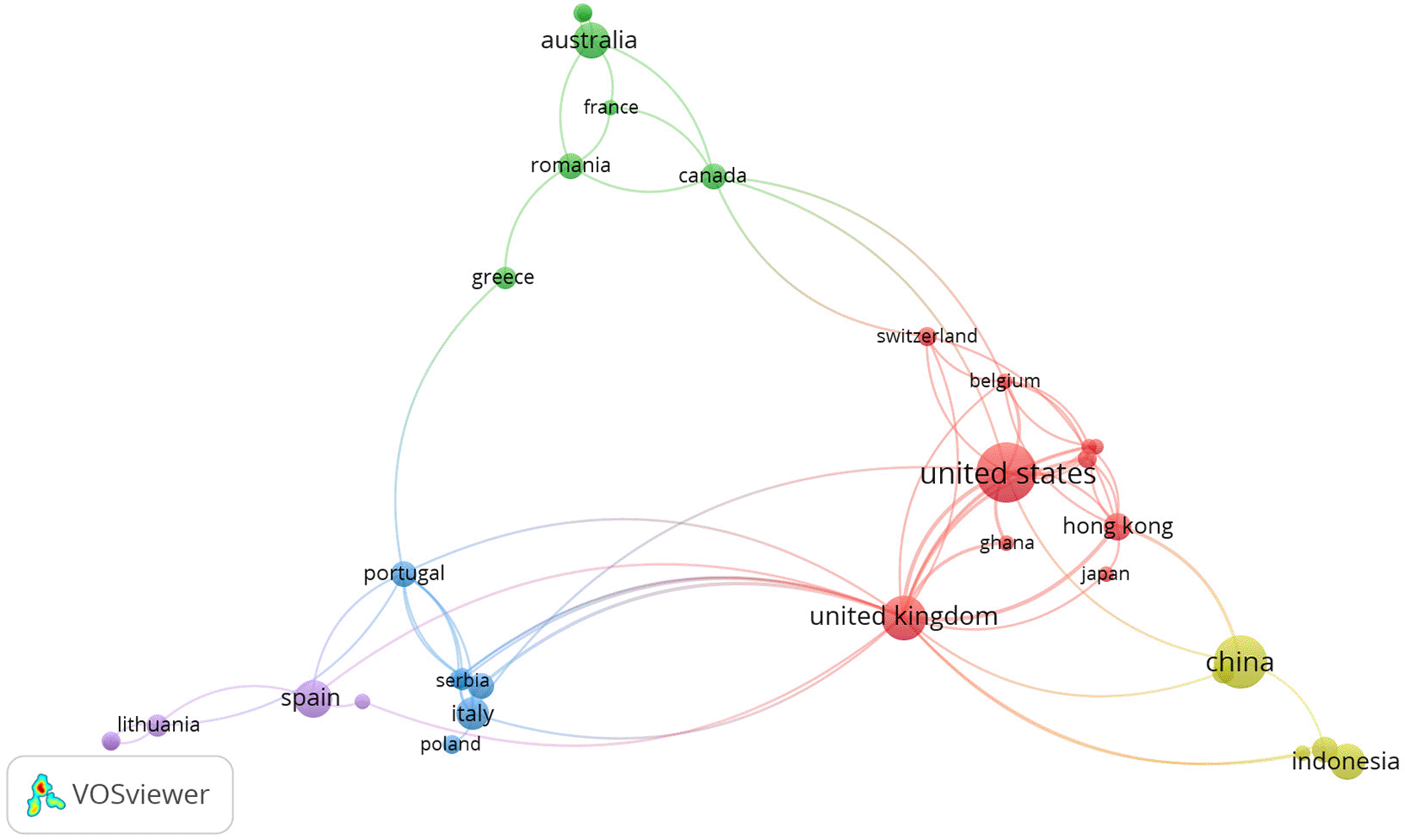
China ranked first with 19 articles, representing 12.41% of the total contribution. The majority of its output was SCP (16 articles), indicating a strong focus on domestic research, but only three involved international collaboration (MCP), representing 15.78% of its output. The United States followed with 19 articles, also representing 12.41%, of which 4 were MCP (21.05%), indicating a greater emphasis on international collaboration than in China. In contrast, Indonesia featured 7 articles (4.57%), all of which were SCP, indicating a lack of international collaboration. The UK and Italy each had only 6 articles (3.91%), while the UK had international collaboration with 66.67% of MCP, whereas Italy had only 2 articles (33.33% of MCP).
However, five articles from Hong Kong (3.26%) accounted for 80% of the MCP, the highest pattern of international collaboration in this study. This was followed by Romania, which contributed five articles (3.26%), of which 40% were MCP. Meanwhile, Canada, India, and Spain each contributed four articles (2.61%), Canada featured 25% of the MCP, while India and Spain were all SCP, indicating no international collaboration in the research in either country. Countries such as Germany, Ireland, Korea, Portugal, and Thailand each contributed three articles, of which all contributed one MCP article (33.33%), except Germany, which had two MCP articles (66.67%). For countries such as Croatia, Denmark, Greece, Lithuania, Malaysia, and Sweden, which contributed two articles (1.30%), all of which were SCP, except Denmark and Malaysia, which featured one MCP article (50%). Finally, contributions of one article were presented by the countries of Brazil, Colombia, Egypt, Finland, France, Iran, Jordan, Kosovo, Nepal, the Netherlands, New Zealand, Peru, Poland, Switzerland, and Ukraine, all of which are SCPs except Kosovo, the Netherlands, and Peru.
Overall, this data provides a snapshot of global research productivity and collaboration. Some are highly dominant, such as the United States, while others are comparable, such as the UK and Hong Kong. Therefore, these findings call for broader global collaboration to conduct international research on branding with critical thinking and media technology. Figure 3 provides an overview of these cross-national collaborations and publication outputs, including the author countries and their contribution ratios.
The resulting visual data presents a network map of co-occurring keywords related to research in the communication discipline, specifically branding-based media technology trends. Based on VOSviewer analysis, this network map displays how these terms cluster around key themes and ideas in the research literature, as shown in Figure 4. Each node (dot) represents a keyword, while the node size reflects the frequency of occurrence of that keyword in the literature. The distance between nodes indicates the closeness or the strength of the thematic correlation between concepts. At the centre of the network, prominent central terms such as “communication,” “humans,” and “human” emerge, serving as the main focal point and connecting various related subtopics.
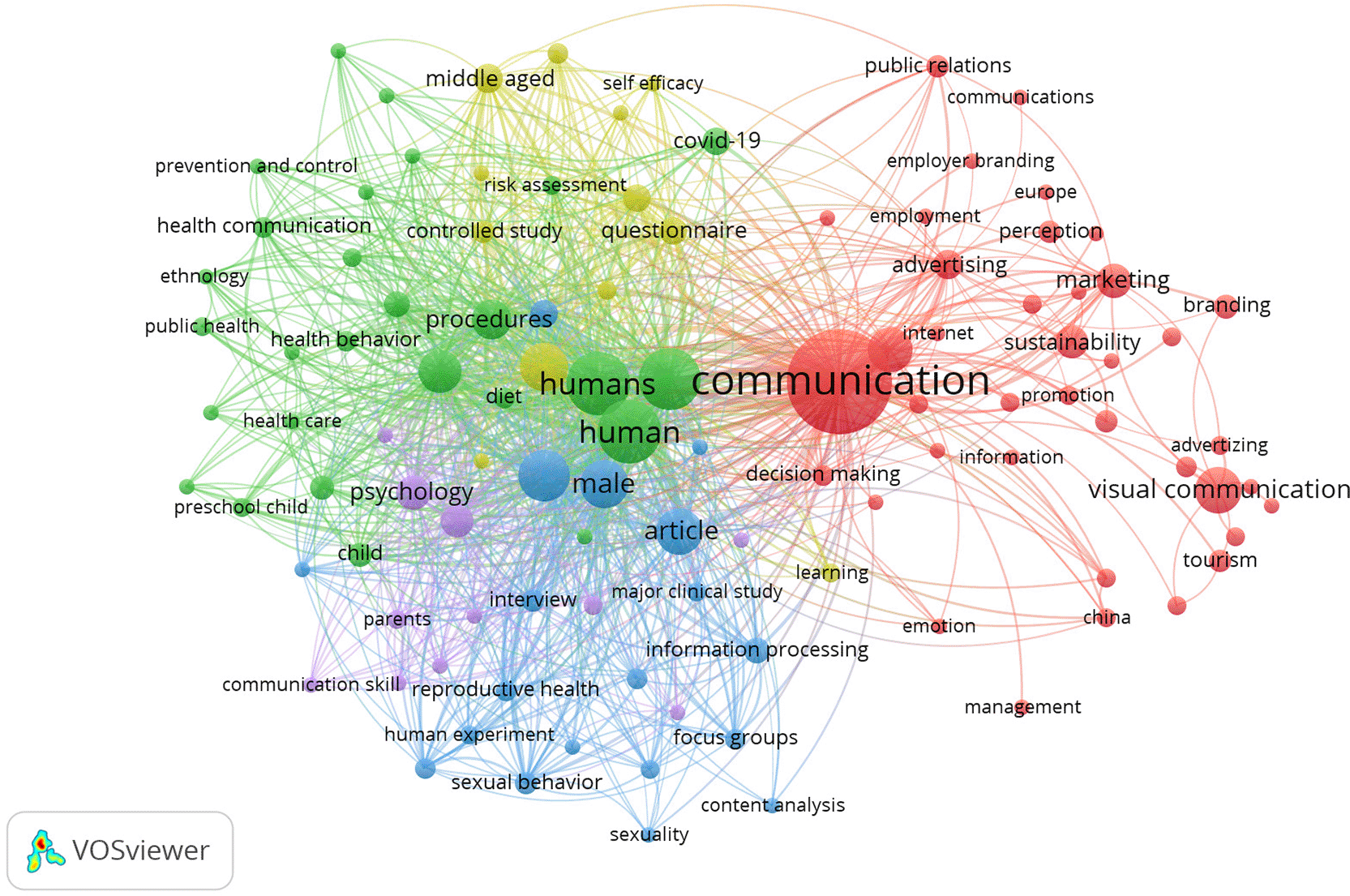
Several key clusters highlight different dimensions and thematic areas. The cluster most relevant to the core of this research is marked in red and focuses on marketing, media, and visual communication. Keywords with large node counts, such as “communication,” “marketing,” “advertising,” “visual communication,” “branding,” and “public relations,” indicate a high level of research interest in integrating visual communication and marketing strategies. This red cluster also explores the relationship between digital and business ecosystem elements, as seen in the emergence of terms like “internet,” “employer branding,” “sustainability,” and “decision making.” This reflects the contemporary trend where media and internet technologies play a significant role in shaping public perception and marketing branding strategies.
Meanwhile, other clusters provide insights into interdisciplinary subfields. The green and blue clusters highlight aspects of human behaviour and health communication, as indicated by keywords such as “health communication,” “health behaviour,” “psychology,” “information processing,” and mapping demographic groups such as “male” and “child.” Furthermore, the yellow cluster at the top contains terms related to methodological evaluation and risk assessment, such as “questionnaire,” “risk assessment,” “self-efficacy,” and the context of the global challenge of “COVID-19.” The emergence of these clusters indicates that media communication studies do not stand alone but rather intersect closely with studies of psychology, information processing, and human health interventions.
Overall, this visualization highlights the interconnectivity of various research themes, depicting the diversity of subjects, participants, and functional approaches within the communication discipline. The relationships between clusters reflect the broad impact of communication technology, encompassing not only commercial branding tactics but also aspects of health literacy and cognitive psychology. This mapping offers comprehensive insights for developing the future research landscape, where a deeper understanding of the integration of interactive media technology, branding, and human behaviour is vital.
Thematic mapping aims to provide a detailed description of research themes in a particular field, as presented in Figure 5. Thematic mapping is performed by grouping keywords and key phrases using the halved k-means algorithm (Parlina et al., 2020). This analysis identifies the position and development of media technology-based branding based on relevance (centrality) and development (density). The motor themes section shows that clusters such as child emerge as important and growing, suggesting that this cluster makes a significant contribution to media technology-based branding research. The relationship between the diet and preschool child clusters focuses on healthy lifestyles and children’s knowledge of branding. The position of the child plays an important role in shaping loyalty and preference for a brand in the discussion and research methods in this field (Núñez-Gómez et al., 2020).
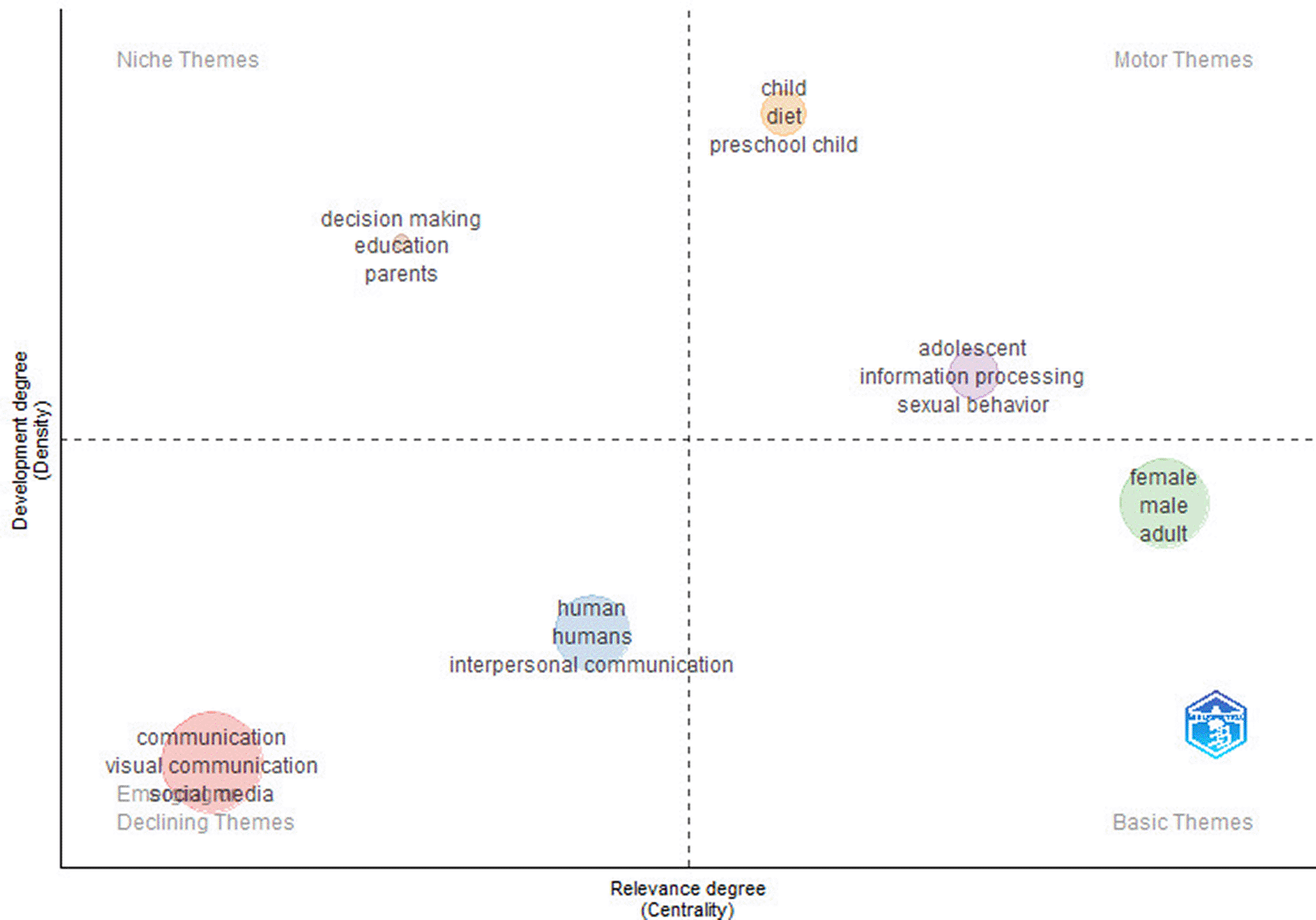
On the other hand, clusters such as adolescence, information processing, and sexual behaviour are also important, even though their developmental levels are balanced. From a branding perspective, these clusters are understood as representing young audiences in the process of receiving and processing messages, as reflected in brand perceptions. A study in Heliyon showed that social media marketing activities influence brand awareness, brand image, and brand loyalty (Malarvizhi et al., 2022). This cluster emphasizes that branding success is determined not only by the message produced but also by how the public understands, interprets, and responds to it.
Meanwhile, clusters such as female, male, and adult are in the basic themes, indicating that these clusters are important but not yet well developed. This suggests that these three clusters play a significant role in children’s knowledge of branding. This cluster emphasizes the importance of integrating children’s education into brand identity and equity, especially in digital media. However, because the level of development is still lacking, this cluster requires more in-depth theoretical development and research to strengthen its influence. Furthermore, the research conducted by Skeer et al. (2022) emphasized that parental involvement in building communication skills can prevent risky behaviour in children, especially in the formation of self-identity in digital media. In the decision-making cluster, education and parenting, which are niche themes, are well-developed but less important. This indicates that decision-making, education, and the role of parents have developed and are connected to branding, but this cluster is less important when linked to the main research.
However, the human, interpersonal, visual, and social media communication clusters are among the declining themes, indicating that these clusters have not yet been integrated into branding research or have received insufficient attention. These clusters have the potential for further development by incorporating analytical reasoning, thus playing a significant role in the research topic. Overall, this thematic map shows that children occupy a central position in this research topic. However, weaknesses in the scope of the themes were identified, and opportunities exist to integrate them more comprehensively. The thematic structure is shown in Figure 5, which provides an overview of the relevance and development of research themes in media technology-based branding.
Media technology-based branding in the communication discipline for the period 2015–2025. The analysed topic shows fluctuating growth in the number of scientific publications. Publication growth was very low in the period 2015–2018 and increased sharply in the period 2022–2025. This increase indicates that the research topic is receiving widespread attention from the academic world. Due to this significant growth, the period 2022–2025 is considered a rapid-growth phase, as research on this topic is advancing rapidly in the scientific literature (Goktas & Dikec, 2026). The research topics analysed experienced growth, particularly during the 2022–2025 period, indicating that the subjects are gaining interest among academics and are relevant to contemporary scientific discussions.
This data analysis examines the development of research contributions on branding using media technology across various countries. This research demonstrates a global picture of productivity and collaboration, with several countries, such as the United States, dominating the field, while the UK and Hong Kong are on par. Thus, this research builds broader global collaboration in international research collaboration on branding using media technology. This study shows an increasing trend in international collaboration and citations as the number of countries participating in publications increases (Zakopoulos & Xanthopoulou, 2026).
This study identified key clusters highlighting thematic dimensions and areas focused on marketing, media, and visual communication. This suggests a growing interest in integrating visual communication and marketing strategies. Overall, this visualization underscores the interconnectivity of various research themes, illustrating the diversity of subjects, participants, and functional approaches within the communication discipline. The interconnections between clusters reflect the broad impact of communication technology, encompassing not only commercial branding tactics but also aspects of health literacy and cognitive psychology.
Theoretically, the thematic map shows that the research focuses on children, but its application to the main topic of branding remains very limited. According to Gurung et al. (2024), promoting children’s development and growth can reduce risky diseases and improve children’s survival, but research gaps were identified: branding has not been used optimally to promote children’s development. Koyratty et al. (2025) found that increasing children’s intake of vegetables and fruit is important for promoting a healthier diet and supporting children’s growth and cognitive development. Research by Azupogo et al. (2025) also supports the idea that consuming sufficient fruits and vegetables supports children’s growth and development. Health and nutrition communication is a key component in encouraging children to consume fruits and vegetables.
Furthermore, cluster grouping based on research themes, such as communication and visual communication, emerged as new themes. However, this theme remains underdeveloped in its integration of these innovations into technology-based branding. This highlights the gap between digital media development and branding. Chen et al. (2024) emphasized that technological developments were initially prioritized to obtain basic image processing tasks, but due to increasingly sophisticated technological innovations, they are used in the design field and have innovations in the field of visual communication. Baldrighi et al. (2022) emphasized that research on communication and knowledge from science to society is a crucial step in raising public awareness of health and environmental sustainability. A specific communication strategy is needed to implement this strategy and ensure it has an impact on the community and its surroundings. Therefore, this development is not merely about information but also provides space for the public to choose, process, and interpret each brand they encounter.
Bibliometric analysis of author local impact found Azupogo F, Bliznashka L, Hess Sy, Hinnouho GM, Koyratty N, Olney Dk, Smith Tj, Tharaney M as authors with the highest citation contribution rate through obtaining an h-index value of 2 tied in the same article publication network. According to research by Azupogo et al. (2025), a uniform citation pattern emerged. Meanwhile, other authors such as Abdullah A, Aburto N, and Acharya A, who are not under the same research umbrella, received an h-index of 1, a relatively low number. From a bibliometric perspective, this phenomenon is stimulated by the corpus of research based on branding-based media technology, which tends to be collaborative rather than individual, so that research is not concentrated on one person but is dominated by scientific consortia. This condition indicates the presence of a small word that connects researchers in a given field in a scientific collaboration network (Newman, 2000). As a result, strong collaborative relationships have been created within the scientific ecosystem, but the hierarchy of influence remains relatively weak. There is no dominant figure because the research field is still developing, and citation distribution tends to be dispersed. Undeveloped fields often lack substantial work and authors with significant influence. Ganti et al. (2025) emphasize that comprehensive literature on branding is urgently needed today. This gap provides momentum for more in-depth research.
Media technology-based branding is still dominated by research on the construction of brand meaning and consumer interactions in the digital space. Bibliometric data analysis shows that the article by Dienlin et al. (2021) is in first place with 164 citations, followed by Molinillo et al. (2019) with 119 citations. This indicates that the two articles provide a relevant conceptual foundation for research on technology-based communication and user interaction in digital media. Furthermore, the relatively large number of TCs per year indicates that this topic has received significant attention from the global academic community and has had a significant influence on the development of knowledge (Rodríguez-Aburto et al., 2024). This phenomenon aligns with the trend in branding research, which is shifting from conventional ecosystems to contemporary media, involving multiple digital platforms in building sustainable relationships. The citation contribution pattern from bibliometric data illustrates the evolution of media technology-based branding research (Shaheen, 2025). This evolution has implications for research that more comprehensively examines technology-based communication mechanisms in shaping brand branding, using an interdisciplinary approach.
The expansion of the research context of media technology-based branding is illustrated through local impact data sources. Bibliometric findings indicate that the research landscape has fragmented into various fields, including sustainability, communication, computational, social, and health studies. This indicates that media technology-based branding is not exclusive to marketing communications but is also used in the study of social issues. The academic community no longer limits branding to a commercial strategy but also sees it as part of simultaneously influencing public behaviour (O’Sullivan et al., 2026). Media technology-based branding is integrated into the image of an organization or community focused on improving health quality, social values, and environmental sustainability. Bibliometric data shows that one of the most promising areas of research in media technology-based branding is health. Over the past three decades, demand for effective health information in the digital space has increased significantly (Febryanti, 2025). This situation has highlighted the need for health communication strategies that are readily accepted and have high potential to build awareness. Health campaigns have subsequently adopted branding to influence the public in accepting and perceiving the message (Vallone et al., 2017). Therefore, future research can explore more deeply the meaning of branding as a strategic mechanism for organizations or companies to respond to health issues and maintain public trust.
Although this study provides a systematic mapping, it has several limitations. First, the data analysis was limited to publications indexed in the Scopus database. As a result, relevant research may have been missed. Second, the bibliometric analysis did not comprehensively evaluate the methodological quality or effectiveness of the interventions reported in each study; it was only descriptive and quantitative. Furthermore, the research period of 2015–2025 does not fully represent the development of media technology-based branding research in communication. Due to the aforementioned limitations, further in-depth research can be conducted by combining a bibliometric approach with a systematic review or meta-analysis to obtain in-depth information regarding branding using media technology. To obtain a more comprehensive mapping, further research is expected to expand the data sources and analysis period.
The conclusion of this study indicates that media-based branding in the communications discipline has fluctuated but has seen significant development in recent years. This is directly proportional to the increasing use of digital technology and social media in marketing communication strategies. Several multidisciplinary and interdisciplinary journals are the primary sources of publications in media technology-based branding studies.
Furthermore, this analysis reveals several authors who have made significant contributions to the development of media technology-based branding studies. The articles with the highest number of citations focus on applying open science practices in communication research to improve replication, data transparency, and the reliability of research results. The distribution of authors indicates that research in this field is predominantly developed in countries with rapid digital technology development, such as China and the United States.
The keyword analysis found that the themes “communication,” “marketing,” “advertising,” “visual communication,” “branding,” and “public relations” were the primary focus of this study. Other findings indicate that thematic mapping identified several topics that have emerged as key themes, including children, adolescents, information processing, and sexual behaviour. The mapping revealed that some topics are key themes in the research, while others are still in development.
| Views | Downloads | |
|---|---|---|
| F1000Research | - | - |
|
PubMed Central
Data from PMC are received and updated monthly.
|
- | - |
Provide sufficient details of any financial or non-financial competing interests to enable users to assess whether your comments might lead a reasonable person to question your impartiality. Consider the following examples, but note that this is not an exhaustive list:
Sign up for content alerts and receive a weekly or monthly email with all newly published articles
Already registered? Sign in
The email address should be the one you originally registered with F1000.
You registered with F1000 via Google, so we cannot reset your password.
To sign in, please click here.
If you still need help with your Google account password, please click here.
You registered with F1000 via Facebook, so we cannot reset your password.
To sign in, please click here.
If you still need help with your Facebook account password, please click here.
If your email address is registered with us, we will email you instructions to reset your password.
If you think you should have received this email but it has not arrived, please check your spam filters and/or contact for further assistance.

Comments on this article Comments (0)