Keywords
Gratitude, Sustainable Gratitude, Theistic Spiritual Values, Spiritual Transcendence, Divine Benevolence, Existential Gratitude, Psychological Resilience, Scale Development, Positive Psychology

Gratitude, Sustainable Gratitude, Theistic Spiritual Values, Spiritual Transcendence, Divine Benevolence, Existential Gratitude, Psychological Resilience, Scale Development, Positive Psychology
Gratitude has been widely recognized as a pivotal psychological and emotional construct, intrinsically linked to a broad spectrum of mental health benefits and overall subjective well-being (McCullough et al., 2004; Michailidis & Maridaki-Kassotaki, 2020). As a core positive psychological trait, gratitude encompasses the cognitive recognition and emotional appreciation of external benefits, whether derived from interpersonal interactions, life experiences, or higher spiritual sources (Mutmainnah et al., 2025). Despite significant advancements in the empirical study of gratitude, the concept of sustainable gratitude defined as an enduring disposition that consistently maintains and nurtures an individual’s well-being over time remains insufficiently explored. Most existing measures focus on situational or general gratitude, often neglecting the temporal stability and spiritual depth required for long-term psychological flourishing.
The necessity of developing a specialized measure for sustainable gratitude is further amplified by the unique developmental and psychological challenges faced by university students. Firstly, individuals in higher education undergo a critical transition known as emerging adulthood, a period characterized by heightened academic pressure, identity exploration, and a significant risk of psychological distress (Arnett et al., 2014; Wider et al., 2023). In this context, gratitude must function not merely as a transient emotional response to success, but as a stable psychological anchor that sustains mental health amidst persistent challenges.
Secondly, existing measures often fail to account for the phenomenon of ‘hedonic adaptation,’ where the initial positive impact of a grateful experience diminishes as individuals habituate to their circumstances (Bortolotti et al., 2026; Klausen et al., 2022). By focusing on sustainability, a measure can address this gap by identifying gratitude as an enduring trait that provides a continuous buffer against burnout and emotional exhaustion throughout the demanding years of higher education.
In a religious society like Indonesia, theistic spiritual values play a central role in shaping the architecture of gratitude, as spirituality serves as the foundational bedrock of daily existence (Ahmed, 2023; Aydin, 2025). Distinct from secular gratitude, which emphasizes interpersonal reciprocity, theistic gratitude acknowledges a higher power as the ultimate source of blessings (Ul-Haq, 2025). Consequently, a purely secular framework may fail to capture the full spectrum of an individual’s grateful disposition within this context. Such an integration ensures that the assessment remains ecologically valid, accurately reflecting the ontological beliefs of the population. Furthermore, this approach aligns with the first principle of Pancasila the state ideology which emphasizes ‘Belief in the Absolute Oneness of God’ (Ketuhanan Yang Maha Esa). This constitutional foundation dictates that spirituality is a fundamental pillar of national identity and character building, making a theistically-integrated instrument not only psychometrically necessary but also ideologically congruent with Indonesian educational philosophy.
The novelty of this research lies in the development of the Sustainable Gratitude based on Theistic Spiritual Values Scale (SGBTSV-45), a specific and contextual instrument tailored to the Indonesian higher education landscape. Moving beyond Western-centric models, the SGBTSV-45 introduces a multidimensional framework comprising 45 items that operationalize eight pivotal dimensions: (1) transpersonal, (2) personal, (3) emotional, (4) moral, (5) prosocial, (6) behavioral action, (7) psychological well-being, and (8) inner strength. By integrating these facets, the scale captures the profound synergy between faith and enduring psychological fortitude.
Psychometric rigor is established through Rasch Model analysis, ensuring superior measurement precision and item-invariant properties. Unidimensionality analysis confirms the construct validity of the instrument, yielding a raw variance explained by measures of 30.0%, satisfying the required 20% threshold. Furthermore, with the unexplained variance in the first contrast remaining at 14.1% (below the 15% limit), these findings empirically demonstrate that the scale effectively measures a single underlying construct without confounding influences.
Based on the theoretical background and the identified empirical gaps, the purpose of this study is to construct and psychometrically evaluate the validity and reliability of the SGBTSV-45. This research specifically aims to provide a robust, culturally grounded instrument for assessing enduring gratitude among university students in Indonesia, ensuring that the measurement is both ideologically congruent and ecologically valid within theistic-academic contexts. Ultimately, the SGBTSV-45 emerges as a pioneering tool offering a holistic paradigm for evaluating psychological resilience, maintaining high relevance to the spiritual and academic lives of students while fostering long-term psychological well-being.
This study employed a quantitative approach with a cross-sectional instrumental design based on Creswell & Creswell (Weyant, 2022) and DeVellis (Lamm et al., 2020) to systematically develop and validate the Sustainable Gratitude based on Theistic Spiritual Values Scale (SGBTSV-45). This instrument is specifically engineered to assess the enduring nature of gratitude among university students, identifying it as a stable psychological resource within the academic environment.
The conceptualization of this research was initiated by an exhaustive bibliometric analysis of contemporary trends in the development of competency assessment instruments. This preliminary investigation revealed a significant void in the existing literature; specifically, it indicated that to date, no publication has successfully designed a specific assessment instrument that integrates social competency with theistic-spiritual values in a manner that aligns with current competency models and regulations.
Therefore, the development of the SGBTSV-45 serves as a critical response to this empirical gap. By operationalizing sustainable gratitude through a theistic spiritual lens, this research transcends conventional assessment models, providing a robust psychometric tool that addresses the multifaceted nature of professional and personal development in the higher education context. The methodology was subsequently executed through the following structured phases:
The study involved a sample of 543 university students recruited from diverse higher education institutions across Indonesia. To ensure the sample remained aligned with the research objectives, a purposive-convenience sampling technique was employed. This approach specifically targeted emerging adults who operate within a theistic-cultural academic framework, focusing on individuals who were readily accessible and expressed a voluntary willingness to participate through digital platforms.
Data collection was executed via Google Forms, a digital administration method chosen to facilitate a broad geographical reach across the Indonesian archipelago while ensuring participant safety and convenience. Respondents provided their self-assessments through the 45-item SGBTSV-45 scale, evaluating their grateful dispositions across the eight previously defined dimensions.
Ethical integrity was a cornerstone of the procedure; all participants provided informed consent prior to their involvement. To foster honest and uninhibited self-reporting essential for psychometric accuracy all data were collected under a strictly anonymous protocol, adhering to the highest ethical standards in psychological research.
The SGBTSV-45 was rigorously constructed based on a comprehensive multidimensional framework designed to operationalize sustainable gratitude through 45 distinct statement items. These items are systematically distributed across eight pivotal dimensions that capture the holistic synergy between theistic spiritual values and psychological fortitude: (1) transpersonal, (2) personal, (3) emotional, (4) moral, (5) prosocial, (6) behavioral action, (7) psychological well-being, and (8) inner strength.
To facilitate a nuanced quantification of respondents’ grateful dispositions, the scale utilizes a five-point Likert-type response format. This measurement approach is engineered to capture both the intensity and frequency of theistic-based gratitude, allowing participants to evaluate the degree to which each statement aligns with their lived experience. The scoring protocol adheres to a polytomous system, where each item response is assigned a numerical value reflecting its alignment with the latent construct, as systematically presented and elaborated in Table 1.
To further enhance psychometric rigor and minimize response bias, the scale incorporates both favorable (positively worded) and unfavorable (negatively worded) items. While favorable items follow a direct linear progression, unfavorable items undergo a reverse-scoring procedure (x’ = (k + 1)-x), where k represents the maximum scale value. This bidirectional scoring mechanism is essential for the subsequent Rasch Model calibration, as it ensures that all item measures are correctly oriented toward the same latent continuum before the estimation of person measures and item difficulty parameters.
Prior to field testing, the initial item pool underwent a rigorous qualitative and quantitative evaluation conducted by a panel of five experts specializing in educational psychology, psychometrics, and spiritual education. This validation phase was instrumental in ensuring that each item remained theoretically grounded in theistic spiritual values while maintaining high psychometric standards. The experts scrutinized the instrument for content relevance, representativeness, and technical clarity. Their evaluative feedback facilitated the refinement of item phrasing and the elimination of conceptual ambiguities, thereby establishing robust content validity before empirical administration.
Once the experts reached a consensus on the validity of the items, a comprehensive readability test was performed with a group of university students who shared identical demographic and academic characteristics with the target research subjects. This stage served as a bridge between theoretical validation and practical application, ensuring that the population and sample remained conceptually aligned.
The primary objective of this assessment was to verify that the linguistic structure and sociocultural nuances of the SGBTSV-45 were easily comprehensible to the end-users. By gathering direct feedback from students, the researchers were able to confirm that the items were free from interpretative bias and ecologically valid for the Indonesian higher education context. This dual-layered validation process combining expert theoretical scrutiny with student-centered linguistic feedback guaranteed that the instrument was fully optimized for large-scale data collection and subsequent Rasch Model analysis.
The empirical data were analyzed using the Rasch Measurement Model (via Winsteps software, version 5.6.1) to transform ordinal raw data into linear interval measures. This probabilistic approach was specifically selected to achieve superior measurement precision, ensure objective calibration, and verify the instrument’s structural integrity. The psychometric evaluation of the SGBTSV-45 encompassed the following rigorous assessments:
a. Rating Scale Diagnostics: An evaluation of category functionality to ensure that the five-point Likert response options were clearly distinguishable and functioned optimally without threshold disordering.
b. Unidimensionality Analysis: Conducted through Principal Component Analysis of Residuals (PCAR) to confirm that the instrument measures a single underlying construct, ensuring the raw variance explained by measures satisfies the requisite thresholds.
c. Item Fit Statistics: An assessment of Infit and Outfit Mean Square (MNSQ) values to identify items that demonstrate a consistent pattern of responses and align with the model’s expectations.
d. Item Difficulty Calibration: Determination of the hierarchical difficulty of each item, allowing for a precise evaluation of the instrument’s sensitivity across different levels of the latent trait.
e. Wright Map (Person-Item Map) Analysis: A visual and statistical examination of the alignment between the distribution of respondent ability (gratitude intensity) and the difficulty of the instrument items.
f. Reliability and Separation Indices: Evaluation of both Item Reliability and Person Reliability, alongside Cronbach’s Alpha, to determine the consistency, stability, and replicability of the measurement results.
To verify the structural integrity of the SGBTSV-45, a rating scale diagnostic (category functionality analysis) was performed. As suggested by Widhiarso and Sumintono (2016), this analysis examines the monotonic progression of the Observed Average and Category Measure to ensure that the five-point Likert response format is psychometrically sound and easily distinguishable by the respondents. The empirical results of this diagnostic evaluation are presented in Figure 1. The diagnostic results demonstrate a sequential movement of the Observed Average scores from 0.05 to 0.82, accompanied by a progression of Category Measure values from −1.75 to 1.77. This consistent movement from negative to positive values confirms that the instrument effectively captures the increasing intensity of sustainable gratitude with high-precision psychometric accuracy. Furthermore, the category probability curves demonstrated that each response category (1–5) maintained a distinct peak. This lack of threshold disordering indicates that no category was redundant or overlapping in the participants’ cognitive interpretations, affirming that university students could clearly differentiate between the five levels of theistic-based gratitude.
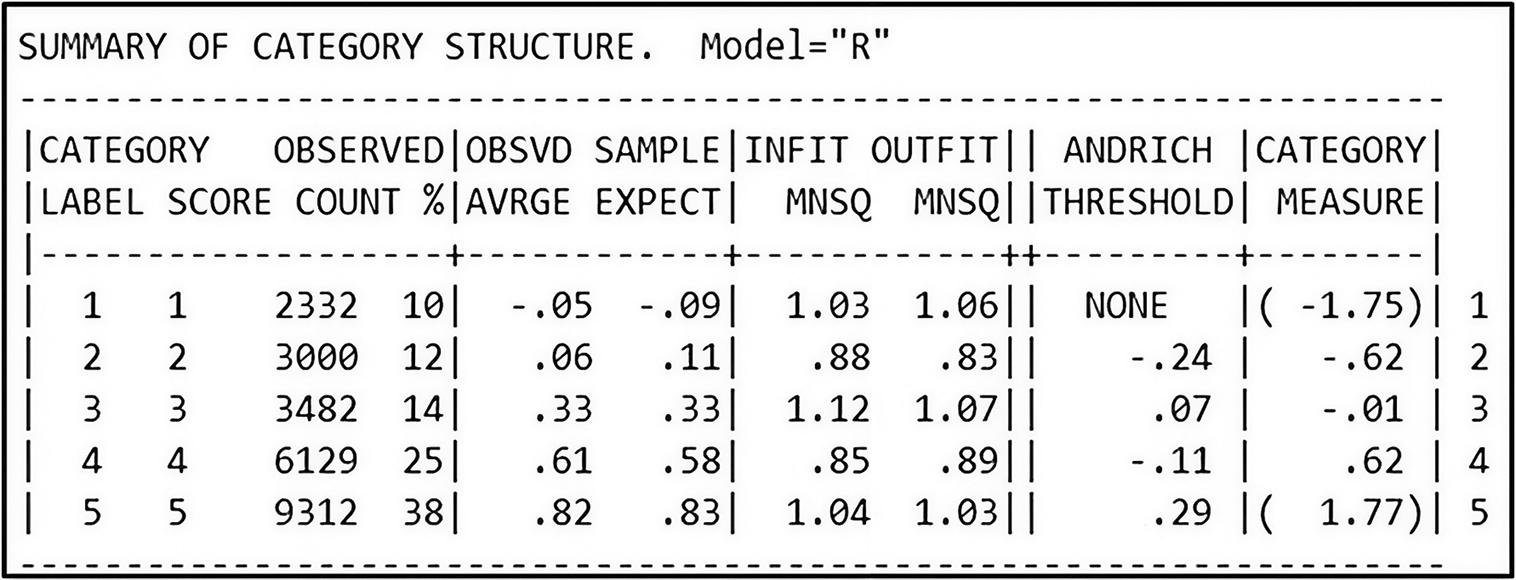
Category functionality and rating scale diagnostic result, in terms of scale agreement, can be seen from the observed average and category measure columns. The scale is considered appropriate if the values in both columns move sequentially from negative to positive.
During the instrument validation process, a critical phase of this validation involved synthesizing expert reviewer feedback to refine the instrument’s content validity. The detailed identities, academic backgrounds, and areas of expertise of the expert reviewers are presented in Table 4 in the supplementary materials. This process ensured that each item is operational, contextual, and accurately integrates theistic spiritual values with the sustainable nature of gratitude. By aligning these formulations with specific sub-indicators, the SGBTSV-45 provides a robust framework for measuring how spiritual foundations foster lasting well-being in academic settings. A key refinement involved shifting secular terminology to theistic-centered language. For instance, in the transpersonal dimension (Item 1), the initial phrase ‘I feel lucky’ was replaced with ‘recognizing that God has granted me the capability’ following expert recommendations to better reflect the theistic source of gratitude. In response to expert feedback on Item 45 (Self-Strength aspect), the wording was shifted from a general avoidance sentiment to a specific academic scenario. Rater 3 recommended contextualizing the item within classroom dynamics to enhance its face validity for university students. The revised statement “When encountering differences of opinion in group tasks, I prefer to withdraw rather than seek a collective solution” clarifies the behavioral indicators of theistic spiritual values when navigating collaborative conflict, thereby strengthening the instrument’s contextual relevance.
Regarding Item 29 within the Prosocial dimension, specifically for the Sustainable Acts of Kindness indicator, the initial draft stated: ‘Dialogue with friends builds collaborations, but the positive influence on the community remains largely unplanned.’ Rater 2 recommended transforming this into an active and intentional statement to better capture the essence of sustainable contribution. Consequently, the item was refined to: ‘Through dialogue with friends, I am able to build collaborations that bring a positive influence to the community.’ This revision was critical to shift the focus from a passive, incidental outcome to an intentional pro-social agency, which is a core component of gratitude rooted in theistic spiritual values. The complete thematic transformation of these items is detailed in Table 2.
Following expert consensus on item validity, a readability test was conducted with 10 third-semester university students representing various regions across Indonesia. This geographic diversity ensured that the instrument’s linguistic structure was culturally resonant and easily understood within the broad Indonesian higher education context. This stage served as a bridge between theoretical validation and practical application, ensuring that the population and sample remained conceptually aligned.
The primary objective was to verify that the linguistic structure and sociocultural nuances of the SGBTSV-45 were transparent to the target respondents. During this pilot phase, students provided critical feedback to further optimize the instrument’s clarity. The key recommendations received included: (1) simplifying complex academic jargon to enhance immediate comprehension, (2) adjusting local idioms to ensure national linguistic neutrality, and (3) refining sentence length to maintain respondent focus. These specific refinements, which address the students’ perspectives on item clarity, are detailed in Table 3. This dual-layered validation combining expert scrutiny with student-centered feedback guaranteed that the instrument was free from interpretative bias and fully optimized for large-scale data collection and subsequent Rasch Model analysis.
Beyond content refinement, the structural integrity and functional precision of the SGBTSV-45 rating scale are further corroborated by the visual evidence presented in the Category Probability Curves ( Figure 2). According to the psychometric criteria established by Boone (2017), a rating scale operates optimally when each response category demonstrates a distinct and prominent peak. As evidenced in Figure 2, each of the five categories (ranging from 1 to 5) successfully achieved an independent peak. This lack of threshold disordering indicates that no category was redundant or overlapping in the participants’ cognitive interpretations. Consequently, it can be concluded that the five-point Likert format employed in the SGBTSV-45 is clearly interpretable and psychologically representative of the university student population within this theistic-cultural framework. The detailed instrument blueprint supporting this structure is presented in Table 5.
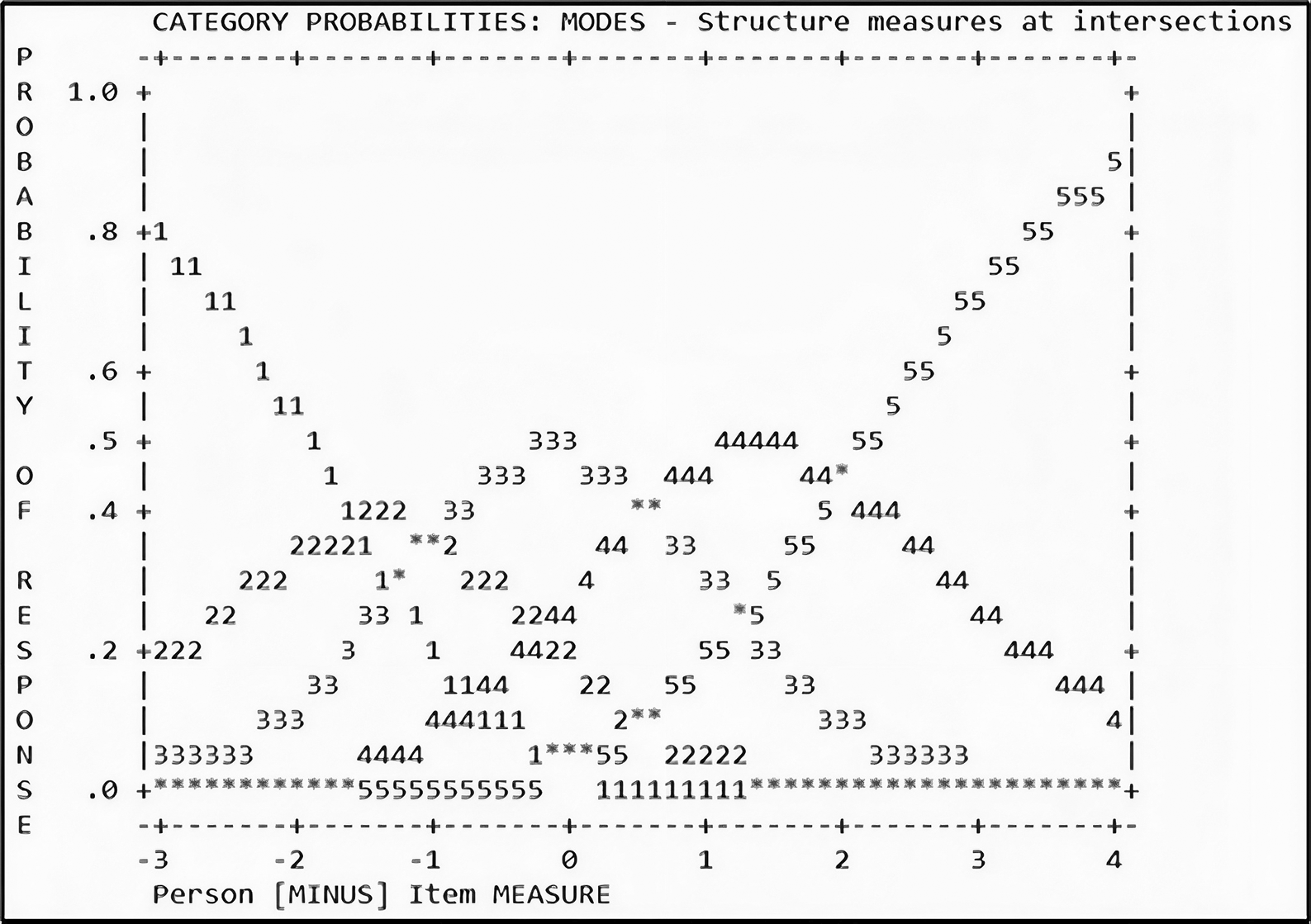
Another condition that explains the appropriateness of a scale can also be observed in Figure 2 (see legend). The criteria within a rating scale are considered comprehensible to respondents when each response category demonstrates a distinct peak within the probability distribution curve.
The evaluation of unidimensionality, or construct validity, was conducted by examining the raw variance explained by measures and the unexplained variance across the first through fifth contrasts. According to the psychometric standards established by Boone (2017) an instrument demonstrates sufficient unidimensionality when the raw variance explained by measures reaches a minimum threshold of 20%, provided that the unexplained variance in the subsequent contrasts remains consistently below 15%. This ensures that the instrument predominantly captures a single underlying latent trait without significant interference from secondary dimensions.
The detailed outcomes of this Rasch-based principal component analysis of residuals, including the percentage of raw variance explained and the unexplained variance across contrasts one to five, are comprehensively presented in Figure 3 (Construct Validity of Research Instruments). Based on this analysis, the assessment of construct validity through unidimensionality testing revealed that the raw variance explained by measures reached 30.0%, thereby exceeding the Rasch model criterion of >20%. Furthermore, the unexplained variance across the first to fifth contrasts remained within acceptable thresholds, specifically 14.1%, 6.7%, 5.5%, 4.1%, and 3.8%, respectively. As the first contrast did not surpass the 15% cut-off point, these findings provide strong empirical support for the scale’s unidimensionality, confirming that the instrument measures a single dominant latent trait without substantial interference from secondary dimensions.
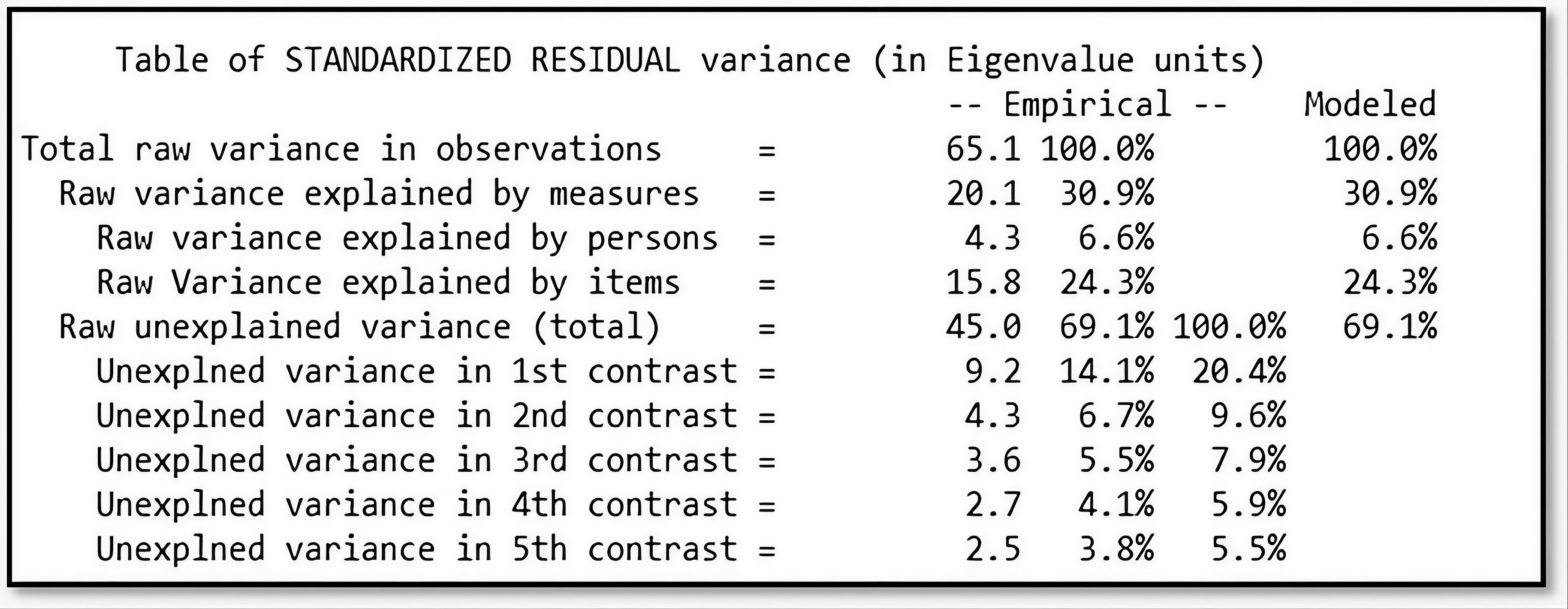
Unidimensionality analysis, as an examination of construct validity, evaluates the values of raw variance explained by measures and unexplained variance in the first to fifth contrasts.
Item fit analysis was conducted to determine whether each item was appropriately understood and functioned consistently within the measurement model. The evaluation criteria applied to assess item suitability were as follows: (a) Outfit Mean Square (MNSQ): 0.5 < MNSQ < 1.5; (b) Outfit Z-Standard (ZSTD): −2.0 < ZSTD < +2.0; and (c) Point Measure Correlation (Pt Mean Corr): 0.4 < Pt Corr < 0.85. An item is considered valid if it satisfies at least one of these three criteria. However, based on the Rasch measurement principles articulated by Bond and Fox (as cited in Hrnjicic & Alihodžic, 2024), fulfillment of the Outfit MNSQ criterion is regarded as sufficient evidence of item acceptability, thereby reducing reliance on the remaining two indices.
The comprehensive item fit statistics are documented in Figure 4 (Item Fit Levels of the Research Instrument), which is provided in the appendix.
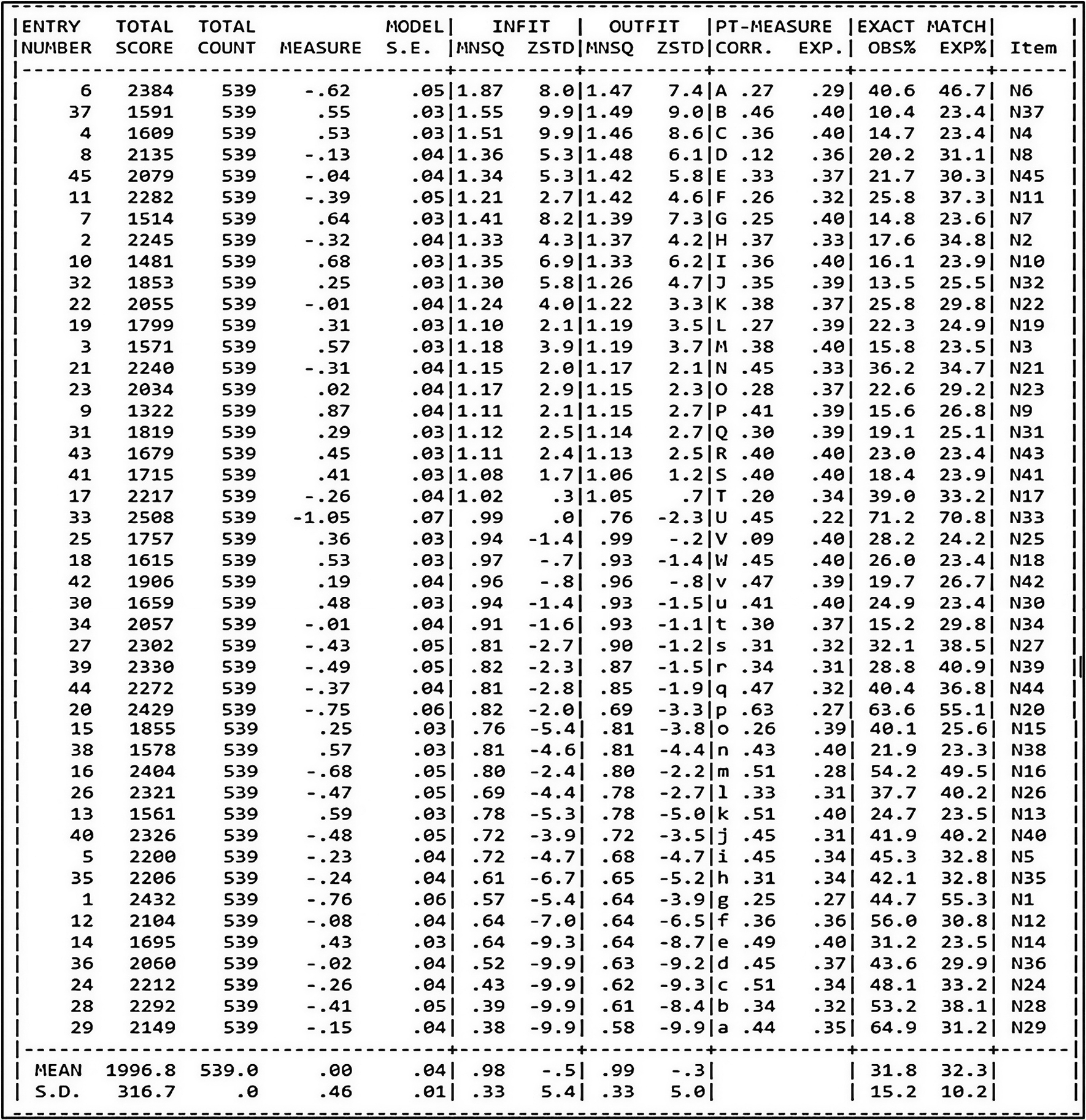
Item fit analysis delineates the extent to which the content of each individual item is comprehensively understood by students. It evaluates whether each item functions consistently with the underlying construct and is interpreted meaningfully and coherently by respondents.
Referring to the results summarized in Figure 4, all items met the primary Outfit MNSQ criterion (0.5 < MNSQ <1.5). This indicates that every item functions within acceptable model expectations. Accordingly, all items in the research instrument are considered psychometrically valid and suitable for measurement purposes, irrespective of the remaining statistical indicators.
Item difficulty levels, or item measures, were analyzed to determine the relative level of challenge each item posed to respondents within the Rasch measurement framework. The complete distribution of item difficulty is documented in Figure 5 (Distribution of Item Difficulty Levels), which is provided in the Appendix for detailed reference. Following the classification framework proposed by Boone et al. (2014), item difficulty was categorized into four tiers based on the integration of the logit mean and the standard deviation (SD): Very Difficult (> +1 SD), Difficult (0.00 logit to +1 SD), Easy (−1 SD to <0.00 logit), and Very Easy (< −1 SD). The statistical analysis produced a Standard Deviation (SD) value of 0.46, which served as the threshold for classification. Based on this criterion, the items were distributed as follows:
• Very Difficult (Logit >0.46): 10 items (9, 10, 7, 13, 3, 38, 37, 4, 18, 30).
• Difficult (0.00 to 0.46 Logit): 10 items (43, 14, 41, 25, 19, 31, 32, 15, 42, 23).
• Easy (−0.46 to <0.00 Logit): 17 items (22, 34, 36, 45, 12, 8, 29, 5, 35, 24, 17, 21, 2, 44, 11, 28, 27).
• Very Easy (Logit < −0.46): 8 items (26, 40, 39, 6, 16, 20, 1, 33).
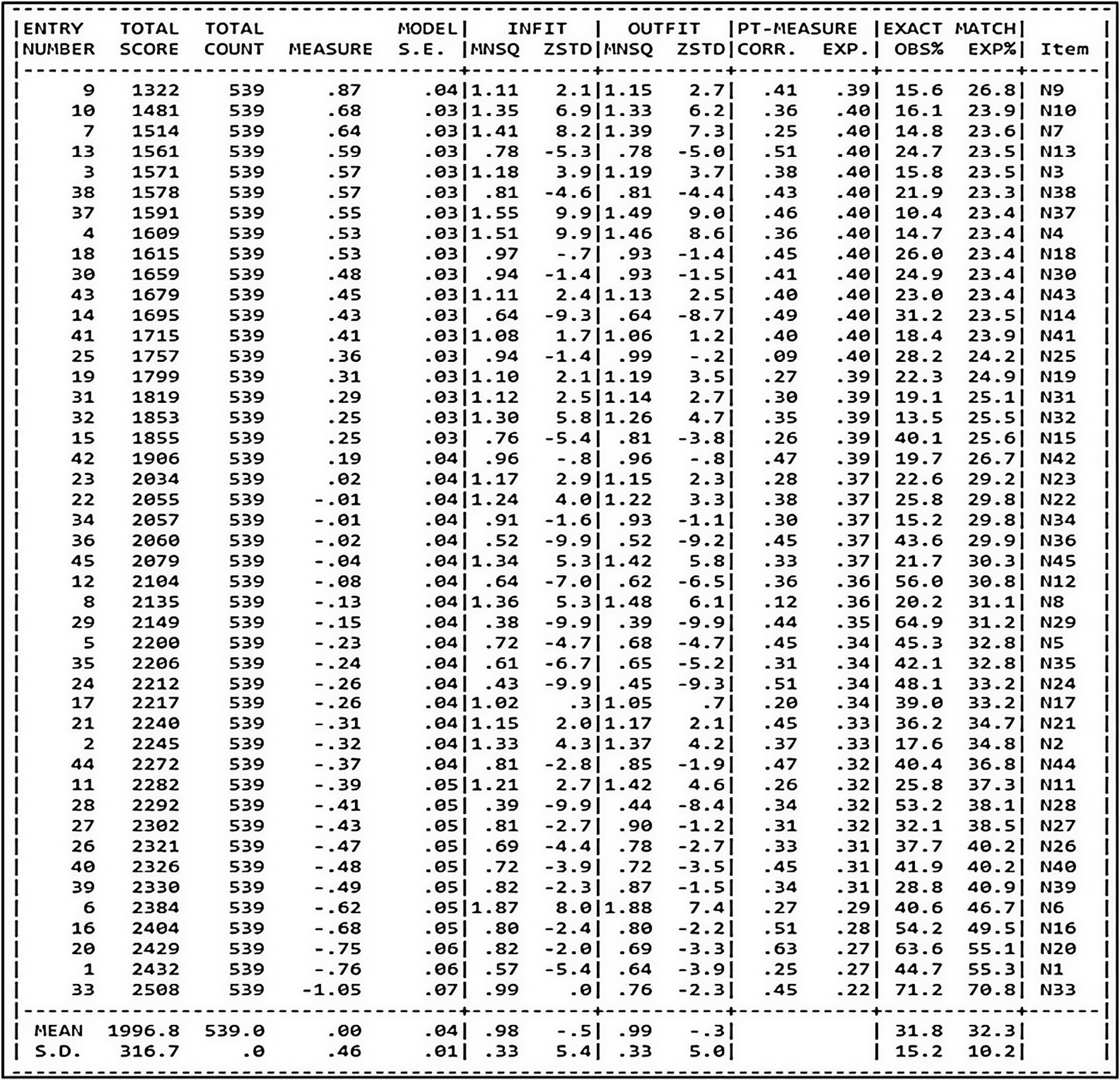
Item difficulty (Item Measure) reflects the extent to which an item is easy or difficult for respondents to answer. The classification of item difficulty is determined based on the standard deviation in conjunction with the mean logit value. Specifically, items are categorized as very difficult (greater than +1 SD), difficult (between 0.0 logit and + 1 SD), easy (between 0.0 logit and − 1 SD), and very easy (less than −1 SD).
Overall, the instrument demonstrates a well-balanced distribution of item difficulty levels. This variability indicates that the scale possesses adequate measurement sensitivity, enabling it to accurately assess respondents across a broad spectrum of latent trait levels, from low to high sustainable gratitude dispositions.
The alignment between respondent ability and item difficulty was examined using the Wright Map (Person–Item Map), which is presented in Figure 6 in the Appendix. This map provides a visual representation of both person measures and item measures on a shared logit scale, enabling an evaluation of targeting accuracy within the Rasch framework.
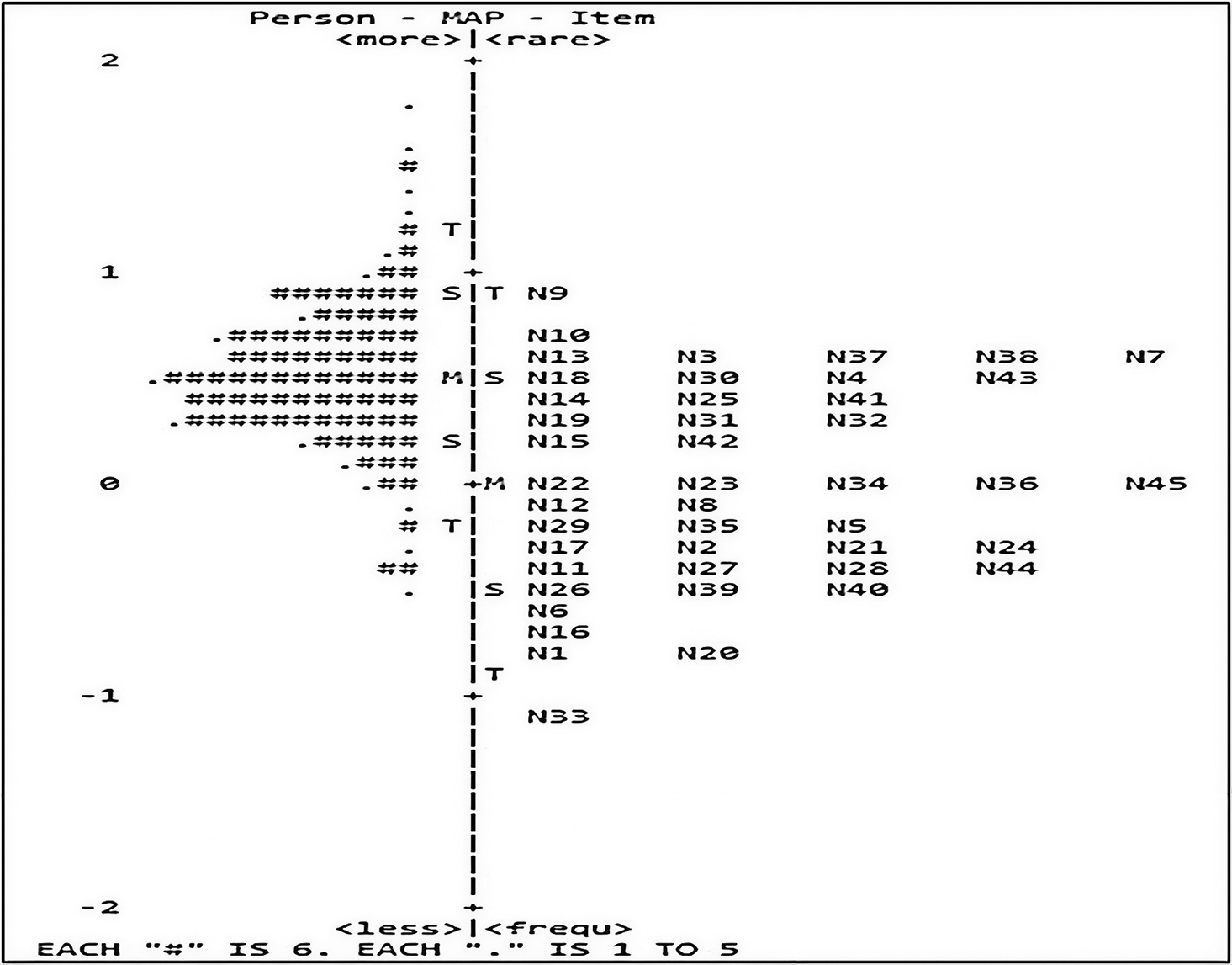
Based on the Wright Map, respondents’ abilities are distributed within an approximate range of −2 logits to +2 logits, with the majority of respondents clustered between −1 logit and + 1 logit. The mean person ability (person mean) is located around +0 logit, while the mean item difficulty (item mean) is also situated at approximately 0 logit. This alignment indicates that the average ability level of the respondents is relatively well matched to the average level of item difficulty.
The distribution of person measures spans approximately from −2.00 to +2.00 logits, with the majority of respondents clustered between −1.00 and + 1.00 logit. The mean person measure is located at +0.52 logit, positioned relatively close to the item mean, which is anchored at 0.00 logit. This proximity indicates a well-balanced calibration between respondents’ latent trait levels and the hierarchical difficulty of the items. Such alignment suggests that the SGBTSV-45 demonstrates strong measurement precision and is appropriately targeted to the university student population, with no substantial indication of floor or ceiling effects. Complementing the person distribution, the item difficulty hierarchy predominantly spans a range from −1.00 to +1.00 logit, partitioned into two primary strata:
a) Positive Logit Range (0 to +1.00 logit): This stratum consists of items 15, 42, 19, 31, 32, 14, 25, 41, 18, 30, 4, 43, 13, 3, 37, 38, 7, 10, and 9, representing more challenging indicators that require a higher intensity of the latent trait to endorse.
b) Negative Logit Range (0 to −1.00 logit): This stratum comprises items 22, 23, 34, 36, 45, 12, 8, 29, 35, 5, 17, 2, 21, 24, 11, 27, 28, 44, 26, 39, 40, 6, 16, 1, 20, and 33, which serve as more accessible and fundamental indicators of the construct.
The overall difficulty spectrum extends from approximately −1.00 logit (the most accessible item, N33) to slightly above +1.00 logit (the most challenging item, N9). The concentration of the majority of items within the −1.00 to +1.00 logit interval demonstrates a comprehensive spread of difficulty levels, ranging from easy to moderately difficult. This diverse array of item difficulty, coupled with the balanced distribution of respondent ability around the mean, underscores the instrument’s high sensitivity and robust capacity to differentiate various levels of sustainable gratitude among the target population.
The reliability of an instrument is fundamental to evaluating the consistency of measurements across repeated administrations (Boone & Noltemeyer, 2017). Within the framework of the Rasch Measurement Model, the reliability of the SGBTSV-45 is comprehensively assessed through three primary indices: person reliability, item reliability, and Cronbach’s alpha , supplemented by the separation index. These parameters provide a robust estimation of the internal consistency and the stability of the interaction between the university students and the 45-item scale.
The empirical results of the reliability testing for the SGBTSV-45 are summarized in Figure 7. The analysis yielded a person reliability coefficient of 0.83 and an item reliability of 0.99. According to the criteria established by Boone (2020), the consistency of respondent answers is categorized as “good,” while the technical quality of the items is “excellent.” Furthermore, a Cronbach’s alpha value of 0.85 confirms a high degree of internal consistency. Collectively, these findings demonstrate that the SGBTSV-45 is a stable tool, capable of producing consistent longitudinal data when administered to similar student populations.
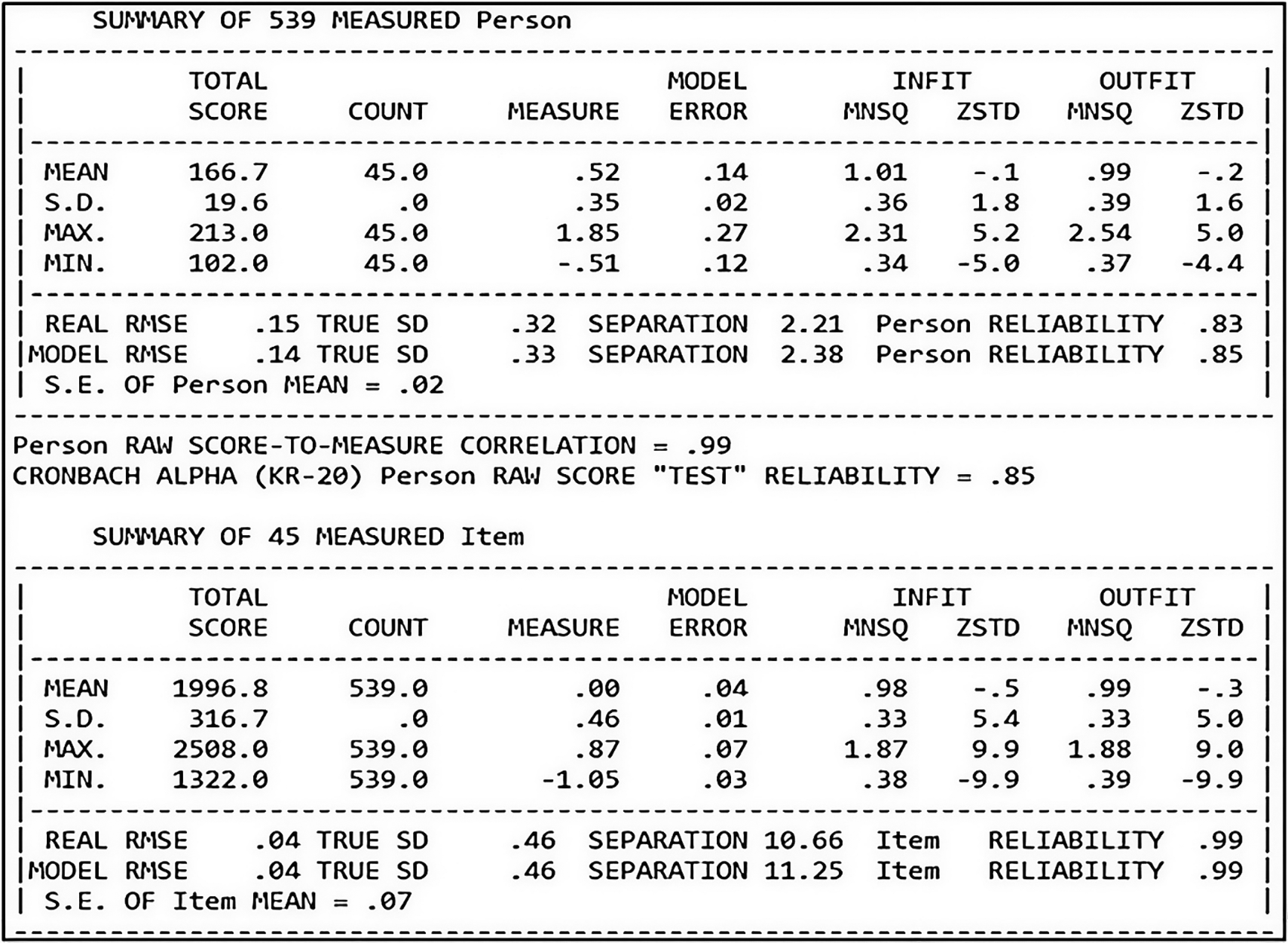
Instrument reliability is essential to determine the extent to which repeated measurements yield consistent and stable information. Reliability analysis using the Rasch Model produces three key indices: person reliability, item reliability, Cronbach’s alpha, and separation indices, which collectively indicate the consistency and discriminatory power of the instrument.
Beyond general reliability, the separation index was analyzed to determine the scale’s capacity to differentiate levels of person ability and item difficulty into distinct strata. A higher separation value signifies superior instrument quality and greater discriminatory power (Avinç & Doğan, 2024). The analysis revealed a person separation of 2.21 (fair) and an item separation of 10.66 (excellent). According to Storey et al. (2025), separation indices are classified as follows: < 2 (weak), 2–3 (fair), 3–4 (good), 4–5 (very good), and > 5 (excellent). The analysis revealed a person separation of 2.21 (fair) and an item separation of 10.66 (excellent). By applying the strata formula , the person separation value resulted in a strata index (H) of 3.28 (rounded to 3). This indicates that the SGBTSV-45 can effectively categorize university students into three distinct groups based on their intensity of sustainable gratitude: low, moderate, and high. More significantly, the item separation resulted in an H value of 14.54 (rounded to 14), signifying that the difficulty levels are distributed across 14 distinct hierarchical groups. This exceptionally wide spread of item difficulty, ranging from fundamental to complex theistic-spiritual indicators, underscores the SGBTSV-45’s superior sensitivity. It confirms the instrument’s utility as a high-resolution diagnostic tool capable of capturing the nuanced spectrum of sustainable gratitude in higher education settings.
The development of the Sustainable Gratitude Based on Theistic Spiritual Values Scale (SGBTSV-45) serves as a rigorous scientific response to the imperative for decolonizing psychological instruments, which have long been dominated by Western, secular-centric paradigms. Within the higher education landscape, students frequently navigate a pivotal transitional phase often characterized as a “quarter-life crisis” a period marked by existential ambiguity, heightened academic pressures, and profound future-related anxieties (Kristiawan et al., 2025; Markowski et al., 2025; Robinson, 2019). Under these circumstances, a comprehensive understanding of psychological well-being renders gratitude not merely as a transient positive affect, but as a fundamental coping mechanism that demands specialized inquiry through a spiritual-theistic lens. By integrating transcendental values, the SGBTSV-45 provides a socioculturally resonant framework for Indonesian students, for whom divinity serves as a primary anchor in fostering enduring resilience amidst such developmental crises.
The psychometric evaluation of the Sustainable Gratitude Based on Theistic Spiritual Values Scale (SGBTSV-45) demonstrates superior construct validity, as evidenced by high-precision metrics derived from the Rasch Measurement Model. A critical indicator of this robustness is revealed through the Principal Component Analysis of Residuals (PCAR), which shows that the raw variance explained by the measures reached 30.0%. This figure significantly exceeds the 20.0% minimum threshold required to establish fundamental unidimensionality. In accordance with the criteria established by Lamm et al. (2020), these results provide empirical confirmation that the 45 items consistently and exclusively operate to measure a single latent trait: theistic-based sustainable gratitude. Correspondingly, the structural integrity of the instrument is bolstered by an unexplained variance in the first contrast of a mere 14.1%. Remaining well below the 15.0% critical limit, this finding satisfies the stringent standards proposed by Hair et al. (2019) for minimizing interference from secondary dimensions. Collectively, these data points offer objective, high-resolution evidence that the SGBTSV-45 functions as a purified unidimensional tool, free from multidimensional contamination.
Beyond unidimensionality, the instrument’s precision in mapping the dynamics of gratitude is evidenced by an item reliability of 0.99 and a separation index of 10.66. These statistics confirm the existence of 14 distinct item difficulty strata, which, according to Weyant (2022), indicates an exceptionally high diagnostic resolution. In alignment with the theoretical constructs of Elzamzamy (2025), Loue (2017), and Weber & Pargament (2014), the data confirms that “the SGBTSV-45 effectively captures deep-seated internalization of spiritual values,” thereby distinguishing genuine spiritual integration from “transient ritualistic behaviors.” Substantiating this, the Cronbach’s Alpha value of 0.85 aligns with VanderWeele et al. (2025), highlighting that gratitude rooted in spirituality serves as a potent predictor of long-term resilience.
The validity of this tool extends beyond statistical metrics; it represents a rigorous scientific response to the imperative for decolonizing psychological instruments. Grounded in the First Pillar of Pancasila, Belief in the One and Only God, the SGBTSV-45 serves as a cognitive anchor for the Indonesian community. As Ne’eman-Haviv (2026) and Suprapto (2025) assert, for individuals within collectivist-religious cultures, psychological well-being is inextricably linked to transcendental relationships. Consequently, the SGBTSV-45 achieves high ecological validity as its items such as the terminological shift from mere “luck” to the “recognition of Divine grace” align seamlessly with the worldview of Indonesian students. This supports the notion that theistically-grounded instruments are indispensable for mitigating measurement bias in populations where religion occupies a pivotal role in identity formation (O’Connell & Skevington, 2005; Riegel et al., 2024).
From an educational perspective, the item distribution on the Wright Map (+0.52 logit) demonstrates that the instrument is optimally targeted toward the capabilities of Indonesian students. The absence of a ceiling effect allows counselors to accurately identify students with low gratitude for targeted intervention. This is particularly crucial for those navigating the “quarter-life crisis”—a period marked by existential ambiguity and academic pressure (Robinson, 2019). By utilizing the SGBTSV-45, practitioners can implement what Wong et al. (2024) define as Gratitude 2.0 a sustainable form of gratitude predicated on absolute theistic convictions. Ultimately, by framing gratitude as a sustainable resource, this scale aligns with the United Nations Sustainable Development Goals (SDGs), specifically Goal 3 (Good Health and Well-being) and Goal 4 (Quality Education). It posits that spiritual-theistic integration is a prerequisite for long-term mental equilibrium, providing a high-resolution tool to foster a resilient student body capable of contributing to a sustainable global future.
This research culminates in the successful validation of the Sustainable Gratitude Based on Theistic Spiritual Values Scale (SGBTSV-45), a comprehensive 45-item instrument specifically engineered for university students to evaluate their sustainable gratitude. Through rigorous Rasch Model analysis, the scale demonstrated superior psychometric integrity, evidenced by a raw variance explained of 30.0% and an unexplained variance in the first contrast of 14.1%, thereby satisfying the stringent requirements for fundamental unidimensionality. The exceptional item reliability of 0.99 and a separation index of 10.66 confirm that this 45-item inventory possesses the diagnostic precision to distinguish between 14 distinct strata of gratitude intensity, ensuring its effectiveness in mapping long-term spiritual internalization. Beyond its statistical robustness further validated by a Cronbach’s alpha of 0.85 the SGBTSV-45 serves as a definitive operationalization of theistic-spiritual values within the framework of Pancasila. By providing a specialized tool for higher education institutions, the scale allows for a nuanced assessment of how students navigate the “quarter-life crisis” through a “theocentric anchor,” directly advancing the global mandate for mental well-being as outlined in UN Sustainable Development Goal 3.
It is anticipated that the detection of student gratitude through this validated instrument will provide profound insights for educators, counselors, the academic community, and all stakeholders involved in nurturing the nation’s future generations. By leveraging these findings, practitioners can more effectively integrate theistically-based positive psychology values into guidance and counseling interventions. Such integration is crucial for formulating support strategies that transcend mere academic achievement, focusing instead on the cultivation of sustainable spiritual resilience and psychological well-being. Ultimately, this approach aims to produce mentally robust individuals whose characters are deeply anchored in divine values, ensuring they are well-equipped to navigate the complexities of a modern global society.
This study was conducted in accordance with ethical principles and received formal approval from the Research Ethics Committee of Universitas Muhammadiyah Enrekang (Approval Letter No. 73.16/1571/LPPM/UNIMEN/12/VIII/2025, dated August 06, 2025). Both written and oral informed consent were voluntarily obtained from all participants prior to data collection. To uphold the highest standards of research ethics, the rights and privacy of all participants and expert committee members were strictly protected; all gathered information was treated with the utmost confidentiality and utilized exclusively for the purposes of this scientific inquiry.
| Views | Downloads | |
|---|---|---|
| F1000Research | - | - |
|
PubMed Central
Data from PMC are received and updated monthly.
|
- | - |
Provide sufficient details of any financial or non-financial competing interests to enable users to assess whether your comments might lead a reasonable person to question your impartiality. Consider the following examples, but note that this is not an exhaustive list:
Sign up for content alerts and receive a weekly or monthly email with all newly published articles
Already registered? Sign in
The email address should be the one you originally registered with F1000.
You registered with F1000 via Google, so we cannot reset your password.
To sign in, please click here.
If you still need help with your Google account password, please click here.
You registered with F1000 via Facebook, so we cannot reset your password.
To sign in, please click here.
If you still need help with your Facebook account password, please click here.
If your email address is registered with us, we will email you instructions to reset your password.
If you think you should have received this email but it has not arrived, please check your spam filters and/or contact for further assistance.

Comments on this article Comments (0)