Keywords
Sustainable entrepreneurship intentions, university youth, Sustainable Development Goals, transformative education, entrepreneurial ecosystems, systematic review.

Sustainable entrepreneurship intentions, university youth, Sustainable Development Goals, transformative education, entrepreneurial ecosystems, systematic review.
Many of the major global events of modern times, including climate change, economic crises, and socioeconomic disparities, have fundamentally transformed the global business environment, thereby imposing an unprecedented demand for individuals to train young entrepreneurs who can undertake activities that are not only geared toward creating economic value, but also focused on generating a positive social and environmental impact. (Scuotto et al., 2022; Yáñez-Valdés et al., 2023). In this context, the adoption of the 2030 Agenda for Sustainable Development by the United Nations in 2015 presented a broad framework that would guide balanced and sustainable development of the world through SDG 4 (quality education); 8 (decent work and economic growth); 9 (industry, innovation, and infrastructure); and 13: (climate action) (Klofsten et al., 2019; Upadhyay and Kamble, 2023).
In recent studies, there has been a significant increase in understanding sustainable entrepreneurship research, with innovative methodological and contextual approaches. Despite the clear influence of digital trends, which was also reflected in the orientation of the field, including the impact of business marketing orientation on start-ups (Yadav et al., 2024), the influence of e-Commerce on entrepreneurial intent (Nyagadza et al., 2023), the presentation of roles in presentations or the adaptation of network-based strategies for marketing capability, numerous innovative general sources influenced the evolution of research. (Maurer et al., 2024); In addition, several methodological approaches, such as fuzzy comparative qualitative analysis to understand entrepreneurial configurations (Douglas et al., 2020) or network analysis to improve marketing capability, integrated the field (Gliga & Evers, 2023). Establishing specific research in the post-pandemic environment, such as the adaptation of business models to new standards (Singh et al., 2022), educational evolution through visual thinking and group learning (Maldonado López et al., 2023,a), leadership factors in corporations (Niemann et al., 2022, for entrepreneurs and network experiences on culture as the basis for comparing business ecosystems (Shen et al., 2023) and the presence of artificial intelligence in sustainable business models, characterising new directions (Di Vaio et al., 2020).
Given the evidence of their critical role in training new generations of professionals and entrepreneurs, higher education institutions have emerged as one of the strategic actors in this transition. On the one hand, universities transmit technical knowledge and, in turn, develop sustainability-orientated mindsets and foster transformations in how young people address social and environmental problems (Hermes and Rimanoczy, 2018). However, multiple studies consistently suggest that universities are true ecosystems of innovation and entrepreneurship and foster holistic approaches to business development through sustainability and corporate responsibility (Pohlmann et al., 2024; Rücker Schaeffer et al., 2021)
Entrepreneurial intention, defined as the predisposition and willingness to generate new ventures, has been a rich field of study from various theoretical perspectives. Among these, the theory of planned behaviour (TPB) has been one of the most widely used, according to (Newman et al., 2019; Schlaegel and Koenig, 2014). However, in the contemporary context, it is insufficient to consolidate classical models that focus solely on economic profitability, and it is necessary to adopt a comprehensive approach that encompasses the areas of sustainability and social transformation. This paradigm provides an expert understanding of how young students establish links between entrepreneurial aspirations and the values of sustainability and social responsibility, and how educational institutions are able to promote a model of behaviour (Treanor et al., 2021; Cruz et al., 2021)
Research driven by sustainable entrepreneurship has been on the rise in academic circles, as suggested by the recent increase in publications in this area. However, as revealed by Del Giudice et al. (2019) and Kim and Hall (2021), there is a notable lack of evidence focused on entrepreneurial intention and the perspective of the SDGs, sustainability, and educational transformations. This gap has hindered our ability to understand how new generations are building entrepreneurial identities around global sustainability challenges and how educational programmes and methodologies should be reorganised to enable an entrepreneurial approach centred on the SDGs.
Previous reviews of the study have led to general aspects of entrepreneurial intention based on authors and studies such as (Xu et al., 2021; Wang et al., 2021), academic entrepreneurship described by (Guindalini et al., 2021) and social entrepreneurship by (Cohen and Welty Peachey, 2015), without specifically addressing the integration of sustainability and SDGs in the formation of entrepreneurial intentions among young university students. Similarly, specific work on sustainability education has explored innovative pedagogical methodologies without delving deeper into the deep links with the development of sustainability-orientated entrepreneurial intentions (Ortiz and Huber-Heim, 2017; Nabi et al., 2017; Maldonado López et al., 2023,b).
The lack of capacity to identify emerging trends, determining factors, and effective educational practices is due to the lack of an integrated and systematic view of the existing literature on sustainable entrepreneurial intention in the university context. As Hesselbarth et al. (2015) and Al-edenat and Al hawamdeh (2021), it is a matter of critically compiling, structuring, and analysing the existing literature to address the prevailing theoretical models, relevant dimensions, and practical implications for improving sustainable entrepreneurial education.
Given this identified gap, the research question arises: What scientific evidence existed between 2015 and 2024 on factors influencing sustainable entrepreneurial intention among university students, considering the framework of the SDGs and transformative education? This question guides the present study, whose overall objective is to systematise the available scientific evidence on sustainable entrepreneurial intention among university students, within the framework of the Sustainable Development Goals and transformative education, through a systematic review of the literature.
Specific objectives include: (a) classifying and analysing the predominant theoretical and conceptual frameworks applied to the study of sustainable entrepreneurial intentions among university students during 2015–2024, through categorical thematic analysis; (b) reviewing educational, psychosocial, and contextual dimensions associated with the formation of sustainable entrepreneurial intentions through a comparative analysis of reported findings; and (c) developing an interpretive synthesis of trends, research gaps, and emerging recommendations to strengthen transformative educational models geared toward sustainable entrepreneurship.
This systematic review seeks to provide a solid knowledge base to inform future research and educational practice on sustainable entrepreneurship, contributing to the formation of a new generation of entrepreneurs committed to creating economic, social, and environmental value, aligned with global sustainable development goals.
The multidimensional convergence between university education, sustainable entrepreneurship, and the Sustainable Development Goals (SDGs) is an emerging field of research that requires systematic approaches to understand its complex dynamics. Entrepreneurial intention, a construct derived from social psychology and education, is understood as the cognitive substrate that precedes and predicts effective entrepreneurial action. In this regard, the theory of planned behaviour (TPB), an established explanatory framework, has given rise to contemporary research. The three fundamental determinants (attitude toward behaviour, subjective norm, and perceived behavioural control) remain valid predictors of entrepreneurial intention in university students (Lortie & Castogiovanni, 2015).
However, these factors function differently in the sphere of sustainable entrepreneurship. Therefore, Yasir et al. (2021) proposed a special adaptation using specialised variables such as values related to the environment and sustainability, since sustainable entrepreneurial intention encompasses not only economic but also social and environmental aspects and is considered a multidimensional phenomenon.
Sustainable entrepreneurship goes beyond the traditional paradigm of entrepreneurship, conceived exclusively as an economic benefit. Biberhofer et al. (2019) define it in process terms as ‘discovering, evaluating, and exploiting economic opportunities around market failures that impede sustainability’. This definition, fundamentally related to operations, in which it links the SDGs, identifies sustainable entrepreneurship as a transformative mechanism to address global challenges through innovative local initiatives (Fichter and Tiemann, 2018). Muñoz and Dimov (2015) conceptualised the phenomenon as triple impact entrepreneurship: integrating economic, social, and environmental sustainability.
Transformative education and Education for Sustainable Development (ESD) constitute the pedagogical axis on which the formation and strengthening of sustainable entrepreneurial intentions in university students are understood. Lozano et al. (2019) highlight that transformative education for sustainability involves restructuring the current paradigm in institutions, which should not only be based on cross-cutting content related to sustainability in all disciplines, but also on participatory methodologies and experiences that favour the development of cross-cutting skills. These include systemic thinking, the ability to anticipate, normativity, critical thinking, collaboration, self-awareness, and integrated problem solving, and have been linked to the skills necessary for sustainable entrepreneurship.
Today, university students stand out for their strong social and environmental awareness and their search for a purpose that goes far beyond economic gain and manifests itself in so-called cause-driven entrepreneurship. (Francis & Hoefel, 2018) highlight that the prediction of unmet demand is based on the fact that Generation Z tends to join communities and brands with a strong sense of purpose. Consequently, it can be said that sustainable entrepreneurship is based on young people’s sense of purpose and concerns, and therefore opportunities for such entrepreneurship are scarce. Vuorio et al. (2018) showed that Generation Z university students show a greater desire to be entrepreneurs compared to previous generations, preferring social entrepreneurship along with an environmental focus.
One of the emerging variables particularly relevant to the study of sustainable entrepreneurial intention identified in the contemporary scientific literature is entrepreneurial self-efficacy. According to the meta-analysis by Newman et al. (2019), it is recognised as a robust predictor. Furthermore, other significant variables are (a) perceived usefulness, that is, a subjective assessment of the potential benefits generated by entrepreneurial activity, (b) specific social intention, which refers to the intrinsic motivation to create social value through entrepreneurship, and (c) environmental motivations, which indicate a commitment to the protection and regeneration of ecosystems. (Muñoz & Cohen, 2018).
The systematic articulation of all these theoretical elements forms a comprehensive framework for addressing the scientific literature on sustainable entrepreneurial intention among university students from the perspective of SDGs and transformative education. In this way, both individual psychological factors and contextual, educational, and generational factors are considered that determine the peculiarities of university students’ predisposition toward developing ventures that contribute to economic, social, and environmental goals simultaneously.
This research is based on a systematic review of the qualitative literature of interpretive-constructivists. This methodological approach was chosen due to the need to understand the phenomenon of sustainable entrepreneurial intention holistically, based on a hermeneutic analysis of the existing scientific output. Following the updated PRISMA 2020 guidelines (Page et al., 2021), a detailed protocol was established for the identification, selection, and critical analysis of relevant scientific evidence. To complement the qualitative analysis and provide a quantitative view of research trends, a bibliometric analysis is performed using the Bibliometrix package in R (Aria & Cuccurullo, 2017), which allows the visualisation of emerging patterns and collaboration networks in scientific production in the field of study.
The study period covers the parallel period from 2015 to 2024. The choice of study interval is based on two fundamental criteria. On the one hand, it should be noted that 2015 marked the formal adoption of the Sustainable Development Goals by the United Nations and significantly promoted research on sustainability in various fields, including business. At the same time, the 10-year duration (from one year to the next) will allow us to examine the evolution of the field during the first decade of the implementation of the 2030 Agenda, characterised by a significant increase in educational efforts around sustainability in university education and transformative entrepreneurship.
The decision to choose scientific databases was made based on a comparative analysis of their thematic coverage, academic impact, and relevance to the subject of the study. Among the four high-impact databases chosen for this online study, the Scopus, Web of Science, ScienceDirect, and SAGE journals are worth mentioning. Each of the selected databases was chosen for its position in a specific aspect that helps to fully understand the phenomenon under study.
The database was selected to meet the specific criteria of the previous databases. Scopus was included for its broad multidisciplinary scope (more than 23,700 journals) and citation metrics that are particularly strong for the social sciences. The second, Web of Science, was preferred due to its meticulous indexing process and the high average impact factor of the journals included. The reason for choosing ScienceDirect was its previous experience in management and educational research, which resulted in the highest number of relevant results during a preliminary search. Regarding SAGE journals, I had prior knowledge of its specialised focus on transformative education and behavioural sciences. The combination of these sources ensured a comprehensive range of relevant general and specialised literature in the selected field.
To maximise the recapture of relevant literature and minimise selection bias, a systematic search strategy was designed through the hierarchical combination of descriptors using Boolean operators and truncation. The search equations were structured into five interconnected thematic blocks and syntactically adapted to the particularities of each database (see Table 1).
Database-specific search equations:
Scopus and web of science:
TITLE-ABS-KEY(“entrepreneurial intention *” OR “entrepreneurial intention*” OR “entrepreneurial intention*” OR “entrepreneurial behaviour*”) AND (“sustainable entrepreneurship” OR “social entrepreneurship” OR “sustainable entrepreneurship” OR “social entrepreneurship”) AND (“university student*” OR “higher education” OR “university student*” OR “higher education”) AND (“SDG*” OR “sustainable development” OR “sustainability” OR “sustainability” OR “sustainable development” OR “sustainable development”).
ScienceDirect:
(“entrepreneurial intention” OR “entrepreneurial intention”) AND (“sustainable entrepreneurship” OR “sustainable entrepreneurship”) AND (“university students” OR “university students”) AND (“sustainability” OR “sustainability” OR “SDG”)
SAGE Journals:
“entrepreneurial intention” AND (“transformative education” OR “transformative education”) AND (“sustainability” OR “sustainability”) AND (“university students” OR “university students”).
Rigorous criteria were established to ensure the relevance and quality of the incorporated literature ( Table 2).
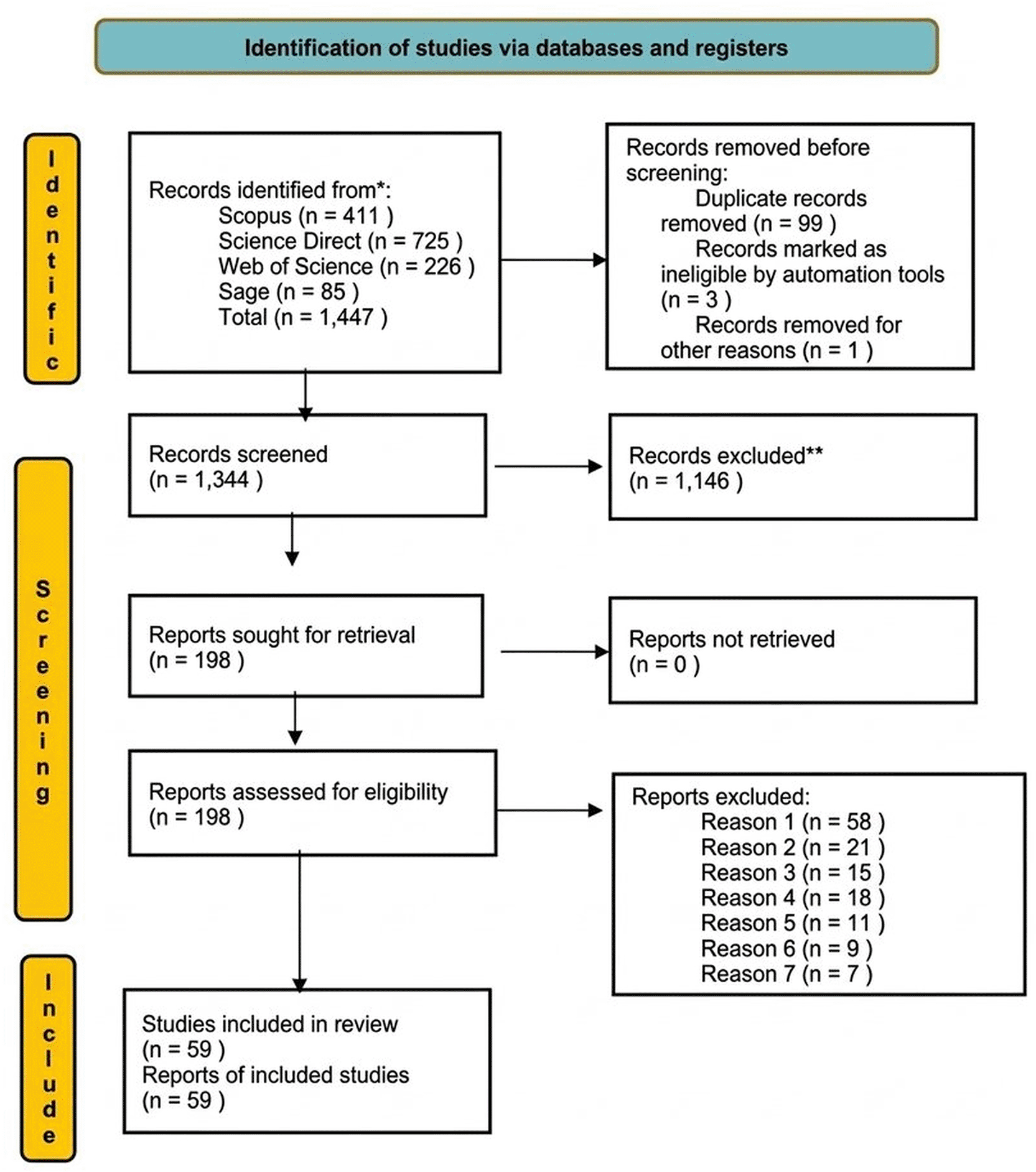
The study selection and analysis process was carried out in accordance with the PRISMA 2020 protocol. The identification phase examined four high-impact academic databases: Scopus (n = 411), ScienceDirect (n = 725), Web of Science (n = 226), and SAGE Journals (n = 85), with a total initial pool of 1,447 records.
Of these, 99 duplicate records were excluded, 3 records were deemed irrelevant by automatic software, and 1 record was excluded for other technical reasons, resulting in 1,344 records eligible for title and abstract selection. In this phase, 1,146 articles were excluded because they did not meet the minimum criteria for thematic and conceptual relevance ( Figure 1).
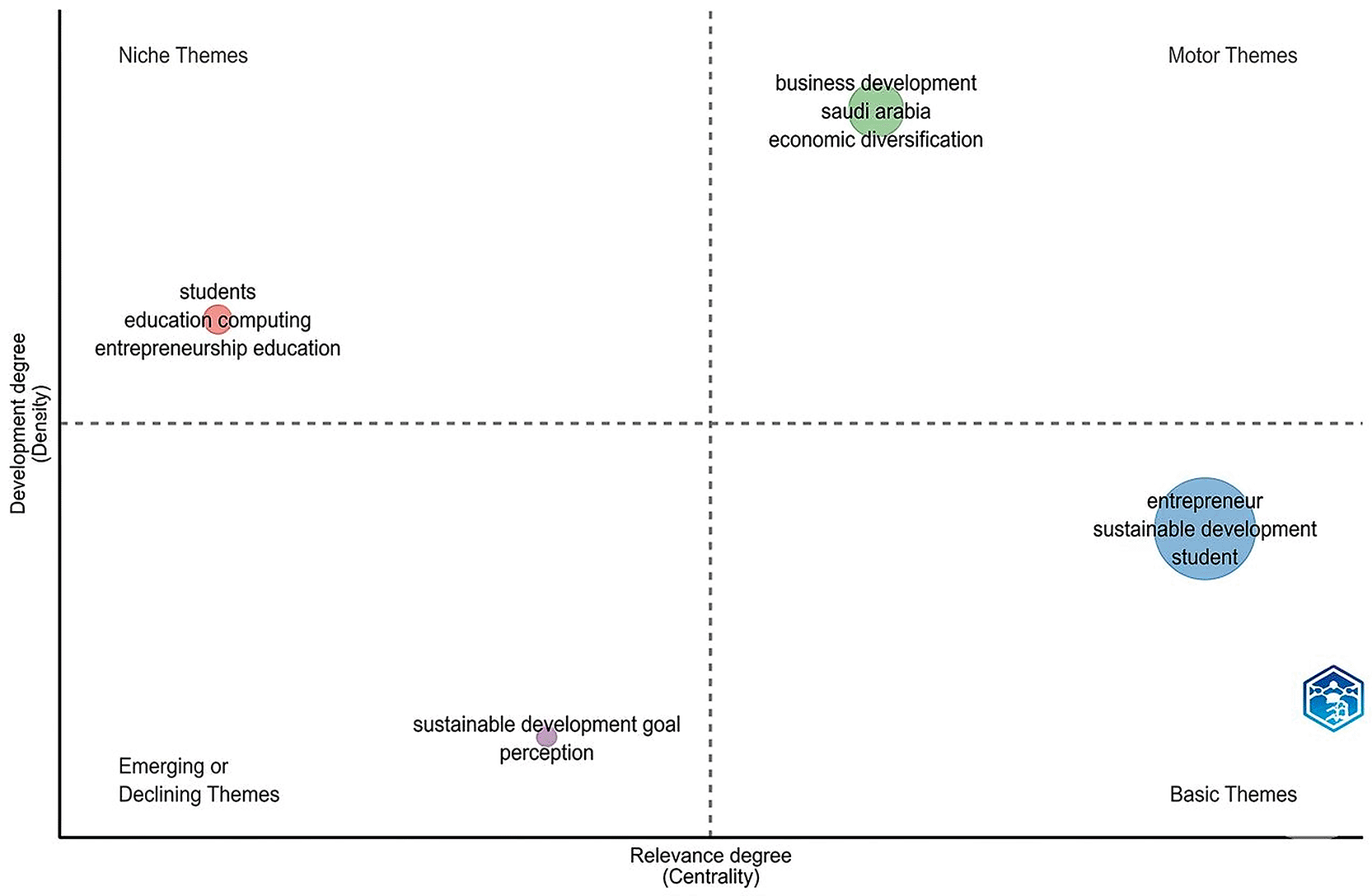
The strategic map divides the research field into four quadrants defined by centrality (x-axis: degree of relevance within the field) and density (y-axis: degree of internal conceptual development). Each cluster represents a group of thematically related keywords; bubble size is proportional to co-occurrence frequency. Motor Themes (upper right quadrant): high centrality and high density — these are the structural, well-developed topics driving the field (e.g., business development, economic diversification, Saudi Arabia). Niche Themes (upper left): high density but low centrality — internally developed but peripheral to the main field (e.g., students, education computing, entrepreneurship education). Basic Themes (lower right): high centrality but low density — central but theoretically underdeveloped, representing opportunities for conceptual deepening (e.g., entrepreneur, sustainable development, student). Emerging or Declining Themes (lower left): low centrality and low density — topics either emerging or in decline (e.g., sustainable development goals, perception). Generated with the Bibliometrix R package v4.1.4 using data extracted from Scopus, Web of Science, ScienceDirect, and SAGE Journals (2015–2024).
Evaluation of the quality of the article
To ensure that the included studies presented an adequate level of methodological quality and sufficient conceptual relevance, a structured critical evaluation scheme was implemented. The instrument integrated five fundamental dimensions, each assessed using a five-point Likert scale: methodological rigour (30%), theoretical relevance (25%), practical applicability (20%), alignment with the SDGs (15%) and scientific impact (10%). The differential weighting of the dimensions is justified by the desire to prioritise methodological rigour as the main quality criterion, in line with the recommendations of Petticrew and Roberts (2006) for systematic reviews in the social sciences.
It is also worth noting that no minimum quality threshold was established for exclusion; instead, this assessment was used to gauge the reliability of the evidence in the interpretable synthesis, applying the fundamentals of the GRADE methodology adapted to the field of qualitative research (Lewin et al. 2015). This allows for the maintenance of epistemological plurality while ensuring methodological rigour in the interpretation processes, fulfilling the dual function of criteria. Representative examples of studies at each quality level are presented in Table 3.
| Quality level | Representative study | Outstanding features |
|---|---|---|
| High | Newman et al. (2019) | Robust systematic review (118 studies), solid theoretical framework, validated measures, high impact (76 citations). |
| High | Klofsten et al. (2019) | Innovative conceptual framework, mixed methodology, specific link to the SDGs, defined practical applications |
| Medium-high | Westhead and Solesvik (2015) | Rigorous quantitative design, n = 189, clear theoretical framework, gender focus, moderate impact. |
| Medium-high | Treanor et al. (2021) | Longitudinal study (7 years), relevant sample, structured conceptual framework, concrete implications. |
| Medium | Laurie et al. (2016) | Multi-country synthesis, focus on ESD, adequate theoretical framework, moderate applicability. |
| Medium | Hermes and Rimanoczy (2018) | Clear conceptual model, single case study, connection to sustainability, educational applicability. |
Additionally, a bibliometric analysis was performed in R version 4.3.2 using the Bibliometrix package version 4.1.4 (Aria & Cuccurullo, 2017) to complement the qualitative analysis. Specifically, indicators of scientific production, intellectual structure, and academic collaboration networks were collected and presented: (temporal evolution, productivity per author/country), (cocitation and bibliographic coupling analysis); Clustering algorithms of thematic strategic maps allowed the identification of research areas according to their centrality and degree of development.
Specifically, analytical processing of the information collected by the previous design was achieved through a structured narrative synthesis articulating three complementary levels. First, this study carried out a descriptive analysis of the methodological and contextual characteristics of the included studies using a data extraction matrix. Second, the study reviewed categorical analyses based on themes through systematic coding to identify convergent and divergent patterns in the literature. Third, an interpretive analysis was performed by implementing a systematic comparative approach to identify patterns, convergences, and divergences, as well as gaps in the existing literature.
This research has several limitations inherent to the use of a systematic review design that should be considered by the reader when interpreting the results. The fact that only works in English and Spanish were included may have left out relevant contributions in other languages. Due to the methodology, the heterogeneity of the designs (quantitative, qualitative, and mixed) limited the possibility of formal quantitative synthesis, which was therefore carried out using structured narrative synthesis. There is a potential publication bias in favour of positive results, which was partially mitigated by an additional snowball search. The highly focused distribution in recent years may be due to the emerging nature of the topic rather than substantive trends. These limitations were controlled by independent double review (κ = 0.87), standardised protocols, and triangulation of multiple sources.
The systematic analysis of the scientific literature on sustainable entrepreneurial intention among young university students, based on strict application of the PRISMA 2020 protocol, revealed various patterns in the structure of scientific knowledge in the field. The results of the bibliometric analysis, complemented by thematic country strategy maps and collaboration networks, provide a comprehensive map of the current state of research and evolutionary trends in the decade 2015–2024.
After applying our inclusion and exclusion criteria, which were considered reliable with agreement between the evaluators of κ = 0.87, we identified three fundamental dimensions of the analysis in the final corpus consisting of 59 studies: the thematic structure of the field, the patterns of academic collaboration, and the evolution of knowledge over time. The integration of these three perspectives reveals an emerging field of research where there is a progressive convergence between traditional entrepreneurship paradigms and sustainability frameworks.
Through clustering algorithms, strategic thematic analysis offers an assessment of centrality (relevance in the field) and density (degree of internal development), terms that can be used to describe a new configuration of knowledge in sustainable entrepreneurship.
The strategic map analysed divides the research areas into centrality (relevance) and density (level of development) ( Figure 2). This makes it possible to select four critical categories that denote the state of knowledge in the field.
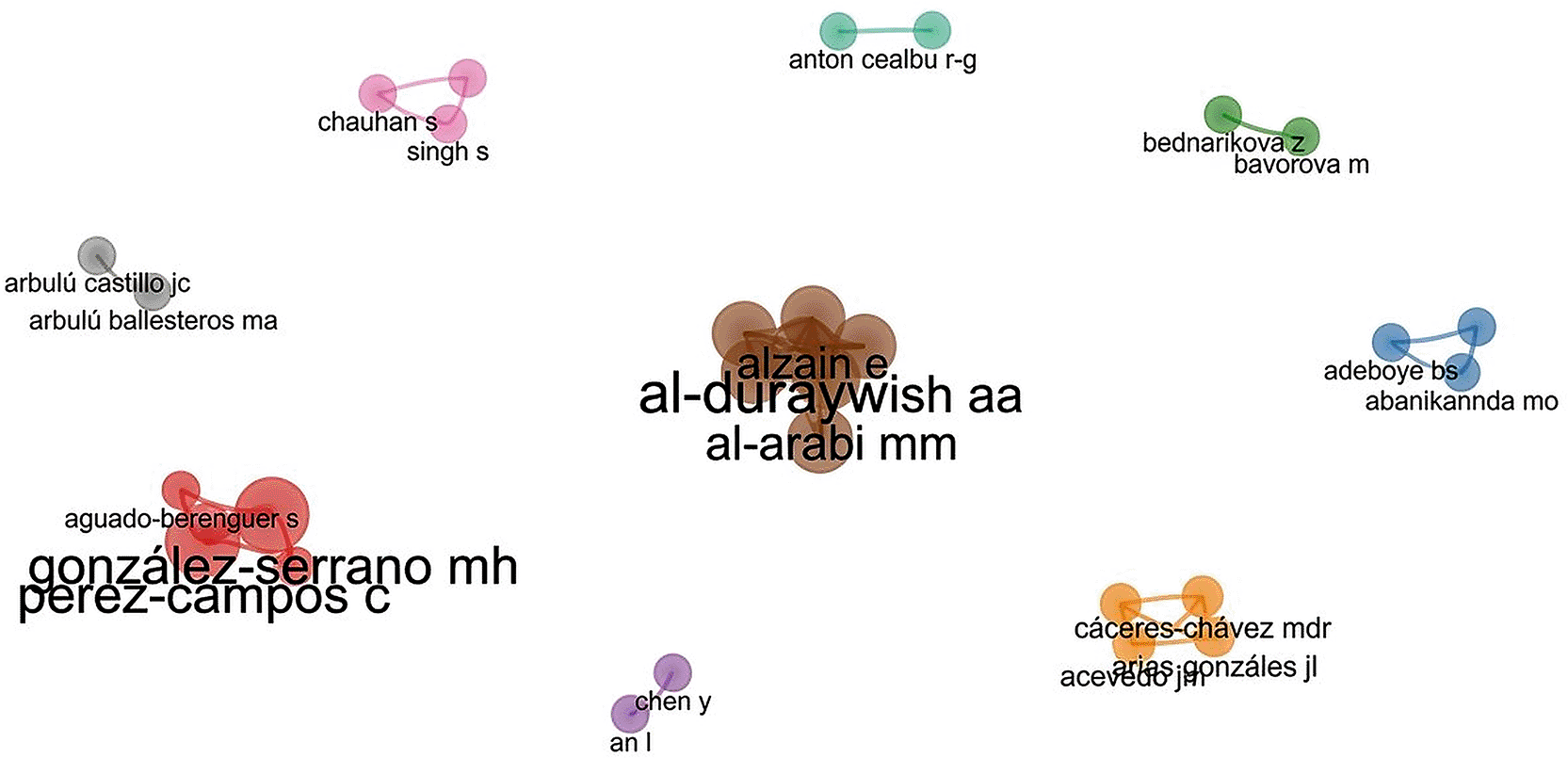
Co-authorship network of researchers publishing on sustainable entrepreneurship (2015–2024). Each node represents an individual author; node size is proportional to the total number of publications, and edge thickness reflects the frequency of collaborative publications between two authors. Colour clusters (identified by community-detection algorithms) denote distinct academic communities or research groups. The network reveals a fragmented collaboration structure composed of multiple small communities with limited inter-group connectivity. Key articulating nodes (e.g., al-duraywish aa, alzain e) bridge separate clusters. Visualised with VOSviewer; minimum threshold: 2 co-authored documents per author for inclusion.
Themes Motor, Business Development, Saudi Arabia, and Economic Diversification are located in the upper right quadrant. High in centrality and in theoretical and methodological research, these topics have become the structural themes of current research. The presence of economic diversification underscores its role in ecological processes and the transition to sustainable models.
On the other hand, the upper left quadrant contains the Niche Topics, which are students, education computing, and entrepreneurial education. Although they are conceptually developed, their low degree of connection with central topics reflects specialisation without systemic articulation, that is, isolated, as in the case of entrepreneurial education.
In contrast, in the lower right quadrant are the Basic Topics, namely entrepreneur, sustainable development, and student, which are highly relevant but underdeveloped internally, reflecting gaps in the discussion and opportunities for conceptual deepening.
Finally, the Emerging or Declining Topics in the lower left quadrant contain topics such as sustainability goals and perception. Their low centrality and density may refer to both growing areas and declining trends. The fact that the SDGs appear in this category refers to an open gap between their discursive recognition and their adequate consolidation within priority research agendas.
In summary, this cartographic image of knowledge provided a clear and accurate visualisation of the consolidated nuclei and strategic opportunities for coordination around the strengthening of research on entrepreneurship and sustainability.
The structure of collaboration among researchers in the field is characterised by the formation of distinct academic communities with varying degrees of interconnection.
The second visualisation presents a complex coauthorship network representing all researchers working in the field of sustainable entrepreneurship ( Figure 3). Thus, using a single visual image, it maps the interconnections and associations between ideas and topics researched in the field. One of the most striking aspects of visualisation is that scientific activity is organised into small research communities, which can be seen by the different colours of the nodes. In the middle of the image, you can see a cluster that contains researchers such as al-duraywish aa and alzain e, who appear to function as important nodes. At the same time, it is notable that there are many smaller marginal groups; therefore, the field is partially fragmented, but there are still several academic researchers who play the role of ‘bridges.’
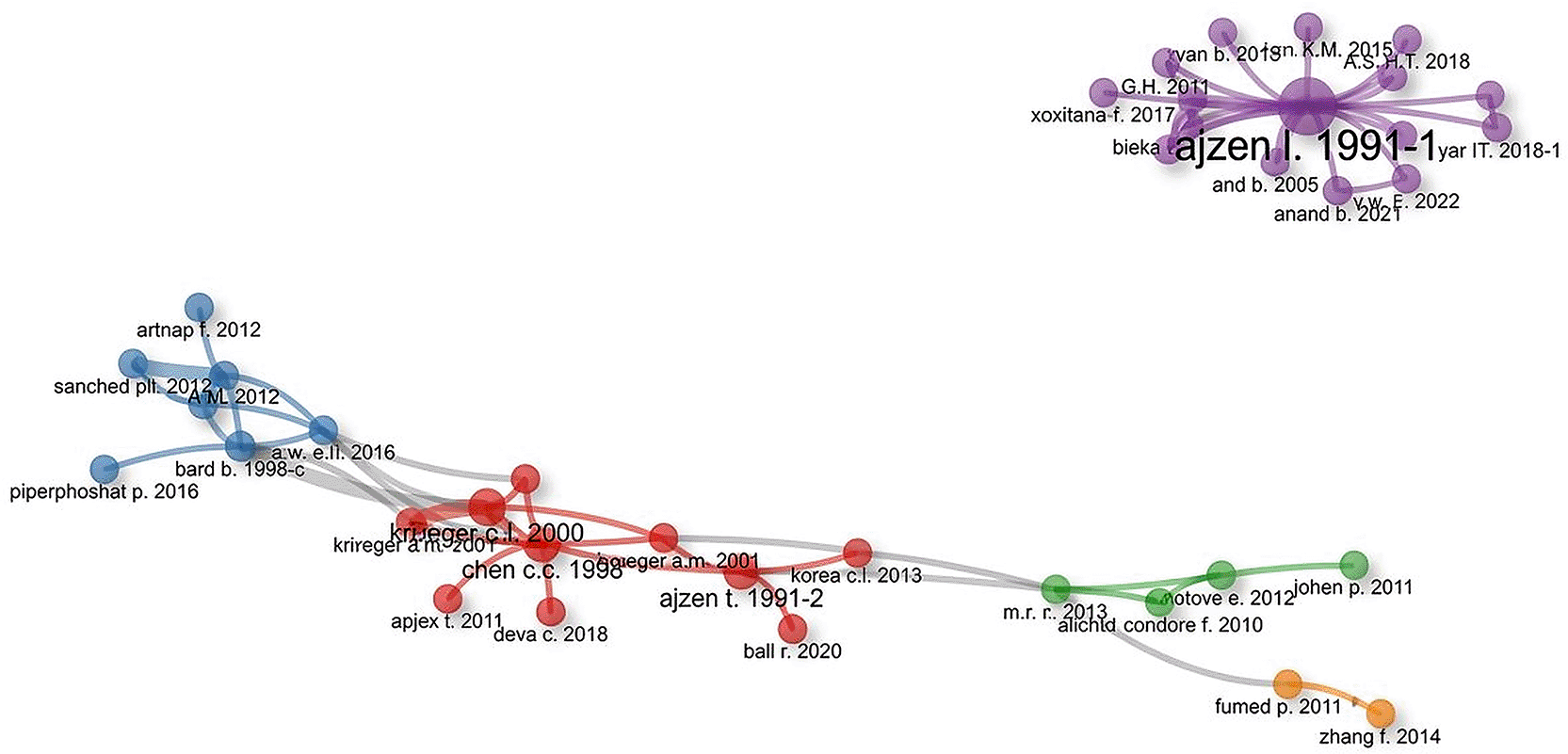
Temporal co-citation network tracing the intellectual evolution of research on entrepreneurial intention. Each node represents a cited reference; node size is proportional to total citation count, and edge thickness reflects the frequency of co-citation between two works. Colour clusters indicate distinct theoretical traditions within the field. Ajzen (1991) emerges as the dominant anchor reference (labelled “ajzen i. 1991-1” and “ajzen i. 1991-2” to distinguish two divergent lines of application of the Theory of Planned Behaviour). Recent works (2018–2021) maintain strong citation links to these seminal publications, illustrating the incremental and adaptive evolution of the field. Visualised with VOSviewer; minimum co-citation threshold = 2.
This network structure shows that, although there is a lot of research activity on sustainable entrepreneurship, there is still some compartmentalisation that may hinder the transfer of knowledge between different theories or disciplines. However, the presence of connections between clusters in the network suggests a field in a process of integration in which interdisciplinary links are gradually being woven, which may increase the depth of the object of study.
The evolutionary trajectory of the field of entrepreneurial intention research shows the progressive consolidation of fundamental theoretical frameworks and their adaptation to sustainability contexts.
The third visualisation offers a diachronic perspective of the field through a network of citations that trace the evolution of knowledge about entrepreneurial intention ( Figure 4). In the representation created, it is clear that Ajzen’s (1991) seminal work on the Theory of Planned Behaviour is a theoretical pillar, as evidenced by its central presence in the scientific field and its multiple interconnections with subsequent works. This centrality manifests itself in two main variants (“ajzen i. 1991-1” and “ajzen i. 1991-2”), which gave rise to avenues of research.
PRISMA 2020 flow diagram illustrating the complete systematic search and study selection process. Records were identified from four databases: Scopus (n = 411), ScienceDirect (n = 725), Web of Science (n = 226), and SAGE Journals (n = 85); total initial pool: n = 1,447. After removing duplicates (n = 99) and records excluded for other reasons, 1,344 records proceeded to title and abstract screening, of which 1,146 were excluded. The remaining 198 full-text reports were assessed for eligibility; 139 were excluded across seven categories (Reason 1: n = 58; Reason 2: n = 21; Reason 3: n = 15; Reason 4: n = 18; Reason 5: n = 11; Reason 6: n = 9; Reason 7: n = 7), yielding a final corpus of 59 studies included in the systematic review. Adapted from Page et al. (2021). doi:10.1136/bmj.n71.
It is significant that the various colour clusters, such as purple, red, blue, and green, represent four distinct but interrelated research traditions that, despite sharing key references, have different modalities and research approaches. Furthermore, the last year (2018–2021) is related to these seminal publications, indicating the continuity of theoretical frameworks and the progressive generation and refinement of methods. Therefore, according to the citation pattern, the field has been characterised by incremental changes, that is, by a progressive development of methods consolidated over time but used adaptively on occasion to address new emerging problems, such as sustainability.
The incorporation of bibliometric analysis yields three key findings about the current state of play in the field.
Incomplete theoretical consolidation: Although the analysis reveals that (TPB) is still the dominant episteme, as evidenced by the fact that Ajzen’s 1991 publication is central to the citation network, the multiple variants identified (“ajzen i. 1991-1” and “ajzen i. 1991-2”) reflect fragmented adaptations that have not coalesced into a unified framework for sustainable entrepreneurship.
Fragmentation of academic collaboration: The coauthorship network reveals multiple research communities with limited intergroup integration. Although figures such as al-duraywish aa and alzain e act as articulating nodes, collaboration between different academic traditions is limited.
Strategic thematic hierarchy: The strategic map identifies’sustainable development’ as a core theme with high centrality but limited development, while’sustainable development goals’ are positioned as an emerging theme. Entrepreneurial education, meanwhile, appears as a niche theme developed, but is peripherally integrated with the main currents of sustainable entrepreneurship.
The alignment with the SDGs shows that integration is partial and indirect. The analysis reveals three patterns of convergence.
Conceptual disarticulation: The position of sustainable development goals as an emerging theme, rather than the centrality of sustainable development as a concept, suggests that the normative framework of the 2030 Agenda has not been consolidated as a conceptual framework in the research of sustainable entrepreneurs.
Paradigmatic fragmentation: Recent work (2018–2021) maintains connections with original publications, and the progressive addition of sustainability elements shows a scale transition that largely preserves existing entrepreneurship frameworks with little integration for sustainability.
Under-used educational potential: Entrepreneurial education reveals untapped opportunities in its contribution to SDG 4 (quality education) and SDG 8 (decent work and economic growth) through the creation of unified frameworks that connect direct entrepreneurship training with sustainability goals.
The findings suggest four priorities for the development of the field:
Theoretical integration: Conceptual fragmentation implies that integrated theoretical frameworks must be explicitly developed to articulate sustainability with the fulfilment of well-established models of entrepreneurial intention. In particular, adaptations of planned behaviour theory require specific extensions that add sustainability variables and SDG orientation.
Interdisciplinary collaboration: The fragmented structure of the collaboration, combined with the quality of the collaboration lists, suggests that there are many opportunities to strengthen links between largely separate research communities. In doing so, individual researchers can act as articulating nodes that link transdisciplinary research communities.
Educational consolidation: Entrepreneurial education as a niche topic that is developed but peripherally integrated reveals the untapped potential to catalyse sustainable entrepreneurship through the articulation of innovative pedagogical methodologies and specific sustainability frameworks.
Operationalisation of the SDGs: The need to develop operational frameworks that facilitate the practical integration of the 2030 Agenda into entrepreneurial research and training, which requires conceptual development and empirical validation in diverse university contexts.
These convergences highlight the necessary transition from parallel developments to an integrated structure that takes advantage of the strengths identified while addressing the conceptual and methodological gaps revealed in the bibliographic analysis.
In summary, the bibliometric analysis presented here confirms the emergence of a research field marked by the progressive convergence between established entrepreneurship frameworks and emerging sustainability paradigms. However, our findings indicate that, while TPB maintains its dominance as the standard framework from a citation perspective and is, in fact, occupied by Ajzen (1991), its application to sustainable entrepreneurship requires substantial conceptual adaptations that have not yet produced theoretical consensus.
Furthermore, paradoxical fragmentation is also evident in the multiple variants identified in the seminal work (“ajzen i. 1991–1 and ‘ajzen i. 1991–2 ‘), suggesting that the field is undergoing an epistemological transition in which traditional models are being adapted incrementally but without achieving a broader structural reconceptualization. As a result, while Del Giudice et al. (2019) recorded an exponential growth in publications on sustainable entrepreneurship since 2015, the above findings indicate that this quantitative growth has not materialised into qualitative theoretical consolidation.
The thematic strategy map reveals a knowledge architecture marked by notable asymmetries between conceptual centrality and theoretical development. Specifically, central concepts such as “sustainable development” appear as zonal themes with high centrality but little internal development; simultaneously, “sustainable development goals” stand out as emerging themes without effective development.
This configuration suggests a disconnect between the discursive recognition of the sustainability context and its operationalisation in research. Thus, although Klofsten et al. (2019) identified universities as strategic ecosystems for sustainability, our findings indicate that the 2030 Agenda has not succeeded in becoming a unifying framework for research on university entrepreneurship. Therefore, this situation constitutes both a limitation of the current concept and a strategic opportunity for advancing the theory in the future.
The identified academic collaboration structure reflects a fragmentation pattern that can limit the development of innovative concepts and the transfer of knowledge between research traditions. Although the authors al-duraywish aa and alzain e act as nodes of articulation, the limited connectivity between the groups involved in particular studies suggests that the field is structured around parallel rather than integrated paradigms.
However, this fragmentation goes against the interdisciplinarity inherent in sustainable entrepreneurship itself. As Muñoz and Cohen (2018) point out: ‘Decisions cannot ideally be holistic about major investments and business changes without consistently and simultaneously considering economic, social and environmental aspects.’ Therefore, the way in which the collaborative structure is constituted today can impede and prevent the development of comprehensive frameworks, which are necessary to understand and address the multidimensional complexity of the phenomenon under study.
The fact that educational entrepreneurship is best positioned as a developed but peripherally integrated niche topic also suggests an open strategic opportunity to catalyse SDG-aligned ventures. While Lozano et al. (2019) propose that transformative education requires a paradigm shift in restructuring higher education institutions, the results of the analyser show that such a shift remains, at best, conceptually developed but operationally disjoint.
The victory of projecting this disintegration is important given the amount of Yasir et al., 2021, which discusses how entrepreneurship education can be a moderator in determining sustainable intentions. Therefore, the minimal disconnect between transformative education and sustainable entrepreneurship becomes a critical missing link that needs to be linked, both theoretically and practically, to fully leverage the formative potential of university institutions.
The findings have direct implications for the management of university entrepreneurial ecosystems. First, the identification of Saudi Arabia as a driving force in economic diversification suggests that how quickly a specific context leads the transition to sustainable models offers valuable insights for case studies. Second, the geographical concentration of the identified articles (67% in Western contexts) limits the generalisability of the findings and suggests the need for contextual diversification in future research.
From the perspective of university administrators, these results mean that the development of sustainable entrepreneurship programmes can only be achieved if the frameworks embrace integration rather than fragmentation. More specifically, the demand to articulate technical skills, sustainable values, and transformative education calls for a complete organisational and pedagogical restructuring of current university ecosystems.
Here, the identified limitations, particularly the linguistic restriction and methodological heterogeneity, must be contextualised within the emerging nature of the field. The concentration of publications in recent years may reflect both the youth of the area and its growing relevance, requiring future longitudinal reviews to assess the stability of the identified trends.
Methodologically, the need for structured narrative synthesis, given the heterogeneity of designs and their results, appears consistent with the epistemological diversity in which the field finds itself, and although it has unduly diversified the information available on the phenomenon, it complicates the comparison of findings with reference to a common framework. This suggests that future research could benefit from more standardised methodological frameworks that facilitate robust quantitative syntheses.
The findings converge on four strategic priority directions. First, the development of integrated theoretical frameworks that explicitly articulate the SDGs with established business intention frameworks to move beyond current fragmented adaptations. Second, the strengthening of interdisciplinary collaborations that use bridge researchers to promote knowledge transfer between traditionally separated academic communities.
Third, the practical operationalisation of transformative education in business environments through the adoption of methodologies based on the integration of sustainable competencies with business training. Finally, the geographical and contextual diversification of the studies by adopting the perspective of emerging economies to improve the quality of global understanding of the phenomenon.
In summary, this systematic review documents a field in paradigm transition, in which the transformative potential of sustainable university entrepreneurship has only been partially realised. To achieve its full potential to contribute to the SDGs, theoretical and practical interventions are required.
The results document the emergence of a new and emerging field of research, characterised by the gradual convergence of traditional entrepreneurship theories and sustainability paradigms. In fact, although the theory of planned behaviour is confirmed as hegemonic at the conceptual level, its application in the field of sustainable entrepreneurship still requires considerable theoretical adaptations that are currently fragmented. In turn, the identification of emerging constructs, such as self-empowerment and purpose-orientated intention, helps to broaden the scope of traditional models and sheds new light on how young university students are developing ways to take on entrepreneurial initiatives aligned with the SDGs.
For university administrators, the findings reveal strategic opportunities in the design of sustainable entrepreneurial ecosystems, pointing to the need to transcend compartmentalised approaches and develop integrated programmes that articulate technical skills, sustainable values, and transformative experiences. This, in turn, requires organisational and pedagogical restructuring so that universities can operate as laboratories of the future, cultivating entrepreneurial mindsets that reconcile economic prosperity, social equity, and ecological regeneration.
At the same time, our findings offer empirical evidence for refocusing support systems for youth entrepreneurs toward triple impact success stories, and our choice of Saudi Arabia as a country that stands out in terms of economic diversification implies that some specific conditions are fostering transitions to sustainable schemes, which may offer examples for replicating such transitions in other regions with legal and regulatory systems that promote sustainable entrepreneurs.
Despite this, the limitations mentioned above, namely the language restriction to English and Spanish and the methodological heterogeneity of the included studies, should be taken into account when interpreting the results, especially given that the temporal concentration of publications in recent years presents an emerging field; future longitudinal reviews will be needed to determine whether the identified trends are stable. Four strategic directions are identified for future research. First, the development of integrated theoretical frameworks that explicitly establish the relationship between the SDGs and models of entrepreneurial intention. Second, longitudinal studies that facilitate a greater understanding of how these can be translated into effective initiatives. The third is the operation of transformative educational methodologies in entrepreneurial environments. The fourth is geographic diversification, in other words, gaining the perspective of the global South, as well as developing more competent metrics and instruments that are contextualised to measure sustainable entrepreneurial intention.
In summary, this research documents a field in paradigm transition, insofar as sustainable university entrepreneurship is a field of transformative possibility that is only partially realised, requiring coordinated interventions between universities, public policies, and conceptual frameworks to maximise its contribution to the Sustainable Development Goals.
| Views | Downloads | |
|---|---|---|
| F1000Research | - | - |
|
PubMed Central
Data from PMC are received and updated monthly.
|
- | - |
Provide sufficient details of any financial or non-financial competing interests to enable users to assess whether your comments might lead a reasonable person to question your impartiality. Consider the following examples, but note that this is not an exhaustive list:
Sign up for content alerts and receive a weekly or monthly email with all newly published articles
Already registered? Sign in
The email address should be the one you originally registered with F1000.
You registered with F1000 via Google, so we cannot reset your password.
To sign in, please click here.
If you still need help with your Google account password, please click here.
You registered with F1000 via Facebook, so we cannot reset your password.
To sign in, please click here.
If you still need help with your Facebook account password, please click here.
If your email address is registered with us, we will email you instructions to reset your password.
If you think you should have received this email but it has not arrived, please check your spam filters and/or contact for further assistance.

Comments on this article Comments (0)