Keywords
Antinutrient, composite grains, fermentation, foods, nutritional quality

This article is included in the Agriculture, Food and Nutrition gateway.
Antinutrient, composite grains, fermentation, foods, nutritional quality
Composite grain products are usually a blend of cereals, pseudocereals, and legumes, and are increasingly recognized as important means for addressing global food security and mitigating micronutrient deficiencies (Galati et al., 2025). Composite flours are blends of wheat and other flours in varying proportions that are used to produce cereal-based food products to enhance the nutritional profile of these products (Chandra et al., 2015). These compositions often offer a superior amino acid profile and improved dietary fiber compared to noncereal products; their nutritional utility is often reduced by the presence of antinutrients. Antinutrients naturally occur in plants and reduce nutrient absorption in humans, including compounds such as phytates, tannins, oxalates, and enzyme inhibitors, which form stable complexes with essential minerals such as zinc, iron, calcium, and proteins, thereby significantly decreasing their intestinal bioavailability (Gupta et al., 2015).
Traditional processing methods, particularly lactic acid fermentation, have been used for centuries to improve the nutritional quality and organoleptic properties of the grains. During fermentation, microbial enzymes such as phytases, tannases, and proteases, and the resulting drop in pH, work synergistically to degrade antinutrients in grains (Nkhata et al., 2020a,b). However, the interactions between these antinutritional factors are significantly more complex in composite grain flour systems. The different chemical matrices of different grains can lead to unpredictable degradation rates; for instance, the high tannin content in certain sorghum may inhibit the microbial enzymes intended to degrade phytates in maize-sorghum blends (Adebo, 2020).
Despite the wealth of individual studies on single-grain fermentation, there is a paucity of synthesized evidence regarding the biochemical interactions among diverse antinutrient profiles in composite grain products. Understanding whether these compounds act synergistically or competitively during fermentation is crucial to optimizing food formulations for vulnerable populations. This systematic review evaluated the effectiveness of fermentation and associated processing methods in reducing antinutritional factors and improving nutrient bioavailability in composite cereal–legume foods reported in Nigeria between 2015 and 2025.
The systematic review adopted the Preferred Reporting Items for Systematic and Meta-Analysis (PRISMA)-aligned search strategy table and screening flow diagram approach.
Preliminary search for broader articles adopted several Boolean Search String, such as “antinutrient composition” OR “antinutritional factors” OR “phytate” OR “tannin” OR “oxalate” OR “trypsin inhibitor” AND “composite flour” OR “composite grain” OR “cereal-legume blend” OR “multigrain product” AND “Nigeria.” The filter was: year = 2015–2025; Country = Nigeria.
In addition, the following interchangeable terms were used to capture all relevant studies: “antinutrient composition”, “antinutrient content”, “antinutritional factors”, “antinutrient profile”, “phytate” OR “phytic acid”, “tannin” OR “polyphenol”, “oxalate” OR “oxalic acid”, “saponin”, “trypsin inhibitor” OR “protease inhibitor”, “cyanogenic glycosides” OR “cyanide content” and “lectins”.
Furthermore, on product specific search on composite grain products, the search covered several Nigerian cereal-legume foods and flours, such as: “composite flour” OR “composite grain,” “composite cereal,” “cereal-legume blend” OR “cereal-legume composite,” “multigrain product” OR “multigrain flour,” “cereal-based product,” “composite bread” OR “composite biscuit” OR “composite pasta,” “weaning food” OR “complementary food” OR “infant cereal” and “fortified cereal product” OR “functional food”.
For the systematic review, the inclusion criteria were full-fledged manuscripts published in peer-reviewed journals or postgraduate theses between 2015 and 2025 and conducted in Nigeria. In addition, studies must report the antinutrient content or related analysis of composite grain products. Only manuscripts written in English were eligible for inclusion.
The exclusion criteria included studies outside Nigeria, involving non-composite single-grain products, and without analytical data on antinutrients.
For article search, the following databases were be used: Scopus, ScienceDirect, PubMed, (African Journals Online (AJOL)), and Google Scholar, specifically for grey literature.
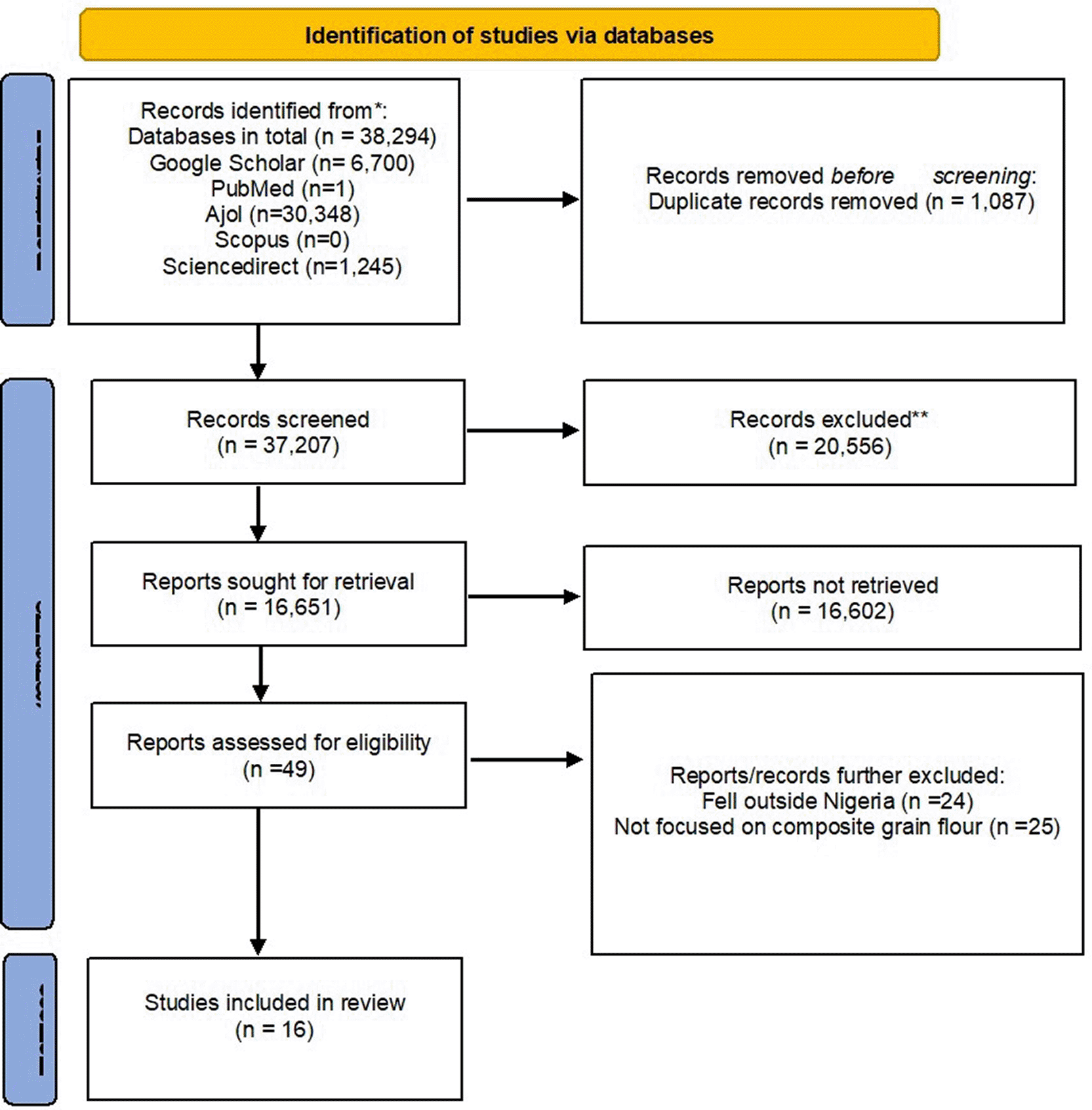
The selection of studies for the systematic review followed the PRISMA guidelines. A comprehensive literature search was conducted across multiple databases, including Scopus, ScienceDirect, PubMed, (African Journals Online (AJOL)) and Google Scholar, which yielded 10,984 records. No additional records were identified from the other sources.
After the removal of duplicate publications using reference management software, 9,897 records remained. A total of 6,700 records were further screened based on titles and abstracts for relevance to the composite grain products, antinutrient studied, and fermentation processes. From the screening, 6,651 records were excluded for failure to meet the eligibility criteria, mainly due to a lack of focus on composite grain products, absence of antinutrient, or studies conducted outside Nigeria.
Subsequently, 49 full-text articles were assessed for inclusion based on predefined criteria, including the study design, analytical methods, and reporting antinutrient interactions of fermented composite grain products. Thirty-three (33) of the articles were excluded due to the absence of quantitative antinutrient analysis data, focus on non-fermented composite grain product, or non-Nigerian study settings. Finally, 16 studies that met the inclusion criteria were included in the quantitative meta-analysis (Figure 1).
| S/N | Author(s) | Title | Sample/Raw material | Processing method investigated | Fermentation conditions | Antinutrients studied | Key findings relevant to antinutrient interaction |
|---|---|---|---|---|---|---|---|
| 1 | Anaemene and Fadupin (2020) | Effect of fermentation, germination and combined germination-fermentation processing methods on the nutrient and antinutrient contents of quality protein maize seeds | Quality protein maize (QPM) seeds | Fermentation; Germination; Combined Germination–Fermentation | Fermentation: 72 h; Germination: 72 h; Combined germination (72 h) + fermentation (24 h or 48 h) | Phytate, tannin, oxalate, saponin, polyphenol, hemagglutinin | Germination and germination–fermentation significantly reduced antinutrients, especially phytate (>90%). Combined germination (72 h) + fermentation (24 h) retained more Fe and Zn while reducing antinutrients effectively. |
| 2 | Alhassana (2023) | Nutritional and antinutritional compositions of extrudates from fermented and sprouted rice–sesame blends | Rice and sesame seed composite blends | Fermentation; Sprouting (germination); Extrusion processing | Sprouting of grains followed by fermentation prior to extrusion (specific time not fully stated in excerpt) | Phytate, oxalate, tannin | Fermentation and sprouting reduced antinutrients and improved nutrient bioavailability in rice–sesame extrudates. Processing enhanced protein digestibility and nutrient accessibility due to degradation of antinutritional factors during fermentation and enzymatic activity during sprouting. |
| 3 | Akinsola et al. (2017) | Effect of processing method II: antinutritional, microbial and sensory quality of maize-millet-soybean complementary food | Yellow maize (Zea mays), finger millet (Eleusine coracana), soybean (Glycine max) | Submerged fermentation, germination, roasting (120 ± 5 °C) | Fermentation: 48 h soaking at 30 ± 2 °C, drying at 55 °C, followed by roasting; Germination: 48 h sprouting under moist jute sack, drying at 55 °C, roasting | Phytic acid, polyphenols, trypsin inhibitor, amylase inhibitor | Fermentation + roasting reduced phytic acid by 81% and eliminated aflatoxin contamination. Germination + roasting reduced phytic acid by 82% and lowered amylase inhibitors. Trypsin inhibitors showed modest reduction. Fermentation synergized with roasting to improve microbial safety and sensory acceptability. Germination enhanced flavour and taste but was less effective against aflatoxin. |
| 4 | Adeyeye et al. (2019) | Effect of Co-fermentation on nutritional composition, antinutritional factors and acceptability of cookies from fermented sorghum (sorghum bicolor) and soybeans (glycine max) flour blends | White sorghum grains, yellow soybeans | Co-fermentation (sorghum + soybean), oven drying, milling, baking into cookies | Fermentation at 27 ± 2 °C for 24 h, 48 h, and 72 h; control = 0 h | Phytates, tannins, trypsin inhibitors, protease inhibitors | Fermentation reduced phytates, tannins, and trypsin inhibitors progressively with time (24–72 h). Protein and vitamin content increased significantly. Longer fermentation (72 h) yielded lowest antinutrient levels and highest nutritional improvement. Sensory acceptability improved with soybean substitution and fermentation |
| 5 | Okoronkwo et al. (2016) | Physicochemical Characteristics and Antinutritional Factors of Fermented Complementary Foods Based on Maize–Pigeon Pea Flour | Maize (Zea mays) and pigeon pea (Cajanus cajan) flour | Steeping, boiling, milling, fermentation, drying, blending | Fermentation during steeping for 48 h, drying at 55 °C for 12 h | Oxalate, tannin, saponin, alkaloid, cyanogenic glycosides, phytate | Fermentation and processing significantly reduced antinutrient levels in composite flour. Reduction attributed to microbial enzymatic activity (e.g., phytase). |
| 6 | Adewoyin et al. (2025) | Nutritional Composition and Sensory Properties of Chinchin Produced from Wheat-Sorghum Composite Flour | Sorghum grains, wheat flour | Dehulling, steeping, spontaneous fermentation, drying, milling into modified sorghum flour (MSF), composite flour formulation | 48 h spontaneous fermentation; sampling at 0, 24, 48 h; ambient steeping in water | Phytate, Tannin, Oxalate | Significant reduction in antinutrients after fermentation; improved functional properties; acceptable sensory quality of composite product |
| 7 | Adebayo-Oyetoro et al. (2019) | Quality characteristics of complementary food from locally fermented maize flour blended with sprouted velvet bean flour in Nigeria | Fermented maize (Zea mays) + sprouted velvet bean (Mucuna utilis) | Fermentation + Sprouting + Blending | Maize steeped 48 h + fermented 72 h (anaerobic) | Phytate, Oxalate, Tannin | Phytate (2.11–2.42 mg/100 g), Oxalate (0.40–9.58 mg/100 g), Tannin (0.65–1.21 mg/100 g); levels increased with velvet bean inclusion but remained within safe limits |
| 8 | Obaroakpo et al. (2016) | The effect of fermentation and extrusion on the antinutritional composition and digestibility of millet and soybean flour blends | Millet (Pennisetum glaucum) and defatted soybean flour (TGX 1448-2E) | Extrusion cooking (single-screw extruder, 100 °C, 200 rpm) and solid-state fermentation | Solid-state fermentation, 72 hours, hydrated flour blend (75 ml water/100 g flour) | Tannin, saponin, phytate, trypsin inhibitor | Fermentation + extrusion (FE) gave highest reduction in antinutrients - Saponin reduced from 11.65–13.08% (raw) → 2.13–3.19% (FE) - Tannin reduced from 0.1235–0.1412 mg/g (raw) → 0.0838–0.0962 mg/g (FE) - Phytate reduced from 9.311–10.600 mg/g (raw) → 4.944–6.361 mg/g (FE) - Trypsin inhibitor reduced from 50.13–56.02% (raw) → 32.98–41.89% (FE) |
| 9 | Okolie et al. (2023) | Chemical composition, functional and pasting properties of yellow maize, fermented african yam bean seeds and rice bran composite flour blends | Yellow maize, fermented African yam bean (AYB), rice bran | Milling, drying, sieving, blending (D-optimal design) | Submerged fermentation of AYB for 48 h (steeping), followed by drying at 50 °C | Tannin, Phytate, Saponin, Trypsin inhibitor | Fermentation + processing reduced antinutrient levels; variation observed across blends; AYB inclusion influenced antinutrient concentration |
| 10 | Offiah et al. (2017) | Effect of co-fermentation on the chemical composition and sensory properties of maize and soybean complementary flours | Maize (Zea mays) and Soybean (Glycine max) (70:30 blend) | Co-fermentation vs separate fermentation | 48 h fermentation; maize steeped, soybean boiled + dehulled; dried at 79 °C | Tannins, Phytate, Oxalate, Trypsin inhibitor | Tannins reduction in co-fermented (0.046 g/100 g vs 0.06 g/100 g); reduction in phytate & oxalate with fermentation; Increased Trypsin inhibitor in co-fermented (1.04 vs 0.64 TUI/mg) |
| 11 | Nwadike et al. (2024) | Antinutritional Factors and Their Impact on Masa from Rice and Soybean Flour Blends | Broken rice grains and soybeans (blends: 100:0, 90:10, 80:20, 70:30 rice:soybean flour) | Flour preparation (washing, drying, grinding, sieving), blending, masa production (natural fermentation then cooking implied) | Natural fermentation at ambient temperature (~25–30 °C, duration not specified); bakers’ yeast (Saccharomyces cerevisiae) mentioned in materials | Trypsin inhibitors, tannins, oxalates, saponins, phytates (phytic acid) | Fermentation significantly reduced all antinutrients in masa vs. flour (e.g., trypsin inhibitors 0.25–0.40 vs. 0.32–0.73 mg/100 g; phytates 0.35–0.82 vs. 0.98–2.12 mg/100 g); higher soybean blends increased antinutrient levels but stayed below critical molar ratios for most minerals (e.g., Phy:Zn up to 9.99 < 10); enhances mineral bioavailability (Ca, Fe, Zn) |
| 12 | Inyang et al. (2019) | Effect of Co-fermentation Duration on Nutritional Composition and Antinutritional Contents of Sorghum–Cowpea Flours and Sensory Properties of Their Gruels | Sorghum (Sorghum bicolor) + Cowpea (Vigna unguiculata) | Co-fermentation, drying, milling | Natural fermentation at 0 h (control), 24 h, 48 h, 72 h, 96 h; ambient temp (27 ± 2 °C); | Phytate, Tannin, Trypsin inhibitor | Antinutrients decreased progressively with fermentation time; optimal nutritional quality at 72 h; sensory acceptability highest at 48–72 h |
| 13 | Adeoye et al. (2024) | Formulation and assessment of nutritious infant complementary foods from co-fermented maize, millet and pigeon pea blends | Maize, millet, pigeon pea grains | Sorting, cleaning, steeping (72 h),
Co-fermentation of maize & millet, dehulling, precooking, drying, milling of pigeon pea Blending in ratios (90:10 to 50:50) | Steeping for 72 h, co-fermentation of maize and millet before blending with pigeon pea flour | Saponin, Phytate, Oxalate | Phytate increased with pigeon pea inclusion (3.47–4.25 mg/100 g), reduced iron bioavailability. - Oxalate slightly increased (0.53–0.57 mg/100 g), formed complexes with calcium, lowering availability. - Saponin increased with pigeon pea inclusion (0.76–0.99 mg/100 g) but remained within acceptable limits due to fermentation. - Fermentation and soaking reduced overall antinutrient levels compared to raw grains. |
| 14 | Okafor et al. (2018) | Nutritional composition and antinutritional properties of maize ogi cofermented with pigeon pea | White maize (Zea mays) and pigeon pea (Cajanus cajan) grains | Co-fermentation of maize and pigeon pea in varying ratios (100:0, 90:10, 80:20, 70:30, 60:40, 50:50),
Traditional ogi preparation (steeping, wet milling, sieving, souring) | Steeping for 48 h at 27 °C, followed by souring/fermentation for another 48 h (total 96 h) | Phytate, Tannins, Trypsin inhibitor | Co-fermentation reduced phytate, tannin, and trypsin inhibitor levels compared to control maize ogi.
- The 60:40 maize:pigeon pea blend had the lowest antinutrient values and highest protein, amino acid profile, and vitamin content. - Fermentation improved nutrient density while reducing antinutrient activity, enhancing bioavailability of proteins and micronutrients. |
| 15 | Lawal et al. (2015) | Changes in selected chemical compositions of fermented sorghum and maize grain flours | Sorghum and maize grains (composite ratios: 100:0, 0:100, 50:50, 30:70, 70:30) | Solid-state fermentation | 72 h fermentation with water under anaerobic conditions | Phytates, oxalates, tannins, phenols | Fermentation reduced all studied antinutrients via microbial enzymatic degradation and leaching. Reduction in phytates, tannins, and oxalates likely improved mineral bioavailability by breaking antinutrient–mineral complexes, although some mineral losses occurred due to leaching during fermentation. |
| 16 | Adebayo-Oyetoro et al. (2019) | Effect of Co-Fermentation on the quality attributes of weaning food produced from Sorghum (Sorghum bicolor) and Pigeon Pea (Cajanus cajan) | Sorghum grains and pigeon pea seeds | Sorghum soaked, fermented, milled, sieved; pigeon pea boiled, dehulled, milled; blends oven-dried, milled, sieved | Sorghum fermented 60–72 h; pigeon pea incorporated at 10–30%; co-fermentation for 12 h | Phytate (primary antinutrient measured); tannins mentioned in background | Co-fermentation reduced phytate impact, improving mineral bioavailability (Ca, P, Fe, Mg). Protein content increased with pigeon pea substitution, carbohydrate decreased. The 80:20 blend had highest sensory acceptability, balancing nutrition and reduced antinutrient effects. |
In a study that investigated how processing methods influence the nutritional composition and antinutritional factors of quality protein maize used in complementary foods, Anaemene and Fadupin (2020) evaluated six main cereal antinutrients (phytate, tannin, oxalate, saponins, polyphenols, and hemagglutinin. These compounds reduce mineral bioavailability and interfere with nutrient absorption. The study revealed that Germination and combined germination and fermentation significantly reduced antinutrients levels. Phytate reduction exceeded 90% in germinated and germinated fermented samples. Fermentation alone produced only approximately 14% phytate reduction. Combined germination (72 h) and fermentation (24 h) retained more minerals, with an iron retention of ~79% and zinc retention of 80%. These findings further revealed that some antinutrients, such as oxalate, saponin, hemagglutinin, increased during fermentation alone. This study suggests that combining germination and fermentation is more effective than single fermentation for reducing antinutrients and improving micronutrient bioavailability in cereal-based foods.
Alhassan (2023) in a related study determined the nutritional and antinutritional composition of extruded snacks produced from fermented and sprouted rice–sesame blends for the development of nutrient-dense cereal-based food products. This study evaluated the effects of three major processing stages: sprouting (germination), fermentation, and extrusion processing. These treatments were applied to rice–sesame composite flours before producing extrudates. The Antinutrients evaluated were Phytate, Oxalate and Tannin. These compounds reduce mineral bioavailability and interfere with protein digestion. This study reports that antinutrient reduction caused by fermentation produces microbial enzymes (phytases) that break down phytate, sprouting activates endogenous seed enzymes that degrade antinutritional compounds, and hydrolytic reactions during fermentation improve nutrient digestibility. The study further revealed that processing produced several beneficial effects, such as improved protein digestibility, reduced antinutrient concentration, enhanced nutrient availability, and the development of nutrient-dense snack products.
In addition, Akinsola et al. (2017) demonstrated that combined processing methods involving fermentation and roasting, or germination and roasting, substantially reduced phytic acid levels in maize-millet-soybean composite flour. From the study findings, phytic acid decreased from 0.68% in the control to approximately 0.12–0.13% in processed samples, representing a reduction of over 80%. Amylase inhibitors also decreased significantly from 4.96 AIU/mg in control to between 3.08 and 3.79 AIU/mg in processed samples, which indicates an improved starch digestibility. Trypsin inhibitors showed only modest reduction with values ranging from 3.28 to 4.64 TIU/mg, suggesting that protease inhibitors are less sensitive to these processing methods. The polyphenol content varied slightly, with fermented-roasted samples showing the highest levels, but all remained below 0.05%.
In summary, this study revealed that combining fermentation and germination with roasting is an effective strategy for reducing key antinutritional compounds, particularly phytate and amylase inhibitors. Fermentation and roasting reduced phytic acid by 81% compared to the control, whereas germination and roasting achieved 82% reduction. Amylase inhibitor levels were reduced by approximately 36–38%. Trypsin inhibitors showed less reduction, with even higher SGFR.
In addition, Adeyeye et al. (2019) investigated the effect of co-fermentation on the nutritional composition, antinutritional factors, and acceptability of cookies from fermented sorghum and yellow soybeans. The fermentation conditions were carried out at 27 ± 2 °C for 24 h, 48 h, and 72 h; the control was at 0 h. The study revealed that at 72 h, there was a significant reduction in antinutrients via microbial hydrolysis. Higher soybean ratios initially increase trypsin/protease inhibitors, but fermentation counters this at 72 h. Among the high-soy options, the 75:25 blend has the lowest tannins (51 mg/100 g). The study showed that 72 h of co-fermentation for antinutrient reduction in sorghum-soy composites enhanced mineral/protein bioavailability without sensory loss of up to 20% soybean. Fermentation (24–72 h) consistently lowered the phytate content compared with the unfermented control. The reduction was time-dependent, with 72 h fermentation showing the greatest decline. Co-fermentation synergistically reduced phytates and enhanced mineral bioavailability. Tannin levels also decreased across fermentation periods, indicating the microbial degradation of polyphenolic compounds. Fermentation improves palatability and reduces antinutrient interference with protein digestibility. Furthermore, both trypsin inhibitor activity and protease inhibitor levels declined with the duration of fermentation. This suggests the enzymatic hydrolysis of inhibitory proteins during microbial activity. Fermentation enhances protein digestibility by reducing protease inhibitors. The study showed that co-fermentation of sorghum and soybean is highly effective in reducing antinutritional factors, such as phytates, tannins, trypsin inhibitors, and protease inhibitors.
The effect of fermentation on antinutritional factors in maize–pigeon pea composite flour used as complementary foods has also been reported (Okoronkwo et al. 2016). The raw materials used were maize (Zea mays) and pigeonpea (Cajanus cajan). Three formulation ratios were studied: 75:25, 50:50, and 25:75 (maize/pigeon pea). The processing methods used were cleaning and steeping, natural fermentation for 48 hours, boiling of pigeon pea for 2 hours, grinding into slurry, drying at 55 °C for 12 hours and blending of composite flour. The Antinutrients evaluated were oxalate, tannin, saponin, alkaloids, cyanogenic glycosides, and phytate. This study showed that fermentation significantly reduced the antinutrient levels in composite grain products. Phytate reduction was attributed to microbial phytase activity during fermentation, whereas heat treatment and boiling contributed to oxalate reduction. Tannin was not detected in the fermented samples, suggesting that it was removed during processing. The study concluded that composite fermentation improves protein availability, mineral composition, and sensory acceptability.
Adewoyin et al. (2025) reported the development of fermented composite flour from sorghum and wheat and its application in snack production (chinchin). Spontaneous fermentation was performed for 48 h by aqueous steeping under ambient conditions. There was an increase in lactic acid bacteria and fungi, decrease in pH, and an increase in titratable acidity (TTA). This confirms that active fermentation is driven by acid-producing microorganisms. The study demonstrated that fermentation significantly reduced major antinutrients: phytate reduced by approximately 79%, tannin reduced by 90%, and oxalate reduced by 88%. This reduction is attributed to microbial enzymatic activities, such as phytases, tannases, and acidification of the medium.
Adebayo-Oyetoro et al. (2019) investigated the effects of fermentation and sprouting on antinutrients in composite grain legume foods. Fermented maize (ogi) and sprouted velvet beans (Mucuna utilis) were used in this study. The combination of fermentation and germination methods was employed because fermentation reduces antinutrients via microbial enzymes and sprouting activates endogenous enzymes, such as phytase. A slight increase in antinutrient levels was observed with higher velvet bean inclusion; however, the levels remained within acceptable limits. This study revealed that composite formulations may introduce antinutrients, but processing techniques can mitigate their impact. There is a balance between nutrient enrichment and antinutrient increase because legume addition increases protein, amino acids, and some antinutrients. Fermentation and sprouting reduce bioavailability constraints, thereby improving mineral absorption potential.
Similarly, Obaroakpor et al. (2016) reported fermentation and extrusion interactions in the reduction of antinutritional compounds and improved digestibility of millet–soybean flour blends. It was experimental, with controlled fermentation, extrusion, and a combination of the two processes. Fermentation conditions were achieved by solid-state fermentation for 72 h with water hydration. The fermentation process enhanced the reduction in tannins, phytates, and saponins beyond extrusion alone. Trypsin inhibitors were also reduced, mainly by extrusion, but fermentation contributed to an additional reduction. Both starch and protein digestibility improved significantly, with a combination of fermentation and extrusion methods showing the greatest effect. Dual-processing methods reduce antinutritional factors, thereby improving nutrient bioavailability.
In a study that evaluated the influence of fermentation and composite blending on nutritional composition, functional properties, and antinutrient levels in composite flour, Okolie et al. (2023). Fermentation and heat processing methods were employed, and fermentation combined with heat processing reduced antinutrients levels. Phytate remained relatively high, indicating incomplete degradation, whereas trypsin inhibitors were reduced to low levels, suggesting effective processing. The tannin and saponin contents varied with the blend ratio, showing ingredient interaction effects. An increase in African yam bean (AYB) increased protein and some antinutrients such as phytate and trypsin inhibitors. Fermentation for 48 h reduced enzyme inhibitors and partially degraded phytate. Thermal treatment further reduces heat-labile antinutrients.
Evaluation of the influence of co-fermentation and separate fermentation on antinutrient levels, nutritional composition, and amino acid profile in maize–soybean complementary foods has been reported (Okolie et al. 2023). Maize and soybean were the raw materials used, and fermentation was performed for 48 h with distilled water at ambient temperature. The blend ratio: 70:30 (maize:soybean). Natural fermentation, co-fermentation (mixed substrates), and separate fermentation (control) were performed. For pretreatment, the maize was steeped, and the soybean was boiled and dehulled. Drying was carried out at 79 ± 2 °C. Antinutrients measured included phytate, tannin, oxalate, and trypsin inhibitor activity (TIA). Fermentation significantly reduces most antinutrients, such as tannins, phytate, and oxalate through microbial enzymatic activity and the hydrolysis of antinutritional compounds. Reduced antinutrients improve mineral bioavailability and protein digestibility. The reduction was not uniform across grains as phytate in maize was not significantly reduced because the maize endosperm limits enzyme access. Co-fermentation produced mixed outcomes, with lower tannins but higher trypsin inhibitor activity due to the interaction between the cereals and legume matrices, which altered the enzyme activity and microbial ecology. Fermentation significantly reduced major antinutritional factors, such as tannins, phytates, and oxalates, in cereal-legume blends. However, co-fermentation may result in complex interactions, including increased trypsin inhibitor activity, indicating that antinutrient reduction is substrate- and process-dependent.
A related study by Nwadike et al. (2024) investigated antinutritional factors and their impact on masa from rice and soybean flour blends. Investigating the antinutrient composition of composite flour (pre-fermentation) and fermented masa (post-fermentation). This study evaluated the effects of fermentation on mineral bioavailability and grain blending ratios. The composite formulations included sample A, 100% rice; sample B, 90:10 (rice:soybean); sample C, 80:20 (rice:soybean); and sample D, 70:30 (rice:soybean). The processing steps included soaking, dehulling (soybean), boiling, drying, milling, and natural fermentation. Fermentation effectively lowered antinutrient levels in rice-soybean masa, improving protein digestibility and mineral bioavailability, with effects more pronounced in lower-soybean blends. Phytate-mineral molar ratios indicate minimal interference, except for zinc in rice-dominant samples. This study highlights processing (soaking/fermentation) as the key to mitigating interactions such as mineral binding by phytates/oxalates and enzyme inhibition by trypsin inhibitors. Overall, fermentation has been validated as an effective strategy for mitigating the antinutrient effects in composite grain systems.
A study that investigated co-fermentation as a processing strategy to improve nutritional quality and reduce antinutrients in composite grain products revealed that all antinutrients decreased significantly with fermentation time, phytate decreased up to 70%, tannin reduced up to 65%, and trypsin inhibitor decreased up to 58%. The reduction in tannins led to less protein binding, and decreased trypsin inhibitors improved protein digestibility. The fermentation duration was between 48 h and 72 h, and there was optimal nutritional improvement at 72 h. This indicates a strong inverse relationship between the fermentation duration and antinutrient levels. Reduction in antinutrients improves mineral bioavailability despite absolute mineral loss (Inyang et al. 2019).
A study on the development of affordable, nutritious infant complementary foods using locally available grains and legumes, such as maize, millet, and pigeon pea grains, has been reported (Adeoye et al. 2024). The processing methods included the co-fermentation of maize and millet at 72 h by steeping, combined with processed pigeon pea flour in varying ratios. The Antinutrient focus was saponin, phytate, and oxalate, which were measured to assess their effects on nutrient bioavailability. The study showed that phytate reduced iron absorption, leaving the iron content below the recommended dietary allowance. Oxalate reduced calcium availability despite high calcium levels. Saponin increased with pigeon pea inclusion but remained within the safe limits after fermentation. Fermentation effectively lowered antinutrient levels but did not completely eliminate their inhibitory effects on mineral absorption. Supplementation (especially with iron and calcium) may be necessary for infant diets.
Okafor et al., 2018, which aimed to improve the nutritional quality of ogi by co-fermenting maize with pigeon pea and reported that co-fermentation significantly reduced antinutrient levels compared to maize-only ogi. The 60:40 maize:pigeon pea blend showed the best balance, indicating the lowest phytate, tannin, and trypsin inhibitor values, along with the highest protein, amino acid, and vitamin content. Fermentation enhances nutrient bioavailability, making the product more suitable as a complementary food for infants. Co-fermentation of maize with pigeon peas is an effective strategy to reduce antinutrients while improving protein quality and micronutrient content in ogi, supporting its use as a fortified weaning food.
The effect of solid-state fermentation on antinutrient interactions and mineral composition in sorghum–maize composite flours has also been reported (Lawal et al. 2015). Fermentation significantly reduces phytates, oxalates, tannins, and phenolic compounds through microbial enzyme activities, such as phytases, polyphenol oxidases, and leaching effects during soaking and fermentation. The study confirmed that fermentation disrupts antinutrient–mineral complexes, especially phytate–iron/zinc binding and oxalate–calcium binding. A reduction in antinutrients suggests improved mineral bioaccessibility; however, some minerals such as calcium, magnesium, and iron decreased in concentration, which is likely due to leaching losses. Fermentation of sorghum–maize composite flours significantly reduced key antinutrients, such as phytates, oxalates, tannins, and phenols, through microbial enzymatic degradation and leaching mechanisms. This reduction enhances mineral bioavailability by disrupting antinutrient–mineral complexes, although some mineral losses may occur due to solubilization during fermentation.
Furthermore, Adebayo-Oyetoro et al. (2019) was conducted a study to address infant malnutrition by developing composite sorghum–pigeon pea weaning foods. The raw materials used were sorghum (deficient in lysine and high in phytates/tannins) and pigeon pea (rich in lysine and locally available). Sorghum was fermented for 60–72 h, and pigeon pea flour was added at varying ratios (10–30%), followed by 12 h of co-fermentation. The main antinutrient studied was phytates, which were quantified, but tannins were noted as background inhibitors of protein and mineral bioavailability. Co-fermentation reduced the effects of phytate and improved mineral bioavailability (Ca, P, Fe, and Mg). Protein content increased significantly with pigeon pea substitution, whereas carbohydrate content decreased. The functional properties shifted slightly (lower bulk density and reduced swelling capacity), but sensory evaluation favored the 80:20 blend. This study revealed that fermentation combined with legume fortification mitigates antinutrient interactions in composite grain products, making them nutritionally suitable for infant weaning foods in low-resource settings.
Generally, findings from the reviewed studies indicate that fermentation is an effective approach to antinutritional reduction in composite cereal–legume foods. This result corroborates the observations of other investigators that microbial fermentation enhances nutritional quality through enzymatic degradation of antinutritional compounds and acidification of the fermentation medium. Microorganisms involved in natural fermentation, particularly lactic acid bacteria (LAB) and yeasts, produce enzymes such as phytases, tannases, and proteases that hydrolyze antinutrients and disrupt antinutrient–mineral complexes, thereby improving nutrient bioavailability (Nkhata et al., 2020a, 2020b; Gupta et al., 2015). The reported significant reduction in most studies indicates a strong biochemical role of fermentation in improving the nutritional value of foods (Adewoyin et al., 2025; Lawal et al., 2015). In low-resource settings, where mineral deficiencies are prevalent, fermentation is an effective traditional processing technique for improving the bioavailability of nutrients in plant-based foods.
In addition, with respect to the influence of combined processing methods on antinutrient degradation, a major observation from the reviewed studies was that the combination of fermentation with other processing methods, such as germination, roasting, or soaking, could lead to an increase in antinutrient reduction more effectively than fermentation alone. For instance, Anaemene and Fadupin (2020) reported that germination followed by fermentation resulted in phytate reductions exceeding 90% in quality protein maize, highlighting the synergistic effects of endogenous enzymatic activity during germination and microbial phytase production during fermentation (Anaemene & Fadupin, 2020). In addition, Akinsola et al. (2017) in a related study indicated that the integration of fermentation with roasting significantly reduced phytic acid levels by over 80% in maize–millet–soybean composite flours while simultaneously reducing amylase inhibitors and improving starch digestibility. Other studies have indicated that the combination of fermentation with extrusion or thermal treatment led to an increased reduction of heat-labile antinutrients such as trypsin inhibitors and saponins (Obaroakpor et al., 2016; Okolie et al., 2023). These observations suggest that the application of multi-step processing methods improves enzymatic accessibility to antinutritional compounds and enhances their degradation.
Furthermore, synthesized studies indicate that fermentation duration and conditions influence the extent of antinutrient degradation in composite foods. Some studies (Adeyeye et al., 2019; Inyang et al., 2019) have reported that longer fermentation periods (48–72 h) can lead to increased antinutrient reduction. For example, during the co-fermentation of sorghum and soybean, progressive decreases in phytate, tannin, and trypsin inhibitor levels were observed as the fermentation time increased, with optimal nutritional improvement observed at 72 h. The time-dependent reduction in antinutrients during fermentation could be due to a possible increase in microbial activity, enzyme production, and acidification over time, which promotes the hydrolysis of complex antinutritional compounds (Adebo, 2020). Since excessive fermentation may cause nutrient losses due to leaching or microbial metabolism, there is a need to optimize the fermentation duration for maximum nutritional benefits.
From the study findings, cereal-legumes interact with antinutrient dynamics. Composite grain systems have been reported to induce complex biochemical interactions between different plant matrices. These interactions can influence the antinutrient degradation rate and extent. According to Galati et al. (2025), the inclusion of legumes can cause increases in the initial antinutrient levels. This is due to the naturally higher levels of antinutrient compounds in legumes. Most of the review studies indicated that inclusion of a large quantity of legumes prior to fermentation caused corresponding increases in antinutrients. These observations were reported in formulations containing African yam bean, velvet bean, pea, and pigeon pea (Adebayo-Oyetoro et al., 2019; Okolie et al., 2023). Although increased antinutrient concentrations have been reported with legume inclusion, prior fermentation still resulted in a significant reduction in antinutrient concentrations. This observation shows the need for proper optimization of cereal-legume ratios in the formulation of composite grains. This leads to a proper balance between protein enrichment and manageable antinutrient levels.
Another key observation from the synthesized studies was the variability and susceptibility of different antinutrients to fermentation. Generally, phytates and tannins are reported to be the most responsive to fermentation, which may be due to the action of microbial phytases and tannases, leading to significant reductions across many studies (Adewoyin et al., 2025; Inyang et al., 2019). However, trypsin inhibitors and other protease inhibitors mostly showed moderate reductions, which suggests that they require further heat treatment or enzymatic degradation for effective removal. In addition, the reduction of oxalate was, in some instances, strongly influenced by soaking or thermal treatment rather than by fermentation alone (Akinsola et al., 2017; Okolie et al., 2023).
The results of this study indicated that antinutrient reduction during fermentation has important implications for mineral bioavailability and protein digestibility in composite foods. Although phytates and oxalates are known to form insoluble complexes with essential minerals such as iron, zinc, and calcium, thereby limiting their intestinal absorption, their degradation could result in the improvement of the bioaccessibility of micronutrients, which is vital in cereal-based diets where mineral deficiencies are common. Some reports have indicated that mineral concentrations may decrease during fermentation due to leaching into soaking water, even though the overall bioavailability may still improve because of reduced antinutrient binding (Lawal et al., 2015).
This systematic review demonstrates that fermentation is an effective strategy for reducing antinutritional factors in composite cereal–legume foods and for improving nutrient bioavailability. Evidence indicates that microbial fermentation, primarily driven by lactic acid bacteria and associated microorganisms, facilitates the degradation of compounds such as phytates, tannins, oxalates, and enzyme inhibitors through enzymatic hydrolysis and acidification of the fermentation medium.
The findings also show that combining fermentation with other processing techniques, such as germination, roasting, soaking, extrusion, or thermal treatment, significantly enhances antinutrient degradation compared to single processing methods. Nevertheless, the inclusion of legumes in cereal-based formulations may initially increase antinutrient levels, highlighting the importance of optimizing the formulation ratios and processing parameters.
Generally, fermentation-based processing is a viable, practical, low-cost, and culturally accepted approach for nutritional quality improvement of plant-based foods, particularly in low-resource settings where micronutrient deficiencies are prevalent. Future research should focus on the implications of controlled fermentation systems, microbial starter cultures, and advanced analytical techniques to better understand the biochemical mechanisms underlying antinutrient degradation.
| Views | Downloads | |
|---|---|---|
| F1000Research | - | - |
|
PubMed Central
Data from PMC are received and updated monthly.
|
- | - |
Provide sufficient details of any financial or non-financial competing interests to enable users to assess whether your comments might lead a reasonable person to question your impartiality. Consider the following examples, but note that this is not an exhaustive list:
Sign up for content alerts and receive a weekly or monthly email with all newly published articles
Already registered? Sign in
The email address should be the one you originally registered with F1000.
You registered with F1000 via Google, so we cannot reset your password.
To sign in, please click here.
If you still need help with your Google account password, please click here.
You registered with F1000 via Facebook, so we cannot reset your password.
To sign in, please click here.
If you still need help with your Facebook account password, please click here.
If your email address is registered with us, we will email you instructions to reset your password.
If you think you should have received this email but it has not arrived, please check your spam filters and/or contact for further assistance.

Comments on this article Comments (0)