Keywords
Poly methyl methacrylate (PMMA), Epoxy, Eggshell, Cuttle bone, Dates seeds, Biopolymer composites, Natural fillers.

This article is included in the Fallujah Multidisciplinary Science and Innovation gateway.
Poly methyl methacrylate (PMMA), Epoxy, Eggshell, Cuttle bone, Dates seeds, Biopolymer composites, Natural fillers.
Prosthetic limbs are devices that are used to partially or completely replace a portion of a missing or inadequate limb. Their primary goal is to allow individuals who have lost a limb due to disease or accident to regain some of their functional abilities.1,2 As a result, prosthetic limbs are used to replace an amputee’s missing limbs, giving the amputee the same level of functionality as they had before. Amputees can carry on with their daily lives with the assistance of prosthetic limbs.3,4 There are a significant number of people all over the world who have had parts of their bodies amputated as a result of diseases, accidents, or congenital defects (the person was born with a missing or damaged limb), so an artificial limb is needed. Amputations are most commonly caused by cancer, infection, and circulatory diseases, which are the most common ailments. The diseases are the leading cause of amputation in many developing countries, and as a result, they are in desperate need of prosthetics to allow them to go about their daily lives as normally as possible.5,6 As a result, they are produced from synthetic or bio-based materials, depending on the application. However, at this time, few of the researchers have used bio-based materials to manufacture the prosthetic.7 In Iraq there are millions of physically handicapped people as a consequence of the large number of terrorist bombings and the country’s deteriorating medical situation, as well as the presence of nuclear radiation in the country as a result of successive wars. Furthermore, prosthetics for young kids or non-adults are extremely expensive due to the fact that their bodies alter over time as a result of their continued growth (change in weight and height). Therefore, they require periodic replacement or adjustment of their artificial limbs, as well as special attention to ensure proper prosthetic fitment. If the materials used are costly, this continuous change may become extremely costly, particularly when considering the cost of manufacturing the parts and materials of the artificial limbs.8,9 Additionally, the prosthesis must be lightweight, high strength, comfortable, durable, cosmetically appealing, and it requires reasonable maintenance.10,11 Before the development of today’s modern resins such as composites and thermoplastics, prosthetic sockets were made of materials such as leather, wood, latex, and metal.12 Therefore, we decided to manufacture the used to create the prosthetic arm, nanocomposites by using polymer materials as polymethyl methacrylate (PMMA) and epoxy resins, matrices are reinforced with various natural materials in fulfilling the requirements of a prosthesis segment and ensuring that they are functionally effective.
In this study three types natural powder selected of (cuttle bone, egg shell and Dates seed), Cuttle bone, the internal shell of the cuttlefish, is a biogenic marine material rich in calcium It was obtained from commercially purchased.13 While chicken eggshell is the hard outer protective layer of the egg and consists predominantly of calcium carbonate It was obtained from collected from food waste.14 Date seed powder was obtained from the seeds of the date fruit produced by the date palm (Phoenix dactylifera), selected from trees grown at Abul-Khaseeb region in a private local nursery/garden located in Basra city, and not attributed to discovery by a specific scientist; rather, they have been known since ancient times as a natural component.15,16 In three concentration of (1%, 2%, and 3% wt.) as fillers to strengthen the polymer blend material included polymethyl methacrylate (PMMA) self-curing base resin, manufactured by Vertex Dental Company and EPOXY manufactured by sigma Aldrich (Germany) Company at the following concentration (25%PMMA+75%Epoxy). As shown in Tables 1.1, 1.2 the properties of materials (polymethyl methacrylate (PMMA) and epoxy) used in this study as obtain from data sheet of the company and as shown in Tables 1.3–1.5 the properties of materials (cuttle bone, egg shell and dates seed) used in this study.
| Property | Value |
|---|---|
| Flexural strength | 65.5 MPa |
| Impact strength | 0.40 J/cm2 |
| Brinell Hardness | 120 MPa |
| Property | Value |
|---|---|
| Flexural strength | 96 MPa |
| Impact strength | 240–100 J/m |
| Hardness (shore D) | 80–90 |
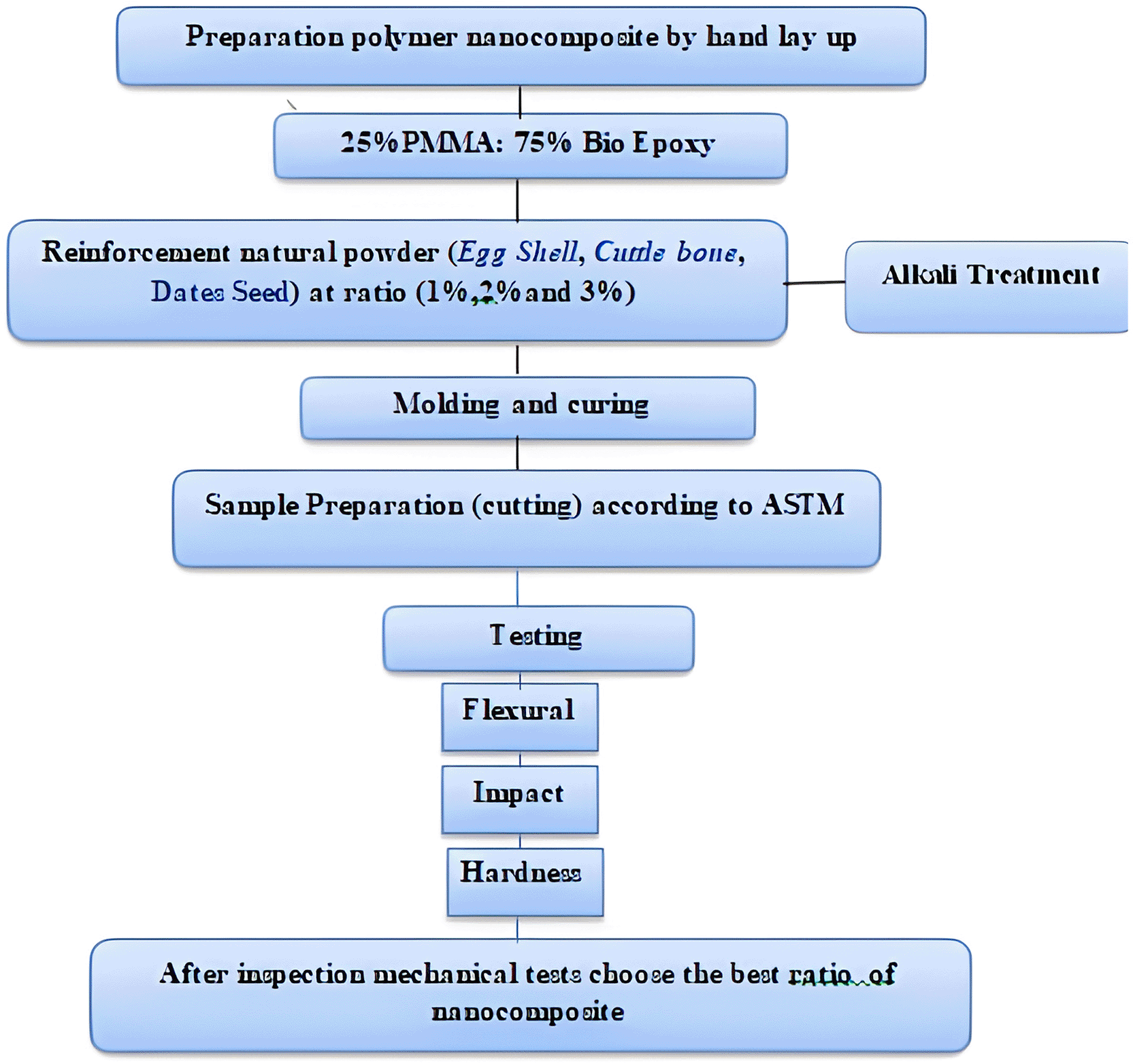
The polymer blend composite was made by incorporating three different kinds of natural powder (cuttle bone, egg shell, and dates seed) into the matrix in accordance with the ratio that was chosen (1%, 2%, and 3% wt.). The amount of reinforced material is weighed using an electronic balance that has an accuracy of 0.0001 digits. This is done in accordance with the required selection ratio of weight fractions of the reinforcing materials. Through the application of the theory of rule of mixes, the total weight of the polymer blend that is necessary for filling the mold cavities may be calculated. The natural materials were treated with 5% (w/v) alkali (sodium hydroxide) solution at 25 °C for 24 h.20 Alkali-treated natural materials were washed several times with distilled water to remove excess alkali, neutralized (PH-7) with distilled water containing a few drops of acetic acid, and washed again. They were then dried at room temperature for 5 days and kept in a hot air oven at (50–60 °C) until for 30 minutes to accelerate the drying process. This was done in order to remove any residual stresses that had been caused by the de-molding of the specimens from the mold cavity. Figure 1 illustrates briefly the flow chart of the current study.
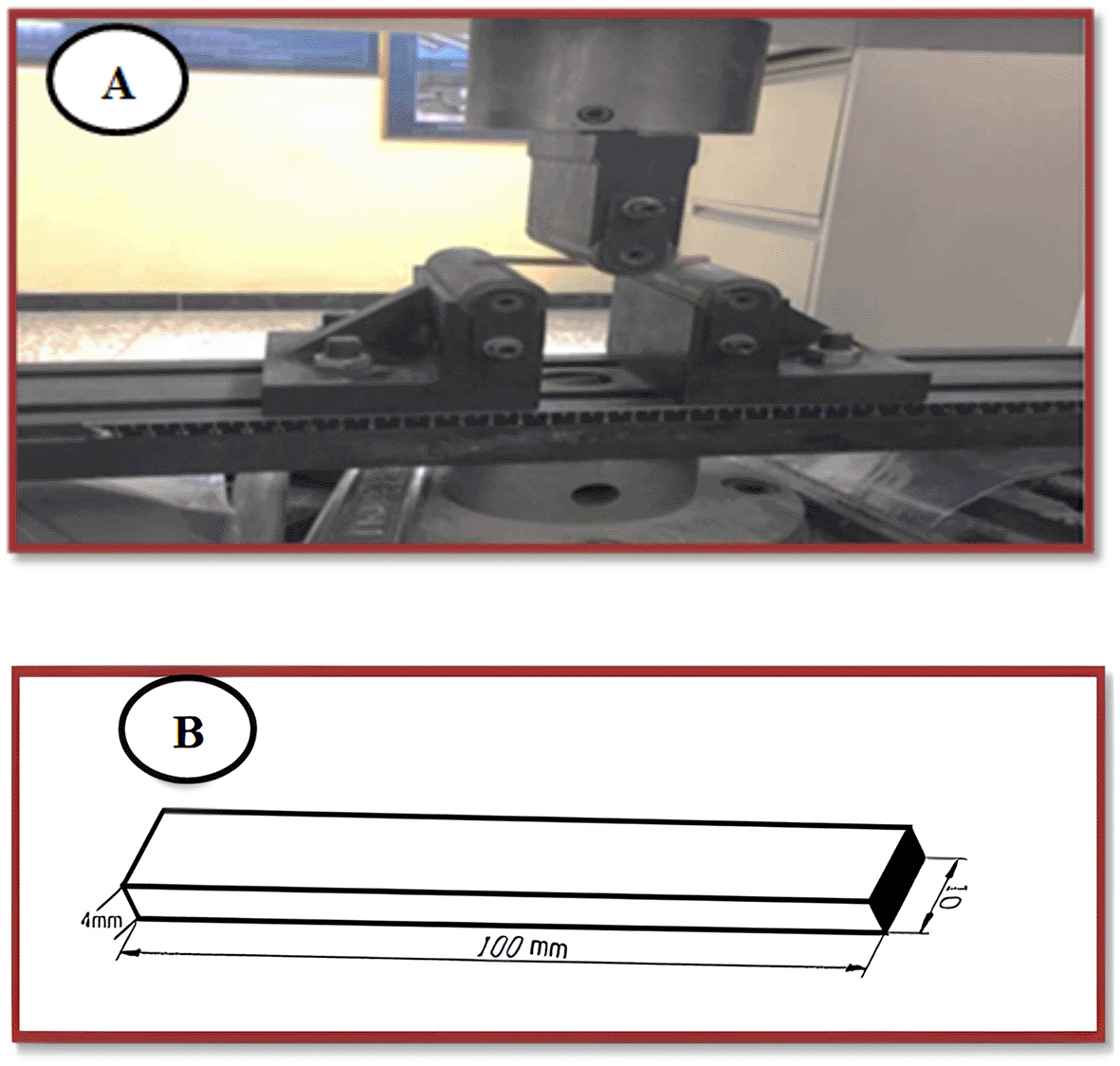
When material specimens are exposed to vertical axis stress at the outer surface, flexural tests are used to evaluate the linear behavior of the material. The three-point bending test technique and the tensile test were both performed at room temperature using universal test equipment. The flexural testing was carried out at room temperature with the assistance of this apparatus. There is a need that the vertical load be taken into consideration for each composite specimen in order to construct the load displacement curve. Was gradually applied in the center at 2 mm/min. Till fracture occurred. This test measured flexural modulus and strength for each composite specimen made according to the international standard American Society for Testing and Materials (ASTM D-790).21–23 Figure 2 shows the indicates the three-point flexural test device, and the sample according to the standard specifications.
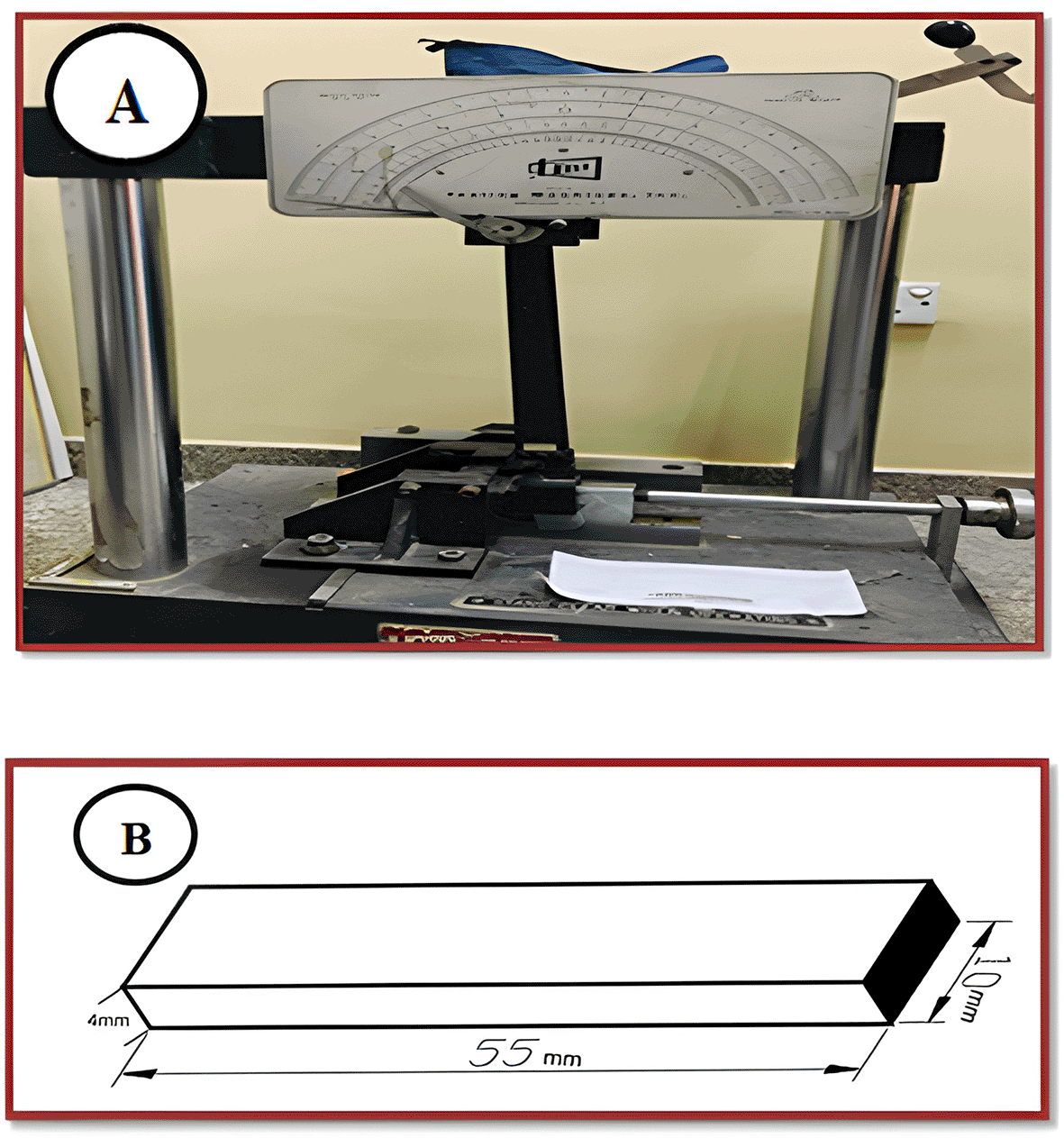
The impact properties of materials reveal their energy absorption and distribution. This information is used to determine a material’s shock or impact loading strength. When it comes to acrylic materials, impact hardness is an essential characteristic because objects made of these materials have a propensity to break when they are dropped on a hard surface. In compliance with the requirements of International Organization for Standardization (ISO-180), the impact test was examined.24 International guidelines, which include Pendulum velocity, were used to run the test (3.4 m/s), and Pendulum energy (2 J).25,26 Figure 3 shows the charpy impact test device, and the sample according to the standard specifications.
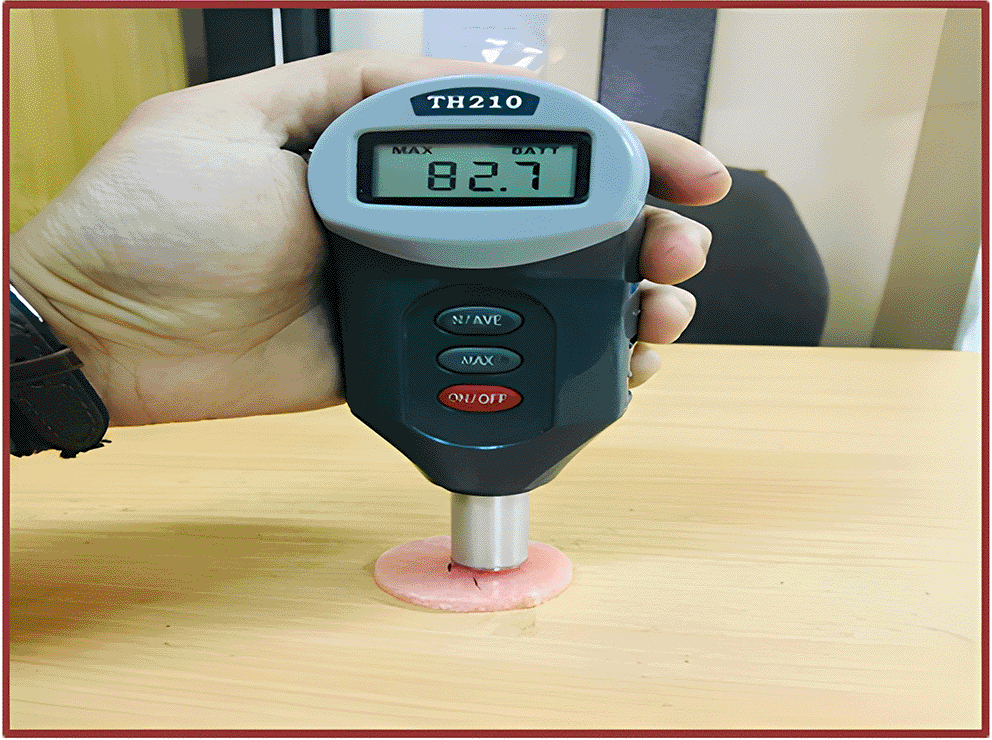
In this test, a hardening device of the type Shore (D) manufactured by (TIME GROUP INC) company was used according to the standard American Society for Testing and Materials (ASTM D2240).27 Five separate tests are performed on each sample at the same time, each time in a different position, and the average value is then determined. Figure 4 shows the Shore (D) device test used in this study.
International standards were followed during the test:-
Flexural test results
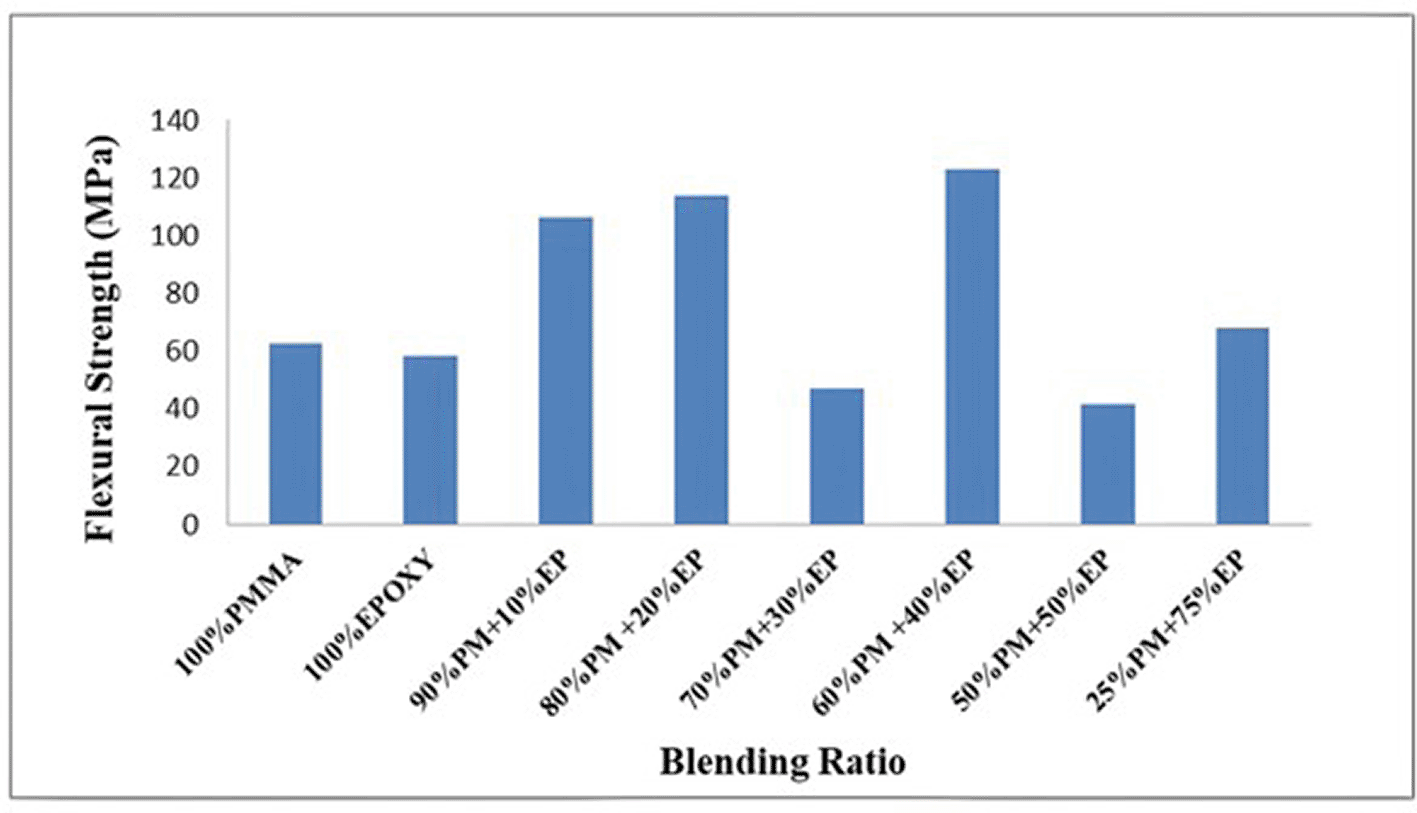
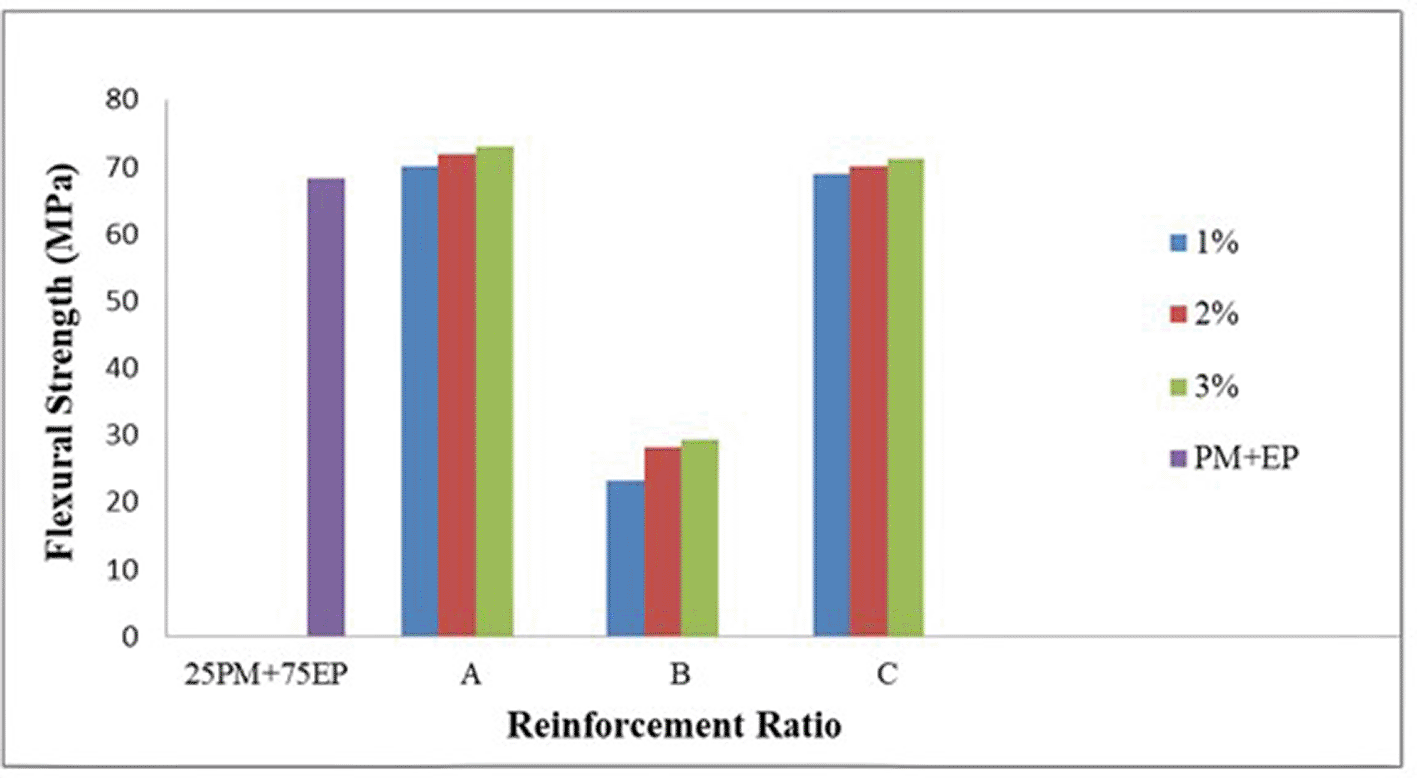
Flexural testing determines the linear behavior of materials inside specimens when stressed on their external and vertical axes. The flexural strength, for pure polymethyl methacrylate)PMMA(and EPoxy with polymeric blends (PMMA+ EPoxy) at different ratios are shown in Figure 5. When the amount of epoxy in the polymer blends was raised, Polymer mixtures’ flexural strength was observed (PMMA+ Epoxy) rose as well. When epoxy is added to a material, the brittleness of the substance is reduced. This is because the chemical structure of epoxy is specifically designed to reduce brittleness. Figure 6 shows effect of the addition of natural powder (egg shell, Cuttle bone, and dates seeds) individually at different ratios (1, 2, and 3%) on the flexural properties of both types of the matrix (25%PMMA+ 75%Epoxy). An increase in the weight fraction of natural powder was shown to result in an increase in the flexural strength. Natural powder have the potential to prevent cracks from spreading across polymer composites, which is the reason for this benefit. Because of the strong connection that exists between the polymer matrix and these particles, mixtures consisting of (25%PMMA+ 75%Epoxy) are employed as matrices. One possible explanation for this phenomenon is that the natural powder and the polymer matrix elements are highly compatible with one another.28
Impact test
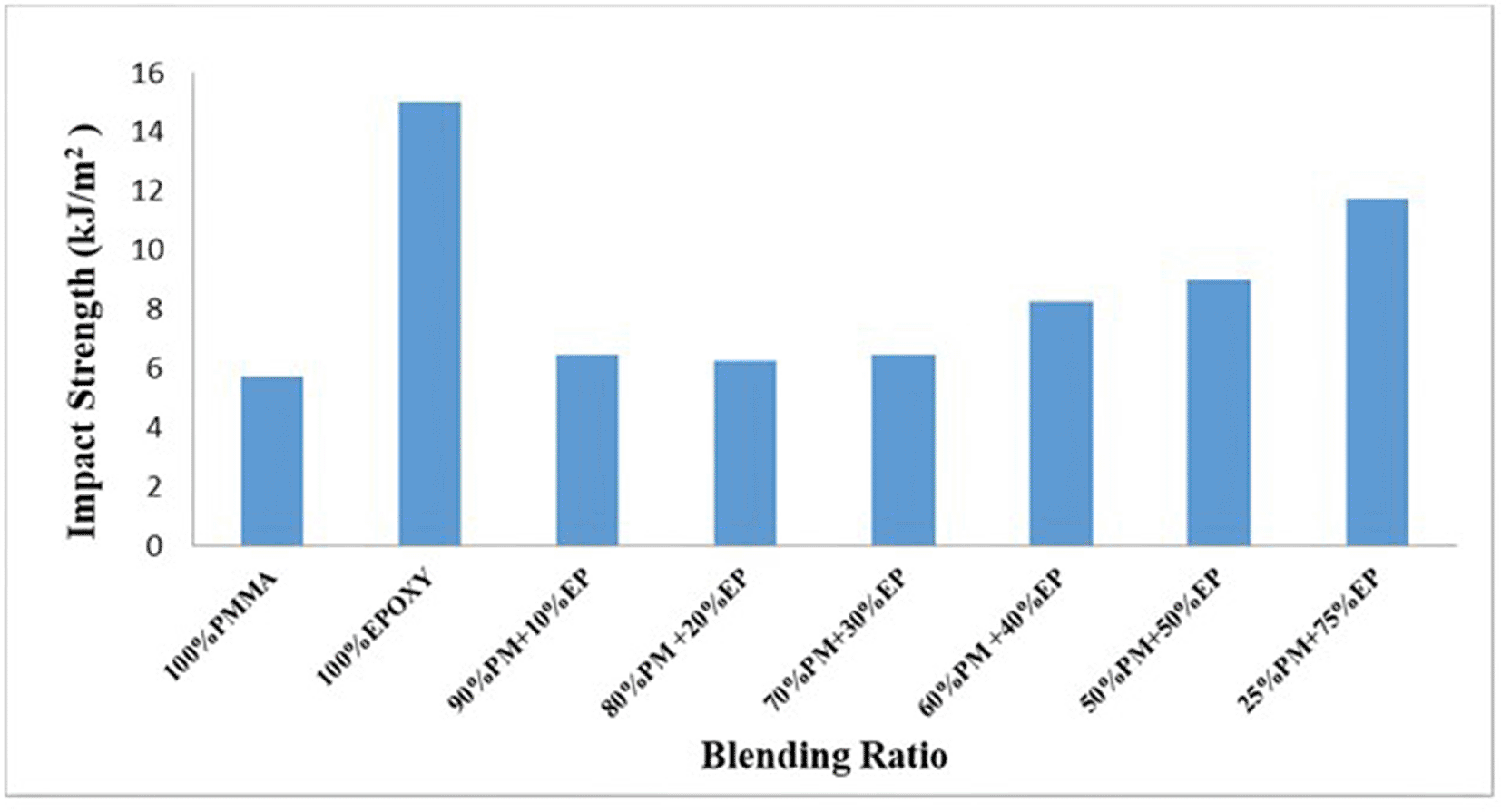
In the context of high-speed stress application, the capacity of a material to resist breaking or fracture is referred to as its impact strength ability. The impact resistance of engineering materials is one of the mechanical qualities that is specified the most frequently among these materials. The amount of energy that polymer materials are able to absorb is directly related to their impact strength. When it comes to prosthetic limb applications that are defined by energy return, this feature is quite essential. Figure 7 shows the impact strength for pure PMMA and Epoxy with polymeric blends (PMMA+ Epoxy) at various ratios. Based on the findings shown in all of these figures, it was discovered that the impact behavior of polymeric blends consisting of 25% PMMA and 75% epoxy increased as the percentage of epoxy in the blend rose. Polymer blends are characterized by their lack of flexibility, which has the effect of reducing their shock absorption capacity.29
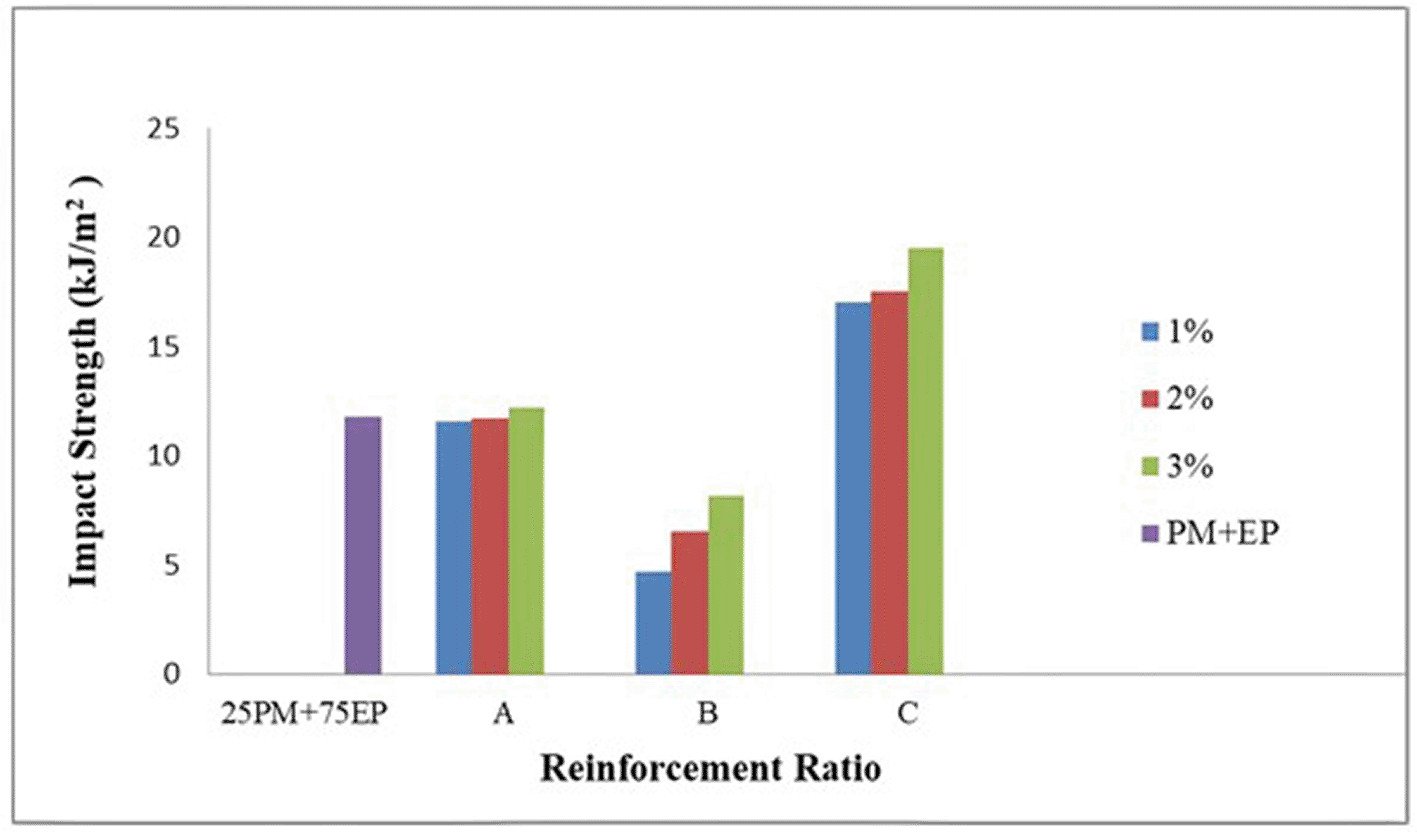
Impact characteristics of 25%PMMA+75% Epoxy matrix after adding egg shell, cuttle bone, and dates seeds natural powder at varied ratios (1, 2, and 3%) are shown in Figure 8. The impact strength of polymeric blends comprising 25% PMMA and 75% epoxy improved with the rising weight fraction of both natural powder types in the matrix this is an observable phenomenon. The incorporation of natural powder into the matrix can impede the propagation of cracks within nanocomposite materials by establishing robust supramolecular cross-links between the polymer matrix and reinforcing natural powder, such as eggshell, cuttle bone, and date seeds, thereby inhibiting crack advancement.30
Hardness test
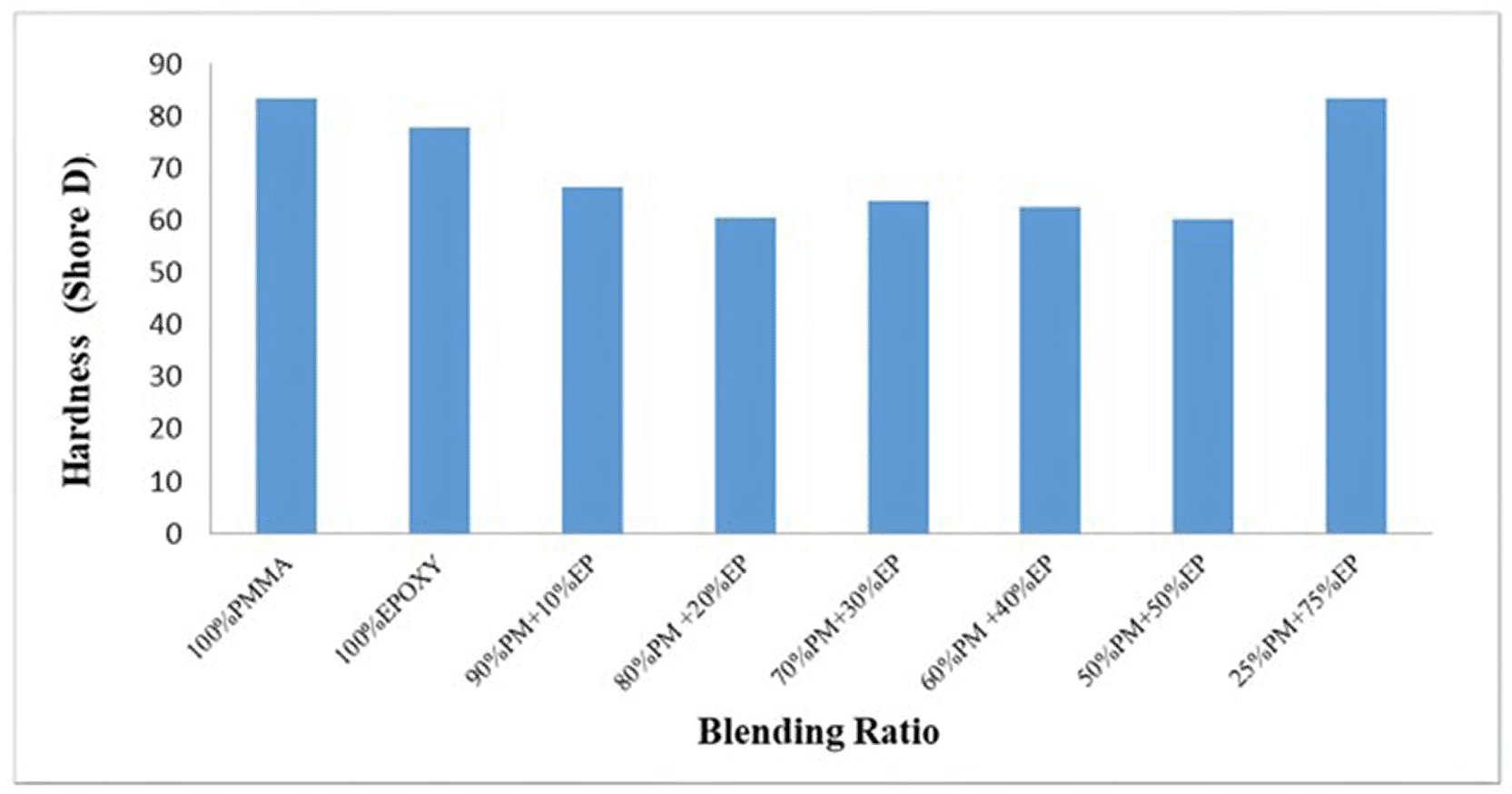
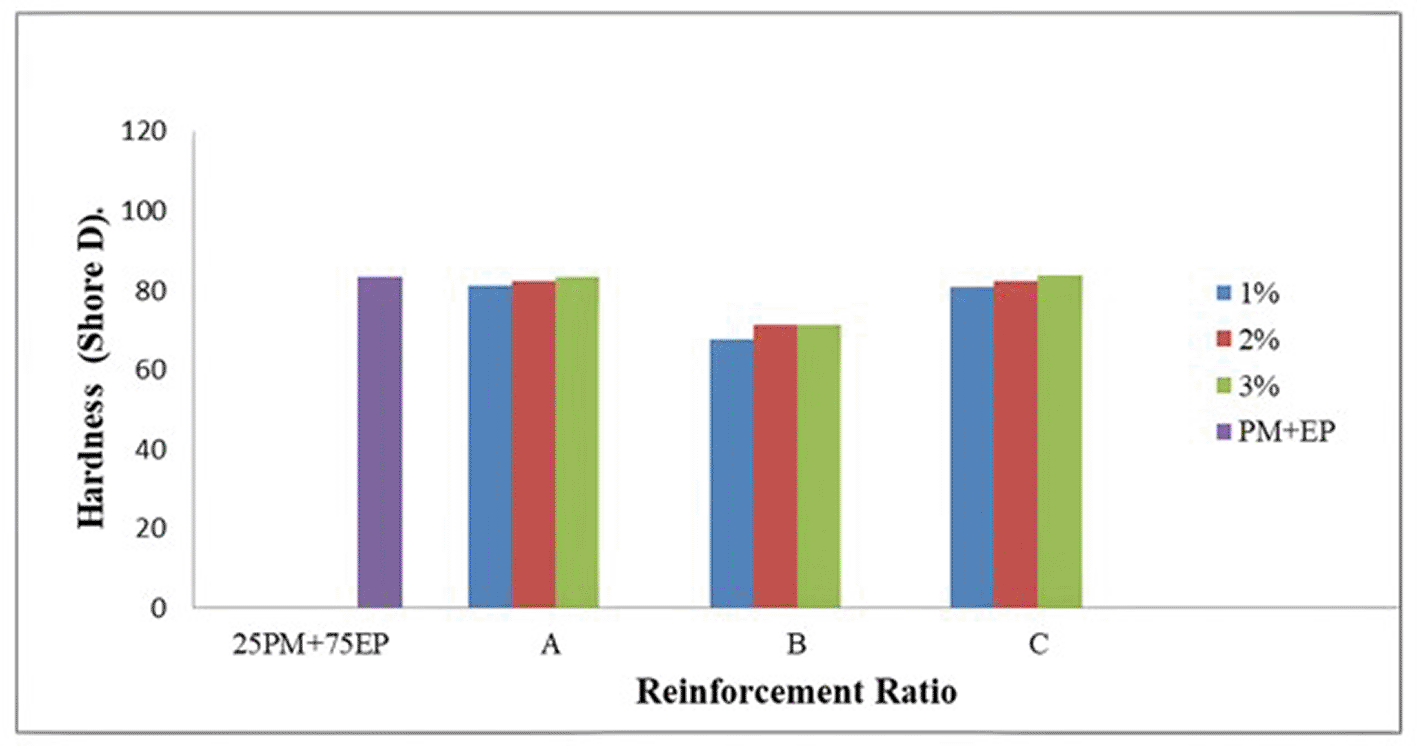
Hardness is a quality that reflects the capacity of a substance to resist being penetrated compared to other materials. The fact that the composite material, which was made up of a mixture of different materials, created flawless outcomes is demonstrated by the Shore D value for hardness. The behavior of the hardness of pure polymers (PMMA and epoxy) in comparison to polymeric blends (PMMA and epoxy) at different ratios shown by the polymers (10, 20, 30, 40, 50 and 75%). Figure 9, illustrates the amount of epoxy that is present. After including epoxy in a wide range of different proportions, it was discovered that the level of hardness increased. This was a consequence of the integration of epoxy. In addition to the nature of the chain structure for each of the matrix materials PMMA and epoxy, the hardness values were able to reach their highest levels at a content of 75% epoxy due to the increased cohesiveness between the materials, which may be due to the lack of free volume generation and a high degree of compatibility between it and two polymeric blend components.29 Figure 10 demonstrate the hardness characteristics of nanocomposites with differing natural powder concentrations of 1%, 2%, and 3%. This behavior may be attributed to robust bonding at the interfacial region between the matrix (25% PMMA +75% Epoxy) and the natural powder (eggshell, cuttle bone, and date seeds), resulting from the establishment of strong physical cross-linking (supramolecular) interactions. This leads to a surface that is more rigid and effectively impedes the movement of the matrix in the direction of the applied load.31,32
In light of the findings of this investigation, it was determined that polymer blends consisting of 25% Poly methyl methacrylate (PMMA) and 75% epoxy exhibit superior mechanical capabilities compared to other polymer blends weight ratios. As a consequence of this, the material that was used for the sample is suitable for obtaining the qualities that are necessary for artificial arm prosthetic applications domains. As a consequence of this, the following was found possible:
1- The presence of natural powders of (egg shell, Cuttle bone, and dates seeds) has led to an increase in the mechanical properties of the prepared composites.
2- Polymer nanocomposites that contain a ratio of (3%) cuttle bone to egg shell material natural powders are considered to be the best samples of polymer nanocomposites. All of the greatest values of flexural strength were achieved by the polymer nanocomposite sample. Was 73 MPa for Cuttle bone and 71.2 MPa for egg shell, impact strength show that the best values were at 12.2 KJ/m2 for cuttle bone and 19.48 KJ/m2 for the egg shell, and hardness shows that the best values were at 83.6 for cuttle bone and 83.8 for egg shell. Respectively, when contrasted with the principal material, which is (PMMA+ Epoxy). Due to the fact that these samples are able to fulfill the requirements for prosthetic preparation, they might be regarded a good candidate for use as matrix materials.
| Views | Downloads | |
|---|---|---|
| F1000Research | - | - |
|
PubMed Central
Data from PMC are received and updated monthly.
|
- | - |
Provide sufficient details of any financial or non-financial competing interests to enable users to assess whether your comments might lead a reasonable person to question your impartiality. Consider the following examples, but note that this is not an exhaustive list:
Sign up for content alerts and receive a weekly or monthly email with all newly published articles
Already registered? Sign in
The email address should be the one you originally registered with F1000.
You registered with F1000 via Google, so we cannot reset your password.
To sign in, please click here.
If you still need help with your Google account password, please click here.
You registered with F1000 via Facebook, so we cannot reset your password.
To sign in, please click here.
If you still need help with your Facebook account password, please click here.
If your email address is registered with us, we will email you instructions to reset your password.
If you think you should have received this email but it has not arrived, please check your spam filters and/or contact for further assistance.

Comments on this article Comments (0)