Keywords
Benign prostatic hyperplasia; cardiometabolic risk factors; diabetes mellitus; case–control study; Nigeria.

This article is included in the Global Public Health gateway.
Benign prostatic hyperplasia; cardiometabolic risk factors; diabetes mellitus; case–control study; Nigeria.
1. Elderly men (>65 years) had significantly higher odds of benign prostatic hyperplasia (BPH) and remained a strong independent predictor after multivariate analysis (AOR = 4.94; p < 0.001).
2. Diabetes mellitus was the strongest independent cardiometabolic determinant of BPH, increasing the odds of disease nearly twentyfold (AOR = 19.51; p = 0.007).
3. Formal/public sector employment and retirement were independently associated with increased odds of BPH (AOR = 7.26 and 6.82, respectively).
4. Neither overweight nor obesity showed a significant independent association with BPH in the multivariate analysis.
5. Blood pressure levels were higher among cases descriptively, hypertension was not an independent predictor of BPH after adjustment for confounders.
6. Overall dyslipidaemia was not independently associated with BPH; however, near-optimal LDL cholesterol showed an independent positive association with BPH (AOR = 4.42; p = 0.001).
7. Prediabetes demonstrated a modest inverse association with BPH after adjustment (AOR = 0.48; p = 0.045).
8. Men with BPH exhibited higher prevalence and severity of lower urinary tract symptoms, particularly nocturia, incomplete emptying, urgency, weak stream, and straining.
9. Mean BMI, weight-reduction practices, and family history of obesity were comparable between cases and controls, indicating limited discriminatory value of BMI in this population.
Benign prostatic hyperplasia (BPH) is one of the most prevalent non-malignant urological conditions affecting aging men worldwide. It is a major contributor to lower urinary tract symptoms (LUTS), reduced quality of life, sleep disturbance, and increased healthcare utilization (Ng et al., 2024). BPH is characterized by progressive enlargement of the prostate gland resulting from stromal and epithelial cell hyperplasia within the transitional zone. Globally, the prevalence of BPH increases with advancing age, affecting approximately 20–30% of men aged 40–49 years, 50% of men aged 60 years, and up to 80–90% of men older than 80 years (Ye et al., 2024). Epidemiological estimates suggest that more than 210 million men worldwide are currently living with BPH, making it a significant public health concern in aging populations (Awedew et al., 2022).
Aging and androgen-dependent mechanisms have traditionally been considered the primary causes of prostate enlargement. However, growing evidence indicates that BPH is linked to systemic metabolic disturbances (Welén & Damber, 2022). Cardiometabolic conditions including hypertension, obesity, dyslipidemia, insulin resistance, and type 2 diabetes mellitus have documented as determinants of prostatic growth and symptom progression (Bays et al., 2023). Meta-analyses have reported that men with metabolic syndrome have approximately 1.5–2 times higher odds of developing BPH compared with metabolically healthy individuals (Amirmokri et al., 2025). Obesity alone has been associated with a 35–50% increased risk of prostate enlargement, while diabetes mellitus has been linked to increased prostate volume and more severe urinary symptoms (Ngai et al., 2017).
The burden of cardiometabolic diseases is increasing worldwide with the hypertension affects over 1.28 billion adults globally, while diabetes prevalence has risen to approximately 537 million adults (WHO, 2025). Sub-Saharan Africa is experiencing one of the fastest increases in cardiometabolic disorders due to urbanization, sedentary lifestyles, dietary transition, and population aging (Cassambai et al., 2025). In Nigeria, hypertension prevalence ranges between 28% and 45%, and diabetes prevalence is estimated at 5–7%, creating a growing population exposed to metabolic risk factors potentially influencing prostate health (Ibezim et al., 2025).
Despite accumulating international evidence linking cardiometabolic abnormalities with BPH, data from African populations remain limited and inconsistent. Most Nigerian studies on BPH have focused primarily on clinical presentation and surgical outcomes, with relatively few investigations exploring underlying metabolic determinants. Understanding these associations within local tertiary healthcare settings is essential for identifying modifiable risk factors and improving integrated patient care. Therefore, this case–control study aimed to examine the association between cardiometabolic factors and benign prostatic hyperplasia among men attending a tertiary health centre in Enugu State, Nigeria. Generating context-specific evidence may support early risk stratification, preventive interventions, and comprehensive management strategies addressing both cardiometabolic health and prostate disease among aging men.
This was a hospital-based case–control study conducted to determine the association between cardiometabolic factors and benign prostatic hyperplasia (BPH) among adult men attending the University of Nigeria Teaching Hospital (UNTH), Ituku-Ozalla, Enugu State, Nigeria. The case–control design examined relationships between cardiometabolic risk factors and BPH by comparing exposures between patients diagnosed with BPH (cases) and adult male patients without BPH (unmatched controls). The study was conducted at UNTH, Ituku-Ozalla, a federal tertiary healthcare institution located in southeastern Nigeria. The hospital functions as a major referral center with a bed capacity of over 500 beds and more than 41 clinical departments providing specialized medical and surgical services to patients within Enugu State and neighboring regions. Recruitment of cases was carried out in the Urology Clinic and urology wards, while controls were recruited from the Surgical and Medical Outpatient Clinics and hospital wards among patients without a diagnosis of BPH.
The study population consisted of adult male patients aged 18 years and above attending outpatient clinics at the University of Nigeria Teaching Hospital (UNTH), Ituku-Ozalla, Enugu State, Nigeria. The study was conducted within three months (3) period of time ranging from from July to September 2025. Participants were categorized into cases and controls based on clinical presentation and symptom assessment using the International Prostate Symptom Score (IPSS) questionnaire. Cases were adult men presenting with lower urinary tract symptoms (LUTS) consistent with benign prostatic hyperplasia, defined by an IPSS score ≥ 8, indicating moderate to severe symptoms. Controls were adult men aged 18 years and above attending the same hospital for non-urological conditions such as musculoskeletal complaints, hypertension follow-up, or routine medical check-ups, and who had no significant lower urinary tract symptoms (IPSS ≤7).
Participants were included if they were adults aged 18 years and above and provided written informed consent to participate in the study. Participants were excluded if they had a history of prostate cancer, prostatitis, or previous pelvic surgery; were currently receiving androgen deprivation therapy or 5α-reductase inhibitors (e.g., finasteride or dutasteride); had acute urinary tract infection, acute urinary retention, or neurogenic bladder; or were critically ill or unable to provide reliable responses to the study questionnaire.
The minimum sample size for this study was determined using the standard formula for unmatched case-control studies at k = 1:
Where:
• α = 0.05
• Zα/2 = 1.96 (for 95% confidence)
• β = 80%
• Z(1-β) = Z(β) = 0.84
• p1 = 0.30 (exposure rate among controls) from a previous study
• OR = 2.0
• p2 =?
• n =?
First, p2 (exposure rate among cases) will be calculated as:
To allow for potential data loss or non-response, 10% of the sample size will be added, hence:
Sample size = 137 + 13.7 .
Hence 150 cases and 150 controls total 300 participants.
A systematic random sampling technique was used to recruit participants until the required sample size was achieved. Eligible male patients attending the Urology Clinic who met the inclusion criteria were consecutively recruited as cases. For each recruited case, an unmatched control was selected from eligible adult male patients attending the Medical or General Outpatient Clinics during the same study period using systematic selection from the clinic attendance register.
Data were collected using a structured interviewer-administered questionnaire designed to obtain information on sociodemographic characteristics, clinical history, and cardiometabolic risk factors. The questionnaire was pretested among 20 adult patients attending another tertiary healthcare facility in Enugu State to assess clarity, wording, logical flow, and average completion time. Feedback obtained during the pretest was used to revise ambiguous items and improve overall structure. Data generated from the pretest were entered into SPSS version 27 to evaluate internal consistency of the questionnaire sections using Cronbach’s alpha reliability analysis, with a coefficient of α ≥ 0.7 considered acceptable for reliability.
Collected data were checked daily for completeness and consistency before entry into Microsoft Excel using predefined coding formats. Each questionnaire item was assigned numerical codes to facilitate statistical analysis; categorical variables were coded using numeric identifiers (e.g., 1 = Yes, 2 = No), while continuous variables such as age, body mass index, blood pressure, and biochemical measurements were entered as recorded values. After data entry, double-checking and validation procedures were conducted to minimize entry errors. The dataset was subsequently cleaned and exported to SPSS version 27 for statistical analysis. Data cleaning involved range checks, logical consistency assessment, and identification of outliers. Missing data were handled through initial verification against original questionnaires to correct entry omissions where possible. Variables with minimal missing responses were analyzed using complete-case analysis, while missing responses were coded as system-missing values and excluded from specific analyses without affecting overall dataset integrity.
Descriptive statistics including frequencies, proportions, means, and standard deviations were used to summarize sociodemographic characteristics and cardiometabolic exposure variables. Bivariate analysis was performed to examine crude associations between cardiometabolic determinants (obesity, hypertension, diabetes mellitus, dyslipidaemia, and metabolic syndrome) and the presence of benign prostatic hyperplasia (BPH). Crude odds ratios (ORs) with corresponding 95% confidence intervals (CIs) were estimated. Variables showing clinical relevance or statistical association were entered into a multivariable logistic regression model to control for potential confounders such as age, alcohol use, smoking status, and physical activity level. Statistical significance was determined at a p-value < 0.05.
Ethical approval for this study was obtained from the Health Research Ethics Committee (HREC) of the University of Nigeria Teaching Hospital (UNTH), Ituku-Ozalla, Enugu, with approval reference number UNTH/HREC/2025/10/4198 and National Health Research Ethics Committee (NHREC) registration number NHREC/05/01/2008B-FWA00002458-1RB00002323. The study was conducted in accordance with the ethical principles outlined in the Declaration of Helsinki (World Medical Association, 2013) for research involving human participants. Written informed consent was obtained from all participants after a detailed explanation of the study objectives, procedures, potential benefits, and possible risks. Participation was entirely voluntary, and respondents were informed of their right to decline participation or withdraw from the study at any stage without any effect on the quality of medical care received. Confidentiality and anonymity were strictly maintained by assigning unique identification codes instead of personal identifiers. All collected data were securely stored and accessed only by the research team for academic and research purposes.
A total of 300 respondents were included, comprising 150 controls and 150 BPH cases. Age distribution showed that controls were predominantly middle-aged (45–65 years), accounting for 81.3% (n = 122), whereas BPH cases were mainly older, with 50.7% (n = 76) classified as elderly (>65 years) compared with 18.7% (n = 28) among controls ( Table 1). The mean age was higher among cases (65 ± 8 years) than controls (60 ± 7 years), indicating increased occurrence of BPH with advancing age. With respect to marital status, the majority of respondents in both groups were married, representing 74.0% (n = 111) of controls and 78.7% (n = 118) of cases. Smaller proportions were single, divorced, or widowed, with comparable distributions across groups.
Occupational status demonstrated variation between groups. Among controls, most participants were engaged in informal/skilled labour (40.7%, n = 61) and formal/public sector employment (37.3%, n = 56). In contrast, BPH cases had a higher proportion of retired individuals (35.3%, n = 53), reflecting the older age profile of affected men. Educational attainment showed moderate differences, with tertiary education being most common among controls (34.7%, n = 52), while secondary education predominated among cases (36.0%, n = 54). The proportion of participants without formal education was similar in both groups. Residential location was comparable between groups, with most respondents residing in urban areas (46.7% of controls and 44.0% of cases). Regarding monthly income, a higher proportion of BPH cases earned less than ₦50,000 (41.3%, n = 62) compared with controls (32.0%, n = 48), while higher income categories were common among controls.
The analysis of diagnostic approaches among the 150 BPH cases revealed variation in methods used for confirming diagnosis ( Figure 1). Radiological assessment constituted the most frequently utilized diagnostic method, accounting for 46.0% of cases ( Figure 1). This was followed by clinical diagnosis using digital rectal examination (DRE), which represented 32.0% of diagnoses. Prostate-specific antigen (PSA) testing was the least utilized method, contributing 22.0% of confirmed cases.
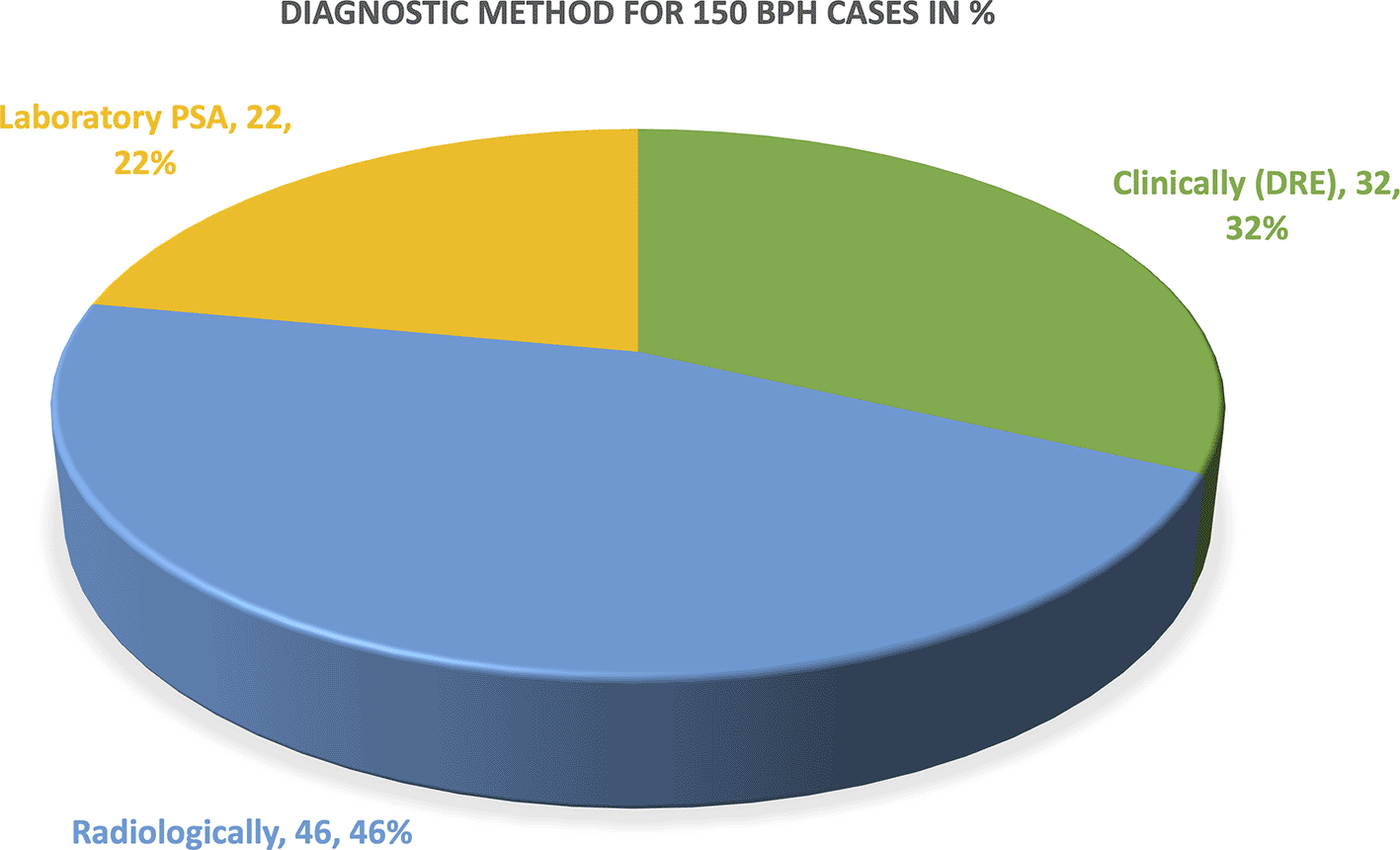
Radiological assessment was the most common (46.0%), followed by clinical diagnosis via digital rectal examination (32.0%) and PSA testing (22.0%).
Most participants (57.3%) reported having been diagnosed with BPH for 1–5 years, indicating ongoing clinical follow-up and management ( Figure 2). A smaller proportion (24.7%) had received their diagnosis within the past year, reflecting relatively recent detection of the condition. Meanwhile, 18.0% of patients had lived with BPH for more than five years, suggesting long-standing disease among a notable segment of cases.
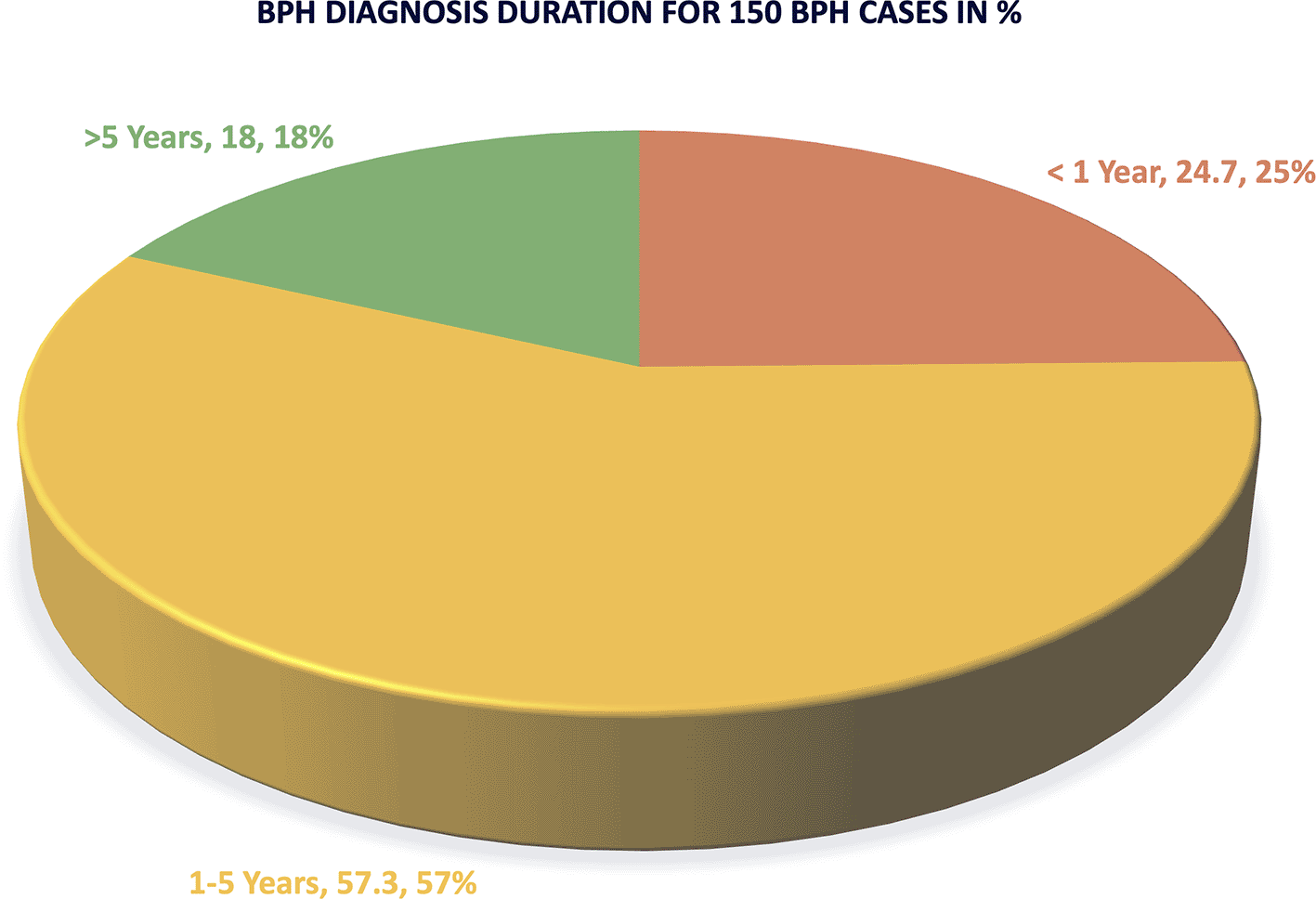
Most cases (57.3%) had been diagnosed for 1–5 years, while 24.7% were diagnosed within the past year and 18.0% had a diagnosis duration exceeding 5 years.
Symptoms were generally minimal among controls but substantially more frequent and severe among BPH cases ( Table 2). Nearly half of the controls (49.3%) reported no symptom, whereas only 4.0% of BPH cases were symptom-free. Most BPH patients experienced moderate to severe symptoms, particularly scores 2 (32.7%) and 3 (22.0%). For intermittency, over half of controls (51.3%) reported no interruption of urinary flow compared with only 4.7% among cases. BPH participants commonly reported moderate symptoms, with 31.3% scoring 2 and 26.0% scoring 3, demonstrating pronounced urinary flow disruption. A similar pattern was observed for urgency, where 50.0% of controls had no urgency symptoms, while only 5.3% of BPH cases were symptom-free. Moderate urgency predominated among cases, particularly scores 2 (34.7%) and 3 (25.3%). Weak urinary stream was uncommon among controls, with 60.7% reporting no symptom. In contrast, BPH cases demonstrated widespread symptom presence, with comparable proportions reporting scores 2 (24.0%) and 3 (24.0%), reflecting clinically significant obstruction. For straining during urination, two-thirds of controls (66.0%) reported no difficulty, whereas only 2.7% of BPH patients were symptom-free. Higher symptom severity was common among cases, especially scores 2 (27.3%) and 3 (28.0%). Nocturia was the most prominent symptom overall. While 30.7% of controls reported no nighttime urination, only 4.7% of cases were without symptoms. The largest proportion of BPH patients reported waking to urinate three times per night (30.0%), followed by two times (23.3%) and four times (18.7%).
The mean body mass index (BMI) was similar in both groups, measuring 27.2 ± 3.5 kg/m2 among BPH cases and 27.1 ± 3.8 kg/m2 among controls, indicating that participants in both groups were generally within the overweight category ( Table 3). Most respondents were not engaged in any weight reduction lifestyle or medication, accounting for 79.3% of cases and 78.0% of controls, while only about one-fifth reported active weight management practices. Among those undertaking weight control measures, walking, running, or jogging was the most frequently reported lifestyle strategy (16.7% of cases and 13.3% of controls). Use of weight reduction medication was uncommon in both groups (2.7% of cases and 4.0% of controls). Assessment of family history of obesity revealed that over half of participants reported no such history (51.3% of cases and 58.7% of controls). A positive family history was reported by 26.7% of cases compared with 31.3% of controls, while uncertainty regarding family history was more common among BPH cases (22.0%) than controls (10.0%).
Overweight status was more common among BPH cases, accounting for 55.3%, compared with 44.0% among controls. In contrast, a normal BMI was observed more frequently among controls (32.7%) than cases (25.3%) ( Figure 3).
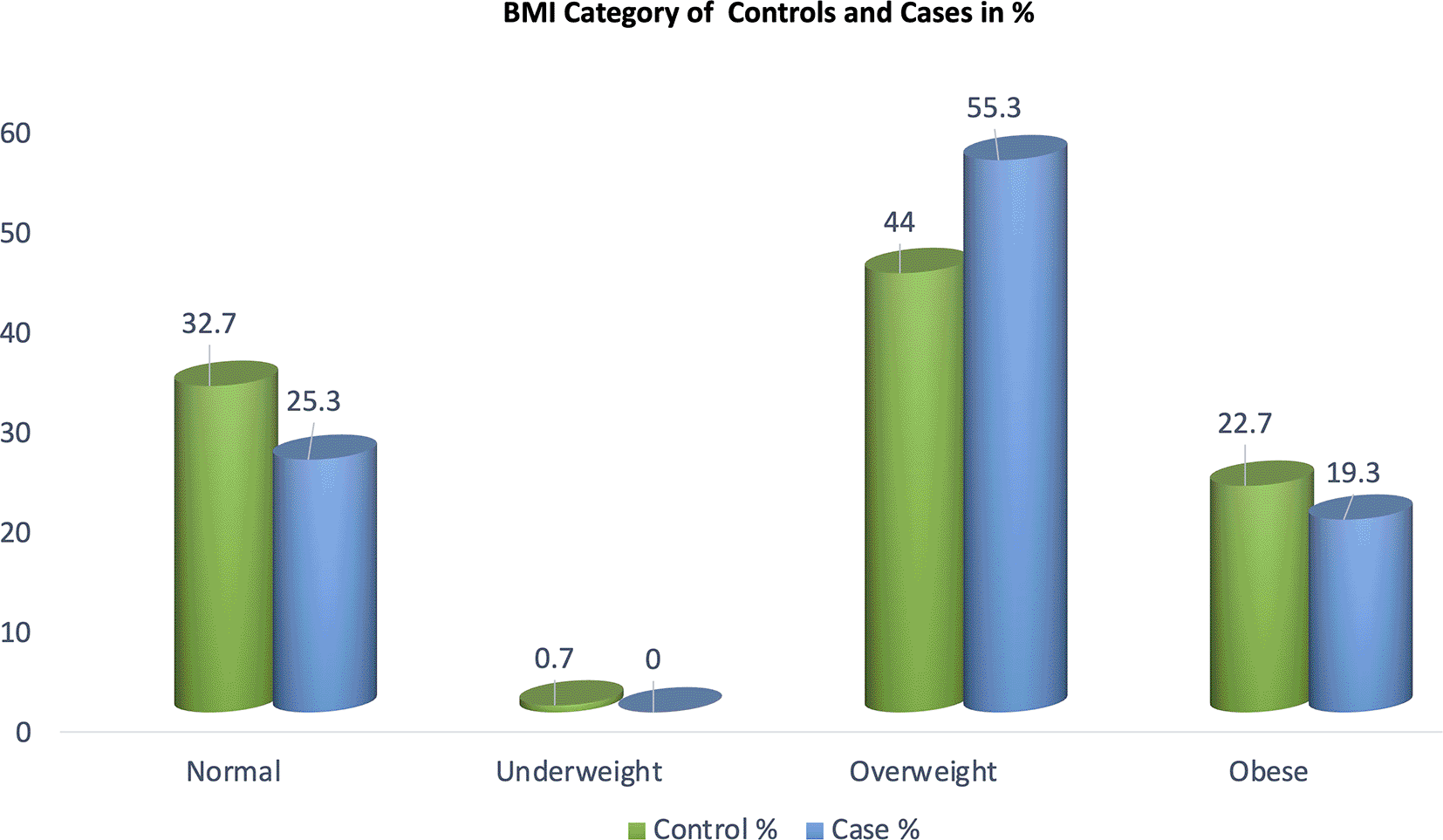
Overweight status was more common among cases (55.3%) than controls (44.0%), while normal BMI was higher in controls (32.7% vs. 25.3%).
The mean systolic blood pressure was 132 mmHg among cases compared with 122 mmHg among controls, while mean diastolic blood pressure was 86 mmHg in cases and 79 mmHg in controls, indicating relatively elevated blood pressure among BPH patients ( Table 4). Use of antihypertensive medication was more common among cases, with 28.0% receiving treatment compared with 16.7% of controls. Hypertension-related symptoms were also reported more frequently among cases. Headache was present in 13.3% of cases compared with 6.0% of controls, while blurry vision occurred in 8.7% of cases and 2.7% of controls. Chest pain was reported by 5.3% of cases versus 2.0% of controls, and reduced urine output was slightly higher among cases (4.0%) compared with controls (1.3%). The proportion of participants reporting no hypertension-related symptoms was lower among cases (76.7%) than controls (93.3%). Additionally, a positive family history of hypertension was more common among cases (48.7%) compared with controls (35.3%), whereas absence of family history was higher among controls (52.0%) than cases (35.3%).
Normal blood pressure was more common among cases (35.3%) compared with controls (20.7%) ( Figure 4). Prehypertension showed the highest proportion among controls (62.7%) relative to cases (28.7%). In contrast, established hypertension occurred substantially more frequently among cases (33.3%) than controls (11.3%). Hypotension was uncommon in both groups, observed in 2.7% of cases and 5.3% of controls.
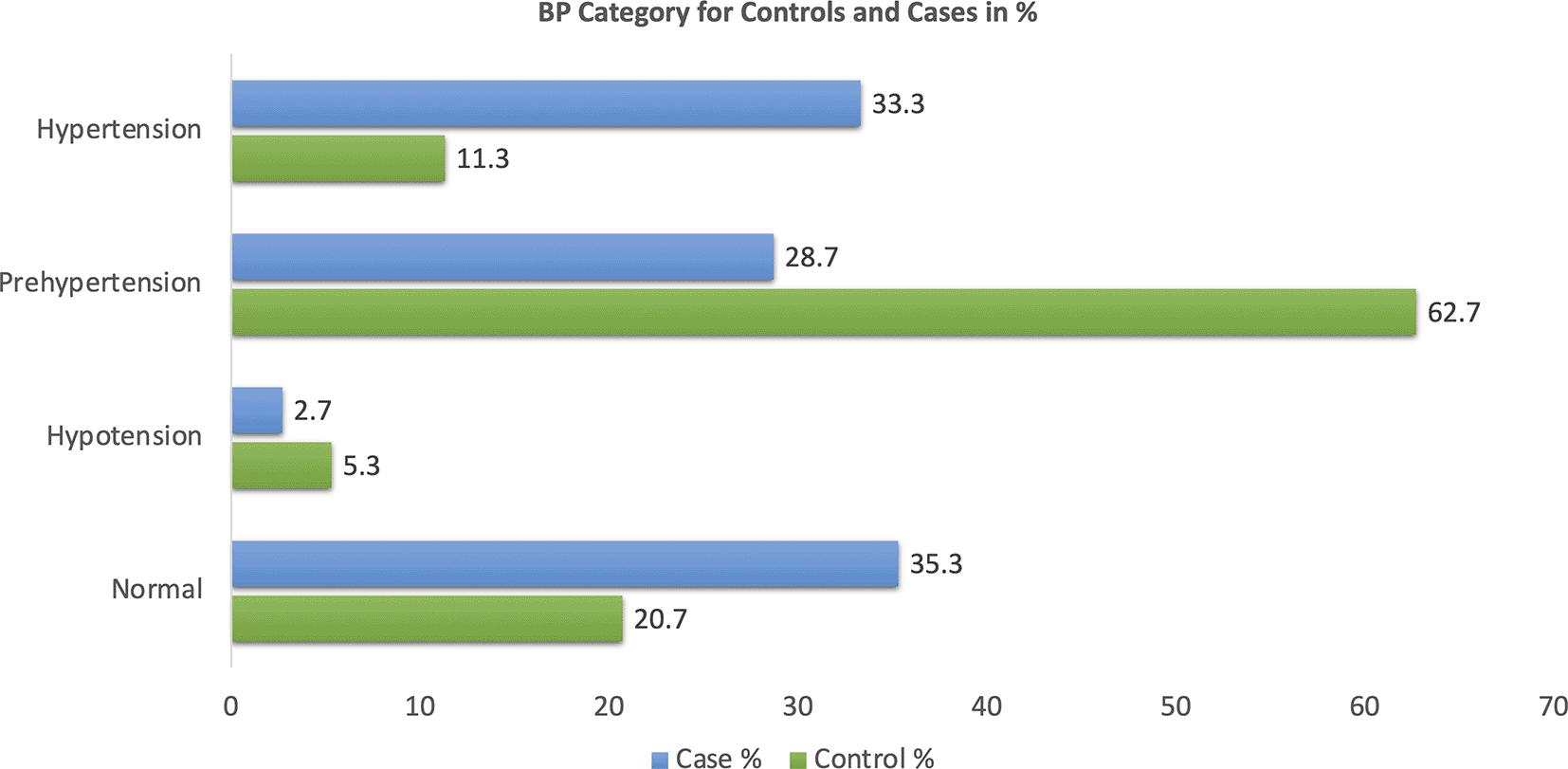
Hypertension was more common among cases (33.3%) than controls (11.3%), while prehypertension predominated among controls (62.7% vs. 28.7%).
The analysis of blood sugar characteristics showed differences between men with benign prostatic hyperplasia and controls ( Table 5). The mean fasting blood sugar level was higher among BPH cases (104 mg/dL) compared with controls (96 mg/dL), with wider variability observed among cases (SD = 38) than controls (SD = 14) ( Table 5). A slightly greater proportion of cases were receiving medication for diabetes mellitus (12.0%) compared with controls (9.3%). Symptoms suggestive of hyperglycemia were more frequently reported among cases. Excessive urination was reported by 7.3% of cases compared with 4.7% of controls, while unusual thirst occurred in 8.0% of cases versus 4.7% of controls. Weight loss was also slightly higher among cases (4.0%) compared with controls (2.0%), whereas fatigue was reported equally in both groups (2.0% each). Participants reporting no diabetic symptoms were fewer among cases (83.3%) than controls (94.7%). Family history of diabetes mellitus was comparable between groups, reported by 39.3% of cases and 38.7% of controls; however, uncertainty regarding family history was higher among cases (22.7%) than controls (9.3%).
Normal blood sugar levels were observed at comparable proportions among cases (52.7%) and controls (52.0%). Hypoglycemia was uncommon in both groups, occurring slightly more among cases (5.3%) than controls (4.0%) ( Figure 5). Prediabetes was more frequent among controls (43.3%) compared with cases (27.3%). In contrast, diabetes mellitus showed a markedly higher prevalence among BPH cases (14.7%) than controls (0.7%).
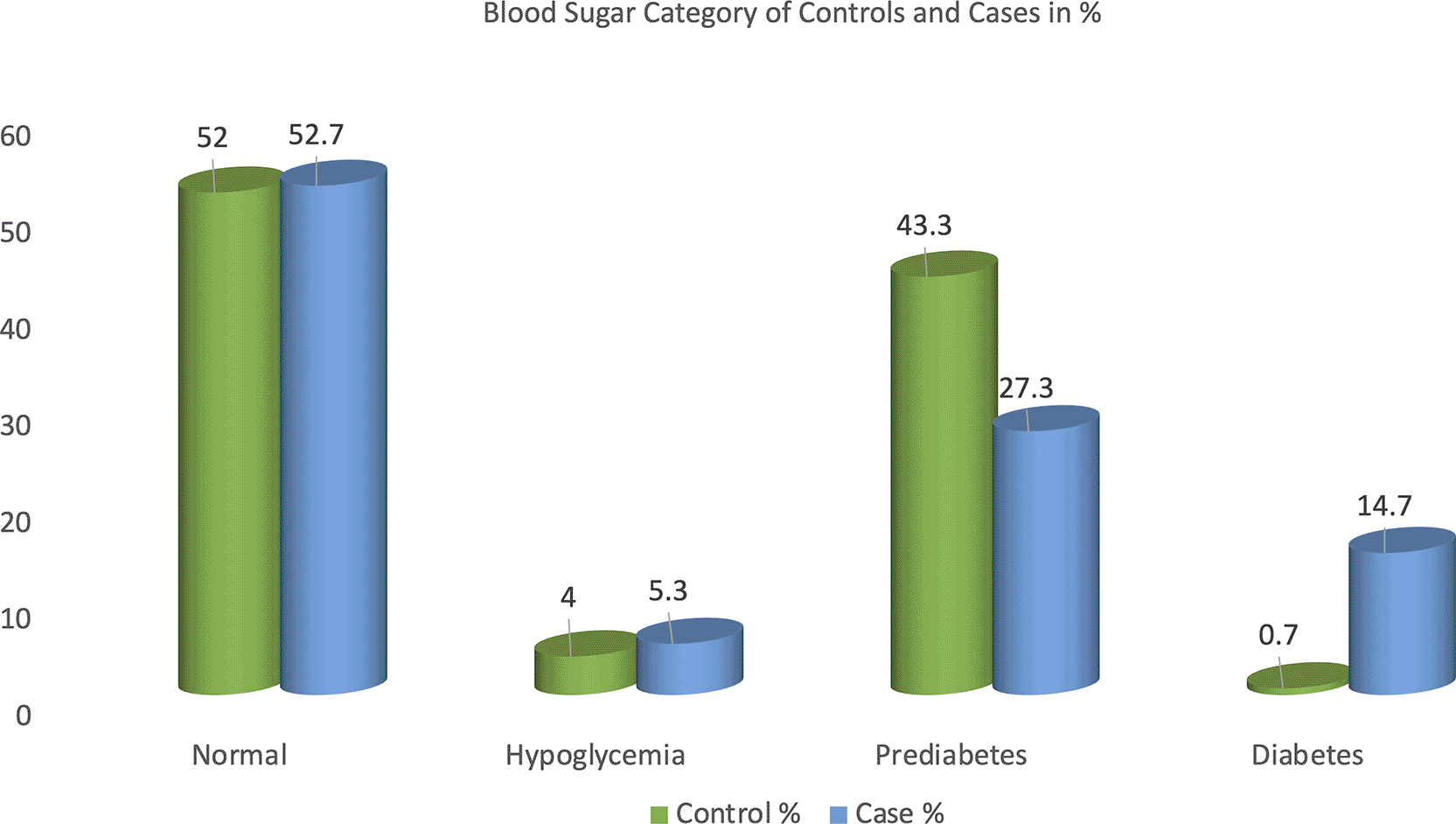
Diabetes was more prevalent among BPH cases (14.7%) compared to controls (0.7%), while prediabetes was more common in controls (43.3% vs. 27.3%).
The mean low-density lipoprotein (LDL) cholesterol level was similar in both groups, measuring 119 mg/dL among cases and 122 mg/dL among controls ( Table 6). Most participants in both groups were not receiving lipid-lowering medication, accounting for 90.7% of cases and 86.7% of controls, while only 9.3% of cases and 13.3% of controls reported current treatment. Clinical indicators suggestive of dyslipidemia were generally uncommon. Yellowish eyelid plaques were reported slightly more among cases (4.0%) compared with controls (1.3%). Chest pain was reported by 2.7% of cases and 5.3% of controls, whereas calf pain occurred in 1.3% of cases and 3.3% of controls. The majority of respondents reported none of these symptoms (93.3% of cases and 92.0% of controls). Regarding family history of high cholesterol, 31.3% of cases and 34.0% of controls reported a positive history, while uncertainty about family history was higher among cases (22.0%) compared with controls (12.0%).
The distribution of low-density lipoprotein (LDL) cholesterol categories showed differences between men with benign prostatic hyperplasia (BPH) and controls ( Figure 6). Near-optimal LDL levels constituted the largest proportion among BPH cases (52.7%) compared with 32.0% of controls. Normal LDL levels were more frequently observed among controls (26.7%) than cases (16.0%). Borderline-high LDL levels were relatively comparable between groups, accounting for 31.3% of controls and 30.0% of cases. Dyslipidaemia was more common among controls (10.0%) compared with only 1.3% of BPH cases.
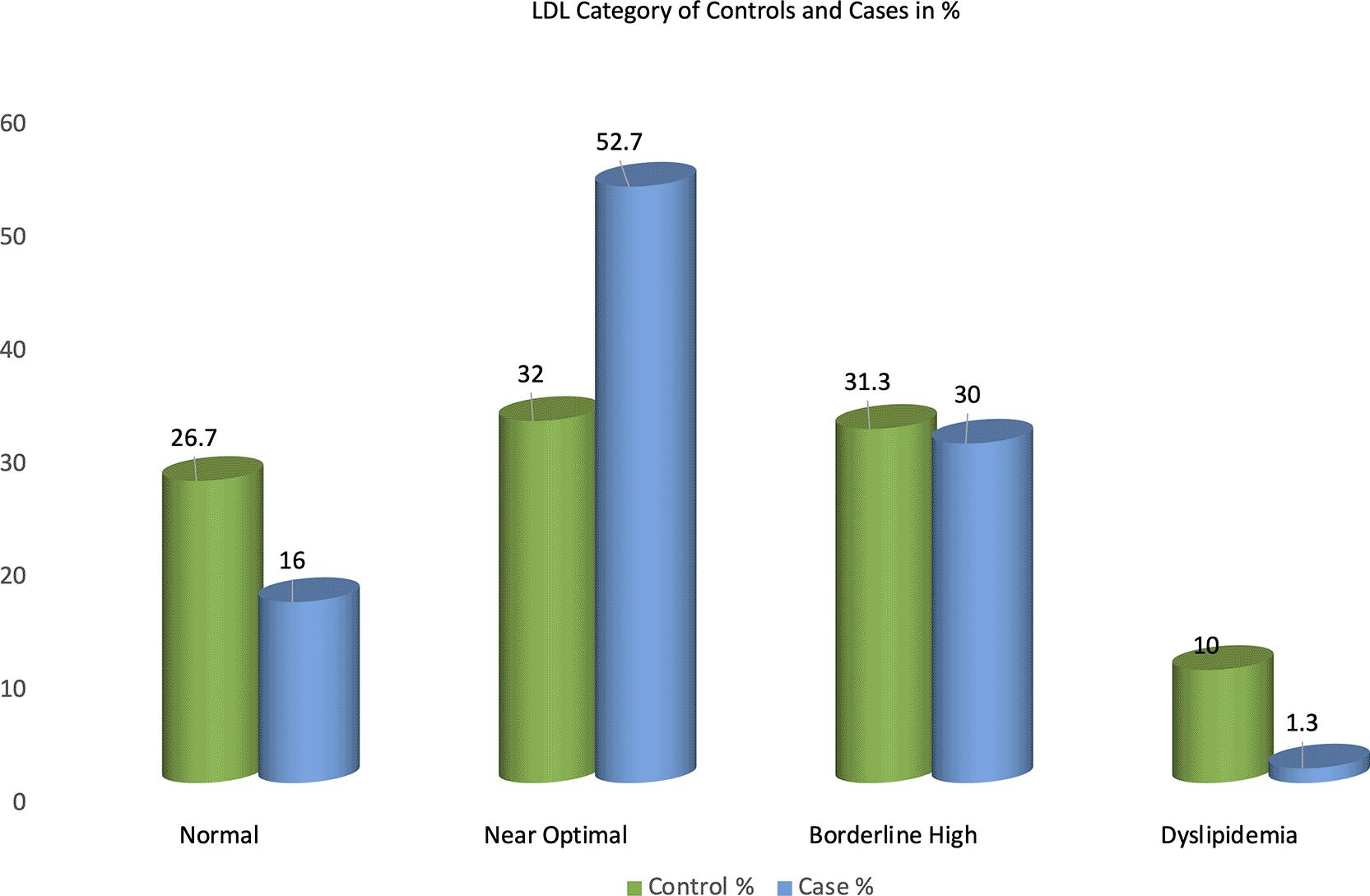
Near-optimal LDL levels were more common among cases (52.7%) than controls (32.0%), while dyslipidaemia was more frequent in controls (10.0% vs. 1.3%).
Elderly age remained a strong and statistically significant predictor of BPH, with elderly men having nearly five times higher odds of BPH compared with middle-aged participants (AOR = 4.94; 95% CI: 2.31–10.55; p < 0.001) ( Table 7). Marital status was not independently associated with BPH after adjustment, as married (AOR = 2.54; p = 0.217), divorced (AOR = 5.68; p = 0.067), and widowed participants (AOR = 1.64; p = 0.583) did not reach statistical significance. In contrast, occupational status remained significant. Participants employed in the formal/public sector had significantly higher odds of BPH (AOR = 7.26; 95% CI: 1.85–28.54; p = 0.005), while retired individuals also demonstrated a significantly increased likelihood of BPH compared with unemployed participants (AOR = 6.82; 95% CI: 1.23–37.63; p = 0.028). Educational level, residential location, and monthly income were not independently associated with BPH following adjustment (p > 0.05). Similarly, BMI categories showed no statistically significant independent relationship with BPH. Blood pressure status demonstrated significant inverse associations with BPH. Participants with hypotension (AOR = 0.07; 95% CI: 0.01–0.54; p = 0.011) and pre-hypertension (AOR = 0.22; 95% CI: 0.11–0.47; p < 0.001) had significantly lower odds of BPH compared with individuals with normal blood pressure, whereas hypertension was not statistically significant (AOR = 1.87; p = 0.176). Blood glucose status also demonstrated independent associations with BPH. Prediabetes was associated with reduced odds of BPH (AOR = 0.48; 95% CI: 0.24–0.98; p = 0.045), whereas diabetes mellitus was significantly associated with increased odds of BPH (AOR = 19.51; 95% CI: 2.24–170.12; p = 0.007). Lipid profile analysis revealed that near-optimal LDL cholesterol was independently associated with increased odds of BPH (AOR = 4.42; 95% CI: 1.82–10.78; p = 0.001), while borderline-high LDL and dyslipidaemia were not statistically significant after adjustment.
The study evaluated the association between selected cardiometabolic risk factors and benign prostatic hyperplasia (BPH) in adult men attending a tertiary health center in Nigeria. The findings indicate that advancing age and diabetes mellitus were independently associated with increased odds of BPH in this study population. In contrast, the multivariate analysis showed that obesity, hypertension, and dyslipidemia were not significant independent predictors of BPH after adjusting for potential confounding factors.
Age remained a strong and consistent predictor of BPH, with older men having approximately fivefold higher odds of disease compared with younger men. This finding is consistent with recent studies from China (Li et al., 2025; Shao et al., 2022) and (Zi et al., 2025) study where age aging as the most important non-modifiable determinant of prostatic enlargement. Additionally, Large population-based global studies and meta-analyses also reported a steep increase in BPH prevalence and prostate volume with advancing age (Amirmokri et al., 2025; Li et al., 2025). This association could be due to age-related hormonal alterations, chronic prostatic inflammation, cumulative metabolic exposure, and progressive stromal and epithelial proliferation that promote prostate enlargement over time (Xiang et al., 2025). In contrast, neither BMI-defined obesity nor hypertension was independently associated with BPH in the multivariable analysis despite the higher crude prevalence of both conditions among cases. The findings contradict other Chinese studies that reported obesity and hypertension as significant independent predictors of benign prostatic hyperplasia (He et al., 2025; Zeng et al., 2018). This discrepancy could be due to differences in study population characteristics, variations in cardiometabolic risk profiles, healthcare-seeking behavior, genetic background, and methodological differences in measurement. These findings implies that obesity and hypertension may not independently contribute to BPH risk in this population, suggesting that clinical screening and prevention strategies should consider population-specific cardiometabolic risk profiles.
However, overweight and obesity were not significantly associated with benign prostatic hyperplasia in the multivariate analysis. This finding does not negate the biological role of adiposity in BPH development, as evidence indicates that central (visceral) obesity is the metabolically relevant determinant of prostate enlargement, not BMI-defined general obesity (Armadani et al., 2024). Visceral fat is strongly associated with insulin resistance, chronic inflammation, and hormonal alterations that promote prostatic growth (Donohoe et al., 2011). In this study, obesity was assessed using BMI alone without measures of central adiposity such as waist circumference or waist-to-hip ratio, which may have led to lack of true metabolic risk and reduced the ability to detect a true association. Additionally, similar mean BMI between cases and controls suggests that BMI had limited ability to distinguish risk in this population, particularly among older men where age-related body composition changes are not adequately captured. Similarly, hypertension was more prevalent among cases at the descriptive level, it was not independently associated with BPH after multivariable analysis. This supports existing literature that hypertension may function more as a marker of metabolic dysfunction, particularly insulin resistance and autonomic nervous system dysregulation and not a direct causal factor (Sakr et al., 2023). Additionally, ongoing antihypertensive treatment and regular clinical follow-up among cases may have normalized blood pressure at recruitment, potentially underestimating long-term hypertension exposure.
In contrast, the findings indicate that diabetes mellitus was an independent predictor of BPH, with affected individuals demonstrating nearly a twentyfold higher odds of disease after multivariable adjustment. This result aligns with experimental and epidemiological evidence demonstrating that diabetes and insulin resistance are associated with increased prostate volume and accelerated prostatic growth (Bays et al., 2023; Ngai et al., 2017). The biological mechanism of this association is well supported, as chronic hyperinsulinemia and activation of the insulin-like growth factor-1 (IGF-1) pathway stimulate prostatic cellular proliferation (X. Fu et al., 2024). In addition, diabetes is associated with chronic low-grade inflammation, oxidative stress, autonomic nervous system dysregulation, and microvascular dysfunction, which collectively promote stromal and epithelial hyperplasia (Oguntibeju, 2019). Diabetes may also worsen lower urinary tract symptoms through mechanisms partly independent of prostate size, including diabetic cystopathy, impaired detrusor contractility, and altered bladder sensation (Erdogan et al., 2022). This dual effect on both the prostate and bladder may explain why diabetic men often present with more severe urinary symptoms and poorer functional outcomes (Noaman et al., 2025). These findings suggest that diabetes mellitus should be considered an important cardiometabolic factor in the clinical evaluation of men with BPH. Routine screening for diabetes and optimization of glycaemic control may therefore contribute to improved management and long-term outcomes among affected patient.
Moreover, dyslipidemia was not independently associated with BPH in the multivariable analysis. However, the near-optimal LDL cholesterol category showed a strong independent association, indicating a non-linear and complex relationship between lipid metabolism and BPH risk. The literature in this area is inconsistent with some studies identify triglycerides and low HDL cholesterol as key predictors of BPH (Besiroglu et al., 2017; Zhu et al., 2022), others report weak or null associations for LDL cholesterol and total cholesterol (Yoo et al., 2020). Experimental evidence suggests that lipid abnormalities may act indirectly through interactions with insulin resistance, chronic inflammation, endothelial dysfunction, and vascular changes and not as isolated causal factors (J. Fu et al., 2021). The pattern observed in this study may reveal several mechanisms. The near-optimal LDL category may represent an early or transitional metabolic state characterized by subclinical insulin resistance or inflammation. In addition, treatment effects may have influenced classification, as some individuals with more severe dyslipidemia may already be receiving lipid-lowering therapy. The pattern observed in this study may demonstrate underlying metabolic mechanisms with near-optimal LDL levels may indicate an early metabolic state associated with subclinical insulin resistance or low-grade inflammation. In addition, lipid-lowering treatment may have modified lipid profiles, resulting in reclassification of individuals with previously elevated LDL levels. The implication is that LDL levels alone may not fully reflect true cardiometabolic risk in BPH, and clinical assessment should consider underlying metabolic status and treatment history when evaluating lipid-related associations.
These findings highlight the growing importance of cardiometabolic health in the epidemiology of benign prostatic hyperplasia in low- and middle-income settings. As populations age and the burden of metabolic diseases such as diabetes continues to increase, the prevalence and clinical impact of BPH are likely to increase. Integrating metabolic risk assessment into routine urological evaluation and strengthening preventive strategies targeting diabetes and other metabolic disorders may therefore play an important role in reducing the burden of BPH and improving quality of life among aging male populations. These findings emphasised the need for coordinated approaches that link urological care with broader non-communicable disease prevention programs within health systems.
This study demonstrated that advancing age and diabetes mellitus were independently associated with benign prostatic hyperplasia (BPH) among men attending a tertiary health center in Nigeria. In contrast, obesity, hypertension, and dyslipidemia were not independently associated with BPH after multivariable adjustment. These findings highlight the important role of metabolic health, particularly diabetes, in the development and progression of BPH. The findings highlight the need to integrate cardiometabolic risk assessment into the clinical evaluation and management of men presenting with BPH. Routine screening for diabetes and improved glycaemic control may contribute to better clinical outcomes and improved management of lower urinary tract symptoms among affected patients. From a public health perspective, strengthening prevention and control strategies for metabolic disorders may help reduce the growing burden of BPH in aging populations. Future research should prioritize longitudinal and multicenter studies to better clarify the temporal and causal relationships between cardiometabolic risk factors and BPH progression. In particular, further investigations incorporating measures of central adiposity, insulin resistance, inflammatory markers, and detailed metabolic profiling may provide deeper insight into the biological mechanisms linking metabolic dysfunction with prostatic enlargement. Additionally, population-based studies across diverse African settings are needed to improve the generalizability of findings and inform context-specific prevention and management strategies. Such evidence will be important for guiding integrated approaches that address both urological conditions and the broader burden of non-communicable diseases.
1. Routine metabolic screening should be incorporated into the clinical evaluation of men presenting with lower urinary tract symptoms to enable early detection and management of diabetes and other cardiometabolic conditions that may influence the progression of benign prostatic hyperplasia.
2. Clinical management of benign prostatic hyperplasia should adopt a multidisciplinary approach that integrates urological care with metabolic risk assessment and management, particularly in patients with coexisting diabetes mellitus.
3. Healthcare systems should strengthen provider capacity through targeted training to improve the identification, monitoring, and management of metabolic conditions among aging male populations presenting with prostate-related symptoms.
4. Public health programs should promote awareness among men regarding the importance of early medical consultation for urinary symptoms and the potential role of metabolic health in prostate disease.
5. Further large-scale and longitudinal studies should be conducted to better understand the relationship between cardiometabolic risk factors and benign prostatic hyperplasia in diverse populations, particularly in African settings.
Ethical clearance for this study was obtained from the Health Research Ethics Committee (HREC) of the University of Nigeria Teaching Hospital (UNTH), Ituku-Ozalla prior to the commencement of the study. The study was conducted in accordance with the ethical principles outlined in the Declaration of Helsinki for research involving human participants (World Medical Association, 2013). Written informed consent was obtained from all participants before their inclusion in the study.
| Views | Downloads | |
|---|---|---|
| F1000Research | - | - |
|
PubMed Central
Data from PMC are received and updated monthly.
|
- | - |
Provide sufficient details of any financial or non-financial competing interests to enable users to assess whether your comments might lead a reasonable person to question your impartiality. Consider the following examples, but note that this is not an exhaustive list:
Sign up for content alerts and receive a weekly or monthly email with all newly published articles
Already registered? Sign in
The email address should be the one you originally registered with F1000.
You registered with F1000 via Google, so we cannot reset your password.
To sign in, please click here.
If you still need help with your Google account password, please click here.
You registered with F1000 via Facebook, so we cannot reset your password.
To sign in, please click here.
If you still need help with your Facebook account password, please click here.
If your email address is registered with us, we will email you instructions to reset your password.
If you think you should have received this email but it has not arrived, please check your spam filters and/or contact for further assistance.

Comments on this article Comments (0)