Keywords
microbial biocontrol, integrated pest management, agroecosystems, microbiome, biological control

microbial biocontrol, integrated pest management, agroecosystems, microbiome, biological control
Integrated Pest Management (IPM) plays a crucial role in promoting sustainable agricultural systems by reducing reliance on chemical pesticides while maintaining effective pest control.1 According to2 IPM contributes to sustainable agricultural development by promoting traditional and ecologically based pest management practices, including the use of biological control and biotechnology, thereby maintaining ecological balance in agricultural systems while protecting environmental and human sustainability. In addition, biological control and biotechnological approaches aim to reduce reliance on synthetic pesticides.3 This biological control strategy includes an important component based on microorganisms, commonly referred to as microbial biological control. Natural microorganisms such as viruses, fungi, bacteria, and nematodes can suppress populations of plant pathogens and pests.4,5 Furthermore, a study by6 reported that nematodes can enhance plant health by feeding on bacteria responsible for plant diseases. Therefore, the use of microbial biopesticides not only serves as a technical solution for crop protection but also contributes to harmonizing biological interactions within ecosystems, thereby supporting the sustainability of agricultural systems.7
The advantages of microbial biological control agents lie in their relatively low environmental impact compared to conventional chemical pesticides. Microorganisms such as Bacillus, Trichoderma, and Pseudomonas function through various mechanisms, including direct parasitism, competition for space and nutrients, and the activation of host plant defense responses.8 In this context,9 reported that the integration of such microorganisms within IPM strategies can create ecological synergies that contribute to improved agricultural productivity. Consistent with this finding, a study by10 reported that these microorganisms can also help maintain the stability of soil fertility in agricultural systems. Therefore, the use of microbial biological control reflects a transition toward more regenerative agricultural practices, in which ecosystem functions are harnessed to support long-term stability.
The use of microorganisms in agroecosystems also presents several limitations that may influence their ecological implications. Furthermore, a study by11 reported that the application of biological control had a positive effect on soil community structure, particularly on nematode diversity. However, under the same conditions, it also posed potential risks by increasing the abundance of Meloidogyne (plant-parasitic nematodes) while reducing the proportion of bacterivorous nematodes. This raises concerns regarding potential impacts on non-target organisms, such as microflora, natural enemies, and pollinators, which play important roles in nutrient production and ecosystem functioning.12 In addition, the broader impacts of these biological control agents on the overall balance of agroecosystems remain an important concern. Whether their application enhances ecosystem resilience or instead triggers undesirable shifts in microbial communities has become a key motivation for further in-depth evaluation.
The practical success of Integrated Pest Management (IPM) largely depends on the balance of ecosystem services generated by interactions among living organisms within the soil and plant canopy. A review of the current literature indicates that although the effects of microorganisms on targeted pests have been widely studied, comprehensive assessments of their broader ecological impacts remain limited.13,14,15,16 Therefore, understanding the relationship between microbial applications and ecosystem health is crucial to ensure that pest management practices do not compromise environmental sustainability. Accordingly, this review aims to provide a comprehensive analysis of existing literature on the ecosystem impacts of microbial-based biological control within the context of IPM.
This systematic literature review (SLR) serves as an important approach for synthesizing existing studies, identifying patterns of impacts on non-target organisms, and evaluating potential long-term environmental consequences. This methodology not only enables a comprehensive analysis of microbial influences on agroecosystem balance but also provides a strong foundation for developing pest management strategies that are truly ecology-based and sustainable.
A systematic literature search was conducted using Scopus, Google Scholar, and ScienceDirect (Elsevier) to identify peer-reviewed studies related to microbial biocontrol agents and their ecological implications within IPM systems. The search used combinations of keywords associated with ecosystem impacts, integrated pest management, and microbial biocontrol agents. Only original research articles published between 2020 and 2026 were considered. Titles and abstracts were initially screened for relevance, followed by a full-text evaluation of potentially eligible studies. Reference lists of selected articles were also examined to identify additional relevant publications. In total, 15 primary research articles met the inclusion criteria and were included in the qualitative synthesis.
Study selection was conducted in two stages, beginning with title and abstract screening followed by full-text assessment based on predefined inclusion and exclusion criteria. Studies were included if they investigated microbial biocontrol agents used in pest or disease management within agricultural or agroecosystem contexts and reported ecological or ecosystem-related outcomes such as effects on soil communities, microbial diversity, non-target organisms, or ecosystem functioning. Only primary research articles with sufficient methodological detail and empirical findings were considered. Studies were excluded if they focused solely on chemical pesticides or non-biological control strategies, did not involve microbial agents as a pest management approach, were non-primary literature (e.g., review articles, book chapters, or conference papers), or lacked sufficient methodological information for reliable data extraction.
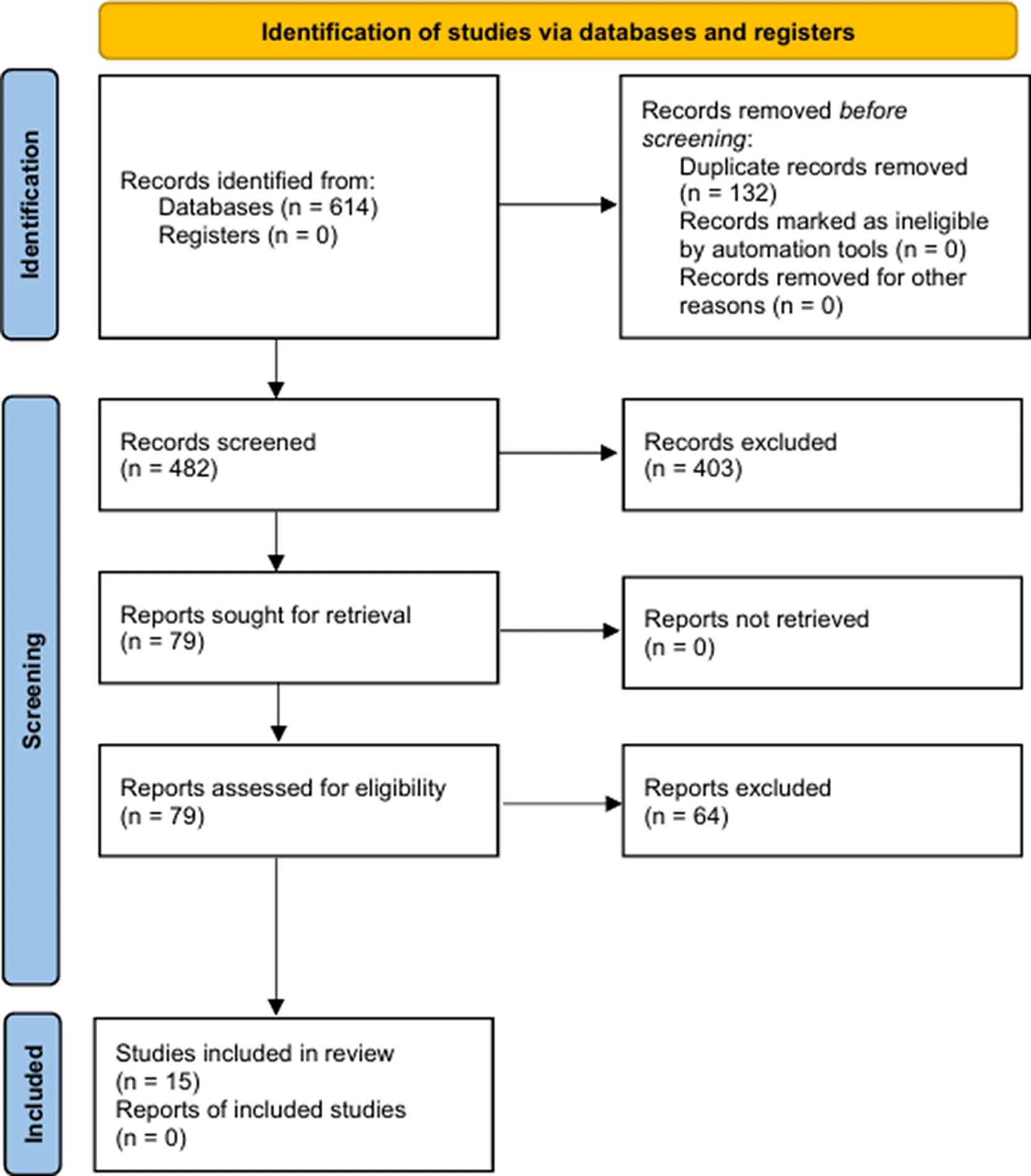
The study selection process followed the Preferred Reporting Items for Systematic Reviews and Meta-Analyses (PRISMA) guidelines, progressing through the stages of identification, screening, eligibility, and inclusion. The overall process of article selection is illustrated in the PRISMA flow diagram ( Figure 1). A total of 614 records were initially identified through database searches in Scopus, Google Scholar, and ScienceDirect. After removing 132 duplicate records, 482 unique records remained for title and abstract screening, of which 403 were excluded due to lack of relevance to microbial biocontrol agents, integrated pest management (IPM), or ecosystem-related outcomes. The full texts of the remaining 79 articles were then retrieved and assessed for eligibility based on the predefined inclusion and exclusion criteria. During this stage, 64 articles were excluded because they did not specifically focus on microbial biocontrol applications, lacked sufficient methodological detail, or did not address ecological or agroecosystem-related implications. Ultimately, 15 primary research articles met all eligibility criteria and were included in the qualitative synthesis, as illustrated in the PRISMA flow diagram ( Figure 1).
The characteristics of the studies included in this systematic review are summarized in Table 1, which highlights the microbial biocontrol agents, target crops or pathogens, and the main outcomes reported in each study.
| Author (year) | Crop/target pathogen or disease | Microbial biocontrol agent | Key findings |
|---|---|---|---|
| Yang et al. (2024)17 | Various crops/Pseudomonas syringae | Sphingomonas spp., Methylobacterium spp. | Reshaped phyllosphere microbiome and suppressed pathogen virulence. |
| Gao et al. (2025)18 | Cucumber/Pectobacterium brasiliense | Bio-organic fertilizers with antagonistic microbes | Reduced disease and improved rhizosphere microbial structure |
| Lombardo et al. (2026)19 | Citrus/Colletotrichum, Alternaria | Indigenous citrus microbiome | Biological treatments preserved beneficial fruit microbiota |
| Nassary (2025)20 | Multiple crops/pathogens, insects, nematodes | Trichoderma, Beauveria, Metarhizium, Paecilomyces | Fungal BCAs suppressed pests and improved soil health |
| Sai Teja et al. (2025)12 | Rice/Xanthomonas oryzae pv. oryzae | Trichoderma spp., Pseudomonas fluorescens | Microbial consortium reduced disease and enhanced plant growth |
| Clarke et al. (2024)21 | Mushroom (Agaricus bisporus) /Lecanicillium fungicola | Bacillus velezensis strains | Bacillus influenced casing soil microbiome stability |
| Du et al. (2026)22 | Cotton/Verticillium dahliae | Rhizosphere antagonistic bacteria | BCAs modulated rhizosphere microbiome and plant defenses |
| Han et al. (2026)23 | Soil/Sclerotinia sclerotiorum | Bacillus, Streptomyces spp. | Antagonistic microbes drove soil suppressiveness |
| Li et al. (2025)24 | Potato/Rhizoctonia solani | Bacillus velezensis HZ33 | Suppressed pathogen and increased potato yield |
| Zhou et al. (2026)25 | Pepper/Phytophthora blight | Trichoderma brevicompactum + biochar | Combination treatment reduced disease severity |
| Rupaedah et al. (2024)26 | Oil palm – Ganoderma boninense | Pseudomonas, Serratia, Stenotrophomonas, Streptomyces, Trichoderma | Oil palm isolates inhibited G. boninense via antifungal metabolite production |
| Vinothini et al. (2024)27 | Tomato – Meloidogyne incognita | Bacillus velezensis + Trichoderma koningiopsis | Consortium increased rhizosphere diversity and suppressed root-knot nematodes |
| Bosco et al. (2024)28 | Rice – Fusarium fujikuroi | Endophytes (Epicoccum, Microbacterium, Methylobacterium) | Endophytic strains reduced bakanae disease and improved rice biomass |
| Sabbahi et al. (2022)29 | Various crops – insect pests | Bacillus, Beauveria, baculoviruses, nematodes | Entomopathogens provide eco-friendly pest control in IPM systems |
| Cao et al. (2025)30 | Potato – common scab | Bacillus atrophaeus DX-9 | Reduced disease incidence and improved rhizosphere microbial community |
The selected studies report the application of diverse microbial biocontrol agents, including bacteria, fungi, and microbial consortia, for suppressing plant pathogens and improving crop health.
Data from the 15 included studies were extracted into a predefined spreadsheet covering microbial biocontrol agents, target pests or pathogens, host crops, experimental conditions, mechanisms of biocontrol activity, and reported ecological or agroecosystem outcomes. Additional information on soil microbial community responses, interactions with non-target organisms, and effects on ecosystem services such as soil fertility or biodiversity was also recorded to better interpret the broader ecological implications of microbial biocontrol applications. The extracted data were then synthesized narratively into three thematic areas: diversity of microbial biocontrol agents and their mechanisms of action, effectiveness of microbial agents in suppressing plant pests and pathogens, and ecological impacts of microbial biocontrol applications within integrated pest management (IPM) systems.
Microbial biocontrol agents used in agroecosystems comprise a diverse array of microorganisms, including bacteria and fungi can be entomopathogenic microbes, each possessing distinct ecological roles and functional mechanisms that contribute to pest and disease suppression. These microorganisms interact with plants and soil environments through complex ecological processes that influence pathogen dynamics as well as the overall structure of microbial communities. Rhizosphere-associated microorganisms have been widely recognized as key components of biological control because of their ability to colonize plant roots, compete with pathogens, and interact directly with native soil microbiota. According to27 demonstrated that the application of biocontrol agents in the rhizosphere suppressed root-knot nematodes while simultaneously enhancing soil microbial diversity, indicating a broader ecological role of these microorganisms in regulating soil health and pest dynamics. Recent studies also highlight that microbial biocontrol agents influence disease suppression not only through direct antagonistic activity but also through the restructuring of plant-associated microbiomes.17,18
Bacterial biocontrol agents represent one of the most extensively studied groups in plant protection systems. Members of the genus Bacillus are particularly prominent due to their strong antagonistic activity, environmental resilience, and ability to produce a wide range of antimicrobial metabolites. Previous research has shown that Bacillus species effectively suppress soil-borne pathogens while simultaneously influencing microbial community composition in the rhizosphere. Furthermore, a study by30 reported that Bacillus atrophaeus strain DX-9 significantly reduced the incidence of potato common scab while inducing shifts in soil microbial community structure. Similar findings were reported for Bacillus velezensis, a species widely recognized as a plant growth-promoting rhizobacterium (PGPR). According to24 demonstrated that B. velezensis HZ33 effectively controlled potato black scurf while enhancing rhizosphere microbial diversity and improving plant growth and yield. Studies conducted in mushroom cultivation systems also showed that Bacillus velezensis strains influence microbial population dynamics in the casing layer, contributing to a balanced microbial ecosystem during the cultivation cycle.21 These findings suggest that bacterial biocontrol agents operate through both pathogen inhibition and microbiome modulation within agroecosystems.
Plant-associated endophytic microorganisms represent another important component of microbial biocontrol diversity. Endophytes residing within plant tissues enhance host resistance to pathogens by producing antimicrobial compounds, inducing plant defense responses, or occupying ecological niches that might otherwise be exploited by pathogens. Furthemore, a study by28 identified several bacterial and fungal endophytes capable of inhibiting Fusarium fujikuroi, the causal agent of bakanae disease in rice, highlighting the importance of plant-associated microbial diversity in biological control strategies. Increasing attention has also been directed toward microbial consortia composed of multiple compatible strains. Such microbial combinations can enhance disease suppression through synergistic interactions among beneficial microorganisms. In addition,31 demonstrated that microbial consortia effectively suppressed bacterial blight in rice by enhancing plant defense responses and improving beneficial microbial interactions within the plant microbiome.
Fungal biocontrol agents also play an important role in plant disease management and plant health promotion. Genera such as Trichoderma, Penicillium, and Gliocladium have been widely reported as effective antagonists against a range of plant pathogens responsible for both field and post-harvest diseases.32,20 These fungi exert their biocontrol activity through multiple mechanisms, including nutrient competition, mycoparasitism, and the production of antifungal metabolites. Some fungal agents also influence soil ecological processes that contribute to plant health. Furthermore, a study by25 reported that the application of Trichoderma brevicompactum combined with biochar suppressed Phytophthora capsici infection in pepper while improving soil fertility and microbial diversity. Such findings highlight the multifunctional role of fungal biocontrol agents in both pathogen suppression and agroecosystem management.
The role of microbial community interactions in disease suppression has received increasing attention in recent years. Soil suppressiveness often arises from the collective activity of diverse microbial populations rather than from a single microbial species. In this context,23 demonstrated that antagonistic microbial communities dominated by genera such as Bacillus and Streptomyces contributed to soil suppressiveness against the widespread fungal pathogen Sclerotinia sclerotiorum. Research investigating pathogen-induced shifts in the rhizosphere microbiome has also revealed that beneficial microorganisms can be selectively enriched under pathogen pressure, creating a defensive microbial environment that enhances plant resilience.22
Entomopathogenic microorganisms represent another important component of microbial biocontrol diversity, particularly in the management of insect pests. These microorganisms infect and kill insect hosts, thereby reducing pest populations while minimizing reliance on chemical insecticides. Furthermore, a study by29 reported the widespread distribution and effectiveness of entomopathogenic microorganisms across various cropping systems, highlighting their potential integration into integrated pest management (IPM) programs.
The diversity of microbial biocontrol agents reflects the complexity of ecological interactions within agroecosystems. Different microbial taxa occupy distinct ecological niches and contribute to pest suppression through a wide range of functional traits, including rhizosphere colonization, endophytic associations, pathogen parasitism, and microbiome modulation. This functional diversity provides opportunities for the development of multi-agent or synergistic biological control strategies that enhance the resilience and sustainability of agricultural systems
Microbial biocontrol agents suppress plant pathogens and pests through a variety of biological mechanisms operating within the plant–microbe–soil interface. These mechanisms include antibiosis, competition for nutrients and ecological niches, parasitism, microbiome modulation, and activation of plant defense responses. The diversity of these functional strategies allows beneficial microorganisms to interfere with pathogen development while simultaneously influencing the structure and function of microbial communities within agroecosystems. Interactions between plants and beneficial microbes therefore play a central role in maintaining ecological balance and reducing pathogen pressure in sustainable agricultural systems.17,18
Antibiosis represents one of the most widely documented mechanisms of microbial biological control. This process involves the production of bioactive secondary metabolites that directly inhibit pathogen growth or disrupt pathogen physiology. Numerous bacterial species, particularly members of the genus Bacillus, produce antimicrobial compounds such as lipopeptides, hydrolytic enzymes, and antibiotics capable of suppressing soil-borne pathogens. In this context,30 demonstrated that Bacillus atrophaeus strain DX-9 effectively controlled potato common scab while simultaneously inducing shifts in soil microbial community composition. Similar mechanisms have been reported for Bacillus velezensis, which produces a diverse range of antimicrobial metabolites that contribute to pathogen inhibition and plant protection. Research by24 showed that B. velezensis HZ33 suppressed potato black scurf while improving plant growth and rhizosphere microbial diversity. Antibiosis is also frequently observed in fungal antagonists. Genera such as Penicillium, Gliocladium, and Trichoderma produce antifungal metabolites and cell-wall degrading enzymes capable of inhibiting the development of phytopathogenic fungi.32,20
Competition for nutrients and ecological niches constitutes another important mechanism of microbial biocontrol. The rhizosphere is a highly competitive environment where microorganisms compete for carbon sources, mineral nutrients, and physical colonization sites on plant roots. Beneficial microbes capable of rapidly colonizing the rhizosphere can effectively limit pathogen establishment by monopolizing these resources. Research by27 demonstrated that the introduction of microbial biocontrol agents in the rhizosphere significantly reduced root-knot nematode populations while simultaneously increasing microbial diversity in the soil environment. Evidence from microbiome studies further indicates that beneficial microbes can restructure rhizosphere microbial communities in ways that suppress pathogen proliferation. Furthermore, a study by18 reported that bio-organic fertilizers containing biocontrol strains significantly altered soil microbial community composition and reduced the incidence of bacterial soft rot in cucumbers. Microbial interactions within the phyllosphere have also been shown to influence pathogen dynamics, as beneficial microorganisms can modulate microbial networks that restrict pathogen colonization on plant surfaces.17
Parasitism and direct antagonistic interactions with pathogens represent additional mechanisms contributing to biological control. Certain fungal biocontrol agents are capable of attacking and degrading pathogen structures through mycoparasitism. Species within the genus Trichoderma are well known for their ability to colonize and degrade fungal pathogens through the secretion of hydrolytic enzymes such as chitinases and glucanases. Research by25 demonstrated that the application of Trichoderma brevicompactum combined with biochar significantly suppressed Phytophthora capsici infection in pepper while improving plant growth performance. Similar mechanisms have been observed in soils exhibiting natural suppressiveness against pathogens. Furthermore, a study by23 reported that antagonistic microbial communities dominated by beneficial bacteria and actinomycetes contributed to suppressiveness against the widespread fungal pathogen Sclerotinia sclerotiorum. These findings highlight the role of microbial interactions in shaping disease-suppressive soil environments.
Plant-associated microorganisms may also function as endophytes that colonize internal plant tissues and provide protection against invading pathogens. Endophytic colonization enables beneficial microbes to interfere with pathogen development at early stages of infection while maintaining long-term associations with the host plant. According to28 reported that several bacterial and fungal endophytes isolated from rice exhibited strong antagonistic activity against Fusarium fujikuroi, the causal agent of bakanae disease. Microbial consortia have also demonstrated enhanced protective effects compared with single-strain applications. Research by31 showed that microbial consortia applied to basmati rice significantly suppressed bacterial blight while improving plant defense responses and overall plant health.
Activation of plant defense mechanisms represents another key pathway through which microbial biocontrol agents enhance disease resistance. Beneficial microorganisms can stimulate induced systemic resistance (ISR), a physiological state in which plant defense pathways are primed to respond more rapidly and effectively to pathogen attack. This process often involves signaling pathways associated with jasmonic acid and ethylene, leading to enhanced resistance against a wide range of pathogens and pests. Changes in rhizosphere microbial composition may therefore indirectly influence plant health by activating immune responses. Microbiome-based studies have shown that shifts in microbial community structure can strengthen plant resistance by enriching beneficial taxa associated with plant defense activation.22
Microbial biocontrol mechanisms rarely operate through a single mode of action. Many microorganisms exert their protective effects through multiple interacting mechanisms that function simultaneously within plant-associated environments. Antibiosis, competition, parasitism, microbiome restructuring, and plant immune activation often occur together, creating a multilayered defense system against pathogens and pests. The multifunctional nature of microbial biocontrol agents enhances the stability and robustness of biological control strategies and supports their integration into sustainable integrated pest management systems.
The effectiveness of microbial biocontrol agents in suppressing plant pests and diseases has been widely documented across various crop systems and pathogen types. Evidence from recent studies indicates that beneficial microorganisms can significantly reduce disease incidence, inhibit pathogen development, and improve plant health through both direct antagonistic interactions and ecological processes within plant–soil environments. These biological control strategies are increasingly recognized as sustainable alternatives to synthetic pesticides, particularly within integrated pest management (IPM) frameworks that emphasize ecological regulation of pest populations.
Several studies have demonstrated the effectiveness of microbial biocontrol agents in managing soil-borne plant diseases. Bacterial species belonging to the genus Bacillus are among the most frequently reported biological control agents due to their strong antagonistic activity and adaptability to diverse soil environments. Research by30 demonstrated that the application of Bacillus atrophaeus strain DX-9 significantly reduced the severity of potato common scab while simultaneously modifying the composition of the soil microbial community. Similar results were observed in potato production systems where Bacillus velezensis HZ33 effectively controlled potato black scurf while enhancing rhizosphere microbial diversity and improving plant growth and yield.24 These findings highlight the dual role of bacterial biocontrol agents in suppressing pathogens and promoting beneficial microbial interactions within the soil ecosystem.
Evidence from horticultural crop systems further supports the effectiveness of microbial biological control. Furthermore, a study by18 reported that bio-organic fertilizers containing beneficial microbial strains significantly suppressed bacterial soft rot in cucumbers while reshaping soil microbial community structure. The application of microbial agents has also been shown to reduce disease severity in vegetable crops affected by fungal pathogens. Study by25 demonstrated that the combination of Trichoderma brevicompactum with biochar significantly suppressed pepper phytophthora blight caused by Phytophthora capsici while improving plant growth performance. Such results indicate that microbial agents can effectively reduce disease pressure while simultaneously enhancing plant vigor and soil ecological stability.
Microbial biocontrol agents have also shown promising results in cereal crop protection. Endophytic microorganisms isolated from rice have demonstrated strong antagonistic activity against important plant pathogens. Study by28 reported that several bacterial and fungal endophytes were capable of inhibiting Fusarium fujikuroi, the causal agent of bakanae disease in rice. Microbial consortia have also been investigated as a strategy to enhance disease suppression in cereal systems. Research by31 showed that the application of microbial consortia significantly reduced the severity of bacterial blight in basmati rice while promoting beneficial microbial interactions within the plant microbiome. These findings suggest that multi-strain microbial formulations may improve biological control efficiency through synergistic interactions among beneficial microorganisms.
Effectiveness of microbial biocontrol strategies is also strongly influenced by ecological interactions occurring within microbial communities. Studies examining disease-suppressive soils have shown that complex microbial communities can inhibit pathogen proliferation through cooperative antagonistic interactions. Research by23 demonstrated that antagonistic microbiota contributed to soil suppressiveness against the widespread fungal pathogen Sclerotinia sclerotiorum. Research on plant-associated microbiomes further indicates that microbial interactions in the phyllosphere and rhizosphere can restrict pathogen colonization and reduce disease development. Study by17 reported that microbial biocontrol agents modulated phyllosphere microbial networks that suppressed the plant pathogen Pseudomonas syringae. Similar ecological dynamics were observed in rhizosphere microbiome studies, where pathogen-induced shifts in microbial communities promoted the enrichment of beneficial microbes.22
Microbial biocontrol strategies also contribute to the management of pest organisms beyond plant pathogens. Beneficial microorganisms can suppress nematode populations and influence pest dynamics through ecological interactions within the soil environment. In addition, study by27 demonstrated that rhizosphere engineering using beneficial microbes significantly reduced root-knot nematode populations while enhancing soil microbial diversity. Entomopathogenic microorganisms further expand the scope of microbial biological control by directly infecting and killing insect pests. Global assessments indicate that entomopathogenic fungi and bacteria have been successfully applied to control a wide range of insect pests across diverse cropping systems.29
Integration of microbial biocontrol agents within broader IPM strategies can further enhance their effectiveness in agricultural systems. Biological control methods function most effectively when combined with ecological pest management practices that promote beneficial organisms and maintain balanced agroecosystem interactions. Studies examining IPM implementation have demonstrated that conservation of beneficial microorganisms, natural enemies, and soil biodiversity strengthens biological control processes and improves pest management outcomes.33,34
Overall, the reviewed literature demonstrates that microbial biocontrol agents exhibit substantial potential for managing a wide range of plant pests and diseases across different cropping systems. Their effectiveness arises from multiple interacting mechanisms, including pathogen inhibition, microbiome modulation, ecological competition, and plant defense activation. The integration of microbial biocontrol agents within sustainable IPM frameworks therefore represents a promising approach for reducing reliance on chemical pesticides while enhancing ecological resilience in agricultural landscapes.
Microbial biocontrol agents influence agroecosystems not only through direct pathogen suppression but also by reshaping ecological interactions within soil and plant-associated microbial communities. The introduction of beneficial microorganisms can modify the structure and function of microbial networks in both the rhizosphere and phyllosphere, thereby affecting nutrient cycling, plant health, and the overall stability of agroecosystems. Increasing attention has therefore been directed toward understanding microbial biocontrol as an ecological process rather than solely a pathogen-control strategy.
Changes in microbial community composition represent one of the most widely reported ecological impacts of microbial biocontrol agents. The application of beneficial microorganisms can alter the diversity and abundance of microbial taxa in the rhizosphere, leading to the establishment of disease-suppressive soil environments. Studies on soil suppressiveness have demonstrated that antagonistic microbiota can limit pathogen proliferation through cooperative interactions among beneficial microorganisms. Study by23 reported that antagonistic microbial communities contributed to soil suppressiveness against Sclerotinia sclerotiorum, a globally distributed fungal pathogen affecting numerous crops. Similar ecological responses were observed in rhizosphere microbiome studies where pathogen invasion triggered shifts in microbial community composition that favored the enrichment of beneficial microorganisms capable of inhibiting pathogen development.22
Microbial inoculants can also influence soil ecological functions by enhancing microbial activity and improving nutrient cycling processes. Bio-organic fertilizers containing beneficial microbes have been shown to increase soil biological activity while suppressing plant diseases. Research by18 reported that microbial amendments not only reduced the incidence of bacterial soft rot in cucumber but also reshaped soil microbial communities and improved soil ecological functionality. Application of beneficial bacteria such as Bacillus atrophaeus has similarly been shown to alter rhizosphere microbial composition during the suppression of potato common scab, indicating that microbial biocontrol agents may function as regulators of soil microbial networks.30
Plant-associated microbiomes in aboveground plant compartments are also influenced by microbial biocontrol strategies. Interactions occurring in the phyllosphere can regulate pathogen colonization and influence plant health outcomes. In addition, study by17 demonstrated that microbial biocontrol agents modulated phyllosphere microbial networks that suppressed the plant pathogen Pseudomonas syringae. These findings indicate that microbial biological control extends beyond soil environments and can influence microbial community dynamics across multiple plant-associated habitats.
Ecological effects of microbial biocontrol agents are also reflected in the enhancement of soil biodiversity and the stabilization of microbial interactions within agroecosystems. Rhizosphere engineering approaches have demonstrated that the introduction of beneficial microbes can increase microbial diversity while reducing pest pressure. Furthermore, a study by27 reported that microbial inoculation significantly increased soil microbial diversity while suppressing root-knot nematodes. Increased microbial diversity is widely associated with greater ecosystem stability because complex microbial communities are more capable of resisting pathogen invasion.
Microbial biocontrol agents may further interact with other biological components of agroecosystems, including natural enemies and beneficial organisms involved in pest regulation. Entomopathogenic microorganisms, for instance, contribute to insect pest suppression while remaining compatible with other biological control agents and beneficial arthropods.29 Ecological pest management studies also emphasize the importance of maintaining biodiversity within agricultural landscapes to support natural pest control processes. Research by34 reported that agricultural systems implementing biodiversity-based pest management practices exhibited stronger biological control through enhanced predator populations and improved ecological stability.
The ecological significance of microbial biocontrol becomes particularly evident when these strategies are integrated into broader sustainable agricultural frameworks. Integrated pest management approaches that combine microbial biocontrol with ecological management practices can enhance ecosystem resilience and reduce dependency on chemical pesticides. Study by33 emphasized that biological control components are essential elements of effective IPM strategies for crop protection. Climate-smart agricultural approaches further highlight the role of biological pest management in improving agroecosystem sustainability under changing environmental conditions.35
Overall, microbial biocontrol agents contribute to agroecosystem sustainability through multiple ecological pathways, including the restructuring of microbial communities, enhancement of soil biodiversity, stabilization of microbial networks, and integration with biodiversity-based pest management strategies. These ecological processes strengthen the resilience of agricultural systems and support long-term pest suppression while minimizing environmental impacts associated with chemical pesticide use.
Implications
The growing body of evidence on microbial biocontrol agents highlights their significant potential for supporting sustainable pest management in agricultural systems. Microbial agents, including bacteria, fungi, and entomopathogens, contribute not only to direct suppression of plant pathogens and pests but also to broader ecological processes that enhance soil health and agroecosystem resilience. Their ability to modulate rhizosphere and phyllosphere microbial communities suggests that microbial biocontrol strategies can strengthen natural disease suppressiveness and stabilize microbial networks within agricultural environments.
The integration of microbial biocontrol agents into integrated pest management (IPM) systems represents an important step toward reducing reliance on chemical pesticides while maintaining effective pest suppression. Microbial inoculants may improve plant health through multiple mechanisms, including pathogen inhibition, competition for ecological niches, and stimulation of plant defense responses. These multifunctional properties support the development of biologically based pest management approaches that align with sustainable and climate-resilient agriculture. Adoption of microbial biocontrol technologies may therefore contribute to environmentally friendly crop protection while preserving soil biodiversity and ecosystem stability.Limitations
Despite the promising potential of microbial biocontrol agents, several limitations remain in current research and practical implementation. Many studies are conducted under controlled laboratory or greenhouse conditions, which may not fully reflect the complex environmental variability present in field-scale agricultural systems. Environmental factors such as soil type, climate conditions, crop management practices, and microbial community composition can influence the performance and persistence of introduced microbial agents.
Methodological inconsistencies across studies also present challenges for comparing results and evaluating the effectiveness of microbial biocontrol strategies. Differences in microbial strain selection, inoculation methods, application rates, and experimental design contribute to variability in reported outcomes. In addition, the interactions between introduced biocontrol agents and native microbial communities are not yet fully understood, and these interactions may affect both the stability and long-term effectiveness of biological control agents in agroecosystems.
Practical constraints related to formulation, storage stability, and large-scale application further limit the widespread adoption of microbial biocontrol products. Maintaining microbial viability during product formulation and storage remains a significant technological challenge. Furthermore, regulatory approval processes and farmer acceptance may influence the rate at which microbial biocontrol technologies are implemented in commercial agricultural systems.
Research gaps
Several key research gaps must be addressed to advance the development and application of microbial biocontrol strategies in agriculture. One important gap involves the need for standardized methodologies for evaluating microbial biocontrol effectiveness across different crops, pathogens, and environmental conditions. Harmonized protocols for microbial identification, functional characterization, and efficacy testing would improve comparability among studies and support the development of more reliable biological control products.
Greater attention is also needed to understand the ecological interactions between introduced microbial agents and native microbiomes in both soil and plant-associated habitats. Advances in microbiome analysis and metagenomic approaches provide opportunities to investigate how microbial communities respond to biocontrol interventions and how these interactions contribute to disease suppression and ecosystem stability.
Long-term field studies are particularly necessary to evaluate the persistence, ecological impacts, and agronomic benefits of microbial biocontrol agents under realistic agricultural conditions. Additional research is also required to develop improved microbial formulations, delivery systems, and consortia-based approaches that enhance the stability and performance of beneficial microorganisms in diverse cropping systems. Understanding farmer adoption, economic feasibility, and regulatory frameworks will further support the translation of microbial biocontrol research into practical and scalable agricultural solutions
This systematic literature review highlights the significant potential of microbial biocontrol agents as sustainable alternatives to chemical pesticides within integrated pest management (IPM) strategies. The reviewed studies demonstrate that diverse microorganisms, including bacteria, fungi, and nematode, can effectively suppress plant pests and diseases through multiple mechanisms such as antibiosis, competition, parasitism, microbiome modulation, and induction of plant defense responses. In addition to their direct biocontrol activity, microbial inoculants frequently influence soil and plant-associated microbial communities, contributing to enhanced soil biodiversity and improved agroecosystem resilience. These ecological interactions suggest that microbial biocontrol agents play an important role not only in pest suppression but also in maintaining the stability of agricultural ecosystems. Nevertheless, variations in environmental conditions, methodological inconsistencies, and limited long-term field evaluations remain key challenges. Future research should focus on standardized evaluation methods, deeper investigation of microbial interactions, and long-term field studies to support the reliable and sustainable implementation of microbial biocontrol strategies in agricultural systems.Ethical considerations
As this study is a systematic review based on previously published literature, it did not involve human participants or animals. Therefore, ethical approval was not required. The authors also declare that this research does not have any negative societal or environmental impacts.
| Views | Downloads | |
|---|---|---|
| F1000Research | - | - |
|
PubMed Central
Data from PMC are received and updated monthly.
|
- | - |
Provide sufficient details of any financial or non-financial competing interests to enable users to assess whether your comments might lead a reasonable person to question your impartiality. Consider the following examples, but note that this is not an exhaustive list:
Sign up for content alerts and receive a weekly or monthly email with all newly published articles
Already registered? Sign in
The email address should be the one you originally registered with F1000.
You registered with F1000 via Google, so we cannot reset your password.
To sign in, please click here.
If you still need help with your Google account password, please click here.
You registered with F1000 via Facebook, so we cannot reset your password.
To sign in, please click here.
If you still need help with your Facebook account password, please click here.
If your email address is registered with us, we will email you instructions to reset your password.
If you think you should have received this email but it has not arrived, please check your spam filters and/or contact for further assistance.

Comments on this article Comments (0)