Keywords
Chinese learning, Four Language Skills, Learning Media, PRISMA Framework

Chinese learning, Four Language Skills, Learning Media, PRISMA Framework
Chinese has experienced accelerated growth as a global language in recent decades, evidenced by the increasing number of learners across various regions (Mao & Ji, 2024). This growing interest necessitates effective learning strategies to facilitate students’ comprehension and skill acquisition. One key factor in promoting successful language learning is the appropriate use of instructional media, which can enhance motivation, engagement, and overall learning outcomes (Ying & Jureynolds, 2021). In the context of foreign language education, including Chinese, interactive and innovative media have become essential to support comprehension and active participation (Chandra, 2024; Chandra & Qian, 2024).
In this study, media are defined as instructional tools or resources used to deliver learning content and facilitate learner interaction. These include traditional media such as flashcards and magnetic boards, as well as digital media such as multimedia presentations, educational games, and interactive platforms. Media are distinct from learning technology, which refers to broader technological systems, such as artificial intelligence platforms, learning management systems, or adaptive learning infrastructures, that support, manage, or personalize instruction. While learning technology emphasizes system-level integration, media focus on content representation, pedagogical interaction, and skill development. In Chinese language learning, the use of well-designed media is especially important due to the logographic writing system and morpho-syllabic structure, which present unique challenges for learners (Wang, 2024).
The development of Chinese language education in Indonesia continues to expand; however, persistent challenges remain, including a shortage of qualified instructors and limited access to appropriate instructional resources (Yang, Crook, & O’Malley, 2013). These constraints underscore the importance of instructional media as practical pedagogical tools that can support teachers and learners without requiring complex technological infrastructures. Effective media use enables the creation of interactive and engaging learning environments that enhance learners’ exposure to authentic language input and practice opportunities (Chandra & Qian, 2024; Zheng et al., 2024). Rather than focusing solely on advanced learning technologies, this study emphasizes media as pedagogically driven tools that can be flexibly applied across diverse learning contexts to improve the effectiveness and accessibility of Chinese language instruction.
Various media have been developed to facilitate Chinese language acquisition. Examples include flashcard technology (Ying & Jureynolds, 2021), magnetic boards for young learners (Jureynolds, 2024), and interactive platforms such as Nearpod, which support error correction and skill reinforcement (Chandra & Qian, 2024). Additionally, digital games grounded in learning theory enhance comprehension of Chinese poetry (Chen & Lin, 2015), while artificial intelligence is increasingly used in online discussion forums to improve student fluency (Jureynolds, 2024). By integrating these tools, learners can develop the four primary Chinese language skills listening, speaking, reading, and writing in a holistic and engaging manner (Ying & Jureynolds, 2021; Liu, 2024).
The application of media in Chinese language instruction is supported by established pedagogical theories. Second Language Acquisition theory (Krashen, 1982) emphasizes comprehensible input and meaningful interaction, both of which can be facilitated through multimedia and interactive platforms. Constructivist learning theory (Vygotsky, 1978) underlines the role of social interaction and scaffolding, where media-based instruction provides opportunities for collaborative and contextual learning. Mayer’s Cognitive Theory of Multimedia Learning (2001) posits that learners process information more effectively when verbal and visual inputs are combined, supporting the integration of digital and interactive media in language instruction. These theoretical perspectives provide a foundation for evaluating how various media contribute to the development of listening, speaking, reading, and writing skills.
Several prior review articles have examined the use of media and technology in foreign language learning. For instance, Jessica Chan (2022) analyzed research trends in Chinese language learning for non-native speakers, providing insights into learner demographics and pedagogical approaches. Arif et al. (2025) focused on the application of artificial intelligence in Chinese language instruction in China, highlighting its potential to support learner engagement and adaptive feedback. Maksimova (2022) reviewed the utilization and effects of educational technologies in Chinese education, emphasizing technological tools rather than instructional strategies. While these studies contribute valuable insights, none specifically evaluated the role of instructional media in developing the four primary Chinese language skills listening, speaking, reading, and writing nor systematically assessed their effectiveness, strengths, and limitations across diverse learning contexts. The present review addresses this gap by providing a comprehensive synthesis of both traditional and digital media, examining their pedagogical impact, and offering practical recommendations for enhancing Chinese language instruction.
The research questions guiding this study are as follows:
RQ1: What constitutes the successful utilization of media in enhancing students’ proficiency in learning Chinese?
RQ2: What strategies can enhance students’ four primary competencies in Chinese language acquisition?
RQ3: What are the prevailing research trends in Chinese language learning media?
Ultimately, this review aims to provide a comprehensive understanding of how instructional media, pedagogical strategies, and technology integration influence Chinese language learning outcomes, offering insights for educators, researchers, and instructional designers.
This review article employs the Preferred Reporting Items for Systematic Reviews and Meta-Analyses (PRISMA) methodology. The PRISMA method is employed to select and identify papers in review research (Efendi et al., 2024). This paper examines using Chinese learning media to enhance students’ four skills: listening, speaking, reading, and writing. This methodology employs four processes: 1) Identify article sources; 2) Article search based on research question; 3) Analysis of search results; 4) Quality assessment of selected articles, 5) Quality Appraisal of Included Studies.
Linking Research Questions to Methodology.
Each research question is addressed explicitly within the methodology:
RQ1: Explored by analyzing how different types of instructional media were implemented in the selected studies and their reported impact on student proficiency.
RQ2: Addressed by examining the specific strategies used within the media to enhance students’ listening, speaking, reading, and writing skills.
RQ3: Investigated by summarizing trends across studies, including the types of media, pedagogical approaches, target learners, and study contexts.
(1) Identify the Article’s Source
The study implemented rigorous inclusion and exclusion criteria to ensure that only the most relevant and high-quality studies were included in the review, providing a reliable and up-to-date synthesis of media use in Chinese language learning. The time span of 2013–2025 was selected to capture recent advancements in educational technologies and learning media, ensuring that the findings reflect current trends and practices. Scopus was chosen as the primary database due to its comprehensive coverage of peer-reviewed journals across multiple disciplines, ensuring the inclusion of high-quality and widely recognized studies. Only full-text papers published in English were included to ensure accessibility and accurate interpretation of study findings. The search strings employed combined keywords such as “learning media,” “Chinese language,” “educational technology,” and “teaching methods” to maintain relevance to the research focus.
Furthermore, Table 1: Inclusion and Exclusion has been revised and expanded to provide a more detailed overview of the criteria applied, clearly distinguishing between studies that meet the requirements and those that were excluded. This detailed approach facilitates a transparent and systematic selection process, enhancing the rigor and reproducibility of the review.
Table 1 provides an overview of the included studies, illustrating how each meets the detailed inclusion and exclusion criteria. Only papers published between 2013 and 2025, available in full text, written in English, and indexed in Scopus were considered to ensure high-quality, accessible, and contemporary evidence. Studies were selected using specific keywords “learning media,” “Chinese language,” “educational technology,” and “teaching methods” and had to be field-based research applying instructional media in Chinese learning. This systematic approach ensures that the review is transparent, replicable, and focused on evaluating how different types of media enhance students’ listening, speaking, reading, and writing skills, while also identifying trends and gaps in the current literature.
This review excluded grey literature and non-English publications, which may introduce publication bias. However, this decision was made to ensure peer-reviewed quality, methodological consistency, and clarity of interpretation. To mitigate this potential bias, the review included studies from a wide range of Scopus-indexed journals and proceedings (Q1–Q4) published between 2013 and 2025, covering diverse geographical and educational contexts.
(2) Article Search Based on Research Questions (RQ) After defining the inclusion and exclusion criteria, the researcher employed the PRISMA method by developing a flowchart that illustrates the stages of article selection. The first stage is identification, where articles are gathered from various databases using predefined keywords. This is followed by the screening stage, which involves the removal of duplicate entries and the exclusion of irrelevant articles based on their titles and abstracts. In the next step, a full-text evaluation is conducted on the remaining articles to ensure their alignment with the research criteria. Finally, the eligibility stage involves analyzing the selected articles in depth to extract systematic findings and support the study’s conclusions. The PRISMA flow diagram is presented in Figure 1 for further clarification (Efendi & Huang, 2025).
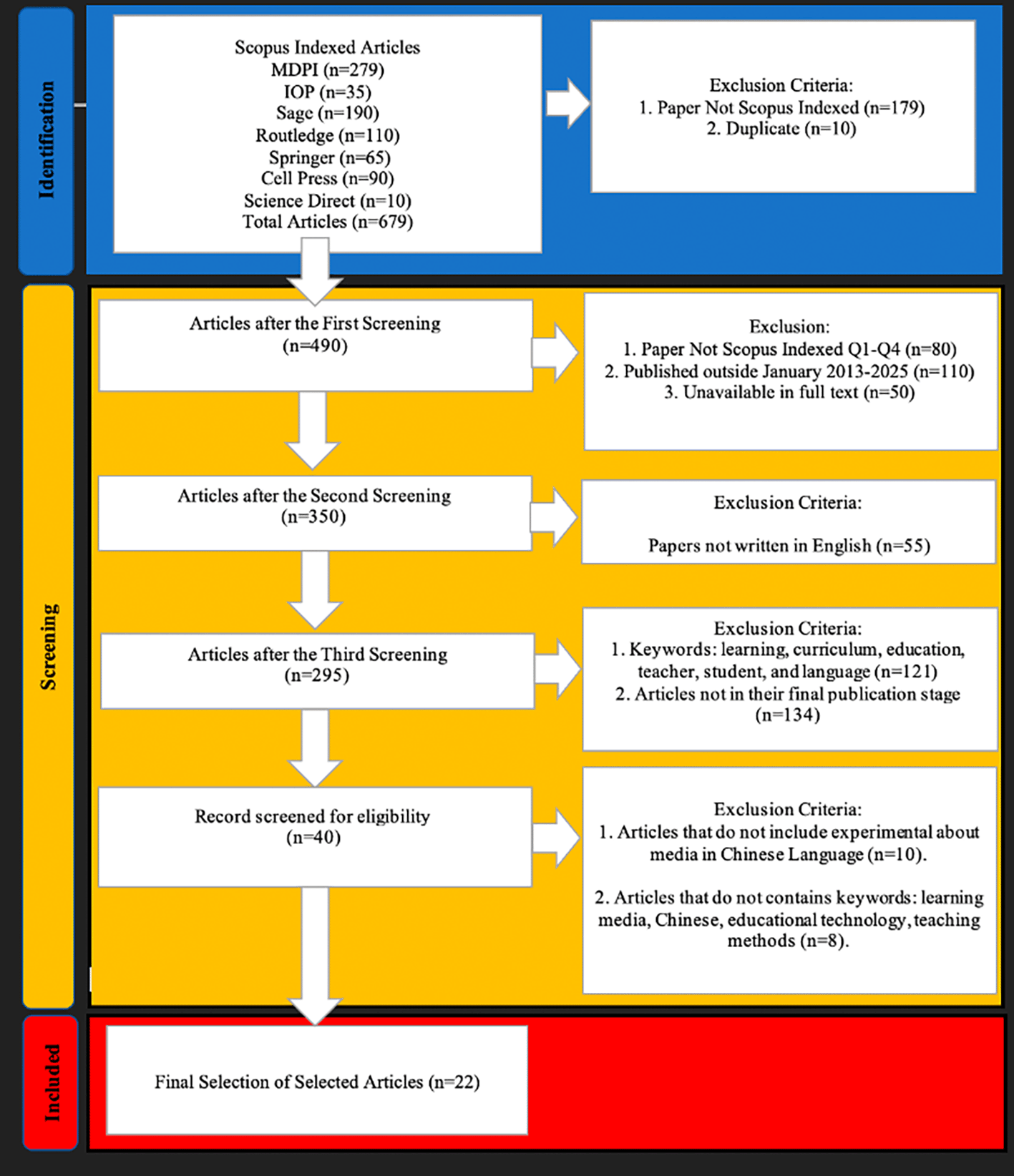
Figure 1 illustrates the stages of the article selection process applied in this study. At the identification stage, a comprehensive literature search was conducted using Scopus databases: MDPI 279 articles, IOP 35 articles, Sage 190 articles, Routledge 110 articles, Springer 65 articles, Cell Press 90 articles, Science Direct 10 articles, and resulting in 679 articles. During the screening stage, duplicate and irrelevant records were removed, leaving 490 articles for further evaluation. In the eligibility phase, 189 full-text articles were assessed to determine their relevance and alignment with the inclusion criteria. Finally, in the inclusion stage, only 22 articles met all the established criteria and were selected for the final analysis. This rigorous selection process ensured that only high-quality and relevant literature was incorporated into the study.
(3) Search Results Analysis
At this stage, the 22 selected articles, identified through the PRISMA methodology, were thoroughly examined to explore research patterns, key findings, and gaps in the literature. The analysis focused on content relevance, research methodologies, and each study’s contribution to the current field. Particular attention was paid to identifying emerging trends, divergent perspectives across studies, and areas requiring further investigation. The selected articles are presented in Table 2 and Figure 2.
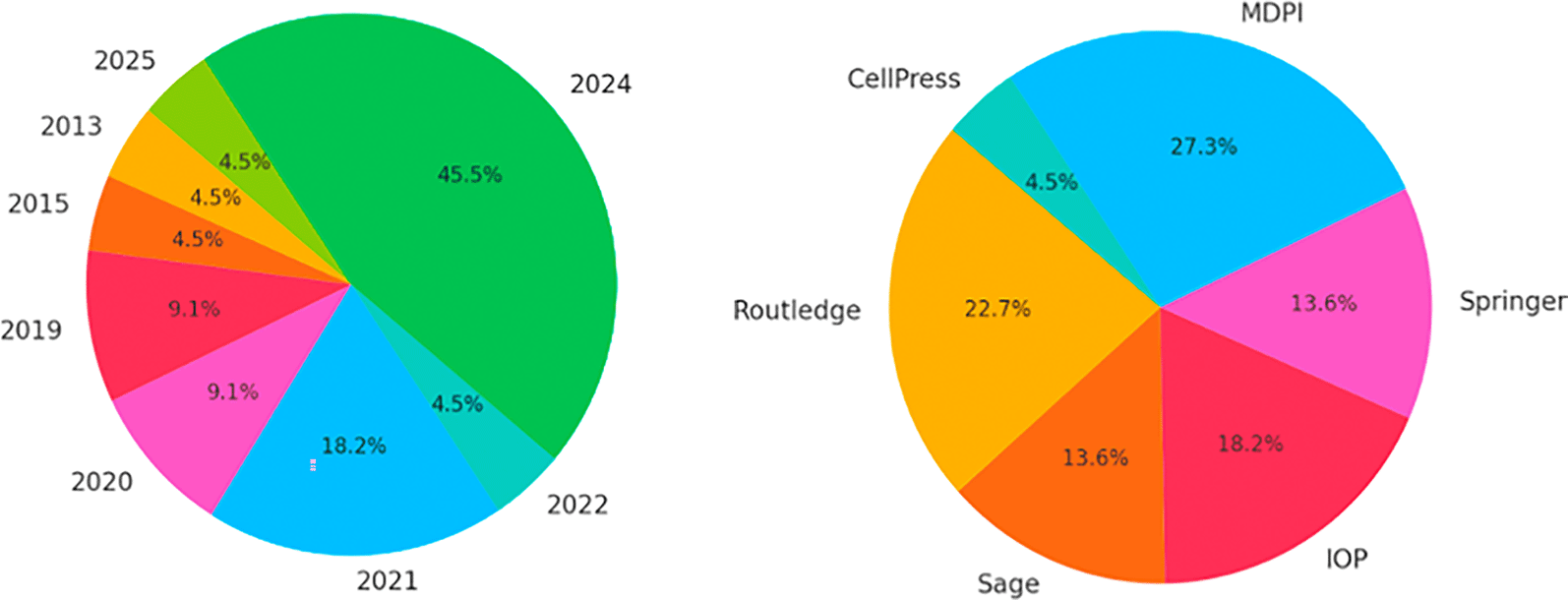
Based on the 22 selected papers published within the last ten years, Figure 2 illustrates the distribution of publications by year and publisher. The data show that 2024 had the highest number of publications, indicating a growing research interest in the use of media for Chinese language learning. Furthermore, the analysis by publisher reveals that a significant number of papers were published in MDPI journals. As an open-access publisher, MDPI offers greater accessibility and visibility, which may explain why many researchers choose to submit their work there.
(4) Quality Assessment of Selected Articles
To enhance the rigor and credibility of this systematic review, a quality appraisal was conducted for all 22 selected articles. The assessment followed the Critical Appraisal Skills Program (CASP) checklist, which evaluates key aspects of study design, methodology, data collection, analysis, and reported outcomes. Each article was independently reviewed by two researchers to determine its methodological robustness and reliability, with discrepancies resolved through discussion to reach consensus.
(5) Quality Appraisal of Included Studies
This review adopted the Preferred Reporting Items for Systematic Reviews and Meta-Analyses (PRISMA) 2020 framework as the primary methodology, which provides updated guidance to enhance transparency and rigor in conducting systematic reviews. The PRISMA 2020 statement, as described by Page et al. (2021), reflects advances in the identification, selection, quality appraisal, and synthesis of studies, improving the clarity and reproducibility of systematic reviews.
To ensure transparency and methodological rigor, the quality of the included studies was appraised using a structured quality assessment checklist adapted from previous systematic review studies in educational technology research. The appraisal criteria included: (1) clarity of research objectives, (2) appropriateness of research design, (3) adequacy of data collection and analysis, (4) clarity of outcome reporting, and (5) relevance to Chinese language learning contexts. Each criterion was scored dichotomously (1 = criterion met, 0 = criterion not met), resulting in a total quality score ranging from 0 to 5. Studies scoring 4–5 were categorized as high quality, while those scoring 3 were considered moderate quality. No low-quality studies were included in the final synthesis.
This section presents and discusses the findings of the review in a structured and systematic manner, guided by the three research questions (RQ1–RQ3). First, RQ1 examines the characteristics of successful media utilization in Chinese language learning, with an emphasis on types of media, instructional purposes, and reported effectiveness. Second, RQ2 analyses how different media support the development of the four core Chinese language skills listening, speaking, reading, and writing interpreted through relevant pedagogical theories. Third, RQ3 explores prevailing research trends by examining publication patterns, geographic distribution, and journal quality over time. To enhance analytical clarity, the findings are further synthesized through a thematic categorization of media (traditional vs. digital, interactive vs. passive, and emerging vs. established technologies), allowing for a coherent interpretation of media effectiveness and pedagogical relevance.
Learning a foreign language, including Chinese, requires effective support systems, among which instructional media are vital in enhancing students’ language proficiency. In the digital era, educators can access diverse media tools to facilitate the teaching and learning process. Commonly used media include virtual reality (VR), educational games, interactive PowerPoint presentations, and social media platforms. According to Dewitt et al. (2022), the integration of media is a key component in facilitating the teaching of the four fundamental language skills—listening, speaking, reading, and writing—in Chinese language instruction.
Media Utilization in Chinese Language Learning based on the analysis of 22 selected studies, the most frequently utilized learning media include interactive games, multimedia technologies, and digital applications, such as chatbots, augmented reality (AR), virtual reality (VR), and social media platforms (Liu, 2024). These tools are applied through various formats such as interactive exercises, simulations, and digital environments supporting autonomous and collaborative learning. Multiple studies have demonstrated that integrating game-based elements in language instruction enhances student motivation, engagement, and comprehension of the learning content. In terms of effectiveness, technology-based instructional methods have consistently outperformed traditional approaches.
The quantitative analysis shows consistently high effectiveness scores across the reviewed studies, ranging from 75% to 91%, indicating strong evidence for the positive impact of media use in Chinese language learning. Studies by Yang et al., Chen and Lin, and Zhu each reported effectiveness scores of 90%, reflecting the strong contribution of interactive classifiers, game-based learning, and social media in enhancing retention, motivation, and communication skills. High scores were also observed in immersive and technology-enhanced media, such as virtual reality (91%) reported by DeWitt et al., augmented reality (91%) by Chen, and chatbot-based learning (86%) by Cheng et al., highlighting the role of interactivity and contextual learning. Moderate-to-high effectiveness scores (75–84%) were found in studies using more supportive media, including animated e-books (85%), flashcards (78%), online dictionaries and video-based learning (75%), and magnetic boards (80%), suggesting that these media are effective when integrated with appropriate instructional strategies. Furthermore, studies employing digital games and blended social-support approaches, such as those by Wang, Zheng et al., Hou et al., Mao and Ji, and Liu, consistently reported effectiveness scores above 84%, reinforcing the conclusion that media integration particularly interactive and learner-centered media plays a crucial role in improving Chinese language skills across diverse learning contexts (Sofi & Ying, 2020).
This is supported by findings from DeWitt et al. (2022), Chandra (2024), and Othman (2024), who reported that students engaging with digital media showed significant improvement in vocabulary retention, communication skills, and active classroom interaction. In particular, VR and AR (DeWitt et al. 2022) provide immersive and interactive visual experiences, enabling learners to better grasp abstract linguistic and cultural concepts. Overall, the innovation in learning media contributes to increased learner interest and enhanced learning outcomes. Examples of the media used in the selected studies are illustrated in Figure 3, titled “Four Learning Media Based on Selected Papers.”
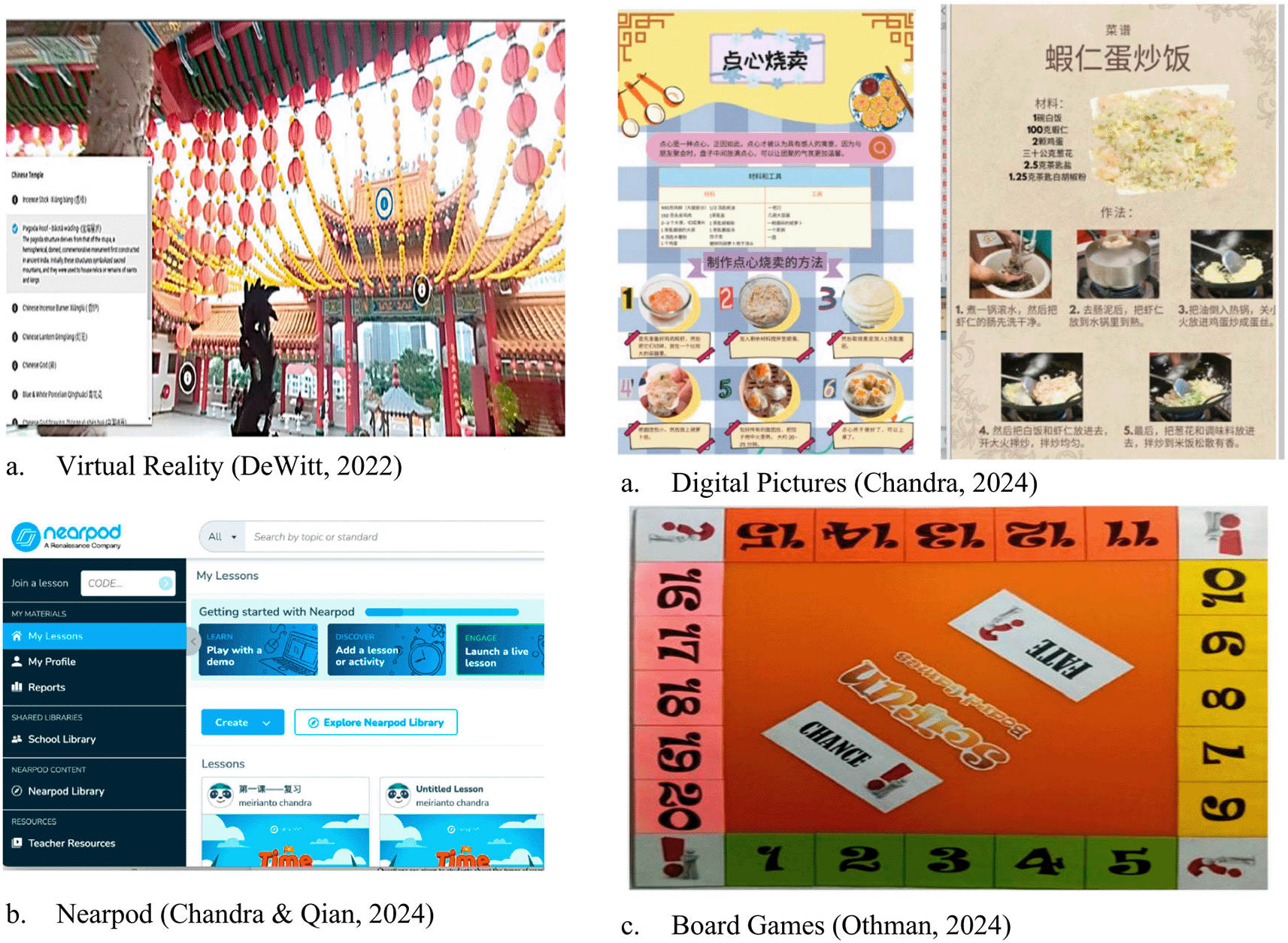
Based on the selected papers, four representative learning media are illustrated in Figure 3, namely: Virtual Reality (VR) (DeWitt et al. 2022), Digital Pictures (Chandra, 2024), Nearpod (Chandra & Qian, 2024), and Board Games (Othman, 2024). These tools exemplify the growing trend in employing interactive and learner-centred technologies to support Chinese language acquisition. Virtual Reality, particularly in developing Intercultural Communication Competence (ICC) for learners of Chinese as a foreign language, demonstrates significant potential in enhancing the four primary language skills—listening, speaking, reading, and writing. This finding is corroborated by Zhang and Liu (2021), who argued that integrating modern digital technologies facilitates more effective Chinese language learning, especially when delivered through interactive and context-rich environments.
In a simulated VR environment, such as a Chinese temple, learners are exposed to audio guides and cultural dialogues that enhance listening comprehension and vocabulary acquisition in authentic contexts. Furthermore, learners can interact with avatars or chatbots to practice pronunciation and formal communication, thus promoting greater fluency and confidence. As Yang, Tsung, and colleagues (2022) emphasize, VR-based language learning immerses students in realistic conversational settings, allowing them to develop linguistic competencies through experiential and contextual learning.
3.1.1 Critical analysis of media in Chinese language learning: Comparing findings with pedagogical theories
A critical analysis of Mandarin language learning media is essential to understanding the extent to which digital technology and innovation can support language skill development (Bucknam, 2021). Each type of media offers distinct advantages in enhancing specific skill areas, but it also has limitations that require consideration (Chua et al., 2021). Therefore, this study not only highlights the effectiveness of the media but also considers their relevance to the pedagogical theories underlying the language learning process. Supplementary Table 3, presents the critical analysis of media in Chinese language learning. (Ayuningtias and Yujun, 2026).
Various media for Chinese language learning demonstrate distinct strengths and limitations depending on the targeted skills. VR and chatbots provide immersive and interactive experiences that enhance speaking and listening skills, yet they require expensive devices and stable internet connections (DeWitt, Chan, & Loban, 2022; Cheng, Widarso, & Sutrisno, 2020). E-books, combining text and visuals, effectively increase engagement in reading and writing, although they may promote passive learning if interactivity is limited (Sun, Loh, & Roberts, 2019). Flashcards and games are effective in improving vocabulary retention and learner motivation through active recall, but they are limited in fostering higher-order thinking skills (Ying, Marchelline, & Wijaya, 2021; Wang, 2024). Social media platforms such as Weibo, WeChat, and HiNative offer exposure to authentic language input and peer interaction, although the quality of input is not always controlled (Zhu, 2019; Jureynolds, 2024). AR applications support character recognition and reading comprehension through visual assistance, yet the availability of high-quality Chinese AR apps remains limited (Chen, 2024). Pedagogically, all these media align with principles of Communicative Language Teaching, constructivism, or Multimedia Learning Theory, and their effectiveness depends on integration with appropriate instructional practices (Littlewood, 2014; Mayer, 2001; Vygotsky, 1978).
Overall, the findings of RQ1 indicate that the successful utilization of media in Chinese language learning is characterized by interactivity, contextual relevance, and alignment with learning objectives. Across the reviewed studies, technology-enhanced media such as digital games, virtual reality, augmented reality, chatbots, and social media platforms demonstrated consistently high effectiveness in improving students’ motivation, engagement, and language proficiency. Media that provide immediate feedback, immersive experiences, and opportunities for authentic communication were found to be particularly effective. These results suggest that media effectiveness is not determined solely by technological sophistication, but by how well the media support learner-centered and pedagogically grounded instructional practices.
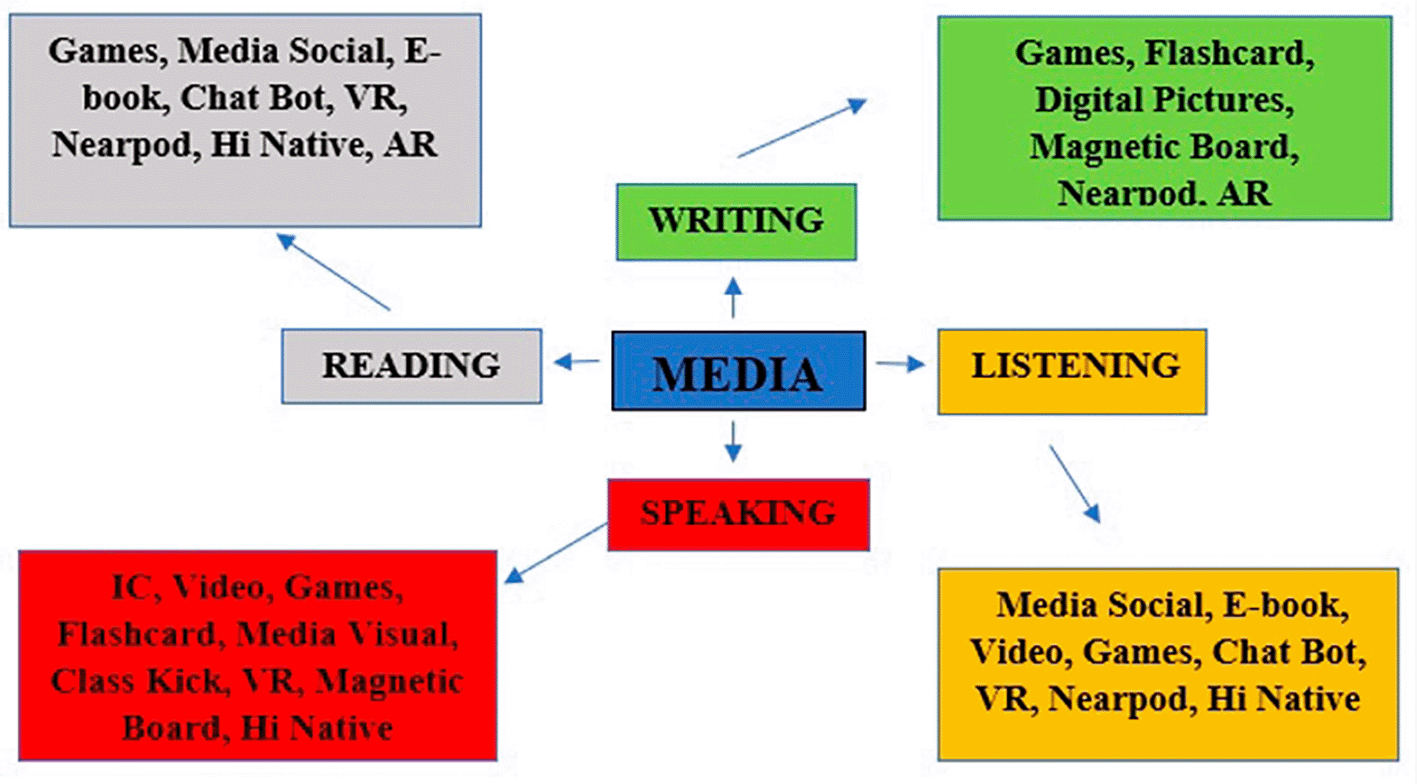
Current research highlights that interactive learning media are critical in enhancing the four core language skills in Chinese language acquisition: listening, speaking, reading, and writing. Listening skills are significantly improved through audio-based platforms such as HiNative (Jureynolds, 2024) and social media applications (Zhu, 2019), which expose students to authentic Chinese conversations from native speakers. These tools provide real-time, contextual listening experiences that aid in developing accent recognition and comprehension. For speaking skills, tools such as Virtual Reality (VR) (DeWitt et al., 2022) and ChatBots (Cheng, 2020) offer immersive environments where learners can simulate real-life communication scenarios. These platforms enable students to practice pronunciation and fluency in interactive, low-pressure settings, fostering communicative competence.
Reading skills benefit from animated e-books (Sun et al., 2019) and the Nearpod application (Chandra & Qian, 2024), which integrate dynamic visual aids and interactive reading tasks. These tools enhance text comprehension and reinforce memory retention through multimodal learning strategies. Writing skills are strengthened through digital picture media (Chandra, 2024), which stimulates creativity and narrative construction. In addition, Augmented Reality (AR) (Chen, 2024) merges visual learning experiences with writing tasks, particularly in practising Chinese character formation and usage in contextual sentences. Evidence suggests integrating technology-based media significantly boosts students’ motivation, engagement, and academic outcomes (Yang et al., 2022). Compared to traditional methods, digital learning tools provide richer, more engaging, and learner-centred environments that support skill development across all areas of language proficiency. A summary of media use and its effects on the four language skills is presented in Table 3.
The data presented in Table 4 demonstrates how various media types specifically target one or more of the four core language skills. For instance, HiNative and social media platforms enhance listening comprehension by exposing students to native-level content in real-world contexts. Meanwhile, VR and chatbots provide speaking practice in immersive and responsive environments, enabling learners to engage in realistic conversations. On the other hand, animated e-books and Nearpod applications offer rich reading experiences, combining text with visual and interactive elements to reinforce understanding. Regarding writing, media such as digital pictures and AR tools help students construct ideas, structure narratives, and engage in character formation with contextual visual support. These findings underline that different digital media serve complementary roles, and a blended approach incorporating various tools may provide the most holistic support for language development (Ying & Jureynolds, 2021).
These findings can be further interpreted through the lens of pedagogical theories. The integration of interactive and digital media, such as VR, chatbots, and social media, aligns with Communicative Language Teaching (CLT), as these tools create authentic contexts for learners to practice listening and speaking through meaningful communication (Littlewood, 2014). Similarly, the use of e-books, flashcards, and multimedia platforms reflects Constructivist learning theory, since learners actively construct knowledge by engaging with multimodal content and receiving scaffolding from interactive features (Vygotsky, 1978). In addition, the effectiveness of animated e-books, AR applications, and visual audio tools in enhancing reading and writing skills resonates with Mayer’s Cognitive Theory of Multimedia Learning, which emphasizes the dual-channel processing of verbal and visual information to improve comprehension and retention (Mayer, 2001). Taken together, these perspectives explain why diverse media function effectively for different skills and highlight the importance of a blended approach that integrates communicative, constructivist, and cognitive principles in Chinese language learning.
3.2.1 Media utilization based on thematic categories
To understand the effectiveness of media in Chinese language learning, this study organizes the diverse instructional tools into thematic categories rather than evaluating them individually. By grouping media into traditional versus digital, interactive versus passive, and emerging versus established technologies, the analysis highlights how each category supports the development of the four core language skills: listening, speaking, reading, and writing. This thematic perspective enables a more coherent evaluation of media effectiveness, emphasizing both pedagogical relevance and practical application. Furthermore, it allows for the identification of complementary roles among media types, suggesting blended approaches that maximize student engagement and learning outcomes. Table 4 presents media utilization in Chinese language learning based on thematic categories.
The restructured thematic analysis reveals how different categories of media support the four core Chinese language skills in complementary ways.
a). Traditional vs. Digital Media
Traditional media, such as flashcards, magnetic boards, and conventional classroom instruction, primarily facilitate vocabulary acquisition and basic writing skills (Ying, Marchelline, & Wijaya, 2021; Jureynolds & Crescentia, 2024; Mao & Ji, 2024). These tools align with behaviorist and constructivist principles by enabling repeated practice and scaffolding knowledge through structured tasks (Vygotsky, 1978). However, their effectiveness is often limited in fostering speaking fluency or interactive listening comprehension, highlighting the need for more engaging methods. In contrast, digital media including VR, AR, chatbots, social media, and interactive games offer immersive, multimodal experiences that enhance both receptive and productive skills, such as listening, speaking, and reading (DeWitt, Chan, & Loban, 2022; Cheng, Widarso, & Sutrisno, 2020; Zhu, 2019). These findings support Communicative Language Teaching (CLT) and Multimedia Learning Theory, emphasizing authentic interaction and dual-channel processing for deeper comprehension (Littlewood, 2014; Mayer, 2001).
b). Interactive vs. Passive Learning
Interactive media such as games, VR environments, chatbots, and Nearpod applications encourage active learner engagement by providing real-time feedback, simulation-based tasks, and collaborative opportunities (Chen & Lin, 2015; Chandra & Qian, 2024). These approaches align with constructivist learning theory, where learners actively construct knowledge through meaningful interaction and problem-solving (Vygotsky, 1978). Passive learning tools, such as e-books or digital pictures without interactive features, may effectively support reading and writing but are less effective in developing oral communication skills (Sun, Loh, & Roberts, 2019; Chandra, 2024). This contrast underlines the pedagogical advantage of integrating interactive elements into digital media for a more holistic skill development.
c). Emerging vs. Established Technologies
Emerging technologies, such as VR, AR, and adaptive learning apps (HiNative, ClassKick), provide immersive and context-rich learning experiences that significantly improve students’ listening and speaking skills, particularly in authentic communicative contexts (DeWitt et al., 2022; Jureynolds, 2024). These innovations exemplify experiential and situated learning, as learners engage with language in realistic environments that promote retention and fluency (Kolb, 1984). Established digital tools, including online dictionaries, social media, and interactive games, continue to support vocabulary retention, reading comprehension, and writing proficiency (Sofi & Ying, 2020; Wang, 2024). While less novel, these tools remain pedagogically valuable and are easier to implement in diverse classroom settings, highlighting the importance of balancing cutting-edge technology with practical accessibility.
Integrated Insights:
The thematic analysis suggests that no single media type can fully address all aspects of Chinese language acquisition. A blended approach combining traditional and digital media, interactive and passive methods as well as emerging and established technology offers the most comprehensive support for learners. Aligning these media with established pedagogical theories, such as CLT, constructivism, and multimedia learning principles, maximizes their educational impact. Furthermore, educators should consider the affordances and limitations of each category, matching media types to specific skill objectives to ensure optimal learning outcomes.
The findings of RQ2 reveal that different types of media support the four core Chinese language skills listening, speaking, reading, and writing in complementary ways. Listening and speaking skills are most effectively enhanced through interactive and immersive tools such as VR, chatbots, and social media platforms, which provide authentic communicative contexts. Reading and writing skills benefit from multimedia-based tools, including animated e-books, digital pictures, Nearpod, and AR applications, which integrate visual and textual elements. The thematic analysis further shows that interactive and emerging digital technologies outperform passive and traditional tools, although established media remain valuable for foundational skills. Overall, a blended approach that integrates multiple media types, guided by communicative, constructivist, and multimedia learning theories, offers the most comprehensive support for Chinese language acquisition.
Recent research trends indicate a marked increase in interactive and digital technologies in Chinese language learning. Numerous studies emphasise the effectiveness of digital games, augmented reality (AR), virtual reality (VR), chatbots, e-books, and social media platforms in enhancing students’ language proficiency. Among these, digital and interactive games have received considerable attention in the literature (Liu, 2024; Ying Y., 2021; Othman & Ching, 2024; Zheng et al., 2024). These tools are widely recognised for their capacity to increase student motivation, engagement, and active participation in the learning process. In parallel, VR and AR technologies (DeWitt et al., 2022; Chen Y., 2024) are gaining traction as they offer immersive learning environments that contextualise language learning within authentic cultural settings.
In addition to immersive technologies, social media platforms such as WeChat and Weibo have been commonly explored in recent research (Hou et al., 2024; Zhu Y., 2019). These platforms have shown potential in supporting two-way communication, particularly in developing speaking and writing skills among learners of Chinese. While the trend is strongly oriented toward digitalisation and interactivity, several studies continue to explore the effectiveness of traditional media. For example, flashcards (Ying Y. et al., 2021) and magnetic boards (Jureynolds & Crescentia, 2024) remain relevant for enhancing vocabulary retention, especially at beginner levels. In summary, the Chinese language learning media research landscape is evolving toward more technologically integrated and learner-centred approaches, positively impacting students’ engagement and overall language development. The accompanying diagram and country map visualize the media usage trends by year and country. Figure 4 presents the geographic distribution of selected studies on Chinese language learning media.
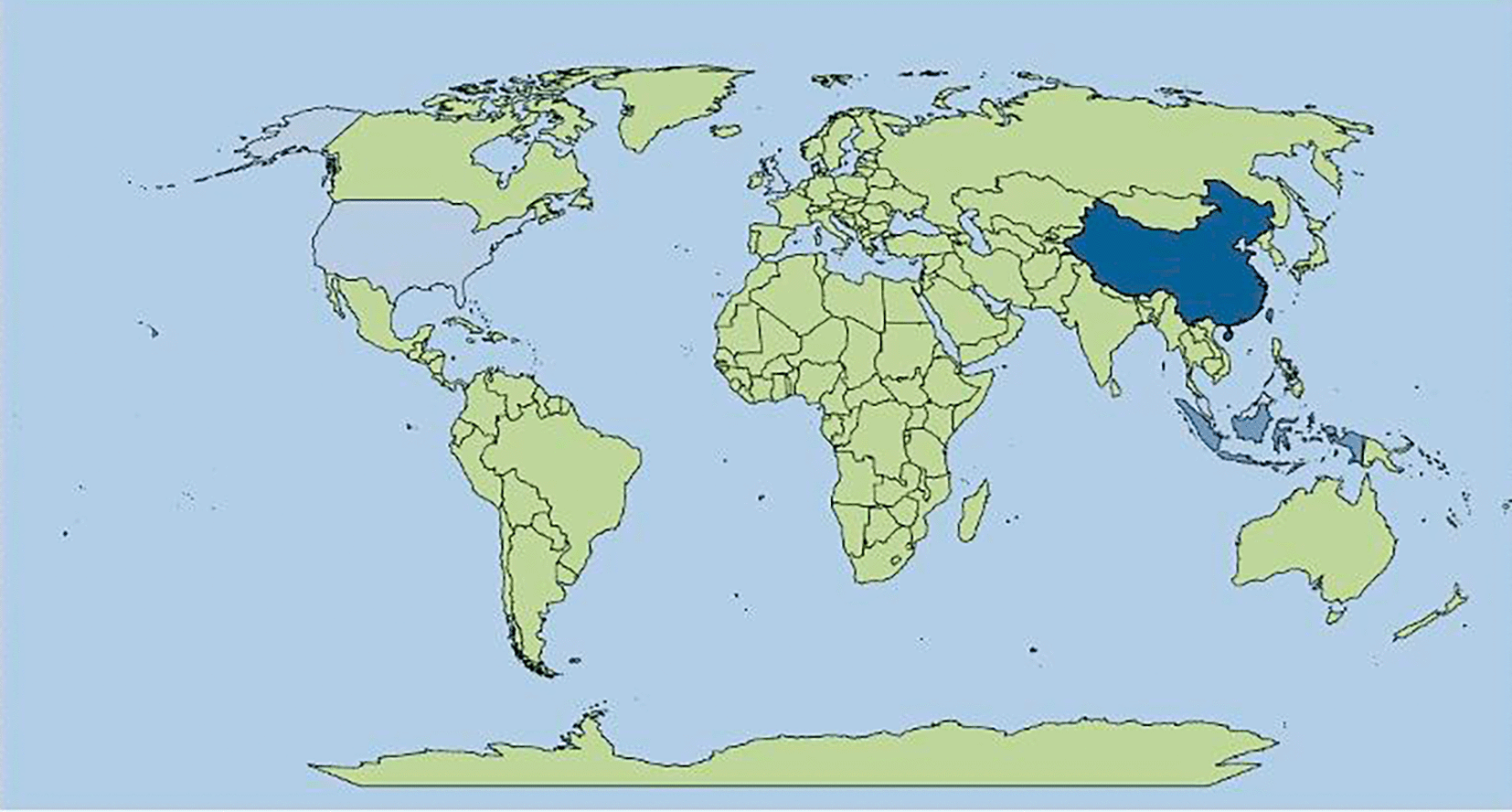
The map presents the geographic distribution of the 22 articles analyzed in this study. Most research originates from China, highlighting its leading role in developing media-based Chinese language learning. Other studies come from countries such as Malaysia, Indonesia, the United States, and the United Kingdom, reflecting the global interest in leveraging innovative media for teaching Chinese as a foreign language. This international spread demonstrates the wide recognition and adoption of technology-enhanced language learning across diverse educational settings. Figure 5 presents year-over-year progression of publications on Chinese language learning media.
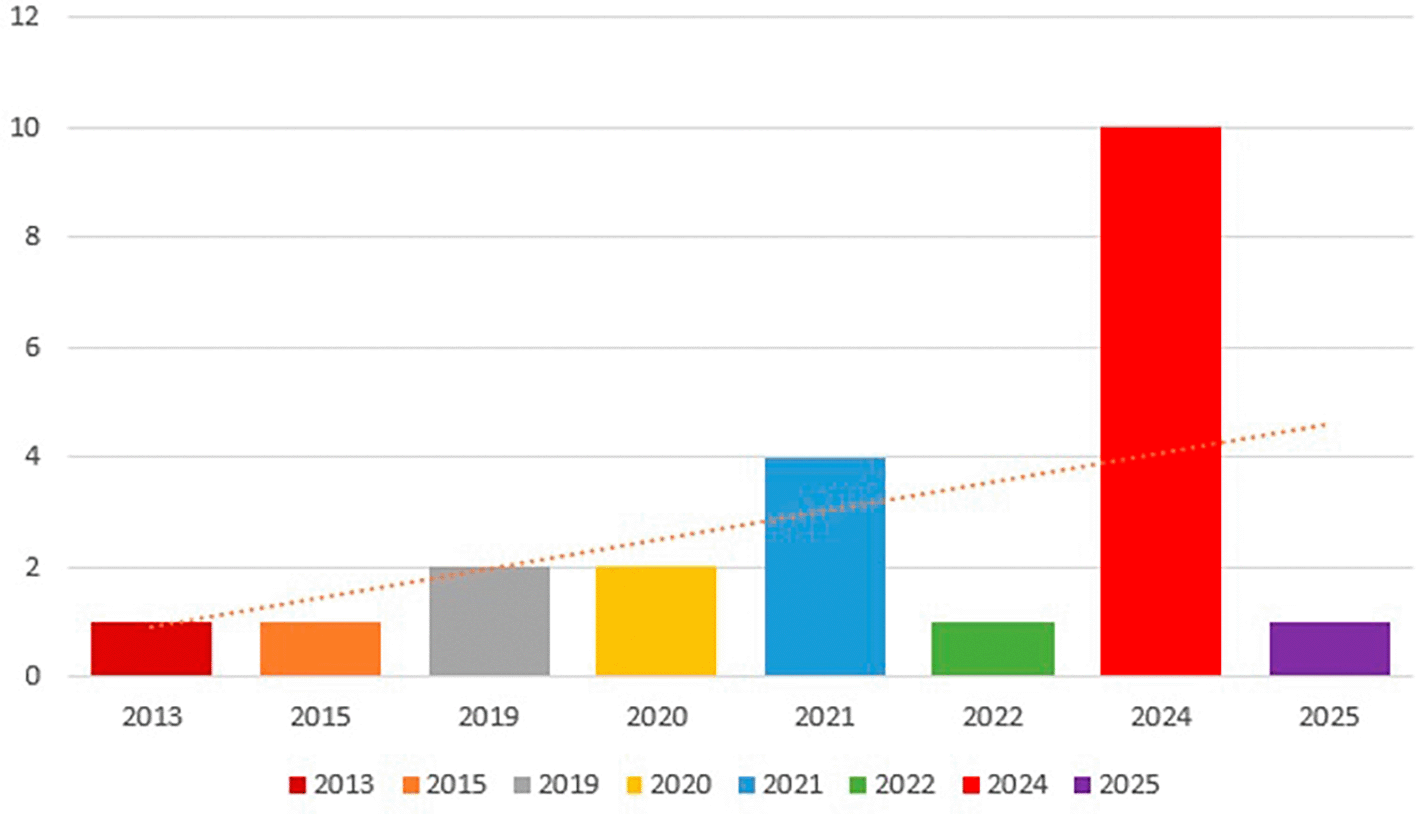
Based on the available data, the trend in the number of related publications from 2013 to 2025 displays a fluctuating pattern. In 2013 and 2015, only one article was published each year, indicating relatively low research activity at the early stage of the observation period. A slight increase was observed in 2019 and 2020, with two articles published yearly. This was followed by a more notable growth in 2021, which recorded four publications, suggesting a rising interest in the topic. However, in 2022, the number of publications dropped again to one, reflecting a temporary decline. The peak occurred in 2024, with ten articles, marking a significant surge in research activity. In contrast, the number of publications fell sharply in 2025, with only one article recorded up to March.
This analysis is based on data collected from 2013 to March 2025, capturing the prevailing development of literature and research trends up to the present time. The researcher acknowledges that future publications may further influence the direction and scope of studies on using Chinese language learning media. Moreover, the continuous evolution of pedagogical approaches and educational technology remains critical in determining the relevance and applicability of various teaching strategies. Specifically, the 22 selected articles were published in Scopus-indexed journals and proceedings, categorized into quartile rankings (Q1–Q4). To illustrate the quality distribution of the selected publications, a bar chart is provided in Figure 6.
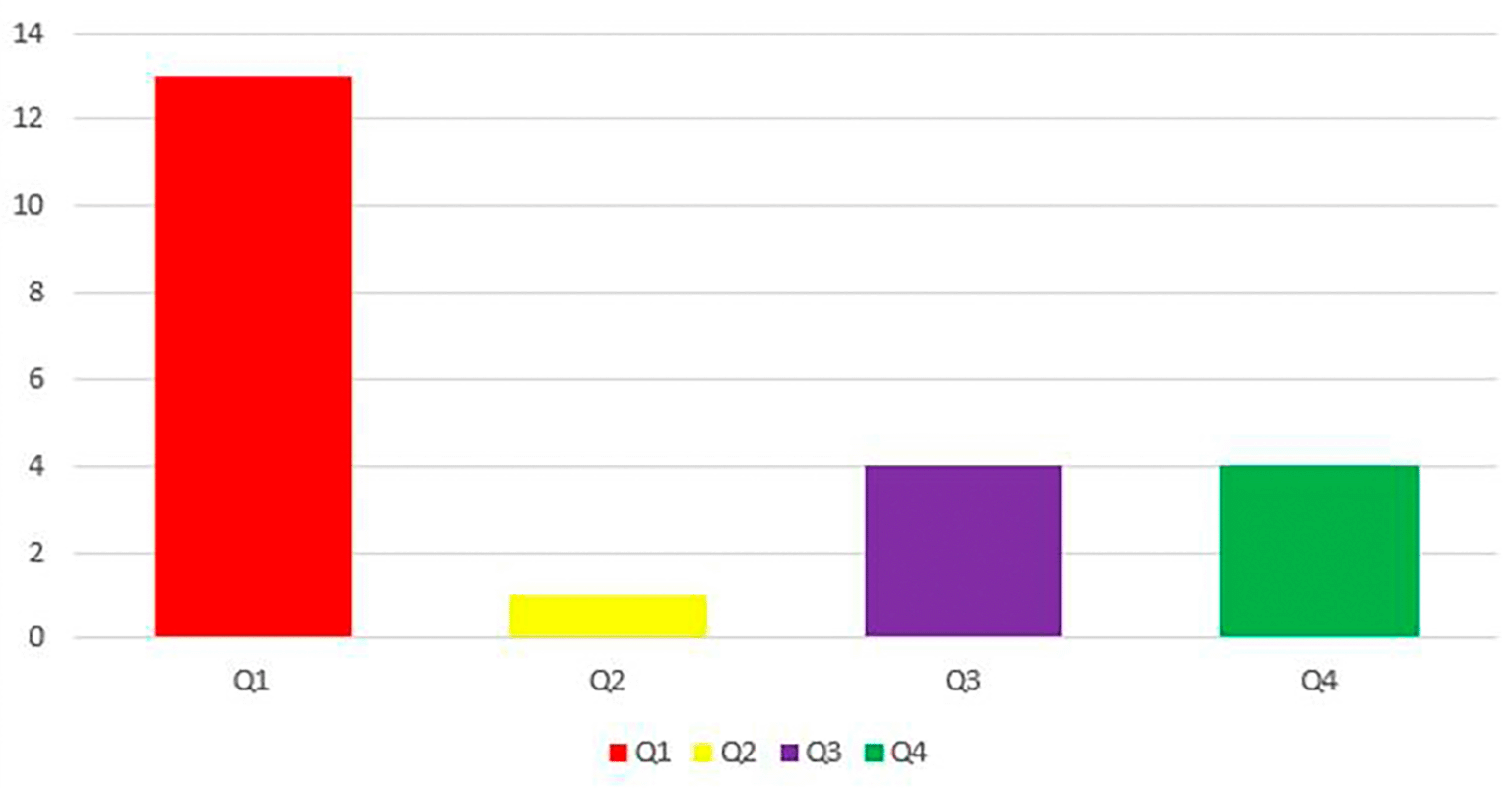
Based on the analysis of 22 selected articles indexed in Scopus, the distribution of publications by quartile shows a strong dominance of high-impact journals. As illustrated in Figure 6, most articles (13 out of 22) were published in Q1 journals, indicating high academic credibility and rigorous peer-review standards. This trend reflects the increasing scholarly attention toward research on Chinese language learning media. In comparison, only a few articles were published in Q2 (1 article), Q3 (4 articles), and Q4 (4 articles). Despite being fewer, these publications still offer important contributions, particularly in practical and context-specific implementations of language media tools.
In addition to journal quality, the selected publications can be categorized based on the authors’ institutional affiliations. Research and development of Chinese learning media are predominantly contributed by scholars from Bina Nusantara University (BINUS), showing a consistent interest and expertise from this institution in educational media for Chinese language instruction— Table 5. The list of Author Affiliations presents a detailed overview of contributing institutions over the past decade, offering insights into the academic landscape and the key players actively engaged in this research field.
After identifying key contributors’ institutional affiliations and publication quality, the next stage involves mapping the direction and focus of research in the field. Table 5 presents a research roadmap that categorizes the reviewed articles thematically, highlighting topic trends, methodological approaches, and potential avenues for future research development. This roadmap serves as a valuable reference for researchers aiming to identify research gaps and explore opportunities for making more relevant and impactful scientific contributions in the evolving landscape of Chinese language education. A keyword visualization is presented in Figure 7 to support this mapping, showcasing the most frequently occurring terms within the selected publications. This visual representation helps to illustrate the emerging focus areas and thematic priorities shaping current research on Chinese learning media.
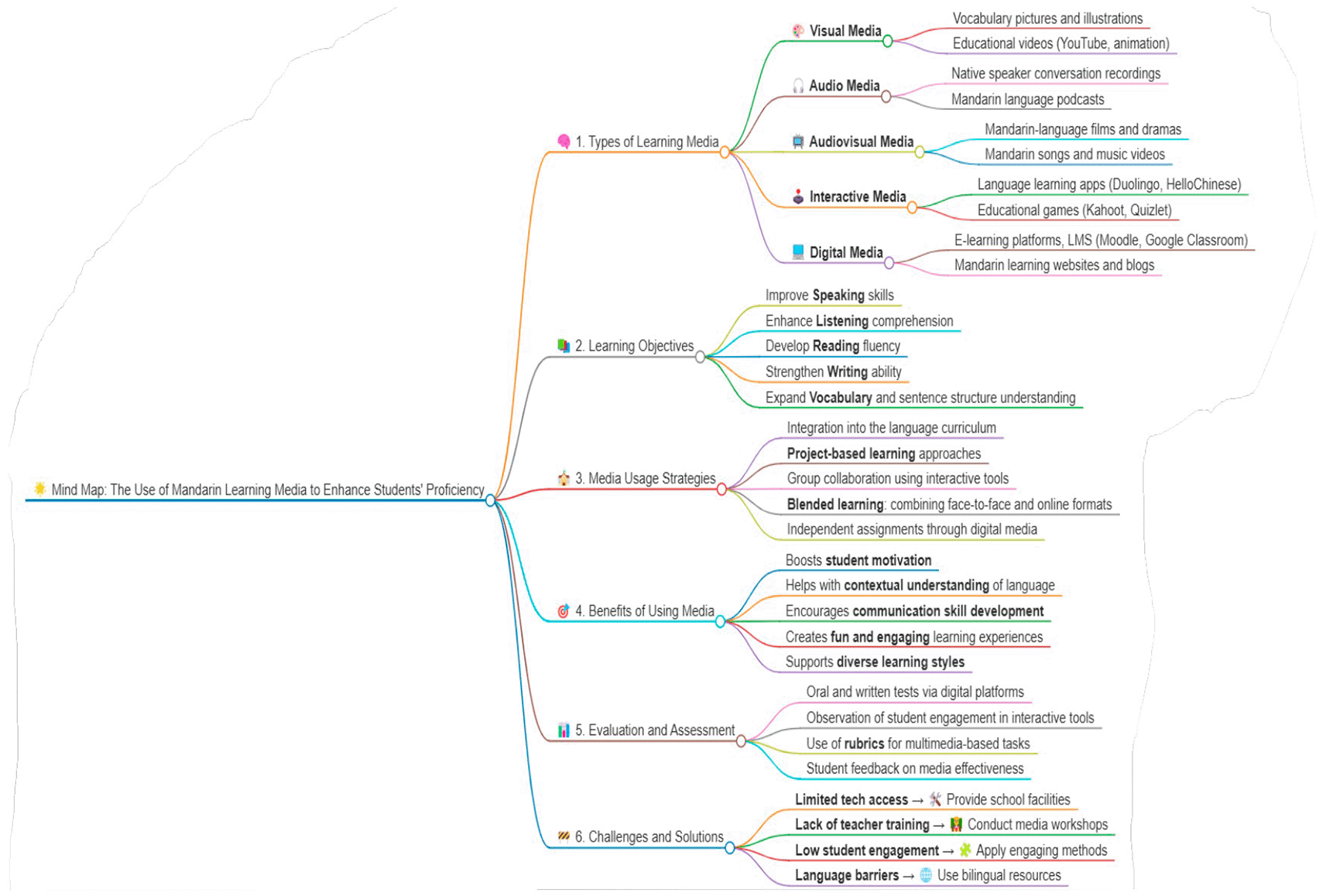
Based on the research roadmap, it can be concluded that strategies for developing students’ speaking, listening, reading, writing, and vocabulary skills are effectively supported using visual, audio, audiovisual, interactive, and digital media. These media are integrated through various instructional strategies, including curriculum integration, project-based learning, collaborative group work, blended learning, and self-paced tasks. Implementing such media has enhanced student motivation, contextual comprehension, communication skills, and overall engagement by aligning with diverse learning styles.
Evaluation methods include digital assessments, classroom observations, rubric-based evaluations, and student feedback. Technological limitations, insufficient teacher training, and language barriers remain despite the proven benefits. These are addressed through targeted solutions such as improving infrastructure, providing professional development, employing interactive teaching strategies, and offering bilingual learning resources.
The findings of RQ3 indicate a clear research trend toward the increasing adoption of interactive and digital media in Chinese language learning. Recent studies predominantly focus on digital games, VR, AR, chatbots, and social media, reflecting a shift toward learner-centered and technology-integrated instructional approaches. Geographically, most studies originate from China, followed by Southeast Asian and Western countries, highlighting the global expansion of Chinese language education. The dominance of Q1 journal publications further demonstrates the growing academic significance of this research area. Despite this progress, fluctuations in publication trends and the continued presence of traditional media suggest opportunities for future research, particularly in evaluating long-term effectiveness, accessibility, and pedagogical integration of emerging technologies. Figure 8 presents the utilization of media across four language skills.
The findings of this review offer several important implications for the fields of education and academia. For researchers, these results provide both conceptual frameworks and practical foundations for developing innovative approaches to integrating technology in Chinese language learning. For students, the review highlights the types of digital media that most effectively support the development of specific language skills, enabling more focused and efficient learning strategies. For educational institutions such as universities and schools, these insights underscore the need to adapt curricula to evolving technological advancements and contemporary learning demands, including training educators in effectively using digital media. Furthermore, for the broader academic community, this study contributes significantly to cross-disciplinary dialogues between educational technology and foreign language pedagogy, while also informing the formulation and refinement of policies related to digital-based education.
The findings of this review highlight the significant potential of digital media to enhance learners’ listening, speaking, reading, and writing skills in Chinese language learning. Interactive tools, including AI-powered applications, digital games, VR, and multimedia platforms, provide engaging opportunities for meaningful interaction with the language, supporting active and learner-centered approaches.
For educators, these results suggest adopting a blended approach that integrates traditional tools (e.g., flashcards, magnetic boards) with interactive digital media to address all core language skills. Teachers should align media use with pedagogical principles, such as Communicative Language Teaching, constructivism, and multimedia learning theory, to provide authentic, context-rich, and effective learning experiences. Consideration of accessibility, cost, and student readiness is essential to ensure successful implementation.
Implications for Researchers and Curriculum Developers:
The review underscores the need for rigorous experimental studies to quantitatively evaluate the effectiveness of specific digital media on targeted language competencies. Comparative studies examining digital versus traditional approaches across formal and informal learning environments would provide practical guidance for curriculum design. Moreover, research should explore learner variability, considering linguistic backgrounds and proficiency levels, to develop tailored strategies that maximize engagement and learning outcomes. Investigating the social and cultural dimensions of digital language learning can further enhance learners’ intercultural communication competence.
Educational institutions should adapt curricula and training programs to incorporate evolving technological tools effectively. Insights from this review inform institutional strategies for professional development and resource allocation while supporting policies that promote technology-enhanced, learner-centered language instruction. By connecting empirical evidence with practical recommendations, this review provides a framework for educators, researchers, and institutions to optimize the use of digital media in Chinese language learning, ensuring more effective, engaging, and comprehensive language acquisition.
Further research should also consider the diverse experiences of learners from different linguistic backgrounds and proficiency levels to identify tailored strategies that maximize engagement and efficacy. This focus on learner variability is crucial for the personalization of language instruction. Finally, there is a need to explore the social and cultural dimensions inherent in language use, particularly how digital media can facilitate learners’ understanding of cross-cultural communication in Chinese. Investigating these aspects will contribute to more comprehensive language acquisition that transcends mere linguistic competence.
This systematic review analyzed 22 selected articles on media-supported Chinese language learning, providing a comprehensive synthesis of how digital tools enhance students’ listening, speaking, reading, and writing skills. Findings indicate that immersive and interactive media such as interactive games, videos, online platforms, and social media are the most effective for developing language proficiency. The study also identifies strengths and limitations of current media approaches, including accessibility challenges and potential for passive learning.
Based on these insights, evidence-based guidelines are proposed for designing innovative media tools, emphasizing AR, gamification, interactive videos, and collaborative platforms to cater to diverse learning styles and foster active engagement. These recommendations provide practical guidance for educators and advance theoretical understanding of media-supported language acquisition, demonstrating the necessity of systematic research in this field and offering clear directions for future investigations.
The findings of this study also carry important pedagogical implications for Chinese language instruction. The effectiveness of media in supporting vocabulary acquisition, pronunciation, and learner engagement underscores the importance of aligning media use with instructional objectives and learners’ proficiency levels. More broadly, these findings highlight the need for systematic and pedagogically grounded integration of media within curriculum design and assessment practices.
| Views | Downloads | |
|---|---|---|
| F1000Research | - | - |
|
PubMed Central
Data from PMC are received and updated monthly.
|
- | - |
Provide sufficient details of any financial or non-financial competing interests to enable users to assess whether your comments might lead a reasonable person to question your impartiality. Consider the following examples, but note that this is not an exhaustive list:
Sign up for content alerts and receive a weekly or monthly email with all newly published articles
Already registered? Sign in
The email address should be the one you originally registered with F1000.
You registered with F1000 via Google, so we cannot reset your password.
To sign in, please click here.
If you still need help with your Google account password, please click here.
You registered with F1000 via Facebook, so we cannot reset your password.
To sign in, please click here.
If you still need help with your Facebook account password, please click here.
If your email address is registered with us, we will email you instructions to reset your password.
If you think you should have received this email but it has not arrived, please check your spam filters and/or contact for further assistance.

Comments on this article Comments (0)