Keywords
Technology Innovation, Communication Skill, Higher Education, Bibliometrics Analysis, Scopus

Technology Innovation, Communication Skill, Higher Education, Bibliometrics Analysis, Scopus
The rapid development of information and communications technology (ICT) has profoundly transformed the global higher education environment, requiring proficiency in sophisticated 21st-century skills. For Ahmad et al. (2025), research on technological competence is a priority in national education programs because information technology has affected the strategies adopted by institutions worldwide. Similarly, Torres-Mirez and Alarcón-Llontop (2025) note that prior to the pandemic, ICT was already widely used in various jobs, offering opportunities and risks to academic communities. This digital shift is also elaborated on by Baimakhan et al. (2024), who claim that this fast-moving change has revolutionized education, particularly by enhancing the communication skills needed for the global digital economy. In addition, Ho and Le (2024) explain that governments are now placing greater emphasis on training human resources in information technology to prepare graduates for an interdisciplinary, digitalized workforce. Lastly, Mur-Dueñas (2023) notes that professional development programs must now include not only language skills but also digital skills, creating a space where students can excel and learn in a multimedia environment.
Oral and written communication skills are recognized as key factors in graduate employability in today’s digital era. As Ramasamy and Mei (2025) put it, English language learning and professional writing skills are critical to the academic and professional success of tertiary students and provide a necessary edge in the employment market. This view is shared by Choomthong and Punnarungsee (2025), who acknowledge that stakeholders now value oral English communication skills and soft skills, such as leadership and teamwork, in order to align with professional needs. Additionally, Radzuan et al. (2023) note that tertiary students’ self-perception of their oral presentation skills is highly dependent on the learning setting (face-to-face or online) and therefore requires adaptation by universities. As reported by Nassar et al. (2023), the “new normal” post-pandemic has pushed the application of technology into language classrooms, requiring a range of models to cater to diverse learners using digital platforms. According to Baimakhan et al. (2024), the development of communicative competence through digital platforms is essential for students to succeed in future work tasks in a knowledge-based era.
Blended learning and Massive Open Online Courses (MOOCs) have become a strategic approach to update conventional teaching and promote student independence. Ho and Le (2024) highlight that blended learning is now a critical teaching strategy to increase student engagement and access to global language resources. This view is echoed by Nassar et al. (2023), who report that blended learning approaches need to be adapted to suit certain teaching contexts to model language acquisition and cognitive processes. Additionally, Kaur et al. (2023) show that technology-enabled language learning (TELL) promotes collaboration and peer learning through novel teaching approaches, which are essential elements of higher education. According to Choomthong and Punnarungsee (2025), active learning methods such as group work and role-playing are more effective than traditional lectures in developing these communication skills. Finally, Baimakhan et al. (2024) demonstrate that online learning environments create a sense of “social presence” and interaction, ensuring the successful development of communication skills.
New technologies such as Artificial Intelligence (AI) and social media platforms are transforming the communication practice and engagement in a multicultural academic context. As Klimova and Chen (2024) note, AI technologies greatly enhance students’ intercultural communication competencies by providing customized, personalized learning opportunities across different cultural settings. This is also discussed in Olaimat et al. (2025), which shows that university departments are adopting AI to enhance services and human-machine interactions. In terms of everyday use, Sudar et al. (2025) explore the role of technology-assisted communication, such as WhatsApp, in maintaining politeness and respect between lecturers and students, ensuring social harmony in online communication. Additionally, Alotaibi (2023) explores the influence of social media influencers on university graduates, proposing that platforms such as Snapchat can shape work ethic in the job market. As proposed by Klimova and Chen (2024), AI simulations and chatbots provide students with opportunities to practice their communication skills, experimenting in digital spaces that mimic real-life situations.
Bibliometric analysis is a quantitative technique that has become essential for understanding the science map and emerging trends in higher education. According to Ahmad et al. (2025), this analysis enables an objective assessment of publications, eliminating subjective bias and human error while highlighting the development of technological skills. This speed is supported by Zhao and Zhou (2024), who highlight that bibliometric analysis clarifies new areas and helps academic decision-makers inform technology adoption decisions. In addition, Baimakhan et al. (2024) argue that bibliometrics is a valuable method for assessing scientific publications across various fields of knowledge, with a noticeable surge in research papers on digital technologies in recent years. Torres-Mirez and Alarcón-Llontop (2025) explain that tools such as VOSviewer enable the creation of visual maps of bibliographic connections and keyword co-occurrences, highlighting the most frequent topics. Lastly, Ahmad et al. (2025) observe that although bibliometrics offers quantitative insights, it is recommended to be paired with a qualitative approach to get a comprehensive view of research problems.
The decade spanning 2015 to 2026 is a pivotal time for adopting technology in tertiary education, just before the world moved entirely to online learning. Ahmad et al. (2025) note that bibliometric findings indicate an increase in publications during this period, with keywords such as “online learning” and “e-learning” emerging. This is corroborated by Kaur et al. (2023), who note that the education sector’s focus during this time shifted from individual to active, collaborative learning through technology. In addition, Sudar et al. (2025) note that the emergence of online collaboration during this period introduced a new dimension to research on interaction, particularly regarding the vital role digital platforms play in academic work. According to Choomthong and Punnarungsee (2025), this era saw curricula redesigned to align with global standards and soft skills integrated into technology-based learning modules. This study aims to analyze these specific bibliometric trends within the Scopus database from 2015 to 2026 to provide a comprehensive roadmap for future technological innovations in communication skill development. This study aims to provide an overview of Technology Innovation to Enhance Communication Skill in Higher Education. This study examines the subsequent research inquiries:
1. Analysing the main information about “Technology Innovation to Enhance Communication Skill in Higher Education,”
2. Analysing annual scientific production related to “Technology Innovation to Enhance Communication Skill in Higher Education,”
3. Investigating authors’ production over time regarding “Technology Innovation to Enhance Communication Skill in Higher Education,”
4. Determine the most relevant affiliation related to “Technology Innovation to Enhance Communication Skill in Higher Education,”
5. Determining the corresponding authors countries related to “Technology Innovation to Enhance Communication Skill in Higher Education,”
6. Investigating commonly used keywords related to “Technology Innovation to Enhance Communication Skill in Higher Education”
7. Proposing thematic maps related to “Technology Innovation to Enhance Communication Skill in Higher Education.”
The study employed bibliometric methods to explore the research landscape in technological innovation in higher education communication. A Scopus search yielded a large number of publications. Following deduplication and a two-round screening process (title and abstract screening and full-text eligibility), the remaining papers were analyzed. Software and visualizations (R/Bibliometrix, Microsoft Excel, VOSviewer) were used to calculate citation indicators (h-index, g-index, etc.) and to create co-occurrence and co-authorship maps. The analysis protocol adhered to the bibliometric standards (Sukmojati et al., 2025; Jain et al., 2022).
The study used a bibliometric research design, which seeks to understand trends and patterns in a particular field by statistically analyzing publication data. Bibliometric analysis is a systematic method of using statistical approaches to study scholarly publications to detect research phenomena. It offers a broad picture of the literature and identifies key themes and publications (Jain et al., 2022). Following the standard practice, the research process used in this study involved four steps: (1) identification/extraction, (2) screening, (3) eligibility, and (4) bibliometric analysis (Liu et al., 2022). This study adopted a descriptive-quantitative method: the researchers gathered bibliographic data, systematically cleaned/filtered the data, and then used statistical analysis on the filtered dataset.
The researchers collected data from Scopus on 20 April 2026, as shown in Figure 1. Scopus was selected because it is a broad, multidisciplinary, peer-reviewed literature database (Azman et al., 2025). Arachchige et al. (2021) explained the search strategy used to identify articles on technology and communication innovation in higher education. In particular, Researchers searched TITLE-ABS-KEY for terms related to technology and innovation, communication, and higher education. Researchers used the following query string:
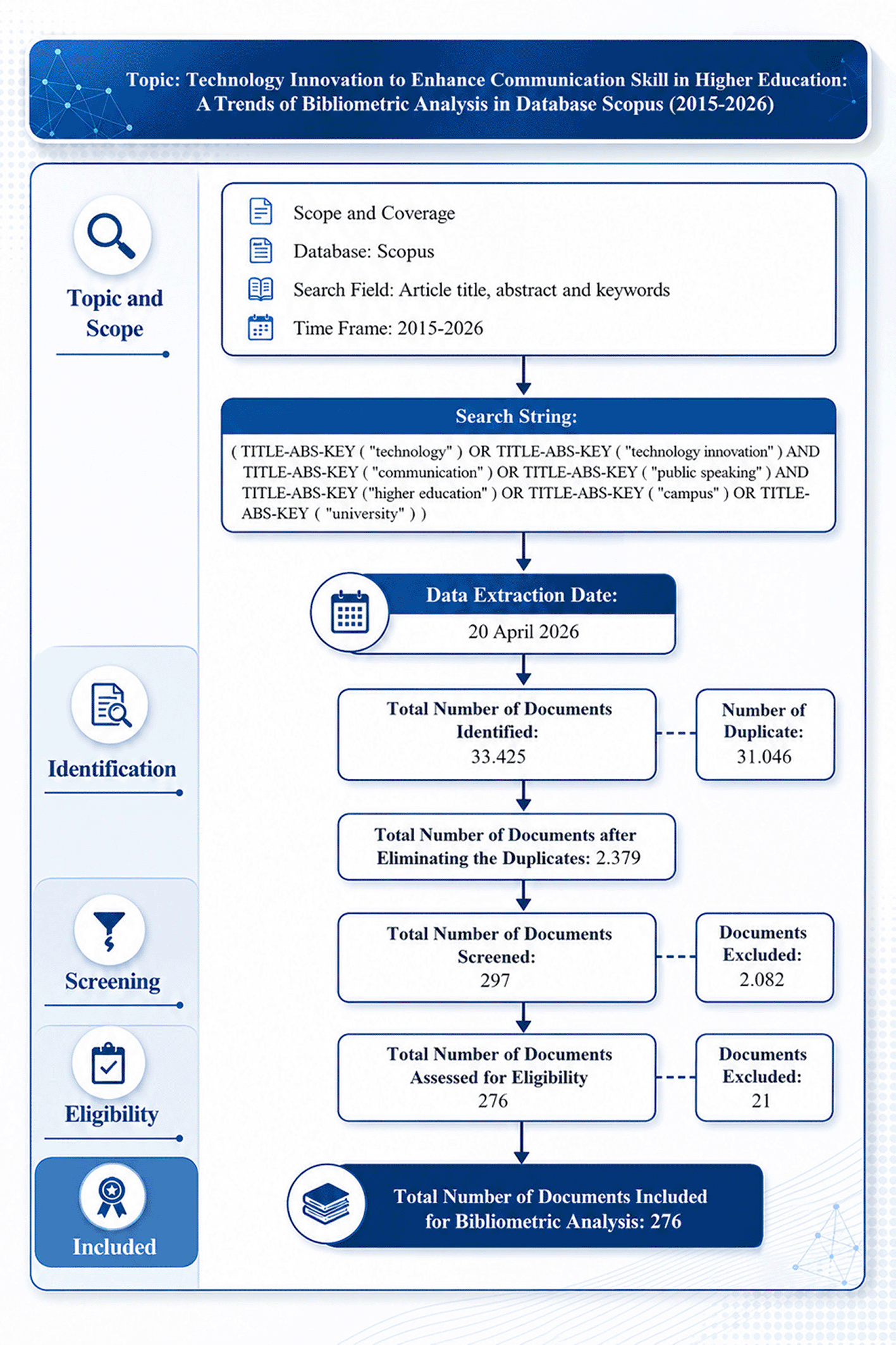
(TITLE-ABS-KEY(“technology” OR “technology innovation”)
AND TITLE-ABS-KEY(“communication” OR “talking”)
AND TITLE-ABS-KEY(“higher education” OR “campus” OR “university”))
Researchers searched for documents published from 2015 to 2026 to include recent research. The study filtered the search to only articles (document types = “Article and Article Conferences”) in English. (English language and article filters were used to eliminate duplicates from multi-format sources.) No other geographical or subject filters were used beyond the above keywords. All of the search results were downloaded in a suitable bibliographic format (CSV).
The initial search returned a large number of records. As shown in the flowchart Figure 1, Researchers began with 33,425 documents from Scopus. Researchers then carried out a deduplication process: we imported the bibliographic data into the citation management software and removed duplicates. This left us with 2,379 documents after removing 31,046 duplicates (defined by identical titles, authors, years, etc.). Researchers then carried out a two-step manual screening. In the initial screening (title/abstract screening), two reviewers independently screened 2,379 records for relevance. Articles that clearly did not focus on technological innovation in higher education communication (e.g., articles in other fields) were removed. At this stage, 2,082 articles were rejected, leaving 297 for further screening.
During the eligibility assessment, the remaining 297 documents’ titles and abstracts were examined. Articles were removed if they were not relevant (e.g., not focused on technology/innovation or not in a higher education context) or if the full text was not available. This resulted in 21 documents being removed. The final 276 documents were included in the bibliometric analysis.
The dataset comprises academic publications from 2015 to 2026, providing a holistic snapshot of research activity in the given field, see Table 1. Overall, 220 documents were extracted from 138 sources, such as journals, books, and other publications. However, the negative annual growth rate of publications (−6.57%) suggests a declining trend in research activity over this period. With an average document age of 4.79 years, the collection is relatively young, and with an average of 12.5 citations per document, it has a moderate level of influence. The documents contain 8,543 references, indicating a significant level of engagement with existing research.
Content-wise, the corpus includes 439 Keywords Plus and 1,075 author keywords, suggesting a rich and complex thematic landscape. The greater number of author keywords indicates a strong preference for researchers to assert their own conceptual priorities. The authorship analysis shows that 552 people are involved, with 58 single-author publications. There are 60 single-authored documents, with an average of 2.63 co-authors per document, suggesting relatively high collaboration. However, the dataset shows relatively low international collaboration (12.27%). In terms of document types, the majority are journal articles (187), followed by book chapters (17), books (6), reviews (6), and conference papers (4). This suggests a strong bias toward journal publishing, aligning with traditional scholarly practices and underscoring the importance of journal articles in disseminating knowledge.
The yearly distribution of publications from 2015 to 2026 shows an undulating yet overall positive trend in academic publishing, as seen in Figure 2. Initially, the volume of articles was relatively small, with 19 in 2015, then dropping dramatically to 7 in 2016. This may reflect an initial instability or a lack of research activity in this field. However, from 2017 onward, the number of publications steadily increased, from 10 in 2017 to 13 in 2018 and 16 in 2019.
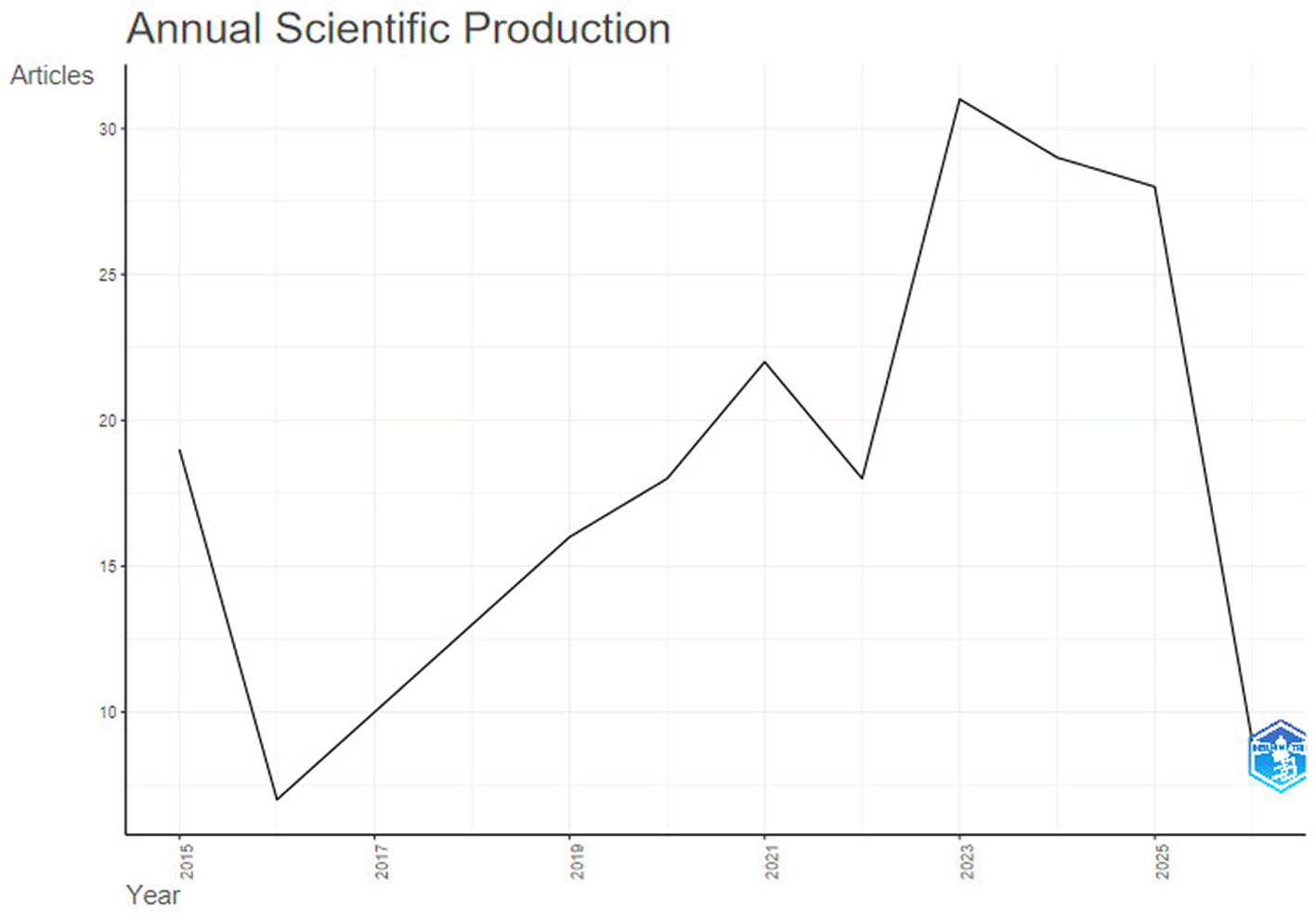
A steadier increase is evident from 2020 to 2021, with the number of publications rising from 18 to 22, reflecting growing research interest and output. While there was a minor decrease in 2022 (18 articles), a major spike is seen in 2023 with 31 publications, the highest in the entire period. This surge is likely due to increased interest, perhaps driven by emerging trends, policy impacts, or technological developments in the field.
However, this was followed by a minor decline, with 29 articles in 2024 and 28 in 2025, suggesting a period of consolidation. The number for 2026 (9 articles) seems significantly lower but should be viewed in context, as it may reflect only part of the current year’s output rather than a decrease in research output. In general, the pattern indicates the field is expanding and evolving with occasional fluctuations, peaking in the early 2020s, and then entering a phase of stability.
The mapping of the most relevant sources in this bibliometric dataset offers a critical perspective on the intellectual ecology and circulation of knowledge in technology innovation to improve communication skills in higher education, as shown in Figure 3. The journal distribution provides a picture of both centralization and diversity. The most prolific source, Perspektivy Nauki i Obrazovania (20 documents), tops the list. This prominence is indicative of a regional or thematic concentration, possibly signalling vibrant debate in educational innovation within the particular region or community. However, this needs to be read with care, as it does not necessarily reflect the global influence of such documents as measured by citations.
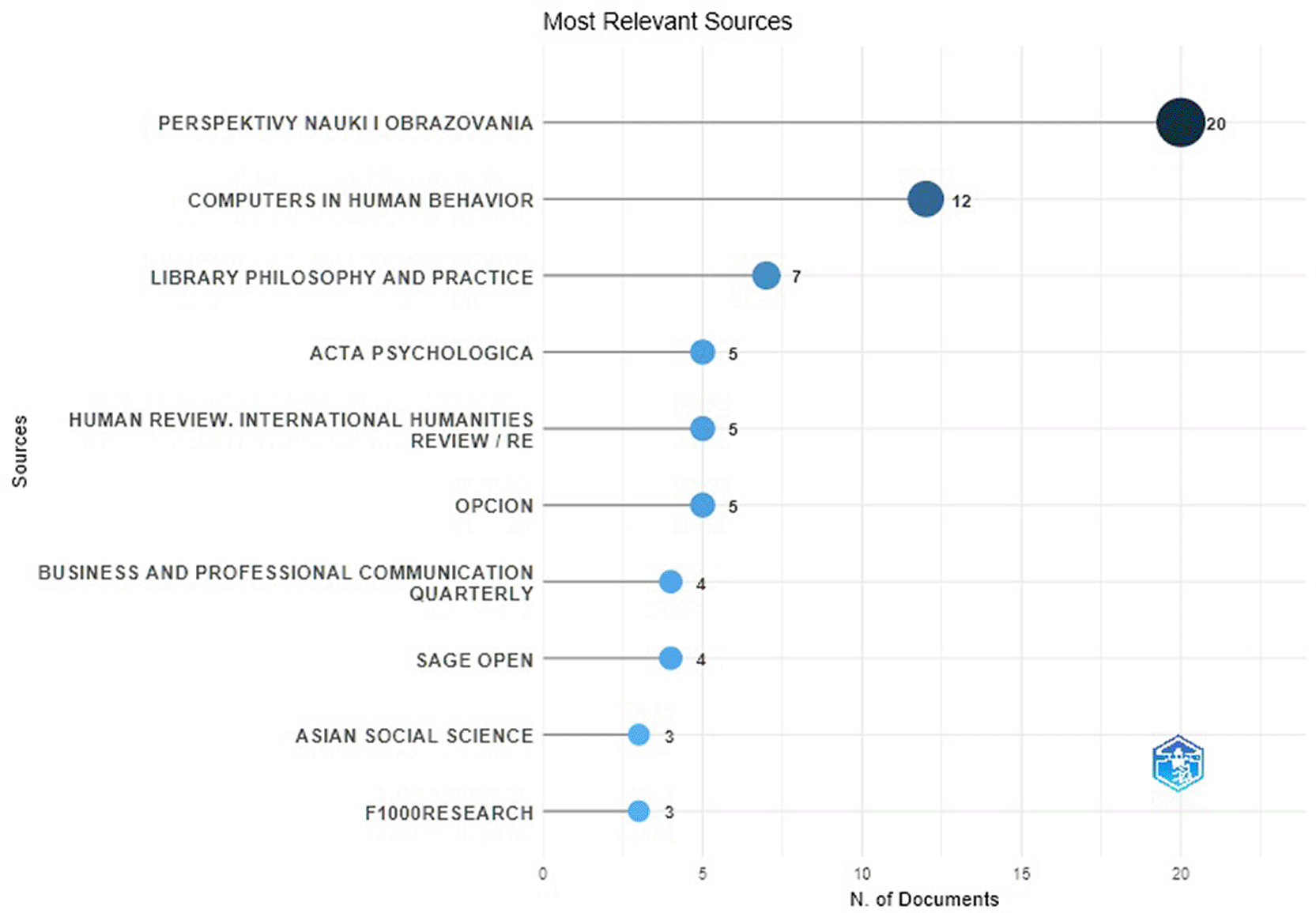
The inclusion of Computers in Human Behavior (12 documents) is noteworthy. This is a mature, high-impact journal in the Scopus database, suggesting that the topic is closely connected to cross-disciplinary areas such as psychology, human-computer interaction, and computer-based learning. This implies that innovation in the use of technology in teaching communication skills is not only educational but also psychological. Secondary sources such as Library Philosophy and Practice (7 documents) and Acta Psychologica (5 documents) further illustrate the field’s interdisciplinary nature, with overlaps between information science and psychology. Likewise, publications such as the Business and Professional Communication Quarterly (4 documents) highlight the practical aspects of communication skills, especially in business contexts.
Moreover, other publications, such as SAGE Open and Asian Social Science, showcase greater openness and geographical representation, but their lower publication counts suggest a less central role in the core debate. However, the widespread publication across a large number of journals with low publication counts (3–5 documents) indicates no clear dominant source of knowledge, suggesting a fragmented knowledge base. This could limit theoretical integration, but also indicates its diverse interdisciplinary nature. The most relevant sources analysis shows a globally and intellectually spread-out but still developing field moving towards centralization and consolidation.
The figure presents a temporal representation of the authorship landscape, showing the authors’ productivity (number of publications) and influence (number of citations) from 2015 to 2025, see in Figure 4. Such a bibliometric map is a valuable tool for identifying key contributors, tracking engagement over time, and assessing the stability of production.
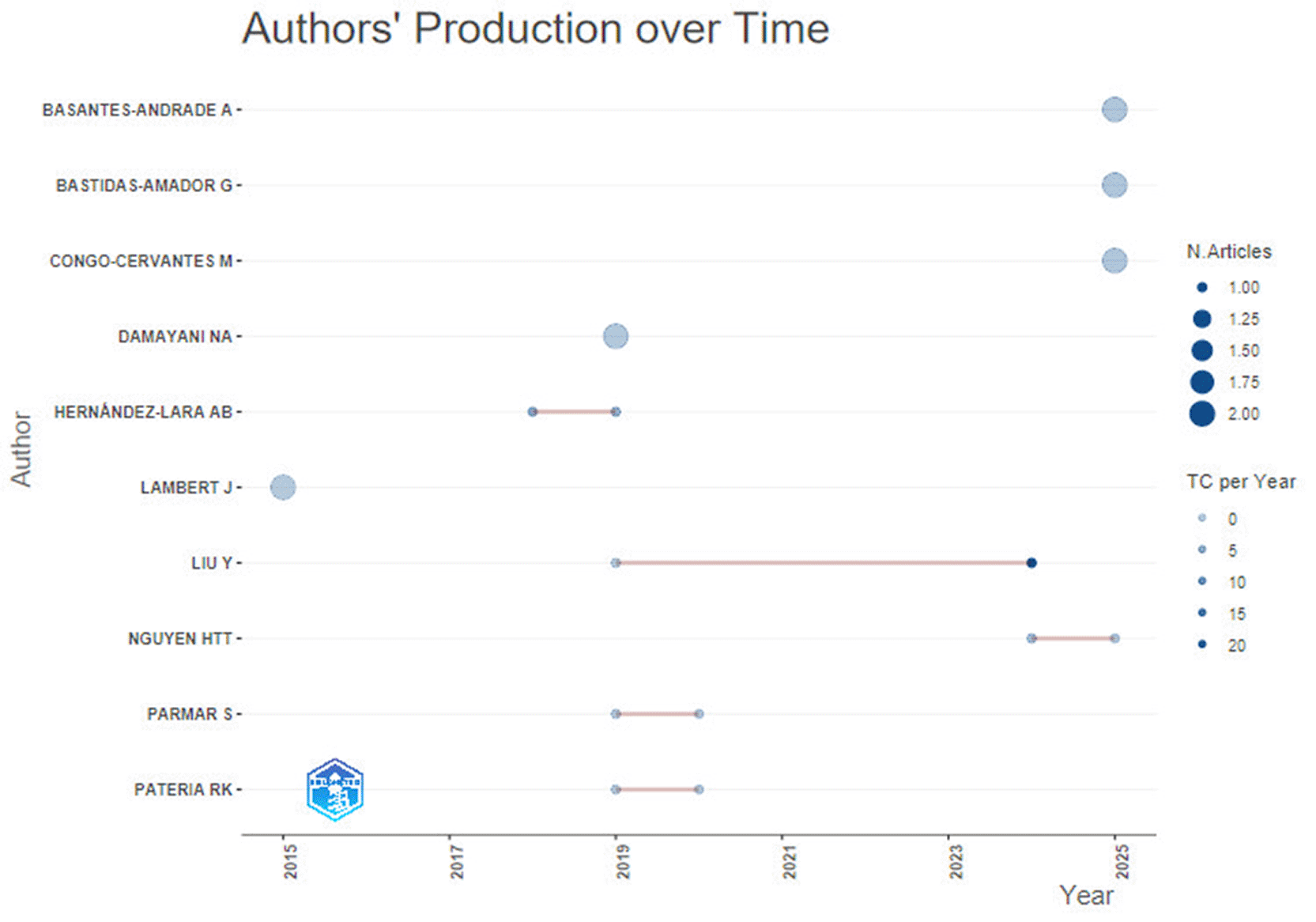
The takeaway from the figure is the relatively low and sporadic publication count among authors. The majority of people, including Basantes-Andrade A., Bastidas-Amador G., and Congo-Cervantes M., have published only once in a single year (mostly in 2025), with low publication counts. This implies a lack of prolific authors in this field, suggesting either a fledgling or intermittent research landscape rather than a field dominated by prolific leaders. In addition, some authors, such as Liu Y., show a longer publication period (2019–2024). This implies a more consistent engagement with the subject, which could reflect greater specialization or ongoing research. Further, the higher citation score (represented by the darker color) suggests these works may have greater academic impact.
In addition, Nguyễn H.T.T. has recent productivity (around 2023–2025), which could indicate recent additions to the field’s current growth. However, while this is recent work, the citations are only moderate, suggesting these works have yet to gain significant traction in the academic community or that the time has been too short to build a strong citation base. Previous works, like those of Lambert J. (2015), lay the groundwork. Nevertheless, the lack of follow-up activity from these authors suggests a lack of ongoing engagement, which could lead to a shortage of long-term research lines in the future.
Moreover, another striking feature is the concentration of authors (e.g., Damayani N.A., Parmar S., and Pateria R.K.) around 2019–2020, suggesting a potential upswing in research activity in this period. This could reflect external factors such as technological developments or changes in educational approaches. This figure highlights a fragmented research environment with low author productivity, continuity and variable citation success. This points to the importance of research collaboration, continued research, and the building of core authorship to improve the cohesion and maturity of the research topic.
An examination of the most relevant affiliations provides key evidence on the institutional structure of research on technology innovation to improve communication skills in higher education, as shown in Figure 5. The spread of publications highlights a moderately concentrated but internationally spread landscape of contributing institutions.
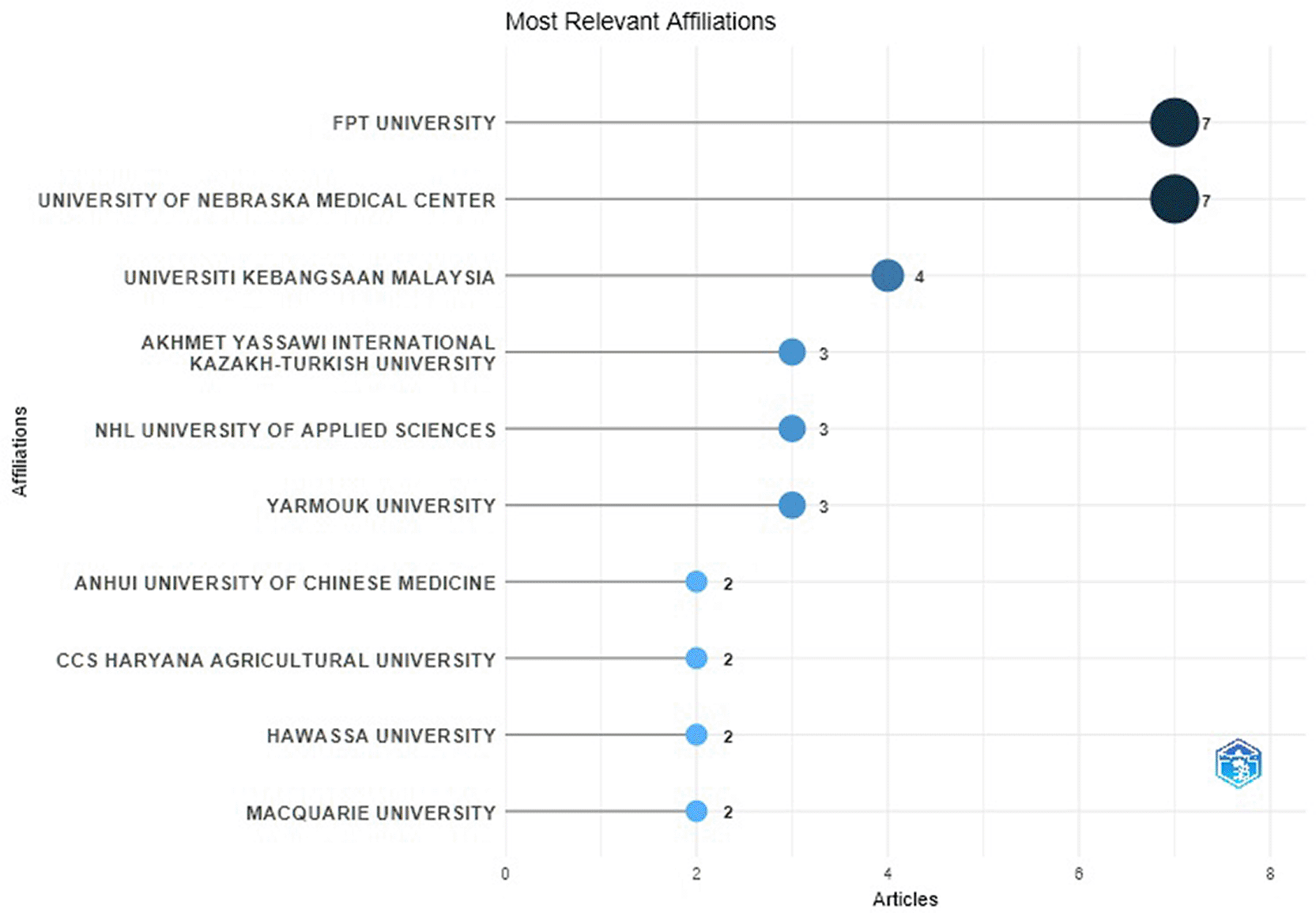
The Faculty of Computer Science, FPT University and the University of Nebraska Medical Center appear at the top of this list with 7 publications each. This is significant because the recognition of both institutions represents both geographical and disciplinary diversity. The combined representation of FPT University (perhaps focusing heavily on educational technology and digital media) and the University of Nebraska Medical Center (which may include a focus on health education and communication skills) suggests a diversity of research interests, not just in education departments but also in medical or health sciences.
The next most prolific contributor is Universiti Kebangsaan Malaysia, with 4 publications, again highlighting Southeast Asian contributions to this field of research. This could reflect specific national or institutional agendas in the incorporation of technology into tertiary teaching and learning. Institutions such as Akhmet Yassawi International Kazakh-Turkish University, NHL Stenden University of Applied Sciences, and Yarmouk University (all 3 publications) demonstrate the research’s global reach. These outputs show that interest in technological innovation for communication skills is not limited to a single region, culture, or academic discipline, but is a global concern.
Furthermore, institutions with fewer publications (Anhui University of Chinese Medicine, CCS Haryana Agricultural University, Hawassa University, and Macquarie University) demonstrate the long tail of the distribution. While their publication output is low (2 articles per institution), it demonstrates growing global engagement and research interest in a variety of academic settings. Nevertheless, the modest publication counts per institution suggest the absence of institutional giants. This could limit the development of expertise and the formation of lasting research partnerships. Moreover, the lack of highly productive institutions might suggest that the field is still in its early stages, with research spread across multiple institutions rather than concentrated in the world’s top institutions. The institutional analysis shows that the research field is globally dispersed but less institutionally concentrated, underscoring the need for greater international cooperation and research cohesion to enhance the field’s intellectual maturity and performance.
The dataset of corresponding authors’ countries offers valuable insights into the geographical spread, international collaboration, and the global research landscape of technology innovation to improve communication skills in higher education, as seen in Figure 6. This data set includes Single Country Publications (SCP) and Multiple Country Publications (MCP), thereby offering deeper insight into international research collaboration.
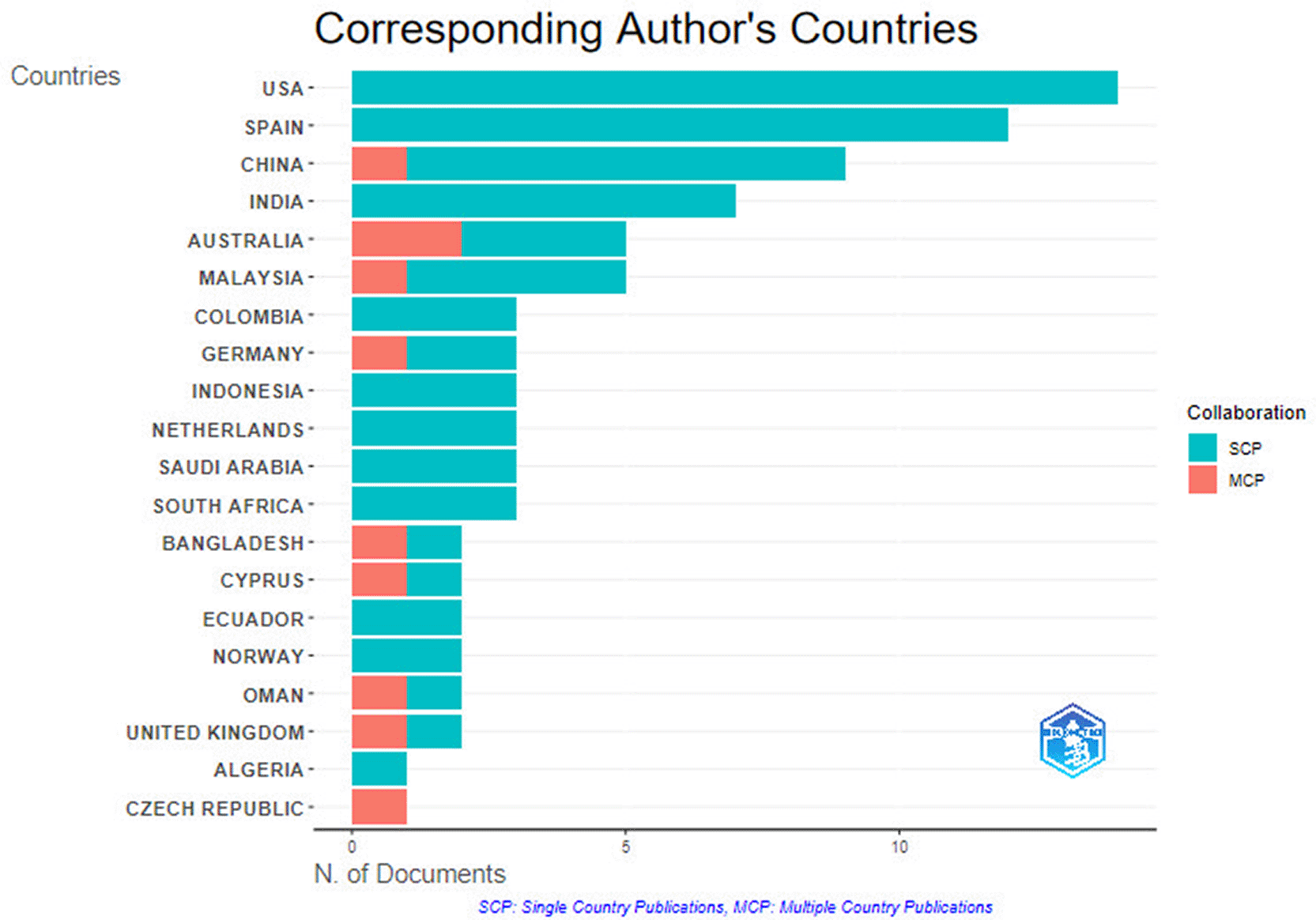
The US is the country with the most articles (14, 6.36%) published in this field, all of which are SCP (100%). This suggests robust national research infrastructures but less international collaboration within this research area. The same can be said for Spain (12 articles, 5.45%) and India (7 articles, 3.18%), where the 100% of the publications are also SCP. This points to robust national research infrastructures, but also to a somewhat nationalistic approach to research.
In addition, China shows a more diverse pattern with 9 articles (4.09%) published, including both SCP (8) and MCP (1), yielding an MCP rate of 11.11%. This suggests nascent international collaboration efforts, albeit still at lower levels relative to its research production. More interesting are those with more international cooperation. For example, Australia has 5 publications, of which 2 are MCP (40% MCP). Likewise, Malaysia (20% MCP) displays moderate collaboration. Other European nations, such as Germany, also exhibit collaborative behaviour (33.33% MCP), suggesting stronger global research integration. Minor contributors such as Bangladesh, Cyprus, Oman and the United Kingdom have relatively high MCP (50%), indicating greater reliance on collaboration for research. This is also the case in the Czech Republic, where all (100%) publications are MCP, suggesting total dependence on collaborative research.
However, nations like Indonesia, Saudi Arabia, and South Africa make a small contribution (3 articles each) and do so only through SCP, suggesting little international collaboration. Our results show a global research network with imbalanced collaboration practices. Major research contributors are more domestically focused, while smaller players are more global. This distribution calls for greater worldwide collaboration to improve knowledge sharing, research approaches, and overall research quality in this emerging field.
The figure shows a co-occurrence network of keywords, created with VOSviewer, that represents the conceptual framework of the research on innovation in using technology to improve communication skills in higher education, see in Figure 7. The network consists of nodes (keywords), links (co-occurrence connections), and clusters (thematic networks), with node size representing frequency and link thickness representing the strength of the connection between keywords.
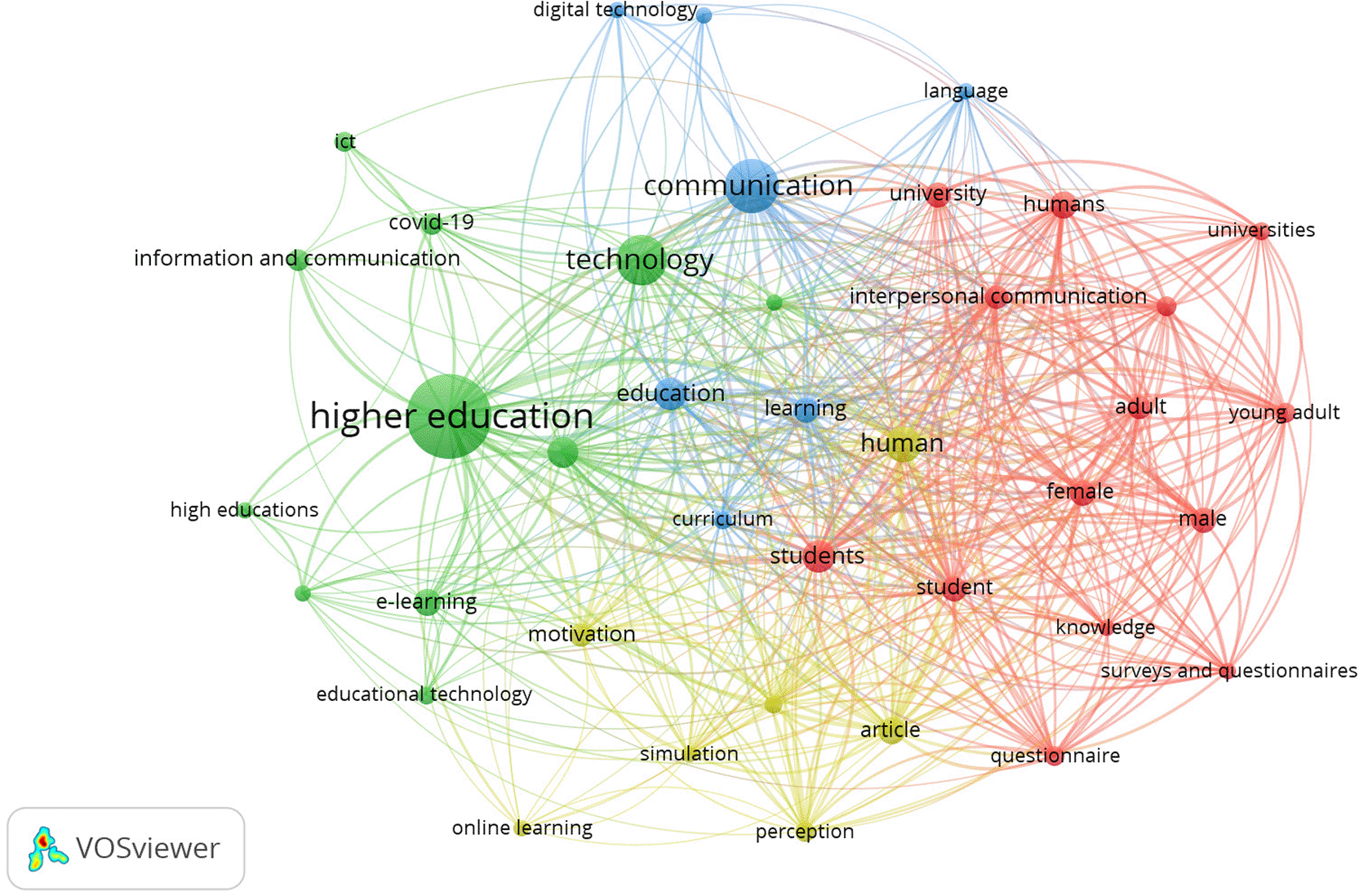
One key insight is that the largest and most central nodes are “higher education” and “communication. This implies that the research community is deeply rooted in education, and communication is a central theme. Nevertheless, the prominence of these terms also signals a level of conceptual abstraction, which may reduce specificity. The network is segmented into clusters that reflect different themes. The green cluster, focusing on “higher education”, includes terms like “technology”, “e-learning”, “ICT”, and “educational technology”. This cluster captures the technology infrastructure of contemporary education. The high interconnections indicate a mature but potentially oversaturated field of research, where incremental advances prevail. Moreover, the red cluster highlights the human and empirical aspect of research topics, such as “students”, “interpersonal communication”, “surveys and questionnaires”, and demographic categories such as “male”, “female”, “adult”, and “young adult”. This suggests a strong focus on quantitative research, especially survey-based research. Importantly, this methodological monoculturalism may limit the range of findings, given the apparent underrepresentation of qualitative or mixed-methods research.
In addition, the blue cluster, with its emphasis on “communication,” “language”, and “digital technology”, highlights the blend of language skills and technology use. While this cluster bridges several areas, its smaller size implies less integration between communication and technological innovation. The yellow cluster contains terms such as “motivation”, “perception”, “simulation”, and “online learning”, which indicate psychological and experiential factors in learning. While these elements are important for the development of communication skills, their isolation within the network suggests a lack of integration with broader technological and educational themes.
However, A further aspect is the inclusion of “COVID-19” in the network, which connects with technology and online learning. This is a short-term research focus responding to the pandemic. However, its limited integration suggests these may be context-specific and lack theoretical grounding. The network shows a connected but disconnected research field, with well-integrated thematic clusters and weak links in between. The prevalence of generic and methodological keywords, along with limited conceptual integration, indicates a need for greater theoretical integration and synthesis across disciplines.
The thematic map in the figure below organizes the intellectual structure of research on technology innovation to improve communication skills in higher education, as shown in Figure 8. It comprises two main axes: centrality (x-axis), which refers to the importance of a theme within the whole research field, and density (y-axis), which refers to the internal development of a theme.
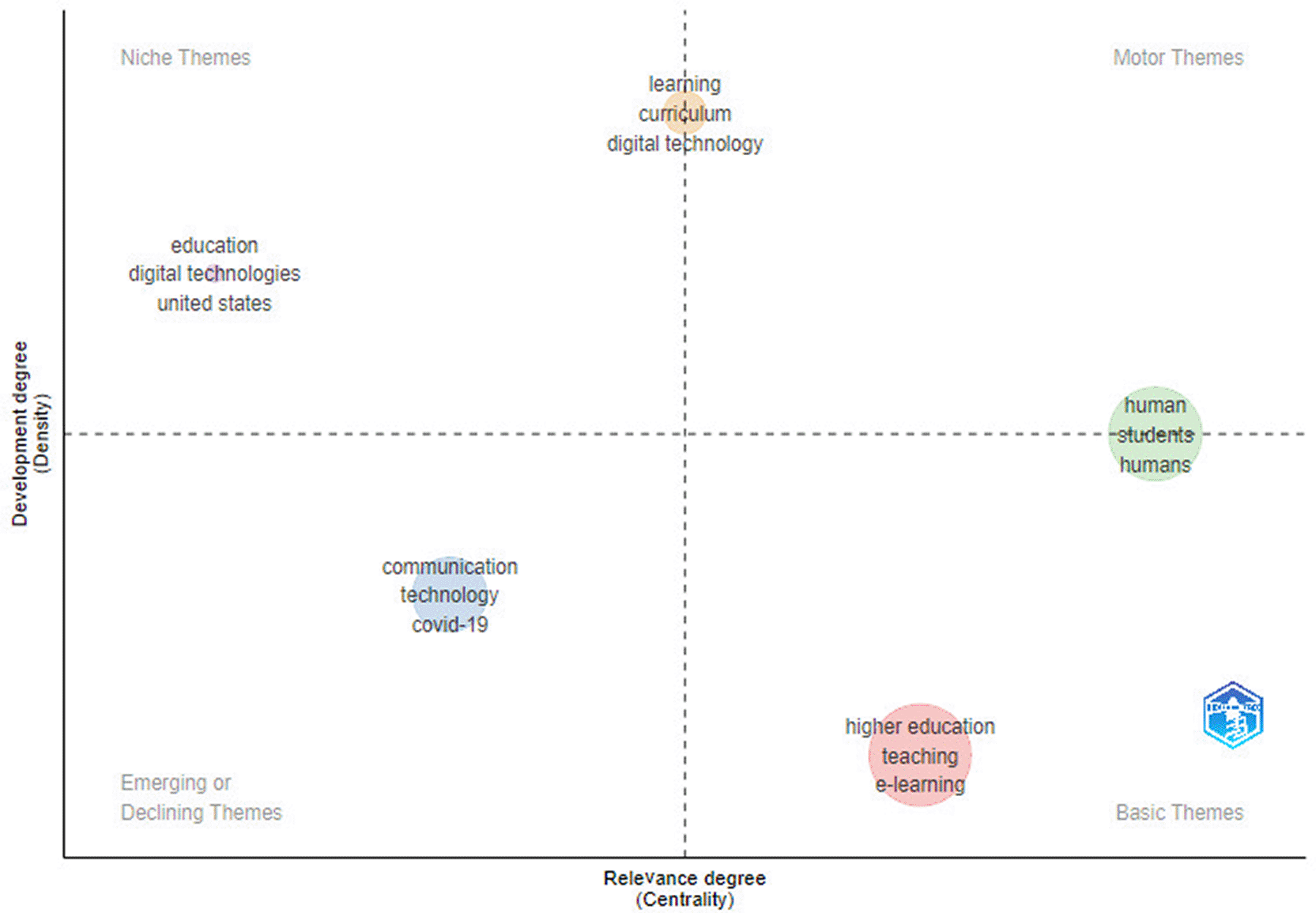
The cluster “human-students-humans” has high centrality and medium density in the Motor Themes quadrant (upper-right). This implies that human- and student-oriented research is a driving theme. Nevertheless, this cluster’s conceptual scope seems too generic, which may hinder in-depth analysis. This dominance could be linked to descriptive research that lacks strong theoretical foundations and is not highly specialized. The Basic Themes quadrant (lower-right) includes “higher education-teaching-e-learning,” which is highly central but has low density. This suggests that, while these themes are central and highly interconnected in the field, they are not well developed internally. This could indicate a disjointed approach to these themes, perhaps due to differences in theoretical and methodological frameworks.
In the Niche Themes quadrant (upper-left), the theme “education-digital technologies-United States” is highly dense but not highly central. This suggests that while the theme may be well-connected internally, it is less well-connected to the rest of the research community. The spatial indicator (“United States”) also implies a geographical constraint, which may limit the transferability of research outcomes and contribute to the isolation of research in the region. In the Emerging or Declining Themes (lower left) area, we see “communication-technology-COVID-19” with low centrality and density. This suggests either a new theme just developing or a theme in decline after the pandemic peak. COVID-19 is a temporary phenomenon, so it is likely this theme had a moment in time rather than undergoing sustained development.
However, the cluster “learning-curriculum-digital technology” in the centre of the map suggests that this is an emergent theme with medium centrality and density. This theme has potential but is not yet dominant. The map suggests a disjointed, unevenly developed field of research, over-representing wide-ranging themes and under-integrating more focused, highly impactful ones.
Bibliometric mapping of research on technology-enhanced communication skills in higher education (2015–2026) reveals a rapidly growing but fragmented field. Core journals and authors are identified, but thematic and collaboration analyses show a narrow focus and limited integration. These patterns are discussed below in relation to prior studies and theories of technology adoption, highlighting gaps and suggesting future directions.
Researchers identified a small set of journals dominating the field (e.g., Computers in Human Behavior, Business and Professional Communication Quarterly), while many other outlets contributed only a few articles. This diffuse journal distribution suggests the topic intersects multiple disciplines (education, ICT, psychology) but lacks a single flagship venue (Morel & Spector, 2022). Authorship patterns were similarly dispersed: no single author or tight collaboration group dominates, indicating that research is conducted by many individual contributors rather than cohesive teams (Fu et al., 2022). This aligns with observations in related domains that emerging topics often have a “loose co-authorship structure” (fragmented authorship) rather than core scholars (Cugmas et al., 2016).
In addition, affiliation analysis showed that the leading institutions (e.g. FPT University, Nebraska Medical Center) each produced only 7 papers, again reflecting broad, decentralized interest. Corresponding-author country counts revealed that the US and Spain had the highest output, followed by China, India, and Australia. Notably, high-output countries had very low percentages of internationally co-authored papers (MCP%). For example, the USA and Spain published largely solo (0% MCP), whereas smaller producers (e.g. Bangladesh, Cyprus) showed higher collaboration (50% MCP) (Vijayan et al., 2025). This pattern is similar to that of Garba et al. (2026), who found that major contributors work relatively insularly, whereas less prolific regions engage in more cross-border partnerships. These trends mirror those of other bibliometric studies, which find that leading countries often publish extensively domestically, while collaboration tends to be higher among smaller communities (Dini et al., 2024).
Keyword co-occurrence and thematic mapping revealed distinct topic clusters. A “motor theme” centers on human/ student interaction: keywords like human, students, interpersonal communication cluster together, highlighting social aspects of learning. This is complemented by a basic theme focusing on higher education, technology, and e-learning, broad, high-level terms that indicate the general context. Another niche theme, focused on technical factors (e.g., educational technology, blended learning), showed high internal coherence but lower centrality, suggesting specialized streams (Z. Liu et al., 2021). An emerging theme combined COVID-19, e-learning, online discussion, reflecting pandemic-driven research spikes (Alasmari & Al-Zahrani, 2026). Importantly, communication-related terms (e.g., communication skills, language, discourse) often stood somewhat apart from, or overlapped with, technology clusters, indicating a partial disconnect: much work treats “communication” as a generic skill area rather than a deeply theorized construct (Polushkina and Voskresenskaya, 2020).
However, these findings resonate with theoretical models of online learning. For example, the Community of Inquiry framework posits that cognitive, social, and teaching presence jointly drive meaningful online learning. Our “human-students” cluster underscores the importance of social presence and interaction, as predicted by CoI. Likewise, Connectivism (Siemens, 2005) emphasizes networked learning through technology; the prominence of technology- and network-related terms in our map reflects this, showing that research often centers on how digital tools mediate communication (though possibly at the expense of pedagogical depth). In practice, this means studies have emphasized technical affordances (e.g., multimedia, learning analytics) and user perceptions (e.g., satisfaction surveys) more than deeper analyses of communication processes (Dhiman et al., 2022).
This bibliometric analysis reveals that research on technology-enabled communication skills in higher education is globally distributed but highly fragmented. A limited number of journals and institutions produce most of the output, and thematic clusters are broad and underdeveloped. The peak in publications around 2022, followed by a projected decline, suggests the topic’s novelty may be waning or shifting focus. However, given the small dataset and Scopus-only scope, these trends are provisional.
Moreover, implications for research include the need for deeper theoretical development and greater integration. The prevalence of generic themes (“higher education,” “students”) suggests opportunities to narrow the focus (e.g., specific technologies or pedagogical models) and to strengthen conceptual frameworks. The low rate of international collaboration suggests potential gains from cross-border partnerships that could diversify perspectives and methodologies. Practitioners should note that the current literature is nascent and scattered; technology initiatives should be grounded in empirical evidence and adaptive implementation rather than the expectation of a mature best practice.
As noted, data coverage (Scopus vs. other databases), small publication volumes, and methodological constraints (keyword selection, network interpretation) limit the generalizability of our findings. Future studies could triangulate with additional databases (Web of Science, Google Scholar) and include qualitative analysis of seminal works. Extended time windows and citation analyses will clarify whether the observed decline is genuine or temporary. Furthermore, the search strategy itself may have introduced bias: although systematically constructed, the use of broad terms such as “technology,” “communication,” and “higher education” may have produced false positives and negatives, potentially excluded relevant studies while included unrelated ones.
Researchers should build on the groundwork by publishing in high-impact, peer-reviewed venues to consolidate knowledge. Emphasizing international collaboration (to increase MCP%) and interdisciplinary methods (e.g. combining quantitative and qualitative research) may enrich insights. Finally, periodic bibliometric monitoring (e.g., every 2–3 years) is advised to track how the field evolves and whether new themes (such as AI-enabled communication training) emerge. In addition, to ensure practical impact, these developments should be closely linked to pedagogical practice by translating bibliometric insights into curriculum design, instructional frameworks, and evidence-based guidelines for educators.
| Views | Downloads | |
|---|---|---|
| F1000Research | - | - |
|
PubMed Central
Data from PMC are received and updated monthly.
|
- | - |
Provide sufficient details of any financial or non-financial competing interests to enable users to assess whether your comments might lead a reasonable person to question your impartiality. Consider the following examples, but note that this is not an exhaustive list:
Sign up for content alerts and receive a weekly or monthly email with all newly published articles
Already registered? Sign in
The email address should be the one you originally registered with F1000.
You registered with F1000 via Google, so we cannot reset your password.
To sign in, please click here.
If you still need help with your Google account password, please click here.
You registered with F1000 via Facebook, so we cannot reset your password.
To sign in, please click here.
If you still need help with your Facebook account password, please click here.
If your email address is registered with us, we will email you instructions to reset your password.
If you think you should have received this email but it has not arrived, please check your spam filters and/or contact for further assistance.

Comments on this article Comments (0)