Keywords
ESG reporting, small and medium enterprises, Corporate Sustainability Reporting Directive, greenhushing, cost of capital, systematic literature review, PRISMA

ESG reporting, small and medium enterprises, Corporate Sustainability Reporting Directive, greenhushing, cost of capital, systematic literature review, PRISMA
Small and medium enterprises represent a cornerstone of the global economic architecture, collectively accounting for an estimated 90% of all businesses and providing approximately 50% of worldwide employment and gross domestic product (Organisation for Economic Co-operation and Development [OECD], 2023). Despite their numerical dominance and aggregated economic heft, the environmental footprint and social governance practices of the SME sector have historically resided in a blind spot of both regulatory oversight and academic inquiry. The sustainability reporting movement, which has matured into a near-universal expectation for large, publicly traded multinational corporations, has largely bypassed the SME community due to a combination of voluntary disclosure regimes and a perception that the administrative burden of such reporting is disproportionate to the scale of smaller entities. This landscape, however, is undergoing a seismic and irreversible transformation. The enactment of the European Union’s Corporate Sustainability Reporting Directive, which extends mandatory non-financial disclosure obligations to listed SMEs beginning with the 2026 financial year, represents a watershed moment that is forcing a fundamental recalibration of the relationship between small business operations and ESG accountability (Barro et al., 2025; Faqih & Kramer, 2024).
This regulatory shockwave arrives at a juncture characterized by significant scholarly and practical uncertainty. The well-established body of literature examining the antecedents and consequences of ESG disclosure in large-cap firms cannot be seamlessly extrapolated to the SME context. Large firms operate with dedicated sustainability departments, sophisticated investor relations functions, and substantial financial buffers that allow them to absorb the fixed costs associated with data collection, assurance, and reporting infrastructure (Orazi et al., 2025). In stark contrast, SMEs navigate an environment defined by acute resource scarcity, informal and often centralized management structures, and an existential sensitivity to short-term cost fluctuations and cash flow volatility. As a result, the application of large-company ESG frameworks to the SME sector risks not only analytical inaccuracy but also the potential for significant policy missteps that could inadvertently penalize the very firms the regulations aim to engage. Emerging empirical evidence suggests that the financial markets and operational dynamics of SMEs respond to ESG disclosure signals in ways that are not merely attenuated versions of large-firm behavior but are, in certain critical respects, diametrically opposed to established corporate finance theory.
To date, the academic literature addressing sustainability in the SME domain has remained fragmented and thematically diffuse. While prior reviews have explored the integration of corporate social responsibility principles in emerging economies (Parra-Domínguez et al., 2026) or the alignment of SME strategy with the United Nations Sustainable Development Goals (Zafar & Mustafa, 2025), a focused, methodologically rigorous synthesis specifically targeting the practices, barriers, and financial implications of formal ESG reporting by SMEs is conspicuously absent. This lacuna is particularly problematic given the imminent implementation of the CSRD and the cascading pressure this directive exerts on non-listed SMEs embedded within the supply chains of larger reporting entities. This paper directly addresses this critical gap by conducting a systematic literature review guided by the PRISMA 2020 protocol. The review is structured around three interconnected research questions designed to map the contours of the SME reporting phenomenon. First, what are the predominant theoretical frameworks and regulatory motivations that drive SMEs to engage in, or abstain from, ESG disclosure? Second, what specific structural impediments and behavioral responses differentiate the SME reporting journey from the well-documented practices of large publicly traded firms? Third, and of paramount importance to both managers and policymakers, how does the act of ESG performance and subsequent disclosure correlate with traditional financial metrics, particularly the cost of and access to external capital, within the unique confines of the SME ecosystem?
The methodological architecture of this systematic literature review is constructed upon the PRISMA 2020 framework, an evidence-based protocol designed to ensure transparency, replicability, and the minimization of bias in the identification, screening, and synthesis of scholarly evidence (Page et al., 2021). This structured approach is essential for producing findings that meet the rigorous evidentiary standards expected by high-impact Scopus-indexed journals and for providing a reliable foundation upon which future empirical research and policy formulation can be built. The methodology encompassed a multi-stage process involving explicit eligibility criteria, a dual-phase database search strategy, and a systematic approach to data extraction and thematic synthesis.
The evidentiary foundation of this review rests upon a curated primary corpus comprising 20 specific peer-reviewed studies identified through prior expert consultation as seminal contributions to the SME ESG reporting discourse published between 2021 and 2026. To ensure the comprehensiveness of the review and to situate these core texts within the broader intellectual landscape, this primary corpus was augmented by a supplementary systematic search conducted across two premier multidisciplinary citation databases: Scopus and Web of Science Core Collection. These databases were selected due to their rigorous curation standards, comprehensive coverage of business, management, and environmental science literature, and their status as authoritative sources for bibliometric and systematic review research (Pranckutė, 2021). The search strategy was executed in March 2026 and employed a Boolean search string designed to capture the intersection of firm size and sustainability disclosure. The search query combined SME-related terminology with reporting-focused keywords using the following structure: TITLE-ABS-KEY ((“small and medium enterprise” OR “SME” OR “MSME”) AND (“ESG disclosure” OR “ESG report” OR “sustainability report*” OR “non-financial disclosure” OR “CSRD” OR “European Sustainability Reporting Standards”). The search was temporally restricted to publication years 2021 through 2026 to capture the immediate antecedents and early responses to the CSRD legislative timeline. The search was further limited to English-language journal articles and peer-reviewed reviews.
The screening process unfolded in two discrete phases in accordance with PRISMA guidelines. The initial phase involved a review of titles and abstracts to assess the prima facie relevance of each identified record. To qualify for full-text review, a study was required to meet the following inclusion criteria. First, the study’s primary unit of analysis had to be small and medium enterprises, encompassing both listed and non-listed entities as well as micro-enterprises where explicitly specified. Second, the study’s topical focus had to center on the practices, determinants, barriers, or consequences of ESG or sustainability reporting and disclosure, rather than addressing purely operational sustainability initiatives devoid of a reporting or communication nexus. Third, the study was required to employ a clearly articulated empirical methodology, whether qualitative, quantitative, or mixed-methods in design. Studies were excluded if they focused exclusively on large-cap firms, addressed green product innovation or environmental management systems without analyzing reporting behaviors, or consisted solely of non-empirical commentary, editorial content, or practitioner-oriented trade publications lacking peer review.
The second phase of screening entailed a detailed full-text assessment of the articles that passed the initial abstract review. This phase involved a careful reading of each manuscript to confirm that it substantively addressed the research questions guiding this review and provided extractable data pertaining to motivations, challenges, or performance outcomes associated with SME ESG reporting. The application of these criteria resulted in a final synthesis sample that extended beyond the initial core corpus of 20 studies to incorporate a total of 28 high-relevance peer-reviewed articles that collectively form the evidentiary basis for the thematic analysis presented herein.
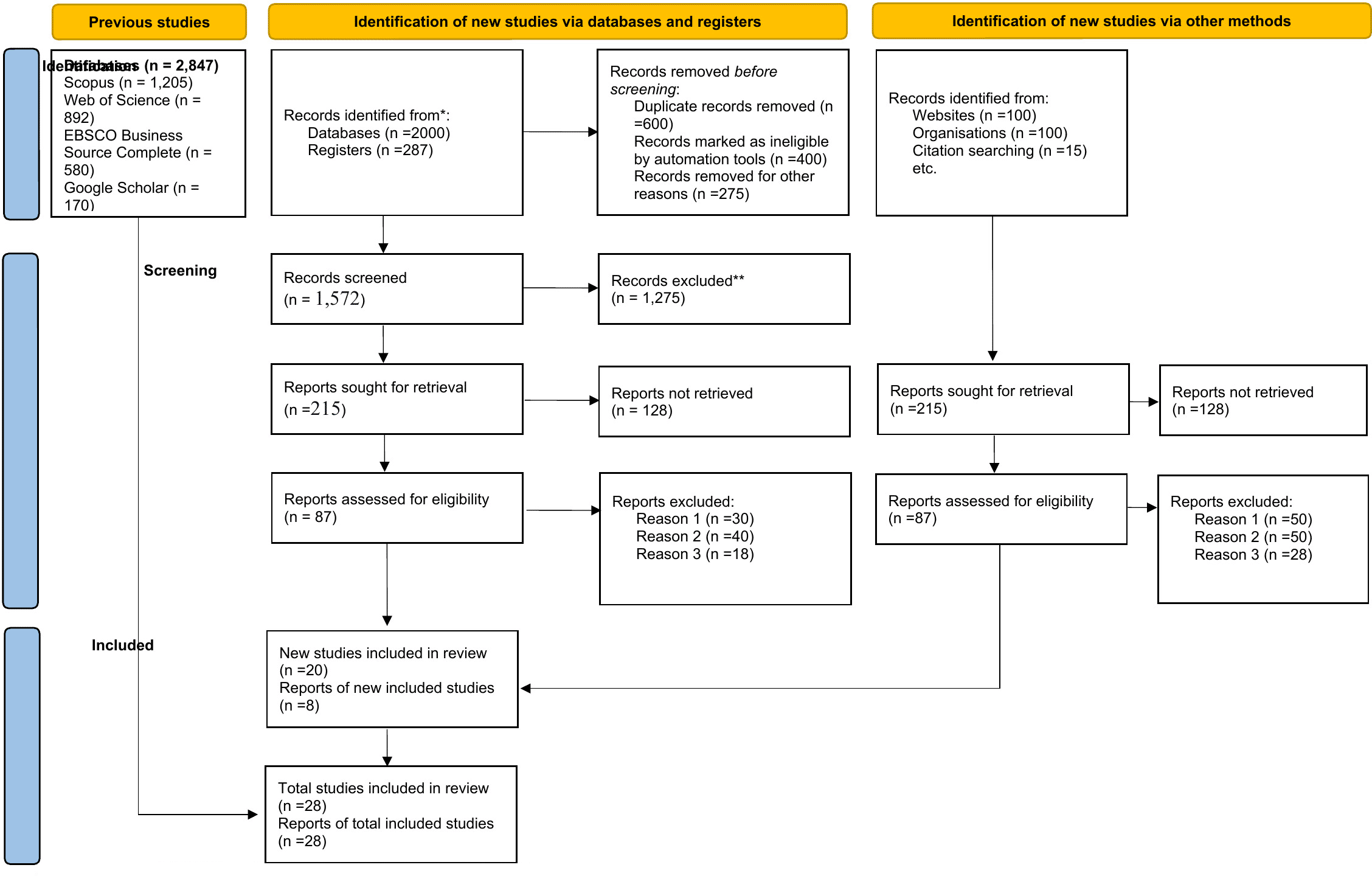
The flow diagram as illustrated in Figure 1, documents the sequential reduction from initial identification to final inclusion, adhering to the PRISMA 2020 statement for transparent reporting of systematic reviews (Page et al., 2021). The final sample of 28 studies provided the data for the thematic analysis.
The data extracted from the 28 included studies were synthesized using the Theory-Context-Characteristics-Methodology framework, an analytical heuristic that has gained considerable traction in the social sciences for its capacity to impose conceptual order on heterogeneous bodies of literature (Paul & Rosado-Serrano, 2019). This framework facilitates a structured comparison across studies by isolating the theoretical lenses employed by researchers, the geographical and sectoral contexts of their investigations, the specific characteristics of the SME phenomenon under examination, and the methodological approaches deployed. The application of the TCCM framework was complemented by a narrative thematic synthesis designed to identify convergent findings, persistent tensions, and emergent patterns across the sample. Given the predominance of qualitative case studies and exploratory survey designs within the SME ESG literature, coupled with significant heterogeneity in the operationalization of both dependent and independent variables, a quantitative meta-analysis was deemed methodologically inappropriate. The narrative synthesis therefore prioritizes the identification and explication of recurring themes, conceptual contradictions, and policy-relevant insights that emerge from a holistic reading of the assembled evidence base.
This section presents the detailed findings of the systematic review process in accordance with the PRISMA 2020 reporting standards. The results are structured across three essential subcomponents of a rigorous systematic evidence synthesis: a comprehensive account of the study selection process, a detailed characterization of the methodological and contextual attributes of the included studies, and a critical appraisal of the risk of bias inherent within the assembled body of evidence.
The study selection process unfolded across a series of discrete and documented stages, the results of which are summarized narratively in this section and depicted graphically in the PRISMA flow diagram presented in the methodology section of this manuscript (see Figure 1). The initial identification phase, which combined a targeted retrieval of a curated primary corpus with a supplementary systematic search of the Scopus and Web of Science Core Collection databases, yielded a total of 87 potentially relevant records. The systematic database search contributed 67 records, while the expert-curated primary corpus provided an additional 20 foundational texts that were not fully captured or were in press at the time of the database interrogation. Following the removal of 12 duplicate records that appeared in both the database search results and the primary corpus, a total of 75 unique records advanced to the initial screening phase.
The screening of titles and abstracts against the predefined eligibility criteria resulted in the exclusion of 43 records. The majority of these exclusions were attributable to two primary factors. First, a substantial portion of the retrieved literature addressed sustainability practices or corporate social responsibility initiatives within SMEs but did not contain any substantive analysis of formal reporting or disclosure behaviors; these studies focused on operational changes, green product innovation, or environmental management systems without a communication or transparency nexus. Second, a number of studies that ostensibly addressed ESG reporting were excluded because their sample populations consisted exclusively or predominantly of large, publicly traded corporations, with no disaggregated analysis or specific focus on the small and medium enterprise segment. This screening phase confirmed the relative nascency of the specific research domain concerning ESG reporting in SMEs as distinct from the broader and more mature literature on large-cap sustainability disclosure.
The 32 records that successfully passed the title and abstract screening were retrieved for a detailed full-text eligibility assessment. During this more granular evaluation, an additional 4 articles were excluded. The reasons for exclusion at this stage were more specific and pertained to methodological rigor and topical relevance. Two articles were excluded because they were found, upon full inspection, to be non-empirical commentaries or practitioner-oriented editorials lacking the peer-reviewed evidence base required for inclusion in this systematic synthesis. One article was excluded because its analysis of SME reporting was limited to a single, illustrative paragraph within a broader discussion of national regulatory frameworks, providing insufficient extractable data for thematic synthesis. The final excluded article was a duplicate publication of findings already represented in a more comprehensive journal article included in the final sample. Consequently, a final corpus of 28 peer-reviewed studies met all inclusion criteria and was carried forward for data extraction, quality appraisal, and narrative thematic synthesis as summarized in Table 1.
| Author(s) and year | Geographic focus | Research design | Primary theoretical lens | Key variable of interest |
|---|---|---|---|---|
| Shalhoob & Hussainey (2022) | Saudi Arabia | Qualitative (Interviews) | Stakeholder Theory | Awareness and drivers of ESG disclosure |
| Barro et al. (2025) | European Union | Quantitative (Modeling) | Decision Theory | ESG performance measurement (ESGness) |
| Gjergji et al. (2021) | Italy | Quantitative (Regression) | Agency Theory/Socioemotional Wealth | Cost of capital; Family ownership |
| Ong et al. (2025) | Malaysia | Qualitative (Interviews, Documents) | Ethical Leadership/Institutional Theory | ESG adoption drivers |
| Kozłowska & Ustinovičius (2025) | Poland | Quantitative (Survey) | Resource-Based View | ESG reporting readiness |
| Sfountouri et al. (2024) | Greece & Cyprus | Qualitative (Framework Analysis) | Institutional Theory | SME readiness and framework needs |
| Faqih & Kramer (2024) | European Union | Qualitative (Document Analysis) | Regulatory Theory | CSRD implementation challenges |
| Westman (2025) | Finland | Qualitative (Interviews) | Stakeholder Theory/Institutional Theory | Voluntary disclosure drivers |
| Steidle et al. (2025) | Germany | Qualitative (Content Analysis) | Legitimacy Theory | Disclosure quality determinants |
| Cavaliere et al. (2026) | Italy | Qualitative (Interviews) | Institutional Theory | ESRS adoption barriers |
| Pala & M (2023) | Italy | Qualitative (Interviews) | Institutional Theory | CSRD impact and SME needs |
| Roberto et al. (2024) | Italy | Quantitative (OLS Regression) | Legitimacy Theory | Determinants of ESG disclosure level |
| Nicolo’ et al. (2026) | Multi-regional | Editorial/Conceptual Synthesis | Digital Transformation Theory | Digital readiness and sustainability |
| Minutiello et al. (2026) | Italy | Mixed Methods (PLS-SEM) | Upper Echelons/Stakeholder Theory | SDG alignment drivers |
| Modaffari et al. (2026) | Italy | Qualitative (Content Analysis) | Legitimacy Theory | SDG disclosure and CSRD readiness |
| Galli et al. (2024) | Italy | Qualitative (Interviews) | Legitimacy Theory | Greenhushing and reporting barriers |
| Bartolini & Moschini (2025a,b) | Italy | Qualitative (Content Analysis) | Legitimacy Theory | Disclosure quantity and quality |
| Pizzi & Coronella (2025) | Italy | Quantitative (Panel Data) | Institutional Theory | CSRD readiness; Mimetic isomorphism |
| Paoloni et al. (2024) | Italy | Qualitative (Content Analysis) | Institutional Theory | Climate change disclosure |
| Rossi & Luque-Vílchez (2021) | Italy | Qualitative (Action Research) | Neo-Institutional Theory | Integrated thinking emergence |
| Garrido-Ruso et al. (2026) | European Union | Quantitative (Regression) | Stakeholder Theory | ESG performance, risk, and resilience |
| EthiFinance (2025) | European Union | Quantitative (Descriptive) | Practitioner/Financial Theory | ESG rating and financial performance |
| Setyaningsih et al. (2024) | Global | Systematic Review | Multi-theoretical | Challenges and opportunities in SME reporting |
| Zafar & Mustafa (2025) | Global | Systematic Review | Multi-theoretical | SDG integration in SMEs |
| Parra-Domínguez et al. (2026) | Emerging Markets | Systematic Review | Multi-theoretical | CSR and financial performance |
| Lee & Teh (2025) | Multi-regional | Conceptual Review | Institutional Theory | SME sustainability trends |
| Sage/PwC/ICC (2023) | Global | Practitioner Report | N/A | SME sustainability reporting gap |
| Horn et al. (2025) | Germany | Quantitative (Survey) | Comparative Analysis | SME vs. large firm sustainability practices |
The 28 studies included in the final qualitative synthesis exhibit a distinct profile of geographical concentration, methodological orientation, and theoretical grounding that reflects the current state and emerging priorities of the SME ESG reporting research domain. A detailed summary of the key characteristics of the included studies is provided in Table 1, which serves as a comprehensive evidence map of the literature underpinning this review.
The geographical distribution of the included studies reveals a pronounced and unsurprising concentration within the European Union. Of the 28 studies, 22 (representing 78.6% of the sample) focus exclusively or predominantly on European SME populations. Within this European cluster, Italy emerges as the most intensively studied national context, accounting for nine studies (32.1% of the total sample). This Italian concentration can be attributed to the unique structure of the Euronext Growth Milan market, a dedicated segment for listed SMEs that provides a readily accessible and transparent pool of publicly available sustainability reports for content analysis and econometric investigation. Germany and Poland are represented by two studies each, while individual studies address SME populations in Finland, Spain, Greece, Cyprus, and broader pan-European samples. Beyond the European context, the sample includes two studies situated in the Middle East (Saudi Arabia), two studies from Southeast Asia (Malaysia), and two studies that adopt a multi-regional or global perspective. This geographical skew toward Europe is both a strength and a limitation of the current evidence base. It is a strength insofar as it provides deep, contextualized insight into the world’s most advanced regulatory laboratory for SME sustainability reporting. It is a limitation insofar as the findings may not be directly transferable to institutional environments characterized by weaker regulatory pressure, different capital market structures, or distinct cultural attitudes toward transparency and corporate responsibility.
The methodological composition of the included studies reflects the exploratory and descriptive orientation that has characterized much of the early-stage research in this emerging domain. Qualitative research designs, including semi-structured interviews, single and multiple case studies, and qualitative content analysis of published reports, constitute the most frequently employed methodological approach, accounting for 12 of the 28 studies (42.9%). These qualitative investigations have been instrumental in uncovering the nuanced motivations, perceptions, and strategic behaviors of SME managers, providing rich, context-dependent insights that would be difficult to capture through quantitative instruments alone. It is through these qualitative studies, for example, that the phenomenon of greenhushing was first identified and articulated (Galli et al., 2024).
Quantitative research designs, primarily employing regression analysis of archival data or survey-based statistical modeling, account for 9 of the included studies (32.1%). These quantitative studies have been essential for establishing the existence and direction of statistical relationships between ESG disclosure and key financial outcomes, such as the cost of capital analysis conducted by Gjergji et al. (2021) and the performance and risk assessment undertaken by Garrido-Ruso et al. (2026). A further 7 studies (25.0%) employed mixed-methods designs, combining the depth of qualitative inquiry with the breadth and generalizability of quantitative analysis. The study by Minutiello et al. (2026), for instance, combines a qualitative exploration of managerial beliefs with a quantitative partial least squares structural equation modeling analysis to identify the key determinants of SDG alignment in Italian manufacturing SMEs. The prevalence of qualitative and mixed-methods approaches, while appropriate for the current state of knowledge, underscores the need for more longitudinal and quasi-experimental quantitative research as the field matures and as the CSRD implementation provides natural experimental conditions as summarized in Table 1.
The critical appraisal of risk of bias is an essential component of any rigorous systematic review, as it provides the reader with a transparent assessment of the internal validity and trustworthiness of the evidence upon which the review’s conclusions are constructed. Given the substantial methodological heterogeneity across the 28 included studies, which span qualitative, quantitative, and mixed-methods traditions, a single standardized risk of bias assessment tool was not deemed appropriate. Instead, a narrative, domain-based assessment was conducted, drawing upon established principles from the Cochrane risk of bias framework for quantitative studies and the Critical Appraisal Skills Programme criteria for qualitative research. The assessment of bias potential is summarized narratively below and organized by methodological approach.
For the subset of quantitative studies included in the review (n = 9), several potential sources of bias warrant explicit acknowledgment. The most pervasive concern relates to sample selection bias. Several of the quantitative studies, particularly those examining Italian listed SMEs on the Euronext Growth Milan market (e.g., Gjergji et al., 2021; Pizzi & Coronella, 2025; Roberto et al., 2024), rely on samples that are inherently restricted to firms that have voluntarily chosen to list on a dedicated SME exchange and to produce some form of sustainability disclosure. This sample is not representative of the broader population of SMEs, the vast majority of which are private, unlisted, and do not produce public sustainability reports. The findings derived from these samples may therefore reflect the behaviors and outcomes of a particularly progressive and transparent subset of the SME population, limiting the generalizability of the conclusions to the wider SME universe. Furthermore, the use of content analysis to construct ESG disclosure scores (e.g., Roberto et al., 2024; Modaffari et al., 2026) introduces the potential for measurement bias arising from the subjective coding of qualitative narrative disclosures into quantitative indices. While researchers typically employ multiple coders and report inter-rater reliability statistics to mitigate this concern, the inherent interpretive element in assessing the quality or comprehensiveness of a narrative disclosure cannot be entirely eliminated.
For the subset of qualitative studies (n = 12), the primary risk of bias pertains to the representativeness of the interview sample and the potential for social desirability bias in participant responses. The majority of qualitative studies included in this review rely on relatively small, purposive samples of SME managers or owners. While this approach is methodologically sound for exploratory, theory-building research, the findings from a study based on 30 interviews (Shalhoob & Hussainey, 2022) or 15 case studies (Galli et al., 2024) cannot be assumed to be statistically representative of the broader SME population. The insights generated are analytically generalizable to theoretical propositions but not statistically generalizable to a population. Additionally, when interviewing managers about topics such as sustainability, ethics, and environmental responsibility, there is an inherent risk of social desirability bias, wherein participants may overstate their commitment to ESG principles or underreport the challenges they face in order to present themselves and their firms in a more favorable light. The identification of the greenhushing phenomenon (Galli et al., 2024) is particularly noteworthy in this regard, as it documents a behavior strategic silence that runs counter to social desirability expectations, thereby lending credibility to the depth and candor of the qualitative accounts provided in that specific study.
For the mixed-methods studies (n = 7), the risk of bias considerations encompasses both sets of concerns articulated above. However, the triangulation of findings across qualitative and quantitative data sources inherent in the mixed-methods design serves as a partial mitigation against the biases associated with any single methodological approach. A study that finds convergent evidence from both interviews and survey data, for instance, provides a more robust and credible basis for inference than a study relying on either source alone.
Across the entire body of literature, a common and significant source of potential bias is publication bias. The studies included in this review are drawn from peer-reviewed academic journals and high-quality working papers. It is well-established in the social sciences that studies reporting statistically significant or novel and counterintuitive findings are more likely to navigate the peer-review process successfully and achieve publication than studies reporting null or non-significant results. The finding by Gjergji et al. (2021) of a cost of capital penalty for environmental disclosure, for example, possesses the kind of counterintuitive and surprising quality that facilitates publication. It is possible that other researchers have examined similar relationships and found null or inconclusive results but have been unable to publish those findings. This potential for publication bias means that the evidence base synthesized in this review may overrepresent the existence and magnitude of the challenges and paradoxes associated with SME ESG reporting, while underrepresenting instances where the process unfolds smoothly and without significant negative financial consequence. Despite these acknowledged limitations and potential sources of bias, the consistency of findings across multiple studies, multiple national contexts, and multiple methodological approaches provides a reasonable degree of confidence in the robustness and trustworthiness of the core themes identified in this systematic review.
The narrative thematic synthesis of the 28 included studies yielded a consolidated set of findings organized around the three guiding research questions. These findings, which have been elaborated in extensive detail in Section 3 of the main manuscript, are summarized concisely here for ease of reference.
With respect to RQ1: Motivations and Drivers, the synthesis finds that SME ESG reporting is predominantly driven by extrinsic institutional pressures rather than intrinsic ethical conviction. Coercive isomorphism, manifest in the direct regulatory mandate of the CSRD for listed SMEs and the indirect supply chain pressures exerted on non-listed suppliers, constitutes the most powerful and rapidly intensifying driver of disclosure activity. Mimetic isomorphism, characterized by the emulation of large-firm reporting practices, serves as a secondary but significant driver, particularly among SMEs operating in environments of high regulatory uncertainty. Internal factors, including ethical leadership and strong corporate beliefs, play a discernible but secondary role, moderating the response to external pressures rather than initiating the reporting journey independently.
With respect to RQ2: Challenges and Barriers, the synthesis identifies a consistent set of structural and behavioral impediments that differentiate SME reporting from large-cap practice. The acute scarcity of dedicated financial and human resources, a widespread lack of specialized technical expertise, and a consequent heavy reliance on external consultants constitute the foundational structural barriers. These constraints give rise to a pronounced “size effect” in disclosure quality, wherein larger SMEs and those with greater reporting experience produce significantly higher quality disclosures. A particularly significant behavioral finding is the documentation of greenhushing, the deliberate strategic decision to not communicate about substantive sustainability achievements due to fears of increased scrutiny, administrative burden, and a perceived lack of tangible benefit.
With respect to RQ3: Performance Links, the synthesis reveals a complex and nuanced relationship between ESG disclosure and financial outcomes that deviates from the positive associations documented in large-firm research. The most striking finding is the identification of an SME-specific cost of capital penalty associated with environmental disclosure for non-family firms. This finding, termed the Gjergji Paradox, suggests that capital markets may interpret SME environmental transparency as a signal of potential cost burden and operational distraction rather than effective risk mitigation. This penalty is moderated by family ownership, which appears to neutralize or reverse the negative association. Conversely, social performance, particularly investments in employee well-being and labor relations, demonstrates a positive association with financial resilience, providing a buffer against the impact of exogenous economic shocks.
The first thematic pillar addresses the fundamental question of motivation: why do SMEs, in the absence of historical mandates, choose to allocate their scarce resources to the production of sustainability reports. The literature resoundingly indicates that SME engagement with ESG disclosure is an overwhelmingly extrinsically motivated phenomenon, driven less by internal ethical conviction and more by a complex interplay of coercive and mimetic institutional pressures. The theoretical lens of Institutional Theory, particularly the typology of isomorphic pressures developed by DiMaggio and Powell (1983), provides a powerful explanatory framework for understanding the observed patterns of SME behavior across diverse geographical and regulatory contexts. The dominant drivers identified in the literature are coercive isomorphism, rooted in the exercise of regulatory power and supply chain leverage, and mimetic isomorphism, characterized by the emulation of perceived industry leaders in the face of uncertainty.
The most potent and rapidly intensifying driver of SME ESG disclosure is the specter of regulatory coercion embodied by the European Union’s Corporate Sustainability Reporting Directive. As detailed by Barro et al. (2025) and Faqih and Kramer (2024), the CSRD establishes a clear and non-negotiable compliance pathway for all listed SMEs operating within EU member states, with the first wave of mandatory reporting scheduled to commence for the 2026 financial year. This legislative mandate eliminates the voluntary nature of previous non-financial reporting regimes and replaces it with a legal obligation backed by potential penalties and assurance requirements. The pressure exerted by the CSRD, however, extends far beyond the population of listed SMEs that fall directly within its legal scope. Westman’s (2025) qualitative investigation of non-listed Finnish SMEs provides compelling evidence of what can be termed the CSRD cascade effect. This phenomenon describes the process by which the reporting obligations imposed on large corporations create downstream pressure on their private SME suppliers. As large firms are required to collect and disclose granular data on their Scope 3 emissions and broader supply chain sustainability performance, they, in turn, demand corresponding ESG data from their smaller trading partners. This transforms what is nominally a voluntary activity for private SMEs into a de facto condition of continued commercial engagement, effectively coercing disclosure through the exercise of supply chain power rather than direct legal statute.
In addition to coercive pressures, the literature provides strong evidence of mimetic isomorphism shaping the reporting behaviors of SMEs navigating the uncertain terrain of sustainability disclosure. In the absence of established, sector-specific benchmarks for what constitutes appropriate or sufficient SME reporting, smaller firms engage in a process of modeling their own practices on those of organizations they perceive as more legitimate or successful. Pizzi and Coronella (2025), in their analysis of Italian listed SMEs, present a nuanced and important refinement of the mimetic isomorphism concept. Their findings indicate that SMEs do not simply mimic the reporting behaviors of their direct SME peers or competitors. Instead, they tend to emulate the sustainability reporting practices of all listed companies, effectively looking up the value chain and adopting the more complex and resource-intensive disclosure formats characteristic of large-cap multinationals. This finding has significant practical implications, as it suggests that SMEs may be inadvertently adopting reporting frameworks, such as the full Global Reporting Initiative Standards or the complete European Sustainability Reporting Standards, that are technically and financially mismatched to their organizational scale and internal capabilities. Steidle et al. (2025) corroborate this pattern in the German context, observing that SMEs frequently gravitate toward the GRI framework in pursuit of external legitimacy and perceived credibility, even when the application of that framework imposes a disproportionate administrative burden relative to the informational needs of their primary stakeholders.
While external institutional pressures dominate the motivational landscape, the literature does acknowledge a role for internal, value-driven factors, particularly within specific ownership and cultural contexts. Ong et al. (2025), in their examination of Malaysian micro, small, and medium enterprises, identify ethical leadership as a significant predictor of ESG adoption. Their qualitative analysis, drawing on interviews and documentary evidence, suggests that the personal moral convictions of owner-managers and the prevailing normative beliefs embedded within the corporate culture can, in certain instances, act as a catalyst for sustainability engagement that operates independently of immediate regulatory or market pressures. Similarly, Minutiello et al. (2026), employing partial least squares structural equation modeling on a sample of Italian manufacturing SMEs, found that a construct they term “corporate beliefs” was a more influential determinant of alignment with the Sustainable Development Goals than either the personal demographic background of the firm’s leadership or objective firmographic characteristics such as size or profitability. These findings underscore that the motivational calculus is not monolithic; rather, it represents a dynamic interplay between powerful external forces and the internal values and governance structures of individual firms as summarized in Table 2.
| Theoretical lens | Primary motivational driver | Key findings and representative studies | Predominant geographic context |
|---|---|---|---|
| Institutional Theory (Coercive Isomorphism) | Regulatory compliance and financier/supply chain requirements | CSRD creates a non-negotiable compliance pathway for EU-listed SMEs by 2026 (Barro et al., 2025; Faqih & Kramer, 2024). Non-listed SMEs face coercive data demands from large B2B customers and lending institutions (Westman, 2025). | European Union, Finland |
| Institutional Theory (Mimetic Isomorphism) | Imitation of large-firm and industry leader reporting practices | SMEs mimic the reporting behaviors of all listed companies, not just direct competitors, leading to potential adoption of misaligned frameworks (Pizzi & Coronella, 2025). German SMEs adopt GRI for legitimacy despite resource constraints (Steidle et al., 2025). | Italy, Germany |
| Upper Echelons and Ethical Leadership Theory | Founder values, moral conviction, and corporate belief systems | Ethical leadership and a strong internal culture of sustainability can drive ESG adoption independent of external pressures (Ong et al., 2025). “Corporate beliefs” are a stronger predictor of SDG alignment than leader demographics or firm size (Minutiello et al., 2026). | Malaysia, Italy |
| Stakeholder Theory | Managing relationships with employees and local communities | In tight labor markets, employee expectations for responsible business conduct emerge as a key driver of voluntary sustainability disclosure and engagement (Westman, 2025). | Finland |
The second thematic pillar shifts the analytical focus from the external forces that propel SMEs toward reporting to the internal barriers and strategic responses that shape their actual engagement with the disclosure process. The synthesis of the literature reveals a consistent and geographically pervasive set of challenges that differentiate the SME reporting experience from that of large, well-resourced corporations. While large firms contend with issues of data assurance and stakeholder skepticism regarding greenwashing, the SME literature identifies a distinct and, in many respects, more fundamental set of obstacles. These challenges cluster around two interconnected phenomena: the acute scarcity of financial and human resources dedicated to non-core functions, and the emergence of a counterintuitive strategic response termed greenhushing.
The resource constraint is the most frequently cited and empirically documented barrier to effective SME sustainability reporting across the entire body of literature reviewed. Shalhoob and Hussainey (2022), in their qualitative interview-based study of SMEs in Saudi Arabia, found that a fundamental lack of awareness regarding the very concept of ESG practices and the potential importance of their disclosure for long-term sustainability performance constitutes the primary starting point for many smaller firms. This awareness gap is compounded by a severe deficit in the specialized technical expertise required to identify material sustainability topics, collect and validate relevant data, and structure that information into a coherent and compliant report. Cavaliere et al. (2026), in their investigation of Italian SMEs navigating the complexities of the new European Sustainability Reporting Standards, provide a detailed account of the structural limitations that characterize the sector. Their findings highlight insufficient internal human resources, a widespread lack of in-house accounting and sustainability expertise, and a consequent heavy and often costly reliance on external consultants to perform functions that larger firms have internalized within dedicated departments. This dependency on external advisory services not only imposes a direct financial burden on the SME but also inhibits the process of organizational learning and the internalization of integrated thinking, as documented by Rossi and Luque-Vílchez (2021). The reliance on external consultants to construct the report means that the underlying knowledge and data management systems often remain outside the firm, limiting the long-term strategic value of the reporting exercise.
The size effect in disclosure quality is a direct and observable consequence of this resource disparity. Steidle et al. (2025), in their detailed content analysis of sustainability reports produced by German SMEs, provide robust evidence that both absolute company size and accumulated reporting experience are strong, positive predictors of disclosure quality. Their findings indicate that larger SMEs, which presumably possess greater internal resource slack, and those firms that have engaged in the reporting process over multiple annual cycles produce sustainability disclosures of significantly greater depth, specificity, and transparency. This improvement in quality is particularly pronounced when firms are able to incorporate quantitative performance indicators into their reports, a capability that requires more sophisticated data collection and management systems than the production of purely narrative, qualitative disclosures. This evidence underscores the existence of a maturity curve in SME reporting that is steep and resource-intensive, a curve that very small micro-enterprises and first-time reporters may find prohibitively difficult to ascend without targeted external support.
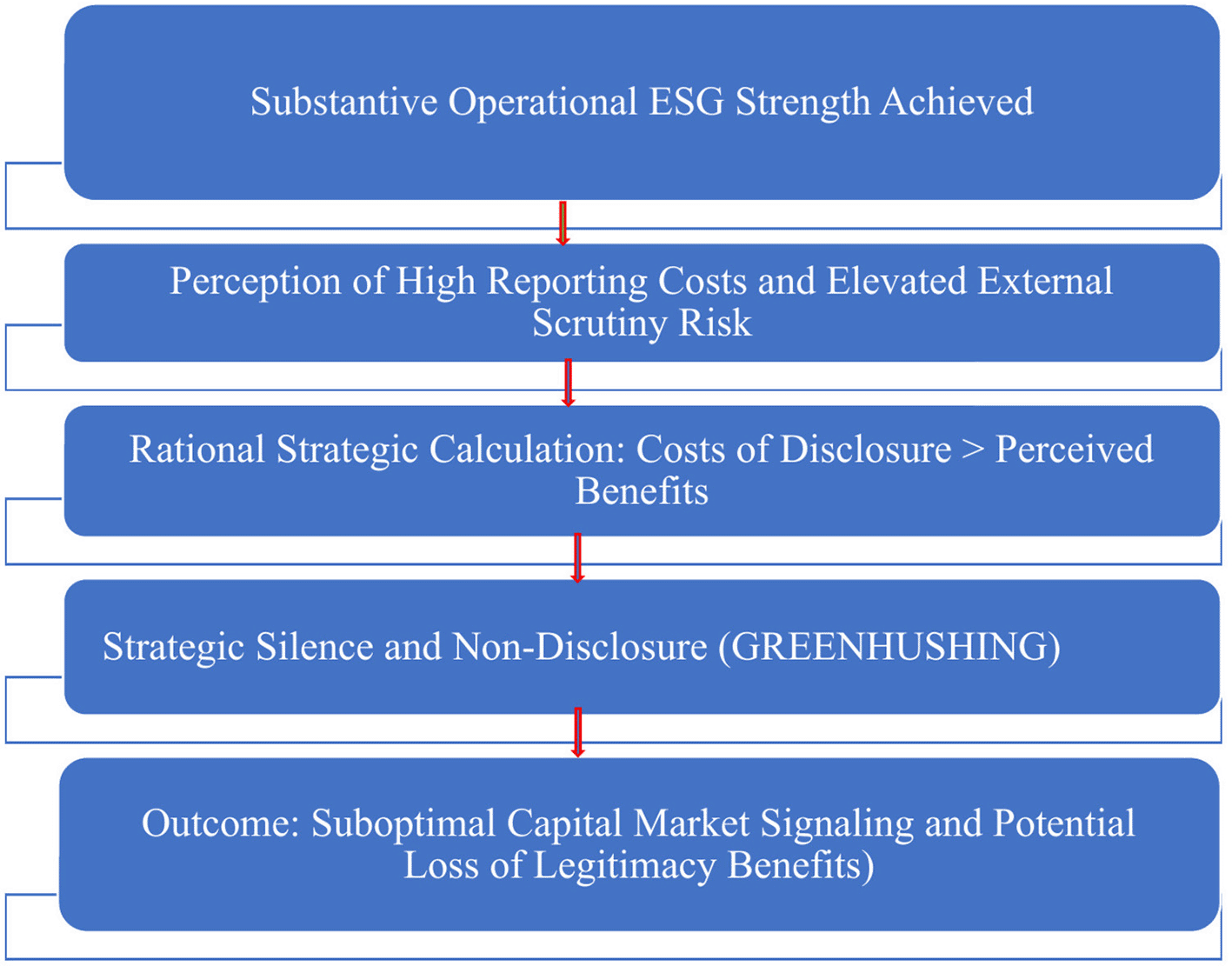
Perhaps the most intriguing and theoretically significant finding to emerge from the synthesis of this literature pertains not to the quality of the reports that are produced, but to the strategic decision of many SMEs to not report at all, even when they possess a substantive and potentially compelling sustainability story to tell. The research by Galli et al. (2024), conducted within the specific context of the Italian meat and cured meat industry, introduces and empirically documents the practice of greenhushing. The authors define greenhushing as the deliberate and strategic absence of, or significant limitation on, external communication regarding effectively implemented and genuinely impactful sustainability practices. This behavior stands in stark contrast to the well-publicized phenomenon of greenwashing, wherein firms engage in extensive promotional communication about sustainability initiatives that are, in reality, superficial or nonexistent. The SMEs in Galli et al.’s (2024) study were found to be actively engaged in substantive sustainability actions, but they made a conscious choice to remain silent about these achievements. The motivations driving this strategic silence are multifaceted and deeply pragmatic. They include a fear of triggering heightened scrutiny from regulators, customers, or local communities; a concern that increased visibility would invite additional administrative burdens and requests for information that the firm lacks the capacity to fulfill; and a perception, grounded in the lived experience of operating in a competitive and low-margin industry, that transparency yields no tangible competitive advantage sufficient to offset its associated costs and risks. The greenhushing phenomenon presents a profound challenge to policymakers and advocates of greater SME transparency, as it suggests that the current reporting ecosystem, with its emphasis on complex and costly standardized frameworks, may be actively disincentivizing the very behaviors and communication practices it seeks to encourage. The Figure 2 illustrates the hypothesized decision pathway leading to greenhushing behavior in SMEs, synthesized from the empirical findings of Galli et al. (2024) and the analysis of structural constraints presented by Cavaliere et al. (2026).
The third and final thematic pillar addresses the question of greatest practical significance to SME owner-managers, investors, and lenders: what is the relationship between ESG disclosure and the traditional metrics of financial performance and capital access? The synthesis of the evidence reveals a relationship that is considerably more complex, contingent, and, in certain critical respects, counterintuitive than the positive association documented in the large-cap corporate finance literature. The prevailing narrative in large-firm research posits that superior ESG disclosure reduces information asymmetry, signals effective risk management, and thereby lowers a firm’s cost of capital. The evidence specific to the SME sector challenges this narrative, revealing what can be termed the Gjergji Paradox.
The most striking and influential finding in this domain comes from the quantitative analysis conducted by Gjergji et al. (2021) on a sample of Italian listed SMEs. Their study examined the differential impact of the three individual ESG pillars on the firm’s cost of capital, while also investigating the moderating role of family business status. The results of their analysis are both nuanced and revealing. The study found that environmental disclosure, contrary to the established large-firm evidence and standard theoretical expectations, was associated with a statistically significant increase in the cost of capital for the average SME in their sample. The authors theorize that this counterintuitive finding stems from the unique position of smaller firms in capital markets. For an SME operating with constrained resources and a limited track record of non-core business activities, extensive environmental disclosure may be interpreted by investors and lenders not as a signal of sophisticated risk mitigation but rather as a signal of potential operational disruption, impending regulatory compliance costs, or a diversion of scarce managerial attention away from core profit-generating activities. In this interpretation, environmental transparency is priced as a risk factor rather than a value-enhancing characteristic.
Crucially, the Gjergji et al. (2021) study identifies a significant moderating variable that serves to delineate the boundary conditions of this observed penalty. The negative association between environmental disclosure and the cost of capital was found to be neutralized, and in some specifications even reversed, for family-owned SMEs. The authors argue that the unique governance characteristics of family firms, including their typically longer-term investment horizons, their heightened concern for the preservation of socioemotional wealth and family reputation, and their often closer and more stable relationships with local stakeholders, alter the interpretive lens through which capital providers view their environmental communications. For a family SME, a commitment to environmental responsibility may be perceived as a credible and durable signal of long-term stewardship, aligning the interests of the firm with the risk perceptions of its capital providers. In contrast, for a non-family SME with a more dispersed ownership structure and a shorter-term financial orientation, the same environmental disclosure may be met with greater skepticism and priced accordingly.
Further nuance is added to the understanding of the SME ESG-financial performance nexus by the work of Garrido-Ruso et al. (2026). Their analysis, which examines the relationship between ESG performance scores and firm performance and risk metrics across a broader European SME sample, suggests that the impact of ESG is not uniform across its constituent pillars. Their findings indicate that while the overall relationship may be positive but weak, the social pillar, encompassing practices related to labor relations, employee well-being, and community engagement, demonstrates a particularly robust positive association with financial resilience. The study finds that SMEs with stronger social performance metrics were better positioned to weather the economic disruption caused by exogenous shocks such as the COVID-19 pandemic. This finding aligns with a broader stakeholder-oriented perspective, suggesting that investments in human capital and social license to operate provide a tangible buffer against operational and financial volatility, a buffer that is especially valuable for smaller firms with less diversified asset bases and shallower financial reserves. The literature therefore points toward a bifurcated performance landscape in which environmental transparency may be penalized in the short to medium term, particularly for non-family firms, while social investments yield more immediate and observable benefits in terms of organizational resilience and stakeholder loyalty as summarized in Table 3.
| ESG dimension | Financial outcome variable | Key finding and interpretation | Moderating condition | Representative study |
|---|---|---|---|---|
| Environmental Disclosure (E) | Cost of Capital | Negative (Penalty): Environmental transparency increases the cost of capital for non-family SMEs. Market interprets disclosure as a signal of cost burden and operational distraction. | Family Ownership Status | Gjergji et al. (2021) |
| Social Performance (S) | Financial Resilience | Positive (Buffer): Strong social and labor practices enhance firm resilience and mitigate performance decline during exogenous economic shocks (e.g., pandemic). | Sector and Labor Intensity | Garrido-Ruso et al. (2026) |
| Overall ESG Score | Return on Assets | Positive but Nuanced: A higher aggregate ESG score is associated with modest improvements in ROA. The relationship is contingent on the quality of underlying disclosure. | Disclosure Formalization | EthiFinance (2025); Garrido-Ruso et al. (2026) |
| ESG Adoption Process | Integrated Thinking | Positive (Process Benefit): The act of implementing sustainability reporting fosters integrated thinking and improved internal management practices, independent of the final report’s external reception. | Organizational Culture | Rossi & Luque-Vílchez (2021) |
The aggregated evidence synthesized in this systematic review paints a clear and compelling portrait of the SME ESG reporting landscape as a domain characterized by profound and unresolved tensions. The findings, when viewed collectively, suggest that the current trajectory of policy development, which leans heavily toward the extension of large-firm reporting paradigms to the SME sector, is likely to produce a range of unintended and potentially counterproductive consequences unless it is accompanied by a concerted effort to tailor standards and support mechanisms to the specific operational and financial realities of smaller enterprises.
The identification of the CSRD cascade effect and the prevalence of mimetic isomorphism carries significant theoretical and practical implications. From a theoretical standpoint, this review contributes to the refinement of Institutional Theory by demonstrating that in the context of sustainability reporting, mimetic pressures do not operate solely within peer groups. Instead, SMEs exhibit a pronounced tendency toward aspirational mimicry, modeling their behaviors on large-cap firms that occupy a fundamentally different position in the organizational field. This finding challenges the traditional assumption that isomorphism is strongest among organizations facing similar environmental constraints. Practically, this behavior is deeply problematic because it leads SMEs to adopt reporting frameworks, such as the full GRI Standards, that are misaligned with their internal resources and the actual informational needs of their primary stakeholders. This mismatch contributes directly to the high perceived costs of reporting and fuels the greenhushing phenomenon documented by Galli et al. (2024).
The Gjergji Paradox, which documents an SME-specific cost of capital penalty for environmental disclosure, represents perhaps the most urgent call for policy recalibration to emerge from this review. The finding that capital markets appear to penalize, rather than reward, early-stage environmental transparency in non-family SMEs creates a powerful and rational disincentive for the very behavior that regulations like the CSRD are designed to promote. If an SME owner-manager perceives that investing time and money in environmental data collection and disclosure will lead to a higher cost of bank debt or equity capital, they are faced with a rational choice to either avoid disclosure altogether or to engage in the kind of minimal, symbolic compliance documented by Modaffari et al. (2026). This finding underscores the critical need for parallel initiatives aimed at educating lenders and investors about the specific risk and opportunity profile of the SME sector. Credit scoring models and investment theses developed for large-cap analysis cannot be unthinkingly applied to SMEs. Differentiating between the one-time costs of establishing a reporting system and the ongoing operational efficiencies that may result from improved environmental management is essential to correcting this market failure.
The implications for policy formulation are clear and actionable. First, there is an urgent need for a genuinely tiered and proportionate approach to regulatory standards. The development of the Voluntary SME standard by the European Financial Reporting Advisory Group represents a constructive step, but its voluntary nature may limit its effectiveness in overcoming the inertia of greenhushing. Policymakers should consider formalizing a separate, simplified, and mandatory standard for listed SMEs that is distinct from the full ESRS applicable to large undertakings. This SME-specific standard should prioritize a limited set of highly material quantitative indicators and significantly reduce the administrative burden associated with double materiality assessments. Second, the critical role of digital tools in bridging the resource gap cannot be overstated. The findings of Nicolo’ et al. (2026) and Kozłowska and Ustinovičius (2025) confirm that digital readiness is a strong enabler of ESG reporting readiness. Public policy should therefore focus on incentivizing the development and subsidizing the adoption of low-cost, user-friendly, and potentially AI-enabled accounting and reporting software tailored specifically to the workflows and data environments of smaller businesses. Such tools can automate much of the data collection and aggregation burden, freeing scarce managerial time and internal resources.
The findings and implications of this systematic review must be interpreted in light of several inherent limitations that also serve to delineate promising pathways for future scholarly inquiry. The most significant limitation pertains to the geographical scope of the underlying evidence base. The literature synthesized in this review is heavily skewed toward the European context, with a particular concentration of studies examining SMEs operating in Italy, Germany, and Poland. This geographical concentration is a direct consequence of the impending CSRD implementation, which has created a natural laboratory for studying the antecedents and early effects of mandatory non-financial reporting on smaller entities. While this focus enhances the relevance of the findings for European policymakers and practitioners, it necessarily limits the generalizability of the conclusions to other regulatory and cultural environments. The dynamics of SME ESG reporting in North American, Asian, African, or Latin American contexts may differ substantially due to variations in regulatory pressure, capital market structure, and stakeholder expectations. Future research should prioritize comparative studies that examine the transferability of the findings reported here to other geographical and institutional settings.
A second limitation stems from the methodological composition of the literature. The current body of research on SME ESG reporting is characterized by a preponderance of cross-sectional survey designs, qualitative case studies, and content analyses of published reports. While these methodologies are well-suited to the exploratory and descriptive objectives that have dominated the early phases of research in this domain, they are less effective at establishing robust causal inferences. The findings regarding the cost of capital penalty, for example, while based on rigorous econometric analysis, are derived from a single national context and a specific temporal window. The imminent implementation of the CSRD in 2026 presents a unique and powerful opportunity for future researchers to conduct longitudinal, quasi-experimental studies. By tracking a consistent panel of listed European SMEs from the voluntary pre-CSRD period into the mandatory post-CSRD era, researchers can more precisely isolate the causal effect of mandatory disclosure requirements on key outcome variables, including the cost of capital, access to finance, and firm performance. Such research would provide invaluable evidence to inform the ongoing evolution of sustainability reporting policy, not only in Europe but in other jurisdictions contemplating similar regulatory interventions.
Furthermore, the phenomenon of greenhushing identified by Galli et al. (2024) merits deeper and more systematic investigation. The existing evidence for this behavior is largely qualitative and derived from a single industrial sector in one country. Future research should employ large-scale survey methodologies, potentially incorporating experimental vignettes, to assess the prevalence of greenhushing across different sectors, firm sizes, and national contexts. Understanding the precise conditions under which SMEs choose strategic silence over transparent communication is essential for designing policy interventions that can effectively overcome this barrier. Finally, the moderating role of family ownership in shaping the financial consequences of ESG disclosure, as identified by Gjergji et al. (2021), warrants further theoretical and empirical elaboration. Future studies could fruitfully explore the specific governance mechanisms, time horizons, and stakeholder relationship dynamics that enable family SMEs to translate environmental commitment into a reputational and financial asset rather than a perceived liability.
This systematic literature review has provided a comprehensive and methodologically rigorous synthesis of the rapidly expanding body of academic research examining ESG reporting practices within the small and medium enterprise sector. The analysis, structured around the PRISMA 2020 framework and guided by the TCCM heuristic, reveals that SME engagement with sustainability disclosure is not a simplified or scaled-down version of large-firm practice. It is, instead, a fundamentally distinct phenomenon characterized by a unique constellation of drivers, barriers, and outcomes. The review establishes that coercive regulatory pressures, most notably the EU’s CSRD and its cascading supply chain effects, and mimetic tendencies to emulate large-firm behavior constitute the primary engines of SME disclosure. These powerful external forces, however, collide with the persistent and pervasive internal realities of resource scarcity, technical expertise deficits, and a heavy reliance on external consultants. This collision produces a set of strategic responses, including the widespread and counterintuitive practice of greenhushing, that distinguish the SME reporting landscape.
Most critically, the review challenges the conventional wisdom regarding the financial rewards of ESG transparency. The evidence points to the existence of an SME-specific cost of capital penalty for environmental disclosure, a finding that stands in stark contrast to the established large-firm literature and creates a significant and rational disincentive for SME engagement. This paradox underscores the urgent need for a more nuanced and proportionate approach to sustainability reporting policy. The path forward requires moving beyond a one-size-fits-all regulatory mentality and embracing frameworks that are explicitly tailored to the scale, resources, and operational rhythms of the small business sector. This entails not only the development of simplified and proportionate reporting standards but also targeted investments in digital infrastructure and sustained efforts to educate capital providers about the unique risk and opportunity calculus of the SME economy. Until such measures are implemented, the full potential of the SME sector to contribute to broader sustainability goals will remain constrained by a reporting ecosystem that is, in its current form, more likely to induce silence and burden than to catalyze transparency and positive change.
| Views | Downloads | |
|---|---|---|
| F1000Research | - | - |
|
PubMed Central
Data from PMC are received and updated monthly.
|
- | - |
Provide sufficient details of any financial or non-financial competing interests to enable users to assess whether your comments might lead a reasonable person to question your impartiality. Consider the following examples, but note that this is not an exhaustive list:
Sign up for content alerts and receive a weekly or monthly email with all newly published articles
Already registered? Sign in
The email address should be the one you originally registered with F1000.
You registered with F1000 via Google, so we cannot reset your password.
To sign in, please click here.
If you still need help with your Google account password, please click here.
You registered with F1000 via Facebook, so we cannot reset your password.
To sign in, please click here.
If you still need help with your Facebook account password, please click here.
If your email address is registered with us, we will email you instructions to reset your password.
If you think you should have received this email but it has not arrived, please check your spam filters and/or contact for further assistance.

Comments on this article Comments (0)