Keywords
Algorithmic ambiguity, Authentic knowledge construction, Deepfake learning, Epistemic regulation, Science education

Algorithmic ambiguity, Authentic knowledge construction, Deepfake learning, Epistemic regulation, Science education
The rapid proliferation of generative artificial intelligence (AI) has transformed the epistemic landscape of education. Contemporary AI systems are capable of producing fluent, authoritative, and scientifically structured outputs that may nevertheless contain fabricated data, distorted interpretations, or algorithmic hallucinations. In science education where knowledge legitimacy depends on evidentiary reasoning, methodological rigor, and logical coherence such outputs introduce a condition of epistemic ambiguity (Fitriyah et al., 2026; Nannemann et al., 2024; Nieto et al., 2024). Learners are no longer merely consumers of information; they must actively negotiate the credibility of algorithmically generated knowledge claims (Dosso et al., 2025; Mazzarella & Vaccargiu, 2024).
This condition is conceptualized in the present study as Deepfake Learning Credibility Ambiguity (DLCA) the perceived uncertainty regarding whether learning content is authentic or algorithmically fabricated (Siddiqui et al., 2025). Rather than treating DLCA as a simple risk factor or technological disruption, this study situates it within the broader framework of epistemic regulation theory (Yan et al., 2025). Epistemic regulation refers to individuals’ capacity to monitor, evaluate, and calibrate their trust in knowledge claims in response to contextual cues. From this perspective, ambiguity does not automatically undermine learning; instead, it may function as a regulatory trigger that activates metacognitive, strategic, and normative processes designed to manage epistemic risk (Omarchevska et al., 2022).
In digital learning environments characterized by algorithmic opacity, learners must engage in what can be described as adaptive epistemic calibration. When credibility cues become uncertain, individuals may increase cognitive vigilance, deploy verification strategies, and reflect on normative commitments regarding authenticity and integrity (Fitriyah et al., 2025; Gurcan et al., 2025; S. Wang & Bussey, 2025). These processes represent multidimensional components of epistemic regulation, encompassing cognitive scrutiny, procedural validation, and moral orientation (Winingsih et al., 2023). However, empirical research in AI-mediated education has rarely examined how such regulatory mechanisms operate structurally as explanatory pathways linking perceived ambiguity to learning outcomes. Existing studies tend to focus on AI adoption, academic dishonesty, or operational literacy, leaving a theoretical gap in understanding how learners regulate knowledge construction under algorithmic uncertainty.
Drawing on the Stimulus–Organism–Response (SOR) framework, this study reconceptualizes DLCA as an epistemic stimulus that activates internal regulatory mechanisms rather than merely eliciting behavioral responses. Specifically, three organismic processes are proposed: Epistemic Vigilance, reflecting critical evaluation and metacognitive monitoring of informational claims; AI Verification Competence, representing the strategic capacity to validate algorithmic outputs; and Authenticity Commitment, capturing normative alignment with academic integrity and original knowledge construction (Kuncoro et al., 2026; Mladenović et al., 2023; Ning et al., 2025). Importantly, these mechanisms are theorized as parallel mediators within a multidimensional epistemic regulation system. In this mechanism-based interpretation of SOR, DLCA influences Authentic Knowledge Construction (AKC) primarily through the activation of cognitive, procedural, and moral regulatory pathways (Bartsch et al., 2024; Joshi & McKenna, 2025; Rico Hauswald, 2024).
The theoretical contribution of this study lies in reframing algorithmic ambiguity as a form of productive epistemic tension that can stimulate regulatory engagement rather than passive confusion. By integrating epistemic vigilance, verification competence, and authenticity commitment into a unified parallel mediation model, this research advances a structural account of epistemic adaptation in AI-mediated science learning. Through empirical testing using Partial Least Squares Structural Equation Modeling (PLS-SEM), the study provides evidence that authentic knowledge construction in the age of generative AI emerges not from the absence of ambiguity, but from learners’ capacity to regulate it.
The expansion of generative artificial intelligence has fundamentally altered the epistemic conditions of contemporary education. AI systems now generate highly fluent texts, synthetic data representations, and simulated scientific explanations that closely resemble authentic academic outputs (Blancaflor et al., 2023; Mo et al., 2022; Rajput & Arora, 2024). However, such outputs may contain subtle distortions, fabricated references, or algorithmic hallucinations that are difficult to detect (Qi, 2024). In science education, where knowledge legitimacy depends on evidentiary reasoning and logical coherence, this development introduces a condition of epistemic ambiguity.
This ambiguity extends beyond academic misconduct. It represents a structural disruption of credibility cues within learning environments. Students are increasingly required to evaluate not only the content of information but also its epistemic origin and authenticity (McCaw et al., 2024; Sharon & Encarnación, 2024). The present study conceptualizes this condition as Deepfake Learning Credibility Ambiguity (DLCA), defined as the perceived uncertainty regarding whether learning content is authentic or algorithmically fabricated (McCaw et al., 2024; Squazzoni, 2023). Rather than treating DLCA as a mere technological risk, this study frames it as a contextual epistemic stimulus capable of activating regulatory processes within learners (Beddoes & Jones, 2024). Understanding how such ambiguity shapes knowledge construction requires a theoretical lens that captures internal regulatory dynamics.
The Stimulus–Organism–Response (SOR) framework provides a structural logic for explaining how environmental conditions influence internal processes that subsequently shape behavioral and cognitive outcomes. Originally developed to explain affective and behavioral responses to environmental stimuli, SOR posits that external stimuli (S) do not influence responses (R) directly, but primarily through internal organismic processes (O). In contemporary research, this framework has been extended beyond affective reactions to encompass cognitive regulation, decision-making, and adaptive behavior in complex digital environments (Abdrabbo et al., 2025; Nguyen, 2026).
Within the context of AI-mediated learning, particularly environments characterized by algorithmic opacity and credibility uncertainty, SOR offers a useful foundation for modeling epistemic regulation rather than mere behavioral response (Marti-Ochoa et al., 2025; Zahran & Aljuhmani, 2025). When learners encounter ambiguous credibility cues in algorithmically generated content, the stimulus they face is epistemic in nature. Such ambiguity does not simply trigger emotional reactions or usage intentions, but activates internal regulatory processes aimed at monitoring, evaluating, and calibrating trust in knowledge claims. In the present study, the SOR framework is reconceptualized as a mechanism-based epistemic regulation model (L. Wang et al., 2025; Wut et al., 2025). Deepfake Learning Credibility Ambiguity (DLCA) is positioned as a contextual epistemic stimulus (S) that signals potential risk in the reliability of learning content. Rather than assuming a direct and unmediated impact on learning outcomes, this study theorizes that DLCA primarily operates through internal regulatory mechanisms that constitute the organismic component (O) of the model.
These mechanisms include Epistemic Vigilance as a cognitive regulatory process, AI Verification Competence as a procedural regulatory capacity, and Authenticity Commitment as a normative regulatory orientation. As illustrated in Figure 1, DLCA activates these three organismic mechanisms simultaneously, forming a multidimensional regulatory system through which learners respond to algorithmic ambiguity. These organismic processes function as parallel mediators that transmit the influence of DLCA to Authentic Knowledge Construction (AKC), the response (R) within the SOR framework. In this configuration, authentic learning outcomes are not conceptualized as immediate reactions to ambiguity, but as the result of mediated epistemic regulation involving cognitive scrutiny, verification strategies, and value-based commitment to authenticity.
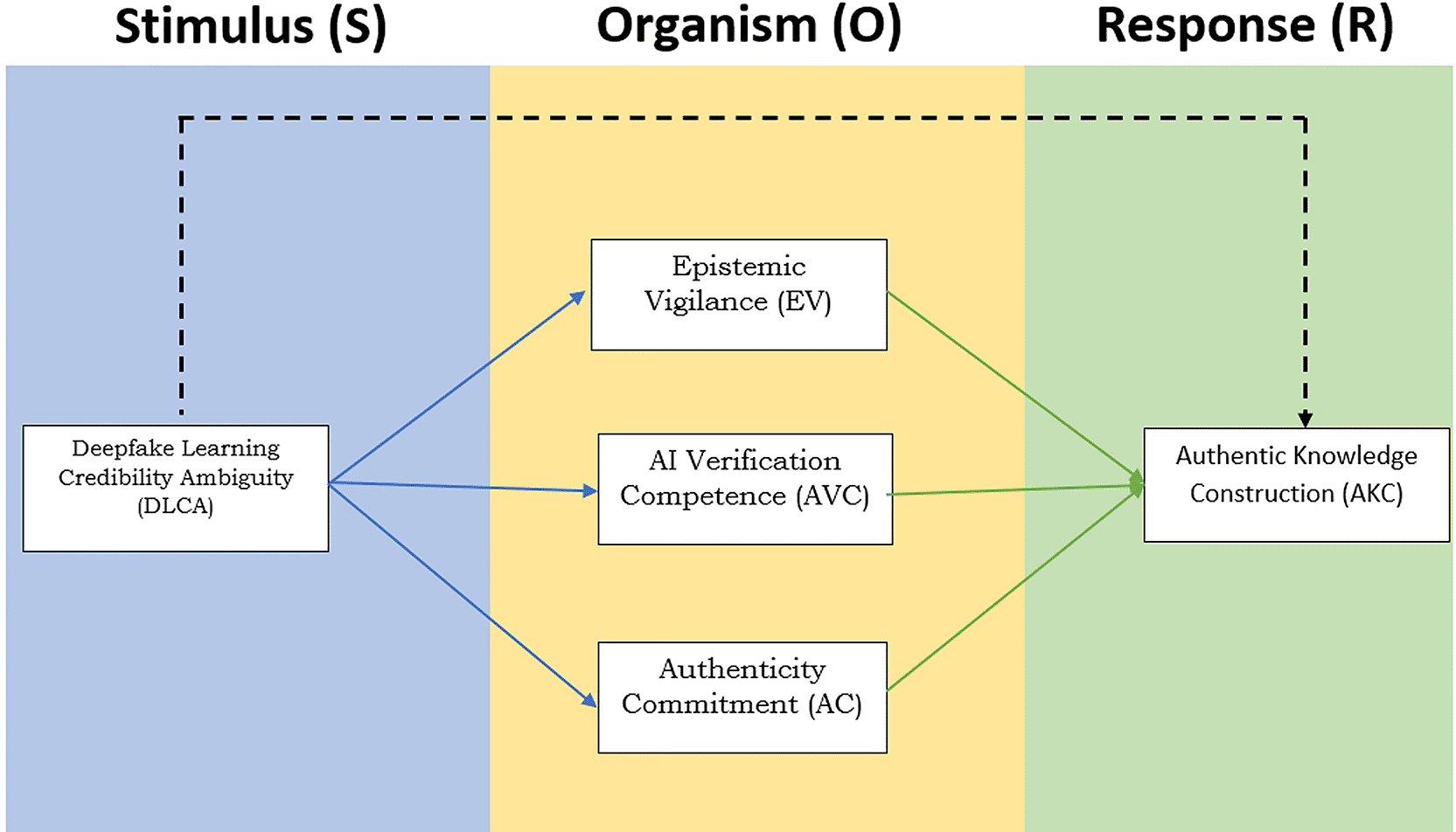
While traditional applications of SOR emphasise indirect stimulus–response pathways, contemporary extensions of the framework acknowledge that environmental uncertainty may also exert situational effects on behavior (Abdrabbo et al., 2025; Fu, Ma, et al., 2025a; Kim et al., 2025). Accordingly, the present model retains a direct pathway from DLCA to AKC to capture immediate adaptive responses to credibility ambiguity. However, the central theoretical expectation concerns mediated pathways, positioning the organismic mechanisms as the primary explanatory processes linking algorithmic ambiguity to authentic knowledge construction. By operationalizing SOR as a partial parallel mediation model, this study extends the framework from a descriptive stimulus–response structure to an explanatory model of epistemic regulation under algorithmic uncertainty (Deng et al., 2026; Fu, Wu, et al., 2025b). This reconceptualization allows for a more precise examination of how learners adapt to deepfake-related risks in AI-mediated science learning environments.
Epistemic Vigilance refers to the cognitive disposition to critically evaluate informational claims before accepting them as valid. Rooted in epistemic cognition and metacognitive monitoring theories, vigilance involves skepticism toward unsupported assertions, sensitivity to inconsistency, and reflective judgment regarding evidence quality. In digitally mediated environments characterized by algorithmic opacity, ambiguity functions as a cue that signals potential epistemic risk (Dosso et al., 2025; Mazzarella & Vaccargiu, 2024; Squazzoni, 2023). When learners perceive high DLCA, they are expected to increase cognitive scrutiny to protect themselves from misinformation or fabricated content (Chadwick et al., 2025; Mannaioli et al., 2024). This heightened vigilance represents an adaptive regulatory response aimed at preserving epistemic integrity. However, vigilance alone does not constitute authentic knowledge construction (Pexman, 2023). Its influence operates by filtering and evaluating information prior to integration (Giunta et al., 2026; Mrowka et al., 2025). Thus, within the present model, Epistemic Vigilance is theorized as a cognitive mediating mechanism linking DLCA to Authentic Knowledge Construction.
While Epistemic Vigilance reflects cognitive orientation, AI Verification Competence (AVC) represents the procedural dimension of epistemic regulation. AVC refers to learners’ ability to systematically validate AI-generated content through cross-referencing, evidence comparison, detection of inconsistencies, and source triangulation (Zhou et al., 2025). Under conditions of credibility ambiguity, learners are incentivized to activate or develop verification strategies to reduce uncertainty (Drǎmnesc et al., 2024; Monti, 2024). This strategic deployment of validation tools constitutes an adaptive calibration process, allowing learners to transform ambiguous input into verified knowledge (Buggiani et al., 2024; Monti, 2024). Importantly, competence differs from vigilance. A learner may be skeptical yet lack the procedural skills necessary to verify content effectively (Khaled, 2024; Ruoyan et al., 2026). Therefore, AVC functions as a procedural mediating pathway, transmitting the influence of DLCA to authentic knowledge construction by enabling systematic validation prior to knowledge integration.
Beyond cognitive and procedural dimensions, epistemic regulation is also shaped by normative orientation. Authenticity Commitment reflects learners’ internalized moral alignment with academic integrity, originality, and responsible knowledge production. In ambiguous AI-mediated environments, ethical reflection may intensify (Bedigen, 2025; Kayyali, 2025; Nayak, 2025). Learners confronted with DLCA may reassess their commitment to independent reasoning rather than uncritical reliance on algorithmic outputs (Babu et al., 2025; Pagis, 2025). This normative anchor stabilizes regulatory processes, ensuring that vigilance and verification efforts are guided by values of authenticity rather than mere procedural compliance (Désoulières & Garms, 2026; Meyfroodt et al., 2025; Odaǧ et al., 2025). Accordingly, Authenticity Commitment operates as a normative mediating mechanism through which DLCA influences Authentic Knowledge Construction.
Authentic Knowledge Construction (AKC) represents the response component within the mechanism-based SOR framework. AKC refers to learners’ ability to construct reflective, evidence-based, and independently articulated scientific understanding rather than reproducing AI-generated outputs without critical engagement (Long et al., 2025; Maphosa, 2024; Matli, 2024). Within an epistemic regulation perspective, AKC is not an immediate reaction to ambiguity (Indriati et al., 2024; Plank et al., 2024). Instead, it emerges from the coordinated activation of cognitive vigilance, procedural verification, and normative commitment (Bakr et al., 2025; Liang et al., 2021; Plank et al., 2024). Authentic knowledge construction therefore reflects the culmination of multidimensional regulatory processes activated by DLCA. As depicted in Figure 1, AKC is positioned as the structural outcome of parallel mediation pathways within the proposed model.
Although the primary theoretical expectation concerns mediated regulatory pathways, epistemic ambiguity may also exert direct situational influence on learning behavior. When learners encounter ambiguous credibility cues, they may immediately adopt cautious strategies even before full regulatory activation occurs. Therefore, the model retains a direct path from DLCA to AKC to examine whether ambiguity influences authentic learning beyond mediated mechanisms. This structure reflects a partial parallel mediation model, allowing for both regulatory transmission and situational adjustment effects.
Taken together, the proposed framework conceptualizes DLCA as an epistemic stimulus that activates multidimensional regulatory mechanisms, which in turn transmit its influence on Authentic Knowledge Construction. As illustrated in Figure 1, the model represents a parallel mediation structure in which cognitive (Epistemic Vigilance), procedural (AI Verification Competence), and normative (Authenticity Commitment) mechanisms simultaneously function as explanatory pathways linking DLCA to AKC. Based on this mechanism-based SOR model, the following hypotheses are proposed:
DLCA positively influences Epistemic Vigilance.
DLCA positively influences AI Verification Competence.
DLCA positively influences Authenticity Commitment.
Epistemic Vigilance mediates the relationship between Deepfake Learning Credibility Ambiguity and Authentic Knowledge Construction.
AI Verification Competence mediates the relationship between Deepfake Learning Credibility Ambiguity and Authentic Knowledge Construction.
Authenticity Commitment mediates the relationship between Deepfake Learning Credibility Ambiguity and Authentic Knowledge Construction.
DLCA positively influences Authentic Knowledge Construction.
This study employed a quantitative explanatory research design to test a theory-driven parallel mediation model grounded in the Stimulus–Organism–Response (SOR) framework. The primary objective was to examine how Deepfake Learning Credibility Ambiguity (DLCA), conceptualized as an epistemic stimulus, influences Authentic Knowledge Construction (AKC) through three regulatory mechanisms: Epistemic Vigilance (EV), AI Verification Competence (AVC), and Authenticity Commitment (AC). In this mechanism-based interpretation of SOR, the organismic variables are positioned as parallel mediators that transmit the influence of algorithmic ambiguity to authentic learning outcomes.
Given the structural complexity of the proposed model and its mediation-oriented nature, Partial Least Squares Structural Equation Modeling (PLS-SEM) was employed using SmartPLS software. PLS-SEM is particularly appropriate for theory-driven mediation analysis, prediction-oriented research, and the simultaneous estimation of measurement and structural models involving multiple endogenous constructs. This approach allows robust evaluation of both outer (measurement) and inner (structural) components within the parallel mediation framework.
The study utilized a cross-sectional survey design, collecting data from junior high school students who had prior exposure to AI-assisted learning tools. Although cross-sectional data do not permit definitive causal inference, this design is appropriate for examining theoretically specified structural relationships and assessing indirect effects within mediation models. The proposed model incorporates both mediated pathways (DLCA → EV/AVC/AC → AKC) and a retained direct pathway (DLCA → AKC), reflecting a partial parallel mediation structure. This modeling strategy aligns with contemporary extensions of SOR research, which acknowledge that environmental ambiguity may influence behavioral outcomes both through internal regulatory mechanisms and through immediate situational responses.
The participants consisted of 1,237 junior high school students enrolled in Grades 7 to 9. The sample was selected to represent early adolescent learners who are increasingly exposed to AI-assisted educational tools and digital learning platforms. This population is particularly relevant to the present study, as students at this developmental stage are actively constructing scientific knowledge while simultaneously navigating emerging AI-generated content. As shown in Table 1, the gender distribution was relatively balanced, with 590 male students (47.7%) and 647 female students (52.3%). The distribution across grade levels was also proportionate: 428 students were in Grade 7 (34.6%), 410 in Grade 8 (33.1%), and 399 in Grade 9 (32.3%). Participants’ ages ranged from 12 to 15 years, with 34.6% aged 12–13, 33.1% aged 13–14, and 32.3% aged 14–15. The balanced demographic distribution enhances the representativeness of the sample and supports the robustness of structural equation modeling analysis.
A stratified cluster sampling approach was employed to ensure representation across grade levels. Schools were selected based on accessibility and prior integration of digital learning platforms, and intact classrooms were used as sampling units. This procedure minimized disruption to instructional activities while maintaining adequate variability across demographic groups. The sample size exceeds recommended thresholds for Structural Equation Modeling. With more than 1,000 observations, the study achieves strong statistical power for estimating both measurement and structural parameters, including mediation effects within the proposed SOR framework. Participation was voluntary, and parental consent as well as institutional approval were obtained prior to data collection. All responses were anonymized to ensure confidentiality.
The measurement instrument was developed to operationalize the five latent constructs proposed in the SOR framework: Deepfake Learning Credibility Ambiguity (DLCA), Epistemic Vigilance (EV), AI Verification Competence (AVC), Authenticity Commitment (AC), and Authentic Knowledge Construction (AKC). The conceptual definitions and operational indicators for each construct are presented in Table 2. All constructs were modeled reflectively and measured using four indicators each to ensure adequate construct representation and statistical stability in PLS-SEM analysis (Luong, 2026; Zahran & Aljuhmani, 2025). Item development was grounded in established literature on epistemic cognition, AI literacy, academic integrity, and constructivist learning, and was adapted to the context of AI-mediated science education.
DLCA measures students’ perceived ambiguity regarding the credibility of AI-generated learning content. EV captures a cognitive disposition toward critical evaluation of informational claims. AVC assesses students’ competence in applying verification strategies to AI-generated materials. AC reflects a moral commitment to maintaining originality and integrity in learning. AKC represents the constructive learning outcome, defined as the ability to generate independent and evidence-based scientific understanding. All items were assessed using a four-point Likert scale ranging from 1 (strongly disagree), 2 (disagree), 3 (agree), to 4 (strongly agree). Prior to full-scale data collection, the instrument underwent expert review to ensure clarity, contextual relevance, and content validity.
Data were analyzed using Partial Least Squares Structural Equation Modeling (PLS-SEM) with SmartPLS software to evaluate both the measurement (outer) and structural (inner) components of the proposed parallel mediation model grounded in the Stimulus–Organism–Response (SOR) framework (Elshaer et al., 2025; Zahran & Aljuhmani, 2025). PLS-SEM was selected due to its suitability for prediction-oriented research, complex structural relationships, and mediation analysis involving multiple endogenous constructs. The analysis followed a two-step procedure. First, the measurement model was assessed to establish reliability and validity. Internal consistency reliability was evaluated using Cronbach’s alpha (α) and Composite Reliability (CR), with values above 0.70 considered acceptable. Convergent validity was examined through outer loadings and Average Variance Extracted (AVE), where outer loadings above 0.70 and AVE values above 0.50 indicate satisfactory construct validity. Discriminant validity was assessed using the Heterotrait–Monotrait (HTMT) ratio, with values below 0.85 indicating adequate construct distinctiveness. Collinearity among predictor constructs was examined using Variance Inflation Factor (VIF), with values below 3.3 suggesting no multicollinearity concerns.
After establishing measurement adequacy, the structural model was evaluated to test both direct and indirect hypotheses within the parallel mediation framework. Path coefficients (β), coefficient of determination (R2), effect sizes (f2), predictive relevance (Q2), and model fit were examined. The coefficient of determination (R2) was interpreted using established benchmarks (0.75 = substantial, 0.50 = moderate, 0.25 = weak). Effect sizes (f2) were interpreted using thresholds of 0.02 (small), 0.15 (medium), and 0.35 (large), indicating the relative contribution of each exogenous construct. Predictive relevance (Q2) was assessed using blindfolding procedures, with values above zero indicating adequate predictive capability.
Mediation testing was theory-driven and specified a priori based on the proposed parallel mediation structure. Bootstrapping with 5,000 resamples and bias-corrected 95% confidence intervals was conducted to assess the significance of indirect effects. Indirect effects were considered statistically significant when the confidence interval did not include zero. The nature of mediation (partial or full) was determined by examining the significance of both indirect effects and the retained direct effect (DLCA → AKC). The inclusion of both mediated and direct pathways allows assessment of a partial parallel mediation structure, consistent with the mechanism-based interpretation of the SOR framework (Luo et al., 2025; Zahran & Aljuhmani, 2025). Model fit was evaluated using the Standardized Root Mean Square Residual (SRMR), with values below 0.08 indicating acceptable fit. Given the large sample size (N = 1,237), the analysis achieved strong statistical power, ensuring stable estimation of both measurement and structural parameters within the proposed epistemic regulation model (Elshaer et al., 2025).
Given that the data were collected using self-reported questionnaires, procedural and statistical remedies were employed to minimize the risk of common method bias (CMB). Procedurally, respondents were assured of anonymity and confidentiality to reduce evaluation apprehension and social desirability bias. Participation was voluntary, and students were informed that there were no right or wrong answers (Hidayat et al., 2024; Podsakoff et al., 2024). Statistically, Harman’s single-factor test was conducted to assess whether a single factor accounted for the majority of covariance among the measures. The results indicated that the first factor explained less than 50% of the total variance, suggesting that common method bias was not a serious concern. In addition, variance inflation factor (VIF) values were examined, and all values were below the conservative threshold of 3.3, further indicating the absence of substantial common method variance.
The measurement model was evaluated to assess indicator reliability, internal consistency reliability, convergent validity, and discriminant validity prior to structural model estimation. Indicator reliability was examined through outer loadings. As presented in Table 3, all indicators exhibited standardized loadings ranging from 0.78 to 0.93, exceeding the recommended threshold of 0.70. These results indicate that each item adequately represents its respective latent construct. Internal consistency reliability was assessed using Cronbach’s alpha (α) and Composite Reliability (CR). All constructs demonstrated strong reliability, with α values ranging from 0.88 to 0.91 and CR values ranging from 0.90 to 0.93. These values surpass the minimum recommended criterion of 0.70, confirming satisfactory internal consistency across DLCA, EV, AVC, AC, and AKC.
Convergent validity was evaluated using the Average Variance Extracted (AVE). All constructs achieved AVE values above the 0.50 threshold, ranging from 0.66 to 0.84. Specifically, DLCA (0.79), EV (0.71), AVC (0.66), AC (0.83), and AKC (0.84) demonstrate that each construct explains a substantial proportion of variance in its indicators. Discriminant validity was assessed using the Heterotrait–Monotrait (HTMT) ratio. As shown in Table 4, all HTMT values were below the conservative threshold of 0.85, with the highest value observed between AC and AKC (0.74). These results confirm adequate construct distinctiveness and indicate that the latent variables do not exhibit problematic overlap. Overall, the measurement model demonstrates satisfactory reliability and validity, supporting the adequacy of the reflective measurement specification and permitting further evaluation of the structural relationships within the proposed SOR framework (Abdrabbo et al., 2025; Pahari, 2025).
After confirming the adequacy of the measurement model, the structural relationships were evaluated using bootstrapping with 5,000 resamples to test the hypothesized paths within the proposed parallel mediation SOR framework. The standardized path coefficients, indirect effects, and effect sizes are presented in Table 5, and the structural configuration is illustrated in Figure 2.
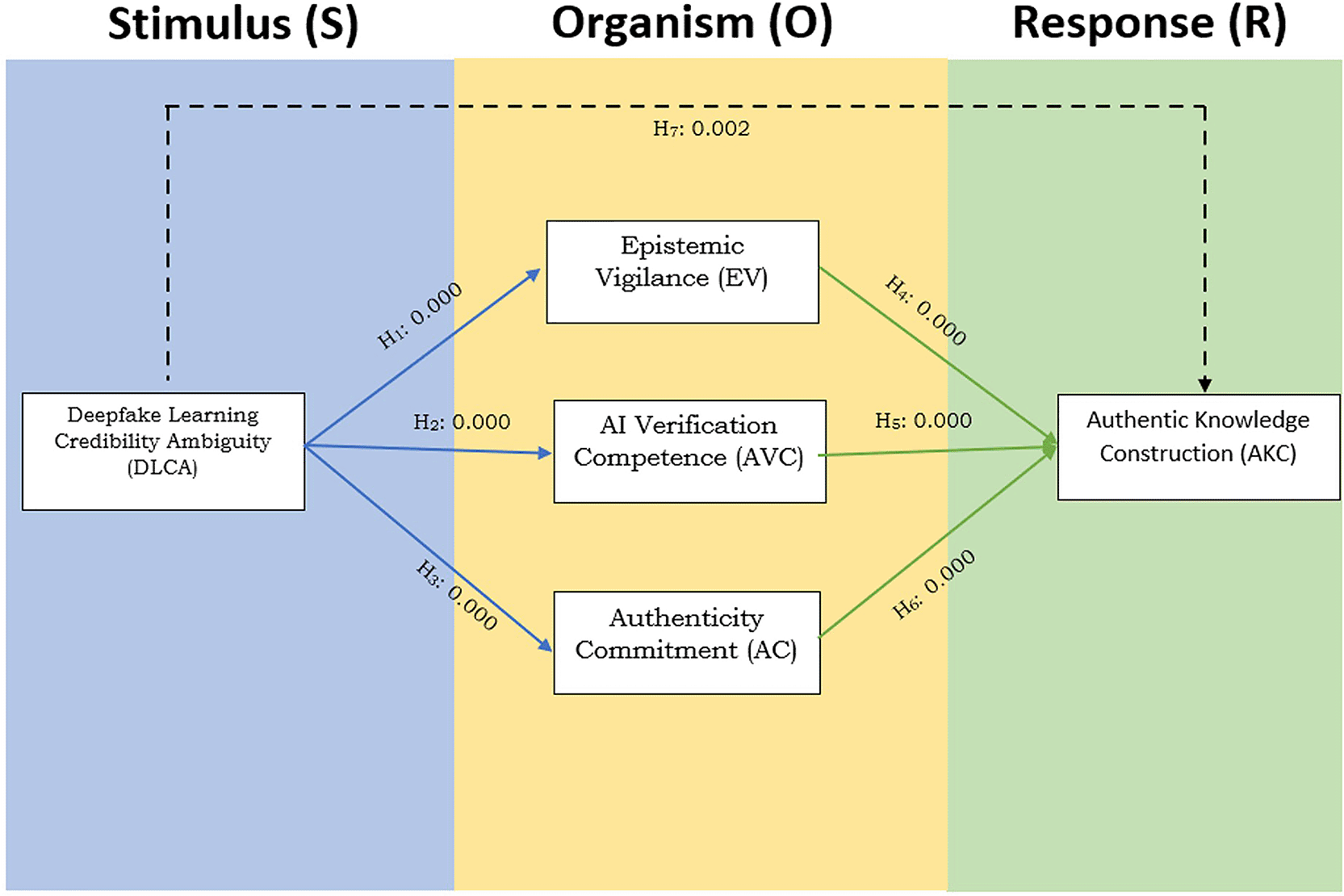
As reported in Table 5, Deepfake Learning Credibility Ambiguity (DLCA) significantly predicts all three organismic mechanisms. DLCA exerts a strong positive effect on Epistemic Vigilance (EV) (β = 0.540, p < .001), a substantial effect on AI Verification Competence (AVC) (β = 0.470, p < .001), and a moderate yet significant influence on Authenticity Commitment (AC) (β = 0.410, p < .001). These findings empirically confirm the stimulus-to-organism pathways specified in the conceptual model ( Figure 2), indicating that perceived algorithmic ambiguity activates multidimensional epistemic regulatory processes. Consistent with the organism-to-response relationships depicted in Figure 2, all three mediators significantly enhance Authentic Knowledge Construction (AKC). Authenticity Commitment demonstrates the strongest effect (β = 0.320, p < .001), followed by Epistemic Vigilance (β = 0.290, p < .001) and AI Verification Competence (β = 0.240, p < .001). This pattern suggests that authentic learning outcomes are primarily shaped by internal regulatory mechanisms rather than by ambiguity alone.
The retained direct effect of DLCA on AKC remains statistically significant (β = 0.120, p = .002), as shown in Table 5. However, mediation analysis further reveals significant indirect effects through EV (β = 0.157, 95% CI [0.116, 0.205]), AVC (β = 0.113, 95% CI [0.071, 0.160]), and AC (β = 0.131, 95% CI [0.089, 0.179]). Because both indirect effects and the direct pathway are significant, the results support a partial parallel mediation structure, confirming that cognitive, procedural, and normative mechanisms simultaneously transmit the influence of DLCA on AKC. The total effect of DLCA on AKC, derived from the direct and indirect components presented in Table 5, is β ≈ 0.52, indicating a substantial cumulative influence through both regulatory and situational pathways.
This magnitude underscores the structural importance of credibility ambiguity in shaping students’ epistemic engagement. Regarding explanatory power, the model accounts for 63% of the variance in AKC (R2 = 0.63), indicating substantial predictive capability. The R2 values for EV (0.29), AVC (0.22), and AC (0.17) reflect moderate explanatory strength for the organismic constructs. Effect size (f2) analysis shows that Authenticity Commitment exerts a medium effect on AKC (f2 = 0.15), whereas Epistemic Vigilance (f2 = 0.11) and AI Verification Competence (f2 = 0.08) demonstrate small-to-moderate effects. In contrast, the direct contribution of DLCA to AKC yields a small effect size (f2 = 0.03), reinforcing the predominance of mediated pathways in the model. Predictive relevance assessed through blindfolding yields Q2 = 0.41 for AKC, confirming strong predictive capability. The SRMR value remains below the 0.08 threshold, indicating acceptable model fit. Overall, the structural results summarized in Table 5 and visualized in Figure 2 provide robust empirical support for the proposed multidimensional parallel mediation model of epistemic regulation under algorithmic ambiguity (Allegri, 2025; Chaturvedi et al., 2025; Paliukenas & Šinkunas, 2026).
The model demonstrates substantial explanatory power for AKC (R2 = 0.63). Effect size analysis indicates meaningful contributions of organismic constructs, particularly AC (f2 = 0.15). Predictive relevance is confirmed with Q2 = 0.41, and model fit is acceptable (SRMR <0.08). These results suggest that the proposed SOR framework exhibits both strong explanatory and predictive capability (Chong et al., 2025).
This study provides robust empirical support for a multidimensional parallel mediation model explaining how Deepfake Learning Credibility Ambiguity (DLCA) shapes Authentic Knowledge Construction (AKC) in AI-mediated science learning. The structural model accounts for 63% of the variance in AKC (R2 = 0.63), indicating substantial explanatory power. Rather than exerting a dominant direct effect, DLCA primarily influences AKC through internal regulatory mechanisms, confirming the theoretical centrality of epistemic regulation within the mechanism-based SOR framework (He et al., 2026; Li et al., 2025). Consistent with H1–H3, DLCA significantly activates all three organismic processes. The strongest effect emerges in the DLCA → Epistemic Vigilance pathway (β = 0.540), followed by DLCA → AI Verification Competence (β = 0.470) and DLCA → Authenticity Commitment (β = 0.410). These coefficients suggest that perceived credibility ambiguity first mobilizes cognitive scrutiny before extending into procedural validation and normative reflection (Albnian et al., 2025; Rajendra & Thuraisingam, 2025). In other words, ambiguity appears to function as an epistemic alert system, triggering heightened monitoring and regulatory engagement rather than passive reliance on AI outputs (Kingsmith & Zehner, 2025; Sun et al., 2025).
More critically, the mediation findings (H4–H6) confirm that these organismic mechanisms operate as parallel explanatory pathways linking DLCA to AKC. The indirect effects are statistically significant across all three mediators: Epistemic Vigilance (β = 0.157), AI Verification Competence (β = 0.113), and Authenticity Commitment (β = 0.131). These results demonstrate that authentic knowledge construction does not arise directly from ambiguity exposure but from the regulatory processes activated in response to it (Bartsch et al., 2024; Pexman, 2023; Rudanko & Rickman, 2024). The presence of a retained direct effect (β = 0.120) indicates partial mediation; however, its comparatively small effect size (f2 = 0.03) underscores that most of DLCA’s influence is transmitted through internal mechanisms rather than situational reaction.
Among the mediators, Authenticity Commitment exhibits the strongest direct influence on AKC (β = 0.320), followed by Epistemic Vigilance (β = 0.290) and AI Verification Competence (β = 0.240). This ordering is theoretically meaningful. While cognitive vigilance initiates scrutiny and verification competence enables procedural correction, normative commitment appears to anchor and sustain authentic knowledge construction. The medium effect size of Authenticity Commitment (f2 = 0.15) further suggests that ethical orientation plays a structurally decisive role in shaping epistemic adaptation under algorithmic uncertainty. Thus, adaptive calibration in AI-mediated environments is not purely cognitive but value-driven. The total effect of DLCA on AKC (β ≈ 0.52) highlights the cumulative importance of credibility ambiguity in shaping epistemic engagement. Importantly, this magnitude does not imply that ambiguity is inherently beneficial; rather, it suggests that ambiguity can stimulate productive regulatory activation when learners possess sufficient epistemic capacities (Gigandet et al., 2023; Tamayo-Álzate, 2025). These findings therefore challenge deficit-oriented narratives that frame deepfake-related ambiguity solely as a pedagogical threat (Allegri, 2025; Kojah et al., 2025). Instead, ambiguity appears capable of generating constructive epistemic tension, prompting students to question, verify, and commit to authenticity (Allegri, 2025; Aydin Gunbatar et al., 2024; Ruhil, 2026).
From a theoretical standpoint, this study contributes to contemporary epistemology by situating algorithmic ambiguity within a broader condition of epistemic risk characteristic of digitally mediated societies (Coppola et al., 2024; Hudson, 2024). In what may be described as a “risk-infused epistemic environment” learners are increasingly required to assess the credibility of knowledge claims produced by opaque computational systems. Within this context, the traditional educational assumption that knowledge sources are institutionally validated and stable no longer holds. The present findings suggest that ambiguity introduced by generative AI should not be interpreted solely as informational distortion but as a structural transformation in the ecology of knowledge production.
By empirically validating a partial parallel mediation model, this study reconceptualizes the organismic layer of the SOR framework as an epistemic risk-regulation system. Rather than functioning as a passive psychological state, the organism operates as a multilayered architecture responsible for calibrating trust, verifying justification, and aligning knowledge construction with normative commitments (Fan & An, 2025; He et al., 2026; Zeng & Zhang, 2025). The significant indirect pathways observed in the model indicate that DLCA influences authentic knowledge construction primarily through this regulatory architecture. In philosophical terms, ambiguity acts as a condition of justificatory instability, activating mechanisms designed to restore epistemic equilibrium (Kalam et al., 2025; Li et al., 2025). This perspective extends epistemic regulation theory by demonstrating that credibility ambiguity can function as a productive epistemic disturbance. In risk society conditions where technological systems continuously generate uncertain or hybridized knowledge learners must develop capacities for epistemic vigilance, procedural verification, and moral orientation to sustain rational inquiry. The stronger structural role of Authenticity Commitment suggests that epistemic adaptation is not only a matter of cognitive correction but also of normative grounding. Knowledge construction under algorithmic uncertainty therefore requires ethical anchoring as much as evidentiary scrutiny.
Practically, these findings imply that educational responses to generative AI should not focus exclusively on eliminating technological risk but on cultivating epistemic resilience. Pedagogical design can be oriented toward strengthening students’ capacity to navigate justificatory ambiguity through structured evaluation routines, source triangulation practices, and reflective engagement with academic integrity. In doing so, ambiguity becomes a pedagogical resource rather than merely a threat an opportunity to foster epistemic maturity in environments where certainty is no longer guaranteed. In summary, the validated parallel mediation structure offers a structural account of how learners negotiate epistemic risk in AI-mediated contexts. Authentic knowledge construction emerges not from the removal of uncertainty but from the regulated management of it. By integrating epistemology with empirical modeling, this study provides a theoretically grounded explanation of how students adapt cognitively, procedurally, and normatively within an evolving knowledge ecosystem shaped by artificial intelligence.
Despite its theoretical and empirical contributions, this study has several limitations that should be acknowledged. First, the cross-sectional design limits causal inference. Although the mediation structure was specified a priori and grounded in a strong theoretical framework, the relationships between credibility ambiguity and authentic knowledge construction remain associative. Reciprocal dynamics cannot be ruled out for example, students with stronger epistemic regulation capacities may become more sensitive to perceived ambiguity. Longitudinal research is therefore needed to examine the temporal stability and developmental trajectory of the mediating mechanisms, including potential habituation effects or strengthening of regulatory calibration over time in AI-mediated learning environments.
Second, the reliance on self-report measures introduces the possibility of perceptual bias and social desirability effects, particularly for constructs related to academic integrity and authenticity commitment. Although construct reliability and validity were established, future studies could integrate performance-based assessments, scenario-based experiments, or behavioral verification tasks to more directly measure students’ verification competence and manipulation detection skills. Third, the sample was drawn from a single cultural and educational context, which may limit generalizability. Epistemic regulation processes are likely shaped by institutional norms, AI governance policies, and broader educational cultures. Cross-cultural investigations are needed to determine whether the identified parallel mediation structure holds consistently across diverse educational systems and technological contexts.
Fourth, the model focuses on credibility ambiguity as the primary stimulus without examining potential boundary conditions that may strengthen or weaken regulatory activation. Future research may incorporate moderators such as epistemic trust, prior AI usage experience, digital literacy, or institutional support to better understand when ambiguity functions as a productive regulatory trigger versus a destabilizing factor. Additionally, alternative structural configurations including sequential mediation or moderated mediation models could further refine understanding of epistemic regulation dynamics in AI-mediated environments.
This study demonstrates that deepfake-related credibility ambiguity in AI-mediated learning is not inherently detrimental; rather, its influence on authentic knowledge construction is primarily transmitted through parallel epistemic regulatory mechanisms Epistemic Vigilance, AI Verification Competence, and Authenticity Commitment. Although a direct effect of ambiguity remains significant, the stronger indirect pathways indicate that authentic knowledge construction emerges predominantly from learners’ capacity to regulate uncertainty through cognitive scrutiny, systematic verification, and ethical commitment. By validating a partial parallel mediation structure within the Stimulus–Organism–Response framework, this research reconceptualizes the organismic layer as a multidimensional epistemic regulation system and provides a structural explanation of how students adapt to algorithmic ambiguity. The findings suggest that educational responses to generative AI should prioritize strengthening regulatory capacities rather than merely limiting technology use, positioning epistemic regulation as a central competence in navigating the evolving knowledge ecosystem shaped by artificial intelligence.
Ethical approval for this study was obtained from the Ethics Committee of the Directorate of Research and Community Service, Universitas Negeri Yogyakarta, Indonesia, via the Ethical Clearance Application system (https://eca-drpm.uny.ac.id/), with approval number B/188/UN34.21/EC.12.1/2026. Additional permission to conduct the study was granted by the Faculty of Teacher Training and Education, Universitas Sarjanawiyata Tamansiswa, Yogyakarta, Indonesia. As the participants were minors, written informed consent was obtained from parents or legal guardians prior to participation. In addition, written assent was obtained from all student participants after they were provided with a clear explanation of the study objectives, procedures, and their rights as participants.
Participation was voluntary, and participants were informed that they could withdraw from the study at any time without penalty. All data were collected anonymously, and no personally identifiable information was recorded. The data were used solely for research purposes and stored securely to maintain confidentiality. This study was conducted in accordance with applicable institutional and national ethical guidelines for research involving human participants.
| Views | Downloads | |
|---|---|---|
| F1000Research | - | - |
|
PubMed Central
Data from PMC are received and updated monthly.
|
- | - |
Provide sufficient details of any financial or non-financial competing interests to enable users to assess whether your comments might lead a reasonable person to question your impartiality. Consider the following examples, but note that this is not an exhaustive list:
Sign up for content alerts and receive a weekly or monthly email with all newly published articles
Already registered? Sign in
The email address should be the one you originally registered with F1000.
You registered with F1000 via Google, so we cannot reset your password.
To sign in, please click here.
If you still need help with your Google account password, please click here.
You registered with F1000 via Facebook, so we cannot reset your password.
To sign in, please click here.
If you still need help with your Facebook account password, please click here.
If your email address is registered with us, we will email you instructions to reset your password.
If you think you should have received this email but it has not arrived, please check your spam filters and/or contact for further assistance.

Comments on this article Comments (0)