Keywords
Active Learning Strategies, Gender Equity, Scientometrics, STEM research, Higher Education

Active Learning Strategies, Gender Equity, Scientometrics, STEM research, Higher Education
The multidisciplinary STEM (Science, Technology, Engineering, and Mathematics) field, pivotal in advancing knowledge-based economies and fostering critical thinking and soft skills among students, has garnered substantial attention from scholars, policymakers, and practitioners (Kayan-Fadlelmula et al., 2022). Additionally, STEM education is considered one way of achieving the United Nation’s global sustainable development goals, which states the quality of education needs to be met (Jamali et al., 2023). Due to the rapid change and complexity in the contemporary age, STEM education is becoming indispensable for equipping students with the professional and technological skills necessary to meet the demands of the labor market and to advance their proficiency in 21st-century competencies (Jang, 2016).
While the majority of research has been conducted in primary education, justifying that students should be well educated and prepared for the STEM skills necessary to major in a specific interdisciplinary field, there is a dearth of research on the higher education context. This article shifts a focus to higher education, which needs to be addressed due to the rapidly evolving technological landscape and global challenges that demand a workforce equipped with advanced STEM skills. It is crucial to continuously evaluate and improve STEM education approaches, particularly in higher education (Xie et al., 2015). Research shows that STEM fields are essential for fostering innovation, economic growth, and technological advancements, as graduates in these fields play a critical role in different sectors such as healthcare, information technology, and engineering (Vilorio, 2014). As today’s labor market evolves with many opportunities that require well-trained candidates with soft skills and STEM knowledge, higher education institutions need to equip students with advanced skills and knowledge that match the changing job market requirements (Taşdemir, 2022). Additionally, a strong tertiary education that encompasses rigorous curricula with extensive training in scientific majors plays a pivotal role in aligning with global competitiveness, considering that the global economy is interconnected. This necessitates preparing STEM graduates to be sufficiently competent to address current needs and deal with technological advancements (Takeuchi et al., 2020).
Given the importance of this issue, STEM education research has been widely increasing, calling for the necessity to ensure integrating STEM education and the great demand for students to acquire communication and soft skills that prepare them to meet the requirements of labor market. This could be identified in myriads of research articles (Deming & Noray, 2020; Kayan-Fadlelmula et al., 2022; Li, Schoenfeld, et al., 2020a), conference proceedings (Olais-Govea et al., 2022), governmental reports (National Academies of Sciences & Medicine, 2018), which highlights the significance of this issue. A glance at the STEM education publications in the recent few years reveals an array of research syntheses examining trends in STEM education through various mediating variables. These comprehensive reviews, which will be elaborated upon in the Literature Review section, collate findings from numerous articles published in internationally recognized educational journals. Notably, despite the proliferation of research synthesis studies addressing STEM education — as exemplified by works like (Li, Wang, et al., 2020b; Li & Xiao, 2022; Xu & Ouyang, 2022) — most of these syntheses employ systematic review methodologies, which lack the capability to identify emerging research themes and hotspot research areas through analysis of research clusters. To broaden the scope of the field, this study conducts a scientometric analysis of STEM education research to gain deep understanding of the field in the context of higher education. In other words, several research themes need to be elicited from the literature of STEM education since the first millennium in order to have a fine-grained picture about the trending research issues over time, the hotspot research area that has been thoroughly researched, the most research clusters, and the most impactful venues of publication. Therefore, the following study aims to answer the following research question: What are the most trending research issues that have been examined in the STEM education research in tertiary education stage over the last two decades?
The acronym STEM, denoting Science, Technology, Engineering, and Mathematics is commonly employed to encompass educational and occupational domains associated with these fields. However, there exists inconsistency and debate regarding the collective definition and significance of these domains (Gonzalez & Kuenzi, 2012). Discrepancies in STEM education definitions emerge across educational levels, with foundational K-6 STEM education aligning with mandatory math and science curricula. As education progresses, STEM education becomes more specialized, offering diverse tracks and elective courses in various fields, necessitating differentiation in research focus (Xie et al., 2015). Divergent definitions exist among federal agencies, exemplified by the National Science Foundation (NSF), which adopts a broader interpretation encompassing psychology and social sciences alongside core sciences and engineering. In contrast, entities like the Department of Homeland Security (DHS) and U.S. Immigration and Customs Enforcement (ICE) employ a narrower definition, excluding social sciences and emphasizing mathematics, chemistry, physics, computer and information sciences, and engineering. A broader term has been generated to include arts to the term STEAM and used recently by some recent studies (Conde et al., 2021; Leavy et al., 2023; Li & Wong, 2023). According to a report, published in Science Journal, less than half of the three million U.S. college entrants aiming for STEM majors persist until graduation, with higher exit rates for underrepresented groups (Graham et al., 2013), an issue that needs further investigation by research.
Research in STEM education has experienced a significant increase over the past two decades, driven by the focus of numerous international educational institutions and federal agencies, including UNESCO and the US National Science Foundation (NSF) (Li, Wang, et al., 2020b). A search on Google Scholar using the term “STEM” (in July, 2024) yielded approximately 4,540,000 entries, underscoring the proliferation of research documents (e.g., research articles, reviews, editorials) and publication outlets (including journals, books, and conference proceedings). Indeed, a vast array of research syntheses has been conducted in this field, encompassing systematic reviews, meta-analyses, and bibliometric studies. These efforts aim to identify emerging research areas by analyzing the objectives of these synthesized papers. Despite these advancements, there remains a notable gap in STEM education research: the absence of scientometric analyses that leverage document and source co-citation analysis. This oversight suggests a critical area for future investigation, with the potential to further elucidate the development and influence of STEM education research.
STEM in higher education is becoming a focal point, determining academic majors to match the workforce needs across various sectors. Research guides postsecondary schools to prepare students for college entrance by conducting preparatory programs that help them choose majors aligned with labor market demands (Wang, 2013). These programs for high school students demonstrate a significant correlation between participation and increased enrolment in STEM majors at universities (Bottia et al., 2018). Some STEM learners favor pursuing multiple programs simultaneously, especially in humanities and social sciences, aligning with the concept of expanding STEM to STEAM (Vulperhorst et al., 2018). Results show that community college students who take training courses aimed at transferring to four-year STEM programs experience successful transitions, particularly male students with 55.3 %, with high math credits aiding their acceptance into STEM programs (Wang, 2016). Despite the slight surpassing of male in transferring to a bachelor degree, both male and female students can succeed despite their differences in pathways as research found that female students overscored their counterparts male students in biological sciences (Wang & Degol, 2017). The decision to join a STEM program in college is influenced by factors such as students’ academic achievements in math, their intent to pursue a STEM major, their high school experiences (Wang, 2013), and their ability and motivation (Wang & Degol, 2017). Additionally, research investigates how theoretical frameworks can transform STEM teaching strategies in higher education (Reinholz et al., 2021). While STEM research in higher education is proliferating, there is a pressing need to synthesize this research to understand trending issues and thematic relations among studies in the field.
Recent years have seen a paradigm shift from traditional systematic reviews to scientometric analysis, particularly through co-citation analysis, within the domain of education research (Mohsen et al., 2023a, 2024). Scientometric analysis encompasses a suite of quantitative methods designed to analyze research outputs, aiming to highlight trending issues within a specific field of study (Mohsen et al., 2024; Zhu & Aryadoust, 2023). This approach diverges from bibliometric studies, which primarily examine the influence of journals and research institutions and analyze textual elements such as titles, abstracts, and keywords. In contrast, scientometrics focuses on citation analysis to evaluate the evolution and direction of scientific research efforts (Zhu & Aryadoust, 2023). Although scientometrics and bibliometrics have distinct areas of focus, integrating these methodologies fosters a complementary analysis of the academic landscape. This synergy facilitates a more detailed investigation into the contributions of authors, the impact of publications, and the dynamics of research content, offering a richer understanding of scholarly discourse and development.
In scientometrics, Document Co-citation Analysis (DCA) plays a crucial role, signifying the occurrence when two documents are cited together in subsequent scholarly works (e.g. Mohsen, et al., 2023b, 2024). This co-citation serves as an indicator of thematic interconnectedness between the cited documents (Zhu & Aryadoust, 2023). DCA entails the examination of academic documents to uncover complex relationships among various papers (Chen, 2003, 2006), thus elucidating the network of scholarly interactions and identifying publications that achieve prominence through frequent citation. The application of scientometric analysis is broad, spanning fields such as computer science (Katuk et al., 2020), immersive technology (Mohsen & Alangari, 2024), translation studies (Zhu & Aryadoust, 2023), and psycholinguistics (Mohsen et al., 2023b). However, despite its widespread use, scientometric analysis, particularly DCA, has not been extensively explored within STEM education, to the best of the authors’ knowledge.
A line of studies was conducted by Li and colleagues (Li, Wang, et al., 2020b; Li & Xiao, 2022; Li et al., 2022) on STEM education in general. In their comprehensive study, Li et al. (2020) systematically reviewed research in the field of Integrated STEM education, spanning 36 scientific journals from 2000 to 2018. They analyzed a pool comprising 798 research articles, aiming to discern trends in STEM education research. Results indicated a consistent annual increase in published articles since 2010, with 75% of the total published in the last decade. The United States emerged as the leading contributor, constituting 75% of the articles, followed by Australia, Canada, Taiwan, and the United Kingdom. The predominant themes encompassed policies, curricula, and assessment in STEM, with subsequent emphasis on teaching and teachers in elementary and secondary education, and students and learning in these stages. Notably, 83% of the articles demonstrated collaborative authorship, reflecting a high level of collective engagement. Most studies leaned towards quantitative methodologies, with a significant surge in their utilization since 2010. The researchers concluded that the global research landscape in Integrated STEM education has experienced rapid growth, indicative of the escalating importance and interest in this interdisciplinary domain. In a subsequent study Li et al. (2022), conducted a systematic review with the objectives of gaining insights into high impact STEM education research trends and highlighting areas of focus in the growing field. The design involved comprehensive searches of the Web of Science for self-identified STEM education articles published between 2000-2021. The top 100 articles were determined by citation count and screened for inclusion criteria. Key findings from analyzing aspects of the publications include most addressed K-12 teaching/teachers, growing diversity in discipline and author nationality over time. This approach generated valuable insights about how the rapidly evolving field has been shaped by influential empirical studies. While previous systematic reviews conducted by Li and colleagues provide valuable insights into the field of STEM education in general, further research is needed to explore the higher education context in greater depth. Specifically, it is necessary to identify trending research issues and the main research themes used by studies employing a scientometric approach to better understand how STEM education has been examined in the literature.
In the context of higher education, Reinholz et al. (2021) synthesized 97 peer-reviewed articles investigating STEM in higher education, aiming to identify the change theories utilized and the rationales behind their application. The findings indicate that most research emphasizes individual-level change rather than addressing systemic factors, thereby limiting the potential for comprehensive, large-scale educational reform. Additionally, many studies apply change theory superficially, rather than using it as a robust framework to guide interventions and assessments. The study advocates for more cohesive theoretical work and an increased focus on diversity and inclusion in STEM higher education reforms. Similarly, Winberg et al. (2019) reviewed 77 studies on the professional development of STEM educators in higher education. The review found that these studies often failed to identify the unique challenges of teaching and learning STEM at the higher education level. Most professional development programs focused on generic teaching strategies rather than innovative approaches tailored to STEM disciplines. Winberg et al. highlight the need for stronger integration of discipline-specific knowledge and pedagogical training to enhance student outcomes, particularly by improving “epistemological access” to STEM subjects. While both Reinholz et al. (2021) and Winberg et al. (2019) advanced our understanding of STEM education in higher education by addressing key contextual variables, there remains a lack of studies synthesizing STEM literature in higher education to provide a comprehensive view of the primary research issues. A document co-citation analysis could offer a more fine-grained picture of the existing research gaps in this field.
In terms of bibliometric studies in the field of STEM education; Jamali et al. (2023) and Khalil et al. (2024) are the only two studies found in the literature, to the best of authors’ knowledge, that synthesize the literature of STEM education. Jamali et al. (2023) study aimed at enhancing the quality of education through bibliometric analysis that gathered 150 indexed research papers from Scopus, covering the period from 1993 to 2020. Using Bibliometrix and VOSviewer software, the researchers analyzed publication trends, citations, commonly used keywords, influential authors, and impactful journals. The results revealed that the United States was the most productive country in this field, contributing to 66% of the total publications, with the journal Science Education leading in citations. Additionally, the findings highlighted topics such as early childhood education, computational education, and environmental education as the hotspots in STEM education research. Khalil et al. (2024) synthesized the literature on STEM research in the K-12 context (N = 2,645) using a bibliometric approach. They found that advanced countries dominated research productivity, and there was a significant international collaboration in STEM research. The authors recommend investigating non-English sources and examining a longer time period to produce more reliable findings. As discussed earlier in Section 2.2, bibliometric studies primarily focus on identifying productivity across countries, institutions, and authors, rather than analyzing research outputs to uncover emerging research trends.
In conclusion, despite the proliferation of publications endeavoring to synthesize STEM education research through systematic reviews and bibliometric studies, the conspicuous absence of scientometric studies in the field necessitates attention. This study seeks to fill in this gap by synthesizing STEM education literature over almost the past two decades in the field of higher education. It aims to unveil thematic issues, identify trending research topics, and pinpoint the most impactful sources of publication. The current study aims to elucidate evolving trends, emerging research clusters, and the most co-cited peer-reviewed journals at different time periods.
We based our study search on Clarivate Web of Science Core Collection (WSCO) where only two indexes were utilized; Science Citation Index Expanded (SCI-EXPANDED) and Social Science Citation Index (SSCI). These two indexes were widely used by previous bibliometric and scientometric studies (Mohsen & Ho, 2024) (Bardakci et al., 2022; Marín-Marín et al., 2021; Martín-Páez et al., 2019) and known for adopting high rigid criteria for indexing journals. To ensure full coverage of articles indexed in the SCI-EXPANDED and SSCI, we performed the following search using Boolean operators: TS=(“STEM” or “STEAM” OR “STEM Education” OR “Science Education” OR “Technology Education” OR “Engineering Education” OR “Mathematics Education”) AND TS = (“tertiary education” OR “Higher Education STEM” OR “Graduate STEM Education” OR “university education” OR “undergraduate students” OR “college education”). Following the previous studies, (Li et al., 2022; Marín-Marín et al., 2021; Martín-Páez et al., 2019) we limited our research period to 2006-2023 with only the original article type being considered. Opposed to previous studies, (Li et al., 2022; Marín-Marín et al., 2021). Unlike previous studies, we did not limit the search to the four education categories in the WSCC, as there are many multidisciplinary journals that publish articles in general social sciences, for the sake of eliciting more research articles on STEM in higher education context. The search concluded in January, 9, 2024, yielding 930.
All articles were downloaded in two formats: (1) an Excel spreadsheet for screening study titles and abstracts, and (2) a text format compatible with CiteSpace (version 6.3.1), developed by Chen (2006) and VOWSviewer, developed by (Van Eck & Waltman, 2010). These two software packages are widely used for scientometric analysis. We examined the selected articles against many criteria to ensure validity of the target studies for our analysis. First, we refined the data to include only original articles as our focus is to synthesize research trends of research articles. Additionally, research articles have been more accredited by academics than other documents (Burton, 2009; Choubsaz et al., 2023) and deemed crucial in the academia because it provides insights to the research methodologies and analysis (Mateu Arrom et al., 2018). Therefore, documents categorized in the Web of Science as research articles that were reviews such as meta-analyses, scoping reviews, bibliometric analyses, and research syntheses were excluded. We excluded articles published before 2006 in order to follow previous studies (Marín-Marín et al., 2021), which argue that the issue of STEM has been more prominent after the year 2006. Another criterion was to check the relevance to STEM in tertiary education, excluding all articles that focused on other contexts like k-12 education. Articles that have incomplete data such as lack of abstracts were not selected. To ensure the reliability of the findings, we consolidated hyphenated terms like “science-education” and “professional-development.” We also corrected misspelled words like country names, changing “Turkie” to “Turkey.” Additionally, we standardized the singular and plural forms of words like “curriculum” and “curricula,” as well as “school” and “schools.” Lastly, we removed publisher notations like “Published by Elsevier Ltd” that were appended to some abstracts. The final output eligible for analysis was 768 studies, excluding 162 articles.
We used two software tools to process and visualize the research findings. First, CiteSpace (version 6.3.1), developed by (Chen, 2006), is a powerful tool commonly employed in bibliometric and scientometric studies. It is known for using temporal and structural metrics to map highly cited documents, identify research clusters, and detect emerging research themes (Wang & Lu, 2020). Second, VOWsviewer, developed by (Van Eck & Waltman, 2010), is a user-friendly bibliometric tool used to visualize and process bibliometric data. While both tools are widely used for bibliometric and scientometric analyses, CiteSpace excels in performing evaluative analyses and providing better insights into research trends over time compared to VOSviewer ((Markscheffel & Schröter, 2021). In the current study, we used CiteSpace to analyze and visualize research clusters, and VOSviewer to examine authors’ keywords, as it offers an easier method for filtering keywords using CSV files.
Data analysis
In our analysis of DCA, we utilized CiteSpace software 6.3.1 Advanced (Chen, 2006). To identify co-citations, we considered various structural and temporal metrics. For structural metrics, we examined silhouette scores, Modularity effect (Q-index), and betweenness centrality. Silhouette scores measure the uniformity and similarity within a cluster (Gat-Viks et al., 2003). Higher silhouette scores indicate greater homogeneity. For temporal metrics, we analyzed citation bursts, which refer to sudden and significant spikes in citation frequency that reflect increased scholarly attention on a particular topic or document (Chen & Bagci, 2011).
We utilized CiteSpace (Chen, 2006) for our analysis to gain insights into the research trends of STEM in higher education. This involved converting the identified themes into research clusters. CiteSpace accomplished this by examining the occurrence of specific words in the titles, abstracts, and authors’ keywords of the research articles. To delve deeper into the trends, we implemented a time slicing technique, dividing the data into one-year intervals for closer examination. To ensure clarity and a smooth flow, we have chosen to focus our analysis on key areas for our investigation. These areas include cluster analysis, citation bursts, and keyword analyses. Our aim is to identify the hotspot areas of STEM in higher education and understand the evolving trends. We also used VOSviewer (Van Eck & Waltman, 2010) to analyze and visualize the authors’ keywords to identify the most focused areas investigated by STEM research in higher education. A word cloud is also used to visualize the authors’ keywords.
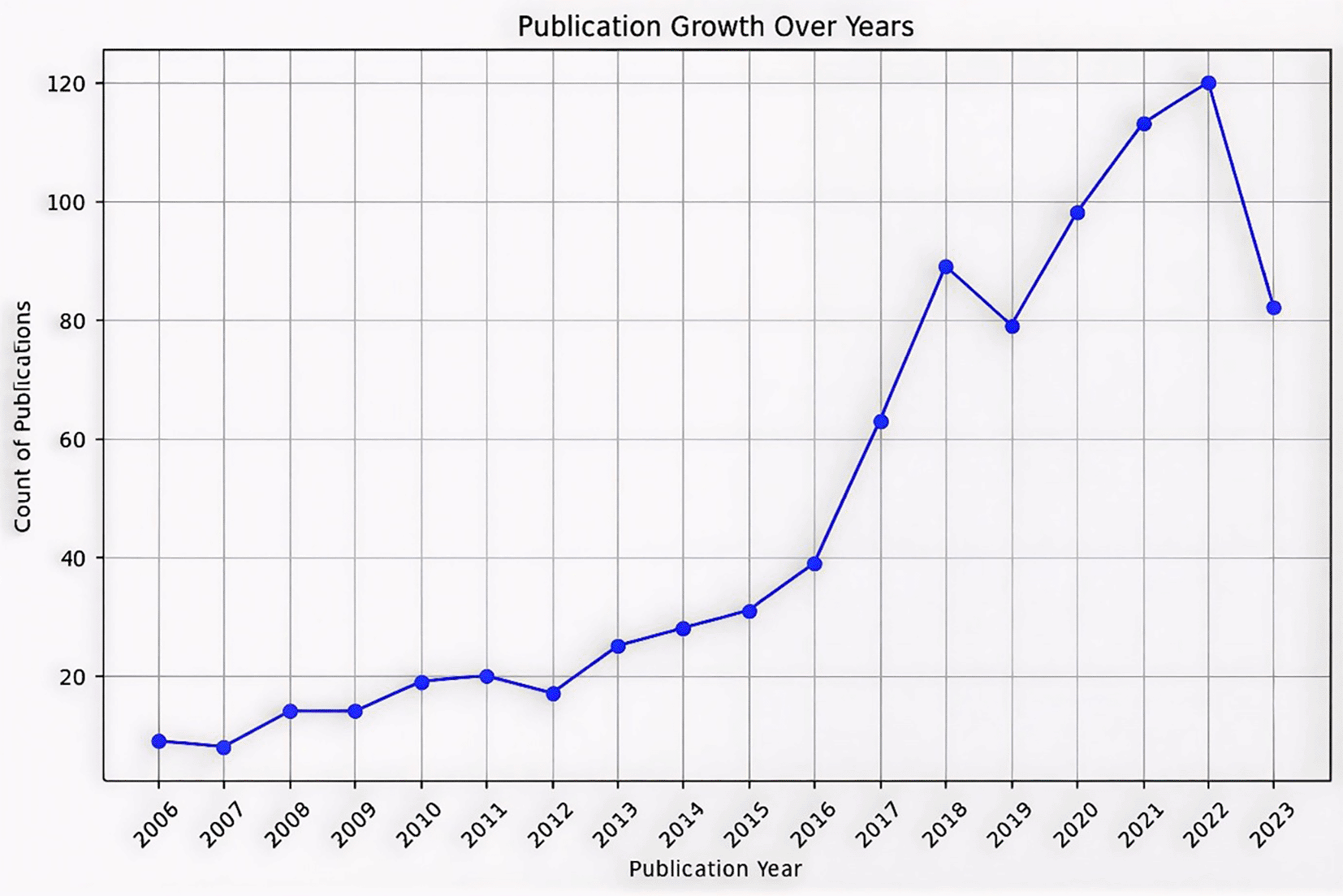
The results from our files indicate that there was a surge in publication, starting with only 9 articles published in 2006 and reaching its peak in 2022, totalling 120 articles. Figure 1 summarizes the growth of published articles over time. International Journal of STEM Education tops the list with 329 articles (37.90%) followed by International Journal of Engineering Education with 54 articles (6.22%), and Computer Applications in Engineering Education (N = 31, 3.57%).
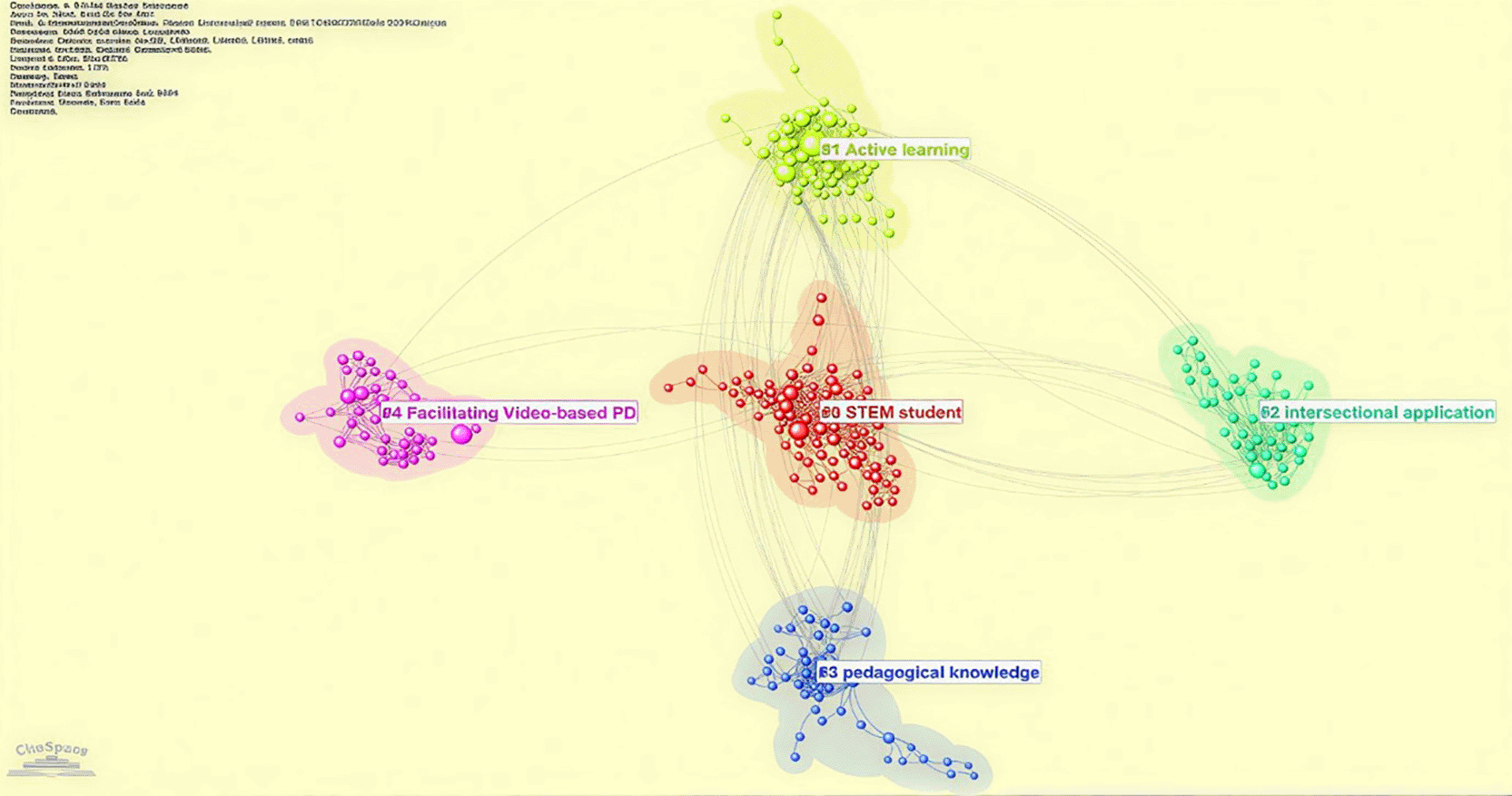
To identify additional clusters, we adjusted the CiteSpace settings in order to maximize the number of clusters. The following parameters were then entered in the settings page: ink retaining factor = -1, look-back years = -1. This yielded a total of 87 major clusters for STEM research in higher education. We then filtered the clusters to focus on the largest ones identified by CiteSpace, resulting in five major clusters. The clusters and their summaries are presented in Table 1, while Figure 2 provides a visual representation.
This burst analysis of the acquired data reveals STEM as a field that is rapidly evolving, with newer publications quickly gaining significant attention. The top 10 ranked references by bursts in the field provides insights into the evolving trends and influential works in STEM education research from 2007 to 2023. The most significant burst of citations is associated with Freeman et al.’s 2014 with a strength of 10.82 and a burst period from 2017 to 2019. Stains et al.’s (2018) article in Science shows the second strongest burst (7.4), with its influence beginning in 2019 and continuing through 2023. This suggests an ongoing impact on STEM teaching practices. Interestingly, a more recent work, Saldana (2021) The Coding Manual for Qualitative Researchers, demonstrates the third strongest burst (6.74), indicating a growing interest in qualitative research methodologies in STEM education from 2021 to 2023. Rainey et al.’s 2018 paper in the International Journal of STEM Education shows a burst strength of 5.18, with its influence spanning from 2019 to 2023. This aligns with an increasing focus on STEM-specific educational research.
Several other papers feature prominently in this list, including works by Lund et al. (2015), Borda et al. (2020), Kelley et al. (2016), and Margot et al. (2019). Their burst periods mainly fall within the latter half of the analyzed timeframe, suggesting a growing influence of this journal in recent years. Graham et al.’s 2013 Science article rounds out the top 10, with a burst strength of 3.41 and a brief but intense period of influence from 2017 to 2018.
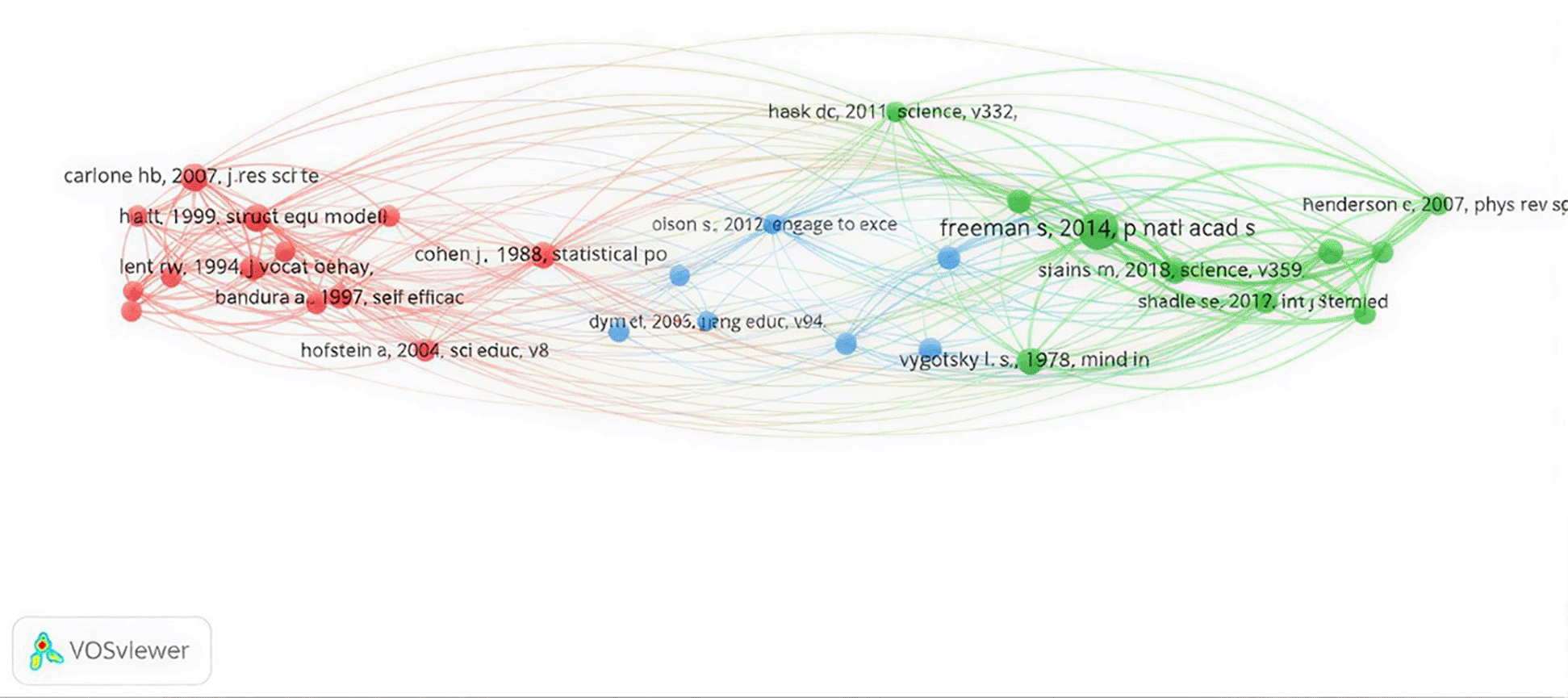
The co-citation analysis of the retrieved data shows a diverse range of influential works in STEM education research, spanning from theoretical frameworks and psychological concepts to practical teaching strategies and methodological approaches. This analysis of highly co-cited references in the field of STEM, showed in Figure 3, reveals important trends in the literature influencing this area of study. The most cited reference is a 2014 paper by Freeman et al., published in Proceedings of the National Academy of Sciences USA, with 63 citations. This paper, which discusses active learning in STEM education, has clearly made a significant impact on the field. Details of these references with their number of citations are summarized in Table 2.
| Cited reference | citations |
|---|---|
| (Freeman et al., 2014) | 63 |
| (Hu & Bentler, 1999) | 31 |
| (Carlone & Johnson, 2007) | 30 |
| (Vygotsky & Cole, 1978) | 30 |
| (Cohen, 1988) | 29 |
| (Stains et al., 2018) | 29 |
| (Henderson et al., 2011) | 26 |
| (Lent et al., 1994) | 26 |
| (Bandura, 1997) | 25 |
| (Prince, 2004) | 25 |
Two references share the second position with 31 citations each: a 1999 paper by Hu and Bentler in Structural Equation Modeling, and a 2007 article by Carlone and Johnson in the Journal of Research in Science Teaching. The former likely provides important methodological insights, while the latter explores science identity, a key concept in STEM education research. Vygotsky and Cole’s 1978 work Mind in Society: Development of Higher Psychological Processes also receives 30 citations, demonstrating the enduring influence of developmental psychology on STEM education. Cohen’s 1988 book on statistical power analysis and a 2018 Science article by Stains et al. on STEM teaching practices both garnered 29 citations, highlighting the importance of both methodological rigor and practical classroom applications in STEM research. The high citation counts for recent papers alongside older, seminal works suggest a field that is both building on established foundations and rapidly evolving with new insights.
Other highly cited works include Henderson et al.’s 2011 paper on facilitating change in undergraduate STEM education (26 citations), and Lent et al.’s 1994 article on social cognitive career theory (26 citations). Bandura’s 1997 work on self-efficacy and Prince’s 2004 paper on active learning in engineering education round out the top ten, each with 25 citations.
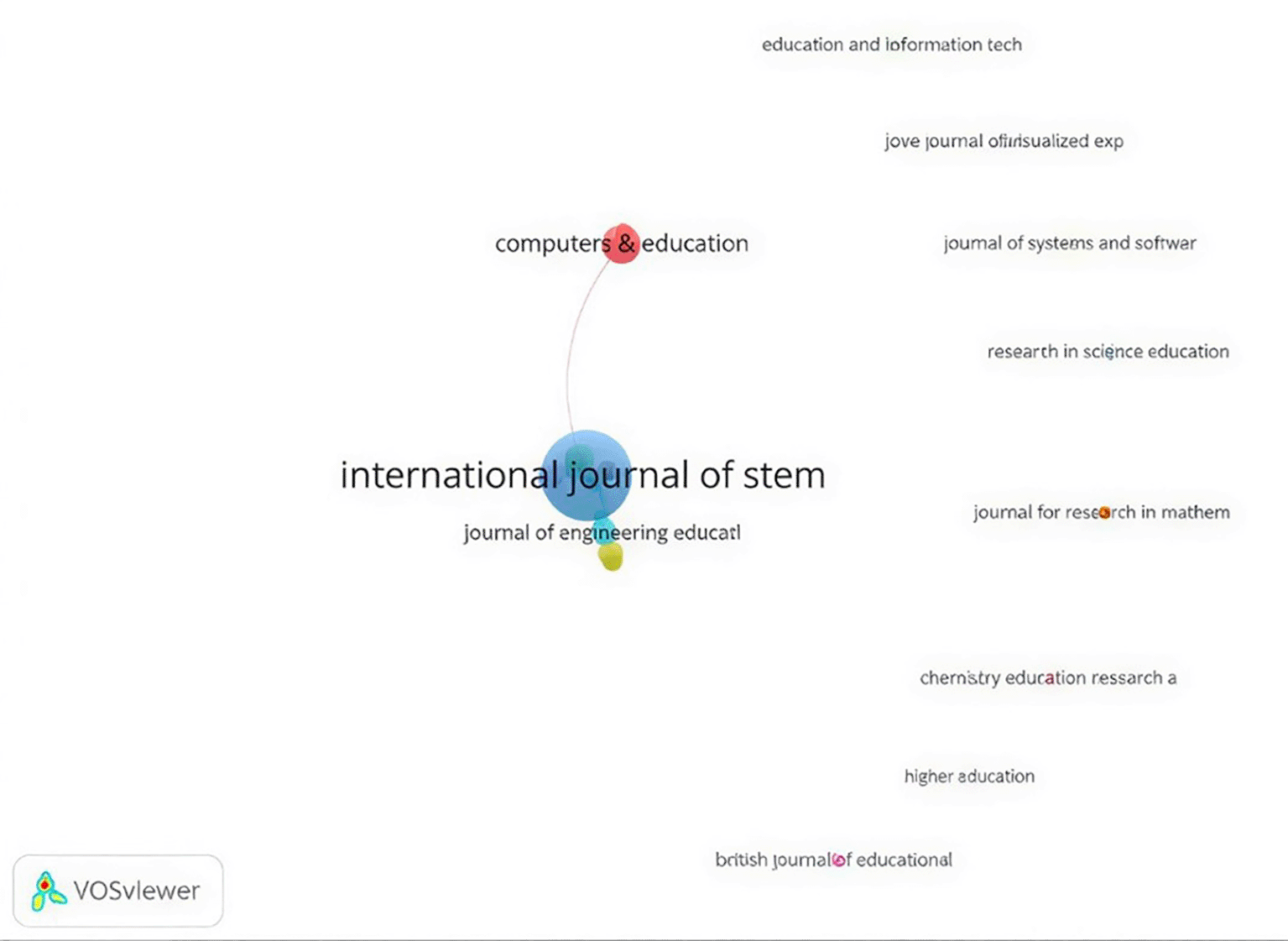
The analysis of the most productive journals in the STEM field reveals several key publications. The International Journal of STEM Education emerges as the most prolific source, contributing 268 documents and receiving 4,052 citations. This journal significantly outperforms others in both document count and citation numbers. The International Journal of Engineering Education ranks second in terms of document count with 61 publications, though it has received 316 citations. Computer Applications in Engineering Education follows with 31 documents and 206 citations. Table 3 and Figure 4 summarize the most ten productive sources of publication.
The International Journal of Science Education, while fourth in document count (25), ranks second in citations received (459), suggesting a high impact per publication. IEEE Transactions on Education has produced 22 documents with 213 citations. The Journal of Engineering Education, despite having fewer documents (15), has received a relatively high number of citations (322), indicating significant influence in the field. The Journal of Professional Issues in Engineering Education and Practice has contributed 14 documents with 106 citations.
Other notable journals include CBE-Life Sciences Education (13 documents, 164 citations), Journal of Chemical Education (11 documents, 161 citations), and the Journal of Research in Science Teaching (10 documents, 248 citations). The latter, despite having the lowest document count in this list, ranks fifth in citations, suggesting high impact per publication.
This data indicates varying levels of productivity and impact among STEM journals, with some producing a high volume of publications and others achieving high citation rates with fewer documents.
An analysis of highly co-cited journals in the STEM field uncovers significant patterns in the academic landscape. The Journal of Research in Science Teaching stands out as the most influential publication, accumulating 842 citations. This is followed closely by the Journal of Engineering Education with 658 citations, underscoring the importance of both science and engineering education in the STEM field. They are reported in Table 4 and Figure 5.
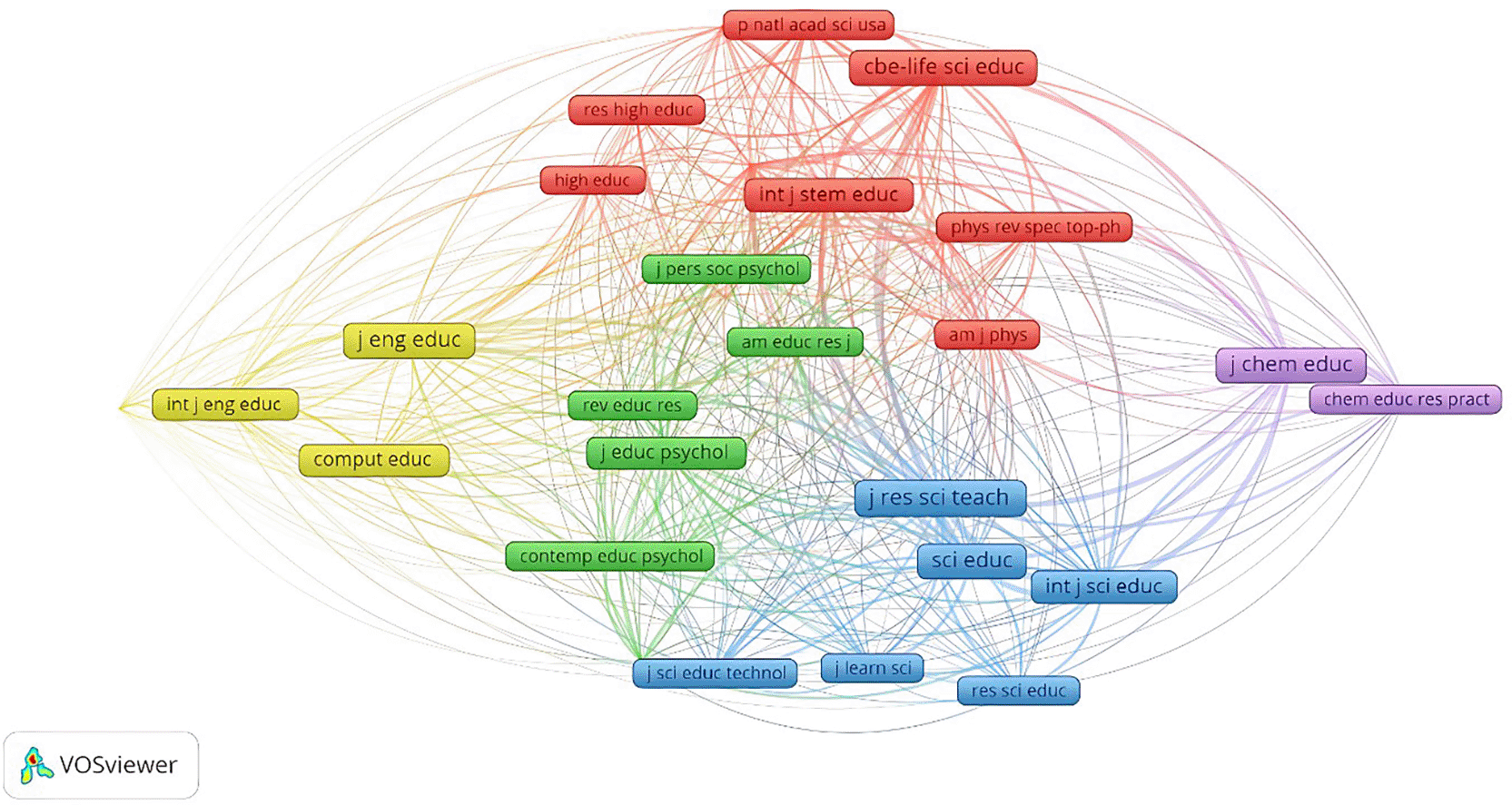
Life sciences and chemistry education also show strong representation in this co-citation analysis. CBE-Life Sciences Education and the Journal of Chemical Education rank third and fourth, with 636 and 631 citations respectively. This suggests a robust interest in biological and chemical education within STEM research.
General science education journals also feature prominently. Science Education ranks fifth with 618 citations, while the International Journal of Science Education and the International Journal of STEM Education follow closely, receiving 572 and 570 citations respectively. These figures highlight the significant role that broad educational research plays in STEM fields.
Interestingly, the multidisciplinary journal Science appears in the eighth position with 365 citations, indicating that general scientific research also influences STEM education studies. The list is rounded out by Computers & Education and the Journal of Educational Psychology, with 344 and 328 citations respectively. Their presence emphasizes the interdisciplinary nature of STEM education, incorporating aspects of technology and psychology.
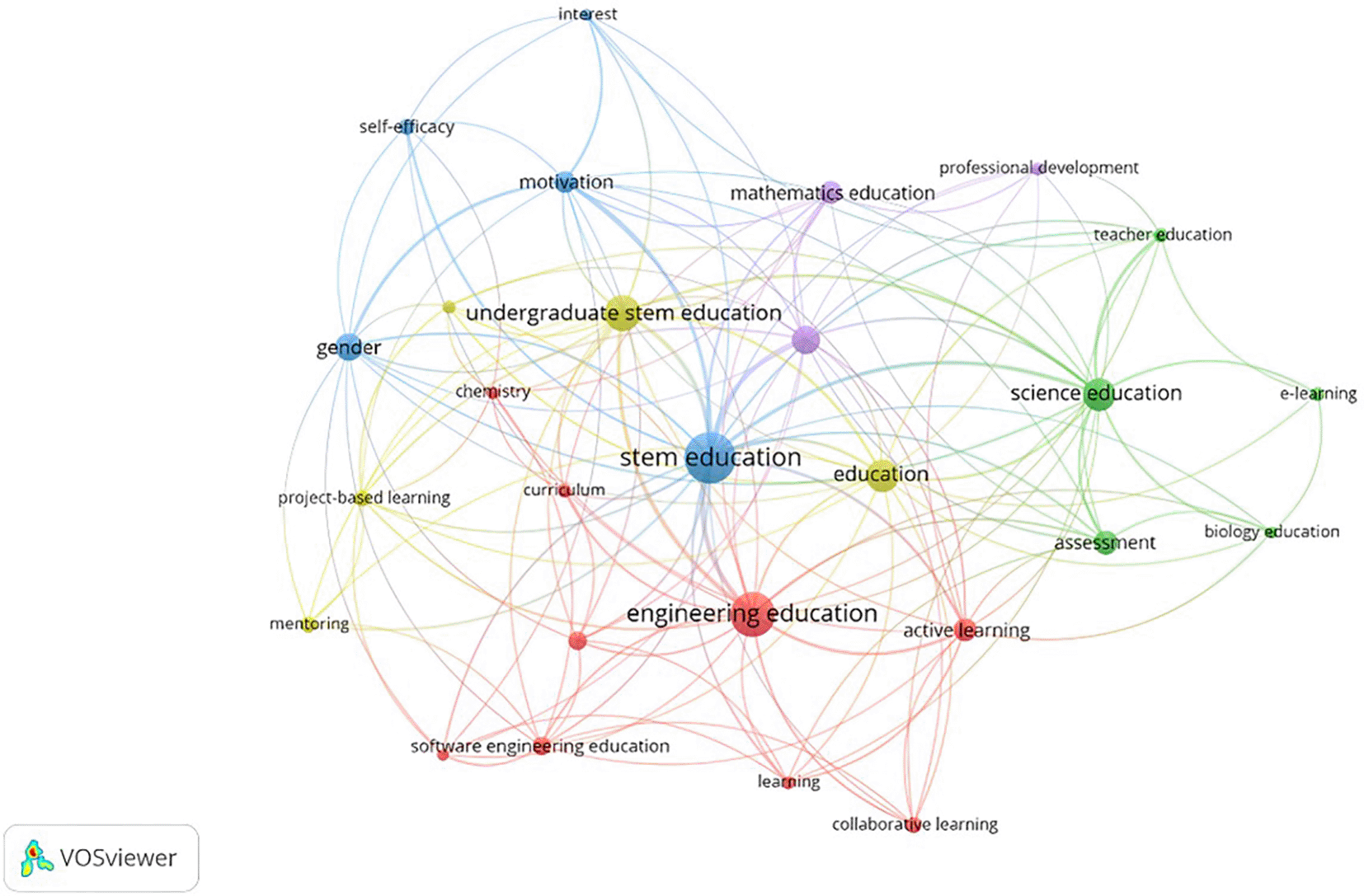
Author keywords are crucial to understand the research focus. The analysis of authors’ keywords summarized by the outputs from VOSviewer and Word cloud show the most trending research focus of STEM research in higher education. They are presented in Table 5 and visually in Word cloud and Figure 5.
| Keyword | Occurrences |
|---|---|
| Stem education | 92 |
| Engineering education | 75 |
| Undergraduate stem education | 49 |
| Science education | 43 |
| Education | 42 |
| Higher education | 33 |
| Gender | 30 |
| Assessment | 25 |
| Active learning | 22 |
| Mathematics education | 22 |
The analysis of the top author keywords, as visualized in the Figure 6, and detailed in Table 5, reveals significant trends in STEM education research. “STEM education” emerges as the most prominent keyword with 92 occurrences, indicating its central role in the field. The high frequency of “engineering education” (75 occurrences) suggests a particular emphasis on this discipline within STEM. “Undergraduate STEM education” ranks third with 49 occurrences, highlighting a focus on college-level studies. “Science education” (43 occurrences) and “mathematics education” (22 occurrences) also appear frequently, reflecting ongoing research in these specific areas. The presence of “education” (42 occurrences) and “higher education” (33 occurrences) as separate keywords suggests that many studies address broader educational concepts and post-secondary settings. “Gender” features prominently with 30 occurrences, indicating substantial research interest in diversity and inclusion within STEM fields. “Assessment” (25 occurrences) and “active learning” (22 occurrences) round out the top 10, pointing to a focus on evaluating educational effectiveness and implementing participatory learning approaches. The word cloud visualization reinforces these findings, with the size of each term corresponding to its frequency. This visual representation highlights the multifaceted nature of current STEM education research, which is primarily concerned with improving educational quality at the higher education level, addressing diversity issues, enhancing teaching methodologies, and focusing on specific STEM disciplines alongside more general STEM education studies. The prominence of terms like “undergraduate” and “higher education” in the word cloud further emphasizes the tertiary education focus. Overall, this analysis provides valuable insights into the current research hotspots and trends within the field of STEM education, revealing a complex landscape that balances discipline-specific concerns with broader educational and social considerations.
The current study investigates the most trending research issues addressed by STEM education research in the context of higher education. Before discussing the results related to the major research themes addressed by STEM research in higher education, it was observed that there was a surge of publications over the years, indicating significance of STEM research as a hotspot area that meets the demand of the labor market. his aligns with the broader growth of STEM education research across various educational levels, as highlighted in the literature review (Li et al., 2020; Jamali et al., 2023).
Five research clusters were mostly examined in the total pools of studies during the timespan 2006-2023. Our study also reveals the highly cited articles, the co-cited venues of publication, and the most trending keywords used in research. Concerning the research clusters, cluster # 0 “STEM student” cluster (average year 2017) suggests a sustained focus on learner-centred paradigm, which shows a shift in research from teacher-centered paradigm to focus more on students’ learning outcomes. This trend aligns with (Li, Wang, et al., 2020b) who noted a trending research focus on students’ learning in their pool of research synthesis. The second cluster is “active learning” cluster (average year 2017) indicates a continued interest in innovative teaching strategies, reflecting the findings of Freeman et al. (2014), whose work on active learning in STEM showed a significant burst of citations from 2017 to 2019. This focus on student engagement and interactive teaching methods is also supported by Reinholz et al. (2021), who called for deeper theoretical work on STEM pedagogy in higher education. Additionally, the pedagogical knowledge cluster reflects the need for discipline-specific teaching strategies, a concern raised by Winberg et al. (2019), who emphasized that generic professional development programs often fail to address the unique challenges of teaching STEM content. The STEM student cluster, meanwhile, underscores ongoing efforts to understand student learning and persistence in STEM, a theme prevalent in the work of Wang (2016) and Bottia et al. (2018), who explored factors influencing students’ success and transitions in STEM programs. The identification of intersectional application and facilitating video-based professional development clusters further illustrates the growing attention to innovative and interdisciplinary approaches in STEM education, a trend noted in recent literature that advocates for integrating technology and broadening the scope of STEM to STEAM (Conde et al., 2021; Vulperhorst et al., 2018). These findings confirm the dynamic nature of STEM education research in higher education, reflecting a field that is evolving to meet the demands of both educators and learners.
Results from the co-citation analysis and burst citations show the most influential work among the STEM research community in higher education. Freeman et al.’s (2014) work on active learning was the most cited reference, showing the significance of pedagogical implications of STEM research and the focus of this work on the student-centered approach, a method used widely in pedagogical research to give much prominence to students’ learning. The high co-citation rates of works by Hu and Bentler (1999) and Carlone and Johnson (2007) underscore the importance of both methodological rigor and theoretical frameworks in STEM education research. The influence of Carlone and Johnson’s work on science identity suggests that researchers are increasingly considering the social and cultural aspects of STEM education, moving beyond purely cognitive approaches. The prominence of (1978) work in the co-citation analysis highlights the enduring relevance of sociocultural theories of learning in STEM education. This suggests that researchers are considering the social context of learning and development in their studies of STEM education in higher education settings.
The analysis of productive journals reveals the International Journal of STEM Education as the leading publication venue, both in terms of document count and citations. This reflects the growing recognition of STEM education as a distinct field of study worthy of specialized journals. The high citation rates of journals such as the Journal of Engineering Education and the International Journal of Science Education indicate the interdisciplinary nature of STEM education research, drawing from and contributing to various STEM disciplines. The presence of general science journals like Science in the co-citation analysis suggests that STEM education research is gaining recognition and influence beyond specialized education journals. This broadening impact may lead to increased cross-pollination of ideas between STEM research and STEM education research.
Authors’ keywords as visualized by word cloud and the network presented by VOWSviewer’s output align significantly with the STEM education research in the literature review, offering a concise yet comprehensive representation of the field’s focal points. The prominence of “stem education” and “engineering education” corroborates the emphasis on STEM in higher education contexts, as discussed by (Bottia et al., 2018; Wang, 2013). The inclusion of specific disciplines such as “mathematics education” and “science education” reflects the interdisciplinary nature of STEM, consistent with broad definition suggested by Gonzalez and Kuenzi (2012). The presence of “undergraduate stem education” and “higher education” underscores the focus on postsecondary STEM education, a key area of research as highlighted in the literature review. “Assessment” appears as a significant keyword, echoing Li, Wang, et al.’s (2020b) findings on the importance of evaluating STEM education outcomes. The inclusion of “gender” aligns with ongoing research on gender disparities in STEM fields (Wang & Degol, 2017). “Active learning” is visible, albeit in smaller text, indicating attention to innovative pedagogical approaches in STEM education (Reinholz et al., 2021). Notably, the word cloud lacks prominent representation of emerging areas such as STEAM or explicit diversity-focused terms, suggesting potential gaps for future research.
The findings of this study have several important implications for STEM education practices in higher education. The prominence of active learning in the research suggests that STEM educators should prioritize the implementation of active learning strategies such as group discussions, problem-solving exercises, collaborative work, and hands-on activities. This approach would enhance the creation of engaging and interactive learning environments. STEM instructors should focus on augmenting student-centered, participatory learning approaches to provide opportunities for learners to collaborate with their peers on problem-solving tasks. These methods can enhance students’ critical thinking skills, thereby facilitating the achievement of STEM learning outcomes. The emergence of the “intersectional application” cluster highlights the need for educators to adopt more inclusive teaching practices, such as developing culturally responsive curricula that address diversity in terms of background and experiences, addressing unconscious biases, and creating supportive learning environments that acknowledge and value diverse perspectives and experiences. The emphasis on video-based professional development underscores the importance of incorporating cutting-edge technology into STEM education. Educators should explore innovative approaches such as immersive virtual laboratories, online collaborative tools, and adaptive learning platforms. These technologies can significantly enhance student engagement and improve learning outcomes. Leveraging these technological tools, instructors can create more interactive and personalized learning experiences, simulating real-world scenarios and fostering critical thinking skills. This tech-enhanced approach would prepare students for the increasingly digital landscape of STEM careers. The influence of research on science identity implies that educators should consider how their teaching practices and course design can foster positive STEM identities among students, particularly those from underrepresented groups. The interdisciplinary nature of STEM education research suggests that educators should seek opportunities for cross-disciplinary collaboration and integrated STEM learning experiences. Finally, the rapidly evolving nature of the field indicates that STEM educators should engage in ongoing professional development to stay abreast of the latest research findings and innovative teaching strategies.
Despite the insightful findings we found, several limitations should be acknowledged to be addressed by future research projects. The study relied solely on the WSCC, which may have excluded relevant research published in other databases or non-journal formats. The analysis covered the period from 2006 to 2023, which may not capture very recent trends or emerging topics in STEM education research. There is likely a language bias favoring English-language publications, potentially overlooking important contributions in other languages. The scientometric approach, while providing a broad overview, may not capture the nuanced qualitative aspects of individual studies. By concentrating on higher education, the study may have missed important insights from K-12 STEM education research that could be applicable to tertiary settings. These limitations should be considered when interpreting the results and planning future research in this field.
Based on the findings and limitations of this study, several directions for future research emerge. Future studies could incorporate multiple databases and include a wider range of publication types to provide a more comprehensive view of the field. There is a need for more long-term studies examining the impact of active learning strategies and other innovative approaches on STEM student outcomes, including persistence in STEM fields and career success. More research is needed to understand how various factors (e.g., gender, race, socioeconomic status) intersect to influence STEM education outcomes and how to effectively address these intersections in educational practice. Future research should explore the effectiveness of emerging technologies (e.g., AI, virtual reality) in STEM education and how they can be best integrated into curricula. Further investigation into the processes of STEM identity formation and its impact on student persistence and success, particularly for underrepresented groups, is warranted. Studies examining how students transfer STEM knowledge and skills between different contexts (e.g., from classroom to workplace) could provide valuable insights for curriculum design. Research on the effectiveness of integrated STEM curricula and interdisciplinary teaching approaches could inform more holistic STEM education strategies. Comparative studies examining STEM education practices and outcomes across different countries and cultural contexts could provide valuable insights for improving STEM education globally. Combining quantitative scientometric analyses with qualitative approaches could provide a more nuanced understanding of trends and their implications for practice. By addressing these areas, future research can continue to advance our understanding of effective STEM education practices in higher education, ultimately contributing to the development of a more diverse, skilled, and innovative STEM workforce.
This scientometric study identifies five major research clusters obtained by STEM education research in higher education context. These clusters are STEM student, active learning, intersectional application, pedagogical knowledge, and facilitating video-based professional development. These clusters reflect a shift from traditional pedagogical approaches to more student-centered, inclusive, and technologically integrated methods in STEM education. The analysis highlighted the increasing emphasis on active learning strategies and the growing recognition of intersectionality in STEM education. It also underscored the significant influence of seminal works on active learning, science identity, and sociocultural learning theories. The emergence of specialized STEM education journals, alongside the continued importance of discipline-specific publications, indicates the field’s maturation and its interdisciplinary nature. Overall, this study demonstrates that STEM education research in higher education is a dynamic and rapidly evolving field. It is characterized by a growing focus on student experiences, innovative teaching methods, and the need for inclusive practices that address the diverse needs of all learners. As the field continues to develop, it holds the potential to significantly enhance the quality and accessibility of STEM education at the tertiary level.
| Views | Downloads | |
|---|---|---|
| F1000Research | - | - |
|
PubMed Central
Data from PMC are received and updated monthly.
|
- | - |
Provide sufficient details of any financial or non-financial competing interests to enable users to assess whether your comments might lead a reasonable person to question your impartiality. Consider the following examples, but note that this is not an exhaustive list:
Sign up for content alerts and receive a weekly or monthly email with all newly published articles
Already registered? Sign in
The email address should be the one you originally registered with F1000.
You registered with F1000 via Google, so we cannot reset your password.
To sign in, please click here.
If you still need help with your Google account password, please click here.
You registered with F1000 via Facebook, so we cannot reset your password.
To sign in, please click here.
If you still need help with your Facebook account password, please click here.
If your email address is registered with us, we will email you instructions to reset your password.
If you think you should have received this email but it has not arrived, please check your spam filters and/or contact for further assistance.

Comments on this article Comments (0)