Keywords
Climate‑Resilient Infrastructure, Latent Heat Storage, Renewable Energy Integration, Sensible Heat Storage, Thermochemical Energy Storage, , Thermal Energy Storage

This article is included in the Energy gateway.
Climate‑Resilient Infrastructure, Latent Heat Storage, Renewable Energy Integration, Sensible Heat Storage, Thermochemical Energy Storage, , Thermal Energy Storage
Energy systems across the globe are witnessing substantial changes as countries increasingly move away from fossil fuel dependence toward the implementation of renewable energy alternatives,1 this transition helping to reduce CO2 emissions and preserve limited natural resources.2 Accelerated expansion of wind and solar energy enhanced system flexibility to accommodate their inherent variability to maintain stable equilibrium between electricity supply and demand.3,4 Thermal energy storage plays a critical role in mitigating the variability of renewable energy by stabilizing demand and supply across the grid, thereby enhancing overall system reliability and resilience.5–7 In recent years, large-scale TES systems have been utilized across various sectors and it can significantly influence contemporary energy systems and infrastructure.8,9 TES absorb and release heat during the charging and discharging phase respectively to satisfy thermal demand.10–12 It operates through processes such as heating, cooling, melting, freezing, and evaporation,13 enabling use across time frames from hours to seasons and in diverse settings,14,15 and enhances overall energy efficiency, reduces operational costs, and facilitates the integration of renewable energy sources16; However, the widespread adoption of TES is hindered by technical challenges, high upfront investment costs, limited energy density and spatial limitations in retrofit applications.17,18 This review paper explores the existing landscape of TES technologies and highlighting their classification, strength, and limitation across diverse energy applications, and discusses cutting-edge development and materials that enhance TES efficiency, while emphasizing its role in renewable integration and carbon reduction. Key obstacles—technical, economic, and spatial—are critically assessed, with actionable research pathways proposed for real-world deployment, and special attention is given to long-duration and seasonal storage, alongside feasibility in developing regions where cost, simplicity, and material availability are crucial.
Global leaders endorse their commitment to limiting global warming to 1.5°C, and the UN urges accelerated innovation and technology sharing to reduce carbon emissions.19 By enabling low-carbon heating, thermal energy storage effectively mitigates the temporal mismatch between variable renewable energy generation and household demand. This capability enhances overall system efficiency, improves reliability, and supports the broader transition toward sustainable energy infrastructures.20 TES has become key for ensuring reliable and uninterrupted energy supply across diverse areas, ranging from building systems to large-scale power generation, however, use of TES remains limited.21,22
Carbon dioxide emissions are a foremost contributor to global warming and represent a critical challenge that must be addressed by the current generation.23 Transition from fossil fuel to renewable energy extremely a cornerstone strategy for reducing carbon emission and advancing sustainable electricity generation, at the same time it improve long-term energy security and global climate objectives.24,25 Reducing carbon emissions in the power sector is essential for sustainable development, and while renewable sources provide cleaner alternatives to fossil fuels, their intermittency necessitates the use of long-duration energy storage systems to stabilize supply-demand fluctuations and ensure grid reliability.26
Thermal energy storage technologies are conventionally divided into three principal categories: sensible heat storage, latent heat storage, and thermochemical energy storage ( Figure 1). These classifications based on distinct principles and applications; and utilizing different physical or chemical properties to capture and release thermal energy effectively; and making them indispensable for temperature management across a wide range of applications.27–29
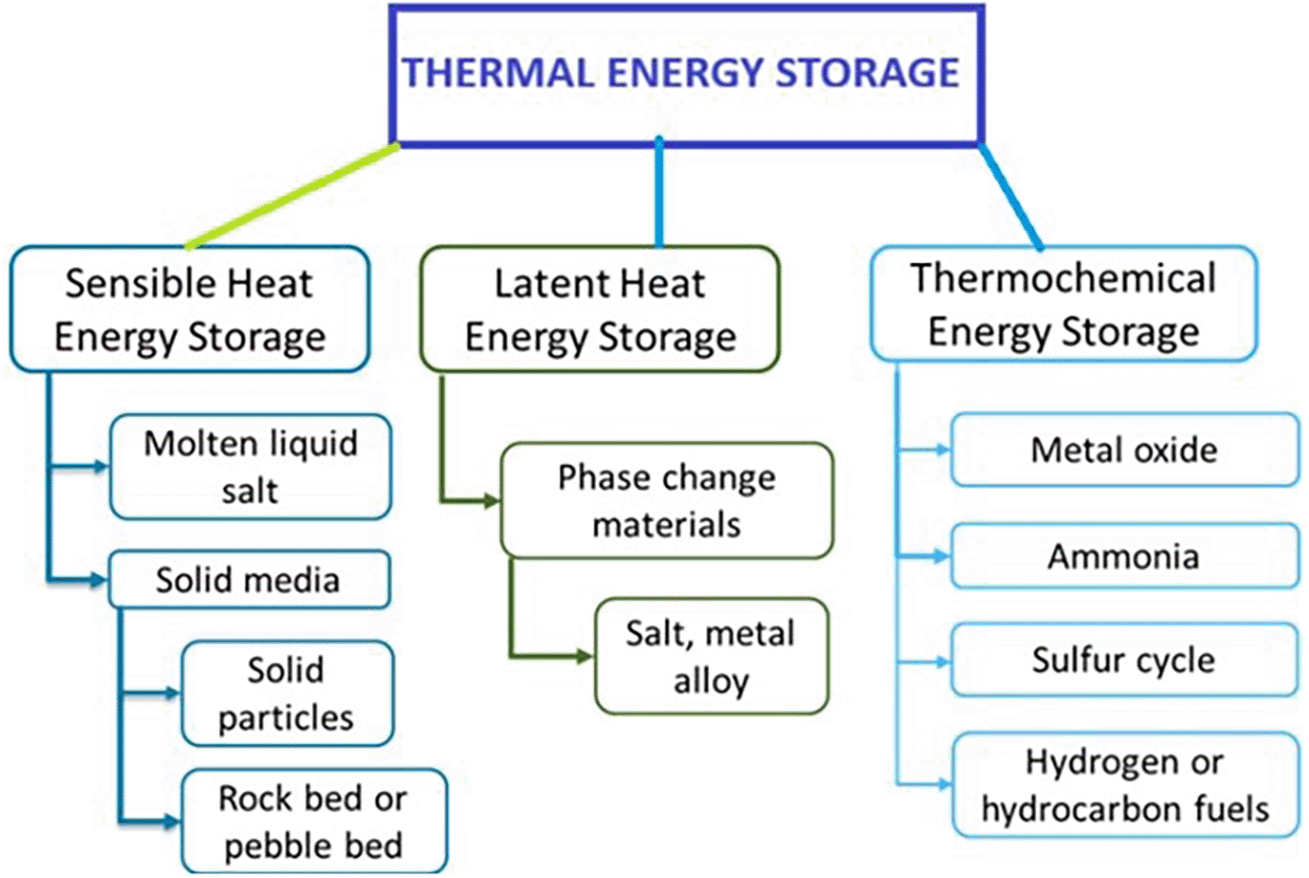
Diagram illustrating the three principal categories of thermal energy storage: sensible heat storage (SHS), latent heat storage (LHS), and thermochemical energy storage (TCES), with their operating principles and application contexts.
SHS stores and releases thermal energy by increasing or decreasing the temperature of a material and relying on its specific heat capacity without undergoing a phase change. It is more cost-effective and easier to implement than latent heat energy storage and thermochemical energy Storage, though its lower energy density necessitates larger material volumes for equivalent energy storage.13,30 Sensible heat energy storage commonly utilizes water, molten salts, and rocks as storage media (see Table 1). Each material provides unique benefits: water is low-cost and widely available, molten salts offer high thermal stability and suitability for elevated temperature ranges, while rocks enable scalability and robustness for large-scale applications.30,31
Configuration of a TES is an essential element to optimize the over all performance of system. And configurations of Sensible Heat Storage can exist in different forms as follows:
A. Tank-based systems: Thermal energy storage systems utilize insulated reservoirs to store fluids such as water or molten salts. Owing to their high scalability, straightforward design, and broad applicability, they are widely employed in solar thermal energy systems, particularly for large-scale power generation and industrial heating applications.32
B. Packed-bed systems: Solid materials such as rocks (or ceramic) can be arranged in a packed bed, through which a heat transfer fluid typically air, oil, or water which circulates to charge or discharge thermal energy. It is an Ideal for high-temperature and large-scale storage.33
C. Underground thermal energy storage (UTES): It includes borehole thermal energy storage and aquifer thermal energy storage; and enable large-scale and long-duration storage for heating and cooling applications.34
As shown in Table 2, LHS systems use materials like salt hydrates, ice, polyethelen glycol and paraffins that absorb and release heat during phase changes, offering high energy density and stable temperature operation,35,36 making them effective for handling temperature and energy in thermal applications37 and well-suited for compact and stable thermal energy storage, while maintaining nearly constant temperatures.38,39 But their inherently low thermal conductivity limits heat exchange efficiency, and to address this, PCMs incorporating carbon-based 3D structures have emerged as promising solutions to improve thermal performance and system responsiveness.40–42
Enhancing thermal conductivity, optimizing system design, and integrating sustainability are essential strategies to improve the performance and cost-efficiency of LHS storage systems.
Nano-enhanced PCMs (or Incorporating nanoparticles) such as carbon nanotubes, graphene, or metal oxides and biochar can improve their thermal conductivity and structural integrity during energy storage cycles.43,44
Encapsulation is a technique employed to contain and safeguard PCMs within a protective shell or enclosure. This method prevents direct contact with the external environment and avoids leakage during the PCMs transition from solid to liquid.45,46
Sustainable phase change material (PCM) selection is critical for identifying storage media that achieve an optimal balance among thermal performance, environmental sustainability, and cost-effectiveness. While, LHS system have a convincing solution for renewable energy storage, overcoming the thermal conductivity limitations of PCMs remains crucial.47
TCES captures and releases heat through reversible chemical reactions, and it offering high energy density and long-duration storage potential.48 As hown in Table 3, It is highly efficient for long-term energy storage because it stores heat in chemical bonds and recovers it through reversible reactions when needed.49–51 TCES materials capture and discharge heat through reversible chemical or sorption reactions, providing high energy capacity and enabling durable storage for industrial and renewable energy applications.52 Unlike sensible or latent heat storage, TCES can preserve energy for long durations with minimal losses, making it suitable for seasonal and high-temperature applications.51
As shown in Figure 2, hybrid TES systems broadly adopted across sectors like buildings, industry, solar power, and district energy networks to improve energy efficiency, energy density, thermal efficiency, flexibility, responsiveness to changing operational demands, and renewable integration.56,57
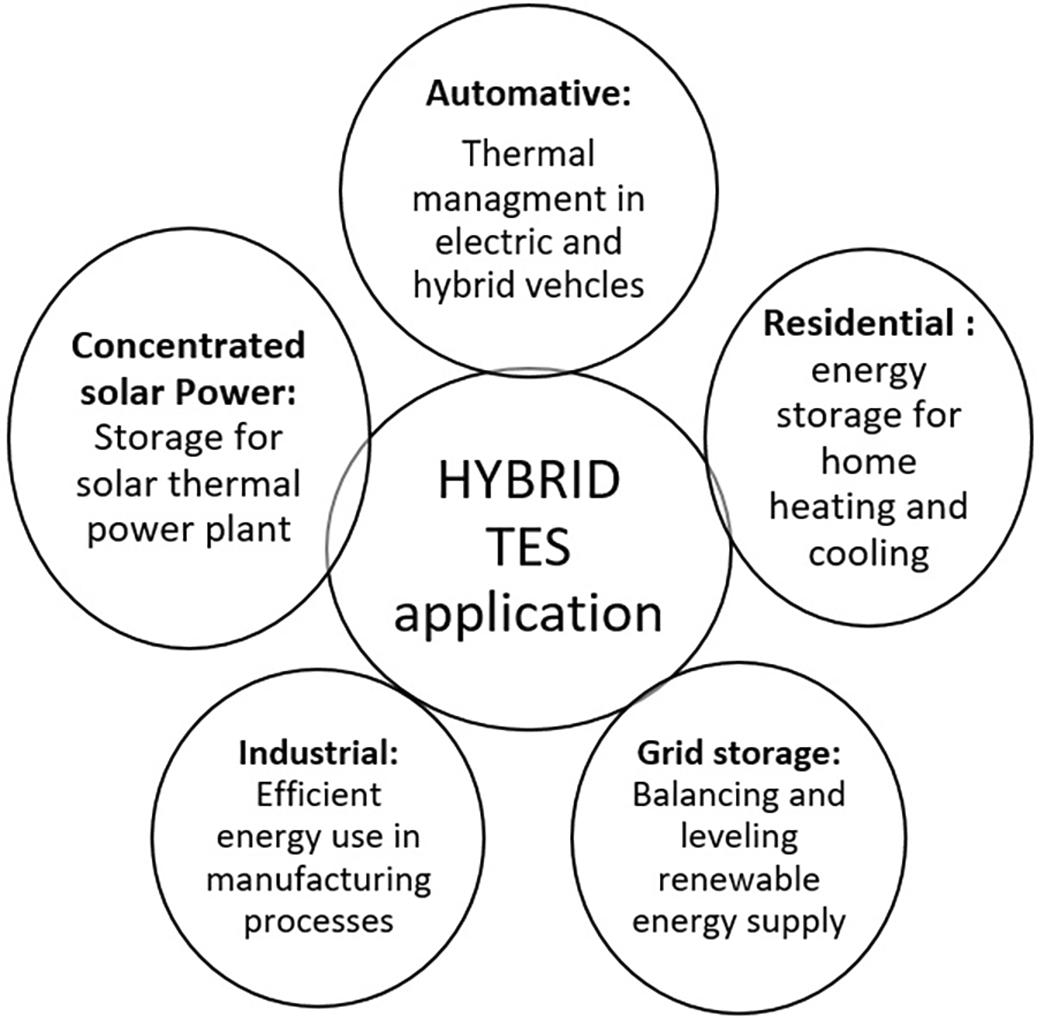
Illustration of hybrid TES systems that integrate sensible, latent, and thermochemical mechanisms to enhance energy density, operational flexibility, and responsiveness across building, industrial, and solar power applications.
It integrates sensible, latent, and thermochemical mechanisms to enhance energy density, operational flexibility, and responsiveness to variable energy demands in multiple sectors.58–60 TES selection depends on operating temperature, storage duration, and spatial limitations, and each selection influencing system design and performance (see Table 4). Selecting the right TES system requires aligning the technology with the specific thermal demands and the conditions in which it will operate.15,62,64
Solar energy is an essential resource in daily life, and applied for home heating, hot water supply, and solar cooking purposes ( Figure 3). The inherent variability of solar energy, driven by weather conditions and diurnal cycles, necessitates reliable energy storage systems to guarantee the consistent and efficient operation of solar infrastructure. In regions with high Direct Normal Irradiance (DNI), CSP plants benefit significantly from TES systems by ensuring a stable and continuous power output, even after sunset, thereby improving the reliability and efficiency of solar energy generation.65,66
Schematic representation of TES deployment in concentrated solar power plants, building heating/cooling systems, and industrial waste heat recovery, highlighting their role in improving efficiency and reliability.
For heating and cooling application, TES typically operates at low temperatures—close to ambient conditions—and relies on sensible or latent heat storage methods and supports flexiblity and building efficiency and energy management,37 reduces the need for multiple refrigeration units and alleviates pressure on the electrical grid. Incorporating thermal energy storage into energy infrastructures improves efficiency, mitigates greenhouse gas emissions, and accelerates the transition toward sustainable and resilient energy systems.
Waste heat recovery is an effective approach for improving the efficiency of thermal system and lowering overall energy use. By capturing heat energy released from industrial processe and power generation, TES operate more efficiently, reducing fuel demand and lowering operating cost of the industry, and this approach contributes to the reduction of greenhouse gas emission.63,67,68
TES with electrochemical (batteries) or chemical (hydrogen) storage technologies are gaining traction as advanced solutions for balancing renewable energy supply and demand. Batteries manage rapid fluctuation, while TES shifts thermal loads over longer duration, reducing electricity demand and enhancing system resilience. Hydrogen empowers long-duration, seasonal energy storage, and mantain decarbonization across heating and electricity sectors; and provides a practical solution for energy supply in off-grid or remote contexts. By integrating diverse storage technologies, these systems capitalize on the unique advantages of each type, thereby enhancing performance across varying timescale and application context.69,70
Energy density, efficiency, and thermal conductivity are critical parameters in evaluating and selecting TES materials for various applications (see Table 5).
TES has lower environmental impact and higher recyclability compared to electrochemical batteries, especially when using natural or abundant materials like water, rocks, or molten salts.73,74 TES used non-toxic, abundant materials such as water, sand, concrete, or molten salts (e.g., NaNO3/KNO3). Unlike lithium-ion batteries, thermal energy storage systems circumvent dependence on mining-intensive materials such as lithium, cobalt, and nickel. This distinction positions TES as a more sustainable and resource-efficient solution for large-scale energy storage, particularly in contexts where material scarcity and environmental impacts are critical concerns.75 TES systems (especially sensible heat storage) require larger physical volumes but minimal water use and no hazardous waste.
America, Europe, China, and Africa have launched several pilot-scale CSP projects with TES, focusing on innovation, grid integration, and sustainable development as shown in Table 6.
TES technologies are increasingly recognized as low-cost, low-tech alternatives to conventional energy systems in off-grid and rural settings. In rural communities, TES can be deployed across multiple sectors: for clean cooking and food preservation, solar-assisted crop drying and agro-processing, decentralized water purification, community-level heating and cooling, and small-scale industrial uses such as brick-making, dairy processing, or textile production. By bridging the gap between renewable generation and end-use needs, TES offers a pragmatic pathway for sustainable development in resource-constrained environments, particularly where conventional electrification remains economically or technically unfeasible.60,92–94
Artificial intelligence in thermal energy storage system marks an important step forward in energy management. Smart thermal energy storage systems employ predictive control, real-time monitoring, and advanced optimization algorithms to enhance the efficiency of charging and discharging cycles. This intelligent management framework improves operational flexibility, reduces energy losses, and supports seamless integration with renewable energy sources. As shown in Figure 4, through dynamic response to demand variations and coordinated operation with photovoltaic systems, batteries, and grid signals, these technologies enhance operational flexibility, improve system efficiency, and strengthen overall grid resilience.76,77
• Load prediction and optimization: AI forecast thermal demand based on weather, occupancy, historical usage, enabling preemptive charging during low-cost or surplus energy periods.76,78
• Dynamic control strategies: Smart TES system adjust operation in real-time to respond to grid signal, variability in renewable generation, or time-of-use pricing.79
• Fault detection mechanism and diagnostic: Continuous monitoring of TES system performance allows early identification of irregularities and timely corrective actions. The adoption of proactive management strategies minimizes system downtime, reduces maintenance expenditures, and enhances overall reliability, thereby ensuring more efficient and resilient operation across diverse energy infrastructures.77,78,80
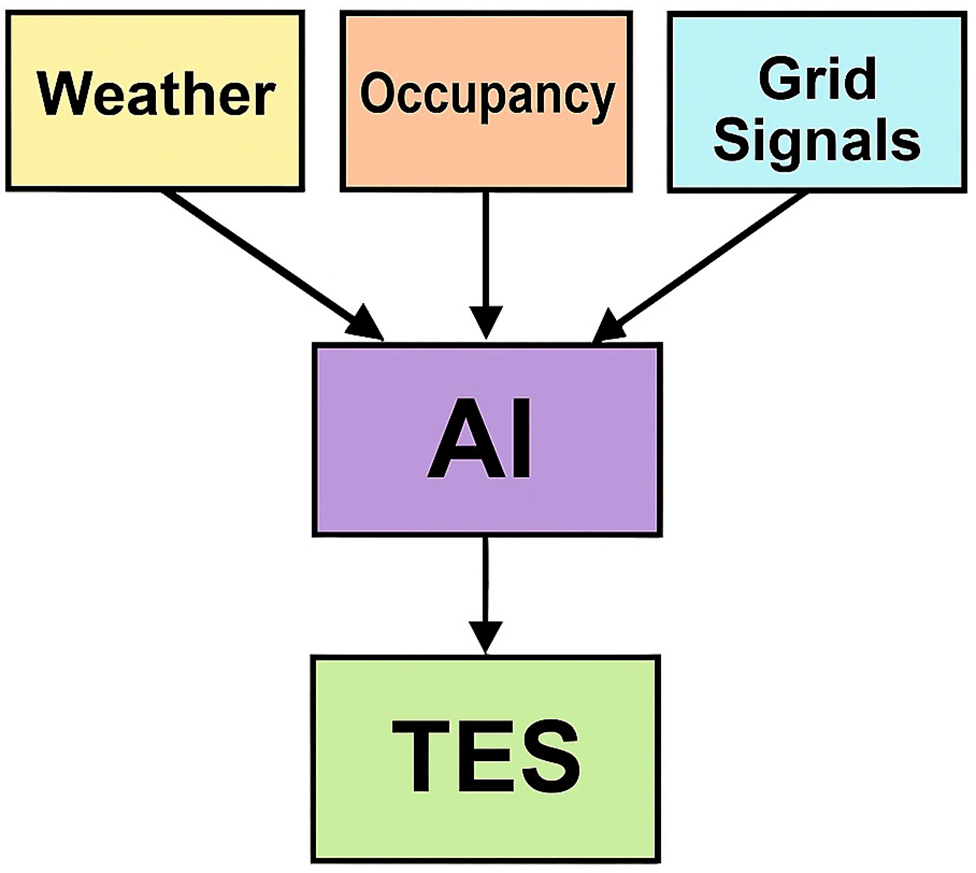
Flow chart showing predictive control, dynamic response, and fault detection mechanisms in AI-enhanced TES systems, demonstrating improved grid integration and operational efficiency.
AI-enhanced TES systems in manufacturing and smart buildings improve grid responsiveness and energy efficiency.
• Manufacturing plant: AI-controlled TES enables plant-level grid response, shifting thermal loads to off-peak hours and reducing peak demand charges.77
• Smart building: The integration of intelligent thermal energy storage within building management systems facilitates optimized control of heating, ventilation, and air conditioning. This coordinated approach improves indoor comfort, enhances energy efficiency, and supports the development of smarter, more sustainable building operations aligned with modern energy and climate objectives.78,81
TES systems experience material degradation and thermal losses over time, but these effects vary significantly by storage medium and operating conditions. A synergistic strategy that integrates meticulous material selection with optimized system design provides a robust framework for overcoming current limitations and significantly extending the operational lifespan of thermal energy storage systems. This holistic approach enhances performance, ensures long-term reliability, and strengthens the role of TES in sustainable energy infrastructures.82,83
Molten salt systems, commonly used in CSP applications, face degradation through thermal decomposition, corrosion of containment materials, and nitrate breakdown above 550 °C; these issues can be mitigated by using corrosion-resistant alloys and chemical additives to stabilize salt composition, enabling a lifespan of 20–30 years with proper maintenance. Solid storage media—including concrete, rocks, and ceramics—are noted for their durability, especially when applied in low- to moderate-temperature thermal energy systems.84,85
Heat losses mainly through conduction and convection across insulation materials and structural boundaries. At elevated operating temperatures, especially in concentrated solar power (CSP) applications, radiative losses also become a dominant factor, and can be effectively reduced through the application of reflective surface coatings or by employing vacuum-based insulation technologies. Well-insulated TES tanks generally maintain very low heat energy losse, often below 1% per day. In contrast, high-temperature CSP systems can increase losses upto 3% per day if insulation and system design are not adequately optimized.84
The limitations of thermal energy storage systems are frequently associated with material requirements, infrastructure demands, and integration complexities, which collectively constrain large-scale deployment and long-term reliability. These challenges, however, are highly context-specific and can be alleviated through modular design strategies and the deployment of hybrid energy systems.76,82
TES systems encounter significant economic challenges that hinder large-scale adoption. Particularly for molten salt and phase-change technologies that demand specialized infrastructure combined with site-specific engineering needs substantial financial barriers.86
TES systems encounter significant deployment barriers, primarily stemming from their extensive spatial footprint, the intricate requirements of coupling with diverse heat sources and end-use applications, and the absence of standardized components. These factors collectively constrain scalability, complicate system integration, and escalate engineering and capital costs, thereby limiting widespread adoption.
TES can be integrated into existing infrastructure effectively, especially in industrial, district heating, and solar thermal systems, but challenges remain in retrofitting complex, control requirements for interfacing with management systems, and thermal compatibility limitations that limit deployment in retrofitted or high-temperature industrial environments.87
Emerging TES technologies using solid and liquid media offer HED and long-duration storage, supporting renewable integration and industrial decarbonization. And innovative systems like moving-particle solid storage use gravity-driven high-temperature particles in insulated silos can minimizing auxiliary power needs. Material innovation is a pivotal tool to advance future cost-effectiveness and performance in sustainable energy systems, positioning TES as a cornerstone technology in the global transition toward resilient, low-carbon infrastructures.60,88 Some of the listed emerging materials in TES are discussed as follows:
I. Thermochemical materials (TCMs)
II. Advancement of Phase Change Materials
• Composition: Salt hydrate, metal alloy, and hybrid organic and inorganic composites.
• Enhancements: Performance is improved through encapsulation techniques and the incorporation of nanoparticles or graphene-based additives, which enhance thermal conductivity and long-term stability.
• Applications: Particularly suited for building-integrated TES, solar thermal systems, and low- to mid-temperature industrial processes, where reliable and recyclable energy storage is critical.
III. High-Temperature Ceramics and Composites
• Applications: Commonly employed in sensible heat storage, with representative materials including alumina, silicon carbide, and engineered concrete blends.
• Performance: These materials can withstand repeated thermal cycling and operation at extreme temperatures; and providing long-term durability and reliable performance.
• System Benefits: Facilitate the development of modular and scalable TES architectures, particularly suited for industrial processes and CSP applications.
TES can be used in seasonal energy storage and climate adaptation by enabling long-duration heat retention, balancing renewable supply-demand mismatches, and enhancing resilience in heating and cooling systems.89
A. Role in Seasonal Storage
I. Long-duration heat retention:
TES systems, like underground pit storage, aquifer storage, and large-scale water tanks, can store thermal energy for weeks to months, making them ideal for seasonal heating in cold climates.
II. Renewable energy balancing:
TES helps smooth out seasonal fluctuations and enables load shifting and peak shaving, reducing reliance on fossil fuels during high-demand periods.
III. Integration with hybrid system:
Integrating thermal energy storage with complementary technologies—including heat pumps, photovoltaic systems, and biomass resources—establishes a dynamic balance between energy supply and demand across multiple temporal scales. This synergistic configuration improves system flexibility, reinforces resilience, and accelerates the transition toward sustainable and reliable energy infrastructures. And enhance overall system flexibility, supports sector coupling, and accelerates pathways to deep decarbonization in both industrial and community energy infrastructures.
B. Role in Climate Adaptation
TES contributeing to climate resilience by supporting both passive and active cooling during heat waves and delivering efficient heating during cold. By mitigating exposure to extreme temperature fluctuations, it can reduce vulnerability to weather-related stresse and enhance the reliability of energy system under increasingly volatile climatic conditionsand energy security in off-grid and rural areas.
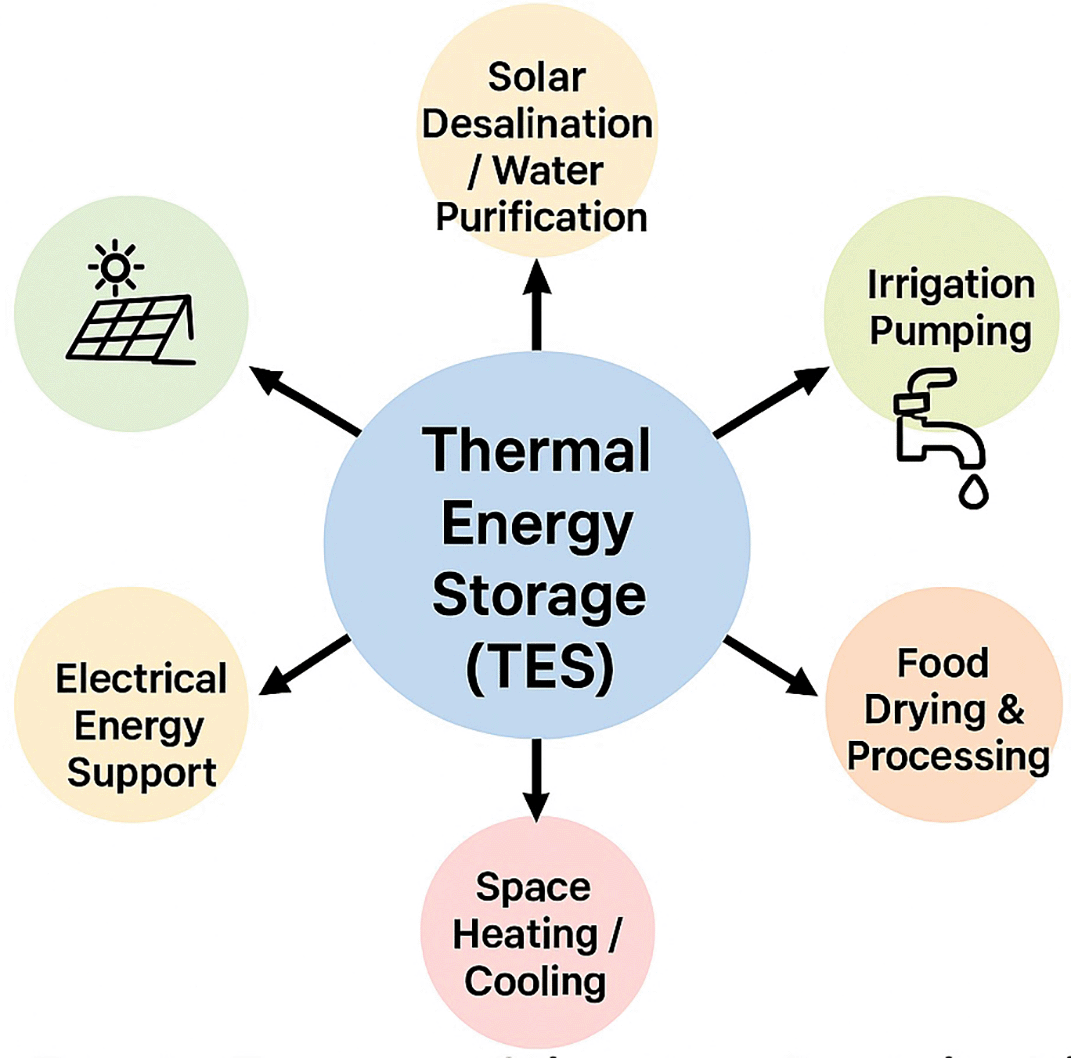
The interdependence between water, food, and energy systems has become a central theme in sustainable development. TES technologies present a unique opportunity to reinforce the energy–water–food nexus by enabling an efficient capture, store, and reuse of thermal energy across multiple essential services ( Figure 5). In water systems, TES can be integrated with solar thermal desalination and purification units to provide clean drinking water in arid and semi-arid regions and supports continuous evaporation–condensation cycles even during non-sunlight hours, increasing overall freshwater production.60,79,90 It also offer valuable applications in agriculture by regulating temperature and humidity in greenhouse to ensure optimal growing conditions while reducing reliance on continuous energy inputs, enabling efficient, low-cost, and sustainable crop drying processes that minimize post-harvest losses, and buffering soil against extreme temperature fluctuations to support root development and extend growing seasons in vulnerable climates.86,91
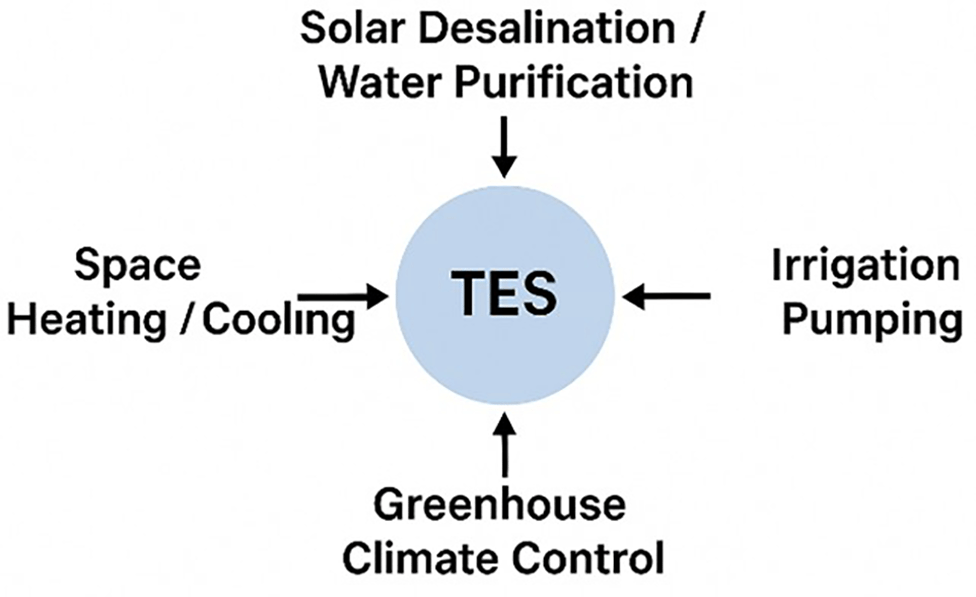
In energy systems, it works synergistically with renewable sources such as solar and wind by providing dispatchable thermal power for heating, cooling, and industrial applications.15,16
In rural and semi-urban African communities, access to reliable electricity and clean water remains limited,and this technology can presenting an opportunity for decentralized thermal energy solutions. TES can be constructed using low-cost, locally available materials such as stones, sand, clay bricks, paraffin wax, used engine oil, and agricultural byproducts, and these materials are applicable for both sensible and latent heat storage, thereby improving affordability and making TES technologies accessible to low-income communities while supporting sustainable energy solutions tailored to local contexts. The adoption of thermal energy storage systems reduces reliance on costly imported fuels, including kerosene and diesel, thereby promoting energy security and advancing the transition toward more sustainable energy infrastructures. This transition not only fosters economic empowerment by reducing energy costs but also advances environmental sustainability through lower greenhouse gas emissions and diminished reliance on fossil resources. This combined benefit positions TES as a practical approach for reducing energy poverty and carbon emissions, especially in regions that rely heavily on fuel imports. By highlighting TES within the continent’s unique energy and resource contexts, the study emphasizes its potential to drive resilience, affordability, and decarbonization across multiple sectors.90 As shown in Table 7, TES road map is important to adopt this with in the continent.
TES systems can play a significant role in climate adaptation and disaster resilience by enabling passive and active control of temperature in vulnerable regions. Thermal energy storage integrated with cooling systems offers a resilient strategy during heat waves by storing cooling capacity at night or during periods of abundant renewable generation, and discharging it during the day to maintain safe indoor temperatures in residential, healthcare, and emergency facilities. Integrating thermal energy storage into building energy systems improves operational efficiency, alleviates peak electricity demand, and safeguards occupants during extreme heat events. This integration not only strengthens resilience but also advances sustainability within the built environment, positioning TES as a critical enabler of climate-responsive and energy-efficient building design.16,18 The implementation of thermal energy storage applications strengthens resilience, mitigates reliance on expensive fossil-based fuels, and fosters sustainable living in regions characterized by pronounced temperature variability. By buffering energy supply against climatic extremes, TES contributes to both environmental sustainability and socio-economic stability.60,90 In disaster and refugee scenarios, portable TES units can support temporary shelters by maintaining stable indoor temperatures and enabling water purification and food preparation without reliance on grid electricity.79 Combing with mobile solar systems, TES can form rapid-deployment and self-sustaining survival energy stations,15,90 it can be recognized not only as an energy storage technique but also as a strategic climate resilience technology that strengthens community adaptation and survival capacity under extreme conditions.91
To support practical deployment, this study introduces a decision-making framework for TES system selection, which transforms the review into an actionable engineering guide. The selection of TES type is based on the following key parameters91:
TES has emerged as a cornerstone technology for enabling sustainable energy transitions by bridging the gap between renewable generation and end-use demand. Its diverse mechanisms—sensible, latent, thermochemical, and hybrid—offer complementary strengths that can be tailored to specific applications ranging from building comfort and industrial heat recovery to long-duration and seasonal storage. TES not only enhances energy efficiency and grid stability but also contributes to climate resilience by supporting heating and cooling during extreme weather events and enabling decentralized resource management in vulnerable regions. Leveraging low-cost and locally sourced materials enhances the accessibility of thermal energy storage, offering practical pathways for deployment in developing regions where affordability and design simplicity are paramount. Looking ahead, advancing material durability, improving system scalability, and integrating TES into multi-sector frameworks such as the energy–water–food nexus will be crucial for unlocking its full potential. This review presents thermal energy storage not only as an energy storage option but as a broader enabling technology that supports sustainable development, enhances system resilience, reduces reliance on fossil fuels, and contributes to more equitable energy outcomes in both industrialized and emerging economies.
Based on the analysis presented in this review, the following recommendations are proposed:
• Material Development: Advancing the thermal stability, cycling durability, and heat transfer performance of TES materials should be a central focus of future research, especially for applications requiring high-temperature operation and long-duration energy storage.
• System Design and Cost Reduction: Modular and standardized TES system designs should be promoted to reduce capital costs, simplify installation procedures, and improve scalability across different application scales.
• Integration with renewable and hybrid systems: More emphasis is needed on integrating TES with renewable energy sources, heat pumps, batteries, and hydrogen technologies to improve overall system flexibility and operational performance.
• Smart control and monitoring: The development of advanced control approaches and data-driven monitoring methods is essential for improving charging and discharging control, reducing thermal losses, and extending system lifetime.
• Policy and demonstration support: Supportive policies, pilot and demonstration projects, and targeted financial incentives are required to speed up the commercial adoption of TES technologies, particularly in industrial processes and district energy systems.
• Application in Developing Regions: TES research and deployment strategies should prioritize low-cost, locally sourced materials and decentralized system designs suitable for rural, off-grid, and climate-vulnerable regions.
| Views | Downloads | |
|---|---|---|
| F1000Research | - | - |
|
PubMed Central
Data from PMC are received and updated monthly.
|
- | - |
Provide sufficient details of any financial or non-financial competing interests to enable users to assess whether your comments might lead a reasonable person to question your impartiality. Consider the following examples, but note that this is not an exhaustive list:
Sign up for content alerts and receive a weekly or monthly email with all newly published articles
Already registered? Sign in
The email address should be the one you originally registered with F1000.
You registered with F1000 via Google, so we cannot reset your password.
To sign in, please click here.
If you still need help with your Google account password, please click here.
You registered with F1000 via Facebook, so we cannot reset your password.
To sign in, please click here.
If you still need help with your Facebook account password, please click here.
If your email address is registered with us, we will email you instructions to reset your password.
If you think you should have received this email but it has not arrived, please check your spam filters and/or contact for further assistance.


Comments on this article Comments (0)