Keywords
HIV, pain, GDH, antiretroviral therapy, neuropathic pain

HIV, pain, GDH, antiretroviral therapy, neuropathic pain
Pain is a frequently reported symptom among people living with HIV (PLWH).1,2 Although antiretroviral therapy (ART) has substantially improved survival and overall health outcomes, pain remains a persistent clinical concern due to its negative impact on quality of life, daily functioning, and adherence to long-term therapy.3 Pain is generally divided into three main categories: nociceptive, neuropathic, and mixed.4 Nociceptive pain occurs when peripheral nociceptors are activated due to tissue injury or inflammatory processes, with mediators such as prostaglandins, bradykinin, and pro-inflammatory cytokines playing a significant role. Neuropathic pain, on the other hand, is linked to structural or functional disruptions in the peripheral or central nervous system.5 Among people living with HIV (PLWH), neuropathic pain may result from the direct effects of the virus, neurotoxic side effects of antiretroviral therapy, or ongoing chronic inflammation.6,7
Recent studies confirm that chronic pain continues to affect between 25% and 85% of PLWH, even in virally suppressed cohorts, and is strongly associated with depression, disability, and poorer HIV outcomes. Global health reports also emphasize that chronic pain is an under-recognized comorbidity that undermines quality of life and long-term HIV care engagement.8 Studies have shown that pain is a common symptom in PLWH, with a considerable impact on quality of life, daily functioning, and adherence to therapy.1,3
Neuropathic pain in individuals with HIV arises from multiple underlying biological processes. These include neuroinflammation, peripheral nerve damage, and the neurotoxic effects of viral proteins such as gp120.9 In addition, certain antiretroviral drugs may induce mitochondrial dysfunction, which can further lead to nerve cell injury and contribute to the onset of neuropathic pain.10 This process is mediated by the activation of glial cells and the release of inflammatory mediators, which increase neuronal sensitivity to pain stimuli.6,7
Furthermore, dysregulation of the excitatory neurotransmitter system also plays a key role in the pathogenesis of neuropathic pain. Glutamate, as the primary neurotransmitter in the central nervous system, plays a role in pain signal transmission, and elevated levels can trigger excitotoxicity that damages neurons.11,12 This imbalance between excitatory and inhibitory neurotransmitters is known to contribute to central sensitisation and the chronicity of pain. 13
Glutamate dehydrogenase (GDH) plays an essential role in glutamate metabolism by catalyzing its conversion into α-ketoglutarate within cellular energy pathways.11,12 Impairment of GDH activity may disrupt glutamate homeostasis in the central nervous system, leading to its accumulation and increasing the risk of excitotoxic neuronal injury.12,14 As a result, alterations in GDH function have been proposed to contribute to the modulation of neuropathic pain, although clinical evidence supporting this relationship in people living with HIV remains limited.5 Based on these considerations, this study aimed to characterize pain profiles and assess serum GDH levels among people living with HIV receiving antiretroviral therapy in Makassar, Indonesia.
This cross-sectional study included adult patients living with HIV who were recruited from Wahidin Sudirohusodo General Hospital, Makassar, Indonesia. The study aimed to investigate the relationship between serum glutamate dehydrogenase (GDH) levels and pain characteristics.
Eligible participants were adults aged 18–59 years with confirmed HIV infection based on standard antibody testing. Patients were excluded if they had comorbid conditions that could affect pain perception or neurological status, including diabetes mellitus, stroke, central nervous system infections, or a history of severe head injury. Written informed consent was obtained from all participants prior to inclusion in the study.
Pain characteristics were assessed using the PainDETECT questionnaire, a validated screening tool for identifying neuropathic pain components. Scores were categorized as follows: scores ≥19 indicated likely neuropathic pain, scores of 13–18 suggested mixed pain, and scores ≤12 were classified as nociceptive pain. A score of 0 indicated the absence of pain-related symptoms.
Venous blood samples were collected from all participants at enrollment. Samples were centrifuged to obtain serum and stored at −80 °C until analysis. Serum GDH levels were measured using a commercially available enzyme-linked immunosorbent assay (ELISA) kit, following the manufacturer’s instruction.
Statistical analyses were conducted using IBM SPSS Statistics for Windows (version 25.0; IBM Corp., Armonk, NY, USA). Continuous variables were presented as mean ± standard deviation (SD) or median (interquartile range), depending on data distribution, while categorical variables were expressed as frequencies and percentages. Differences between groups were analyzed using the Mann–Whitney U test, Chi-square test, or Fisher’s exact test, as appropriate. The relationship between serum GDH levels and pain severity was examined using Spearman’s rank correlation coefficient. A p-value <0.05 was considered statistically significant.
A total of 151 individuals with confirmed HIV infection were enrolled from a tertiary referral hospital in Makassar, Indonesia. The majority of participants were male (85.4%), with a median age of 36 years (IQR: 29–42.25 years). The median duration since HIV diagnosis was 48 months (IQR: 12–84 months). Most participants were receiving standard antiretroviral therapy (ART), with 82.1% treated with the TDF + 3TC + DTG regimen and 17.9% receiving TDF + 3TC + EFV. Regarding pain characteristics, 29.1% of participants experienced nociceptive pain, whereas 70.9% reported no pain symptoms. These baseline characteristics are summarized in ( Table 1).
The mean serum glutamate dehydrogenase (GDH) level was 10.44 ± 7.7 U/L, and the median pain score was 8.86 (IQR: 6.26–11.24). As presented in ( Table 2), gender showed a significant association with pain among people living with HIV (PLWH) (p = 0.005), with a higher proportion of pain reported in female participants compared to males. In contrast, no significant associations were identified between pain and smoking status (p = 0.311), alcohol use (p = 0.765), viral load (p = 0.460), or ART regimen (p = 0.950). The mean VAS score was significantly higher in the pain group compared to the non-pain group (2.09 ± 1.19 vs 0.03 ± 0.29; p < 0.001) (See Figure 1).
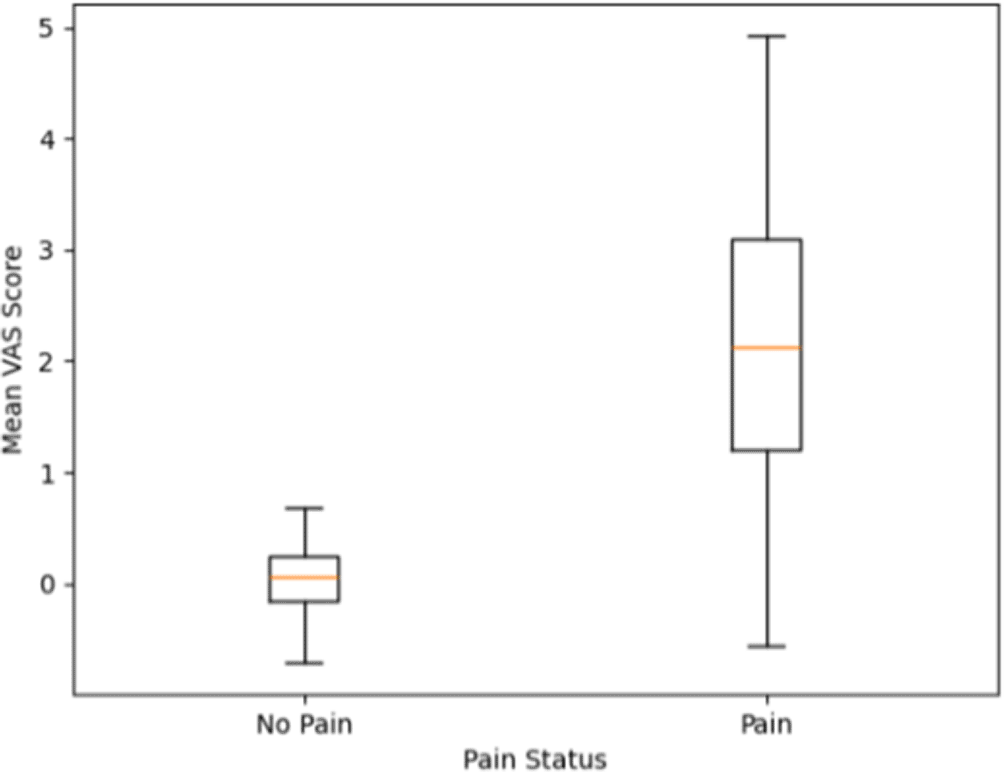
The pain group demonstrated significantly higher VAS scores compared with the non-pain group (p < 0.001).
Based on Figure 2, scatter plot illustrating the relationship between VAS scores and serum GDH levels. A very weak positive correlation was observed (r = 0.148), which was not statistically significant (p = 0.070, two-tailed). The regression line indicates a minimal upward trend with wide data dispersion. Correlation analysis was performed using Pearson’s correlation test. The regression line represents the linear relationship between variables. Statistical significance was set at p < 0.05.
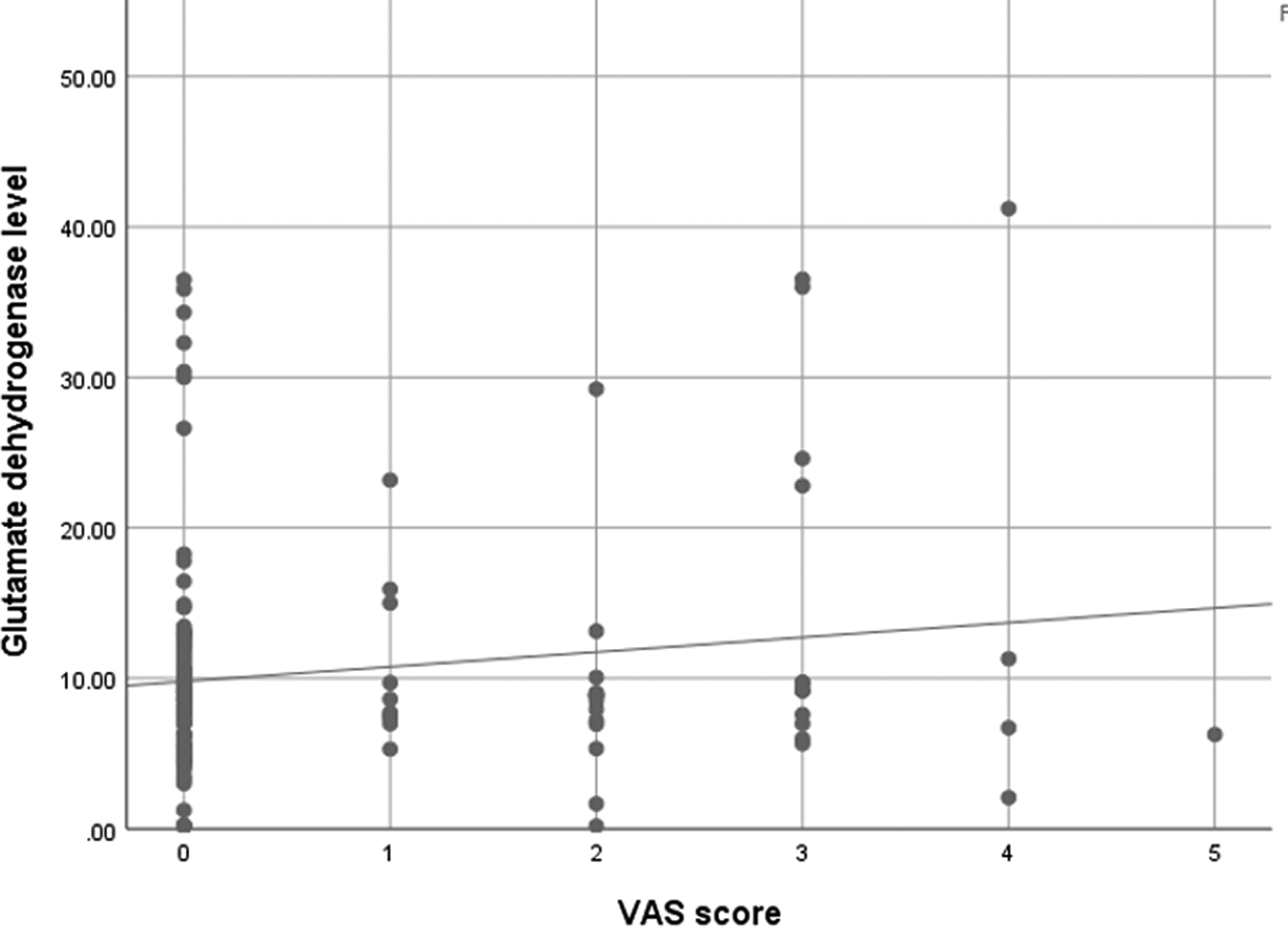
A weak positive correlation was observed between VAS scores and serum GDH levels (r = 0.148, p = 0.070).
The association between serum GDH levels and pain status is presented in ( Table 3). The mean GDH level was 8.72 U/L in participants with nociceptive pain and 9.02 U/L in those without pain. Statistical analysis using an independent t-test showed no significant difference between the two groups (p = 0.97). These findings suggest that serum GDH levels were not significantly associated with pain status in this study population. Mean serum GDH levels differed significantly between groups stratified by viral load. Patients with detectable viral load had higher GDH levels (13.81 ± 10.87 ng/mL; n = 45) compared to those with undetectable viral load (8.96 ± 5.29 ng/mL; n = 106) (p < 0.001) (See Figure 3). Values are presented as mean ± standard deviation (SD). Error bars represent 95% confidence intervals (CI). Statistical significance between groups was assessed using an independent t-test.
| Variable | Nociceptive pain | No pain | p-value |
|---|---|---|---|
| Serum GDH Level (U/L) | 8.72 | 9.02 | 0.97 |
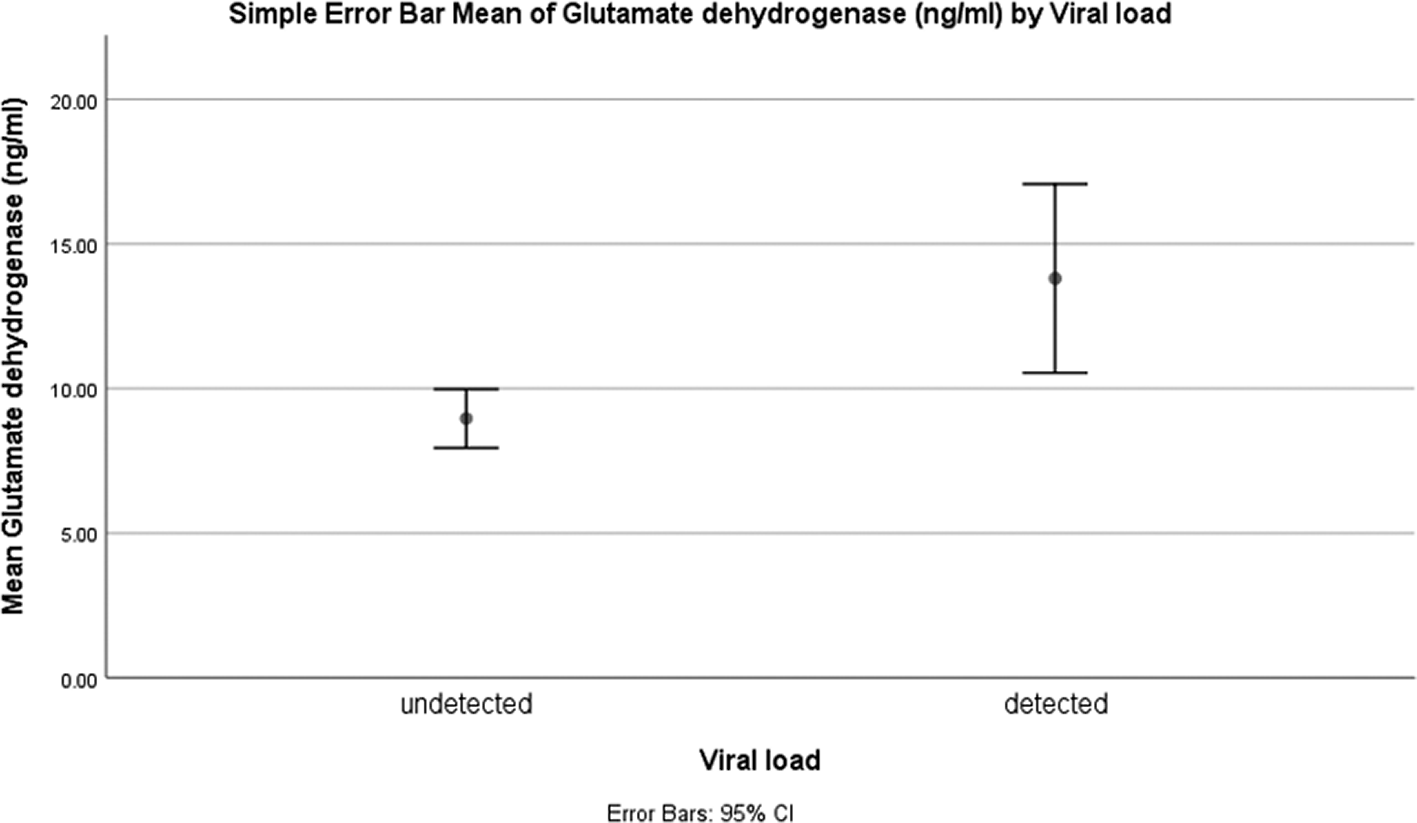
Patients with detectable viral load had significantly higher serum GDH levels compared with those with undetectable viral load (p < 0.001).
Pain is a common clinical manifestation among people living with HIV and may arise through multiple pathophysiological mechanisms. Based on its characteristics, pain is generally categorized into nociceptive, neuropathic, and mixed types.4 Nociceptive pain is typically associated with tissue injury or inflammation, whereas neuropathic pain results from damage to the peripheral or central nervous system, which may occur due to HIV infection, antiretroviral toxicity, or chronic immune activation.6
In this study, nociceptive pain was the predominant type, while no cases of neuropathic pain were identified using the PainDETECT instrument. This finding suggests that pain in this population is more likely related to inflammatory or mechanical mechanisms rather than neuropathic processes. Neuropathic pain in HIV has been linked to neuroinflammation, glial activation, and disruption of glutamate homeostasis, which contribute to neuronal sensitization and excitotoxicity.6,7 However, the absence of neuropathic pain in this study indicates that these mechanisms may not be clinically dominant in this cohort.
The lack of neuropathic pain detection may also be influenced by the limitations of subjective screening tools such as PainDETECT, which may not adequately identify subclinical neuropathy. Objective diagnostic methods, including nerve conduction studies or electromyography, may be required to improve diagnostic accuracy.
These findings are consistent with previous studies reporting that nociceptive pain is more common than neuropathic pain among people living with HIV. For example, Mwesiga et al. reported that the majority of chronic pain cases were non-neuropathic, while other studies have demonstrated wide variability in neuropathic pain prevalence depending on population characteristics and diagnostic methods.3,15
A significant association between gender and pain was observed, with female participants reporting pain more frequently than males. This finding is consistent with previous studies indicating that women have higher pain sensitivity and lower pain thresholds.1,16 Hormonal factors, particularly estrogen, may contribute to these differences by modulating inflammatory responses and pain perception. Estrogen has been shown to influence pain-related receptors and microglial activity, potentially enhancing neuroinflammatory responses and increasing pain sensitivity.5,7,13
Furthermore, patients experiencing pain demonstrated significantly higher VAS scores, indicating greater pain intensity. However, the absence of neuropathic pain suggests that high pain intensity does not necessarily reflect neuropathic mechanisms. Instead, increased VAS scores in this study are more likely associated with nociceptive processes such as inflammation or musculoskeletal conditions. These findings highlight that pain intensity alone is insufficient to differentiate pain types and should be interpreted alongside clinical assessment.5
Although glutamate metabolism, including glutamate dehydrogenase (GDH) activity, is theoretically involved in neuropathic pain through excitotoxicity and neuronal sensitization, this study found no significant difference in GDH levels between participants with and without pain. This suggests that glutamate-related mechanisms may not play a dominant role in this population. Moreover, most evidence regarding GDH in pain mechanisms is derived from experimental studies, and its clinical relevance in HIV-associated pain remains limited.11,17,14
No significant associations were found between pain and other factors such as smoking, alcohol consumption, viral load, or antiretroviral regimen. This indicates that these variables may not directly influence pain occurrence or may act through unmeasured pathways.
The predominance of nociceptive pain observed in this study may also reflect the use of modern antiretroviral regimens, such as tenofovir-based therapy, which have lower neurotoxicity compared to older agents.10,18 This suggests a shift in pain patterns among people living with HIV in the era of contemporary ART.
From a clinical perspective, these findings emphasize that pain in HIV is more frequently related to inflammatory or musculoskeletal mechanisms rather than neuropathic processes. Therefore, pain management strategies should be tailored accordingly. Routine pain assessment should be integrated into HIV care, as pain significantly affects quality of life, functional status, and treatment adherence.8
In this study, serum glutamate dehydrogenase (GDH) levels were not significantly associated with pain intensity among people living with HIV. Neuropathic pain was not identified, while nociceptive pain was the predominant type and occurred more frequently in female patients. These findings indicate that GDH has limited utility as a biomarker for pain assessment, particularly in populations where nociceptive pain predominates.
From a clinical and health service perspective, the predominance of nociceptive pain highlights the need for comprehensive pain assessment that does not rely solely on biomarkers but also incorporates clinical evaluation and patient-reported outcomes. Effective identification and management of pain are essential to improve quality of life and support optimal HIV care.
Future studies should incorporate more comprehensive clinical and diagnostic approaches to better identify neuropathic pain, including objective assessments such as electrophysiological testing. Additionally, factors such as duration of HIV infection, viral load, and immunological status should be considered, as they may influence the development and clinical presentation of neuropathic pain over time.
The study was performed in accordance with the principles outlined in the Declaration of Helsinki. Ethical approval was obtained from the Health Research Ethics Committee of Hasanuddin University, Makassar, Indonesia (No. 107/UN4.6.4.5.31/PP36/2024). All participants provided written informed consent, and all data were anonymized prior to analysis.
| Views | Downloads | |
|---|---|---|
| F1000Research | - | - |
|
PubMed Central
Data from PMC are received and updated monthly.
|
- | - |
Provide sufficient details of any financial or non-financial competing interests to enable users to assess whether your comments might lead a reasonable person to question your impartiality. Consider the following examples, but note that this is not an exhaustive list:
Sign up for content alerts and receive a weekly or monthly email with all newly published articles
Already registered? Sign in
The email address should be the one you originally registered with F1000.
You registered with F1000 via Google, so we cannot reset your password.
To sign in, please click here.
If you still need help with your Google account password, please click here.
You registered with F1000 via Facebook, so we cannot reset your password.
To sign in, please click here.
If you still need help with your Facebook account password, please click here.
If your email address is registered with us, we will email you instructions to reset your password.
If you think you should have received this email but it has not arrived, please check your spam filters and/or contact for further assistance.

Comments on this article Comments (0)