Keywords
Nature-based Solutions; Community-based Nature-based Solutions; Gender Inclusion; Disability Inclusion; Climate Resilience; Local Governance

Nature-based Solutions; Community-based Nature-based Solutions; Gender Inclusion; Disability Inclusion; Climate Resilience; Local Governance
Climate change and environmental degradation intensify ecological problems and generate social impacts at the community level, particularly where access to mitigation and adaptation measures is uneven, thereby increasing the vulnerability of specific groups (Zahnow et al., 2025; Shawoo et al., 2025; Surtiari et al., 2025; Neumann et al., 2026). Beyond material losses, recurrent extreme events can exacerbate psychosocial stress and negatively affect the mental health of disaster-exposed populations (Gauthier et al., 2025). Differences in risk exposure and adaptive capacity across communities mean that environmental interventions may unintentionally deepen exclusion if justice and inclusion are not built into the design process. From this perspective, Nature-based Solutions (NbS) offer a relevant approach to addressing environmental challenges while simultaneously advancing social justice principles (Dushkova et al., 2026).
Nature-based Solutions (NbS) have become a common approach in climate action because they strengthen the role of ecosystems through protection, management, and restoration. Even so, their effectiveness is not determined only by ecological potential. It also depends on how a program is managed and on the local conditions where it is implemented. In other words, mitigation, adaptation, and disaster risk-reduction outcomes are shaped by program design and implementation (Singh et al., 2019). Community-based NbS (Cb-NbS) are often presented as a way to strengthen legitimacy and accountability (Abikoye & Abikoye, 2025). However, evidence shows that formal inclusion in community forums does not necessarily confer meaningful influence over decisions, particularly in authoritarian settings (Sasidevan et al., 2025). This gap underscores the need to examine local barriers to adaptation that may constrain participation and equitable access to benefits for women and persons with disabilities in Cb-NbS (Dushkova et al., 2026).
Adaptation barriers often arise from uneven access to information, limited access to resources, and inadequate institutional support, leading to shifts in local-level responses over time (Armah et al., 2015). Behavioral change may also proceed slowly when people perceive risks as manageable or feel more comfortable maintaining existing habits than responding to them directly (García De Jalón et al., 2015). Interventions that fit local livelihoods, such as agroforestry, are often easier for communities to adopt and sustain because households can see and experience the benefits directly (Huggins & Bishwajit, 2025). Community responses to adaptation barriers also vary according to social position, access to resources, and local power relations (Darabant et al., 2020).
In this context, vulnerability is not gender-neutral because access to assets and decision-making spaces remains uneven (Adzawla et al., 2019). As a result, climate impacts often place greater pressure on women, particularly when poverty, unequal asset ownership, and domestic burdens co-occur (Ahmed et al., 2016). Climate disruption can also increase gaps in food security and economic opportunity, as women face more work but fewer livelihood choices (Mensah et al., 2021). Technical neutrality does not guarantee equal outcomes, especially when power relations are left unaddressed (Ravera et al., 2016).
Simultaneously, the design of NbS programs often overlooks the impact of disability. In many cases, disability-related needs are still overlooked, even though accessible spaces, accessible communication, and reasonable accommodation are central to meaningful participation (Acosta et al., 2025). The global literature also shows that indicators should do more than count participants. They should also capture the experiences of vulnerable groups and make visible how program benefits and burdens are distributed (Huyer et al., 2020). Real transformative change requires more than formal representation; it also depends on changes in social norms and power relations (Acosta et al., 2025). An intersectional perspective is useful for understanding how gender, disability, and socio-economic position combine to create layered barriers (Choudhary et al., 2025).
So far, research on gender and disability inclusion in community-based NbS (Cb-NbS) has remained fragmented across sectors and locations, rather than being brought together into a single integrated body of literature. As a result, recurring barriers and enabling factors are still difficult to piece together into a clear policy framework (Morshed et al., 2025).
To address this gap, this study uses a Systematic Literature Review (SLR) to bring together evidence from diverse fields and identify common patterns and knowledge gaps (Lemos et al., 2024; Shackleton et al., 2015). The review uses the PICO framework together with PRISMA guidelines. PICO (Population, Intervention, Comparison, Outcome) helped structure the review question and the inclusion-exclusion criteria, improving consistency in the search and selection process. PRISMA was used to report the identification, screening, and selection of studies transparently and in a traceable manner (Morshed et al., 2025).
This study focuses on two main questions in community-based NbS (Cb-NbS): what barriers limit the participation and inclusion of women and individuals with disabilities, and what factors enable stronger engagement, empowerment, and equitable access to benefits? It also examines whether and how gender and disability inclusion shape NbS outcomes across ecological, social, and economic dimensions. The review also explores the socio-cultural, economic, and policy contexts in which inclusive implementation occurs and draws together practical strategies and best practices to guide researchers, policymakers, and development practitioners.
This study used an SLR-based systematic review protocol and followed PRISMA 2020 (Page et al., 2021) to make the review process transparent, replicable, and consistent with previous research. The process of identifying and formulating the research questions was guided by the PICOC framework (Population, Intervention, Comparison, Outcome, and Context) ( Table 1). We searched three main databases: Scopus, Web of Science, and Google Scholar. We chose these databases to cover a wide range of multidisciplinary studies. Besides journal articles, we also included grey literature, such as technical reports from international organizations (e.g., FAO, IUCN, and UNEP). This helped us include international policy perspectives and best practices in NbS governance that may not yet appear in academic journal publications.
We used Covidence to manage the selection process and check the quality of all collected records. This platform helped us organize the workflow, automatically remove duplicate records, and maintain data consistency during screening. The selection process had two stages: (1) screening titles and abstracts, and (2) reviewing the full text. To reduce personal bias, two authors independently screened the records in a blinded manner. If they gave different decisions, a third author reviewed the case and helped resolve it through discussion. This process helped ensure that the final articles were relevant and of acceptable methodological quality.
The research questions were developed using the PICOC framework (Population, Intervention, Comparison, Outcome, and Context) to support a deeper analysis of social inclusion in Community-Based Nature-Based Solutions (Cb-NbS). A summary of the PICOC parameters for each research question is provided in Table 1. The following research questions (RQs) guided this study:
Research Question 1 (RQ1) asks: “What are the barriers and enablers of gender and disability inclusion in the implementation of Community-Based Nature-Based Solutions (Cb-NbS)?” The related population is local communities, with a focus on vulnerable groups (women and people with disabilities). The intervention focuses on identifying barriers and enabling factors across social, economic, political, technical, and institutional dimensions, and it does not use a specific comparison element. This question aims to identify different forms of structural barriers and enabling factors related to social inclusion. This question is important because it provides a basic understanding of the field-level dynamics that shape vulnerable groups’ access to nature-based solutions.
Research Question 2 (RQ2) is: “What strategies can strengthen gender and disability inclusion in the design, implementation, and evaluation of Cb-NbS?” It focuses on inclusive participation in Cb-NbS. The intervention examines inclusive design, implementation, and evaluation approaches, comparing explicitly inclusive Cb-NbS projects with non-inclusive ones. The goal is to identify which strategies and tools are most effective for ensuring the involvement of vulnerable groups. This question is useful because it can provide practical parameters for building fairer and more participatory environmental governance.
Research Question 3 (RQ3) asks: “How can gender and disability inclusion strengthen community climate resilience through the implementation of Cb-NbS?” The population/problem focus is improving community climate resilience. The intervention examines inclusive Cb-NbS implementation (e.g., mangroves, agroforestry, and urban greening), and the comparison contrasts literature emphasizing gender inclusion with literature emphasizing disability inclusion. This question aims to show the relationship between social inclusion and both disaster risk reduction and socio-economic resilience. It is important because it provides evidence that the inclusion of vulnerable groups is a key element in strengthening long-term community resilience to climate change.
Research Question 4 (RQ4) asks: “Which contexts and areas of evidence are still limited in the current literature and should therefore be prioritized in future research?” The population includes all literature and global case studies reviewed in this study. The intervention is a critical synthesis aimed at identifying geographic and thematic knowledge gaps. This study does not use an external comparison element; instead, it conducts an internal evaluation of the consistency of the available evidence. This question aims to map the most important priorities for future research, especially disability-related issues that are often overlooked in NbS discussions. This is important because it gives researchers and policymakers a clearer basis for setting future research and climate action priorities.
To identify the literature, we defined separate search parameters for each research question. This helped us keep the search focused and improve the accuracy of the extracted data. The search parameters are presented below:
For Research Question 1 (RQ1) “What are the barriers and enablers of gender and disability inclusion in Cb-NbS implementation?” we used the following parameters: (i) time period: 2015–2025; (ii) keywords: Nature-based Solutions; Community-Based; Inclusion; (iii) related terms: NbS; Barriers; Enablers; Challenges; Drivers; and (iv) Boolean search string: ALL = (“Nature-based Solutions” AND “Community-based” AND (“Barriers” OR “Enablers”)) ( Table 2).
For Research Question 2 (RQ2) “What strategies can strengthen gender and disability inclusion in the design, implementation, and evaluation of Cb-NbS?” we used the following search parameters: (i) time period: 2015–2025; (ii) keywords: Nature-based Solutions; Gender; Disability; Strategy; (iii) related terms: Inclusive Design; Women; Accessibility; Participatory; and (iv) Boolean search string: ALL = (“Nature-based Solutions” AND (“Gender” OR “Disability”) AND “Strategy”) ( Table 2).
For Research Question 3 (RQ3) “How can gender and disability inclusion strengthen community climate resilience through Cb-NbS implementation?” we used the following search parameters: (i) time period: 2015–2025; (ii) keywords: Nature-based Solutions; Climate Resilience; Social Inclusion; (iii) related terms: Disaster Risk Reduction; Adaptation; Socio-economic stability; and (iv) Boolean search string: ALL = (“Nature-based Solutions” AND “Resilience” AND (“Gender” OR “Disability”)) ( Table 2).
For Research Question 4 (RQ4) “Which contexts and areas of evidence are still limited in the current literature and should be prioritized in future research?” we used the following search parameters: (i) time period: 2015–2025; (ii) keywords: Nature-based Solutions; Knowledge Gap; Future Research; (iii) related terms: Evidence gap; Research agenda; Systematic Review; and (iv) Boolean search string: ALL = (“Nature-based Solutions” AND (“Gap” OR “Future Research”)) ( Table 2).
We conducted the literature search in October 2025 using three main databases: Scopus, Web of Science, and Google Scholar. Rather than using a single generic search strategy, we adjusted the search terms for each research question to ensure results matched the analysis’s focus. For RQ1, we identified studies on barriers and enabling factors for inclusion in Cb-NbS using the Boolean string ALL = (“Nature-based Solutions” AND “Community-based” AND (“Barriers” OR “Enablers”)). For RQ2, we used the Boolean string ALL = (“Nature-based Solutions” AND (“Gender” OR “Disability”) AND “Strategy”) to retrieve studies on inclusion strategies. For RQ3, we used ALL = (“Nature-based Solutions” AND “Resilience” AND (“Gender” OR “Disability”)) to examine the link between inclusion and resilience. For RQ4, the search used keywords linked to evidence gaps and future research priorities.
Taken together, these search strategies yielded 3,959 documents. The records were then imported into Covidence for duplicate removal and further screening based on the predefined inclusion and exclusion criteria ( Table 2).
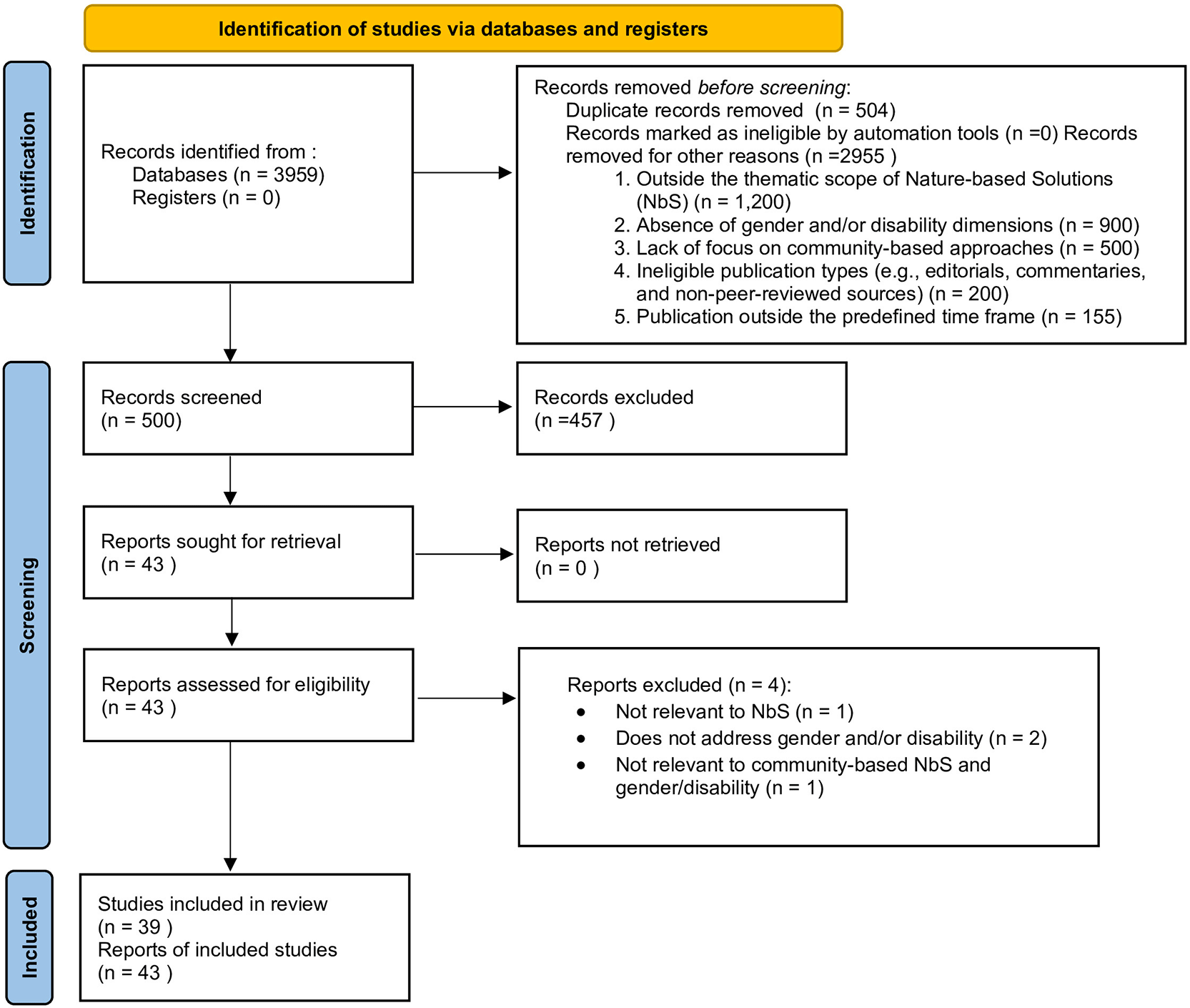
Figure 1 presents the methodological flow of this study based on the PRISMA protocol. The initial database search identified 3,959 records. After duplicate removal (n = 504), consisting of 4 duplicates identified manually and 500 through Covidence, 3,455 records remained for preliminary screening.
Source: Elaborated by authors.
Prior to the formal title and abstract screening stage, 2,955 records were excluded based on predefined criteria. These exclusions included studies outside the thematic scope of Nature-based Solutions (NbS) (n = 1,200), studies lacking gender and/or disability dimensions (n = 900), studies without a community-based approach (n = 500), ineligible publication types such as editorials, commentaries, and non-peer-reviewed sources (n = 200), and publications outside the predetermined time frame (n = 155).
The remaining 500 records proceeded to the title and abstract screening stage. At this stage, 457 articles were excluded for not meeting the study’s research scope. These included studies focusing solely on biophysical or hydrological aspects without social dimensions, large-scale projects with limited community-based management, studies discussing general community participation without empirical evidence related to women or persons with disabilities, and opinion or editorial articles.
Following the full-text assessment of 43 reports, 4 additional studies were excluded. Lacroix et al. (2020) was excluded because it focused on psychological barriers to individual energy-saving behavior and did not discuss gender or disability within the context of Nature-based Solutions. Lonsdale (2017) was excluded because it did not provide an explicit analysis of gender and disability inclusion in climate adaptation practices. Marshall et al. (2016) was excluded due to its lack of relevance to community-based Nature-based Solutions and its failure to integrate gender or disability considerations. In addition, one study was excluded because it focused primarily on technical ecosystem restoration without incorporating community participation or inclusive social dimensions.
Ultimately, 39 studies were included in the final review and analyzed to identify: (i) barriers and enabling factors; (ii) inclusion strategies in the design, implementation, and evaluation of community-based Nature-based Solutions (Cb-NbS); (iii) impacts on community climate resilience; and (iv) research gaps to inform future studies. The overall screening and selection process conducted using Covidence is illustrated in Figure 1.
To ensure the transparency and reproducibility of this Systematic Literature Review (SLR) on gender and disability inclusion in Nature-based Solutions (NbS), several software tools were utilized. Mendeley Desktop (v1.19.8) was used for reference management and duplicate removal. The screening process followed the PRISMA guidelines and was facilitated by Covidence, which allowed for a rigorous selection of articles based on the PICO framework.
For data synthesis, VOSviewer (v1.6.20) was employed to conduct bibliometric mapping and visualize the interconnections between gender, disability, and NbS research themes. Qualitative data from the selected articles specifically regarding barriers such as patriarchal norms and land access were organized and analyzed using Microsoft Excel 2021. Furthermore, ArcGIS (v10.8) was utilized for spatial context relevant to community-based NbS implementations. To maintain high manuscript quality, Grammarly was used for linguistic refinement and Turnitin for originality verification.
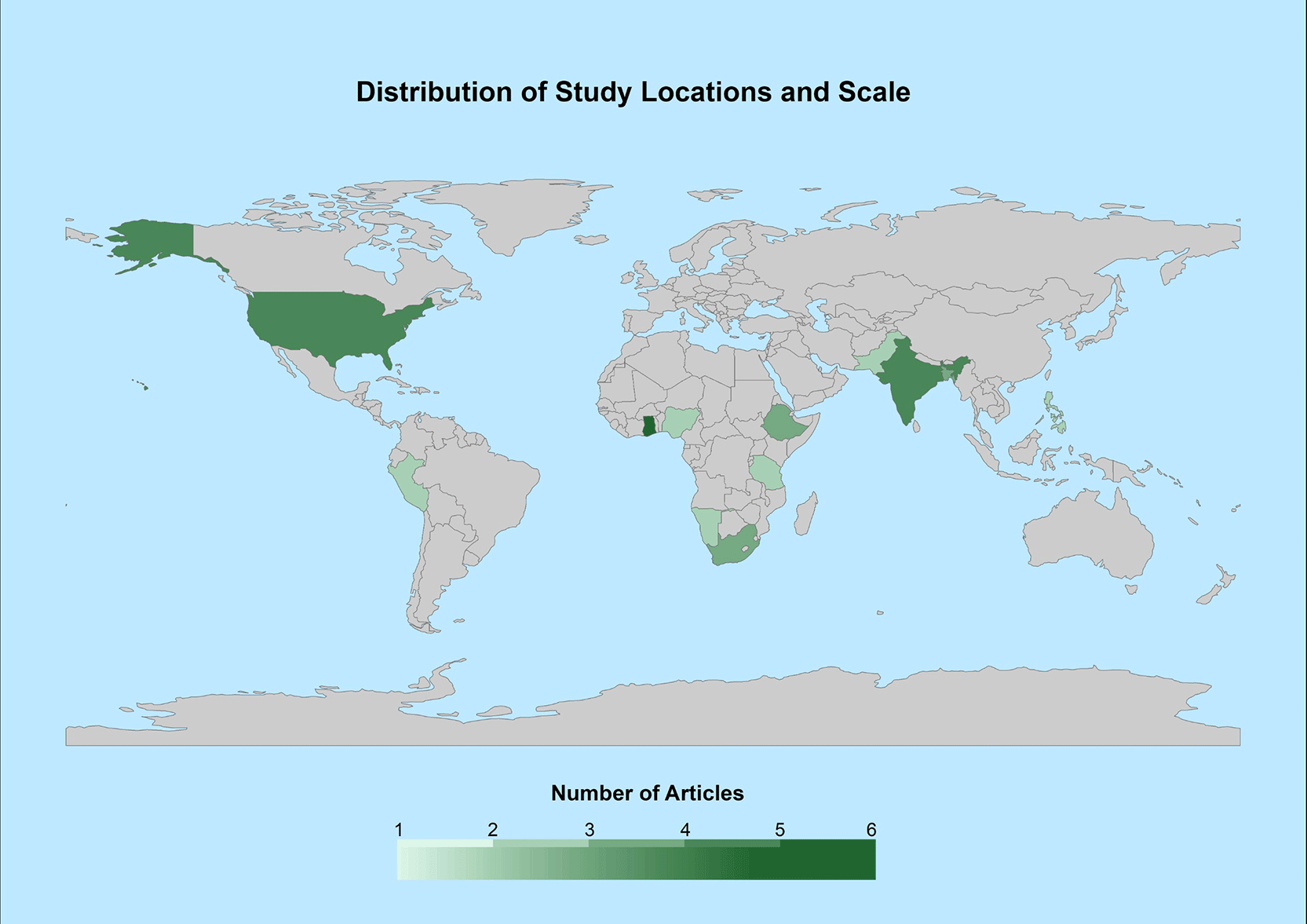
The 39 reviewed articles are mostly drawn from climate-vulnerable regions, and most of the evidence comes from the Global South. Most of the literature (n = 25) is based on country-level analysis, and Ghana appears as the most frequently represented study location (n = 6). The strong concentration of studies in Africa (14 articles in total when regional studies are included) suggests that discussions of inclusion in Cb-NbS are closely tied to development and adaptation agendas in developing countries. Details on the study scale and location are presented in Table 3.
Table 3 shows an interesting contrast. While NbS is widely framed and promoted as a global approach, only six articles in this review used an international or cross-continental analytical scale. This pattern indicates that the social impacts of NbS implementation especially participation barriers faced by women and persons with disabilities are more often documented through local and national studies. To clarify the focus of these studies, their geographic distribution is mapped in Figure 2.
Source: Elaborated by Authors.
Figure 2 makes this pattern clearer: inclusion-focused Cb-NbS research is still concentrated in countries that directly face structural inequality and resource pressures. The distribution also shows that social and environmental vulnerability is not evenly distributed but is concentrated in places where climate adaptation efforts are most urgent and must be linked to social justice goals.
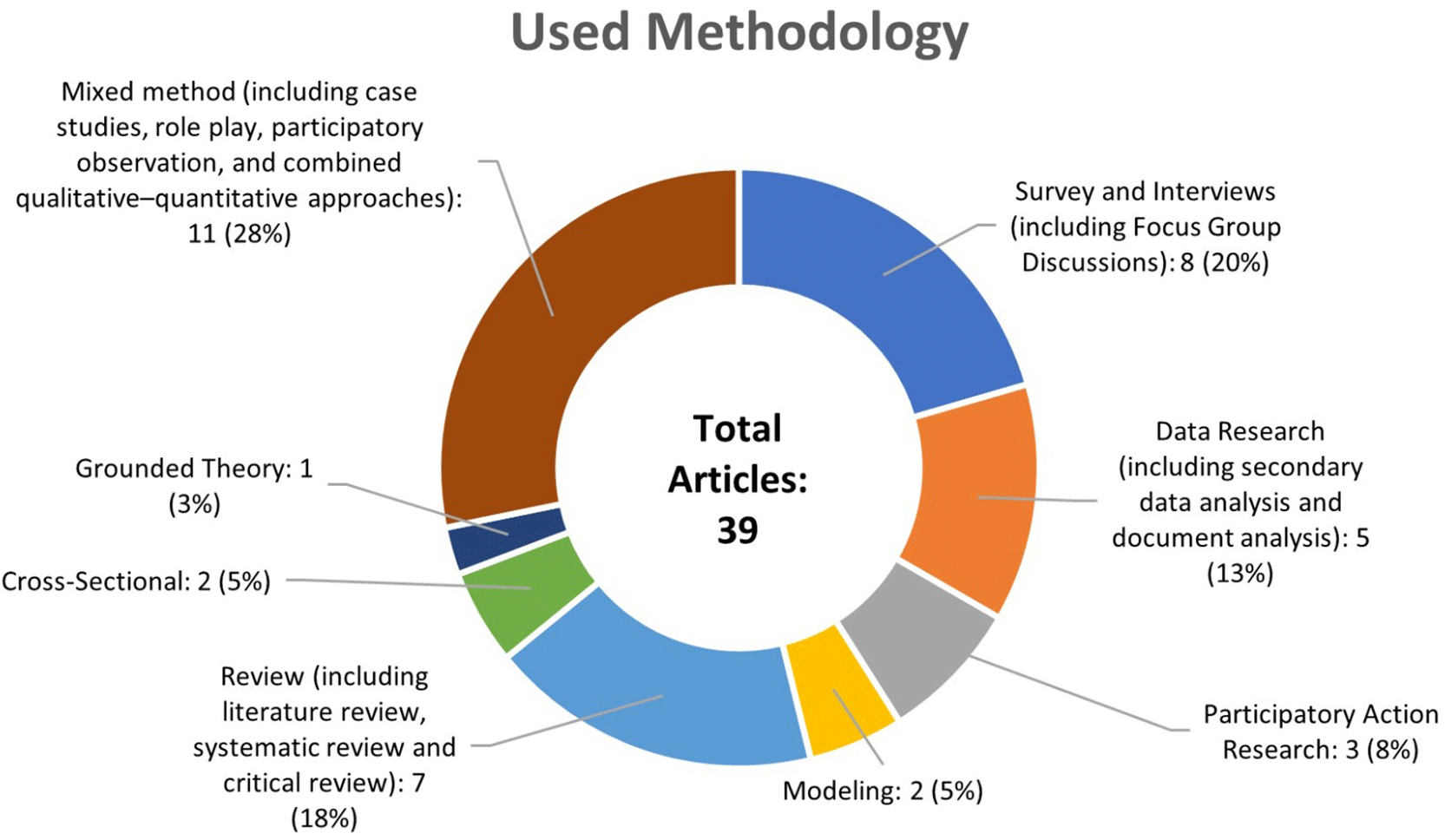
From a methodological perspective, the reviewed studies employ diverse approaches to examine the complexity of inclusion issues in practice. Mixed methods were the dominant approach (11 articles), combining biophysical evidence with data on the social realities of vulnerable groups. In addition, conventional methods such as surveys and interviews, including Focused Group Discussions (FGDs), were also prominent (8 articles), followed by literature review-based methods (7 articles). Details of these methodological variations are presented in Table 4 and Figure 3 below.
Source: Elaborated by Authors.
The methods used in the reviewed studies show that gender and disability inclusion in NbS cannot be studied solely through quantitative metrics. The topic spans disciplines and requires approaches that capture social context and lived experience. The use of Participatory Action Research (PAR) (n = 3) and Grounded Theory (n = 1) also suggest a move toward more emancipatory forms of research. This shift matters because institutional and cultural barriers are difficult to understand without listening to the narratives and everyday experiences of marginalized communities.
Research Question 01
RQ1 points to a clear pattern: the barriers most often limiting gender and disability inclusion in community-based Nature-based Solutions (NbS) are structural and institutional. In other words, the barriers are often built into formal systems, legal arrangements, and bureaucratic procedures, rather than arising only from individual attitudes. Three recurring patterns appear in the literature. The first concerns unequal rights to land and natural resources. Women and other marginalized groups often do not have formal ownership rights, even though these rights are often required to participate in NbS programs (Bryan, 2018; Choudhary et al., 2025; Lawson et al., 2020; Pienaah et al., 2024; Ravera et al., 2016; Lo, 2016; Abikoye & Abikoye, 2025). Second, many studies report institutional inertia and institutional failure, including weak coordination across agencies, corruption, and policy processes that are not transparent (Acosta et al., 2025; Darabant et al., 2020; García De Jalón et al., 2015; Huggins & Bishwajit, 2025; Mattheis et al., 2022; Mensah et al., 2021; Pienaah et al., 2024; Shackleton et al., 2015; Struckmann, 2018). Third is elite capture, where local elites or senior men retain control over resources and decisions through rigid hierarchies (Acosta et al., 2025; Kristjanson et al., 2017; Perez et al., 2015; Pienaah et al., 2024; Shackleton et al., 2015).
A second set of barriers comes from socio-cultural conditions and gender norms at the community level. Local values, traditions, and social expectations shape these barriers. The studies repeatedly show three related issues. First, patriarchal norms and ideas of masculinity still shape who is seen as a legitimate leader or environmental manager. In many cases, leadership is still treated as men’s domain, and feminist expression may face criticism or resistance (Adzawla et al., 2019; Buckwell et al., 2020; Chikuruwo, 2023; Acosta et al., 2025; Huyer et al., 2020; Kristjanson et al., 2017; Ravera et al., 2016; Sasidevan et al., 2025; Singh et al., 2019). Second, women’s participation is often reduced by the gendered division of labor and domestic responsibilities, because household and caregiving work leaves little time for NbS planning (Bryan, 2018; Choudhary et al., 2025; James et al., 2023; Sasidevan et al., 2025; Schuster et al., 2024; Vinyeta et al., 2016). Third, persons with disabilities and other marginalized groups are often excluded in practice, including through limited physical and social access and caste- or ethnicity-based systems that restrict mobility (Acosta et al., 2025; Mensah et al., 2021; Morshed et al., 2025; Sasidevan et al., 2025; Schuster et al., 2024).
The third barrier is economic, especially limited access to capital. When vulnerable groups lack financial resources, they are less able to adopt new technologies or strategies. In the studies reviewed, this appears as financial inequality, including limited access to credit, cash, and agricultural inputs for women-headed households (Bryan, 2018; Choudhary et al., 2025; Lawson et al., 2020; Perez et al., 2015; Pienaah et al., 2024; Shackleton et al., 2015). Access to adaptation technologies, including machinery and transport, is also influenced by household wealth (Pienaah et al., 2024). The fourth barrier is about information, data, and knowledge. Studies show that information does not always reach people inclusively, and local knowledge is often overlooked. They also point to a lack of local and disaggregated data, leading to policies that are frequently designed without evidence reflecting gender and disability differences, particularly in remote and mountainous areas (Mattheis et al., 2022; Mensah et al., 2021; Pearson et al., 2017).
The fifth barrier concerns safety and physical risk. It refers to the real threats women face when trying to access or manage natural resources. In the reviewed studies, this appears in the form of gender-based violence, including the risk of violence when women travel to distant locations to collect water or food under conditions shaped by climate change or conflict (Perez et al., 2015; Schuster et al., 2024; Stone, 2015). The studies also point to mortality risks linked to gender norms, for example, when restrictions on certain physical activities, such as swimming, increase the risk of death during disasters (Schuster et al., 2024). A complete summary of the identified barriers is presented in Table 5 below.
| Barrier Category | Key Findings |
|---|---|
| Structural & Institutional |
|
| Socio-cultural & Gender Norms |
|
| Economy & Capital |
|
| Information & Data |
|
| Safety & Risk |
|
Research Question 02
The next set of findings focuses on factors that help strengthen participation, empowerment, and more equitable access to benefits. These factors can be grouped into five main categories. The first category concerns institutions and policy instruments. In the studies reviewed, this category appears in several forms: (1) Strengthening local institutions was the strongest factor linked to better productivity and lower economic poverty (Singh et al., 2019). (2) The effectiveness of CREMAs (Community Resource Management Areas) is also evident, as women in CREMA-managed areas were found to have higher shea harvest yields than women in areas outside these zones (Pienaah et al., 2024). (3) Local Adaptation Plans of Action (LAPA) and policy integration also matter. The studies show that local adaptation planning works better when it is linked to disaster risk reduction (DRR) and broader SDG agendas (especially SDGs 13, 16, and 17), thereby strengthening systemic resilience. (4) Social protection and taxation are another enabling factor, with adaptive social protection and progressive taxation shown to support fairer resource distribution and help finance universal social services (Shackleton et al., 2015; Struckmann, 2018).
The second enabling factor relates to social capital and collective agency. In the reviewed studies, this appears in several forms. (1) The use of social networks, where borrowing through communal networks or reciprocal labor-exchange systems becomes a key survival strategy for poor households (Mersha & Van Laerhoven, 2016; Perez et al., 2015); (2) women’s collective action, where women’s groups play an active role in channeling external resources such as microcredit and health support, while also managing agrobiodiversity (e.g., seed exchange) (Perez et al., 2015; Ravera et al., 2016); (3) community-based insurance, where women use shared mechanisms and village-level risk-sharing networks to cope with shocks (Perez et al., 2015); and (4) leadership in conflict settings, where displaced women actively develop self-organized coping strategies and early warning systems that help strengthen inter-community peace (Schuster et al., 2024; Stone, 2015).
The third enabling factor concerns gender and intersectionality. The studies show four recurring points. (1) Political representation matters, with a positive relationship between women’s representation in national parliaments and the ratification of international environmental agreements (Pearson et al., 2017). (2) Women’s adaptive capacity is also important: women farmers were found to have adaptive capacities that were similar to, or even higher than, those of men, even though they face stronger structural barriers (Perez et al., 2015; Ravera et al., 2016). (3) Access to assets and decision-making also matters for participation. Middle-aged women with better access to land and more diverse income sources were more involved in household decision-making (Ravera et al., 2016). (4) Identity diversity further shows why an intersectional approach is needed, because minority groups, disadvantaged groups, and Two-Spirit/LGBTTQ identities may have distinct roles as well as specific vulnerabilities.
The fourth enabling factor combines technology and traditional knowledge. In the studies reviewed, this shows up in three ways. (1) Mobile phones helped women access practical information (including videos and health information) and strengthened their agency in isolated and displacement settings (Schuster et al., 2024). (2) Agricultural technologies were more common in market-connected areas, but men often had greater access to them (Mirzabaev, 2023; Ravera et al., 2016). (3) Traditional seeds and seasonal calendars still played an important role because local knowledge of seasonal cycles supported climate resilience (Sasidevan et al., 2025).
A fifth enabling factor is economic diversification and coping strategy. The reviewed studies point to three examples. (1) Poor households commonly used livelihood diversification, including public works and small-scale trade as an adaptation strategy (Mersha & Van Laerhoven, 2016). (2) Temporary mobility and labor migration were also common, especially for men (Mersha & Van Laerhoven, 2016). (3) Access to credit also helped, because women farmers with loans tended to report better crop yields and stronger economic capacity (Pienaah et al., 2024). A complete summary of the enabling factors is presented in Table 6 below.
| Enabling Factor Category | Key Findings |
|---|---|
| Institutions & Policy Instruments |
|
| Social Capital & Agency |
|
| Intersectionality |
|
| Technology & Tradition |
|
| Economic Strategies |
|
Research Question 03
The review points to four governance-related findings. (1) Institutional structures: In some fields, including geoscience, structural barriers are still present. Harassment and discrimination continue to affect the retention of diverse groups (Mattheis et al., 2022). (2) Neoliberal policy frameworks at global and national levels often reproduce the structural causes of gender injustice instead of challenging them (Struckmann, 2018). (3) Government responses to climate crises, especially in the HKH region, are often incremental rather than transformative (Mersha, 2016; Mishra et al., 2019). (4) Adaptive and gender-responsive governance is important for long-term sustainability in critical ecosystems, including the Sundarbans (Singh et al., 2019).
The review also highlights several findings on how participation takes shape in practice. (1) Participatory models (PAR): In university contexts, the use of PAR and posthumanist approaches helped support climate action that was more closely connected to community lived experience (Sasidevan et al., 2025). (2) Intersectional participation: Participation was more effective when it moved beyond a simple male/female frame and considered caste, race, class, and LGBTTQ identities (Ravera et al., 2016; Sasidevan et al., 2025; Vinyeta et al., 2016). (3) Participatory media innovation: The studies also report the use of game-based media for anticipatory learning in land management (Mensah et al., 2021), alongside the use of technology by Rohingya women to reduce participation gaps (Schuster et al., 2024). (4) Nonpartisan issue framing: Public participation was broader when discussions focused on nonpartisan social issues such as race, class, and gender, rather than on partisan or political identity (Pearson et al., 2017).
Several findings also relate to transparency and accountability. (1) Systemic accountability: When strategic gender needs are overlooked, governance systems can become dysfunctional and fail to remain accountable to the most vulnerable groups (Stone, 2015). (2) Barriers to transparency: The studies show how poverty, inequality, and poor governance can interact and reinforce one another, creating barriers to equitable adaptation (Shackleton et al., 2015). (3) Critiques of policy clarity: Gender-blind policies can hinder substantive gender equality and weaken transparency in the distribution of roles at the national level (Struckmann, 2018).
The studies also show several patterns in benefit distribution. (1) Unequal access: differences in wealth, access to credit, and control over resources are major drivers of variation in productivity and economic benefits, as shown in the Shea case study (Pienaah et al., 2024). (2) Gendered priorities: men tended to focus more on production and income, while women more often prioritized environmental stewardship (Mensah et al., 2021). (3) Limited choice sets: female-headed households usually had fewer adaptation options and often depended on diversification, whereas men had wider access to benefits through mobility and land-based adaptation (Mersha & Van Laerhoven, 2016).
The studies also show what helps (and limits) the long-term sustainability of outcomes. (1) Integration of local knowledge: adaptation outcomes tend to be more sustainable when they are linked to local knowledge systems, including practices such as heirloom seed preservation (Sasidevan et al., 2025). (2) Current practical limitations: existing adaptation practices-most of which are still dominated by behavioral change measures (76%) are considered insufficient to ensure future resilience under projected climate stress (Morshed et al., 2025; Singh et al., 2019). (3) Synergy between CBA and EbA: long-term sustainability requires combining community-based adaptation (CBA) and ecosystem-based adaptation (EbA) rather than treating them separately (Singh et al., 2019). (4) The role of women as agents: including women from the outset, particularly as agents of peace and resilience, is a key condition for sustaining social and environmental change over time (Stone, 2015; Vinyeta et al., 2016). A full summary of the findings on governance, participation, transparency, and benefit distribution is presented in Table 7 below.
| Aspect | Key Findings |
|---|---|
| Governance |
|
| Forms of Participation |
|
| Transparency |
|
| Benefit Distribution |
|
| Sustainability |
|
Research Question 04
Given the limited context and the lack of supporting evidence, several points need to be highlighted in each area. First, in relation to the limited context, several issues were identified: (1) marginalized non-binary groups. Although gender has been widely discussed, the specific context of LGBTTQ communities in the adaptation strategies of Indigenous peoples and local communities is still rarely addressed (Vinyeta et al., 2016); (2) hidden displacement. Cases of refuge or displacement that are caused not by direct physical violence, but by fear or social rejection, need greater recognition and further research (Stone, 2015); (3) academic and professional environments. Structural barriers within research organizations and academic disciplines (such as Geoscience) still need further exploration to understand better the systemic failure to retain diversity (Mattheis et al., 2022); and (4) interactions among barriers. There is still limited research examining how social, cultural, financial, and institutional barriers interact in specific ways across different local contexts (Mersha & Van Laerhoven, 2016; Shackleton et al., 2015).
Apart from the contextual gaps, the available evidence is also limited in several important areas. First, there is still insufficient evidence to determine whether current adaptation practices actually reduce disaster risk and support long-term resilience under future climate stressors (Morshed et al., 2025; Singh et al., 2019). Second, existing studies tend to focus on identifying the barriers themselves, but say much less about why these structural barriers persist and who benefits from their persistence, especially from a social justice perspective (Shackleton et al., 2015). Third, evidence from the field remains limited on how global neoliberal frameworks, such as the SDGs, may, in practice, undermine gender justice and women’s quality of life rather than merely helping institutions meet administrative targets (Struckmann, 2018). Fourth, we still know little about how digital technologies work for vulnerable groups. In the case of Rohingya women, Schuster et al. (2024) show their use in health and displacement settings, but it remains unclear whether these technologies can shift power relations or mainly provide short-term support.
Future research should focus on three key areas. First, more in-depth intersectional research is needed. Using an intersectional feminist lens can help move beyond the male/female binary and better explain how caste, class, and race influence adaptive capacity (Ravera et al., 2016; Sasidevan et al., 2025). Second, future research should focus more on transformation rather than incremental adaptation. A key question is how government responses, which remain patchy and incremental, can be turned into systemic, transformative action (Mersha, 2016; Singh et al., 2019). Third, innovative participatory models should be evaluated more thoroughly. This includes testing the effectiveness of anticipatory learning methods such as role-play and simulation for developing sustainable land management strategies across different cultural settings (Mensah et al., 2021). The detailed findings on the gaps and future research priorities are shown in the Table 8 below.
This study begins with a basic concern: research on the social dimensions of Nature-based Solutions (NbS), especially gender and disability inclusion, remains fragmented. Most studies are presented as separate case studies and are rarely connected by a common framework or evaluation framework. NbS is widely recognized as an important strategy for climate adaptation, but it remains unclear who benefits from these interventions and who is left behind. Because of this, policymakers often struggle to identify which inclusion strategies are actually effective. As noted by Morshed et al., (2025), it is difficult to design truly fair programs without a more complete and connected picture. Therefore, this study aims to help fill that gap by systematically mapping patterns of social inclusion.
To address this problem, this study used a Systematic Literature Review (SLR) design with a strict PRISMA protocol. This approach was chosen to reduce selection bias and to ensure that the articles included in the analysis met a high academic standard. From thousands of initial search results, we screened the studies and conducted an in depth analysis of 39 selected articles that specifically discussed community-based NbS interventions with explicit social components. This method allowed us to move beyond single case descriptions and identify broader patterns across different national contexts.
Our review points to three findings that matter most for this discussion. First, the studies are not evenly distributed across regions. Most of them come from Africa, especially Ghana. This means that current discussions on the social side of NbS are shaped largely by evidence from the Sub-Saharan African context. Second, the findings show a shift in how barriers are understood. The main problems in NbS implementation are not only technical issues or a lack of funding.
In many cases, the main barriers are structural, especially those related to social norms and unequal land rights. Third, and most critically, we found an important intersectional gap. Attention to gender and disability is highly unequal. Compared with disability, gender has received far more serious attention in the literature, including more nuanced discussion of power relations. Disability remains underexamined. In other words, inclusivity is often part of the global climate narrative, but research and implementation still do not fully include the most vulnerable groups.
The high concentration of studies in Africa, especially Ghana, as seen in several articles (Adzawla et al., 2019; Mensah et al., 2021), can be interpreted as a direct reflection of the urgency of climate vulnerability in the region. This finding follows a pattern similar to that of Abikoye and Abikoye (2025), who note that, for agrarian communities in Sub-Saharan Africa, NbS functions as a survival strategy under conditions of dependence on rain-fed agriculture.
In Africa, NbS plays a vital role as a survival strategy. This is very different from the Global North, where NbS often functions more as an urban aesthetic addition or a long-term carbon mitigation measure. The problem arises when this African narrative overly shapes the global literature. This imbalance may create an epistemological or locational bias, treating Africa’s urgent adaptation model as a universal standard even though other regions may require very different approaches.
For this reason, future research should be more geographically diverse. More collaboration across developing countries is needed so NbS practices can be compared across contexts. This matters because it helps show whether the social inclusion principles discussed in the literature can be applied broadly or are closely tied to particular cultural settings. If studies continue to come from only a few regions, we will still have a fragmented view of the social side of NbS.
One important result is that women’s participation in NbS projects does not automatically lead to equality. Acosta et al., (2025) and Huyer et al. (2020) show that women are often involved in hard physical work, such as nursery activities and planting. However, inheritance laws and social norms still prevent them from owning land or controlling long-term benefits, such as timber and carbon credits.
This interpretation changes how we understand barriers in NbS. Earlier studies often emphasized the lack of technology or funding, but our findings suggest that the bigger obstacles are less visible: informal norms and discriminatory legal rules. Environmental interventions that ignore gender, or focus only on increasing the number of women participants, may actually widen existing inequalities. Women may carry the burden of conservation work, while the economic benefits remain largely in the hands of male landowners.
Legal barriers are not the only issue. Social norms about household roles are also a serious obstacle. As Choudhary et al. (2025) note, women often spend a large part of the day doing unpaid household and care work, including cooking, washing clothes, caring for children, and caring for sick family members. Because these tasks are seen as their duty, they may not have enough time left for village meetings or conservation work. In many cases, women participate less because they do not have enough time.
This finding has a clear implication: NbS should not stop at participation. It needs to become transformative. It is not enough to involve women in activities like tree planting or to count their attendance in meetings. NbS programs should also change the unfair rules behind the project. For example, they can require women’s land rights before implementation and provide support to reduce household and family care burdens. The aim is to make sure women can control assets and economic benefits, not just contribute labor to conservation work.
The most worrying finding is the very limited data on disability. This is not just a minor gap, but a serious absence in the literature. Unlike gender analysis, which has developed much further in discussing rights and power relations, disability is still often approached through pity rather than rights and agency. As a result, people with disabilities are often seen only as vulnerable victims who need help or rescue, rather than as active participants. This view is misleading because, when given space and opportunity, they can also act as important agents of change. They often have unique knowledge about access barriers in villages that non-disabled people may overlook, and they may also have strong survival strategies that could improve the design of climate adaptation programs. This gap is not only an academic problem, but also a practical and potentially harmful one. When there is limited research guidance, NbS practitioners may design green infrastructure, such as mangrove evacuation routes and early warning systems, that are not accessible to wheelchair users or Deaf groups. If disability perspectives are left out during planning, these nature-based solutions can create new barriers rather than provide support.
This analysis shows a gap between the global slogan “leave no one behind” and what happens in NbS practice. Morshed et al. (2025) suggest that part of the problem is how disability is framed. It should not be treated only as a health issue, because barriers become more serious when they overlap with poverty and gender inequality. Researchers, therefore, need to learn more from the ideas and everyday experiences of people with disabilities, not just describe them as vulnerable. Their input is important if environmental projects are meant to be accessible to all from the beginning.
Before presenting the findings, we need to be clear about the limits of this systematic review. We state these limitations openly so the findings are read in context and not generalized too far.
First, including only English-language articles may have biased the review. We excluded studies published in other languages, including Spanish (in Latin America) and French (in West Africa). This may make the review look more focused on English-speaking countries, such as Ghana, than the broader evidence actually supports. In other words, some important NbS innovations from other regions may be missing from our analysis simply because they were published in non-English sources.
Second, the 39 articles do not use the same standards when defining “inclusion” and “participation.” In some studies, participation is treated as physical attendance at a socialization meeting. In others, participation is defined more strictly, requiring that community members be actively involved in important decisions. Because these studies use different measures, it is difficult for us to compare program success across countries consistently.
Third, most of the reviewed studies are descriptive, qualitative, or single-case studies with relatively short observation periods (cross-sectional). Because long-term longitudinal studies are still limited, it is difficult for us to assess the lasting effects of social interventions in NbS. Changes in social norms or gender empowerment usually take years, and they are often not fully captured in short research or project cycles that last only 1–2 years. Fourth, this analysis depends heavily on what journal authors chose to report, which raises the possibility of publication bias. Published studies may be more likely to highlight positive results, while project failures or community resistance receive less attention. As a result, barriers to implementation in practice may be more complex than what is documented in the published literature.
This study concludes that NbS implementation worldwide remains inequitable for everyone. Although the number of studies continues to grow, the evidence remains highly uneven: too much attention is given to Africa and women’s issues, while people with disabilities are still largely overlooked. Many NbS programs have not fully succeeded because they often fail to address core problems, such as land ownership rules that disadvantage women, and they also fail to include those who need support the most. If this continues, NbS may become little more than a tree-planting project, without meaningfully improving the lives of vulnerable communities.
These findings send a clear signal to policymakers. NbS programs should not stop at being gender-sensitive; they need to be gender-transformative. It is not enough to call a program successful just because women are included. It should also change the rules so that women can truly exercise their rights, control resources, and participate in decision-making. Funders should review land ownership arrangements at the start of a project to ensure that women are not treated solely as labor but have real control over income and other economic benefits. In addition, all green infrastructure should follow universal design principles, so that both physical facilities and information are accessible to people with disabilities. Inclusion should no longer be treated as an optional add-on, but as a basic requirement for a project to be considered successful.
To address the gaps identified in this study, we propose three research priorities. First, studies comparing different regions. Future studies should go beyond Africa and include more regions. Researchers should compare how communities are engaged in different contexts, such as Asia and Latin America. The goal is to test whether an approach that works in one place can also work elsewhere. This will help show whether inclusion strategies are universal or need to be adjusted to local cultures.
Second, research that explores the strengths and knowledge of people with disabilities. We need deeper research into the practical, often innovative ways people with disabilities navigate their environments. They often have forms of knowledge that non-disabled people may not see or understand. For this reason, researchers need to move away from treating them solely as “victims in need of help” and instead recognize them as problem-solvers whose ideas can make valuable contributions.
Third, long-term evaluation. Researchers need to prioritize studies that follow communities over time, rather than relying on one-time assessments. The point is to see whether positive changes persist after the project team leaves and funding ends, or whether things revert to the previous state. Many programs look successful while support is still in place, but weaken quickly once that support is withdrawn. Only longer-term observation can show whether the changes are truly lasting or only temporary.
This systematic review shows that barriers to gender and disability inclusion in community-based NbS (Cb-NbS) (RQ1) are mostly structural and often overlap. Similar patterns are visible across studies: land and resource access are unequal, institutional coordination and transparency are weak, and local elites can capture program benefits. This situation leaves vulnerable groups with limited room to participate and limited access to benefits. Patriarchal norms and domestic burdens also constrain participation, while individuals with disabilities are often excluded in practice because accessibility needs are not adequately addressed. Limited access to capital and credit, the lack of disaggregated data, and security risks further reduce the likelihood of meaningful engagement, even when participatory forums exist.
RQ2 points to governance improvement as the most common driver of community-based NbS (Cb-NbS), especially when it strengthens local capacity and makes benefit sharing more equitable. Across studies, similar enabling factors recur: stronger local institutions, community-based conservation schemes that fit local conditions, integration with local adaptation planning, and social protection instruments that help sustain inclusion and program continuity. Social capital also plays a practical role in sustaining engagement, especially through communal networks, women’s collective action, and risk-sharing practices at the community level. Formal attendance alone is not enough to make participation meaningful. It becomes meaningful when program design shifts control and benefits toward groups that have long been marginalized.
RQ3 demonstrates that social pathways, not just ecological outcomes, primarily link inclusion to community climate resilience. Strong local institutions, legitimate decisions, recognition of vulnerable groups, and fairer benefit-sharing help support socio-economic resilience and sustain program results. RQ4, however, highlights a significant lack of evidence, particularly the absence of data and indicators related to disability, as well as a shortage of long-term studies on how norms, empowerment, and resilience change over time. This gap cannot be addressed without making research and practice more measurable. This includes using indicators of actual influence in decision-making, setting accessibility standards for information and physical spaces, and evaluating how benefits are distributed across vulnerable groups.
“During the preparation of this work, the author(s) used Gemini 1.5 Flash solely to refine the language, enhance grammatical clarity, and assist in translating the policy highlights. The author(s) affirm that the research concept, data extraction from the systematic literature review, analysis of findings, and all intellectual conclusions were conducted entirely by the human authors without the use of AI. After using the language tool, the author(s) reviewed and edited the content as needed and take full responsibility for the originality and integrity of the publication.”
| Views | Downloads | |
|---|---|---|
| F1000Research | - | - |
|
PubMed Central
Data from PMC are received and updated monthly.
|
- | - |
Provide sufficient details of any financial or non-financial competing interests to enable users to assess whether your comments might lead a reasonable person to question your impartiality. Consider the following examples, but note that this is not an exhaustive list:
Sign up for content alerts and receive a weekly or monthly email with all newly published articles
Already registered? Sign in
The email address should be the one you originally registered with F1000.
You registered with F1000 via Google, so we cannot reset your password.
To sign in, please click here.
If you still need help with your Google account password, please click here.
You registered with F1000 via Facebook, so we cannot reset your password.
To sign in, please click here.
If you still need help with your Facebook account password, please click here.
If your email address is registered with us, we will email you instructions to reset your password.
If you think you should have received this email but it has not arrived, please check your spam filters and/or contact for further assistance.

Comments on this article Comments (0)