Keywords
Dentinal hypersensitivity, Iontophoresis, APF gel, Elsenz®,Perfora

This article is included in the Manipal Academy of Higher Education gateway.
Dentinal hypersensitivity, Iontophoresis, APF gel, Elsenz®,Perfora
Dentinal hypersensitivity (DH) is a prevalent clinical condition that affects 8–57% of adults, with a higher prevalence in women and those between the ages of 20 and 50. It is characterized by short, sharp pain arising from exposed dentin in response to external stimuli and cannot be attributed to any other form of dental defect or disease. It typically affects the cervical area of the canine and premolar facial surfaces. As a result, patients experience discomfort and pain, which discourages them from practicing proper dental hygiene.1 Dentinal hypersensitivity is triggered by thermal, chemical, and mechanical stimuli. Pain and hypersensitivity are caused by mechanical stimuli such as toothbrush bristles during brushing, nicking the sensitive area with a fingernail, and chemical stimuli such as sweets, acidic foods (often fruits), and infrequently salty foods.2
To effectively treat DH, exposed dentinal tubules must be blocked via techniques such as chemical and physical occlusion, nerve desensitization, and photo biomodulation.3 Iontophoresis is a non-invasive procedure that improves the transport of ionized desensitizing agents such as fluoride and potassium nitrate into the dentinal tubules by using a low-amperage direct electrical current.4 This helps to relieve hypersensitivity and facilitate tubule occlusion. Iontophoresis has been shown in studies to be beneficial in lowering dentin hypersensitivity by encouraging desensitizing agents to penetrate the dentinal tubules more deeply.5
The three commercially available desensitizing toothpastes — Elsenz® (Biomin F), Perfora Sensitive Toothpaste, and Fluorotop Acidulated Phosphate Fluoride (APF) were used in the present study. These —were chosen for their distinct ways of addressing dentin hypersensitivity and were administered using an iontophoresis as an adjunct with mechanical plaque control. In order to achieve improved tubule occlusion and to provide long-lasting symptomatic relief.6 The aim of the present study was to evaluate and compare the effectiveness of these three desensitizing agents with an adjunctive use of iontophoresis as a treatment modality.7
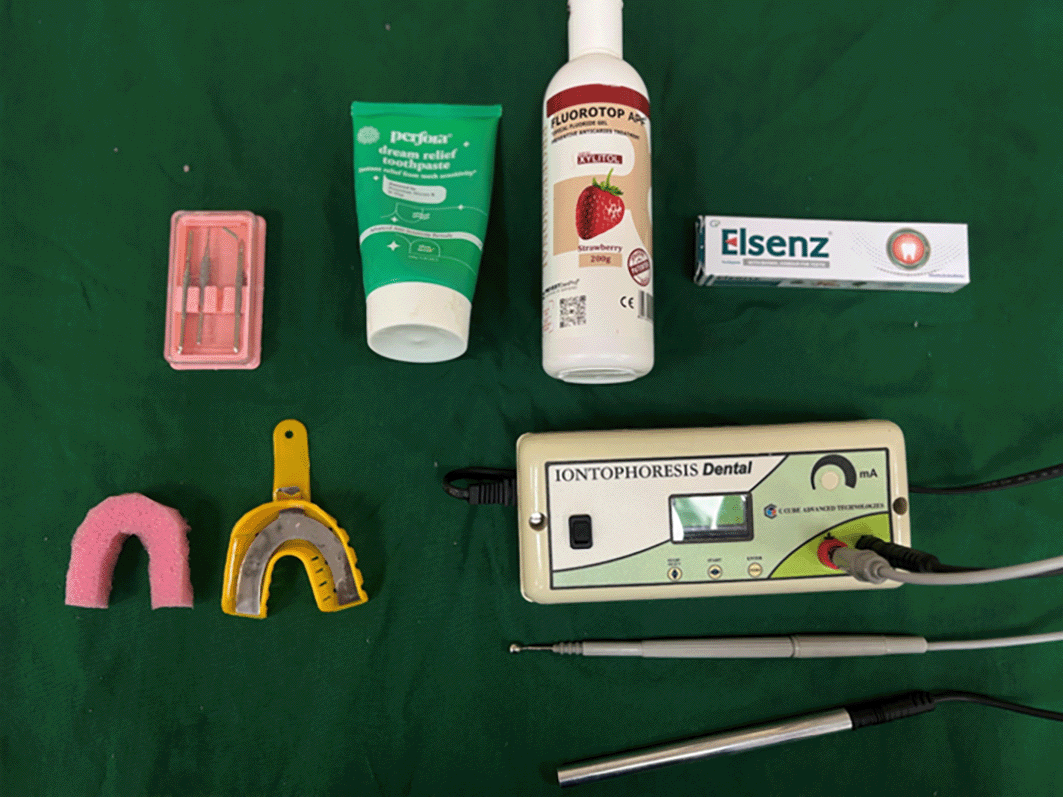
The three different treatment modalities used in this study were advanced bioactive glass-based toothpaste Elsenz® Toothpaste (Group Pharmaceuticals Ltd., Bengaluru, India) is made with a fluorocalcium phosphosilicate glass matrix that releases fluoride, calcium, and phosphate ions gradually over a 12-hour period. This helps to form fluorapatite, a mineral that is ten times more acid-resistant than hydroxyapatite, which is made by traditional pastes like NovaMin. The tiny particles (about 5 μm) enter and block the dentinal tubules, decreasing fluid flow and offering long-term relief from hypersensitivity.8,9 Iontophoresis can also improve ion penetration and accelerate the production of fluorapatite. Using a combination of potassium nitrate, nano-hydroxyapatite (n-HAp), and natural ingredients like aloe vera, peppermint, and spearmint, the second comparator desensitizing agent used was Perfora Sensitive Toothpaste (Perfora Care Pvt. Ltd., Gurugram, India) which provides a dual desensitizing effect by depolarizing nerves and obstructing tubules. This toothpaste is also known as Perfora Dream Relief. Its formulation without SLS prevents side effects such xerostomia, mucosal irritation, and worsening of aphthous ulcers, making it appropriate for individuals with sensitive oral tissues. Iontophoresis also improves n-HAp remineralization and penetration.6,10 By reducing hydraulic conductivity through CaF2 crystal formation within dentinal tubules, the third comparator agent used was Fluorotop APF Gel (Prevest Denpro, India) (APF) gel or foam (1.23% fluoride, pH ~3.5). When used in conjunction with iontophoresis, its penetration, remineralization, and tubule occlusion are greatly increased, offering both short-term and long-term desensitization against dentinal hypersensitivity.10,11
1. Significant reduction in dentinal hypersensitivity when iontophoresis is used in conjunction with desensitizing drugs (Elsenz®, Perfora, and Fluorotop APF gel) compared to baseline values.
2. Perfora toothpaste reduces dentinal hypersensitivity more effectively and longer than Elsenz® and Fluorotop APF gel when used in conjunction with iontophoresis.
3. Deeper penetration of the desensitizing agents and tubule occlusion are responsible for the increased effectiveness of iontophoresis-assisted desensitization, which leads to long-lasting symptom alleviation from dentinal hypersensitivity.
A total of 27 patients with tooth sensitivity were selected from the outpatient department of Periodontics, Manipal College of Dental Sciences, Mangalore. The study involved a single examiner, and selected patients were randomly assigned to one of the three treatment modalities via computerized block randomization prior to the procedure. The entire sample size was divided into three blocks via sealed envelope software. The parallel group design lasted 3 months, after the study protocol was approved by the Ethics Committee of Manipal University, which was conducted in accordance with the Helsinki Declaration of 1975, as revised in 2013. The study adhered to the Consolidated Standards of Reporting Trials (CONSORT) 2010 guidelines for randomized clinical trials ( Figure 1). This study is listed with the Clinical Trials Registry-India (CTRI) under registration number CTRI/2025/09/095193 (https://ctri.nic.in/Clinicaltrials/rmaindet.php?trialid=110356&EncHid=37835.53169&modid=1&compid=19).
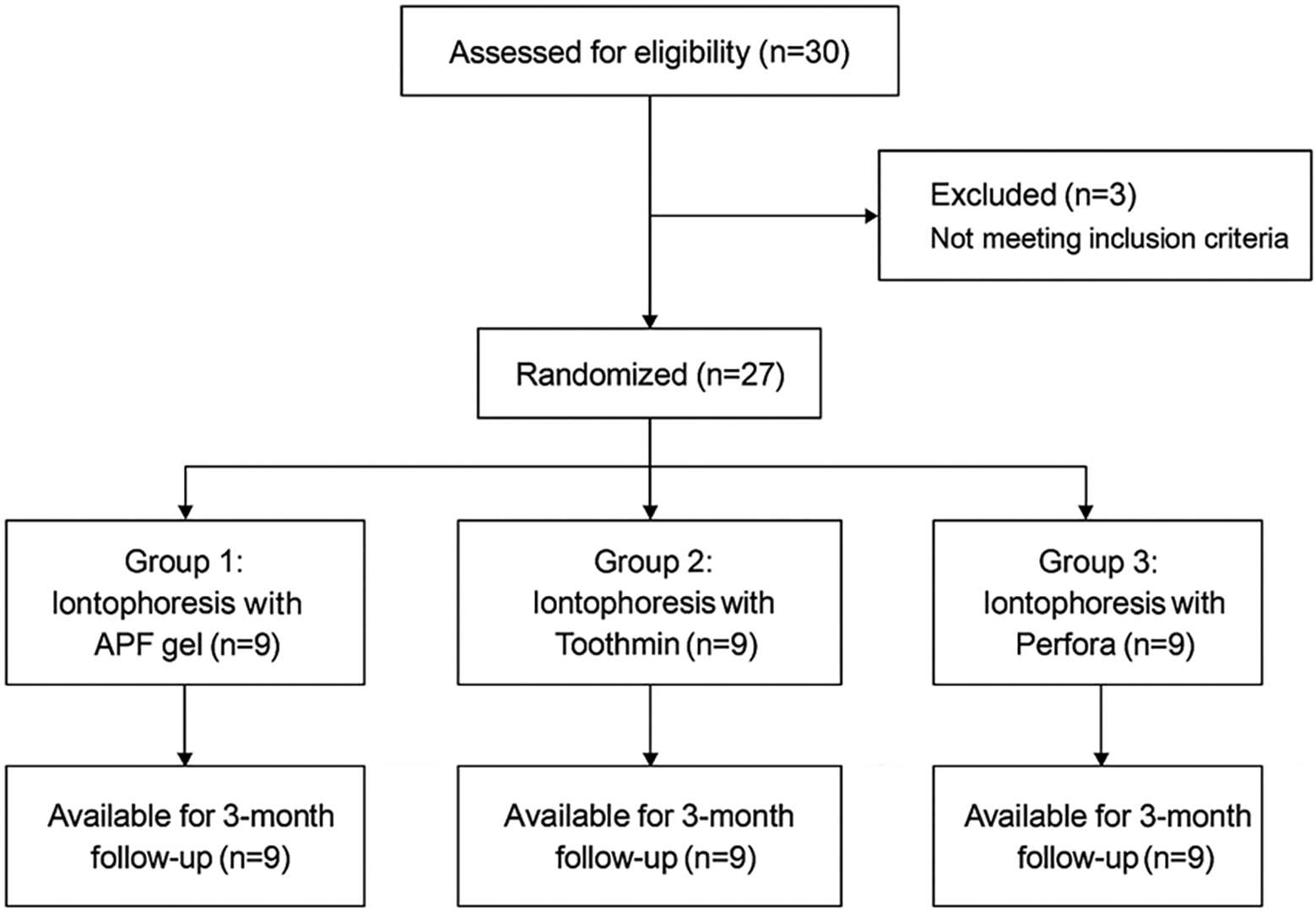
Systemically healthy patients having plaque and gingival index less than 20%12 and complain of hypersensitivity to thermal, mechanical, sweet, or sour stimuli on the facial or lingual surfaces of teeth were divided into 3 groups. (n = 9 per group) using computer-based block randomization. Allocation was concealed using sealed envelopes prepared prior to the surgical appointments. All the patients who expressed their willingness to participate in the study signed the informed consent prior to commencement of the study.
Group 1: Elsenz® toothpaste with iontophoresis
Group 2: Perfora toothpaste with iontophoresis
Group 3: Fluorotop APF gel with iontophoresis
Software used: Standard statistical software, such as SPSS version 25.0 (IBM Corp., Chicago. IL, USA) or its equivalent, was used to analyze the data.
1. Intergroup comparison: One-way analysis of variance was used to examine differences between the three study groups (ANOVA).
The Welch ANOVA test was employed when the homogeneity of variance assumption was not satisfied.
For several pairwise comparisons, the Post-hoc Tukey’s Honest Significant Difference (HSD) test was used to pinpoint group differences.
2. Intragroup comparison: The paired t-test was used to compare values within each group before and after treatment. Both Air blast and Tactile sensitivity scores were measured using this test at baseline, two weeks, and one month.
3. Interpretation overall group differences were ascertained using ANOVA/Welch tests. The group pairs that differed significantly were identified by post-hoc Tukey analysis.
Adults of both gender, aged 18–65 years, who were systemically healthy and presented with hypersensitivity to thermal, mechanical, sweet, or sour stimuli on the facial or lingual surfaces of teeth were included. The patients who have undergone active periodontal treatment within the last six months, pregnant or lactating females, individuals already under treatment for dentinal hypersensitivity (DH), those with known allergies or pacemakers, and patients with sensitivity related to GERD (Gastroesophageal reflux disease) Individuals with medical, psychiatric, or pharmacological histories that could compromise the study; systemic conditions predisposing them to DH (including eating disorders); and those with orthodontic appliances or fixed prostheses that may interfere with DH evaluation were excluded. Based on the criteria mentioned selected patients were enrolled and randomized into three treatment groups and provided one of the following treatments.
Clinical assessment for DH was carried out using tactile test (Figure 3) and air blast test (Schiff Cold Air Sensitivity Scale test) (Figure 4). The tooth under interest was isolated and the two tests were performed. The tactile test was done first to all subjects which was followed by air blast test. A minimum interval of 5 mins was maintained between the two tests. A sterile dental explorer was gently run across the affected surface of tooth and subject’s response was recorded. After five minutes air blast test was conducted using a 3-way dental syringe for a duration of 1 second per tooth.
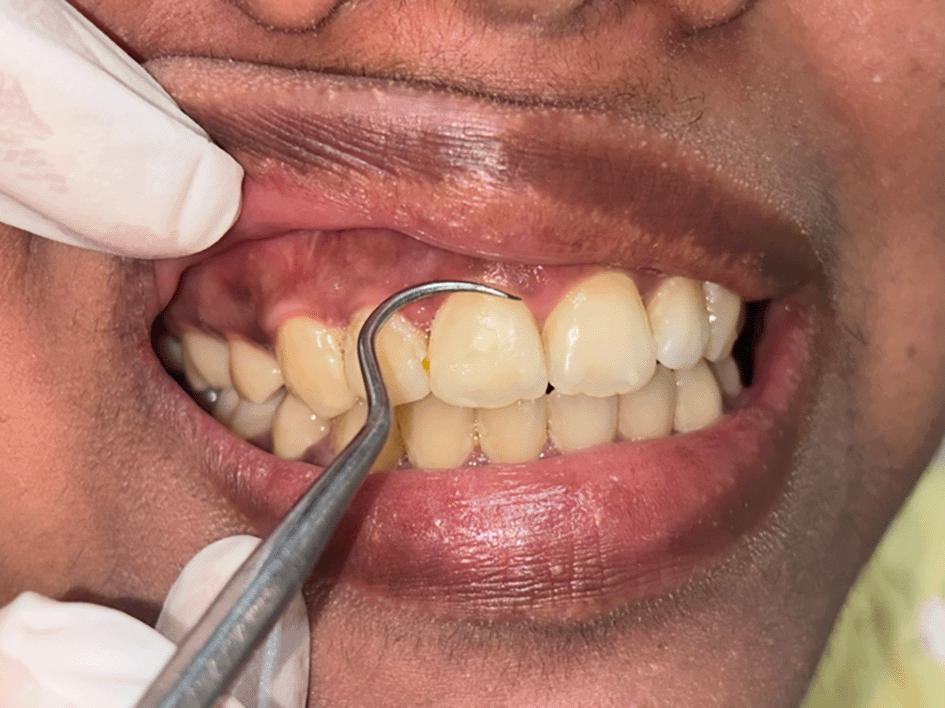
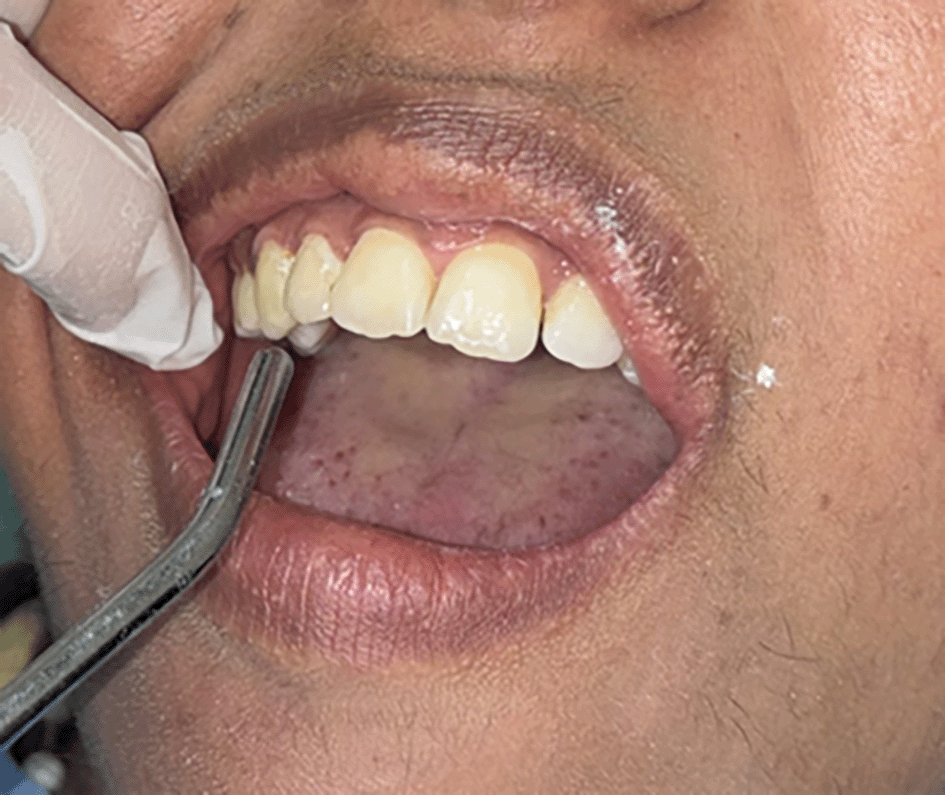
The subject responses were recorded using visual analogue scale (VAS), a method which assesses a characteristic attitude that is believed to range across a continuum of values and cannot be easily objectively measured. It is a line of 10 cm in length, the extreme of a line representing the limits of pain a patient might experience from an external stimulus.
The study participants were asked to record their overall sensitivity by marking a point on a 10-cm VAS, where 0 indicated no pain and 10 indicated unbearable pain experienced due to a blast of air, cold water application, and tactile stimuli. Once the DH assessment was done this was followed by the treatment based on the allotted treatment arm.
All the participants underwent supragingival scaling and polishing and personalized tailor-made oral hygiene instructions were given by a single examiner. To maintain uniformity all patients were provided with a new ultrasoft bristle toothbrush. Each subject was requested to brush twice daily using provided toothbrush and toothpaste.
The isolation of the affected area was achieved using sterile cotton rolls. This was followed by application of allocated toothpaste with iontophoresis. In group 1 Elsenz®, group 2 Perfora and in group 3 APF gel were applied and iontophoresis activated.
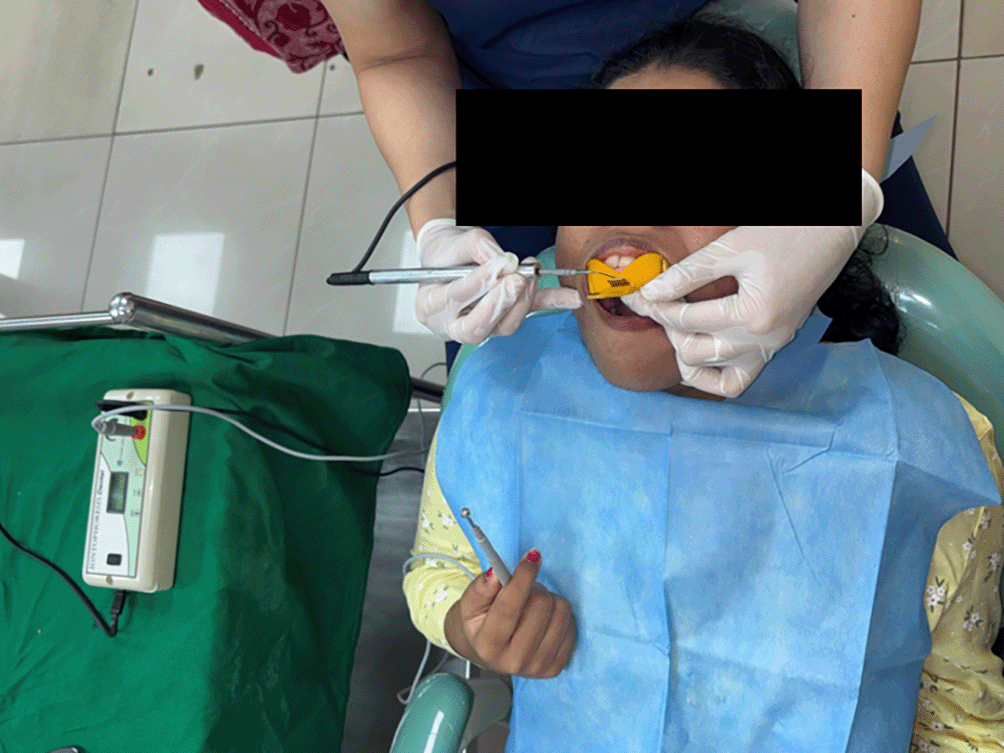
— Elsenz® toothpaste (Group 1), Perfora toothpaste (Group 2) or Fluorotop APF gel (Group 3), a thin layer of the corresponding desensitizing agents were applied to the affected area via sponge and the sponge was supported by a metal plate embedded into the plastic tray, which was positioned to maintain direct contact with the surfaces of the affected teeth and to ensure even dispersion of the low-intensity electric current throughout the arch and appropriate placement of the agent within the oral cavity. The patient held the passive electrode, which was identified by a red spiral cord, while the electrode spoon attached to the black spiral cable was placed in the patient’s mouth above the sponge to finish the circuit. To maximize the therapeutic effect, the iontophoresis machine was turned on, and the current was progressively increased from 0.5 mA to a maximum of 2.5 mA until the patient felt some degree of sensitivity. The duration of each session was two minutes. Upon completion, the electrode spoon and sponge were removed, and the device was shut off. To analyze both immediate and delayed reactions, sensitivity was measured via tactile and air-blast tests. Scores were recorded at baseline, immediately after treatment and during follow-up visits after two weeks, 1 month and 3 months. The procedure was repeated if the sensitivity persisted at the second visit. Patients were instructed to use the same desensitizing toothpaste as prescribed during the follow-up period (Figure 5).
The air blast and tactile tests were used to evaluate the dentinal hypersensitivity of a total of 27 participants (9 per group; 14 females, 13 men). There were no discernible variations in air blast sensitivity between the groups at baseline (p = 0.288). Group 1 (Elsenz® + iontophoresis) improved from 7.33 to 2.56 (mean diff. = 4.78, p < 0.001) and then to 0.56 after a second application (mean diff. = 1.89, p < 0.001), whereas Group 2 (Perfora + iontophoresis) demonstrated the largest reduction in air blast scores from 8.11 to 0.56 (mean diff. = 7.56, p < 0.001) without needing a second treatment. At two weeks, Group 3 (APF gel + iontophoresis) decreased from 2.89 to 0.78 (mean diff. = 2.11, p < 0.001) and from 7.44 to 3.11 (mean diff. = 4.33, p < 0.001), indicating lower long-term effectiveness.
Group 2 once more demonstrated the fastest and most thorough decrease from 4.0 to 0.0 (mean diff. = 4.0, p < 0.001) for tactile sensitivity, even though starting scores were not statistically different (p = 0.403). Group 3 dropped from 3.67 to 1.22 (mean diff. = 2.44, p < 0.001) and from 1.83 to 0 in two weeks (mean diff. = 1.83, p = 0.006), but Group 1 improved from 3.56 to 0.67 (mean diff. = 2.89, p < 0.001). Overall group differences remained significant (p = 0.029), despite two-week subgroup tactile differences not being statistically significant (p = 0.518). While Group 1 exhibited steady progress with repeated application and Group 3 showed fewer permanent outcomes, Group 2 collectively showed the most effective and long-lasting desensitizing outcome in both assessments, without the need for retreatment indicating a need for more frequent reapplication.
In clinical dentistry, the treatment of dentinal hypersensitivity (DH) is still a major concern, and iontophoresis has become a viable and reasonable way to administer desensitizing agents. For toothpaste Perfora, Acidulated phosphate fluoride (APF) gel and Elsenz® (BioMin-containing) toothpaste were the three agents used in this study to assess the effectiveness of iontophoresis.7,10,11,13–15 Perfora showed the most noticeable improvement, with sensitivity scores decreasing from 7 to 0 after just one session, without the need for retreatment, whereas all three treatment modalities showed a decrease in DH. Despite the paucity of research on Perfora, its composition, which most likely includes potassium nitrate and nanohydroxyapatite and its refreshing mint palatable flavour likely encouraged longer contact time with the teeth during the follow up visit— this may help explain its enhanced effectiveness when delivered through iontophoresis.13 The palatable flavour is one of the important factors. Though flavour itself isn’t therapeutic, it significantly impacts adherence to good oral hygiene habits, transforming the routine into a positive experience.14 Among the three desensitizing agents Perfora toothpaste flavour was more palatable compared to the other two desensitizing agents in the study.15–17
With sensitivity scores dropping from 9 to 2 after the first session and to 0 after a second application, the APF gel showed outstanding clinical results in our case study. The results of Hegde et al. (2015), who documented the long-term efficacy of fluoride iontophoresis in treating dentinal hypersensitivity, are highly consistent with these findings.18 The study by Kijsamanmith et al. (2022) further supports our study findings by showing that iontophoresis improves the penetration and effectiveness of fluoride-based toothpaste, resulting in better tubule occlusion, fluoride uptake, and resistance to acid challenges—mechanisms that could account for the clinical success our patients have shown.19 Similarly, our study revealed that the use of Elsenz® toothpaste (which contains BioMin) reduced hypersensitivity scores from 8 to 3, requiring a second application to provide full relief. The results of Bakry et al. (2023), who reported that Elsenz® toothpaste efficiently occludes dentinal tubules and offers long-lasting sensitivity alleviation, are in good agreement with these results.11,16,17,20 The therapeutic value of iontophoresis as a quick, safe, and affordable method for managing DH is shown by the agreement between our observations and these published studies. The formulation and nature of the desensitizing agent have a significant effect on how well iontophoresis works.5,21–24 To validate these results and improve the application of iontophoresis-based procedures for standard clinical practice, however, further extensive, long-term clinical trials are necessary along with evaluation of gingival and plaque index.21,25–27
This study has certain limitations, even with the encouraging results. The findings may not be as broadly applicable due to the limited sample size of 27 individuals and the single-center design, and the three-month follow-up period limits the assessment of long-term efficacy and dentinal hypersensitivity recurrence. Because the sole examiner was not blinded, observer bias may have been incorporated into the subjective VAS scores used for pain evaluation. Furthermore, there was insufficient monitoring of patient compliance with dental hygiene guidelines, and neither radiographic nor microscopic verification of dentinal tubule occlusion was carried out. Future studies should examine the durability of desensitization using bigger, multi-center trials with longer follow-up times. Together with patient-reported results, objective assessment techniques like laser Doppler flowmetry, confocal microscopy, or scanning electron microscopy would offer a more thorough picture of therapy effectiveness. Moreover, iontophoresis-assisted desensitizing agents may be further optimized in clinical settings and long-term management of dentinal hypersensitivity may be enhanced by comparison with other modern interventions, the use of double-blind study designs, and investigation of formulation factors such as flavor, texture, and bioactive components.
Based on our study findings, when compared to Elsenz® (Biomin-F) and APF gel under iontophoresis, the Sodium Laurel Sulphate-free, titanium dioxide- and peroxide-free formulation with an aloe mint flavor (Perfora) showed improved contact time, which might have helped with active ingredient absorption and provided longer-lasting relief with fewer reapplications. It can be regarded as a possible first-line treatment option for dentin hypersensitivity within the constraints of this study before moving on to more involved therapies. To support these findings, more studies with bigger sample sizes and longer follow-up times are necessary.
Ethical approval was obtained from the Institutional Ethics Committee of Manipal College of Dental Sciences Mangalore, Manipal Academy of Higher Education, Manipal (Protocol reference number: 24090), and the trial was prospectively registered with the Clinical Trials Registry of India (CTRI/2025/09/095193). Participants were enrolled after providing written informed consent and receiving a comprehensive explanation of the procedures, benefits, and potential risks. Participants provided consent to publish.
| Views | Downloads | |
|---|---|---|
| F1000Research | - | - |
|
PubMed Central
Data from PMC are received and updated monthly.
|
- | - |
Provide sufficient details of any financial or non-financial competing interests to enable users to assess whether your comments might lead a reasonable person to question your impartiality. Consider the following examples, but note that this is not an exhaustive list:
Sign up for content alerts and receive a weekly or monthly email with all newly published articles
Already registered? Sign in
The email address should be the one you originally registered with F1000.
You registered with F1000 via Google, so we cannot reset your password.
To sign in, please click here.
If you still need help with your Google account password, please click here.
You registered with F1000 via Facebook, so we cannot reset your password.
To sign in, please click here.
If you still need help with your Facebook account password, please click here.
If your email address is registered with us, we will email you instructions to reset your password.
If you think you should have received this email but it has not arrived, please check your spam filters and/or contact for further assistance.

Comments on this article Comments (0)