Keywords
Type 2 diabetes mellitus, glycemic control, determinants, medication adherence, psychosocial support, Nigeria, UNTH Enugu.

This article is included in the Global Public Health gateway.
Type 2 diabetes mellitus, glycemic control, determinants, medication adherence, psychosocial support, Nigeria, UNTH Enugu.
1. The study population was predominantly elderly (57.1%), with more females (60.2%), married individuals (78.6%), and participants of Igbo ethnicity (89.3%).
2. Most participants had attained tertiary education (34.2%) and had been living with diabetes for over 10 years (44.4%).
3. Oral tablets were the primary diabetes treatment (38.3%), yet over half of the participants (52.0%) had poor glycemic control, with fasting blood glucose levels ≥125 mg/dL.
4. Retinopathy was the most frequently reported complication (11.7%), followed by diabetic foot ulcers and neuropathy (8.2% each).
5. Overall knowledge of diabetes was poor, with 77% of participants demonstrating low knowledge and only 45.4% recognizing insulin deficiency as the cause.
6. Medication adherence was suboptimal, with 57.7% showing low adherence; common barriers included forgetting doses (33.3%) and stopping medication when feeling well (32.8%).
7. Nearly half of participants (46.4%) experienced diabetes-related stress, while the majority reported strong support from family and friends (78.6%).
8. Only 36.7% of participants consistently afforded their medications, and 63.3% monitored their blood glucose as recommended, highlighting healthcare access challenges.
9. Key determinants of adherence and glycemic control included age, educational level, employment status, type of diabetes treatment, and recent fasting blood glucose levels.
Diabetes mellitus (DM) is a chronic metabolic disorder characterized by hyperglycemia resulting from deficiency in insulin secretion, insulin action, or both. It constitutes one of the most significant global public health challenges of the 21st century, contributing morbidity, mortality, and health system burden (Hossain et al., 2024). According to the International Diabetes Federation (IDF), an estimated 537 million adults aged 20–79 years were living with diabetes globally in 2021, a figure projected to rise to 783 million by 2045 if current trends continue (Sun et al., 2022). Type 2 diabetes mellitus (T2DM) accounts for more than 90% of all diabetes cases and is closely linked with lifestyle changes, urbanization, aging populations, and rising obesity rates. The global economic burden of diabetes is immense, with total health expenditures related to diabetes estimated at over USD 966 billion in 2021, representing a 316% increase over the past 15 years (Ong et al., 2023).
In sub-Saharan Africa, the prevalence of diabetes is rising at an alarming rate, as a results of rapid urbanization, sedentary lifestyles, unhealthy diets, and limited access to preventive healthcare (Musilanga et al., 2024). The IDF estimates that approximately 24 million adults in Africa are currently living with diabetes, with a projected increase to over 55 million by 2045 (Chikwati et al., 2025). Unfortunately, nearly two-thirds of cases remain undiagnosed, and only a small proportion of patients achieve optimal glycemic control, leading to an increased burden of diabetes-related complications such as retinopathy, nephropathy, neuropathy, and cardiovascular diseases. West Africa, in particular, has witnessed an increase in T2DM prevalence, with Nigeria, Ghana, and Senegal contributing significantly to the regional disease burden (Abdul-Samed et al., 2024).
In Nigeria, the estimated national prevalence of diabetes ranges between 4.3% and 10%, with marked regional variations influenced by differences in lifestyle, socioeconomic factors, and healthcare access (Olamoyegun et al., 2024). Despite the availability of antidiabetic medications and improved diagnostic capacities, poor glycemic control remains a persistent challenge among Nigerian patients with T2DM. Studies have reported that less than half of diabetic patients in Nigeria achieve recommended glycemic targets (HbA1c <7%), underscoring the need for context-specific investigations into the determinants of good glycemic control (Ramalan et al., 2022). Factors such as medication adherence, dietary habits, physical activity, education level, duration of diabetes, and comorbidities have been implicated in influencing glycemic outcomes, but their relative importance may vary across different populations and healthcare settings (Ong et al., 2023).
Enugu, located in southeastern Nigeria, represents a rapidly urbanizing region with changing dietary and lifestyle patterns that predispose individuals to metabolic disorders such as T2DM. The University of Nigeria Teaching Hospital (UNTH), Enugu, serves as a major tertiary referral center providing specialized care to diabetic patients across the southeastern states (Chikwati et al., 2025). However, despite the increasing number of patients attending the hospital’s diabetes clinic, there is scarcity of local data on the prevalence and determinants of good glycemic control within this setting. Understanding these factors is essential for optimizing patient management, guiding policy formulation, and improving health outcomes. Therefore, this study aims to determine the prevalence and determinants of good glycemic control among patients with type 2 diabetes mellitus attending the University of Nigeria Teaching Hospital, Enugu. Findings from this study will provide valuable insights for clinicians and policymakers to develop targeted interventions that promote better glycemic outcomes and reduce the burden of diabetes-related complications in the region and beyond.
This hospital-based cross-sectional study was conducted at the Diabetes Clinic of the University of Nigeria Teaching Hospital (UNTH), Ituku-Ozalla, Enugu State, southeastern Nigeria. UNTH is a major tertiary referral center providing specialized diabetes care to patients from Enugu State and neighboring regions. The study population comprised adult patients aged 18 years and above with a confirmed diagnosis of type 2 diabetes mellitus attending follow-up visits at the diabetes clinic during the study period.
The inclusion criteria were adult patients with a confirmed diagnosis of type 2 diabetes mellitus who had been attending the clinic for at least six months and who provided written informed consent. Patients who were pregnant or those who were critically ill and unable to respond to questions were excluded from the study.
The minimum sample size for the study was determined using Cochran’s formula for cross-sectional studies:
To account for an anticipated 10% non-response rate, the sample size was adjusted to 196. Therefore, a total of 196 participants were included in the study.
A systematic random sampling technique was used to recruit participants. The total number of eligible diabetic patients attending the clinic on each clinic day was first estimated. This number was divided by the number of participants expected to be recruited per day to obtain the sampling interval (K-value). Every Kth eligible patient was then selected from the clinic register on each day of data collection. When a selected participant declined to participate or did not meet the inclusion criteria, the next eligible patient was chosen. This process continued daily until the required sample size was achieved.
Data were collected using a semi-structured, interviewer-administered questionnaire designed to capture information on socio-demographic characteristics, clinical history, knowledge of diabetes, self-care practices, and medication adherence. The questionnaire also included sections for laboratory parameters, including fasting blood glucose (FBG) levels and glycated hemoglobin (HbA1c) values where available. Due to limited availability of HbA1c testing, fasting blood glucose (FBG) was used as the primary measure of glycemic control. Good glycemic control was defined as FBG ≤125 mg/dL, while poor glycemic control was defined as FBG >125 mg/dL.
The questionnaire was pretested among 15 diabetic patients attending a different outpatient clinic within the same hospital to ensure clarity, relevance, and cultural appropriateness of the items. Feedback from the respondents was used to identify ambiguous or confusing questions, which were revised accordingly. The pretest also provided an estimate of the average time required to complete the questionnaire and helped ensure logical flow and consistency of responses.
Reliability testing was carried out using Cronbach’s alpha to assess the internal consistency of the instrument. The pretested questionnaires were coded such that higher scores indicated greater knowledge or adherence to treatment. Data from the pretest were analyzed using SPSS version 27, and the Cronbach’s alpha value obtained for the knowledge and practice items was 0.79, indicating good internal reliability.
The study was conducted over a six-month period, from May 2025 to October 2025. This duration allowed sufficient time for recruitment of participants, data collection, and quality assurance processes.
All completed questionnaires were checked for completeness and consistency before data entry. Data were coded and entered into the Statistical Package for the Social Sciences (SPSS) version 27 for analysis. Descriptive statistics, including means, standard deviations, frequencies, and percentages, were used to summarize socio-demographic and clinical variables. Bivariate analysis using the Chi-square (χ2) test was performed to identify factors associated with glycemic control. Variables that were statistically significant at the bivariate level (p < 0.05) were subsequently entered into a multivariate logistic regression model to determine independent predictors of good glycemic control. Missing data were handled using complete-case analysis, whereby observations with missing values for specific variables were excluded from the respective analyses but retained in other analyses where data were available. The number of valid responses (n) used in each analysis was reported where applicable. Statistical significance was set at a p-value of less than 0.05.
Ethical approval for this study was obtained from the Health Research Ethics Committee (HREC) of the University of Nigeria Teaching Hospital (UNTH), Ituku-Ozalla, Enugu, with approval number NHREC/05/01/2008B-FWA00002458-1RB00002323, as indicated on the ethical clearance certificate. The study was conducted in accordance with internationally accepted ethical principles, including the Declaration of Helsinki (2013 revision) and the Council for International Organizations of Medical Sciences (CIOMS) International Ethical Guidelines for Health-Related Research Involving Humans (2016). Prior to data collection, the purpose of the study, procedures involved, potential benefits, and any possible risks were clearly explained to all participants. Written informed consent was obtained from each participant before enrollment into the study. Participation was voluntary, and respondents were informed of their right to decline participation or withdraw from the study at any point without any consequences. Confidentiality and anonymity were strictly maintained throughout the study. Personal identifiers such as names were not recorded; instead, unique codes were assigned to each participant. All collected data were securely stored in password-protected electronic devices and handled only by the research team.
The study population consisted of elderly participants (57.1%) with a mean age of 62 ± 11 years, while the mean age at diabetes diagnosis was 48 ± 12 years ( Table 1). Females accounted for the majority (60.2%), and most participants were of Igbo ethnicity (89.3%) and married (78.6%). Nearly half resided in urban areas (49.5%), and majority had attained tertiary education (34.2%). Clinically, most participants had been living with diabetes for more than 10 years (44.4%) and were mainly managed with oral tablets (38.3%). Over half of the respondents (52.0%) had fasting blood glucose levels in the diabetic range.
Retinopathy was the most frequently reported complication, affecting 11.7% of respondents, followed by diabetic foot ulcer and neuropathy or numbness, each reported by 8.2% of participants ( Figure 1). Hypertension (2.6%) and recurrent infections (1.0%) were less commonly reported.
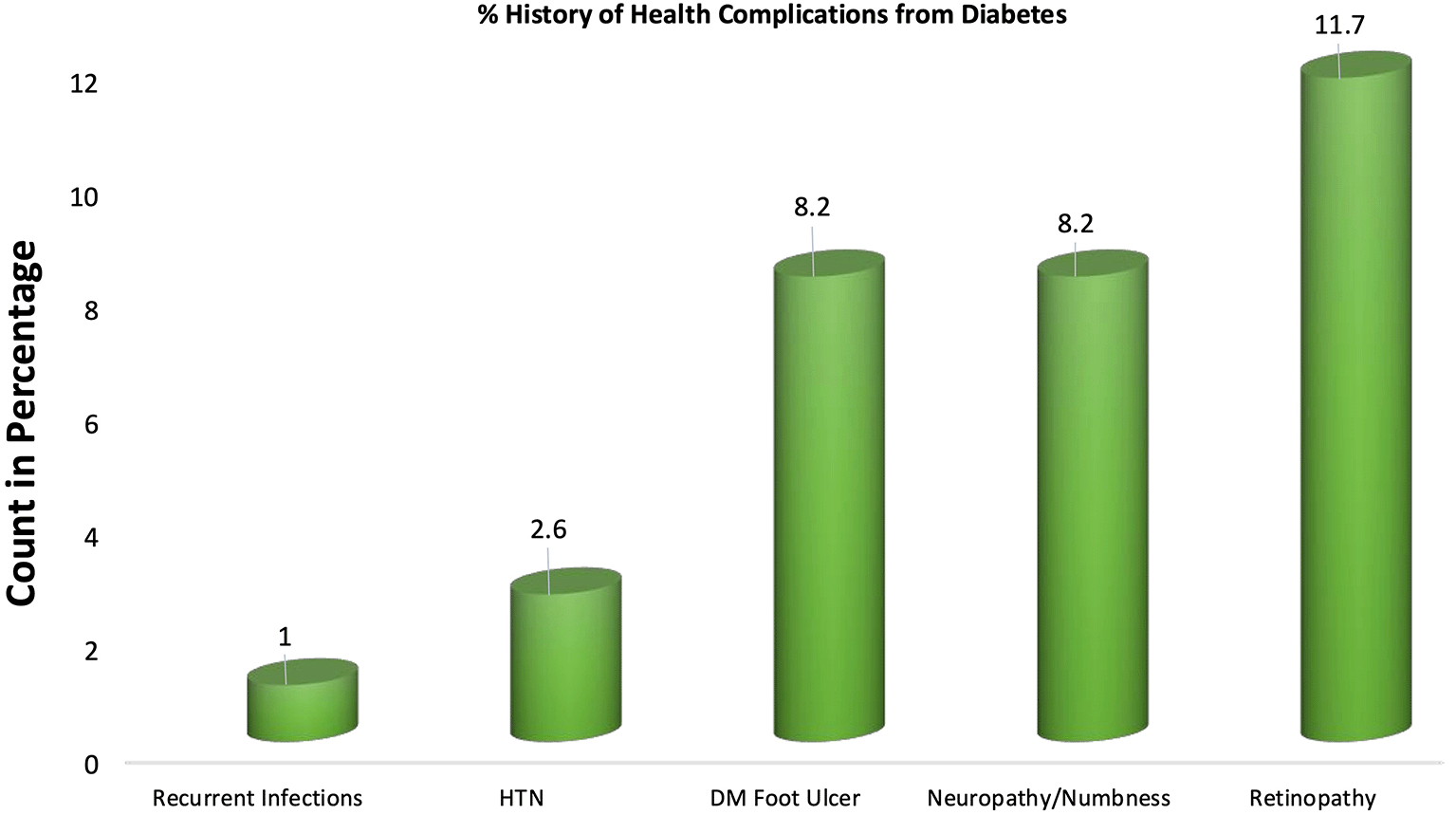
The result show that retinopathy 11.7%, diabetic foot ulcers 8.2%, neuropathy or numbness 8.2%, hypertension 2.6%, and recurrent infections 1.0%.
According to the findings, 45.4% correctly recognized that diabetes results from insulin deficiency, and 36.7% knew that a healthy target fasting blood glucose level is below 125 mg/dL ( Table 2). Knowledge regarding beneficial lifestyle practices was moderate, with 48.5% acknowledging the role of regular physical activity and 44.9% recognizing the importance of high-fiber foods in glycemic control. Awareness of more specific indicators, such as HbA1c reflecting average blood glucose over 2–3 months, was very low (13.3%), and only 20.4% understood that stress can influence blood glucose levels. Misconceptions were also evident, with many respondents incorrectly believing that missing medication doses or neglecting foot care in the absence of neuropathy would not affect diabetes outcomes. Additionally, the overall knowledge of diabetes with majority of participants reported to have poor knowledge accounting for 77% ( Figure 2). 14.8% had moderate knowledge, and only 5.6% demonstrated good knowledge. 2.6% (not shown) had no computable knowledge score (no response for any knowledge question). Knowledge levels were classified using the cut-offs: poor (<60%), moderate (60–79%), and good (≥80%).
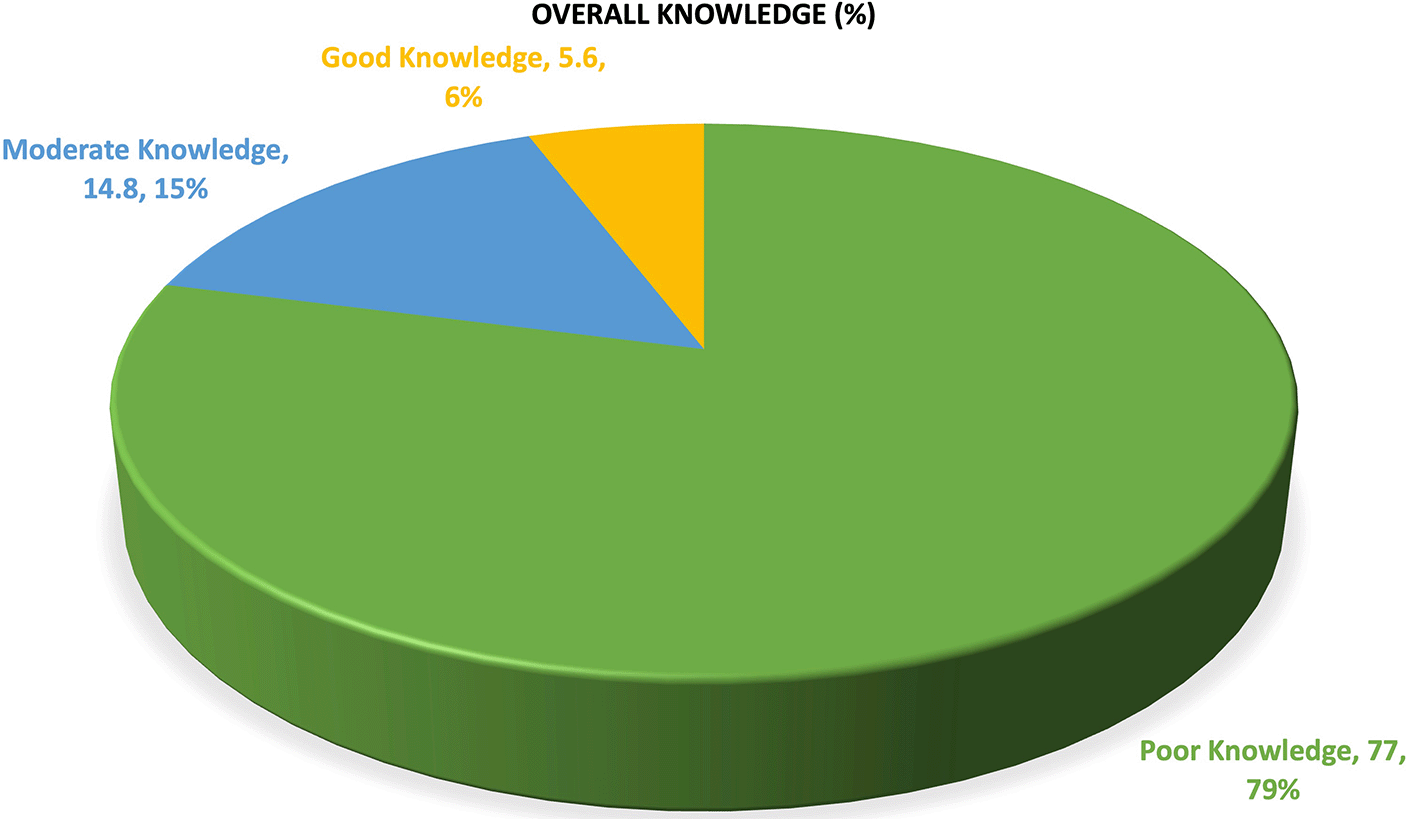
Most participants had poor knowledge (77%), 14.8% had moderate knowledge, and only 5.6% demonstrated good knowledge. 2.6% (not shown) had no computable knowledge score (no response for any knowledge question).
Approximately one-third of participants reported sometimes forgetting to take their medication (33.3%) or stopping their medication when they perceived their diabetes to be under control (32.8%). Around a quarter reported missing doses in the previous two weeks (28.0%) or stopping medication without consulting their doctor (27.0%). Most participants (82.0%) reported taking their medication on the day prior to the survey, although 39.7% indicated that taking medication every day felt inconvenient. Difficulty remembering to take medications was also reported by many participants, with 27.5% experiencing occasional forgetfulness and 16.9% reporting this sometimes ( Table 3). Overall medication adherence based on MMAS-8 scores show that low adherence (57.7%), 25.9% had medium adherence, and 15.9% demonstrated high adherence, with 1 (0.5%) missing response ( Figure 3). Adherence levels were classified as high (score = 8), medium (6 to <8), and low (<6).
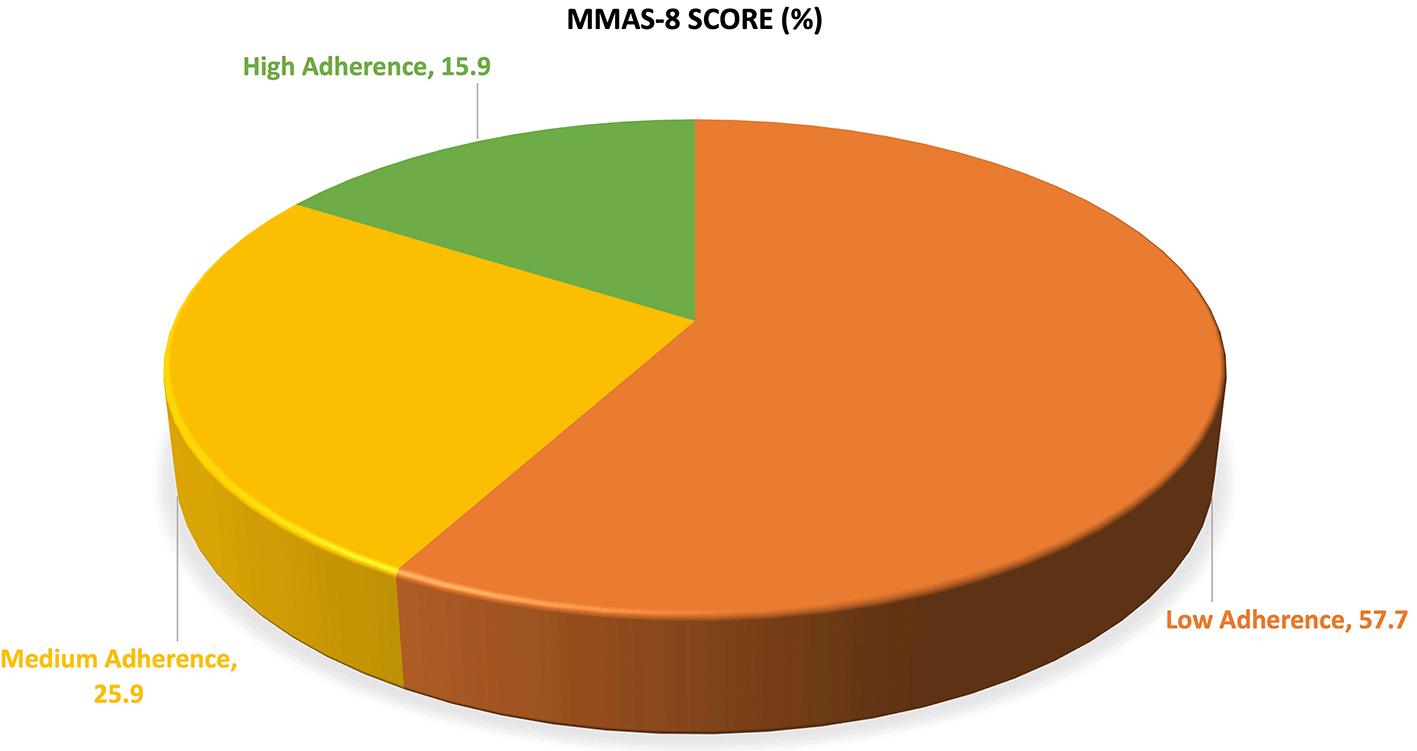
The figure shows the overall medication adherence based on MMAS-8 scores with majority reported low adherence (57.7%), 25.9% had medium adherence, and 15.9% demonstrated high adherence, with 1 (0.5%) missing response (not shown). Adherence levels were classified as high (score = 8), medium (6 to <8), and low (<6).
3.5.1. Access to healthcare factor
According to the results, 19.9% reported always being able to afford diabetes medications without financial strain, and 16.8% often managed to do so, while 27.0% could sometimes afford them, and 27.8% rarely or never could ( Table 4). Despite financial challenges, 63.3% were able to monitor their blood glucose as recommended over the past six months. Attendance at follow-up appointments was moderate, with 46.4% attending always and 26.5% often. Furthermore, the reason for not checking blood glucose in the last 6 months is presented in Figure 4 with the major reason reported to be unavailability of instruments or test strips (14.8%), while financial strain (6.1%), fear of needles (2.0%), and being newly diagnosed (2.0%) were less frequent.
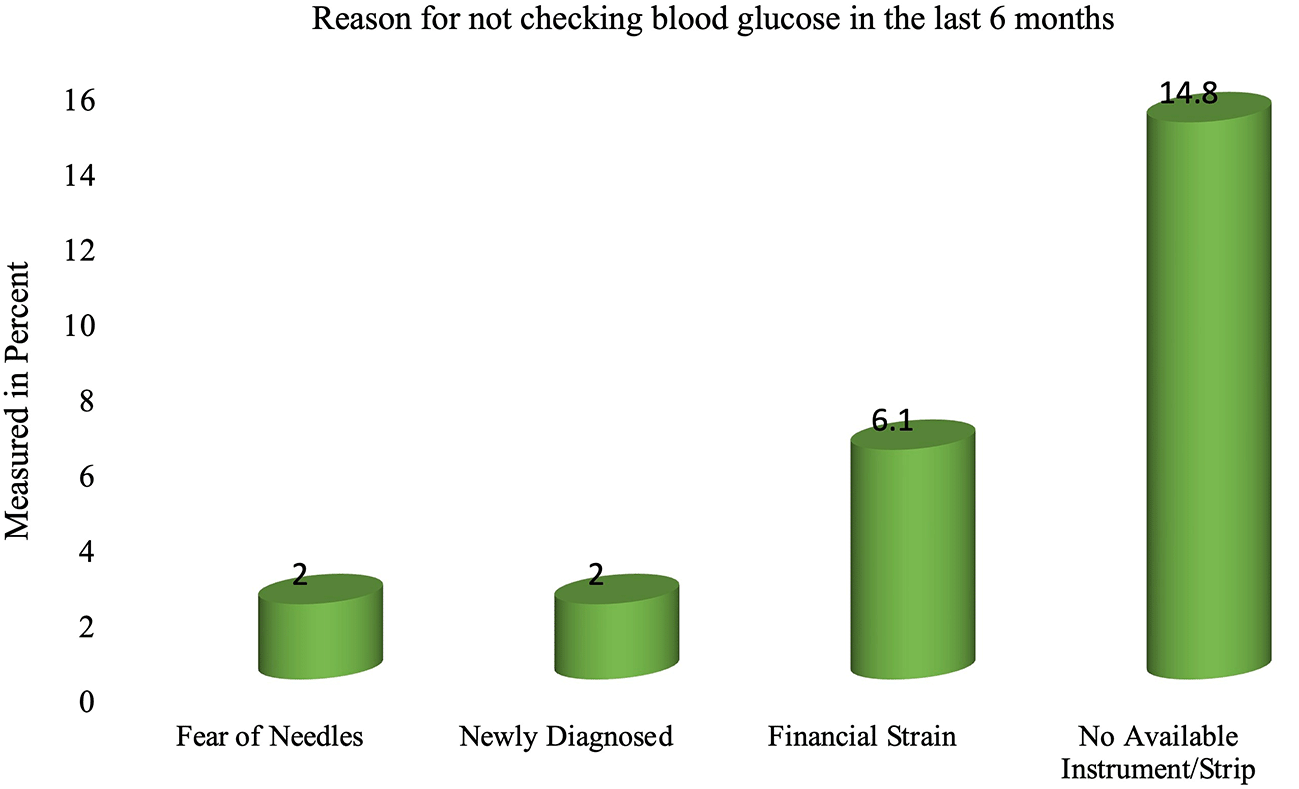
The most common reason was unavailability of instruments or test strips (14.8%), while financial strain (6.1%), fear of needles (2.0%), and being newly diagnosed (2.0%) were less frequent.
3.5.2. Psychological and emotional factors
Almost half (46.4%) experienced stress or anxiety related to diabetes at least sometimes, whereas 42.1% reported rarely or never feeling stressed. Feelings of depression or hopelessness were less common, with 23.9% reporting these symptoms often or sometimes, compared with 65.8% who rarely or never experienced them. Family and social support were high: 55.1% rated support as very high (5), 23.5% as high (4), and 7.7% as moderate (3). Only 1.5% each reported very low or low support (ratings 1 and 2), while 10.7% provided no response ( Table 5).
3.5.3. Economic and social determinants
The majority reported modest earnings, with 33.7% earning between 50,000–100,000 NGN monthly and 28.1% earning less than 50,000 NGN ( Table 6). Only 10.7% reported an income exceeding 200,000 NGN, suggesting that most participants belonged to low- to middle-income groups. Despite the relatively low income levels, financial hardship appeared to have limited impact on meal consistency. Three-quarters of respondents (75.0%) indicated that they never skipped meals due to financial difficulties, while 12.8% did so occasionally and only 1.5% reported daily meal skipping.
3.5.4. Health beliefs and motivation
Most participants believed that diabetes can be effectively controlled through medication and lifestyle modification, with 73.5% strongly agreeing and 19.9% agreeing ( Table 7). Maintaining optimal blood glucose levels was considered very important by 76.5% of respondents. More than half (55.1%) reported having full control over their blood glucose levels, while 35.2% indicated having partial control. Additionally, 57.7% reported receiving structured diabetes education within the past year.
Age, gender, residence, marital status, employment, and duration of diabetes did not show statistically significant associations with knowledge levels (all p > 0.05) ( Table 8). However, educational attainment demonstrated a significant association with overall diabetes knowledge (χ2 = 24.194, p = 0.000). Participants with tertiary education were more likely to have good knowledge (90.9%) compared to those with no formal education or only primary schooling, who predominantly exhibited poor knowledge levels. Although elderly participants (58.9%) accounted for a higher proportion of those with poor knowledge, middle-aged adults showed relatively better understanding.
Younger adults demonstrated relatively higher proportions of medium and high adherence (54.5% and 27.3%, respectively), whereas older adults constituted the largest proportion of participants with low adherence (53.6%). The association between age group and medication adherence was statistically significant (χ2 = 14.673, p = 0.005). Employment status also showed a significant association with adherence (p = 0.010). Participants who were employed or self-employed demonstrated better adherence patterns compared with unemployed participants, who were more frequently classified as having low adherence ( Table 9). Type of diabetes treatment was significantly associated with medication adherence (p = 0.004). Participants receiving oral hypoglycemic agents showed the highest proportion of high adherence (28.6%), while those on insulin therapy or lifestyle-only interventions were more frequently classified as low adherers. Similarly, fasting blood glucose (FBG) levels were significantly associated with adherence (p = 0.040). Participants with FBG levels in the diabetic range (≥125 mg/dL) had the highest proportion of low adherence compared with those with normal or impaired glucose levels. Other factors, including gender, tribe, marital status, residence, education level, and age at diabetes diagnosis, were not significantly associated with medication adherence (all p > 0.05).
| Variable | Category | Total n (%) | Low n (%) | Medium n (%) | High n (%) | χ2 | p-value |
|---|---|---|---|---|---|---|---|
| Age (years) | Young adults | 11 (5.9) | 2 (18.2) | 6 (54.5) | 3 (27.3) | 14.673 | 0.005* |
| Middle-aged adults | 67 (35.6) | 48 (71.6) | 14 (20.9) | 5 (7.5) | |||
| Elderly & older | 110 (58.5) | 59 (53.6) | 29 (26.4) | 22 (20.0) | |||
| Gender | Male | 77 (41.0) | 42 (54.5) | 21 (27.3) | 14 (18.2) | 0.743 | 0.690 |
| Female | 111 (59.0) | 67 (60.4) | 28 (25.2) | 16 (14.4) | |||
| Residence | Rural | 64 (34.0) | 40 (62.5) | 13 (20.3) | 11 (17.2) | 3.952 | 0.413 |
| Urban | 91 (48.4) | 47 (51.6) | 29 (31.9) | 15 (16.5) | |||
| Semi-urban | 33 (17.6) | 22 (66.7) | 7 (21.2) | 4 (12.1) | |||
| Education | No formal education | 14 (7.4) | 9 (64.3) | 2 (14.3) | 3 (21.4) | 2.843 | 0.828 |
| Primary | 64 (34.0) | 36 (56.3) | 20 (31.3) | 8 (12.5) | |||
| Secondary | 47 (25.0) | 28 (59.6) | 12 (25.5) | 7 (14.9) | |||
| Tertiary | 63 (33.5) | 36 (57.1) | 15 (23.8) | 12 (19.0) | |||
| Employment status | Unemployed | 9 (4.8) | 6 (66.7) | 0 (0.0) | 3 (33.3) | 23.087 | 0.010* |
| Student | 9 (4.8) | 3 (33.3) | 6 (66.7) | 0 (0.0) | |||
| Self-employed | 55 (29.3) | 33 (60.0) | 12 (21.8) | 10 (18.2) | |||
| Employed | 50 (26.6) | 35 (70.0) | 13 (26.0) | 2 (4.0) | |||
| Retired | 63 (33.5) | 31 (49.2) | 18 (28.6) | 14 (22.2) | |||
| Current DM treatment | Lifestyle only | 9 (4.8) | 5 (55.6) | 4 (44.4) | 0 (0.0) | 22.532 | 0.004* |
| Oral tablets | 70 (37.2) | 29 (41.4) | 21 (30.0) | 20 (28.6) | |||
| Insulin | 40 (21.3) | 26 (65.0) | 12 (30.0) | 2 (5.0) | |||
| Lifestyle + tablets | 52 (27.7) | 37 (71.2) | 10 (19.2) | 5 (9.6) | |||
| Tablets + injectables | 17 (9.0) | 12 (70.6) | 2 (11.8) | 3 (17.6) | |||
| FBG range | <70 mg/dL | 10 (5.3) | 6 (60.0) | 4 (40.0) | 0 (0.0) | 16.137 | 0.040* |
| 70–100 mg/dL | 28 (14.9) | 11 (39.3) | 8 (28.6) | 9 (32.1) | |||
| 101–124 mg/dL | 27 (14.4) | 15 (55.6) | 4 (14.8) | 8 (29.6) | |||
| ≥125 mg/dL | 101 (53.7) | 64 (63.4) | 27 (26.7) | 10 (9.9) | |||
| No response | 22 (11.7) | 13 (59.1) | 6 (27.3) | 3 (13.6) |
The study population consisted of elderly participants (57.1%) with a mean age of 62 ± 11 years, while the mean age at diabetes diagnosis was 48 ± 12 years. Females represented the majority (60.2%), and most participants were of Igbo ethnicity (89.3%) and married (78.6%). Nearly half resided in urban areas (49.5%), and a significant proportion had tertiary education (34.2%). Clinically, 44.4% had been living with diabetes for more than ten years, and oral hypoglycemic agents were the most common treatment modality (38.3%). More than half (52.0%) had fasting blood glucose levels within the diabetic range, indicating suboptimal glycemic control. The reliance on oral medications may influence adherence patterns and glycemic outcomes, as oral tablets are generally easier to administer compared to insulin therapy. These findings align with global epidemiological trends showing that the burden of type 2 diabetes mellitus (T2DM) is higher among older adults and females. A systematic review and meta-analysis reported that T2DM prevalence increases exponentially after age 50, with women more likely to live longer with the condition due to higher survival rates (Chivese et al., 2019). The prevalence of elderly participants in this cohort imply that diabetes continues to affect older adults, particularly women, which is consistent with global studies showing higher prevalence of type 2 diabetes in aging populations. This emphasizes the need for age-sensitive and gender diabetes interventions and monitoring strategies. Half of respondents had poor glycemic control (FBG ≥125 mg/dL) which is consistent with a longitudinal study conducted in Iran, where glycemic control in men was 59.77% and 57.98% in women in 2016 and 55.96% in men and 53.66% in women in 2021(Nikkhah et al., 2025).
Moreover, retinopathy (11.7%) was the most common complication, followed by diabetic foot ulcers and neuropathy or numbness (8.2% each), while hypertension (2.6%) and recurrent infections (1.0%) were less frequent. The prevalence of microvascular complications (retinopathy, neuropathy) over macrovascular events aligns with another systematic review and meta-analysis by (Ireri et al., 2024) and another cross-sectional study conducted in Kenya (Satapathy et al., 2025) which reported similar complications in diabetic patients. The lower prevalence of macrovascular complications in this cohort might be due to underreporting or early disease detection, but it also reflects improved hypertension management. This finding implies that preventive screening for ocular and neuropathic complications should be prioritized in long-term diabetes care programs in Nigeria.
Overall, diabetes-related knowledge was generally poor among participants, with 77% scoring below 60%. Only 45.4% knew diabetes results from insulin deficiency, and 36.7% correctly identified normal fasting glucose (<125 mg/dL). Awareness of physical activity and dietary fiber was moderate, while knowledge of HbA1c and stress effects was very low (13.3% and 20.4%, respectively). These findings are consistent with previous studies across Africa and Asia, which revealed similar knowledge deficits (Asefa et al., 2024; Sari et al., 2025; Rekha et al., 2023). Similar trend has been consistently reported among diabetic patients in low- and middle-income countries to exhibit inadequate knowledge about diabetes self-care, largely due to fragmented patient education and lack of structured counseling (Woodward et al., 2024). Likewise, a Nigerian study by (Emos E et al., 2021) showed that fewer than half of patients could correctly identify diabetes causes or target glucose levels. This finding implies that diabetes education programs in Nigeria remain insufficient, particularly in explaining long-term indicators such as HbA1c, which are critical for disease monitoring. The low level of awareness emphasizes the need for routine health education integrated into clinical consultations and community-based interventions to improve self-management.
Furthermore, medication adherence was moderate, with 57.7% showing low adherence with forgetfulness (33.3%) and stopping medication when feeling well (32.8%) were common barriers. These findings imply that behavioral and perceptual factors, such as treatment fatigue and misperception of wellness, affect adherence. The result of this finding emphasizes that interventions targeting reminder systems, patient counseling, and adherence support are important to improving diabetes outcomes (Khan et al., 2020). The study also revealed that participants on oral tablets had higher adherence (66.7%), highlighting that treatment modality influences medication-taking behavior. A systematic review and meta-analysis of low- and middle-income countries showed similar trends, where forgetfulness and perceived wellness were major contributors to non-adherence (Teo et al., 2024). This supports the implication that behavioral interventions should be context-specific and culturally tailored.
Furthermore, determinants of glycemic control indicated that 19.9% of participants could always afford medication, and 27.8% rarely or never could. About 63.3% monitored their blood sugar as recommended, but financial strain and lack of testing materials were major constraints. Similar barriers were reported by another multicentre cross-sectional study conducted in Northwest Ethiopia, where affordability was associated with treatment adherence and glycemic outcomes (Sendekie et al., 2022). This finding implies that economic inequality and limited health insurance coverage can influence glycemic control. Ensuring affordable medication access and subsidized glucose monitoring tools could improve disease management outcomes. Nearly half (46.4%) experienced stress or anxiety about diabetes, and 23.9% reported feelings of depression or hopelessness. High levels of family and social support (78.6%) were observed. These findings align with global evidence that mental health disorders particularly depression and anxiety are common among individuals with diabetes (Abu Bonsra et al., 2025; Wojujutari Ajele & Sunday Idemudia, 2025). Such comorbidities reduced quality of life and impair self-care behaviors, reduce medication adherence, and worsen glycemic outcomes. Consequently, addressing the mental health dimensions of diabetes has become important global health priority. In recognition of this, the World Health Organization’s Global Diabetes Compact (2021) and the WHO Mental Health Action Plan (2013–2030) both emphasize the integration of mental health services into chronic disease management (WHO, 2021). Most participants (61.8%) earned below ₦100,000 monthly, but 75.0% never skipped meals due to financial constraints. Similar socioeconomic profiles have been reported in other Nigerian and Ghanaian studies. Suggesting that even low-income groups prioritize food access despite limited income (Christabel et al., 2024). Stable meal intake implies potential dietary consistency, a protective factor for glucose regulation. Additionally, most participants believed diabetes could be controlled with medication and lifestyle changes (93.4%) and viewed good blood sugar maintenance as very important (76.5%). This high self-efficacy aligns with the Health Belief Model, indicating readiness for behavioral change when supported by health education. Structured diabetes education (57.7%) further suggests a growing awareness base. These findings emphasize the positive role of motivation and health literacy in promoting adherence and improved clinical outcomes. Structured and continuous diabetes education could therefore translate belief into consistent behavior, improving glycemic outcomes over time. The prevalence of strong social support 55.1% observed in this study suggests that social networks and family involvement can might play a protective role in mitigating the psychological distress associated with diabetes. This aligns with the WHO’s people-centered care framework, which encourages community and family engagement in disease management to enhance adherence and treatment continuity (WHO, 2021).
Education was the only sociodemographic factor significantly associated with diabetes knowledge, similarly to another study conducted in North-East Ethiopia (Mulugeta Abate et al., 2025). These findings imply that literacy plays an important role in understanding diabetes management such as medication and dietary adherence, blood glucose monitoring, symptom recognition, and lifestyle modification. This highlights the need to adapt health education strategies tailored to varying literacy levels, using simple language, visual aids, and culturally appropriate communication to enhance diabetes knowledge in Nigeria and beyond (Chen et al., 2024).
Besides, sociodemographic and clinical factors such as Age, employment status, treatment type, and fasting blood glucose were significantly associated with medication adherence. The observed decline in adherence with increasing age is consistent with previous studies indicating that older adults often face challenges such as polypharmacy, cognitive decline, visual impairment, and complex medication regimens that reduce treatment consistency (Stanly et al., 2025). These barriers emphasized the need for age-specific adherence interventions such as simplified dosing schedules, caregiver support, and reminder systems to sustain medication-taking behaviors in elderly populations. The relationship between higher fasting blood glucose levels and lower adherence further reinforces the bidirectional nature of adherence and glycemic control. Similar finding has reported in a systematic review and meta-analysis conducted in low-middle-income countries (Azagew et al., 2025). Poor adherence leads to inadequate glycemic regulation, while persistent hyperglycemia may cause emotional distress or treatment fatigue, which in turn worsen adherence. This cyclical interaction suggests that healthcare providers must monitor blood glucose and assess behavioral adherence as a routine part of diabetes management (Sendekie et al., 2025). Employed participants exhibited better compliance compared to the unemployed. Structured daily routines, financial stability, and greater health literacy among employed individuals likely facilitate consistent medication use and access to healthcare services. Conversely, unemployment may lead to financial constraints, psychological stress, or reduced motivation to adhere to therapy. (Stanly et al., 2025). Differences in treatment type such as monotherapy versus combination therapy also played a role, possibly due to variations in regimen complexity and side-effect profiles. Patients on multiple OADs or insulin often face higher pill burdens and dosing schedules that can discourage consistent adherence. Simplified combination formulations, patient education on medication purpose, and adherence counseling could help mitigate these barriers (Xie et al., 2023).
This study revealed that diabetes mellitus predominantly affects older adults and women, with a high proportion of patients demonstrating poor glycemic control. Low medication adherence, limited knowledge of disease management, and socioeconomic barriers emerged as the major determinants of poor outcomes. These findings are consistent with regional and global evidence indicating that the diabetes burden in low- and middle-income countries is driven by health system limitations, inadequate patient education, and unequal access to care. The results emphasized the need for strengthening diabetes prevention and management within Nigeria’s public health system. This aligns with the National Strategic Plan of Action on Non-Communicable Diseases (2023–2030), which prioritizes community-based health education, improved access to essential medicines, and integration of NCD services into primary healthcare. It also supports the global framework outlined in the WHO Global Diabetes Compact (2021), which advocates for people-centered diabetes care, equitable access to diagnostics and insulin, and health system accountability for improved outcomes.
From a public health perspective, the findings imply that effective diabetes management extends beyond pharmacological treatment to psychosocial support, lifestyle modification, and financial protection mechanisms such as the National Health Insurance Authority (NHIA) scheme. Integration of structured diabetes education into routine clinic visits, adoption of digital health tools for adherence monitoring, and empowerment of community health workers could substantially enhance self-management and glycemic control. Future efforts should focus on community-based education programs, digital adherence monitoring, and inclusion of diabetes care within national health insurance packages. Such measures will advance Nigeria’s commitment to the UN Sustainable Development Goal 3.4, which targets a one-third reduction in premature mortality from NCDs by 2030, and contribute to global efforts toward equitable and sustainable diabetes control.
Effective diabetes control in Nigeria requires coordinated clinical, community, and policy actions aligned with the National NCD Strategic Plan (2023–2030) and the WHO Global Diabetes Compact (2021).
1. Strengthen structured diabetes education within routine care to improve knowledge of glycemic targets, medication adherence, and lifestyle modification. Incorporate digital reminders and family involvement to reduce forgetfulness and treatment fatigue.
2. Embed screening for stress, anxiety, and depression into diabetes care, linking patients to counseling services to improve adherence and overall well-being.
3. Integrate diabetes services into primary healthcare, ensure continuous drug and test-kit availability, and expand NHIA coverage for essential diabetes medicines and diagnostics.
4. Establish community-based screening, follow-up, and peer-support programs while strengthening diabetes registries and data systems to inform evidence-based policy decisions.
5. Align national diabetes control strategies with global frameworks and promote multidisciplinary research on behavioral and social determinants of glycemic control. Continuous professional training should be prioritized to enhance healthcare delivery quality.
6. Scale up digital health tools for self-monitoring and remote consultations, and implement periodic policy evaluations to track progress toward SDG 3.4 reducing premature NCD mortality by 2030.
| Views | Downloads | |
|---|---|---|
| F1000Research | - | - |
|
PubMed Central
Data from PMC are received and updated monthly.
|
- | - |
Provide sufficient details of any financial or non-financial competing interests to enable users to assess whether your comments might lead a reasonable person to question your impartiality. Consider the following examples, but note that this is not an exhaustive list:
Sign up for content alerts and receive a weekly or monthly email with all newly published articles
Already registered? Sign in
The email address should be the one you originally registered with F1000.
You registered with F1000 via Google, so we cannot reset your password.
To sign in, please click here.
If you still need help with your Google account password, please click here.
You registered with F1000 via Facebook, so we cannot reset your password.
To sign in, please click here.
If you still need help with your Facebook account password, please click here.
If your email address is registered with us, we will email you instructions to reset your password.
If you think you should have received this email but it has not arrived, please check your spam filters and/or contact for further assistance.

Comments on this article Comments (0)