Keywords
Technology-Enhanced Language Teaching; Higher Education; Bibliometric Analysis; Digital Learning; Language Pedagogy

Technology-Enhanced Language Teaching; Higher Education; Bibliometric Analysis; Digital Learning; Language Pedagogy
Over the past decade, the integration of digital technologies has increasingly in language teaching, shifting the focus from traditional, teacher-centered instruction toward more interactive and learner-driven approaches (Hockly & Dudeney, 2018). Early developments in Computer-Assisted Language Learning (CALL) and Mobile-Assisted Language Learning (MALL) expanded access to materials and supported individualized learning. As technology advanced, innovations such as artificial intelligence (AI), chatbots, virtual reality (VR), and adaptive learning systems further transformed how students engage with language input and practice (Urbaite, 2024).
At the university level, online platforms and AI-driven applications have become essential to language teaching, offering flexibility, personalized learning pathways, and interactive feedback mechanisms (Almogren et al., 2024). These tools facilitate more efficient assessment practices and allow teachers to monitor learners’ progress in real time, positioning technology as a pedagogically meaningful of component of language teaching (Olateju et al., 2024).
Scholarly interest in technology-enhanced language teaching (TELT) has grown substantially (Basar & Şahin, 2022). Studies have explored a wide range of tools such as from CALL and MALL to AI tutoring systems and VR-based simulations highlighting their potential to support language skill development, enhance student engagement, and address diverse learner needs (Alisoy, 2024). However, despite the rapid expansion of TELT research, the field remains highly fragmented, with studies focusing on isolated tools rather than the broader pedagogical or theoretical implications (Rane, 2024).
Existing studies tend to examine specific features of TELT such as chatbots for speaking practice, adaptive systems for personalized learning, or gamified platforms for motivation (Liu et al., 2023). Although these studies provide valuable insights, they frequently lack a comprehensive understanding of how these innovations collectively shape the direction of language teaching research, leaving unanswered questions about theoretical development, pedagogical alignment, and long-term trends (Link et al., 2022).
While various studies have offered evidence on the effectiveness of various technologies, there remains limited understanding of the overall structure, evolution, and intellectual development of TELT as a research field (Putra et al., 2026). A systematic mapping of the literature is therefore necessary to identify dominant themes, conceptual progress, methodological preferences, and geographical distributions in technology-enhanced language teaching research.
Although TELT has attracted widespread global interest, existing bibliometric studies remain scarce and primarily focus on limited technological domains. There is a lack of comprehensive reviews that examine how TELT research in universities has evolved over time across regions and technological categories.
This study addresses the following research questions:
1. How have research trends in technology-enhanced language teaching in universities evolved from 2015 to 2024?
2. How is technology-enhanced language teaching research distributed globally across countries and collaborations?
3. What thematic patterns emerge in TELT research, and how do they reflect the relationship between technology and language pedagogy?
Technology-Enhanced Language Teaching (TELT) is the integration of digital technologies into language teaching to improve learning outcomes, increase engagement, and offer more personalized and adaptive learning experiences (Benitt et al., 2019). Computer-Assisted Language Learning (CALL), Mobile-Assisted Language Learning (MALL), AI-powered platforms, virtual reality (VR) applications, gamified learning environments, and adaptive learning systems are all included in TELT in higher education contexts (Voss, 2021). These technologies not only enhance classroom teaching but also revolutionize the way language is taught and acquired by providing interactive, multimodal, and accessible resources (Nie, 2023).
TELT facilitates flexible learning pathways in universities, enabling students to study at their own pace while still gaining the benefits of synchronous interaction with instructors and peers (Zakaria et al., 2022). Mejeh and Rehm (2024) assert that adaptive task design, automated assessment, and real-time feedback enable learners to more effectively address their individual requirements. Additionally, TELT is instrumental in the development of learner autonomy by promoting the responsibility of students for their own development while providing them with authentic language materials from around the globe.
Additionally, TELT is consistent with innovative pedagogical models, including blended learning and the flipped classroom, in which digital tools provide foundational content outside of class time and in-person sessions are devoted to interactive, higher-order activities (Downer et al., 2021). This method not only optimizes classroom interaction but also fosters a more profound connection to the educational content.
TELT is instrumental in the development of 21st-century competencies, including collaborative problem-solving, intercultural communication, and digital literacy (Ndukwe & Daniel, 2020). Students can engage in cross-border exchanges, virtual collaborations, and authentic communicative duties through online platforms, which equip them for a globally connected world. TELT has transitioned from a supplementary aid to an essential component of instructional design in higher education language programs as digital technology continues (Hammerness et al., 2023).
The landscape of Technology-Enhanced Language Teaching (TELT) has been significantly increasing over the past decade by technological innovations, which have evolved beyond its initial dependence on Computer-Assisted Language Learning (CALL) and Mobile-Assisted Language Learning (MALL). CALL and MALL were initially employed as foundational approaches, providing learners with the ability to study at their own pace and remote access to a variety of language resources (Bahari et al., 2025).
In recent years, an increased number of technologies has emerged, enhancing language education with new levels of interactivity, personalization, and immersion (Ai et al., 2025). Artificial Intelligence (AI) has emerged as a critical element, facilitating the development of intelligent tutoring systems, automated assessments, and natural language processing capabilities that facilitate more precise and responsive feedback (Alqahtani et al., 2023). The learning process has been further improved by chatbots and virtual assistants, which facilitate conversational practice, provide immediate corrective feedback, and simulate authentic communicative scenarios (Huang et al., 2022).
In addition, Virtual and Augmented Reality (VR/AR) technologies enable learners to interact with immersive and context-rich environments, thereby fostering cultural comprehension and experiential learning (Christou et al., 2025). The incorporation of elements such as points, leaderboards, and badges into gamification strategies has been demonstrated to increase learner engagement and motivation (Hellín et al., 2023). Adaptive learning systems, which are fueled by data analytics, now provide learners with highly personalized learning pathways that modify content in real time to align with their progress and requirements (Strielkowski et al., 2025).
All these developments have collectively influenced the transition of TELT to a more student-centered paradigm, in which learners are active participants in their own educational journeys (Hoidn & Reusser, 2020). Nevertheless, their successful implementation necessitates the equitable access to technological resources, teacher digital literacy, and cautious pedagogical integration, particularly in diverse higher education contexts.
This study utilized bibliographical information from publications published between 2015 and 2024 that were indexed by Scopus. The Scopus database, accessible on 17 February 2025, was utilized for data collecting. After that, the data from the Scopus findings were exported in *.ris format for data mapping utilizing the VOSviewer software. After data collection, a bibliometric network was constructed that delineates research productivity utilizing the VOSviewer application, a data visualization tool that produces a network from pre-processed data sets.
The keywords “language,” “technology,” and “university” were employed to obtain relevant articles during data searches. Figure 1 presents supplementary information regarding the procedures undertaken throughout the bibliometric analytic inquiry.
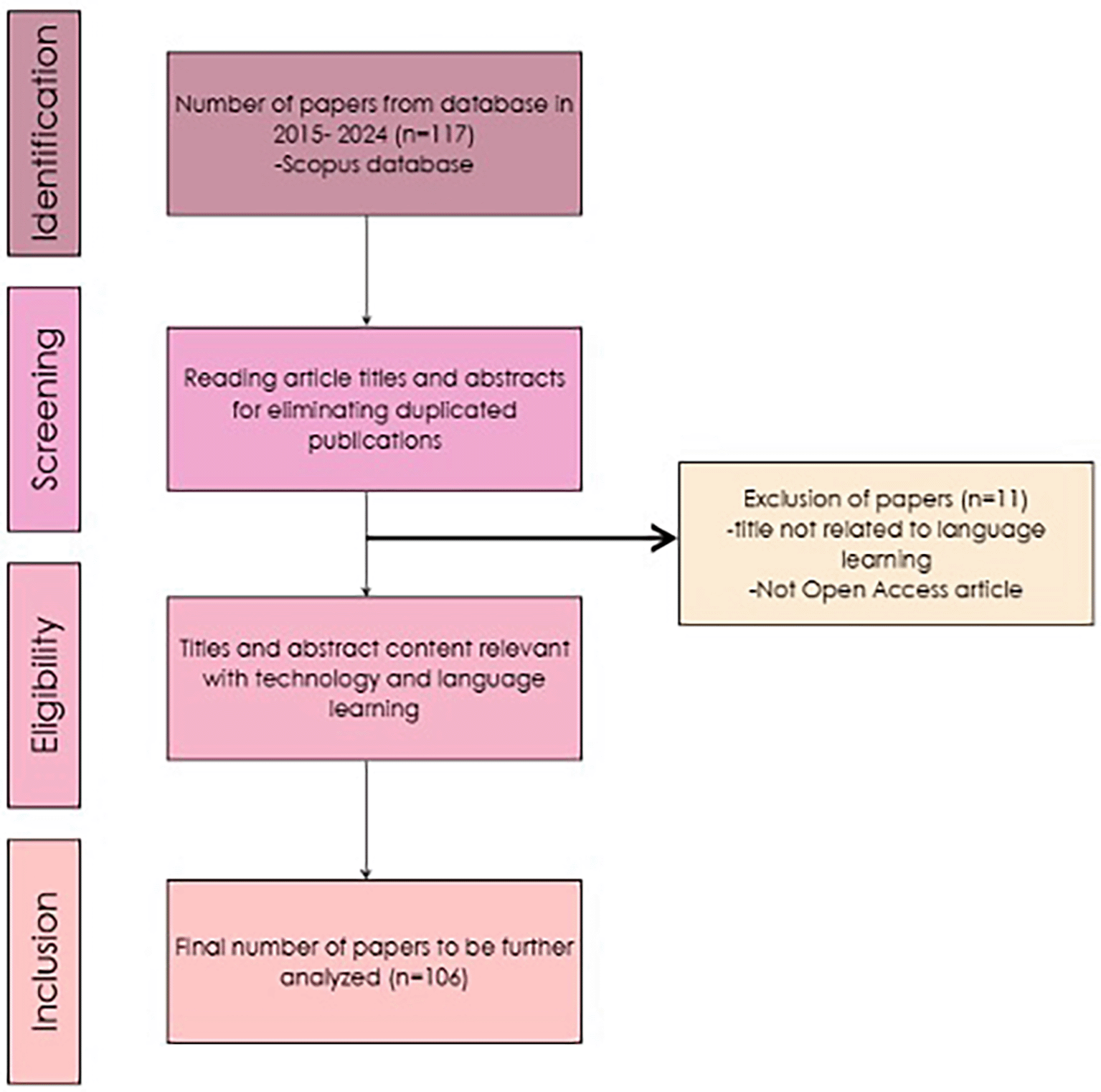
The first step in conducting the bibliometric analysis in this study was to prepare the necessary tools and resources. The data obtained from the search results must be processed using the following applications: Scopus database and WOS which serves as the primary source for identifying and collecting relevant articles based on predefined keywords; Microsoft Excel, which is utilized for organizing, analyzing, and filtering the retrieved data; and VOSviewer, which is employed to visualize and map research trends related to technology-enhanced language teaching in universities.
In this step, information based on the selected keywords for publishing trend analysis is collected. The Scopus database was utilized to retrieve published articles related to “language,” “technology,” and “university.” The data collection focused on articles published within the last decade, covering the period from 2015 to 2024 to provide a comprehensive overview of research trends in technology-enhanced language teaching in universities.
The research articles gathered during the data gathering phase could not be analyzed immediately, necessitating data filtration. A primary criterion for data sorting was the publication year. Although the absence of publication years in several papers, their information was nonetheless included in the analysis. The publications utilized in this study was obtained from journals. In the data gathering phase, 117 publications were amassed; however, following the selection procedure, only 106 papers were retained, since the remainder were removed due to insufficient information.
To generate data visualization, the saved data in (*.ris) format is imported into the VOSviewer program. At this stage, terms within the VOSviewer network mapping visualization undergo filtering. The article data is then mapped based on its source database. This study employs three types of visualization methods: network visualization, overlay visualization, and density visualization to analyze research trends effectively.
Figure 2 show that the annual publication trends in technology-enhanced language teaching (TELT) research in universities between 2015 and 2024. During the initial phase (2015–2018), the number of publications remained relatively low, indicating that technology integration in university-level language teaching was still treated as a peripheral or supplementary instructional component. This period reflects a cautious engagement with digital tools, largely positioned to support existing teaching practices rather than to transform language pedagogy.
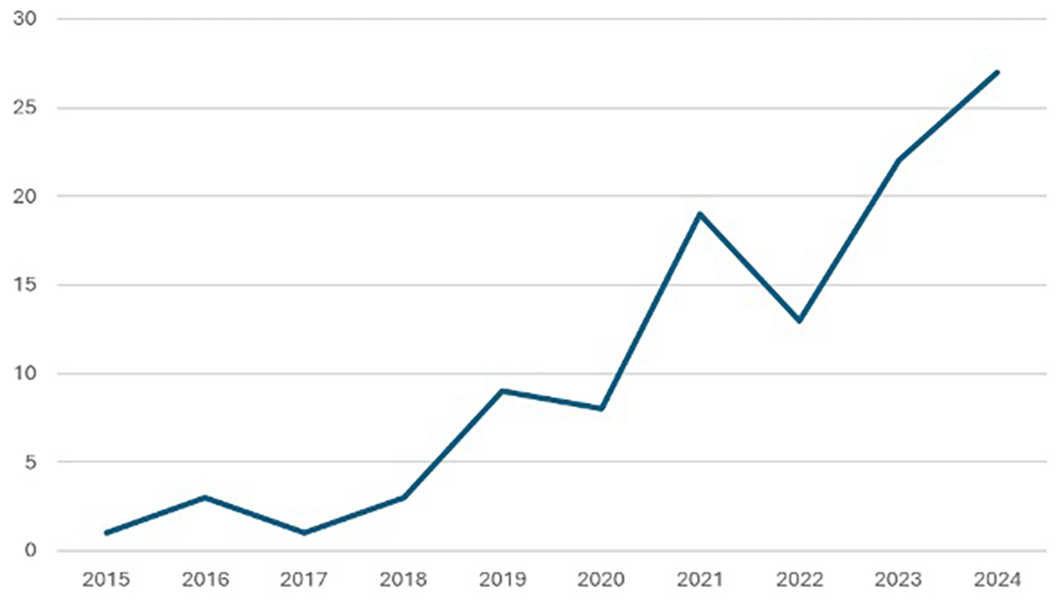
A gradual increase in publications emerged between 2019 and 2020, suggesting a growing scholarly interest in digital learning environments within higher education. The most significant growth occurred in 2021, followed by a sustained upward trend through 2024. While this surge coincides with the COVID-19 pandemic, the continued increase in subsequent years indicates that TELT research has extended beyond emergency remote teaching and has become an established research focus.
However, the rapid expansion of TELT publications does not necessarily correspond to proportional advancements in language teaching methodologies. The findings suggest that much of the growth reflects increased access to and adoption of digital technologies, raising critical questions about whether innovation in technology use has been matched by innovation in language pedagogy.
Figure 3 presents the global distribution of TELT publications based on Single Country Publications (SCP) and Multiple Country Publications (MCP). China emerges as the most prolific contributor, followed by Indonesia, Hong Kong, Turkey, and Kazakhstan. Across these countries, SCP overwhelmingly outnumber MCP, indicating that TELT research is predominantly conducted within national contexts with limited international collaboration.
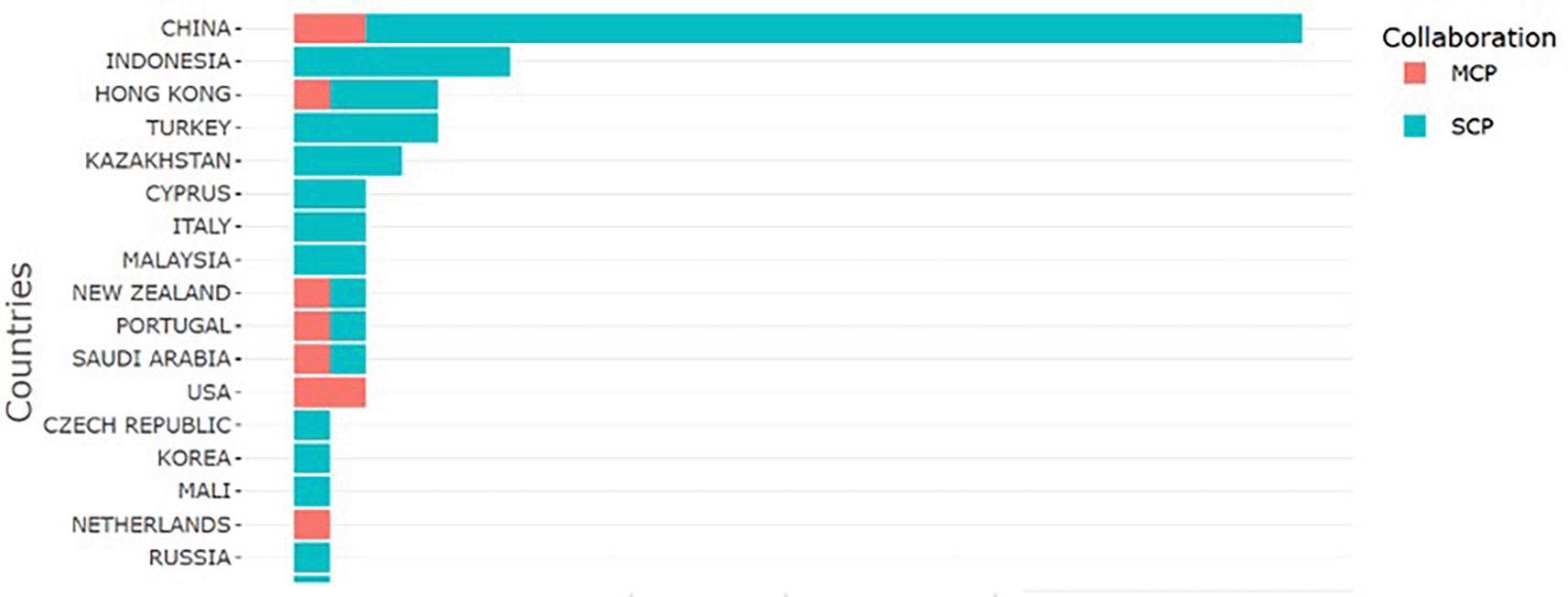
This pattern suggests that knowledge production in TELT remains regionally concentrated, particularly in Asian countries, while cross-national scholarly exchange is relatively underdeveloped. Only a small number of countries, such as Portugal and Saudi Arabia, demonstrate a more balanced combination of domestic and international collaborative research.
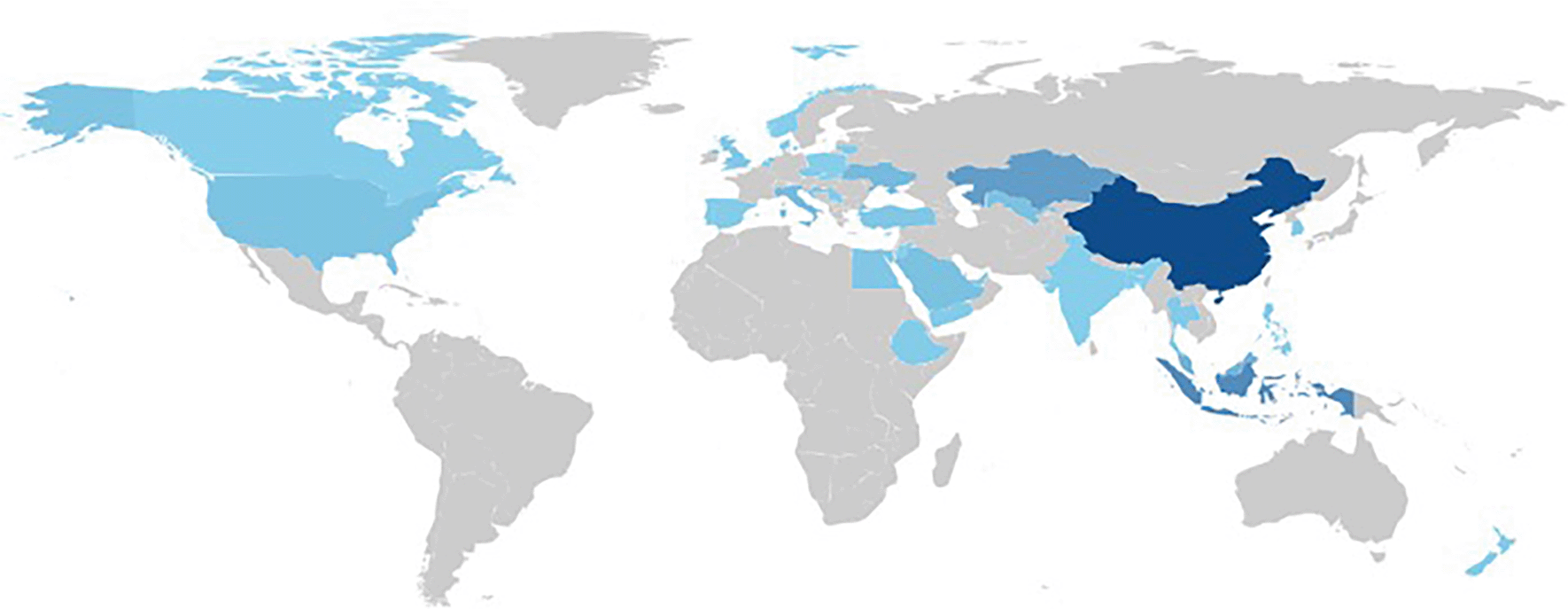
The global collaboration map shown in Figure 4 further reinforces this observation. Although TELT research spans multiple regions worldwide, high research productivity does not necessarily coincide with strong international collaboration networks. This imbalance may constrain the development of shared pedagogical frameworks and limit the transferability of research findings across different language education contexts.
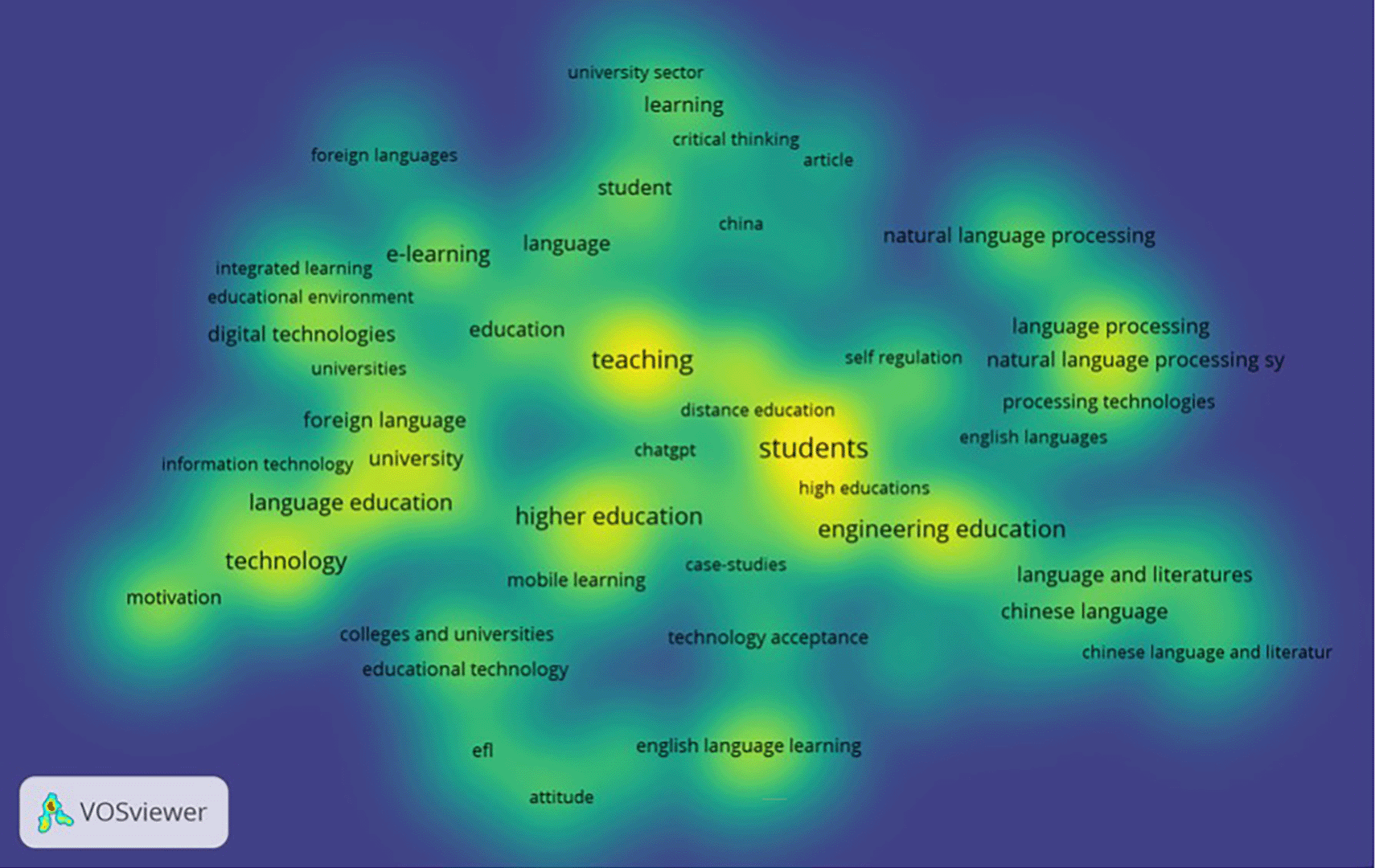
Figures 5–7 display the network, overlay, and density visualizations of keywords related to TELT research. The network visualization reveals strong associations among technology-oriented terms such as digital learning, educational technology, e-learning, and higher education, indicating that TELT scholarship is largely structured around technological systems and learning environments.
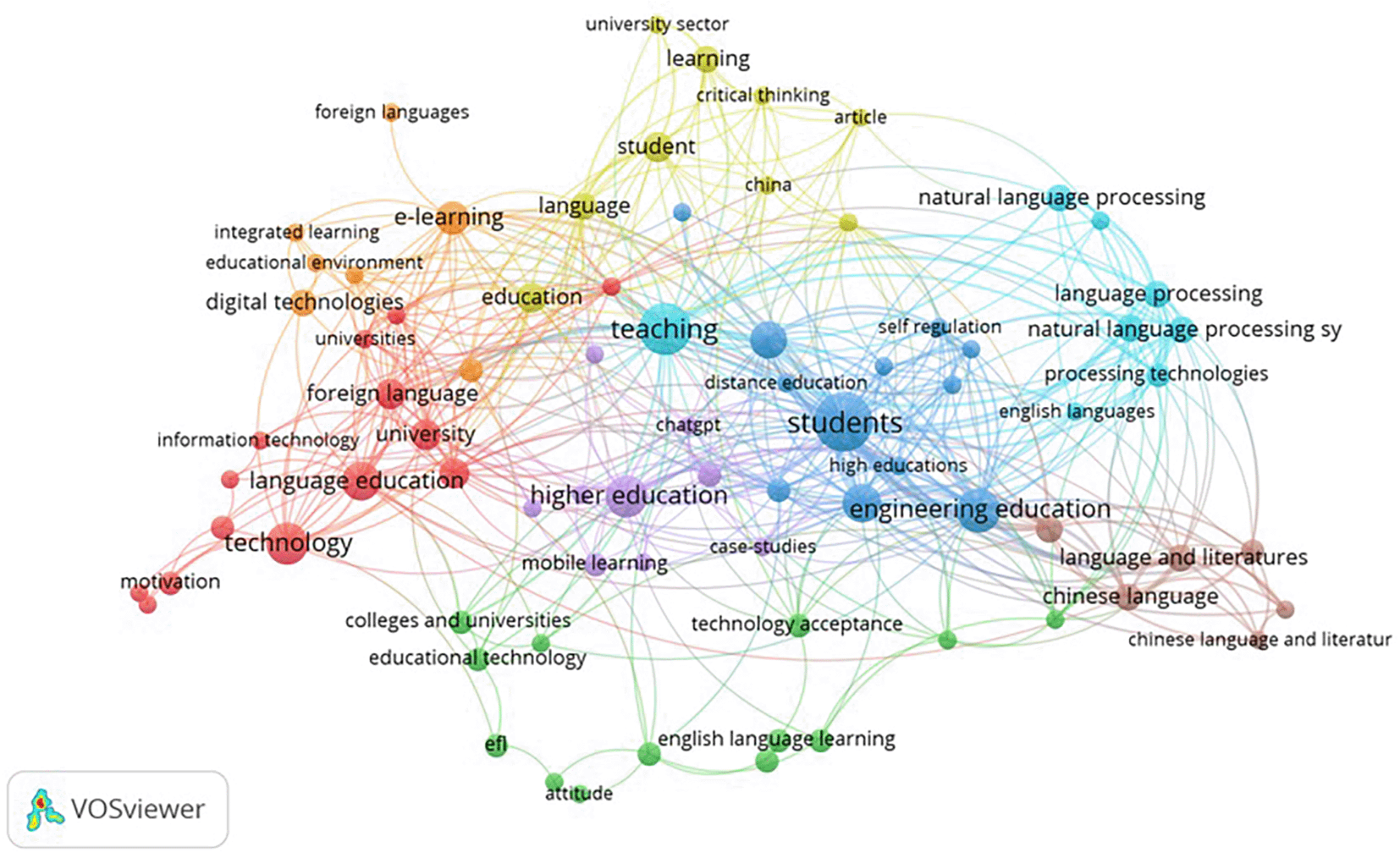
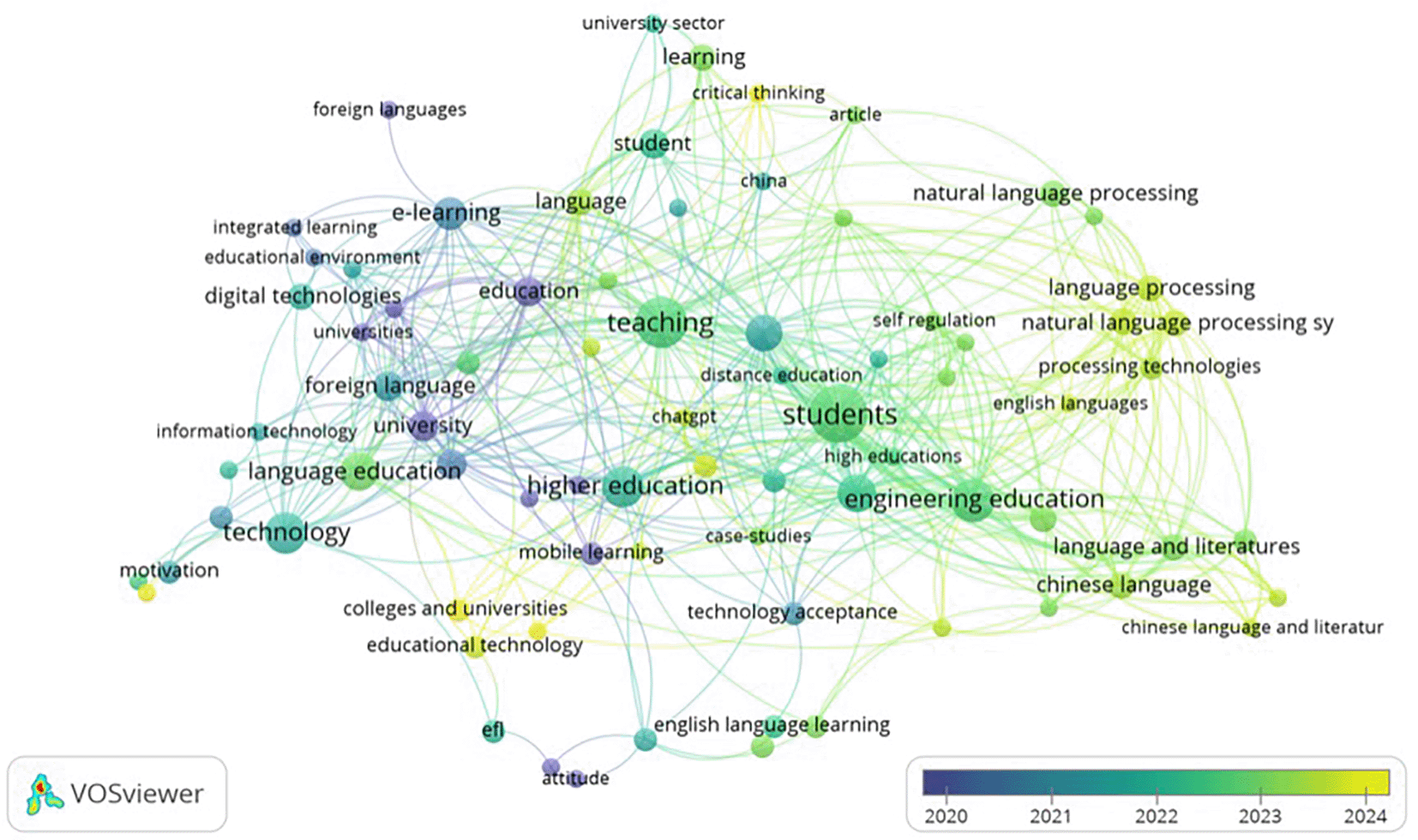
The overlay visualization ( Figure 6) shows that computational and system-based concepts occupy central positions within the research network. In contrast, language-specific pedagogical terms such as language learning, EFL, and English language education appear more peripheral and weeklies connected.
This imbalance is further confirmed by the density visualization ( Figure 7), where high-density clusters are dominated by general educational constructs such as students, teaching, and higher education. Language-focused terms remain marginal, suggesting that technology is more frequently conceptualized as a learning tool or delivery mechanism rather than as an integrated pedagogical approach to language acquisition.
Overall, these thematic patterns indicate a conceptual gap between technology use and language pedagogy in TELT research. While technological innovation receives substantial scholarly attention, its pedagogical grounding in language teaching theories and skill-based instruction remains limited, highlighting an important direction for future research.
This bibliometric analysis reveals a sustained and structurally significant rise in Technology-Enhanced Language Teaching (TELT) research in higher education from 2015 to 2024. While early publications (2015–2018) indicate limited scholarly attention, a marked surge coincides with the global shift toward emergency remote teaching during the COVID-19 pandemic (Rof et al., 2022). Importantly, the continued growth of publications beyond 2022 suggests that TELT has evolved from a crisis-driven response into a long-term research orientation in university language education. This transition indicates a paradigmatic shift in which technology is no longer positioned as a peripheral support tool, but as an increasingly central component of language teaching practices in higher education.
Despite this quantitative growth, the keyword co-occurrence and density analyses reveal a critical conceptual imbalance within the TELT research landscape. Dominant themes cluster around students, pedagogy, higher education, and digital learning, reflecting a strong emphasis on institutional contexts and technological infrastructures. However, the weak linkage between the terms language and learning suggests that many TELT studies prioritize technological functionality over language-specific pedagogical processes. This finding indicates that technology is frequently framed as a general educational enhancer rather than as a theoretically grounded medium for language acquisition, supporting earlier concerns that TELT research often lacks explicit linguistic or second language acquisition (SLA) orientation (Yang, 2024).
This conceptual gap highlights a structural tension between technological innovation and pedagogical intentionality in TELT research. While previous studies have demonstrated the effectiveness of CALL, MALL, AI-based systems, chatbots, and immersive technologies (Iftikhar, 2025; Karakaya & Bozkurt, 2022; Mirzapour Kouhdasht, 2023), the bibliometric evidence suggests that these tools are commonly discussed in isolation from core language learning constructs. As a result, TELT research risks reproducing a technology-driven narrative in which pedagogical depth is secondary to technological novelty. This pattern aligns with Alakrash and Abdul Razak’s (2021) observation that digital tools are often adopted as symbols of modernization rather than as pedagogically transformative instruments.
By mapping longitudinal trends and thematic structures, this study extends existing TELT literature beyond case-based and experimental approaches, offering a macro-level understanding of how the field has developed conceptually over time. The findings underscore the need for future TELT research to move beyond instrumental adoption and toward stronger theoretical integration, particularly by aligning technological affordances with established language learning theories and pedagogical frameworks (Rapanta et al., 2021). In this regard, the present bibliometric analysis contributes a critical lens through which TELT can be reconceptualized not merely as technology-supported education, but as a pedagogically grounded domain focused on meaningful language development in higher education contexts.
This bibliometric analysis reveals a sustained growth of research on Technology-Enhanced Language Teaching (TELT) in universities from 2015 to 2024, particularly following the COVID-19 pandemic. While the literature increasingly emphasizes digital platforms and advanced technologies, the findings indicate that pedagogical integration of technology for language learning remains limited, as reflected by the weak conceptual linkage between language and learning. This suggests that technology is still predominantly treated as a supporting tool rather than as a core pedagogical component in language instruction. By mapping long-term research trends, this study highlights the need for future TELT research to adopt stronger pedagogical frameworks that align technological innovation with language acquisition goals. Limitations include reliance on Scopus-indexed publications and the use of VOSviewer, which may not capture deeper qualitative insights.
| Views | Downloads | |
|---|---|---|
| F1000Research | - | - |
|
PubMed Central
Data from PMC are received and updated monthly.
|
- | - |
Provide sufficient details of any financial or non-financial competing interests to enable users to assess whether your comments might lead a reasonable person to question your impartiality. Consider the following examples, but note that this is not an exhaustive list:
Sign up for content alerts and receive a weekly or monthly email with all newly published articles
Already registered? Sign in
The email address should be the one you originally registered with F1000.
You registered with F1000 via Google, so we cannot reset your password.
To sign in, please click here.
If you still need help with your Google account password, please click here.
You registered with F1000 via Facebook, so we cannot reset your password.
To sign in, please click here.
If you still need help with your Facebook account password, please click here.
If your email address is registered with us, we will email you instructions to reset your password.
If you think you should have received this email but it has not arrived, please check your spam filters and/or contact for further assistance.

Comments on this article Comments (0)