Keywords
living heritage, urban regeneration, heritage governance; community participation; Global South, Systematic Literature Review (SLR)

living heritage, urban regeneration, heritage governance; community participation; Global South, Systematic Literature Review (SLR)
Heritage-led urban regeneration has already become a revolutionary way to breathe new life into city areas that are historically important, while also dealing with modern social and economic problems (Bandarin & van Oers, 2012). Heritage-led regeneration sees cultural assets as important for long-term growth, social cohesion, and economic revitalization, while traditional urban renewal often puts economic growth ahead of cultural heritage (Rodwell, 2007). This idea has become very popular in discussions about international policy, especially through UNESCO Historic Urban Landscape Recommendation (UNESCO, 2011) and the inclusion of cultural heritage in the United Nations Sustainable Development Goal. SDG 11, for example, calls for cities to be safe, welcoming, resilient, and sustainable (United Nations, 2015).
The concept of “living heritage” is a very big shift from object-oriented conservation to people-oriented conservation (Poulios, 2014). It recognizes the changing relationship between the community and the place where they live. According to ICCROM and later academic discussion, a living heritage site is a place where physical and non-physical heritage are inextricably linked to the people who make it, keep it, and still live there (Wijesuriya, 2017). This distinction is especially important in the Global South, where the heritage site is often still a part of the daily life of the people who live there. This is very different from many Western heritage sites, which have been museumified or repurposed primarily for tourism (Smith, 2006).
The Global South offers a unique environment for a heritage-driven regeneration. Rapid urbanization, inadequate institutional capacity, complicated land tenure system, and the enduring impact from colonialism present governance challenges that are fundamentally distinct from those faced in the European or North American heritage context (Bandarin & van Oers, 2012). Besides that, many living heritage sites in the Global South, like the medina of North Africa and the historic palace city of Southeast Asia, are places where people live, work, and practice their culture at the same time (Orbasli, 2000). Every day, people must find a balance between preserving this site and developing it.
Even though more and more researchers are looking into heritage-led regeneration, there are still big gaps in what we know. First, most of the reviews that have been done so far have looked at Western and East Asian contexts, so the experiences of the Global South are not well represented in theoretical frameworks (Gustafsson & Ripp, 2022). Second, there isn’t enough theory about the governance aspect of heritage-led regeneration. This includes things like institutional arrangements, power dynamics, stakeholder coordination, and decision-making processes. This is especially true when it comes to how governance models balance the need to protect heritage with the need to develop. Third, there have been individual case studies that show how heritage tourism hurts local communities, such as through gentrification and displacement (Cocola-Gant, 2018). However, there is no systematic synthesis of community impacts across different Global South contexts.
This systematic literature review addresses these gaps by synthesizing empirical evidence from peer-reviewed studies published between 2013 and 2025 that examine heritage-led urban regeneration in living heritage sites of the Global South. The review is guided by the following research questions:
RQ1: What types of governance are used in the Global South to regenerate living heritage sites, and how do they affect the results of the regeneration?
RQ2: What are the known effects of heritage-led regeneration projects on communities in living heritage sites in the Global South, both good and bad?
RQ3: How do adaptive reuse strategies in living heritage sites deal with the conflict between preserving heritage and meeting the needs of modern development?
This systematic literature review was performed in accordance with the Preferred Reporting Items for Systematic Reviews and Meta-Analyses (PRISMA) 2020 guidelines (Page et al., 2021). The review protocol was created in advance and used to guide every step of the review process, from developing a search strategy to assembling the data. The review protocol was not prospectively registered in PROSPERO; however, all methodological steps were pre-specified and documented prior to conducting the search, as detailed in Sections 2.2–2.8.
Inclusion and exclusion criteria were established to ensure the relevance and quality of the reviewed literature. Table 1 presents the detailed criteria.
The three electronic databases that were searched in a systematic way were Scopus (the main database that covers all social sciences, built environment, and interdisciplinary journals), ProQuest (which includes ProQuest Dissertations and Theses for capturing doctoral research), and EBSCOhost (which adds to the coverage of humanities and regional studies journals). To ensure full coverage of all articles published within the eligible period (January 2013–December 2025) and to allow sufficient time for late-2025 publications to be fully indexed across all databases, the systematic search was performed in March and April 2026.
The search strategy employed Boolean operators combining three conceptual clusters: (1) heritage context terms (“living heritage” OR “urban heritage” OR “heritage district” OR “historic city” OR “heritage site” OR “cultural heritage”), (2) intervention terms (“regeneration” OR “revitalization” OR “conservation” OR “adaptive reuse” OR “rehabilitation” OR “renewal”), and (3) governance and community terms (“governance” OR “community” OR “participation” OR “stakeholder” OR “management” OR “policy”). Search terms were applied to titles, abstracts, and keywords. The search string was adapted for each database’s syntax requirements.
The selection process followed a two-stage screening approach. In the first stage, titles and abstracts of all retrieved records were screened independently by two reviewers (the first and second authors) using Rayyan, a web-based systematic review tool. Discrepancies were resolved through discussion and, where necessary, consultation with a third reviewer. In the second stage, full texts of potentially eligible studies were retrieved and assessed against the inclusion and exclusion criteria. The reasons for exclusion at the full-text stage were documented.
A standardized data extraction form was developed, pilot tested on five studies, and used for all included articles. Data extraction was done independently by the first author using the standardized form and all extracted data was verified by the second author for accuracy and completeness. Discrepancies identified during verification were discussed between the two reviewers until consensus was reached. The data extraction categories are summarized in Table 2.
The PRISMA 2020 flow diagram ( Figure 1) illustrates the study selection process. The initial database search yielded 563 records: Scopus (n = 443), ProQuest (n = 89), and EBSCOhost (n = 31). After removing 61 duplicates, 502 unique records were screened by title and abstract. Of these, 407 were excluded: 217 for not addressing living heritage (E1), 106 for not being situated in the Global South (E2), 83 for lacking a governance focus (E3), and 1 for not being an empirical or journal publication (E4). Full-text assessment was conducted on the remaining 95 records, of which 71 were excluded, resulting in 24 studies included in the final synthesis.
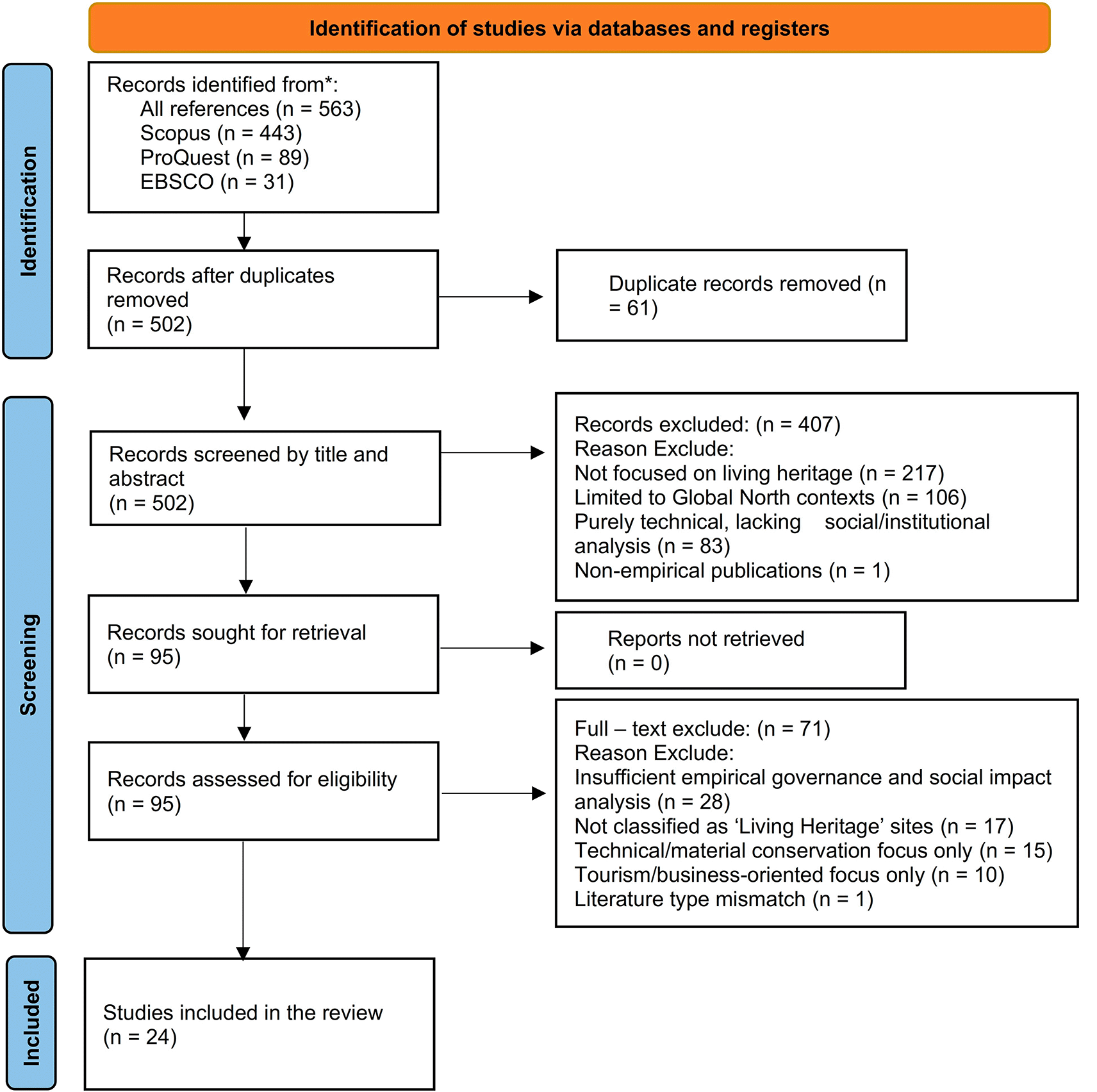
During the full-text eligibility phase, 95 articles were thoroughly reviewed to ensure they directly addressed the research questions. Of these, 71 were excluded for several specific reasons: 28 lacked sufficient empirical data on governance or social impacts; 17 focused on static monuments rather than active ‘living heritage’ communities; 15 were purely technical studies on material conservation; and 10 focused exclusively on tourism marketing without addressing local socio-spatial dynamics. Additionally, one extensive document (Zhu, 2023) was excluded as it was a doctoral dissertation rather than a peer-reviewed journal article. This careful screening process ultimately yielded a final, highly relevant dataset of 24 articles for the thematic synthesis.
Because most of the studies were qualitative, we used a modified version of the Critical Appraisal Skills Programme (CASP) qualitative research checklist to check their quality. Research studies were assessed based on the clarity of their objectives, the suitability of their methodologies, the rigor of their data collection and analysis, the examination of researcher-participant relationships, ethical considerations, and their contribution to the body of knowledge. No studies were excluded based on quality assessment; methodological limitations are discussed in Section 4.5. It should be noted that the CASP qualitative checklist may not fully capture the rigor of quantitative components in the two quantitative and five mixed-methods studies included in this review; however, given that the thematic synthesis was primarily focused on qualitative governance and community impact findings, the adapted CASP framework was considered the most appropriate instrument for ensuring comparability across all included studies.
Table 3 shows the results of the quality assessment. Of the 24 studies, 16 (66.7%) were rated high quality, 7 (29.2%) medium quality, and 1 (4.2%) low quality. All studies fulfilled the criteria for explicit research objectives (Q1), unambiguous findings (Q9), and enhancement of knowledge (Q10). The weakest areas were researcher reflexivity (Q6), which was only mentioned in 6 studies (25%), and ethical reporting (Q7), which was mentioned in 13 studies (54.2%). These patterns are similar to those seen in built environment research, where these rules are less well known than in the health sciences. The one study that received a low rating by Rkha Chaham & Khiara (2020), was retained because it was the only one to provide first-hand accounts of the Marrakech rehabilitation program that weren’t available anywhere else. No studies were omitted due to quality concerns; recognized limitations guided the interpretation presented in Section 4.5.
| No. | Author(s) | Q1 | Q2 | Q3 | Q4 | Q5 | Q6 | Q7 | Q8 | Q9 | Q10 | Overall | Notes |
|---|---|---|---|---|---|---|---|---|---|---|---|---|---|
| 1 | Saba et al. (2023) | Y | Y | Y | Y | Y | CT | Y | Y | Y | Y | High | Mixed methods (SWOT, hyperspectral); comprehensive multi-method design |
| 2 | Yu et al. (2025) | Y | Y | Y | Y | Y | CT | Y | Y | Y | Y | High | GA-BP neural network with field validation; strong quantitative rigor |
| 3 | Chiang (2025) | Y | Y | Y | Y | Y | CT | Y | Y | Y | Y | High | Interviews (n = 12) + observation; clear conceptual framework |
| 4 | K.C. et al. (2018) | Y | Y | Y | Y | Y | CT | CT | Y | Y | Y | High | Quantitative survey (n = 232); SPSS analysis with t-tests; ethics not explicitly stated |
| 5 | Lekakis et al. (2018) | Y | Y | Y | CT | Y | CT | CT | Y | Y | Y | Medium | Case study; sampling strategy not detailed; theoretical contribution strong |
| 6 | Tira & Türkoğlu (2023) | Y | Y | Y | Y | Y | CT | Y | Y | Y | Y | High | AHP multi-criteria analysis; systematic expert consultation |
| 7 | Gong et al. (2025) | Y | Y | Y | Y | Y | CT | Y | Y | Y | Y | High | Grounded theory; clear coding procedure; dual-perspective analysis |
| 8 | Sun & Nakajima (2023) | Y | Y | Y | CT | Y | CT | CT | Y | Y | Y | Medium | Conference paper; field observation + document analysis; limited methodological detail |
| 9 | N. A. Abdul Aziz et al. (2023) | Y | Y | Y | Y | Y | CT | Y | Y | Y | Y | High | Large survey (n = 392); SEM analysis; clear sampling frame |
| 10 | Boussaa & Madandola (2024) | Y | Y | Y | Y | Y | CT | Y | Y | Y | Y | High | Mixed methods; interviews + extensive fieldwork; longitudinal analysis |
| 11 | Salim et al. (2021) | Y | Y | Y | Y | Y | Y | Y | Y | Y | Y | High | Semi-structured interviews (n = 12); purposive sampling justified; ethical approval noted |
| 12 | Zhong & Leung (2019) | Y | Y | Y | Y | Y | CT | CT | Y | Y | Y | Medium | Comparative case study; document analysis + field observation; ethics not stated |
| 13 | Irawan et al. (2025) | Y | Y | Y | Y | Y | CT | CT | Y | Y | Y | Medium | Mixed methods; surveys + spatial analysis; ethics statement absent |
| 14 | Mahmoudi Manesh & Kerimpour (2013) | Y | Y | Y | CT | Y | CT | CT | CT | Y | Y | Medium | Case study; historical analysis; limited primary data collection detail |
| 15 | R. Abdul Aziz (2017) | Y | Y | Y | Y | Y | Y | CT | Y | Y | Y | High | In-depth interviews + FGDs; on-site data collection; clear sampling |
| 16 | Li et al. (2024) | Y | Y | Y | Y | Y | Y | Y | Y | Y | Y | High | Ethnography; 18 months fieldwork; reflexive positioning; power analysis framework |
| 17 | Ramírez de León et al. (2023) | Y | Y | Y | Y | Y | Y | Y | Y | Y | Y | High | Heritage Place Lab; EoH Toolkit 2.0; collaborative research-practice methodology |
| 18 | Doherty & Kotsoni (2024) | Y | Y | Y | CT | Y | CT | CT | Y | Y | Y | Medium | Landscape fieldwork; novel theoretical framework; limited detail on data collection |
| 19 | Foo & Krishnapillai (2019) | Y | Y | Y | Y | Y | CT | Y | Y | Y | Y | High | Case study: interviews + field observation; triangulated sources |
| 20 | Rkha Chaham & Khiara (2020) | Y | CT | CT | CT | CT | CT | CT | CT | Y | Y | Low | Conference proceedings; descriptive project report; minimal methodological framework |
| 21 | Osman & Farahat (2021) | Y | Y | Y | Y | Y | CT | CT | Y | Y | Y | Medium | Comparative analysis; interviews + observation; international case study comparison |
| 22 | Wang & Marinelli (2024) | Y | Y | Y | Y | Y | Y | Y | Y | Y | Y | High | Historical-spatial analysis; archival research; maps + chronological documentation |
| 23 | MacRae (2017) | Y | Y | Y | CT | Y | Y | CT | Y | Y | Y | High | Ethnography; long-term field engagement; reflexive anthropological approach |
| 24 | Rezaei et al. (2024) | Y | Y | Y | Y | Y | CT | Y | Y | Y | Y | High | Ethnography; 63 interviews; systematic coding; multi-stakeholder perspective |
Because the study designs, settings, and results were so different, a narrative synthesis approach was used. The studies were organized thematically based on the three research questions: governance models, community impacts, and adaptive reuse. We identified cross-cutting themes by coding and comparing studies repeatedly. Geographic and temporal patterns were examined to provide context for the findings.
The 24 included studies were published between 2013 and 2025, with a notable concentration in recent years: 14 studies (56%) were published from 2023 onward, reflecting the growing scholarly interest in heritage governance and community-centered regeneration. Table 4 summarizes the characteristics of all included studies.
Geographically, the studies span four major regions of the Global South. East and Southeast Asia constitute the largest cluster, with 13 studies covering sites in China (n = 7), Malaysia (n = 3), Taiwan (n = 1), Nepal (n = 2), and Indonesia (n = 2). The Middle East and North Africa (MENA) region accounts for 8 studies examining sites in Morocco (n = 3), Tunisia (n = 3), and Lebanon (n = 1). Sub-Saharan Africa is represented by one study on Nigeria, while Latin America contributes 2 studies covering Colombia and Guatemala. This geographic distribution reflects both the concentration of living heritage sites in Asia and North Africa and the existing biases in English-language scholarly publishing.
Methodologically, qualitative case study research predominates (n = 17; 71%), followed by mixed-methods approaches (n = 5; 21%) and quantitative studies (n = 2; 8%). Data collection methods include semi-structured interviews (n = 19), document and policy analysis (n = 15), field observation and ethnography (n = 14), questionnaire surveys (n = 7), and spatial or computational analysis (n = 3). The prevalence of qualitative approaches reflects the exploratory nature of governance and community impact research in heritage contexts.
Analysis of the 24 studies reveals three dominant governance typologies operating across living heritage sites in the Global South, each with distinct institutional arrangements, power dynamics, and regeneration outcomes. These categories are not mutually exclusive; one study documented governance transitions that span multiple typologies, resulting in a total classification count of 25.
3.2.1. State-led centralized governance
In 10 out of the 24 studies, state-led governance models are defined by significant state oversight of heritage planning, land use decisions, and the implementation of regeneration initiatives. Saba et al. (2023) in Cartagena de Indias reported that the uncertainty of the decision-making authority between the Mayor’s Office and the Ministry of Culture, along with the lack of coordination, greatly affected the conservation and protection of cultural assets. Similarly, Wang and Marinelli (2024) identified three phases of alterations in the management authority within Tianjin’s Italian-Style Town, culminating in the government’s re-centralization of control to ensure policy coherence, despite sacrificing flexibility and fostering commercial uniformity.
Morocco is a good example of governance by the state. Rkha Chaham and Khiara (2020) cite a royally sponsored restoration effort in Marrakech for the preservation of antiquities. The proposal combines the use of traditional materials, restoration techniques, and large-scale urban enhancements. This story indicates that publicly led efforts at the center may work, particularly with technical capacity, authenticity, and considerable public commitment. However, Rezaei et al. (2024) demonstrated that interventionist policies in Morocco and Algeria resulted in contrasting tourism trends between the Marrakech Medina and M’Zab Valley, indicating that centralized governance is inadequate without supplementary community engagement strategies.
In China, state-led governance manifests through government-enterprise partnerships. In the Enning Road legacy area in Guangzhou, Yu et al. (2025) examined adaptive reuse techniques within a governance structure that prioritizes enterprise-driven implementation and government-led planning. In order to improve decision-making, the study incorporated a GA-BP neural network model that predicts optimal functional applications based on cultural and economic characteristics. Based on field findings, this type of data-driven approach can increase income while also promoting the regeneration of new spatial functions. The study also reveals recurring issues related to stakeholder participation, particularly the limited involvement of local communities and unequal power relations, which hinder inclusivity and the social sustainability of cultural heritage preservation projects.
Li et al. (2024) offered a more in-depth critique based on their ethnographic study of Dashilar in Beijing, demonstrating how collaborative governance operated in practice as a mechanism through which the government consolidated power by controlling economic resources and land use decisions, which led to elite control of the historic fabric and subsequent gentrification.
The Semarang Old Town case points to a particular aspect of state-led governance: the necessity to reconcile the control of environmental risk with the conservation of heritage (Irawan et al., 2025). The main obstacles to efficient flood management in this heritage district were identified as poor drainage infrastructure, significant sedimentation (45–95 cm) and insufficient financial resources. It also points to the need for better collaboration between government agencies, historical managers, environmental authorities and local people. In the scenario, flood control and heritage conservation are not treated as two independent policy domains but instead, state-led governance is found to be more successful with the backing of inter-institutional coordination mechanisms. This finding echoes the institutional fragmentation documented in Cartagena and suggests that state-led governance effectiveness depends not only on the strength of individual agencies but on the quality of inter-institutional coordination mechanisms (Saba et al., 2023).
3.2.2. Multi-stakeholder collaborative governance
Eight studies addressed multi-stakeholder governance systems, with varying degrees of involvement by government institutions, players from the business sector, civil society groups, and local communities. Boussaa & Madandola (2024) work on Fez exemplifies the changing politics of heritage-led reconstruction in ancient communities. The authors show that the early interventions of UNESCO and the government concentrated on restoring antiquities and improving the physical appearance of the Medina, with little concern for the social conditions of its residents. The following riad fever movement brought private investment into the historic structures, but also led to further gentrification, with many of the apartments being converted into boutique hotels. The next project of Ziyarates Fez is more socially relevant as it allows local families to be actively involved in tourism by greeting tourists and living in their dwellings. This narrative so well exemplifies that heritage regeneration is more sustainable when conservation is not just associated with tourism growth but also with the livelihoods of the residents and their right to stay in place.
The La Antigua Guatemala case, examined by Ramírez de León et al. (2023) using the Heritage Place Lab methodology, revealed overlapping legal responsibilities among institutional actors as a significant governance challenge, especially between urban conservation agencies and territorial administration bodies. Their collaborative research-practice approach demonstrated that management systems must go beyond Outstanding Universal Value criteria to include newly recognized intangible, natural, and archaeological values.
In Shanghai, Zhong and Leung (2019) recorded the establishment of participatory microregeneration, where NGOs and social organizations acted as intermediaries to facilitate interaction between government agencies and heritage communities under a multi-stakeholder governance framework. One example of a new heritage governance actor was the Da Yu Community Empowerment Association, which mobilized people through social media and community-based activities like neighborhood gatherings and cultural initiatives, which in turn served to inspire wider community engagement. The authors refer to this dynamic as the ‘catfish effect’ to illustrate how such players can induce participation in otherwise narrow participatory situations.
Tira and Türkoğlu (2023) proposed a circularity-based conservation strategy within a governance framework for the Medina of Tunis, employing the Analytic Hierarchy Process to evaluate interconnected governance factors. Their analysis identified knowledge and data exchange as the factor carrying the highest significance for heritage-led urban regeneration, translating into enhanced knowledge sharing and the effective redistribution of cultural activities in historic city centers.
Doherty and Kotsoni (2024) offer an interpretation of the Medina of Tunis based on the landscape, beyond a traditional monument-centered restoration. Drawing on Forman’s land mosaic theory, they study the Medina by patches, corridors, and matrix, and extend the framework by webs and clouds categories. Webs refer to the social and economic relations that animate the Medina, including souks, cafés, artisanal practices, businesses, and cultural activities. Clouds are one of the few physical qualities of place, such as soundscapes, smellscapes, oral histories, recollections, and atmospheres. This method is important for understanding heritage governance in living urban historical sites because it emphasizes that heritage value is created not just via the constructed form, but also through everyday actions, social networks, and sensory experiences. The research thus calls for a more integrated approach to conservation where tangible and intangible heritage are seen as interconnected rather than separate entities.
Osman and Farahat (2021) analyzed the living heritage approach in Mount Lebanon using a comparative framework, referencing the Albergo Diffuso model from Italy and the Meteora religious heritage site in Greece. Their analysis pinpointed three essential actions for heritage-led regeneration: the identification of significant historical sites through community engagement, the formulation of tourism strategies with local community participation, and the creation of maintenance programs overseen by local communities in collaboration with conservation authorities. The study found that living heritage tourism can only work if there is a three-way partnership between the private, public, and local community sectors. This is a different way of governing than models that are only led by the state or only by the community.
3.2.3. Community-driven and indigenous governance
Seven studies documented governance approaches rooted in local community structures, traditional authority systems, or indigenous knowledge. In Kathmandu Valley, Lekakis et al. (2018) examined the Guthi system as a traditional Newar institution of communal resource management and highlighted its relevance to commons-based heritage governance. Their findings indicate that post-earthquake heritage restoration initiatives in Kathmandu Valley were more successful when they incorporated existing community-based practices, particularly those rooted in Guthi traditions, rather than relying solely on externally imposed, top-down frameworks.
K.C. et al. (2018) who also work in the Kathmandu Valley stressed how important the “core community” is for assessing heritage value. This group of people is the one who has built and taken care of the heritage site for centuries. The survey shows that the core communities actually put aesthetic and architectural values above anything else. Besides that, it also shows that when the community does the value assessment, they create a totally different priority framework if we compare it with the expert’s assessment.
Salim et al. (2021) cite the Emir of Kano Palace as an example of a living cultural heritage site in the Nigerian setting since it is still active as a center of social, cultural, spiritual, and traditional power. Management of the palace, on one hand, involves conservation of the physical form of the structure, and, on the other, the function of traditional builders and the continuous transmission of community values. The analysis reveals that the sustainability of the Emir of Kano Palace is a function of three sets of elements: causes that cause damage, factors that permit renewal, and factors that direct the process of change. In this procedure, the spiritual values and the community’s relationship to the location are the main indicators for assessing if the structure has to be restored, destroyed, or recreated with new materials. Changes in material are thus not necessarily regarded as a danger to cultural legacy as long as the function, meaning, and spiritual value of the palace are maintained. This is unlike Western conservation ideas that tend to value tangible authenticity.
Sun & Nakajima (2023) investigated the transition of heritage conservation techniques in the Ancient City of Pingyao from object-centered frameworks to people-centered plans, highlighting the community co-creation in living heritage conservation. In order to examine the implementation and efficacy of the community co-creation model in terms of its capacity to coordinate different stakeholders and to resolve disputes resulting from demands of socio-economic growth, they combined literature assessment with field-based case analysis. Their findings highlight the importance of merging historical values of legacy and everyday values of heritage in collaborative governance processes.
R. Abdul Aziz (2017) researched three living heritage villages with varied ethnic backgrounds in Melaka: Kampung Morten (Malay community), Kampung Chetti (Chitty community), and Kampung Potret (Portuguese-Eurasian community). The study found that community-based government is not implemented in the same way in every village but is conditioned by the social, cultural, and historical features of each community. For each community, there are obstacles in preserving the authenticity of the cultural legacy, especially when pressured by modernization, urban development, and social change in the context of the community’s periphery.
3.3.1. Gentrification and displacement
Gentrification was the most common negative effect on communities, showing up in 14 of the 24 studies. The phenomenon appears in a variety of geographic settings with strikingly uniform patterns. In Fez, riad fever increased real estate speculation in the Medina (Boussaa & Madandola, 2024). The conversion of traditional houses into guesthouses and boutique hotels has been pushing property prices up by 15 percent a year, peaking at 30 percent between 2001 and 2003 when refurbished residences hit $2,000 a square meter. This turned the Medina’s property market towards tourism investment and displaced lower-income people, many of whom sold their houses and relocated to peripheral flats. In George Town, Foo & Krishnapillai (2019) demonstrate that the UNESCO World Heritage inscription of George Town led to significant capital appreciation and sharp increases in rental values, which in turn accelerated gentrification processes, displacing long-term residents and traditional trades, and replacing them with new populations and tourism-oriented businesses.
In Dashilar, Beijing, Li et al. (2024) discovered a more sophisticated form of gentrification, where elite control over the historic fabric was accomplished through discursive practices and skewed resource mobilization within collaborative governance. Relocation payments did not provide inhabitants the ability to afford market-rate housing, making relocation financially unattainable for many. Mahmoudi Manesh & Kerimpour (2013) offer an alternate viewpoint to the typical studies that regard gentrification as a process that is intrinsically connected to displacement in the case of the Medina of Tunis. The paper analyses the instance of the Hafsia Quarter renovation, and shows that gentrification does not inevitably lead to forced relocation if it is handled via conscious social policies. The project’s goal was to keep the present occupants, provide relocation opportunities for the affected households, and implement financial support measures, including tax breaks and housing subsidies. The story, however, also shows that inclusive regeneration does not fully reduce the possibility of displacement, since 65 of the 134 households were nevertheless forced to move out. Therefore, the research argues that the success of historic urban regeneration should be evaluated not only by the physical development, but also by how planning regulations safeguard the low-income citizens and retain the social continuity of the place.
The gentrification dynamics identified in the examined studies demonstrate notable typological variations across diverse heritage contexts. In MENA medina settings, gentrification primarily occurs through property market dynamics influenced by foreign investment and the conversion of accommodations for tourism. Rezaei et al. (2024) provided an incisive analysis that compares the Marrakech Medina, which they call it an outdoor urban resort for Western tourists, to the M’Zab Valley in Algeria, where the strict government policy and the Ibadi community’s refusal to let outside culture in has stopped the tourism-driven gentrification, but at the cost of economic stagnation at the same time. These comparisons show that not having gentrification doesn’t always mean governance is effective; instead, it shows how hard it is for heritage governance to balance the economic growth and cultural preservation.
In the East Asian setting, gentrification operates through a state-mediated process that they officially call collaborative governance. Wang & Marinelli (2024) recorded the gradual commercialization of Tianjin’s Italian-Style Town, which is turning a residential heritage district into a place for shopping. The change in management authority, from the municipal government to a public company and then back to the district government, it was not a devolution of power but more like a strategic move by the state to make it easier for commercial exploitation of the heritage value. The Shanghai microregeneration instances took a different direction from demolition-based redevelopment to participatory microregeneration solutions through multi-stakeholder engagement, driven by the limitations of demolition-based redevelopment (Zhong & Leung, 2019). Rather than mass clearance, these programs resulted in small-scale, incremental interventions to enhance living conditions and preserve existing communities. Intermediary actors such as the Da Yu Community Empowerment Association engaged the community through social and cultural activities, showing a hybrid style of governance combining top-down policy direction and participatory processes.
3.3.2. Livelihood and economic impacts
Heritage-led regeneration delivered mixed economic outcomes for local communities. Where regeneration generated employment opportunities that built on existing community skills, positive livelihood impacts were reported. In Pingyao, Sun & Nakajima (2023) found that the heritage-based revitalization initiatives, especially through the incubation of cultural and creative enterprises, offered new livelihood options for local residents. Entrance fees made up only approximately 1% of the total revenue from tourism in 2019, which shows a change to a more diverse economic structure with a focus on cultural industries. The transformation also created chances for community members to participate in cultural production and in the associated economic activities, but whether these advantages were equitably distributed is not evident. In Marrakech, Rkha Chaham & Khiara (2020) connect medina rehabilitation to its livelihoods and economic consequences and show how the effort restored tourism, trade, and traditional handicrafts. While without specifically measuring employment creation, the research noted that the renovation of fondouks, public spaces, tourist routes, and commercial areas strengthened the medina’s role as a generator of regional socio-economic development. Traditional methods such as lime-based plastering, woodwork, and wrought iron served to keep alive skills related to historic conservation. Negative economic impacts were localized in contexts where the commodification of tourism was the prevalent strategy for regeneration. While some residents in George Town benefited from tourism-related businesses such as bicycle rentals and souvenir sales, heritage activists framed the phenomenon as ‘hipsterization’ or ‘Disneyland’, in which mass tourism attracted by street art overshadowed authentic heritage values (Foo & Krishnapillai, 2019). MacRae (2017) documents how the World Heritage listing in Bali generated disputes over the distribution of tourism and economic benefits among subak communities, largely due to governance fragmentation and weak coordination across global, national, and local levels, which in turn produced unintended consequences and what he terms “awkward engagements.”
3.3.3. Social cohesion and cultural identity
The impact of heritage-led regeneration on social cohesion and cultural identity represents a complex and context-dependent phenomenon. N. A. Abdul Aziz et al. (2023) demonstrate that active community participation in living heritage conservation is significantly associated with improved attitudes, cultural knowledge, and awareness. Their findings further indicate that demographic factors, including gender, age, and ethnicity, play a crucial role in shaping participation levels, as evidenced in the context of Melaka. In Kathmandu, K.C. et al., (2018) show that heritage sites in the Kathmandu Valley were really important to the community identity. They bring people from different backgrounds together through festivals, processions, and feasts, and the social and spiritual values are deeply ingrained in their everyday lives.
Gong et al. (2025) have found differences in cognitive perspectives between people and merchants in the hilly historic neighborhood of Ciqikou. occupants cared for the everyday convenience and safety of buildings, whereas merchants cared for economic rewards. These opposing agendas reflect the challenges in catering to diverse user requirements in historic preservation, especially with regard to variation in geography, support from government, and approaches to economic growth throughout the different places in the district.
The tension between cultural continuity and modernization was particularly acute in palace and traditional authority sites. Salim et al. (2021) showed that the renovation of the Emir of Kano’s Palace using contemporary materials was not considered a loss of cultural property as the palace community maintained its social function and cultural identity. This suggests that changes in the material world were, in fact, accepted since they aided the continuance of the social life of the palace community. Thus, the rebuilding helped to sustain social cohesiveness by keeping the community united via shared cultural practices and cultural identity by preserving the symbols, functions, and meanings of the palace. Similarly, the study by Chiang (2025) indicates that while creative industries contribute to economic dynamism, insufficient incorporation of authentic cultural narratives remains a key limitation in achieving sustainable heritage-led regeneration.
Adaptive reuse was a key mechanism in heritage-led regeneration in 18 of the 24 studies. The three main types of reuse were: conversion for tourism purposes, repurposing for cultural-creative activities, and adaptation for community functions.
Tourism-oriented adaptive reuse is dominant in MENA contexts. Boussaa & Madandola (2024) demonstrate that, in Fez, the conversion of historic buildings into riad hotels has resulted in ambiguous consequences for heritage-led revitalization. On the one hand, this technique helped to physically rehabilitate deteriorating ancient structures and sustained the city’s cultural tourism sector. On the other hand, it helped create pressures on the property market, changes in ownership, and the steady relocation of lower-income inhabitants, thereby diminishing community continuity in the Medina. In response to these limits, the Ziyarates Fez project is proposed as a more socially sustainable option. The idea connects cultural protection with income production and lowers the danger of displacement of residents by allowing local families to rent out part of their traditional houses to tourists, while still living in them. Osman and Farahat (2021) studied the Albergo Diffuso model in Mount Lebanon as a way to combine living heritage with sustainable tourism. They emphasized how important it is for the public-private-community partnership to work together.
Cultural-creative repurposing was prominent in East Asian cases. Chiang (2025) examines the Four-Four South Village as a site where creative workers engage with living heritage through design innovation, cultural expression, and market activity, and proposes a Culture–Climate Integration Framework to support heritage-led Net Zero regeneration. In Shanghai, participatory microregeneration was realized through partnerships between local government, private developers, NGOs, and neighborhood dwellers. In this process, the Da Yu Community Empowerment Association served as an important intermediary by organizing creative and social activities such as neighborhood walks, festival events, and social media to engage the residents, thus increasing community participation and a sense of belonging (Zhong & Leung, 2019).
Community-functional adaptation prioritized the continuity of residential and everyday uses. This idea may be observed in the example of Semarang Old Town. Irawan et al. (2025) developed a flood management system, natural approaches, technical infrastructure, and conservation of historic structures. This method is significant because floods harm the structural integrity of buildings and disrupt community activities in the area. This approach permits environmental sustainability to support heritage places to be active, usable, and to retain their cultural significance. Doherty and Kotsoni (2024) proposed a landscape analysis framework for the Medina of Tunis that moved beyond the ‘taxidermy of urban conservation’ to consider the social and subjective dimensions of heritage landscapes, including the declining artisanal sector and emerging business opportunities. Furthermore, the success of such adaptive reuse has to balance market pressures and heritage values. As Yu et al. (2025) have shown, quantitative forecasting models have to be combined with socio-cultural frameworks to maintain community identity and social well-being.
The problem of material authenticity in adaptive reuse becomes more critical when considering non-Western cultural heritage. Not all heritage sites can be protected via a material-based approach. Salim et al. (2021) showed that when conventional materials could no longer ensure the safety and functionality of the building, the earthen construction at the Palace of the Emir of Kano was restored in concrete. The decision was not about saving old materials, but the need to preserve the continued functioning of the palace, its spiritual values, and continued community life. This instance, therefore, exemplifies the limits of Western conservation paradigms such as the Venice Charter when applied to places of living heritage (ICOMOS, 1994). In an environment such as the Palace of the Emir of Kano, legacy authenticity is not only judged by the physical objects but by the continuance of cultural traditions, spiritual meaning, commitment to place, and community identity. Furthermore, (Chiang, 2025) stresses that adaptive reuse should be considered as an active tool to combat climate change and achieve Net Zero environmental sustainability.
3.5.1. The role of unesco world heritage inscription
UNESCO World Heritage status appears as a contradictory element in the examined studies. Inscription gives conservation efforts international recognition and legitimacy, but it often leads to unintended results. MacRae (2017) characterizes the Bali World Heritage listing as producing “awkward engagements,” referring to the friction and misalignment between universal heritage frameworks promoted by global institutions and the everyday livelihood priorities of local communities. Rezaei et al. (2024) argued that World Heritage classification does not constitute a tool for heritage protection but rather functions as an accelerator of extractive tourism and transnational gentrification. On the other hand, Ramírez de León et al. (2023) show that UNESCO-affiliated collaborative frameworks, like the Heritage Place Lab, could help to improve governance when they are implemented through genuine research-practice partnerships.
The inscription of the Yogyakarta Cosmological Axis in September 2023 makes this paradox more modern. World Bank (2024) say that the inscription resulted from the Government of Indonesia, the local community, and the development partner working closely together. This suggests a more coordinated approach than the top-down nomination process that characterized earlier listings in Bali. The head of the Yogyakarta Cultural Office, on the other hand, says that keeping the World Heritage status will be harder than getting it, since the cosmological axis now belongs to the whole world, not just Yogyakarta. This acknowledgment of the governance burden associated with inscription resonates with the findings recorded in the examined study.
3.5.2. Power dynamics and conflict
Power asymmetries are a feature of heritage governance in all of the contexts studied. The most systematic analysis has been that of (Li et al., 2024), who identified three areas of power that operate within formal and informal governance institutions: decision-making, agenda-setting, and preference-shaping. State influence is not just exercised through overt control, however, but also through structural limits on resources and institutional structures, and by informal practices that delimit the spectrum of problems open to negotiation. This means marginalization of some stakeholders’ interests and the hiding and depoliticization of conflicts, resulting in outcomes that serve state-led redevelopment objectives of collaborative governance. Market participants’ autonomy was limited by state control of economic resources, property, and institutional regulation, which hid serious tensions and led to decisions that favored the state at the expense of community needs. This finding resonates across other contexts: in Cartagena, governance fragmentation between agencies indicates challenges in institutional alignment and can be interpreted as reflecting underlying imbalances in the distribution of authority (Saba et al., 2023); MacRae (2017) shows that government agencies dominated the implementation of the Bali World Heritage listing, often sidelining the livelihood priorities of local subak communities.
The study of Ciqikou’s mountainous historic neighborhood contributes an important spatial dimension to the issue of governance dynamics by showing that the cognitive distinctions between inhabitants and merchants are conditioned by topographical and locational circumstances. According to their results, merchants in commercially strategic places are more likely to gain better support for development, while inhabitants in more peripheral regions are constrained by factors such as infrastructure and building safety. The study does not overtly refer to these power imbalances, but such spatial heterogeneity can be seen as an expression of uneven access to resources and opportunities in heritage regions. This suggests an indirect role for spatial layout in governance outcomes and a potentially under-researched relationship between geographical inequality and unequal power of actors, with implications for the design of more equity-oriented heritage policy.
The Medina of Tunis cases (Doherty & Kotsoni, 2024; Mahmoudi Manesh & Kerimpour, 2013; Tira & Türkoğlu, 2023) collectively illustrate how power dynamics in heritage governance shift over time. The 1980s rehabilitation of the Hafsia Quarter was mostly the work of state agencies. Public authorities have influenced the renewal process through the management of resident relocation and the framing of gentrification not just as displacement, but also as a potential method to help the rehabilitation of historic urban neighborhoods. The contemporary circularity-based framework proposed by Tira and Turkoglu (2023) emphasizes interconnected governance factors, particularly knowledge and data exchange, suggesting a shift toward more integrated and collaborative governance processes; and Doherty and Kotsoni's (2024) landscape analysis reveals how the declining artisanal sector and emerging business opportunities reflect ongoing negotiations of economic power within the Medina’s social fabric.
3.5.3. Gender, age, and ethnic dimensions
The intersection of social identity with heritage governance received limited but important attention. N. A. Abdul Aziz et al. (2023) identified significant differences in heritage awareness across gender, age, and ethnic groups in Melaka, indicating that demographic characteristics play an important role in shaping perceptions of heritage importance. R. Abdul Aziz (2017) explores the role of the Malay, Chetti, and Portuguese-Eurasian populations in Malacca in keeping alive the cultural legacy through living heritage villages. The study demonstrates that each group has its own way of preserving its identity, history, and cultural knowledge. These results stress the importance of a higher sensitivity of the administration of the legacy to the diversity in the socioeconomic and cultural situations of each of the communities. Accordingly, preservation measures cannot be standardized but need to be adjusted to the demands and problems of each community.
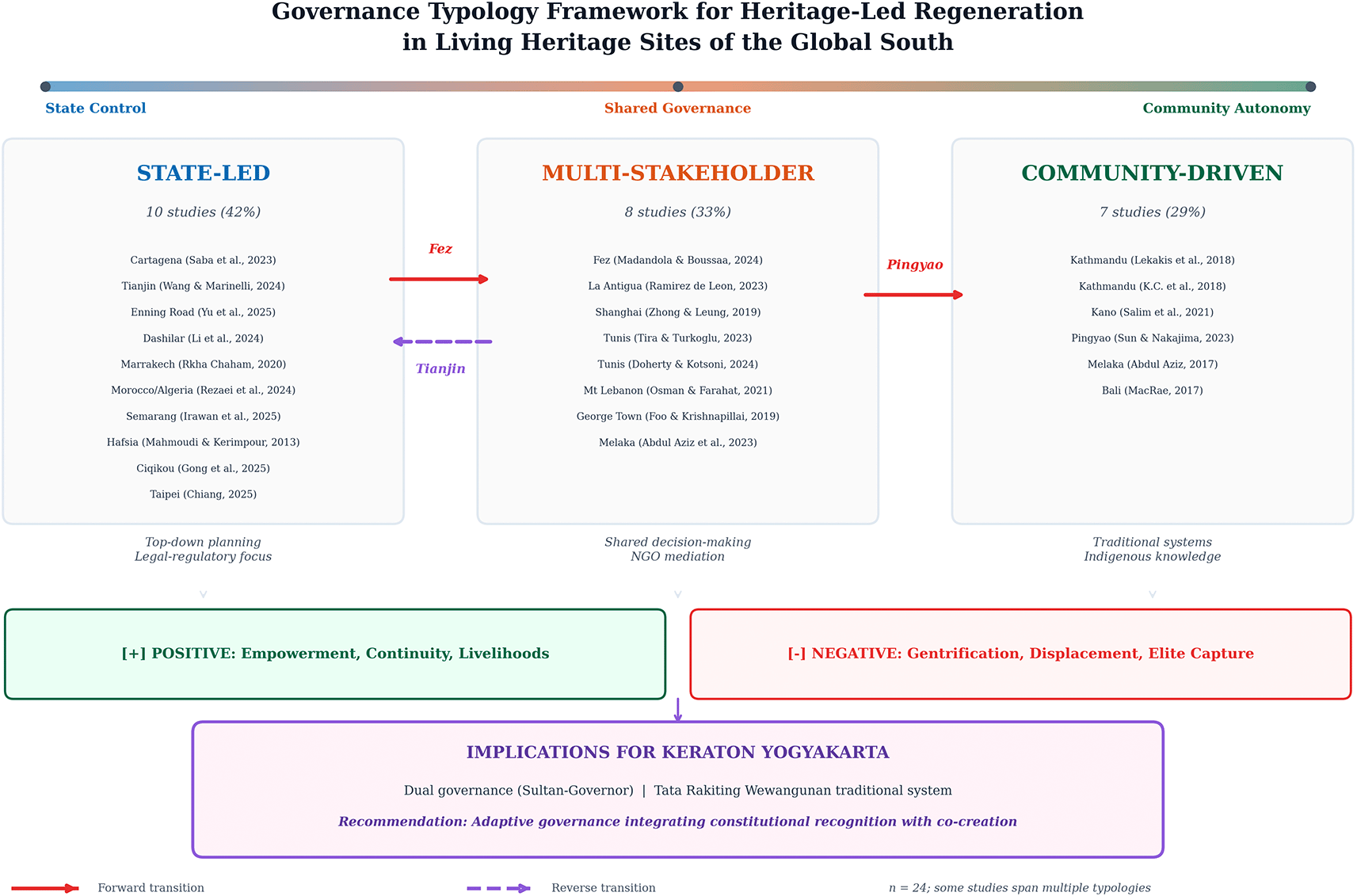
The three governance typologies highlighted in this analysis, state-led centralized, multi-stakeholder collaborative, and community-driven indigenous, are not mutually exclusive categories but points of a spectrum of institutional arrangements that vary with time and context. Several studies documented governance transitions: Wang and Marinelli (2024) traced three phases of management authority in Tianjin; Boussaa & Madandola (2024) documented evolution from monument-focused to community-inclusive strategies in Fez; and Sun and Nakajima (2023) highlighted a shift from expert-driven, object-centered approaches toward people-centered governance, emphasizing community co-creation in Pingyao.
This review suggests that effective heritage governance in the Global South involves what might be called ‘adaptive governance’: institutional arrangements that blend the coordination capacity of state authority with the contextual knowledge of community-driven approaches and the resource diversity of multi-stakeholder partnerships. The main difficulty here is to ensure that collaborative procedures do not become mere devices for legitimizing pre-decided conclusions, as Li et al. (2024) showed in the case of Dashilar.
The temporal dynamic of governance transition really needs a focused examination. Ramírez de León et al. (2023) find that the Protective Law (Decree 60–69) in La Antigua Guatemala has not been updated since 1969. This means that the way the government works is fundamentally misaligned with the problems that managers face today, like uncontrolled urban growth, tourism pressure, and climate change risk. Their Heritage Place Lab methodology demonstrates that the management system must go beyond the Outstanding Universal Value criteria that were established in the original 1979 inscription to include a newly recognized intangible, natural, and archaeological value. This finding highlights a significant governance issue: the rigidity of the legal framework in response to a changing heritage value and threat.
The Tianjin case offers the most comprehensive chronological mapping of governance transition, delineating three distinct phases from 1986 to the present (Wang & Marinelli, 2024). The first phase, which ran from 1986 to 2002, saw the former Italian concession become a Historic Buildings Protection Area according to the national cultural city rule. The second phase (2002–2018) put a public company (Haihe Construction and Development Investment Ltd.) in charge. This company follows a development principle that focuses on conservation, but slowly, they put more emphasis on making money. The government took back control of the management in the third phase (starting in 2018) and came up with the idea of the Larger Italian-Style Town. This expands the heritage zone to 1.55 square kilometers, including areas that used to be an Austrian and Russian concession. This three-part evolution shows how heritage governance in a living city moves back and forth between state control and market-driven management. Each change shifts the balance between the need to protect heritage and the need to make money.
K.C. et al. (2018) make an important conceptual distinction in governance theory by showing that the core communities’ assessment of heritage value creates a very different priority framework than the assessment led by an expert. Their quantitative survey of 232 respondents from Kathmandu and Lalitpur demonstrates a statistically significant disparity in perception between core community members and stakeholders across various value dimensions. The core community of Kathmandu rates aesthetic value related to scale and form as the most important. This reflects their daily experience of the city’s changing landscape every day because of modern construction that does not conform to the existing. On the other hand, stakeholders put social value and the site as a local marker or symbol first. These differences show that a governance system that mainly relies on expert opinion does not accurately represent the value that is most important to the community whose lives are closely tied to the heritage site.
The governance typology framework based on the 24 studies reviewed is shown in Figure 2. The framework locates three types of governance along a continuum from state control to community autonomy: state-led centralized governance (10 studies, 40%), multi-stakeholder collaborative governance (8 studies, 32%), and community-driven indigenous governance (7 studies, 28%). These categories are not mutually exclusive, and one study recorded governance transitions that cut across several typologies, bringing the total number of classifications to 25. Significantly, the framework demonstrates documented governance transitions between typologies. In Fez, governance shifted from state-driven monument restoration to community-inclusive tourism accommodation (Boussaa & Madandola, 2024). In Pingyao, the object-centered planning, which was expert-driven, became co-creation with the community (Sun & Nakajima, 2023). On the contrary, Tianjin’s case demonstrates the reverse transition, as the management authority is relinquished from a public enterprise to the centralized government (Wang & Marinelli, 2024). These transitions highlight the fact that governance typologies are not static categories, but dynamic institutional arrangements that shift in response to political, economic, and social pressures.
The widespread occurrence of gentrification across the analyzed studies reveals a fundamental paradox: the interventions intended to safeguard and rejuvenate living heritage sites often compromise the communities that embody the ‘living’ aspect of these sites. The review delineates three mechanisms through which gentrification functions. First, rising property values due to tourism push low-income people out of their homes, as shown in Fez (Boussaa & Madandola, 2024) and George Town (Foo & Krishnapillai, 2019). Second, state-mediated redevelopment employs conservation rhetoric to rationalize displacement, as examined in Beijing (Li et al., 2024). Third, inscription-induced commodification transforms heritage sites from lived environments into tourism products, as observed in Bali (MacRae, 2017) and Marrakech (Rezaei et al., 2024).
Rezaei et al. (2024) present a comparative analysis that presents a fourth mechanism of gentrification that merits a theoretical consideration: inscription-facilitated transnational property acquisition. The EU-Morocco Association Agreement (1996) and the Open Skies Agreement (2006) make it possible for European investors to buy a riad in Marrakech. This agreement sets up the financial and logistical system that allows these investors to buy a riad at a price that is reasonable for foreign buyers, but it causes the original residents to leave because the price goes up so much. Their ethnographic evidence revealed the devastating spatial impact: in some dead-end alley of the Medina, European buying twelve of the thirteen houses and turned them into tourist accommodation, leaving only one local resident. This change, which interviewees say is turning the Medina into an outdoor urban resort hotel, it destroyed the semi-private communal space that has been important to neighborhood social life for a century. This is changing the living heritage fundamentally.
Importantly, the M’Zab Valley case in the same study shows a different path where community-based governance systems have effectively prevented tourism-driven gentrification. The Ibadi community of M’Zab sets a strict rule for tourists who want to visit the ksour. These rules include having to have a local guide, not being able to take a picture of residents, having to wear certain clothes, and not being able to go into residential areas after 8 PM. All of the places where tourists can stay are outside the old walled town, and businesses that cater to tourists are only allowed in the marketplace area at the entrance to the ksar. Rezaei and his team warn, though, that this cultural resistance to tourism leads to economic stagnation. This raises an important question of whether living heritage governance must choose between cultural preservation and economic development, or if a hybrid model can better handle this tension.
The Hafsia Quarter case (Mahmoudi Manesh & Kerimpour, 2013) and the Ziyarates Fez project Boussaa & Madandola (2024) offer potential models for managing gentrification pressures through deliberate policy interventions: graduated relocation options, cross-subsidy mechanisms where wealthier residents contribute to community stability, tax exemptions for heritage rehabilitation, and tourism accommodation models that integrate rather than displace local residents.
A critical finding of this review is the persistent tension between indigenous heritage management traditions and contemporary governance frameworks. The Guthi system in Nepal (Lekakis et al., 2018), traditional building practices in Kano (Salim et al., 2021), and community-based co-creation approaches in Pingyao (Sun & Nakajima, 2023) collectively highlight the continued relevance of locally embedded knowledge systems in heritage governance, albeit in different forms. However, these systems often function alongside - or in opposition to - traditional state governance structures.
The review says that bridging indigenous and modern governance needs more than just a token consultation or superficial participation. For the integration to work, institutions must recognize a traditional authority structure, include indigenous knowledge in decision-making, and create a hybrid governance space where different knowledge systems can work together on equal terms. This finding is especially relevant for a palace-city heritage site where a traditional governance structure, like the Keraton role in Yogyakarta, is still holding a cultural authority alongside the official government institution.
The Mount Lebanon case (Osman & Farahat, 2021) presents a pragmatic framework for implementing this integration via their suggested three-phase living heritage model. In the first phase, the community decides which historical sites are important and which buildings and spaces should be preserved and developed for tourism. The second phase involves coming up with a plan for tourism that involves real participation from the local community. The third phase set up a maintenance program that is run by the local community who work with the heritage authority. This model, which is based on the Italian Albergo Diffuso idea and the Greek Meteora religious community experience, shows that a strong historical-touristic-economic bond can be made by working together with the government, the private sector, and the community.
The Kathmandu Valley experience shows both the good and bad sides of community-driven government. K.C. et al. (2018) find that the Newar core community has a lot of knowledge about heritage value, but rapid urbanization has caused migration from the historic core to the suburbs, breaking the chain of knowledge transmission between generations. Their quantitative study of 163 core community members and 69 stakeholders in Kathmandu and Lalitpur shows that the core community of Kathmandu sees the biggest change in architectural value over the past ten years. This happens because of the visceral effect of replacing a traditional brick building with a concrete one that doesn’t fit in. This erosion of governance caused by displacement has a serious consequence. If the core community demographic changes, a governance model that is based on their leadership loses its institutional basis.
The result of this review has an important effect on how Keraton Yogyakarta, a living palace complex that shows many of the tensions, opportunities, and problems found in the 24 studies reviewed, is run and governed. The Cosmological Axis of Yogyakarta and its Historic Landmark became a UNESCO World Heritage Site in September 2023 during the 45th Session of the World Heritage Committee in Riyadh, Saudi Arabia (UNESCO, 2023). This new inscription put Yogyakarta at a very important point in time, just like the other newly inscribed site, particularly in Bali (MacRae, 2017) and George Town (Foo & Krishnapillai, 2019), where World Heritage status catalyzed both opportunities for cultural recognition and risks of tourism-driven transformation.
The governance structure around Keraton Yogyakarta is a unique institutional setup that is similar to but very different from the dual-authority pattern that is found in other parts of this review. The Sultan of Yogyakarta has also become the Governor of the Special Region of Yogyakarta (Daerah Istimewa Yogyakarta, DIY). This is a formal combination of a traditional and modern governance authority that is recognized by Law No. 13 of 2012 on the Special Status of Yogyakarta (Republic of Indonesia, 2012). This institutional arrangement contrasts with the governance fragmentation documented in Cartagena (Saba et al., 2023), where the lack of clear communication between the Mayor’s Office and the Ministry of Culture made it much harder to protect and preserve cultural heritage, and where there were overlapping legal duties found in La Antigua Guatemala (Ramírez de León et al., 2023).
The Keraton’s traditional management system, Tata Rakiting Wewangunan, works through an administrative structure called Tata Rakiting Paprentahan (Ariwibowo & Fibiona, 2025). The Sultan is in charge of this structure, and units run by the Abdi Dalem (royal courtiers) carry it out. This system bears structural similarities to the Guthi institution in Kathmandu Valley, which has been described as a pre-modern community governance mechanism rooted in collective responsibility and socio-religious obligations (Lekakis et al., 2018). However, while the Guthi system has experienced institutional marginalization and operates in tension with Nepal’s formal heritage management framework, the Keraton-based governance system in Yogyakarta benefits from constitutional recognition of the Sultanate’s authority. This distinction suggests a potential institutional advantage in integrating traditional governance structures with contemporary heritage management practices.
The comparative evidence from this review suggests that the period immediately following UNESCO inscription represents the highest-risk window for living heritage sites. In Bali, MacRae (2017) shows that within a year of its inscription, the World Heritage listing exposed a range of emerging issues, including disputes over the distribution of benefits, increasing pressures from uncontrolled development, and significant governance challenges. These problems reflect deeper tensions between globally defined heritage frameworks and the everyday livelihood priorities of local subak communities. Foo & Krishnapillai (2019) highlight that the post-inscription phase in George Town was characterized not only by rising property values and gentrification, but also by a process of ‘hipsterisation’, whereby tourism-oriented street art became a dominant attraction, marginalizing the representation of authentic multicultural heritage. For Yogyakarta, the time after the inscription requires a proactive governance strategy that is based on these warning examples. The sangkan paraning dumadi cosmological concept is the philosophical link between Mount Merapi, the Kraton, and the Indian Ocean (UNESCO, 2023). This is the kind of integrated tangible-intangible heritage that is most at risk of being turned into a tourist attraction.
The review’s conclusions regarding community participation are particularly relevant to the Keraton context. The Abdi Dalem system, which includes palace servants who keep the physical complex in good shape, perform ceremonial duties, and serve as living repositories of Javanese cultural knowledge, is a unique type of heritage community that combines elements of the “core community” idea put forth by K.C. et al. (2018) with the traditional builder’s knowledge recorded by Salim et al. (2021) in the Kano Emir Palace. The author direct involvement with the Keraton Yogyakarta governance system, such as their observation during a recent cultural event like the 2026 International Symposium on Javanese Culture and the ongoing architectural heritage exhibition at the palace complex, leading to the following contextual interpretation: the Keraton living heritage practice, like a regular cultural performance, ceremonial ritual along the cosmological axis, and the continued residential function of the palace complex, is very similar to the living heritage conservation principle that documented in Pingyao and Kathmandu Valley.
The Malioboro-Keraton corridor faces significant tourism pressure from tourists, and the area around it is rapidly becoming commercialized. The traditional kampung neighborhood is also changing in terms of its demographics. This makes gentrification a risk that is similar to what has been observed in George Town and Fez. The kampung neighborhood around the Keraton, like Kampung Taman, Kampung Alun-Alun , and Kampung Kauman, offers opportunities for an adaptive reuse that could use some of the models found in this review. For socially sustainable historical repair in Yogyakarta, the Ziyarates Fez project (Boussaa & Madandola, 2024) provides a helpful comparison reference. In Fez, old buildings were repaired, partly used as tourist housing, and local residents were allowed to stay. This strategy may be applied in the buffer zone settlements of Yogyakarta, where traditional Javanese houses like Joglo and Limasan can be adaptively used by community-run homestay programs. Such an approach may help to create a more direct distribution of tourist benefits for the local inhabitants and conserve the residential character, cultural identity, and everyday social life of the historic region.
Based on the comparative framework developed in this review, future empirical research on Keraton Yogyakarta should prioritize three interconnected areas: first, mapping the governance network among the Sultanate, provincial and municipal authorities, and the UNESCO management unit to identify coordination gaps; second, establishing a baseline community impact assessment to detect early gentrification indicators before post-inscription tourism pressures intensify; and third, documenting the Tata Rakiting Wewangunan traditional management system as a transferable model of indigenous heritage governance for other palace-city contexts in the Global South.
The governance challenges at Keraton Yogyakarta need a research-practice partnership like the strategy planned to handle municipal fragmentation in La Antigua Guatemala (Ramírez de León et al., 2023). Such a proactive governance mechanism is urgently needed along the Malioboro-Keraton corridor to prevent the extreme commercialization and displacement of local residents that occurred in Tianjin (Wang & Marinelli, 2024) and to avoid the tourist-exclusive commodification that has transformed the Marrakech Medina (Rezaei et al., 2024).
There are several limitations to this review. First, limiting to publications in English may have excluded studies published in French (North Africa), Bahasa Indonesia, or Chinese, thereby underreporting governance experiences documented in national languages. Second, the search period (2013–2025) may exclude foundational scholarship on heritage governance produced before this time. Third, the prevalence of qualitative case studies (71% of included studies) limits statistical generalizability; however, the consistency of thematic patterns across 13 countries and four Global South regions improves the analytical transferability of findings. Fourth, some failed governance interventions may be underreported because of publication bias. Fifth, the quality assessment indicated that 75% of the studies did not explicitly address researcher reflexivity (Q6) and 46% did not report ethical considerations (Q7). This reflects disciplinary conventions in built environment research, but it also represents areas for methodological improvement in future studies.
This systematic literature review synthesizes evidence from 24 studies on heritage-led urban regeneration in living heritage sites in the Global South. The main results are as follows:
First, heritage governance is a continuum from state control to indigenous community control. The review recorded governance transitions in several sites, Tianjin, Fez, and Pingyao, showing that effective governance requires adaptive institutional arrangements that combine state coordination capacity and community contextual knowledge. A key finding is that collaborative governance mechanisms may be used instrumentally to rationalize pre-existing outcomes, as exemplified in Dashilar, Beijing, which requires transparent accountability safeguards.
Second, the most frequently reported negative effect was gentrification (found in 14 of 24 studies) operating through four mechanisms: tourism-led property price increases (Fez, George Town), state-led displacement justified as conservation (Beijing, Shanghai), inscription-led commodification (Bali, Marrakech), and international trade treaty-enabled transnational property acquisition (Marrakech). The examples of the M’Zab Valley and Hafsia Quarter show how community-based access controls and deliberate social policies can be used to reduce displacement, albeit at the cost of economic development.
Third, the results of adaptive reuse depend on governance orientation rather than on the function type alone. The models of Ziyarates Fez and Albergo Diffuso show that tourism accommodation and community continuity can be bridged when governance emphasizes resident integration. Heritage-led regeneration is a promising frontier toward Net Zero urban transformation in the emerging Culture–Climate Integration Framework (Chiang, 2025).
Fourth, indigenous governance systems, such as the Guthi institution in Nepal, traditional builder practices in Kano, and Tata Rakiting Wewangunan in Yogyakarta, remain critical to heritage management. The constitutional recognition of the Sultanate as a governing body through Law No. 13 of 2012 is a unique institutional model of integrating traditional and modern governance.
This review, focusing specifically on Keraton Yogyakarta, stresses the urgency of implementing proactive governance mechanisms during the crucial post-inscription period. Comparative evidence from Bali, George Town, and Marrakech shows that in the absence of deliberate intervention, tourism pressures following UNESCO inscription can irreversibly change living heritage sites. The suggested five-point research agenda, which includes governance network mapping, baseline community impact assessment, documentation of traditional management systems, evaluation of regulatory effectiveness, and differentiated community participation assessment, provides a structured way forward for future empirical exploration.
Future research should consider the under-representation of Sub-Saharan Africa and Latin American contexts, the development of quantitative indicators of governance effectiveness, the study of long-term regeneration outcomes using longitudinal designs, and the exploration of digital technologies to improve community participation in heritage management.
| Views | Downloads | |
|---|---|---|
| F1000Research | - | - |
|
PubMed Central
Data from PMC are received and updated monthly.
|
- | - |
Provide sufficient details of any financial or non-financial competing interests to enable users to assess whether your comments might lead a reasonable person to question your impartiality. Consider the following examples, but note that this is not an exhaustive list:
Sign up for content alerts and receive a weekly or monthly email with all newly published articles
Already registered? Sign in
The email address should be the one you originally registered with F1000.
You registered with F1000 via Google, so we cannot reset your password.
To sign in, please click here.
If you still need help with your Google account password, please click here.
You registered with F1000 via Facebook, so we cannot reset your password.
To sign in, please click here.
If you still need help with your Facebook account password, please click here.
If your email address is registered with us, we will email you instructions to reset your password.
If you think you should have received this email but it has not arrived, please check your spam filters and/or contact for further assistance.

Comments on this article Comments (0)