Keywords
Hyperkeratotic hand eczema, palmar keratoderma, Dupilumab, IgG4 monoclonal antibody, Interleukin (IL)-4 and IL-13, Case report

Hyperkeratotic hand eczema, palmar keratoderma, Dupilumab, IgG4 monoclonal antibody, Interleukin (IL)-4 and IL-13, Case report
Hyperkeratotic hand eczema (HHE) is characterized by clearly demarcated areas of hyperkeratosis or thick scaling on the palms, which may extend to the palmar surfaces of the fingers. Little or no redness is present, and vesicles are usually absent. Involvement of the plantar aspects of the feet can also occur. Patients are usually middle-aged, and males are more commonly afflicted. This phenotype is currently included in the classification system of hand eczema.1 The pathogenesis of hand eczema is multifactorial and involves both genetic and environmental factors. Interleukin (IL)-4 and IL-13 play a key role in the pathogenesis of atopic dermatitis (AD)2 Hand eczema may also be a manifestation of allergic contact dermatitis.3
Topical corticosteroids remain the mainstay of treatment for mild to moderate hand eczema in combination with emollients and moisturizers.3,4 Moisturizes which contain keratolytic ingredients can help reduce thickness and scaling in hyperkeratotic hand eczema.3 Dupilumab is a monoclonal antibody that targets interleukin IL-4 and IL-13. It is currently approved for the treatment of atopic dermatitis (AD).5 Effective treatment of hand eczema with dupilumab has been previously reported in a few patients,6–9 however, there is insufficient data regarding its effectiveness in cases from the Middle East and North Africa (MENA) region.
In the current case series, we are presenting 3 patients with HHE who received multiple treatments before starting dupilumab, however the patient did not respond adequately to these treatments. This study aims to discuss the pathophysiology of HHE and assess the effectiveness and safety of dupilumab in its treatment.
This clinical study is a case series that involved patients who experienced HHE and received Dupilumab over the course of treatment at Al-Qassimi Hospital in the United Arab Emirates.
Patients exhibiting symptoms, signs, and histopathological findings consistent with HHE. The patients were recognized by their pruritic skin rashes with palmar involvement, and the histological results indicated the possibility of HHE.
The study has been approved by the Research Ethics Committees at the Ministry of Health and Prevention in the UAE (Approval Reference No: MOHAP/DXB-REC/J.F.F. /No.07/2024). Since it is a series of 3 case reports, written informed consent for participation and publication of clinical details and images was collected from all patients before initiation of the study.
Demographic characteristics (age and gender), Physical examination (features and site of the lesions) patients’ medical history of any dermatologic conditions that may interfere with the diagnosis (such as atopic dermatitis), histopathological findings and clinical presentation (signs and symptoms) were collected and diagnosis of HHE was confirmed for each patient included in this study.
Safety and efficacy were examined after the intervention. Safety was evaluated by the reported adverse drug reactions (ADRs), where patients have an acceptable safety profile if they tolerate the treatment without any ADRs. While efficacy or clinical improvement was determined by the resolution of the lesions rate, where patients have a complete remission if the lesions have completely resolved and no future lesions have appeared after the course of therapy. Response to treatment or clinical improvement was assessed by the mean (percentage) change of the Hand Eczema Severity Index (HECSI).10 The HECSI is a tool used to assess the intensity of six manifestations of HE (erythema, induration/papules, vesicles, fissures, scaling, and edema) and the size of the lesions on five specific regions of the hand, using standardized scales. The score ranges from 0 to 360, with higher values indicating greater illness severity. The term “improvement” was defined as a percentage of improvement/resolution of the lesions. In addition, the response to therapy was determined by the attainment of an outcome that was either ‘clear’ or ‘almost clear’. Furthermore, a more stringent criterion required the accomplishment of ‘clear’ or ‘almost clear’ together with at least two or more steps of improvement on the photographic guide as compared to the initial condition.11 Table 1 represents patients’ characteristics and clinical findings.
| Patient’s characteristics | Patient 1 | Patient 2 | Patient 3 |
|---|---|---|---|
| Age | 47-year-old | 48-year-old | 52-year-old |
| Gender | Male | Female | Male |
| Clinical history |
|
|
|
| Previous treatments | There was no significant improvement with any of the treatments | There was no significant improvement with any of the treatments | All treatments failed to provide considerable improvement |
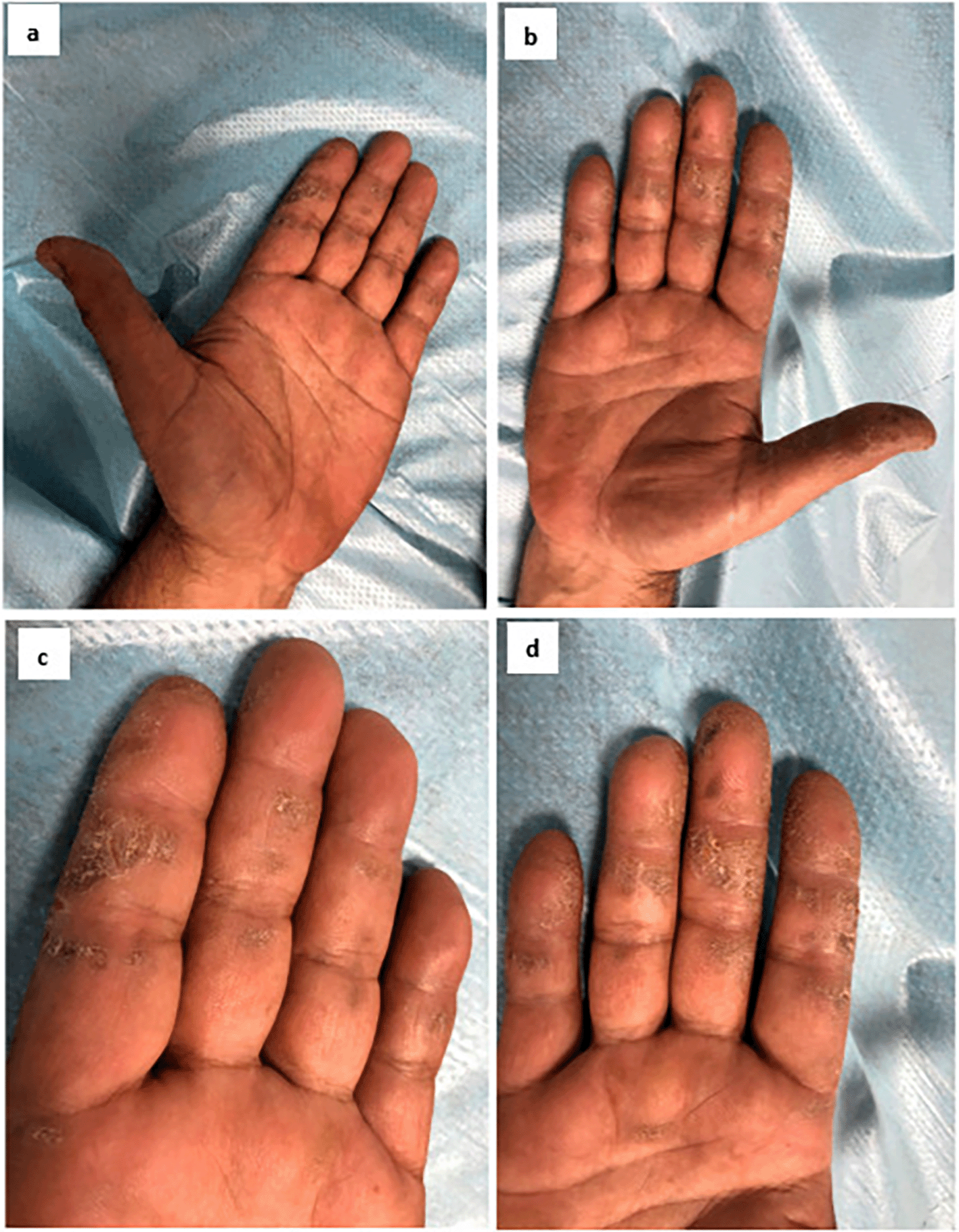
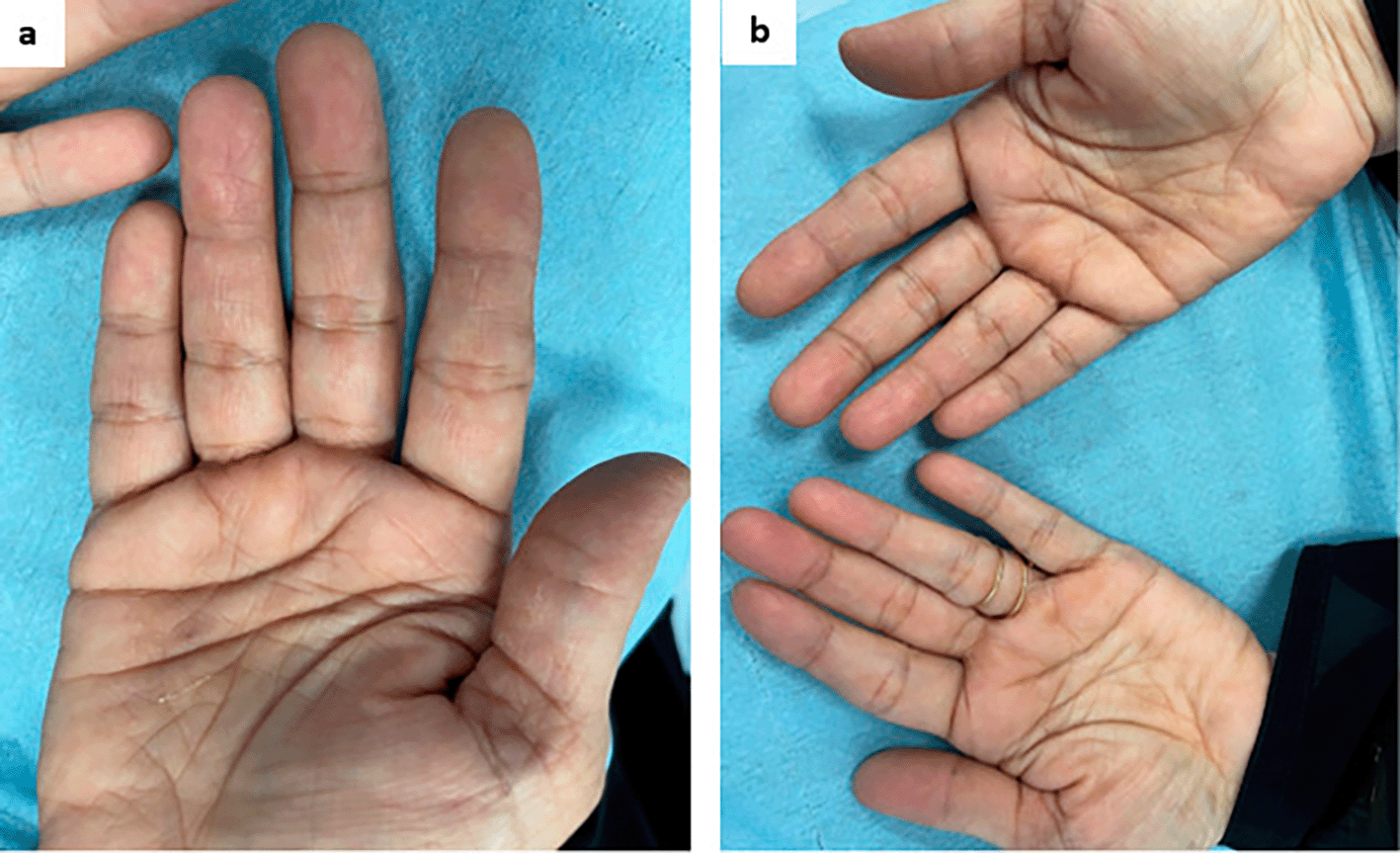
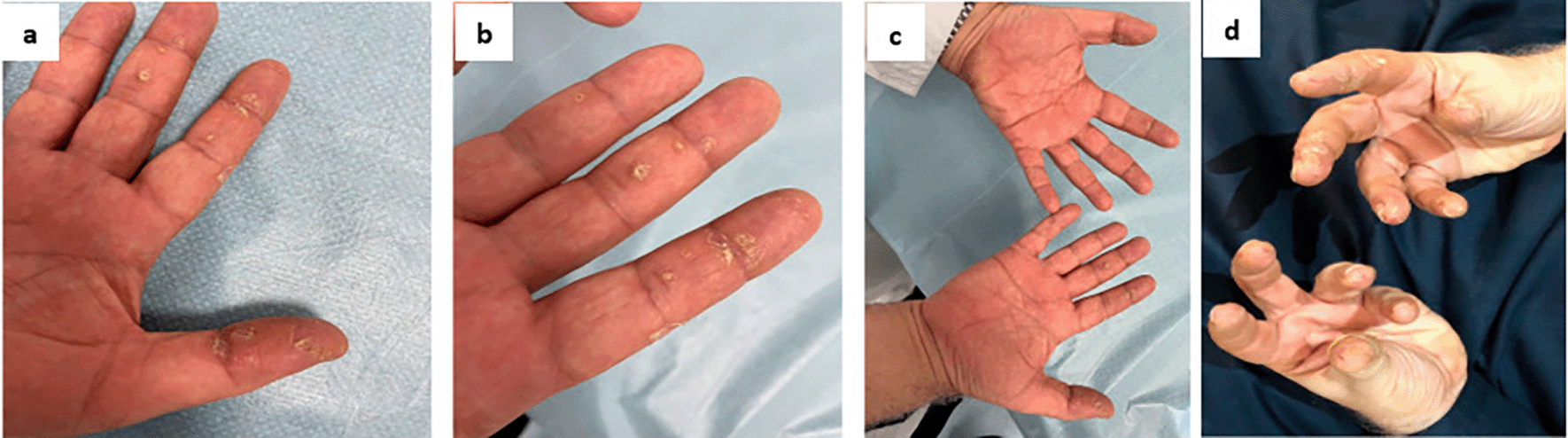
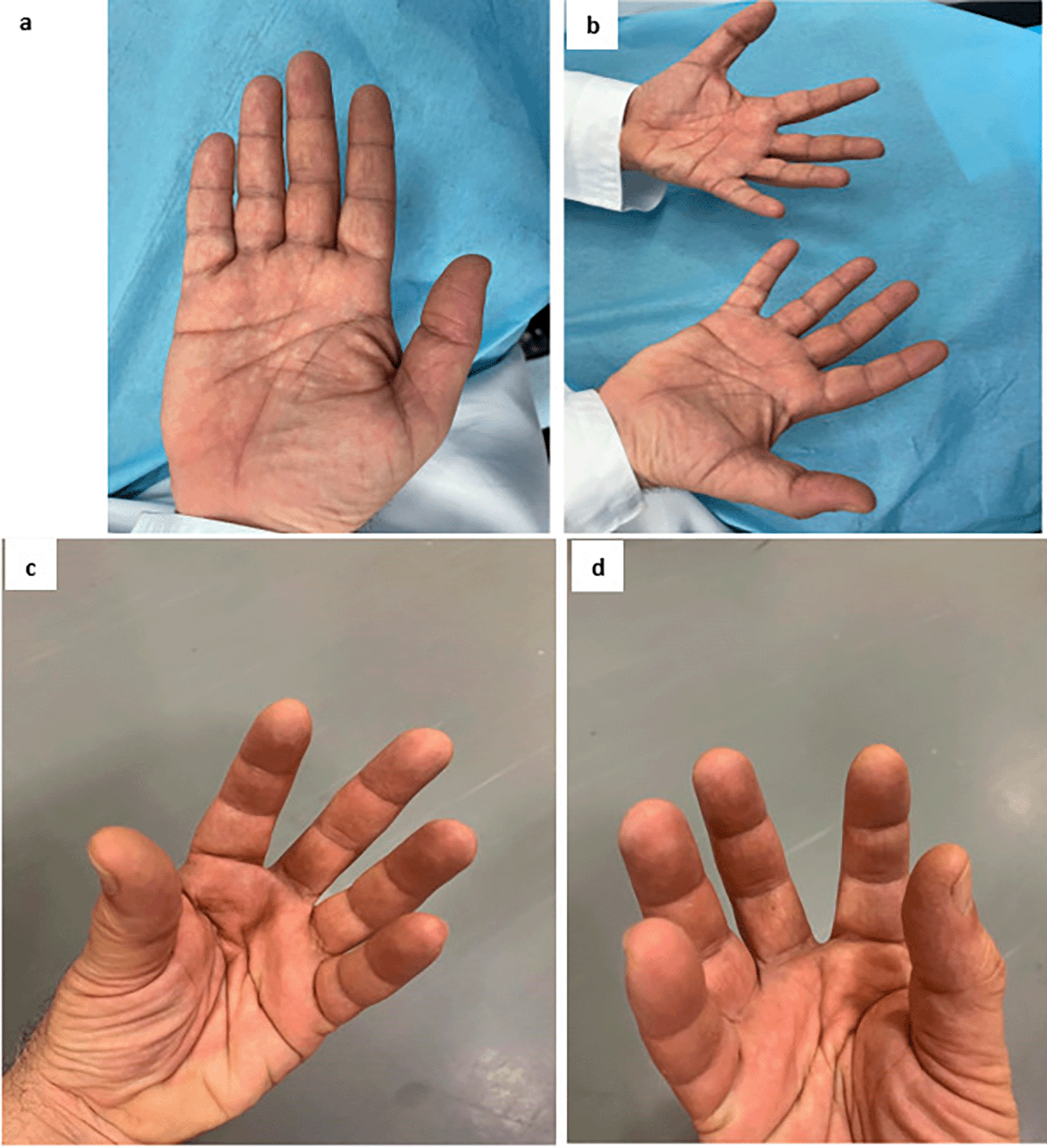
| Physical examination | Sharply demarcated hyperkeratotic plaques and thick scaling on the palms, which extended to the palmar aspects of the fingers with painful fissures and mild or no redness [Figure 1] | Palms were marked by hyperkeratotic plaques and thick scaling, which extended to the palmar aspects of the fingers with painful fissures and little or no redness [Figure 4] | Hyperkeratotic plaques and thick scaling were found on the palms and tips of his fingers, marked by painful skin fissures that had mild or no redness [Figure 6] |
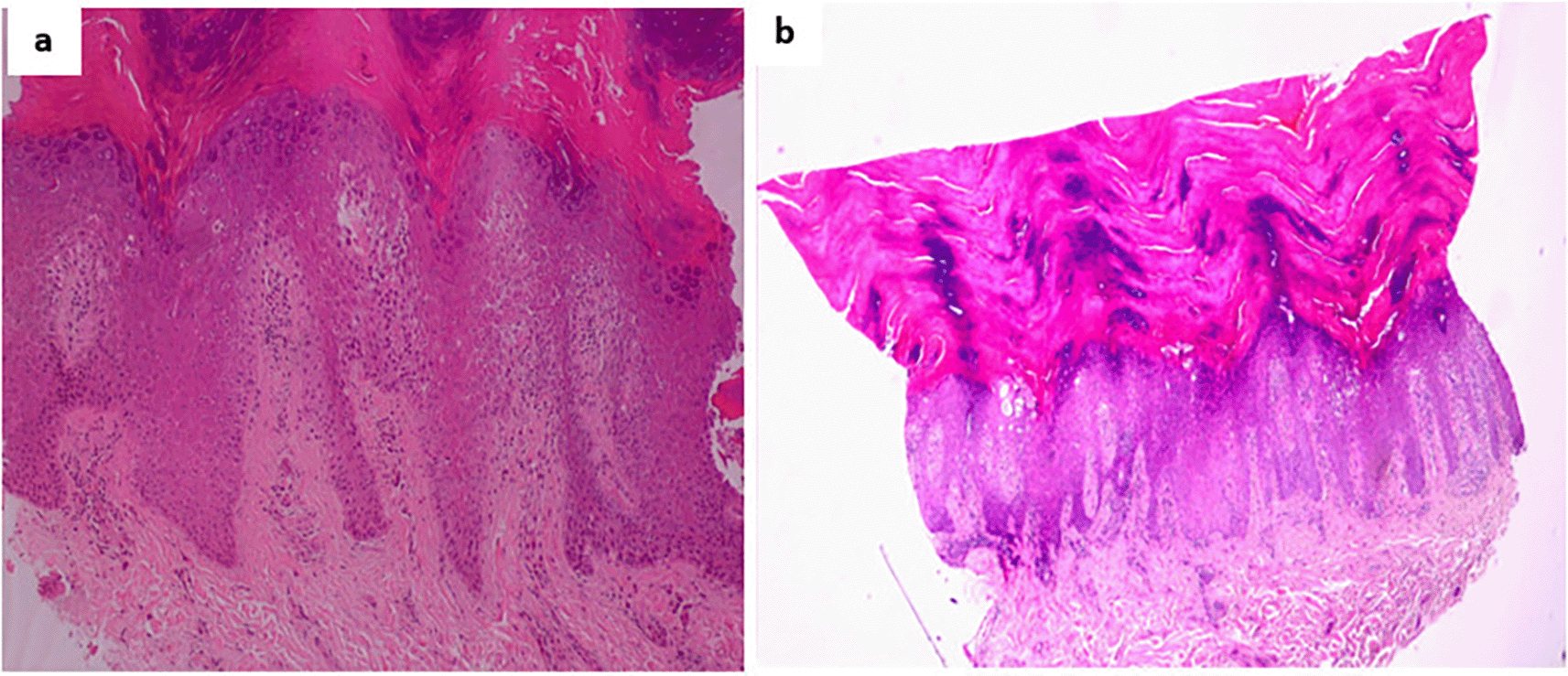
| Histopathology | Compact orthokeratosis, parakeratosis, acanthosis, mild spongiosis, mixed dermal infiltrate of lymphocytes, macrophages, and prominent dermal capillaries with no eosinophils [Figure 2] | The surface was crusted with parakeratosis, serum, and rare neutrophils. The underlying epidermis was hyperplastic with mild spongiosis. Within the dermis, there was a mild chronic lymphocytic infiltrate with no eosinophils [Figure 2] | Compact orthokeratosis, parakeratosis, serum, and neutrophils. The epidermis was hyperplastic with spongiosis with vesicle formation. Within the dermis, there was a mild lymphocytic infiltrate with no definite eosinophils [Figure 2] |
| Other diagnostic tests | The patch test was negative to exclude allergic contact dermatitis. The clinical presentation and histopathological findings suggested HHE. | ||
| Clinical intervention | Dupilumab 600 mg was administered subcutaneously as a loading dose, followed by 300 mg every 2 weeks. | ||
| Clinical Outcomes |
|
|
|
| Adverse drug reactions & Tolerability | Accepted safety profile without any reported adverse drug reactions | ||
Initially, patients received dupilumab 600 mg administered subcutaneously as a loading dose, followed by 300 mg every 2 weeks. The course of therapy has been completed until clinical improvement is observed, and the exact duration of treatment was variable depending on disease response, patient’s perspectives, and tolerability of adverse drug reactions ( Table 1).
Physical examination of Patient 1 revealed sharply demarcated hyperkeratotic plaques and thick scaling on the palms, extending to the palmar aspects of the fingers ( Figure 1).
Histopathological findings in the included patients demonstrated compact orthokeratosis, parakeratosis, acanthosis, and mild spongiosis consistent with HHE ( Figure 2).
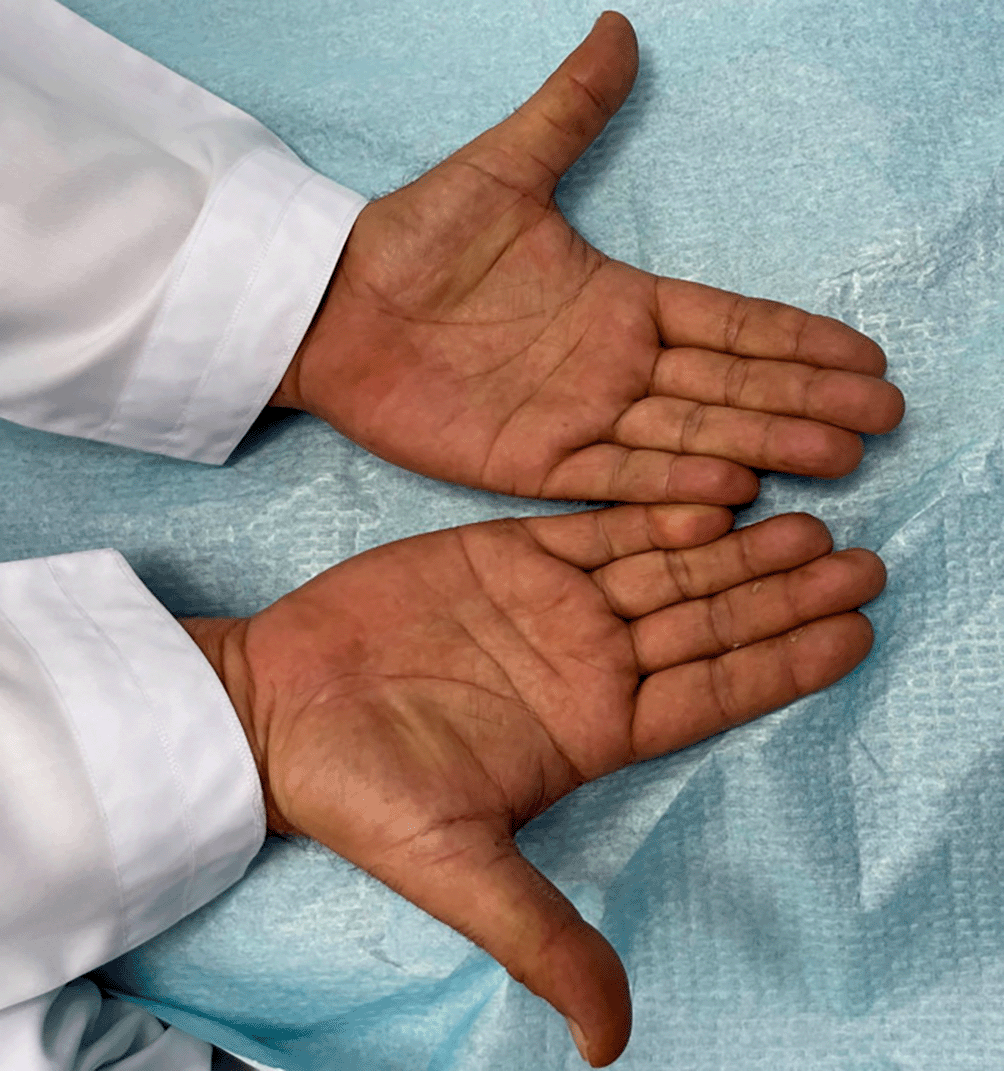
After 4 weeks of dupilumab therapy, Patient 1 showed almost complete resolution of lesions ( Figure 3).
Patient 2 presented with hyperkeratotic plaques and thick scaling involving the palms and fingers ( Figure 4).
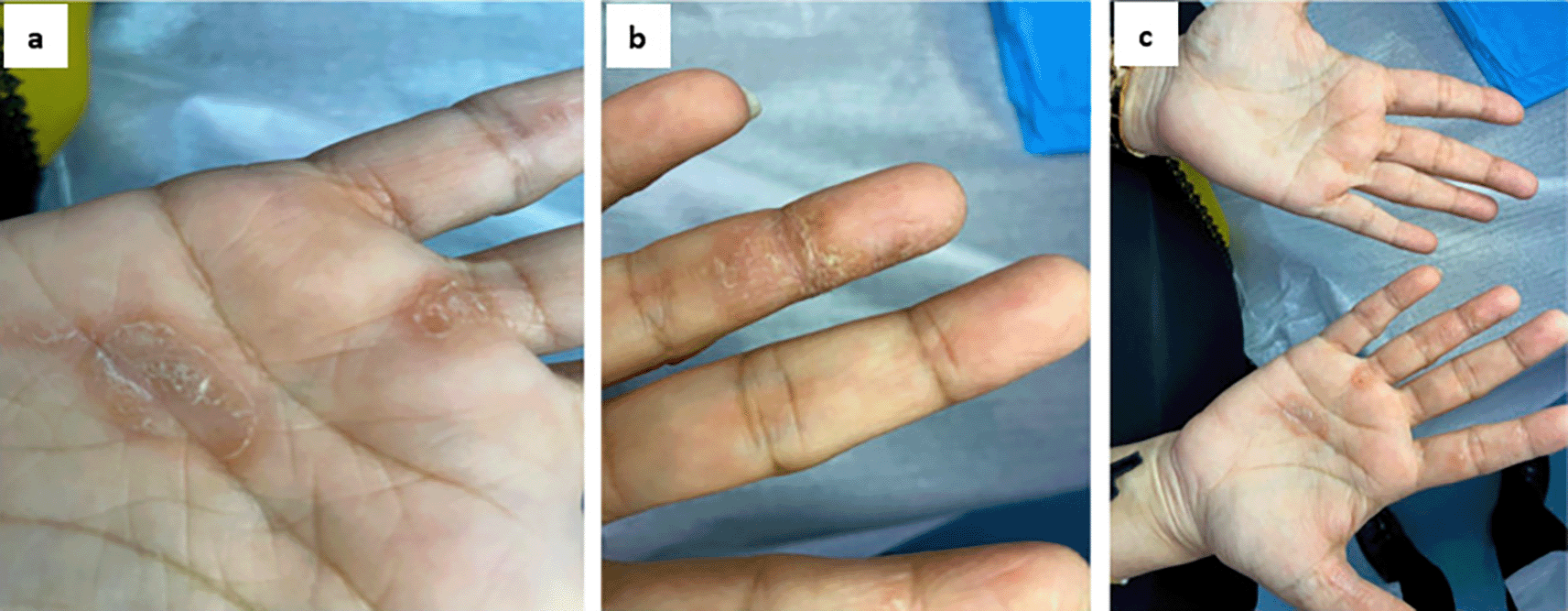
After 4 weeks of dupilumab therapy, Patient 2 demonstrated complete clinical resolution of the lesions ( Figure 5).
Patient 3 demonstrated hyperkeratotic plaques involving the palms and fingertips with painful fissures ( Figure 6).
Complete clinical resolution was observed in Patient 3 following dupilumab therapy for 4 weeks ( Figure 7).
The pathogenesis of HHE remains unclear.1 Nonetheless, multiple studies have demonstrated changes in epidermal proliferation, differentiation, and barrier function. Increased proliferative cell activity as determined by Ki-67 and decreased loricrin expression in palmar lesional skin biopsies with normalization following alitretinoin treatment were observed in a study examining gene and protein expression in 15 individuals with chronic hyperkeratotic-fissured hand eczema.12 Another study has also shown an increase in keratinocyte host defense proteins (S100A7, S100A8, and S100A9) in 6 patients with chronic hand eczema, including various subtypes, compared with healthy control skin.13 Additionally, a study of protein expression in 7 individuals with HHE revealed an elevation in proliferative cell activity as shown by Ki-67, an upregulation of keratin (K)16, and a reduction in loricrin expression in lesional palmar skin relative to perilesional skin and healthy control skin.1 These data collectively indicate that HHE is marked by epidermal hyperproliferation and impaired barrier function, features that overlap with those observed in atopic dermatitis. Patients with atopic dermatitis who were treated with dupilumab have exhibited a considerable reduction in the gene expression of K16 and MKi67, a decreased expression of S100As genes, and an increase in loricrin expression following treatment.14 Moreover, current evidence suggests that IL-4 and IL-13 are crucial cytokines in the pathogenesis of AD.2 Several studies have shown beneficial results of dupilumab on hand eczema in patients with atopic dermatitis and isolated vesicular hand eczema.7,9 Consequently, the positive effect of dupilumab on HHE may be related to shared epidermal pathology, as patients with AD and HHE exhibit similarities such as epidermal hyperproliferation and impaired barrier function.15
A case series of 3 patients with non-atopic hyperkeratotic hand eczema who were treated with dupilumab demonstrated that 2 patients had major improvement after 4 weeks and their symptoms cleared completely after 16 weeks of treatment. However, one patient noticed minimal clinical response, although there was an improvement in itching and quality of life. The authors explained that the lack of improvement may be due to the patient’s occupational activities as a bricklayer, where his hand eczema was caused and worsened by frequent exposure to irritants and friction while working.15 The successful treatment of occupational irritant hand dermatitis with dupilumab has been reported in only 1 case report.16
Based on our current reports, all three patients demonstrated bilateral involvement of the palms and fingers with mild itching, while a previous case report published in 2021 included patients with HHE affecting only the palms and accompanied by severe itching. In addition, a significant clinical improvement and complete resolution of the lesions were also demonstrated in all our cases after receiving dupilumab compared to previous study.15 Considerable efficacy and an acceptable safety profile were noted as well, which is consistent with previous records.17,18 We consider our case reports to be complementary to those previously published and support our suggestion that HHE is a distinct condition that should not be overlooked and considered as non-atopic variant of chronic hand eczema. Moreover, our case reports are the first to be published in the Middle East and North Africa (MENA) region.
The diagnosis of HHE is often a challenge by dermatologists as it can be confused with another differential diagnosis of palmar keratoderma, such as psoriasis, atopic dermatitis, occupational hand eczema, hereditary keratoderma, lichen planus, or pityriasis rubra pilaris.19 A later age of onset, pure hands involvement, mild itching, negative family history of atopy or psoriasis, absence of nail and joint involvement, and histopathological findings excluding other causes of keratodermas, minimal response to conventional therapy can be considered as criteria for diagnosis of HHE. Our view is that HHE should be classified as a separate entity to be presented alongside other causes of acquired keratoderma. Considering dupilumab’s positive effect on HHE, it might be hypothesized that, despite differences in clinical phenotype, there are similarities in the underlying pathogenesis with an IL-4/IL-13-driven inflammation between different subtypes of hand eczema.15 As such, dupilumab serves as a promising agent for hyperkeratotic hand eczema. However, further investigations are recommended on a larger population to determine the safety and efficacy of dupilumab in HHE.
Dupilumab appears to be an effective and well-tolerated treatment for HHE, particularly in patients unresponsive to conventional treatments. These findings also suggest that HHE may share underlying inflammatory mechanisms with other forms of hand eczema, particularly those driven by IL-4 and IL-13 pathways. However, further studies on larger populations are needed to confirm its efficacy and safety in this condition.
This case series has several strengths, including comprehensive clinical, histopathological, and therapeutic characterization of patients with HHE, a type of hand eczema that is relatively under-recognized. All patients demonstrated significant and sustained clinical improvement after receiving dupilumab therapy, supported by objective assessment utilizing the Hand Eczema Severity Index. Furthermore, this report represents one of the first reports describing dupilumab use in HHE within the MENA region. However, this study also has certain limitations, including the limited sample size and observational nature of the case series, which restrict the generalizability of the findings and the ability to establish a causal relationship between dupilumab and clinical improvement. Larger, controlled studies are needed to further evaluate the efficacy and safety of dupilumab in this patient population.
All patients acknowledged significant satisfaction with dupilumab therapy, observing rapid improvement of hand lesions, alleviation of painful fissures, and improved ability to engage in daily activities. No treatment-associated discomfort or side effects were reported during the follow-up period.
| Views | Downloads | |
|---|---|---|
| F1000Research | - | - |
|
PubMed Central
Data from PMC are received and updated monthly.
|
- | - |
Provide sufficient details of any financial or non-financial competing interests to enable users to assess whether your comments might lead a reasonable person to question your impartiality. Consider the following examples, but note that this is not an exhaustive list:
Sign up for content alerts and receive a weekly or monthly email with all newly published articles
Already registered? Sign in
The email address should be the one you originally registered with F1000.
You registered with F1000 via Google, so we cannot reset your password.
To sign in, please click here.
If you still need help with your Google account password, please click here.
You registered with F1000 via Facebook, so we cannot reset your password.
To sign in, please click here.
If you still need help with your Facebook account password, please click here.
If your email address is registered with us, we will email you instructions to reset your password.
If you think you should have received this email but it has not arrived, please check your spam filters and/or contact for further assistance.

Comments on this article Comments (0)